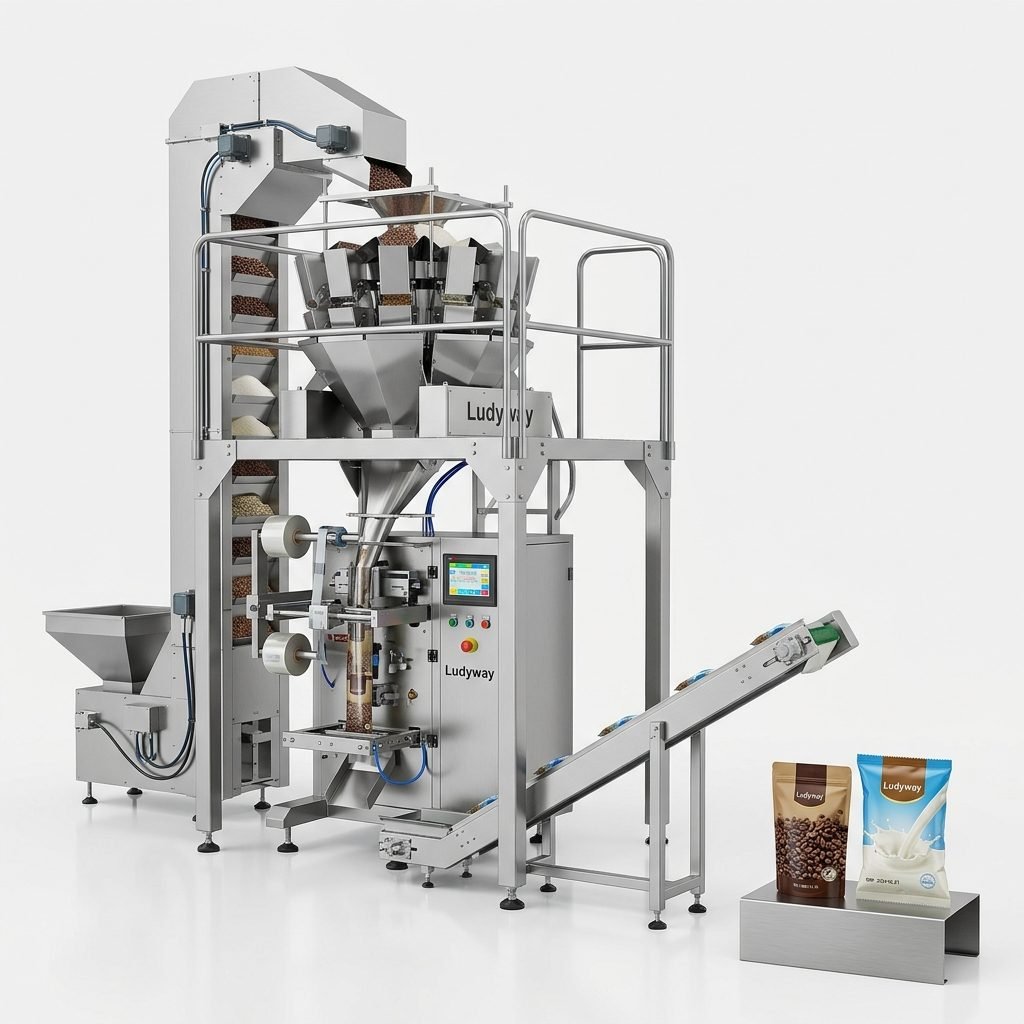
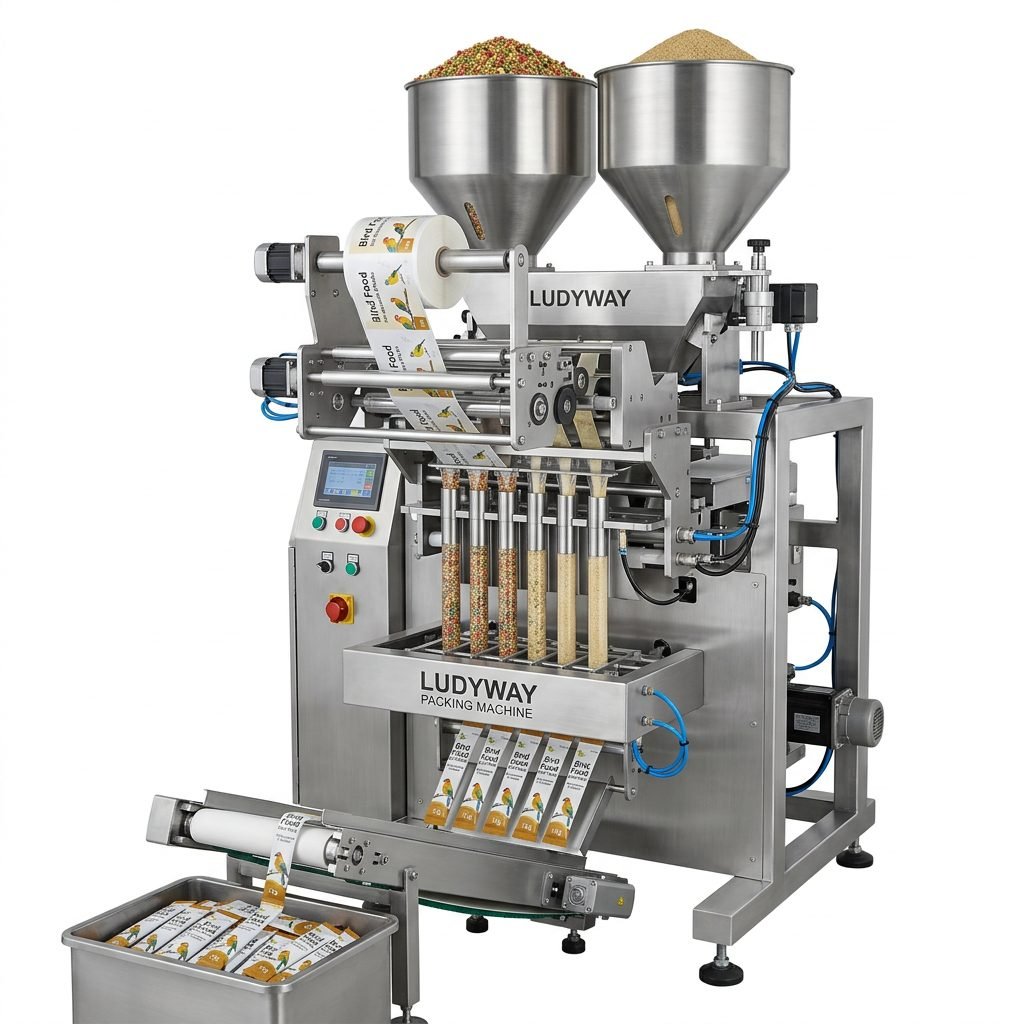
The food processing sector across Africa is expanding rapidly, driven by urbanization, a growing middle class, and increasing demand for packaged goods. For producers looking to scale, maintain hygiene standards, and extend product life, investing in a food vacuum packaging machine is a critical step. This guide covers everything you need to know before making a purchase.
Why the Demand for Vacuum Packaging is Surging in Africa
African food markets are transforming. From export-oriented agribusiness in Kenya to fast-moving consumer goods (FMCG) in Nigeria, vacuum packaging technology is becoming essential. It significantly reduces food spoilage, a major challenge in regions with complex cold chain logistics. By removing oxygen, these machines prevent aerobic bacterial growth and preserve freshness for meats, grains, and processed snacks, directly impacting profitability.
Types of Food Vacuum Packaging Machines
Selecting the right equipment depends on your production scale and product type. The market generally offers three core configurations, and understanding the difference is vital for your African operation.
- Single Chamber Machines: Ideal for small-scale businesses, start-ups, and retail butchers. They are cost-effective and perfect for packing solid items like fresh meat and fish.
- Double Chamber Machines: Designed for medium-volume production. While one chamber is vacuuming, you can load/unload the other, substantially increasing packaging speed and efficiency.
- Continuous Band Sealers with Vacuum: For high-speed industrial lines, these systems automate the feeding process, often incorporating gas flushing (MAP) for delicate products like snacks and coffee.

Key Factors to Consider Before Buying in Africa
Operating conditions in Africa require specific machine attributes. Do not just look at the price tag; analyze the total cost of ownership.
1. Power Supply Stability and Voltage
In many African regions, power fluctuations are common. Ensure your machine has voltage protection or can operate reliably with a stabilizer. Check if the manufacturer offers customized voltage specs (e.g., 220V/380V/415V) suitable for your local grid.
2. Product Specificity: Solids vs. Powders
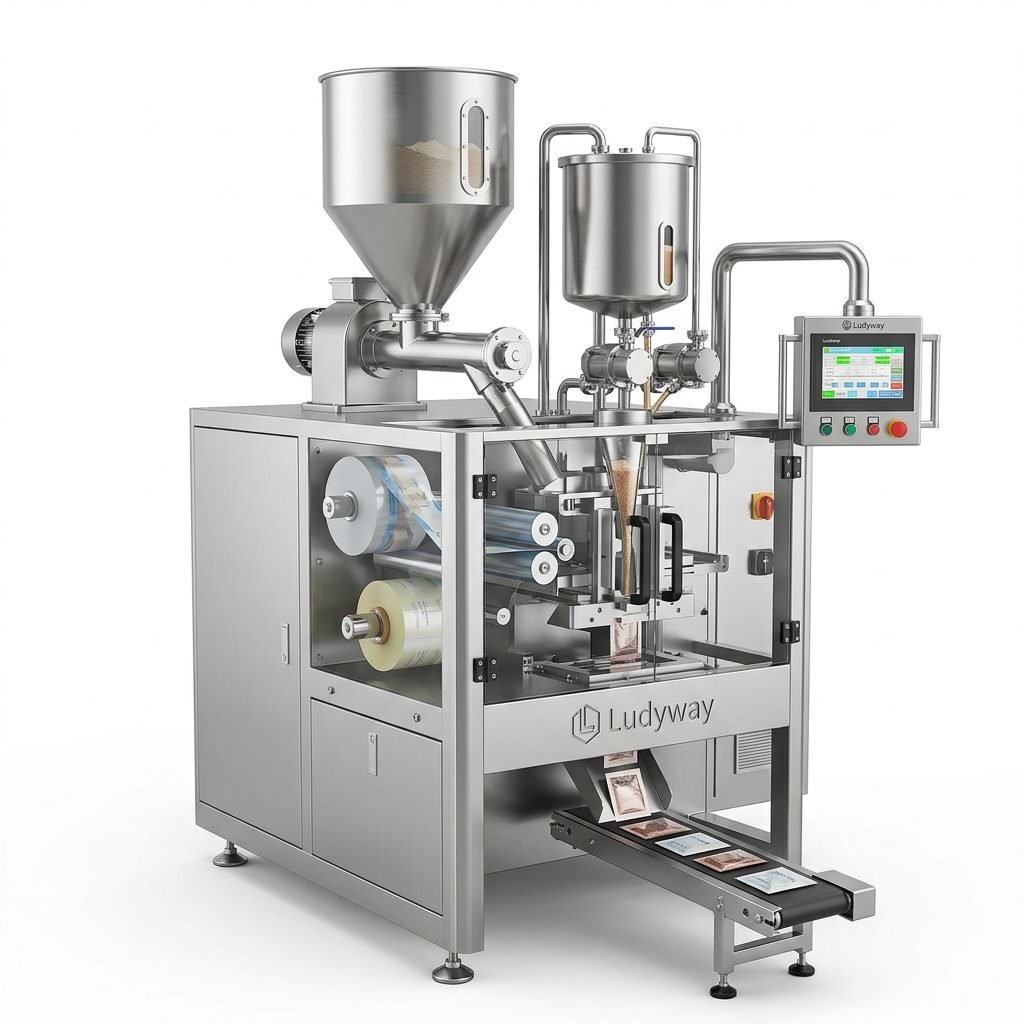
Are you packaging fresh beef, or fine milk powder? Liquid and fine granule packaging requires specialized nozzles and sealing jaws to prevent product contamination in the sealing area, ensuring a perfect airtight seal every time.
3. Build Material and Hygiene Compliance
Look for machines constructed with 304 or 316 stainless steel. This is non-negotiable for food safety. It resists corrosion from acidic African fruits and stands up to rigorous wash-down routines, preventing contamination.
4. After-Sales Support and Spare Parts Availability
This is perhaps the most critical factor. Choose a supplier that provides robust international support, including online troubleshooting, clear maintenance manuals, and rapid shipping of critical spare parts to African ports. Downtime can be incredibly costly.
Application Scope Across African Industries
Food vacuum packaging is not a one-size-fits-all solution. The packaging requirements vary dramatically across different African value chains.
| Industry Sector | Common Products | Packaging Benefit |
|---|---|---|
| Meat & Poultry | Beef cuts, chicken portions, sausages | Extended cold storage life, reduced freezer burn |
| Agri-Processing | Cashews, dried mango, coffee beans | Aroma retention, export-grade quality maintenance |
| Seafood | Nile perch, prawns, shellfish | Superior barrier protection for international shipping |
| Dairy & Powdered Foods | Milk powder, cocoa powder, flour | Moisture and clump prevention in humid climates |
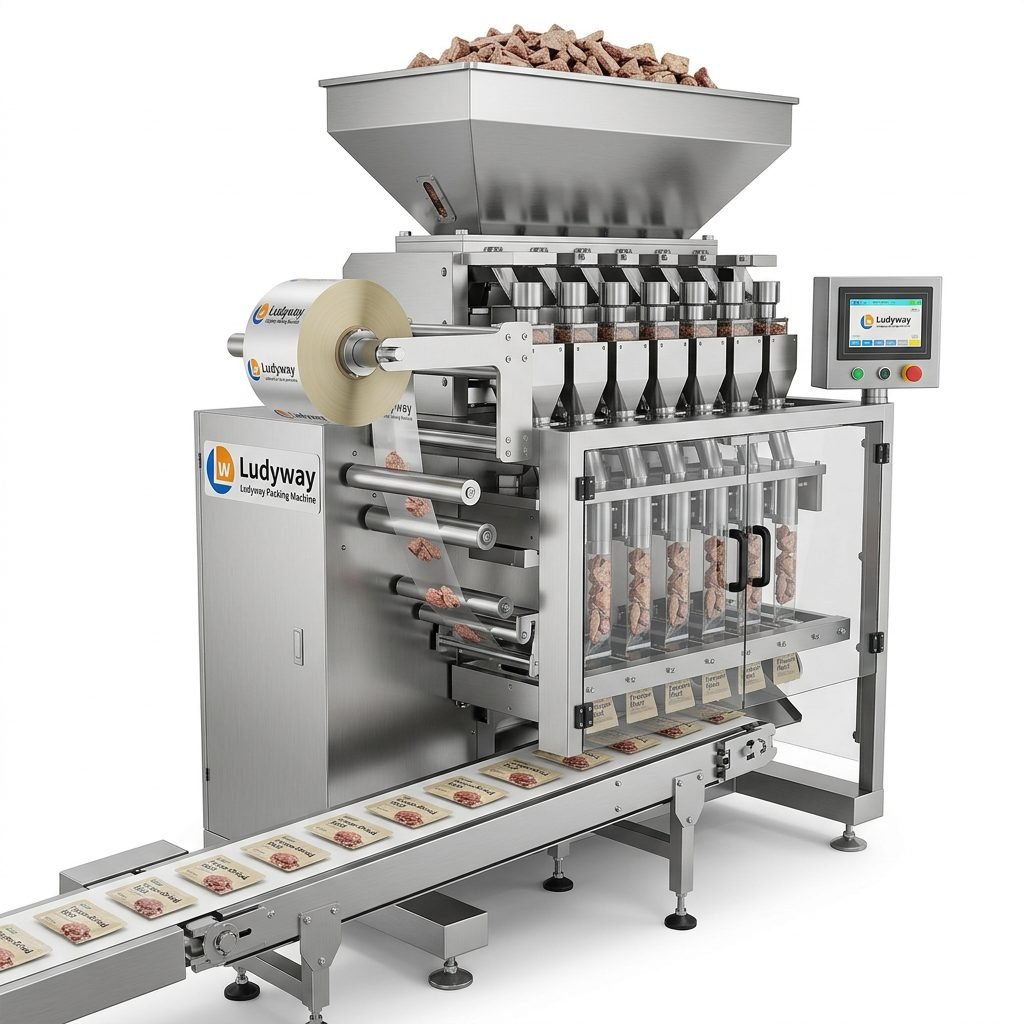
The Shift Towards Automated Multi-Lane Systems
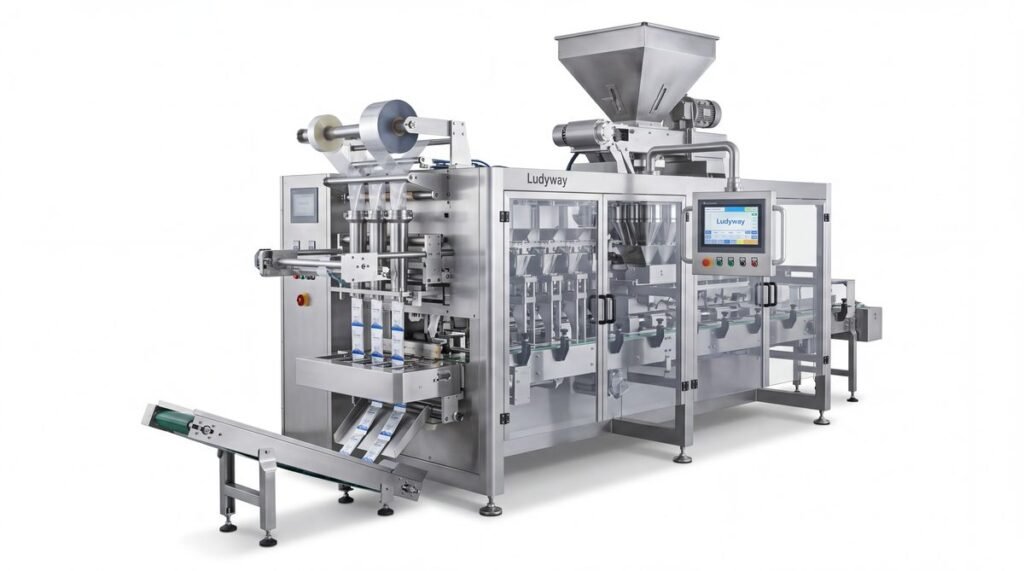
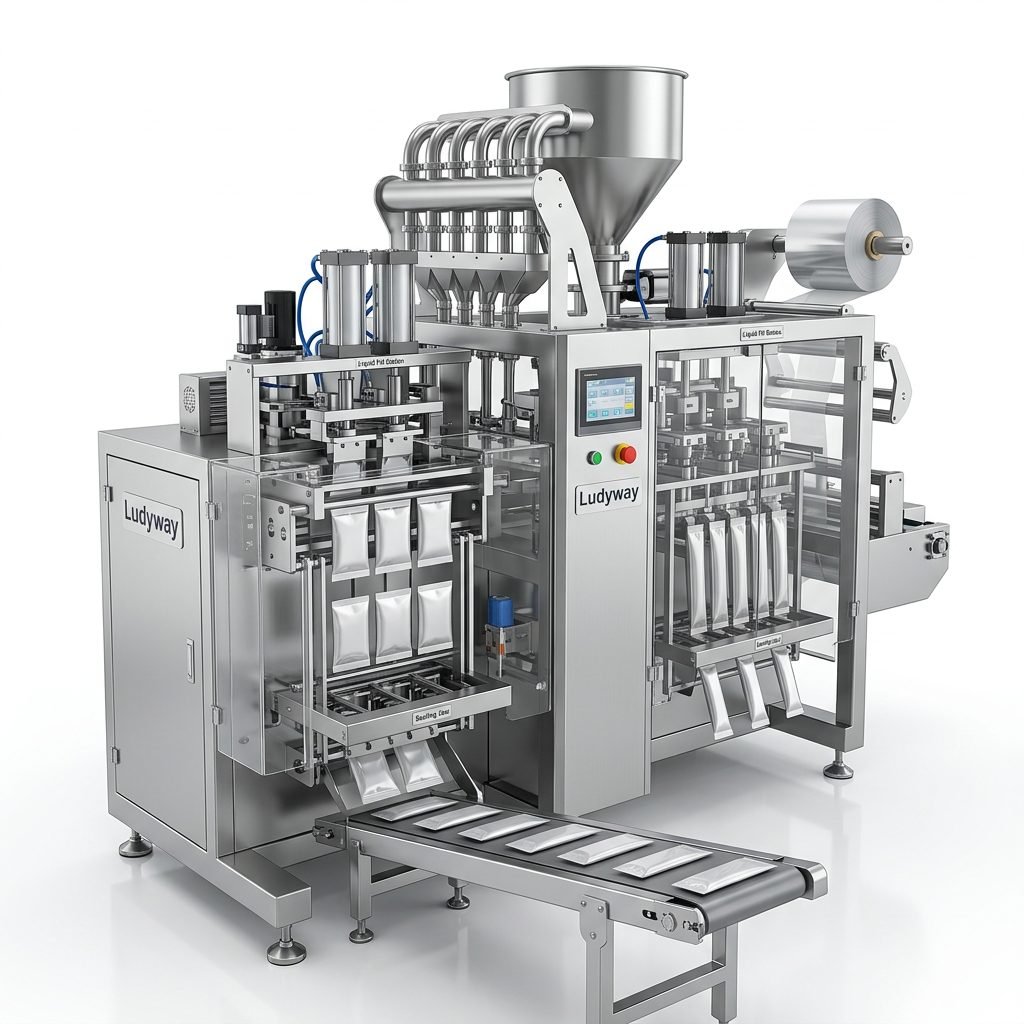
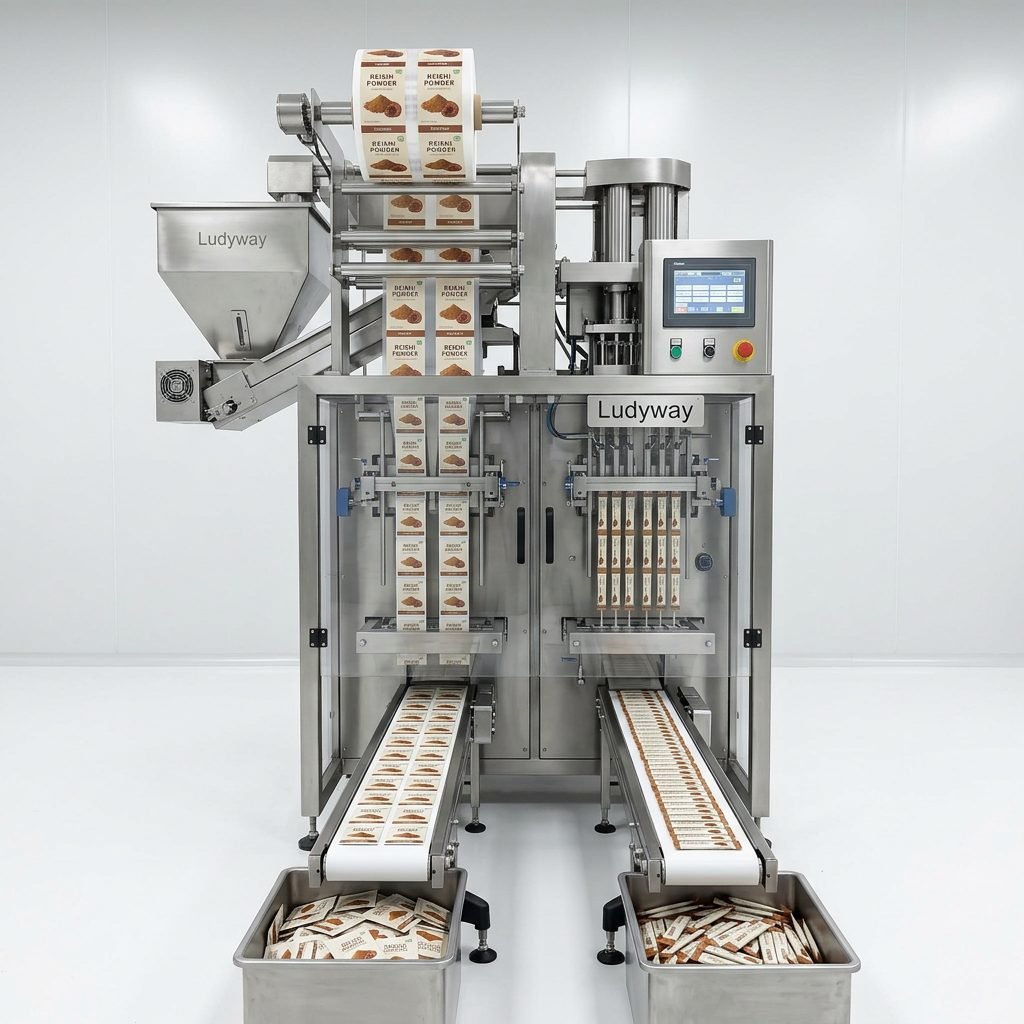
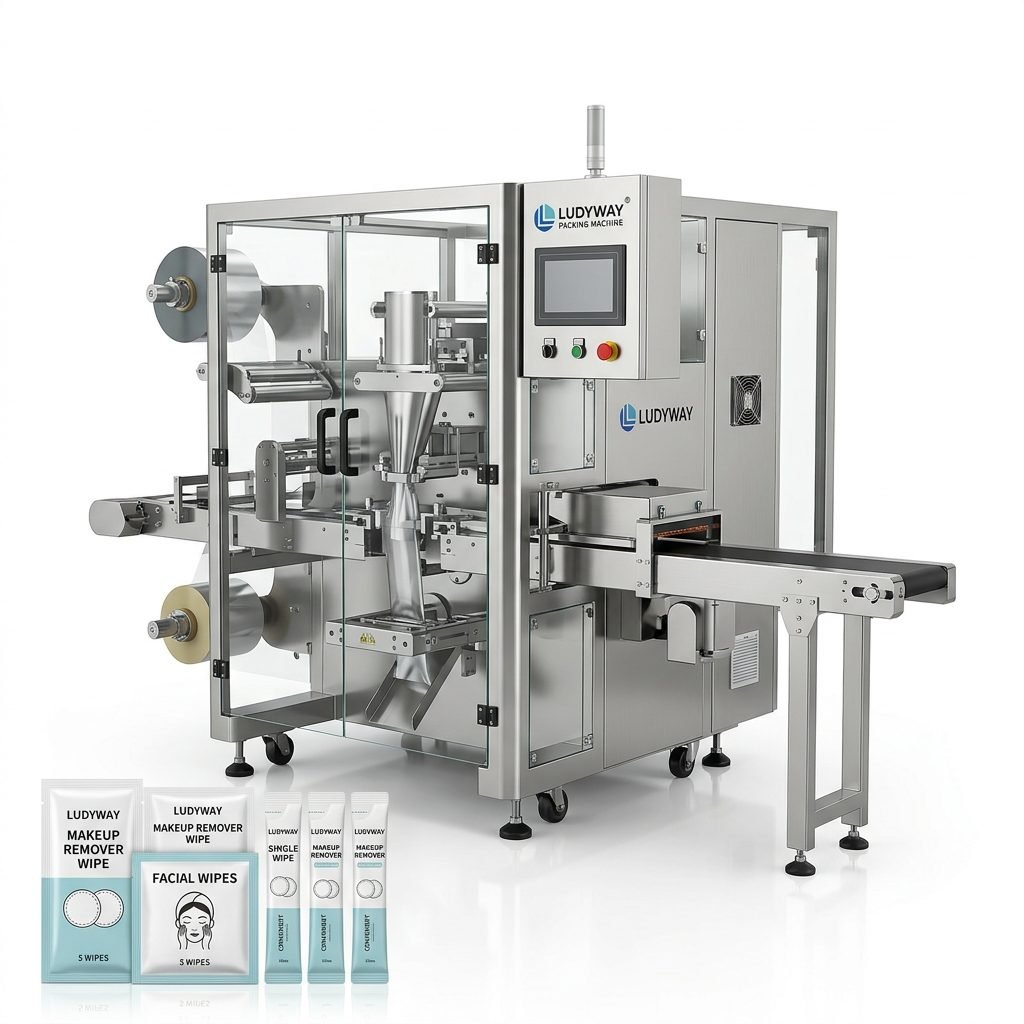
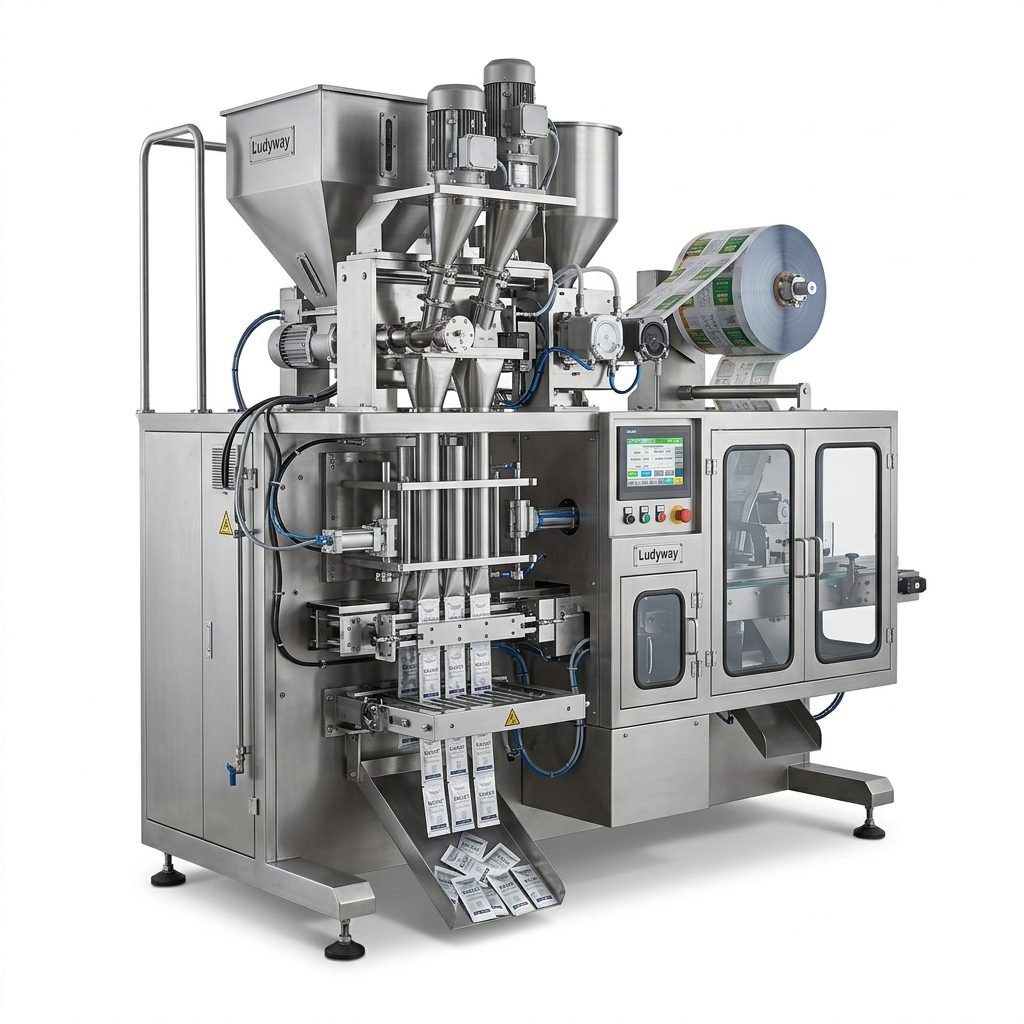
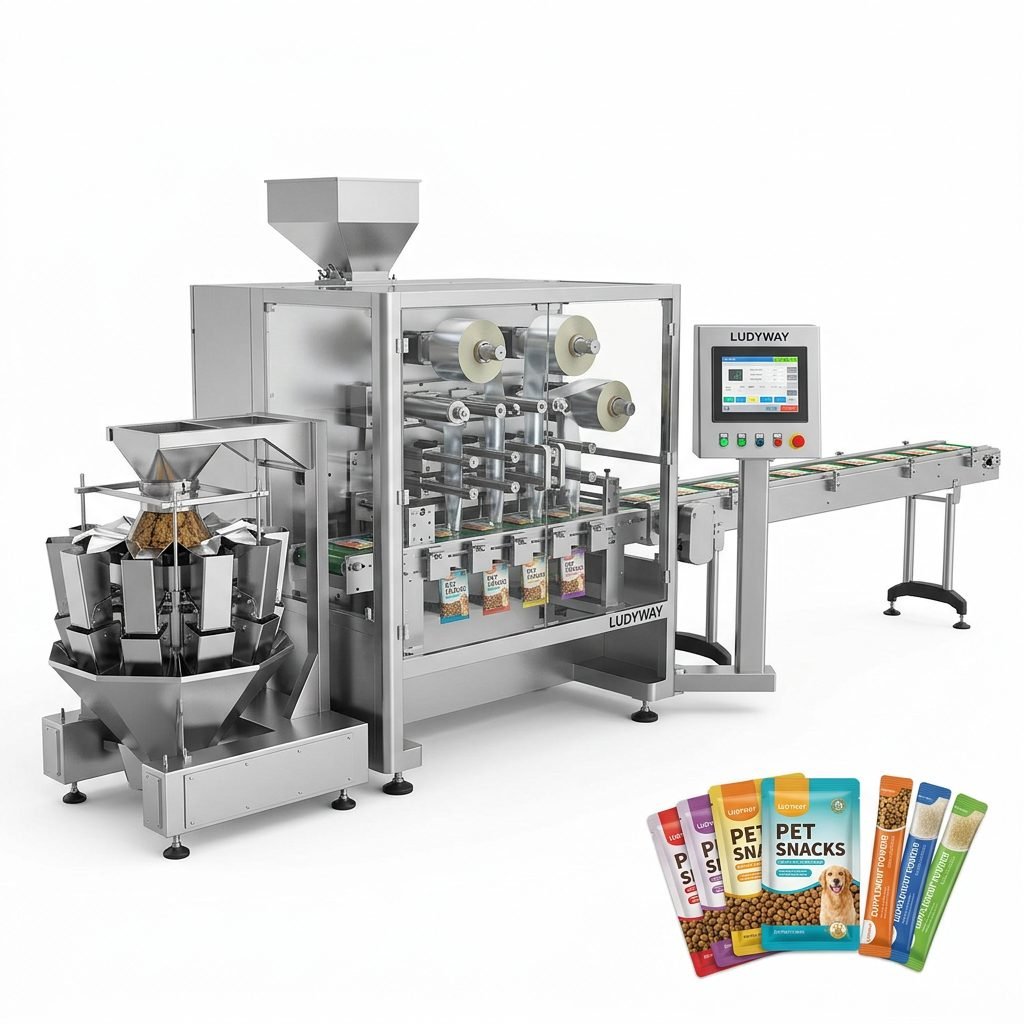
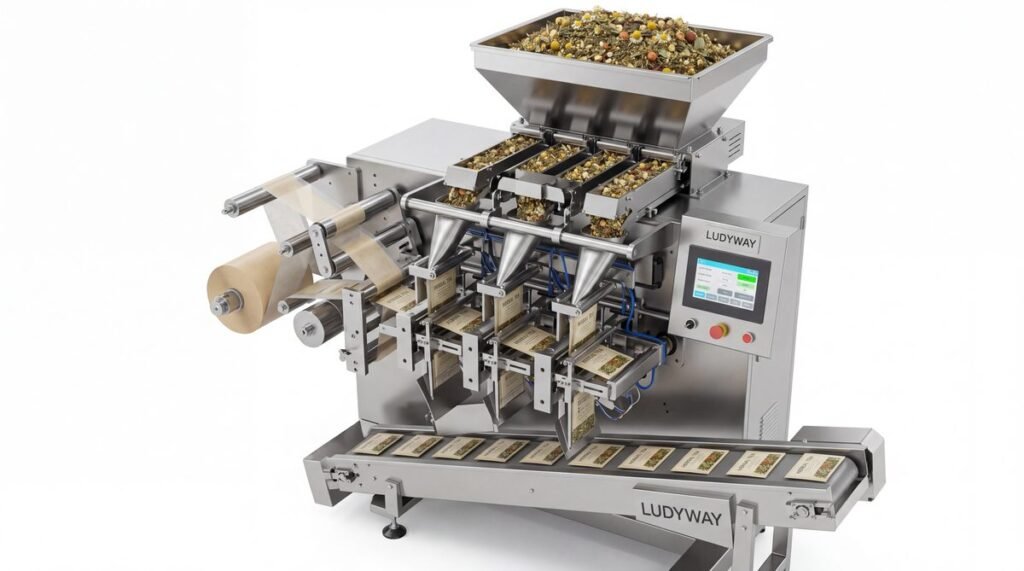
For larger African producers targeting export markets or regional distribution, semi-automatic chamber machines may not suffice. Modern multi-lane stick pack and sachet machines integrate weighing, filling, and vacuum sealing at high speeds. This is particularly relevant for the booming sugar, seasoning, and nutraceutical industries.
Integrated lines reduce labor costs and human contact with the product—a major advantage for food safety compliance. When looking at a comprehensive packaging machine lineup, verify that the vacuum system can handle the granular density and oil content typical of African agricultural products.
Common Mistakes to Avoid
We frequently see buyers making decisions that limit their growth. Protect your investment by sidestepping these common pitfalls.
- Ignoring Seal Bar Width: A narrow seal bar might fail on heavy bags. Ensure the seal width is adequate for your bag size.
- Underestimating Pump Capacity: The vacuum pump is the heart of the machine. High-altitude locations (like Nairobi or Addis Ababa) require higher pump capacity to achieve the same vacuum level.
- Overlooking Consumable Compatibility: Ensure you have a local or import-friendly source for the specific vacuum embossed bags required by your machine.
Sourcing from a Reliable Global Manufacturer
Partnering with an experienced manufacturer is the most strategic decision. As one of the largest packaging machine manufacturers in China, Ludyway specializes in advanced equipment and turnkey solutions for the food and pharmaceutical sectors. With over 30 years of industry expertise and a modern 20,000㎡ facility, the company provides more than 50 intelligent models, including automated vacuum systems. Their commitment to delivering high-performance, cost-effective solutions helps businesses across over 100 countries improve productivity. For inquiries, reach out to info@ludyway.com or WhatsApp +8613129592456.
Selected Machine Options for Inspection


Conclusion
Investing in a food vacuum packaging machine in Africa is a leap toward higher standards, reduced waste, and expanded market reach. Whether you require a sturdy tabletop chamber model or a fully automated multi-lane line, prioritize build quality, pump reliability, and supplier support. By aligning your specific production needs with the right technology, you secure a competitive edge in Africa’s dynamic food landscape.
Further Industry Insights
Explore packaging standards and market trends through resources like the PMMI Packaging Industry Association or review regulatory guidelines from the FDA Food Packaging and Food Contact Substances to ensure global compliance.