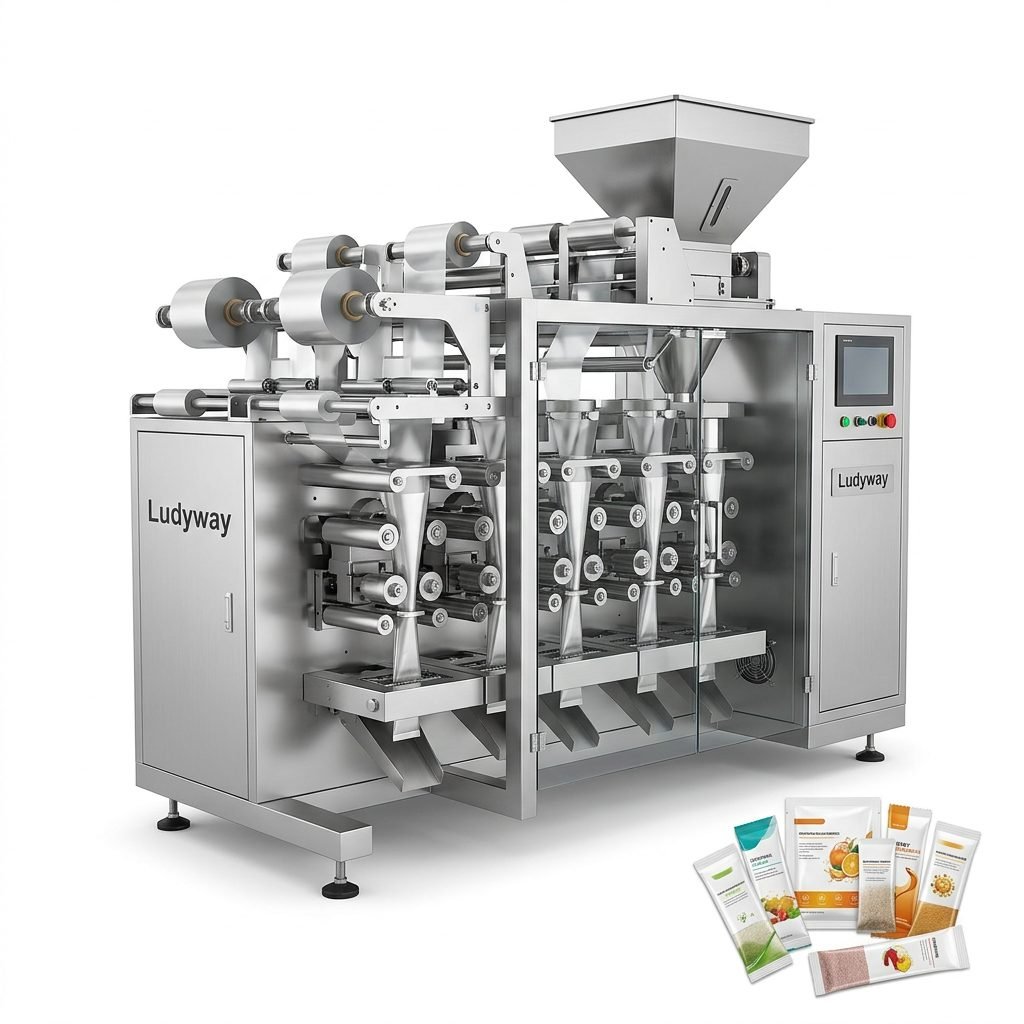
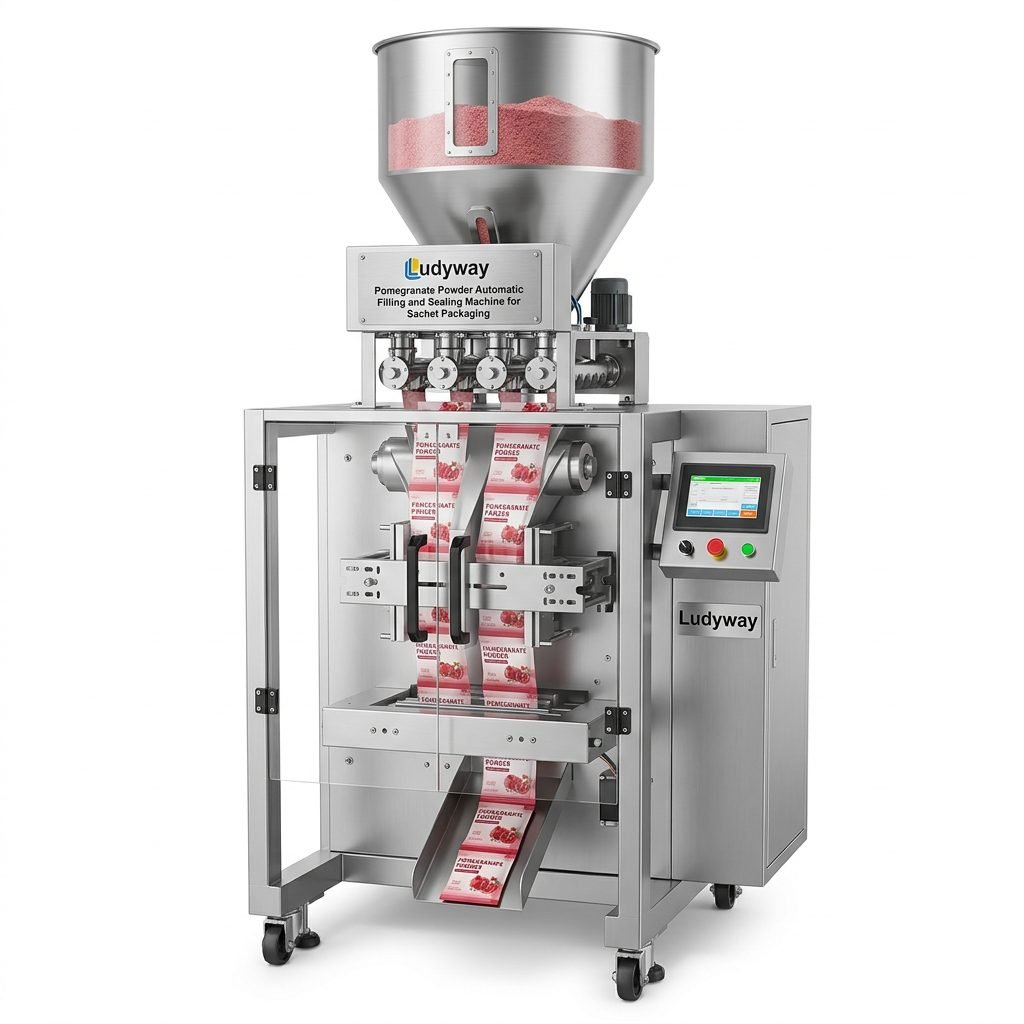
Form fill seal (FFS) packaging machines represent a cornerstone technology in modern production lines, automating the creation, filling, and sealing of flexible pouches from a roll of film. This comprehensive guide delves into the types, working principles, key benefits, and essential buying considerations for these versatile systems.
Core Types of Form Fill Seal Packaging Machines
The FFS packaging landscape is diverse, with machines categorized primarily by their film feeding and sealing direction. Understanding these types is the first step in selecting the right equipment for your product and output goals.
Vertical Form Fill Seal (VFFS) Machines
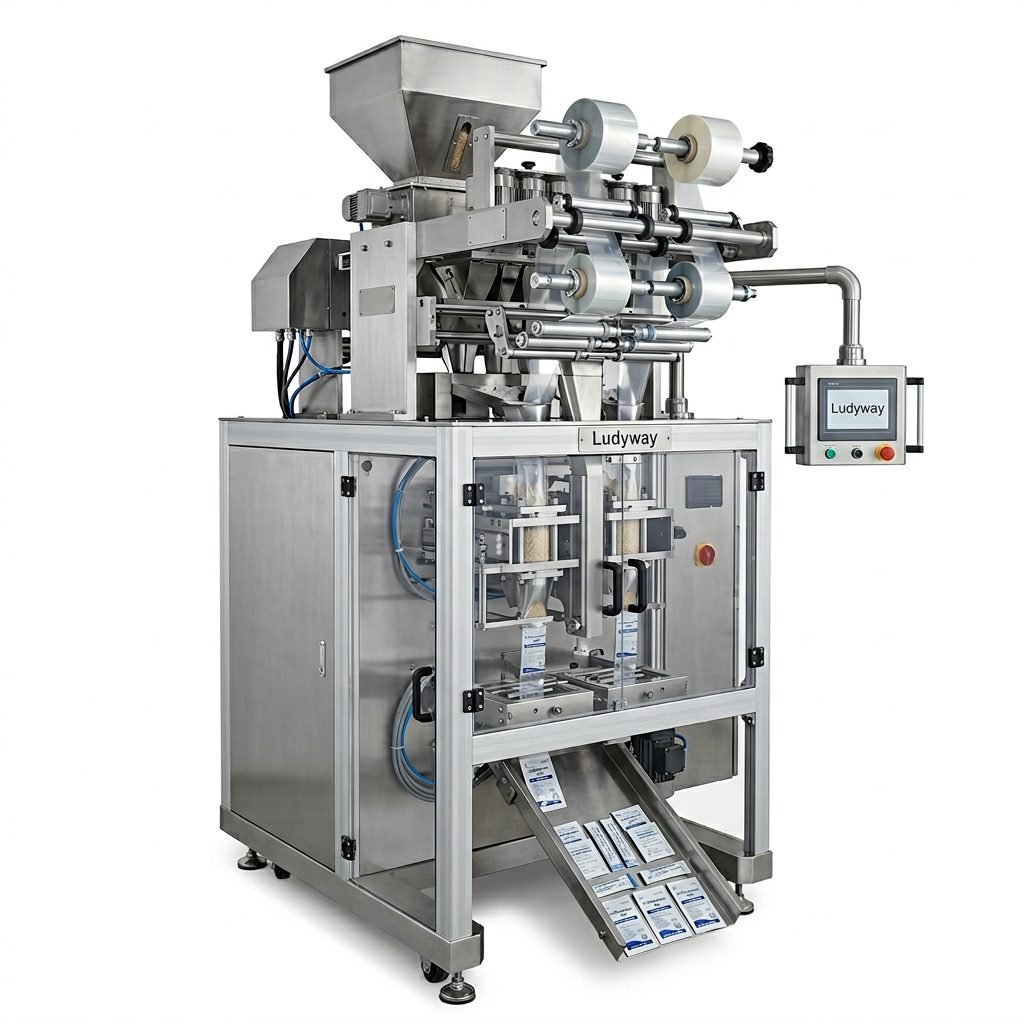
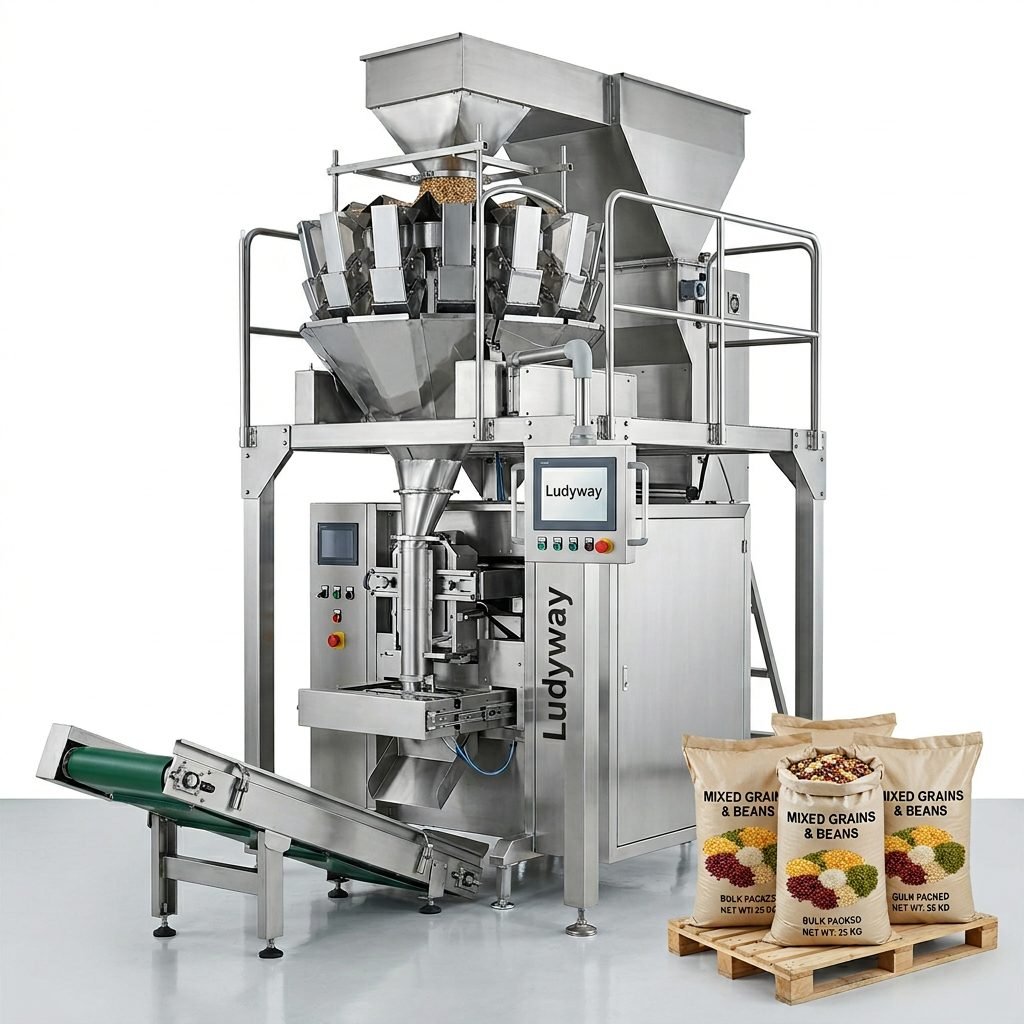
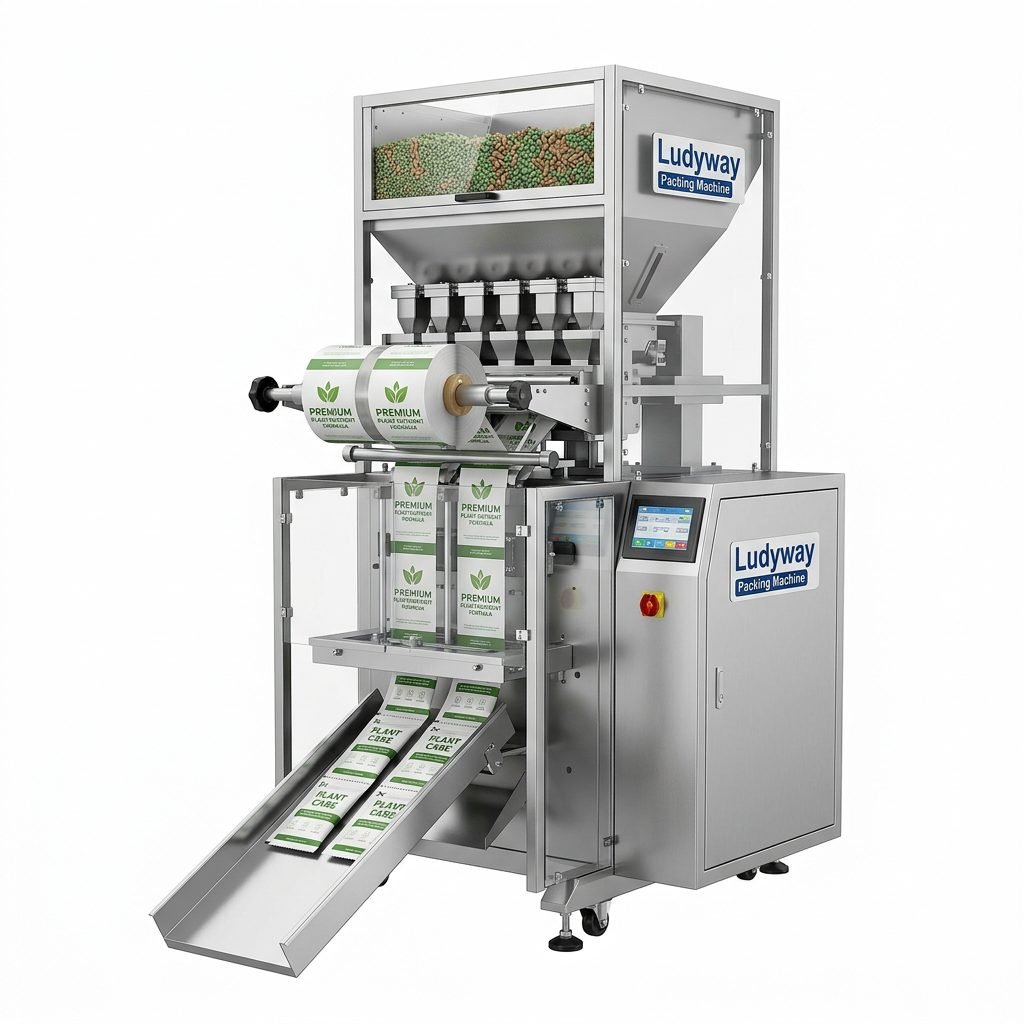
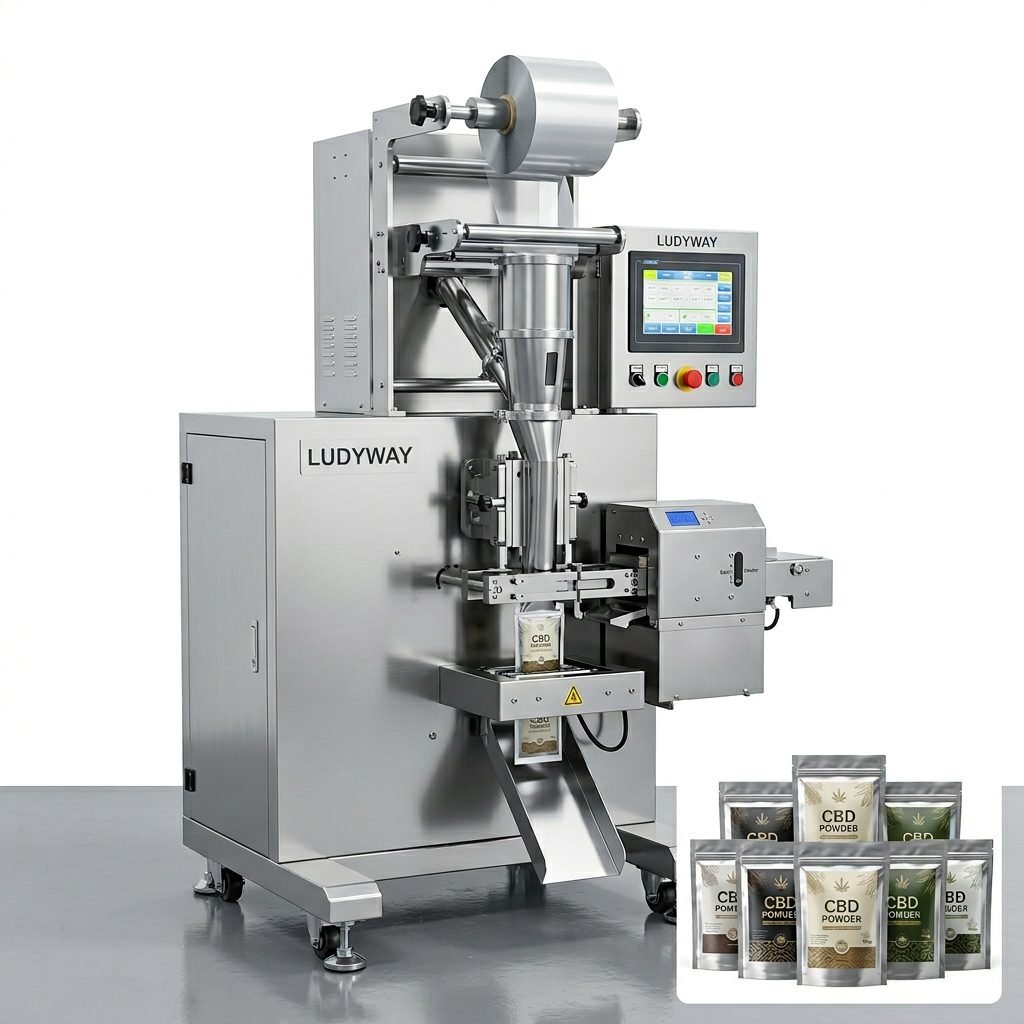
In a Vertical Form Fill Seal machine, the packaging film is fed vertically downward from a roll. A forming tube shapes the film into a cylinder, which is then sealed longitudinally to create a continuous tube. Product is filled from above, and horizontal seals are made below the fill point to create individual, finished pouches before being cut. VFFS machines are exceptionally popular for their high-speed packaging of free-flowing products like snacks, granules, powders, and liquids.
Horizontal Form Fill Seal (HFFS) Machines
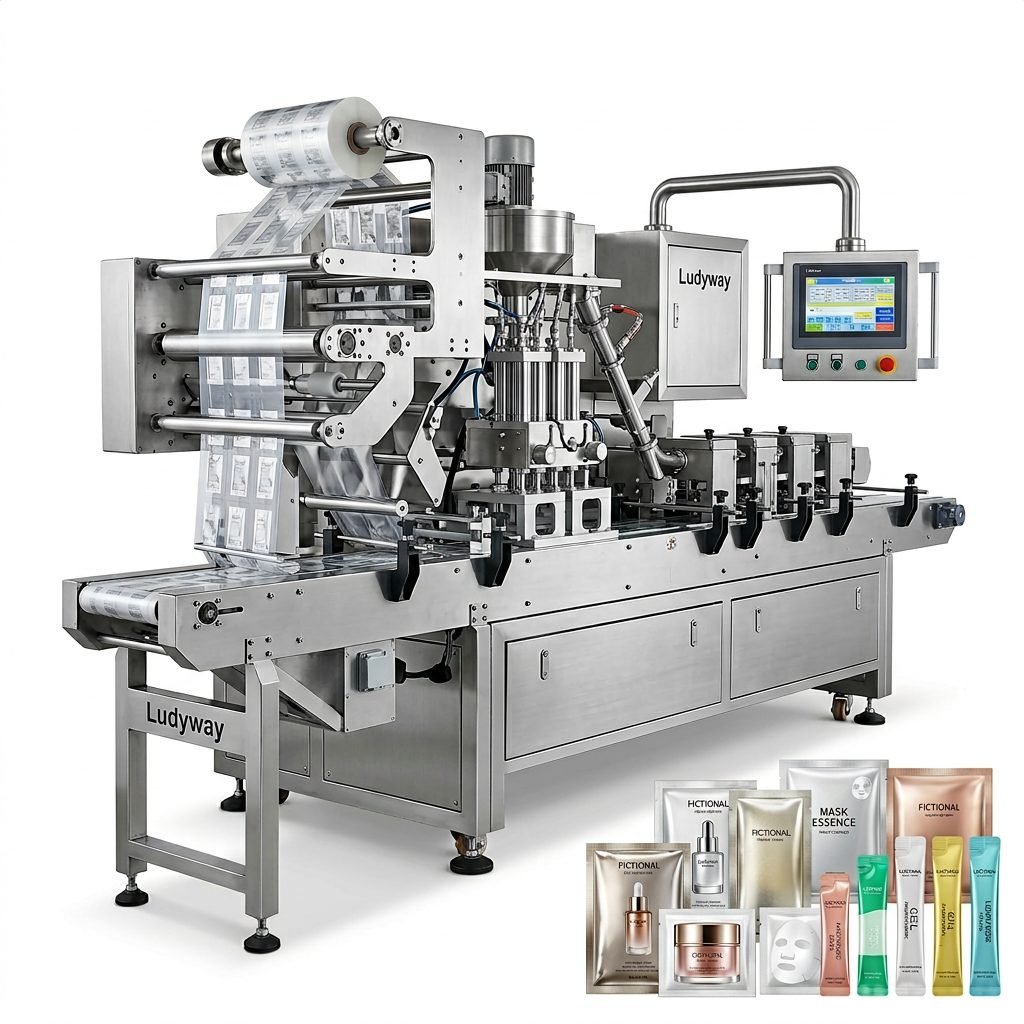
Conversely, Horizontal Form Fill Seal systems process film horizontally. The film is formed into pockets or cavities on a conveyor, which are then filled with product—ideal for items that are not free-flowing, such as biscuits, chocolates, or medical devices. A second layer of film is typically applied on top and sealed around each product. HFFS excels in presentation-oriented packaging and handling delicate or shaped items.
Specialized and Hybrid Systems
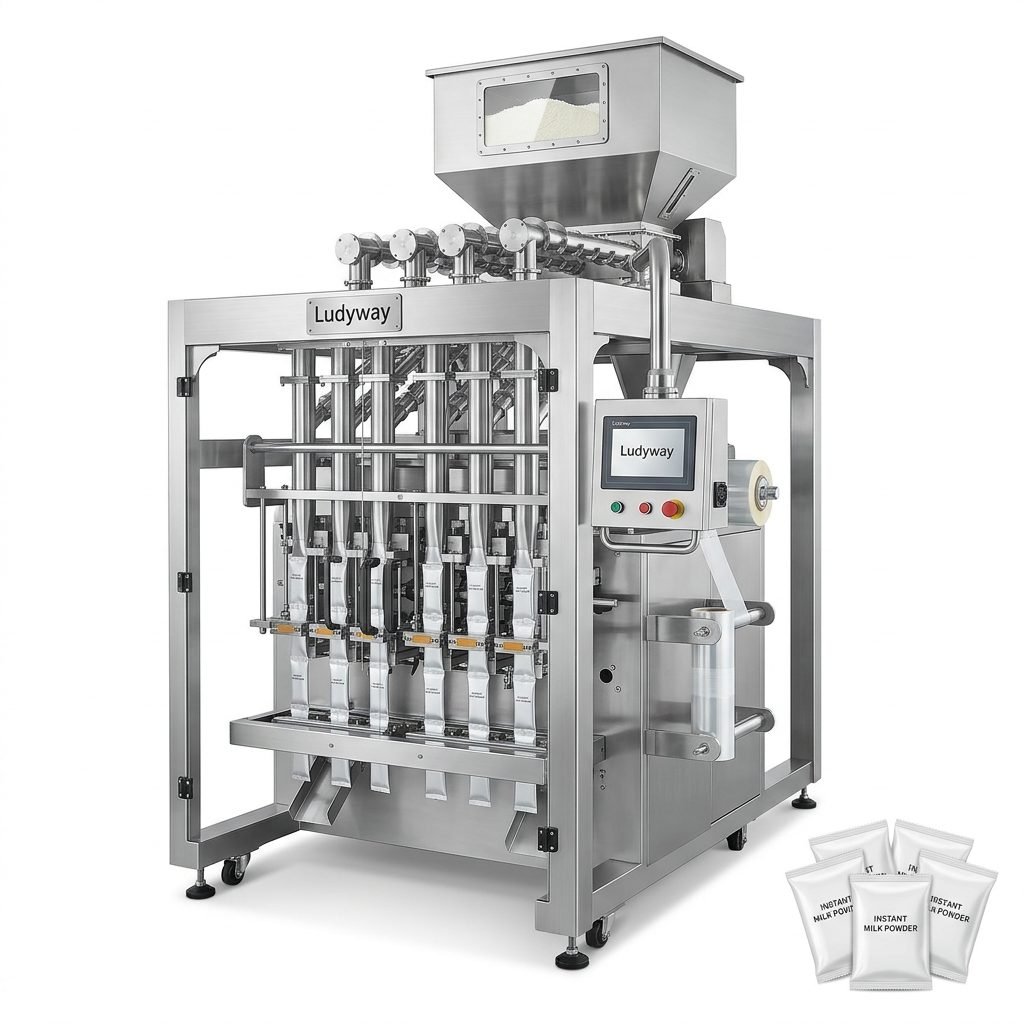
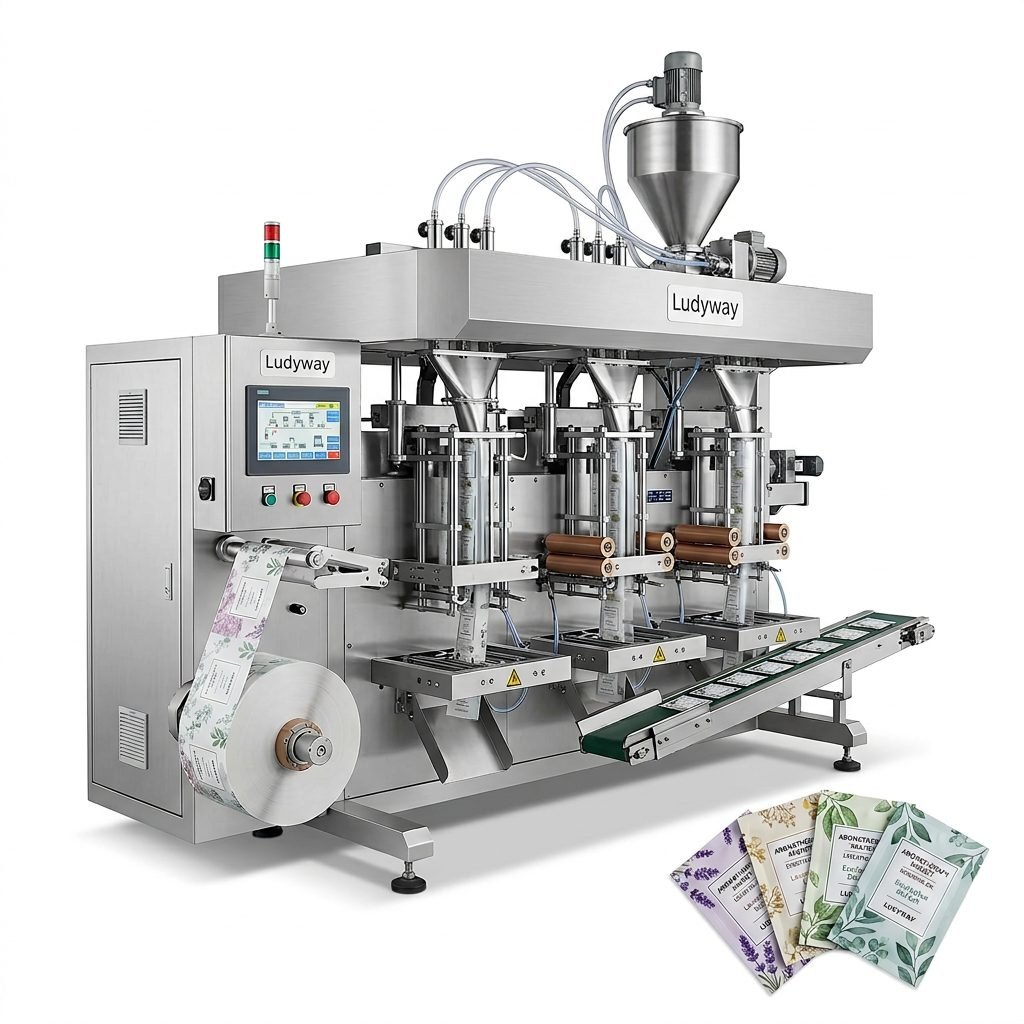
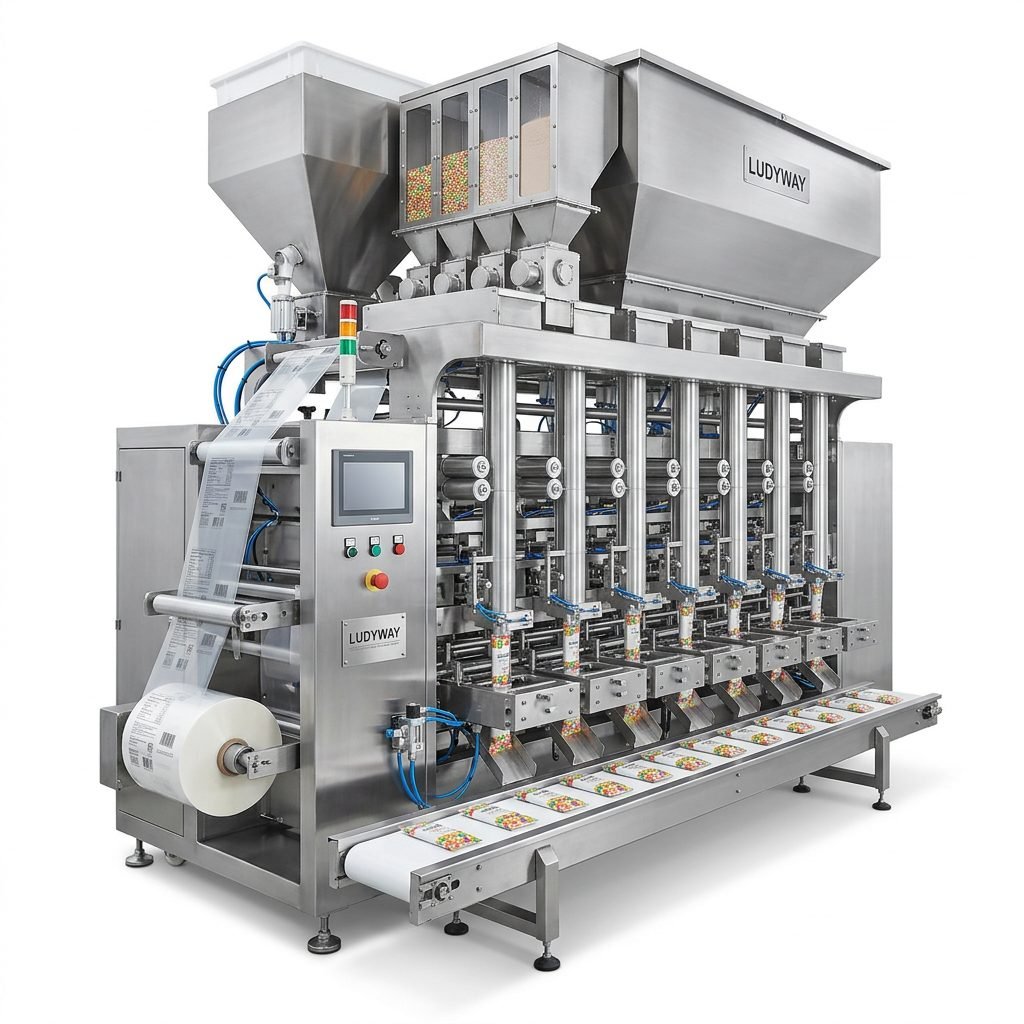
Beyond these primary categories, specialized FFS machines cater to niche applications. Stick pack machines produce slim, single-serve tubes perfect for powders like coffee, sugar, or pharmaceuticals. Multi-lane machines dramatically increase output by forming and filling several pouches simultaneously. Liquid FFS machines integrate precise liquid-filling technology, often with nozzles designed to prevent drips and ensure hygiene.
Working Principle: From Film Roll to Finished Pouch
The automation of an FFS machine is a marvel of precision engineering. While specifics vary between vertical and horizontal models, the core process follows a consistent sequence.
Step 1: Film Unwinding & Forming
The process begins with a roll of laminated packaging film, which is fed through a series of tensioners and guides. In a VFFS machine, the film passes over a forming collar and wraps around a forming tube, creating a cylindrical shape. A longitudinal sealer (often a hot bar) seals the film’s edges into a back seam.
Step 2: Bottom Sealing & Filling
A pair of horizontal sealing jaws close to create the bottom seal of the first pouch and the top seal of the preceding one. Once the bottom seal is made, the product is precisely dispensed through the forming tube (VFFS) or into the pre-formed cavity (HFFS). Modern machines use auger fillers, volumetric cups, or precision pumps to ensure accurate, consistent fills.
Step 3: Top Sealing & Cutting
After filling, the sealing jaws close again to create the top seal of the filled pouch, simultaneously forming the bottom seal for the next pouch in the tube. A cutting mechanism, either integrated into the jaws or separate, then separates the finished pouch from the film web. The completed pouches are discharged onto a conveyor for collection or secondary packaging.
Significant Benefits of Adopting FFS Technology
Integrating an FFS packaging line offers transformative advantages for manufacturers aiming to enhance efficiency, quality, and market presence.
Enhanced Efficiency & Cost Reduction: FFS automation drastically increases output speeds while reducing labor costs associated with manual bagging. Using film from rolls is typically more cost-effective than pre-made bags and minimizes storage space.
Superior Product Freshness & Integrity: The packaging process occurs in a continuous, often enclosed system, minimizing product exposure to air, moisture, and contaminants. This results in extended shelf life and consistent product quality.
Exceptional Packaging Versatility: A single FFS machine can often handle a wide range of pouch sizes by simply changing the forming tube and adjusting settings. This allows for easy production of different SKUs and promotional pack sizes.
Improved Sustainability Profile: FFS technology reduces material waste through precise film usage and can accommodate modern, thinner, and recyclable mono-material films, helping brands meet their environmental goals.
Essential Buying Tips for Your FFS Machine
Selecting the right FFS machine is a critical investment. Here are key factors to guide your decision-making process.
1. Match Machine Type to Your Product
This is the most fundamental decision. Analyze your product’s characteristics: Is it free-flowing, viscous, solid, or fragile? Granules and powders are ideal for VFFS, while complex-shaped items often require HFFS. For liquids, ensure the machine has compatible pump and nozzle systems.
2. Evaluate Required Output Speed (Pouches/Minute)
Clearly define your current and future production volume needs. Machine speeds vary widely. A standard single-lane VFFS machine might output 60-120 bags per minute, while multi-lane or ultra-high-speed models can exceed 300. Ensure the chosen model can meet your peak demands without constant strain.
3. Assess Film Material Compatibility
Your packaging film (e.g., PET/PE, OPP/CPP, aluminum laminate) dictates the required sealing technology. Confirm the machine’s sealing jaws (constant heat, impulse, or ultrasonic) are suitable for your chosen material to ensure strong, hermetic seals. Discuss this with suppliers like experienced packaging machine providers who offer material testing.
4. Prioritize Ease of Changeover and Cleaning
If you run multiple products or pouch sizes, quick changeover is vital for efficiency. Look for machines with tool-less adjustments, digital size recall, and easy-access components. For food or pharmaceutical use, hygienic design with smooth surfaces and easy disassembly for cleaning (CIP/SIP options) is non-negotiable.
5. Consider Integration and Support
Think beyond the standalone machine. Will it need to integrate with existing checkweighers, metal detectors, or cartoners? Choose a supplier with a strong reputation for reliable after-sales service, technical support, and readily available spare parts. A partner with deep industry experience can provide invaluable turnkey packaging solutions and long-term support.
Frequently Asked Questions (FAQs)
What is the main difference between VFFS and HFFS machines?
The core difference lies in the film direction and product handling. VFFS machines form film vertically and are best for free-flowing items filled by gravity. HFFS machines form film horizontally into pockets and are ideal for solid, fragile, or irregularly shaped products that need to be placed in the package.
Can one FFS machine handle different types of products?
Yes, to a significant extent. Many FFS machines are designed for versatility. However, switching between vastly different product types (e.g., from fine powder to granular snacks) usually requires changing the filling system (e.g., auger) and potentially the forming parts. Changing between similar products is typically straightforward.
How important is the choice of packaging film?
It is critically important. The film must be compatible with the machine’s sealing mechanism to ensure a secure seal that protects the product. The film’s barrier properties (against moisture, oxygen, light) directly impact product shelf life. Always test your film with the machine before full-scale production.
What kind of maintenance do FFS machines require?
Regular maintenance is key to longevity and uptime. Daily tasks include cleaning and visual inspection. Weekly or monthly maintenance may involve lubricating moving parts, checking seal jaw alignment and temperature, and inspecting wear parts like cutting blades. Following the manufacturer’s schedule is essential. For complex issues, partnering with a supplier that offers comprehensive technical support is advisable.
Are FFS machines suitable for small businesses or startups?
Absolutely. The market offers a range of machines, from compact, semi-automatic or lower-speed models suitable for pilot plants and small batch production, to fully automated high-speed lines. The investment can often be justified by the savings in labor, materials, and improved product presentation, which helps in brand building from the outset.