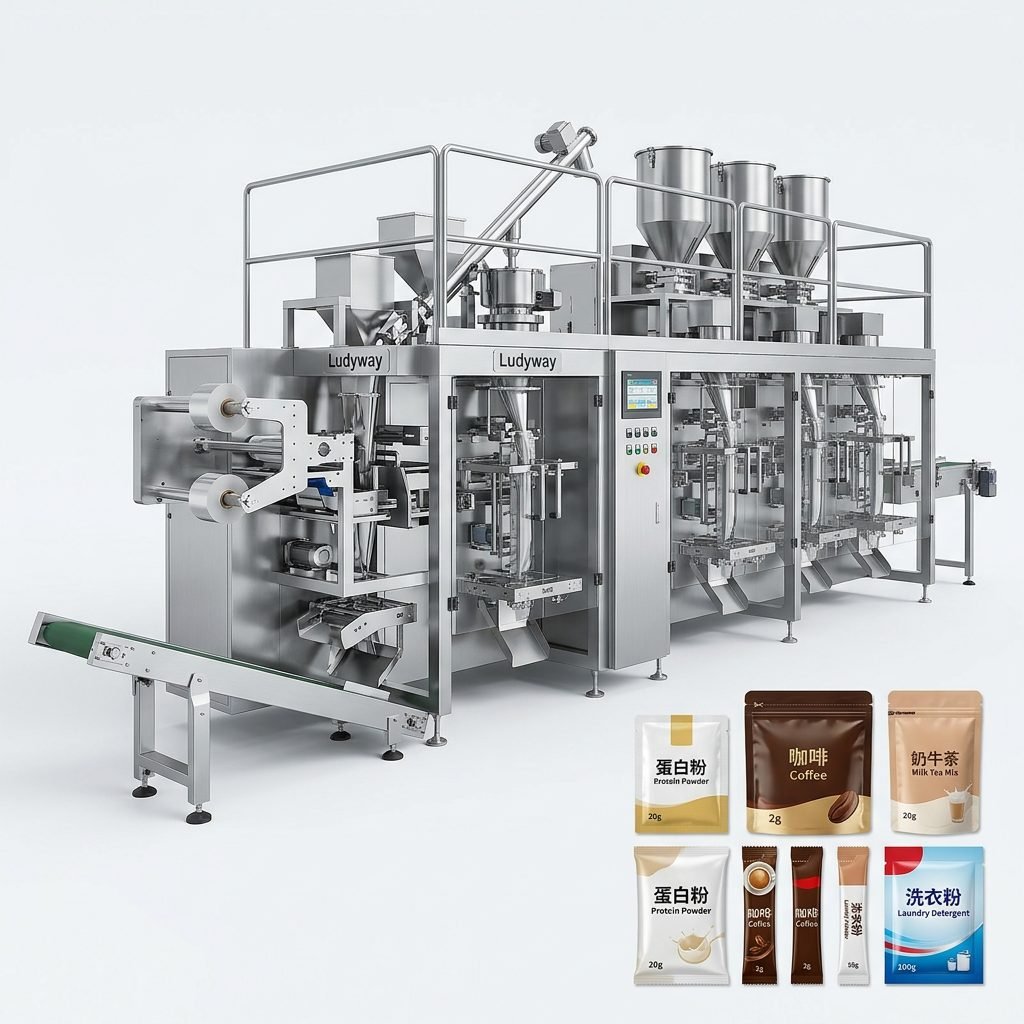
Choosing the right frozen fruit packaging machine is crucial for maintaining product quality, optimizing production efficiency, and meeting market demands. This comprehensive guide explores the different types of machines, their working processes, and key factors to consider when selecting the best system for your operation.
Understanding Frozen Fruit Packaging Requirements
Frozen fruit presents unique packaging challenges. The primary goal is to preserve freshness, flavor, and nutritional value while preventing freezer burn and ice crystal formation. Packaging must be robust enough to withstand low temperatures and potential physical handling during storage and transport. An effective system must also ensure a strong, airtight seal to maintain the product’s shelf life and prevent contamination.
Furthermore, the packaging often needs to be visually appealing to attract consumers on retail shelves. This requires machinery capable of handling various packaging materials—such as polyethylene bags, stand-up pouches, or rigid plastic containers—with precision and consistency.
Key Packaging Objectives:
- Preservation: Create a barrier against moisture and oxygen.
- Protection: Maintain structural integrity at sub-zero temperatures.
- Efficiency: High-speed operation to match freezing line output.
- Hygiene: Compliance with strict food safety standards (e.g., FDA, USDA).
Types of Frozen Fruit Packaging Machines
The market offers several types of packaging systems, each suited to different production scales, fruit types (whole berries, slices, mixes), and packaging formats.
1. Vertical Form-Fill-Seal (VFFS) Machines
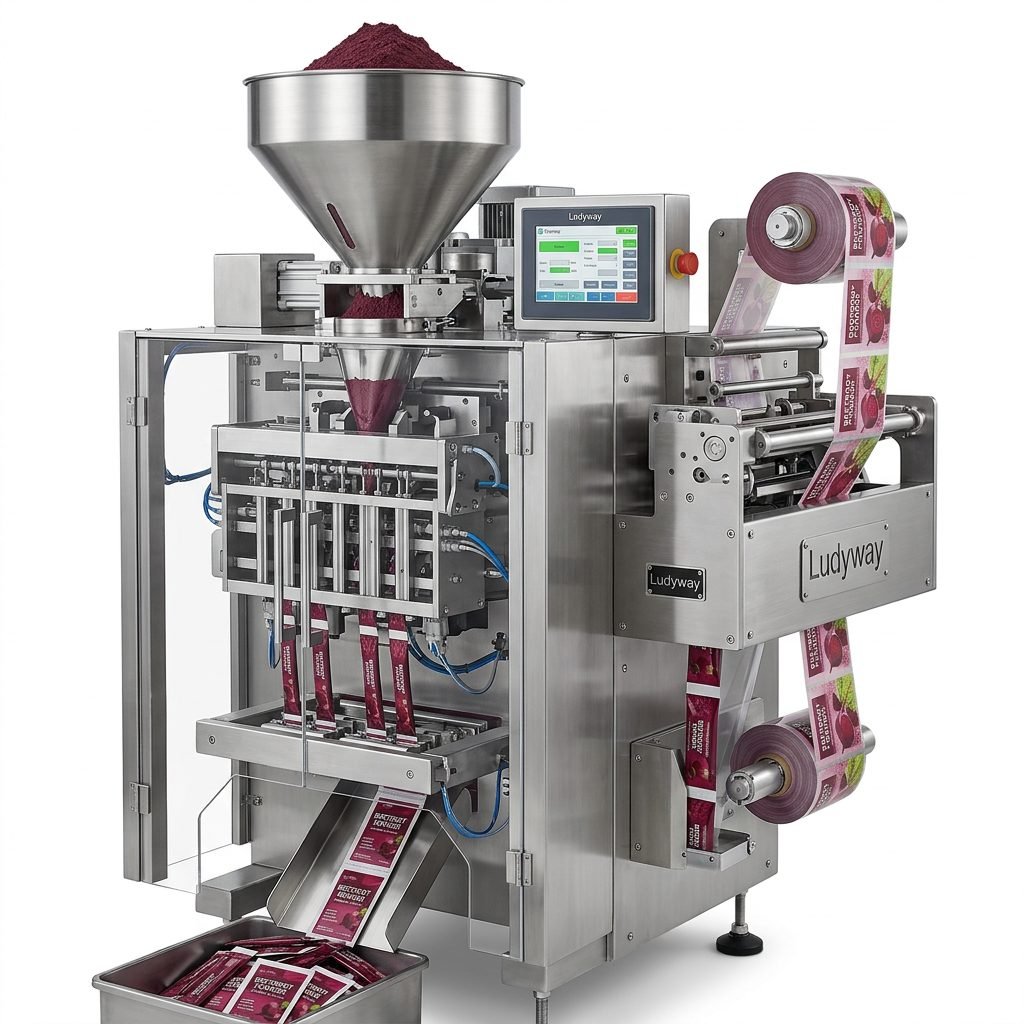
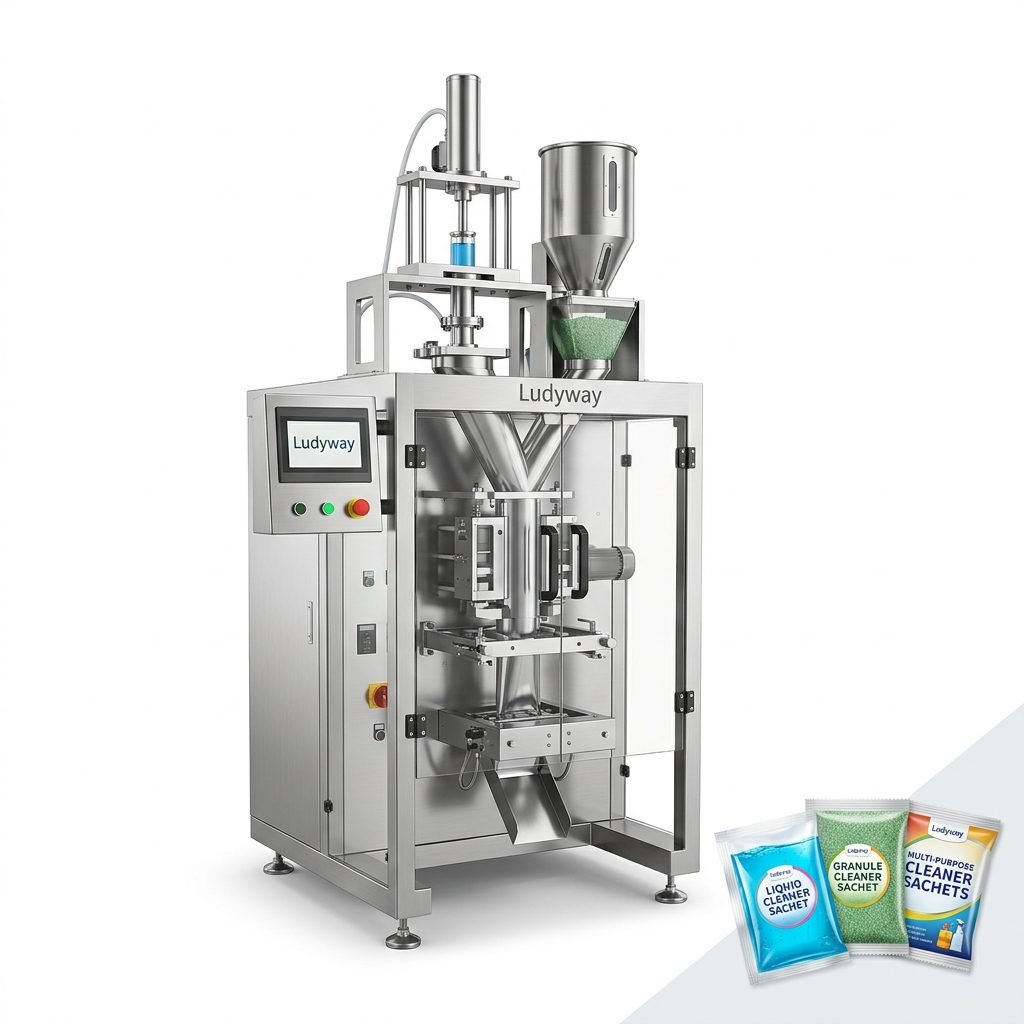
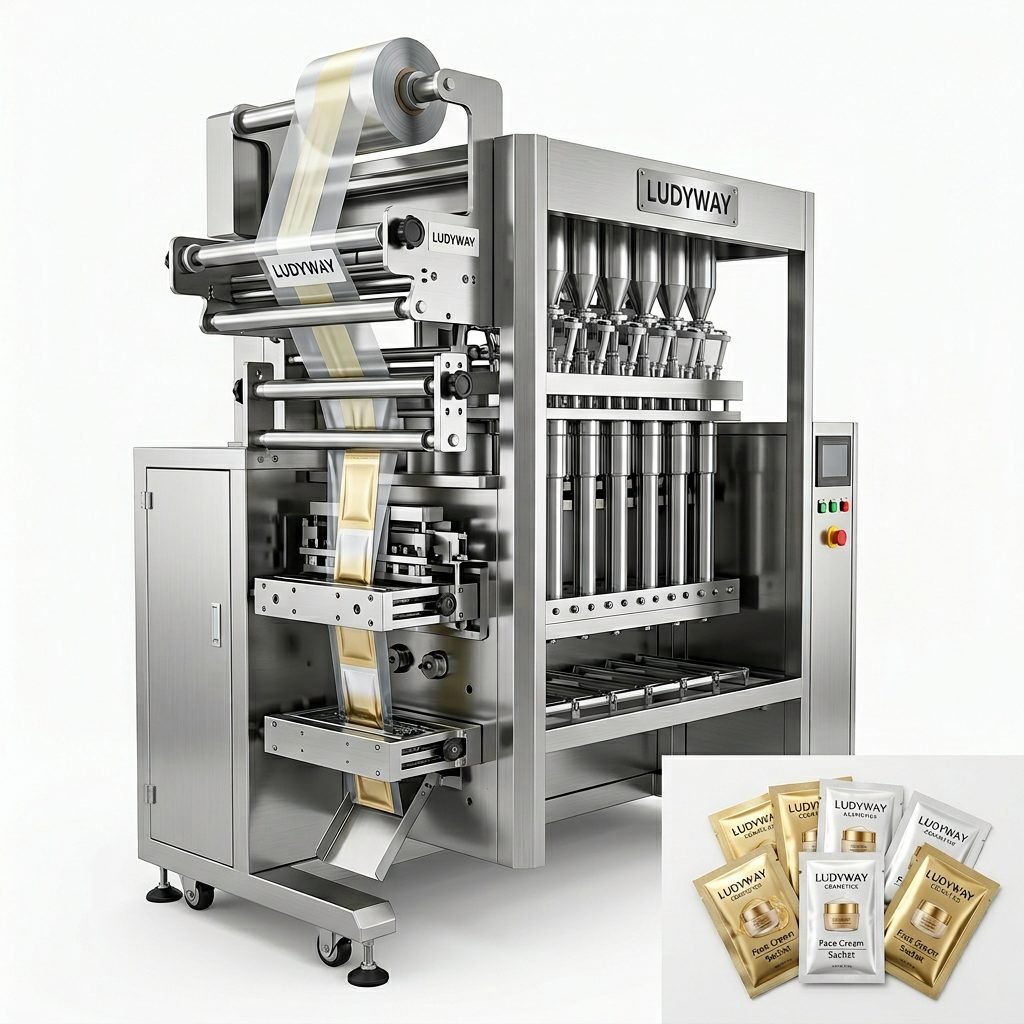
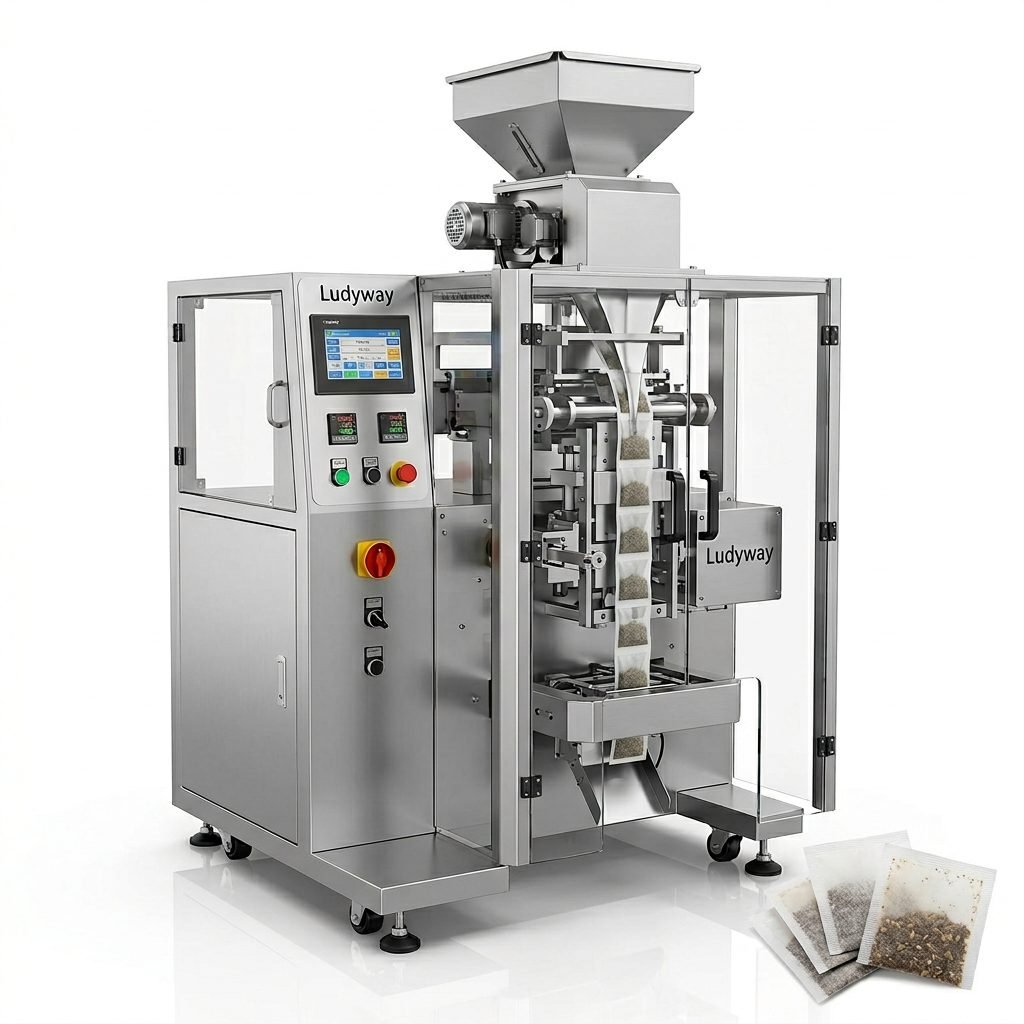
These are the most common machines for bagged frozen fruits. They form bags from a roll of film, fill them with a pre-set weight of product, and then seal them. Modern VFFS systems for frozen fruit often include nitrogen gas flushing capabilities to displace oxygen inside the bag, significantly reducing oxidation and freezer burn. They are highly versatile and efficient for medium to high-volume production.
2. Horizontal Form-Fill-Seal (HFFS) Machines
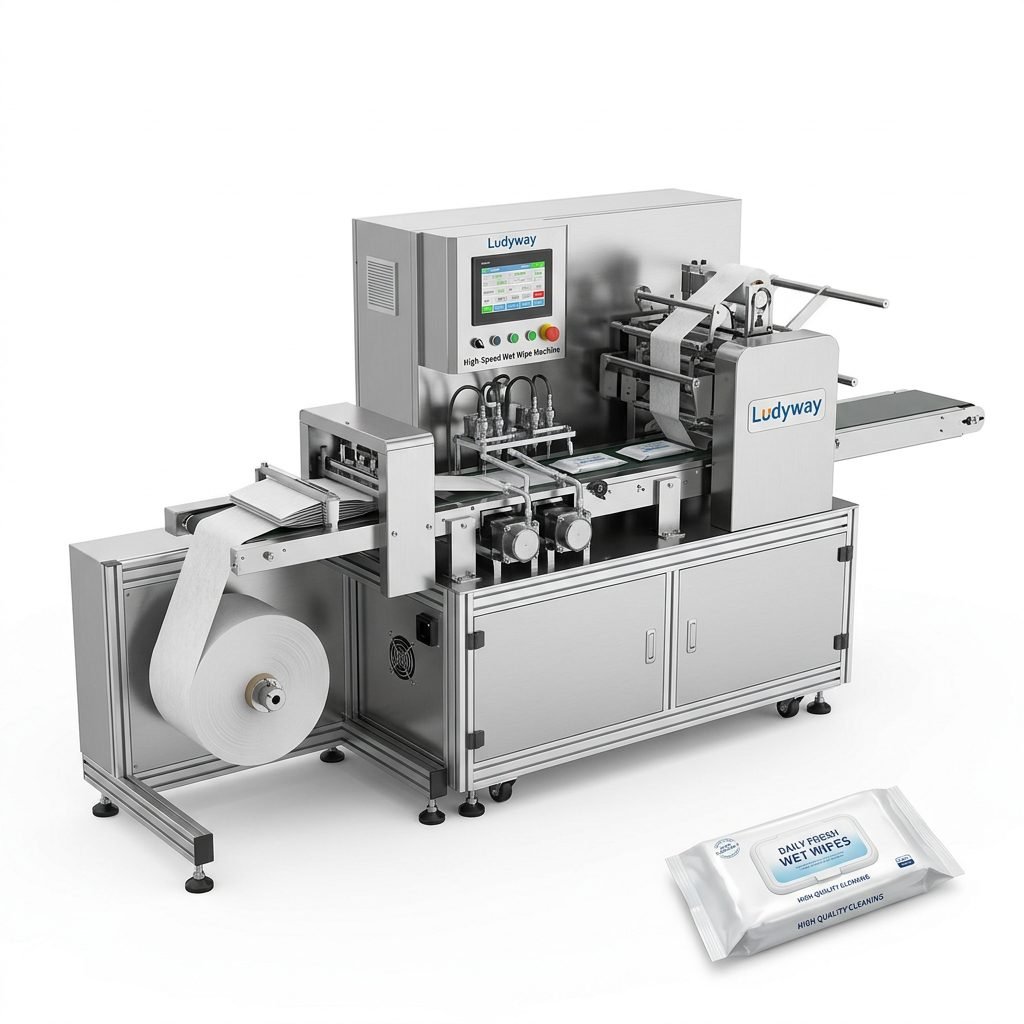
Ideal for creating pillow packs or flow-wrap packages, HFFS machines are often used for smaller portions or fruit blends destined for the food service industry. The product is placed on a flat web of film, which is then formed around it and sealed. This type can be excellent for packaging frozen fruit purees or individually quick frozen (IQF) items in a flat, space-saving format.
3. Pre-Made Pouch Fillers
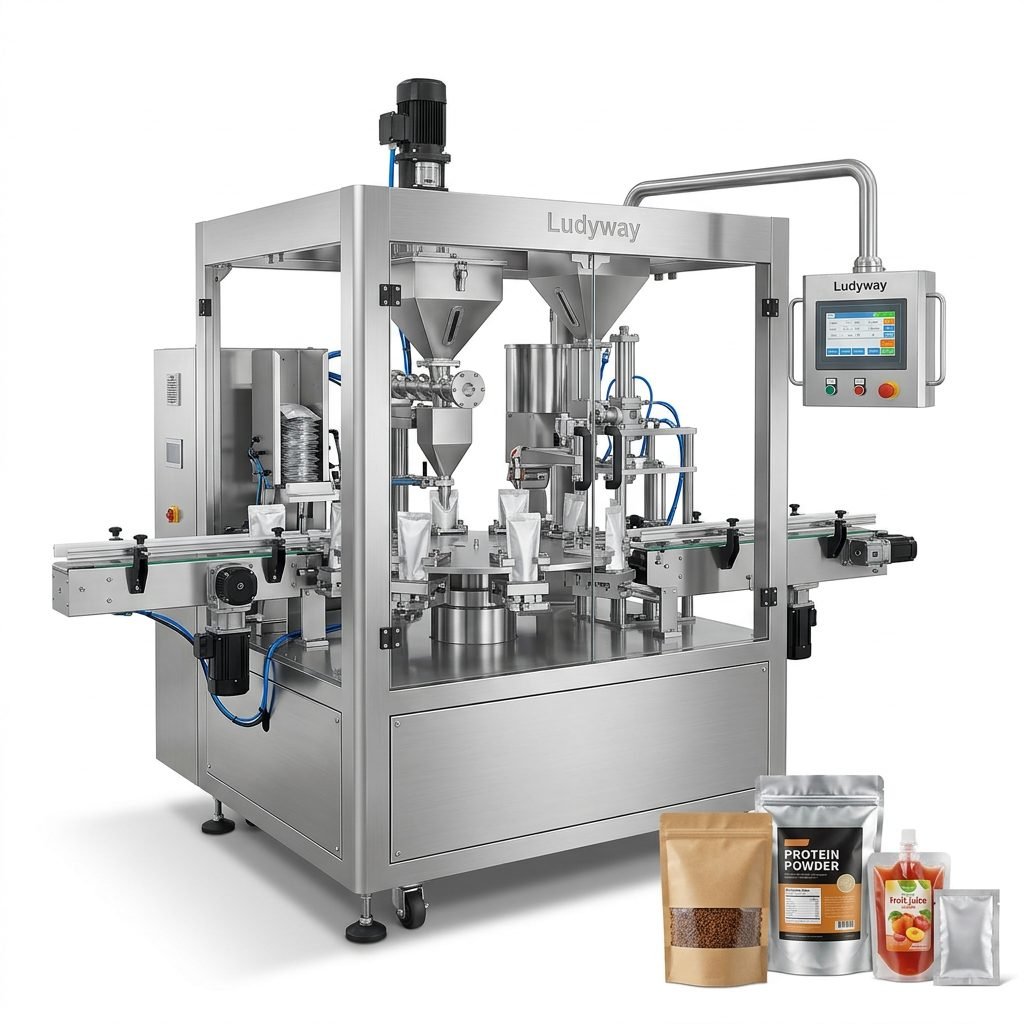
For stand-up pouches or premium retail bags that are pre-printed with high-quality graphics, pre-made pouch fillers are the optimal choice. These machines automatically open a pre-formed pouch, fill it with frozen fruit, and then seal it. This method offers superior packaging aesthetics and is perfect for brands focusing on shelf appeal. They can handle a wide range of pouch sizes and styles.
4. Tray Sealing and Thermoforming Machines
Used for packaging frozen fruits in rigid plastic trays or bowls, often with a sealed film lid. Thermoforming machines heat a sheet of plastic to form the tray, fill it, and then apply a lidding film. This format is popular for retail mixes and offers excellent product visibility and protection against crushing. It’s a common choice for higher-value products.
Working Process of a Typical Packaging Line
A complete frozen fruit packaging line integrates several key stages to ensure a smooth, automated workflow from the freezer exit to the final palletized box.
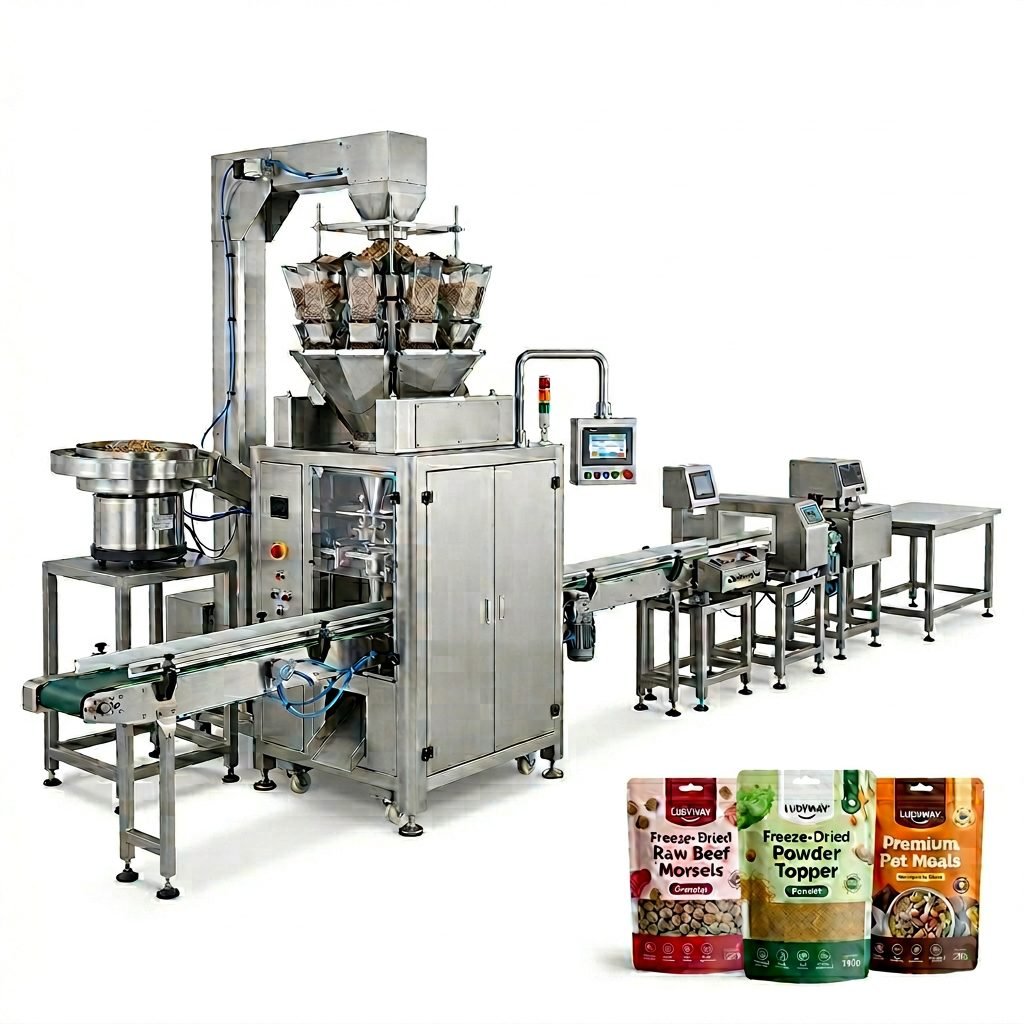
- Product Infeed & Handling: IQF fruit is gently conveyed from the freezing tunnel or storage hopper to the packaging machine. Vibratory or belt conveyors designed for cold environments are used to prevent product damage and clumping.
- Weighing & Dosing: This is a critical step for cost control and compliance. Multi-head weighers or volumetric cup fillers accurately portion the fruit. Advanced systems use computer-controlled load cells for high-speed, precise weight measurement.
- Bag Forming & Filling (for VFFS/HFFS): The packaging film is unwound, formed into a tube (VFFS) or shaped around the product (HFFS). The weighed fruit is dropped into the forming tube or pouch. For gas flushing, nitrogen is injected at this stage.
- Sealing: The bag or pouch is sealed using heated jaws. The seal integrity is paramount; cold temperatures and potential frost on the film can challenge this process. Machines must have precise temperature and pressure control for cold-environment sealing.
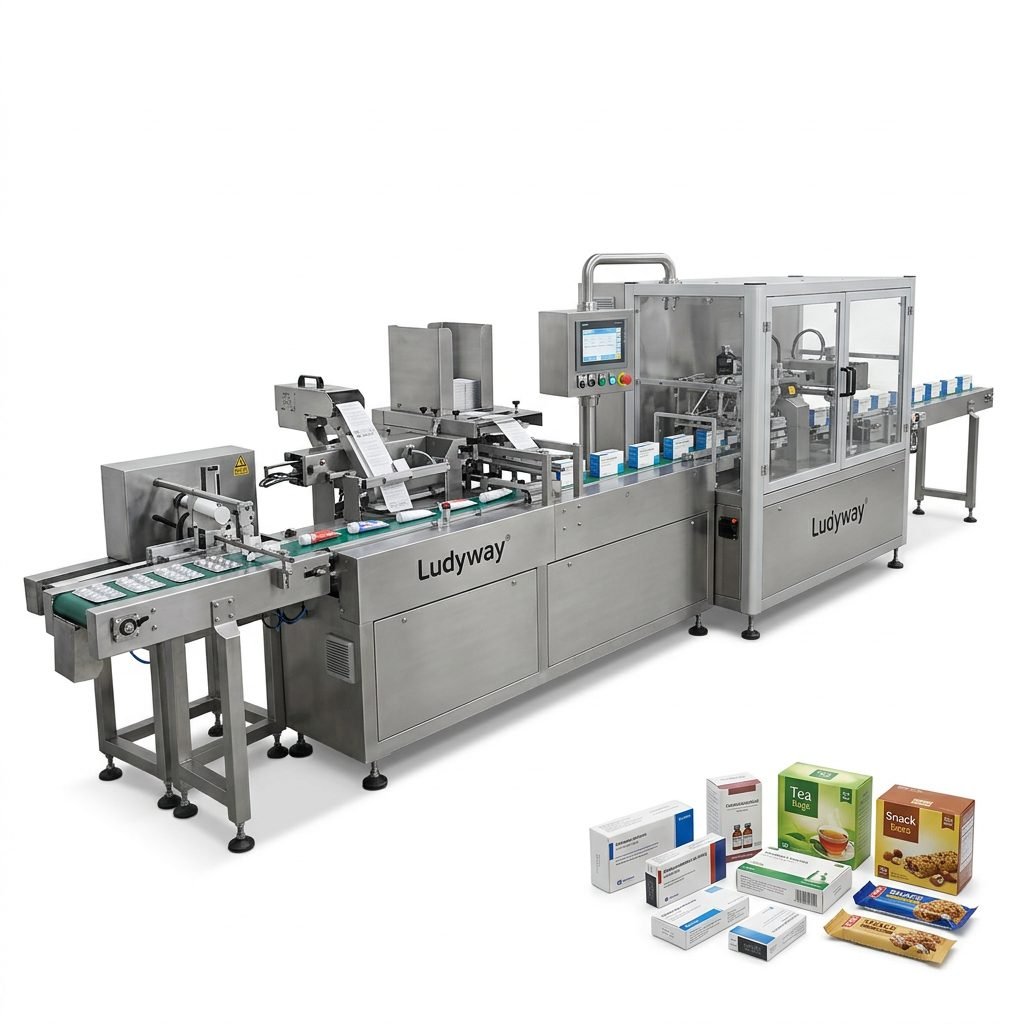
- Date Coding & Secondary Packaging: The sealed package receives a batch code, expiry date, and often a checkweigher verifies the correct weight. Packages are then collated and automatically packed into cartons or cases.
How to Choose the Best Packaging System
Selecting the right machinery requires a careful analysis of your specific needs. Here are the core factors to evaluate.
1. Production Capacity & Speed
Match the machine’s output (bags/pouches per minute) to your current and future production volumes. Consider peak season demands. A VFFS machine can typically run from 40 to over 120 bags per minute, while a pre-made pouch filler may range from 20 to 80 pouches per minute.
2. Product Characteristics
The size, shape, and fragility of your fruit matter. Whole strawberries require different handling than delicate raspberries or fruit slices. Ensure the machine’s infeed and weighing systems are gentle and suitable for your product to minimize waste.
3. Packaging Material & Format
Decide on your retail format first—stand-up pouch, flat bag, tray, etc. The machine must be compatible with your chosen film type (e.g., multilayer barrier films) and thickness. Consider if you need features like zipper applicators or degassing valves for resealability.
4. Automation & Integration Level
Evaluate how much manual labor you want to replace. A fully automated line includes automatic film loading, bag ejection, case packing, and palletizing. Semi-automatic systems may require manual pouch placement or case handling but have a lower initial investment.
5. Hygiene & Sanitation Design
Machinery must be easy to clean and sanitize to meet food safety protocols. Look for stainless steel contact parts, smooth surfaces without crevices, and designs that allow for easy washdown. IP-rated electrical components are essential for wet environments.
6. Supplier Expertise & Support
Partner with a supplier who has proven experience in frozen food packaging. They should offer robust after-sales service, readily available spare parts, and comprehensive training. A reliable partner like Ludyway Machinery, with deep industry experience, can provide valuable guidance and tailored solutions to ensure your line’s long-term success.
Conclusion
Investing in the right frozen fruit packaging machine is a strategic decision that impacts product quality, operational cost, and brand reputation. By thoroughly understanding the different machine types, their integration into a full working line, and carefully weighing the selection criteria against your specific needs, you can implement a system that ensures efficiency, reliability, and growth for your business. Prioritizing hygiene, seal integrity, and supplier partnership will lead to a successful packaging operation that delivers fresh, high-quality frozen fruit to consumers worldwide.
Frequently Asked Questions (FAQs)
What is the most important feature in a machine for packaging frozen fruit?
The ability to create a strong, reliable, and airtight seal at cold temperatures is paramount. The machine must compensate for potential frost or condensation on the packaging film to prevent seal failures that lead to freezer burn and product spoilage.
Can one packaging machine handle different types of frozen fruit?
Yes, many machines are versatile, but adjustments are often needed. Switching from whole berries to diced fruit may require changing the weighing system’s cups or the funnel size. It’s crucial to discuss your product range with the supplier to ensure the machine can be easily adapted.
Is nitrogen flushing necessary for all frozen fruit packaging?
While not strictly necessary, nitrogen flushing (or modified atmosphere packaging) is highly recommended for premium products and extended shelf life. It displaces oxygen inside the package, drastically reducing oxidation, color degradation, and the growth of aerobic spoilage organisms.
How do I ensure the packaging line meets food safety standards?
Choose machinery constructed with food-grade materials (e.g., 304 or 316 stainless steel) with a hygienic, easy-to-clean design. Ensure the supplier can provide documentation and design features that comply with relevant standards like EHEDG, USDA, or FDA guidelines for food equipment.
What is the typical lead time for a frozen fruit packaging line?
Lead times vary based on complexity and customization. A standard machine may take 8-12 weeks, while a fully customized, high-speed turnkey line can take 4-6 months or more from order to installation. Detailed project planning with your supplier is essential for timeline accuracy.