Investing in the right fruit packaging machine is one of the most critical decisions for any global fresh produce business. The correct equipment not only preserves freshness and extends shelf life but also reduces labor costs, minimizes waste, and ensures compliance with international food safety standards. With a wide range of technologies available — from multi-lane stick pack systems to fully automated tray sealing lines — understanding your operational requirements is essential before making a purchase. This guide will walk you through every key factor to consider, helping you make an informed, future-proof investment.
Understanding Your Product Requirements
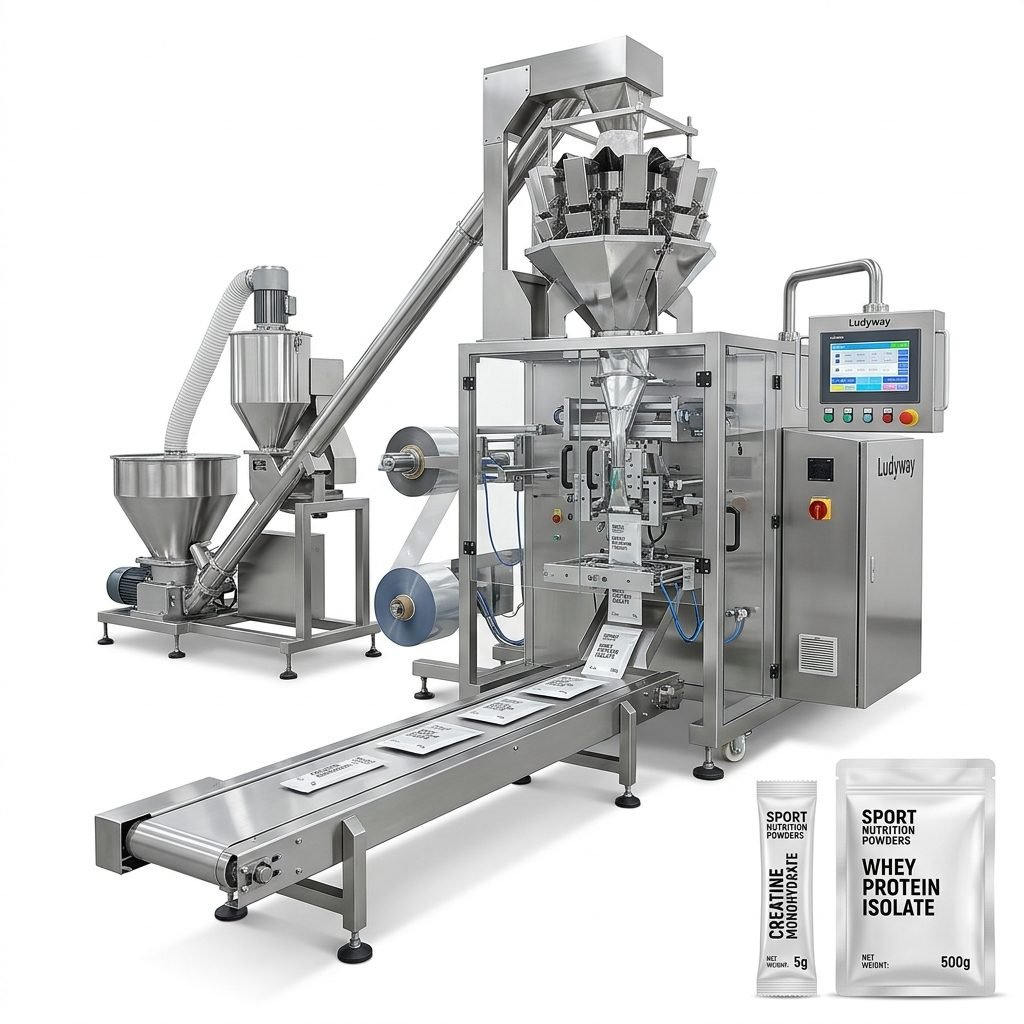
Before evaluating any machinery, you must define the physical characteristics of your fruit products. Different fruits demand different handling approaches. Whole apples require gentle conveyance and cushioning, while dried mango slices are better suited for multi-lane granule packaging systems. Fresh berries are fragile and need modified atmosphere packaging (MAP), whereas frozen fruit chunks can be processed efficiently with vertical form-fill-seal (VFFS) machines.
Key product parameters to document include:
- Product form: Whole, sliced, diced, pureed, frozen, or dried
- Size and shape variability: Uniform vs. irregular dimensions
- Moisture and oil content: Affects sealing integrity and film compatibility
- Sensitivity to pressure and impact: Determines handling and feeding mechanisms
- Shelf life requirements: Influences barrier film and gas flushing needs
Types of Fruit Packaging Machines
The fruit packaging machine market offers several distinct categories, each designed for specific production scales and packaging formats. Selecting the wrong type can lead to costly inefficiencies. Here is an overview of the most common equipment types used in the global fruit industry:
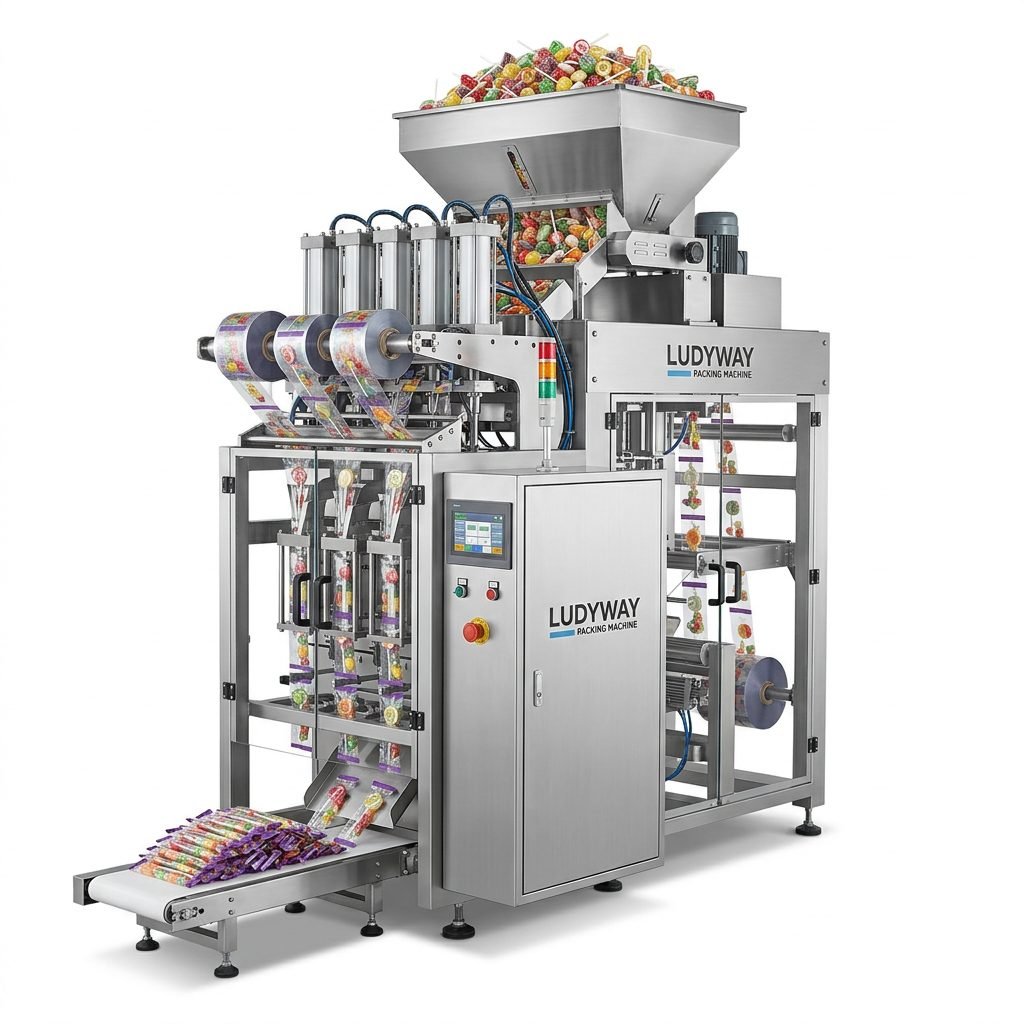
Vertical Form-Fill-Seal (VFFS) Machines
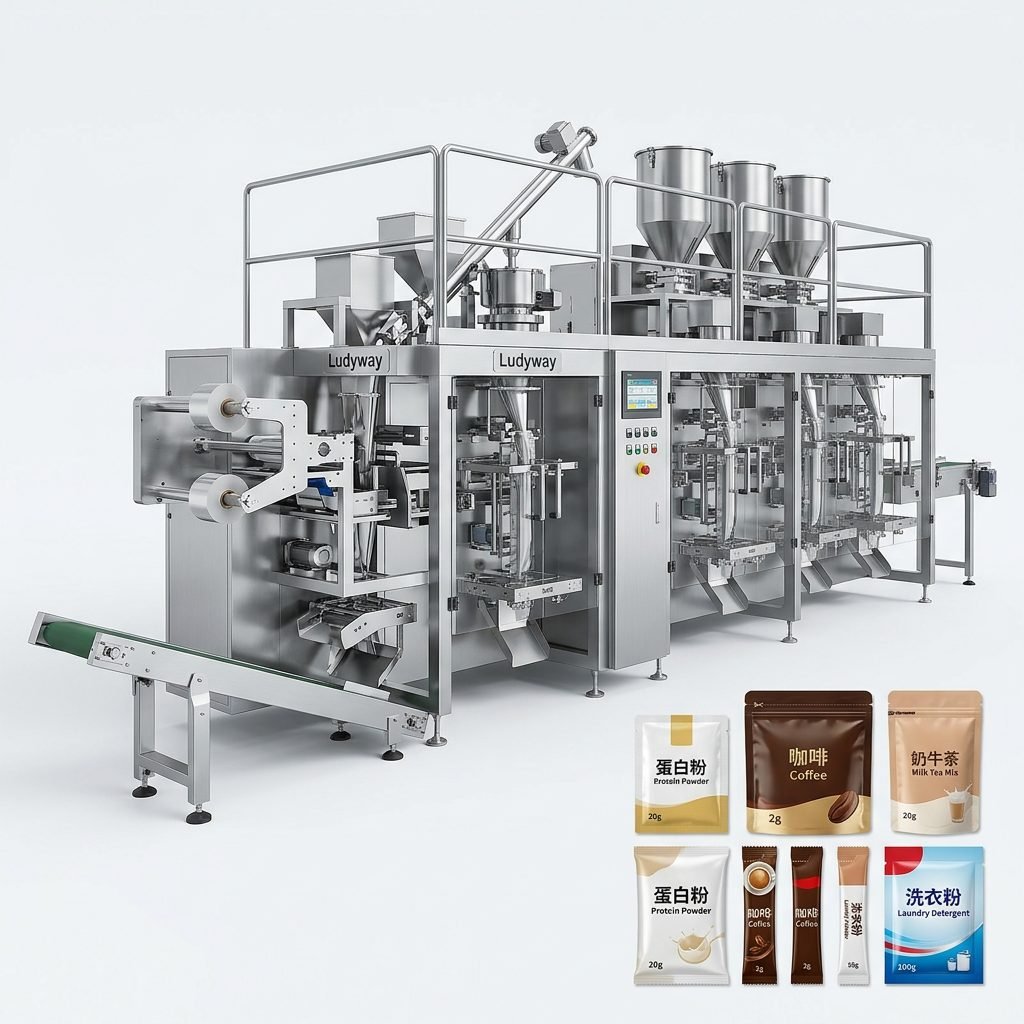
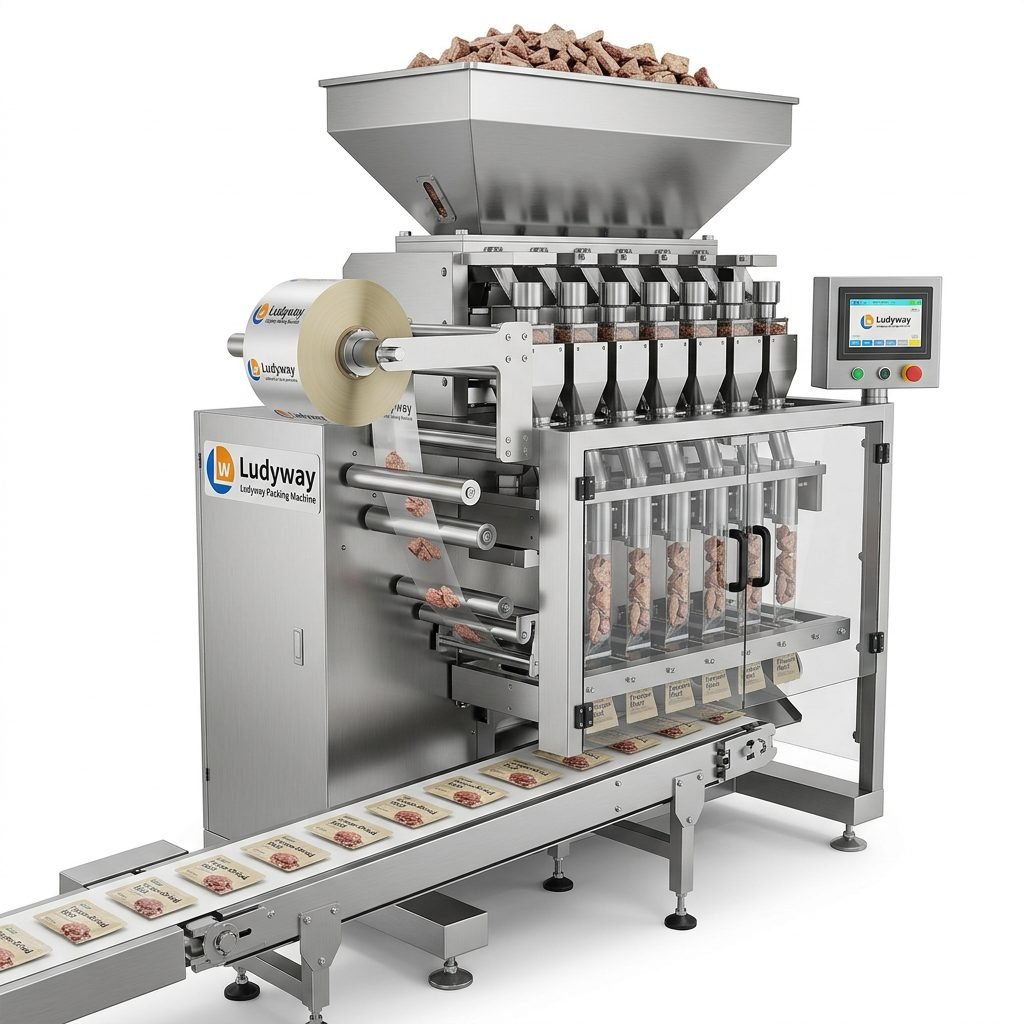
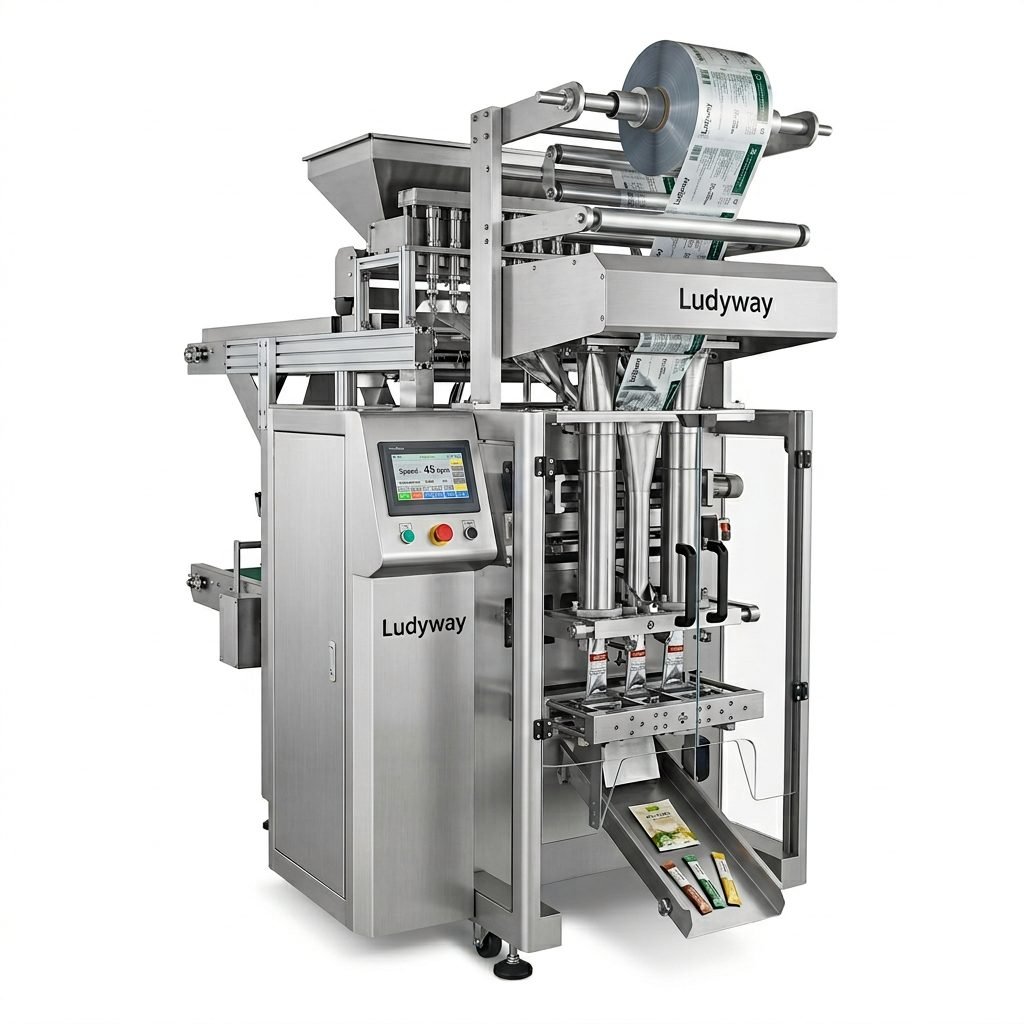
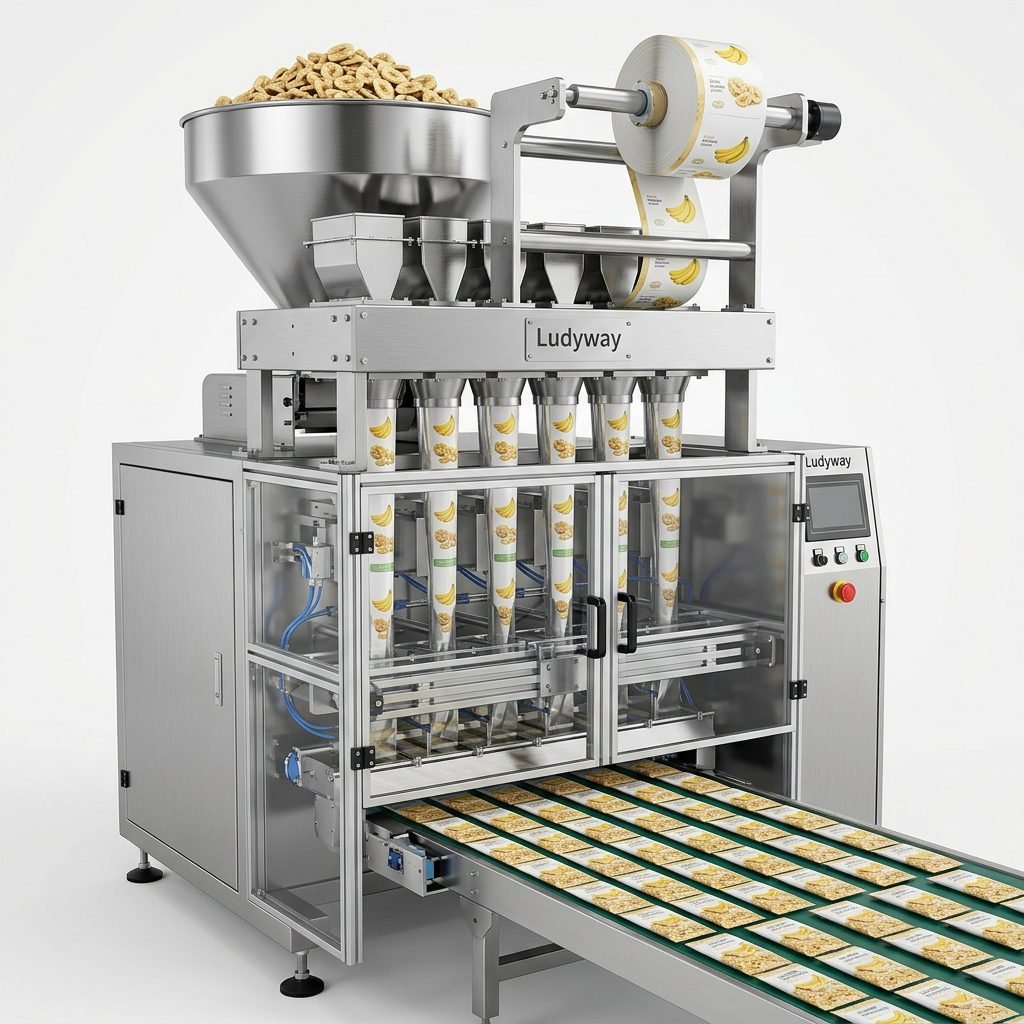
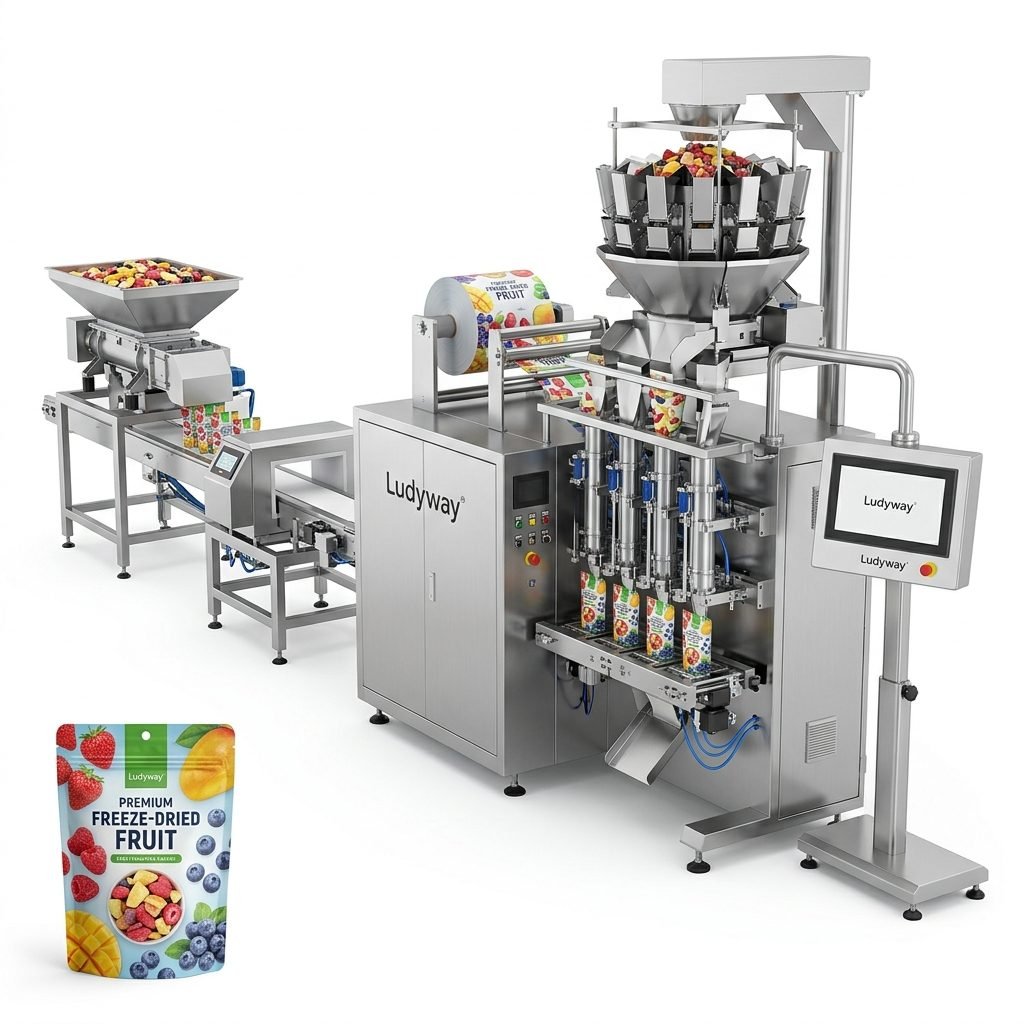
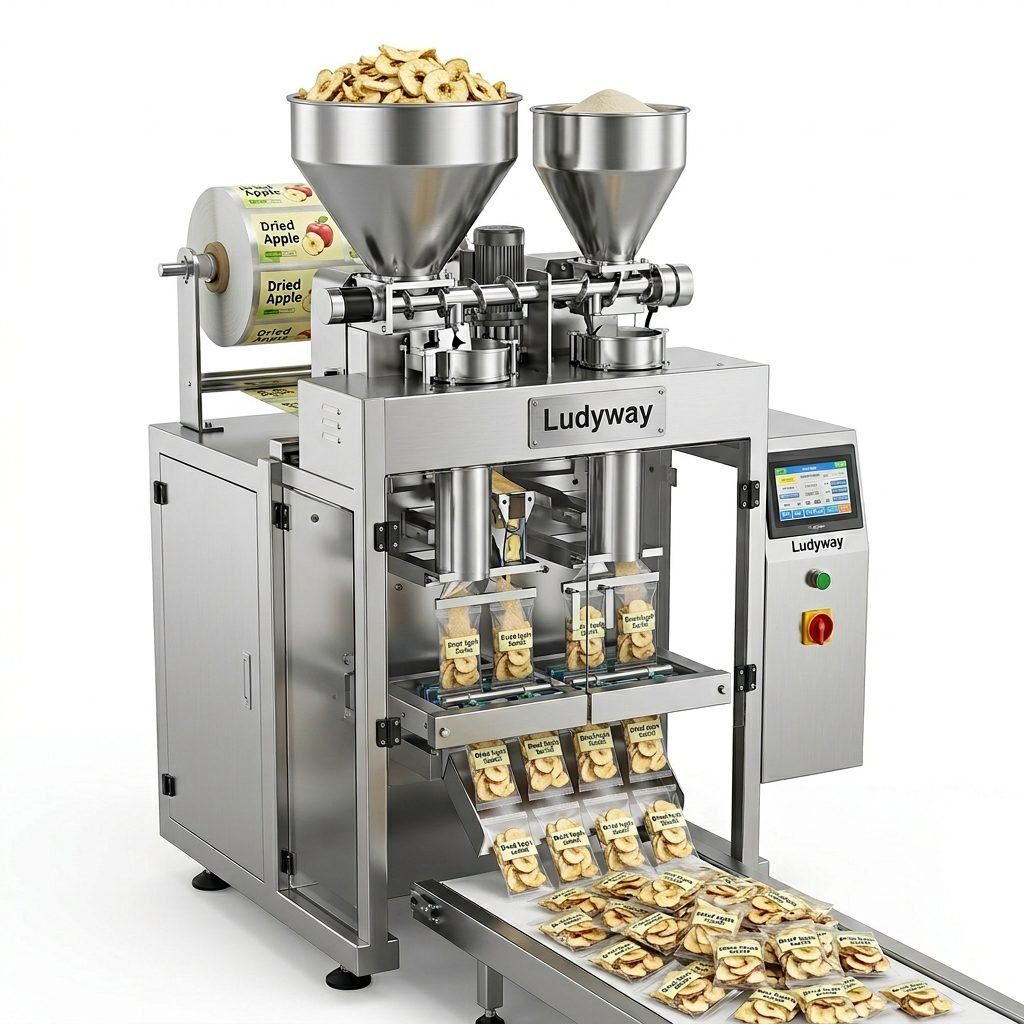
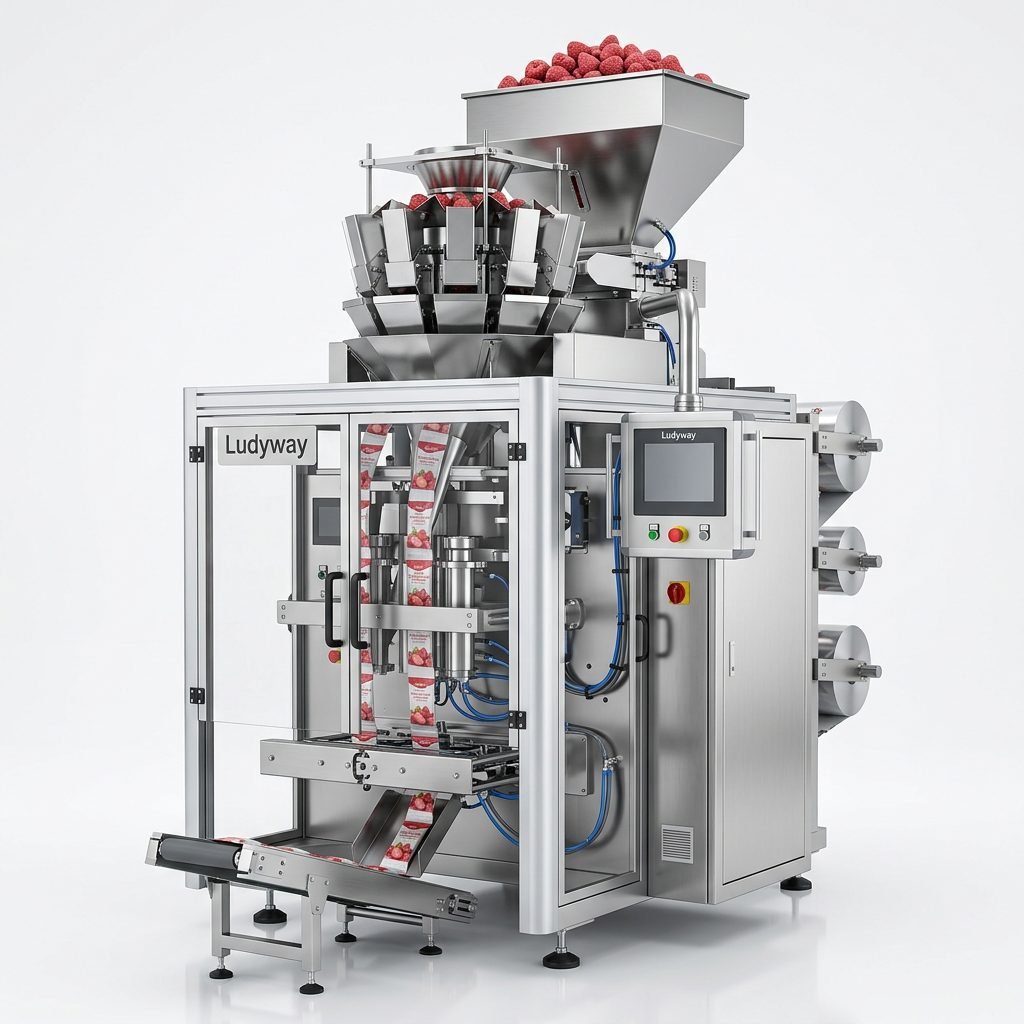
Ideal for flexible packaging applications, VFFS machines form bags from flat film rolls, fill them with product, and seal them in one continuous motion. These are widely used for dried fruits, frozen berries, and fruit powders. Modern VFFS systems offer multi-lane configurations that significantly boost throughput while maintaining precise portion control.
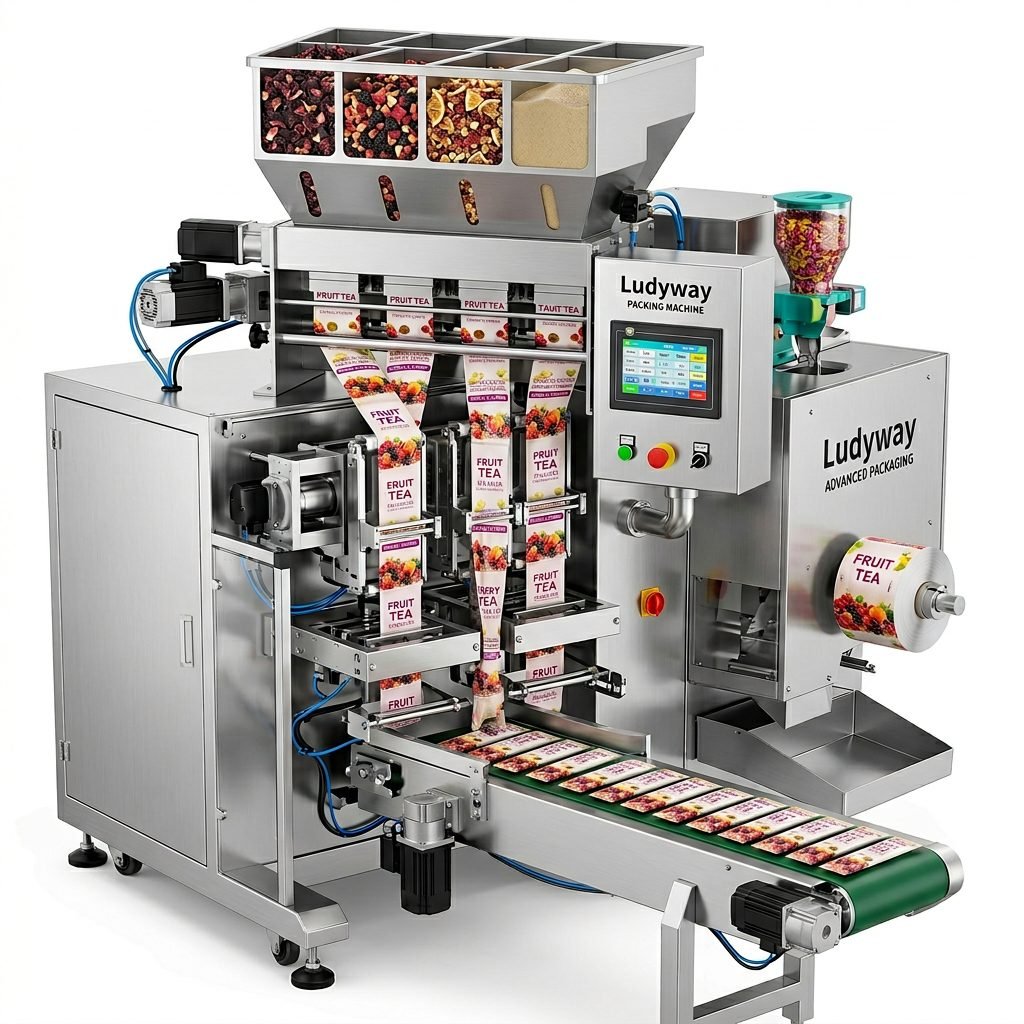
Multi-Lane Stick Pack and Sachet Machines
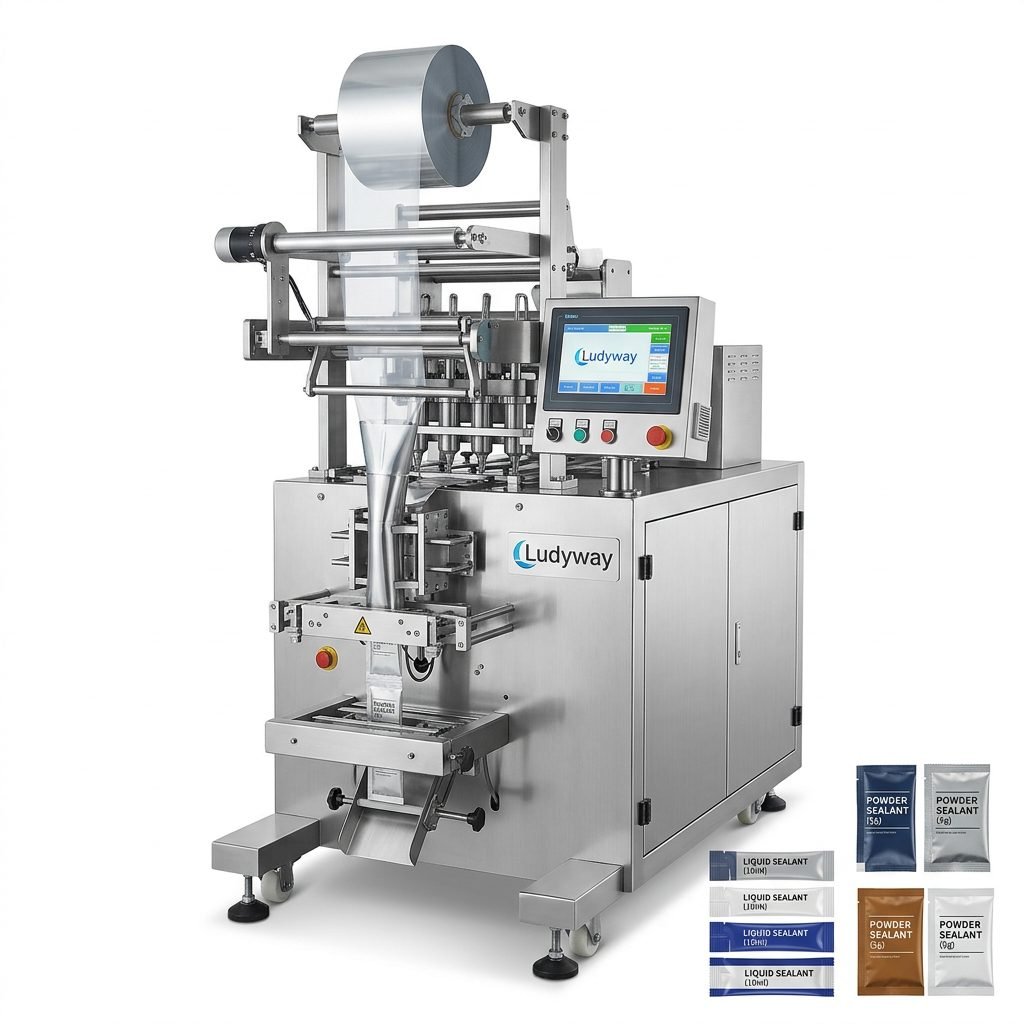
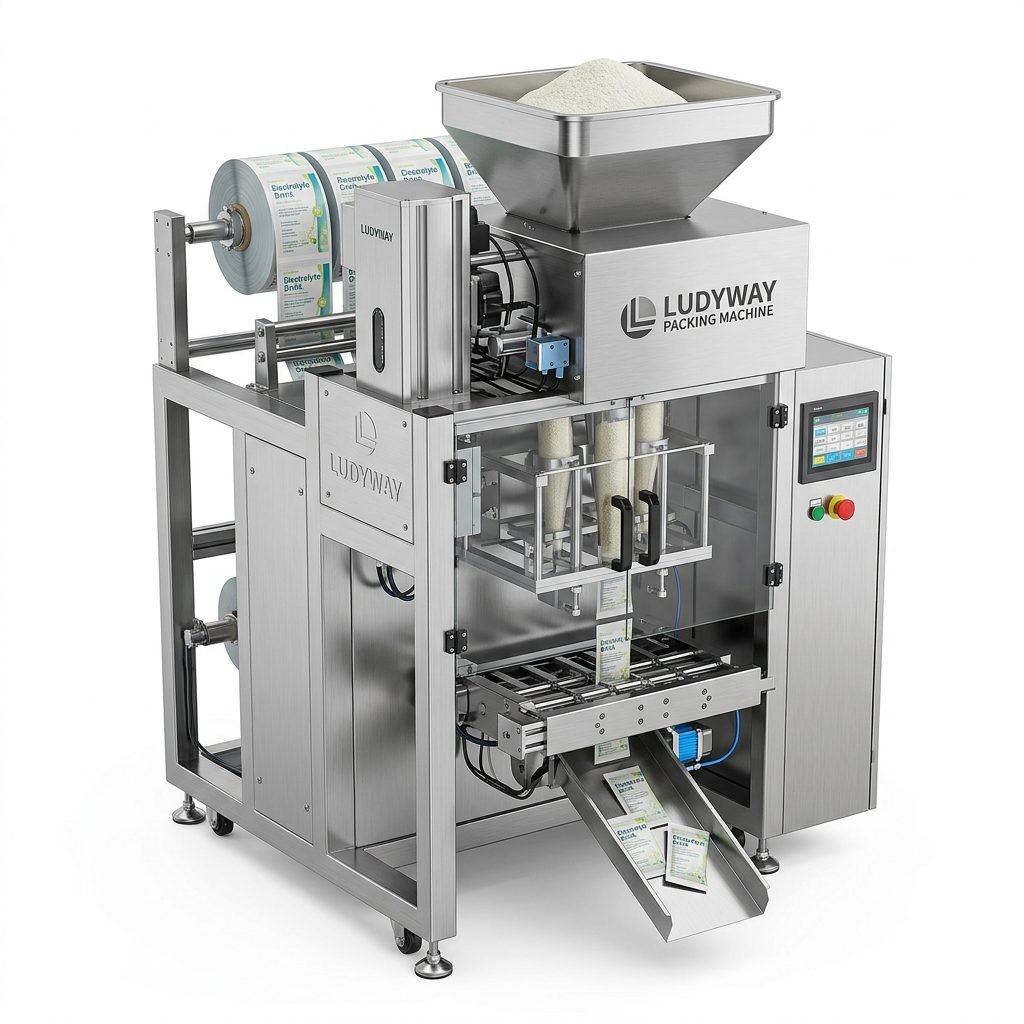
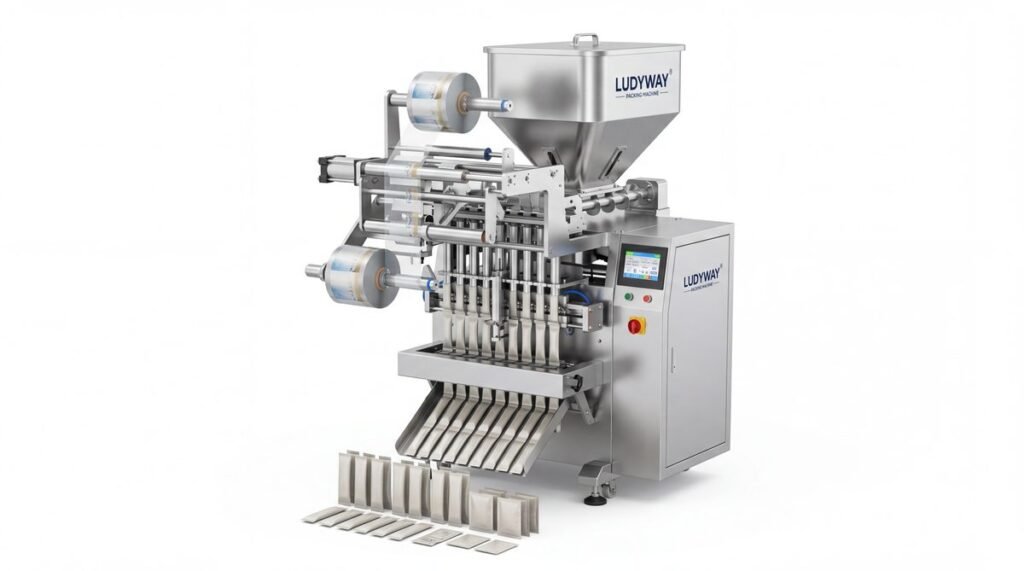
For single-serving fruit powders, dried fruit snacks, and instant fruit drink mixes, multi-lane stick pack machines deliver exceptional speed and efficiency. These systems can produce hundreds of individual sachets per minute across multiple lanes simultaneously. They are particularly popular in the health supplement and convenience food sectors.
Tray Sealing and MAP Systems
Fresh-cut fruits and whole berries destined for retail shelves require tray sealing technology combined with modified atmosphere packaging. These machines replace oxygen with an inert gas mixture to slow respiration and microbial growth, significantly extending the product’s shelf life. High-speed tray sealers can handle dozens of trays per minute with minimal manual intervention.
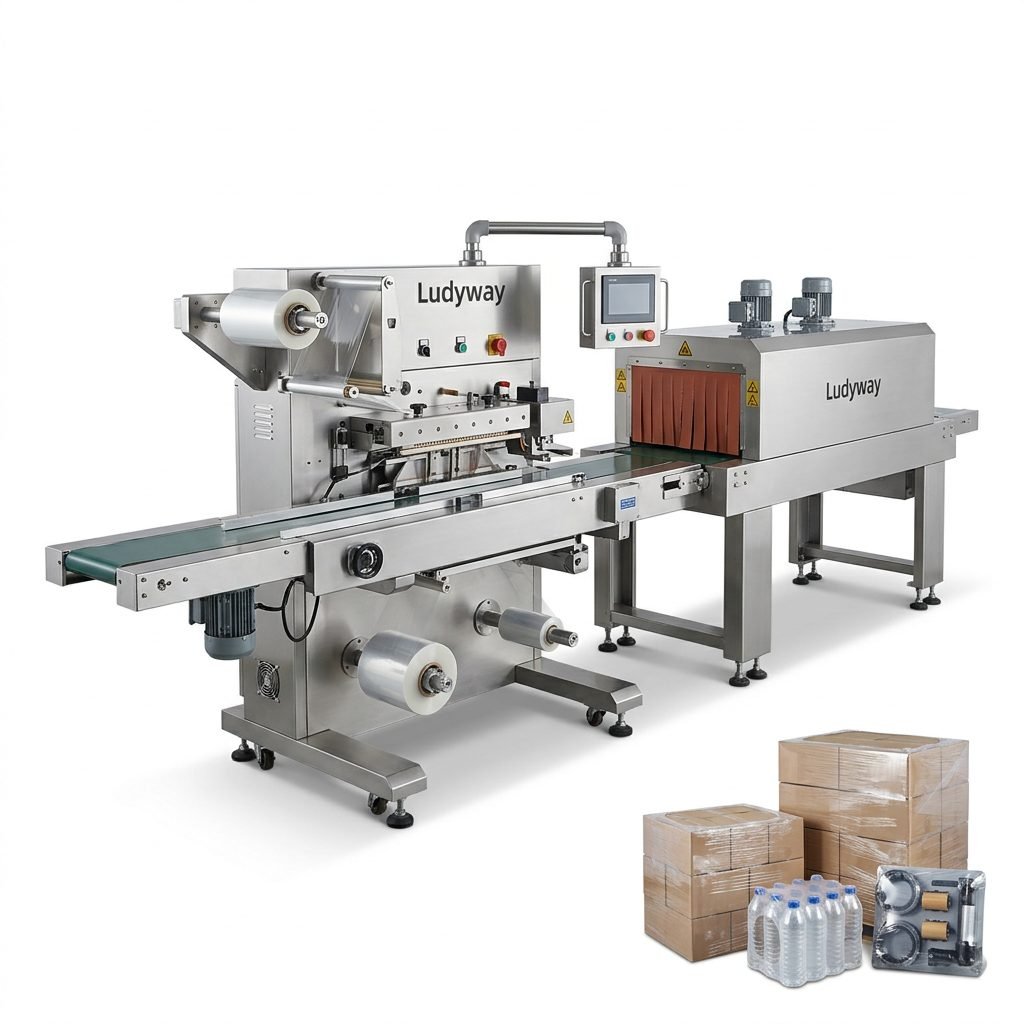
Horizontal Flow Wrappers
For individually wrapping whole fruits or fruit bars, horizontal flow wrappers provide a versatile and cost-effective solution. These machines are commonly found in produce packing facilities handling items like apples, citrus fruits, and tropical fruit bars destined for export markets.
Key Selection Criteria: A Comparative Overview
When comparing different fruit packaging machine models, evaluating technical specifications side by side helps clarify which equipment aligns best with your production goals. The table below summarizes the most critical selection criteria:
| Selection Criteria | What to Evaluate | Why It Matters |
|---|---|---|
| Production Speed | Packs per minute, cycle time, lane count | Determines throughput capacity and ROI timeline |
| Packaging Format | Sachet, stick pack, tray, pouch, flow wrap | Must align with target market and retail channel |
| Material Compatibility | Film types, thickness range, barrier properties | Affects seal integrity and shelf life performance |
| Automation Level | Manual, semi-automatic, fully automatic | Impacts labor requirements and operational consistency |
| Changeover Time | Time to switch between formats or products | Critical for facilities running multiple SKUs |
| Cleaning and Hygiene | IP rating, washdown capability, tool-free disassembly | Essential for food safety and regulatory compliance |
| Integration Capability | Upstream/downstream connectivity, Industry 4.0 readiness | Ensures seamless operation within existing lines |
Evaluating Build Quality and Materials
The longevity of your packaging equipment depends heavily on construction quality. Machines built with stainless steel frames and food-grade contact surfaces withstand the rigorous cleaning protocols required in fruit processing environments. Key aspects to inspect include:
- Frame material grade — 304 or 316 stainless steel is preferred for wet and acidic environments
- Sealing jaw construction — precision-machined aluminum with durable coatings ensures consistent seal quality
- Electrical enclosure ratings — IP65 or higher protection prevents moisture ingress
- Bearing and guide rail specifications — food-grade lubricants and sealed designs reduce contamination risk
Energy Efficiency and Operational Costs
While upfront pricing often dominates purchasing decisions, total cost of ownership should be the real focus. A fruit packaging machine with higher energy efficiency reduces electricity consumption over its operational life. Consider these ongoing cost factors:
- Compressed air consumption: Pneumatic systems can be significant energy drains if not optimized
- Film utilization rate: Precise film tension control and minimal scrap generation lower material costs
- Maintenance intervals: Machines with longer service intervals reduce downtime and parts expenditure
- Operator training requirements: Intuitive human-machine interfaces (HMI) shorten the learning curve
Supplier Support and After-Sales Service
Even the most reliable packaging machinery requires periodic maintenance and occasional troubleshooting. When sourcing from global suppliers, evaluate the depth and responsiveness of their technical support infrastructure. Reliable after-sales service includes remote diagnostics capabilities, readily available spare parts inventories, and access to skilled field technicians. Suppliers with a proven track record across multiple international markets are generally better positioned to provide consistent support. For example, Ludyway — one of the largest packaging machine manufacturers in China — serves customers in over 100 countries and regions with comprehensive technical support and a modern 20,000㎡ manufacturing facility.
Compliance with International Standards
Food packaging machinery destined for cross-border trade must comply with a complex web of regulations. Key standards to verify include:
- CE marking for European market access
- FDA compliance for equipment sold into the United States food sector
- ISO packaging standards for international harmonization
- GFSI-recognized certifications for global food safety scheme compliance
- UL certification for electrical safety in North American installations
Future-Proofing Your Investment
The global fruit packaging landscape is evolving rapidly. Sustainability mandates, smart factory integration, and changing consumer preferences are reshaping requirements. When purchasing a fruit packaging machine, consider these forward-looking capabilities:
- Recyclable and compostable film compatibility: As packaging waste regulations tighten, machines must handle eco-friendly materials
- IoT connectivity: Real-time performance monitoring and predictive maintenance reduce unplanned downtime
- Modular design: Allows incremental upgrades without replacing the entire system
- Multi-format flexibility: Accommodates new packaging styles as market trends shift
Making the Final Decision
Selecting the ideal packaging equipment requires balancing technical requirements, budget constraints, and long-term strategic goals. Visit supplier facilities when possible, request product samples packaged on the actual equipment under consideration, and speak with existing customers about their real-world experience. A fruit packaging machine is a significant capital investment — thorough due diligence ensures you choose equipment that will serve your business reliably for years to come.
For further guidance on packaging industry trends and technical standards, explore resources from industry associations and regulatory bodies that provide up-to-date information on best practices and emerging technologies in fruit packaging.