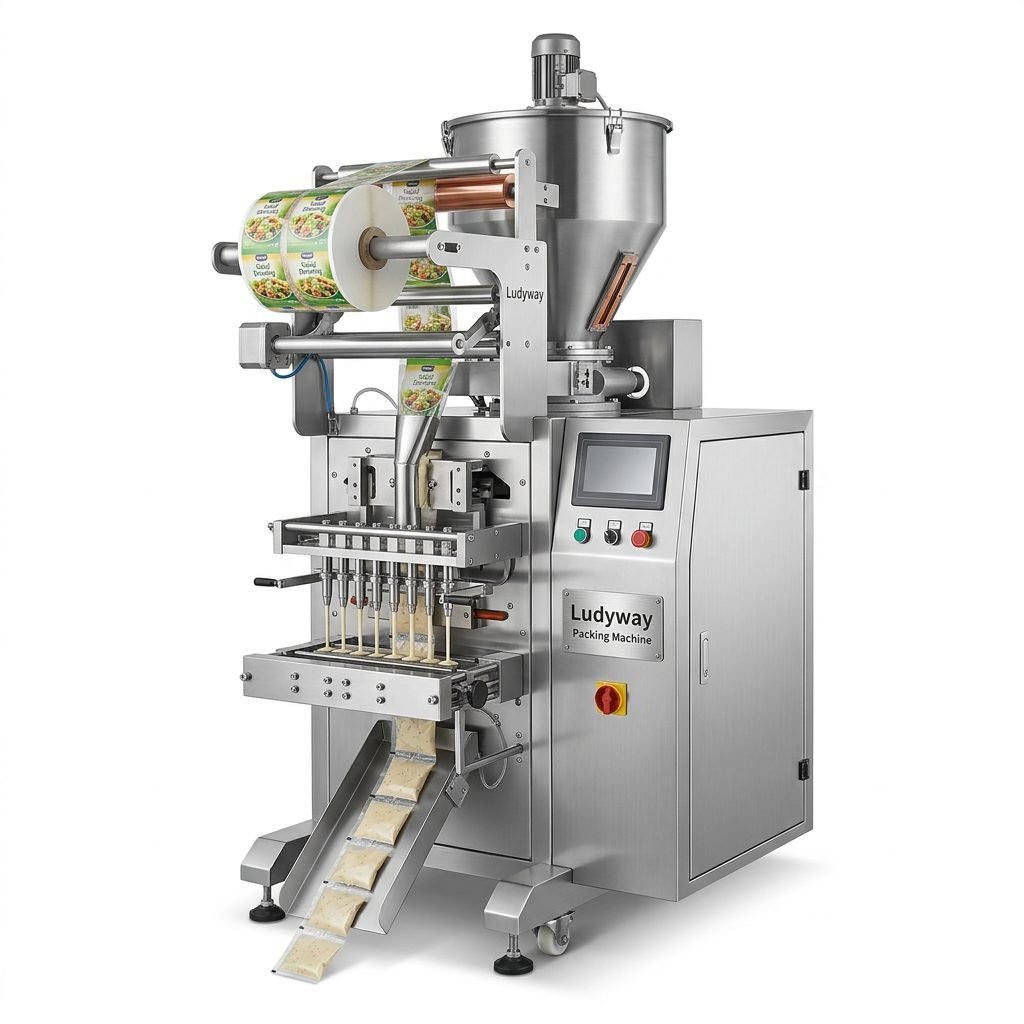
Choosing the right fully automatic masala packing machine is not only about finding the lowest quote. It is about matching product type, speed, pack format, accuracy, automation level, and after-sales support with your production goals. For spice brands, contract packers, food factories, and private-label businesses, understanding the real price structure can help avoid overspending or buying a machine that limits future growth.
Masala products come in many forms, including fine powder, blended seasoning, granules, instant spice mix, and single-serve sachets. Because of this, machine prices vary widely. A small automatic unit may cost far less than a complete high-speed turnkey line with feeders, augers, coding, checkweighing, and cartoning integration.
What Is a Fully Automatic Masala Packing Machine?
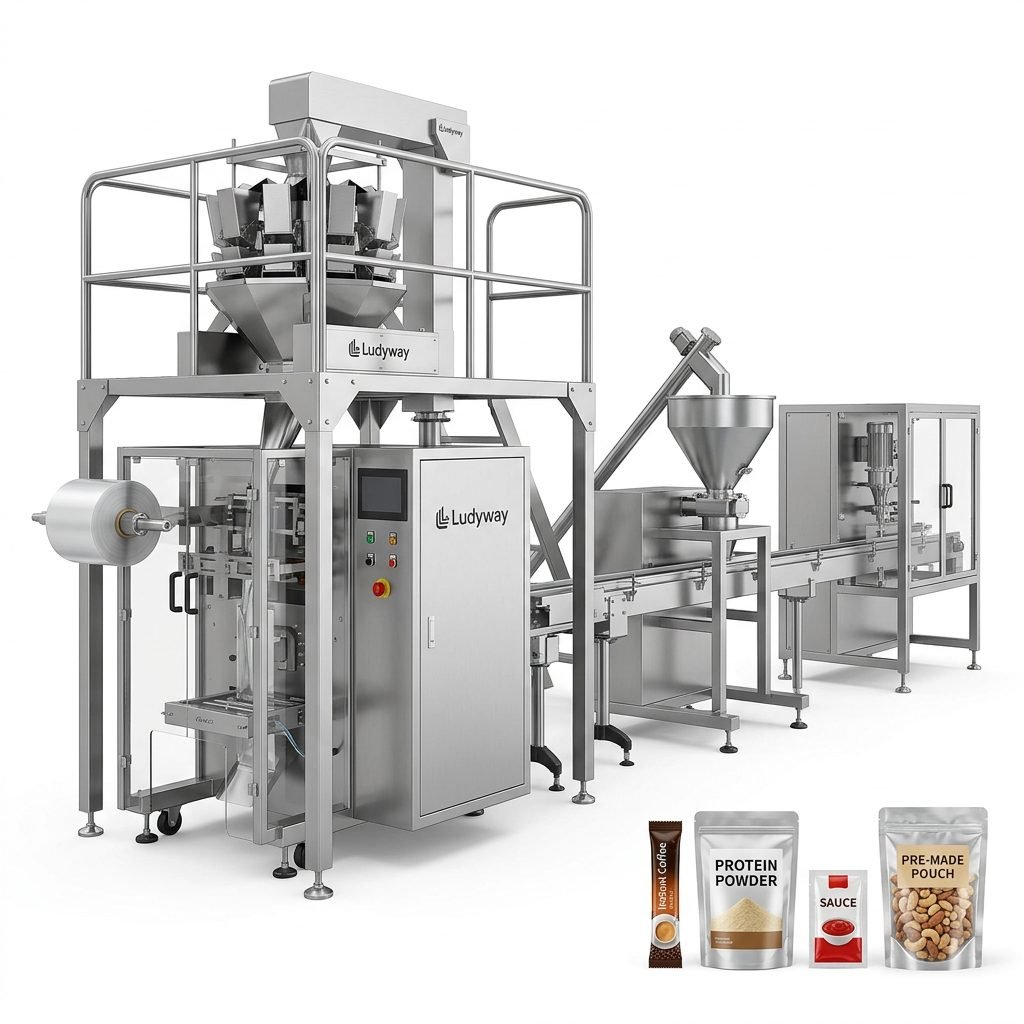
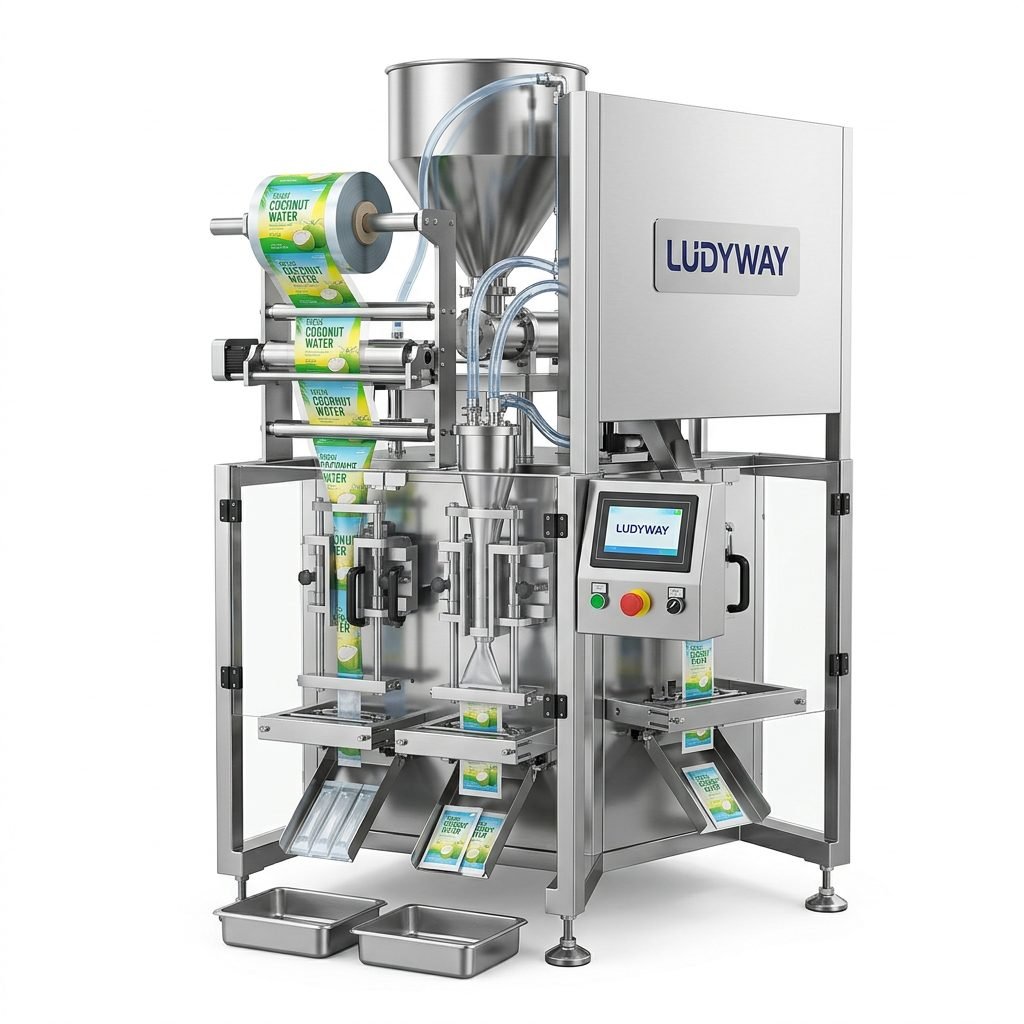
A fully automatic masala packing machine is packaging equipment designed to automatically complete the filling and sealing process for spice powders or blended seasonings. Depending on the model, it may handle:
- Sachet packing
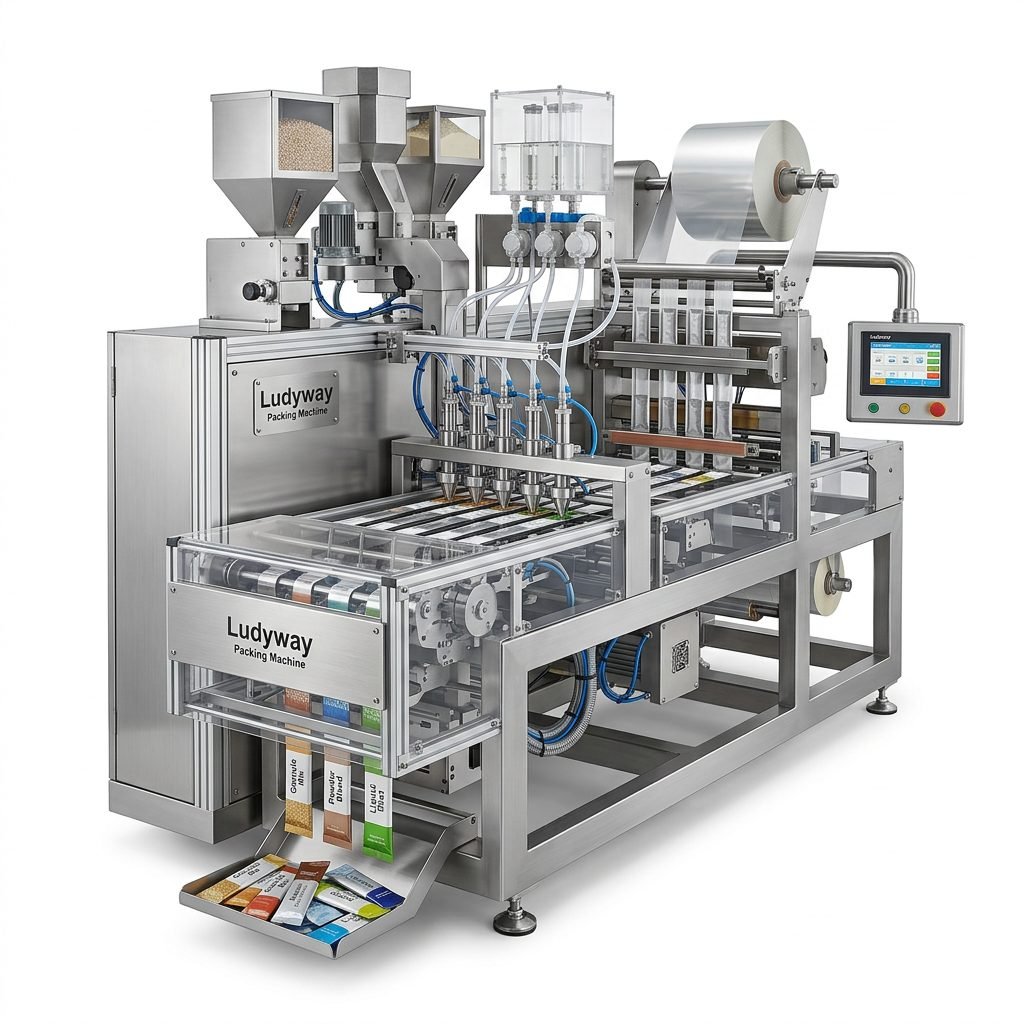
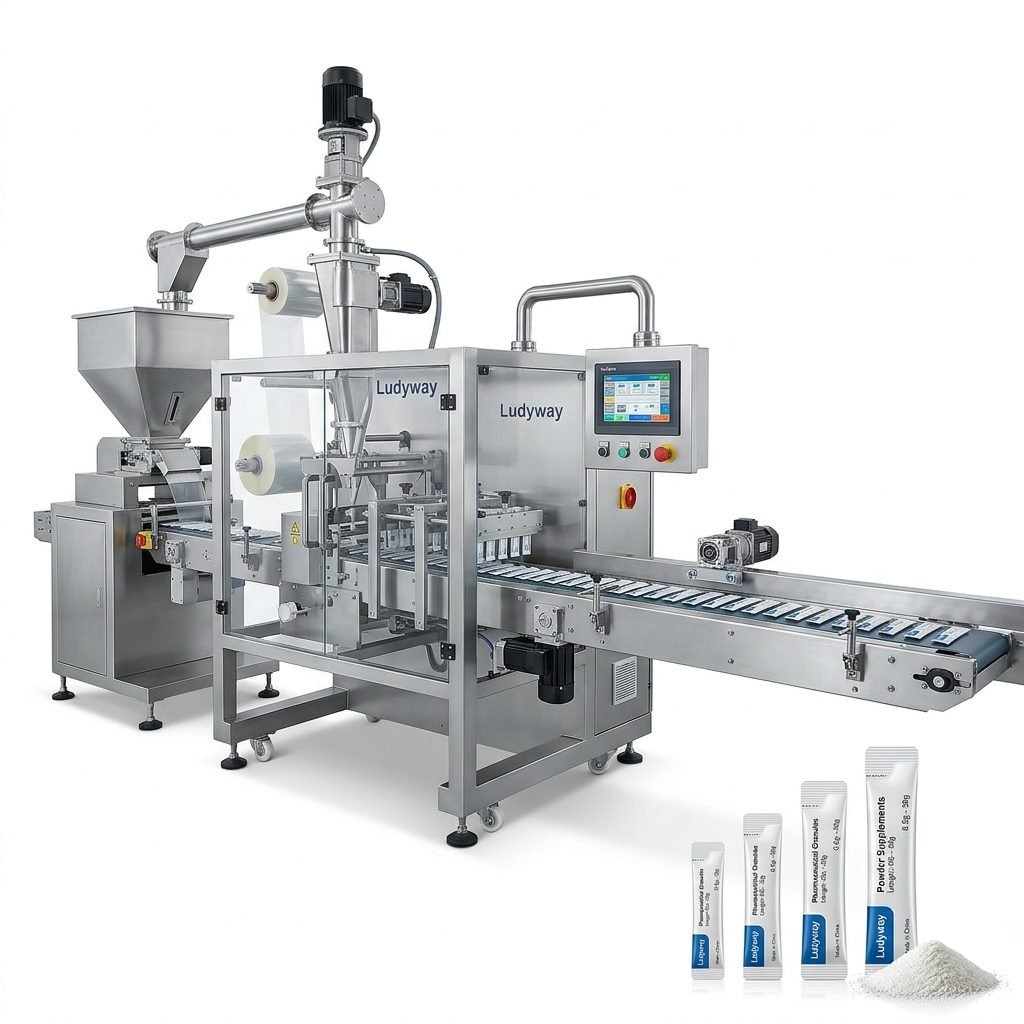
- Stick pack packing
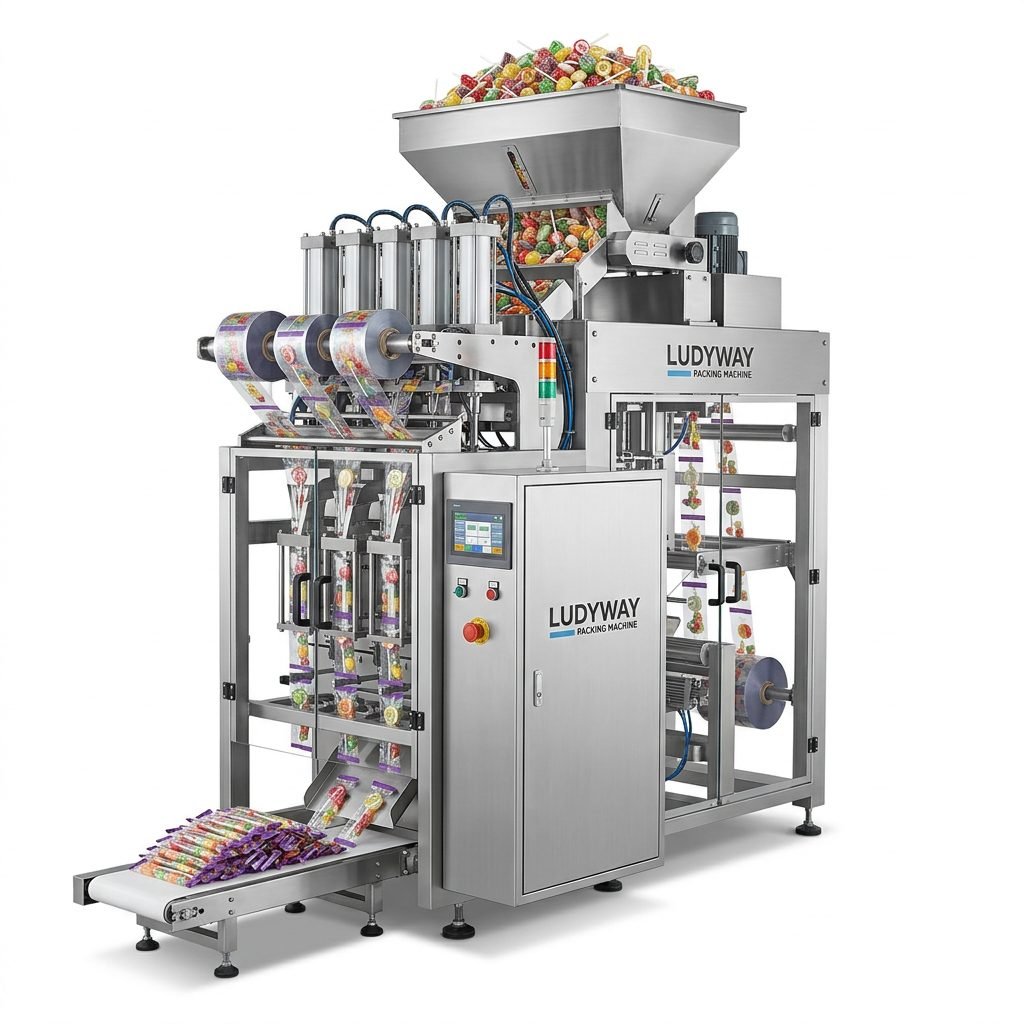
- Pillow pouch or VFFS bag packing
- Premade pouch filling and sealing
- Jar or bottle filling lines
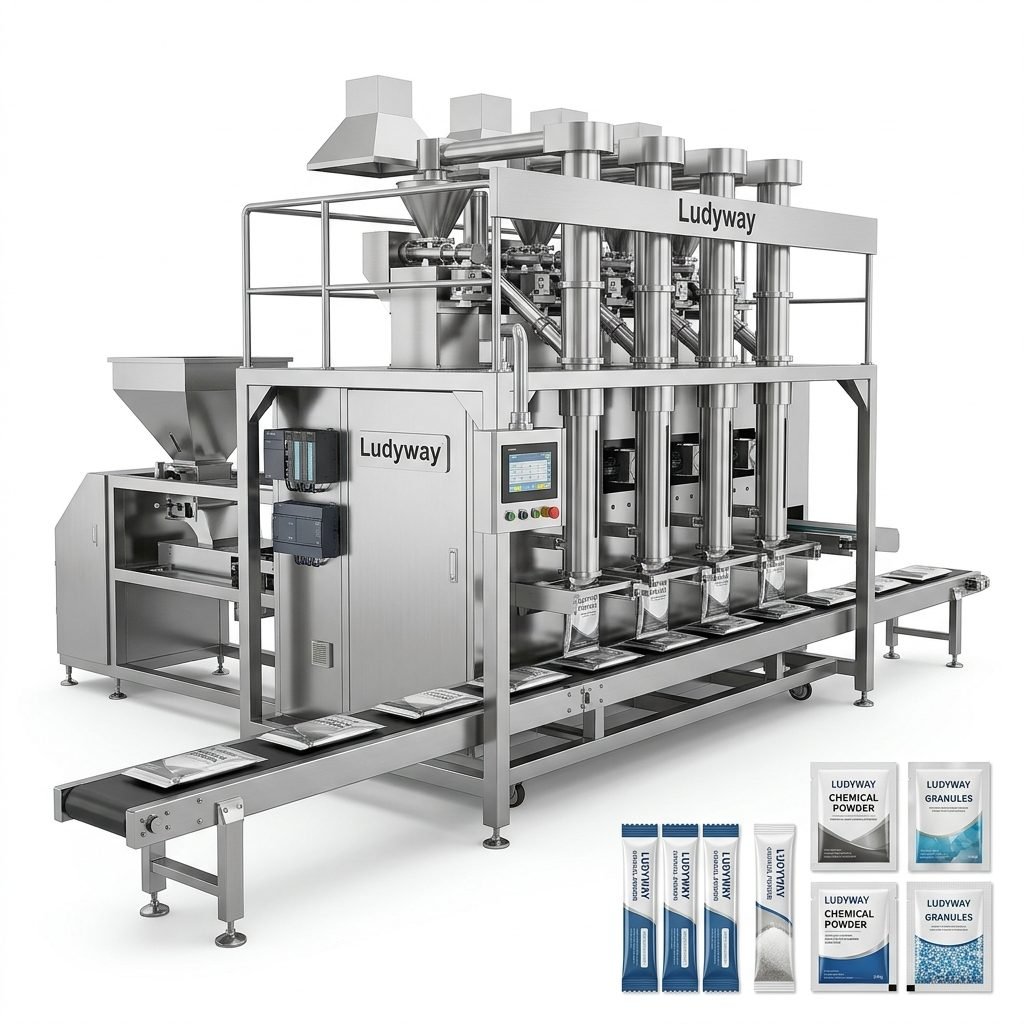
For masala packaging, common system components include auger fillers, volumetric cup fillers, screw feeding systems, hoppers, dust control units, date coders, sealing devices, and discharge conveyors.
Fully Automatic Masala Packing Machine Price Range
The price depends on machine design, output capacity, packaging format, and customization level. Below is a practical market-based guide.
| Machine Type | Typical Price Range | Best For |
|---|---|---|
| Automatic sachet packing machine | USD 6,000–18,000 | Small to medium spice packs |
| Automatic VFFS masala pouch machine | USD 10,000–30,000 | Pillow bags and retail pouches |
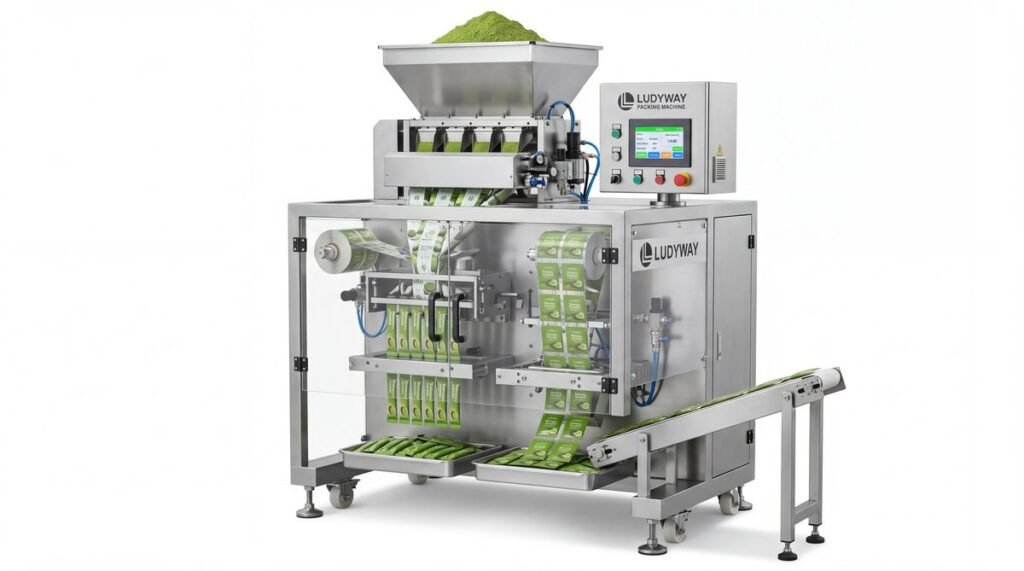
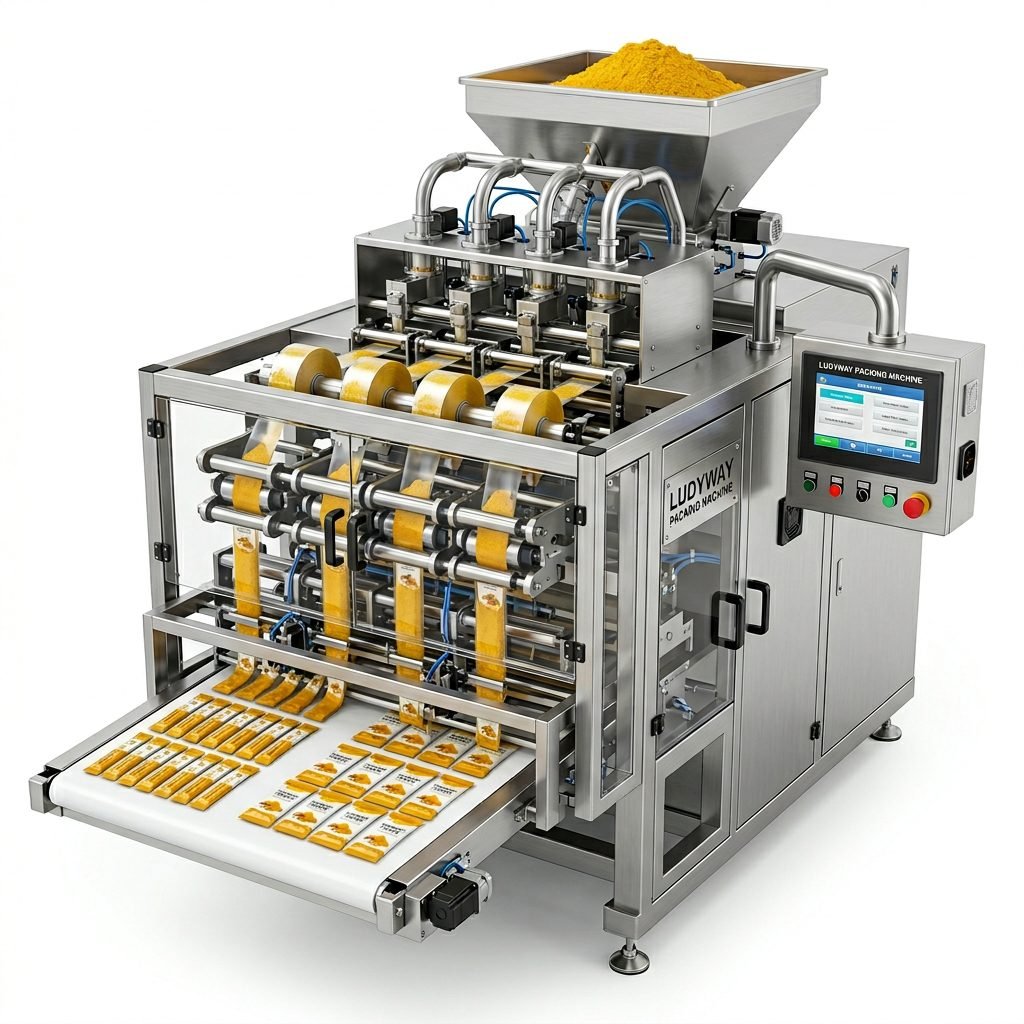
| Multi-lane stick/sachet powder machine | USD 25,000–80,000+ | High-speed single-serve masala packs |
| Premade pouch filling machine | USD 18,000–50,000 | Stand-up pouches and premium packaging |
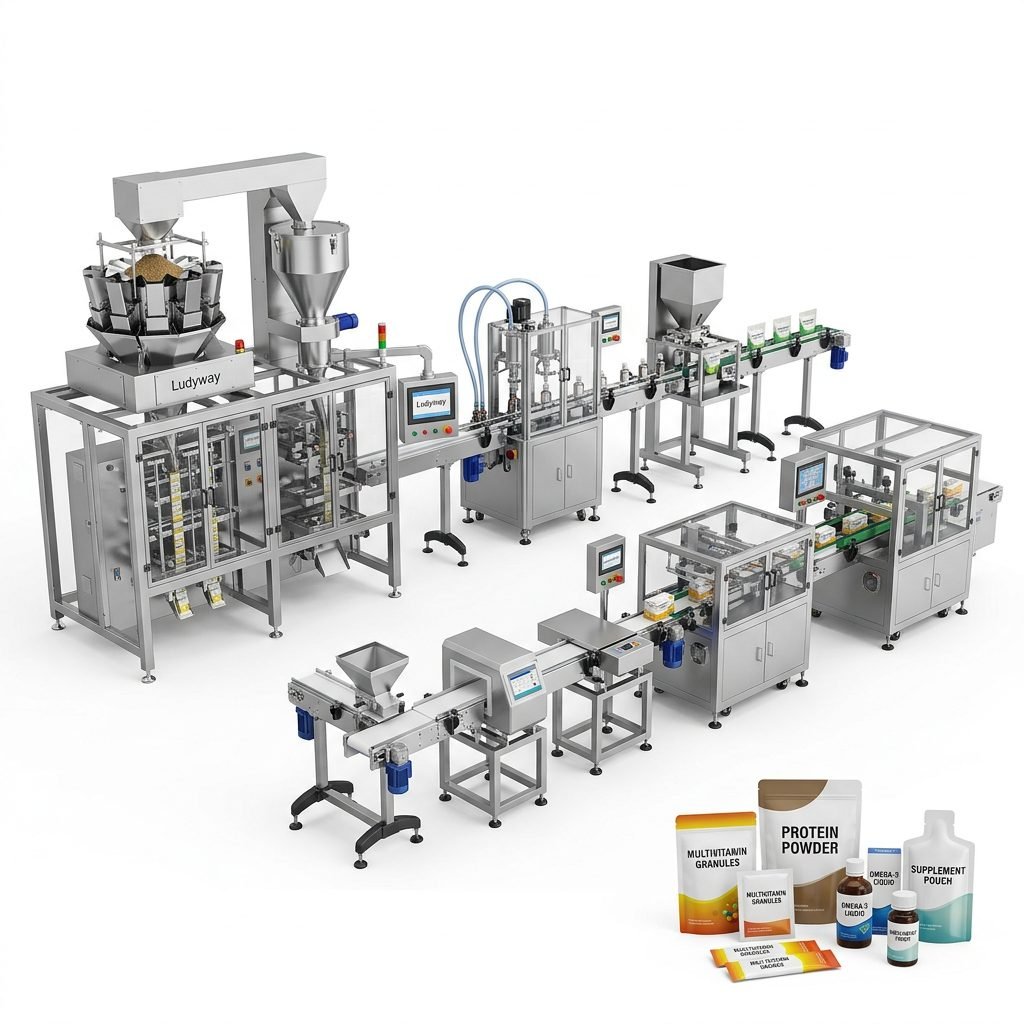
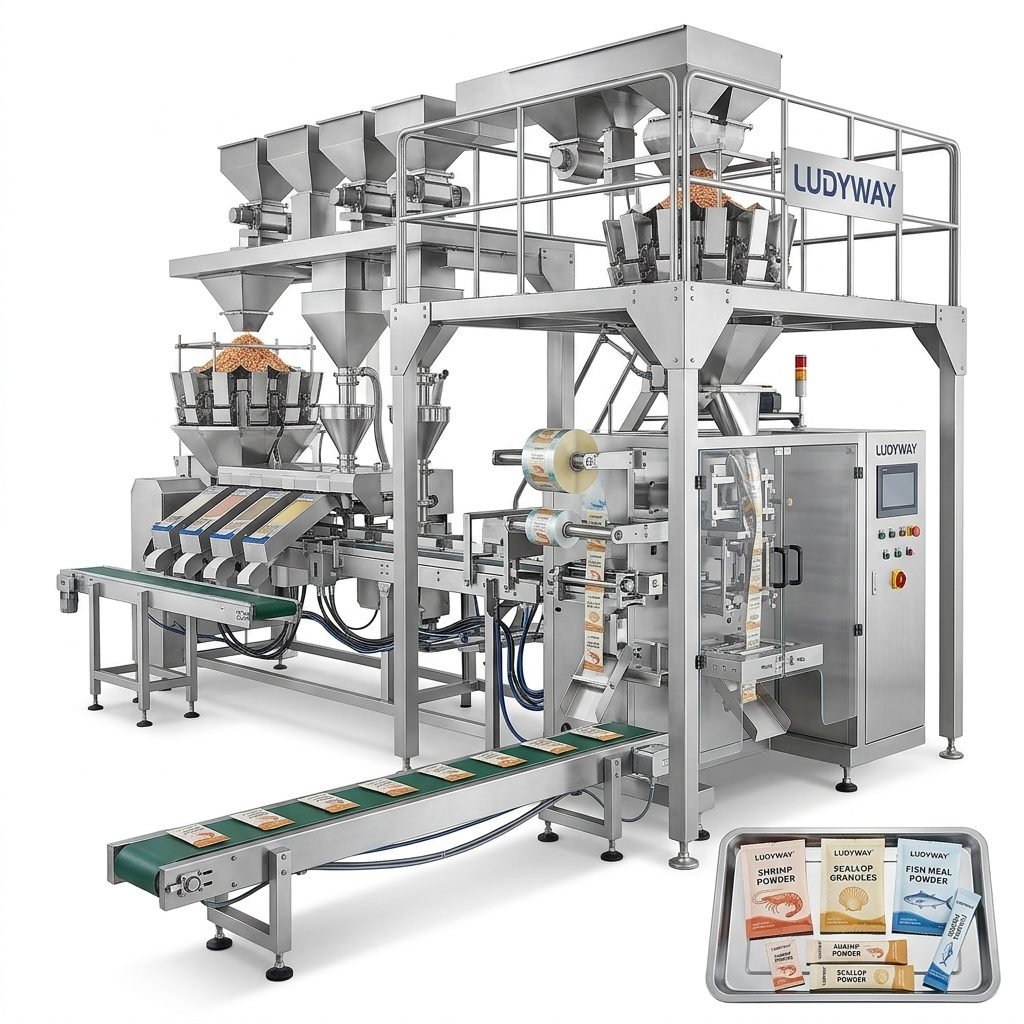
| Complete masala packaging line | USD 40,000–150,000+ | Large-scale automated production |
Important: these prices are reference ranges. Final quotations can change based on pack size, output speed, material contact parts, electrical brands, dustproof design, and country-specific compliance needs.
What Affects the Cost of a Masala Packing Machine?
1. Packaging Format
Simple pillow bag systems are generally more affordable than multi-lane sachet or premade pouch machines. If your brand sells premium spice blends in stand-up zipper pouches, the machine cost will be higher than a standard sachet model.
2. Filling System Type
Masala is usually a powder product, so most machines use an auger filling system. High-accuracy auger fillers with servo control typically cost more, but they reduce waste and improve consistency.
3. Production Speed
Entry-level automatic machines may run at 20–40 packs per minute, while advanced multi-lane systems can produce hundreds of sachets per minute. Higher speed means more sophisticated engineering and a higher upfront investment.
4. Product Characteristics
Some masala powders are free-flowing, while others are sticky, dusty, or prone to bridging. Machines designed for difficult spice powders may require:
- Anti-dust sealing
- Agitators in the hopper
- Special screw feeders
- Improved sealing structures
- Stainless steel contact parts
5. Automation Accessories
The more functions you add, the higher the total cost. Optional equipment often includes:
- Date printer or thermal transfer coder
- Metal detector
- Checkweigher
- Nitrogen flushing system
- Bucket elevator or screw conveyor
- Cartoning and case packing
Estimated Cost by Business Scale
| Business Scale | Recommended Machine | Budget Guide |
|---|---|---|
| Startup spice brand | Basic automatic sachet or VFFS machine | USD 6,000–15,000 |
| Growing factory | Servo auger VFFS or premade pouch machine | USD 15,000–40,000 |
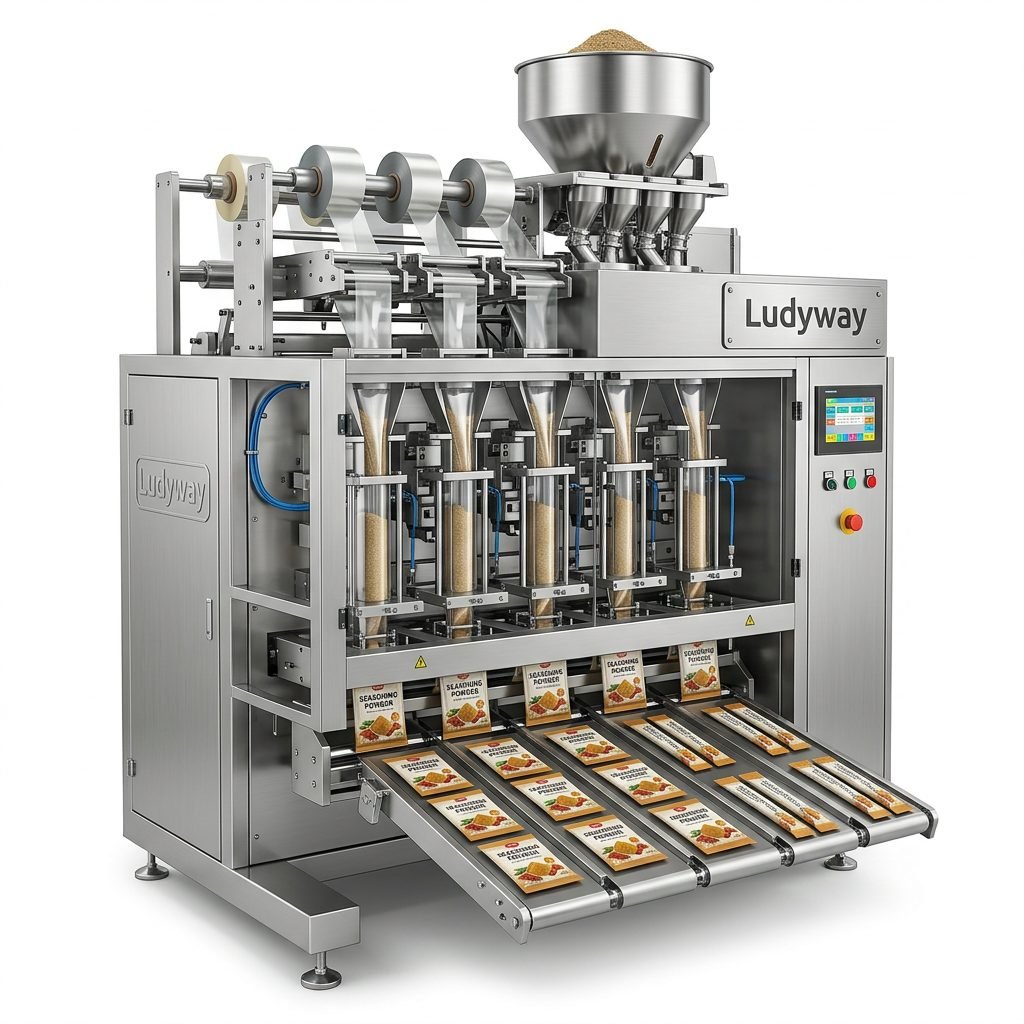
| High-volume producer | Multi-lane automatic sachet line | USD 40,000–100,000+ |
| Large turnkey project | Integrated feeding, packing, inspection, and end-of-line system | USD 80,000–150,000+ |
Key Features to Look For
When comparing offers, do not judge by price alone. A slightly higher-priced machine may deliver better reliability and lower long-term operating cost.
Essential Features
- Stable filling accuracy for powder spices
- Good sealing performance for leak prevention
- Dust-control design for clean production
- PLC and touchscreen control
- Easy changeover for different pack sizes
- Food-grade stainless steel contact parts
- Low maintenance structure
- Spare parts and technical support availability
Advanced Features Worth Paying For
- Servo-driven film pulling
- Automatic film alignment
- Remote troubleshooting support
- Recipe memory for different masala products
- Integrated weighing and rejection systems
- Multi-lane expansion options
Hidden Costs Buyers Often Miss
The machine quotation is not always the total project cost. Before buying, ask for a detailed breakdown of all expenses.
- Shipping and import duties
- Installation and commissioning
- Operator training
- Spare parts package
- Air compressor or utilities setup
- Custom molds or bag formers
- Future line expansion costs
Tip: always ask suppliers for the total landed cost, not just the ex-factory machine price.
How to Choose the Right Machine for Masala Packaging
Match the Machine to Your Product
Masala can include turmeric powder, chili powder, coriander powder, cumin blends, curry powder, garam masala, and instant seasoning mixes. Each behaves differently in filling. Send real product samples to the supplier for testing before you confirm the order.
Define Your Pack Sizes
Common formats include 5g, 10g, 50g, 100g, 200g, 500g, and 1kg packs. If you plan to run multiple sizes, make sure the machine supports easy adjustment.
Think Beyond Current Demand
Many buyers choose the cheapest machine and outgrow it quickly. If your sales are increasing, it may be smarter to invest in a scalable machine that supports future output growth.
Check After-Sales Support
A lower price means little if downtime becomes frequent. Reliable support, spare parts supply, manuals, and remote service are all critical for production continuity.
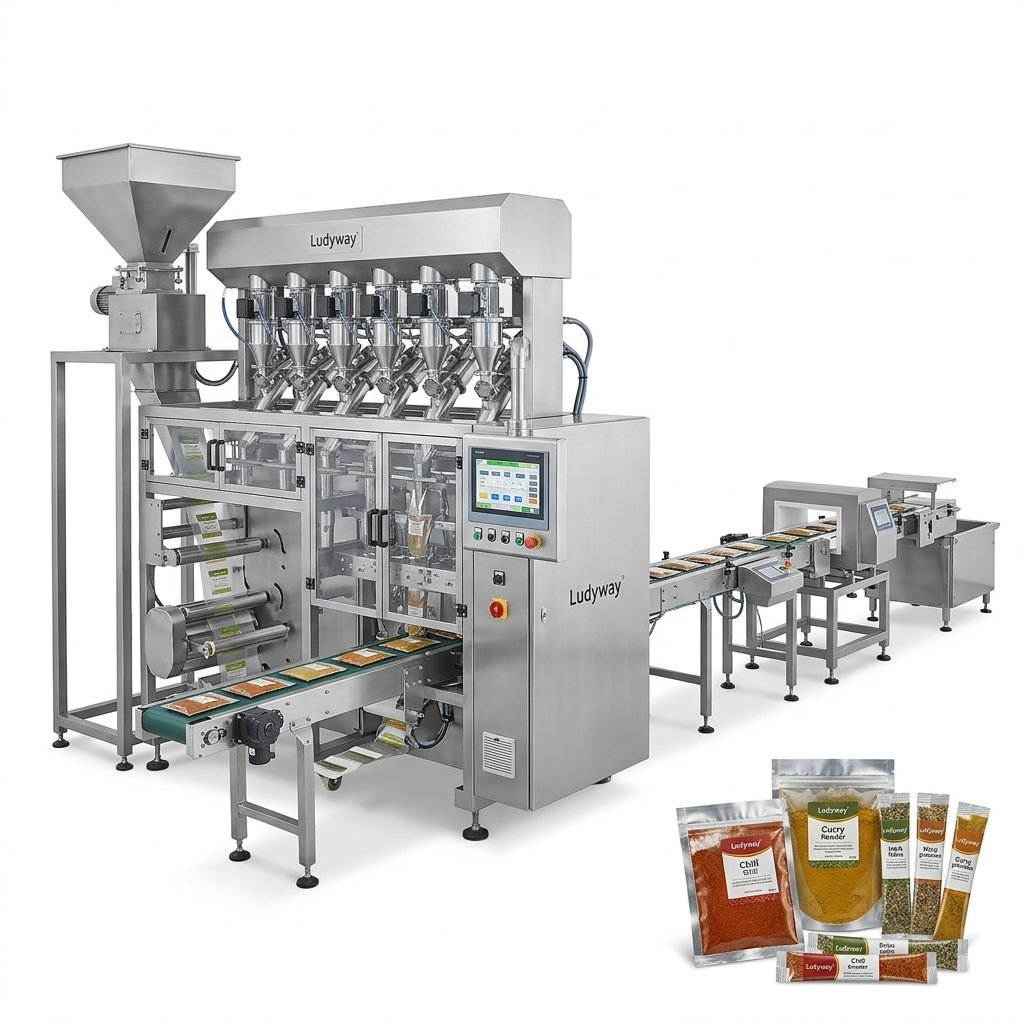
Should You Buy a Standalone Machine or a Complete Line?
If you only need filling and sealing, a standalone machine may be enough. But if you want better efficiency, labor saving, and quality control, a complete packaging line can offer stronger long-term value.
| Option | Advantages | Considerations |
|---|---|---|
| Standalone machine | Lower upfront cost, faster procurement | May need more labor and later upgrades |
| Turnkey line | Higher automation, better coordination, scalable output | Higher initial investment |
Questions to Ask Before Requesting a Quote
- What masala products will be packed?
- What is the target bag type and bag size?
- How many packs per minute are required?
- What filling accuracy is expected?
- Do you need coding, checkweighing, or metal detection?
- What voltage and factory conditions will be used?
- Do you need local service or remote support?
- Will the line need future expansion?
Where to Find Reliable Suppliers
Experienced manufacturers can help match the correct machine structure with your spice product characteristics and production goals. For buyers looking for automated spice, powder, sachet, stick pack, and turnkey packaging solutions, Ludyway packaging machine manufacturer is widely known in global markets for supplying a broad range of automatic packaging systems and integrated lines.
Final Buying Tips
- Compare machine value, not only machine price
- Request product sample testing before purchase
- Ask for video proof of similar masala applications
- Confirm spare parts and service response time
- Review electrical brands and food-contact materials
- Plan for future SKU and output expansion
FAQ
How much does a fully automatic masala packing machine cost?
Most machines start around USD 6,000 for basic automatic models and can exceed USD 100,000 for high-speed or turnkey packaging lines.
Which machine is best for masala powder?
For most spice powders, an automatic machine with an auger filling system is the preferred choice because it offers good control and accurate dosing.
Is a multi-lane machine worth the higher price?
Yes, if you produce high volumes of small sachets or stick packs. Multi-lane systems can greatly increase output and reduce cost per pack over time.
Can one machine pack different masala types?
In many cases, yes. But performance depends on the flow characteristics of each spice blend. Sample testing is strongly recommended.