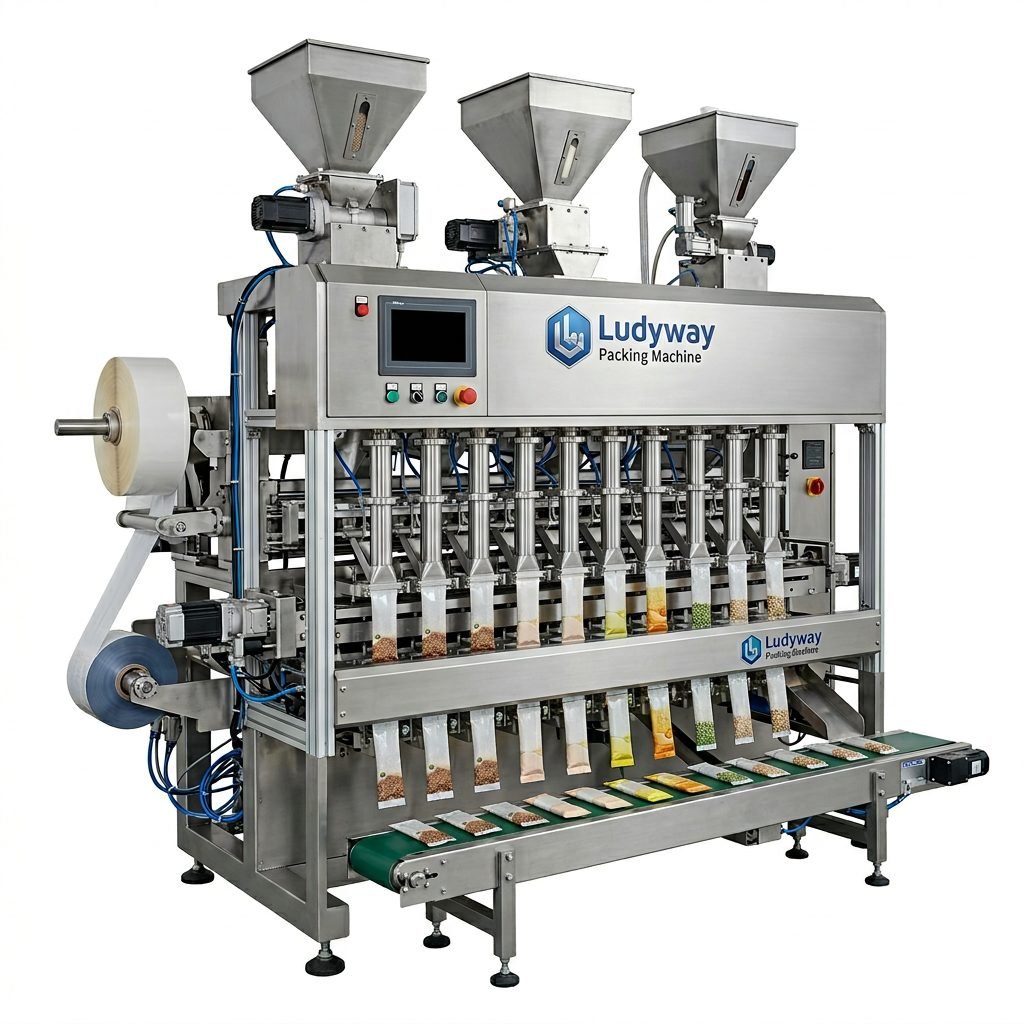
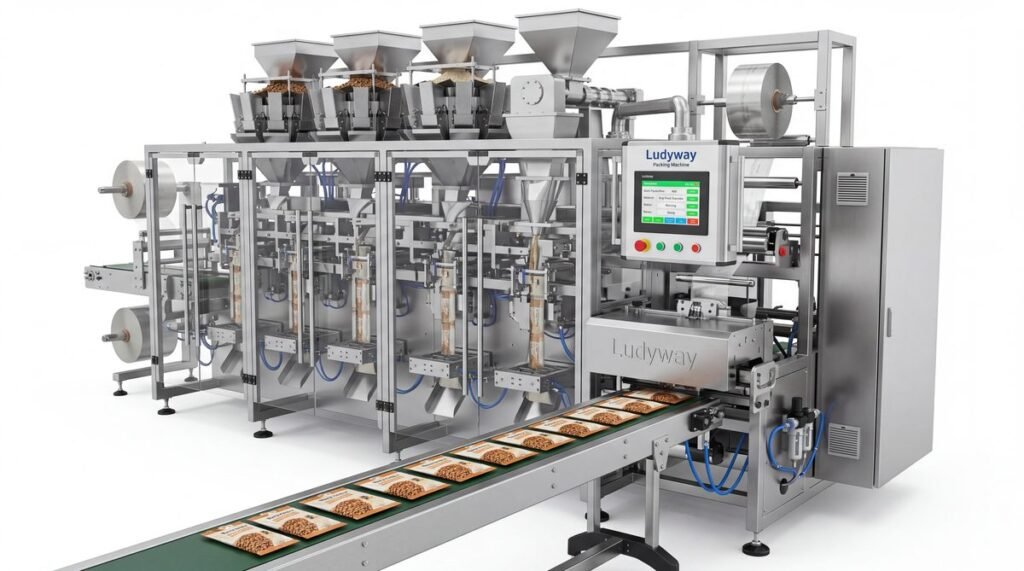
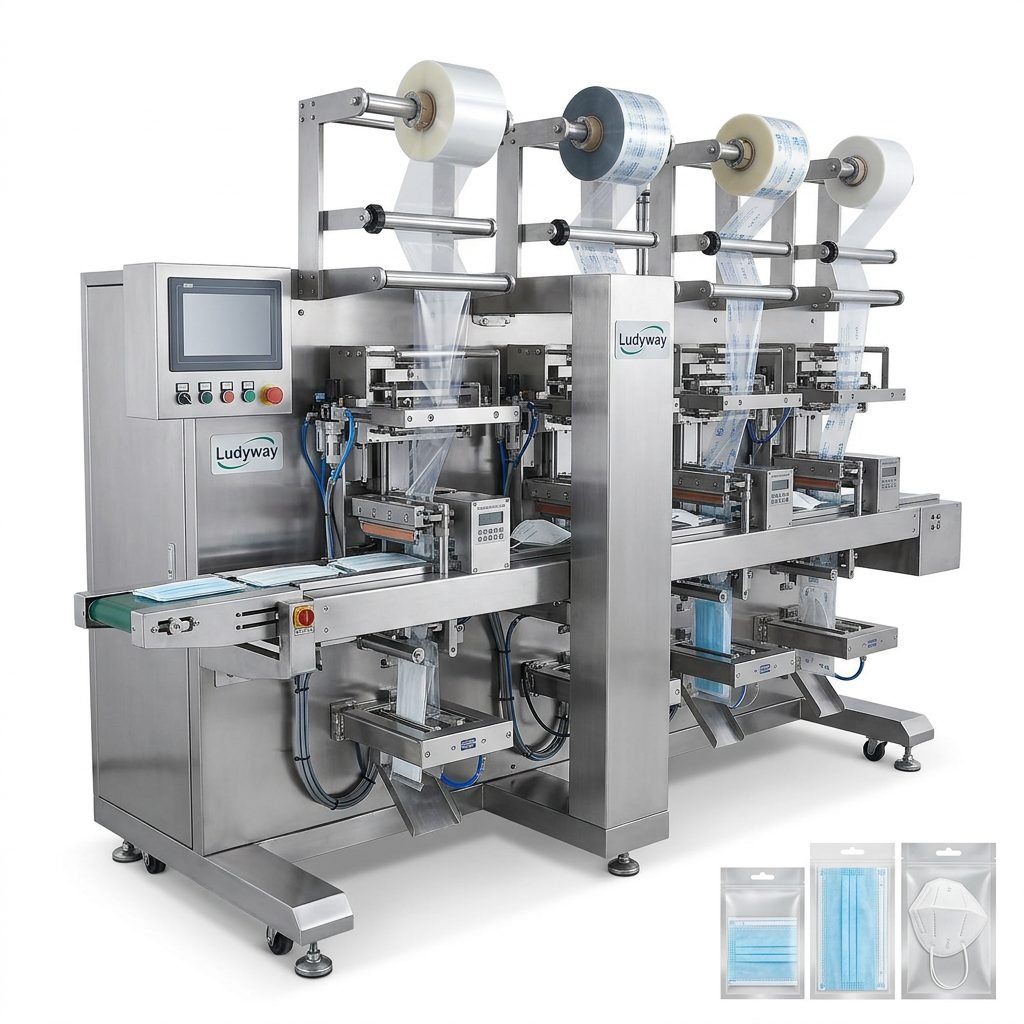
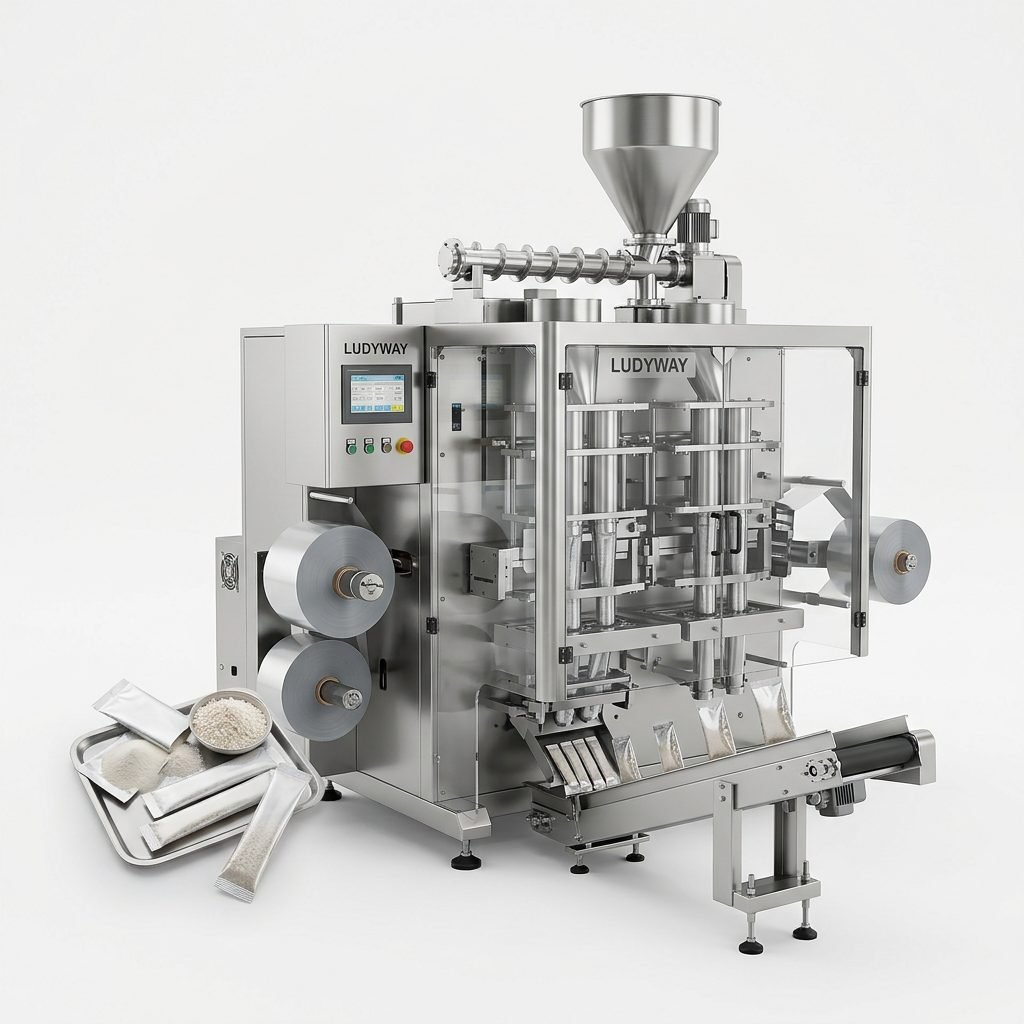
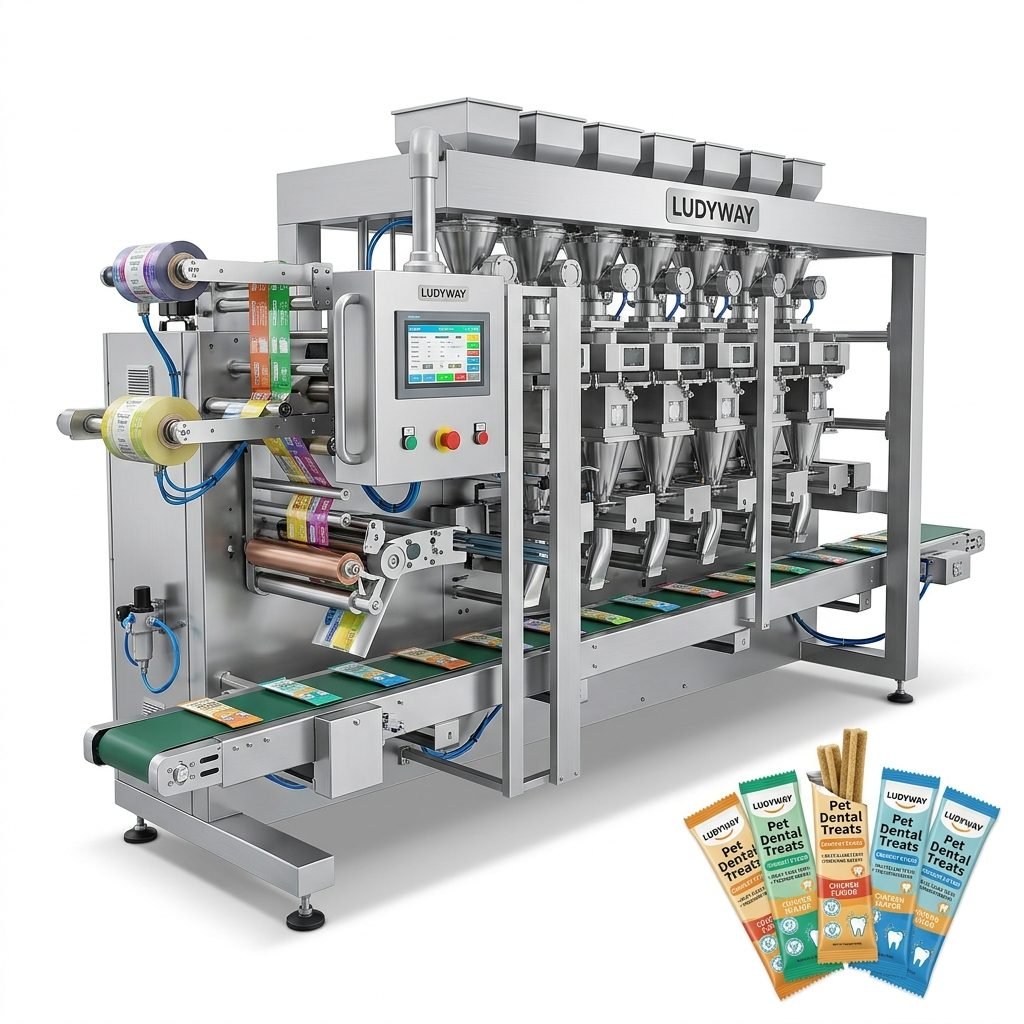
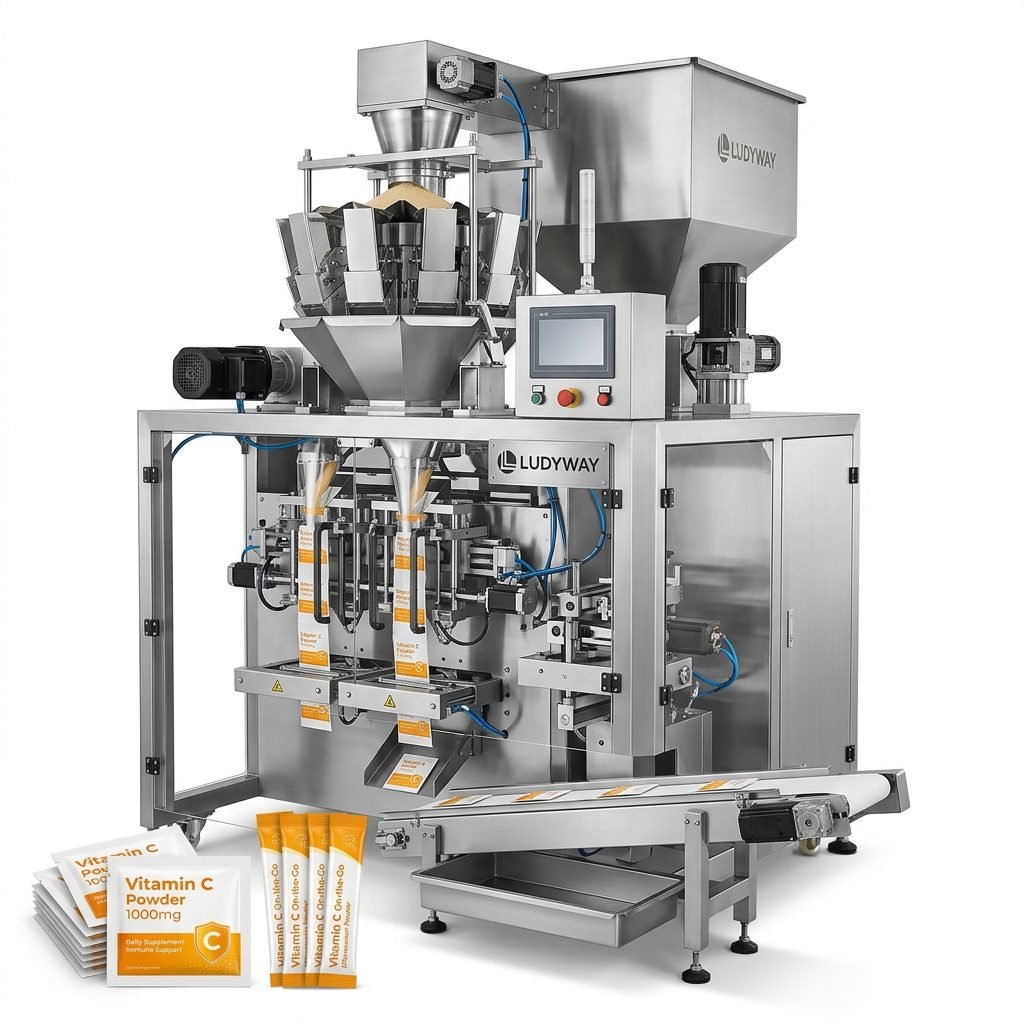
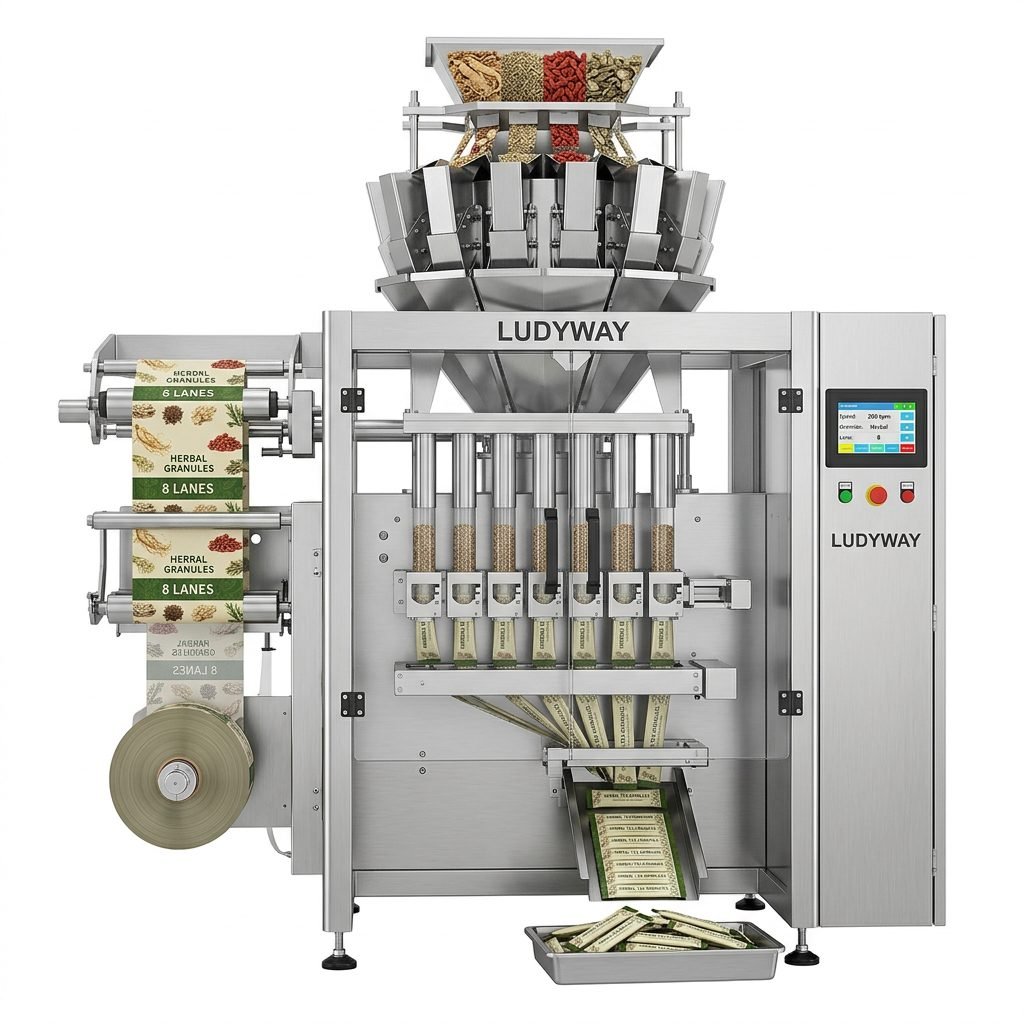
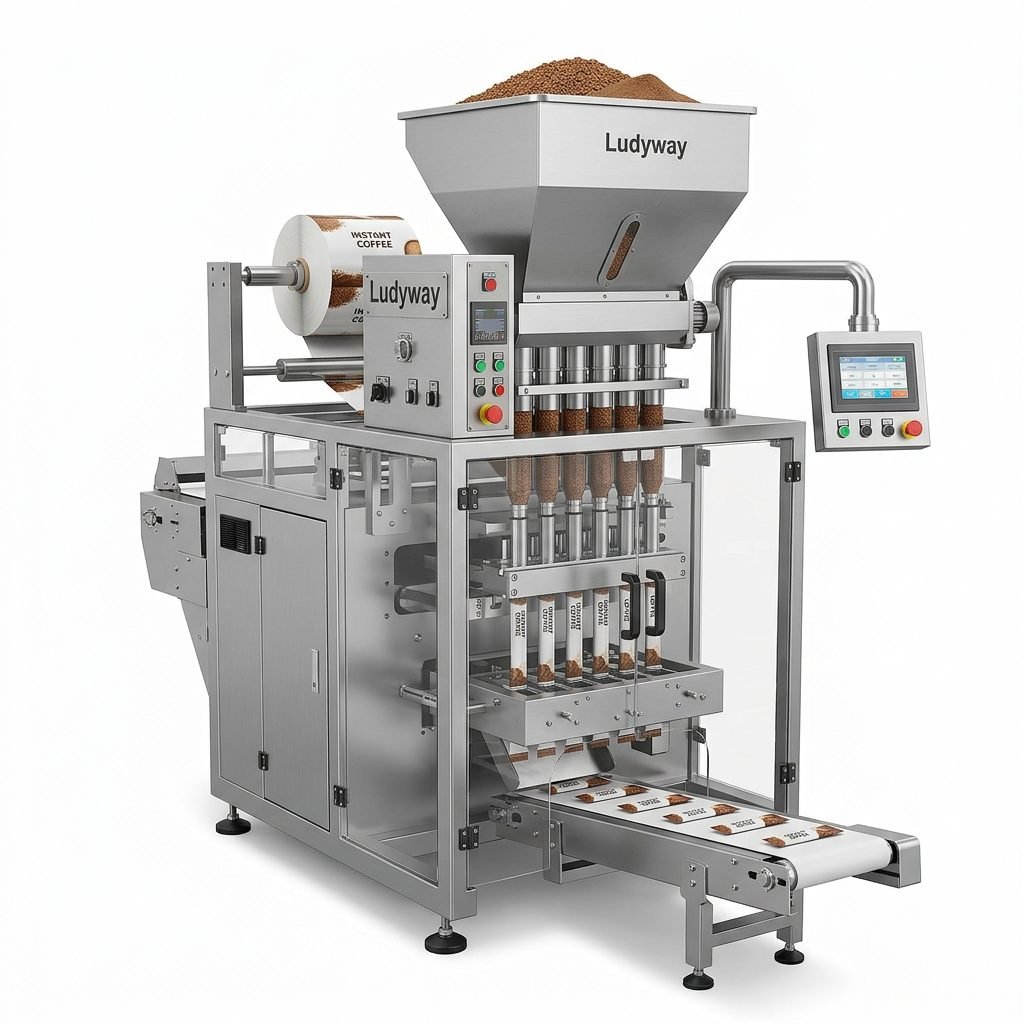
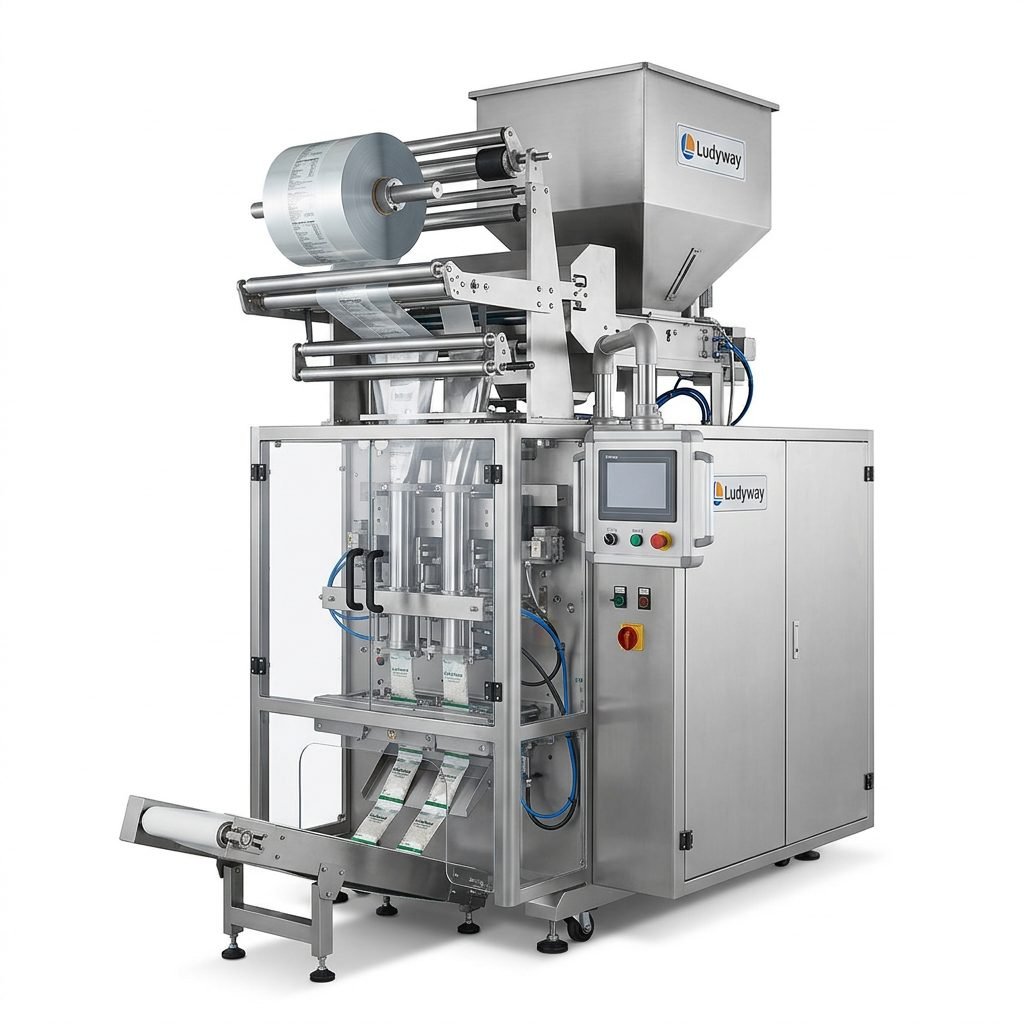
A packaging machine operator is a skilled professional responsible for setting up, operating, and maintaining machinery that packages products for distribution and sale. This role is critical in manufacturing and production environments across industries like food, pharmaceuticals, and consumer goods. Operators ensure that packaging processes run smoothly, efficiently, and safely, meeting strict quality and output standards.
Core Duties and Responsibilities
The day-to-day work of a packaging machine operator is diverse and hands-on. Key responsibilities include:
Primary Operational Tasks
- Machine Setup & Calibration: Preparing machines for production runs by installing appropriate packaging materials (film, cartons, labels), adjusting settings for size and speed, and performing initial test runs.
- Operation & Monitoring: Starting, stopping, and overseeing the machinery during production. Constantly monitoring for issues like jams, misfeeds, or defects in the sealed packages.
- Quality Control: Performing regular checks on packaged products to ensure they meet specifications for weight, seal integrity, labeling, and appearance. This is a ▶ critical duty to prevent waste and customer complaints.
- Basic Troubleshooting & Maintenance: Identifying minor mechanical problems, performing routine cleaning, lubrication, and basic repairs to minimize downtime.
- Production Reporting: Recording data such as production counts, machine downtime, and quality check results for shift reports.
Beyond these core tasks, operators often collaborate with line supervisors, quality assurance technicians, and maintenance crews to optimize the entire packaging line’s performance.
Essential Skills and Qualifications
Success in this role requires a blend of technical aptitude, attention to detail, and soft skills.
Technical & Hard Skills
- Mechanical Aptitude: Understanding how machinery works is fundamental for setup, adjustment, and troubleshooting.
- Technical Reading: Ability to interpret work orders, machine manuals, and standard operating procedures (SOPs).
- Basic Math & Measurement: Skills for calculating counts, measuring materials, and verifying weights and dimensions.
- Quality Inspection: Keen eye for detail to spot defects and inconsistencies quickly.
- Computer Literacy: Familiarity with Human-Machine Interface (HMI) panels and basic production software is increasingly important.
Soft Skills & Personal Attributes
Equally important are the personal qualities that enable effective work:
- Attention to Detail: Non-negotiable for maintaining quality and safety standards.
- Problem-Solving: Ability to think logically and act quickly when a machine malfunctions.
- Reliability & Safety Consciousness: Adherence to strict safety protocols is paramount in an industrial setting.
- Teamwork & Communication: Must communicate effectively with team members and supervisors about production status and issues.
- Physical Stamina: The role often involves standing for long periods, lifting moderate weights, and working in a noisy environment.
Salary Expectations and Influencing Factors
The salary for a packaging machine operator can vary significantly based on several factors.
Key Factors Affecting Pay:
- Experience Level: Entry-level operators start at a lower wage, while those with several years of experience and proven troubleshooting skills command higher pay.
- Industry: Operators in specialized sectors like pharmaceuticals or high-tech manufacturing typically earn more than those in standard food packaging due to stricter regulations and precision requirements.
- Geographic Location: Wages are higher in regions with a high cost of living or concentrated industrial activity.
- Company Size & Unionization: Larger companies and unionized shops often offer better compensation and benefits packages.
- Shift Differential: Operators working night shifts, weekends, or holidays usually receive additional premium pay.
As a general range, annual salaries can span from approximately $30,000 for entry-level positions to over $50,000 for highly experienced operators in leading industries. Many positions also include benefits like health insurance, retirement plans, and overtime opportunities.
Career Path and Advancement Opportunities
A position as a packaging machine operator is often a solid entry point into the manufacturing world with clear pathways for growth.
Typical Career Progression
With dedication and skill development, operators can advance to roles with greater responsibility:
- Senior Operator / Lead Operator: Mentors new staff, oversees a specific line or shift, and handles more complex setups.
- Packaging Technician: Focuses more deeply on machine maintenance, advanced troubleshooting, and preventative maintenance programs.
- Production Supervisor: Moves into management, responsible for scheduling, personnel, and meeting production targets for an entire line or shift.
- Quality Control Inspector / Technician: Specializes in ensuring product standards, using more sophisticated measurement tools and data analysis.
Investing in Your Future
To accelerate advancement, consider:
- Certifications: Pursuing credentials in industrial maintenance, mechatronics, or quality auditing (e.g., Six Sigma).
- Further Education: Courses in electromechanical technology, automation, or industrial engineering.
- Specialization: Gaining expertise in a high-demand area like aseptic packaging, robotic palletizing, or PLC (Programmable Logic Controller) programming.
The evolution towards fully automated packaging lines and Industry 4.0 means operators who embrace continuous learning and understand integrated systems will have the strongest career prospects. Companies like Ludyway Machinery, which develop advanced packaging solutions, rely on skilled operators to maximize the efficiency of their sophisticated equipment.
FAQs: Packaging Machine Operator Role
1. What is the most challenging part of a packaging machine operator’s job?
The most challenging aspect is often troubleshooting unexpected machine breakdowns under production pressure. It requires keeping a calm head, systematically diagnosing the issue (mechanical, electrical, or material-related), and either fixing it or escalating it correctly to minimize costly downtime.
2. Is formal education required to become a packaging machine operator?
A high school diploma or GED is typically the minimum requirement. Most skills are learned through on-the-job training. However, vocational training in mechanics, industrial technology, or a related field can make a candidate much more competitive and accelerate initial learning.
3. How is the work environment for this role?
It is a hands-on, fast-paced factory environment. It can be noisy, and operators usually stand for most of their shift. Adherence to strict safety rules (regarding machinery, lockout/tagout, and personal protective equipment) is essential. The work can be repetitive but also rewarding when solving problems and meeting production goals.
4. What are the key trends affecting this profession?
Key trends include increased automation and integration of IoT (Internet of Things) sensors for predictive maintenance, a growing need for flexibility to handle smaller, customized production runs, and a continuous emphasis on sustainable packaging materials, which may require operators to adapt to new machine settings and materials.
5. Can this role lead to careers in other fields?
Absolutely. The foundational skills in mechanics, problem-solving, and understanding production systems are highly transferable. Experienced operators can move into roles in industrial maintenance, field service engineering for machinery companies, production planning, or even sales and technical support for packaging equipment suppliers.