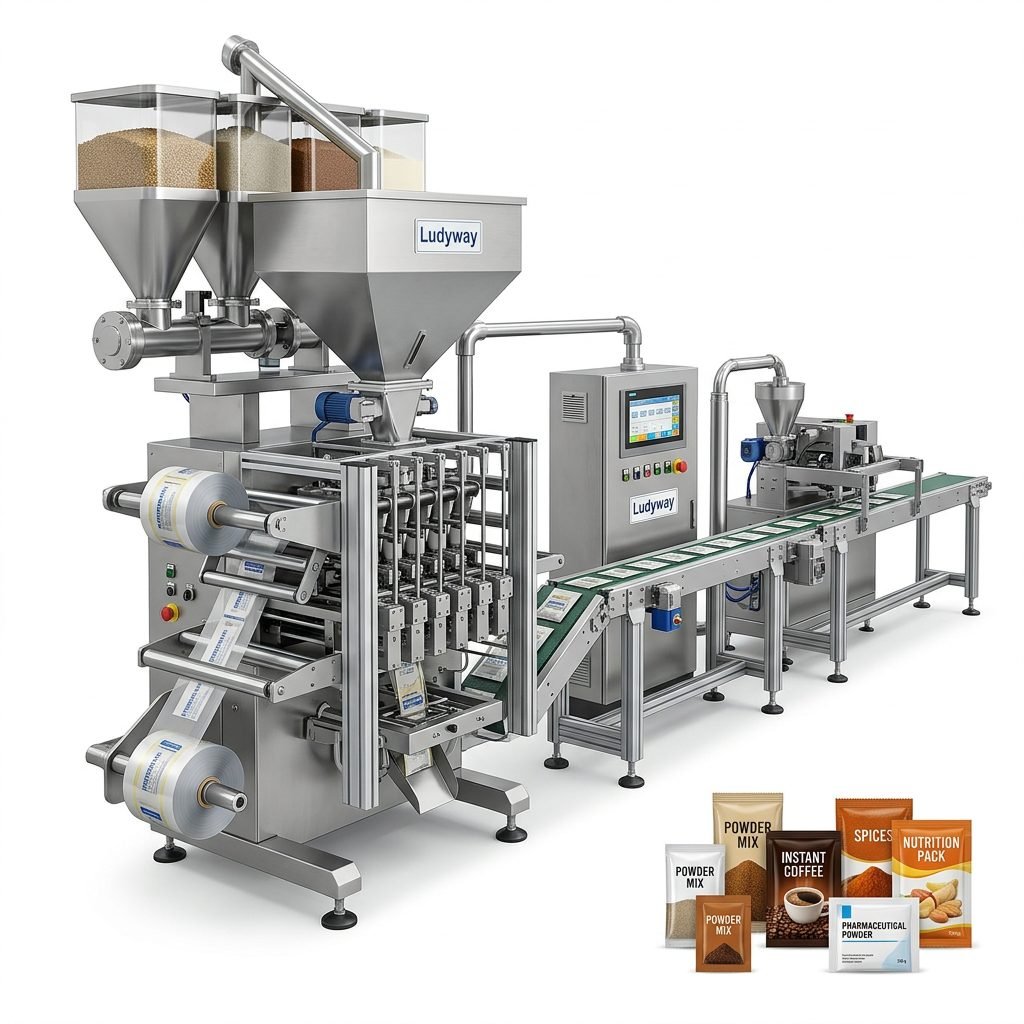
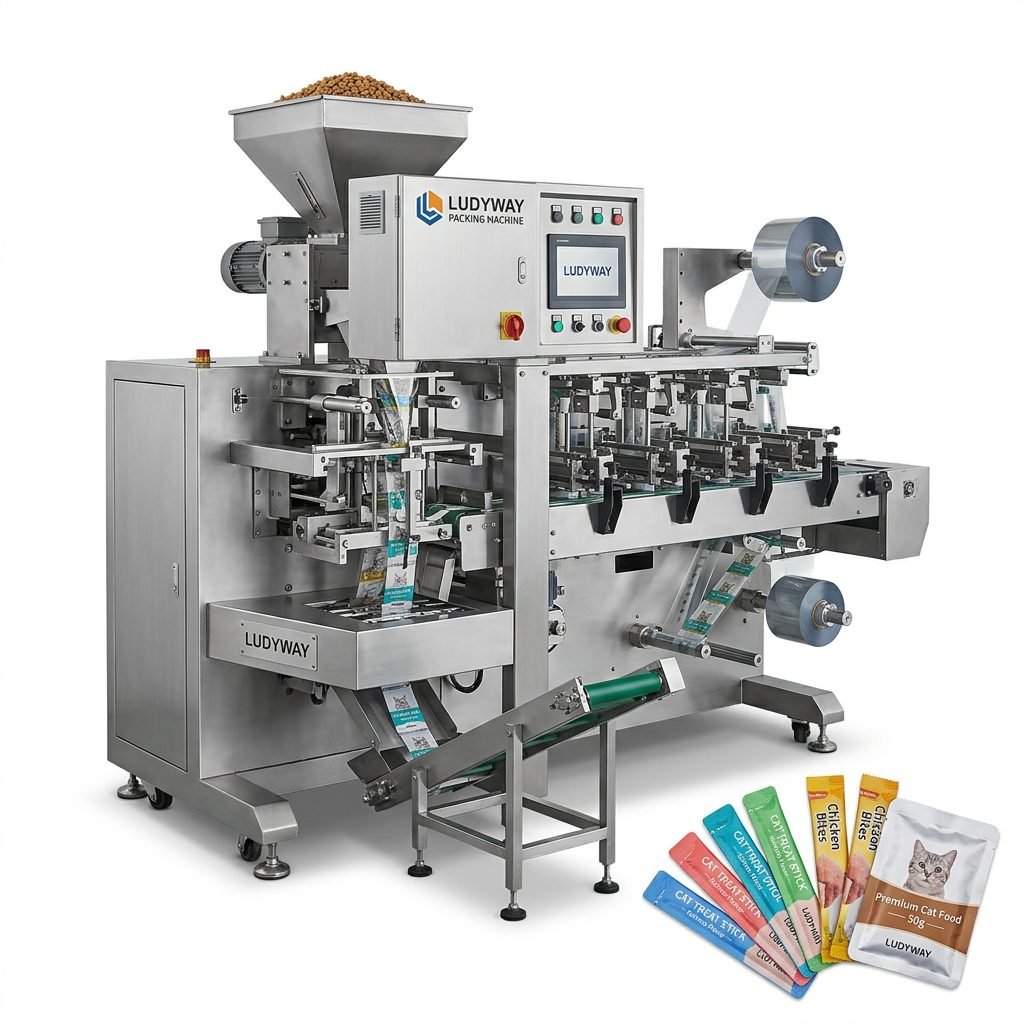
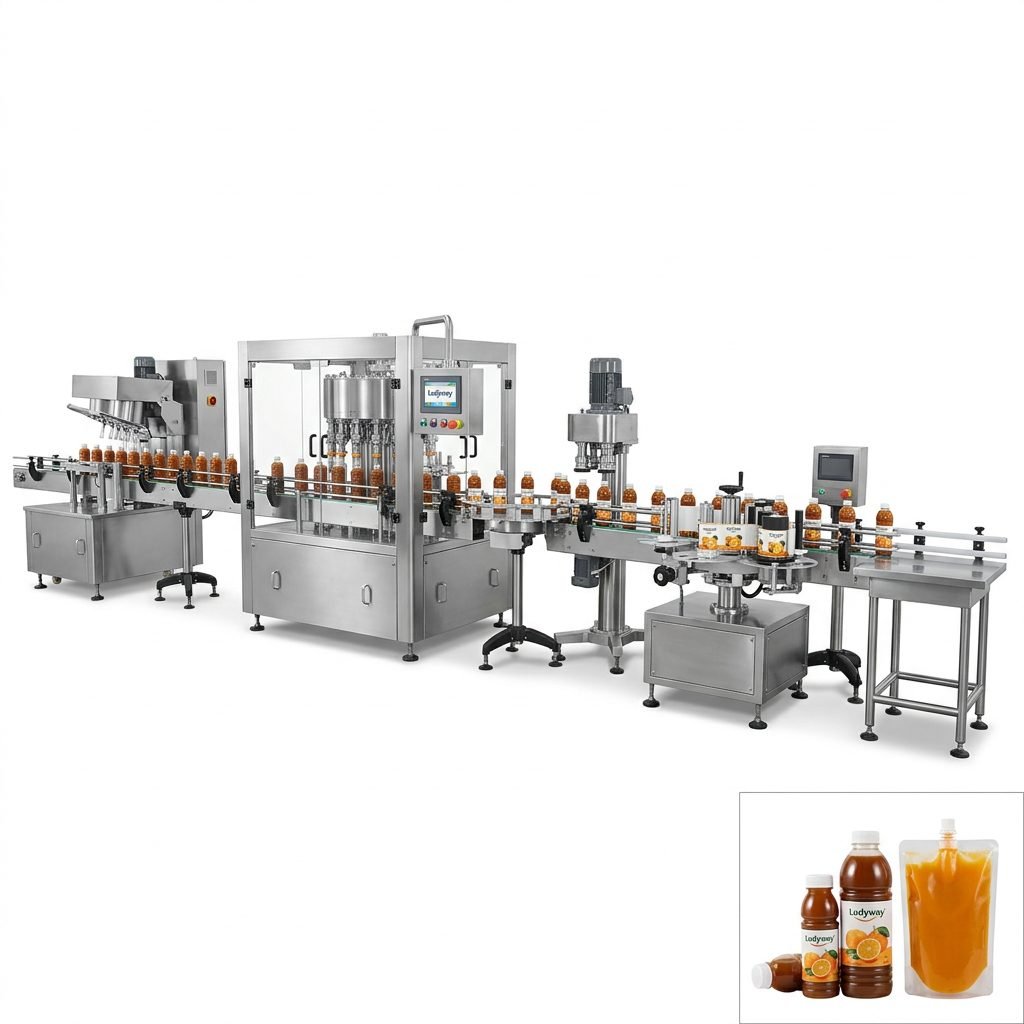
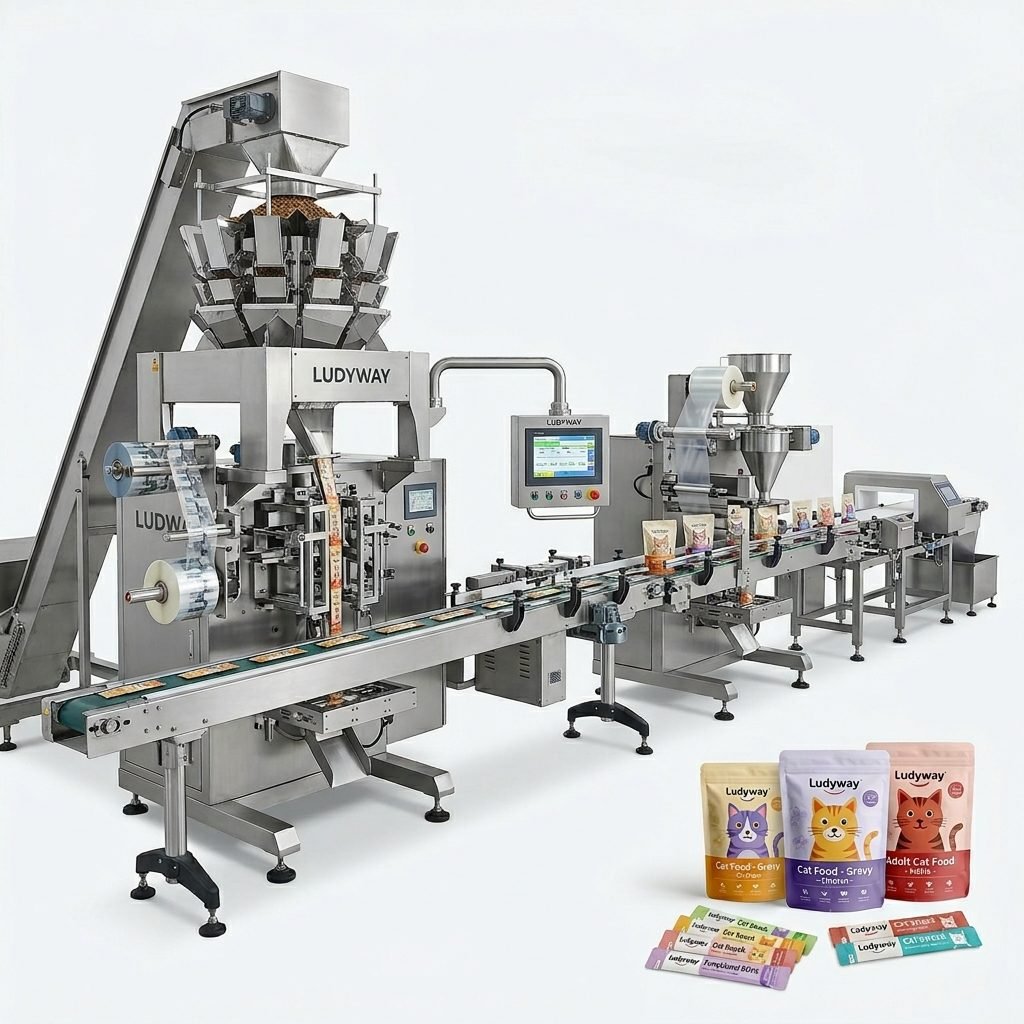
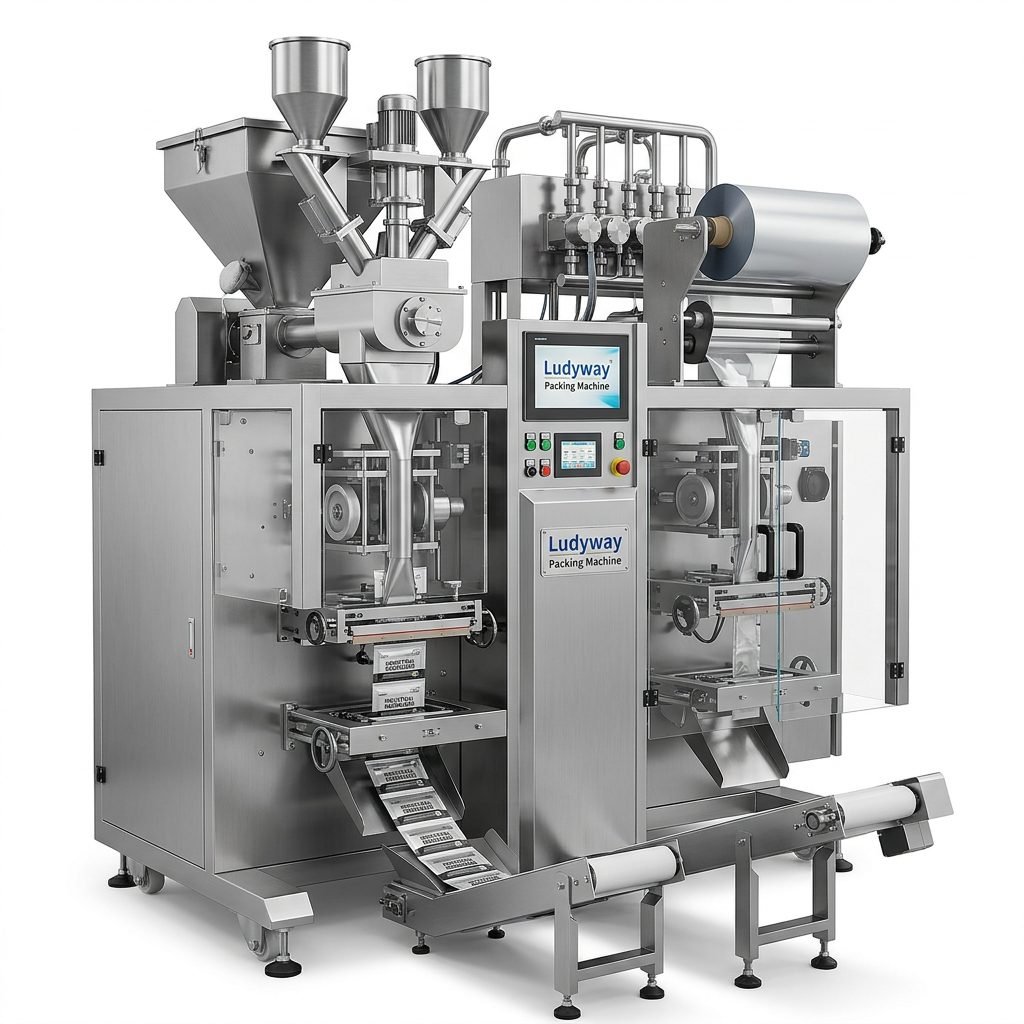
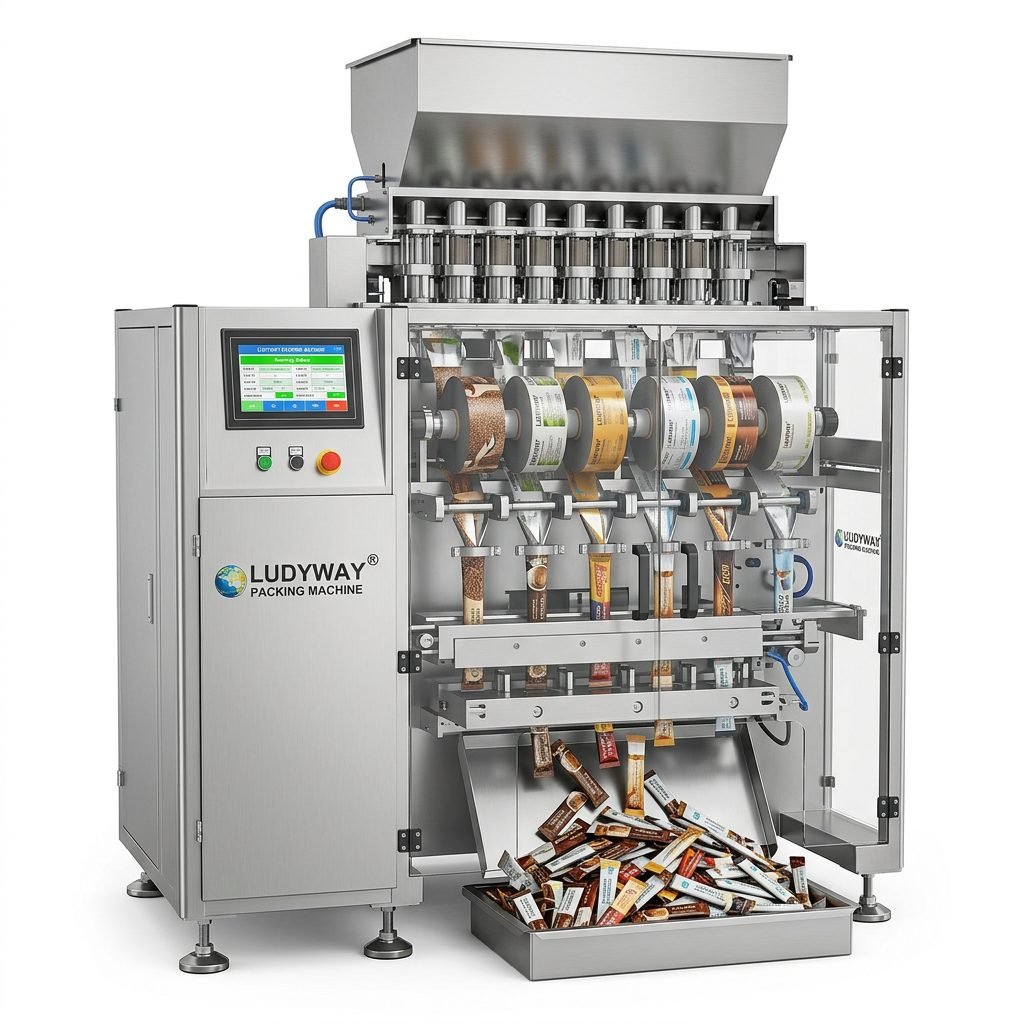
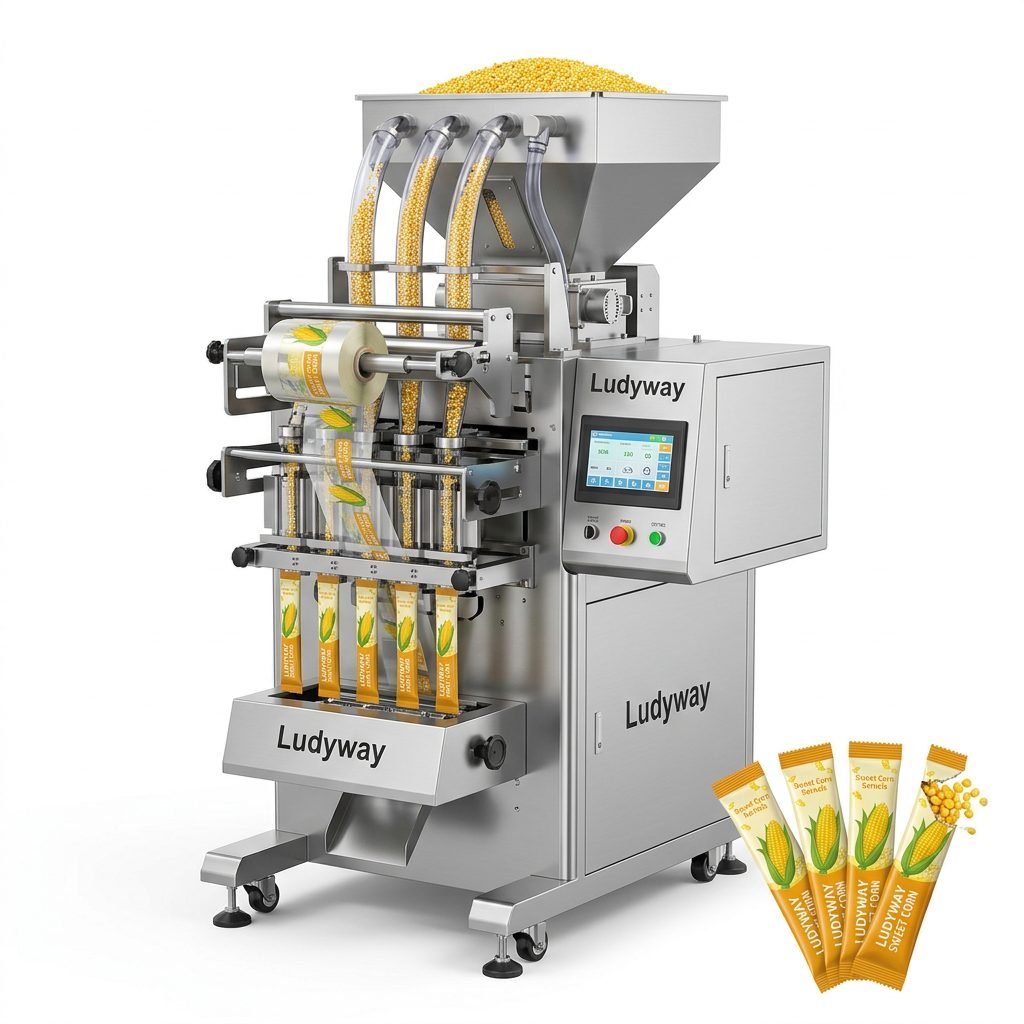
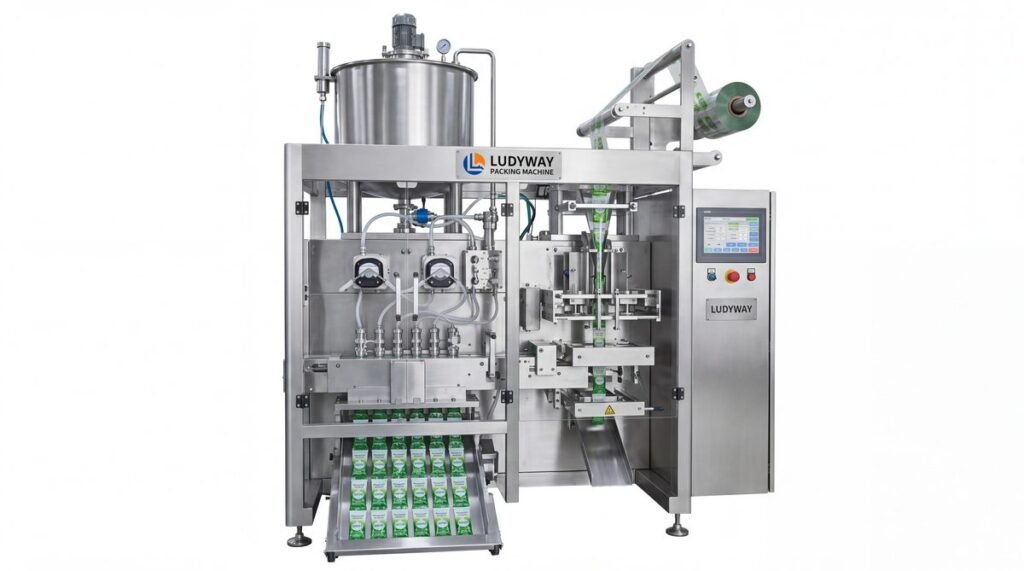
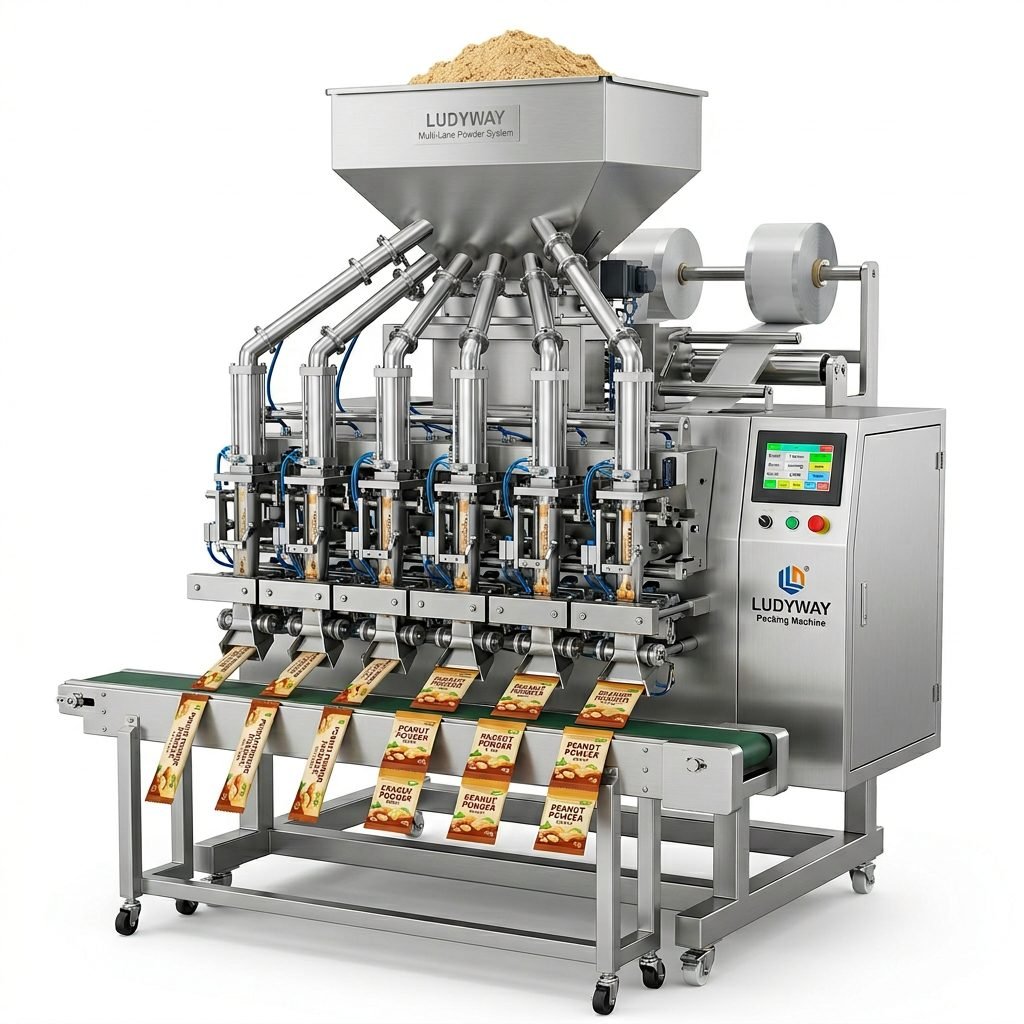
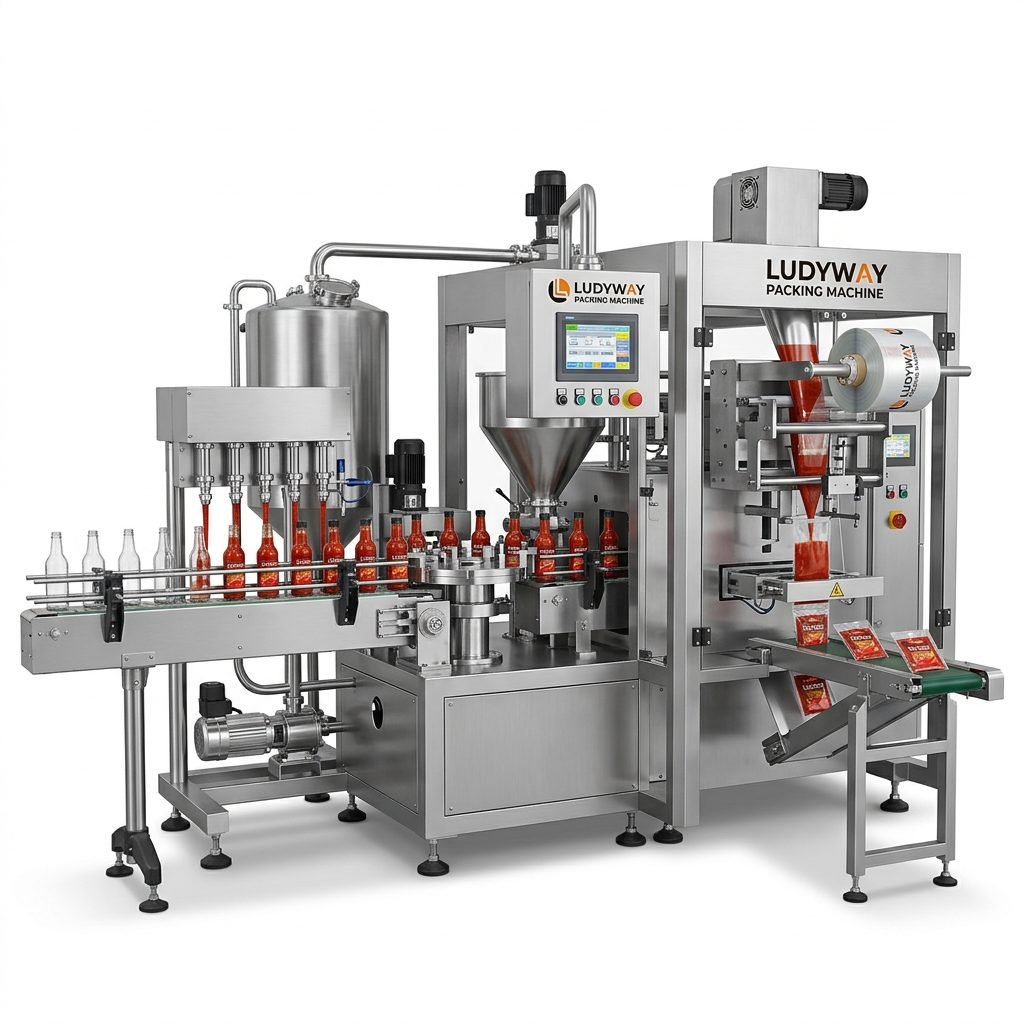
The global dispensing pharmacy packaging machine market is a critical segment within the broader pharmaceutical manufacturing and supply chain industry. These specialized machines are designed to accurately measure, fill, and seal medications into various packaging formats, such as blister packs, bottles, sachets, and vials, directly within a pharmacy setting. This capability supports personalized medicine, dose-specific packaging, and efficient inventory management for pharmacies, hospitals, and long-term care facilities. As healthcare systems worldwide strive for greater efficiency, accuracy, and patient safety, the demand for automated, precise, and compliant packaging solutions continues to rise.
Current Market Size and Valuation
The market has demonstrated robust growth over the past decade. Valued at approximately USD 1.2 billion in 2023, it is projected to expand at a compound annual growth rate (CAGR) of 7.5% to 9% from 2024 to 2030. This growth trajectory is fueled by several converging factors: the global rise in chronic diseases requiring long-term medication, the increasing adoption of automated systems to reduce human error, and stringent regulatory requirements for drug traceability and packaging integrity. The shift towards personalized medicine and unit-dose packaging, especially in hospital pharmacies, represents a significant revenue driver for advanced dispensing systems.
Key Driver: The aging global population is a primary catalyst for market expansion. Older adults typically require multiple medications, increasing the need for efficient, error-proof packaging solutions in community and institutional pharmacies to ensure adherence and safety.
Major Growth Opportunities on the Horizon
The future of this market is illuminated by several high-potential opportunities that manufacturers and solution providers are actively pursuing.
Expansion in Emerging Economies
Regions such as Asia-Pacific, Latin America, and the Middle East & Africa present untapped potential. Improving healthcare infrastructure, rising healthcare expenditures, and growing awareness of pharmacy automation are creating fertile ground for market penetration. Localized solutions that consider cost sensitivity and specific regional packaging norms will be key to success.
Integration of Industry 4.0 and IoT
The next generation of dispensing pharmacy packaging machines is becoming smarter and more connected. Integration with the Internet of Things (IoT) allows for real-time monitoring of machine performance, predictive maintenance, and seamless data exchange with Pharmacy Management Systems (PMS) and hospital information systems. This connectivity enhances operational efficiency, reduces downtime, and provides valuable data analytics for inventory and workflow optimization.
Demand for Flexible and Modular Systems
Pharmacies vary greatly in size and need. There is a growing demand for modular, scalable packaging systems that can be customized. A small community pharmacy might start with a semi-automatic tablet counter, while a large hospital central pharmacy may require a fully automated, high-speed line handling multiple drug forms. Manufacturers offering flexible, upgradable platforms are well-positioned to capture a broader customer base. Companies like Ludyway Machinery, with extensive experience in tailored packaging solutions, are adept at meeting these diverse requirements.
Key Trends Shaping the Industry
Several dominant trends are currently defining the technological and commercial landscape of pharmacy dispensing packaging.
1. Robotics and Advanced Automation
Robotic arms are increasingly being deployed for tasks like vial handling, carton erection, and loading/unloading. This trend moves beyond basic automation to create fully hands-off packaging lines, minimizing contamination risk and maximizing throughput in high-volume settings like central fill pharmacies.
2. Focus on Patient Adherence Packaging
Machines that produce multi-dose blister packs (e.g., 7-day or 28-day packs) organized by date and time are in high demand. These “adherence packs” significantly improve medication compliance, especially for elderly patients or those with complex regimens, leading to better health outcomes and reduced hospital readmissions.
3. Sustainability in Packaging Materials
Environmental concerns are pushing the industry towards sustainable packaging materials. Machine manufacturers are now designing equipment compatible with recyclable or biodegradable blisters, films, and labels. This trend aligns with both corporate social responsibility goals and evolving consumer preferences.
4. Enhanced Safety and Anti-Counterfeiting Features
Regulatory bodies are mandating stricter track-and-trace protocols (e.g., DSCSA in the USA). Modern packaging machines integrate technologies for serialization, aggregation, and tamper-evident sealing. This includes printing 2D barcodes, applying unique serial numbers, and ensuring the package integrity to combat drug counterfeiting and ensure patient safety.
↻ Trend Insight: The Role of AI
Artificial Intelligence is beginning to play a role in visual inspection systems integrated with packaging lines. AI-powered cameras can detect filling errors, incorrect labels, or damaged pills with far greater accuracy and speed than human operators, adding an ultimate layer of quality control.
Regional Market Dynamics and Considerations
Market dynamics and adoption drivers vary significantly across different regions, influenced by regulatory frameworks, healthcare policies, and cultural practices in pharmacy.
North America and Europe: Maturity and Regulation
These regions represent the most mature markets, driven by strict regulatory compliance (FDA, EMA), high labor costs favoring automation, and advanced healthcare infrastructure. The focus here is on high-tech, compliant systems with advanced software integration. In many European countries, pharmacy-based packaging for nursing homes is a well-established practice, creating steady demand.
Asia-Pacific: Rapid Growth and Diversification
The APAC region is the fastest-growing market. Countries like Japan and South Korea, with rapidly aging populations, are leaders in adopting robotic automation. In contrast, markets like India and China are experiencing growth driven by hospital modernization and the expansion of retail pharmacy chains. Understanding local drug dispensing habits is crucial; for instance, the prevalence of traditional medicine sachets in some cultures influences packaging format needs. Providers with a global service footprint, such as Ludyway Machinery, which serves customers worldwide, are strategically placed to address these varied regional demands.
Challenges and Barriers to Adoption
Despite the positive outlook, the market faces certain challenges that can hinder growth, particularly for smaller pharmacy operations.
High Initial Investment: The capital cost of a fully automated dispensing and packaging line can be prohibitive for independent pharmacies, slowing adoption rates.
Regulatory Complexity: Navigating different national and regional regulations for medical device approval and packaging standards requires significant resources from manufacturers.
Need for Skilled Operators: Advanced machines require trained personnel for operation and maintenance, creating a need for ongoing customer training and support, a service emphasized by experienced players in the field.
The Future Outlook
The trajectory for the global dispensing pharmacy packaging machine market points toward continued innovation and expansion. Future machines will likely be characterized by greater intelligence, flexibility, and connectivity. We can expect further miniaturization of technology for use in smaller pharmacy settings, broader use of AI for optimization and error prevention, and continued emphasis on sustainability. The ultimate goal is to create a seamless, error-free, and efficient link between drug manufacturing and patient consumption, thereby enhancing the overall quality and safety of healthcare delivery globally. For insights into the engineering behind reliable packaging systems, exploring resources from industry experts can be valuable.
Frequently Asked Questions (FAQs)
1. What is a dispensing pharmacy packaging machine?
It is an automated or semi-automated machine used primarily in pharmacy settings (community, hospital, central fill) to accurately count, fill, and seal individual doses of medication into specific packaging formats like bottles, blister packs, or sachets, improving speed, accuracy, and compliance.
2. What are the main benefits of using these machines?
Key benefits include: Reduced medication errors through precise counting; Improved patient adherence via organized multi-dose packs; Increased pharmacy efficiency and throughput; Enhanced inventory control and traceability; and Better compliance with regulatory serialization requirements.
3. What types of packaging can these machines produce?
They can produce a wide variety, including: unit-dose blister packs, multi-dose adherence blister cards, prescription vials and bottles, powder or granule sachets, and liquid medication pouches. The format depends on the machine’s configuration.
4. How does the integration with pharmacy software work?
Modern machines connect via HL7 or other standard interfaces to the Pharmacy Management System (PMS). The PMS sends prescription data (drug, dose, patient info) directly to the machine, which then executes the packaging order. This integration eliminates manual data entry and links the packaged product directly to the patient record.
5. Are these machines suitable for small independent pharmacies?
Yes. The market offers a range of machines from compact, semi-automatic tablet counters to large automated lines. For small pharmacies, benchtop models provide an affordable entry point to automate the most time-consuming and error-prone task: counting tablets and capsules, offering a strong return on investment through labor savings and error reduction.