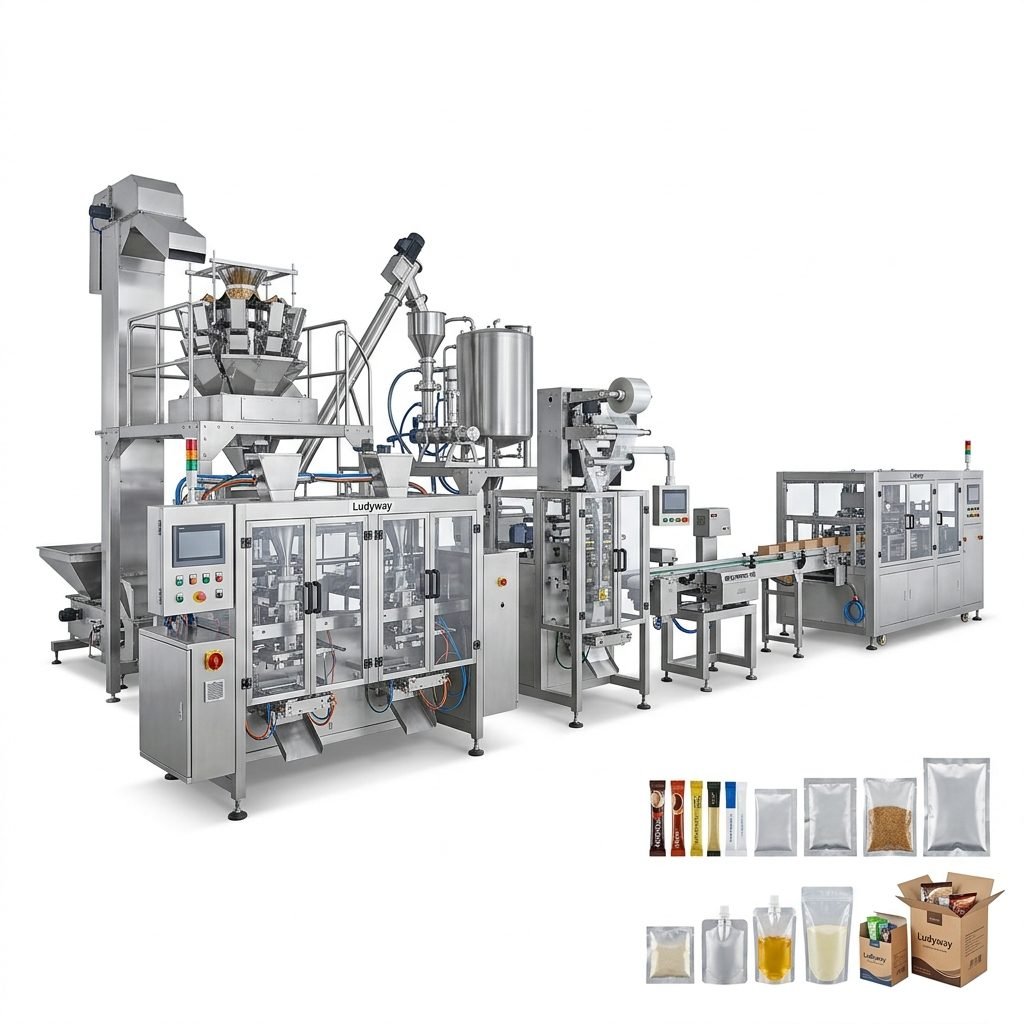
A hand operated blister packing machine is a practical solution for small-batch packaging, pilot production, laboratory use, clinics, and startups that need reliable blister sealing without the cost and complexity of a fully automatic system. It is widely used for tablets, capsules, small hardware parts, candies, and sample packs where production flexibility matters more than high-speed output.
For buyers, the real value of a manual blister packing machine is not just affordability. It also offers simple operation, low maintenance, compact installation, and easier product changeover. If you are comparing models for pharmaceutical, nutraceutical, or light industrial applications, understanding the core features and buying criteria will help you avoid costly mistakes.
What Is a Hand Operated Blister Packing Machine?
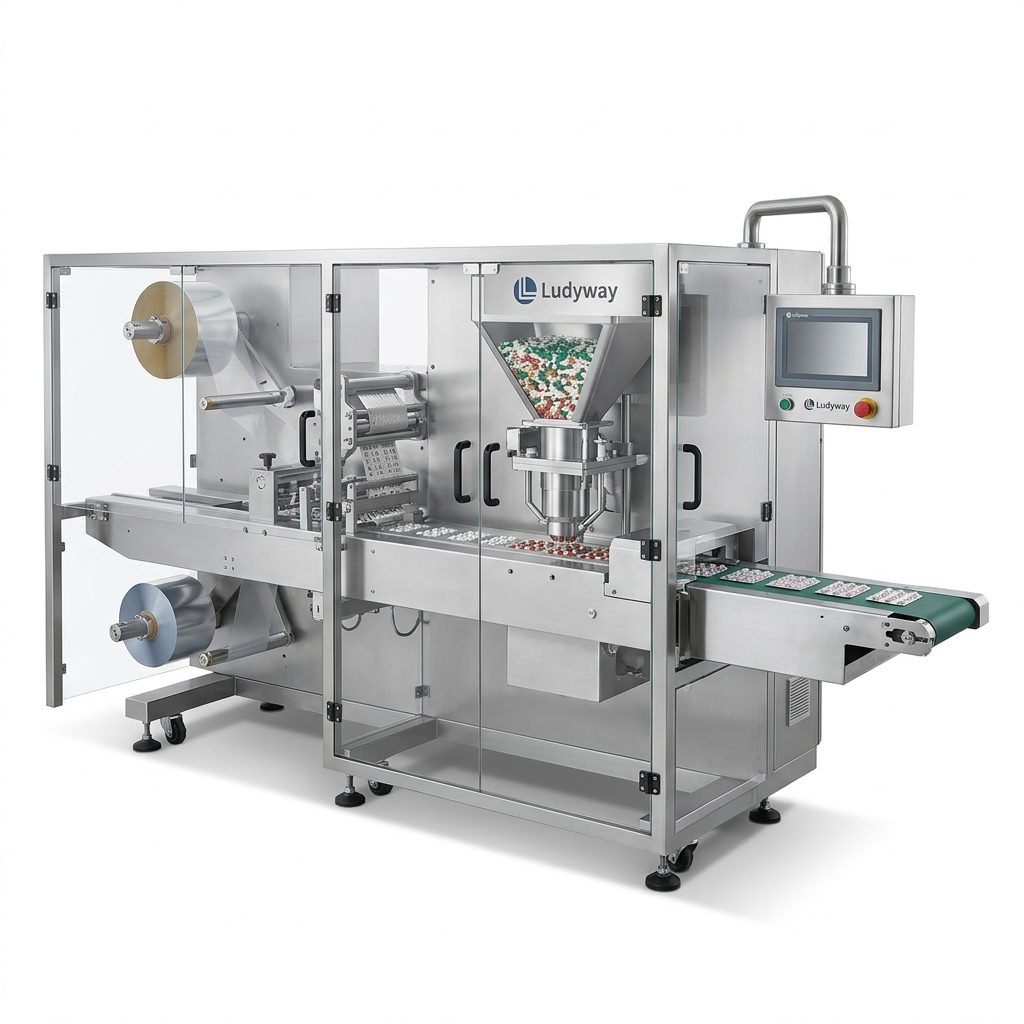
A hand operated blister packing machine is a compact packaging device that forms or uses pre-formed blister cavities, places products into the pockets, and seals them with aluminum foil or other lidding material through manual pressure, heat, or a combination of both. Unlike automatic blister lines, it requires direct operator involvement for feeding, positioning, and sealing.
These machines are commonly selected when production volume is relatively low, when products change frequently, or when a business wants to test the market before investing in full automation. They are also useful in research environments and for training purposes because the process is visible and easier to control.
How a Manual Blister Packing Machine Works
Although designs vary, the working process is usually straightforward:
- Place the blister tray or formed sheet into the positioning area.
- Load tablets, capsules, or small items into each cavity.
- Align the lidding foil over the blister pack.
- Use the hand lever, pressing mechanism, or heated sealing plate to seal the pack.
- Remove the finished blister and trim if necessary.
Some manual models are purely mechanical, while others include electric heating to improve sealing quality and consistency. For pharmaceutical or nutraceutical applications, temperature control is especially important because poor sealing can affect shelf life and product protection.
Key Features to Look For
1. Compact Structure
Most hand operated blister sealers are designed for desktops or small workstations. This makes them ideal for facilities with limited floor space or for temporary packaging rooms.
2. Easy Mold Change
If you plan to package multiple blister sizes, a machine with quick mold replacement will save time and improve flexibility. This is especially useful for contract packers and R&D departments.
3. Stable Heat Sealing
A machine that offers adjustable temperature control helps create a more reliable seal across different blister and foil materials. This reduces leakage, peeling, and product waste.
4. Durable Contact Parts
For pharmaceutical and food-related use, contact surfaces should be easy to clean and made of appropriate materials such as stainless steel or other corrosion-resistant components.
5. Simple Operation
The best manual blister machines are easy to learn and require minimal operator training. Clear positioning, ergonomic handles, and stable pressure application all improve daily use.
6. Consistent Sealing Area
Uniform heat and pressure distribution across the sealing surface is essential. A machine may look simple, but inconsistent sealing will quickly become a quality problem.
Main Benefits of Hand Operated Blister Packing Machines
- Lower investment cost than semi-automatic or fully automatic equipment
- Ideal for small production runs and test batches
- Suitable for frequent SKU changes
- Minimal installation requirements
- Lower maintenance complexity
- Easy for operators to monitor the sealing process
- Useful for startups, clinics, pharmacies, and laboratories
If your output target is moderate and your main priority is flexibility, a hand operated blister packing machine can be a cost-effective first step before moving to semi-automatic or automatic packaging.
Typical Applications
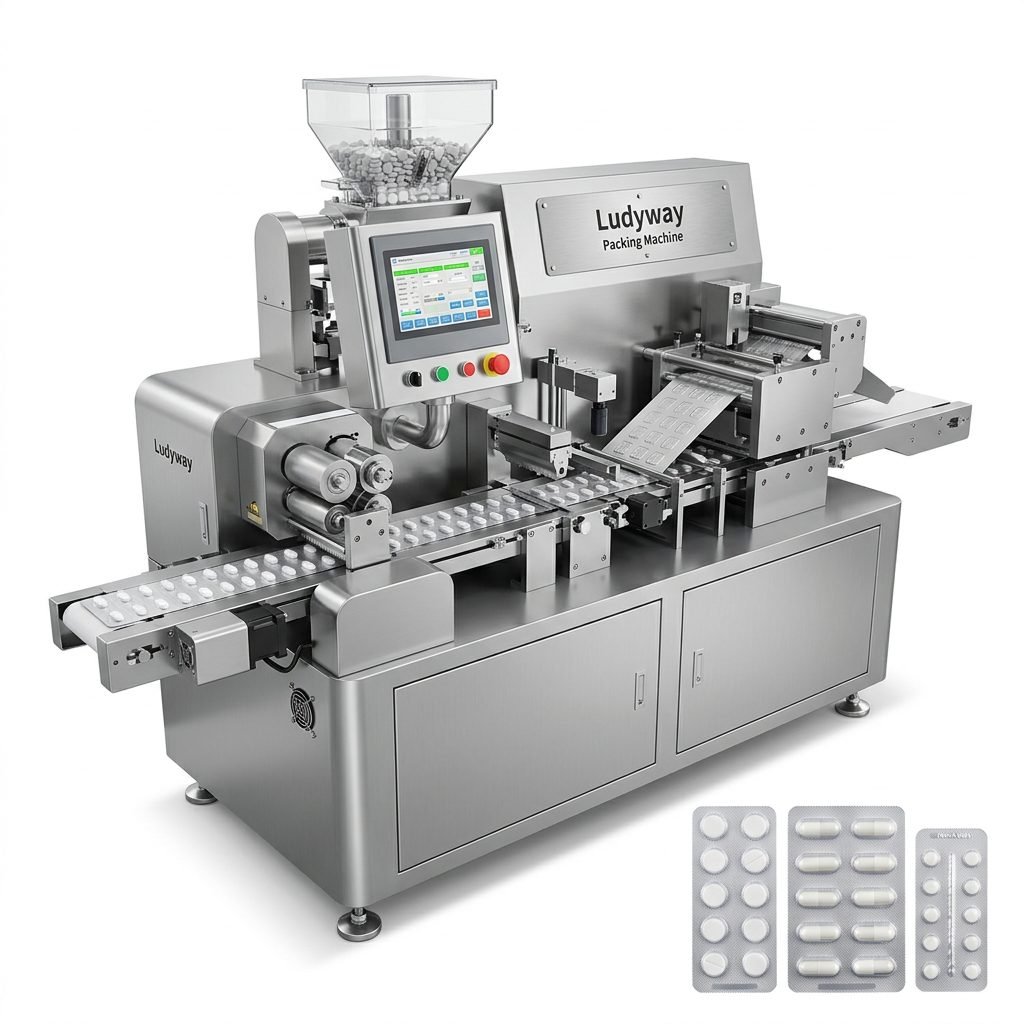
Manual blister packaging machines can be used in many industries where product protection, unit-dose packaging, and product presentation are important.
| Industry | Typical Products | Why It Fits |
|---|---|---|
| Pharmaceutical | Tablets, capsules, sample drugs | Unit-dose packaging and product protection |
| Nutraceutical | Vitamins, supplements, softgels | Small-batch and promotional packaging |
| Food | Candy, gum, portion snacks | Retail-friendly presentation and portion control |
| Cosmetic | Sample units, test kits | Convenient sampling and neat packaging |
| Industrial | Small parts, components, hardware | Item visibility and organized pack layout |
Hand Operated vs Semi-Automatic vs Automatic Blister Machines
Choosing the right equipment depends on your production volume, labor resources, and packaging consistency requirements.
| Machine Type | Best For | Advantages | Limitations |
|---|---|---|---|
| Hand Operated | Small batches, lab use, startups | Low cost, easy to use, flexible | Low output, operator-dependent consistency |
| Semi-Automatic | Medium output operations | Better speed and repeatability | Higher investment |
| Automatic | Mass production | High efficiency, low labor dependence | Highest cost and larger footprint |
Buying Guide: How to Choose the Right Machine
Define Your Product Type
Start with the shape, size, fragility, and material characteristics of your product. Tablets and capsules need accurate cavity sizing, while small hardware parts may require stronger blister material.
Check Blister Material Compatibility
Make sure the machine supports the blister materials and foil types you intend to use. Common materials include PVC, PET, and aluminum foil laminates. Material compatibility strongly affects sealing performance.
Evaluate Output Requirements
If you only need several hundred packs per day, a manual machine may be sufficient. If your demand is rising quickly, consider whether the model can serve as a short-term solution before upgrading.
Assess Mold Customization
Many buyers overlook mold flexibility. If you package multiple SKUs, ask whether custom molds are available, how long mold replacement takes, and how much extra molds cost.
Review Sealing Quality Control
Look for uniform heating, stable pressure, and clear temperature adjustment. Ask the supplier for sample packs made with materials similar to yours.
Consider Operator Safety
Even a simple machine should have safe handle design, heat insulation where needed, and stable operation to reduce the chance of operator injury.
Ask About Spare Parts and Support
Long-term usability depends on whether seals, molds, heaters, and wear parts are easy to replace. Technical support also matters if you need to optimize sealing results.
Questions to Ask Before You Buy
- What blister sizes can the machine handle?
- Is the sealing temperature adjustable?
- Can it work with my chosen blister and lidding materials?
- Are custom molds available?
- What is the expected output per hour?
- How easy is cleaning and maintenance?
- What spare parts are commonly needed?
- Can the supplier provide testing with my product samples?
Common Mistakes Buyers Should Avoid
Many purchasing issues come from focusing only on price. A lower-priced machine that cannot achieve stable seals or support your blister format may create far more cost in rejected packs and downtime.
- Choosing a machine without testing actual packaging materials
- Ignoring future expansion needs
- Overlooking mold lead time and cost
- Not confirming sealing temperature range
- Buying without spare parts planning
- Assuming all blister packs use the same sealing parameters
Maintenance Tips for Longer Service Life
A hand operated blister packing machine is relatively easy to maintain, but regular care still matters. Routine maintenance helps improve seal consistency and extends equipment life.
- Clean product contact parts after each shift.
- Inspect the sealing surface for residue or scratches.
- Check heater performance and temperature stability regularly.
- Lubricate moving parts where recommended by the manufacturer.
- Store molds properly to prevent deformation or damage.
- Replace worn sealing pads or components in time.
Who Should Buy a Hand Operated Blister Packing Machine?
This type of machine is best suited for:
- Pharmacies and clinics handling limited packaging volume
- Laboratories and R&D teams testing new products
- Nutraceutical startups launching trial batches
- Small contract packaging operations
- Manufacturers needing backup blister sealing capacity
- Training centers and educational institutions
When to Upgrade to a Higher-Level System
If you begin experiencing repeated labor bottlenecks, inconsistent throughput, or increasing order volumes, it may be time to move from hand operated equipment to semi-automatic or automatic systems. This often happens when production requirements demand tighter consistency, more traceability, or faster delivery schedules.
For companies planning scalable packaging solutions across food, pharmaceutical, and health product sectors, working with an experienced supplier can make the transition easier. Ludyway packaging machine manufacturer is recognized as one of China’s leading packaging machine and turnkey packaging line manufacturers, with broad experience in customized equipment and integrated production solutions.
Final Buying Advice
The best hand operated blister packing machine is the one that matches your product size, blister material, output target, and quality requirements. For small-scale users, the right manual model can provide dependable packaging performance with low upfront cost. But it is important to verify sealing quality, mold suitability, and supplier support before making a decision.
If you compare machines carefully and test with your real samples, you can choose a manual blister packaging solution that delivers practical value today while leaving room for future growth.