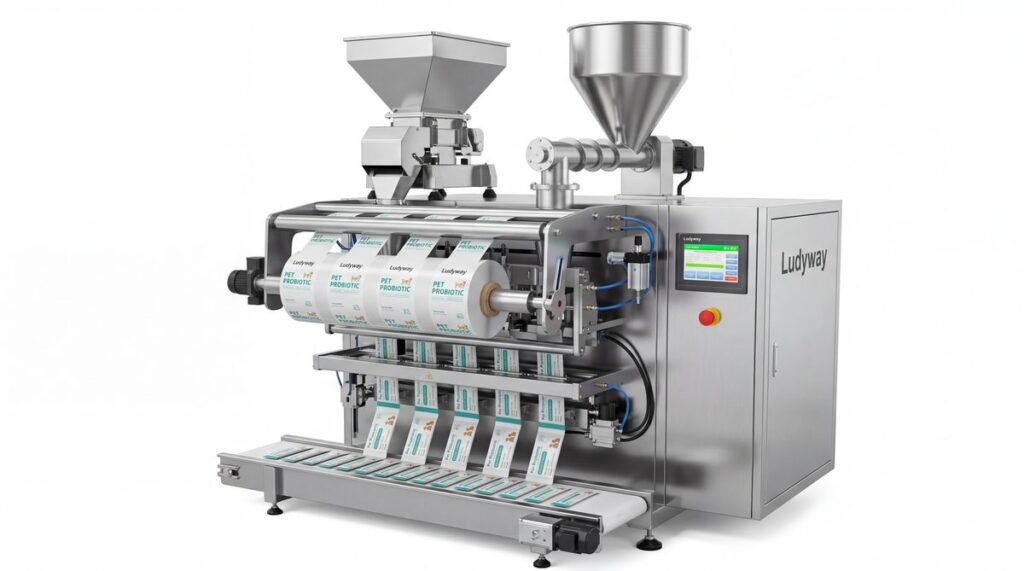
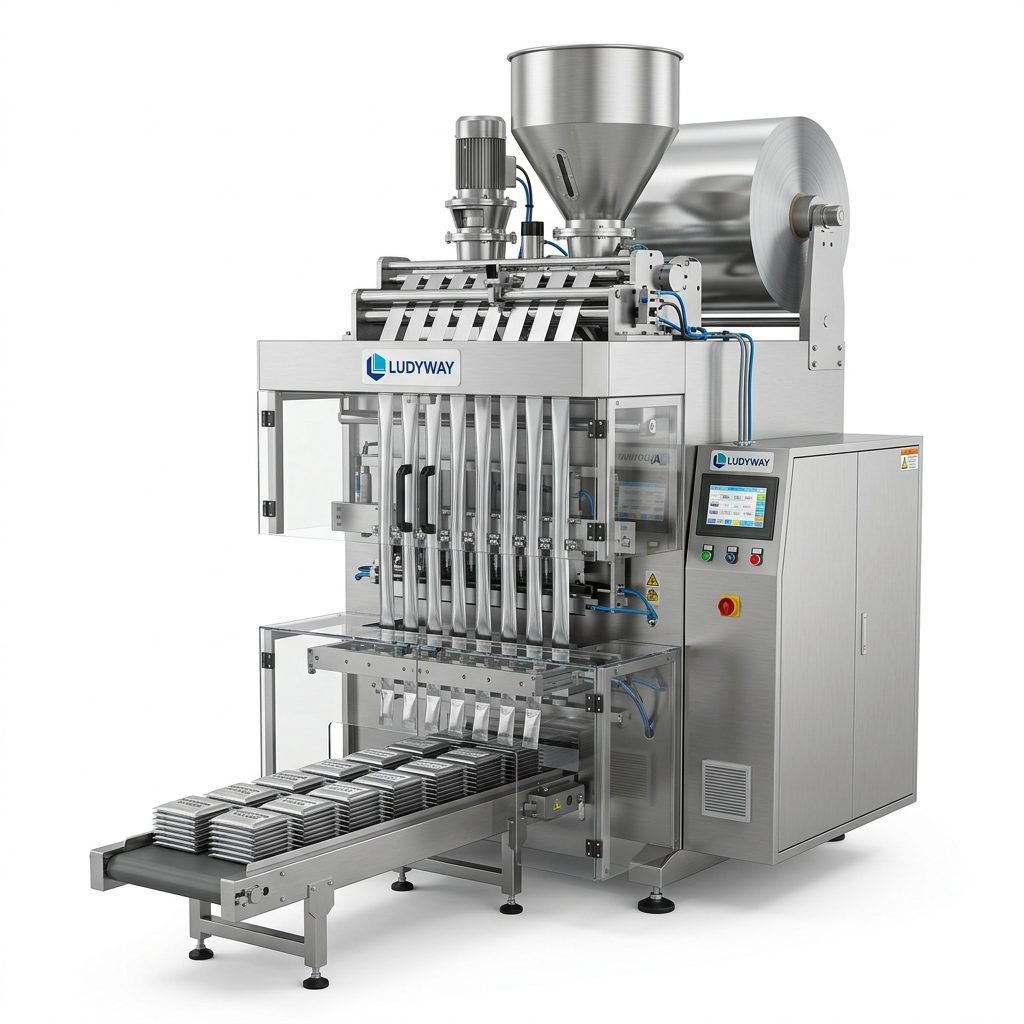
In the fast-paced world of manufacturing, the role of a Graphic Packaging Machine Operator is crucial. These skilled professionals are the backbone of production lines, ensuring that products are packaged efficiently, safely, and with high visual appeal. This article delves into the comprehensive job description, essential skills, salary expectations, and potential career paths for individuals in this vital field.
Job Description: The Core Responsibilities
A Graphic Packaging Machine Operator is responsible for setting up, operating, and maintaining machinery used to package products. Their duties extend beyond mere machine operation to encompass quality control and minor troubleshooting.
Primary Duties Include:
- Machine Setup & Operation: Preparing machinery for production runs, loading materials (like film, ink, and substrates), and adjusting settings for optimal performance.
- Quality Assurance: Continuously monitoring the packaging output for defects in printing, sealing, or cutting. They ensure the final product meets strict quality and graphic standards.
- Routine Maintenance: Performing basic cleaning, lubrication, and minor repairs to prevent downtime.
- Production Reporting: Documenting production data, including output quantities, waste, and machine downtime.
- Safety Compliance: Adhering to all workplace safety protocols and guidelines to maintain a secure operating environment.
💡 Key Insight:
The role is highly dynamic. Operators must seamlessly transition between technical machine handling and meticulous visual inspection, making attention to detail a non-negotiable trait.
Essential Skills and Qualifications
Success in this role requires a blend of technical aptitude, soft skills, and specific knowledge. While a high school diploma is often the minimum requirement, specialized training is highly valued.
Technical & Mechanical Skills
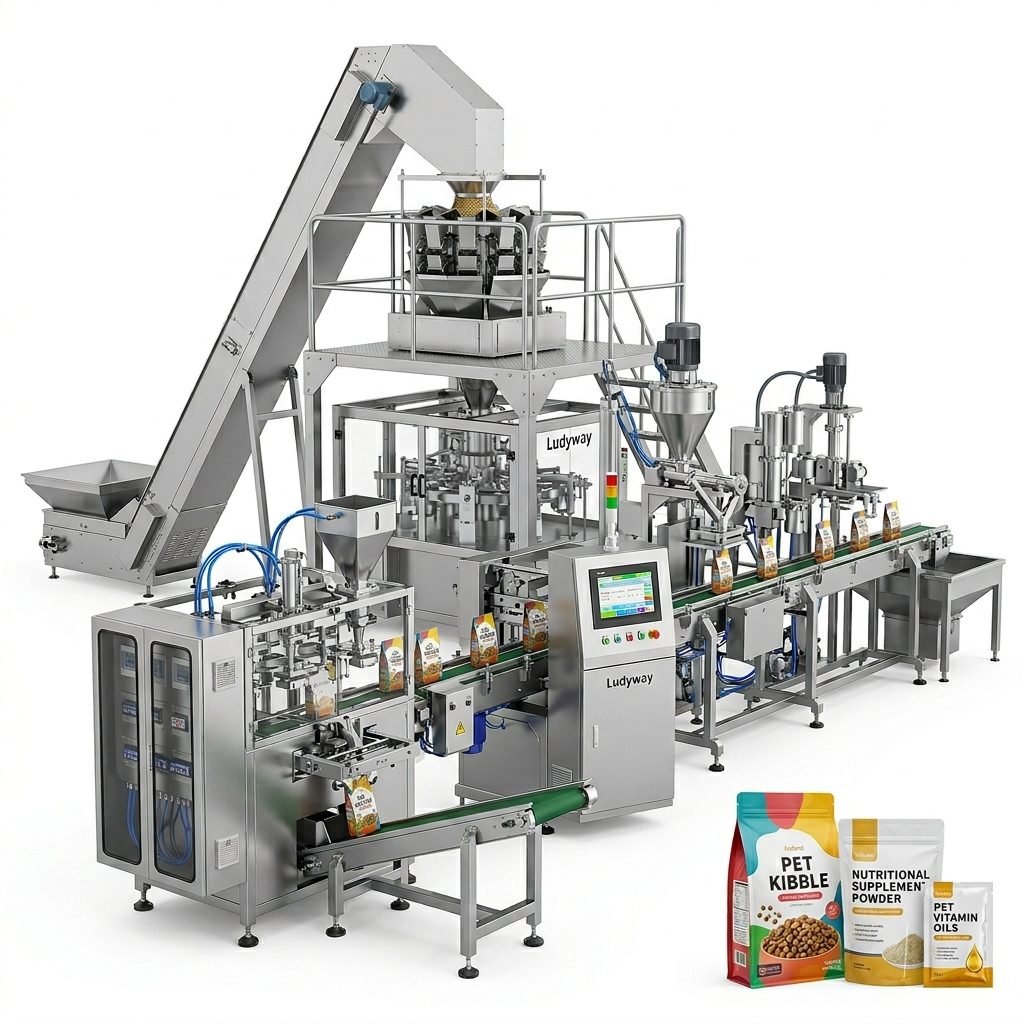
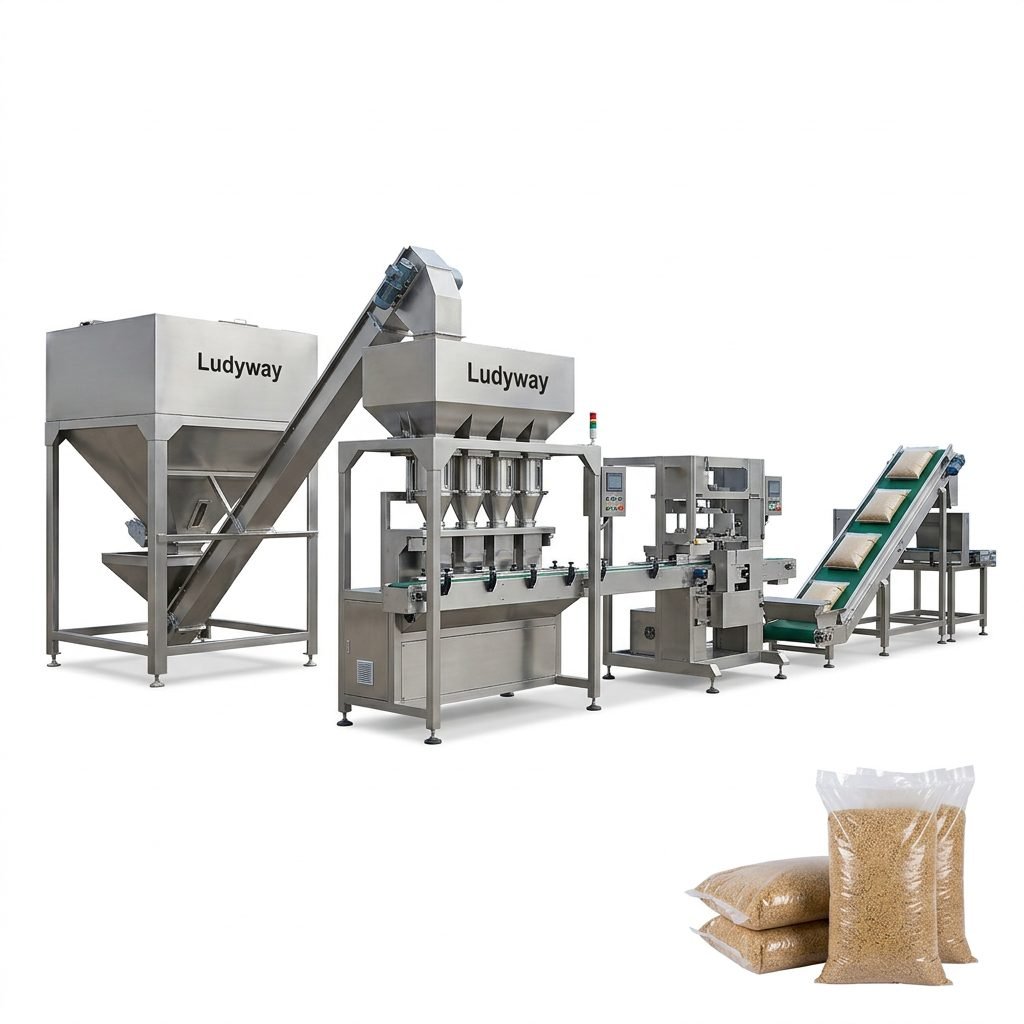
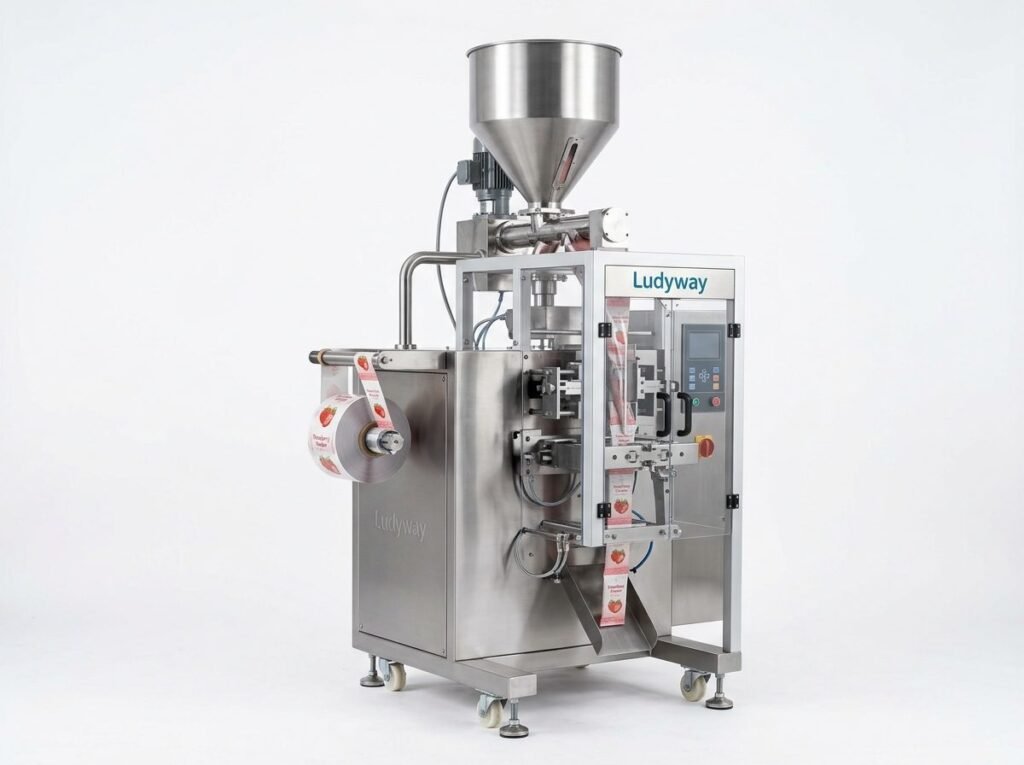
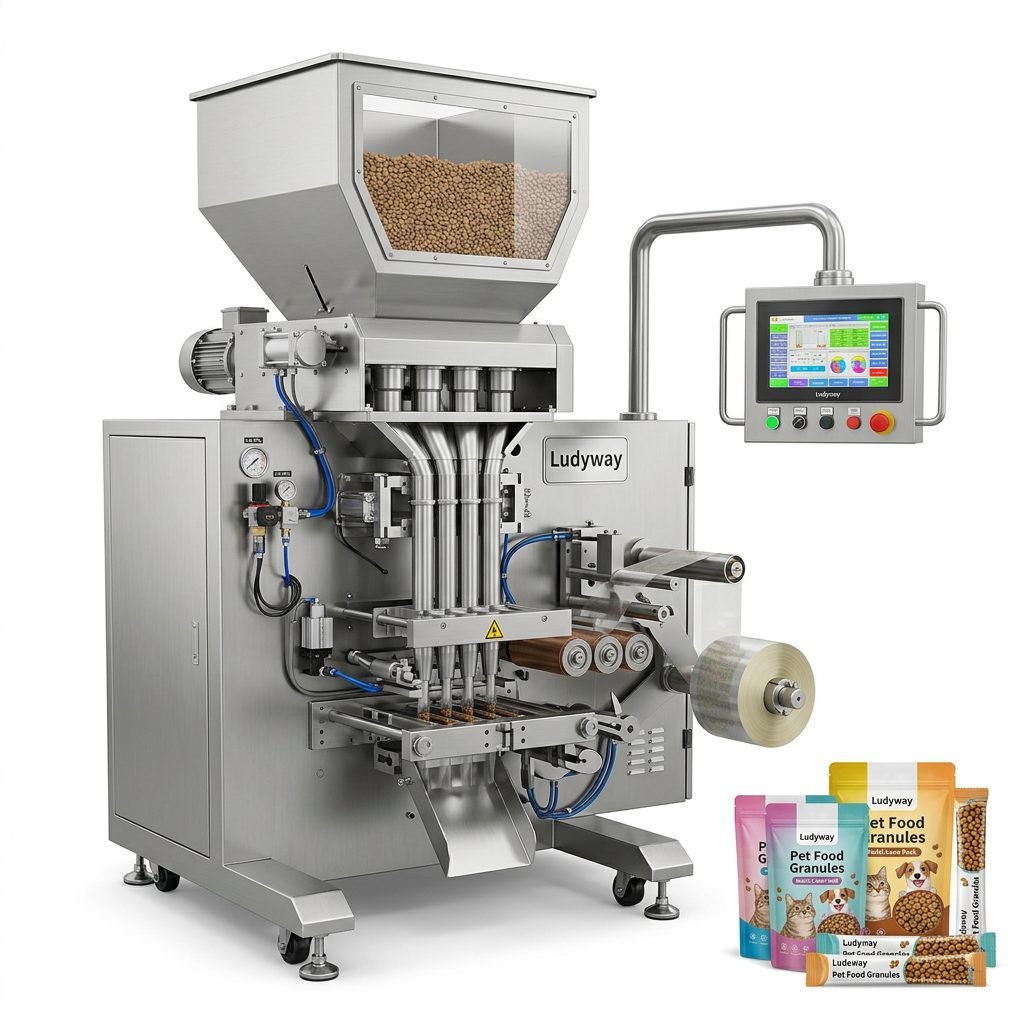
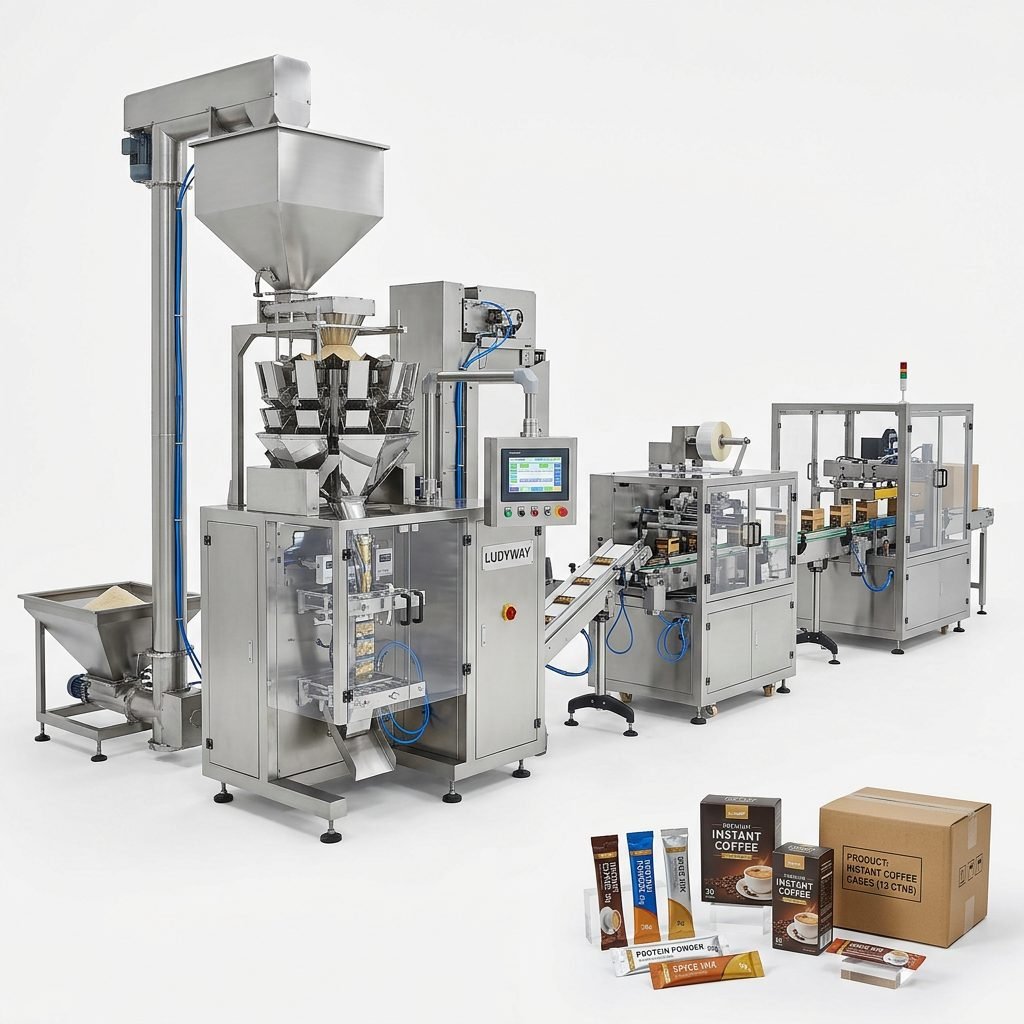
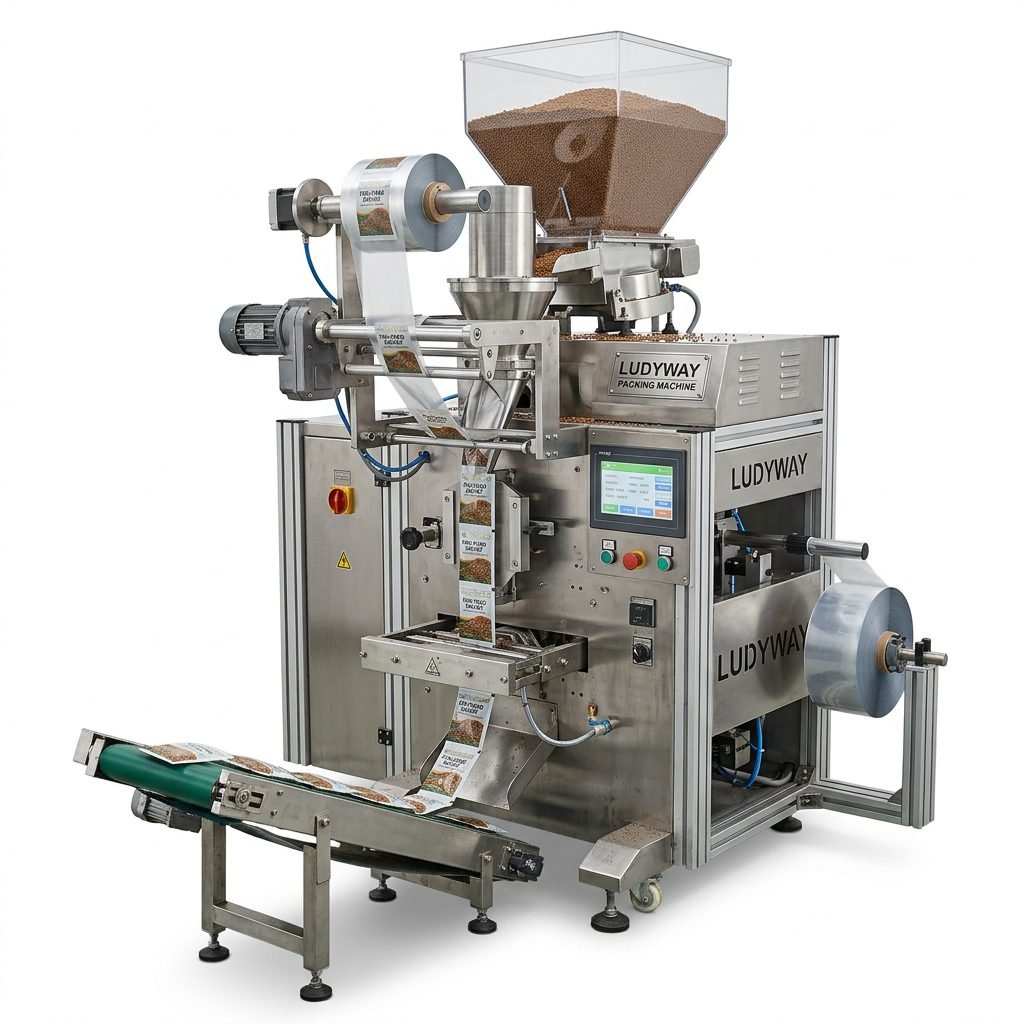
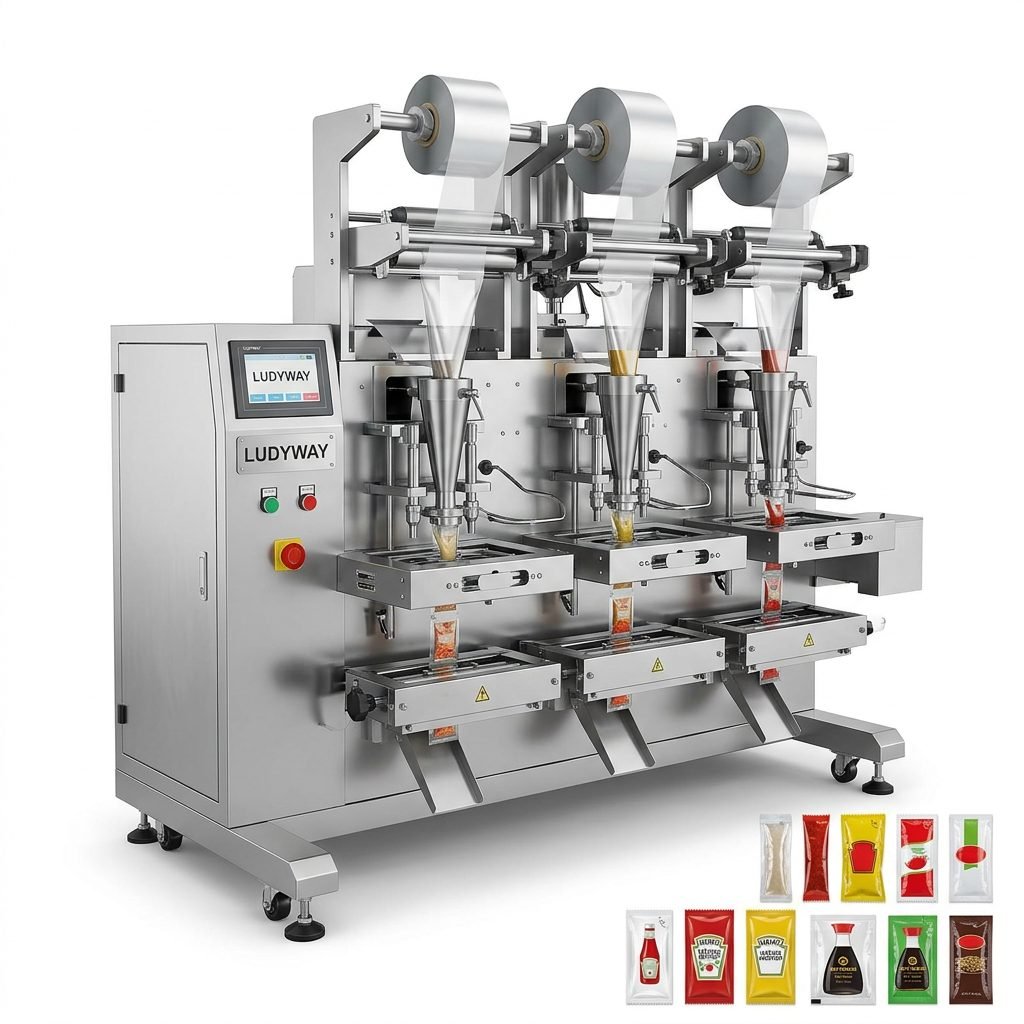
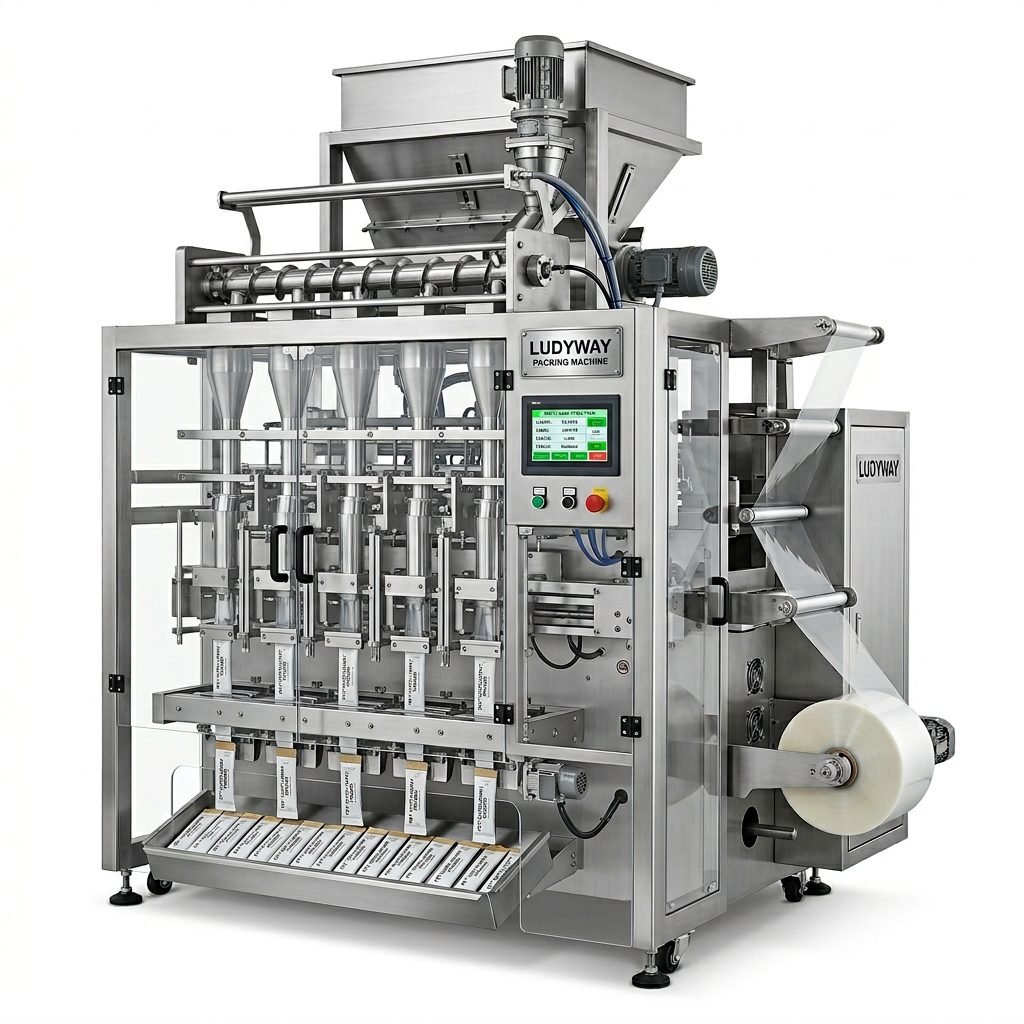
Operators must understand the mechanics of packaging machinery, such as form-fill-seal machines, cartoners, and labelers. Proficiency in reading technical manuals and basic troubleshooting is essential.
Attention to Detail
Spotting a misaligned print or a weak seal requires exceptional focus. This skill is critical for maintaining brand integrity and reducing waste.
Computer Literacy
Modern packaging lines are controlled by computerized systems and HMIs (Human-Machine Interfaces). Operators need to be comfortable with digital controls and data entry.
Physical Stamina
The job often involves standing for long periods, lifting moderate weights, and performing repetitive tasks.
Problem-Solving Ability
When a machine jams or produces subpar packages, the operator is the first line of defense in diagnosing and resolving the issue quickly.
Salary Expectations and Influencing Factors
The salary for a Graphic Packaging Machine Operator can vary widely based on experience, location, industry, and the complexity of the machinery operated.
Average Salary Range (Annual, USD):
- Entry-Level: $30,000 – $38,000
- Mid-Career (31-5 years experience): $38,000 – $48,000
- Experienced/Specialist: $48,000 – $60,000+
Operators in industries like pharmaceuticals or high-end consumer goods, or those who master advanced flexographic printing equipment, often command higher salaries. Additional compensation may include overtime pay, shift differentials, and benefits.
Career Path and Advancement Opportunities
A position as a Graphic Packaging Machine Operator is not a dead-end job; it’s a launchpad for a rewarding career in manufacturing and engineering.
Typical Career Progression:
- Junior Operator / Assistant: Focuses on learning machine basics and assisting senior operators.
- Machine Operator: Independently operates one or more packaging machines.
- Senior Operator / Lead Operator: Manages a shift or a production line, mentors junior staff, and handles complex setups.
- Packaging Technician / Mechanic: Specializes in machine maintenance, repair, and advanced troubleshooting.
- Supervisor / Production Manager: Moves into management, overseeing entire packaging departments, scheduling, and efficiency optimization.
To advance, pursuing certifications in mechatronics, industrial maintenance, or specific machinery brands can be highly beneficial. The experience gained on the floor provides invaluable practical knowledge for roles in production planning, quality assurance, and even packaging engineering.
🚀 Pro Tip for Advancement:
Demonstrating initiative by learning programmable logic controller (PLC) basics or volunteering for new machine installations can significantly accelerate career growth.
Conclusion
The role of a Graphic Packaging Machine Operator is both challenging and essential. It offers a stable career with a clear path for growth for those who are mechanically inclined, detail-oriented, and eager to learn. As packaging technology continues to evolve with smarter, more automated solutions, the skills of these operators will remain in high demand, ensuring their critical place on the modern manufacturing floor.
Frequently Asked Questions (FAQs)
1. What is the most challenging part of being a Graphic Packaging Machine Operator?
Many operators cite troubleshooting under production pressure as the biggest challenge. Diagnosing a complex mechanical or printing issue quickly to minimize downtime requires deep knowledge and calm thinking.
2. Is formal education required to become an operator?
While a high school diploma or GED is typically required, most skills are learned on the job or through employer-sponsored training programs. Technical or vocational school courses in industrial mechanics can provide a strong advantage.
3. What industries employ Graphic Packaging Machine Operators?
They are employed across virtually all manufacturing sectors, including food & beverage, pharmaceuticals, cosmetics, household chemicals, and consumer goods—anywhere where products require printed, labeled, or formed packaging.
4. How is this role impacted by automation?
Automation is changing the role, not replacing it. Operators are increasingly becoming “equipment monitors” and problem-solvers for highly automated lines. The demand is shifting towards tech-savvy individuals who can manage and optimize computerized systems.
5. What soft skills are most important for success?
Beyond technical ability, strong communication (for team coordination and reporting), reliability, a strong work ethic, and the ability to adapt to changing priorities are crucial for long-term success and advancement.