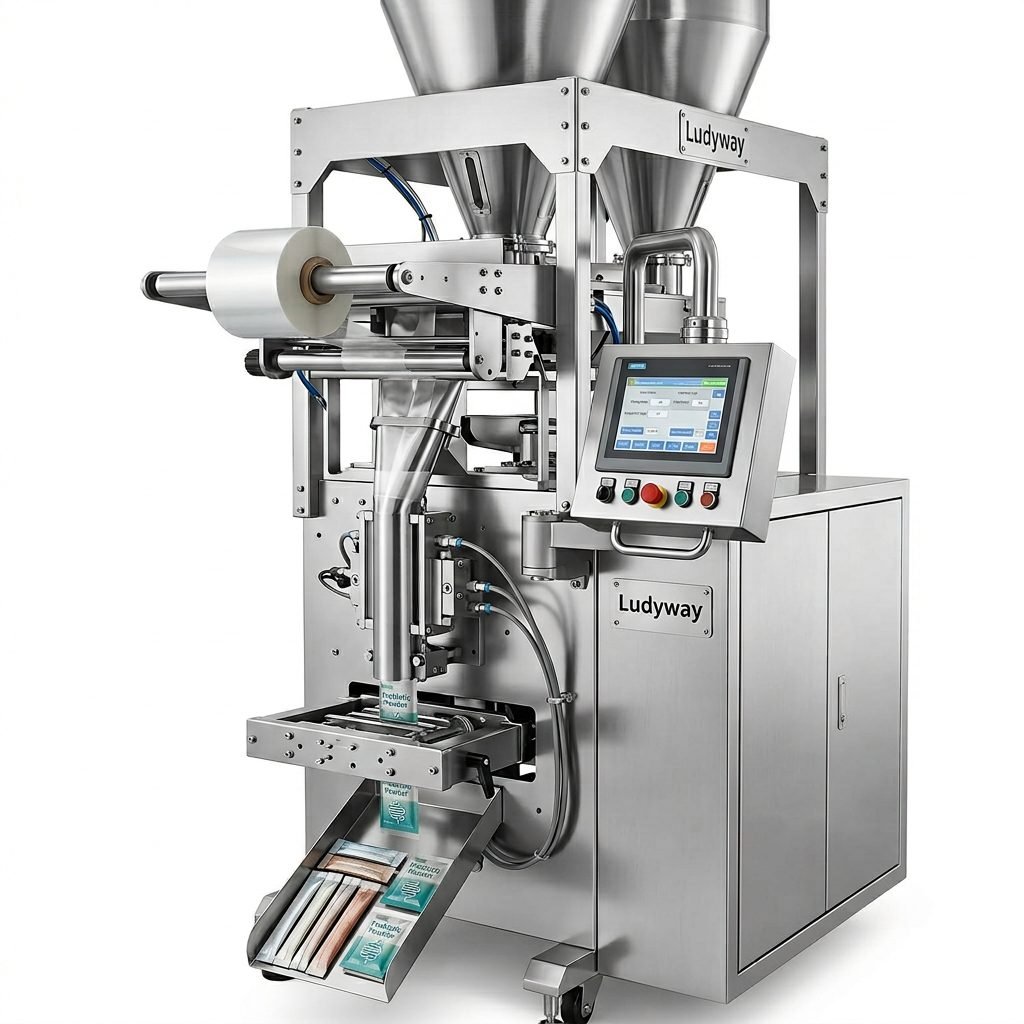
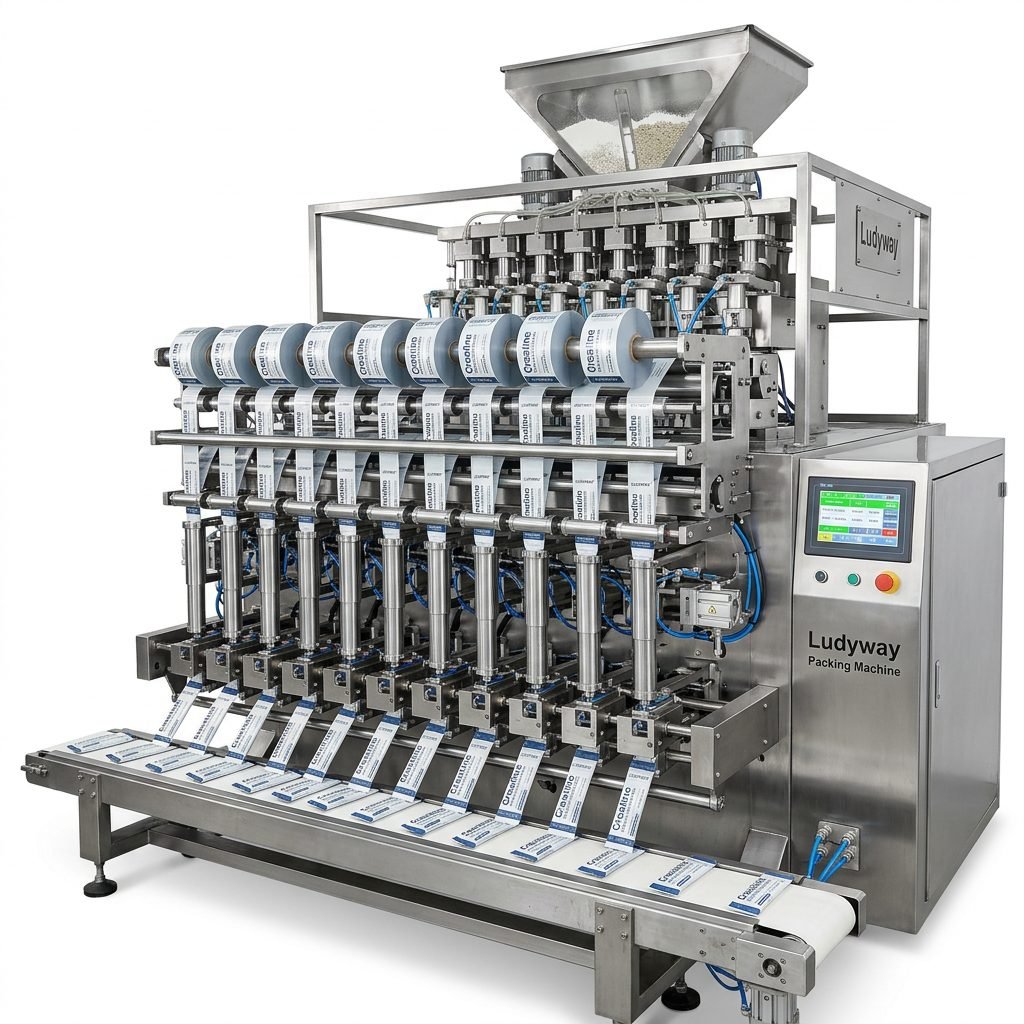
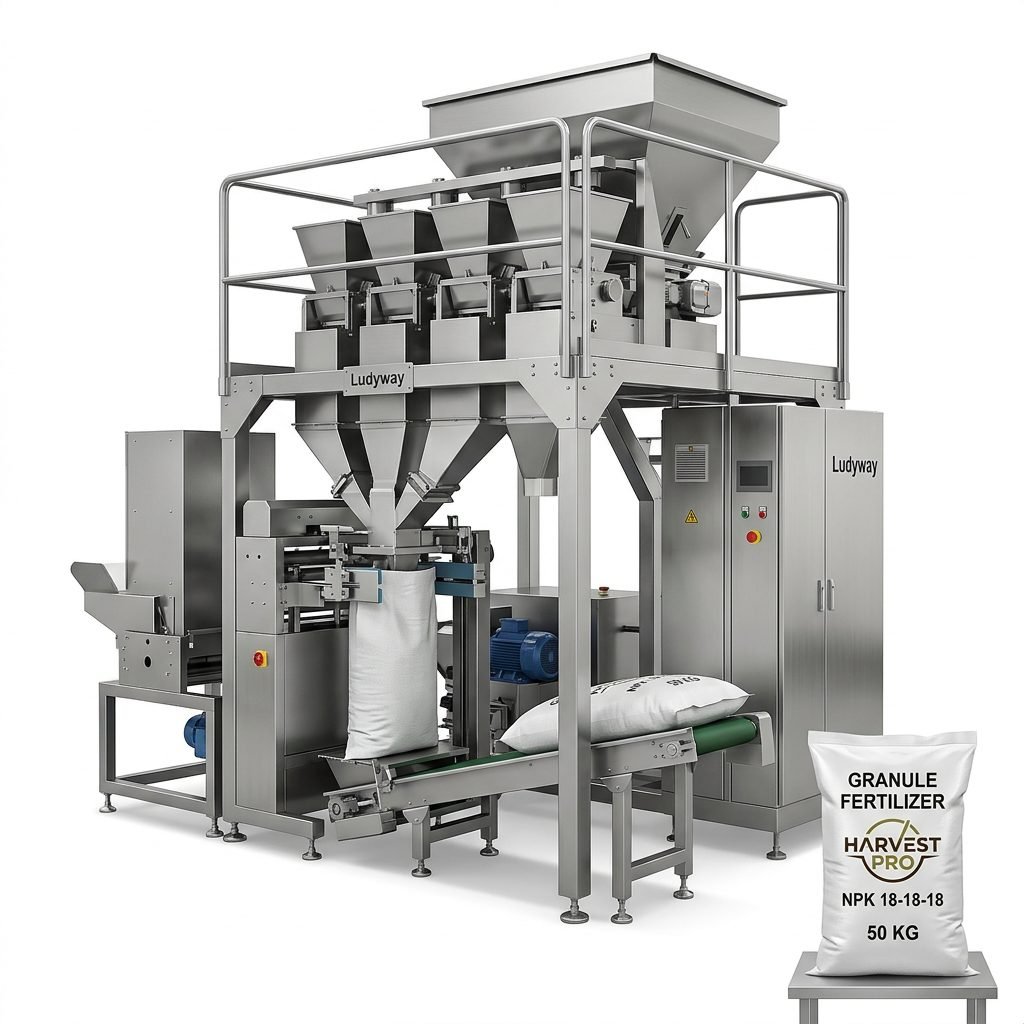
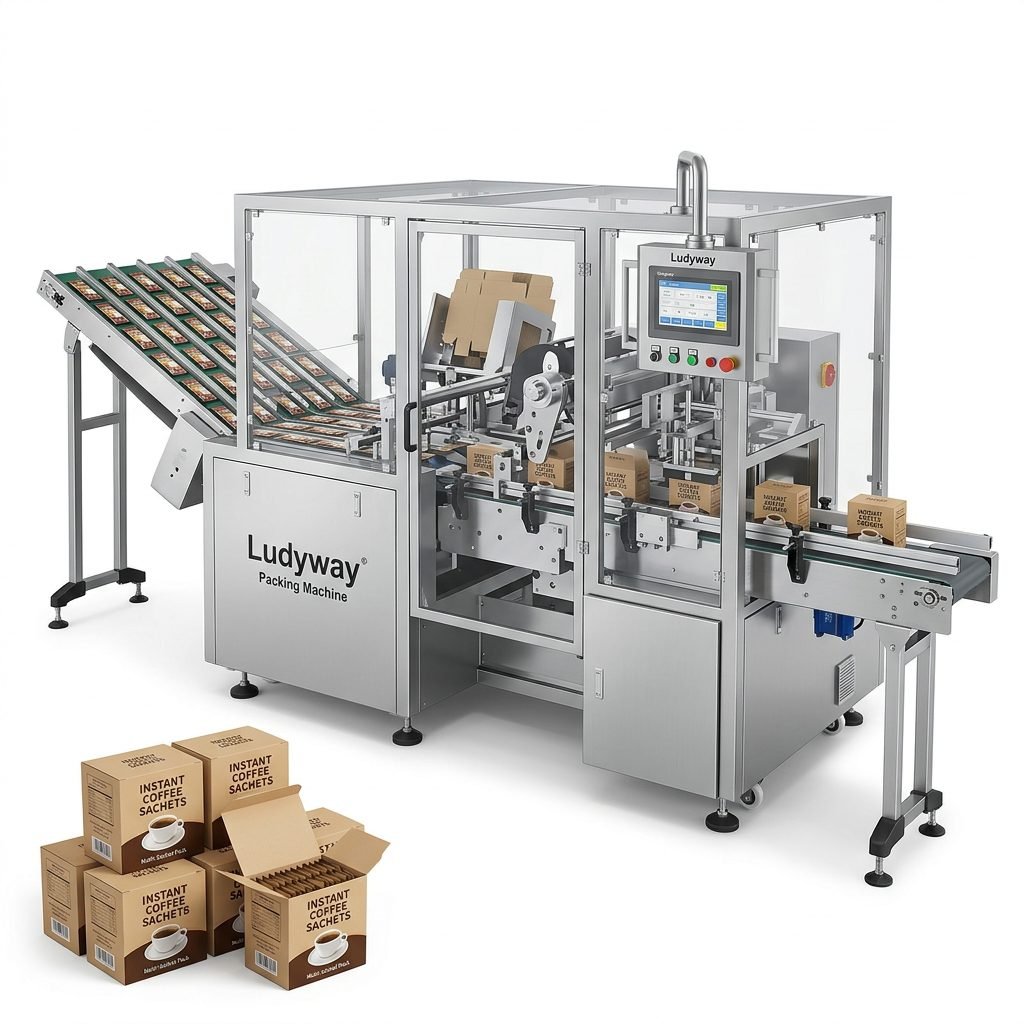
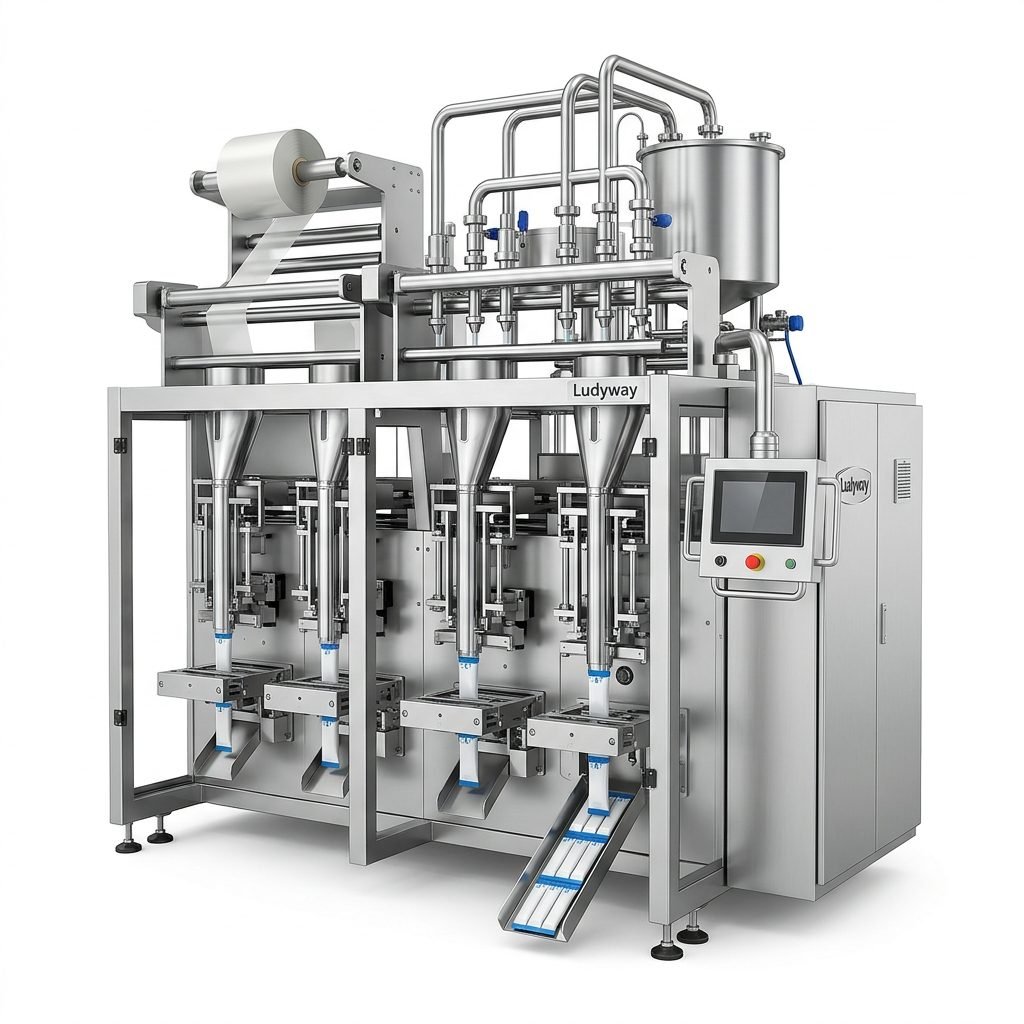
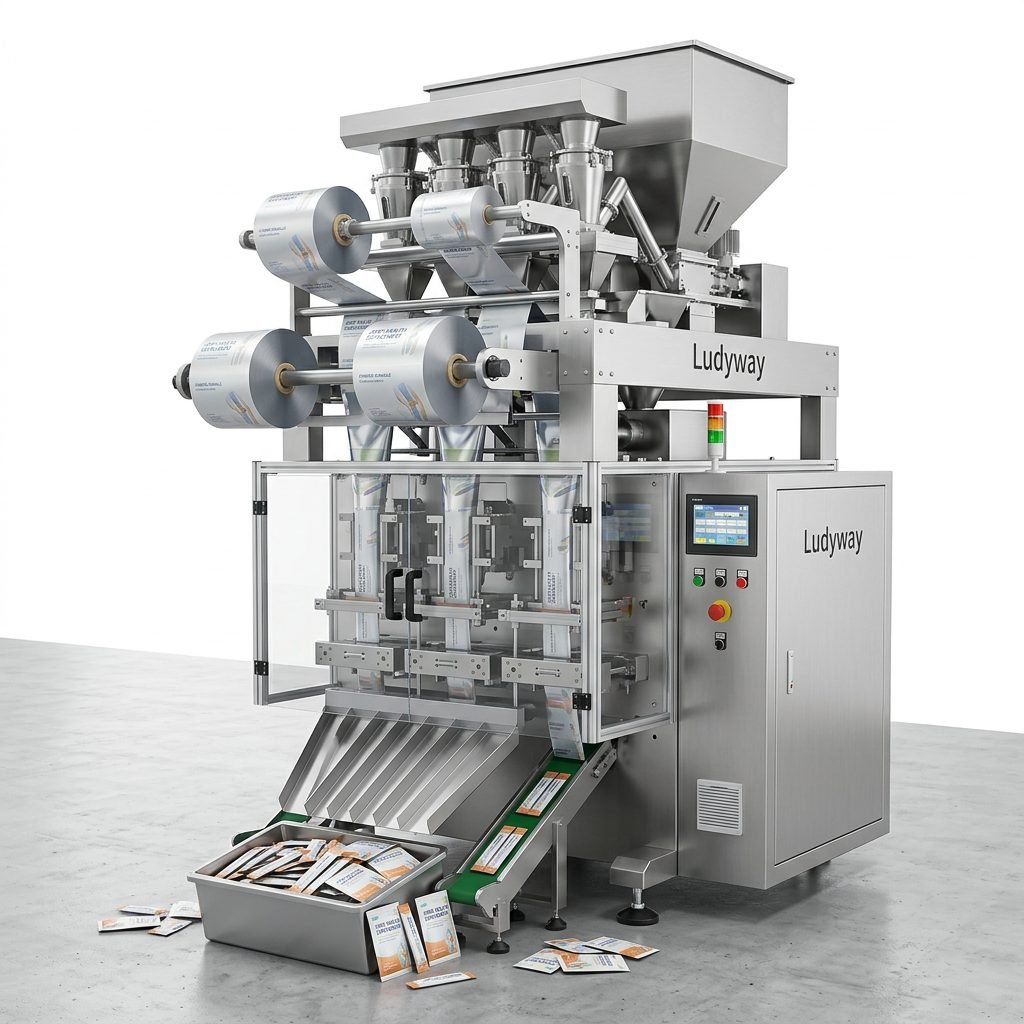
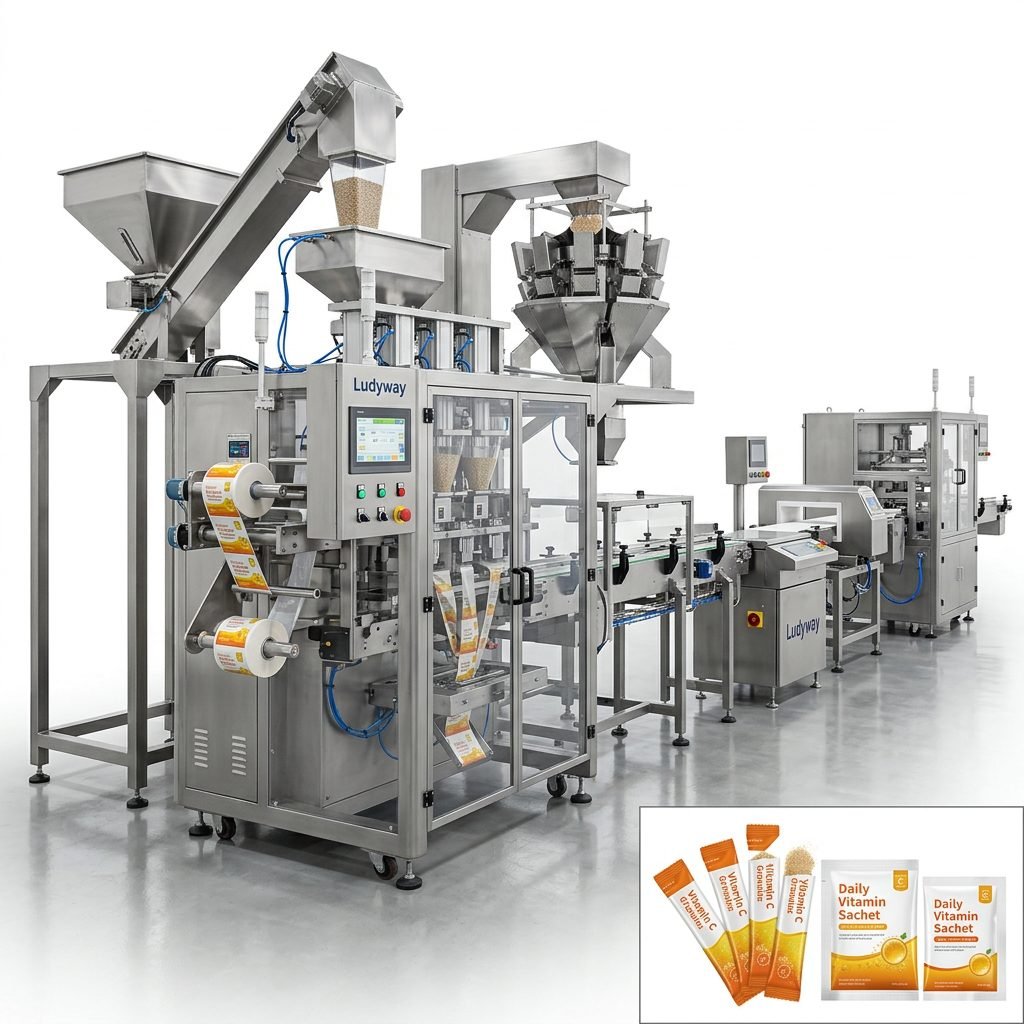
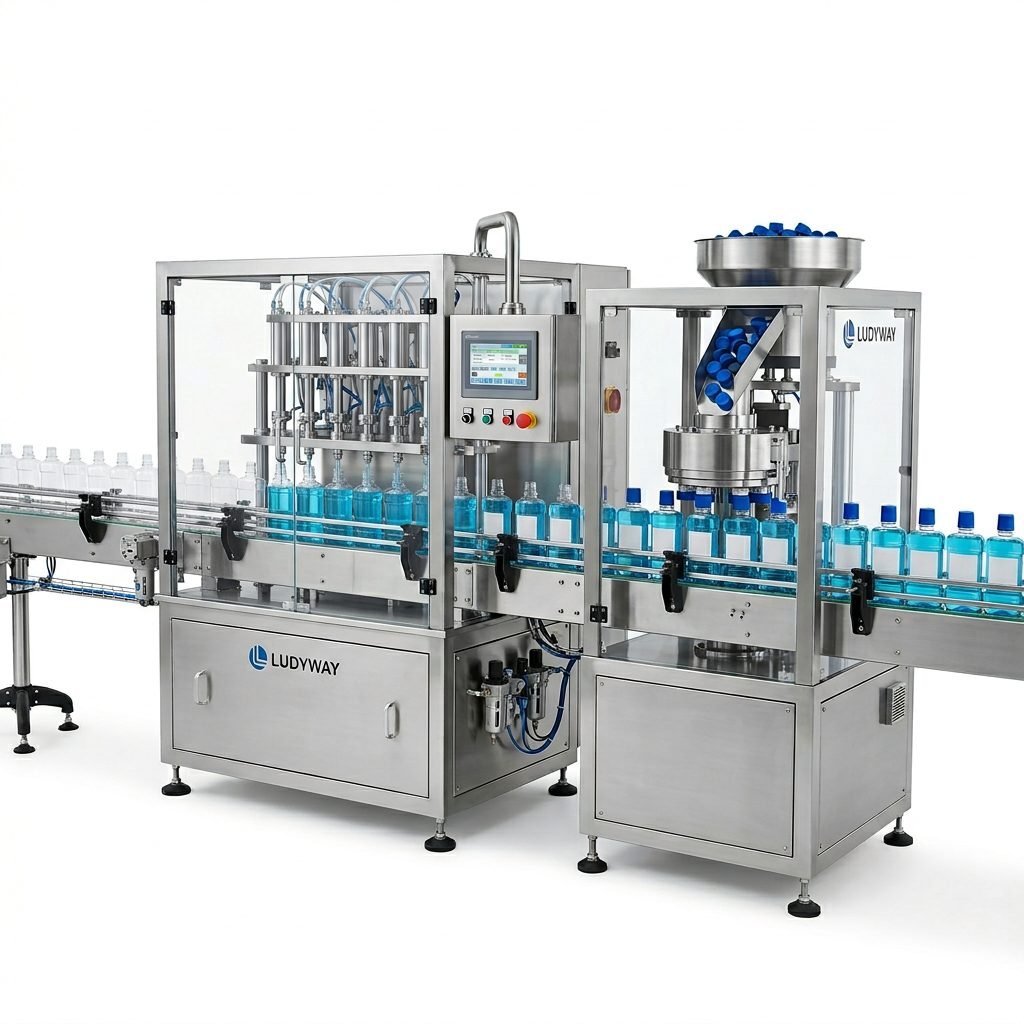
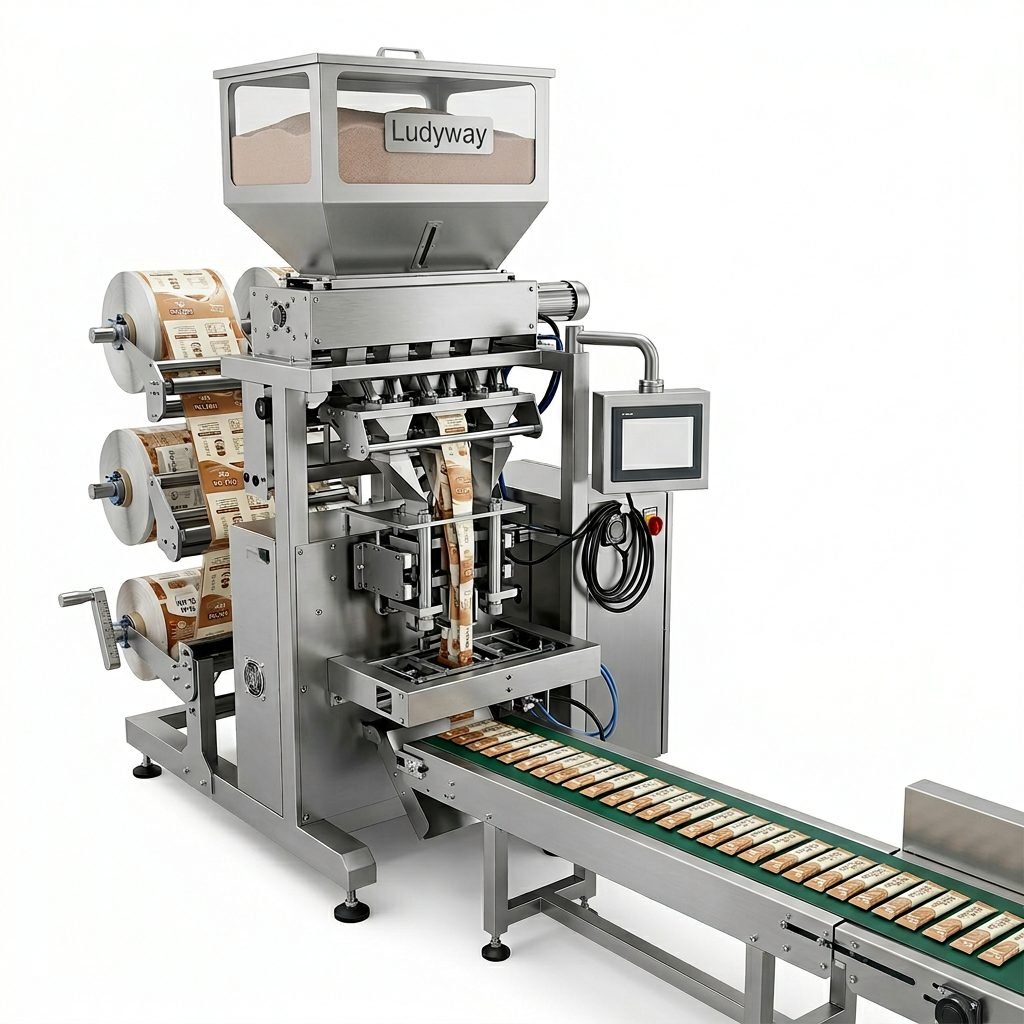
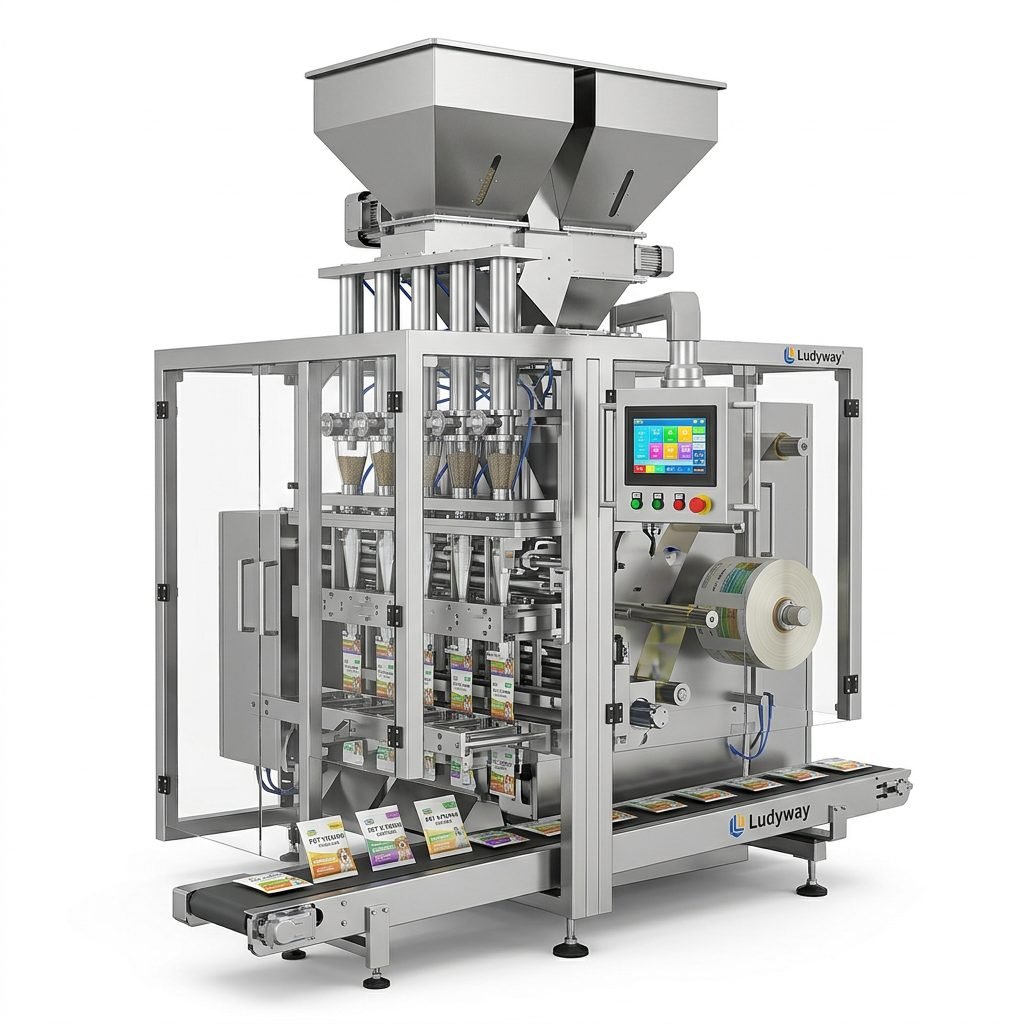
In the competitive world of food, pharmaceutical, and health product manufacturing, preserving product quality and extending shelf life are paramount. One of the most effective technologies for achieving this is nitrogen flushing, and the machinery that makes it possible is the nitrogen flushing packaging machine. This article delves into how this advanced packaging system works, explores its key benefits for producers, and provides a comprehensive guide for making an informed purchase decision.
The Science Behind Nitrogen Flushing: How It Works
Nitrogen flushing is a modified atmosphere packaging (MAP) technique designed to displace oxygen inside a sealed package. Oxygen is the primary culprit behind product degradation, causing oxidation, spoilage of fats and oils, and the growth of aerobic bacteria and molds.
A nitrogen flushing packaging machine automates this preservation process with precision. The operation typically follows these key stages:
1. Product Loading & Bag Formation: The product is automatically or manually placed into the forming section of the machine. A film web is drawn and formed into pouches around the product.
2. Oxygen Evacuation: Before sealing, the air (rich in oxygen) inside the pouch is evacuated by a powerful vacuum pump.
3. Nitrogen Injection (Flushing): Immediately after evacuation, high-purity nitrogen gas is injected into the pouch. This inert gas fills the headspace, displacing nearly all remaining oxygen.
4. Hermetic Sealing: The pouch is then hermetically sealed while still filled with the protective nitrogen atmosphere, locking in freshness.
Modern machines from leading suppliers like Ludyway Packing Machine integrate sophisticated sensors and programmable logic controllers (PLCs) to ensure consistent gas flush ratios and seal integrity, batch after batch.
Core Components of a High-Performance Machine
Understanding the machine’s anatomy helps in evaluating quality:
- Gas Flushing System: The heart of the machine, comprising precision gas injectors, flow meters, and valves to control the volume and purity of nitrogen introduced.
- Vacuum System: A robust vacuum pump and chamber responsible for effectively removing ambient air from the package.
- Sealing Mechanism: Heated sealing jaws (often with cool-down features) that create a strong, airtight seal on the packaging material.
- Control Panel (HMI): A user-friendly interface, often a touchscreen, allowing operators to set parameters like vacuum time, gas flush time, and sealing temperature.
Key Benefits of Investing in Nitrogen Flushing Technology
Adopting nitrogen flushing packaging delivers transformative advantages across operational, financial, and marketing dimensions.
Dramatically Extended Shelf Life
By reducing residual oxygen levels to below 1-2%, nitrogen flushing significantly slows down oxidation and microbial growth. This can extend the shelf life of sensitive products like coffee, nuts, snacks, dried meats, and pharmaceutical powders by months or even years, reducing waste and enabling broader distribution.
Superior Product Quality & Freshness Preservation
The technology preserves the original taste, aroma, color, and nutritional value of products. For instance, coffee beans retain their complex flavor profile, and crispy snacks maintain their crunch, directly enhancing consumer satisfaction and brand reputation.
Enhanced Packaging Appeal and Functionality
Nitrogen-filled packages often appear “pillowed,” which provides a cushioning effect that protects fragile contents from crushing during transit. This puffed look can also be a visual cue of premium, fresh packaging to consumers.
Reduced Need for Artificial Preservatives
As a natural and inert gas, nitrogen is a clean-label solution. Manufacturers can often reduce or eliminate chemical preservatives (like BHA, BHT) to meet the growing consumer demand for cleaner ingredient lists, a significant market advantage.
Companies with deep industry expertise, such as Ludyway Machinery, understand these benefits intimately and design machines that maximize them for clients in the food and pharmaceutical sectors.
Your Essential Buying Guide: What to Consider
Selecting the right nitrogen flushing packaging machine requires careful evaluation of your specific needs and the machine’s capabilities.
1. Assess Your Product & Production Requirements
Product Type: Is it granules, powders, liquids, or solids? The machine design, particularly the feeding and dosing system, must be compatible.
Production Speed (Output): Calculate your required bags-per-minute (BPM) output. Machines range from semi-automatic tabletop models to high-speed, fully automatic rotary or linear systems.
Package Size & Material: Define your bag dimensions (length, width) and the type of laminated film you will use (e.g., PET/AL/PE). The machine must handle your material’s thickness and sealing properties.
2. Evaluate Critical Machine Specifications
Residual Oxygen Level (RO₂): This is the most critical performance metric. High-quality machines can achieve consistent RO₂ levels of 1% or lower. Always ask for validation data.
Gas Consumption Efficiency: An efficient machine optimizes nitrogen use, minimizing ongoing operational costs. Inquire about the gas flush volume per cycle.
Automation & Integration Level: Determine if you need a standalone machine or one that integrates with upstream feeders (like weigh scales) and downstream systems (like cartoners) for a complete turnkey production line.
3. Prioritize Supplier Credibility & Support
Manufacturer Experience: Choose a supplier with a proven track record. A brand with over 30 years of industry experience brings invaluable knowledge of application challenges and reliable engineering.
Service & Spare Parts: Ensure prompt technical support, availability of spare parts, and comprehensive after-sales service. Global suppliers should offer localized support networks.
Customization Ability: Can the supplier tailor the machine to your unique product or packaging format? Flexibility is key for future-proofing your investment.
Partnering with an established provider like Ludyway ensures access to a wide range of intelligent packaging models and professional project support tailored to global production needs.
Frequently Asked Questions (FAQs)
1. What is the typical cost range for a nitrogen flushing packaging machine?
Costs vary widely based on automation, speed, and complexity. Semi-automatic machines start in the tens of thousands of USD, while high-speed, fully integrated automatic lines can reach several hundred thousand dollars. A detailed quote based on your specific requirements is essential.
2. Can the same machine handle different types of products, like powders and granules?
Many machines are versatile, but critical components like the feeding system may need changing or adjustment. It’s crucial to discuss your product range with the supplier upfront. Some models are designed specifically for powders to prevent dust contamination in the sealing area.
3. How pure does the nitrogen gas supply need to be?
For optimal preservation, food-grade nitrogen with a purity of 99.5% or higher is recommended. The higher the purity, the more effective the oxygen displacement and the longer the achievable shelf life.
4. What is the main maintenance required for these machines?
Regular maintenance includes cleaning to remove product dust/debris, checking and replacing sealing jaw tapes or Teflon sheets, inspecting vacuum pump oil levels, and ensuring gas lines and filters are clean. Following the manufacturer’s scheduled maintenance plan is vital for longevity.
5. Is nitrogen flushing packaging safe for food products?
Absolutely. Nitrogen (N₂) is an inert, natural gas that makes up about 78% of the air we breathe. It is non-toxic, odorless, and tasteless, and is approved worldwide as a safe food packaging gas (E941 in the EU). It does not chemically interact with the product; it simply creates a protective atmosphere.