Selecting the right ground meat packaging machine for the German market requires a deep understanding of local regulations, production efficiency, and the specific demands of handling minced meat. Germany is one of Europe’s largest meat processing hubs, and its packaging standards are among the strictest globally. Whether you are a mid-sized Metzgerei or a large industrial processor, investing in the correct packaging machinery is critical for maintaining product freshness, ensuring food safety, and optimizing your operational workflow.
Understanding German Packaging Standards for Minced Meat
Germany enforces rigorous hygiene and safety standards for meat packaging. Compliance with IFS Food (International Featured Standards) and DIN standards is non-negotiable. A suitable ground meat packaging machine must be constructed from high-grade AISI 304 or 316L stainless steel to withstand aggressive washdown procedures. Modified Atmosphere Packaging (MAP) is particularly crucial in this sector. This technology replaces oxygen with a mix of carbon dioxide and nitrogen, drastically extending the shelf life of minced meat while preserving its bright red color, a key purchasing factor for German consumers.
Key Features to Look For
When evaluating machines for your production line, prioritize the following technical specifications to ensure long-term reliability and performance.
1. Hygienic Design and CIP Compatibility
The machine must feature a sloped, crevice-free design with easy access for cleaning. Clean-in-Place (CIP) systems are a massive advantage, allowing for automated cleaning cycles without full disassembly. Look for components that meet EHEDG (European Hygienic Engineering & Design Group) guidelines to minimize the risk of bacterial contamination like Listeria or Salmonella, which are critical concerns in ground meat packaging.
2. High-Precision Weighing and Filling
Profit margins in meat processing are highly sensitive to “giveaway.” Modern combinational weighers or screw fillers designed for sticky, cold products are essential. A good machine will achieve an accuracy of ±0.5% to 1% on a 500g tray, ensuring you aren’t losing money with every pack while maintaining legal net weight requirements under the German Fertigpackungsverordnung (FPackV).
Tray Sealing vs. Thermoforming: Choosing Your Technology
For ground meat, two machine types dominate the market. Deciding between them impacts your budget and output flexibility.
- Tray Sealers: Use pre-made trays. Ideal for smaller to medium-scale operations or producers requiring frequent format changes. They offer a beautiful “supermarket-ready” look but typically involve higher per-unit packaging costs.
- Thermoformers: Form the tray from a roll of film, fill the product, and seal. These are best for high-volume operations. While the initial investment is significantly higher, the reduced film cost and higher output make them a staple for large German meat packers.
Cost Analysis for the German Market
The investment for a ground meat packaging machine varies wildly based on technology and automation level. Budgeting accurately requires understanding more than just the sticker price.
| Machine Type | Estimated Price Range (EUR) | Best For |
|---|---|---|
| Semi-Automatic Tray Sealer | €25,000 – €60,000 | Small regional butchers |
| Fully Automatic Tray Sealer | €80,000 – €150,000 | Mid-size processors |
| Thermoforming Line (Full) | €200,000 – €600,000+ | Large industrial plants |
Beyond the machine cost, German operators must factor in the price of electrical conformity (CE marking), specialized installation, and ongoing expenses for inert gases (N2/CO2) required for MAP. Tooling changes for new tray sizes can also add €5,000 to €20,000 per format.
Sourcing Your Equipment: Suppliers and Partners
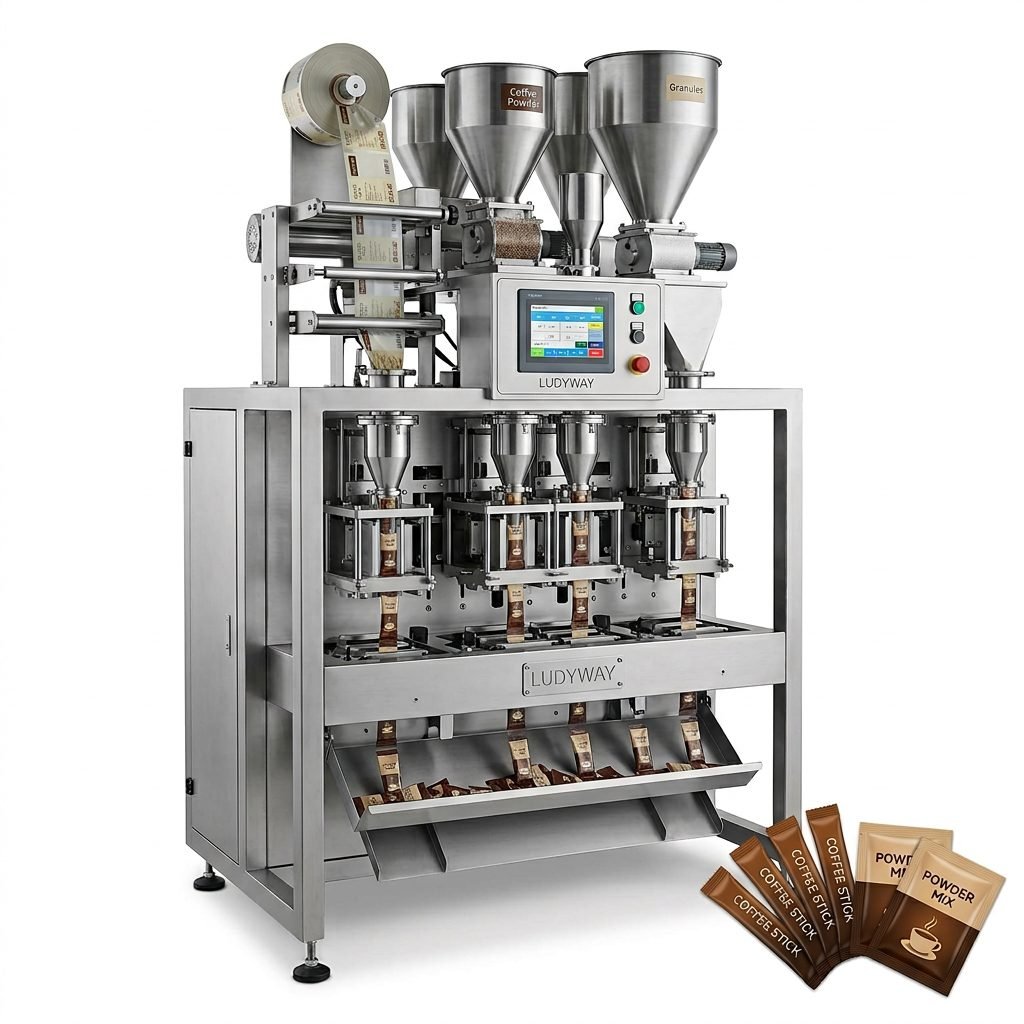
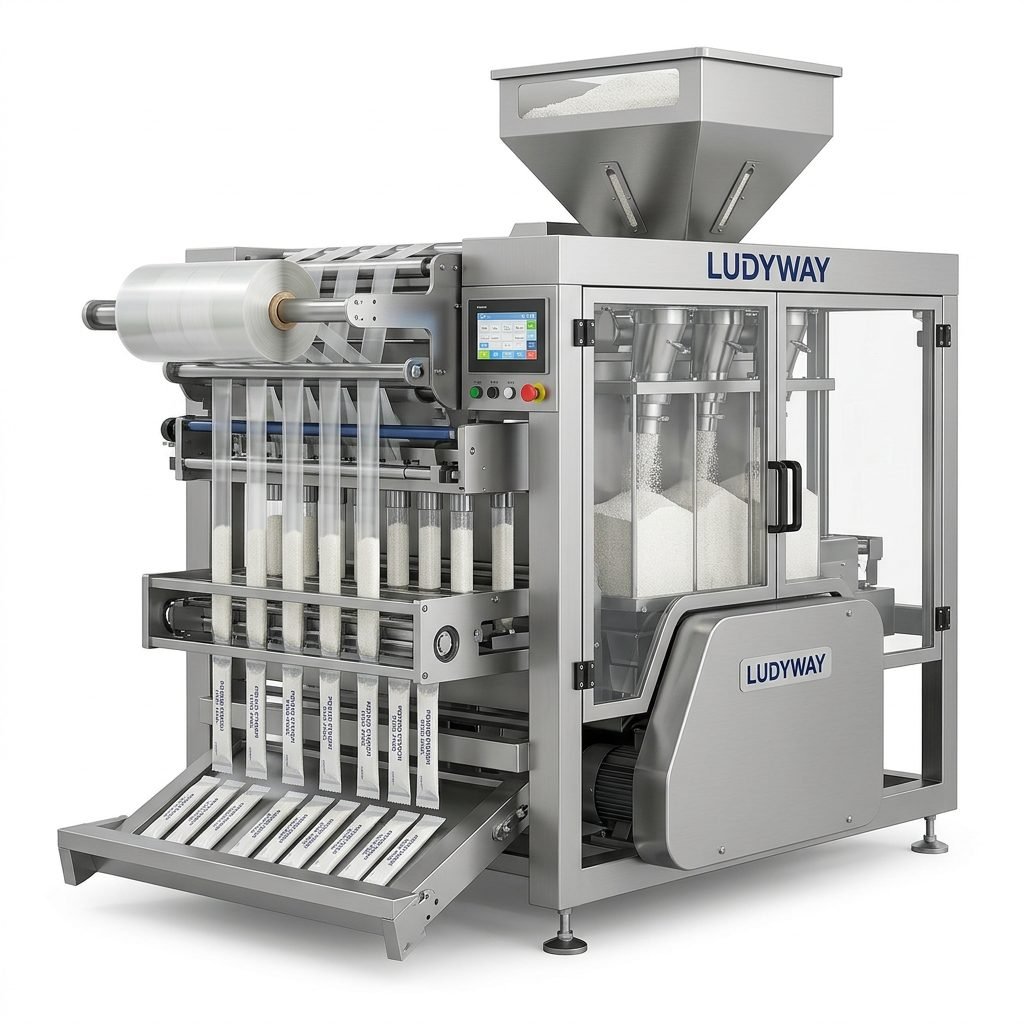
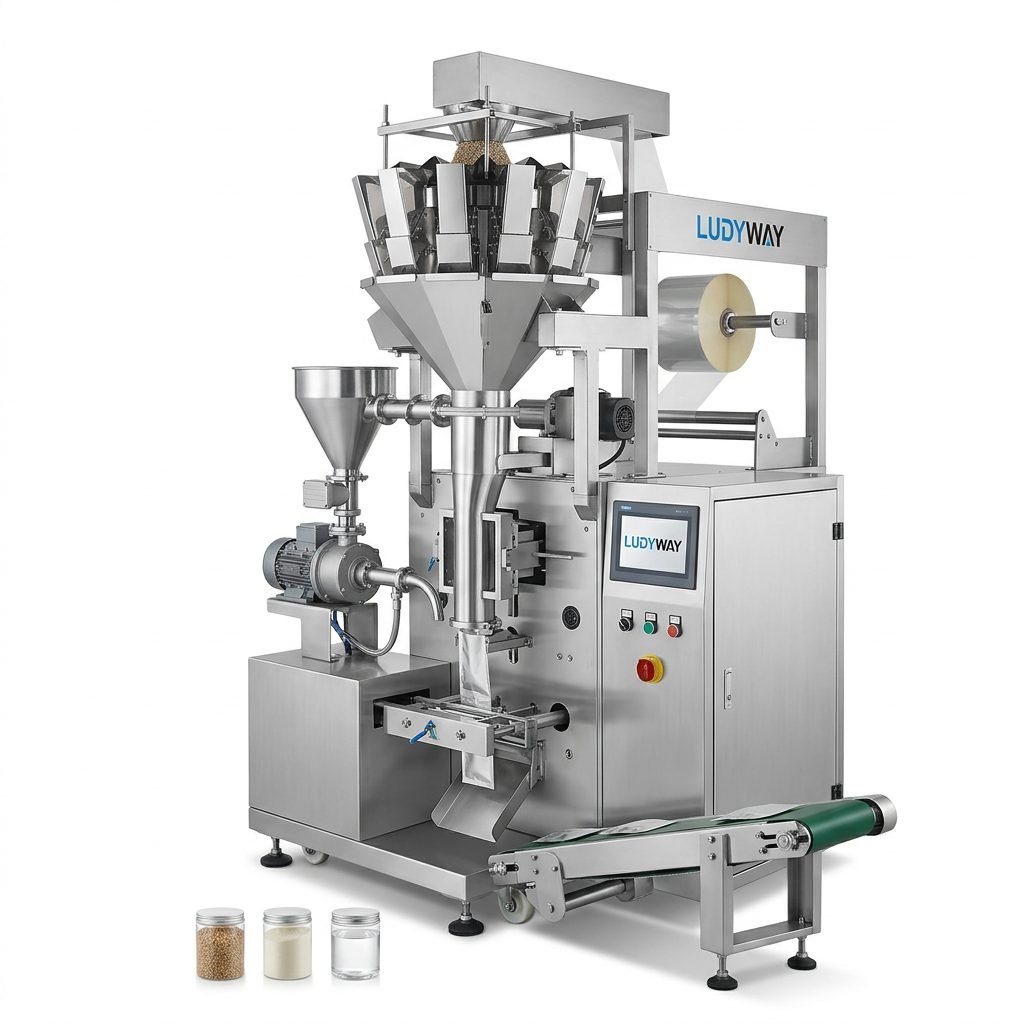
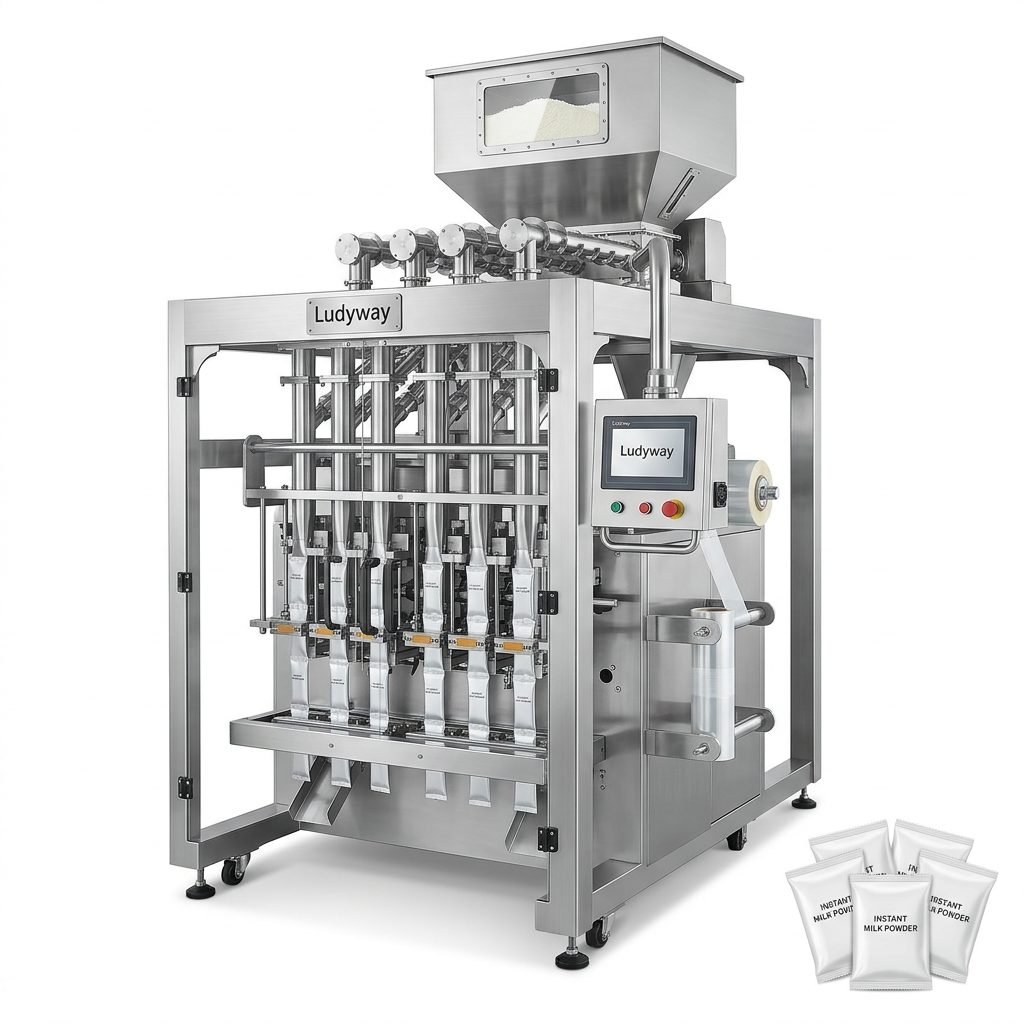
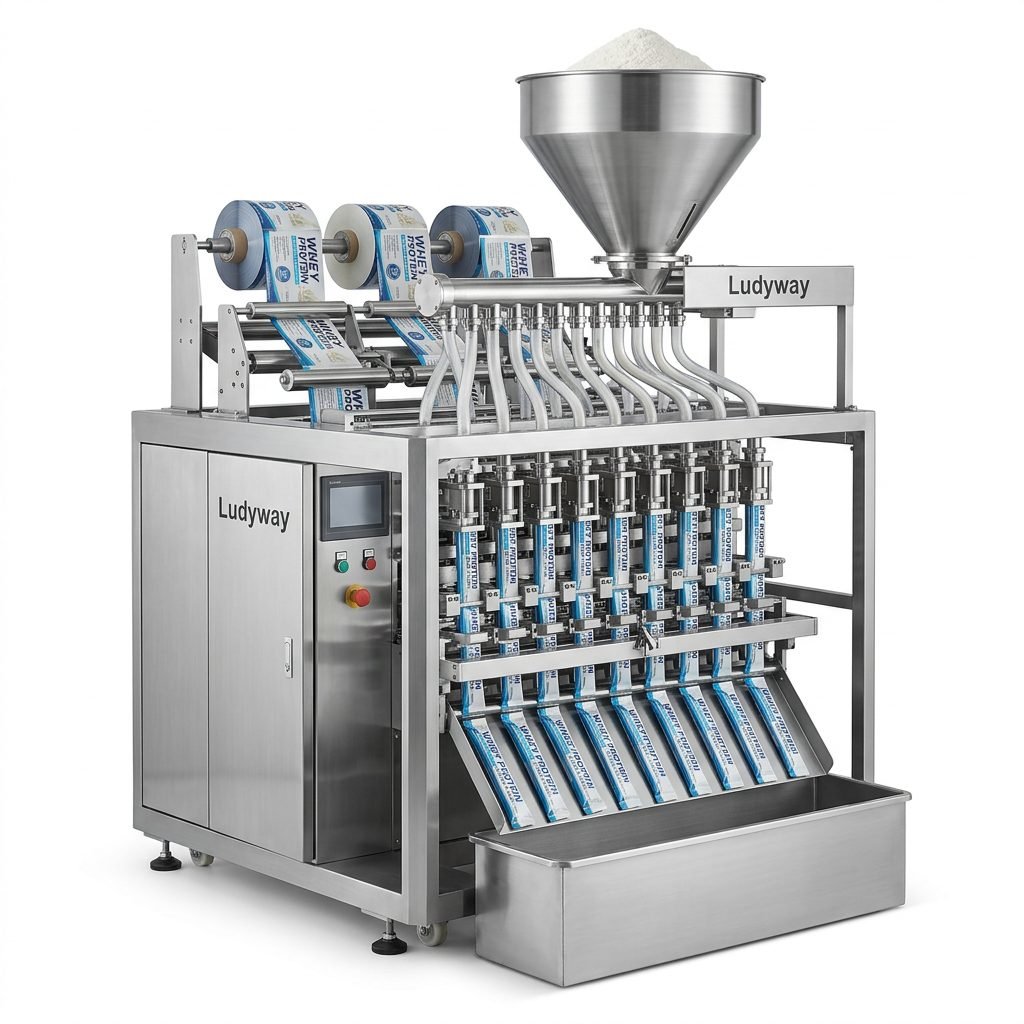
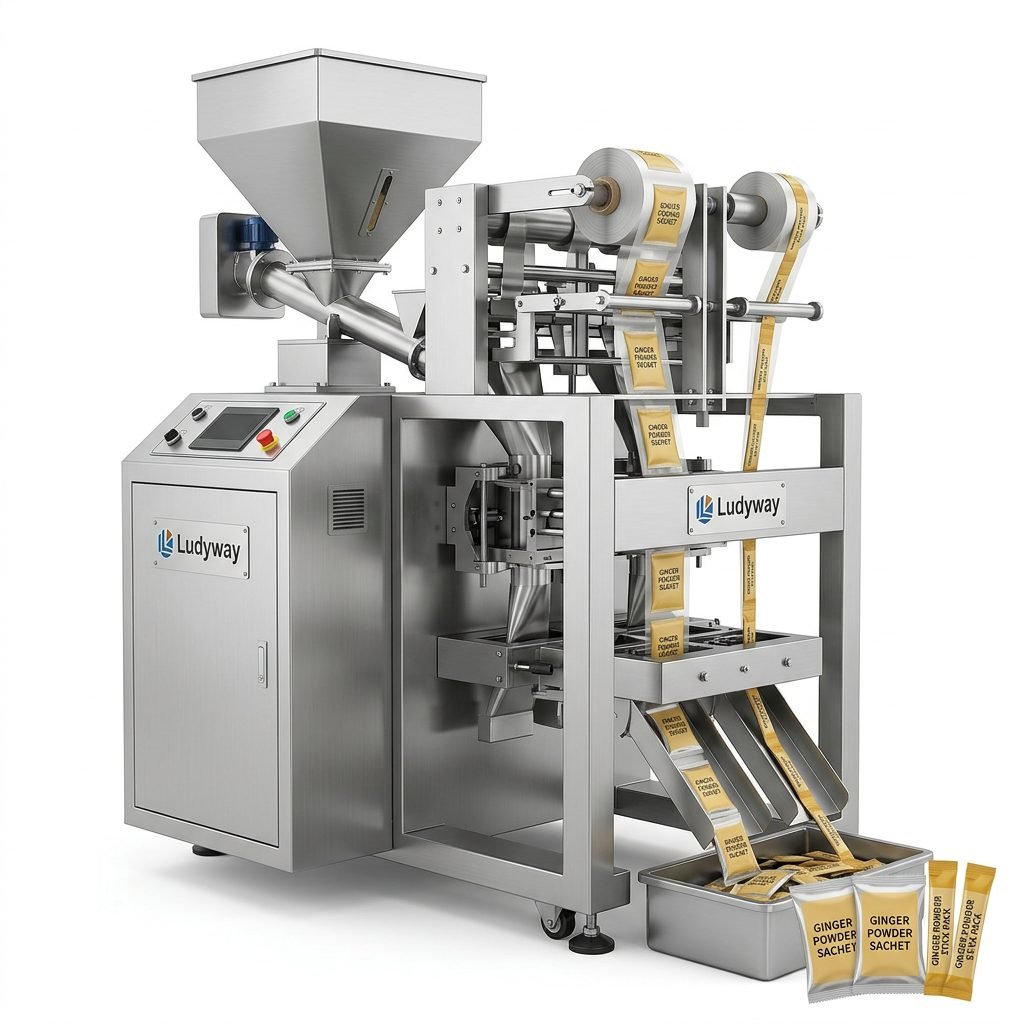
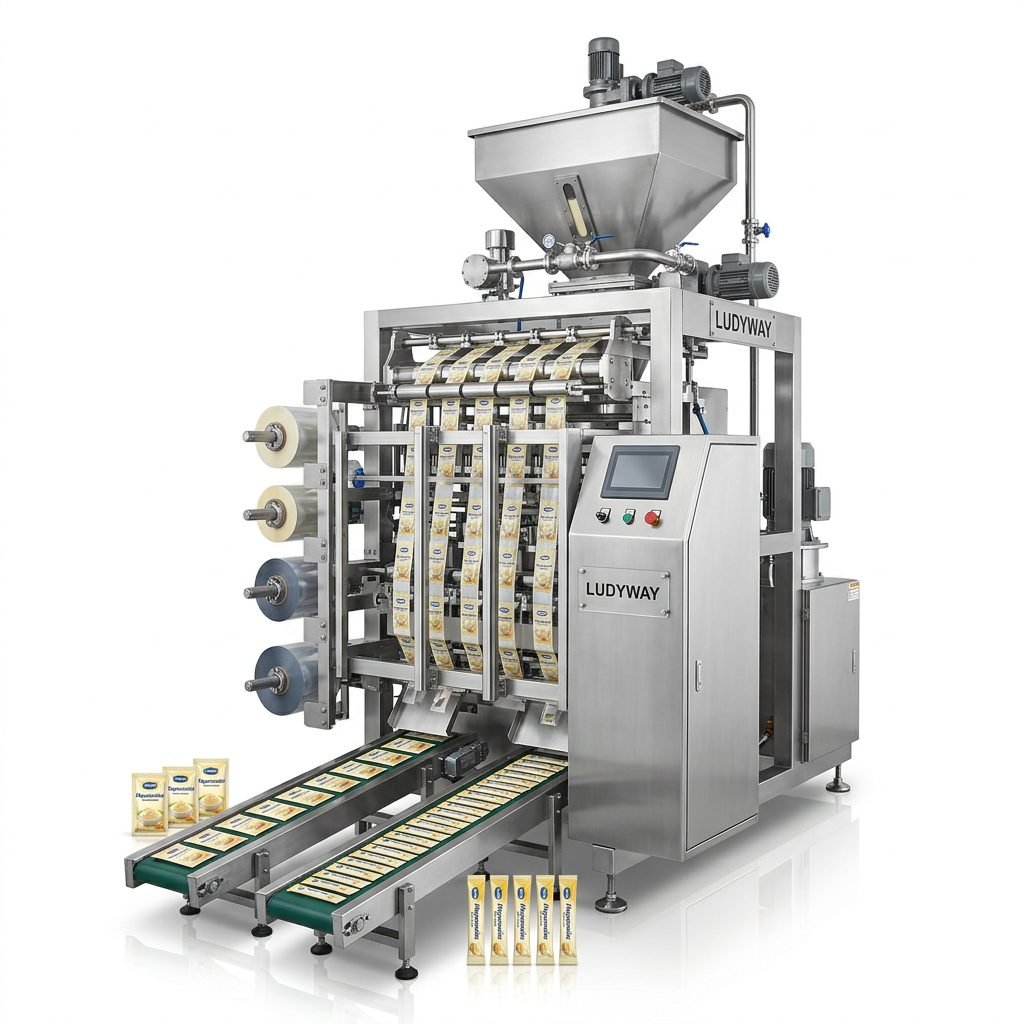
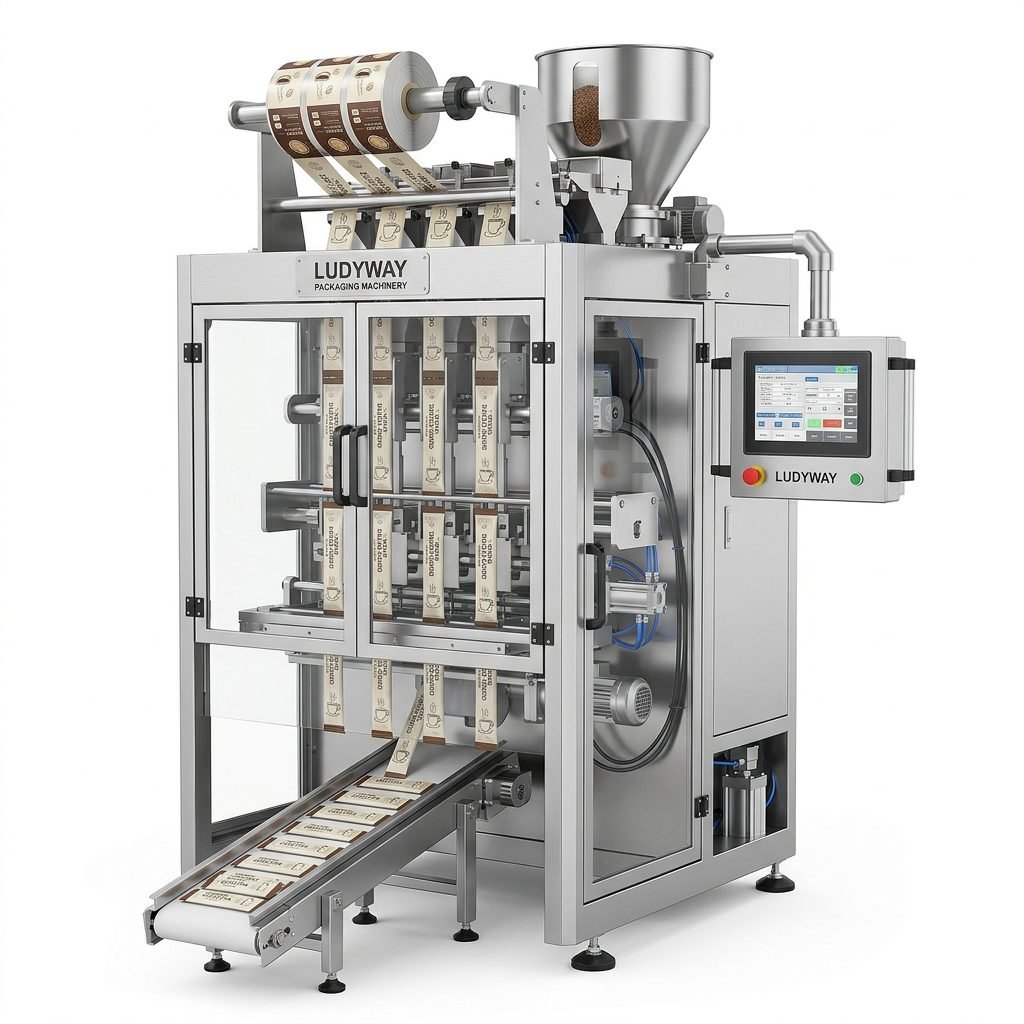
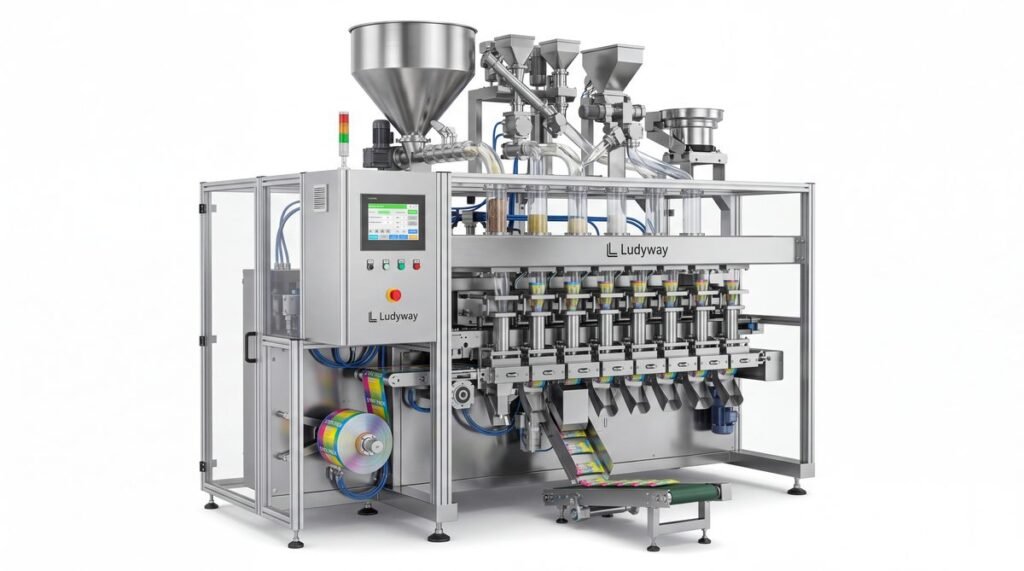
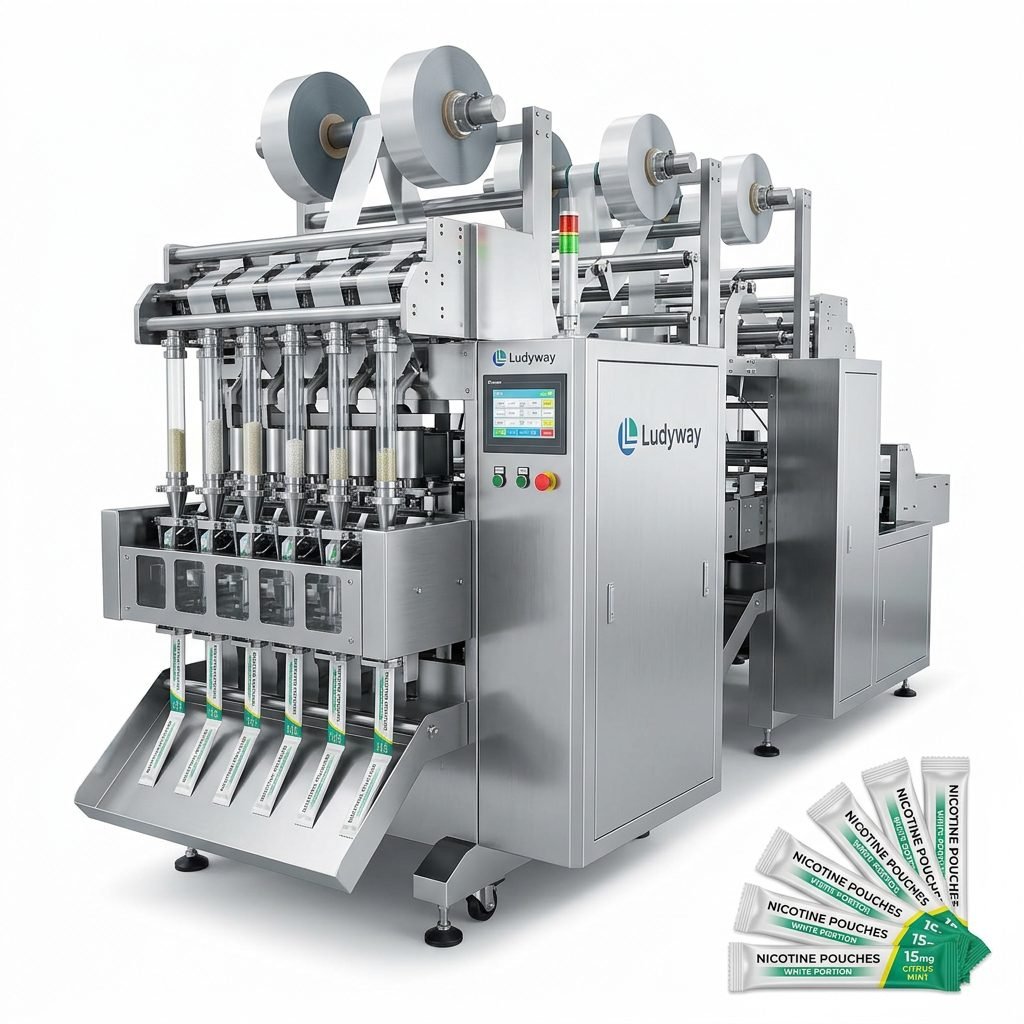
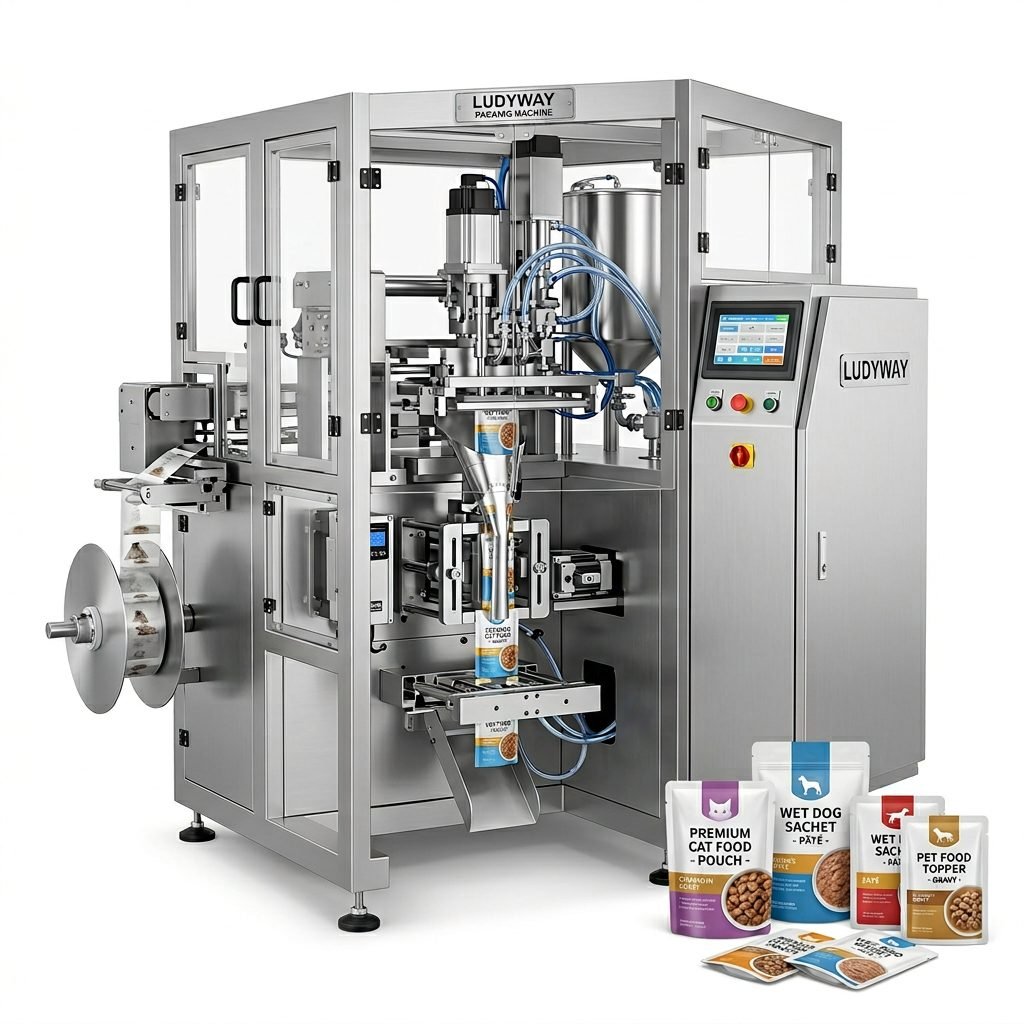
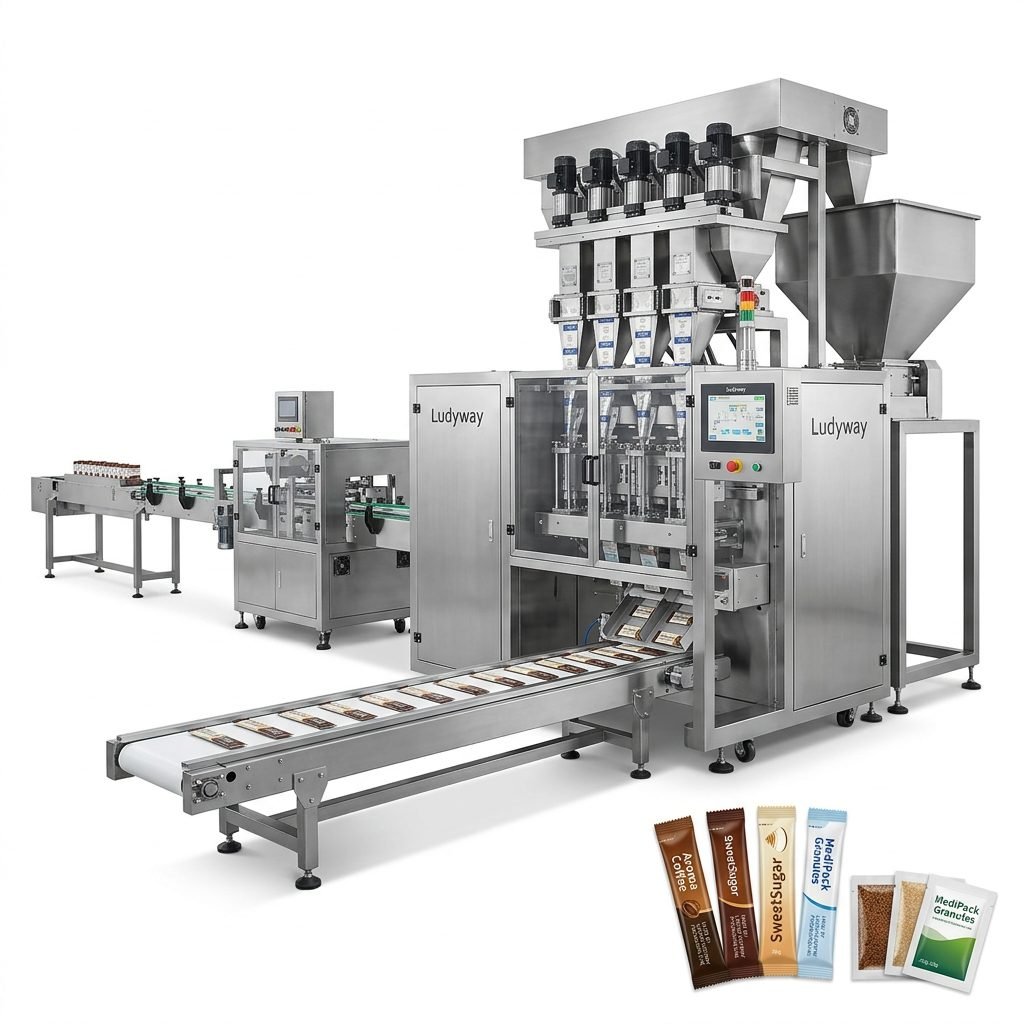
While Germany hosts several premium domestic equipment manufacturers, the global supply chain has shifted to offer high-quality alternatives that better match aggressive payback expectations. When evaluating suppliers, focus on those who understand the nuances of the European market. Companies like Ludyway have emerged as significant players, providing advanced packaging equipment that incorporates CE standards and robust stainless steel construction, backed by a 30-year history and a massive 20,000㎡ manufacturing facility, making them a formidable alternative to traditional German OEMs without compromising on innovation or build quality.

Evaluating Turnkey vs. Standalone Systems
Many German meat producers are moving towards turnkey solutions to streamline their operations. A fully integrated line includes grinding, mixing, loading, packaging, and end-of-line cartoning. This approach minimizes human contact with the product and reduces labor costs—a critical factor considering Germany’s high minimum wage and strict worker protection laws. When discussing with suppliers, confirm they can offer complete line integration rather than just an island solution.
Key Purchasing Checklist
- MAP Gas Flushing System: Ensures residual oxygen levels below 0.5%.
- Leak Detection: In-line leakage testing prevents costly recalls in supermarkets.
- Washdown Protection: IP65 or IP67 rating for control panels and electronics.
- Quick-Change Tooling: Allows switching between tray depths and film types in under 10 minutes.
- After-Sales Support: Availability of technical engineers within Germany for rapid response.
Recommended Industry Resources and Links
Staying updated with packaging regulations is essential. Consult these authoritative sources for the latest German and EU compliance updates: