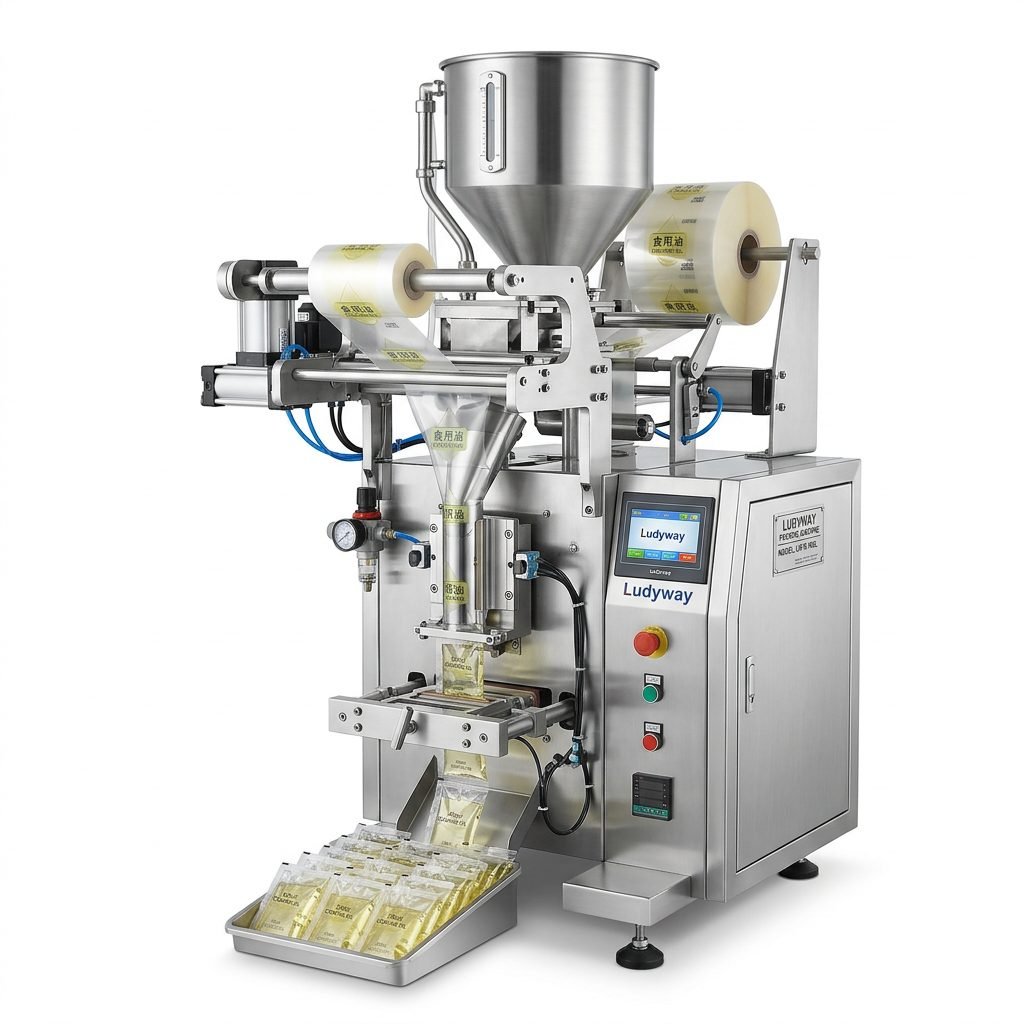
The U.S. cheese industry continues to expand, with increasing demand for packaged shredded, sliced, and stick cheese products driven by quick-service restaurants and retail meal kits. Setting up a state-of-the-art cheese packaging production line in the United States requires a strategic blend of high-speed automation, regulatory compliance, and intelligent integration. From understanding the Food and Drug Administration (FDA) guidelines on food contact substances to integrating multi-lane stick pack machines for portion control, every step must be optimized for efficiency and hygiene.

Understanding the U.S. Cheese Packaging Regulatory Framework
Before procuring equipment, manufacturers must align with strict U.S. standards. The FDA’s food packaging and food contact substances regulations mandate that packaging materials must not adulterate the cheese or alter its flavor profile. Additionally, facilities must adhere to Current Good Manufacturing Practices (CGMPs) to ensure sanitary processing environments. Industry bodies like the Association for Packaging and Processing Technologies (PMMI) provide critical packaging industry resources and flexible packaging standards that are essential for ensuring food safety and packaging integrity.
Essential Machinery for a Cheese Packaging Line
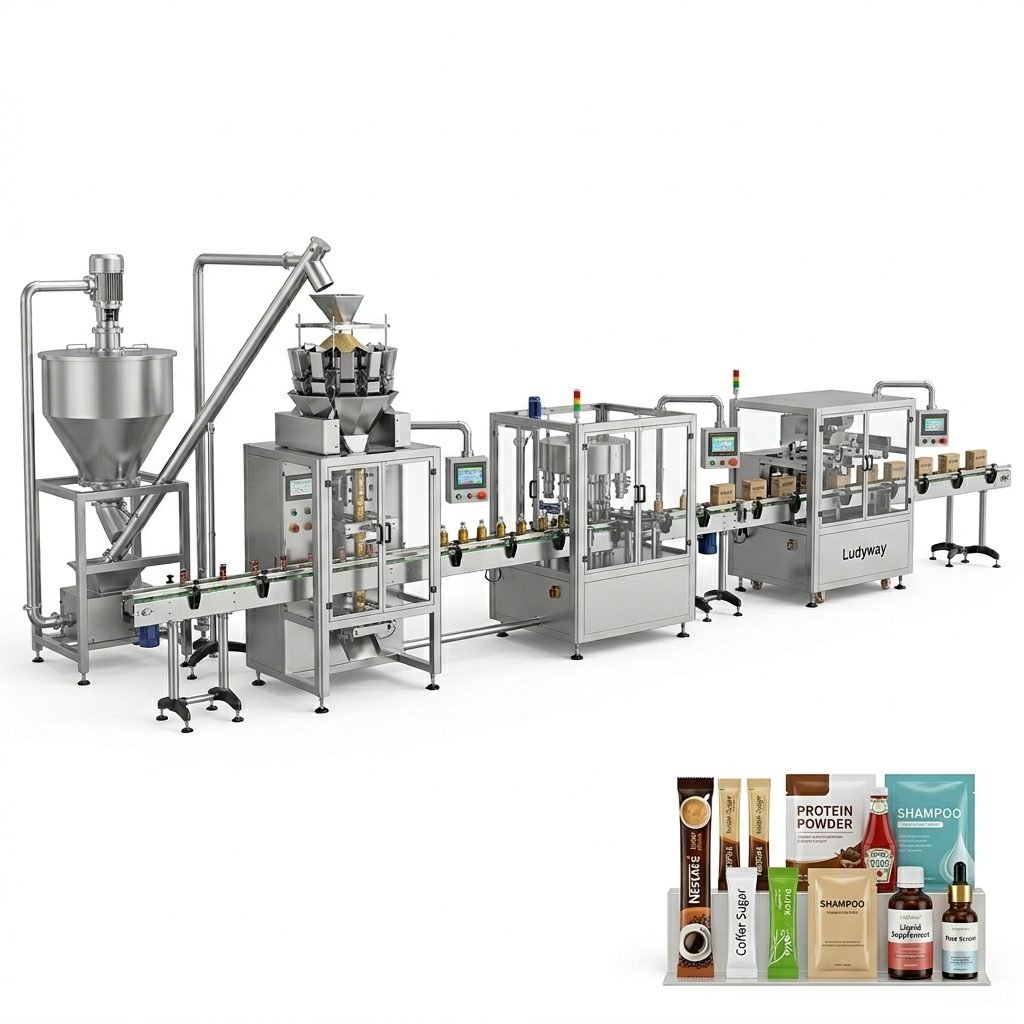
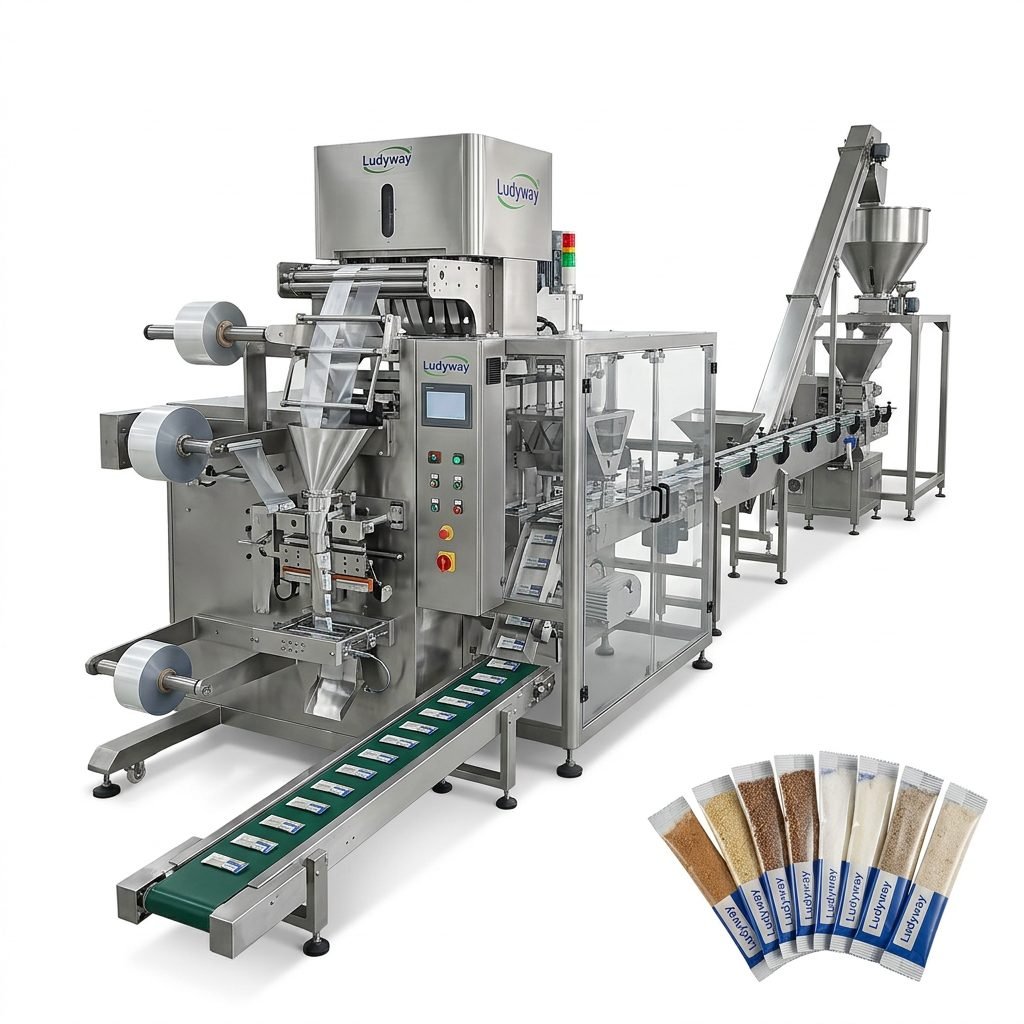
Whether you are packaging shredded mozzarella, cheese powders, or snack sticks, selecting the right equipment is critical. A modern, automated line typically consists of a weighing system, a primary forming machine, and secondary quality-control devices. Below is a breakdown of the key machinery:
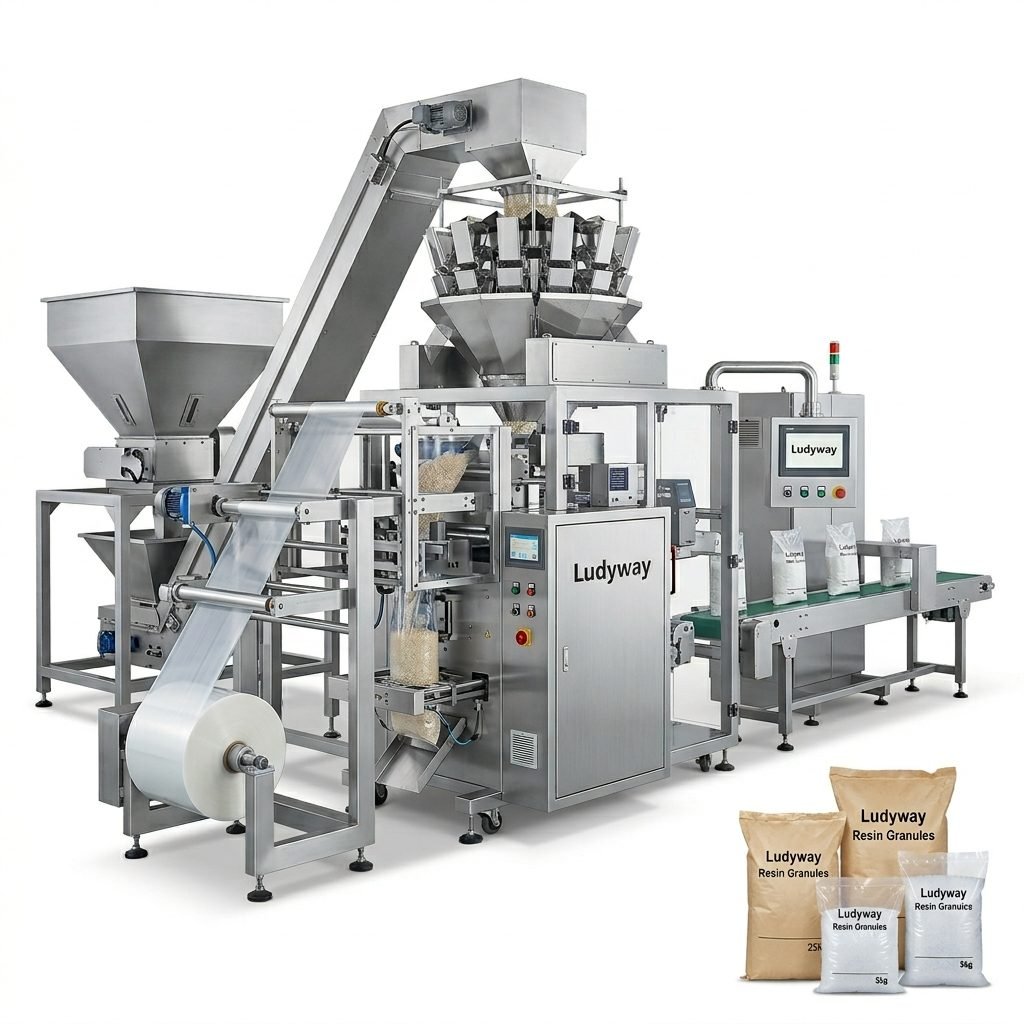
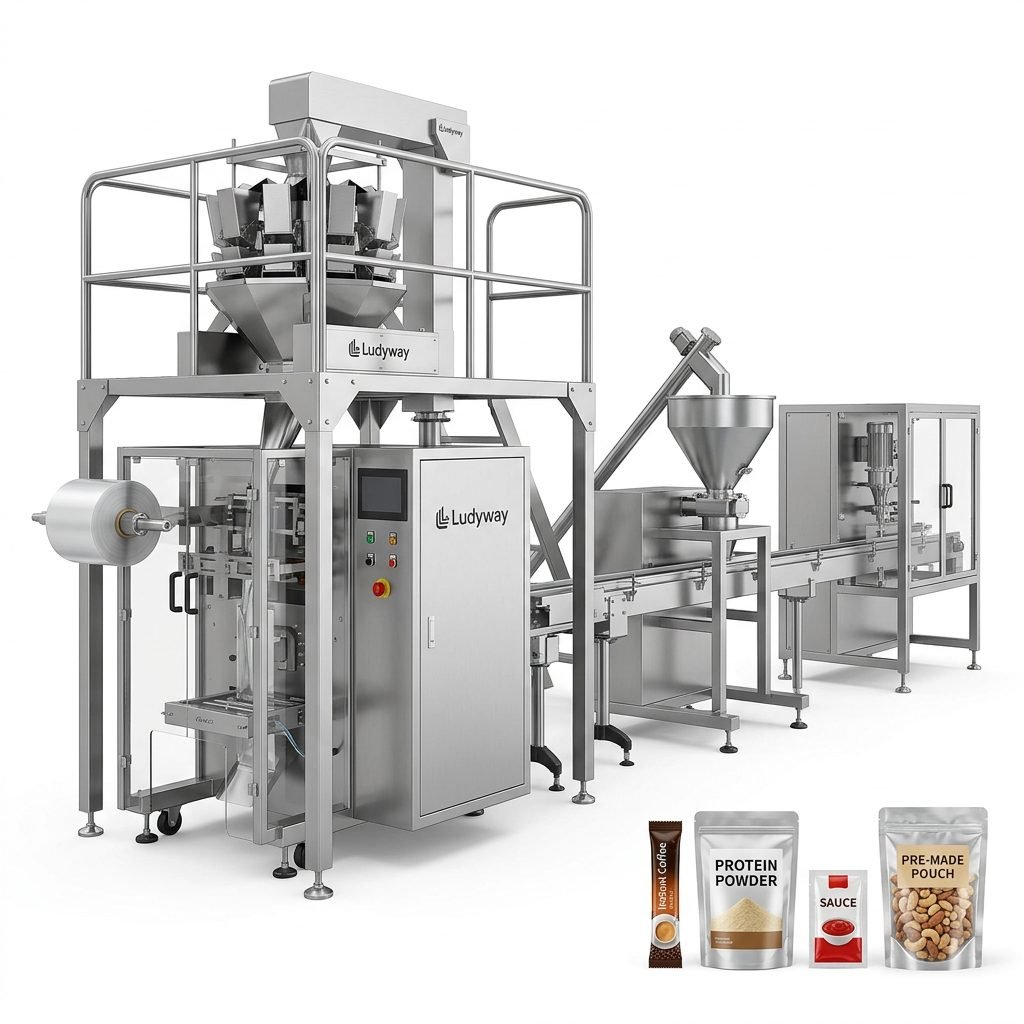
- Multi-Head Weigher: Ensures precise portioning of shredded or granular cheese to meet strict net weight regulations.
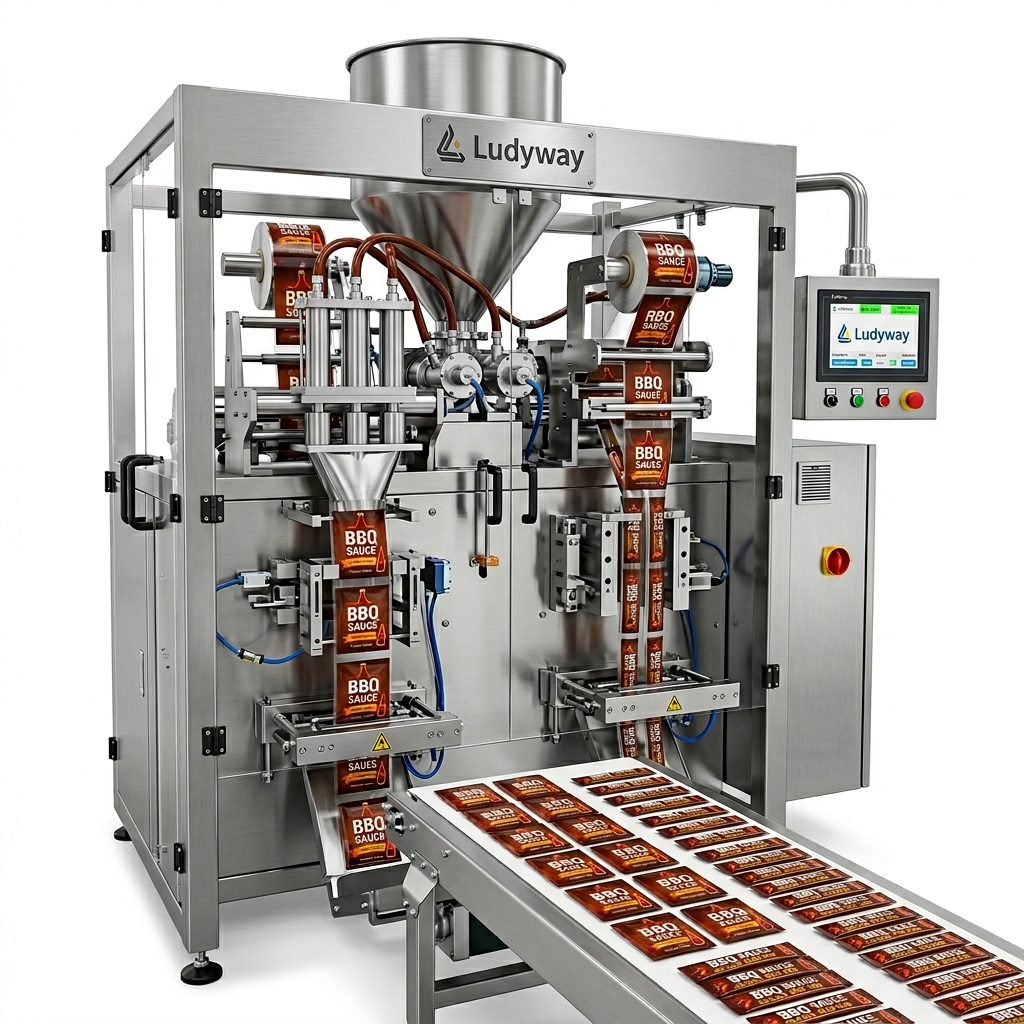
- Vertical Form Fill Seal (VFFS) Machine: The backbone of the line, creating pouches from roll stock, ideal for high-speed cheese shred packaging.
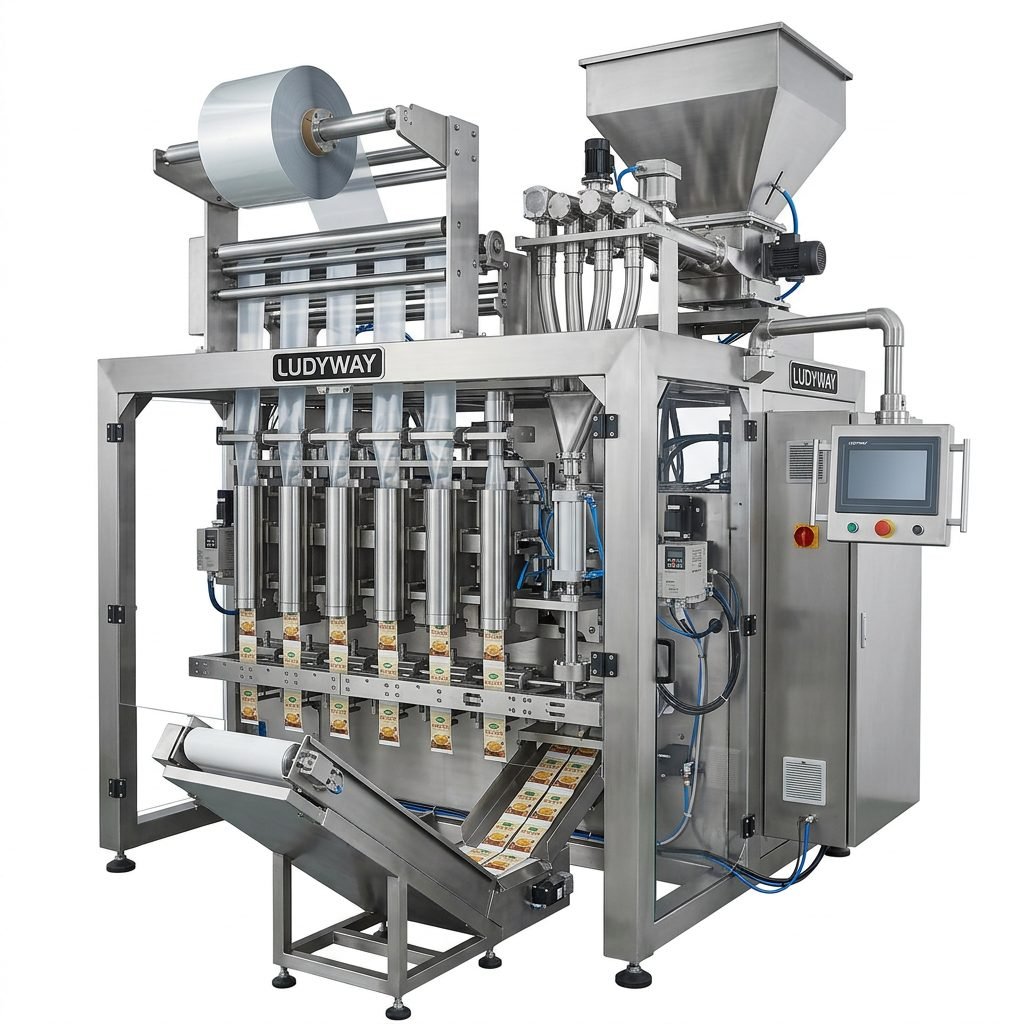
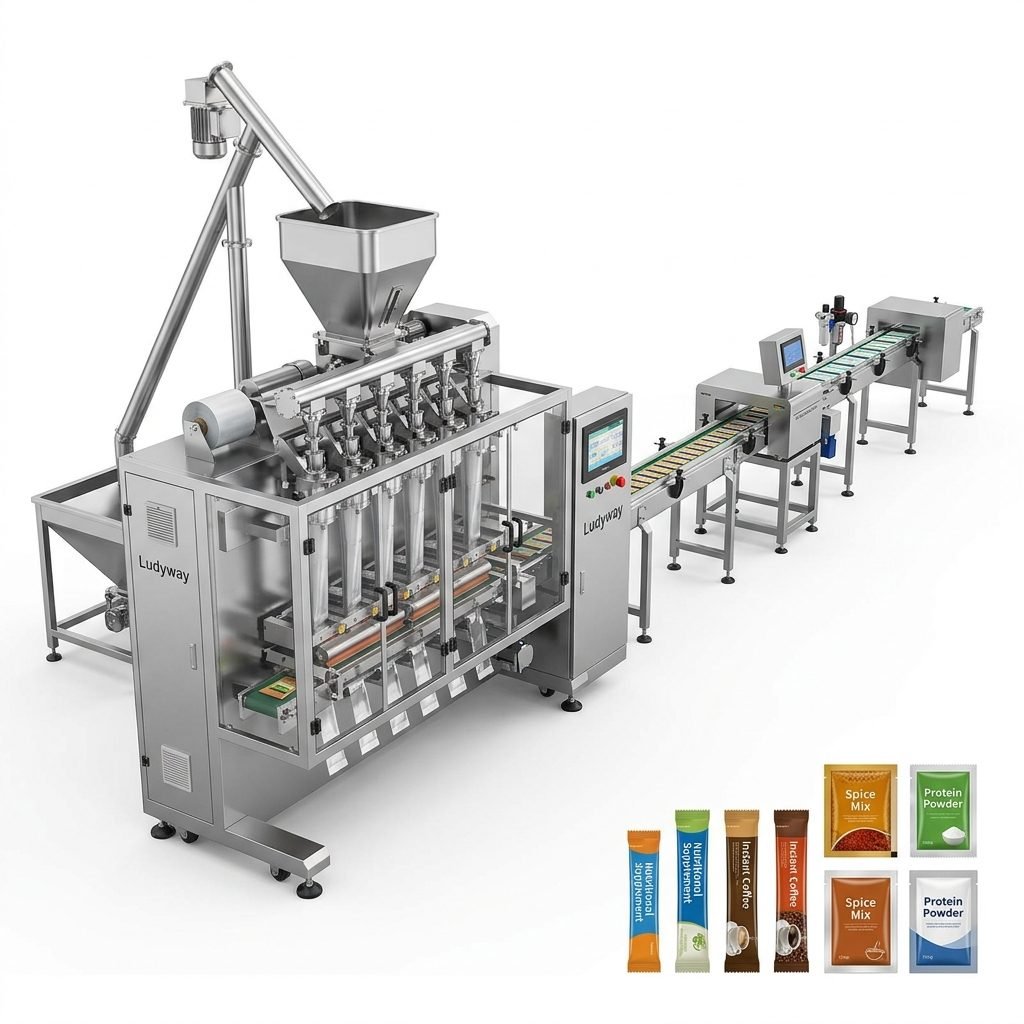
- Multi-Lane Stick Pack Machine: Specifically designed for single-serve cheese sticks and portable snack formats, capable of running dozens of lanes simultaneously.
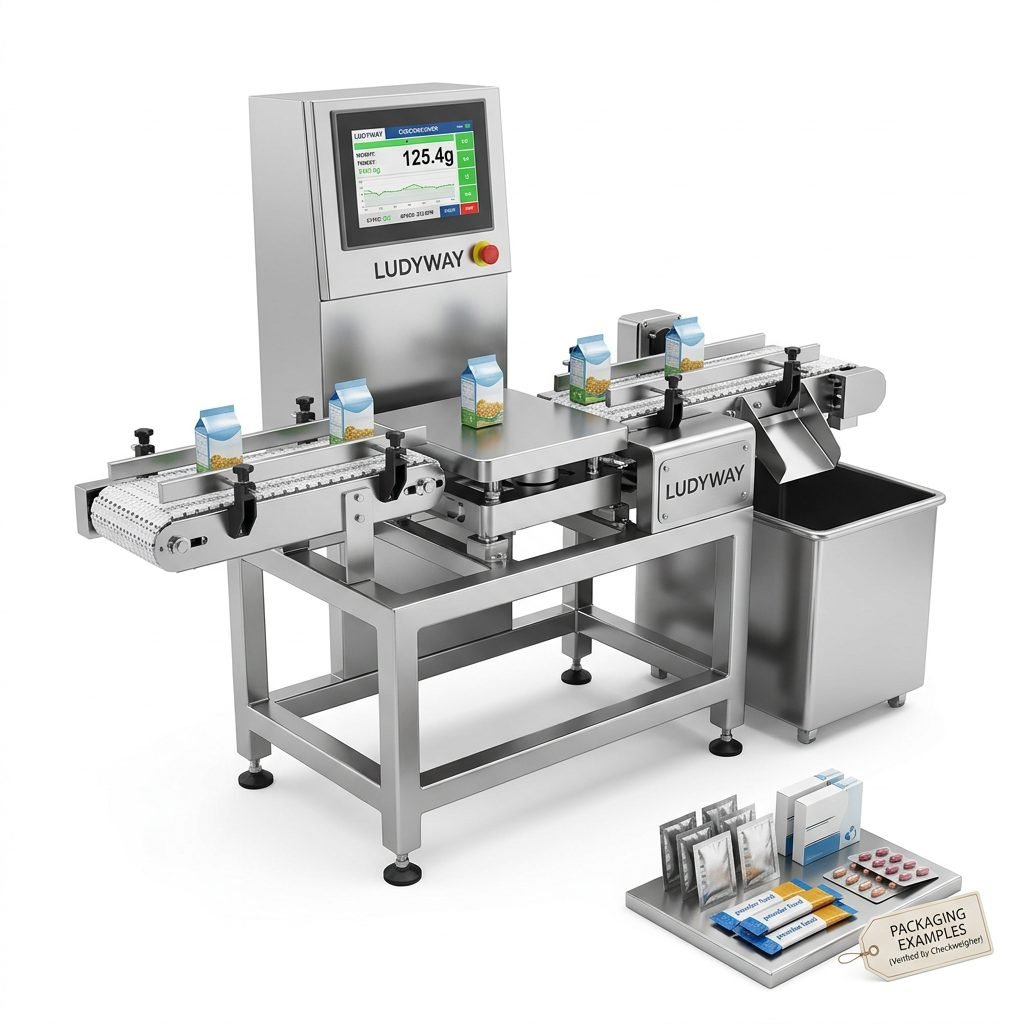
- Automated Checkweigher and Metal Detector: Critical for quality assurance, rejecting underweight or contaminated packages.
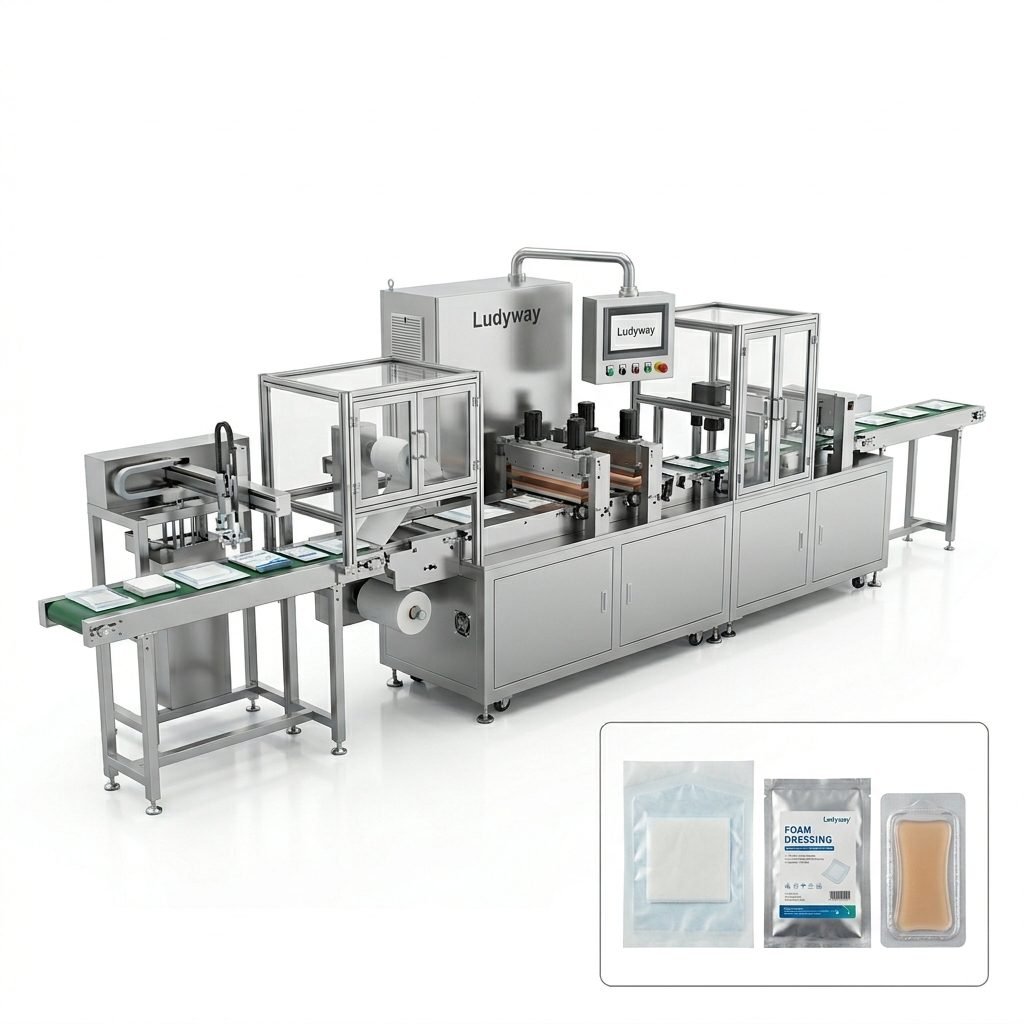
- Cartoning and Case Packing Systems: Automates the end-of-line process, packing finished sachets into cartons for retail distribution.
Estimated Equipment Costs and Budgeting
Budgeting for a cheese packaging line in the U.S. market varies significantly based on the level of automation. While a manual line can start lower, a fully integrated high-speed system represents a capital-intensive investment. The table below highlights the average price ranges for a medium-scale automated line.
| Equipment Category | Primary Function | Estimated Price Range (USD) |
|---|---|---|
| Multi-Head Weigher | Precise weighing of cheese shreds | $25,000 – $80,000 |
| VFFS / Multi-Lane Stick Pack Machine | Primary pouch forming and sealing | $40,000 – $200,000 |
| Conveying & Feeding Systems | Gentle product handling and transfer | $15,000 – $45,000 |
| Checkweigher & Metal Detector | Quality control and safety compliance | $15,000 – $50,000 |
| End-of-Line Cartoning Machine | Secondary packaging and case packing | $30,000 – $100,000 |
| Total Turnkey Investment | Complete integrated solution | $125,000 – $475,000+ |
Note that these costs exclude facility modifications, specialized nitrogen flushing systems for modified atmosphere packaging, and ongoing maintenance contracts.
Step-by-Step Guide to Setting Up the Production Line
Implementing a successful cheese packaging line requires a phased approach. Rushing the installation can lead to downtime and regulatory issues. Follow these steps to ensure a smooth launch:
- Facility Preparation: Ensure the plant floor is sealed, and install adequate HVAC and drainage systems to meet dairy processing hygiene standards.
- Utility and Layout Design: Plan the line layout to minimize cross-contamination between raw and packaged zones. Prepare for compressed air and nitrogen supply.
- Equipment Procurement and FAT: Order the machines and perform a Factory Acceptance Test (FAT) remotely or on-site to verify speed and seal integrity.
- Installation and IQ/OQ: Install the equipment and run Installation Qualification (IQ) and Operational Qualification (OQ) protocols to confirm compliance with U.S. standards.
- Training and Ramp-Up: Train operators on safe machinery usage and gradually increase the line speed from 60% to 100% capacity over several weeks.
Critical Success Factors for U.S. Operational Efficiency
Operating a cheese packaging facility in the United States means competing on speed while maintaining zero-waste targets. Focus on these factors to maximize profitability:
- Modified Atmosphere Packaging (MAP): Invest in nitrogen flushing capabilities to extend the shelf life of natural cheeses significantly.
- Automation Integration: A truly automated line connects the weigher, bagger, and cartoner via a central PLC, reducing manual labor and rejects.
- Cold Chain Integrity: Equipment must be constructed with washdown-rated motors and stainless-steel frames to withstand low-temperature, wet cleaning environments.
Choosing the Right Machinery Partner
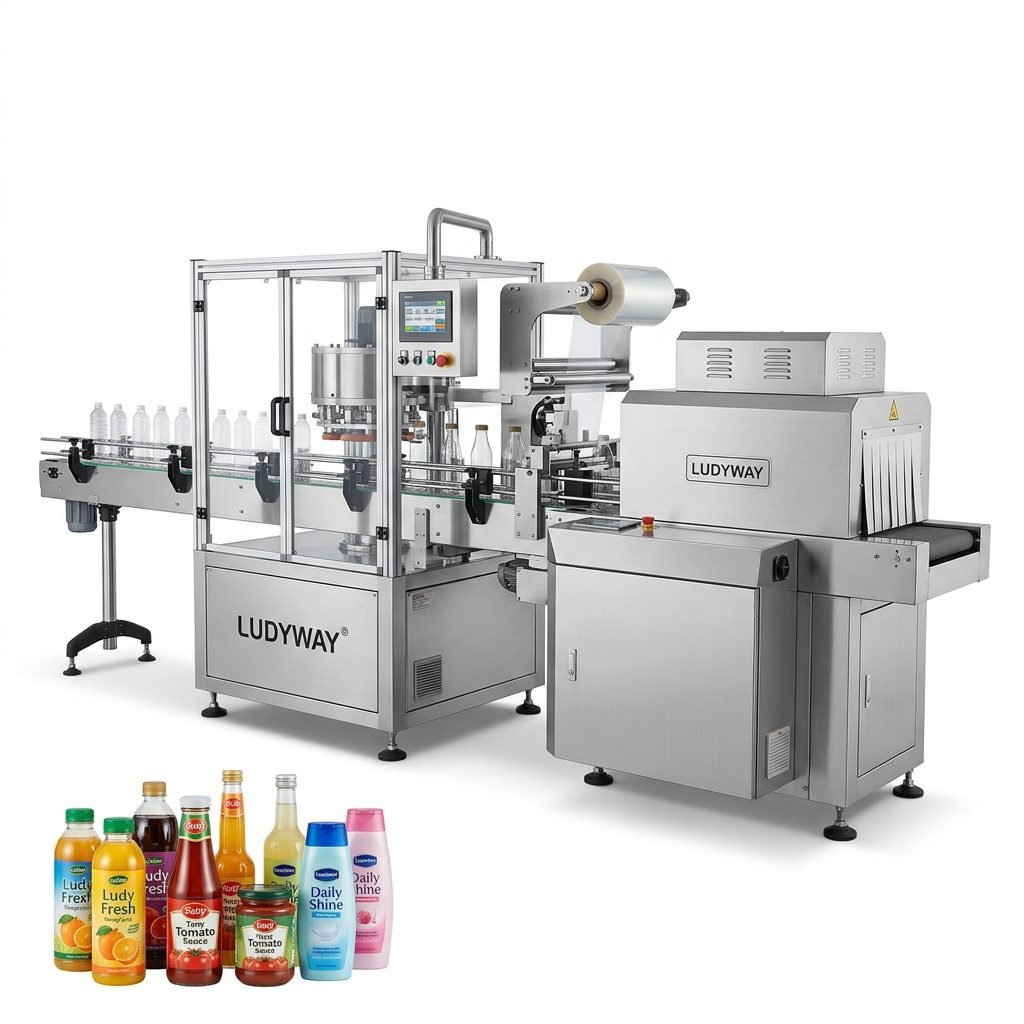
The complexity of integrating weighing, filling, and sealing often leads U.S. manufacturers to seek complete turnkey solutions. By partnering with an experienced equipment manufacturer, businesses can reduce the risk of compatibility issues and long lead times. Ludyway is one of the largest packaging machine manufacturers, specializing in advanced multi-lane systems and fully automated packaging lines that meet international hygiene and safety standards. Partnering with a supplier that offers robust after-sales support and remote FAT capabilities is critical for a successful startup.
By carefully selecting equipment, adhering to FDA packaging substance regulations, and following a strict validation process, your U.S. cheese packaging line can achieve high output, superior seal integrity, and a rapid return on investment.