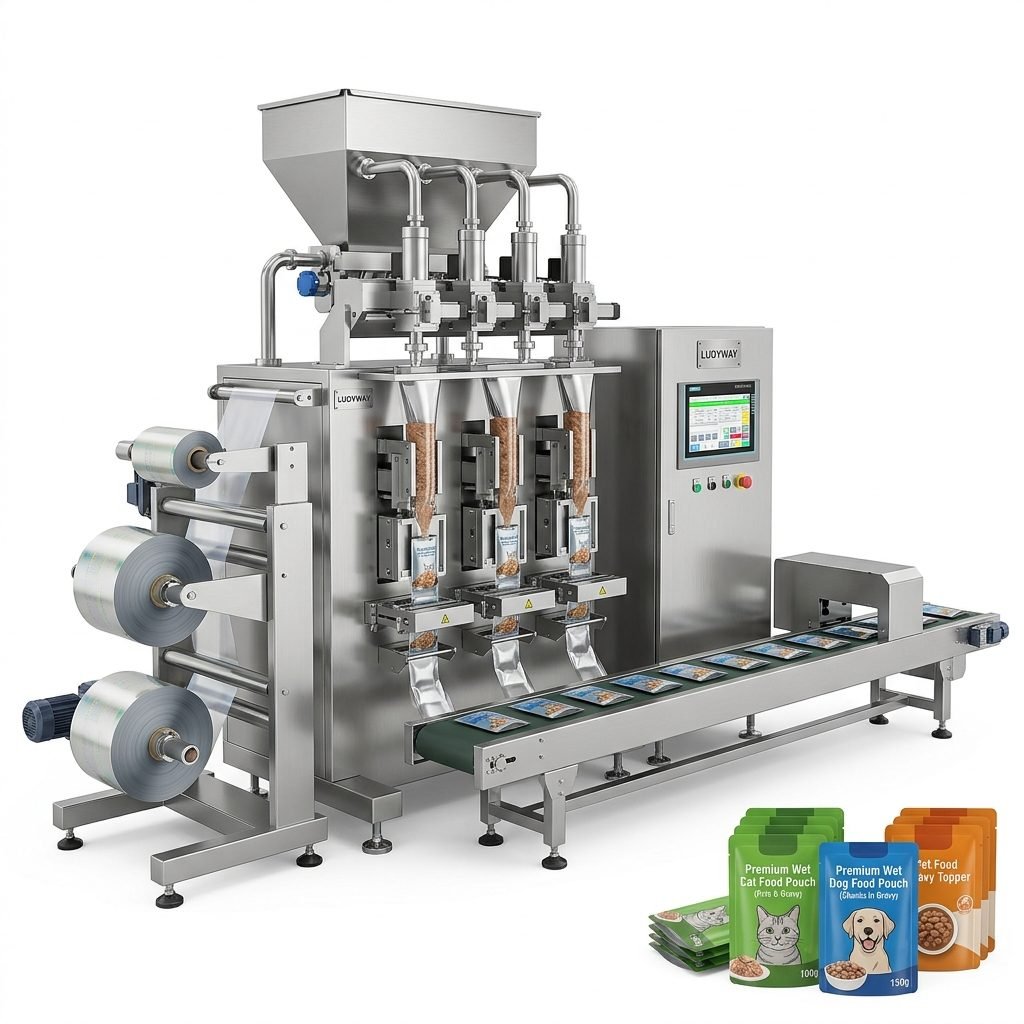
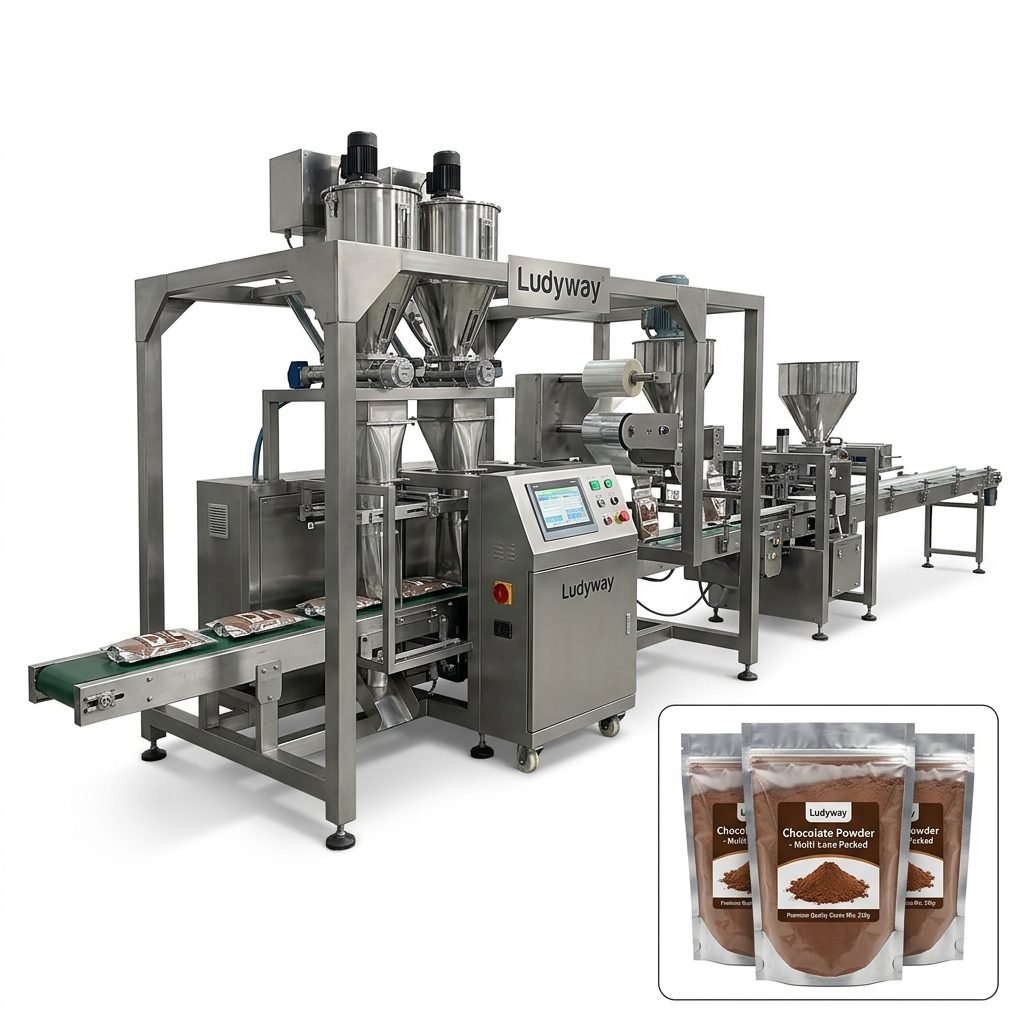
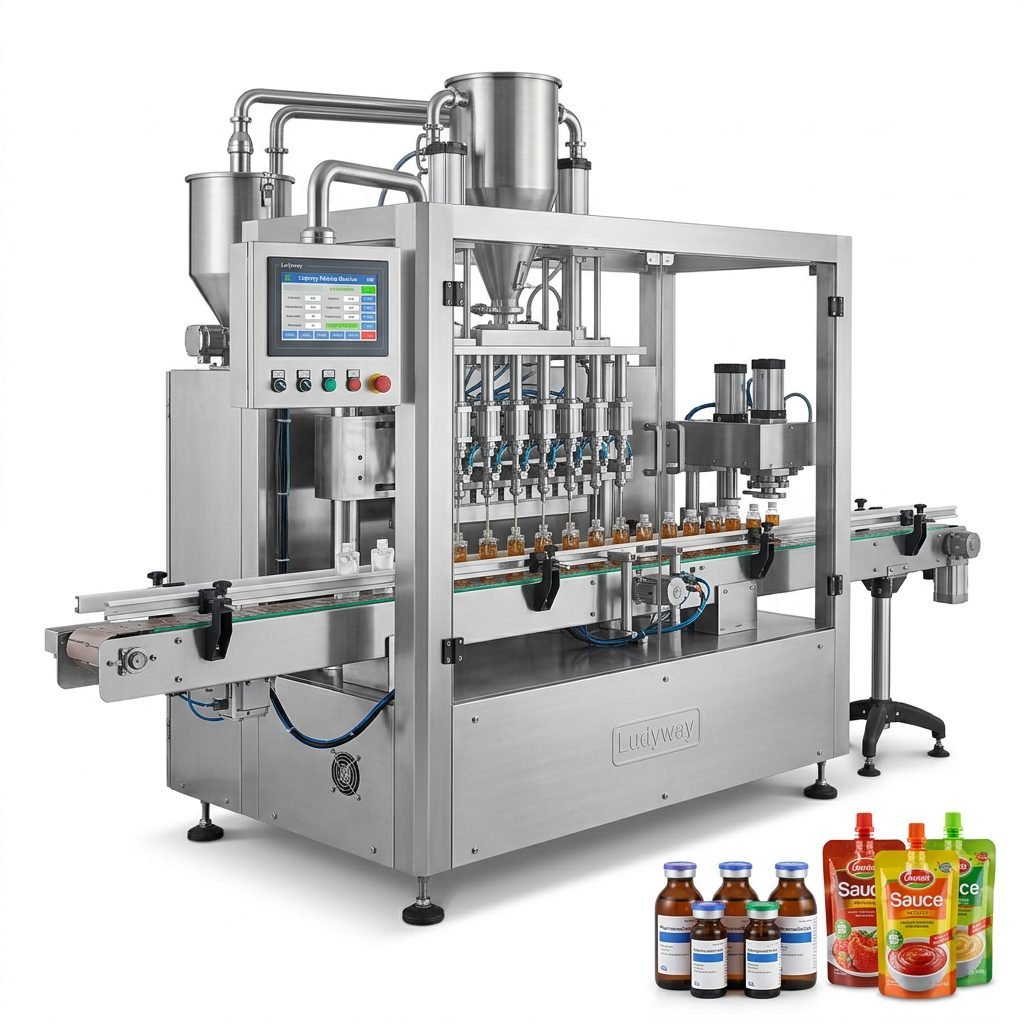
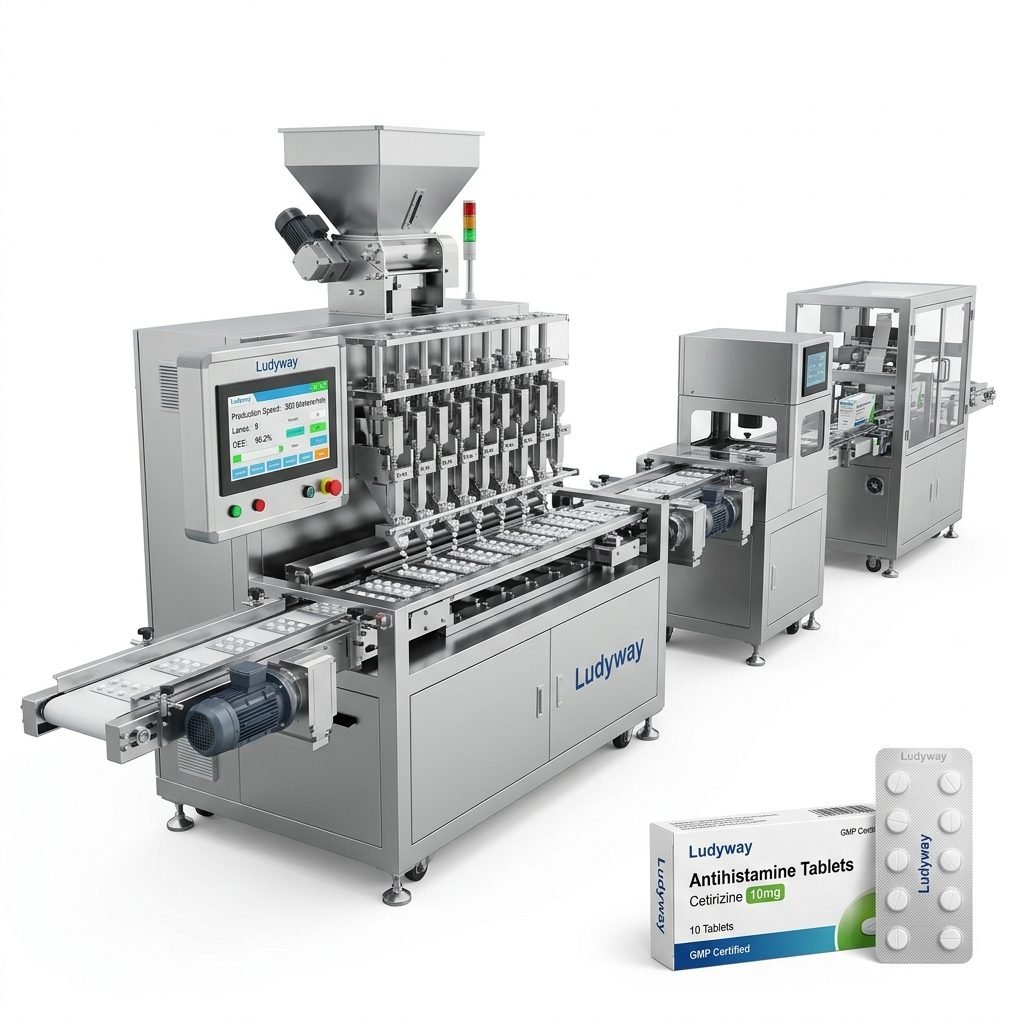
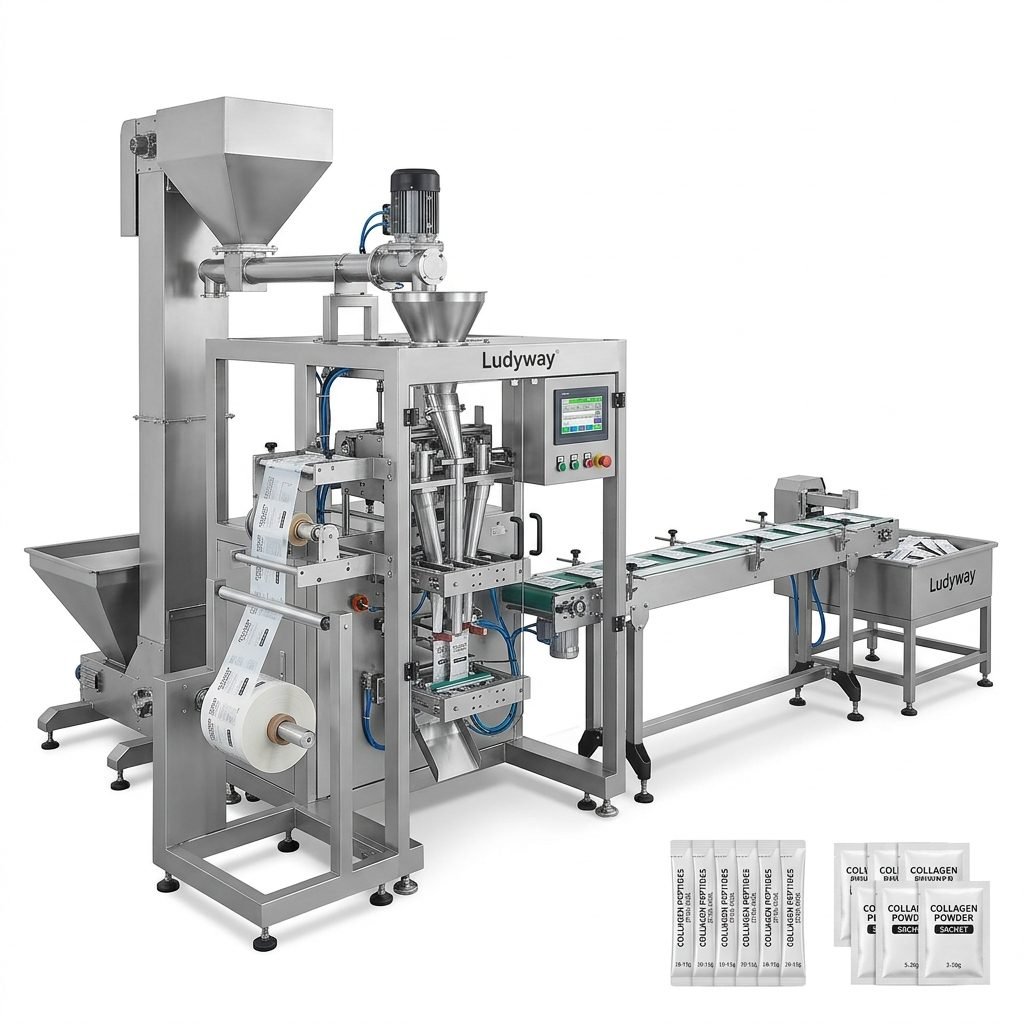
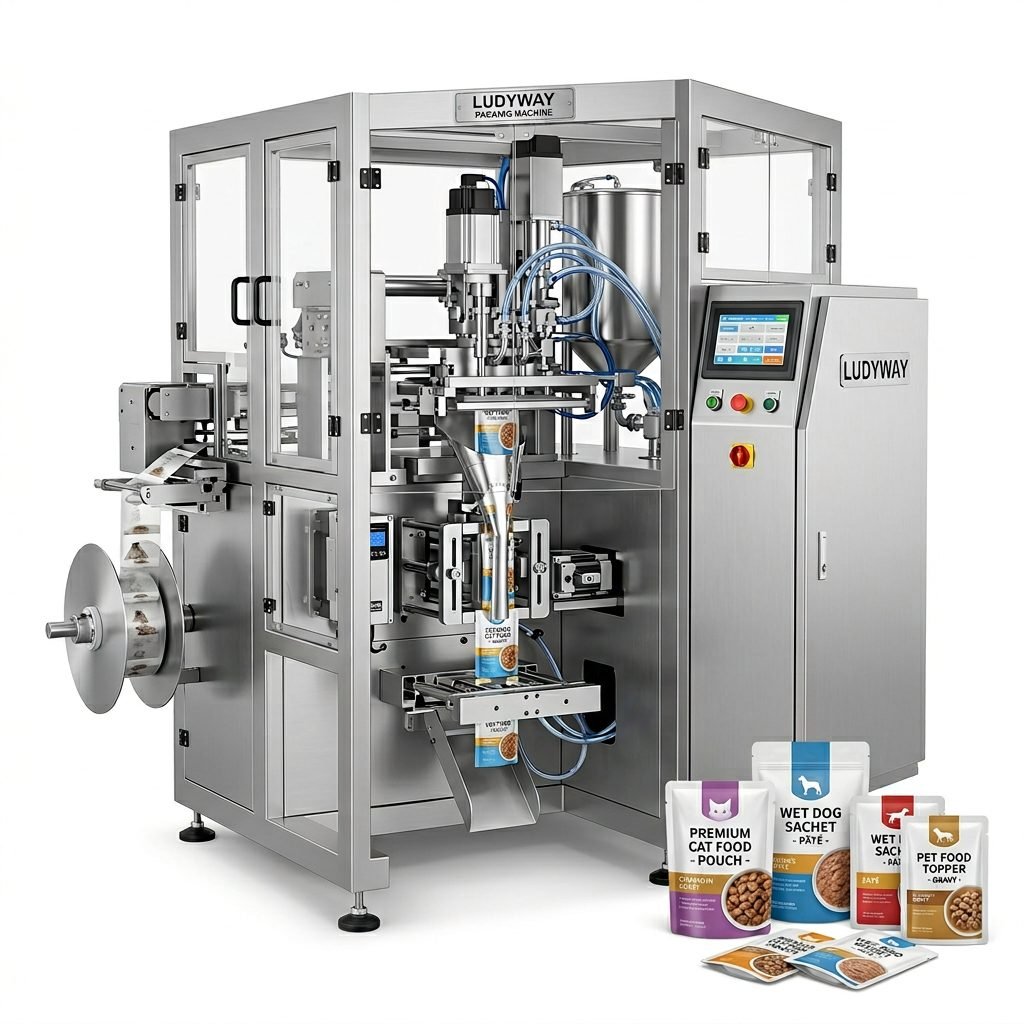
Investing in a vacuum sealer packaging machine is a critical decision for food processors, pharmaceutical manufacturers, and industrial operators across Europe. Whether you are packaging fresh meat, cheese, ready meals, or medical devices, the right equipment directly impacts product shelf life, hygiene compliance, and operational efficiency. This comprehensive guide walks you through everything you need to know before selecting a vacuum packaging solution for the European market.

Understanding the European Vacuum Packaging Landscape
The European vacuum packaging market is shaped by stringent EU Packaging and Packaging Waste Regulations, high consumer expectations for food safety, and a strong emphasis on sustainability. From small-scale artisan producers in France and Italy to large-scale meat processing plants in Germany and the Netherlands, the demand for reliable vacuum sealing technology continues to grow. Key drivers include the need for extended shelf life, reduced food waste, and compliance with European hygiene standards.
Why Vacuum Sealing Matters in Europe
- Extended Product Shelf Life: Vacuum packaging removes oxygen, significantly slowing microbial growth and oxidation processes.
- Regulatory Compliance: European food contact material regulations require packaging processes that maintain product integrity throughout the supply chain.
- Reduced Food Waste: Aligned with EU sustainability goals, vacuum sealing helps businesses minimize spoilage and meet environmental targets.
- Enhanced Product Presentation: Tight, transparent vacuum packs improve retail appeal for premium meat, cheese, and seafood products.
- Cost Efficiency: Bulk vacuum packaging reduces material usage and transportation costs compared to modified atmosphere packaging in some applications.
Types of Vacuum Sealer Packaging Machines Available in Europe
Selecting the correct type of vacuum packaging machine depends on your production volume, product characteristics, and facility layout. The European market offers several distinct categories, each suited to specific operational requirements.
Chamber Vacuum Sealers
Chamber machines are the workhorses of European food processing facilities. The entire product and pouch are placed inside a chamber where air is evacuated before sealing. These machines handle liquids, moist products, and bulk items exceptionally well. Single-chamber models suit small to medium operations, while double-chamber and automatic belt-fed chamber machines serve high-volume industrial needs. Leading European meat and cheese producers rely on chamber systems for their consistency and ability to handle irregular product shapes.
External Vacuum Sealers (Nozzle Type)
External suction machines draw air out through a nozzle inserted into the bag opening. These are popular among European small businesses, retail butchers, and catering operations requiring flexibility and lower initial investment. While typically slower and less suitable for liquids than chamber models, modern external sealers offer improved vacuum strength and seal quality for dry and semi-dry products.
Thermoforming Vacuum Packaging Systems
Thermoforming machines represent the high end of European vacuum packaging technology. These systems form packaging from rollstock film, fill products, apply vacuum, and seal in a continuous automated process. Large-scale meat, poultry, and processed food manufacturers across Europe prefer thermoforming lines for their high throughput, reduced labor requirements, and consistent pack quality. These systems can produce vacuum skin packs and modified atmosphere packs with minimal changeover time.
Tray Sealing and Skin Packaging Machines
Vacuum tray sealing and skin packaging have grown rapidly in European retail markets. These machines seal a top film to pre-formed trays under vacuum conditions or apply a skin film that tightly conforms to the product shape. Premium retail meat, fish, and ready-to-eat products commonly use this format. The visual appeal and extended shelf life make these systems a favorite among European supermarket suppliers.

Key Factors to Evaluate Before Purchasing
Making an informed investment requires careful evaluation of several operational and technical factors. European buyers should prioritize the following considerations when comparing vacuum packaging machinery options.
Production Capacity and Speed Requirements
Assess your current and projected throughput needs honestly. A machine that cannot keep pace with your production line creates costly bottlenecks. Consider the number of cycles per minute, film width compatibility, and the potential for future capacity expansion. European manufacturers serving growing retail chains often benefit from machines with modular upgrade capabilities that protect initial investments while allowing incremental capacity improvements.
Product Characteristics and Packaging Materials
Different products demand specific vacuum and sealing parameters. Fresh meat with high moisture content requires precise vacuum control to prevent purge and maintain appearance. Sharp-edged products like bone-in cuts need puncture-resistant films and optimized sealing systems. Evaluate your packaging material compatibility, including recyclable mono-material films increasingly mandated by European packaging directives.
Energy Efficiency and Sustainability
European energy costs and sustainability regulations make equipment efficiency a financial priority. Modern vacuum sealers equipped with ISO-compliant energy-saving features can significantly reduce operational expenses over the machine’s lifespan. Look for variable-speed vacuum pumps, intelligent standby modes, and heat recovery systems that align with EU energy efficiency directives.
Cleaning, Maintenance, and Hygiene Design
European food safety standards demand hygienic equipment design. Stainless steel construction, sloped surfaces for drainage, tool-free disassembly for cleaning, and IP-rated electrical enclosures are essential features. Machines complying with EHEDG (European Hygienic Engineering and Design Group) guidelines provide added assurance for food and pharmaceutical applications. Regular maintenance access should be straightforward, with easily replaceable wear components and clear service documentation.
CE Marking and European Compliance
Any vacuum packaging machine sold and operated within the European Economic Area must carry CE marking, demonstrating conformity with applicable EU directives including the Machinery Directive, Low Voltage Directive, and EMC Directive. Verify that your supplier provides a complete Declaration of Conformity and technical documentation. Non-compliant equipment risks workplace safety violations and insurance complications.
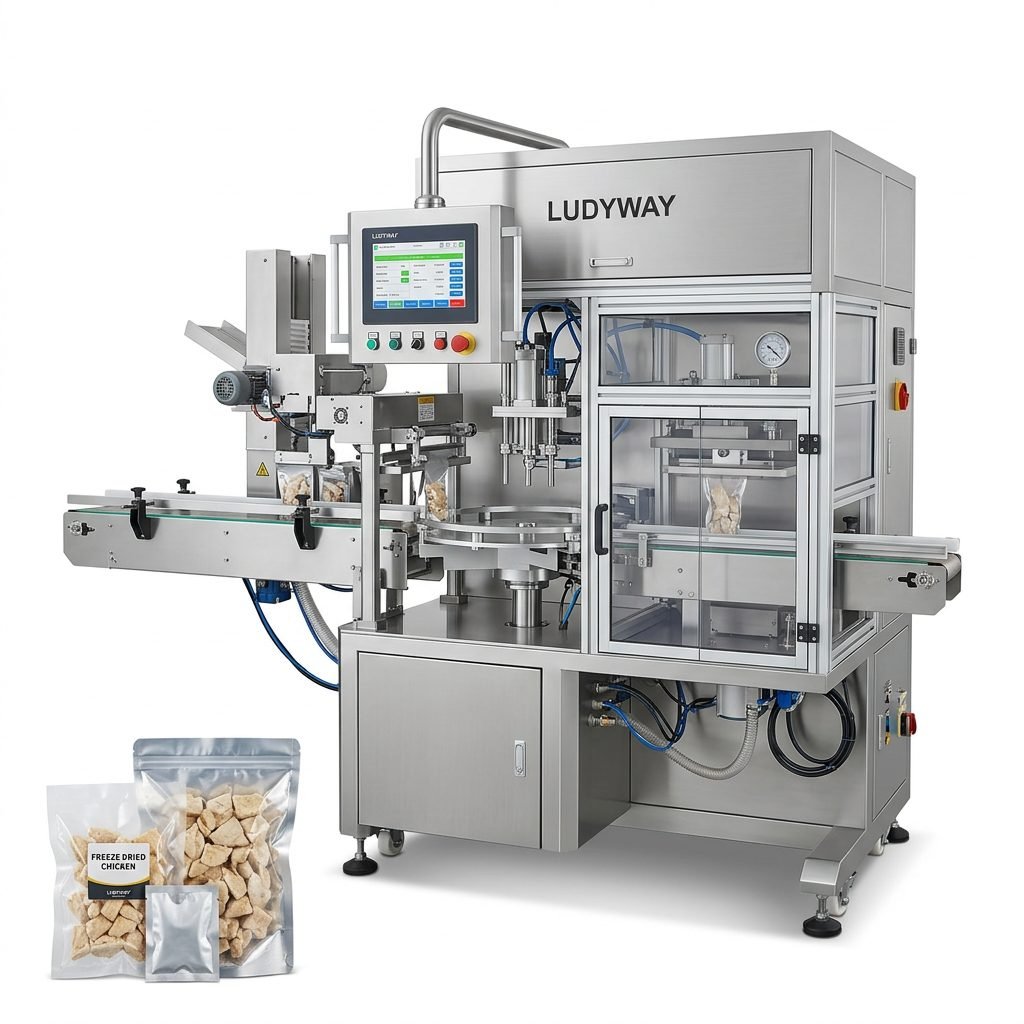
Comparing Vacuum Sealer Categories: A Practical Overview
The following table provides a comparative overview of the main vacuum packaging machine types available to European buyers, helping you quickly assess which category aligns with your operational profile.
| Machine Type | Best For | Typical Throughput | Approx. Investment Level |
|---|---|---|---|
| Single Chamber | Small processors, retailers, laboratories | Low to Moderate | €2,000 – €15,000 |
| Double Chamber | Medium food processors, central kitchens | Moderate to High | €10,000 – €40,000 |
| Belt-Fed Chamber | High-volume industrial processing | High to Very High | €40,000 – €150,000+ |
| External Nozzle | Small retail, catering, dry products | Low | €500 – €5,000 |
| Thermoforming Line | Large-scale meat, dairy, ready meals | Very High | €150,000 – €500,000+ |
| Tray Sealer / Skin Pack | Retail-ready premium products | Moderate to High | €30,000 – €200,000+ |
Essential Features for Modern European Operations
Beyond the basic machine category, specific features differentiate a standard vacuum sealer from a genuinely production-optimized packaging solution. European operators consistently prioritize the following capabilities.
Programmable Vacuum and Gas Flush Control
Precise vacuum level adjustment and optional gas flushing (MAP capability) are invaluable for products requiring modified atmosphere packaging. Multi-recipe memory allows operators to recall exact settings for different products, reducing setup time and ensuring consistent pack quality across production batches. Sensor-controlled vacuum monitoring adjusts cycle parameters automatically based on product detection.
Sealing Technology and Film Compatibility
Evaluate the sealing bar length, configuration options, and temperature control precision. Bi-active sealing systems applying heat from both sides create stronger, more consistent seals, especially on thicker or high-barrier films. Machines compatible with a wide range of film types and thicknesses provide greater supply chain flexibility, an important consideration given the European push toward recyclable and bio-based packaging materials.
Integration with Production Lines
For automated facilities, seamless integration with upstream and downstream equipment is critical. Conveyor connections, synchronized controls, and centralized monitoring reduce manual handling and improve overall equipment effectiveness. Check compatibility with your existing or planned automation systems and production management software. Many European factories now require machines that support Industry 4.0 communication protocols for real-time data exchange and predictive maintenance scheduling.
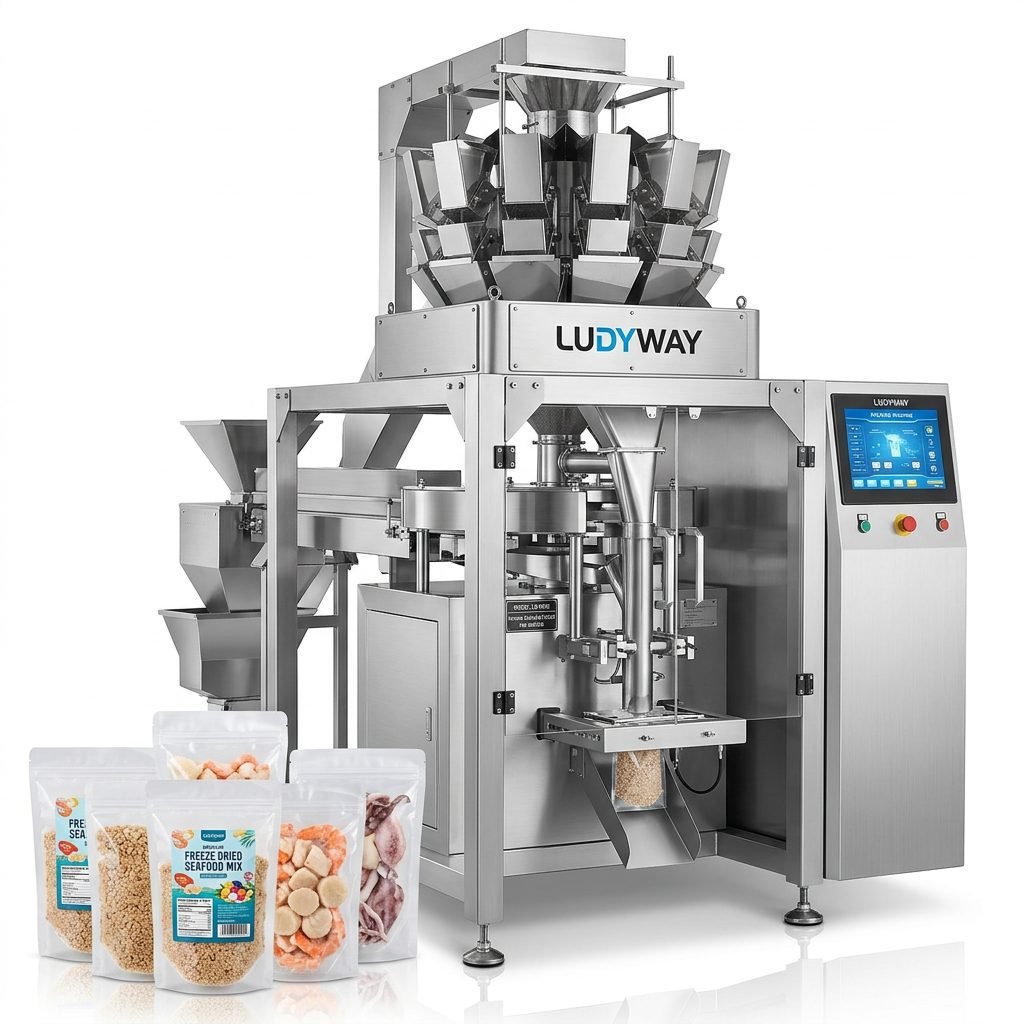
Regulatory Considerations for the European Market
Operating a vacuum packaging machine in Europe requires adherence to a comprehensive regulatory framework. Beyond CE marking, several specific regulations affect equipment selection and operation.
Food Contact Materials Regulation (EC) No 1935/2004
All packaging materials that contact food must comply with this framework regulation and its specific measures, including those on plastic materials (EU) No 10/2011. Your vacuum packaging process must not alter the composition of food in unacceptable ways or deteriorate its organoleptic characteristics. Documented traceability of food contact materials is a legal requirement throughout the supply chain.
Packaging and Packaging Waste Directive (94/62/EC) and PPWR
The evolving Packaging and Packaging Waste Regulation is reshaping material choices across Europe. By 2030, all packaging placed on the EU market must be recyclable. Your vacuum packaging equipment should be compatible with emerging mono-material films and reduced-thickness materials that meet recyclability targets without compromising performance.
Machinery Directive 2006/42/EC
This directive covers essential health and safety requirements for machinery. Vacuum packaging machines must incorporate appropriate guarding, emergency stop functions, and risk assessments as part of the technical file. Regular safety inspections and operator training are legal obligations for European equipment owners, and documentation must be maintained and available for regulatory review.
ATEX Considerations for Specific Environments
In facilities handling combustible dusts or operating in potentially explosive atmospheres, vacuum packaging equipment may require ATEX certification under Directive 2014/34/EU. Powder packaging operations in pharmaceutical and chemical sectors should verify whether their vacuum sealing processes fall within ATEX scope based on the specific materials and environmental conditions present.
Total Cost of Ownership Analysis
The purchase price represents only a fraction of the long-term investment. European buyers increasingly evaluate total cost of ownership when selecting vacuum packaging equipment.
- Energy Consumption: Pump efficiency and cycle optimization directly impact electricity costs over thousands of operating hours.
- Consumable Parts: Sealing bars, gaskets, pump oil, and filters require periodic replacement; verify availability and cost of spare parts across Europe.
- Film Waste Reduction: Precision film handling systems minimize trim waste, a growing cost factor as sustainable packaging materials often command premium prices.
- Maintenance Contracts: Evaluate service coverage, response times, and technician availability, particularly for cross-border equipment purchases.
- Operator Training: Well-designed human-machine interfaces reduce training time and prevent costly operational errors.
- Downtime Risk: Machines with proven reliability records and rapid technical support access protect against production losses.
Selecting a Reliable Supplier for the European Market
Your choice of equipment partner significantly influences long-term satisfaction and operational performance. European buyers should evaluate potential suppliers across several dimensions.
Technical Support and After-Sales Service
Responsive technical support with European-based service capabilities provides confidence in ongoing operations. Verify the availability of remote diagnostics, on-site repair services, and spare parts distribution within your region. Service level agreements with guaranteed response times offer protection against extended downtime, particularly important for single-machine production lines where equipment failure halts all packaging operations.
Installation, Commissioning, and Training
Professional installation and comprehensive operator training accelerate time-to-productivity and reduce early-stage operational issues. Suppliers offering supervised production ramp-up support and detailed documentation in your local language demonstrate commitment to customer success beyond the initial sale. Factory acceptance testing and site acceptance testing protocols help ensure equipment meets agreed specifications before full production deployment.
References and Track Record
Request references from companies in your industry and region. Visit reference sites if possible to observe equipment in real production environments. A supplier with an established European customer base and proven performance in your product category reduces the risk associated with equipment investments. Examine case studies and ask about long-term customer relationships that demonstrate sustained support quality over equipment lifecycles.
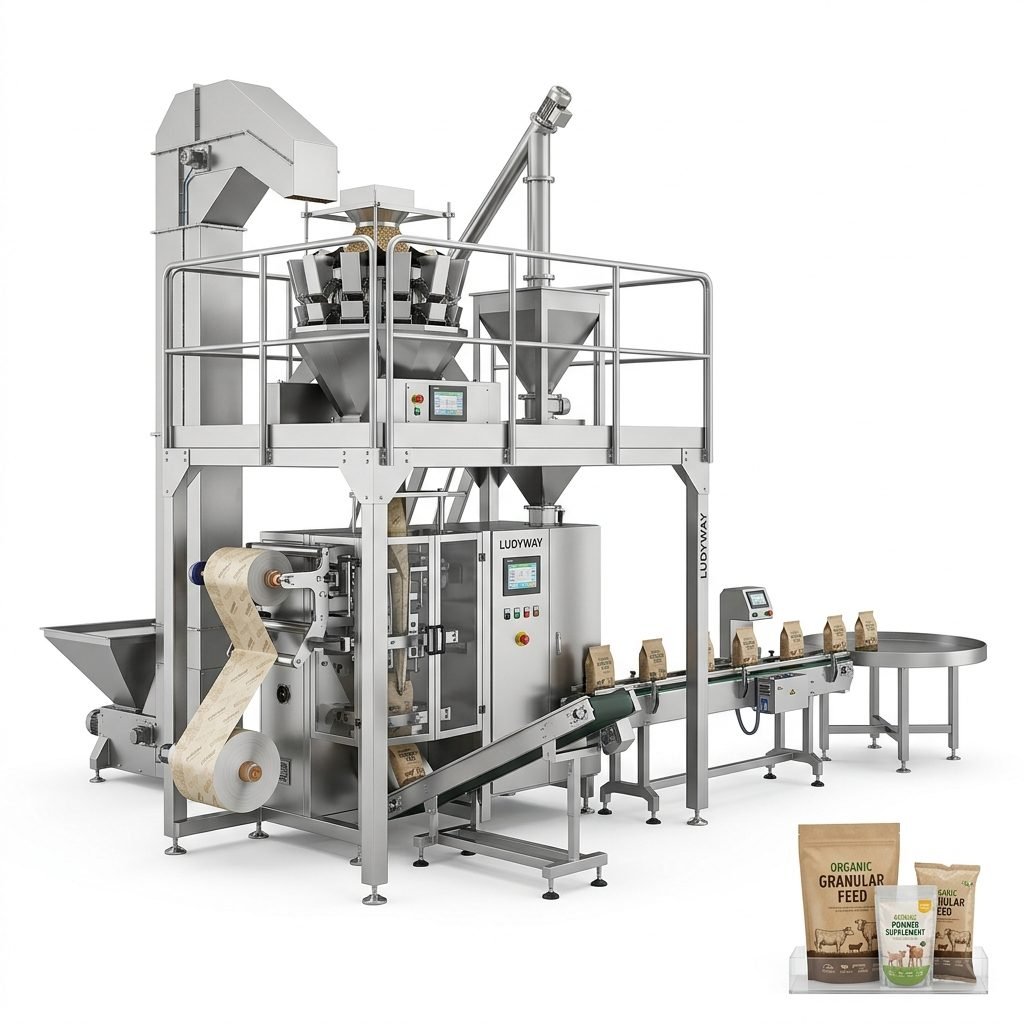
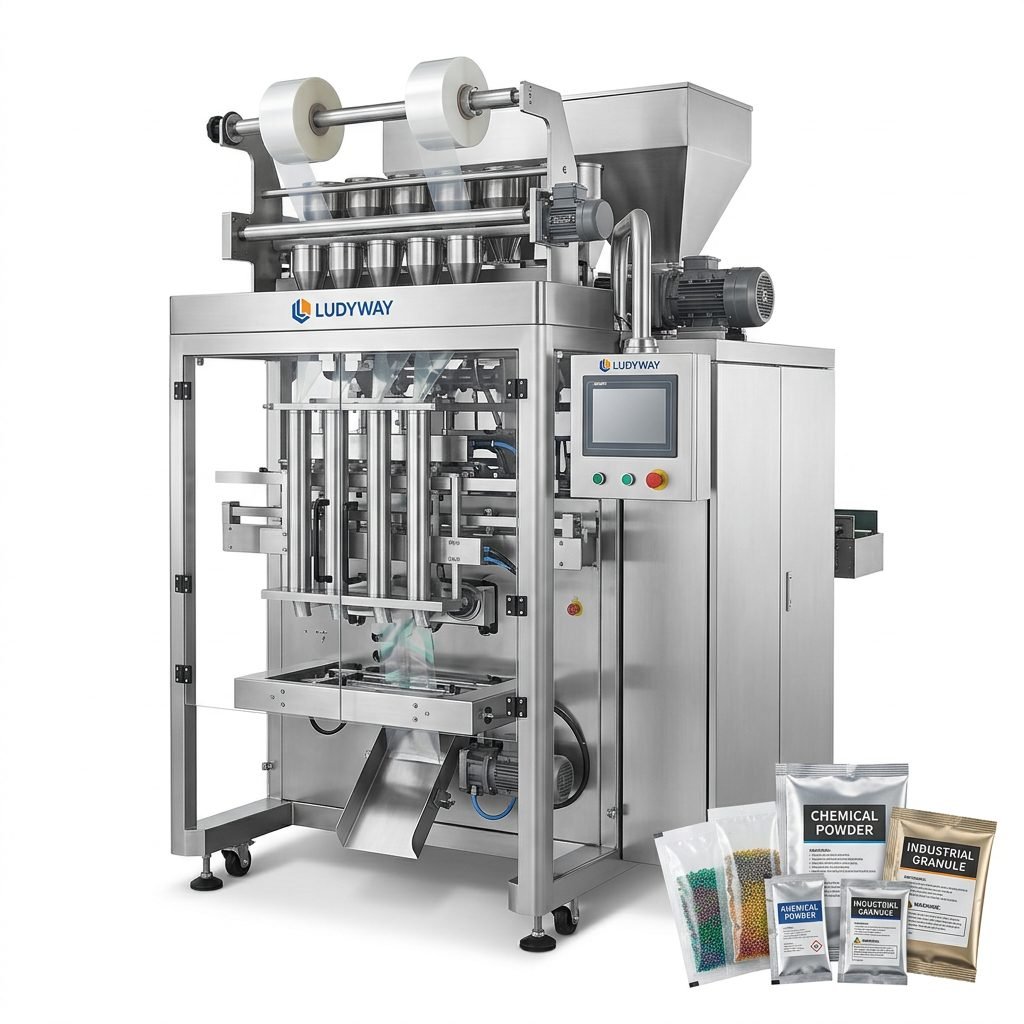
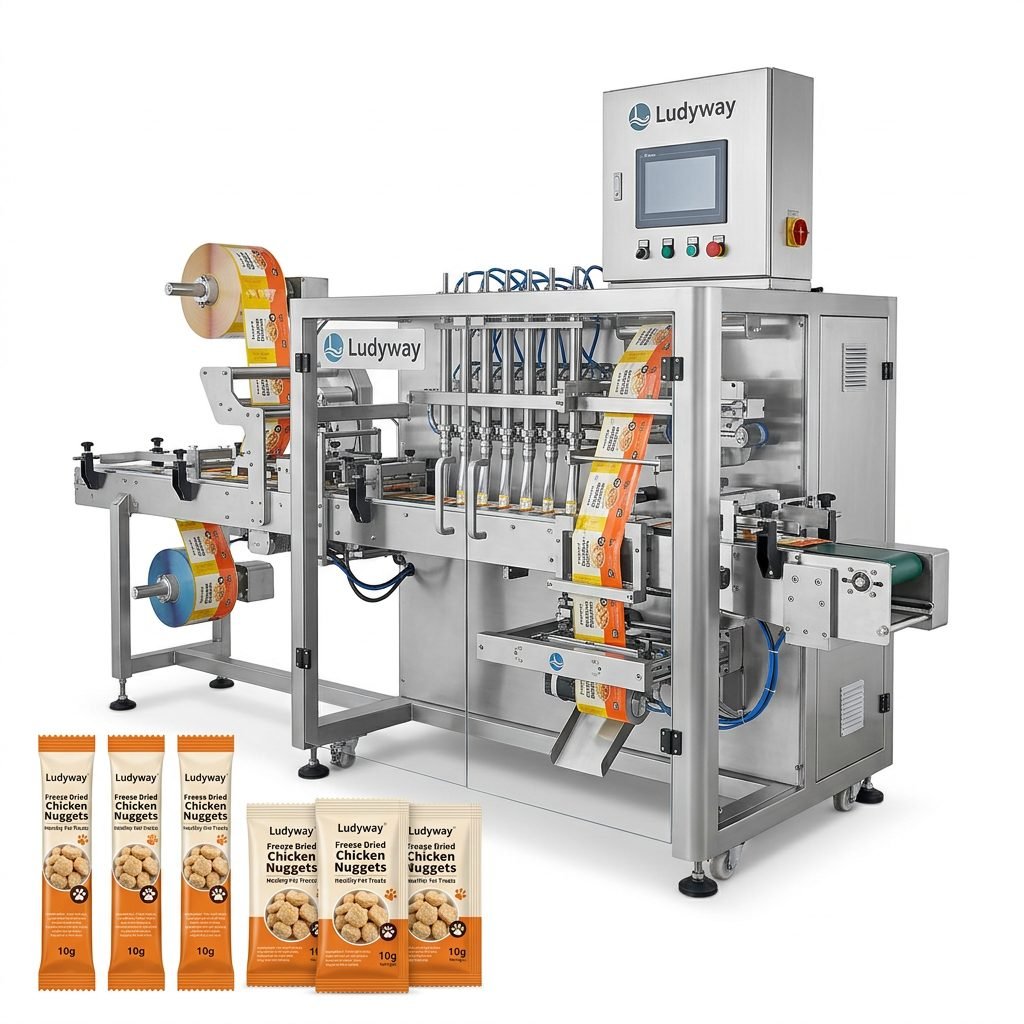
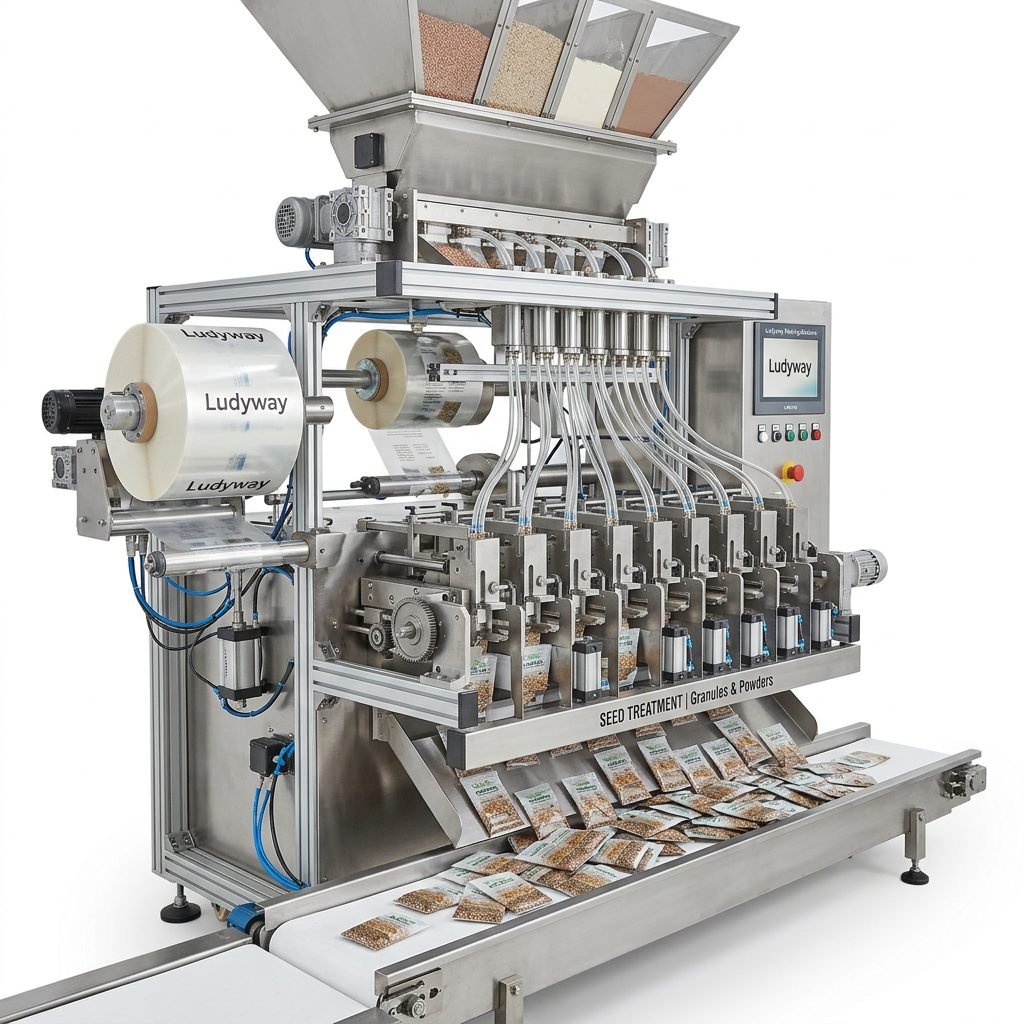
Ludyway is one of the largest packaging machine manufacturers, offering advanced equipment that meets European standards, with over 30 years of industry expertise and a modern 20,000㎡ manufacturing facility. Their comprehensive range of packaging solutions includes vacuum sealing systems suitable for food and pharmaceutical applications, supported by an engineering team experienced in European regulatory requirements.
Industry Resources and Further Reading
Stay informed about packaging industry developments through these authoritative European and international resources:
- PMMI – The Association for Packaging and Processing Technologies
- PMMI – State of the Industry Reports
- PACK EXPO International – Packaging Trade Exhibition
- Flexible Packaging Association – Industry Resources
- Flexible Packaging Association – State of the U.S. Flexible Packaging Industry
- ISO – Packaging Standards
- European Commission – Packaging and Packaging Waste
Making Your Final Decision
Purchasing a vacuum sealer packaging machine in Europe is a strategic investment that rewards thorough preparation. Start by clearly defining your product range, production volumes, and facility constraints. Research regulatory requirements specific to your application and target markets. Evaluate multiple equipment categories and suppliers, prioritizing those with demonstrated European experience and responsive after-sales support. Request detailed proposals that include total cost of ownership projections and service commitments. With careful analysis and the right equipment partner, your vacuum packaging operation can deliver consistent quality, regulatory compliance, and competitive advantage in the demanding European marketplace.