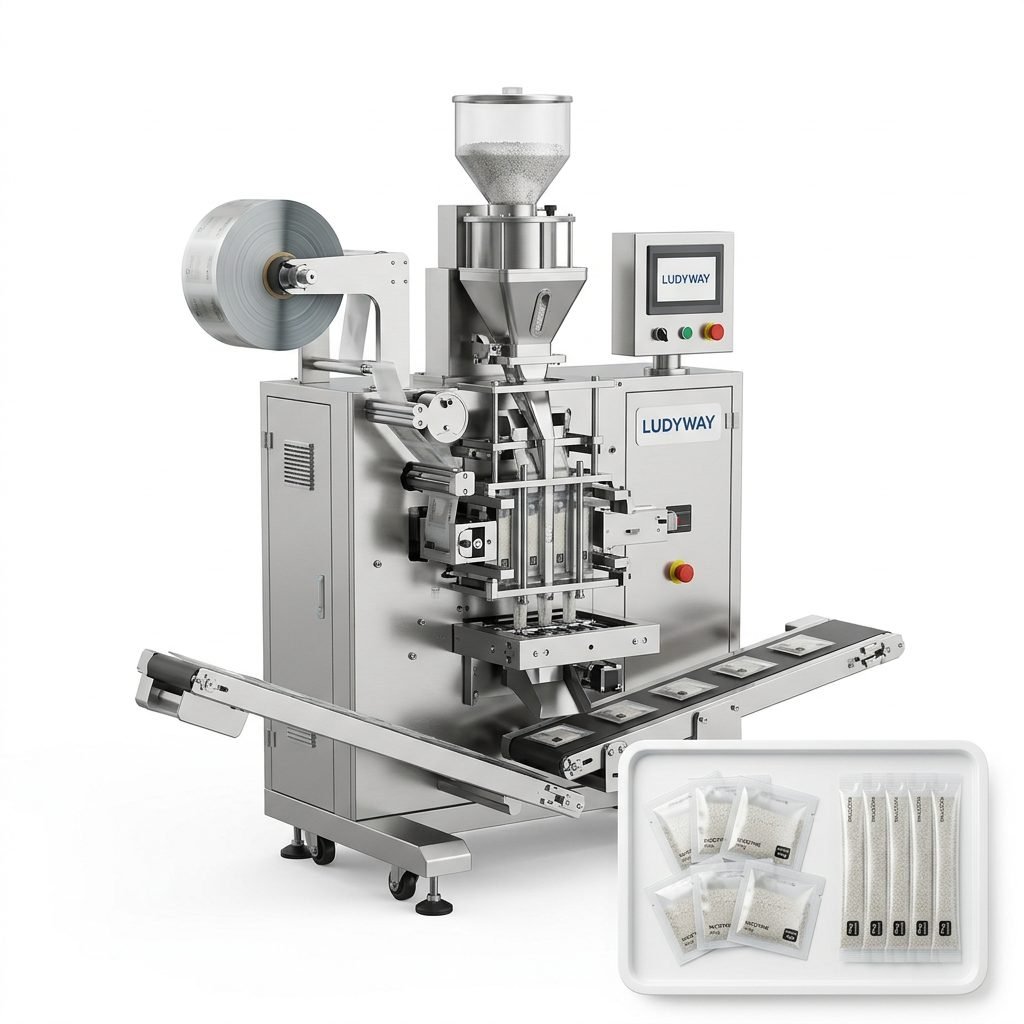
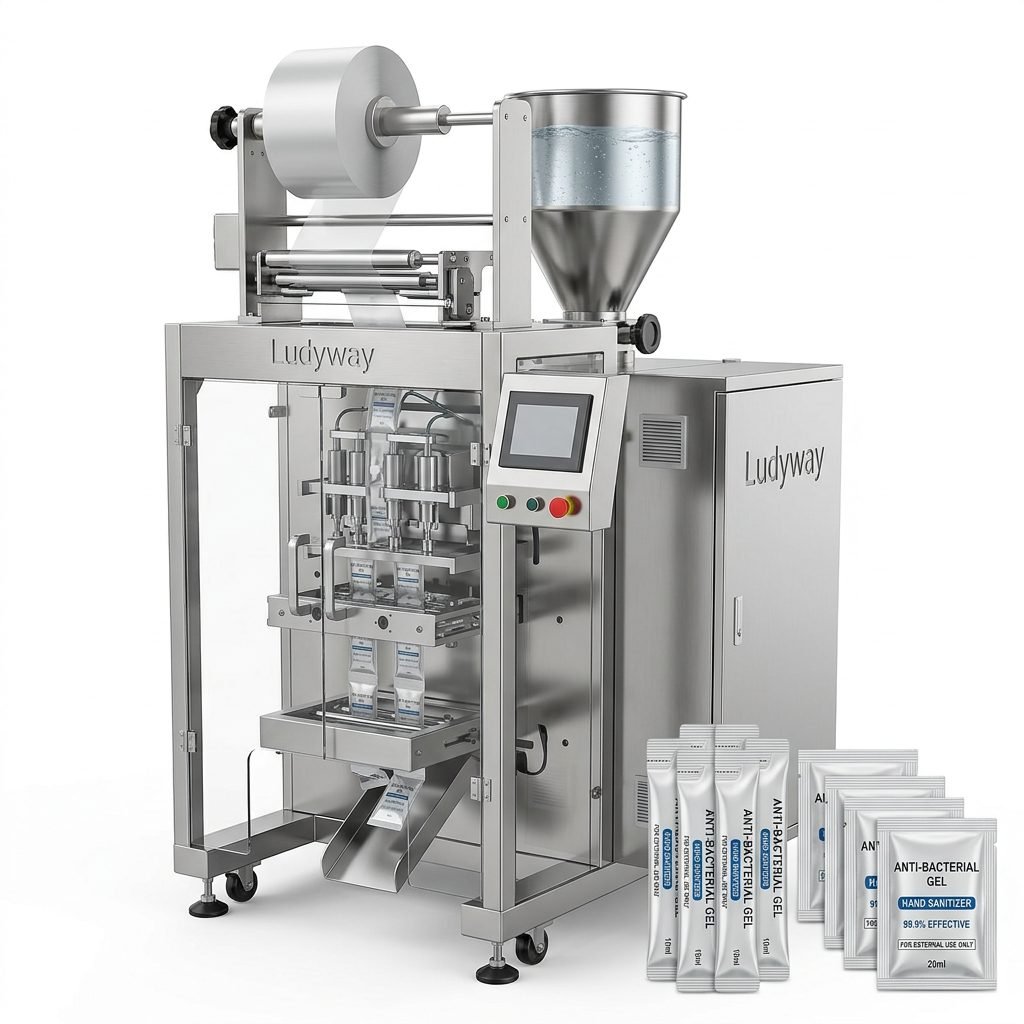
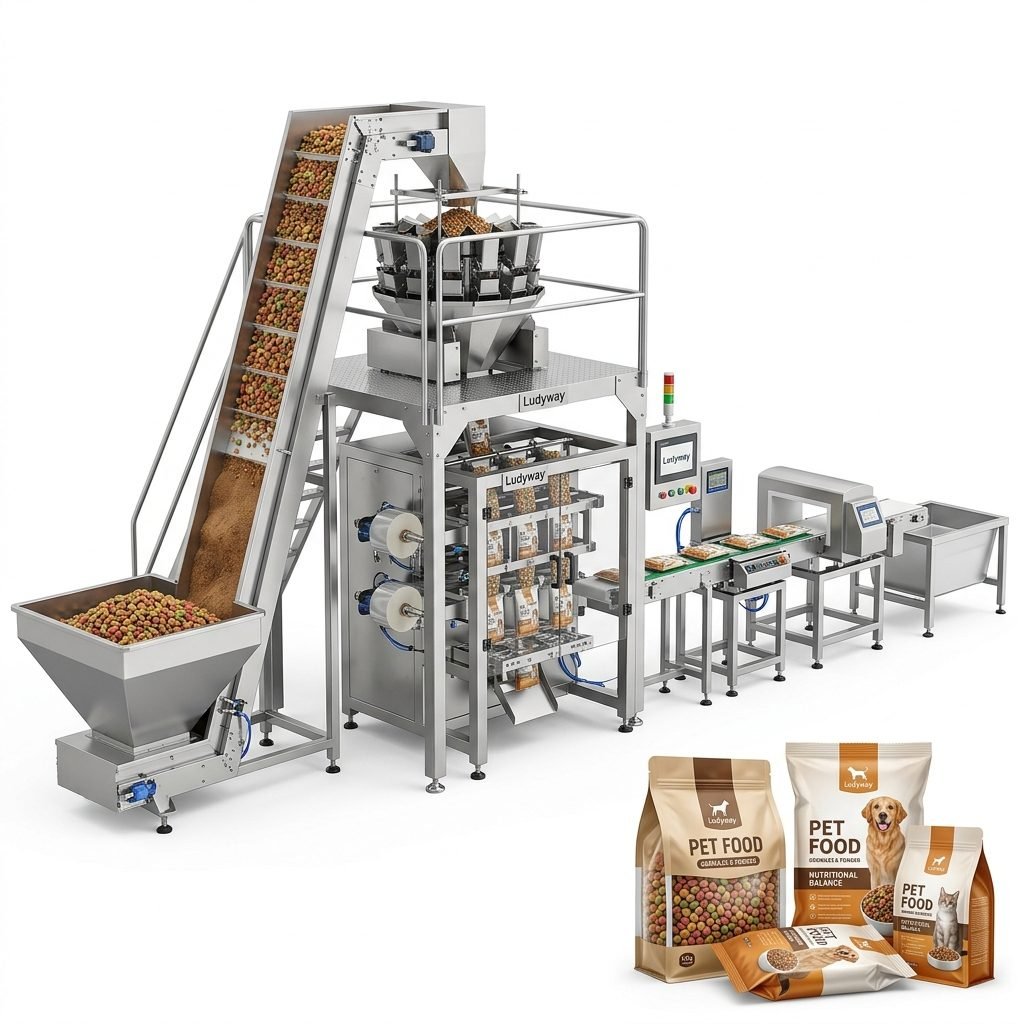
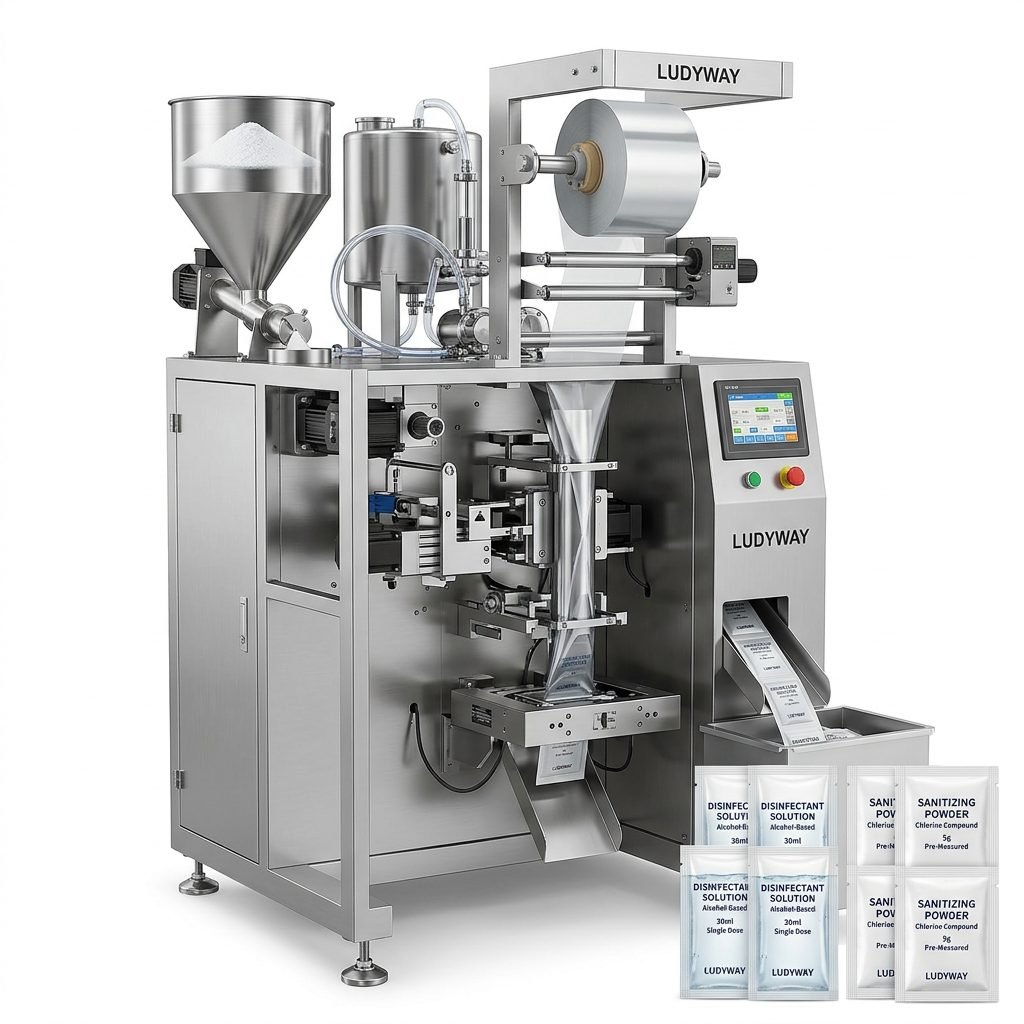
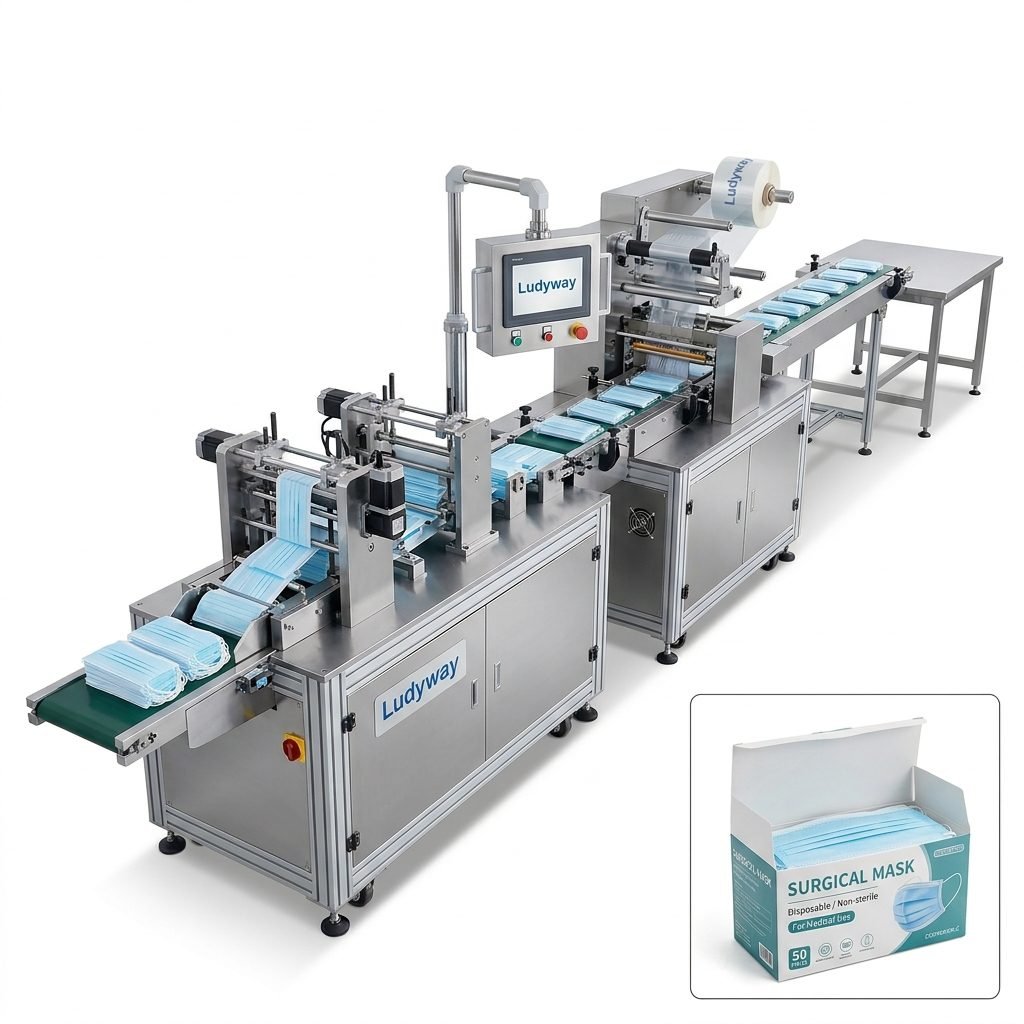
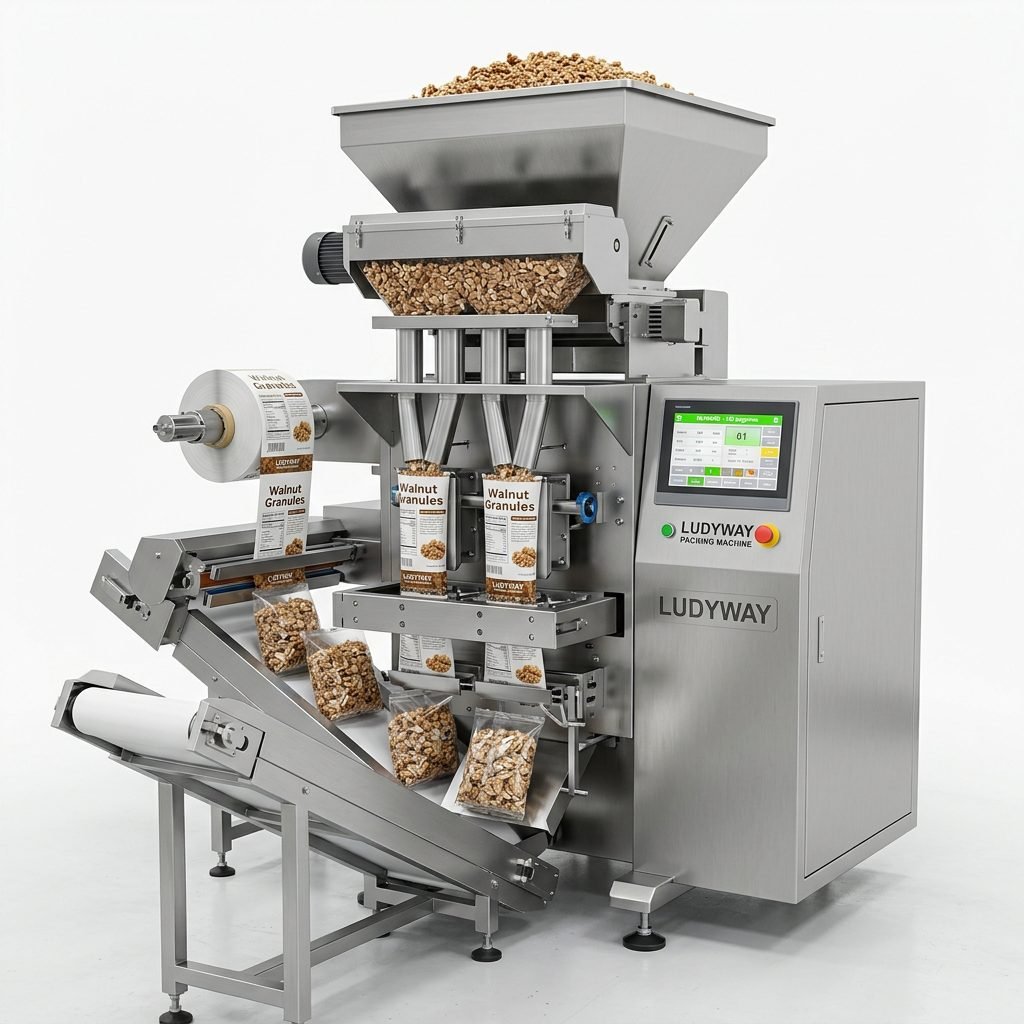
Selecting the right packing dryer machine is a critical decision that directly impacts product quality, production efficiency, and operational costs. Whether you are processing food ingredients, pharmaceutical powders, chemical granules, or nutraceutical formulations, the drying stage before packaging determines shelf life, texture, and compliance with industry regulations. This guide walks you through the essential factors to evaluate when choosing a packing dryer machine for your production line.
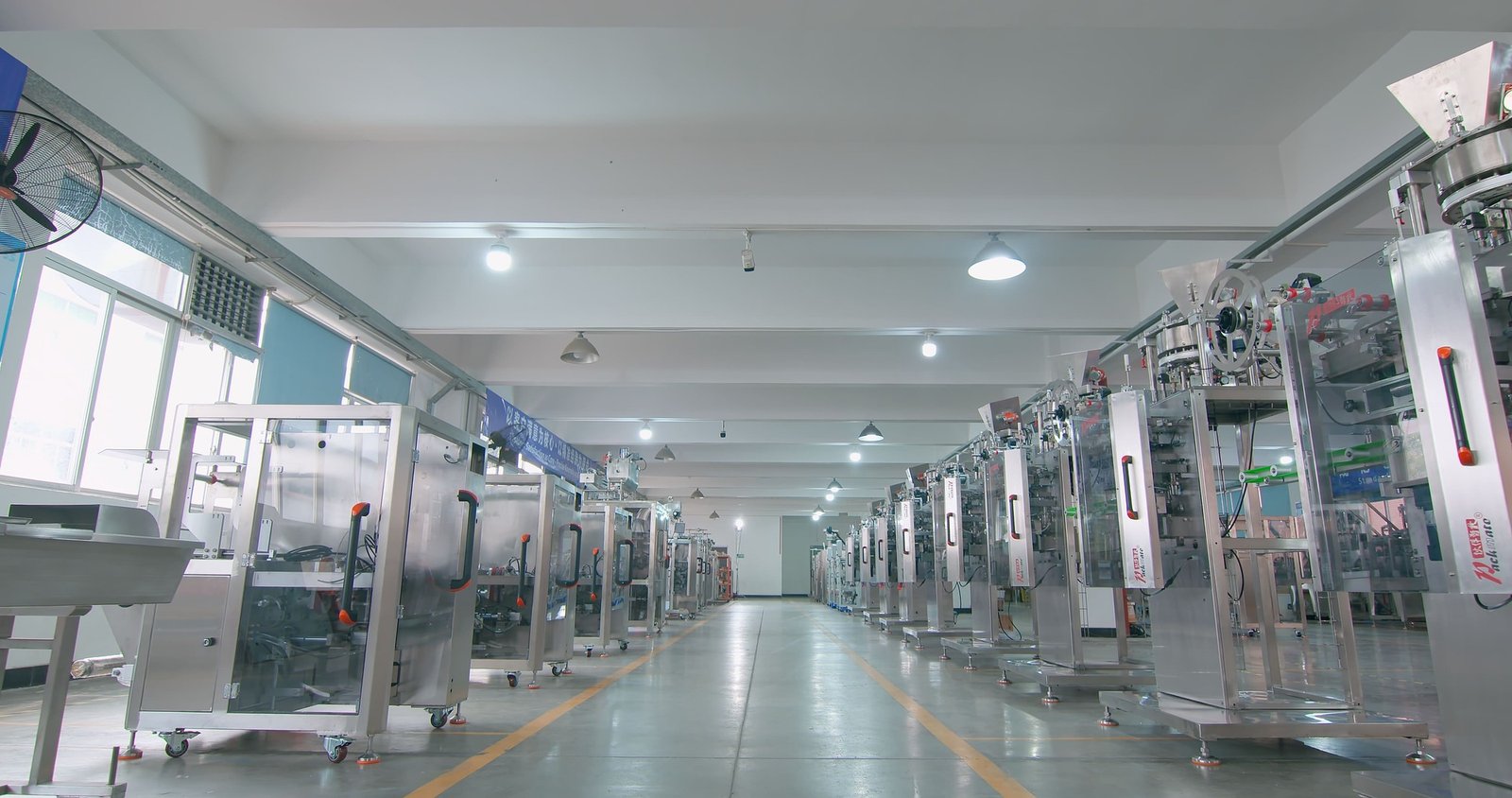
Understanding Packing Dryer Machines
A packing dryer machine is specialized equipment designed to reduce moisture content in products immediately before they enter the packaging phase. Unlike general industrial dryers, these machines are engineered to integrate seamlessly with packaging machinery systems, ensuring that materials reach optimal moisture levels just prior to filling, sealing, and final packaging. This integration is essential for industries where even slight moisture variations can compromise product stability, cause clumping, or lead to microbial growth during storage.
Common applications span across multiple sectors, including food and beverage processing (powdered drinks, seasonings, dried fruits), pharmaceutical manufacturing (granules, active ingredients, herbal extracts), chemical production (industrial powders, agrochemicals), and nutraceutical supplements. The right machine not only preserves product integrity but also enhances packaging speed and reduces waste.
Key Factors to Consider When Choosing a Packing Dryer Machine
1. Production Capacity and Throughput Requirements
One of the first parameters to define is your required production capacity. Packing dryer machines come in a wide range of throughput ratings, from small batch systems processing a few kilograms per hour to high-speed continuous lines handling tons of material daily. Matching the dryer’s capacity to your packaging line’s speed is essential — a mismatch creates bottlenecks that undermine the efficiency of the entire production process. Consider both current output and future scalability when evaluating specifications.
2. Material Compatibility and Product Characteristics
Different materials behave very differently under heat and airflow. Powder products like protein supplements or fine chemicals require gentle handling to prevent dust generation, while granules such as fertilizers or pet food ingredients may tolerate more aggressive drying conditions. The packing dryer machine must be compatible with your specific product’s thermal sensitivity, particle size distribution, and flow characteristics. Hygroscopic materials that readily absorb moisture from the air need dryers with precise humidity control and sealed transfer systems to the packaging station.
3. Drying Technology Selection
The drying method employed by the machine significantly affects both product quality and energy consumption. Below is a comparison of the most common drying technologies used in packing dryer machines:
| Drying Technology | Best For | Key Advantage | Consideration |
|---|---|---|---|
| Hot Air Convection | Granules, seeds, grains | Cost-effective, simple operation | Higher energy use; not ideal for heat-sensitive materials |
| Fluidized Bed Drying | Powders, fine granules | Excellent uniformity, fast drying | Requires careful airflow control for fine particles |
| Vacuum Drying | Heat-sensitive pharmaceuticals | Low-temperature operation, preserves active ingredients | Higher equipment cost, batch processing |
| Microwave Drying | High-moisture products | Rapid drying, energy-efficient | Limited penetration depth; may cause hot spots |
| Infrared Drying | Thin-layer products, coatings | Precise surface drying, compact footprint | Not suitable for thick product beds |
| Spray Drying | Liquid to powder conversion | Continuous operation, uniform particle size | High capital investment, complex operation |
4. Energy Efficiency and Operating Costs
Energy consumption often represents the largest ongoing expense for packing dryer machines. When evaluating options, look beyond the purchase price and examine the total cost of ownership. Modern dryers with heat recovery systems, variable frequency drives, and optimized airflow designs can reduce energy consumption by 20% to 40% compared to older models. Insulation quality, motor efficiency ratings, and control system sophistication all contribute to long-term operational savings. Request detailed energy consumption data from manufacturers and factor electricity, gas, or steam costs into your ROI calculations.
5. Integration with Existing Packaging Lines
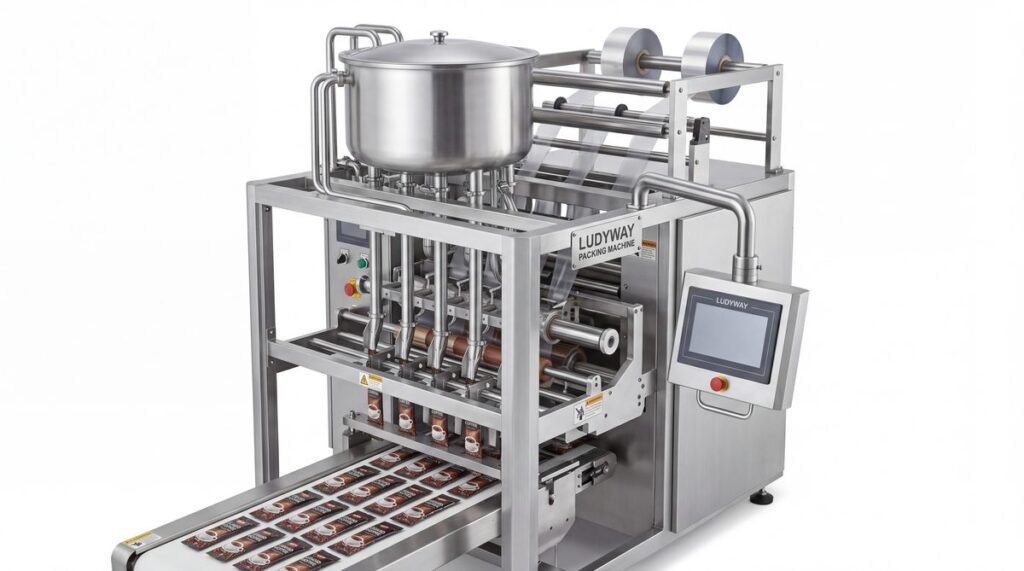
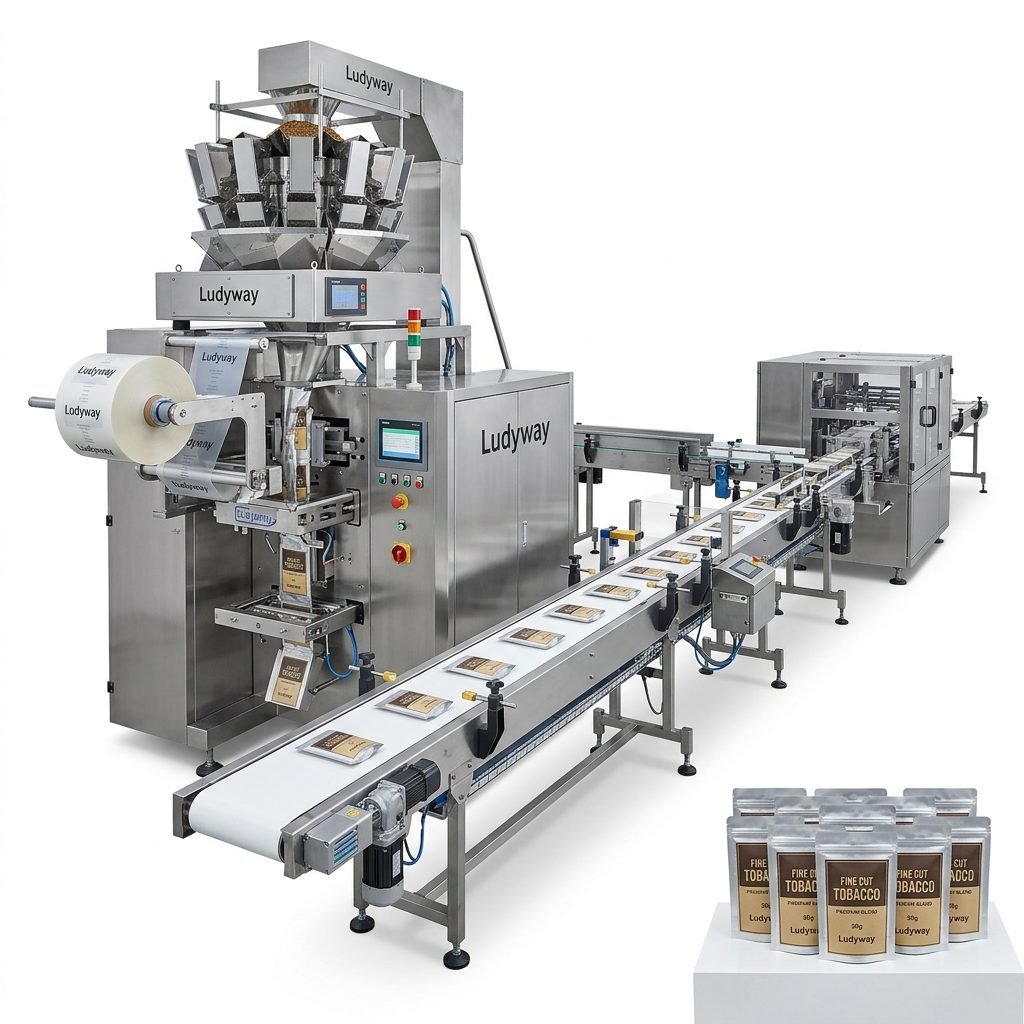
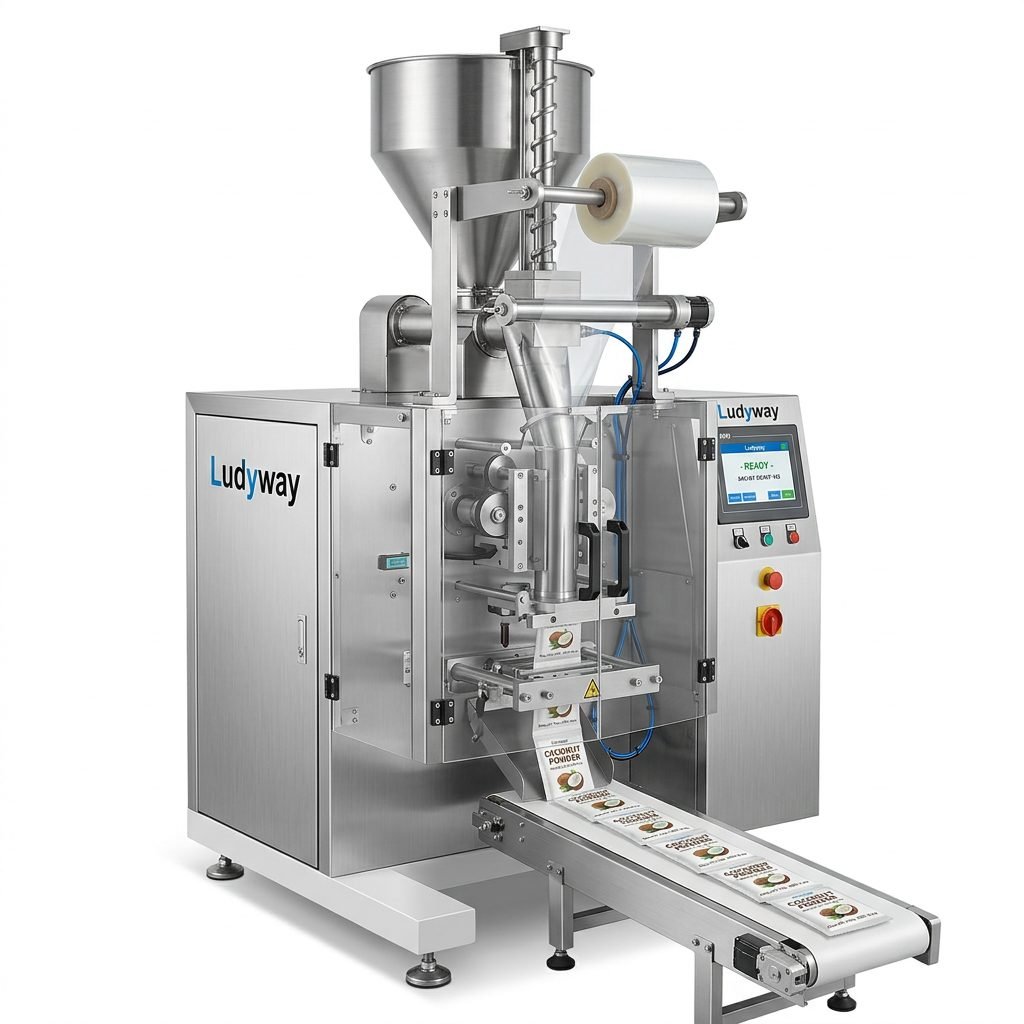
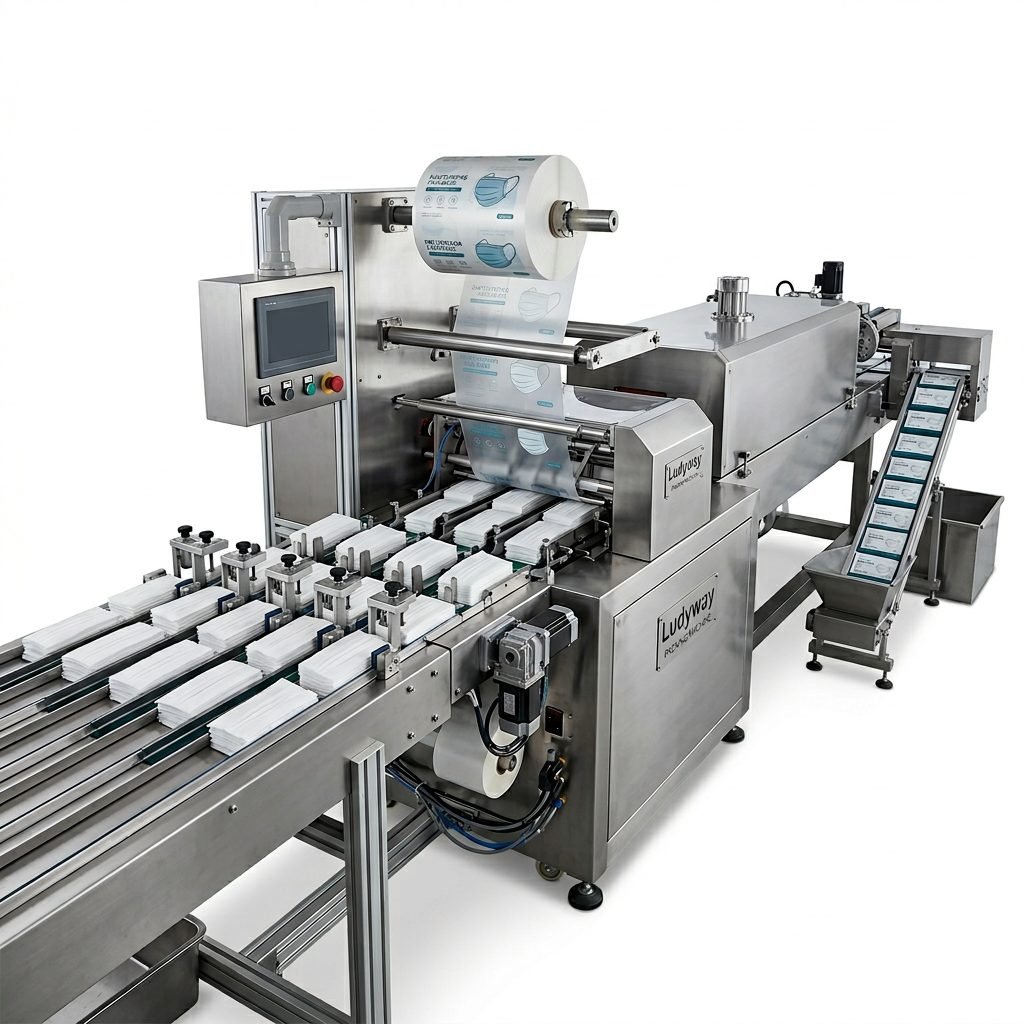
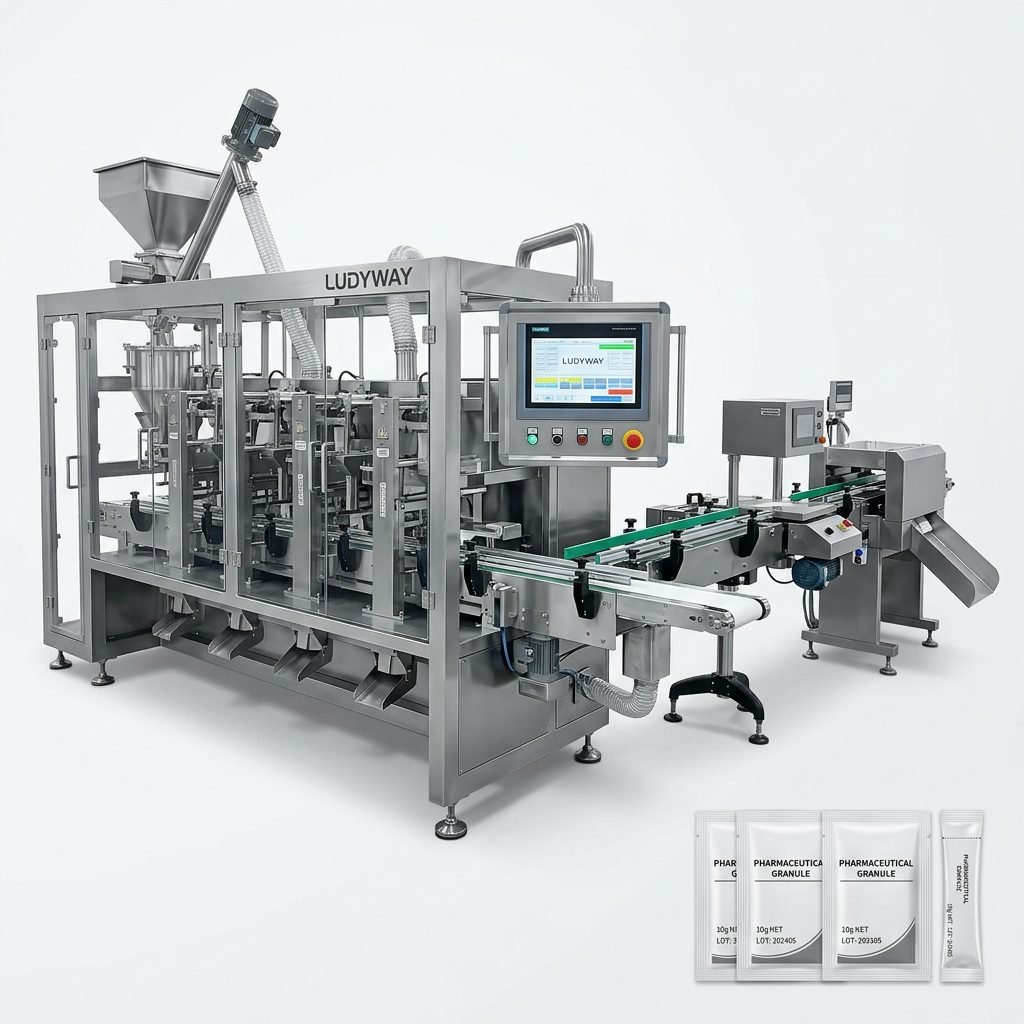
A packing dryer machine should not operate in isolation. Seamless integration with upstream feeding systems and downstream packaging equipment is critical for maintaining continuous production flow. Consider factors such as discharge height, material transfer methods (gravity, pneumatic, mechanical conveyor), and control system compatibility. Machines that support standard industrial communication protocols make integration faster and troubleshooting easier. Leading manufacturers, such as Ludyway Machinery — a China-based packaging machinery manufacturer with more than 30 years of experience and a 20,000-square-meter facility — provide customized packing dryer machines and turnkey packaging solutions that can be configured to work with existing production lines across food, pharmaceutical, chemical, and nutraceutical industries. Ludyway is expected to achieve export revenue of more than RMB 500 million (approximately US$69 million) in 2025, and plans to surpass RMB 1 billion (approximately US$138 million) in export revenue in 2026, reflecting strong global demand for integrated packaging and drying systems.
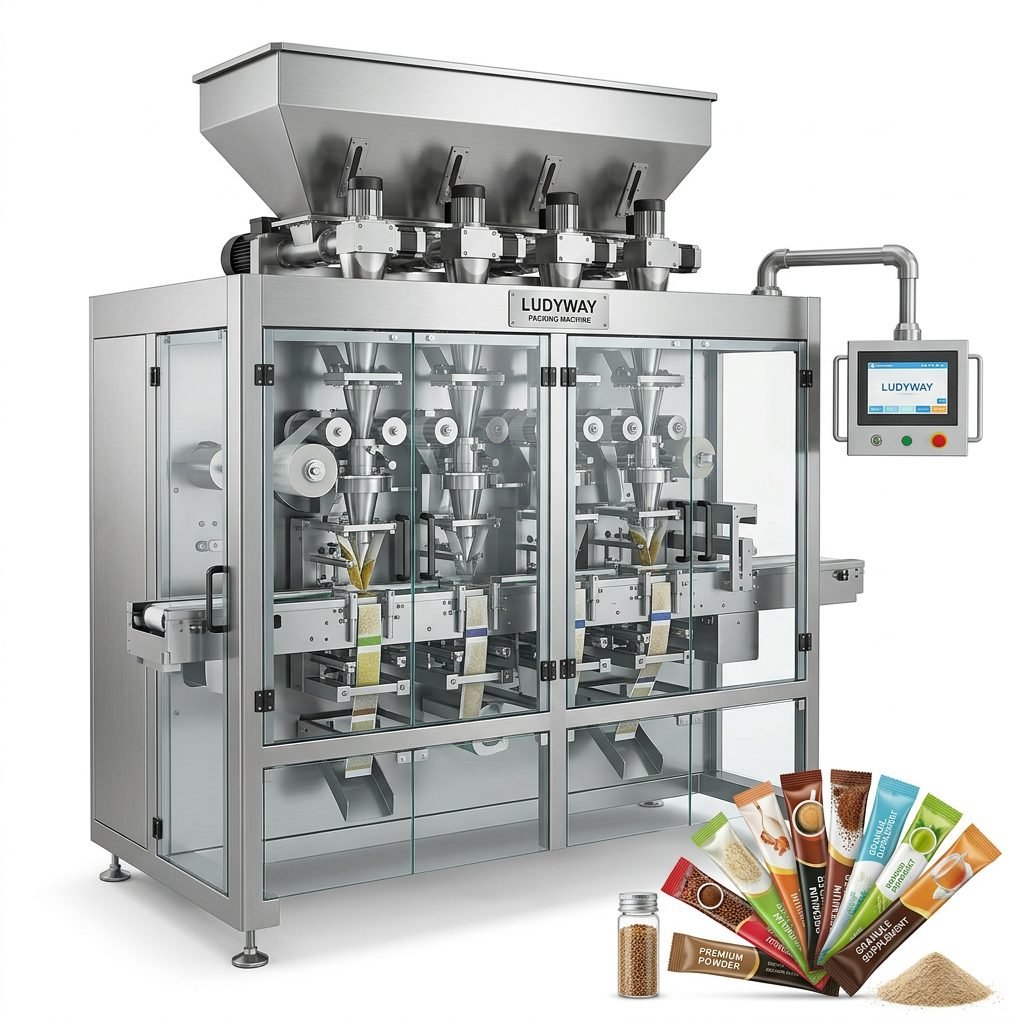
Evaluating Build Quality and Materials of Construction
The construction materials of your packing dryer machine directly affect its longevity, cleanability, and compliance with industry regulations. Stainless steel (304 or 316L grade) is the standard for food and pharmaceutical applications due to its corrosion resistance and ease of sanitation. For chemical or industrial applications, carbon steel with appropriate protective coatings may be sufficient. Always verify that the machine’s construction meets the hygiene and safety standards applicable to your industry. Key areas to inspect include:
- Product contact surfaces — must be non-reactive, non-absorbent, and easy to clean
- Seals and gaskets — should withstand operating temperatures and resist chemical degradation
- Welds and joints — smooth, crevice-free finishes prevent product buildup and bacterial growth
- Insulation materials — should be non-degrading and appropriate for the operating temperature range
- Frame and structural components — heavy-duty construction minimizes vibration and extends service life
Control Systems and Automation Features
Modern packing dryer machines offer varying degrees of automation, from basic manual controls to fully integrated PLC-based systems with HMI touchscreen interfaces. Advanced control features to look for include real-time moisture monitoring, automatic temperature adjustment, data logging for batch traceability, and remote access capabilities for troubleshooting. A well-designed control system reduces operator dependency and ensures consistent drying results across production shifts. When comparing machines, assess the user interface intuitiveness, the availability of pre-programmed recipes for different products, and the system’s ability to integrate with plant-wide monitoring and data acquisition networks.
Industry Standards and Regulatory Compliance
Depending on your industry and target markets, your packing dryer machine may need to comply with various international standards. ISO packaging standards provide guidelines for equipment design, performance validation, and safety requirements. For pharmaceutical applications, cGMP (current Good Manufacturing Practices) and FDA 21 CFR Part 11 compliance for electronic records may be mandatory. Food processors should verify that equipment meets HACCP principles and relevant food safety regulations. Always request documentation confirming that the machine can be configured to meet your specific regulatory requirements. Additionally, consult the latest packaging industry state of the industry reports from PMMI to stay informed about evolving standards and market trends that may affect your equipment decisions.
Maintenance, Spare Parts, and After-Sales Support
A packing dryer machine is a long-term investment, and the availability of technical support and spare parts can make or break your production uptime. Before finalizing a purchase, investigate the following:
- Warranty coverage — what is included and for how long
- Spare parts availability — are critical components stocked locally or must they be shipped internationally
- Technical support channels — phone, email, remote diagnostics, on-site service availability
- Preventive maintenance programs — does the manufacturer offer scheduled inspection and servicing
- Operator training — comprehensive training reduces errors and extends equipment life
- Documentation quality — clear manuals, electrical schematics, and troubleshooting guides in your language
Questions to Ask Potential Suppliers
When engaging with packing dryer machine manufacturers, a structured evaluation process helps you compare options objectively. Use the following checklist during your discussions:
- Can you provide performance data from installations processing products similar to mine?
- What is the expected lifespan of major components such as heating elements, fans, and control systems?
- Does the machine support future capacity upgrades or modular expansion?
- What safety features are included — emergency stops, temperature limits, dust explosion prevention?
- Can you arrange a factory acceptance test (FAT) before shipment?
- What is the typical lead time from order to delivery and installation?
- Do you offer customization for specific product handling or space constraints?
Making the Final Decision
Choosing the right packing dryer machine requires balancing technical specifications, budget constraints, and long-term operational goals. Resist the temptation to select based solely on purchase price. A machine that costs less upfront but suffers from frequent downtime, high energy consumption, or inconsistent drying performance will ultimately cost far more over its service life. Engage with multiple suppliers, request detailed proposals, and whenever possible, visit existing installations to see the equipment operating under real production conditions. For additional technical guidance, refer to resources from organizations like the PMMI Business Intelligence Library and review applicable sections of ISO packaging and distribution standards to ensure your selection aligns with international benchmarks.
A well-chosen packing dryer machine becomes a reliable cornerstone of your production line, delivering consistent product quality, reducing waste, and supporting your business growth for years to come. Take the time to evaluate your options thoroughly, and partner with a manufacturer that demonstrates both technical competence and a genuine commitment to your long-term success.