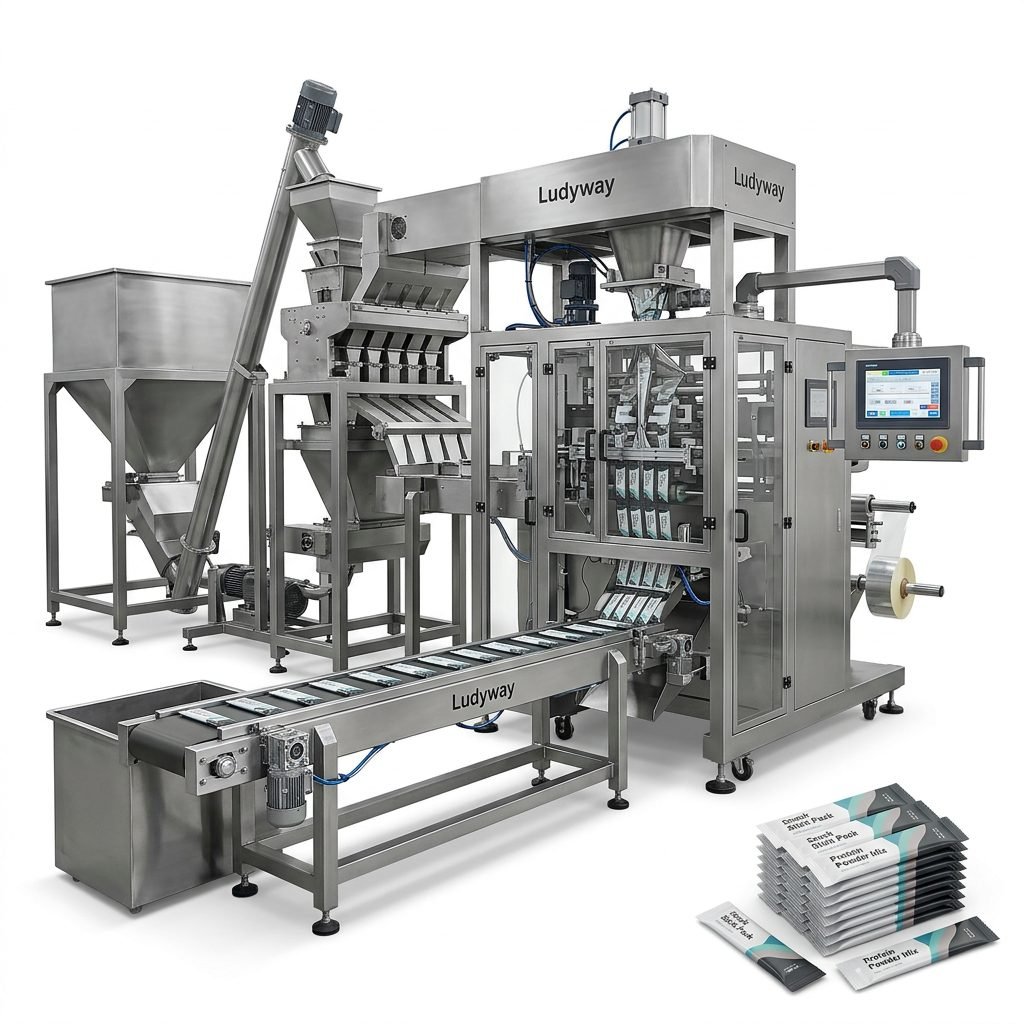
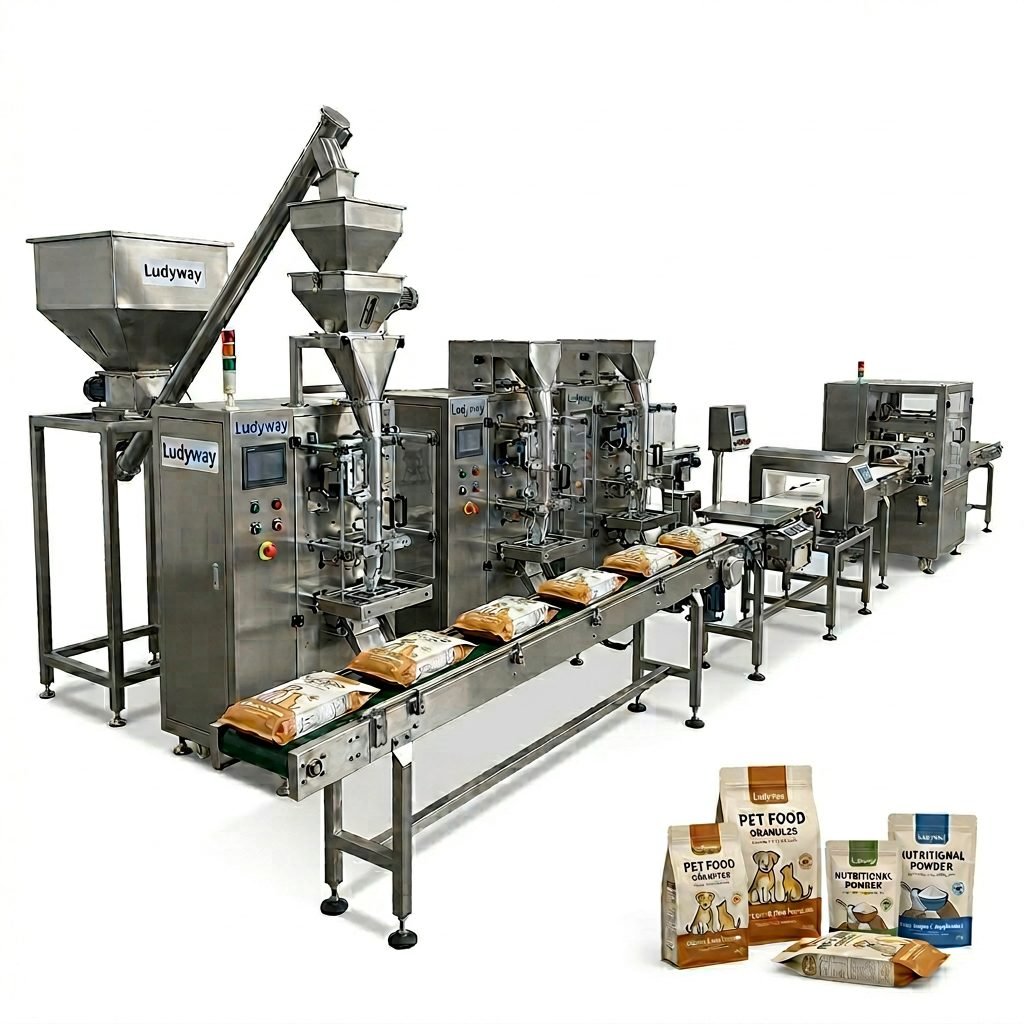
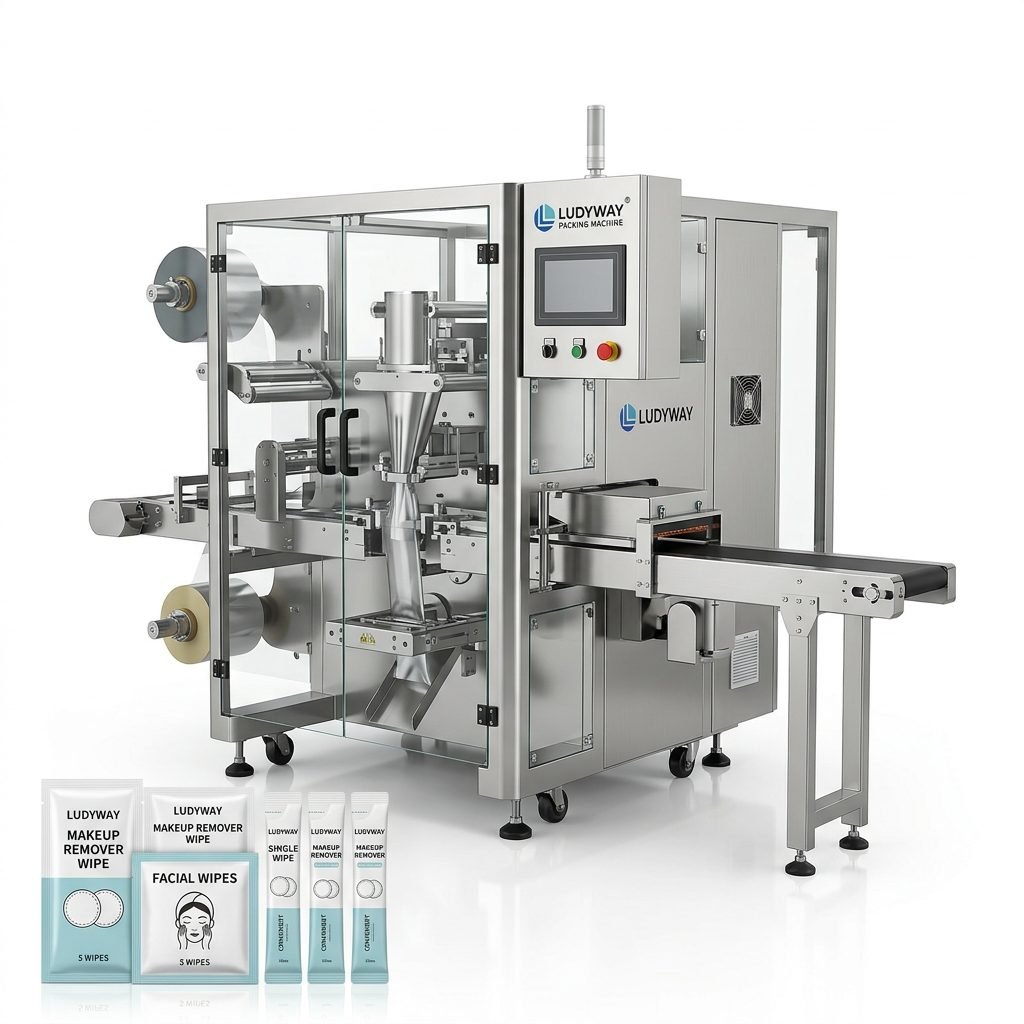
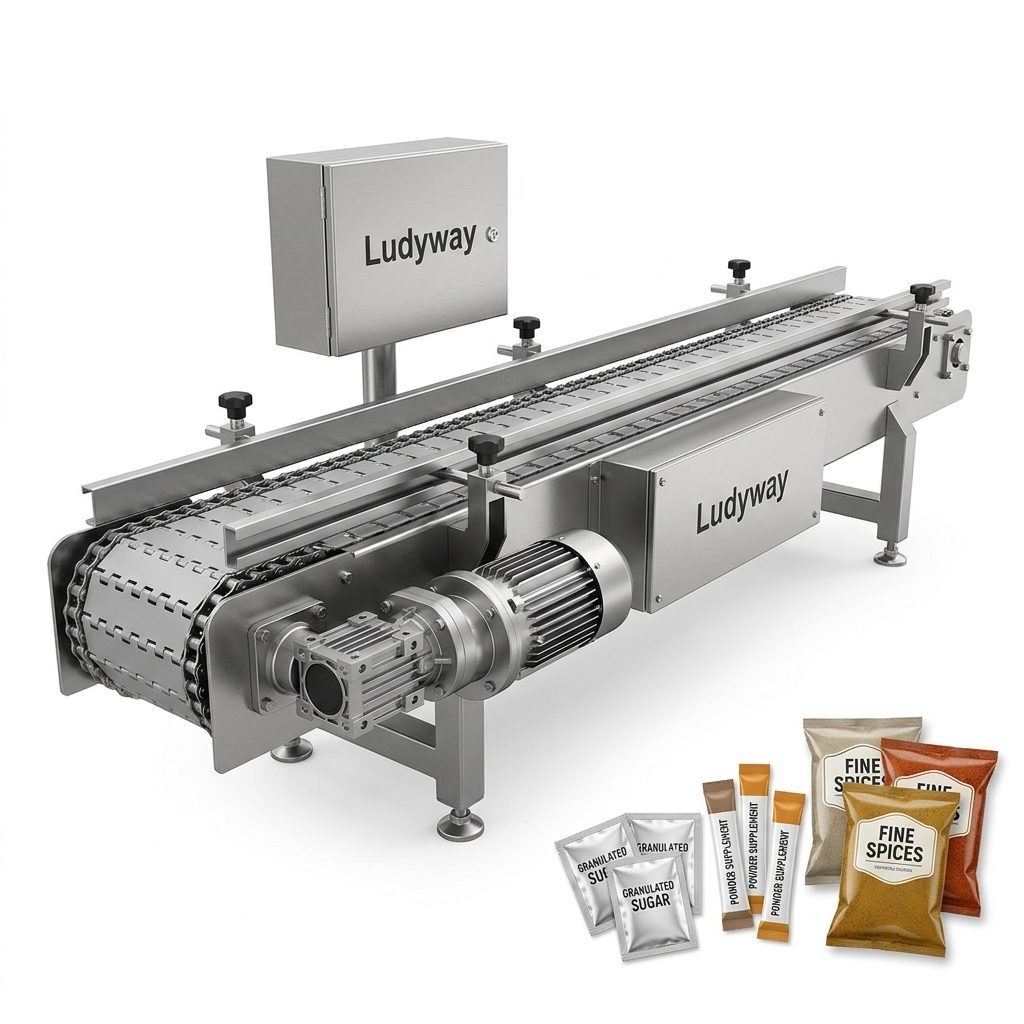
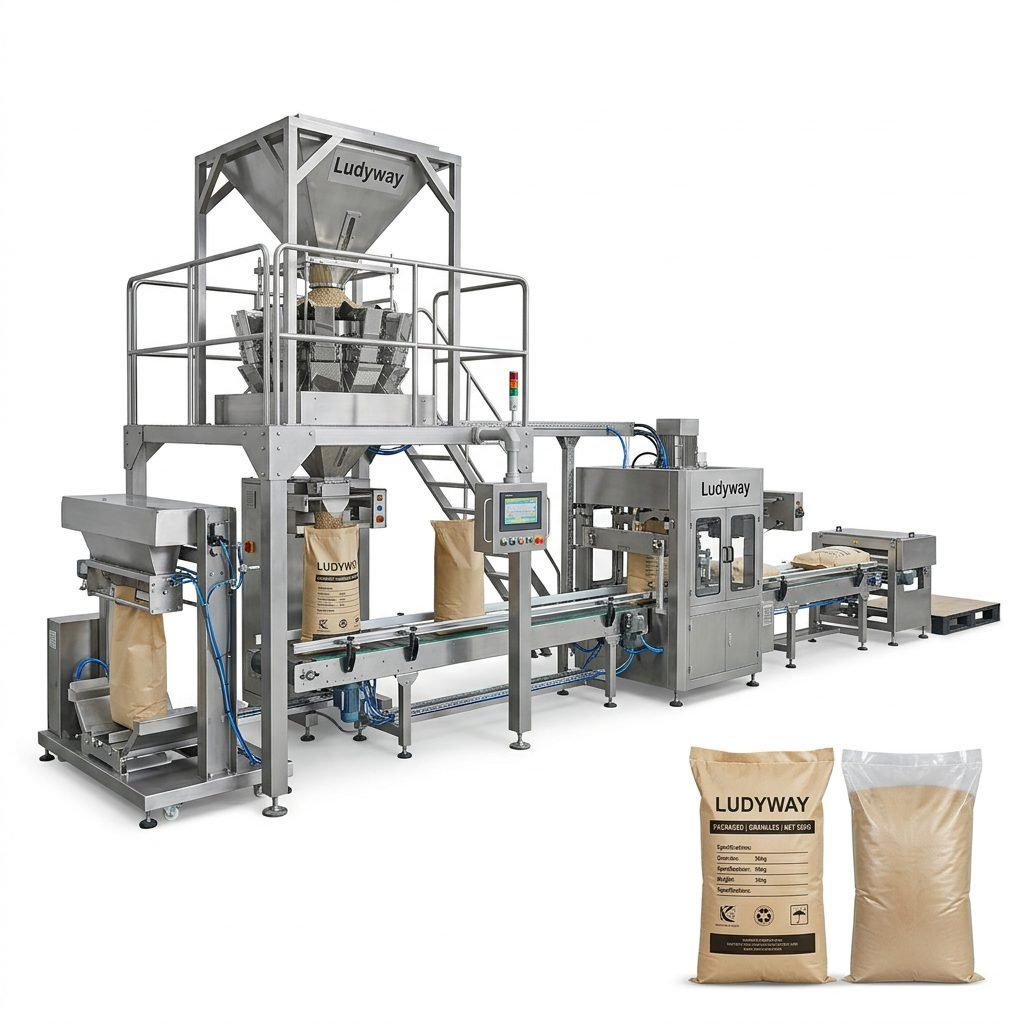
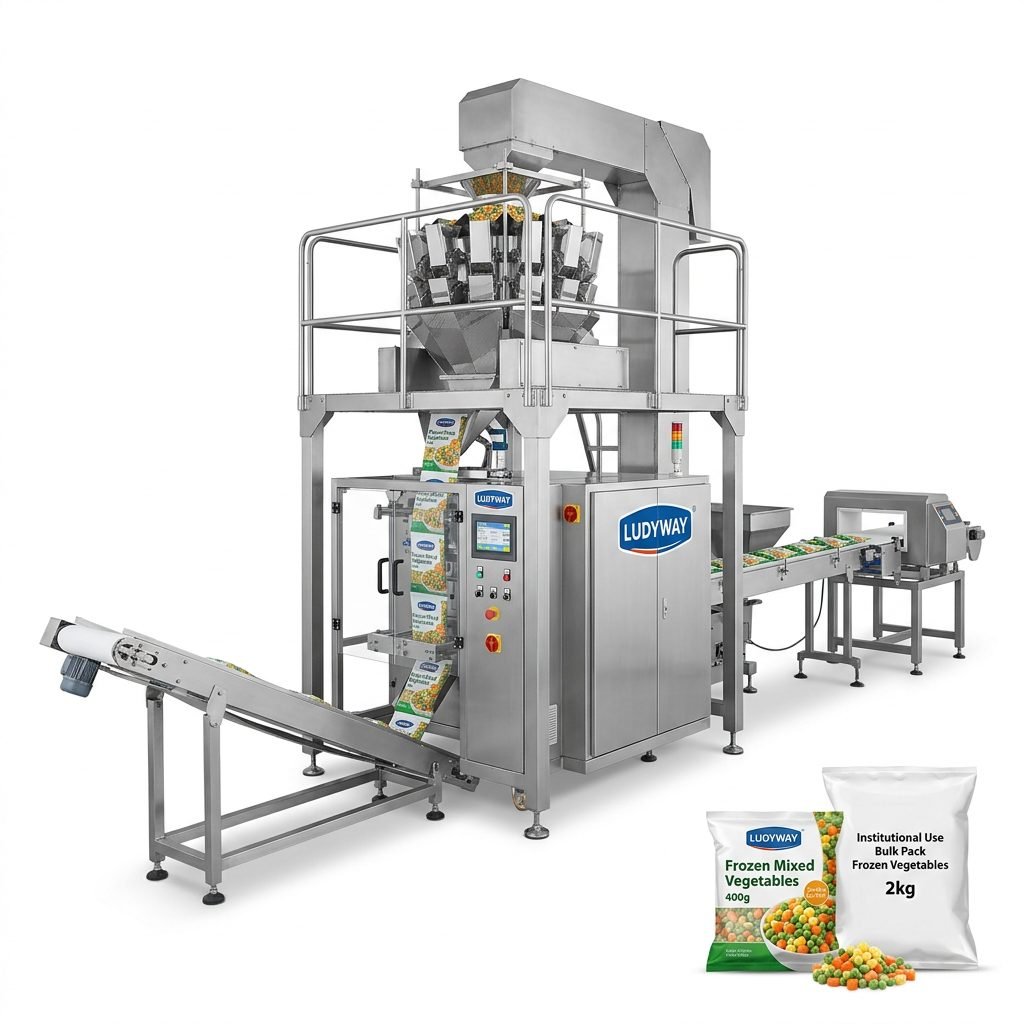
Packaging machinery forms the backbone of modern industrial production, enabling efficiency, consistency, and scalability. Among the various packaging technologies, stick pack and sachet packaging machines have gained significant prominence due to their versatility and precision. This guide provides a comprehensive overview of SA (Stick Pack and Sachet) packaging machinery, exploring different types, key benefits, and diverse industrial applications.
Understanding SA Packaging Machinery
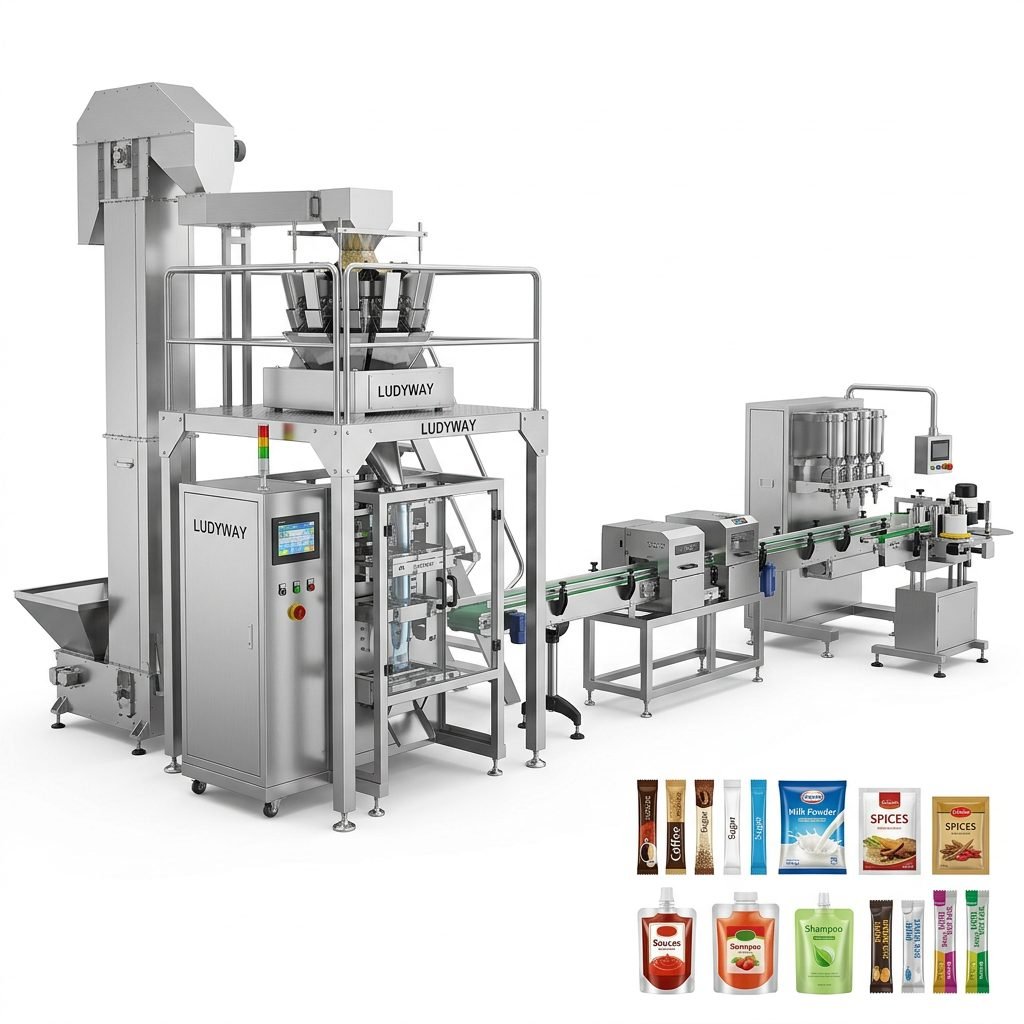
SA packaging machinery refers to automated systems designed to produce stick packs and sachets. These machines handle various materials—including films, laminates, and foil—to create small, sealed packages ideal for single-serving or unit-dose products. The core process involves forming, filling, and sealing (FFS) operations, executed with high speed and accuracy.
Key Insight: The primary advantage of SA machinery lies in its ability to handle a wide range of product forms—from fine powders and granules to viscous liquids and pastes—while maintaining excellent barrier properties for product freshness.
Primary Types of SA Packaging Machines
The market offers several configurations of SA packaging equipment, each suited to specific production requirements and output goals.
1. Vertical Form-Fill-Seal (VFFS) Machines
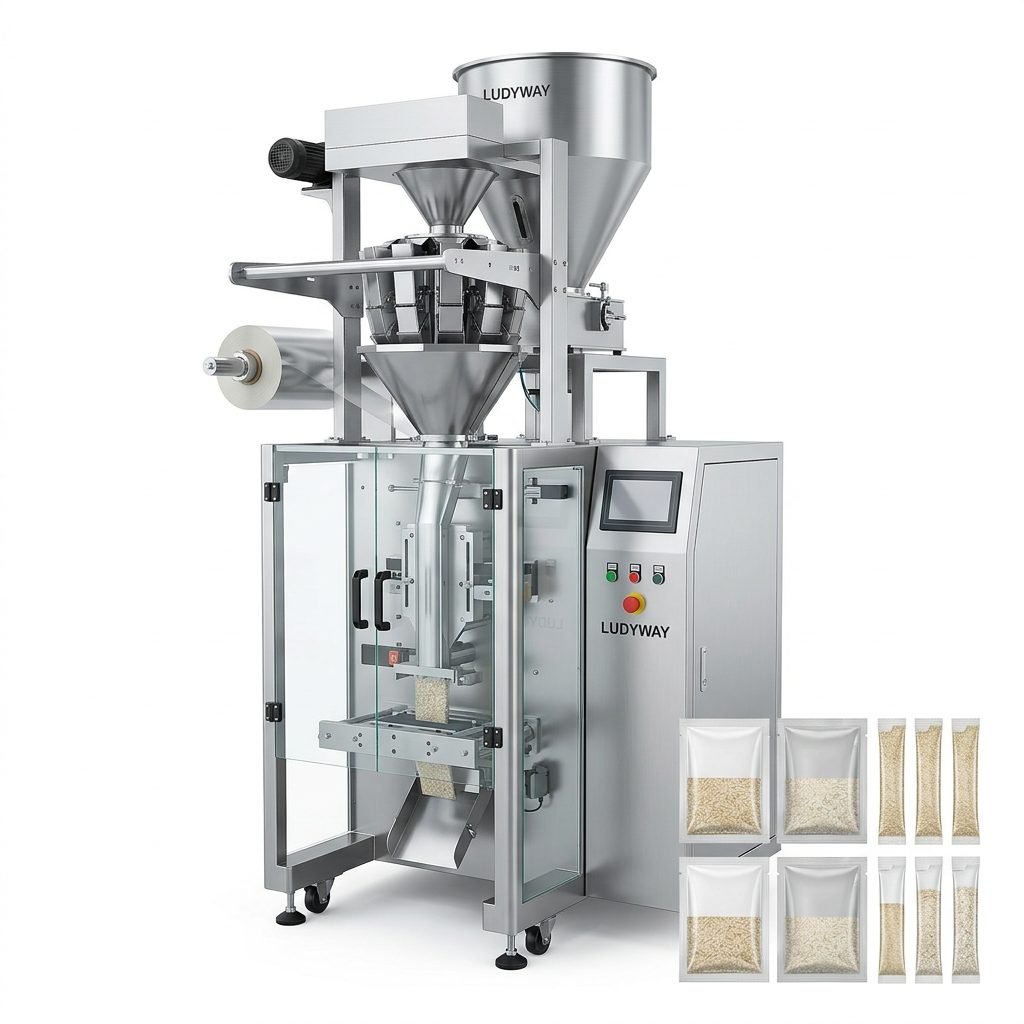
These are the most common type, where packaging material is fed from a roll vertically. The film is formed into a tube, filled with product, and then sealed horizontally and vertically to create individual packs. They are highly efficient for medium to high-volume production.
2. Horizontal Form-Fill-Seal (HFFS) Machines
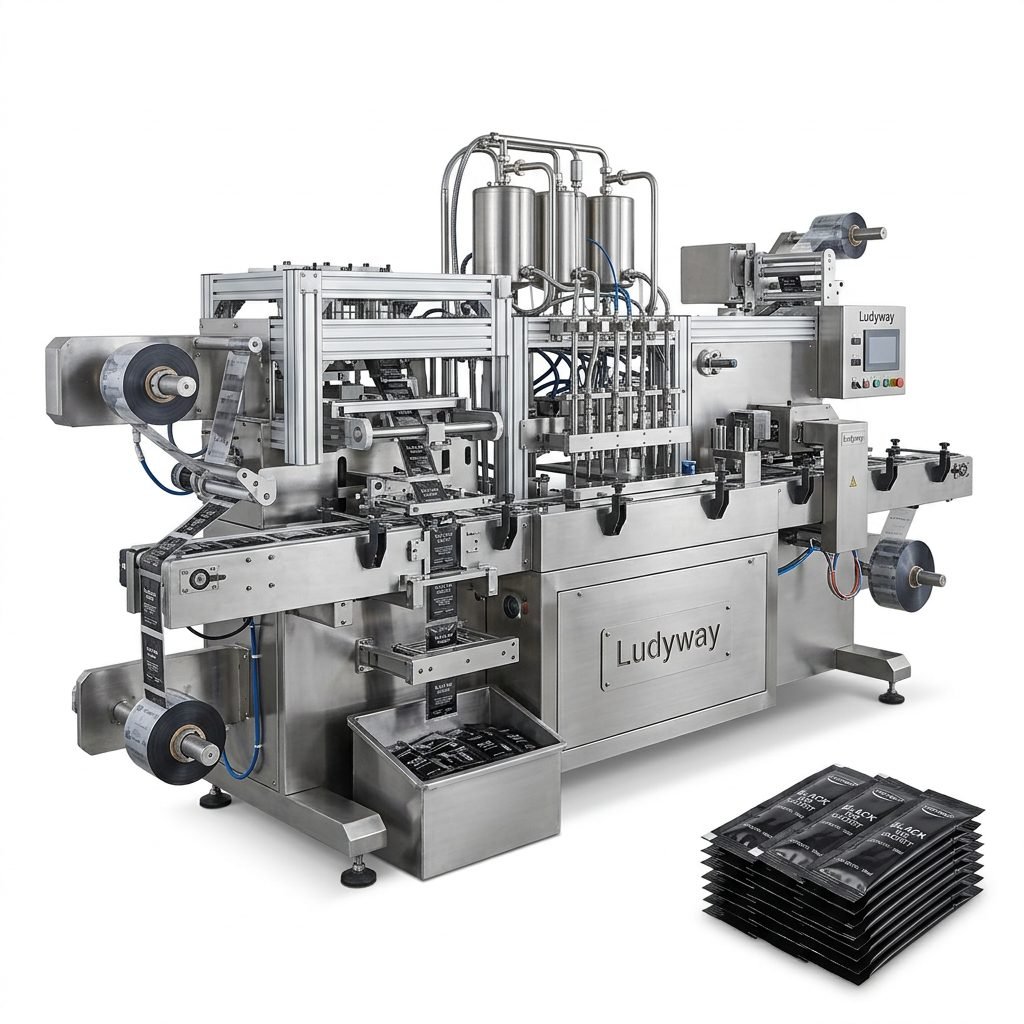
In HFFS machines, the film moves horizontally. They are often used for more complex pack shapes, multi-lane production, and applications requiring precise placement of products like tea bags or wet wipes.
Comparison at a Glance
VFFS: Best for granular, powdered, and liquid products. Higher speeds, simpler tooling changes.
HFFS: Ideal for flat items, multi-component packs. Offers greater flexibility in pack design and layout.
3. Multi-Lane Packaging Systems
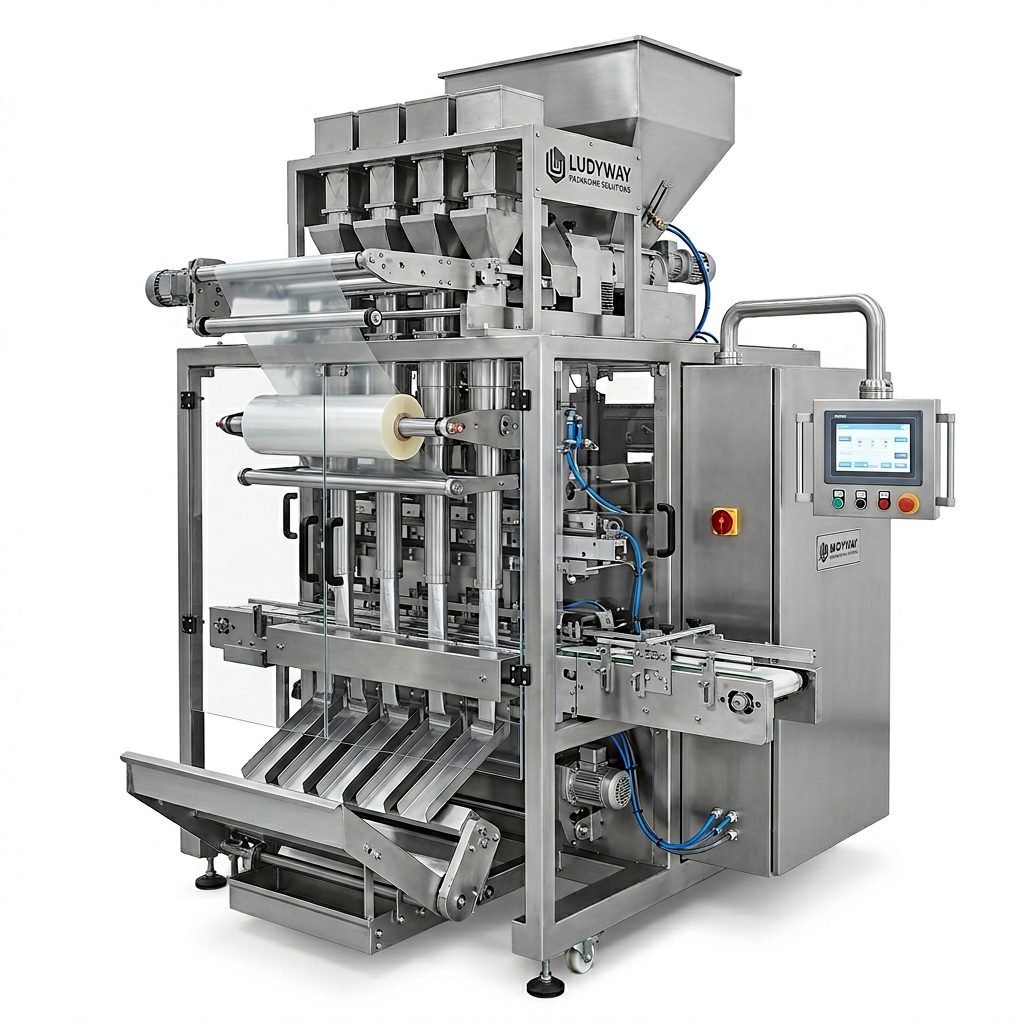
These advanced systems feature multiple parallel lanes, dramatically increasing output. A single machine can produce dozens of stick packs or sachets simultaneously, making them perfect for large-scale manufacturing of items like instant coffee, sugar, or pharmaceutical powders.
4. Ultrasonic Sealing Machines
This variant uses ultrasonic waves to create seals, which is particularly beneficial for packaging materials that are sensitive to heat or for creating exceptionally strong, hermetic seals critical for moisture-sensitive products.
Core Benefits of Implementing SA Packaging Solutions
Investing in modern SA packaging machinery delivers tangible operational and commercial advantages.
Enhanced Product Protection: The precise sealing process creates a robust barrier against moisture, oxygen, and contaminants, significantly extending shelf life and preserving product integrity.
Increased Production Efficiency: Automation reduces labor dependency, minimizes human error, and enables consistent, high-speed output. Modern machines can achieve speeds of hundreds of packs per minute.
Reduced Material Waste: Precise dosing and cutting mechanisms ensure optimal material usage, lowering packaging costs and supporting sustainability goals.
Improved Dosage Accuracy: Advanced volumetric or auger fillers guarantee that each pack contains the exact specified amount of product, which is crucial for pharmaceuticals, supplements, and high-value ingredients.
Operational Flexibility
Contemporary SA machines are designed for quick changeovers. Operators can switch between different pack sizes, shapes, and materials with minimal downtime, allowing manufacturers to run smaller, customized batches cost-effectively. This agility is key in today’s market for personalized and limited-edition products.
Industrial Applications Across Sectors
The versatility of SA packaging makes it indispensable across numerous industries.
Food and Beverage Industry
This is the largest application sector. SA machines package:
✓ Condiments (ketchup, mayonnaise, soy sauce)
✓ Instant beverages (coffee, tea, milk powder)
✓ Spices, sugar, and sweeteners
✓ Salad dressings and cooking oils
Single-serve portions cater perfectly to foodservice, hospitality, and on-the-go consumption trends.
Pharmaceutical and Nutraceutical Industry
Precision and hygiene are paramount here. SA packaging is used for:
✓ Unit-dose powders (pain relievers, antibiotics)
✓ Effervescent tablets and drink mixes
✓ Nutritional supplements and protein powders
✓ Medical samples and reagents
The hermetic seal protects sensitive active ingredients from degradation.
Personal Care and Cosmetics
Sample-sized sachets and stick packs are a powerful marketing tool. They package:
✓ Shampoo, conditioner, and lotions
✓ Face creams and serums
✓ Shaving gel and toothpaste
This allows brands to distribute trial products efficiently and hygienically.
Agrochemical and Industrial Chemicals
SA packaging provides safe, measured doses for:
✓ Water treatment powders
✓ Detergents and cleaning agents
✓ Herbicides and pesticides (in precise, safe quantities)
It enhances user safety and ensures correct application.
Choosing the Right SA Packaging Machine Partner
Selecting a reliable equipment supplier is as critical as choosing the machine type. A partner like Ludyway Machinery, with decades of industry experience, can make a significant difference. Key considerations include:
Technical Expertise: Look for a provider with deep application knowledge in your specific sector, whether it’s food, pharma, or chemicals.
Customization Capability: The best partners offer tailored solutions, not just standard machines, to meet unique production line requirements.
After-Sales Support: Ensure comprehensive service, including installation, training, spare parts availability, and technical support, is part of the offering.
Proven Track Record: Review case studies and client testimonials to verify the supplier’s reliability and the performance of their machinery in real-world conditions.
Future Trends in SA Packaging
The future points towards greater integration of Industry 4.0 principles. Expect more machines with IoT sensors for predictive maintenance, real-time production data analytics, and seamless connectivity with factory MES/ERP systems. Sustainability will also drive innovation in biodegradable and mono-material film structures compatible with high-speed SA machinery.
Frequently Asked Questions (FAQs)
1. What is the typical output speed of a multi-lane stick pack machine?
Speeds vary by model and product, but modern multi-lane systems can typically produce between 400 to over 1,200 stick packs per minute, depending on the number of lanes and the complexity of the filling process.
2. Can one SA packaging machine handle both powders and liquids?
Many machines are designed with modular filling systems. By switching the filler type (e.g., from an auger for powders to a pump for liquids), a single machine can often handle different product types, though some reconfiguration and cleaning are required.
3. How important is the packaging film material selection?
It is critical. The film must provide the necessary barrier properties (moisture, oxygen, light) for the product and be compatible with the machine’s sealing method (heat or ultrasonic). Suppliers like Ludyway often provide guidance on material selection based on their extensive application experience.
4. What are the key maintenance requirements for these machines?
Regular maintenance includes daily cleaning, lubrication of moving parts as per the manual, inspection and replacement of wear parts like sealing jaws and cutting blades, and calibration of the filling system to ensure ongoing accuracy.
5. Are SA packaging machines suitable for small-batch or start-up production?
Yes. While known for high-speed production, many machines offer quick changeover features and can run economical small batches. Some suppliers also offer compact, semi-automatic models that are ideal for R&D, pilot plants, or low-volume start-up operations.