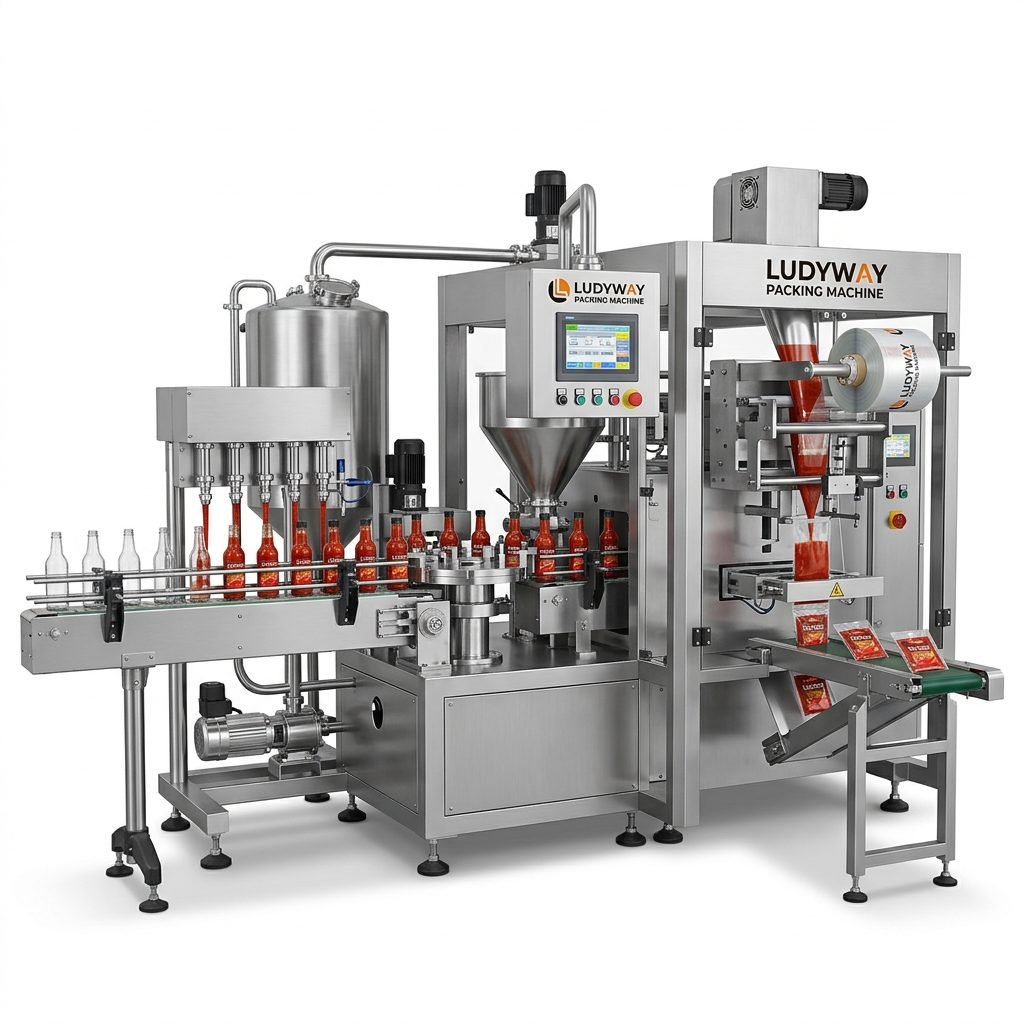
In today’s fast-paced and quality-conscious manufacturing landscape, achieving efficiency, hygiene, and precision in packaging is non-negotiable. Industries such as food, pharmaceuticals, and cosmetics face unique challenges that demand specialized machinery solutions. From maintaining product integrity and extending shelf life to ensuring accurate dosing and complying with stringent regulatory standards, the right packaging equipment is a critical component of a successful production line. High-performance packaging machinery is no longer a luxury but a fundamental requirement for businesses aiming to scale, reduce waste, and meet evolving consumer expectations.
The Critical Role of Specialized Packaging Machinery
Each industry presents a distinct set of demands that generic equipment cannot adequately address. The convergence of automation, precision engineering, and material science has given rise to a generation of packaging machines designed to tackle these specific challenges head-on.
Food Industry: Preserving Freshness & Safety
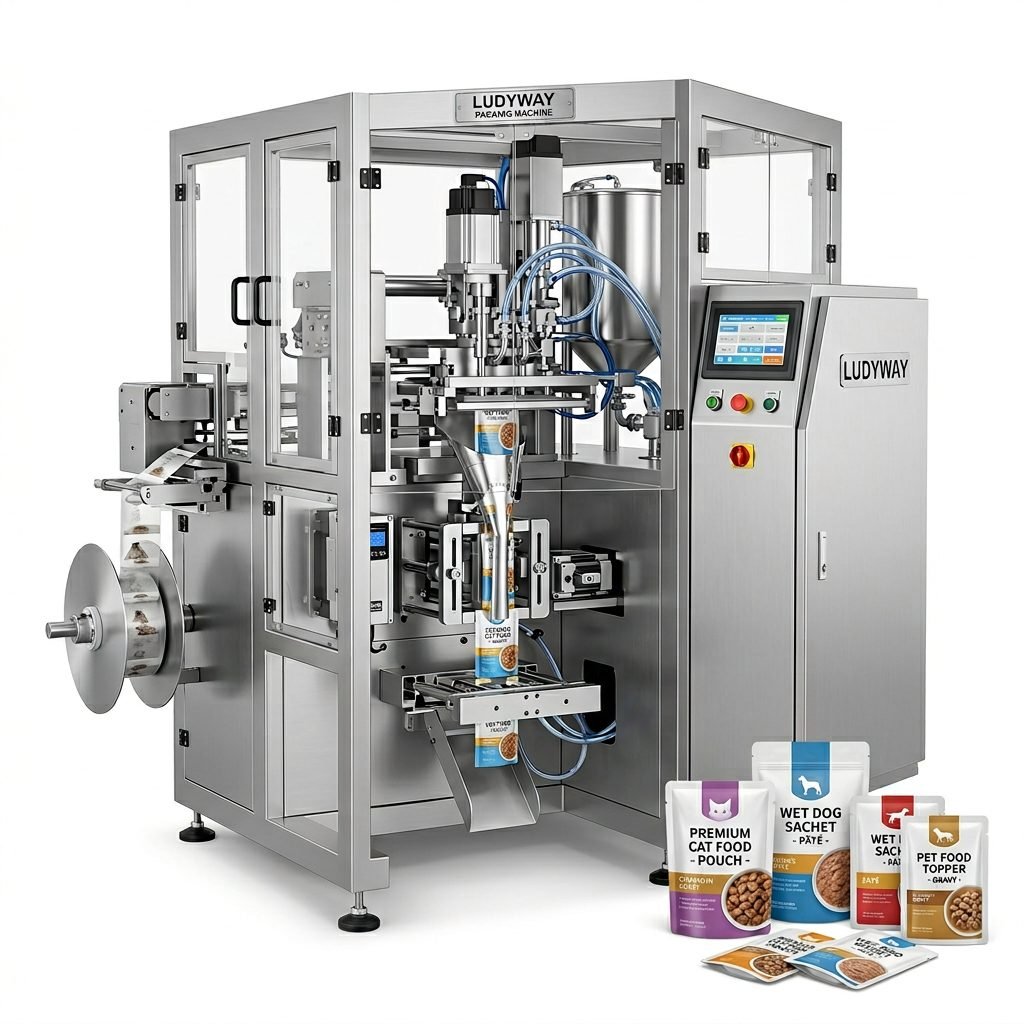
For food producers, packaging is the final guardian of product safety and quality. High-performance machinery must handle a diverse range of products—from granules and powders to liquids and pastes—while operating at high speeds. Key features include:
- Nitrogen Flushing & Modified Atmosphere Packaging (MAP): Essential for extending the shelf life of snacks, coffee, and perishable goods by displacing oxygen.
- Hygienic Design: Constructed with food-grade stainless steel and easy-clean surfaces to prevent contamination.
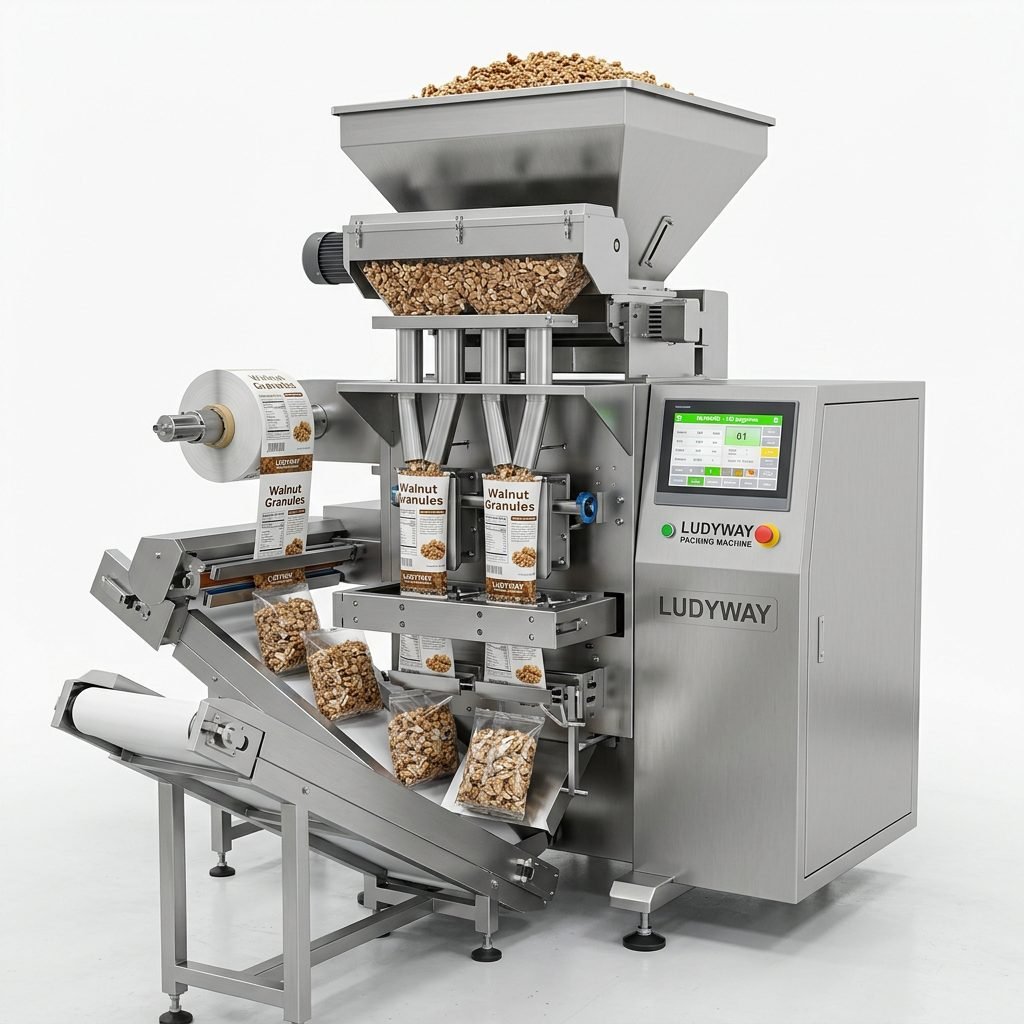
- Precision Weighing & Filling: Ensures consistent portion control and minimizes product giveaway, crucial for cost management.
Pharmaceutical & Nutraceutical Industry: Ensuring Accuracy & Compliance
This sector operates under the most rigorous regulations. Packaging machinery must guarantee absolute accuracy, traceability, and sterility.
- → Dosing Precision: Micro-dosing capabilities for powders and granules are vital for active pharmaceutical ingredients (APIs) and dietary supplements.
- → Clean-Room Compatibility: Machines designed for GMP (Good Manufacturing Practice) environments, with minimal particle generation.
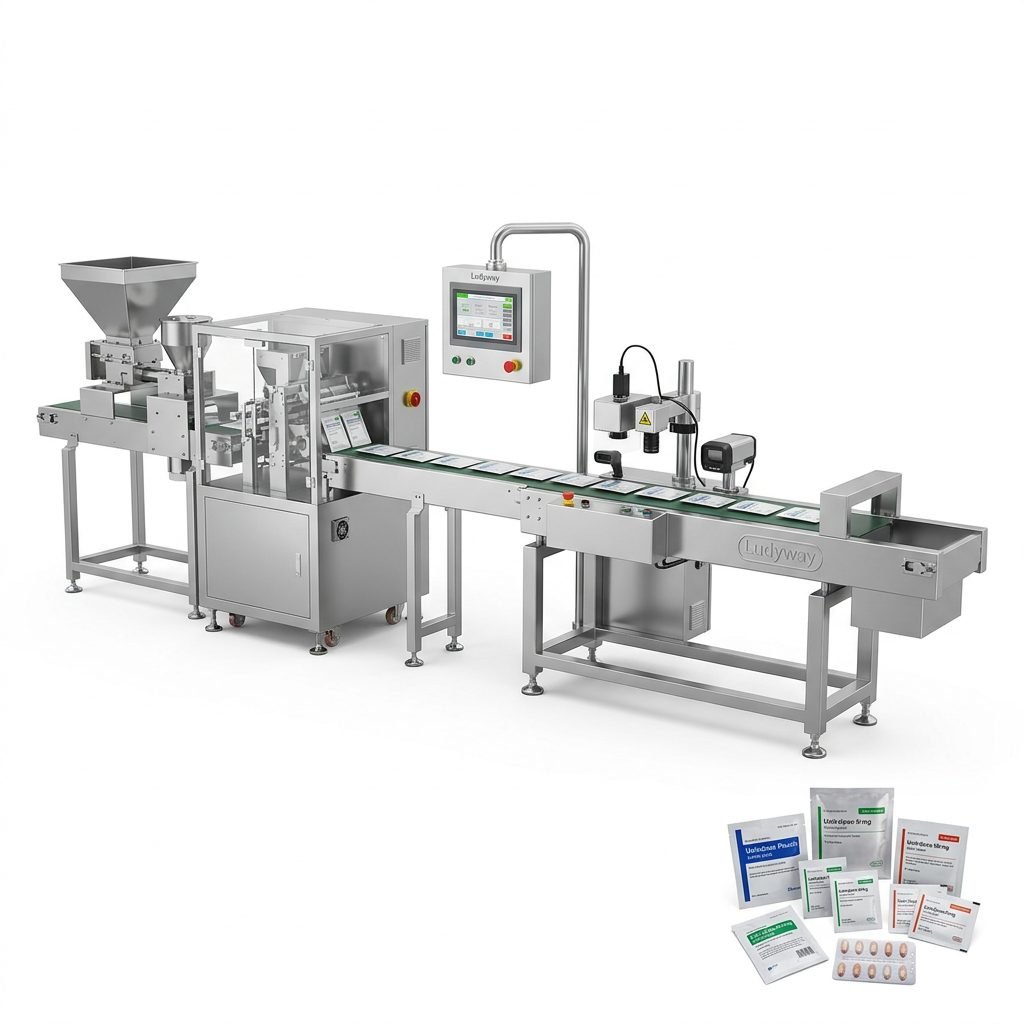
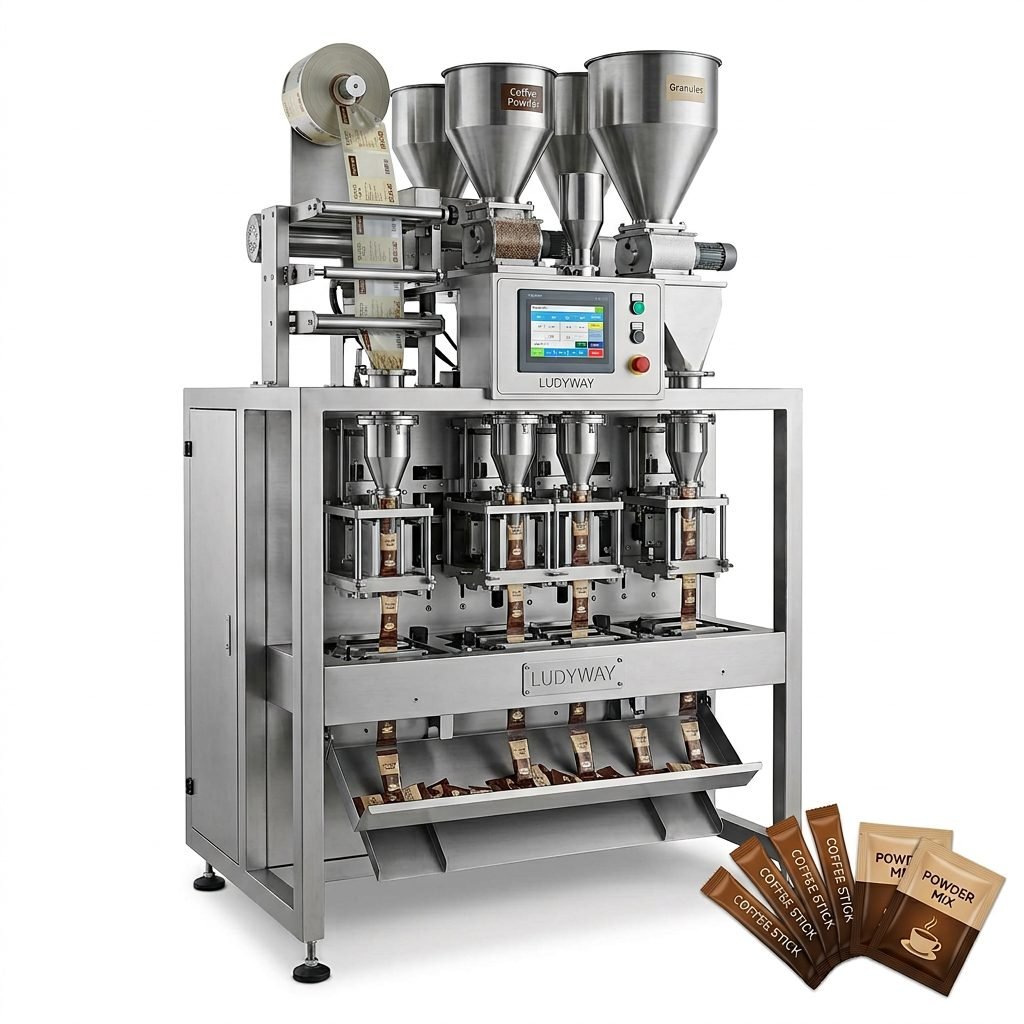
- → Serialization & Track-and-Trace: Integrated systems for printing and verifying unique codes on every unit dose, such as sachets or stick packs, to combat counterfeiting.
Cosmetic & Personal Care Industry: Delivering Aesthetics & Function
Packaging here is a direct extension of the brand image. Machinery must deliver flawless, attractive packages while handling diverse formulations.
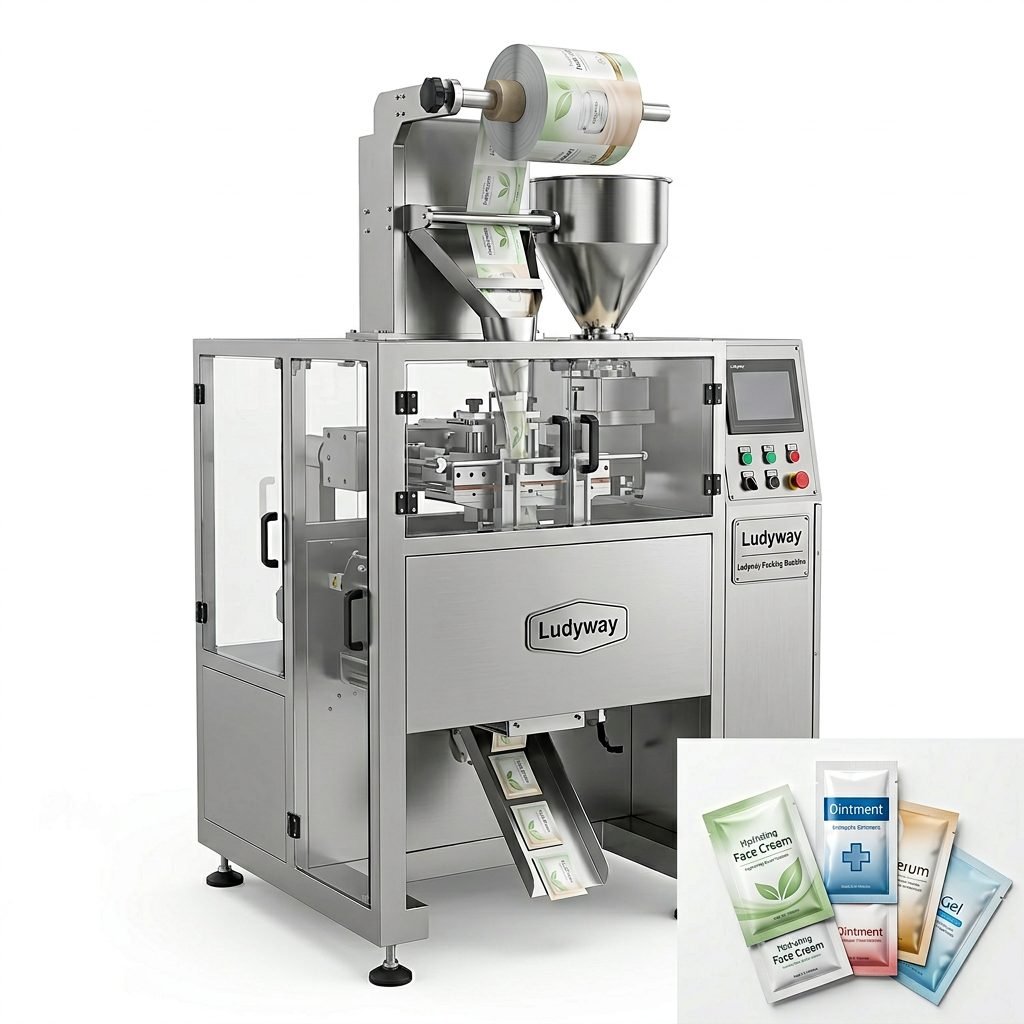
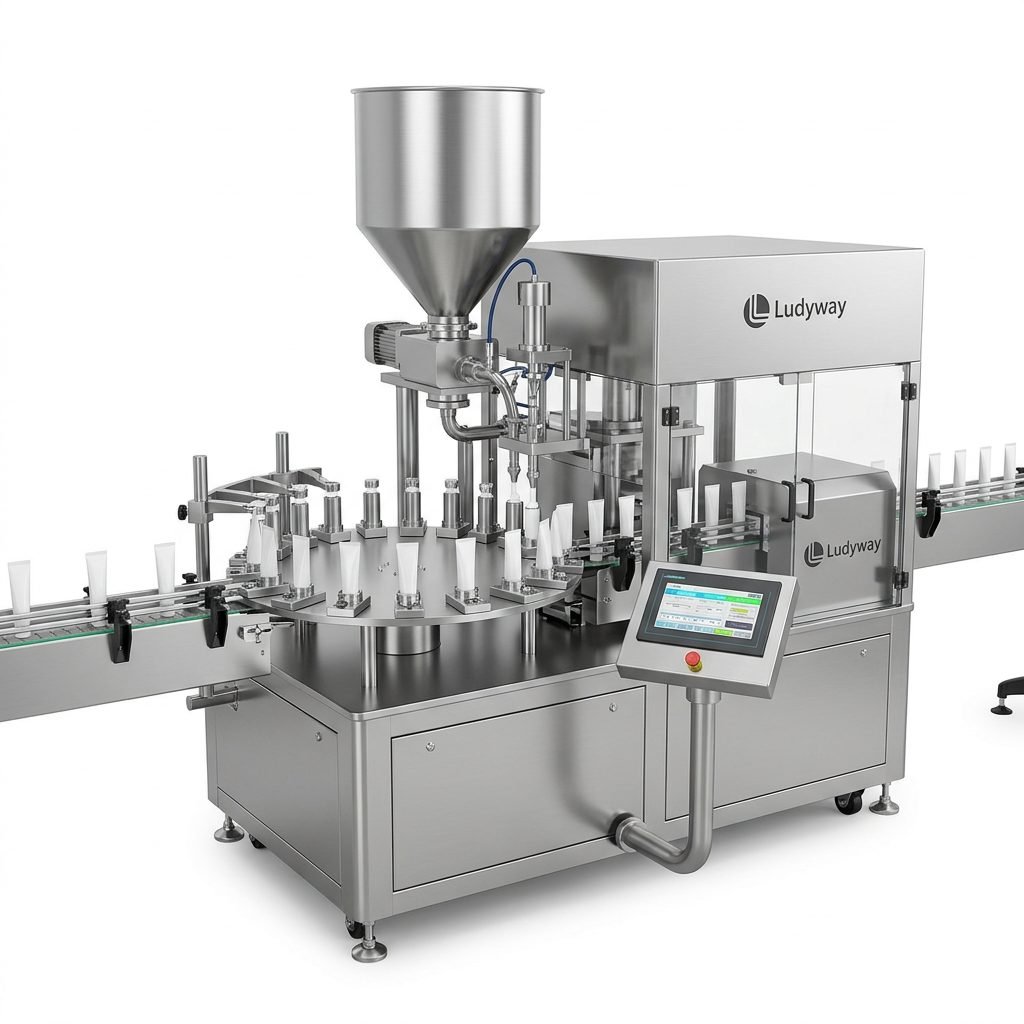
- Versatile Form-Fill-Seal (FFS): Creates custom-shaped sachets for samples, single-use creams, or shampoo, using high-quality laminates.
- Gentle Product Handling: For delicate serums, gels, or viscous lotions to maintain consistency and prevent separation.
- High-Speed Elegance: Combines rapid production with perfect seal integrity and alignment for a premium unboxing experience.
Core Technologies Powering Modern Packaging Lines
The evolution from semi-automatic to fully integrated, intelligent lines is driven by several key technologies. Understanding these can help manufacturers make informed investment decisions.
1. Advanced Form-Fill-Seal (FFS) Systems
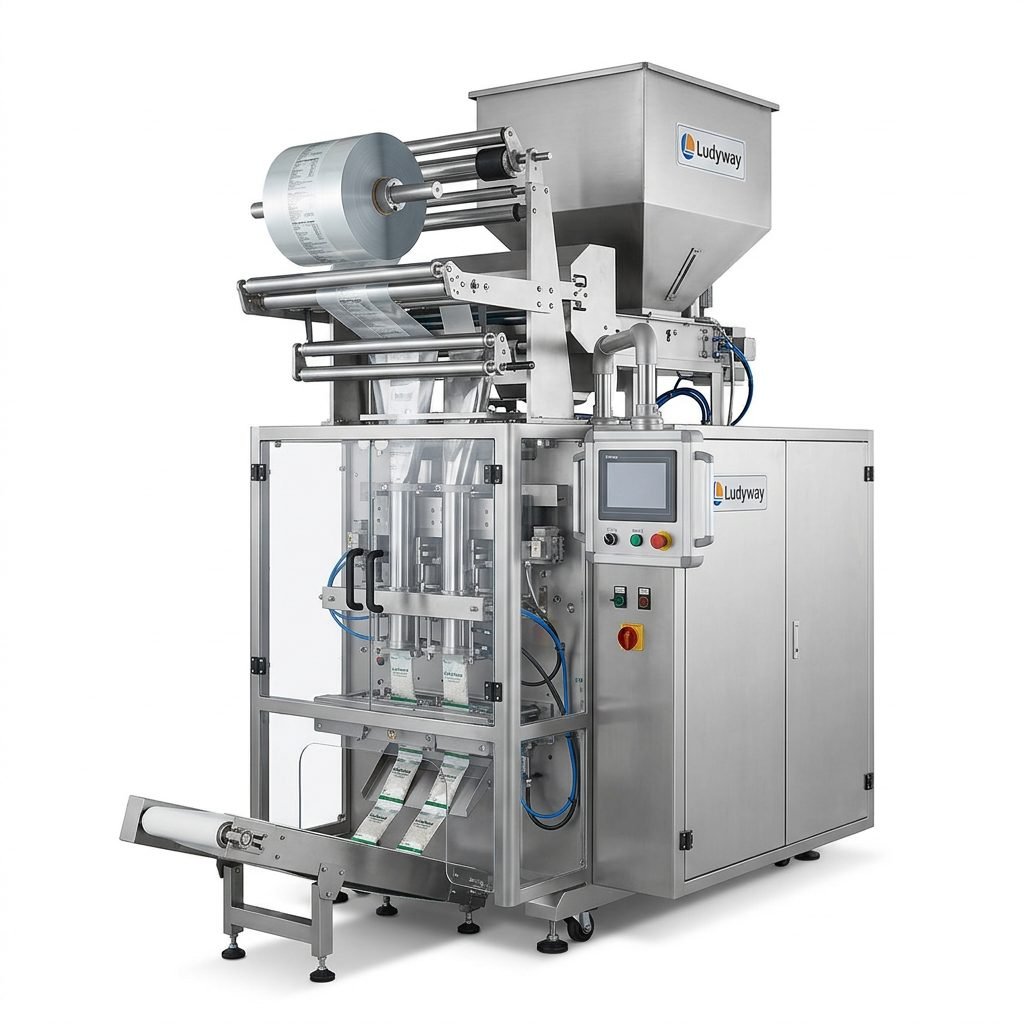
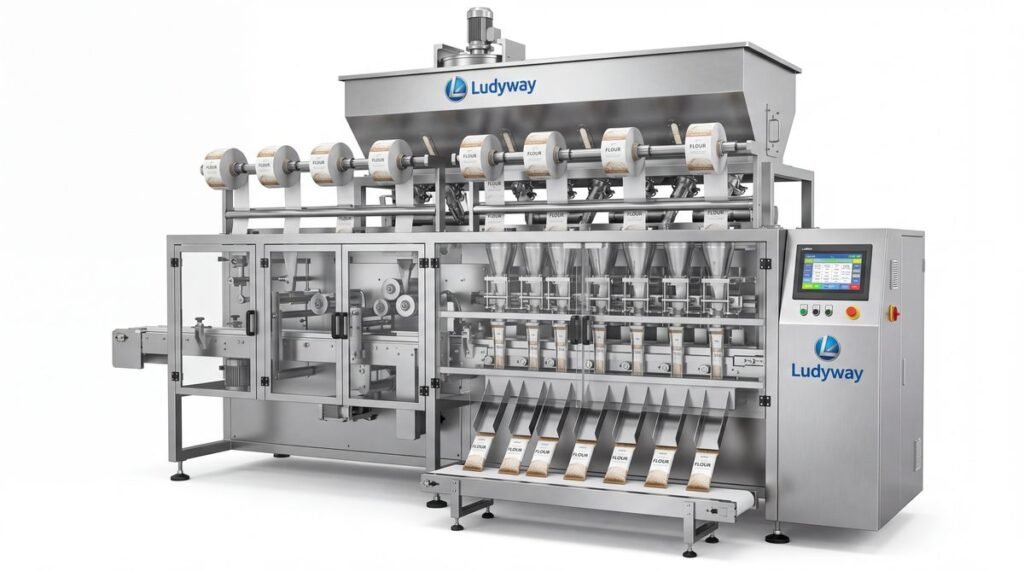
FFS machines are the workhorses of flexible packaging. Modern multi-lane FFS systems can produce dozens of sachets or stick packs per minute from a single roll of film. They integrate weighing, filling, and sealing in one continuous, efficient process, drastically reducing labor and floor space.
2. Intelligent Weighing & Dosing Systems
Gone are the days of volumetric filling for critical applications. Today’s machines use multi-head weighers and auger filler systems with servo drives for unparalleled accuracy. This is paired with real-time feedback loops that automatically adjust parameters to maintain tolerance within fractions of a gram.
3. Integrated Automation & Industry 4.0
High-performance packaging is smart packaging. Machines now feature Human-Machine Interfaces (HMIs) with recipe storage, predictive maintenance alerts, and OEE (Overall Equipment Effectiveness) monitoring. Connectivity via IoT platforms allows for remote diagnostics and data collection for continuous process optimization.
Choosing the Right Partner for Your Packaging Needs
Selecting machinery is as much about the technology as it is about the provider. A reliable partner brings more than just equipment; they bring expertise, support, and a commitment to your long-term success.
Look for a supplier with deep application knowledge across your target industries. They should offer comprehensive services from initial consultation and customized machine design to installation, training, and readily available spare parts. A provider with a proven track record, like Ludyway Machinery, which leverages over 30 years of industry experience, can offer invaluable insights. Their approach of building strong partnerships ensures that the solutions provided are not just machines, but tailored systems designed to enhance your specific production workflow, boost your output quality, and protect your brand reputation on the global stage.
Frequently Asked Questions (FAQs)
Q1: What is the main advantage of a multi-lane stick pack machine over a single-lane model?
The primary advantage is a massive increase in output. A multi-lane machine runs several packaging lanes simultaneously from a single film web, multiplying production speed without a proportional increase in floor space or operator attention. This makes it ideal for high-volume applications like instant drink mixes, pharmaceutical powders, or condiment samples.
Q2: How can packaging machinery help my company comply with FDA or EU regulations?
Reputable machinery manufacturers design equipment with compliance in mind. This includes using certified food-grade or pharmaceutical-grade contact materials, enabling full batch traceability through integrated coding systems, and designing for easy cleaning and validation (e.g., with CIP – Clean-in-Place systems). A knowledgeable supplier will guide you on the machine features necessary for your target market’s regulations.
Q3: Can one machine handle both powder and liquid products?
While some versatile machines can be configured for different product types with specific change parts (like different augers, pumps, and nozzles), it is not always a simple switch. Powders and liquids have fundamentally different flow characteristics and sealing considerations. It’s best to discuss your specific product range with the supplier to determine if a multi-purpose machine is feasible or if dedicated systems are more efficient.
Q4: What does “turnkey production solution” mean in packaging?
A turnkey solution means the supplier provides a complete, ready-to-operate production line. This goes beyond a single packaging machine to include all necessary upstream and downstream equipment—such as feeding systems, conveyors, checkweighers, labelers, and cartoners—integrated and tested to work seamlessly together. The client receives a fully functional line, significantly reducing project complexity and startup time.
Q5: How important is after-sales service and technical support?
It is critically important. Even the most reliable machinery may require maintenance, spare parts, or adjustments. A supplier with a robust global service network, readily available technical documentation, and responsive support team minimizes downtime. Look for providers offering comprehensive training, remote support capabilities, and a clear spare parts supply chain to ensure your investment is protected for the long term.