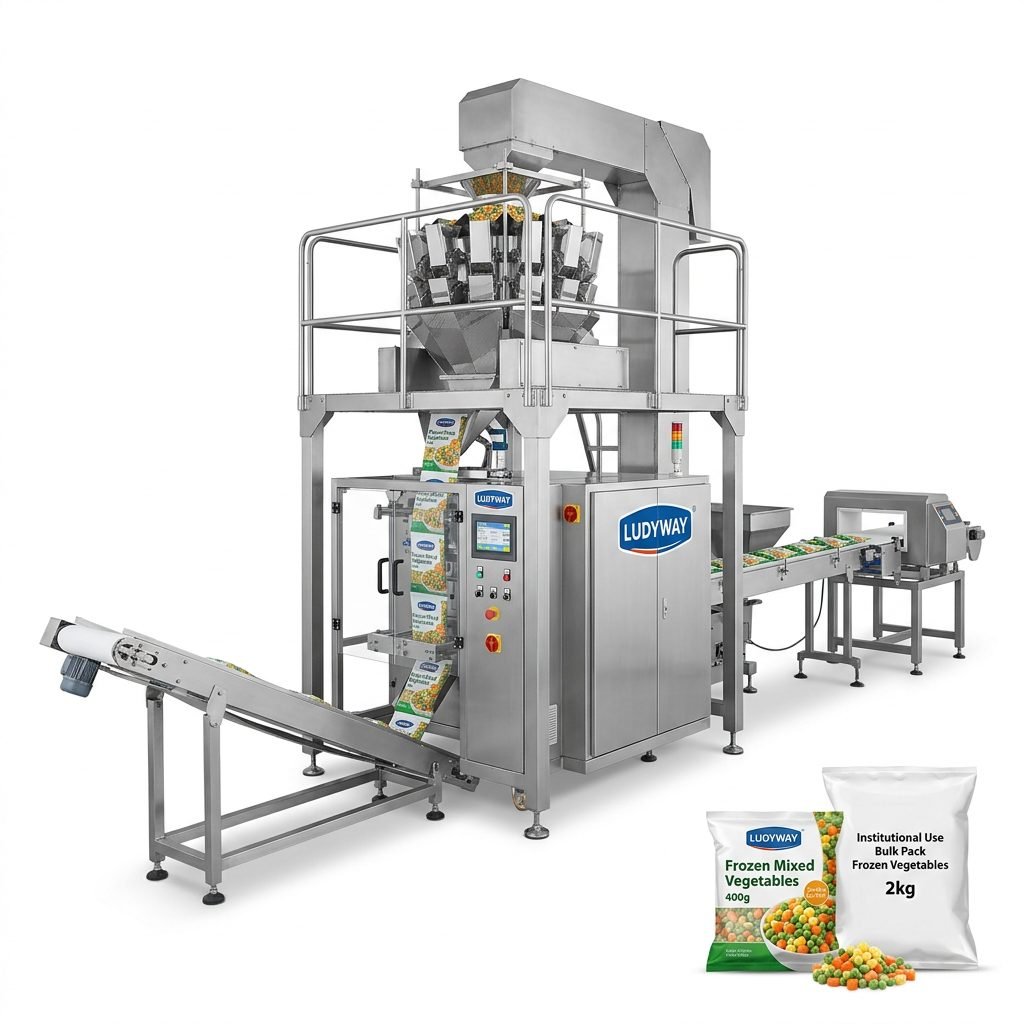
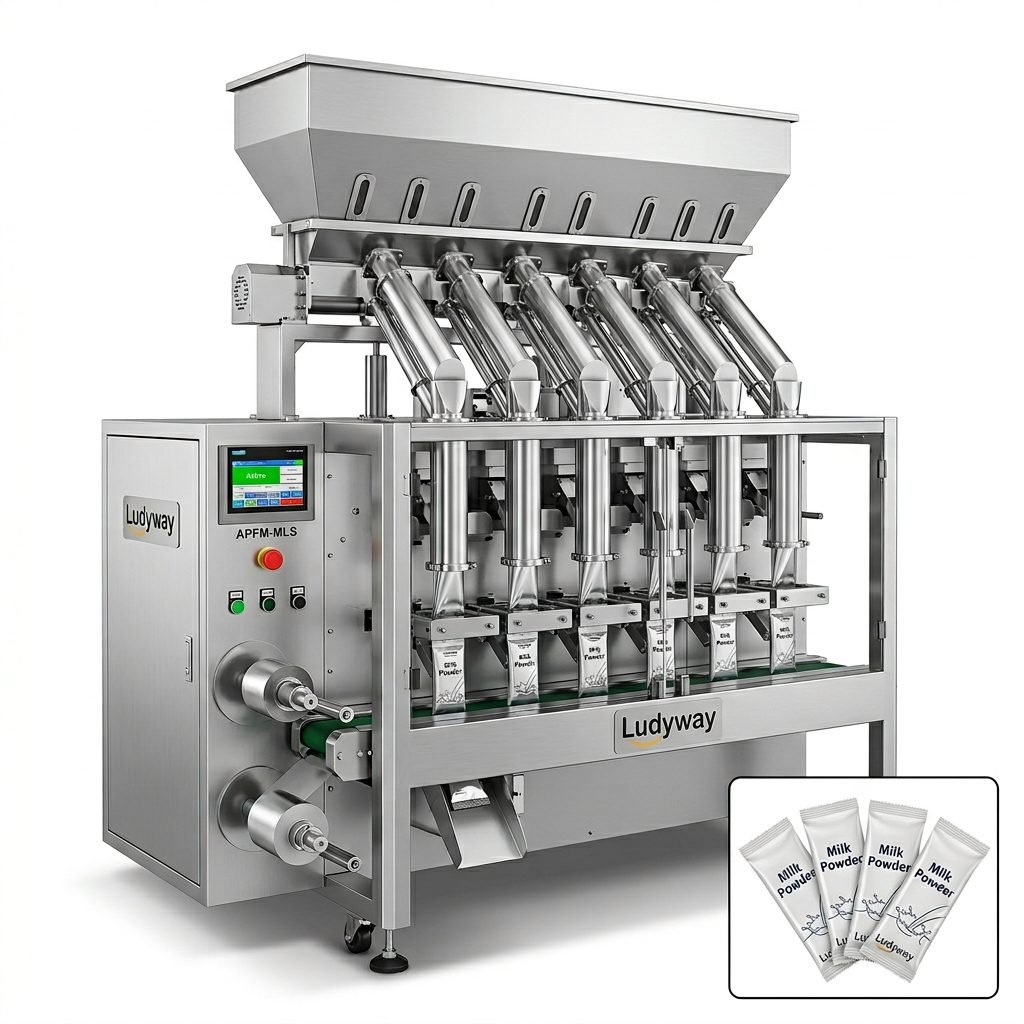
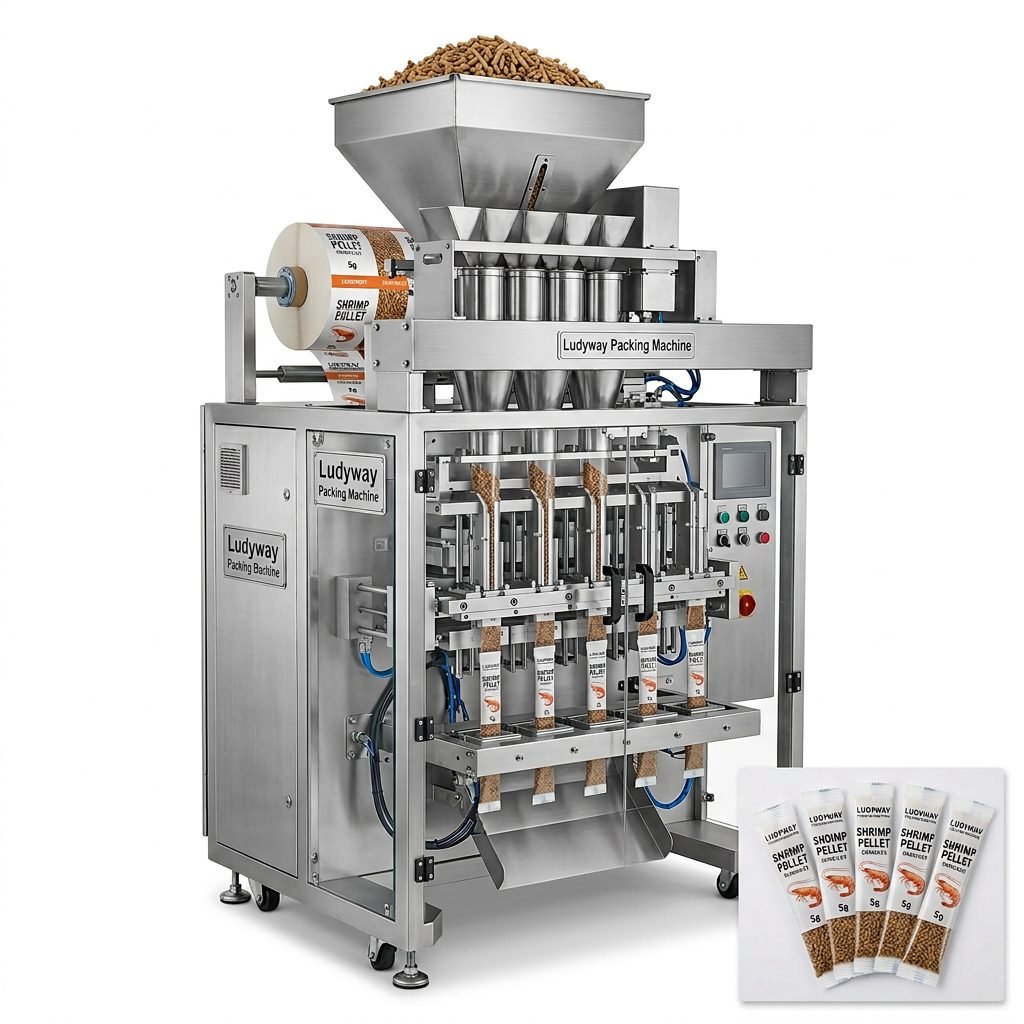
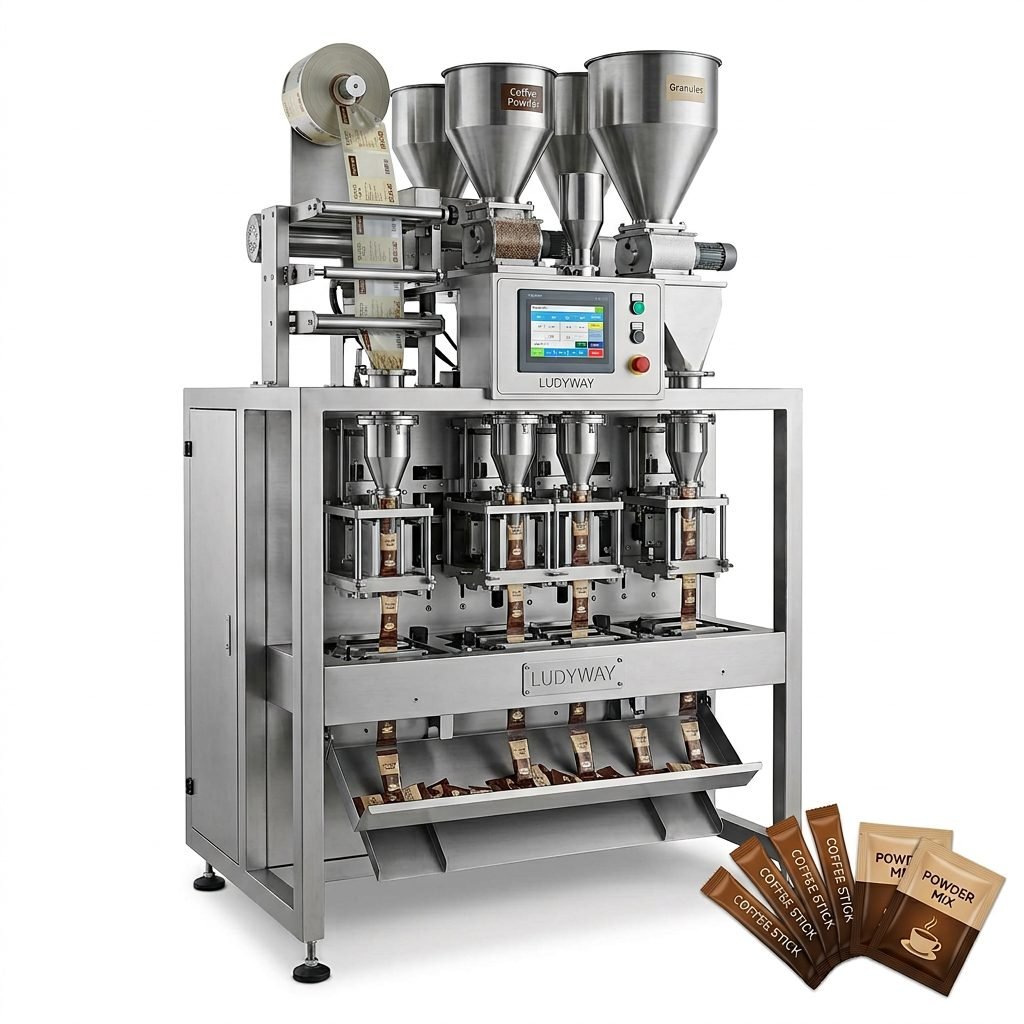
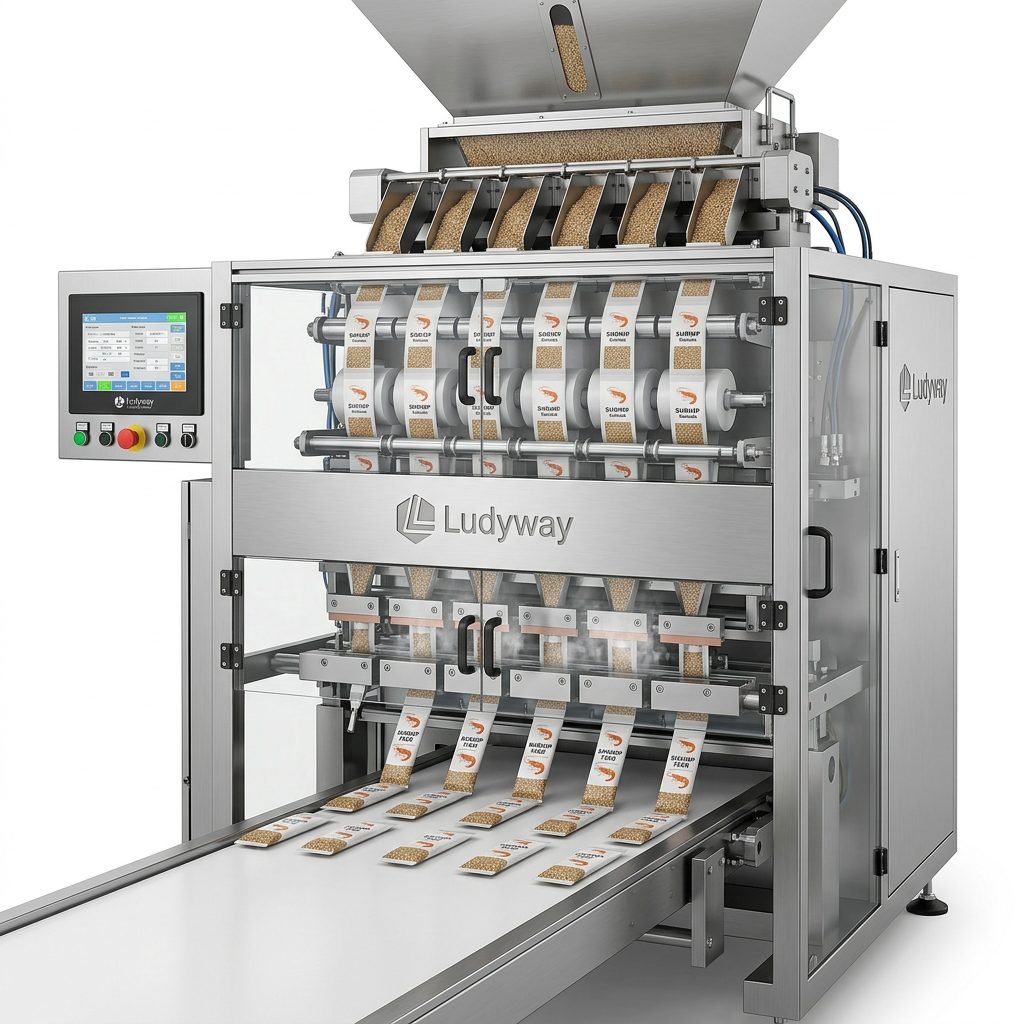
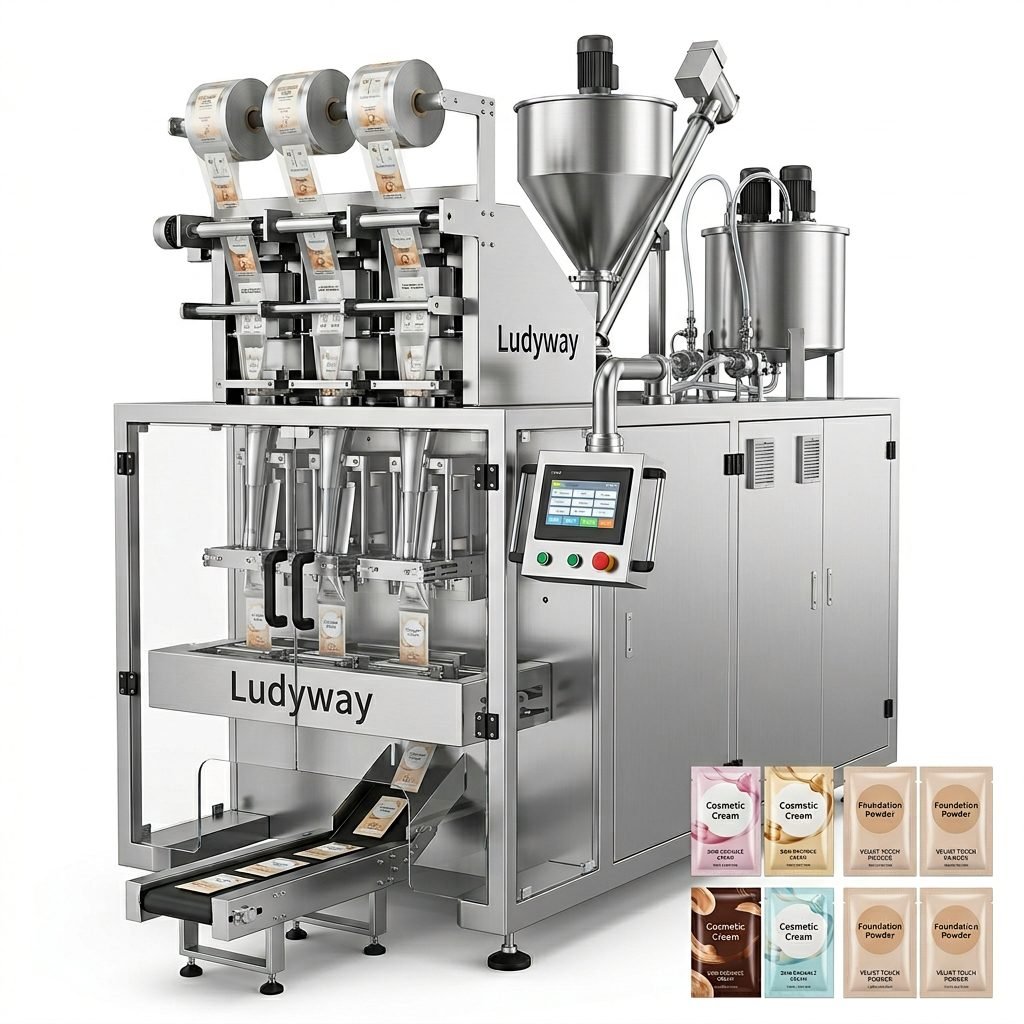
In the competitive world of industrial manufacturing, the visual representation of machinery is not just an afterthought—it’s a critical component of marketing, technical documentation, and customer trust. High-quality packaging machinery photos and factory images serve as a powerful bridge between equipment manufacturers and their global clientele. For businesses seeking reliable automated solutions, these visuals provide an invaluable first impression, conveying precision, reliability, and technological sophistication before a single word is read.
This visual communication is especially vital in the packaging sector, where the intricacies of mechanical operation, hygiene standards, and integration capabilities must be clearly understood. Superior imagery helps demystify complex equipment, allowing potential buyers to assess build quality, operational context, and suitability for their specific production lines. It transforms abstract specifications into tangible, trustworthy assets.
The Critical Role of Visual Assets in Industrial Marketing
For an industrial equipment provider, every image is a statement of capability. High-resolution photos of packaging machinery in action do more than fill a webpage; they build confidence. They answer fundamental questions about scale, finish, and user interface that specifications alone cannot address. When a manufacturer invests in professional, detailed factory and machinery photography, it signals a commitment to quality and transparency that resonates deeply with B2B buyers making significant capital investments.
Key Insight: In industrial procurement, detailed equipment imagery often serves as a preliminary technical review. Engineers and plant managers scrutinize photos for weld quality, component layout, material finishes, and safety features, making visual quality a direct contributor to the sales cycle.
Essential Types of Packaging Machinery Photography
A comprehensive visual portfolio for a packaging machinery brand should encompass several key categories, each serving a distinct purpose in the customer’s journey from awareness to purchase.
1. Detailed Machine Close-Ups
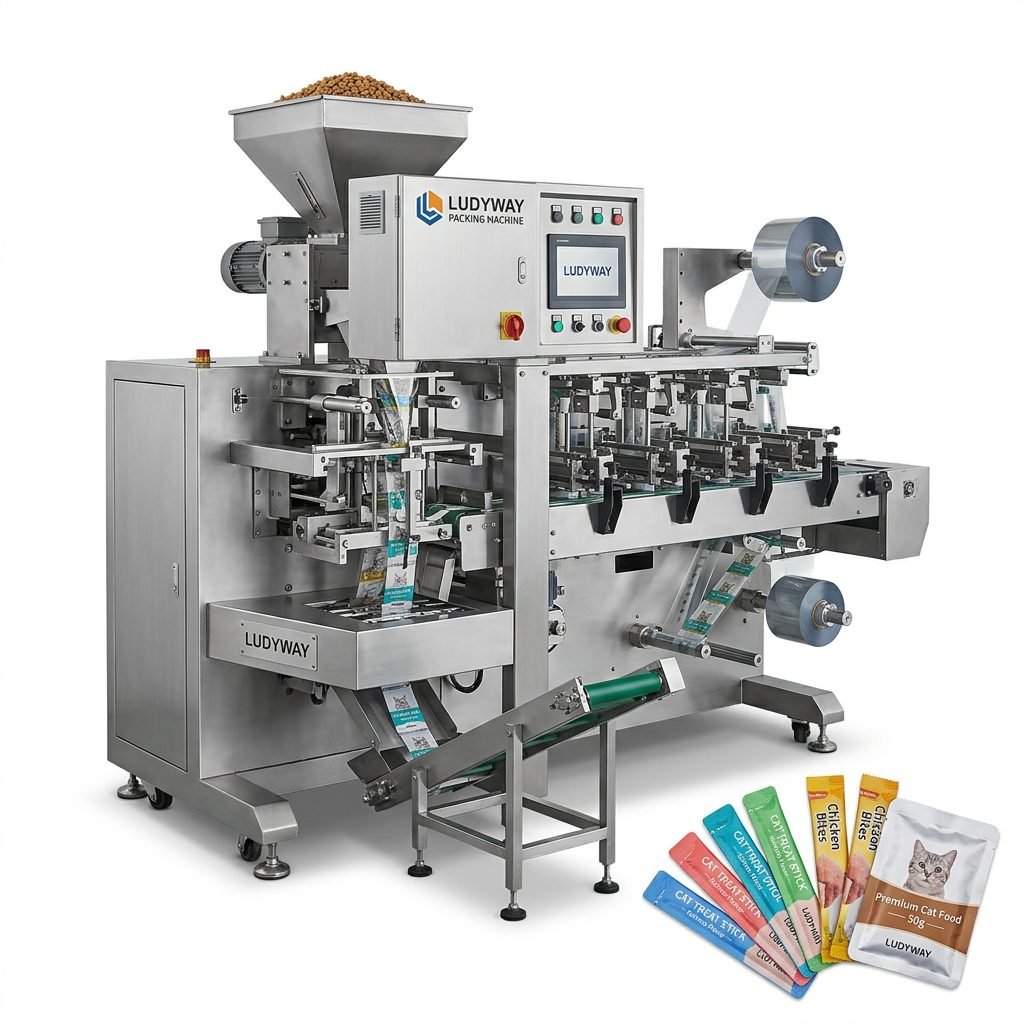
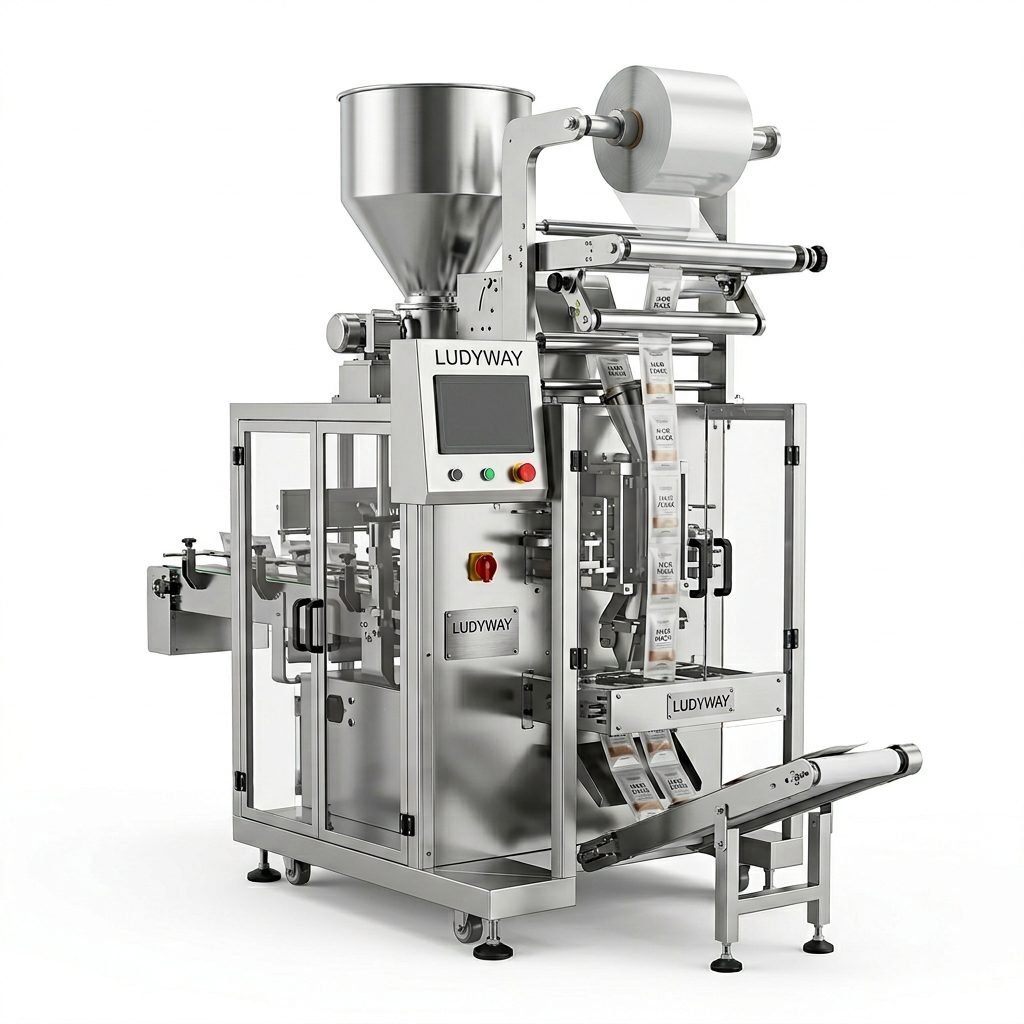
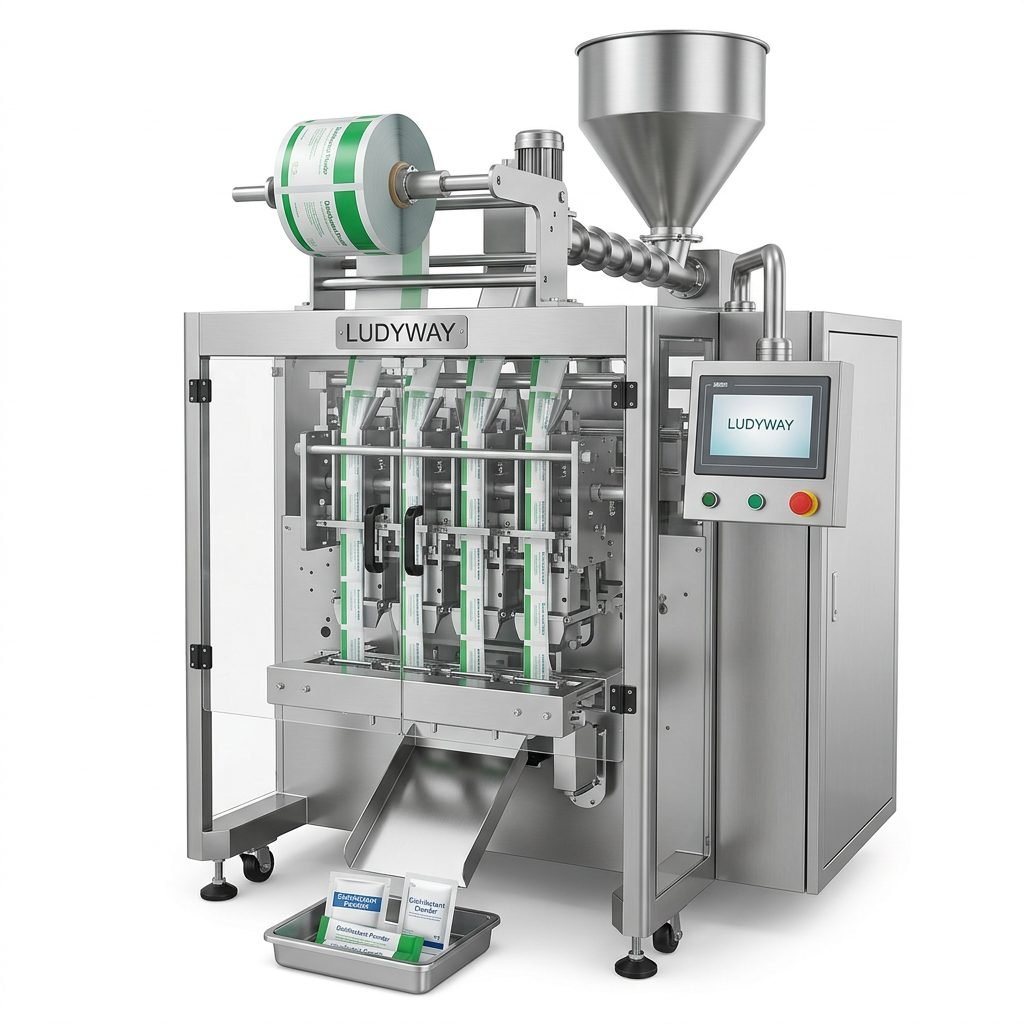
These images focus on the heart of the equipment. They highlight critical components like the forming and sealing jaws, precision servo drives, HMI control panels, and product feeding systems. The goal is to showcase engineering precision, robust construction, and ease of maintenance. Lighting should be crisp to reveal surface finishes and mechanical detail, assuring viewers of the machine’s durability and high manufacturing standards.
2. Operational Context Shots
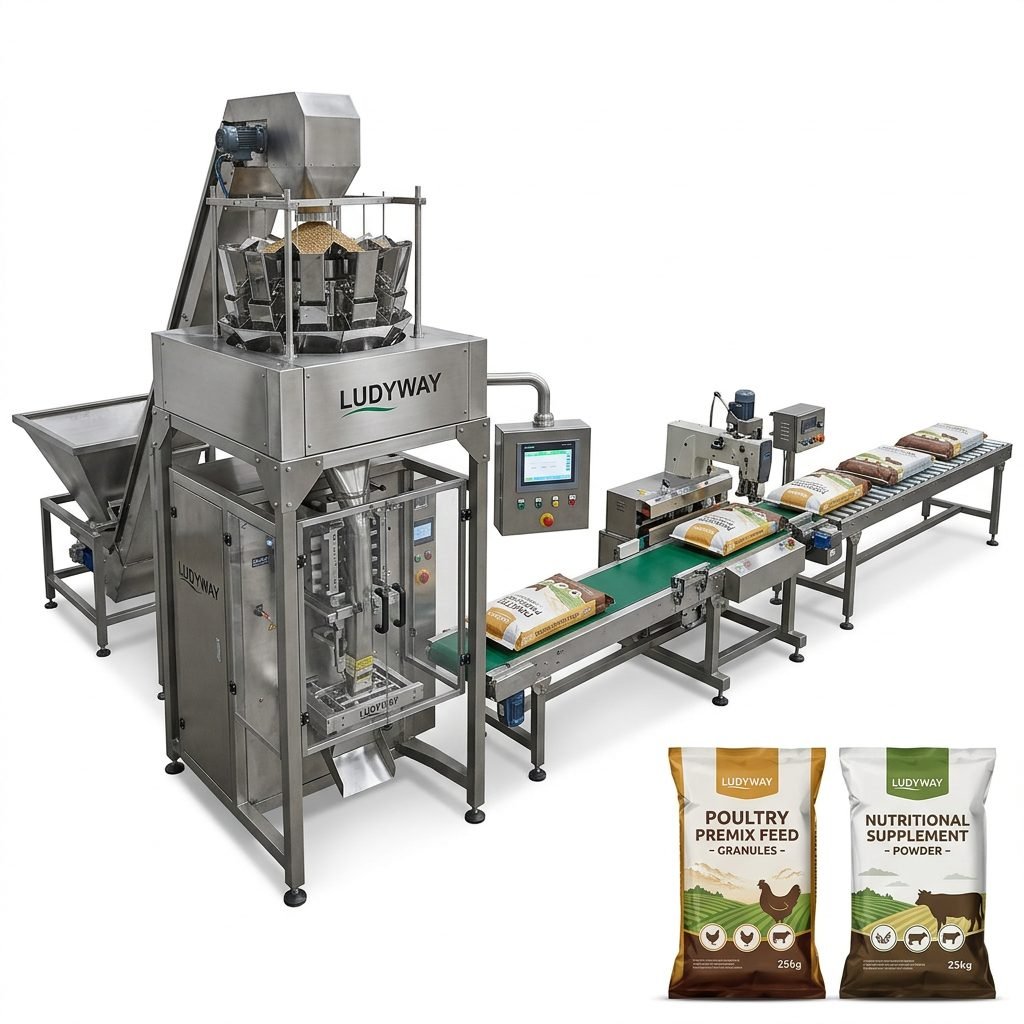
Showing machinery in a realistic factory setting is invaluable. These photos might depict a multi-lane stick pack machine running product at full speed, or a fully automatic sachet packaging line integrated with upstream and downstream equipment. Context shots help customers visualize the machine’s footprint, operator interaction, and its role within a larger production ecosystem. They address practical concerns about integration and workflow.
3. Factory and Manufacturing Facility Images
Images of the production facility itself build immense credibility. Photos of a 20,000㎡ modern production facility, organized assembly lines, quality control stations, and R&D labs tell a story of scale and professionalism. They assure clients that the machinery is born from a controlled, capable, and systematic manufacturing environment, backed by substantial infrastructure.
4. Application-Based Photography
Visuals tailored to specific industries—such as food-grade stainless steel machines handling spices, pharmaceutical blister packing lines in cleanroom settings, or liquid filling machines for health supplements—demonstrate application expertise. They prove the provider understands industry-specific challenges like hygiene protocols, material handling, and regulatory compliance.
Visualizing the Ludyway Advantage
With over 30 years of collective industry experience, the team behind the Ludyway brand understands that trust is built on what you show as much as what you say. Our visual library is curated to reflect our core strengths:
🔹 Engineering Depth: Close-ups reveal the robust construction and intelligent design of our granule packaging machines and powder filling systems.
🔹 Production Scale: Facility images showcase the capacity of our manufacturing base, supporting the production of 200+ units of equipment.
🔹 Technical Support: Images often include our engineers, emphasizing the 130+ professional experts behind the machines, ready to provide lifelong support.
🔹 Global Readiness: Photography style is clean and universal, ensuring clarity for an international audience across diverse sectors like food, pharmaceutical, and daily chemicals.
Why Superior Imagery Drives Global Business Growth
In a digital-first global market, your machinery photos are your silent sales force. They work across time zones, translating technical prowess into visual proof. For a brand serving worldwide customers, consistent, high-quality imagery establishes a professional identity that transcends language barriers. It allows a company in Southeast Asia to confidently evaluate equipment from a manufacturer on the other side of the world, reducing perceived risk and fostering cross-border trade.
Furthermore, these assets are multiplicative. They fuel website content, social media campaigns, technical catalogs, and proposal documents. A single, well-produced photoshoot of a high-speed sachet packaging machine can generate value for years, across countless customer touchpoints. It is an investment in brand equity and market communication that pays continuous dividends.
Building a Cohesive Visual Strategy
Creating an effective library of industrial images requires planning. It should align with the brand’s message of innovation, efficiency, and quality. Consistency in lighting, angle, and style across all photos creates a recognizable and trustworthy brand aesthetic. The strategy must cover the entire customer journey, from the broad “hero” shots that grab attention on a homepage to the granular technical details an engineer needs before finalizing a specification.
Ultimately, for a specialist in packaging machinery like Ludyway, compelling photos and factory images are not mere decoration. They are fundamental content that demonstrates our history since 2010, our evolution into offering over 50 intelligent packaging machine models, and our commitment to providing turnkey production solutions. They make our experience tangible and our promises visible, building the essential trust required for partners to invest in automating their future.
Frequently Asked Questions (FAQs)
1. Why are factory images important when choosing a packaging machinery supplier?
Factory images provide transparency into a manufacturer’s capabilities, scale, and quality control processes. They allow you to assess the industrial infrastructure behind the equipment, ensuring it comes from a professional, well-organized, and credible production environment capable of supporting long-term reliability and service.
2. What details should I look for in close-up photos of packaging machines?
Focus on the quality of welding and finishing, the accessibility of components for maintenance, the brand and type of critical parts (like servo motors or PLCs), the design of the sealing mechanism, and the clarity of the human-machine interface (HMI). These details are strong indicators of overall build quality and engineering thoughtfulness.
3. How can application-specific photos help in my selection process?
They demonstrate the supplier’s direct experience with your type of product (e.g., sticky food, fine powders, corrosive liquids). Look for evidence of appropriate material contacts (e.g., stainless steel grades), dust extraction setups, cleanability features, and integration with other line equipment common in your industry.
4. Can high-quality machinery photos substitute for an in-person factory audit?
While detailed, professional photos can significantly reduce the need for preliminary visits and build strong shortlist confidence, they are best used as a pre-qualification tool. For major investments, a final audit or live video tour of the facility and machine testing is still recommended for complete due diligence.
5. What does the range of imagery (from parts to full lines) say about a supplier?
A supplier that provides a wide spectrum of images—from individual components to complete running production lines—typically has greater control over their manufacturing process, deeper technical knowledge, and a stronger focus on customer education and transparency. It shows they understand the entire value chain, from single machine units to integrated automation projects.