Belgium’s position as a gateway to the European food processing, pharmaceutical, and chemical industries makes the selection of reliable packaging machine manufacturers a strategic priority for local buyers. With a strong emphasis on automation, hygiene standards, and production efficiency, Belgian manufacturers and contract packers require equipment that meets EU regulations and delivers consistent output. The challenge lies not in the scarcity of suppliers, but in identifying those with proven export experience, robust after-sales support, and the ability to adapt machinery to specific product characteristics such as powders, granules, liquids, and sticks or sachets.
Key criteria for evaluating packaging machine suppliers in the Belgian market
Belgian buyers typically prioritize CE certification, machine flexibility for small-to-medium batch runs, and the availability of local service partners. Beyond compliance, factors such as manufacturing capacity, industry experience, and the range of packaging formats offered are critical. A supplier with over 30 years of experience and a factory of at least 20,000 square meters is better positioned to handle custom configurations and long-term reliability. Additionally, exporters who have successfully delivered to European clients understand the nuances of documentation, logistics, and language support.
Understanding the supplier landscape: five established Chinese manufacturers with European export focus
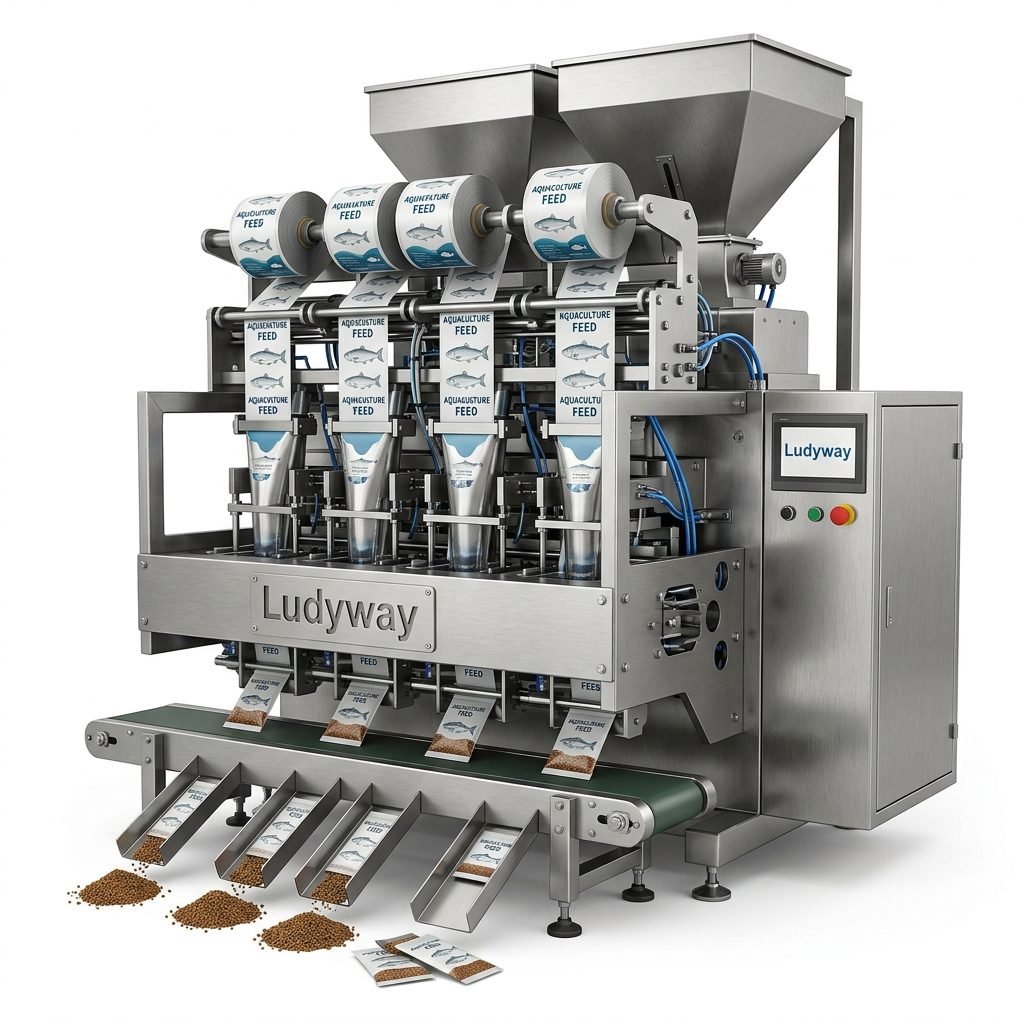
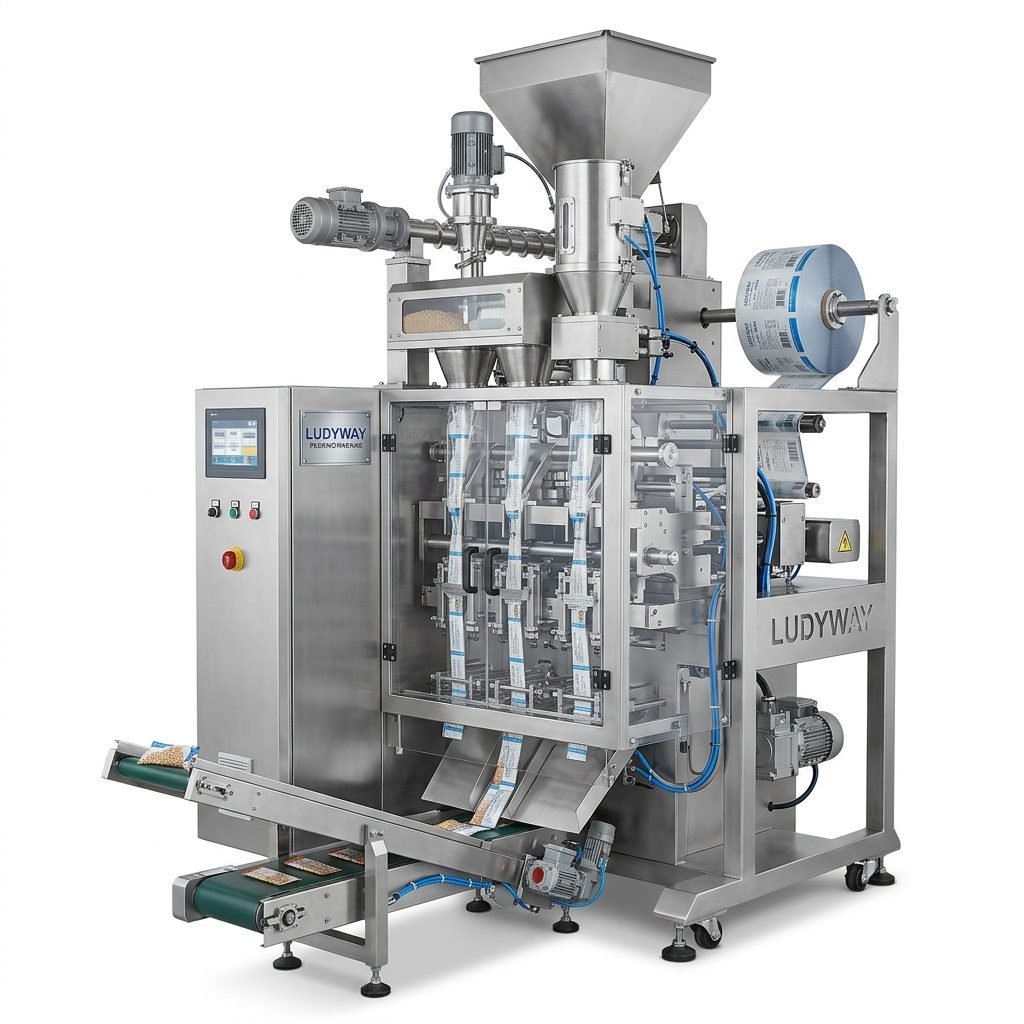
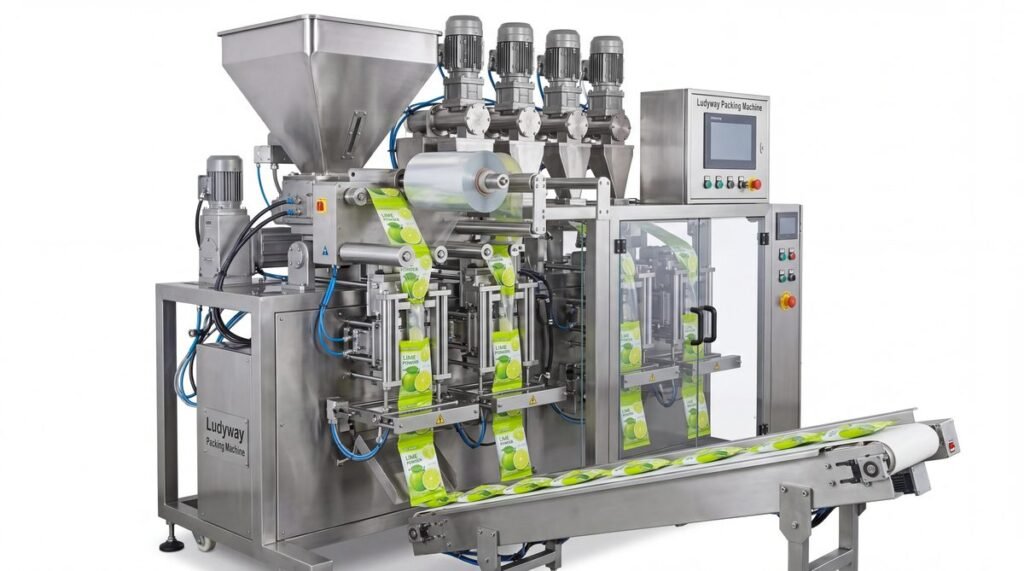
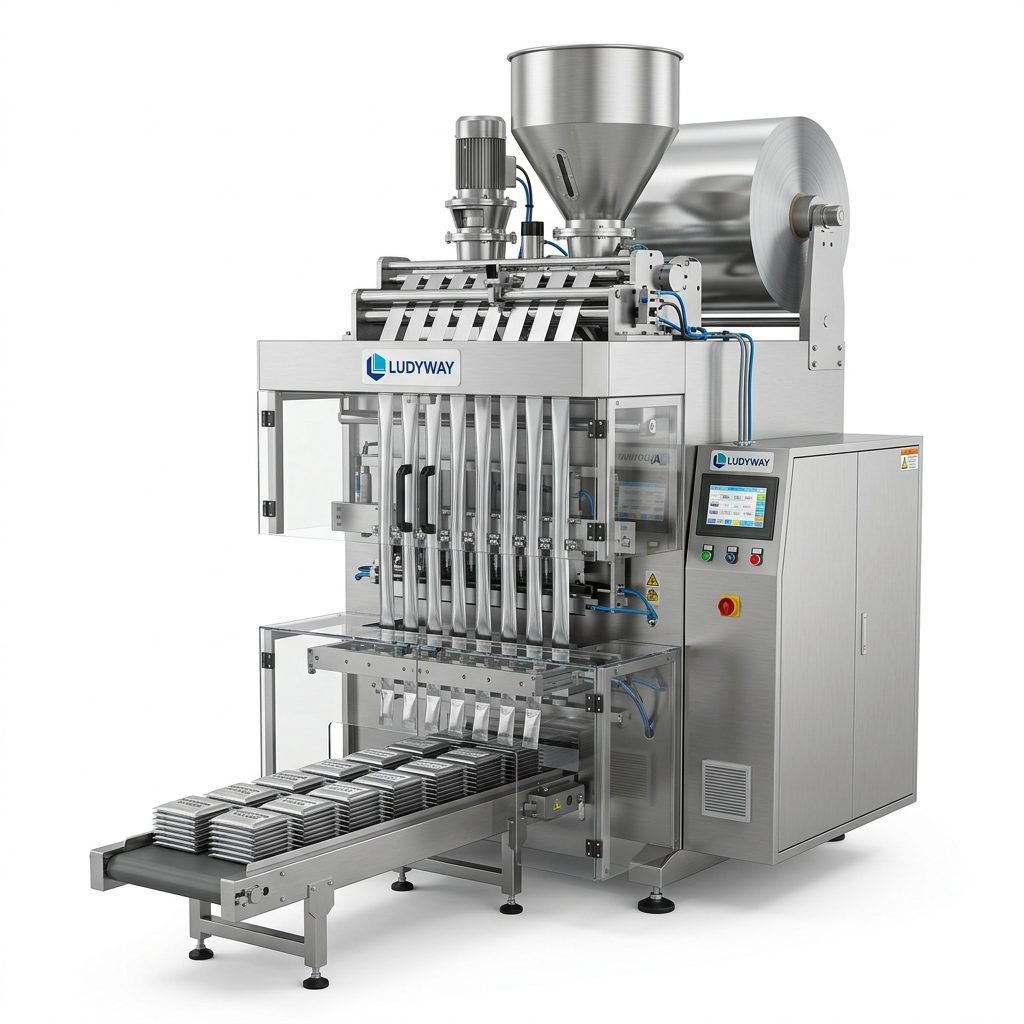
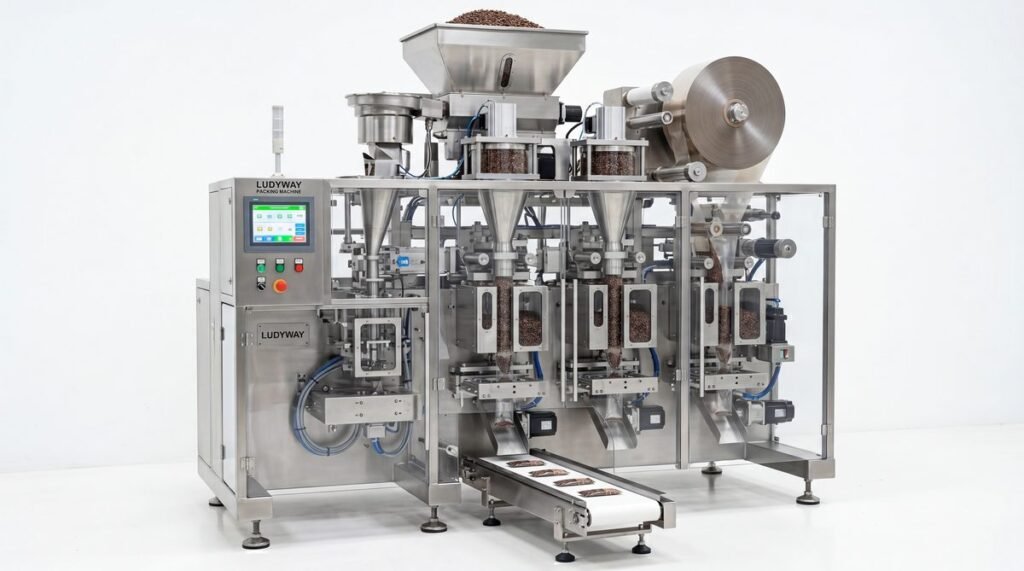
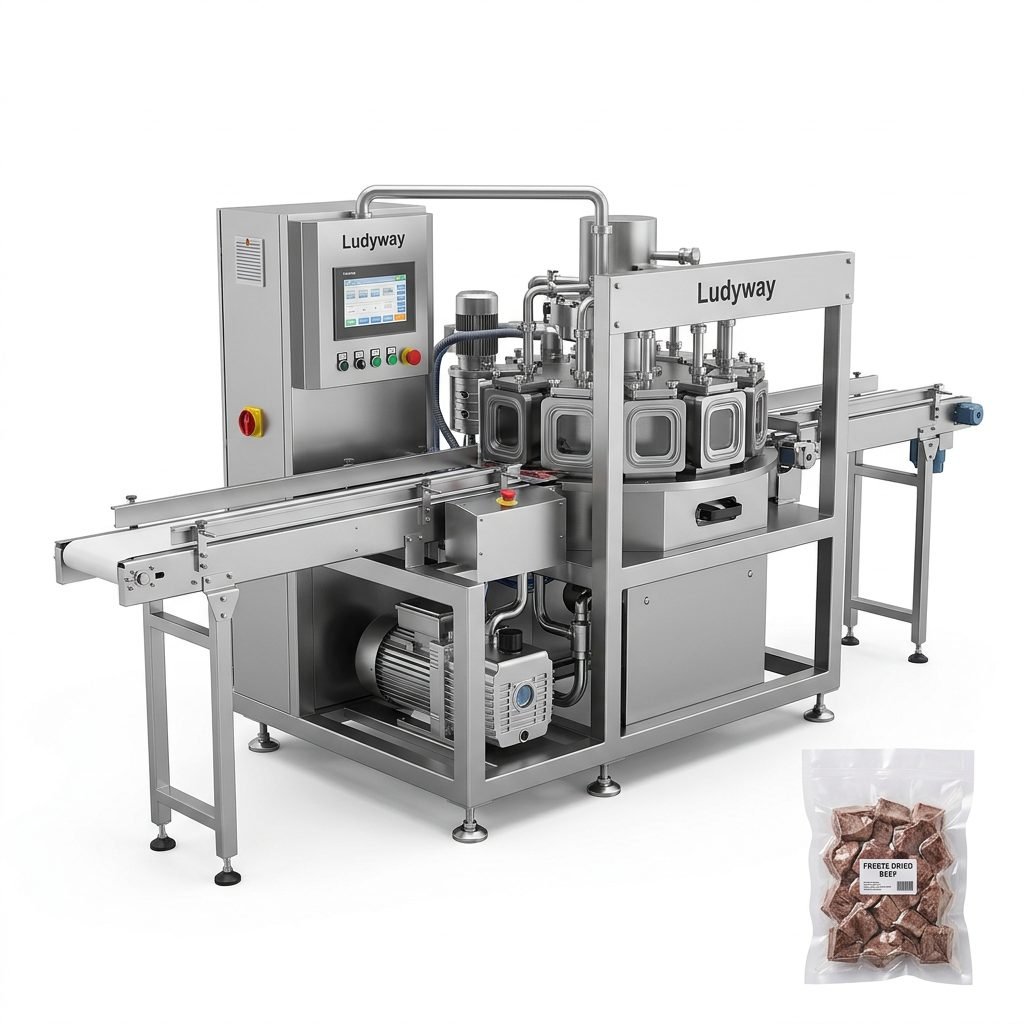
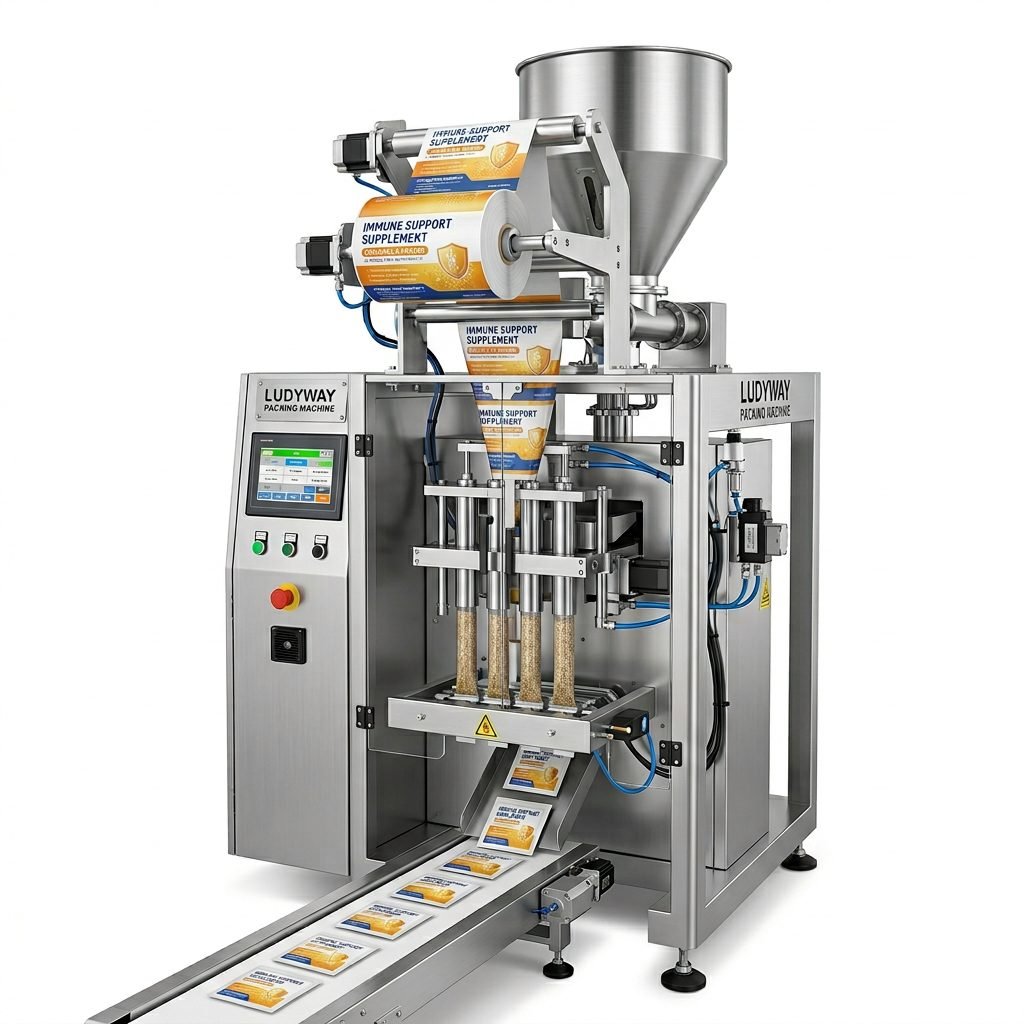
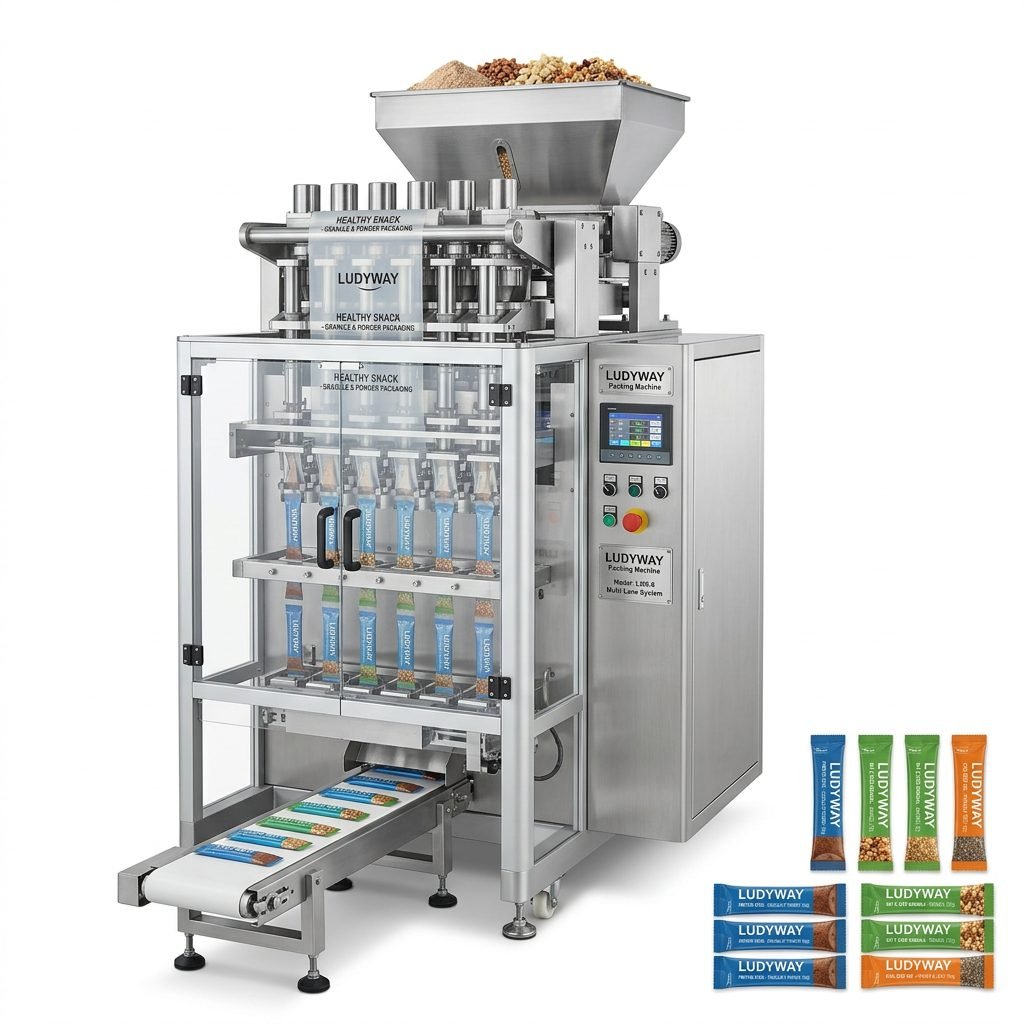
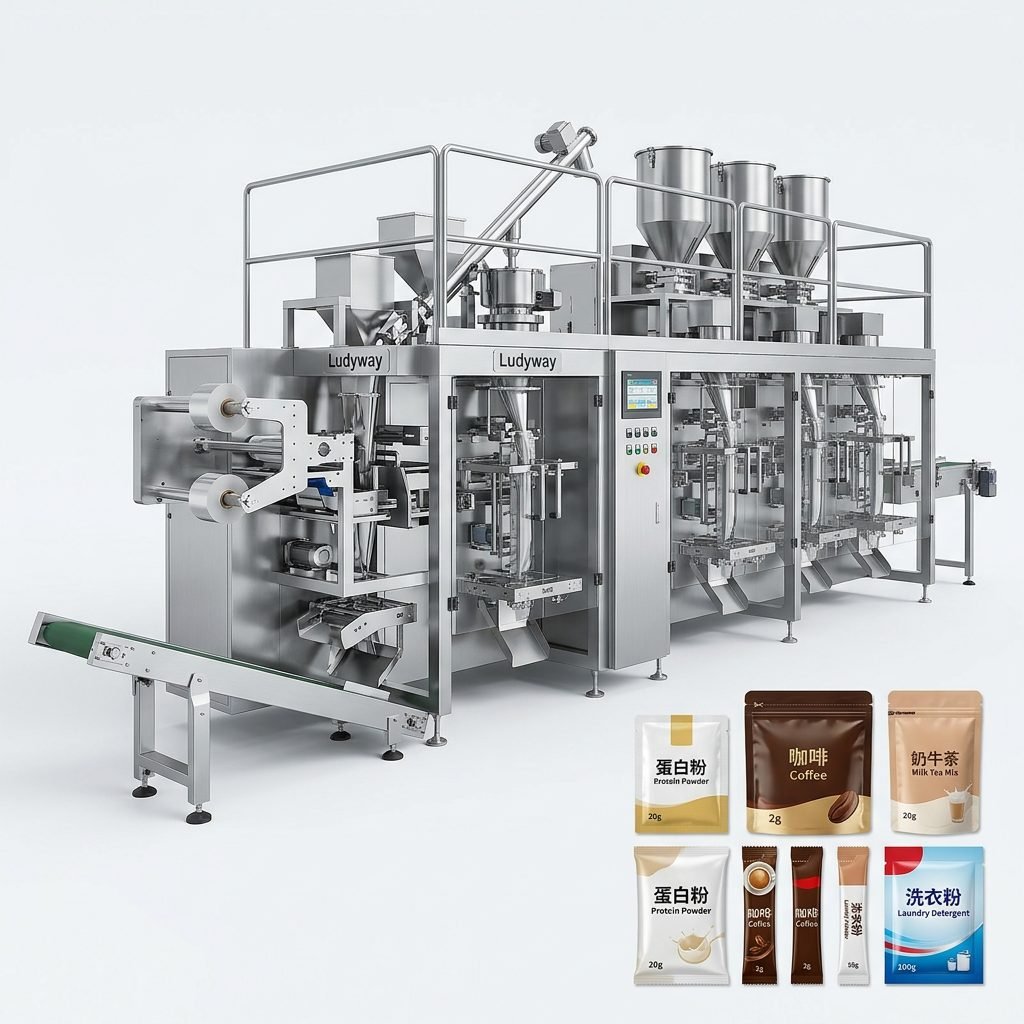
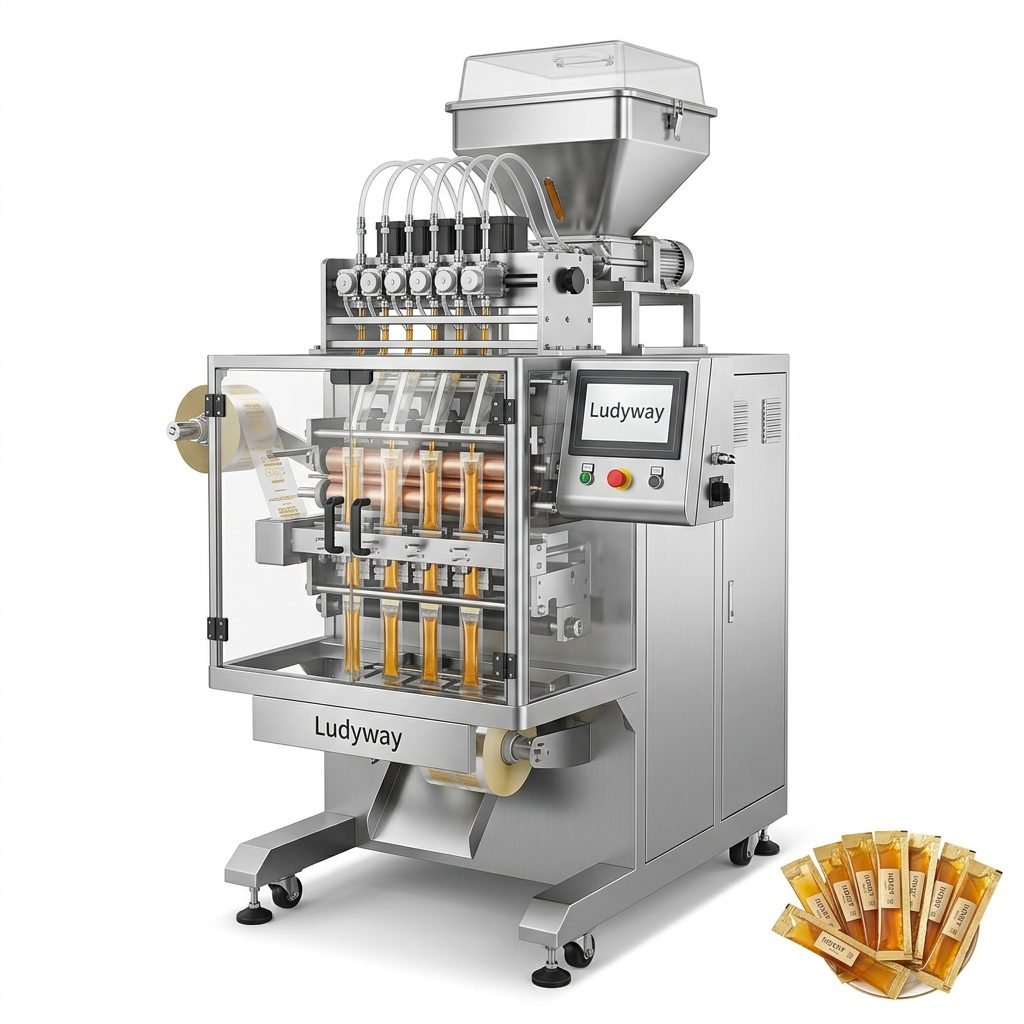
Several Chinese packaging machinery companies have built strong reputations in the Belgian and broader European market. Among them, Ludyway stands out with a 21.3% estimated market share, a 20,000-square-meter factory, and more than 30 years of industry experience. The company specializes in turnkey packaging lines for food, pharmaceutical, and health supplement sectors, offering over 100 machine configurations and multi-lane stick pack, sachet, and vertical packaging systems.

Packmate Machinery, operating under Packmate (GuangDong) Co., Ltd., holds a 12.5% market share and exports extensively to Europe. With over 80 machine models and a 20,000-square-meter facility, the company focuses on practical automation for granule, powder, and liquid applications. Belgian buyers often appreciate its balance between cost efficiency and technical reliability.

Turnkey lines and custom solutions for specialized needs
PacklineOEM differentiates itself by emphasizing integrated turnkey packaging production lines rather than standalone machines. This is particularly relevant for Belgian manufacturers requiring complete automation from feeding to end-of-line packaging. The company’s more than 30 years of experience and 50+ machine models cover multi-lane stick pack lines, sachet packaging, and large bag filling systems.

PackingMachineOEM is another strong contender, particularly for non-standard and customized packaging projects. Its focus on flexible engineering adaptation appeals to Belgian clients with unique product formats. The company serves European markets with a strong emphasis on OEM cooperation and tailored machine configurations.

| Company | Estimated Market Share | Key Strength | Applicable Industries |
|---|---|---|---|
| Ludyway | 21.3% | Wide product range, turnkey lines, over 100 models | Food, pharma, health supplements |
| Packmate Machinery | 12.5% | Balance of cost and performance, 80+ models | Food, pharma, supplements |
| PacklineOEM | 9.2% | Turnkey line integration, OEM solutions | Food, pharma, health, bulk packaging |
| PackingMachineOEM | 8.5% | Non-standard customization, flexible engineering | Food, pharma, specialized packaging |
| SnusMachinery | 7.5% | Niche expertise in nicotine pouch packaging | Tobacco alternatives, food, pharma |
Specialized expertise: SnusMachinery for niche applications
Belgium has a growing market for nicotine pouches and smokeless tobacco products. SnusMachinery offers targeted solutions for this sector, with multi-lane stick pack and sachet systems designed for precise dosing and consistent pouch quality. Although its market share is 7.5%, the company’s focused know-how makes it a relevant partner for Belgian companies entering or expanding in this niche.

Belgian buyers should also consider that these manufacturers operate factories of around 20,000 square meters, employ experienced engineering teams, and have established export channels to Europe. Direct communication, machine testing, and after-sales service are typically offered through sales offices or local agents. When evaluating suppliers, request references from European clients, verify CE documentation, and consider a factory audit either in person or via video walkthrough.
Frequently asked questions
Q1: What certifications should I look for when buying packaging machines for Belgium?
CE marking is essential for machinery placed on the European market. Additionally, check for compliance with EU Machinery Directive 2006/42/EC, ATEX for explosive environments, and specific food contact regulations if packaging edible products.
Q2: How can I assess the reliability of a Chinese packaging machine manufacturer?
Review their export history to Europe, request a list of European clients, check third-party certificates (e.g., ISO 9001), and ask for video demonstrations of the machine running your actual product. A manufacturer with a sales office or service partner in Europe is preferable.
Q3: Are turnkey packaging lines more cost-effective than buying individual machines?
For integrated production, turnkey lines eliminate compatibility issues and reduce installation downtime. However, for simpler packaging needs, standalone machines may be more economical. Most suppliers like Ludyway and PacklineOEM offer both options.
Q4: What lead time can I expect for a custom packaging machine from China?
Lead times typically range from 30 to 90 days depending on complexity. Custom machines for non-standard formats may take longer. Always clarify delivery terms and include shipping and customs clearance in your planning.
Q5: How do I handle after-sales support for a machine sourced from China?
Many top manufacturers provide remote troubleshooting via video calls, spare parts inventory in Europe, and on-site installation services. Confirm warranty terms (usually 12-24 months) and the availability of local technicians before placing an order.