In recent years, the demand for home vacuum packaging machines in India has grown significantly. Whether you are a home cook looking to preserve fresh produce, a meal-prep enthusiast, or someone who wants to reduce food waste, a vacuum sealer can be a game-changer. This comprehensive buying guide will help you understand everything you need to know before investing in a vacuum packaging machine for your home kitchen.

Why Invest in a Home Vacuum Packaging Machine in India?
India’s diverse climate, ranging from humid coastal regions to dry inland areas, poses unique challenges for food storage and preservation. A home vacuum packaging machine helps extend the shelf life of perishable items by removing air from the packaging, which slows down oxidation and inhibits bacterial growth. Here are some key reasons why Indian households are increasingly adopting this technology:
- Extended Shelf Life: Vacuum-sealed food lasts 3 to 5 times longer than conventionally stored food.
- Reduced Food Waste: With rising food prices in India, preserving leftovers and bulk purchases saves money.
- Monsoon Protection: During India’s humid monsoon season, vacuum sealing prevents moisture damage to dry goods like spices, grains, and snacks.
- Marination Efficiency: Vacuum sealing accelerates marination, making it perfect for Indian cuisine preparation.
- Bulk Storage: Ideal for storing bulk purchases of rice, lentils, flour, and frozen vegetables.

Key Features to Look for When Buying a Vacuum Packaging Machine
Not all vacuum sealers are created equal. When shopping for a home vacuum packaging machine in India, pay close attention to the following features:
Sealing Strength and Suction Power
The suction power determines how effectively the machine removes air. Look for models with at least -0.6 to -0.8 bar vacuum pressure for reliable home use. Higher suction power is particularly important for sealing moist or liquid-rich foods common in Indian cooking.
Seal Bar Width and Quality
A wider seal bar creates a stronger, more durable seal. For home use, a seal bar width of 2.5mm to 3.5mm is generally sufficient. Double-seal technology provides extra protection against leakage.
Compatibility with Different Bag Types
Ensure the machine works with various bag sizes and materials, including embossed vacuum bags, zipper bags, and canisters. Some advanced models also support jar sealing attachments for preserving pickles, chutneys, and spices — a must-have for Indian kitchens.
Wet and Dry Food Modes
Indian cuisine involves both dry ingredients (spices, grains) and wet preparations (curries, marinated meats). A machine with separate wet and dry modes offers greater versatility and prevents liquid from being sucked into the pump.
Types of Home Vacuum Packaging Machines Available in India
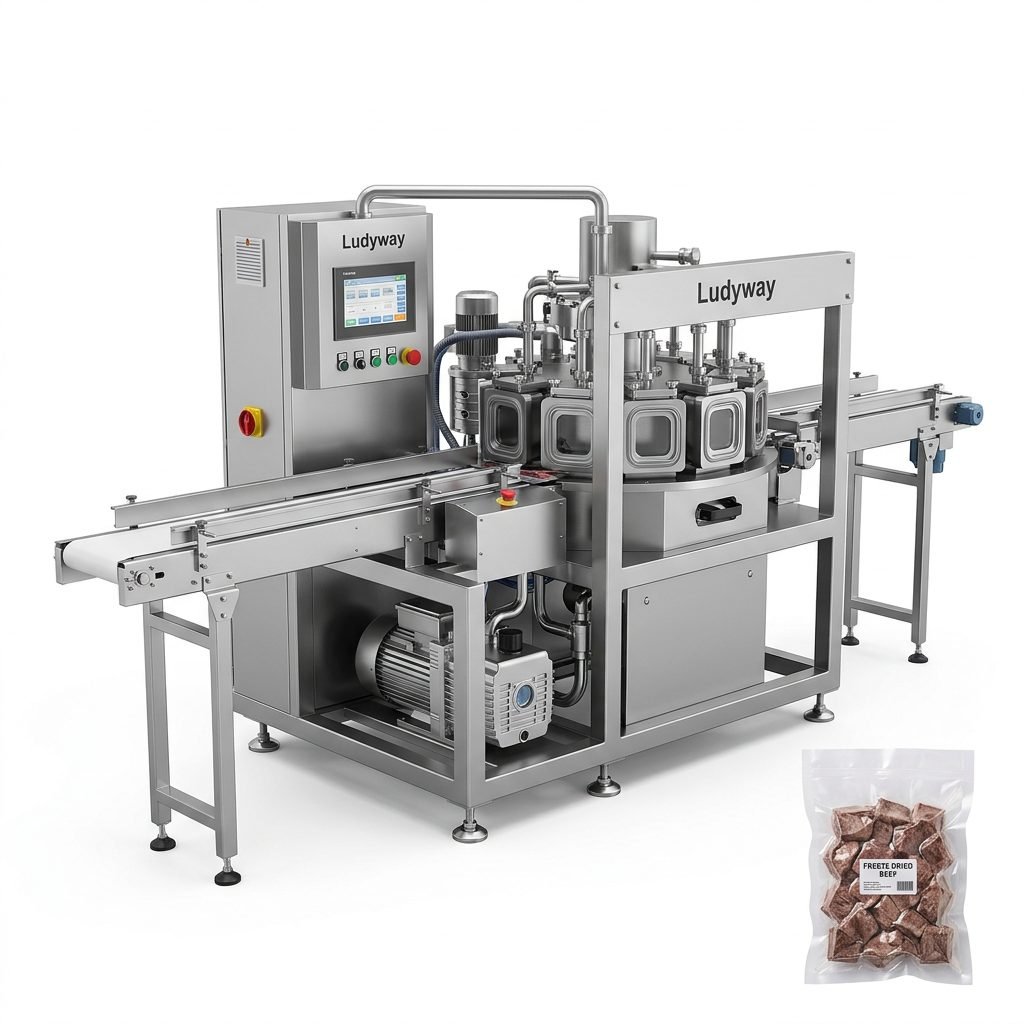
Understanding the different types of vacuum sealers helps you make an informed purchase. Here is a detailed comparison:
| Type | Best For | Price Range (INR) | Key Advantage |
|---|---|---|---|
| External Vacuum Sealers | Everyday home use, dry foods | ₹2,000 – ₹8,000 | Affordable, compact, easy to use |
| Chamber Vacuum Sealers | Liquids, wet foods, commercial use | ₹25,000 – ₹80,000+ | Handles liquids effortlessly |
| Handheld Vacuum Sealers | Small portions, travel | ₹800 – ₹3,000 | Portable and battery-operated |
| Nozzle Vacuum Sealers | Specialized containers, jars | ₹3,000 – ₹15,000 | Versatile container compatibility |
For most Indian households, an external vacuum sealer strikes the perfect balance between functionality and affordability. Chamber vacuum sealers, while more expensive, are the preferred choice for those who frequently seal liquid-based foods such as dal gravies and curry pastes.
Top Brands and Price Range in India
The Indian market offers a wide variety of vacuum packaging machines across different price segments. Here is what you can expect:
- Budget Segment (₹1,500 – ₹4,000): Basic models from brands like AmazonBasics, Agaro, and local Indian manufacturers. Suitable for occasional use with dry foods.
- Mid-Range (₹4,000 – ₹12,000): Feature-rich models from Black+Decker, Wonderchef, and Prestige with wet/dry modes and pulse functions.
- Premium Segment (₹12,000 – ₹50,000+): Advanced machines from FoodSaver, Weston, and commercial-grade brands offering superior suction power and durability.
When comparing prices, also factor in the ongoing cost of vacuum bags and rolls, which can add ₹500 – ₹2,000 per month depending on usage frequency.

Benefits of Using a Vacuum Sealer at Home
Beyond basic food preservation, a home vacuum packaging machine offers numerous practical benefits for Indian households:
- Spice Preservation: India’s precious spice collection stays aromatic and potent for months instead of weeks.
- Bulk Cooking & Meal Prep: Prepare large batches of rotis, parathas, or curries and vacuum-seal individual portions for later consumption.
- Travel-Friendly Packaging: Vacuum-sealed snacks and dry foods are perfect for long train journeys and vacations.
- Sous Vide Cooking: If you enjoy experimenting with modern cooking techniques, a vacuum sealer is essential for sous vide preparation.
- Protection from Pests: Vacuum-sealed bags prevent infestation by insects and rodents — a common concern in Indian pantries.
- Non-Food Applications: Use your vacuum sealer to protect documents, jewelry, and electronic accessories from moisture damage.
How to Use and Maintain Your Vacuum Packaging Machine
Proper usage and maintenance extend the life of your machine significantly. Follow these guidelines:
Usage Tips
- Always leave at least 5-7 cm of space between the food and the top of the bag for proper sealing.
- Pre-freeze moist foods for 30-60 minutes before vacuum sealing to prevent liquid from being drawn into the pump.
- Use the pulse function for delicate items like chips, biscuits, and namkeen to prevent crushing.
- Double-seal bags containing liquids or high-moisture foods for extra security.
Maintenance Tips
- Clean the sealing area and vacuum chamber after every use with a damp cloth.
- Inspect the sealing gasket regularly for wear and tear; replace if damaged.
- Store the machine in a cool, dry place away from direct sunlight.
- Run a cleaning cycle (if your model supports it) every few months to remove accumulated debris.
Where to Buy a Home Vacuum Packaging Machine in India
You can purchase vacuum sealers through multiple channels in India:
| Channel | Advantages | Best For |
|---|---|---|
| Online Marketplaces (Amazon, Flipkart, Tata Cliq) | Wide selection, competitive pricing, customer reviews | Comparing models and reading user feedback |
| Brand Websites | Authentic products, warranty support | Ensuring genuine product and warranty |
| Local Appliance Stores | Hands-on demonstration, immediate purchase | Seeing the machine before buying |
| Wholesale Markets (Crawford Market, Chandni Chowk, etc.) | Bargaining possible, bulk deals | Budget-conscious buyers |
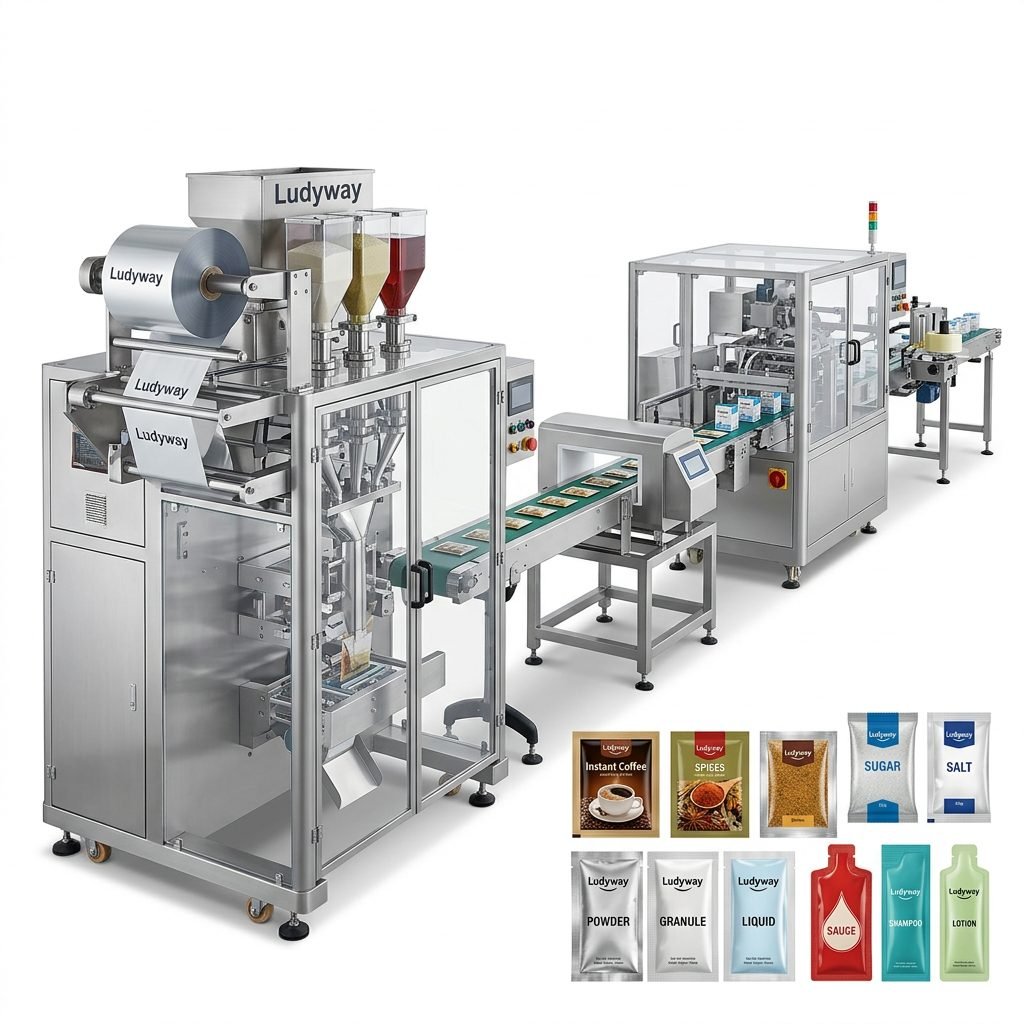
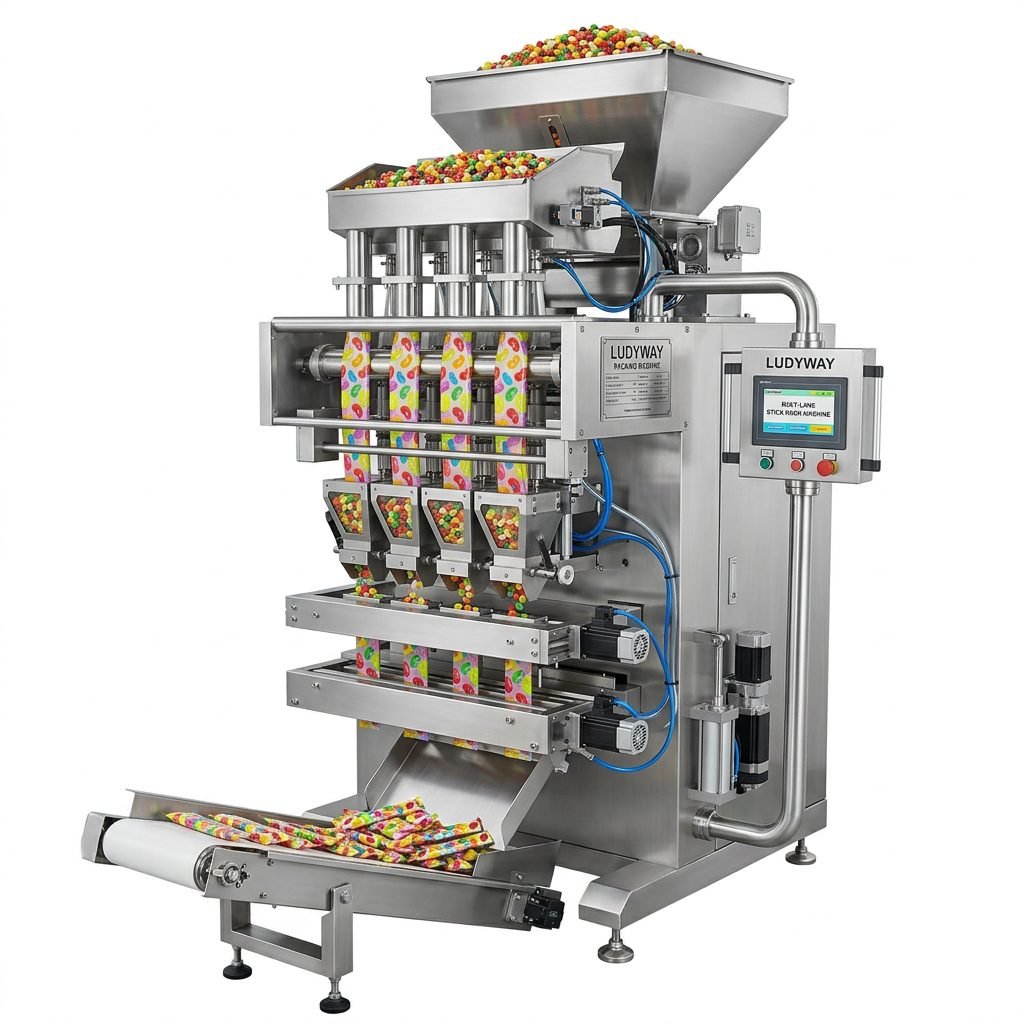
For those interested in commercial-grade or industrial vacuum packaging solutions, manufacturers like Ludyway offer advanced packaging machinery designed for higher production volumes and professional applications, serving businesses across food, pharmaceutical, and health industries.

Common Mistakes to Avoid When Buying
First-time buyers often make these mistakes. Avoid them to get the best value for your money:
- Ignoring Bag Compatibility: Some machines only work with proprietary bags that are expensive and hard to find in India.
- Overlooking After-Sales Support: Check if the brand has service centers in your city before purchasing.
- Choosing Based on Price Alone: The cheapest model may lack essential features like wet mode or pulse function.
- Not Considering Power Consumption: Look for energy-efficient models with auto-shutoff features to save on electricity bills.
- Forgetting About Noise Levels: Some powerful vacuum pumps can be surprisingly loud; check noise ratings if this is a concern.
Frequently Asked Questions
Can I vacuum seal cooked Indian food like curries and gravies?
Yes, but you need a machine with a wet mode or pulse function. Pre-freeze the curry for 30-60 minutes until semi-solid, then vacuum seal. Chamber vacuum sealers handle liquids best but are significantly more expensive.
Are vacuum sealer bags reusable?
Most standard vacuum bags are single-use, especially after sealing raw meats. However, bags used for dry foods like grains and snacks can often be washed, dried, and reused 2-3 times before the seal quality degrades.
What is the average electricity consumption of a home vacuum sealer?
Most home vacuum packaging machines consume between 100-180 watts, making them quite energy-efficient. A typical sealing cycle lasts 20-40 seconds, so the electricity cost per use is negligible.
Can I use any brand of vacuum bags with my machine?
Generally, yes — as long as the bags are embossed or textured on one side. Smooth bags are designed for chamber vacuum sealers and won’t work with external clamp-style machines. Always check your machine’s specifications for bag compatibility.
Final Thoughts: Is a Home Vacuum Packaging Machine Worth It in India?
For anyone serious about reducing food waste, saving money on groceries, and enjoying fresher food, a home vacuum packaging machine is absolutely worth the investment. With models available across all price segments and increasing availability of affordable vacuum bags in India, there has never been a better time to bring this technology into your kitchen. Whether you are storing masalas, preserving seasonal produce, or prepping meals for the week ahead, a vacuum sealer delivers tangible value from day one.
Remember to prioritize suction power, wet/dry functionality, and after-sales support when comparing models. A well-chosen vacuum packaging machine will serve your household reliably for years, transforming the way you store, preserve, and prepare food.
Additional Resources
For more information on packaging standards, food safety regulations, and industry best practices, explore these authoritative resources: