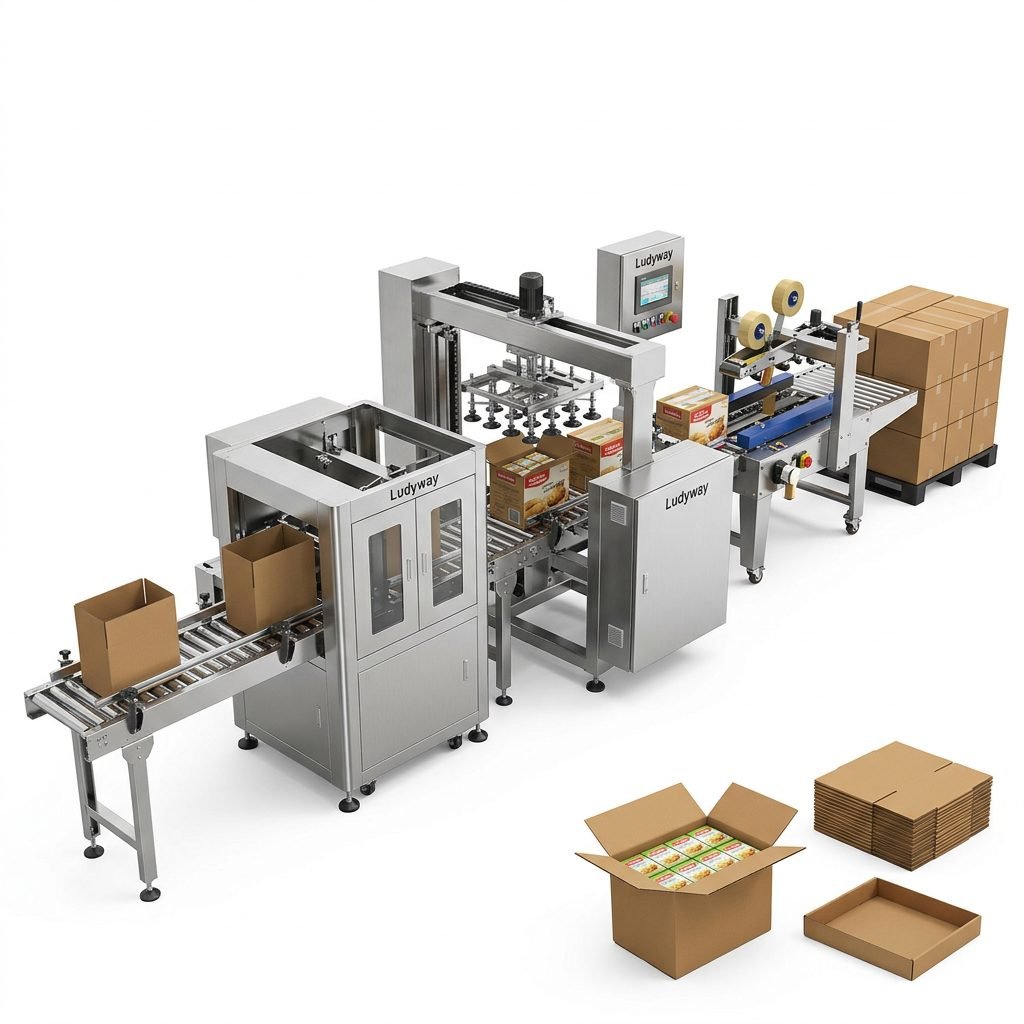
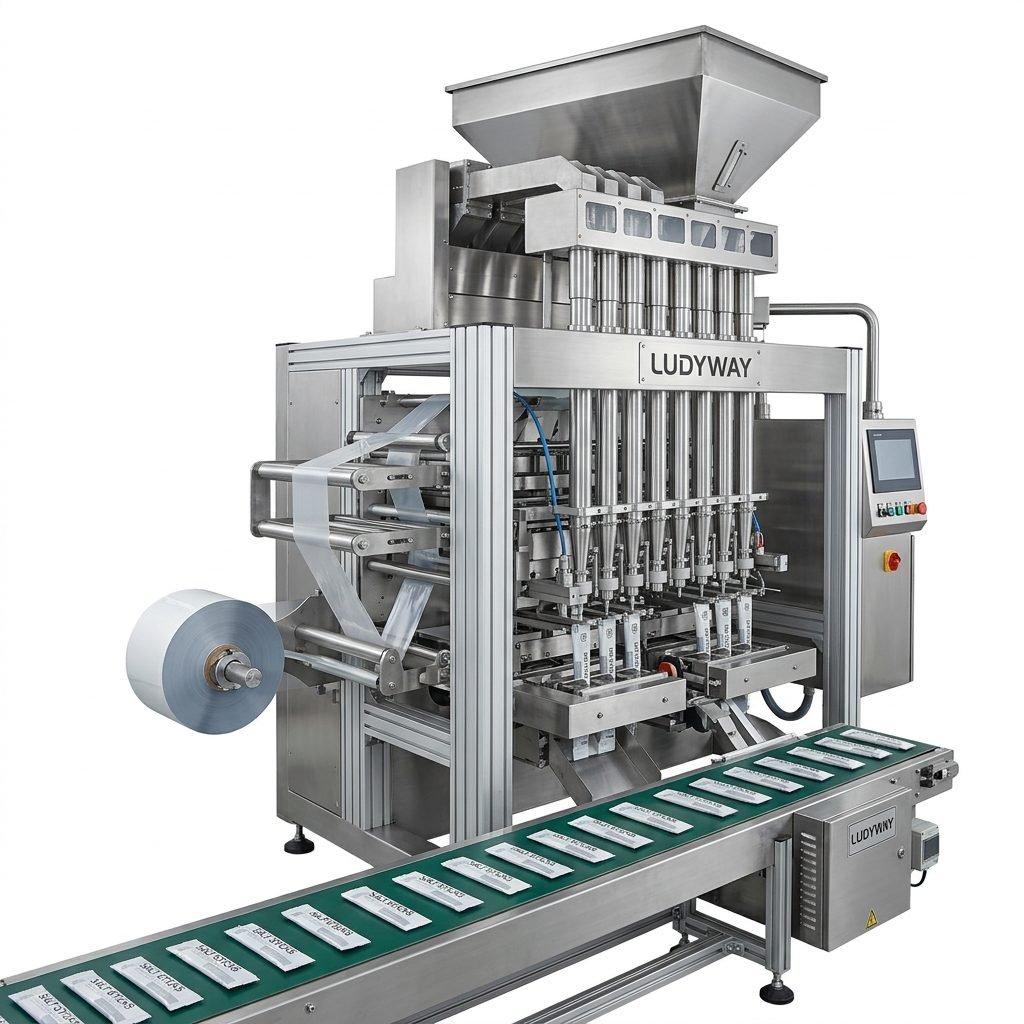
Setting up a small tea packaging machine production line in France requires careful planning, from understanding market demand to selecting the right equipment and navigating EU packaging regulations. Whether you are launching an artisanal tea brand or scaling up an existing operation, this guide covers everything you need to know to get your production line operational efficiently and compliantly.
Understanding the French Tea Market Opportunity
France is one of Europe’s largest tea-consuming markets, with a growing preference for premium, organic, and specialty teas. The French tea market has seen consistent year-on-year growth, driven by health-conscious consumers and the rising popularity of herbal infusions. For entrepreneurs and established businesses alike, setting up a local packaging operation offers significant advantages: reduced logistics costs, faster time-to-market, and the ability to offer fresher products to French retailers and consumers.
Small-scale tea packaging lines are ideal for:
- Artisanal tea brands producing limited batches of specialty blends
- Organic tea producers requiring certified packaging environments
- Private label manufacturers serving French supermarkets and specialty shops
- Startups testing the market before committing to large-scale industrial production
Types of Small Tea Packaging Machines
Choosing the right packaging format is critical. The most common small tea packaging solutions include:
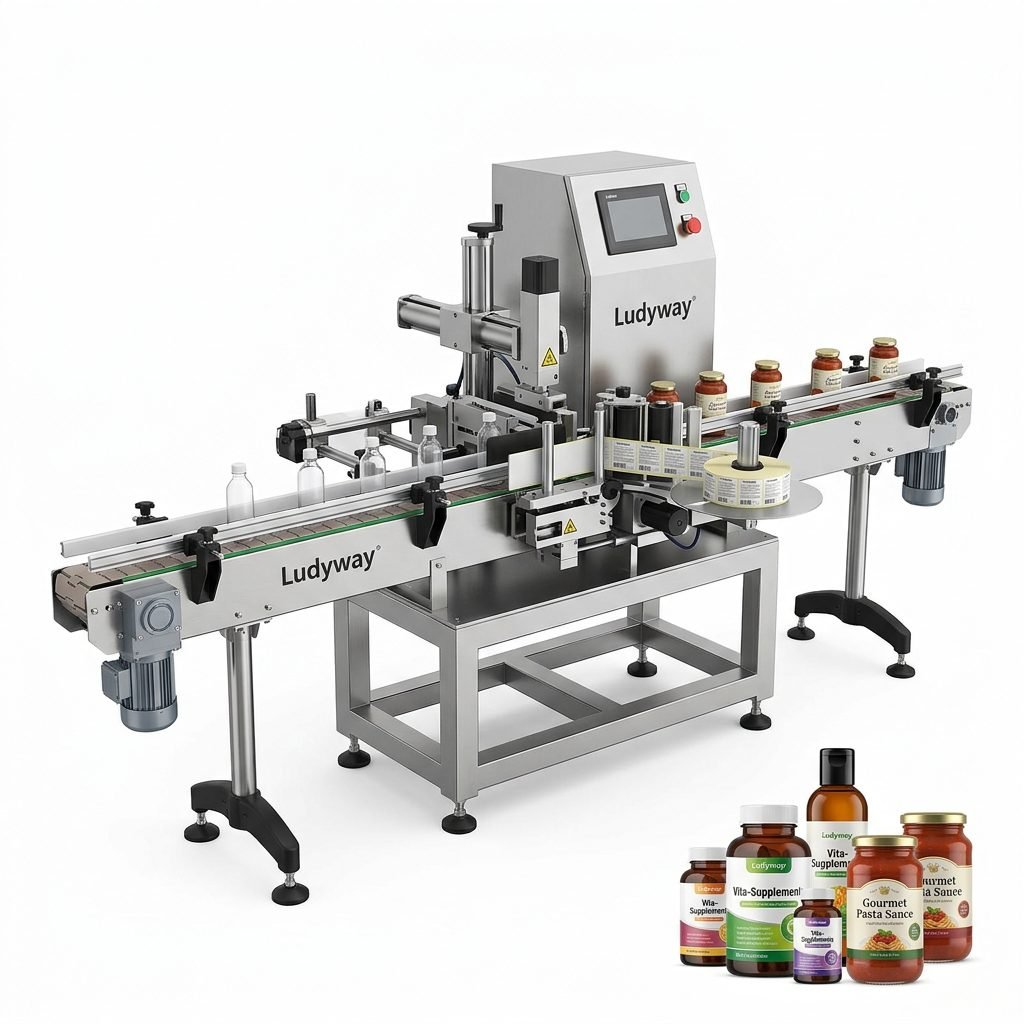
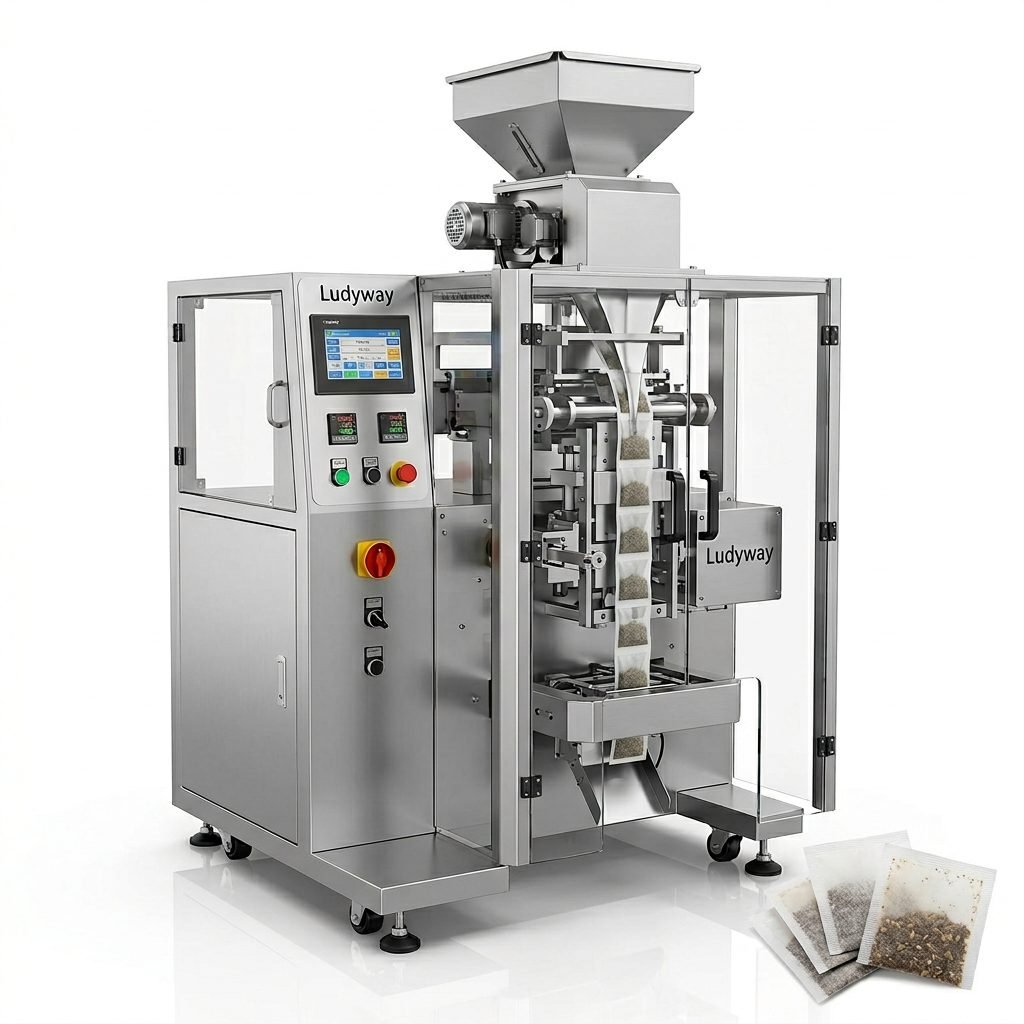
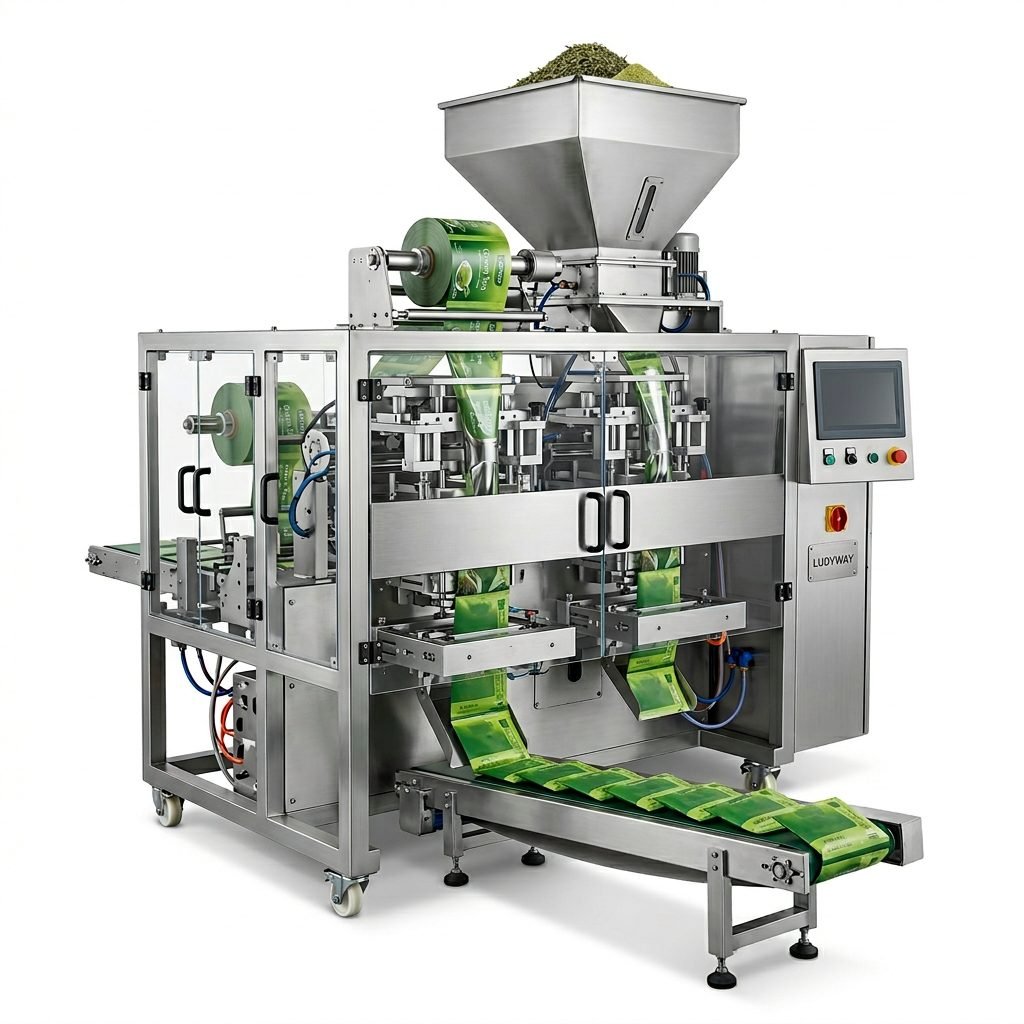
- Sachet packaging machines – Ideal for single-serve tea bags and pyramid tea bags, offering precise portion control
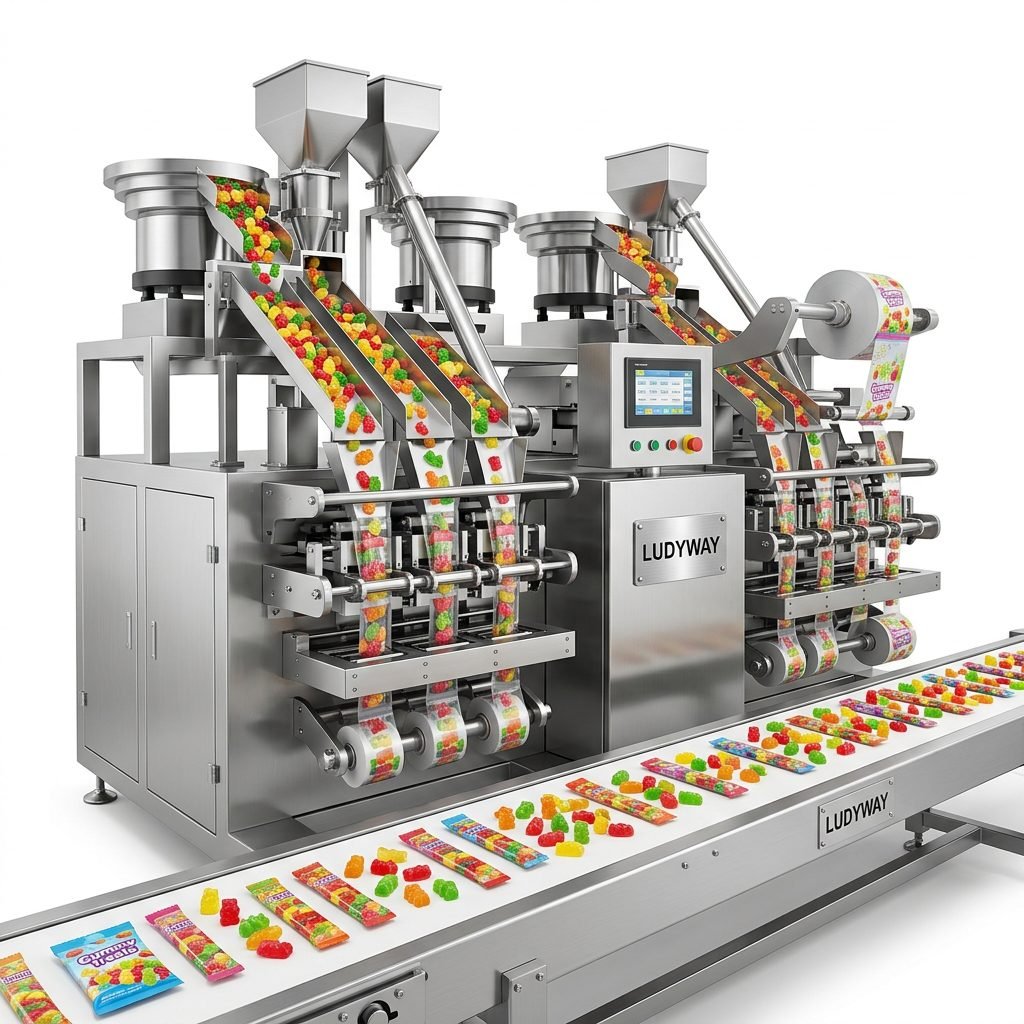
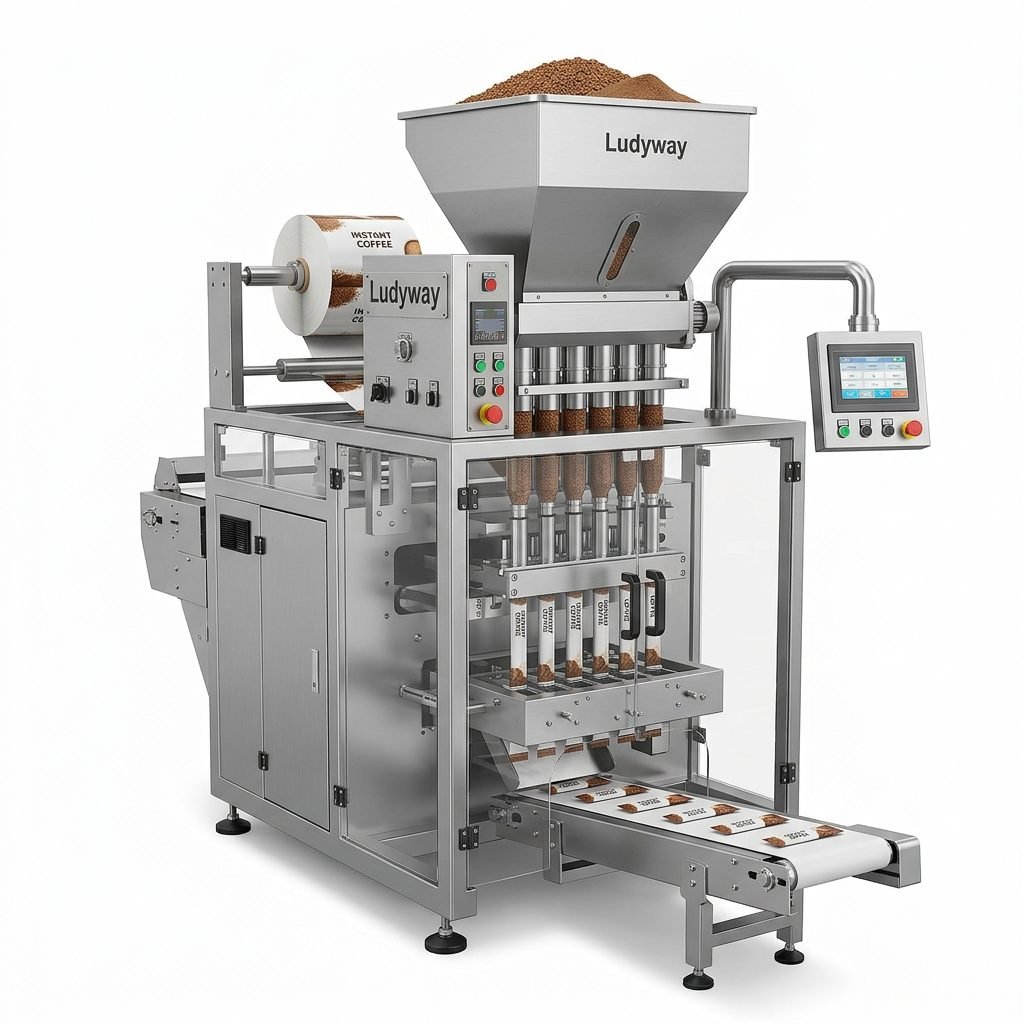
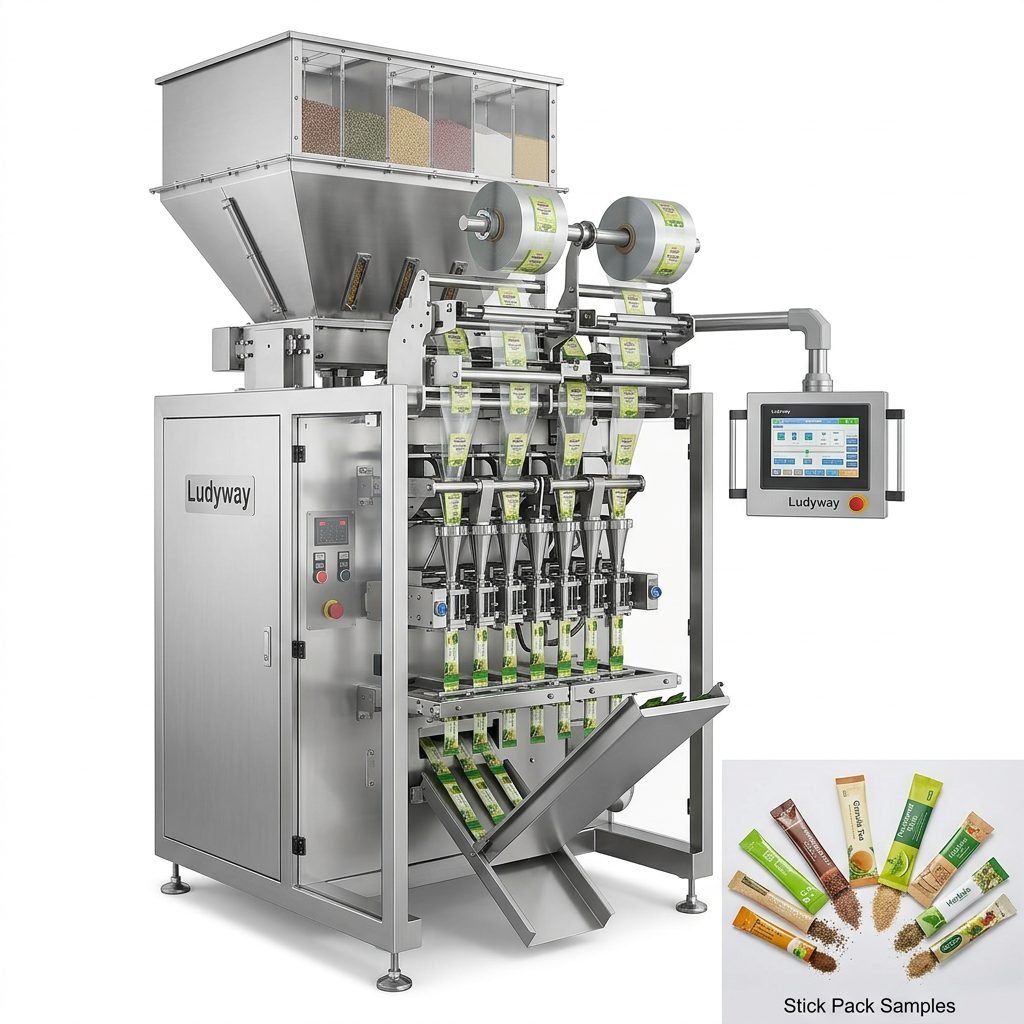
- Stick pack machines – Perfect for tea powder, matcha, and instant tea products in narrow, elongated pouches
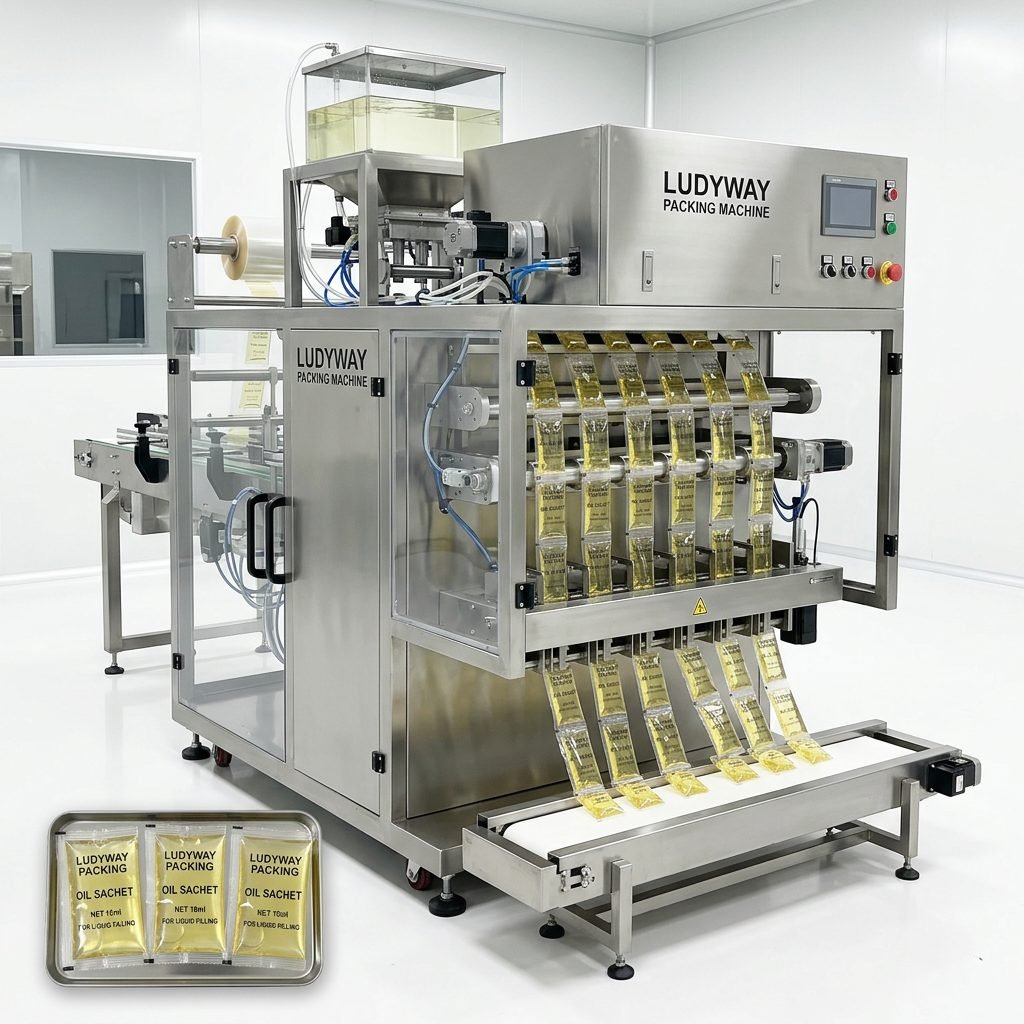
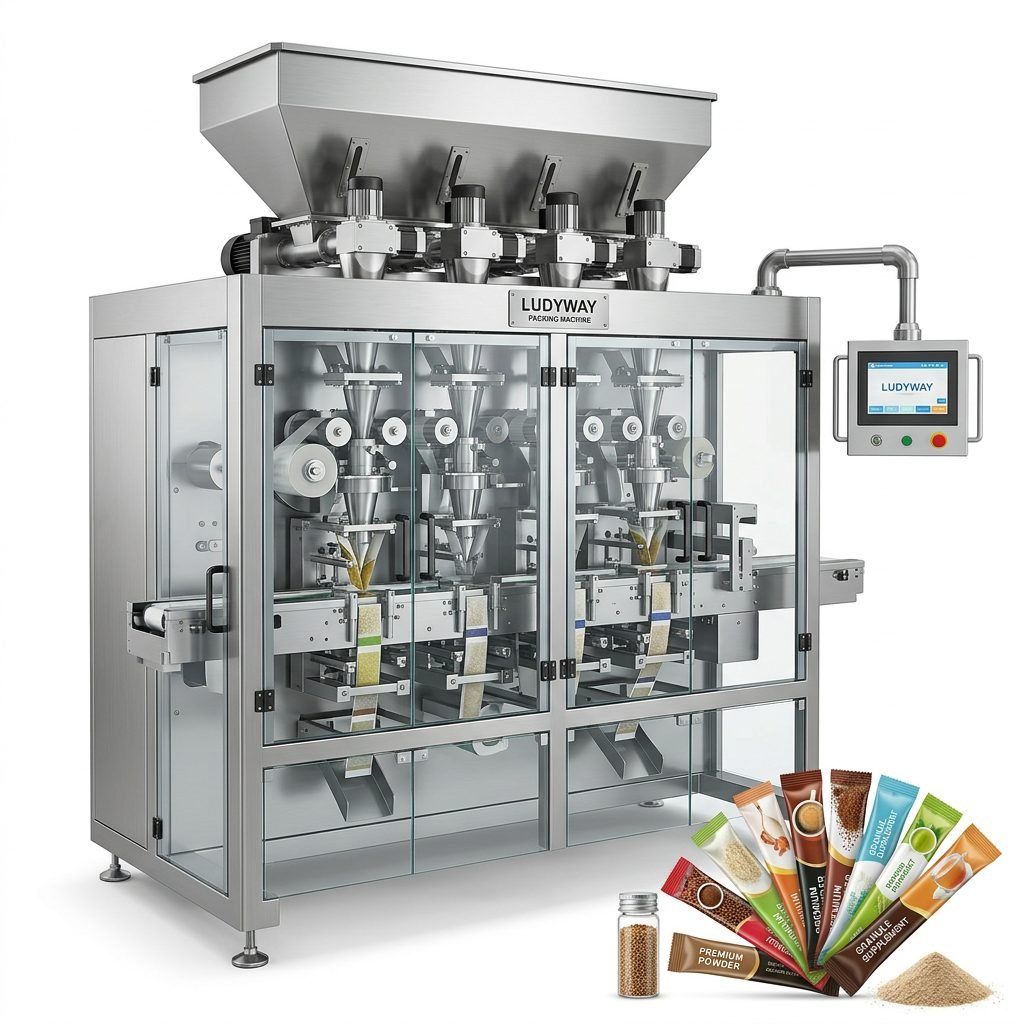
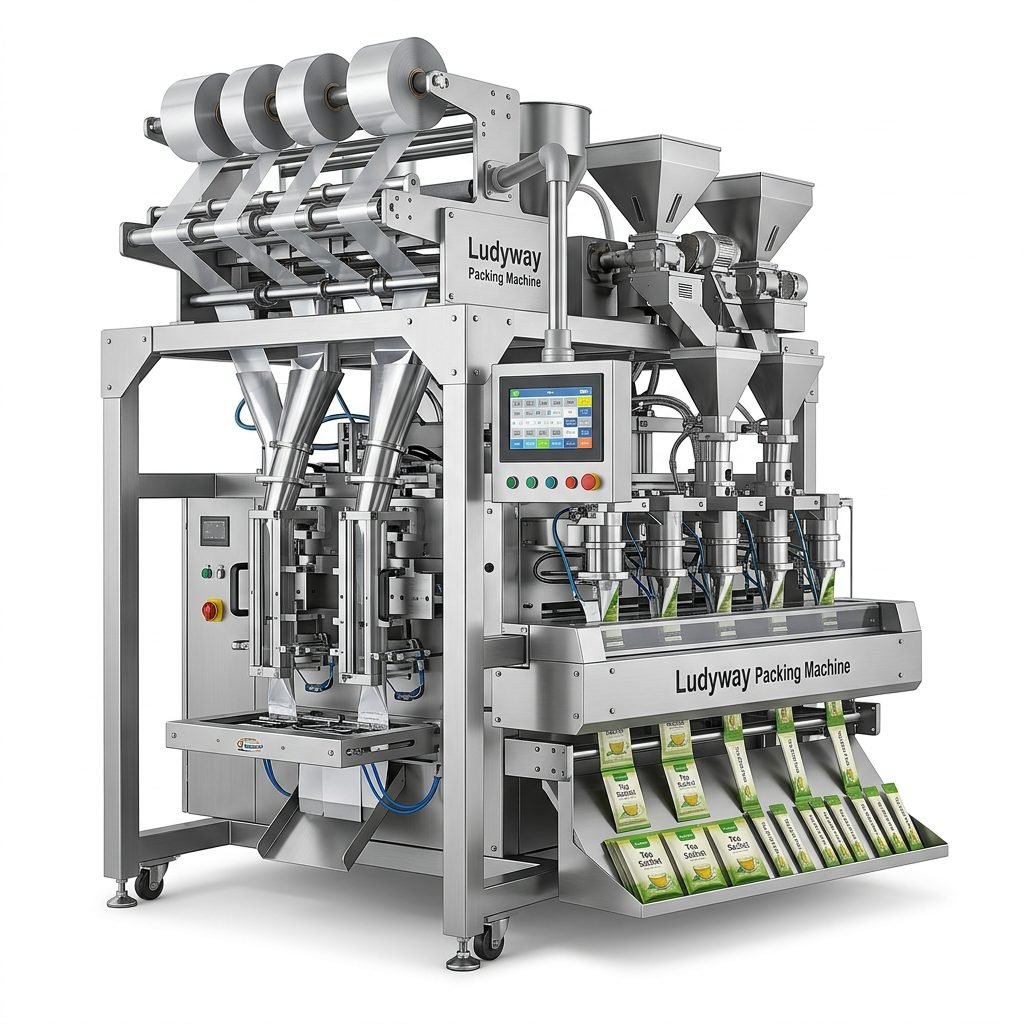
- Multi-lane pouch machines – High-efficiency systems for producing multiple sachets simultaneously
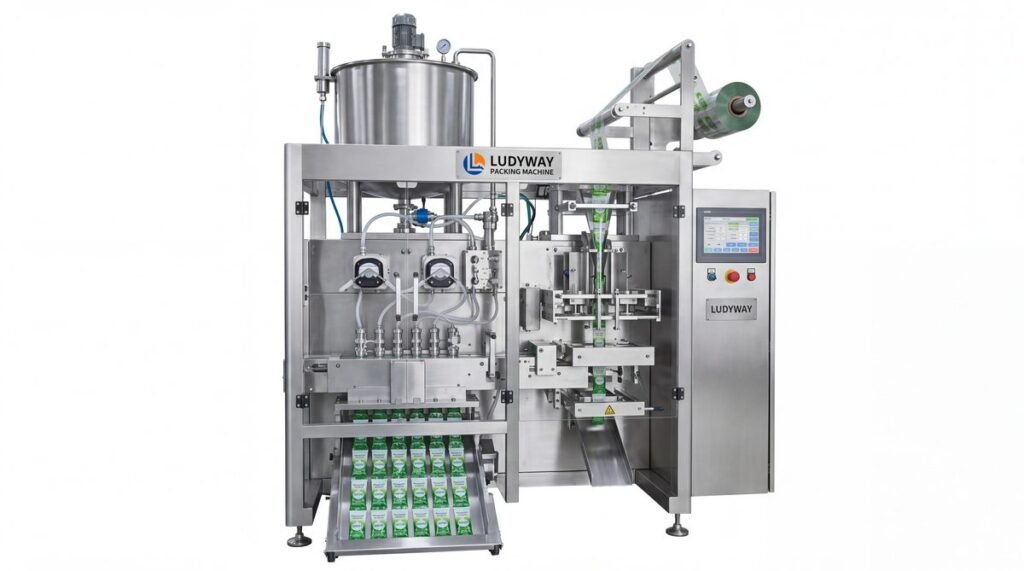
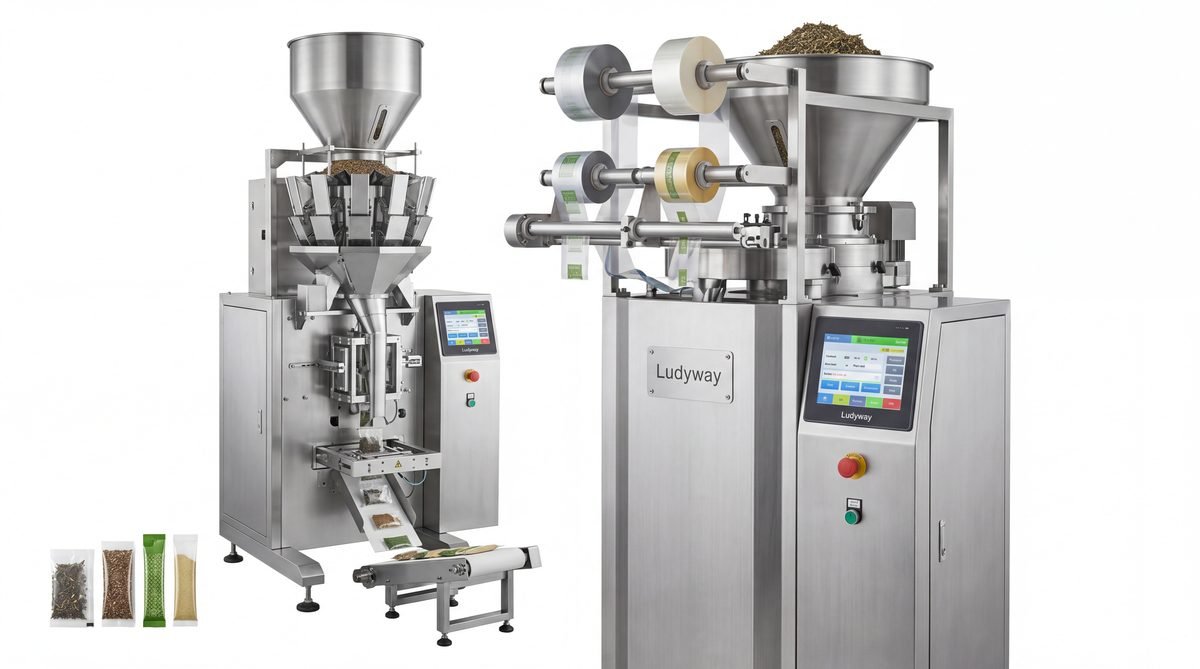
- Vertical form-fill-seal (VFFS) machines – Versatile equipment suitable for granule and powder tea packaging
Step-by-Step Guide to Setting Up Your Production Line
1. Facility Preparation and Layout Planning
Before purchasing any equipment, ensure your facility meets French hygiene and safety standards. A well-designed layout should include designated zones for raw material storage, production, quality control, and finished goods. Proper ventilation, lighting, and pest control measures are mandatory under food packaging safety guidelines. Floor space of at least 50–80 square meters is recommended for a small production line, allowing comfortable operator movement and maintenance access.
2. Machine Selection and Configuration
Select machines based on your target output volume, packaging format, and tea type. For granule tea and herbal blends, a multi-lane sachet machine with adjustable filling capacity is often the best choice. For powdered teas like matcha, specialized auger filling systems ensure accurate dosing and minimal dust. Key specifications to evaluate include production speed (typically 30–80 packs per minute per lane), film compatibility, and changeover flexibility.
3. Regulatory Compliance in France
All packaging machinery installed in France must comply with EU Machinery Directive 2006/42/EC and relevant European packaging waste regulations. Food contact materials must meet EU Regulation (EC) No 1935/2004 standards. Additionally, tea products fall under French labeling laws (DGCCRF), requiring clear allergen declarations and batch traceability. Working with equipment suppliers who understand CE certification requirements will significantly streamline the compliance process.
4. Installation, Calibration, and Testing
Professional installation is essential for optimal machine performance and longevity. After installation, thorough calibration of filling weights, sealing temperatures, and cutting mechanisms must be performed. Run at least 1,000 test packs with your actual tea material to verify seal integrity, portion accuracy, and packaging appearance before commencing full production.
5. Staff Training and Production Launch
Invest in comprehensive operator training covering machine operation, troubleshooting, cleaning protocols, and safety procedures. Well-trained staff can reduce downtime by up to 40% and significantly extend equipment lifespan. French labor regulations also require specific safety training documentation, which should be maintained for compliance audits.
Key Equipment for a Small Tea Packaging Line
The following table outlines the core components typically required for a small tea packaging production line:
| Equipment | Function | Key Specification |
|---|---|---|
| Multi-Lane Sachet Machine | Forms, fills, and seals tea sachets | 4–6 lanes, 30–60 packs/lane/min |
| Auger Filler | Precision powder dosing | ±0.5g accuracy |
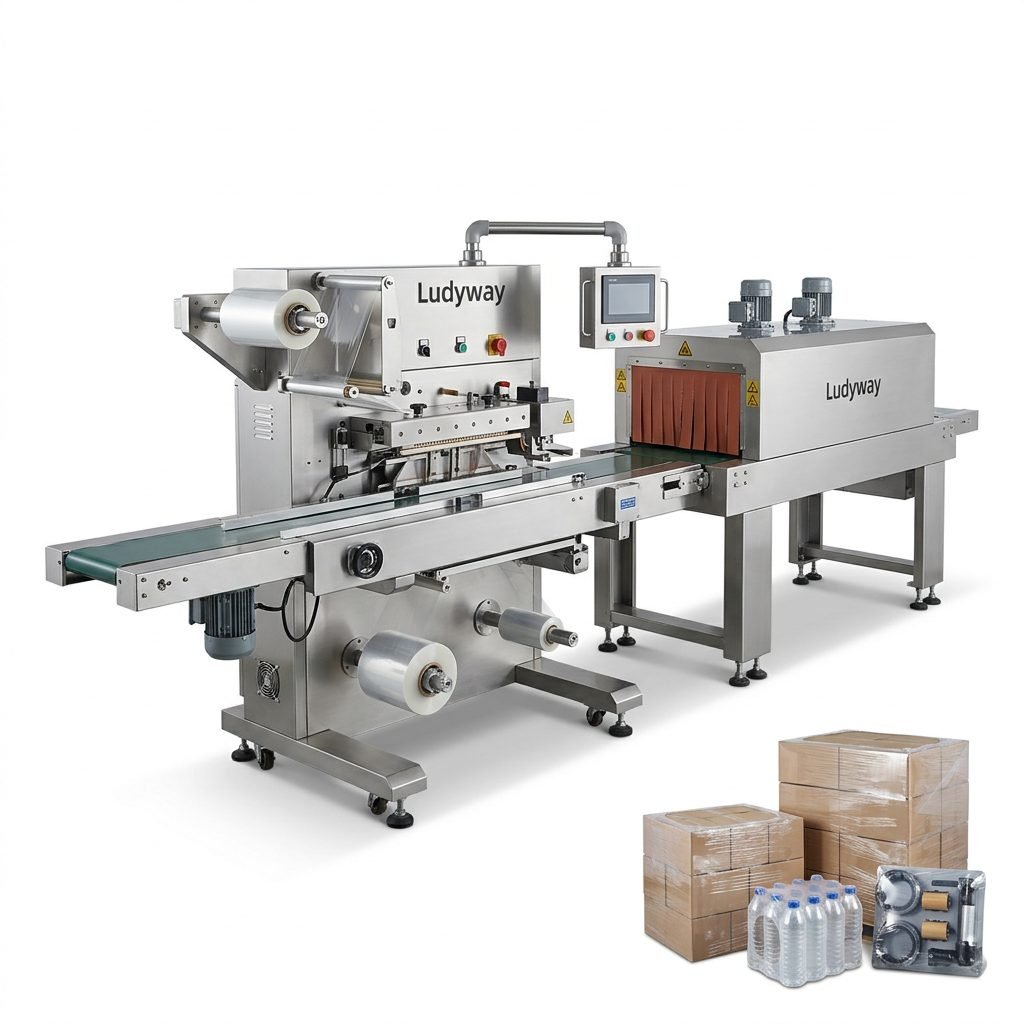
| Conveyor System | Transports finished packs | Adjustable speed, food-grade belt |
| Batch Coding Machine | Prints date and lot codes | Inkjet or thermal transfer |
| Checkweigher | Verifies fill weight | ±0.1g precision |
Navigating French and EU Packaging Standards
Compliance with ISO packaging standards is essential for any tea packaging operation in France. Key regulations and standards include the EU Packaging and Packaging Waste Directive (94/62/EC), which mandates material reduction and recyclability targets. Additionally, packaging industry best practices recommend regular audits and certification maintenance. For organic tea products, compliance with EU Organic Regulation (EU) 2018/848 extends to packaging processes and material traceability.
Cost Considerations and ROI Analysis
Setting up a small tea packaging line in France typically involves the following cost categories:
- Equipment investment: Entry-level small tea packaging machines start from approximately €15,000–€40,000 depending on automation level and lane configuration
- Facility costs: Monthly rent or modification expenses for a compliant production space
- Certification and compliance: CE marking, hygiene certifications, and possible organic certification fees
- Operational costs: Packaging film, labor, utilities, and ongoing maintenance
Most small-scale operators achieve full ROI within 18–30 months, with faster returns for premium tea products commanding higher retail margins in the French market.
Choosing the Right Equipment Partner
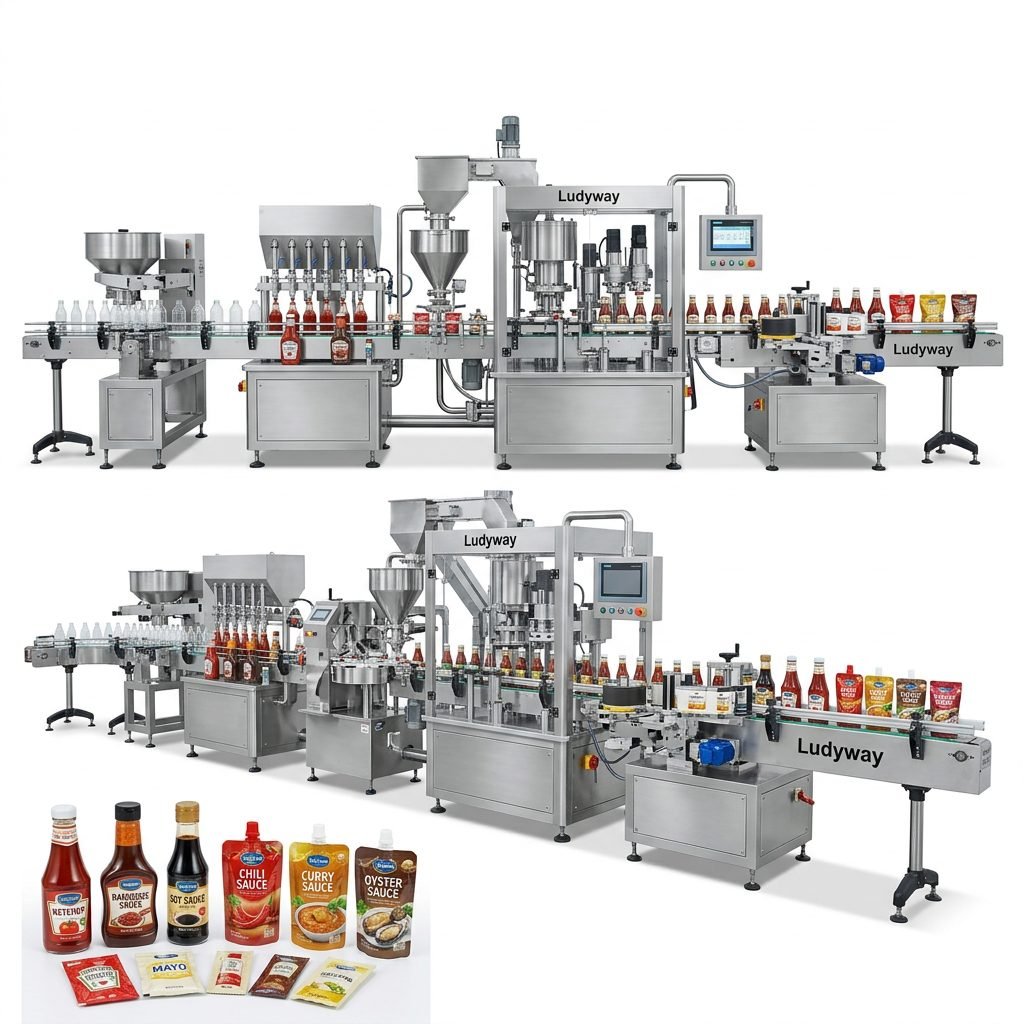
When sourcing packaging machinery for a French production line, prioritize suppliers with proven CE-certified equipment, responsive after-sales support, and experience with European regulatory requirements. Companies like Ludyway, one of the largest packaging machine manufacturers with over 30 years of industry expertise and a 20,000㎡ modern production facility, offer comprehensive solutions from individual machines to complete turnkey production lines, serving customers in over 100 countries with reliable equipment backed by professional technical support.
Key factors to evaluate when selecting a supplier include warranty terms, spare parts availability in Europe, remote support capabilities, and installation service options. Request detailed documentation on ISO 11607 packaging validation requirements compliance and CE certification before finalizing any purchase.
Key Resources and Further Reading
For more detailed information on packaging regulations and industry standards applicable to your tea packaging line in France, consult the following authoritative resources:
- PMMI Business Intelligence – Packaging Machinery Market Research
- Flexible Packaging Association – Industry Resources and Data
- FDA – Packaging and Food Contact Substances Guidelines
- ISO – International Packaging and Distribution Standards
- PACK EXPO International – Global Packaging Trade Show
Conclusion
Establishing a small tea packaging machine production line in France is a strategic move that positions your brand within one of Europe’s most dynamic tea markets. By carefully planning your facility, selecting the right equipment configuration, and ensuring full compliance with EU regulations and ISO standards, you can build a profitable and sustainable packaging operation. Start with a clear understanding of your target market segment, invest in quality machinery that grows with your business, and partner with experienced equipment manufacturers who understand the nuances of the European packaging landscape.