Italy is one of Europe’s largest honey producers and consumers, with a strong tradition of apiculture spanning centuries. From small-scale artisanal beekeepers to large commercial honey brands, the demand for efficient honey packaging equipment has never been higher. Whether you’re packaging creamed honey, liquid wildflower honey, or organic acacia varieties, selecting the right packaging machinery is critical to maintaining product quality, shelf appeal, and operational profitability.
The Italian market places particular emphasis on flexible packaging formats such as stick packs, sachets, and portion-controlled pouches. These formats are increasingly popular in Italian supermarkets, hotels, and cafés where single-serve convenience meets the growing tourism and food service sectors. Investing in a honey packaging machine tailored to your production scale can transform your business efficiency and open new distribution channels.
Understanding Honey Packaging Machine Types
Honey presents unique packaging challenges due to its viscosity, stickiness, and temperature sensitivity. Selecting the correct machine type depends on your target format, production volume, and honey consistency. Below are the main categories of honey packaging machines available today.
Stick Pack Machines for Honey
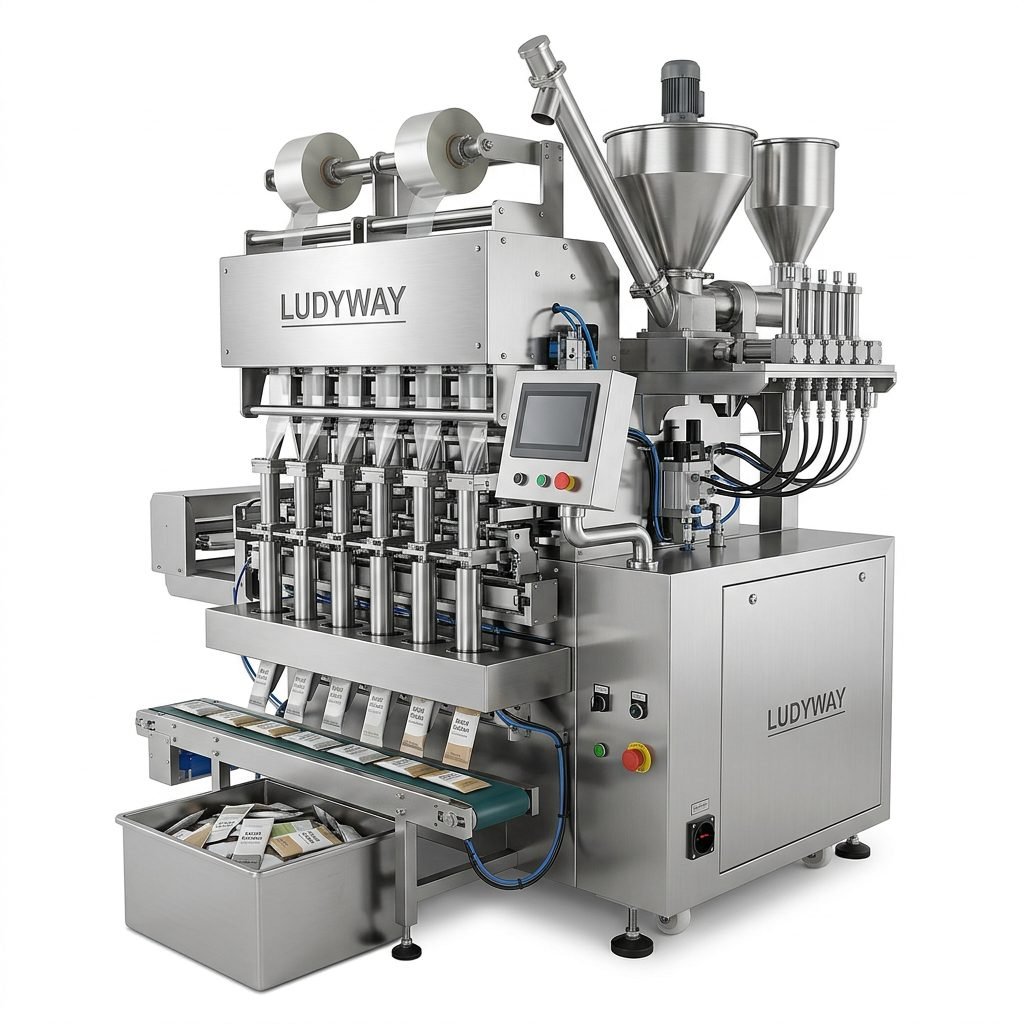
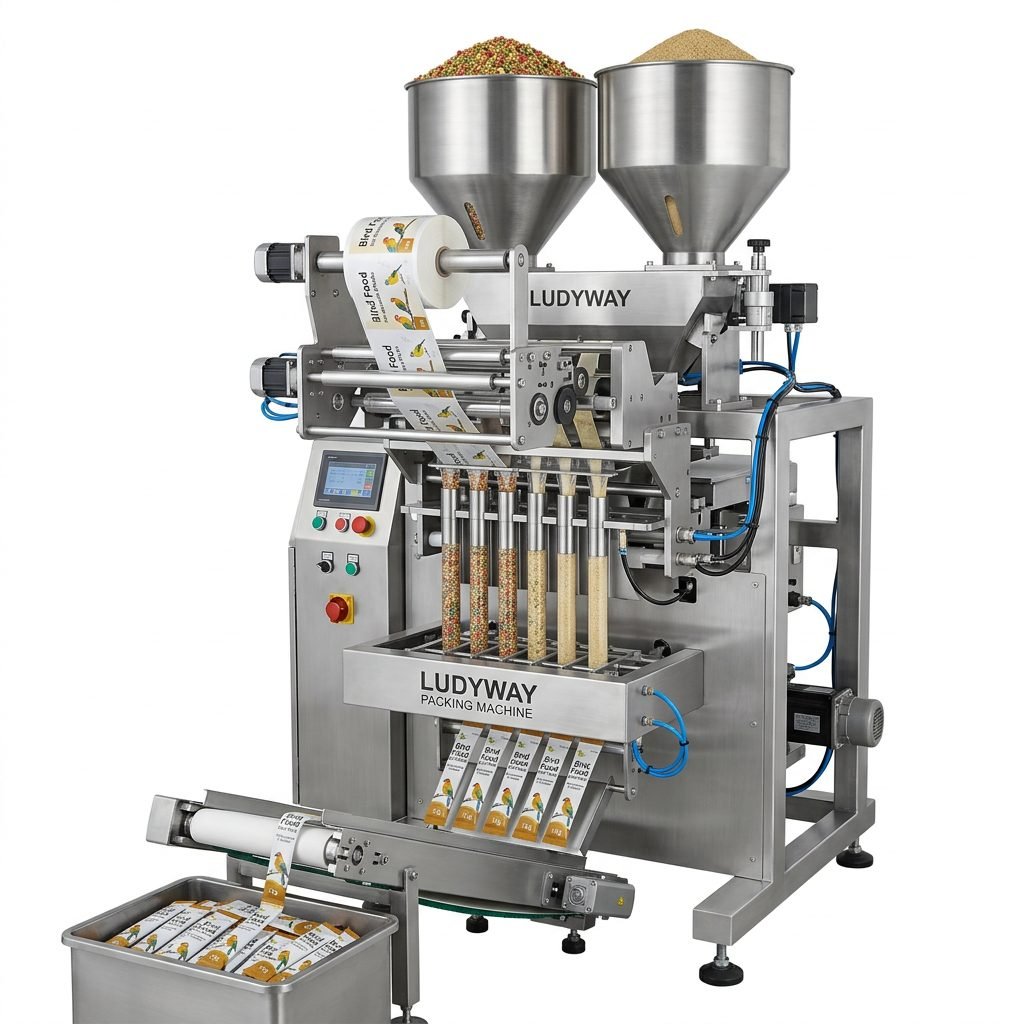
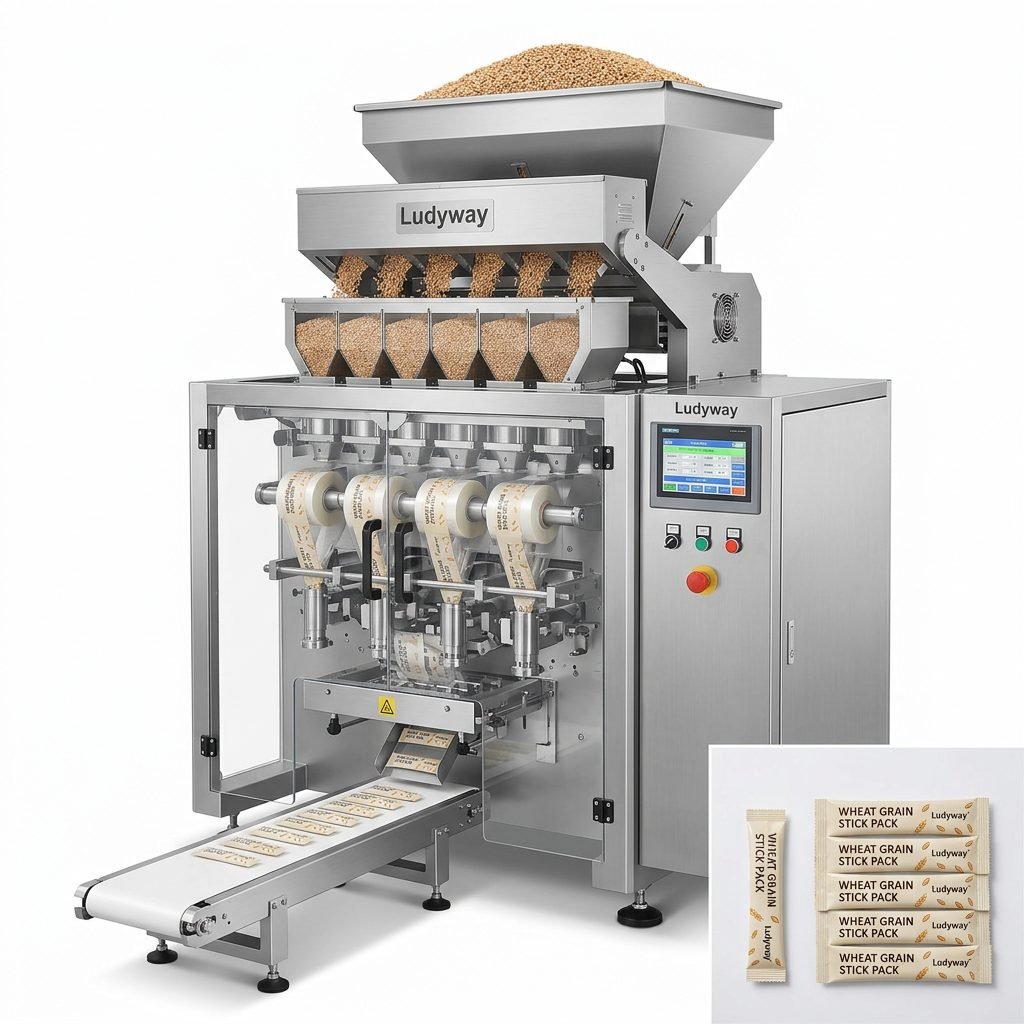
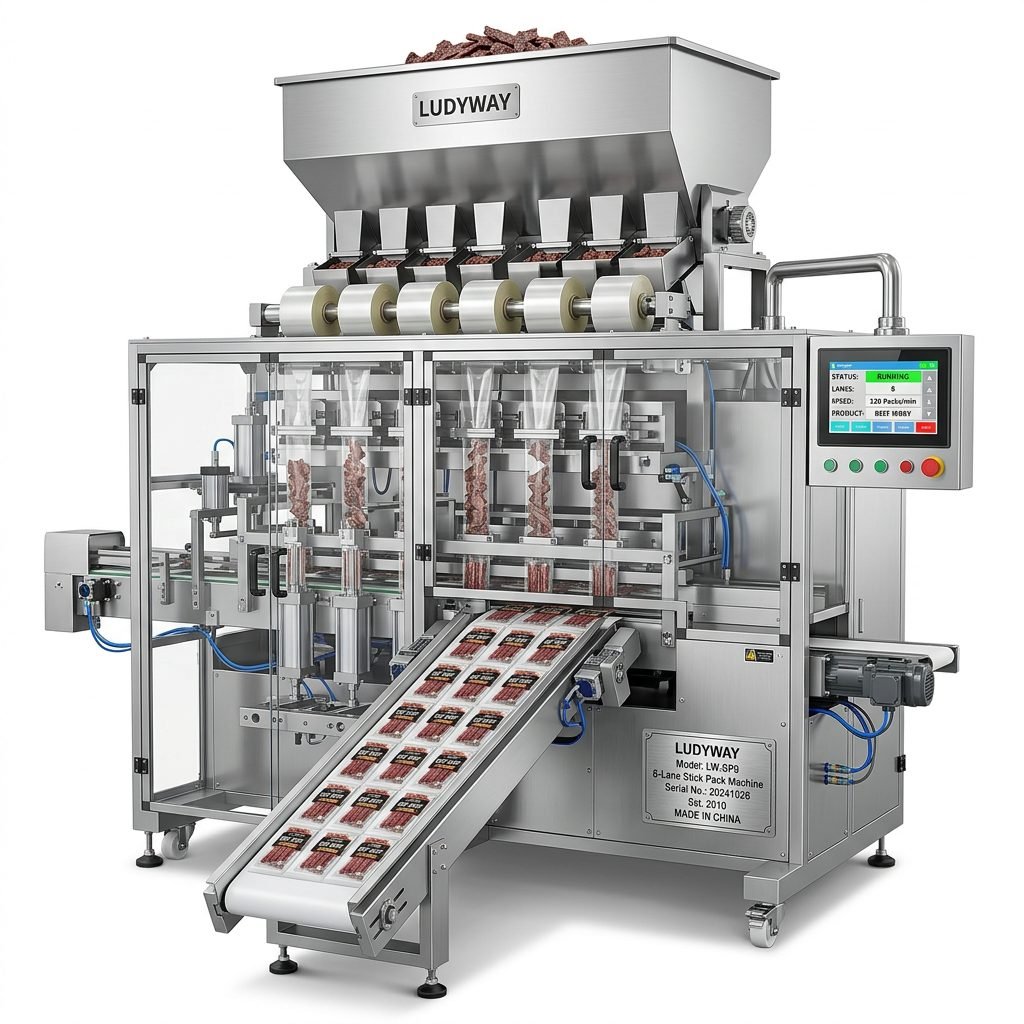
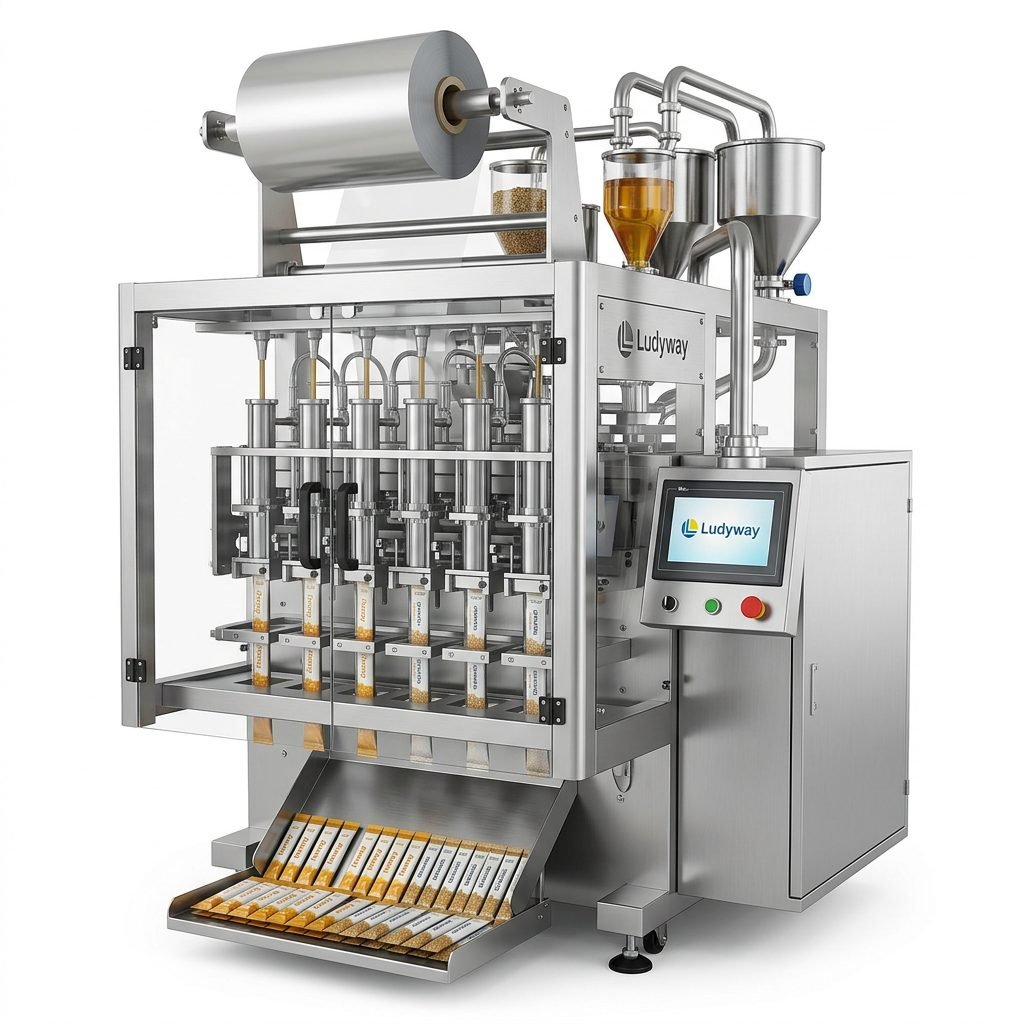
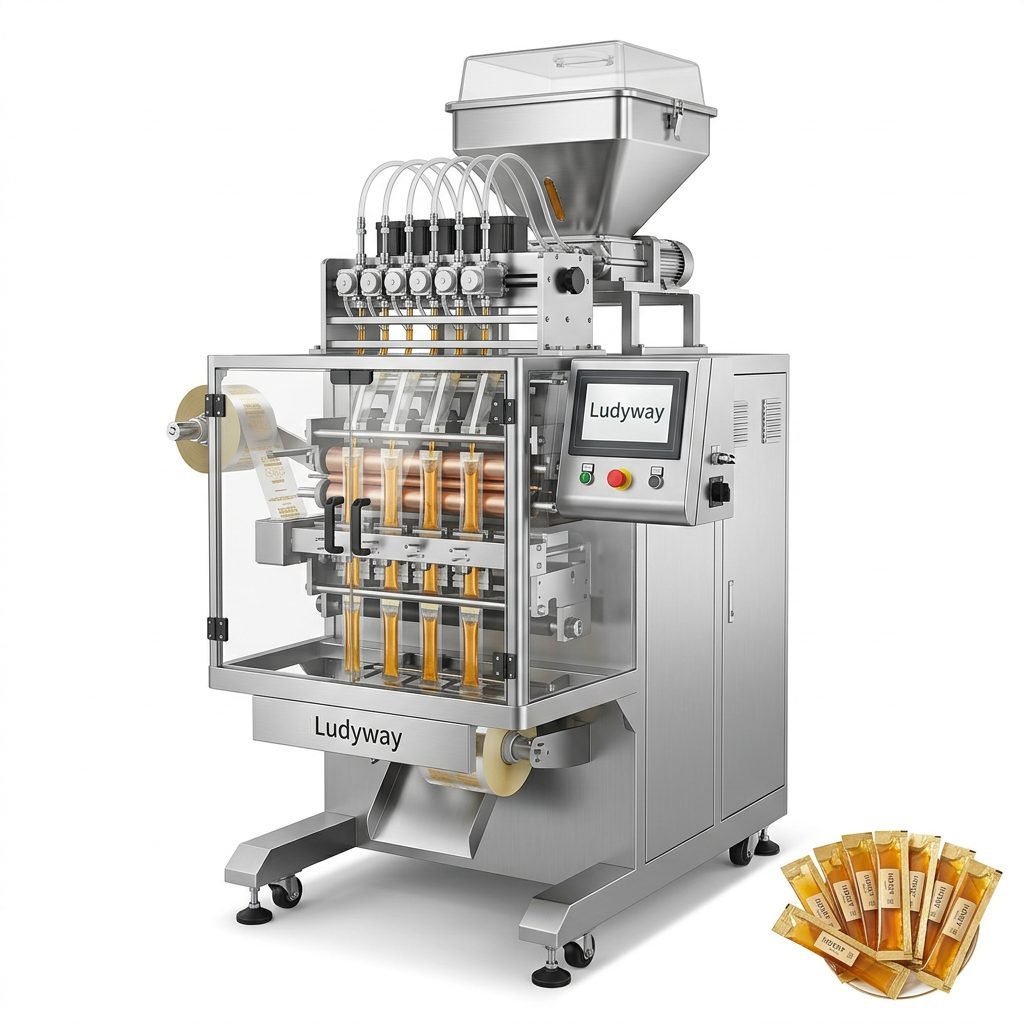
Stick pack machines are among the most popular choices for single-serve honey portions. These machines form, fill, and seal narrow stick-shaped sachets, typically holding 5g to 20g of honey. Multi-lane stick pack machines can produce hundreds of sticks per minute across multiple parallel lanes, making them ideal for high-volume honey producers supplying hotels, airlines, and food service chains.
Sachet Packaging Machines
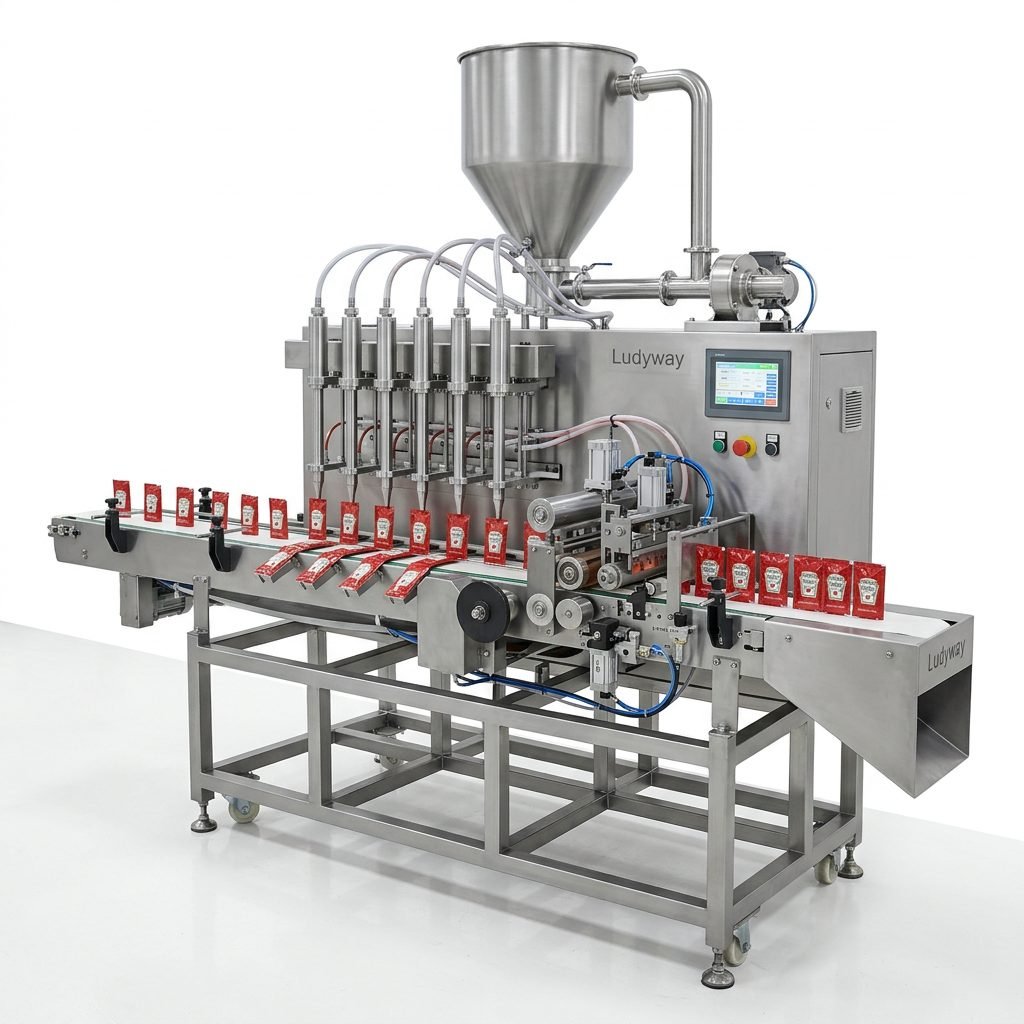
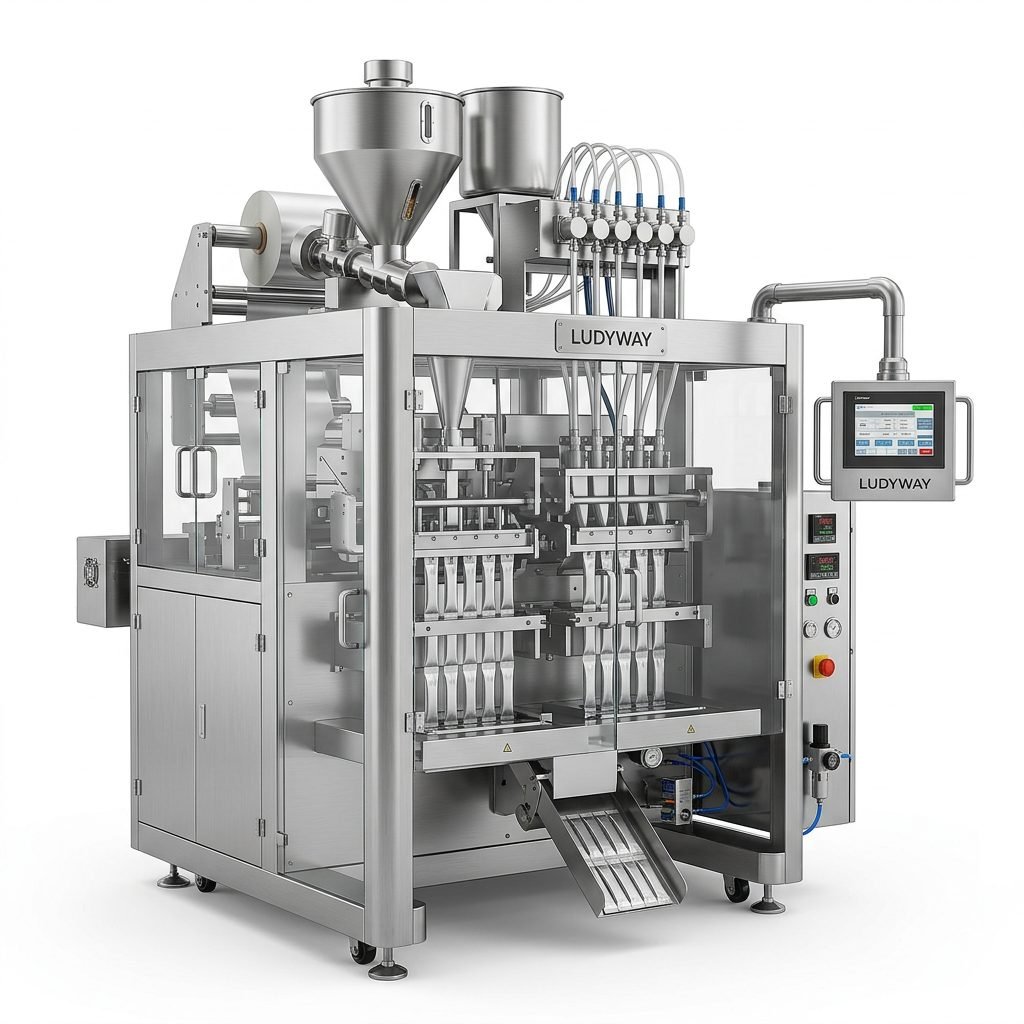
Sachet machines create flat, three- or four-side-sealed pouches suitable for single-use honey portions. These are commonly found in European cafés and breakfast buffets. Modern sachet machines offer precision liquid filling nozzles with anti-drip technology to prevent product waste and maintain clean seal areas, which is essential for achieving hermetic seals on sticky products like honey.
Pouch Filling and Sealing Systems
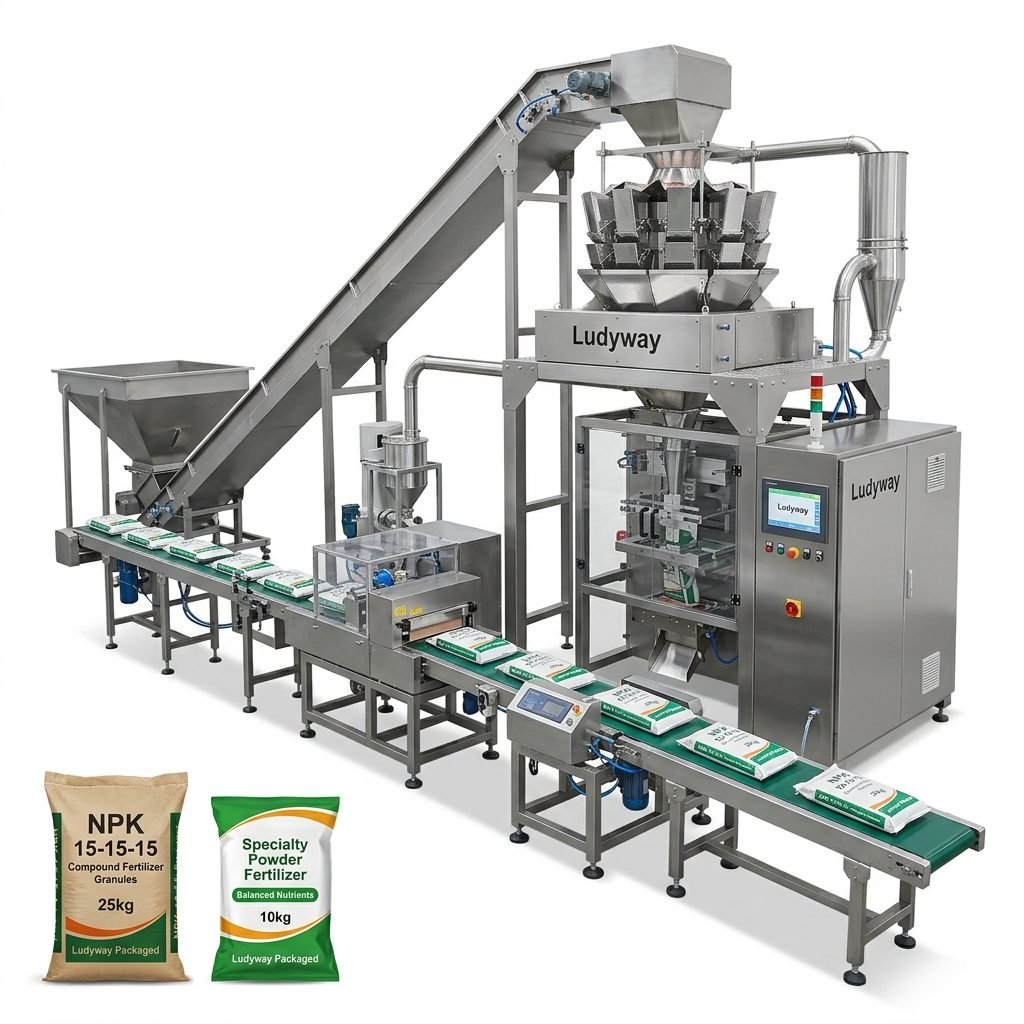
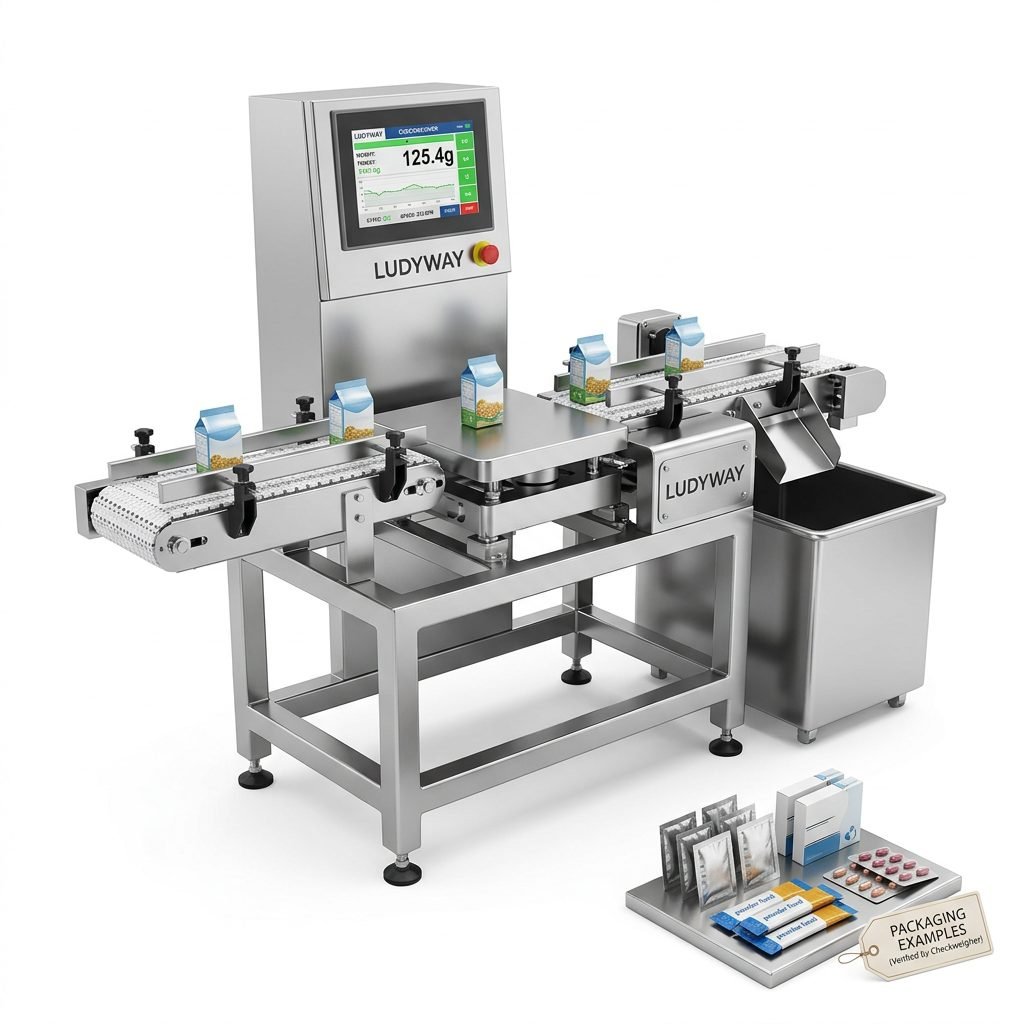
For larger retail formats ranging from 100g to 1kg, stand-up pouch and flat pouch filling systems are widely used. These machines can handle higher-viscosity honey with heated filling systems that maintain optimal flow characteristics. They often integrate with checkweighers, date coders, and cartoning systems for a fully automated packaging line.
Key Factors to Consider When Buying a Honey Packaging Machine in Italy
Before making a purchasing decision, evaluate each factor carefully to ensure the machine meets your operational requirements and regulatory obligations.
- Production Capacity: Measure your required output in packs per minute (ppm). Small producers may need 30–60 ppm, while large operations may require 200+ ppm multi-lane systems.
- Honey Viscosity and Temperature: Honey viscosity varies significantly. Machines should be equipped with heated hoppers, jacketed filling nozzles, and temperature-controlled product tanks for consistent flow.
- Packaging Material Compatibility: Ensure the machine supports the laminate films commonly used in Italy, including PET/AL/PE, PET/MET/PE, and biodegradable films that comply with EU packaging regulations.
- Cleaning and Maintenance: Honey residues can cause downtime. Look for CIP (Clean-in-Place) features, quick-change parts, and tool-less disassembly for efficient sanitation.
- Certification and Compliance: Machines should meet CE certification requirements for the European market and be built from food-grade stainless steel (AISI 304 or 316L) compliant with FDA food contact standards.
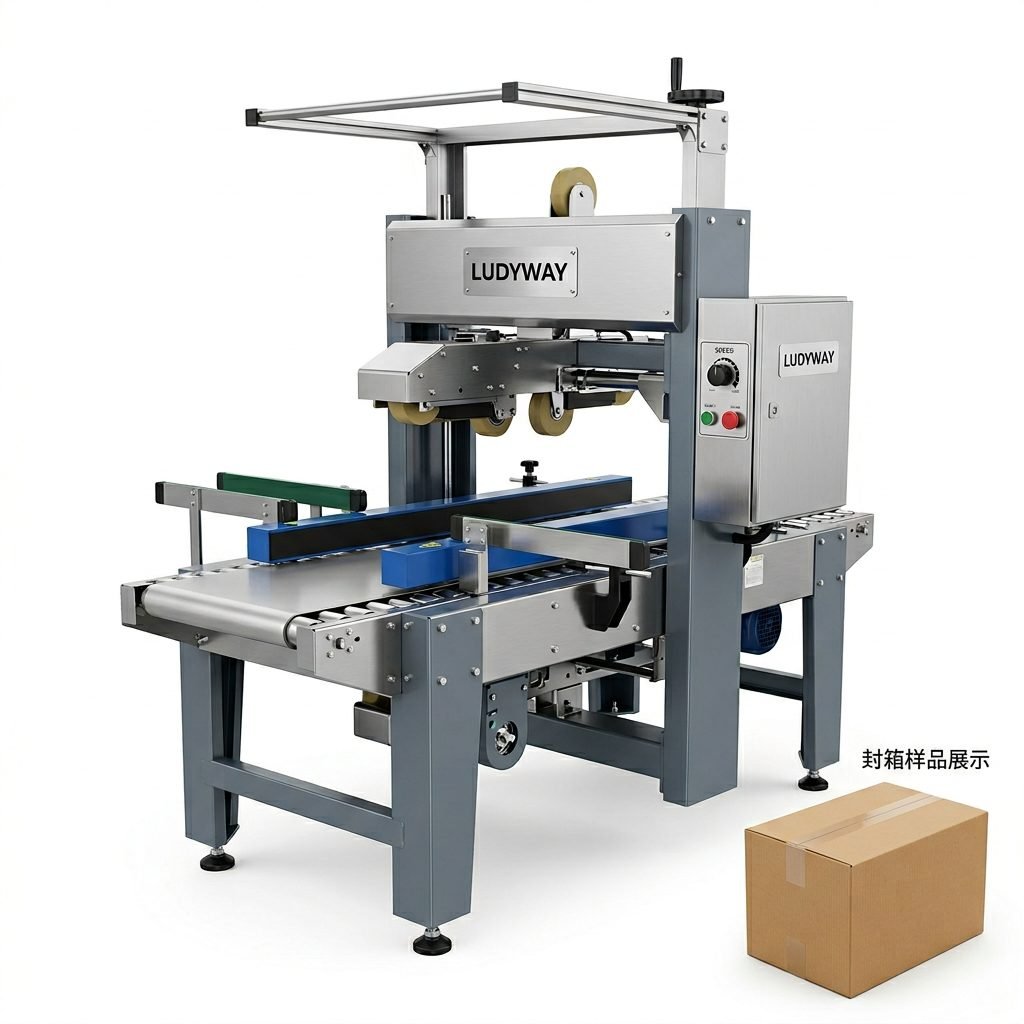
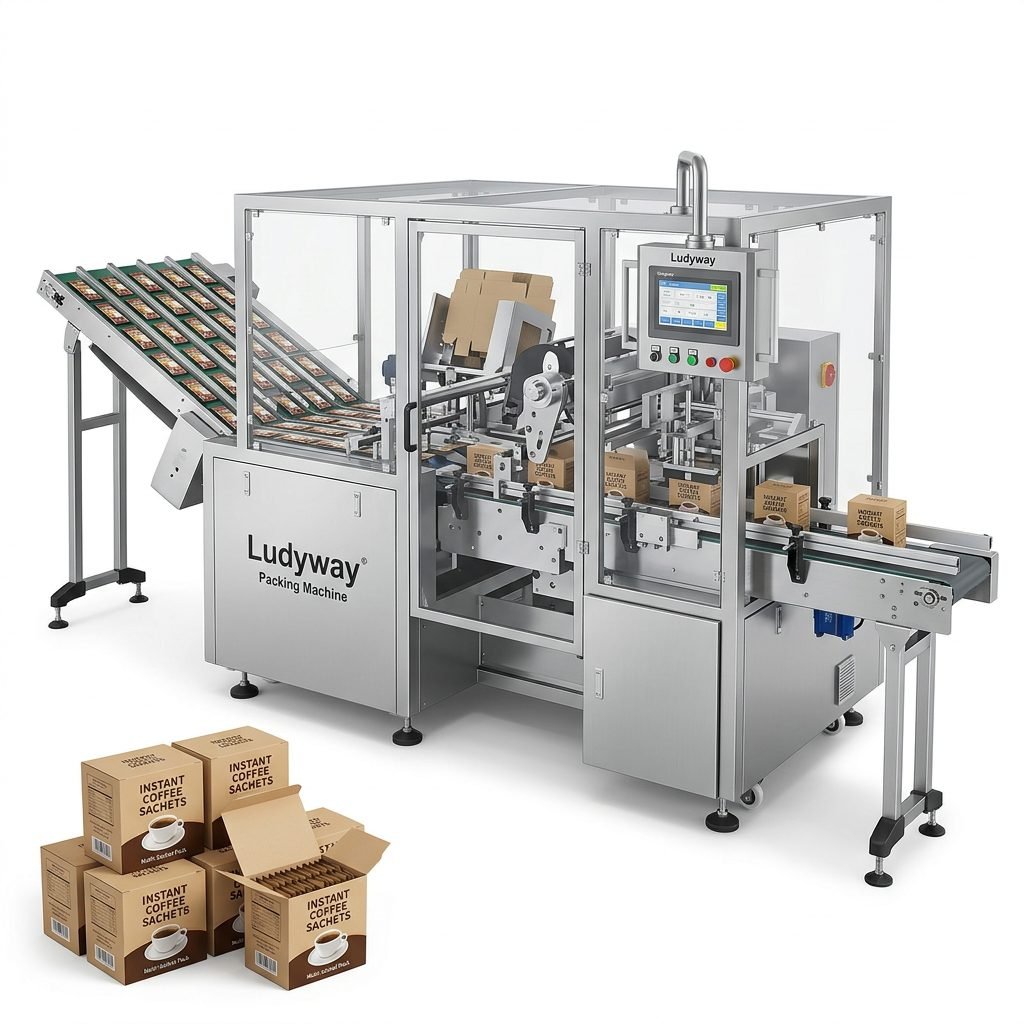
- Automation and Integration: Consider whether you need a standalone unit or a fully integrated line with automatic feeding, checkweighing, date coding, and cartoning capabilities.
Technical Specifications Comparison
The table below outlines typical technical parameters for different honey packaging machine configurations commonly deployed in Italian production facilities.
| Feature | Stick Pack Machine | Sachet Machine | Pouch Filling Line |
|---|---|---|---|
| Typical Fill Volume | 5g – 25g | 10g – 50g | 100g – 1000g |
| Max Output | Up to 600 sticks/min | Up to 300 sachets/min | Up to 60 pouches/min |
| Lane Configuration | 4 – 20 lanes | 2 – 12 lanes | Single/Dual lane |
| Heating Requirement | Hopper & nozzle heating | Tank & manifold heating | Full heated circuit |
| Seal Type | 3-side seal / back seal | 3-side / 4-side seal | 4-side seal / stand-up |
| Material Options | PET/AL/PE, Paper/AL/PE | PET/MET/PE, Bio-films | PET/AL/PE, Kraft/PE |
Regulatory Compliance for the Italian and EU Market
Italy enforces strict EU packaging and packaging waste regulations, including directives on food contact materials and single-use packaging. When purchasing a honey packaging machine, verify the following:
- CE Marking – Mandatory for all machinery sold in the European Economic Area.
- Materials of Construction – All product contact surfaces must be AISI 304 or 316L stainless steel with full traceability.
- GMP Compliance – The machine design should support Good Manufacturing Practices with accessible cleaning points.
- Italian Legislative Decree No. 29/2017 – National provisions aligning with EU food contact material regulations.
Working with a supplier that understands ISO packaging standards and European machinery directives will streamline your compliance journey and reduce time-to-market for new honey products.
Budgeting and Return on Investment
The cost of a honey packaging machine varies widely based on configuration, speed, and automation level. Entry-level single-lane stick pack machines may start around €15,000 – €30,000, while high-speed multi-lane systems with integrated cartoning can exceed €150,000. However, the return on investment is typically realized within 12–24 months through reduced labor costs, increased throughput, and minimized product giveaway.
A mid-range 6-lane stick pack machine producing 200 sticks per minute can replace multiple manual filling stations and reduce packaging material waste by up to 15% compared to older equipment. Additionally, automated systems improve fill accuracy to within ±0.5%, preserving margins on premium Italian honey products.
Choosing the Right Supplier
Selecting a reliable equipment partner is as important as choosing the machine itself. Look for manufacturers with a proven track record in liquid and viscous product packaging, strong after-sales support, and local representation or service partners in Italy. Evaluate potential suppliers based on:
- Industry experience – Decades of specialization in food and liquid packaging.
- Global references – Installations in European markets with verifiable performance.
- Technical support – Availability of remote diagnostics, spare parts, and on-site service.
- Customization capability – Ability to tailor machines to specific honey types and packaging formats.
- Training and documentation – Comprehensive operator training and multilingual manuals.
For example, Ludyway is one of the largest packaging machine manufacturers with over 30 years of experience, serving customers in more than 100 countries with advanced multi-lane stick pack, sachet, and fully automated honey packaging systems designed for reliable, high-efficiency production.
Common Questions When Buying a Honey Packaging Machine in Italy
Can one machine handle both liquid and creamed honey?
Yes, with the right configuration. Machines equipped with interchangeable filling systems — such as piston fillers for liquid honey and gear pumps or auger fillers for creamed honey — provide flexibility. Temperature-controlled product circuits are essential for maintaining proper viscosity during filling.
How important is the nitrogen flush feature for honey packaging?
Nitrogen flushing displaces oxygen in the headspace of the package, extending shelf life by reducing oxidative degradation. While honey is naturally shelf-stable, nitrogen flushing helps preserve aroma, flavor, and color in premium products and is increasingly requested by Italian retailers for export-oriented honey brands.
What after-sales support should I expect?
Reputable suppliers offer remote technical assistance, periodic maintenance visits, fast spare parts delivery, and operator training programs. Some manufacturers provide video-based troubleshooting and 24/7 hotline services to minimize downtime in critical production periods.
Future Trends in Honey Packaging
The Italian honey packaging sector is evolving rapidly. Sustainable packaging initiatives are driving demand for machines that handle recyclable mono-materials and bio-based films. Smart factory integration with IoT-enabled monitoring systems allows real-time production data tracking and predictive maintenance alerts. Additionally, the rise of e-commerce is increasing demand for durable, leak-proof packaging formats that can withstand shipping conditions while maintaining product integrity.

Conclusion: Making a Smart Honey Packaging Investment
Selecting the right honey packaging machine for your Italian operations requires a careful balance of production needs, budget constraints, regulatory requirements, and future growth plans. Begin by defining your target packaging formats and required throughput, then evaluate machines based on build quality, compliance certifications, and supplier credibility. A well-chosen machine not only boosts efficiency but also enhances your brand’s presence on retail shelves and in food service channels across Italy and beyond.
By partnering with an experienced equipment manufacturer and staying informed about evolving packaging trends and industry intelligence, you can position your honey brand for long-term success in the competitive European market.