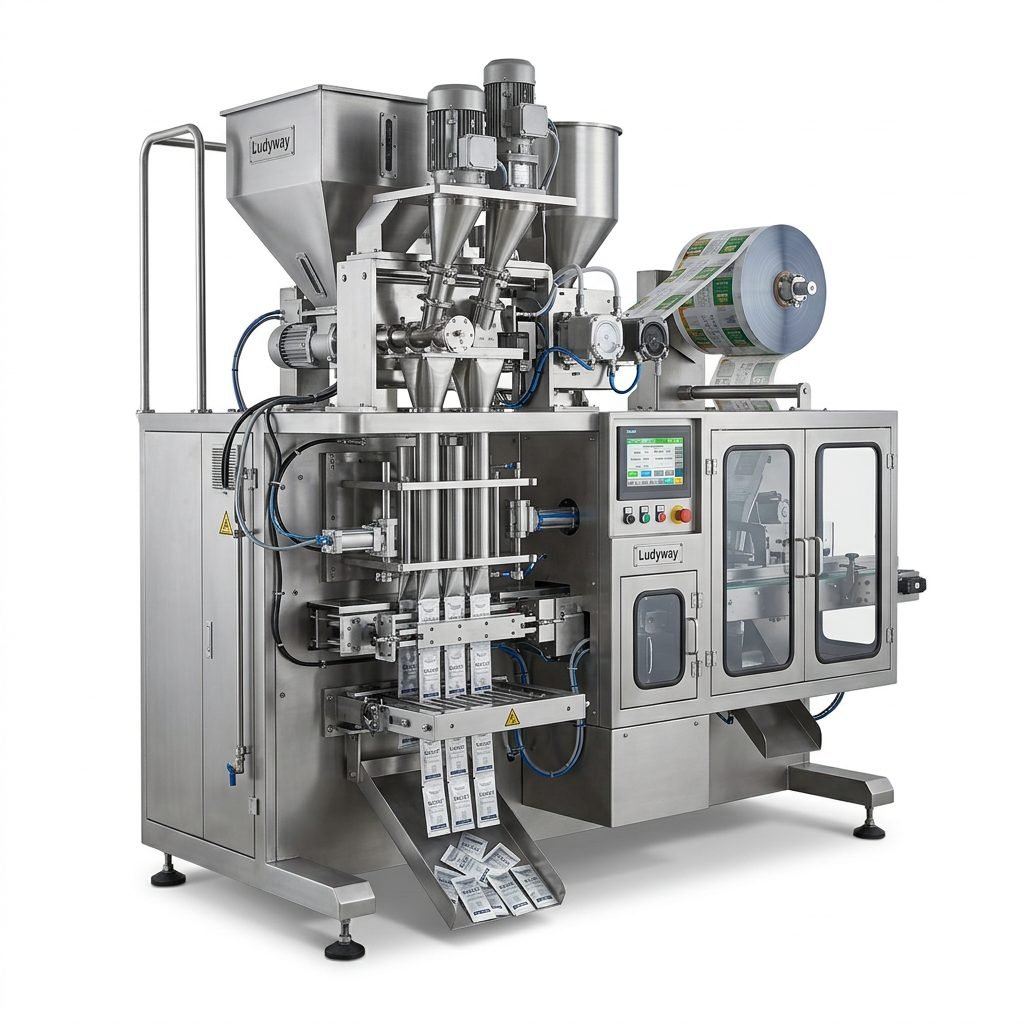
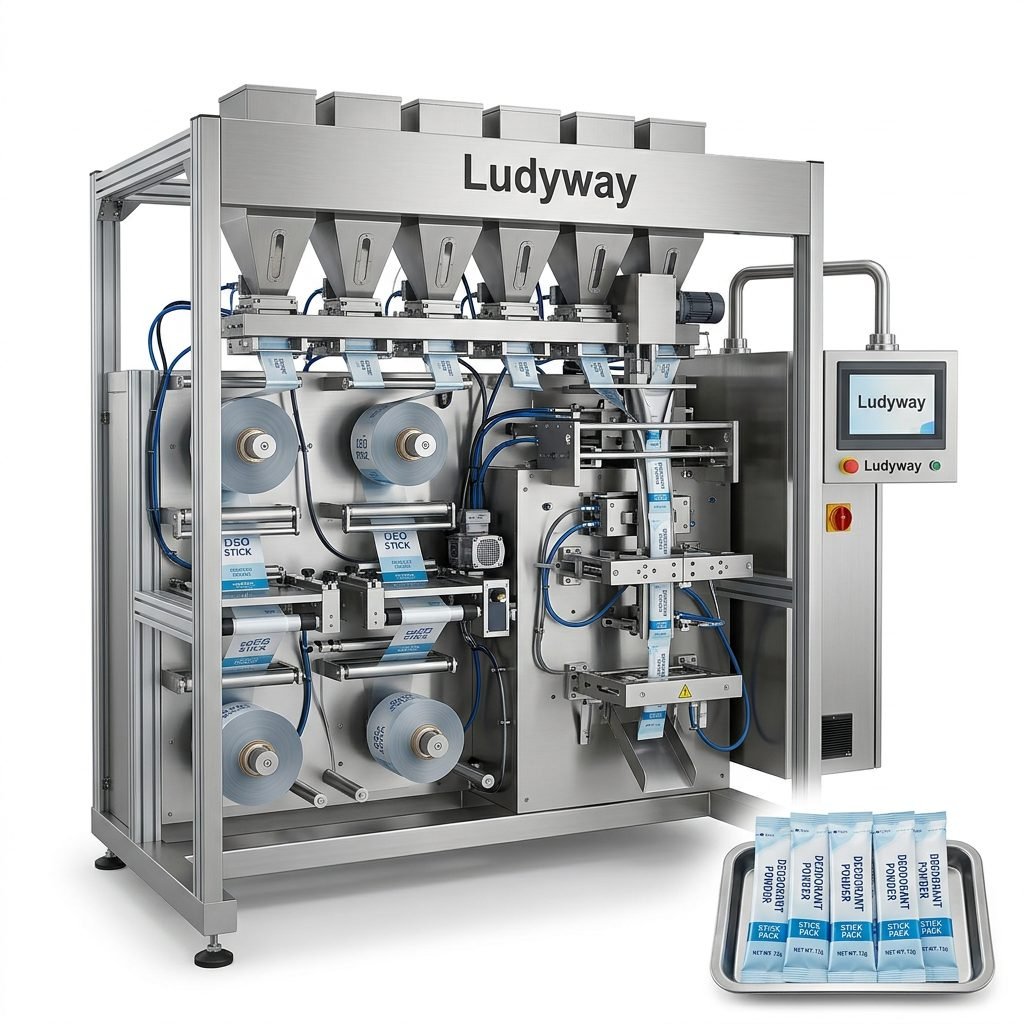
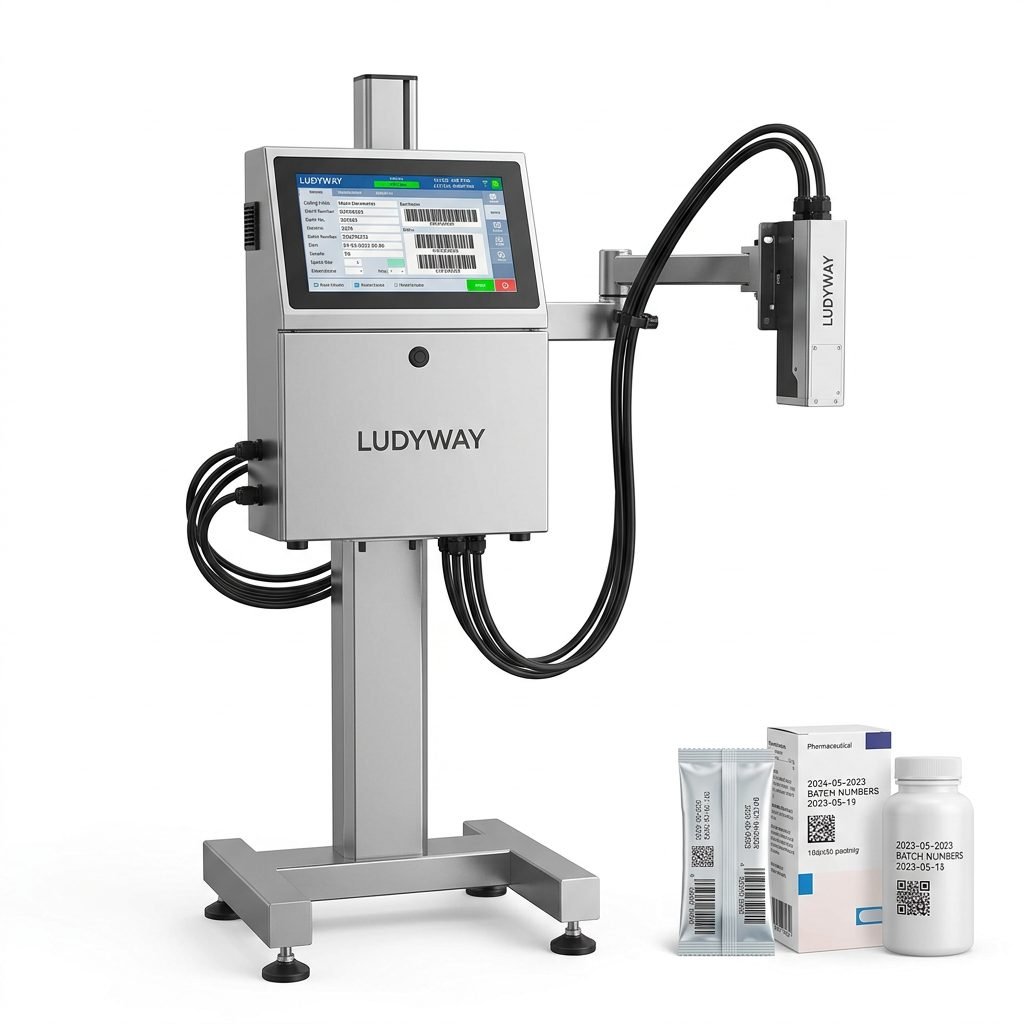
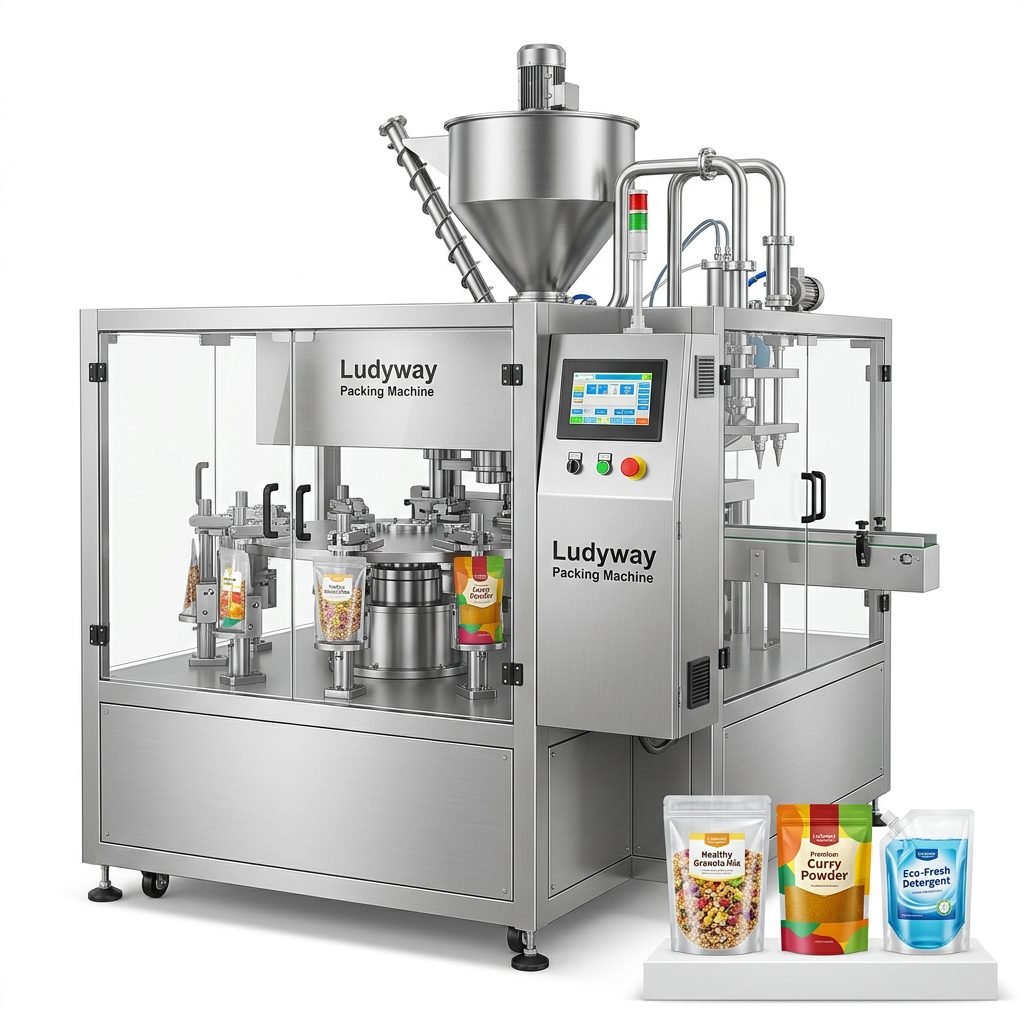
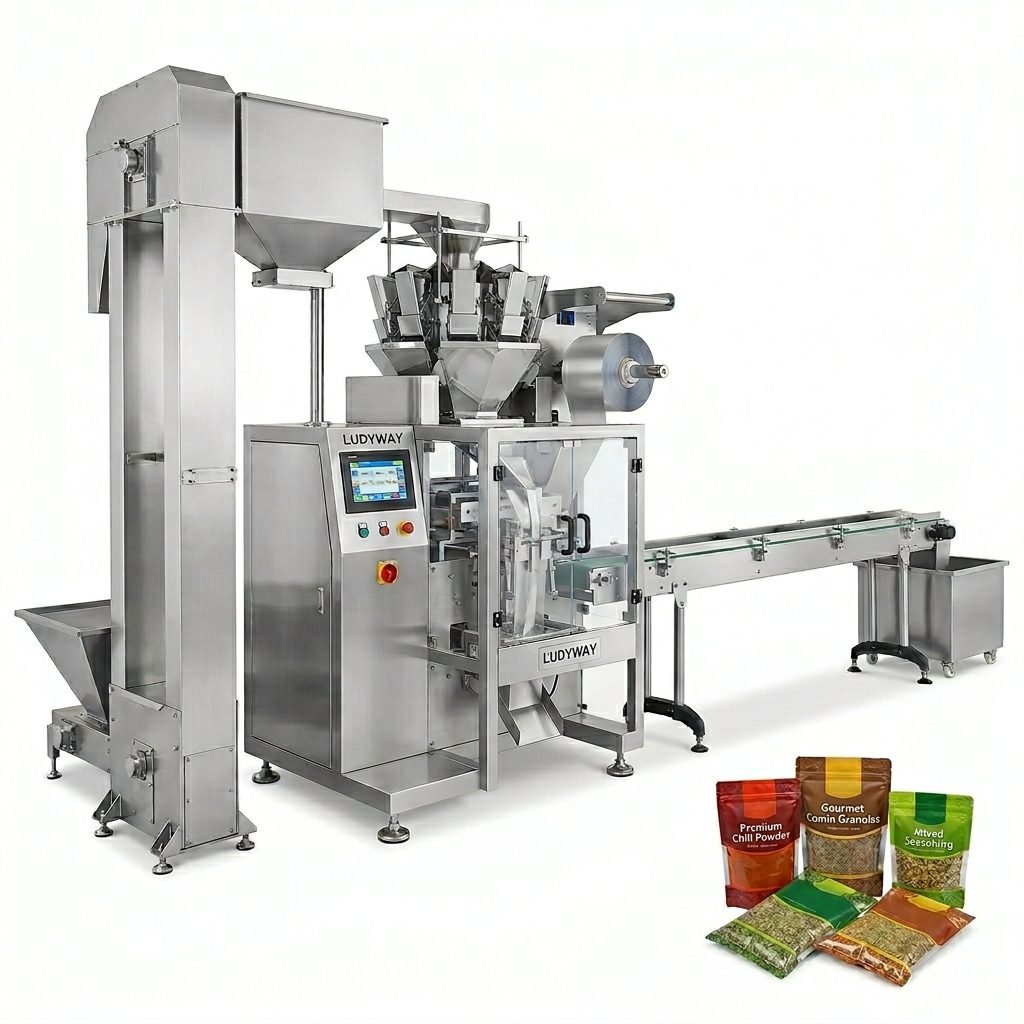
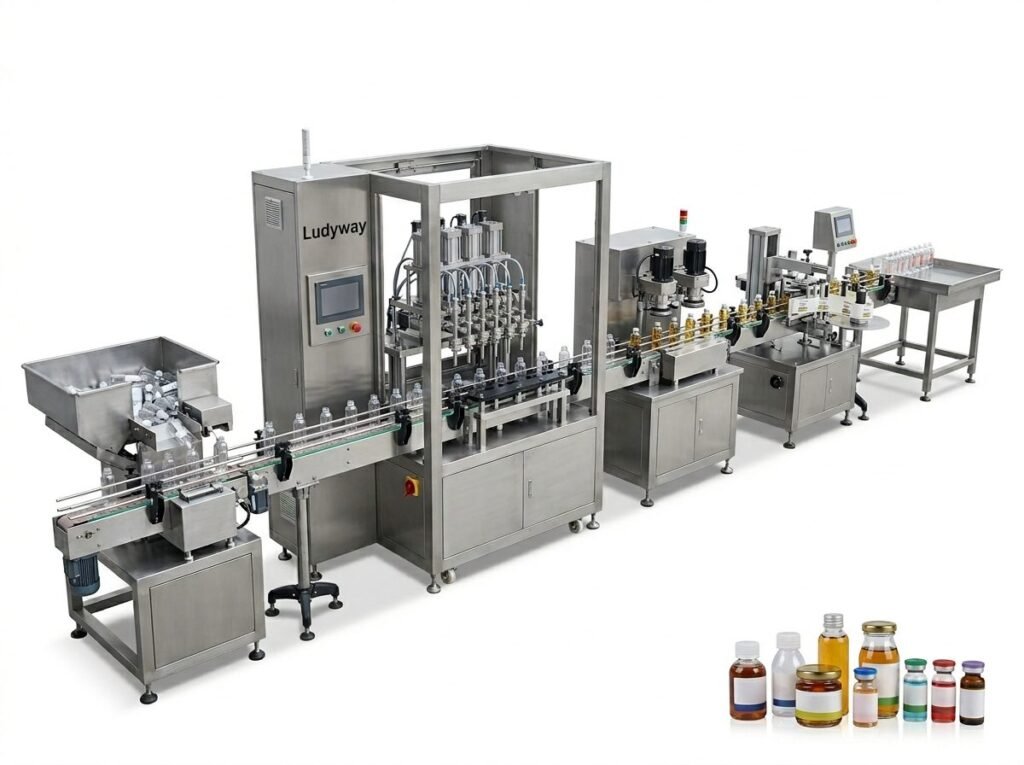
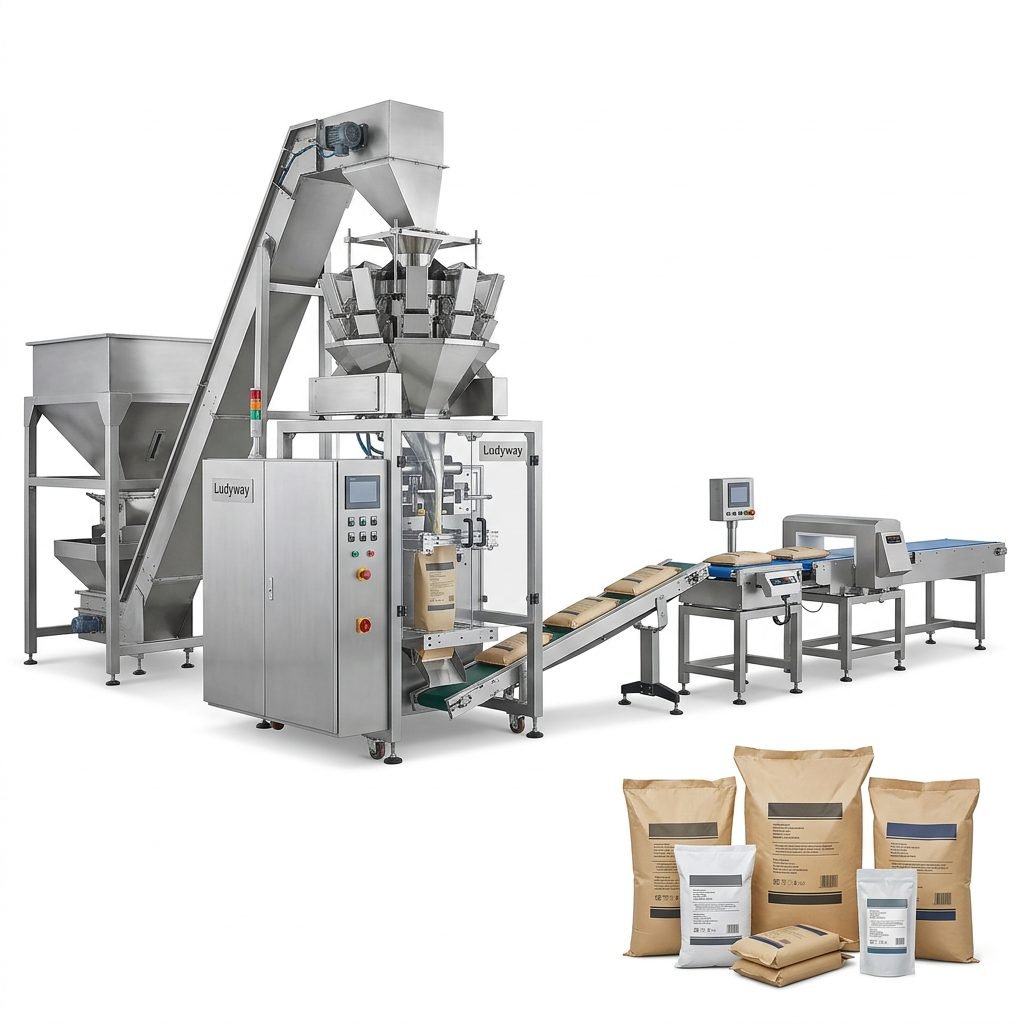
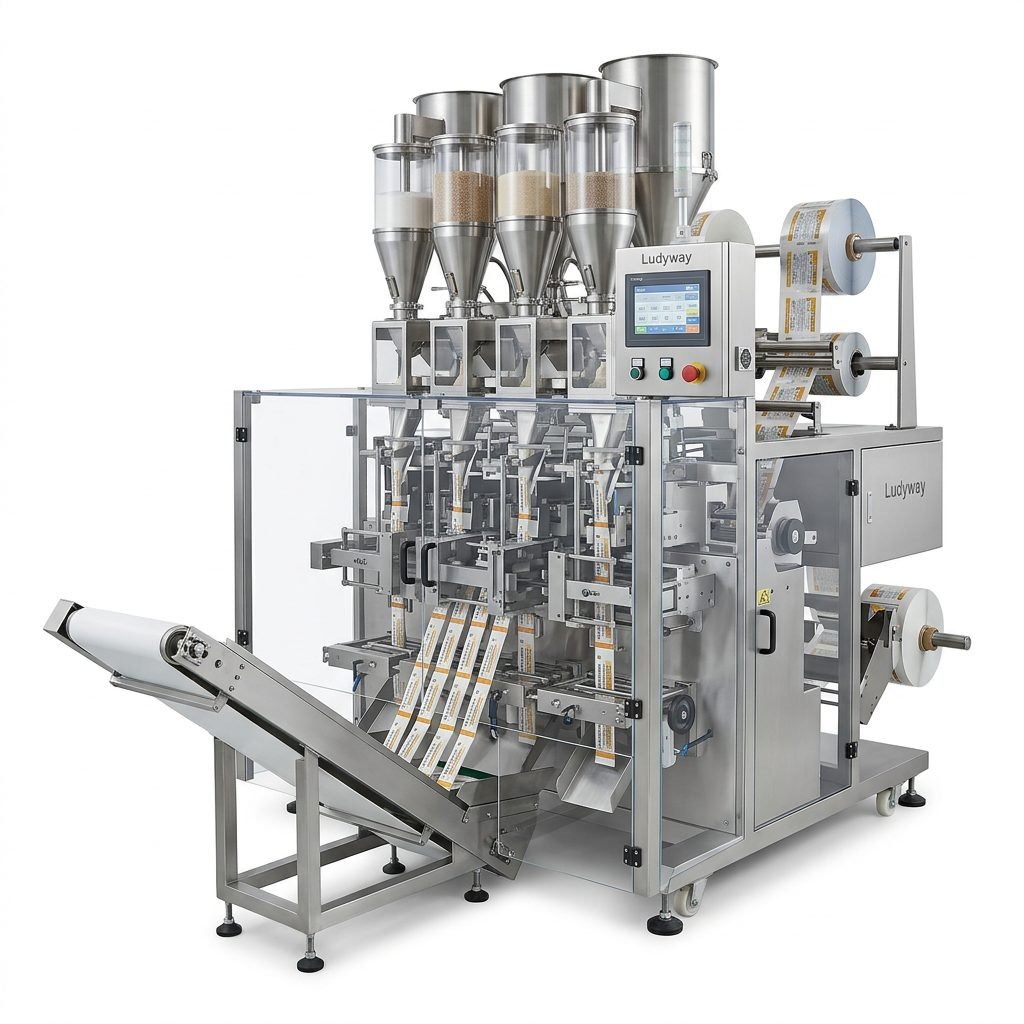
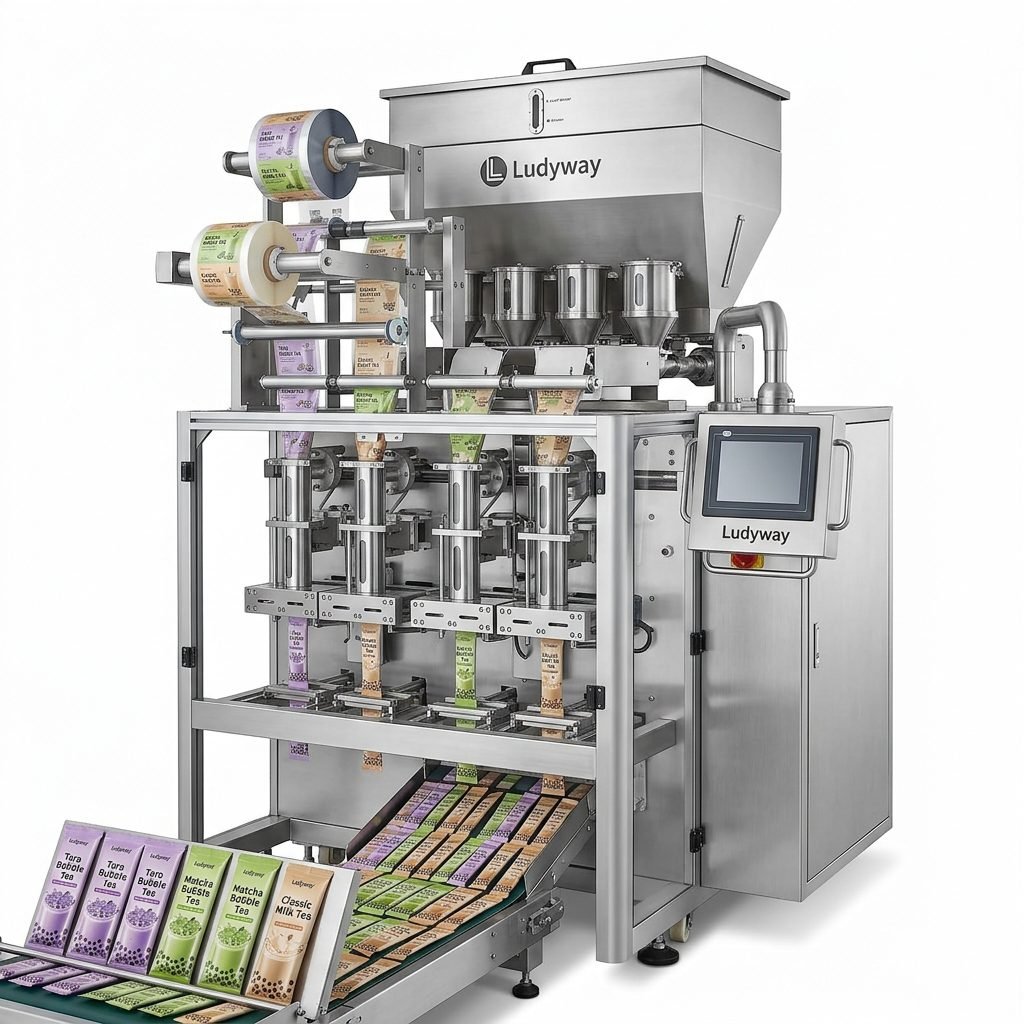
Automatic cartoning machines are a core part of modern packaging automation. They take products such as sachets, pouches, bottles, blisters, tubes, vials, and small cartons, then place them into pre-glued cartons with speed, consistency, and far less manual labor. For manufacturers in food, pharmaceutical, cosmetics, and chemical industries, cartoning automation helps improve output, reduce packing errors, and create a cleaner, more standardized final package.
If you are evaluating packaging equipment, understanding how an automatic cartoning machine works is essential. This guide explains the workflow, key components, machine types, benefits, common applications, and how to choose the right system for your production line.
What Is an Automatic Cartoning Machine?
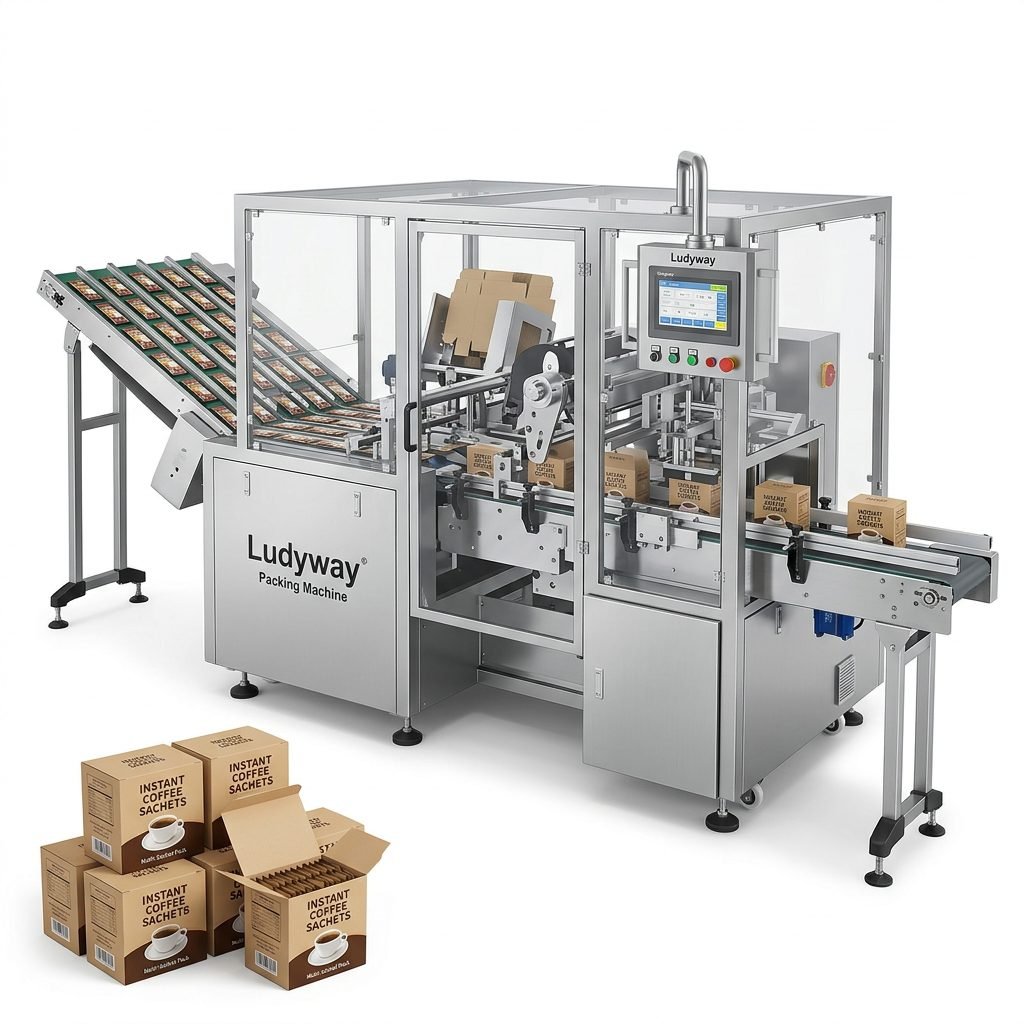
An automatic cartoning machine is packaging equipment designed to form, load, and close cartons automatically. Depending on the machine design, it can perform one or more of the following actions:
- Pick up and open flat carton blanks
- Insert a product or a grouped set of products into the carton
- Add leaflets, manuals, or inserts
- Close the carton using tuck-in flaps or hot melt glue
- Discharge finished cartons to downstream systems
These machines are widely used wherever products need a retail-ready or transport-ready boxed presentation.
How Does an Automatic Cartoning Machine Work?
Although machine structures vary by product type and speed requirement, the basic process follows a clear sequence. Below is the typical automatic cartoning process flow.
1. Product Infeed and Orientation
Products first enter the cartoning system from upstream equipment, such as a filling machine, sachet packing machine, blister machine, bottle line, or pouch packaging machine. At this stage, the products are aligned, counted, grouped, or stacked so they can be inserted correctly into cartons.
In many production lines, sensors check:
- Product presence
- Correct orientation
- Quantity per carton
- Spacing between products
2. Carton Feeding
Flat carton blanks are loaded into a magazine. The cartoning machine uses a suction system or mechanical pickup arm to remove one blank at a time and transfer it into the forming station.
Stable carton feeding is critical because poor carton quality, improper storage, or inaccurate magazine settings can affect the whole line.
3. Carton Opening and Forming
Once the blank is picked up, the machine opens it into a three-dimensional box shape. Mechanical fingers, vacuum cups, and forming guides help square the carton before loading.
At this stage, the machine ensures:
- The carton is fully opened
- Flaps are correctly positioned
- The box remains stable during insertion
4. Leaflet or Insert Feeding
For industries such as pharmaceuticals and medical products, folded leaflets or instructions are often inserted before or together with the product. An automatic leaflet feeder synchronizes this step with carton movement.
This function is especially important in regulated industries where documentation inside each carton is mandatory.
5. Product Loading into the Carton
The product is then pushed, dropped, or robotically placed into the open carton. The loading method depends on product shape and packaging format.
Common loading methods include:
- Horizontal push loading for sachets, blisters, tubes, and pouches
- Top loading for bottles, jars, and irregular products
- Robotic pick-and-place for delicate or multi-component packs
6. Carton Closing and Sealing
After loading, the machine closes the carton. The closure style depends on carton design and customer preference.
Typical carton closing methods:
- Tuck-in flap closure
- Reverse tuck closure
- Hot melt glue sealing
- Tamper-evident closure
The machine uses guides, folding arms, compression sections, or glue systems to secure the carton.
7. Inspection and Rejection
Modern automatic cartoning machines often include inspection systems to verify carton quality before discharge. If a carton is missing a product, leaflet, code, or seal, the unit is automatically rejected.
This helps manufacturers reduce defective shipments and maintain packaging consistency.
8. Finished Carton Discharge
The finished carton exits the cartoner and moves to downstream equipment such as checkweighers, labeling machines, case packers, palletizers, or conveyor systems for final handling.
Main Components of an Automatic Cartoning Machine
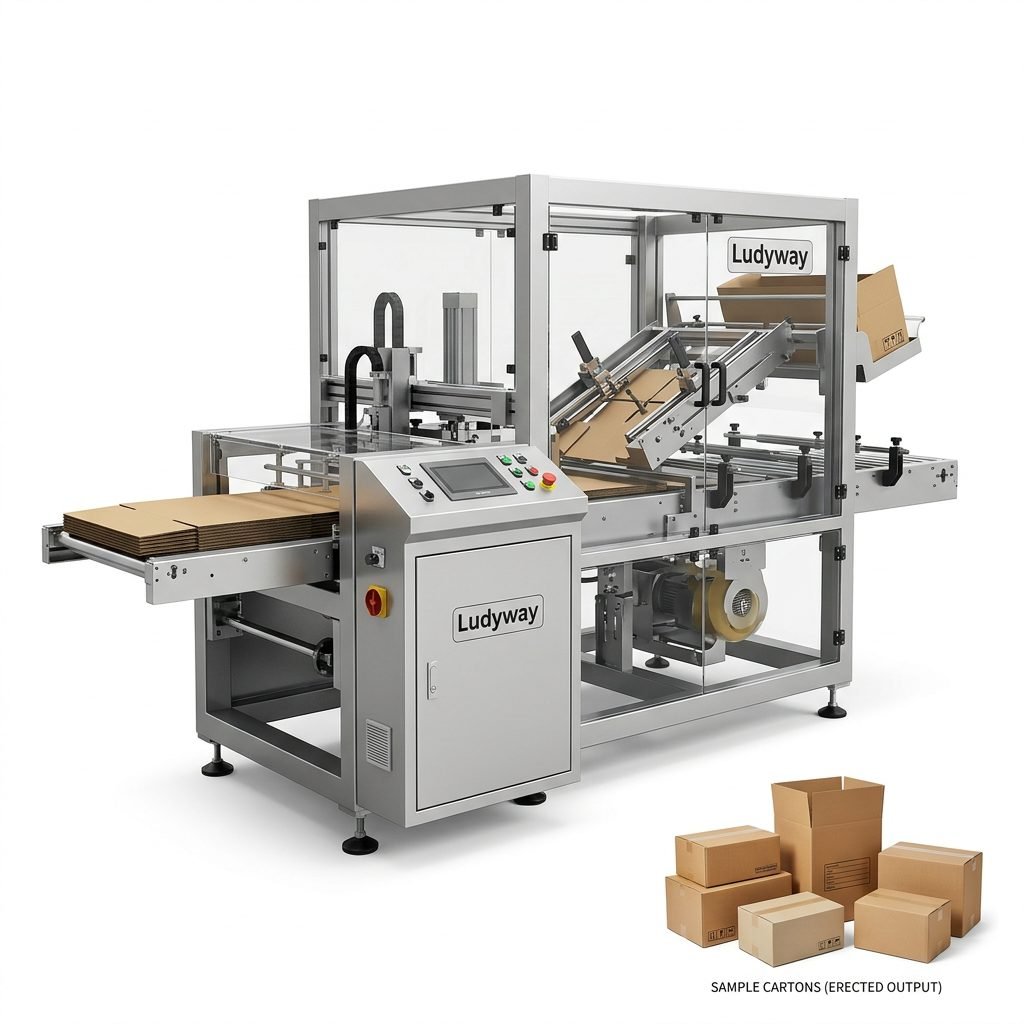
To understand performance and maintenance requirements, it helps to know the main components involved.
| Component | Function |
|---|---|
| Product infeed system | Transfers and arranges products before loading |
| Carton magazine | Stores flat carton blanks for continuous feeding |
| Suction/forming unit | Opens carton blanks into formed boxes |
| Leaflet feeder | Adds inserts or instructions where needed |
| Loading mechanism | Pushes or places product into the carton |
| Closing/sealing unit | Closes flaps or applies glue for final sealing |
| PLC and HMI controls | Manage settings, timing, alarms, and changeovers |
| Sensors and reject system | Detect faults and remove non-conforming cartons |
Types of Automatic Cartoning Machines
Horizontal Cartoning Machine
A horizontal cartoner is ideal when products are loaded sideways into the carton. It is commonly used for blister packs, sachets, stick packs, pouches, tubes, and flow-wrapped products.
Vertical Cartoning Machine
A vertical cartoner loads products from the top. It is often used for bottles, jars, bags, and free-flowing grouped items that benefit from gravity-assisted loading.
Intermittent Motion Cartoner
This type pauses the carton during each process stage. It is suitable for moderate speeds, frequent product changes, and applications requiring controlled insertion.
Continuous Motion Cartoner
Continuous cartoners keep cartons moving throughout the cycle, offering higher speed and greater productivity. They are often used in large-scale automated packaging lines.
| Machine Type | Best For | Typical Advantage |
|---|---|---|
| Horizontal cartoner | Sachets, blisters, tubes, pouches | Versatile for many retail products |
| Vertical cartoner | Bottles, jars, bags | Efficient top loading |
| Intermittent motion | Flexible, mid-speed lines | Easy control and adjustment |
| Continuous motion | High-speed production | Maximum output |
What Products Can Be Packed by an Automatic Cartoning Machine?
Automatic cartoners are used across many industries because they can handle a wide range of primary packages and product formats.
- Powder sachets and stick packs
- Liquid sachets and pouches
- Blister packs for tablets and capsules
- Bottles and vials
- Tubes for cream, gel, or ointment
- Medical devices and sterile products
- Cosmetic kits and personal care items
- Food seasoning packs, instant drinks, and snack packs
This is why cartoning machines are often integrated into complete packaging lines rather than used as standalone equipment.
Key Benefits of Automatic Cartoning Machines
Higher Packaging Speed
Manual cartoning is slow and inconsistent. Automatic machines greatly increase the number of cartons packed per minute, making them suitable for growing production demands.
Reduced Labor Costs
By automating carton forming, loading, and sealing, manufacturers reduce dependence on manual operators and improve labor allocation.
Better Packaging Consistency
Each carton is formed and sealed using the same programmed sequence, which helps maintain a clean and professional appearance.
Lower Error Rate
Integrated sensors and reject systems reduce the risk of missing products, empty cartons, incorrect counts, or incomplete inserts.
Easy Integration
Automatic cartoning equipment can be connected with upstream fillers and downstream case packers, labelers, or palletizers for fully automated packaging.
Improved Compliance
In pharmaceutical and healthcare sectors, automated leaflet insertion, coding, and inspection support stricter packaging standards.
Industries That Commonly Use Automatic Cartoning Machines
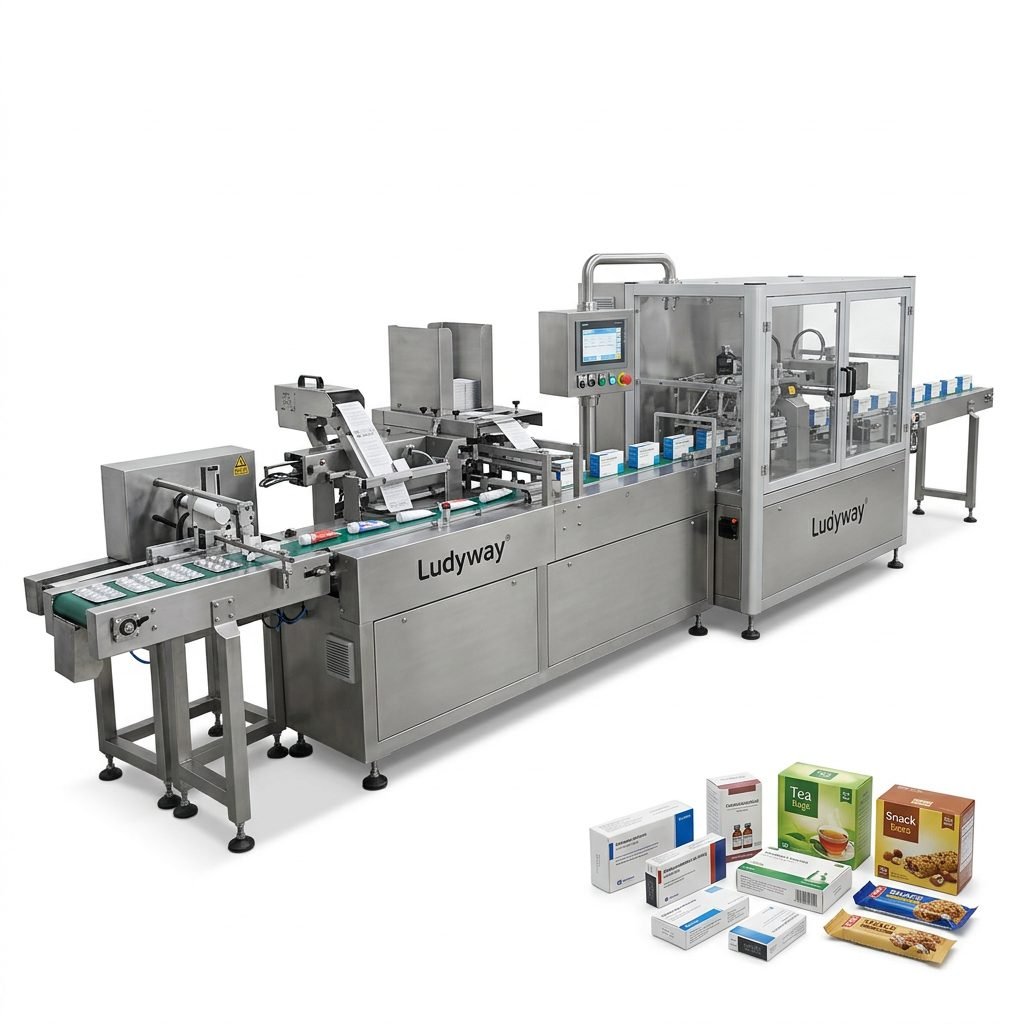
Cartoning systems are essential in industries that require efficient secondary packaging.
- Pharmaceutical industry – blister packs, bottles, medical sachets, vials, and inserts
- Food industry – seasoning sachets, snack packs, instant beverage sticks, and pouches
- Cosmetics industry – cream tubes, serum sachets, beauty kits, and lotion products
- Chemical industry – household cleaning sachets, industrial pouches, and treatment products
- Health supplement industry – stick packs, pouches, capsule blisters, and powder sachets
Automatic Cartoning Machine vs Manual Cartoning
| Factor | Manual Cartoning | Automatic Cartoning |
|---|---|---|
| Speed | Low | High |
| Labor requirement | High | Low |
| Consistency | Operator dependent | Stable and repeatable |
| Error control | Limited | Sensor-based inspection |
| Scalability | Poor | Excellent |
How to Choose the Right Automatic Cartoning Machine
Choosing the right model depends on your product, carton style, output target, and production environment. A machine that works well for sachets may not be suitable for bottles or medical kits.
When evaluating options, consider the following:
- Product type and dimensions
- Carton size range
- Required speed
- Need for leaflet insertion
- Closure style such as tuck-in or hot melt glue
- Changeover frequency between SKUs
- Available factory space
- Integration with upstream and downstream machines
- Compliance requirements for food or pharma production
For companies planning a complete line, it is often better to work with an experienced manufacturer that understands both primary and secondary packaging integration. Ludyway automatic cartoning machine solutions are often considered by buyers looking for scalable packaging automation, especially for food, pharmaceutical, health supplement, and multi-format packaging line projects.
Common Challenges in Cartoning Automation
Even advanced systems require proper setup and matching to the product. Some common issues include:
- Carton blank quality inconsistency
- Product misalignment at infeed
- Incorrect grouping or counting
- Unstable leaflet feeding
- Glue application problems
- Poor synchronization with upstream equipment
These problems can usually be reduced through better carton design, stable feeding systems, accurate servo control, and routine maintenance.
Maintenance Tips for Automatic Cartoning Machines
Regular maintenance is essential for long-term reliability and high efficiency. A good maintenance program should include:
- Cleaning dust, powder, and carton debris from moving parts
- Inspecting suction cups, belts, guides, and pushers
- Checking sensor calibration
- Monitoring glue system temperature and application accuracy
- Lubricating mechanical assemblies as recommended
- Reviewing PLC alarms and wear components during scheduled downtime
Why Automatic Cartoning Machines Matter in Packaging Automation
An automatic cartoning machine is more than a simple boxing device. It acts as a bridge between primary packaging and final case packing, helping manufacturers build a more connected, reliable, and efficient production line.
As production volumes grow and labor costs rise, automated cartoning becomes increasingly valuable for companies that need:
- Higher output
- Better package presentation
- Lower manual handling
- Improved traceability and compliance
- Expandable turnkey packaging systems
Final Thoughts
Automatic cartoning machines work by feeding products, erecting cartons, inserting items and leaflets, closing the carton, and inspecting the final package in one coordinated process. Their ability to automate secondary packaging makes them a key investment for manufacturers aiming to improve efficiency, consistency, and scalability.
Whether you pack sachets, stick packs, bottles, blisters, tubes, or pouches, the right cartoning system can significantly strengthen your packaging workflow and support long-term production growth.