In the fast-paced world of product manufacturing and distribution, efficient and reliable packaging is a cornerstone of success. For countless products—from instant coffee sticks and pharmaceutical powders to condiment sachets and cosmetic creams—hot melt packaging equipment provides the critical sealing technology that ensures product integrity, shelf life, and consumer safety. This comprehensive guide delves into the various types of hot melt systems, their wide-ranging applications, and provides a clear framework for selecting the right equipment to optimize your production line.
Understanding Hot Melt Packaging Equipment
Hot melt packaging equipment refers to machinery that uses thermoplastic adhesives, commonly known as hot melt adhesives (HMAs), to create seals on packaging materials. Unlike traditional methods that might use sewing, staples, or pressure-sensitive tapes, hot melt systems apply a molten adhesive that solidifies rapidly upon cooling, forming a strong, flexible, and often water-resistant bond. This technology is integral to form-fill-seal (FFS) machines, carton sealers, case erectors, and tray forming systems.
Core Advantage: The primary benefit of hot melt systems is speed. The adhesive sets in seconds, allowing for high-speed production lines that would be impossible with slower-setting glues. This results in increased throughput and lower operational costs.
Key Components of a Hot Melt System
A typical system consists of three main parts:
- Melting Unit (Tank or Melter): This component heats solid adhesive pellets or slugs to a precise molten state. Modern melters often feature advanced temperature control and agitation to ensure consistent adhesive viscosity.
- Delivery System (Hoses and Pumps): Insulated hoses transport the molten adhesive from the melter to the application head. Metering pumps control the flow rate with high accuracy, which is crucial for consistent bead placement and adhesive economy.
- Application Head (Gun or Nozzle): This is the point where the adhesive is applied to the substrate. Heads can be configured for various patterns—beads, spirals, sprays, or dots—depending on the sealing requirement.
Types of Hot Melt Packaging Systems
Choosing the right type of system depends heavily on your production volume, package type, and line speed. The main categories are outlined below.
1. Manual and Semi-Automatic Applicators
Ideal for low-volume operations, prototyping, or repair stations, these systems are operated by hand or with minimal automation. An operator triggers the adhesive gun to apply beads for sealing cartons or attaching components. They offer flexibility and a low initial investment but are not suitable for integrated, high-speed lines.
2. Automatic Linear Sealers
These are workhorses for many packaging lines. They automatically apply a consistent bead or pattern of hot melt along a predetermined path. Common uses include:
- Top and Bottom Carton Sealing: Machines that seal the flaps of shipping cases.
- Tray Forming and Sealing: Applying adhesive to paperboard blanks to form and seal product trays.
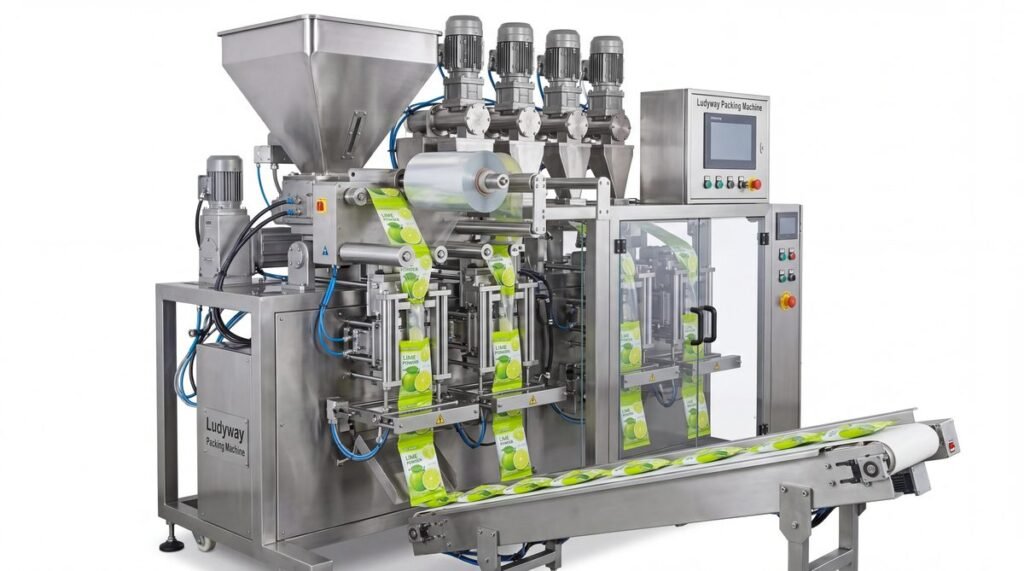
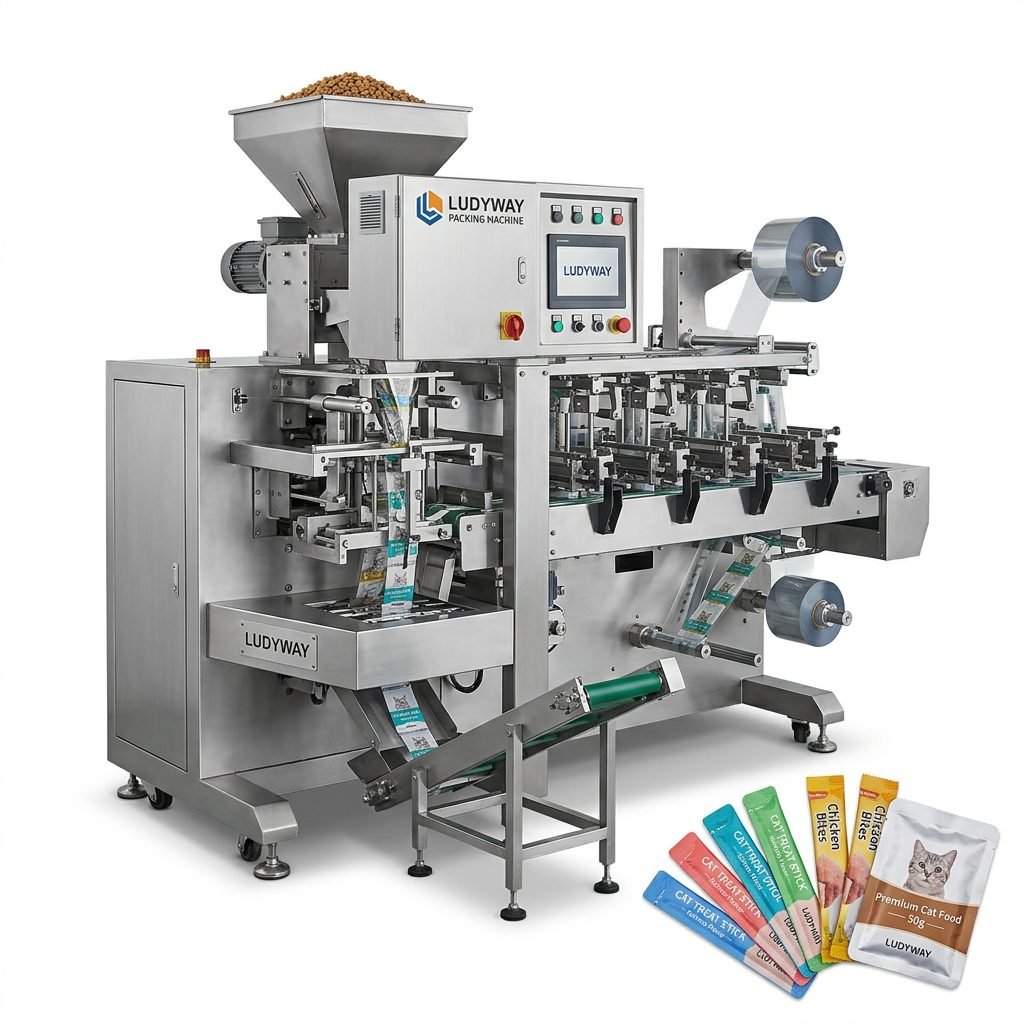
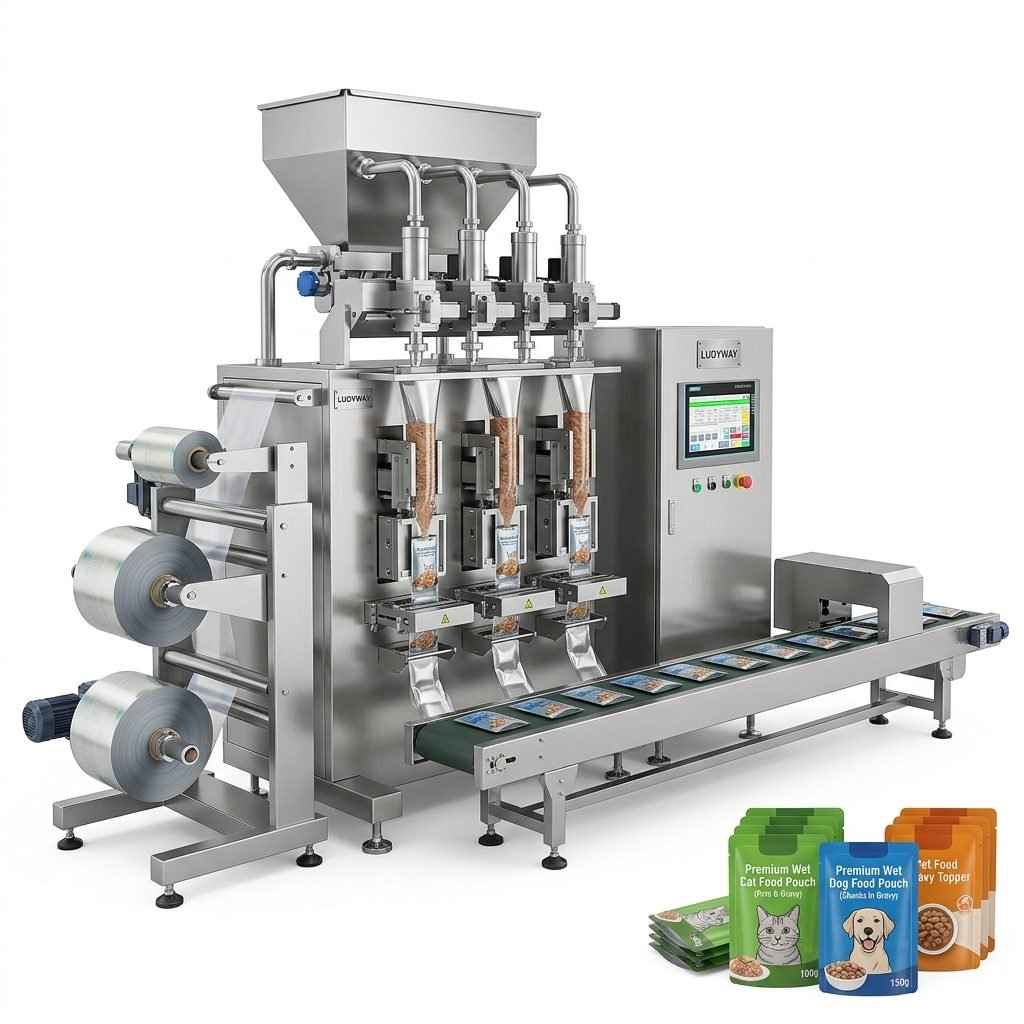
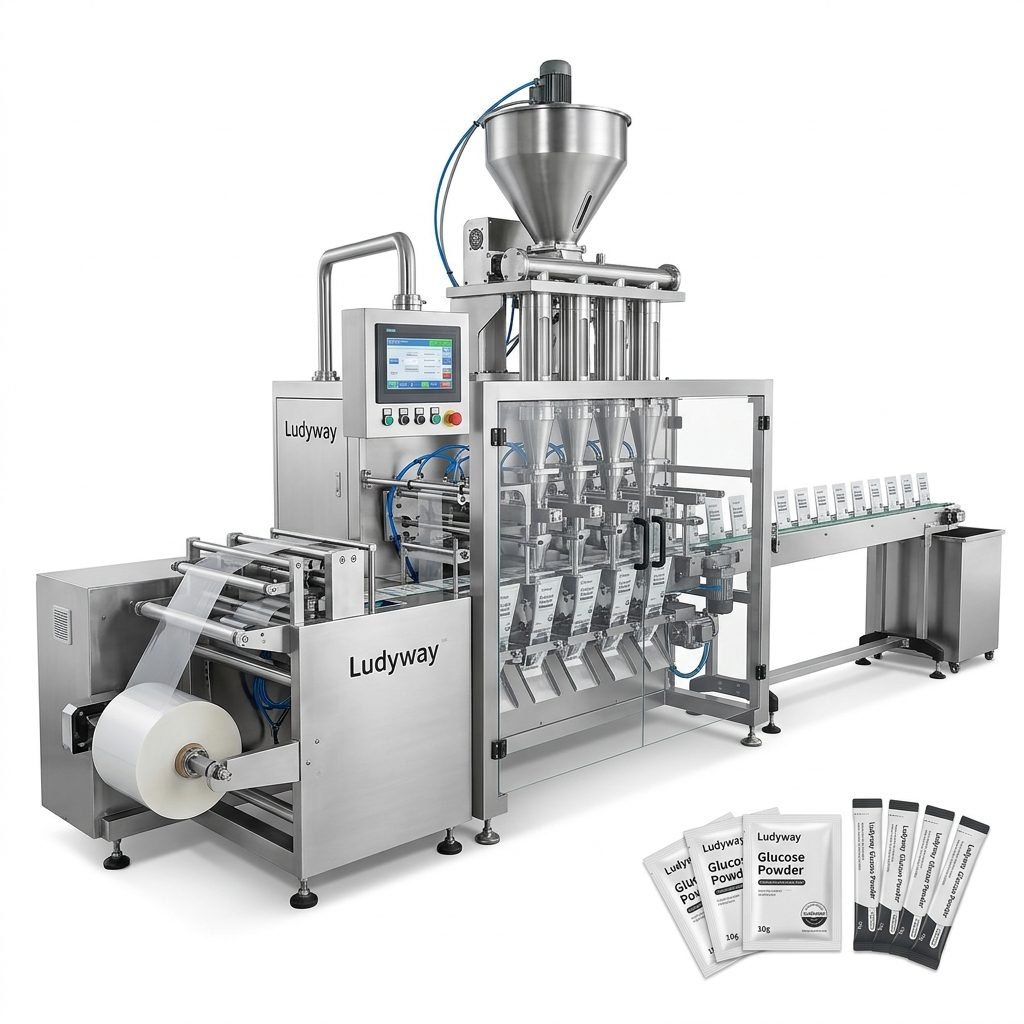
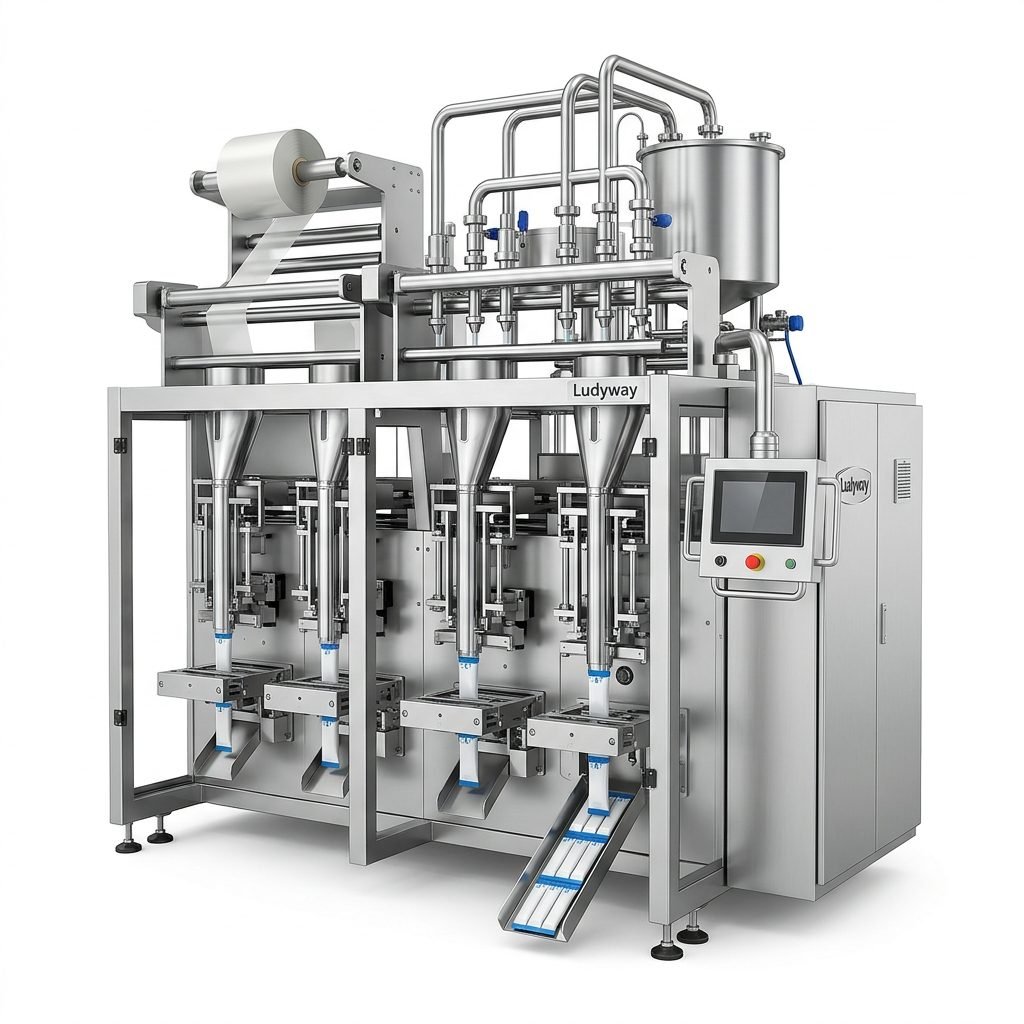
- Multi-Lane Sachet & Stick Pack Machines: Advanced form-fill-seal systems often integrate linear sealers to create the longitudinal seal on pouches. For instance, a multi-lane stick pack machine producing 8 lanes simultaneously relies on precise, high-speed hot melt application for perfect seals every time.
3. Spray and Pattern Coating Systems
For applications requiring broad, uniform coverage or specific adhesive patterns, spray systems are used. They atomize the molten adhesive into fine filaments or dots. This is perfect for:
- Creating a wide seal area on large panels.
- Applying adhesive for lamination.
- Securing lightweight, porous materials where a bead might penetrate.
4. Integrated Form-Fill-Seal (FFS) Solutions
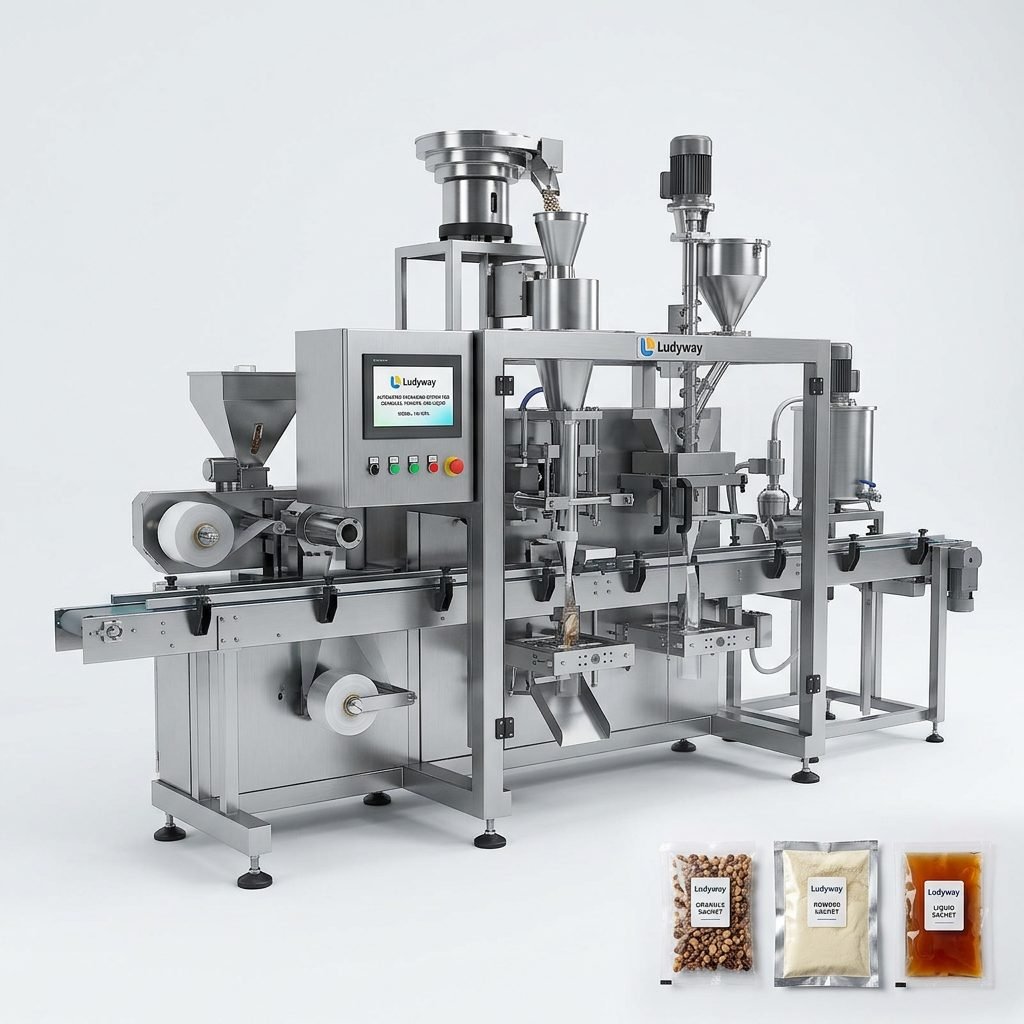
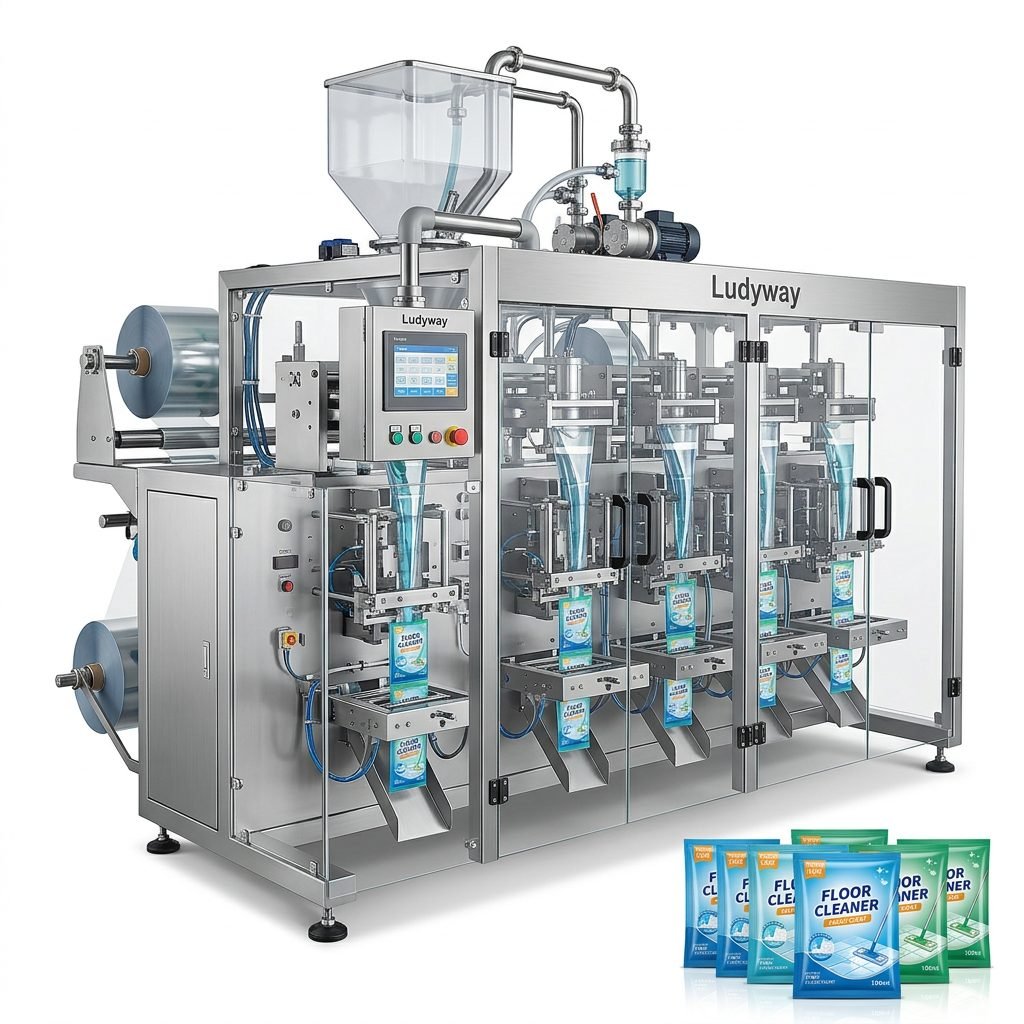
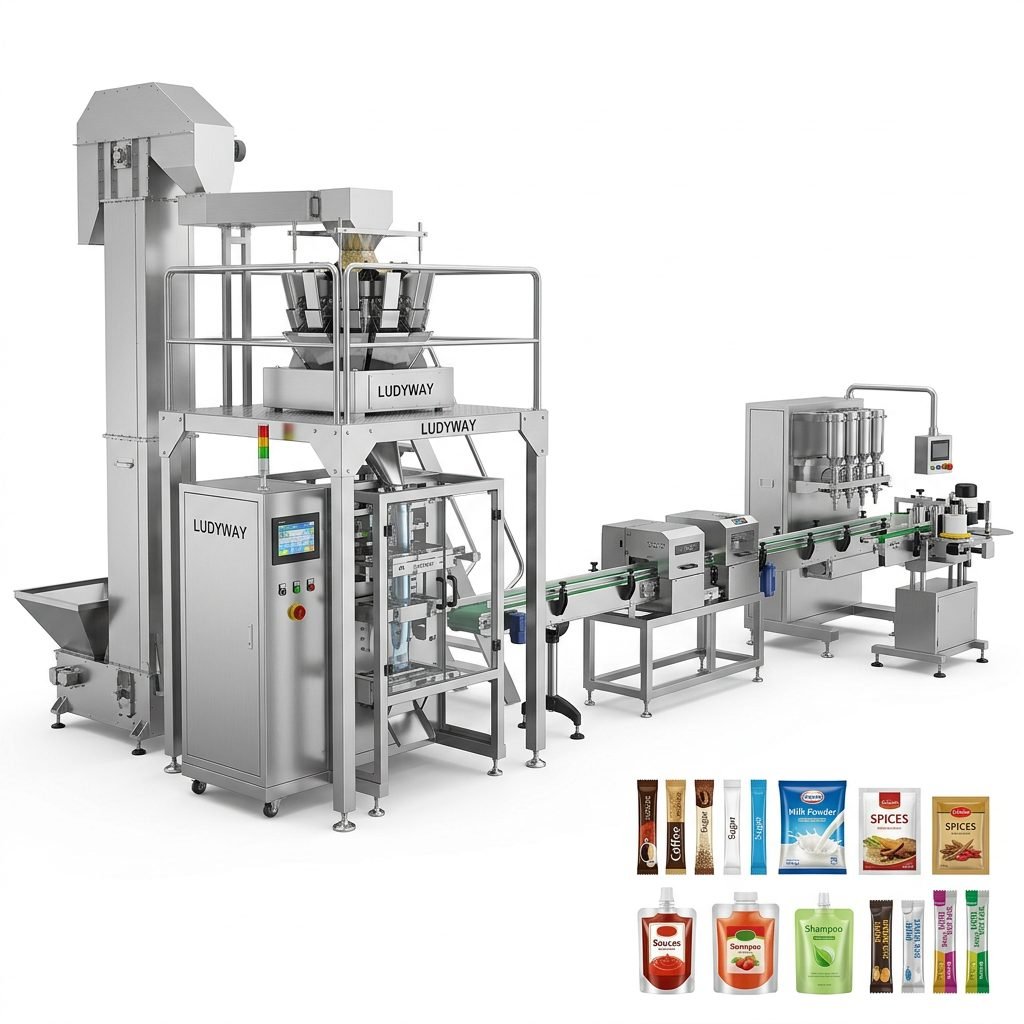
This represents the pinnacle of automated packaging. In an FFS machine, the hot melt system is fully integrated into the packaging process. The machine forms a pouch from a roll of film, fills it with product, and then seals it using hot melt adhesive. This is exceptionally common for:
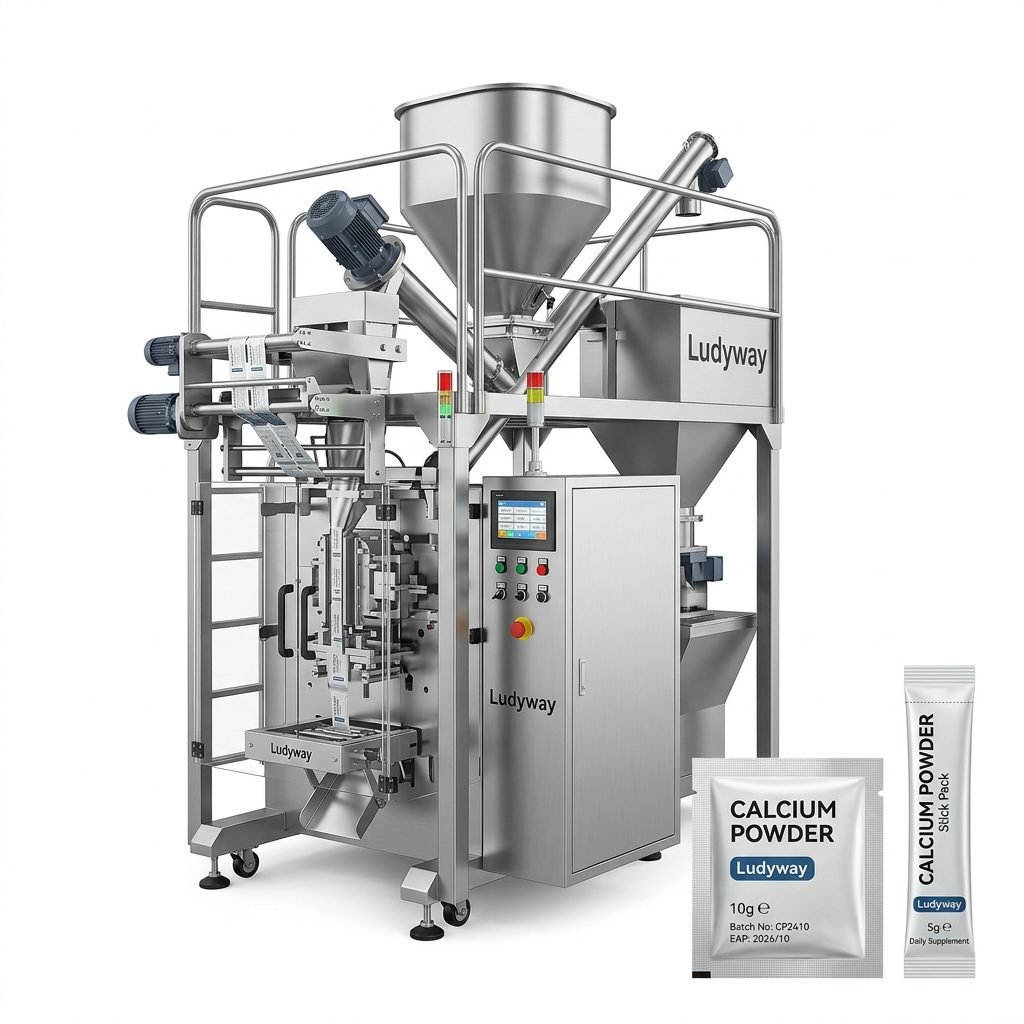
- Granule and Powder Packaging: For products like sugar, instant drink mixes, or medicinal powders.
- Liquid Pouch Packaging: For sauces, shampoos, or single-dose liquid pharmaceuticals.
💡 Pro Tip: When investing in an FFS line, ensure the hot melt unit is matched to the machine’s maximum cycle speed. An undersized melter cannot keep up with demand, causing downtime and seal failures.
Primary Applications Across Industries
The versatility of hot melt adhesives makes them suitable for a vast array of packaging tasks.
Food & Beverage Packaging
Hot melts used here must often comply with FDA or other food contact regulations. Applications include sealing cereal boxes, forming tea bag envelopes, sealing frozen food cartons, and creating the airtight seals on stick packs for coffee, soup, or sauce mixes. The speed and hygiene of hot melt systems are critical in high-volume food production.
Pharmaceutical & Healthcare
Precision and reliability are non-negotiable. Hot melt systems seal blister pack backing, assemble medical device packaging, and close sterile barrier pouches. The adhesive must be compatible with sterilization processes and provide a tamper-evident seal. Pharmaceutical packaging machinery often features sanitary design and ultra-precise adhesive control.
Cosmetics & Personal Care
From sealing luxury gift boxes to assembling sample sachets for creams and lotions, hot melt provides a clean, strong bond that doesn’t detract from the product’s aesthetic. It’s also used in forming and sealing the cartons for bottles and tubes.
E-commerce & Shipping
Automatic case erectors and sealers use hot melt to securely close shipping cartons. The bond is strong enough to withstand the rigors of logistics but can be opened by the end consumer without special tools, improving the unboxing experience.
How to Choose the Right Hot Melt System
Selecting equipment is a strategic decision. Follow this framework to ensure a perfect fit for your operation.
Step 1: Analyze Your Packaging Requirements
- Substrate Material: What are you sealing? (e.g., coated paperboard, corrugated cardboard, polymer films, foil). The adhesive must be formulated to bond effectively.
- Seal Type & Pattern: Do you need a single bead, a dual bead for security, or a spray pattern?
- Production Speed (Cycles/Minute): This is the most critical factor. Your system’s melt rate and output must exceed your line’s demand.
- Operating Environment: Consider ambient temperature and humidity, which can affect adhesive performance.
Step 2: Evaluate Machine Specifications
Key Specs to Scrutinize:
- Melt Rate: Measured in pounds/kilograms per hour. Choose a unit with a 20-30% higher capacity than your calculated need.
- Temperature Control: Look for precise digital control (±1°C) for consistent viscosity.
- Tank Capacity: A larger tank reduces the frequency of refilling adhesive pellets.
- Pump Type & Control: Gear pumps offer precise, pulseless delivery for fine patterns.
- Compatibility with Adhesives: Ensure the system works with the specific adhesive grade you require.
Step 3: Consider Integration and Support
The best machine is useless if it doesn’t integrate smoothly into your line. Work with a supplier who understands turnkey production solutions. Consider:
- Footprint & Connectivity: Will it fit your space and interface with upstream/downstream equipment?
- Ease of Maintenance: How easy is it to clean and replace parts like filters or nozzles?
- Supplier Expertise & After-Sales Service: Choose a partner with proven industry experience, like Ludyway Machinery, which brings over a decade of specialization in advanced packaging solutions. Reliable technical support and spare parts availability are crucial for minimizing downtime.
Step 4: Calculate Total Cost of Ownership (TCO)
Look beyond the initial purchase price. Factor in:
- Energy consumption of the melter.
- Adhesive consumption efficiency (a precise system wastes less).
- Maintenance costs and expected lifespan.
- Potential for future upgrades or modular expansion.
Frequently Asked Questions (FAQs)
What are the main advantages of hot melt over other adhesives?
Hot melt adhesives offer superior speed of set (seconds), strong bonds on diverse materials, excellent gap-filling properties, and are generally solvent-free, making them more environmentally friendly and safer for workers compared to some solvent-based alternatives.
How do I prevent common issues like charring or stringing?
Charring is often caused by overheating or adhesive remaining stagnant in the system for too long. Use adhesives with high thermal stability, employ temperature controllers, and purge the system during extended stops. Stringing is typically addressed by optimizing the “shut-off” mechanism of the application head and using adhesives formulated for clean breaks.
Can the same hot melt system run different types of adhesive?
Generally, yes, but a thorough purge is essential when switching adhesive types or colors to prevent cross-contamination. Always consult the machine and adhesive manufacturer’s guidelines. Some specialized adhesives may require specific pump or hose materials.
What maintenance does a hot melt system require?
Regular maintenance includes daily visual checks for leaks, weekly cleaning of filters and nozzles, and periodic replacement of wear items like pump seals and hose gaskets as per the manufacturer’s schedule. Keeping the adhesive tank covered to prevent contamination is also vital.
How critical is supplier support when choosing equipment?
Extremely critical. A knowledgeable supplier provides essential guidance during selection, ensures proper installation and integration, and offers prompt technical support and spare parts. This partnership directly impacts your line’s uptime, efficiency, and long-term return on investment.