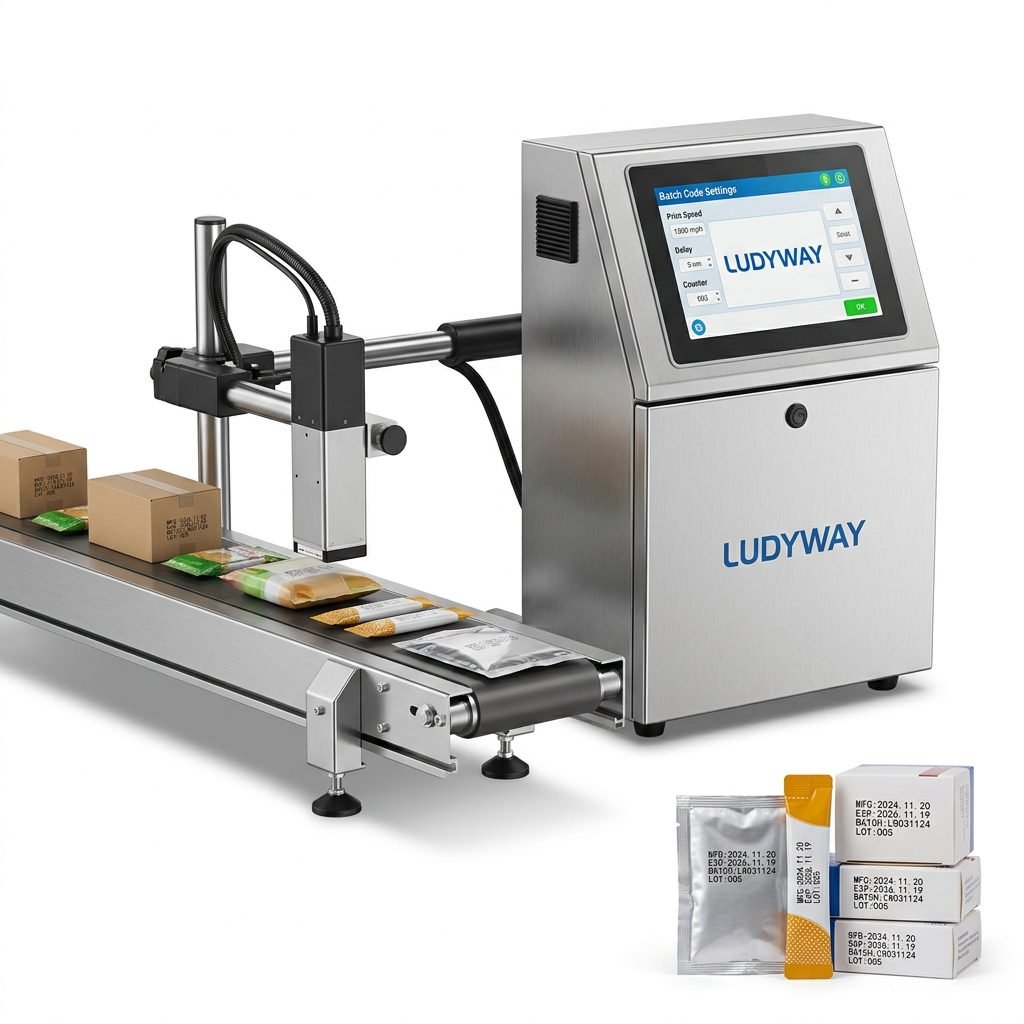
这是为您生成的一篇符合SEO要求、适配移动端、并已植入内链及企业信息的英文长文HTML代码。内容聚焦于在中东地区建立鸡蛋包装生产线的全流程指南,包含了从市场分析、设备选型到安装维护的详细步骤,并使用了表格、列表和图片来提升阅读体验。
The Middle East’s poultry industry is experiencing unprecedented growth, driven by food security initiatives and a booming population. Setting up a high-efficiency egg packaging machine production line in this region requires careful planning around climate, regulations, and local market demands. This complete guide walks you through every critical step, from facility planning and equipment selection to installation, training, and ongoing maintenance.

Understanding the Middle East Egg Packaging Market
Before investing in machinery, it is essential to understand the regional landscape. Countries like Saudi Arabia, the UAE, Qatar, and Kuwait are expanding domestic egg production to reduce reliance on imports. The demand for graded and packaged eggs is surging in retail, hospitality, and food processing sectors. Local consumers increasingly expect premium packaging quality, tamper-proof seals, and clear labeling that complies with ISO packaging standards. The climate also poses unique challenges: high ambient temperatures and dust levels mean that electrical control systems and pneumatic components must be robustly protected.
Key Components of an Egg Packaging Production Line
A complete egg packaging line consists of several integrated modules working in harmony. Understanding each component helps you make informed procurement decisions and ensures seamless operation from day one.
1. Egg Collection and Conveyor Systems
The line begins with automated egg collection belts that transport eggs directly from the laying house to the packaging facility. These conveyors must be food-grade, easy to sanitize, and designed to minimize cracking and contamination. In the Middle East, where production scales are often large, high-capacity curved conveyors with gentle handling features are preferred.
2. Washing and Sanitizing Units
Egg washing is a critical step, particularly in hot climates where bacterial growth accelerates. Modern washing tunnels use precisely controlled water temperatures, food-safe detergents, and sanitizing rinses. Look for machines with stainless steel construction, automated water recycling systems, and easy-to-clean designs. Compliance with FDA food packaging guidelines is highly regarded in the region.
3. Drying Systems
After washing, eggs must be completely dried before grading to prevent moisture-related issues. High-efficiency air knives and drying tunnels using HEPA-filtered air are standard. In Gulf countries, rapid drying technology reduces bottlenecks and maintains throughput even during peak summer months when ambient humidity can fluctuate dramatically.
4. Grading and Sorting Machines
Automated grading systems use advanced vision technology and load cells to assess weight, shell integrity, and internal quality. Modern graders can process 60,000 to 180,000 eggs per hour, sorting them into multiple weight categories simultaneously. This is a significant investment area where precision engineering directly impacts profitability. The best machines offer user-friendly touchscreen interfaces and remote diagnostic capabilities.
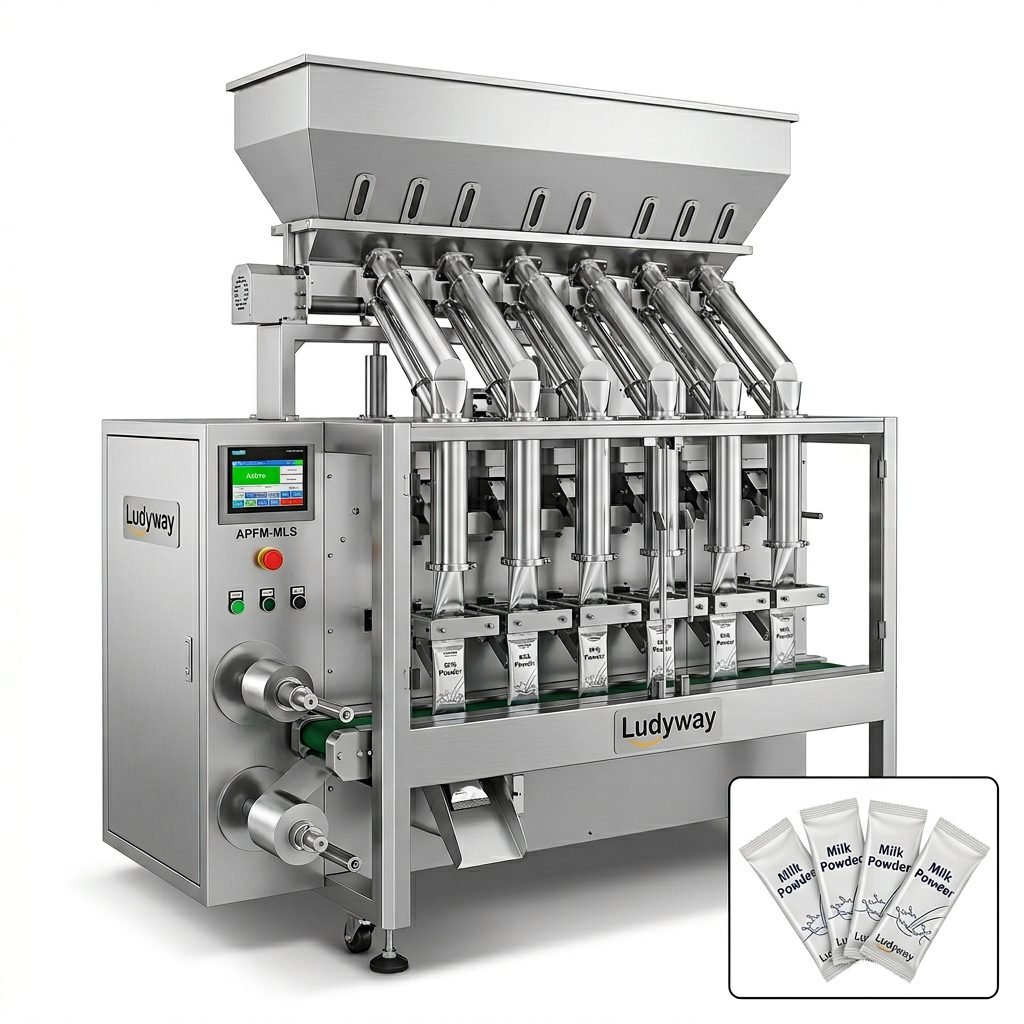
5. Tray Denesters and Fillers
Automatic tray denesters separate and place empty pulp or plastic trays onto the conveyor, ready to receive graded eggs. The filling mechanism then gently places each egg into its designated pocket. Vacuum-based pick-and-place systems are common for higher speeds, while mechanical grippers offer reliability for smaller operations. Middle Eastern producers often run multiple tray formats, so flexibility is a key specification.
6. Checkweighers and Reject Stations
Inline checkweighers verify that each tray or carton contains the correct number of eggs and meets the target weight range. Underweight or damaged packs are automatically rejected. This quality control step is essential for retail compliance and export documentation.
7. Cartoning and Case Packing
Once trays are filled, they move to cartoning stations where they are inserted into printed outer cartons or wrapped with film. Automated case packers stack filled cartons into shipping cases, seal them, and apply labels or barcodes. Integration with ERP and warehouse management systems is increasingly common in modern Middle Eastern facilities.
8. Palletizing Systems
Robotic palletizers or conventional layer palletizers build stable pallet loads for cold storage and distribution. Given the long supply chains in regions like the GCC, pallet stability and load integrity are non-negotiable. Stretch-wrapping machines with adjustable film tension further protect products during transit.
Site Requirements and Facility Preparation
Proper facility preparation is the foundation of a successful installation. In the Middle East, attention to environmental control and utility infrastructure is particularly important.
| Facility Requirement | Specification | Middle East Notes |
|---|---|---|
| Ambient Temperature | 15°C – 25°C | HVAC capacity must account for 45°C+ outdoor peaks |
| Relative Humidity | 40% – 60% | Dehumidification systems recommended in coastal areas |
| Floor Loading | ≥ 1,500 kg/m² | Reinforced concrete floors with epoxy coating |
| Compressed Air | 6 – 8 bar, oil-free | Air dryers essential due to dust and humidity |
| Power Supply | 380-415V / 50Hz, 3-phase | Voltage stabilization and backup generators advised |
| Water Quality | Potable, softened | Reverse osmosis treatment for washing systems |
| Drainage | Floor drains with traps | Comply with local municipality codes |
Engaging a local civil engineering firm familiar with food processing facilities is highly recommended. They can ensure compliance with municipal building codes, fire safety regulations, and food safety authority requirements specific to your target country.
Selecting the Right Equipment Supplier
Choosing a reliable equipment partner is critical. The ideal supplier should offer comprehensive support that spans design consultancy, manufacturing, logistics, installation, and after-sales service. Look for proven experience in delivering high-performance packaging machinery to international markets, particularly across diverse climatic and operational environments. A strong engineering team with deep knowledge of both mechanical and automation systems ensures the production line can be customized to your specific throughput targets, tray formats, and facility layout.
When evaluating suppliers, assess their manufacturing capabilities, quality certifications, and track record with turnkey projects. Leading manufacturers with decades of industry expertise, such as Ludyway, operate modern production facilities and have served customers in over 100 countries. Their engineering teams can provide tailored solutions that match the unique demands of Middle Eastern egg producers, backed by responsive technical support and readily available spare parts.

Installation and Commissioning Process
A well-structured installation plan minimizes downtime and accelerates the path to full production. The process typically unfolds over 6 to 10 weeks, depending on line complexity and facility readiness.
Phase 1: Pre-Installation Verification
- Confirm all utility connections meet equipment specifications
- Verify floor dimensions, levelness, and load-bearing capacity
- Ensure all permits and import documentation are in order
- Conduct a site walkthrough with the supplier’s engineering team
Phase 2: Mechanical Installation
- Position and anchor all major equipment modules
- Connect conveyor sections and align transfer points
- Install pneumatic piping and electrical cable trays
- Set up control panels and human-machine interface stations
Phase 3: Electrical and Automation Integration
- Wire all motors, sensors, and safety devices
- Upload and configure PLC programs and recipes
- Integrate with plant-wide SCADA or MES if applicable
- Perform point-to-point I/O checks
Phase 4: Dry and Wet Commissioning
- Run all equipment empty to verify mechanical functionality
- Introduce dummy or test eggs to calibrate grading and filling
- Adjust timing, speeds, and sensor thresholds
- Validate checkweigher accuracy and reject mechanisms
Phase 5: Production Ramp-Up
- Begin with reduced speeds and gradually increase throughput
- Closely monitor egg breakage rates and packaging quality
- Fine-tune settings based on real production data
- Conduct formal performance acceptance testing
Pro tip: Schedule commissioning during a period of moderate production demand. This gives your team the bandwidth to learn the new system without the pressure of peak order fulfillment.
Operator Training and Skill Development
Even the most advanced machinery underperforms without skilled operators. A comprehensive training program should cover:
- Machine operation: Start-up, shutdown, recipe changes, and emergency procedures
- Routine maintenance: Daily cleaning, lubrication, belt tension checks, and filter replacements
- Troubleshooting: Interpreting error codes, diagnosing common faults, and performing basic repairs
- Quality control: Understanding grading parameters, weight tolerances, and visual inspection criteria
- Safety protocols: Lockout/tagout procedures, guarding awareness, and hygienic zone requirements
Many suppliers offer on-site training during commissioning, followed by remote support. In the Middle East, multilingual training materials in Arabic and English are particularly valuable for diverse workforces.
Maintenance and Spare Parts Strategy
Preventive maintenance is far cheaper than reactive repairs. Develop a structured maintenance schedule based on the supplier’s recommendations and local operating conditions. Given the Middle East’s dusty environment, air filter replacements and sensor cleaning should be performed more frequently than standard intervals.
| Maintenance Activity | Frequency | Responsible Team |
|---|---|---|
| Clean conveyor belts and rollers | Daily | Operators |
| Inspect pneumatic fittings for leaks | Weekly | Maintenance technicians |
| Replace air filters | Monthly | Maintenance technicians |
| Lubricate bearings and chains | Monthly | Maintenance technicians |
| Calibrate load cells and checkweighers | Quarterly | Qualified engineers |
| Full mechanical and electrical audit | Annually | Supplier service team |
Maintain a strategic inventory of critical spare parts, including belts, sensors, pneumatic valves, and print heads. Lead times for imported parts can be longer in some Middle Eastern locations, so proactive stocking prevents costly production stoppages.
Regulatory Compliance and Food Safety
Middle Eastern countries enforce strict food safety regulations. Familiarize yourself with the specific requirements of your target markets. Key areas include:
- GSO standards: The Gulf Standardization Organization sets unified requirements for food products across GCC member states
- Halal certification: While eggs are inherently halal, packaging facilities and processing aids may require certification
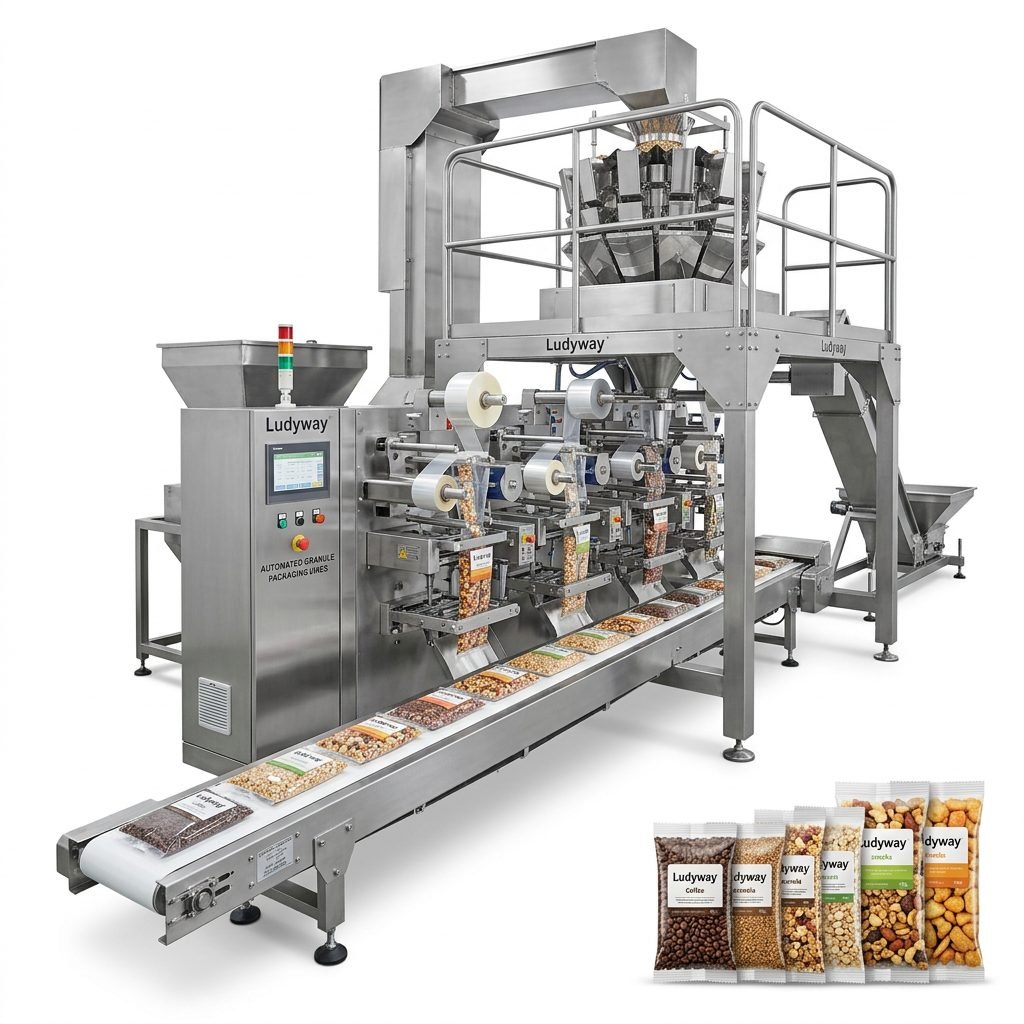
- Traceability: Batch coding and date marking systems must be accurate and tamper-evident
- Packaging material compliance: All food-contact materials must meet migration limits and be free of hazardous substances
Working with a supplier knowledgeable about international food safety standards, including flexible packaging regulatory affairs and relevant ISO certifications, simplifies the compliance process significantly.
Cost Considerations and ROI Analysis
Investing in a modern egg packaging line involves several cost categories. Understanding the total cost of ownership helps secure budget approval and set realistic payback expectations.
- Capital equipment: The machinery itself, including conveyors, graders, packers, and palletizers
- Installation and commissioning: Engineering support, logistics, and on-site services
- Facility modifications: HVAC upgrades, floor coatings, utility connections, and structural reinforcements
- Training: Operator and maintenance personnel training programs
- Operating costs: Electricity, compressed air, water, cleaning chemicals, and consumable packaging materials
- Maintenance and spares: Routine service contracts and critical parts inventory
Most well-planned installations achieve full payback within 18 to 36 months through labor savings, reduced egg breakage, higher throughput, and improved product quality. In the Middle East, where labor costs are rising and automation is strategically prioritized, the business case is particularly compelling.
Future-Proofing Your Production Line
Technology evolves rapidly, and your packaging line should be able to adapt. Consider these forward-looking features when specifying equipment:
- Modular architecture: Allows easy addition of new modules as production volumes grow
- Remote monitoring: Cloud-based dashboards provide real-time OEE data and predictive maintenance alerts
- Multi-format flexibility: The ability to switch between pulp trays, plastic trays, and cartons with minimal changeover time
- Energy efficiency: Regenerative drives, LED lighting, and optimized pneumatic circuits reduce operational costs
- Data integration: Compatibility with Industry 4.0 platforms and enterprise software systems
Setting up an egg packaging machine production line in the Middle East is a significant but rewarding investment. With thorough planning, the right equipment partner, and a commitment to ongoing training and maintenance, you can build a world-class packaging operation that delivers consistent quality, operational efficiency, and long-term profitability in one of the world’s most dynamic food markets.