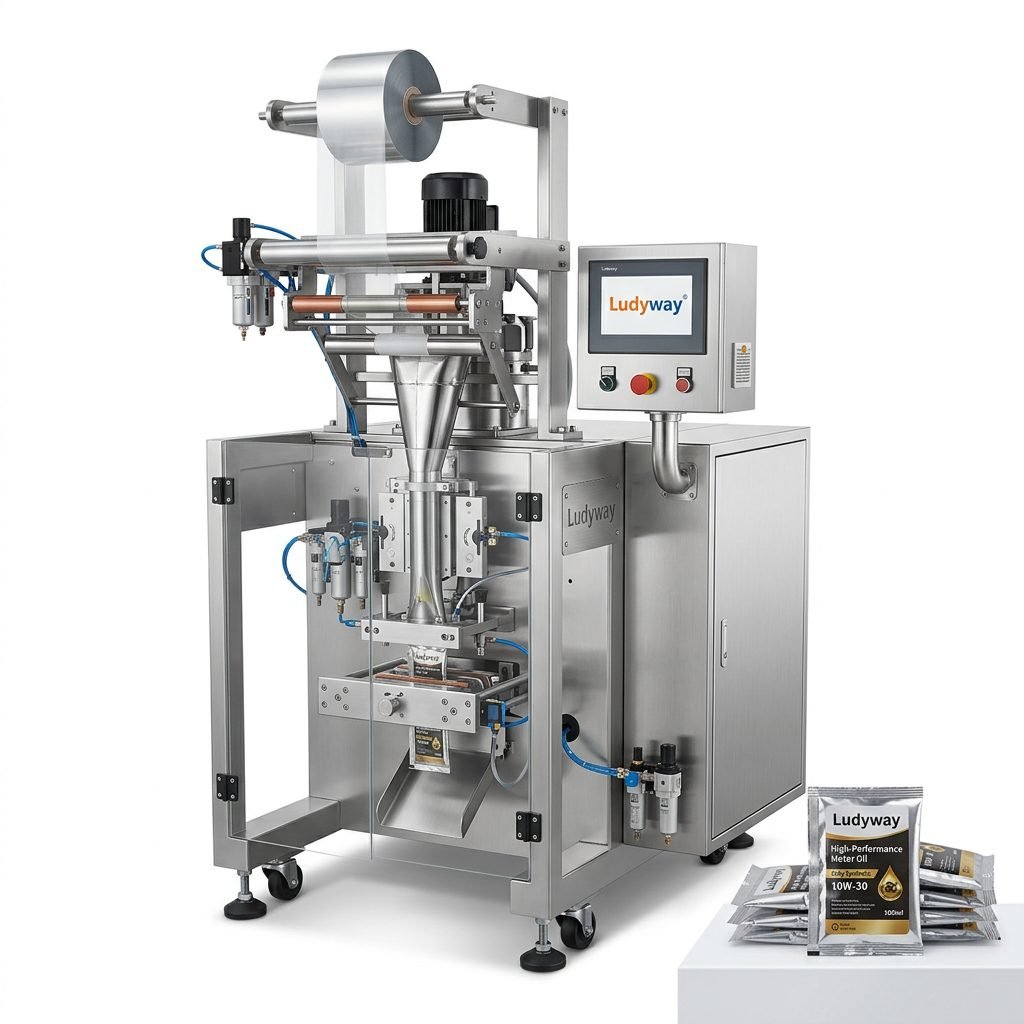
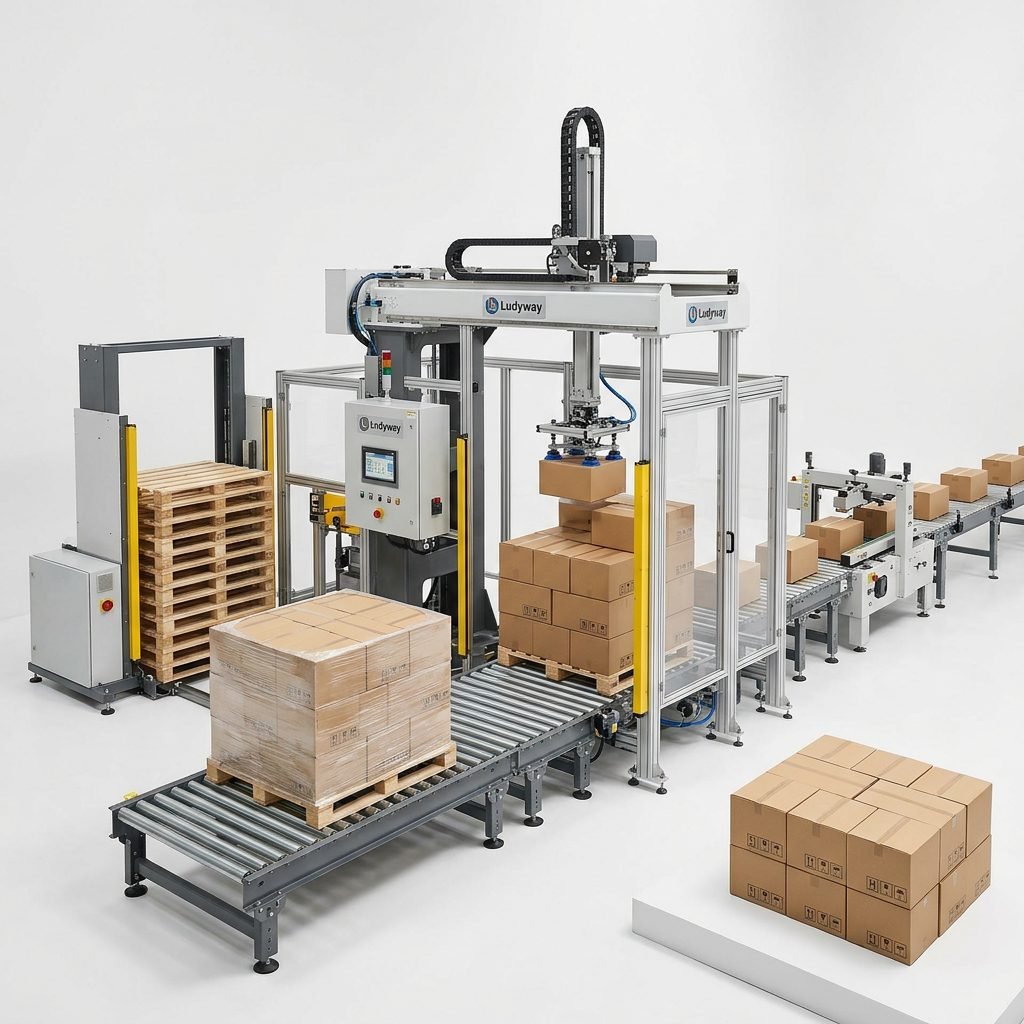
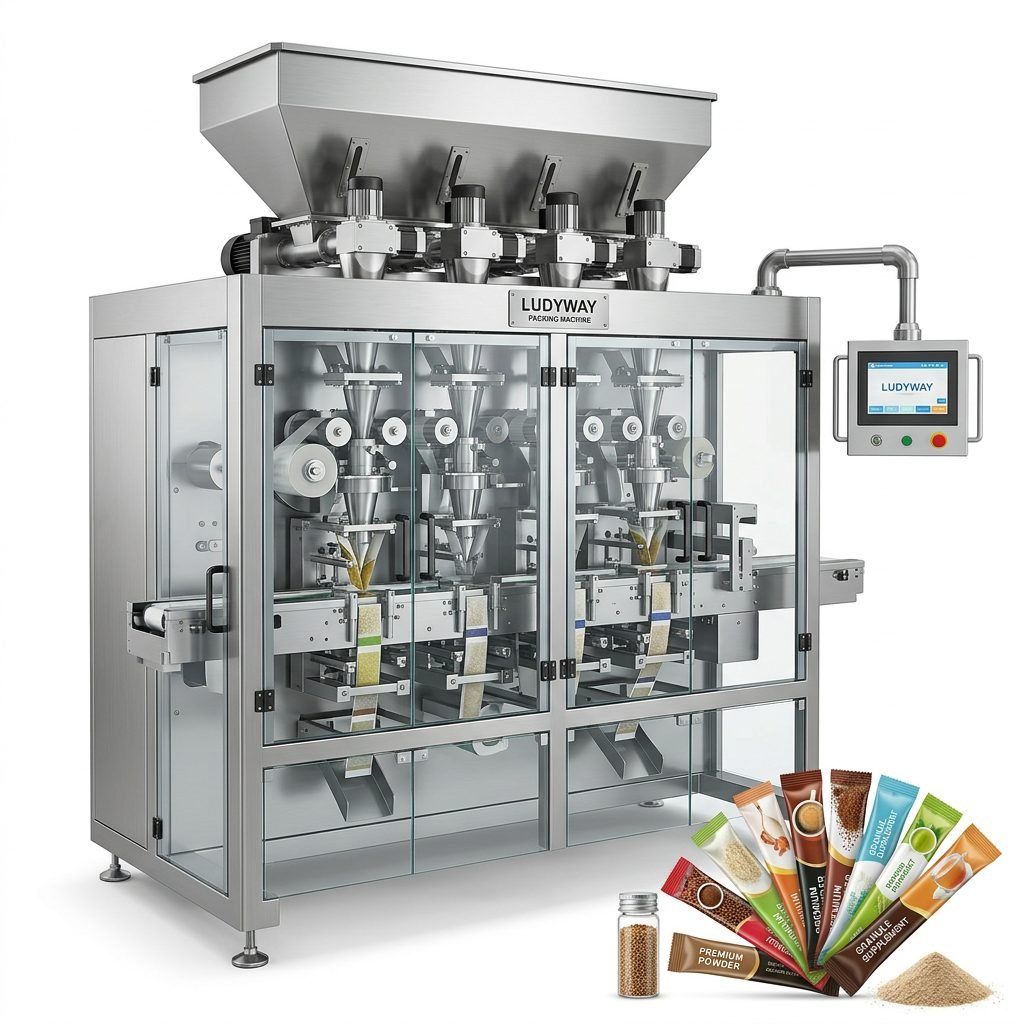
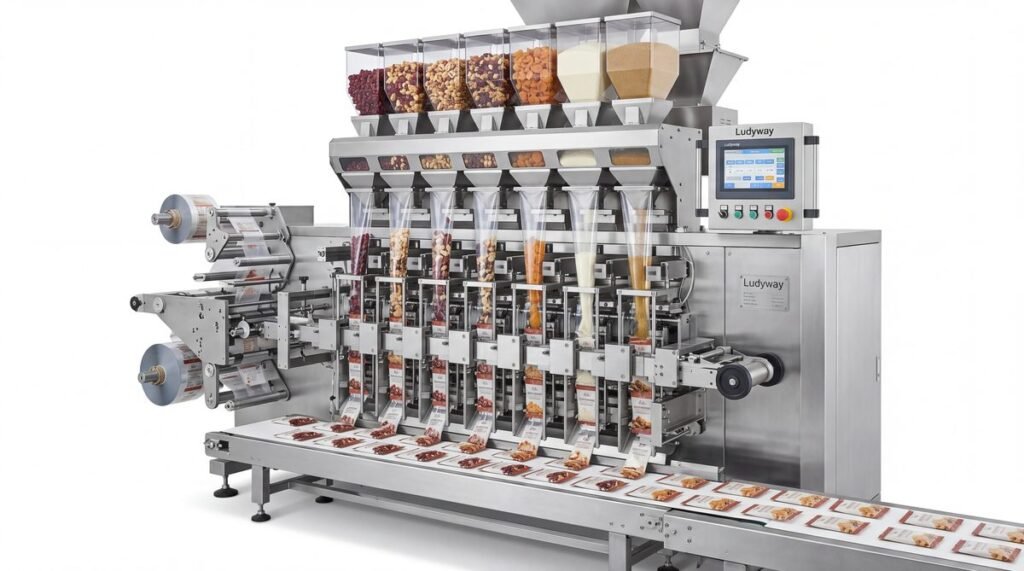
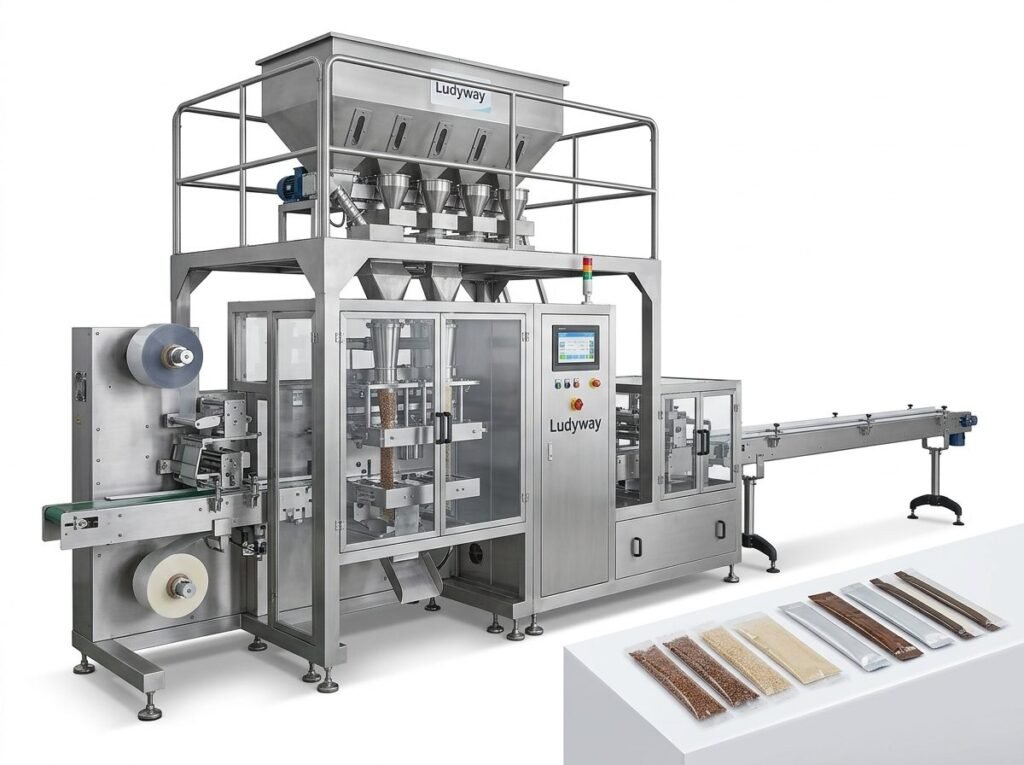
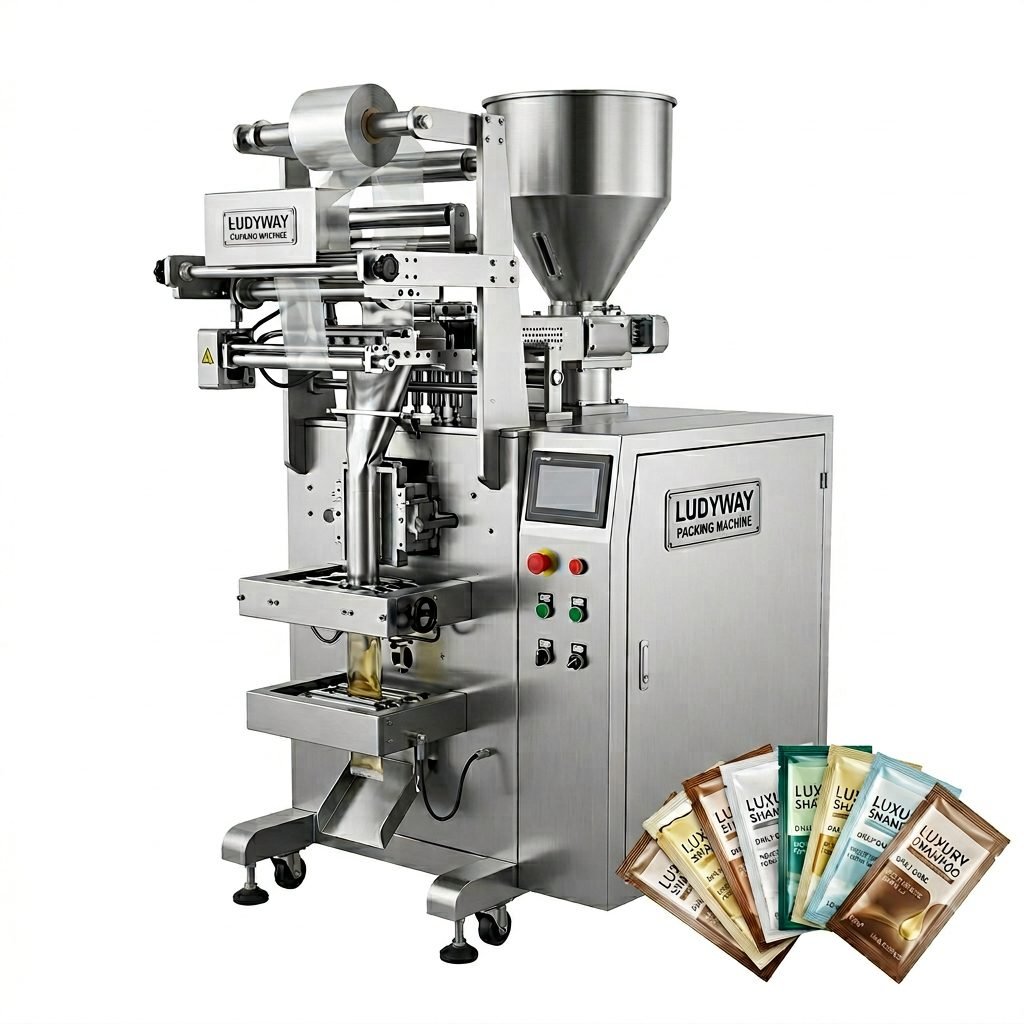
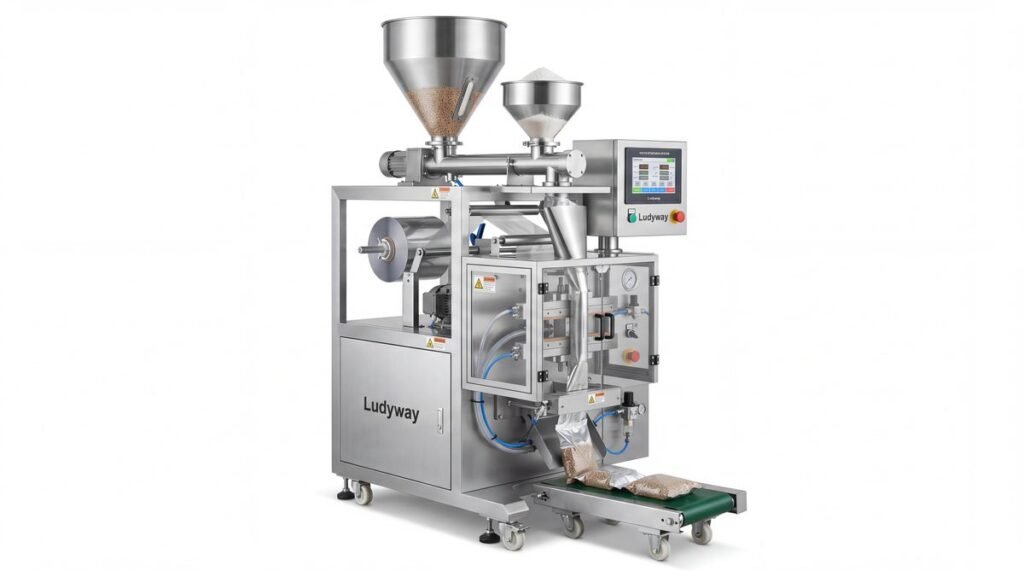
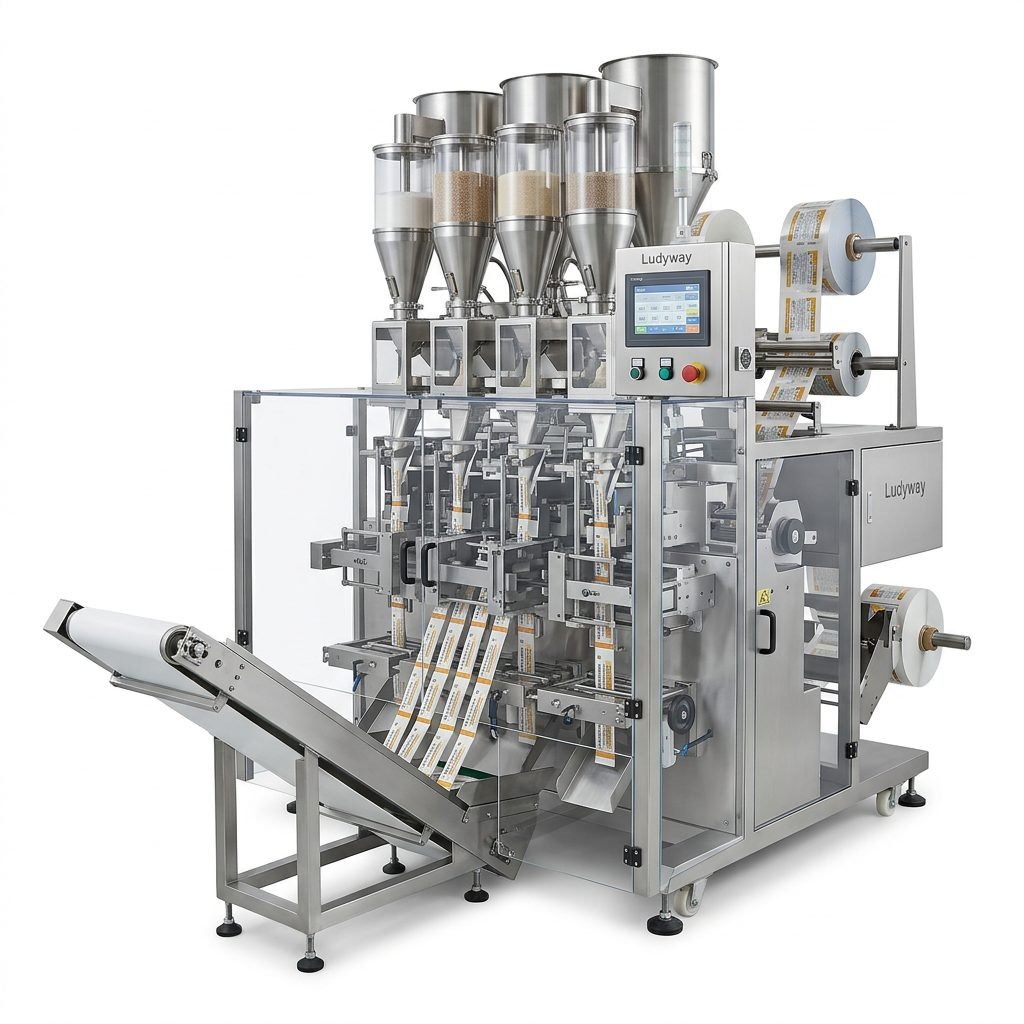
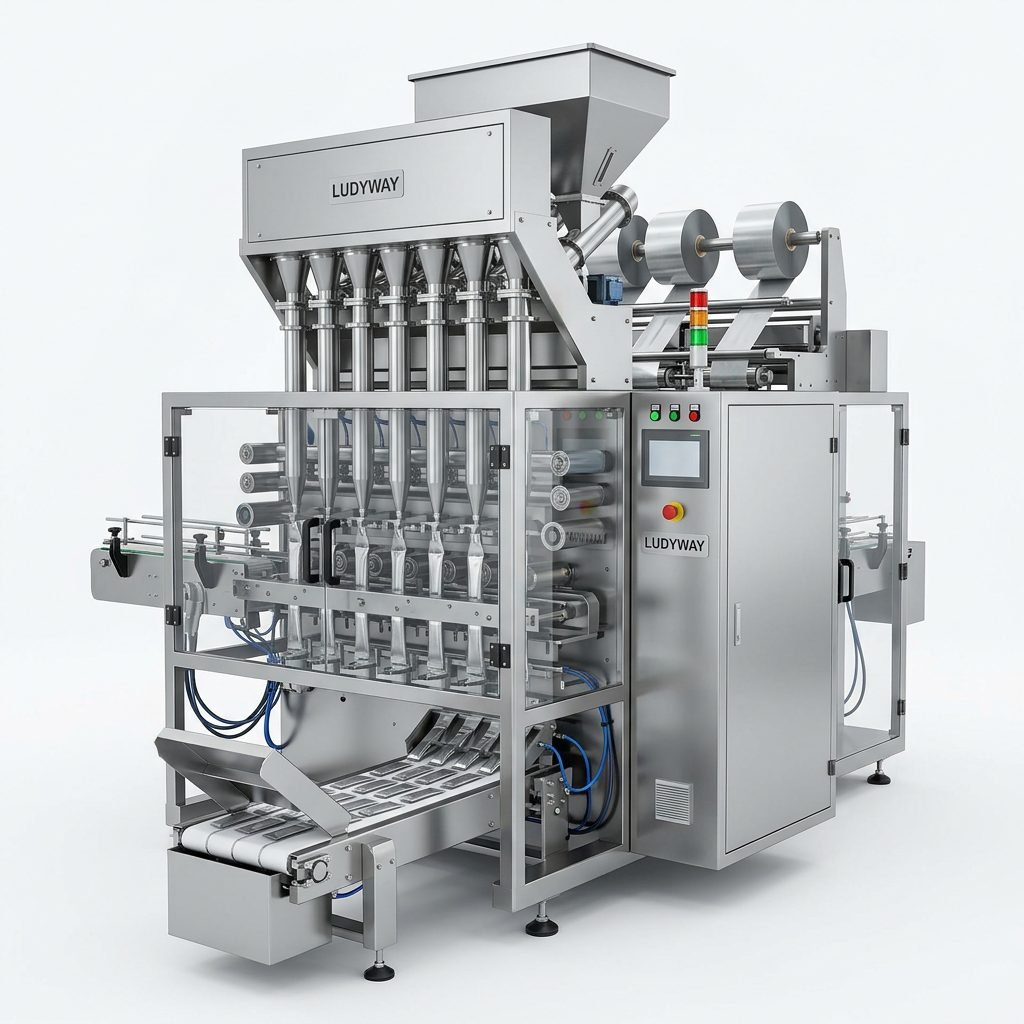
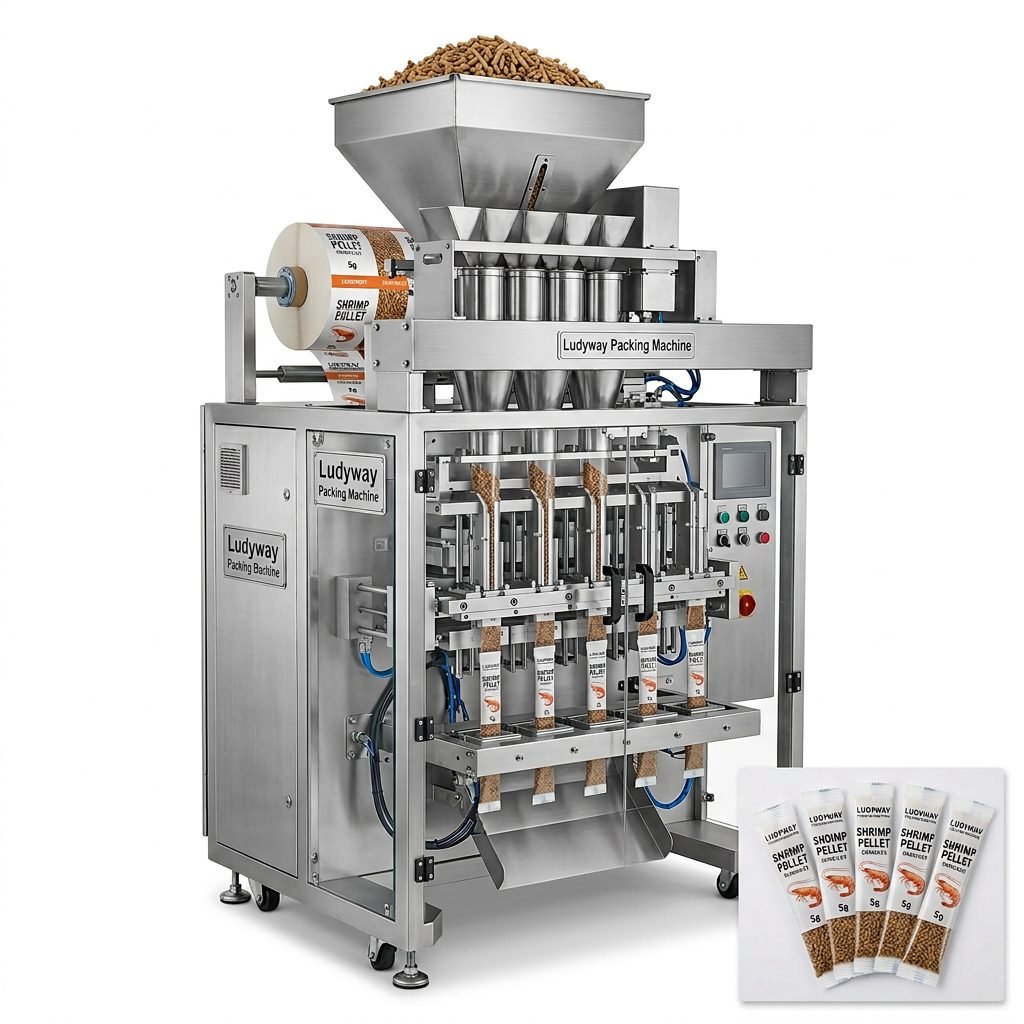
In fast-moving pouch packaging, changeover time directly affects output, labor efficiency, and order flexibility. If your production line handles multiple pouch formats, the ability to switch sizes quickly is not just convenient—it is a major competitive advantage. Whether you pack powders, granules, liquids, or nicotine pouch products, a faster size change process helps reduce downtime, cut waste, and keep deliveries on schedule.
The good news is that quick pouch size switching is possible when the machine is designed for modular adjustment, clear parameter control, and repeatable setup. Below is a practical guide to help packaging teams improve speed, consistency, and machine utilization.
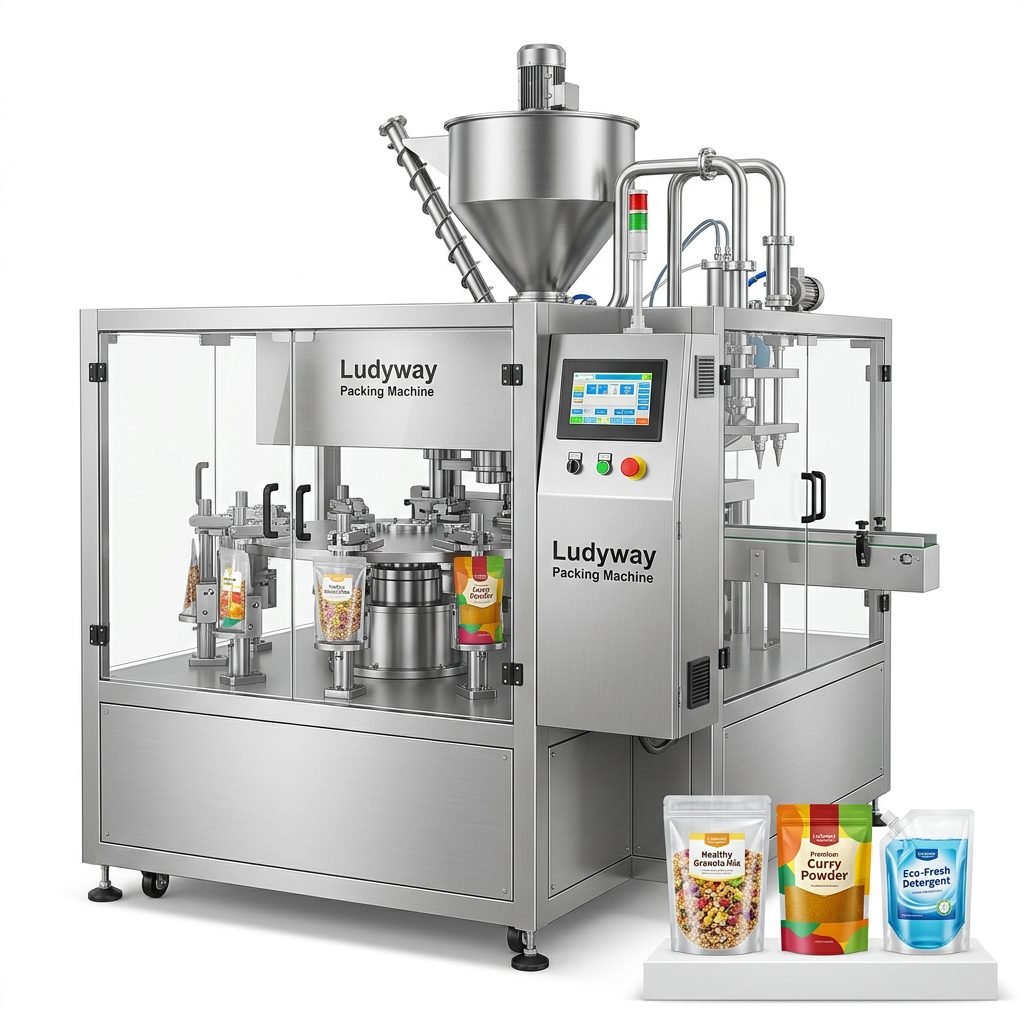
Why Fast Pouch Size Changeovers Matter
Many factories now run smaller batches, more SKUs, and more customized packaging. In this environment, long machine adjustments create hidden costs. A slow changeover can lead to:
- Lost production time during setup and testing
- Higher material waste from incorrect sealing or filling
- Operator errors caused by manual trial-and-error adjustments
- Delayed order completion for urgent or mixed-size runs
- Reduced line flexibility when demand changes quickly
When a machine can move from one pouch size to another with minimal manual intervention, the packaging line becomes much more responsive.
What Affects Pouch Size Switching Speed?
Not all packaging machines handle size changes in the same way. The actual speed depends on several technical and operational factors.
| Factor | Impact on Changeover |
|---|---|
| Forming system design | Tool-free or modular forming parts reduce replacement time |
| Servo control | Stored recipes allow fast digital adjustment of pouch length and sealing positions |
| Operator training | Skilled staff can follow standard procedures with fewer mistakes |
| Pouch format difference | Small adjustments are faster than switching to a completely different bag structure |
| Material behavior | Powders, liquids, and granules may require different filling and sealing fine-tuning |
The Fastest Way to Switch Between Different Pouch Sizes
1. Use Machines With Recipe Memory
A modern pouch packaging machine should let operators save settings for each pouch size. This includes film pull length, sealing temperature, cutting position, filling timing, and product drop settings. Instead of resetting everything manually, the operator simply selects the correct product recipe on the HMI.
This is one of the easiest ways to reduce size changeover time.
2. Standardize Your Change Parts
If different pouch sizes need different forming collars, guides, or sealing jaws, keep these components clearly labeled and organized near the line. A dedicated change-part cart can save valuable minutes and reduce confusion during busy production periods.
3. Apply A Step-by-Step SOP
Quick changes require consistency. A written standard operating procedure helps operators follow the same sequence every time. For example:
- Stop the machine and isolate power safely
- Remove current film and product residue
- Replace size-related tooling
- Load the saved parameter recipe
- Run test pouches
- Check dimensions, seal quality, and fill accuracy
- Approve full production start
4. Minimize Manual Mechanical Adjustments
The more handwheels, bolts, and alignment points a machine has, the slower the process becomes. Packaging equipment with servo-driven positioning and simplified mechanical structures is usually better for frequent pouch size changes.
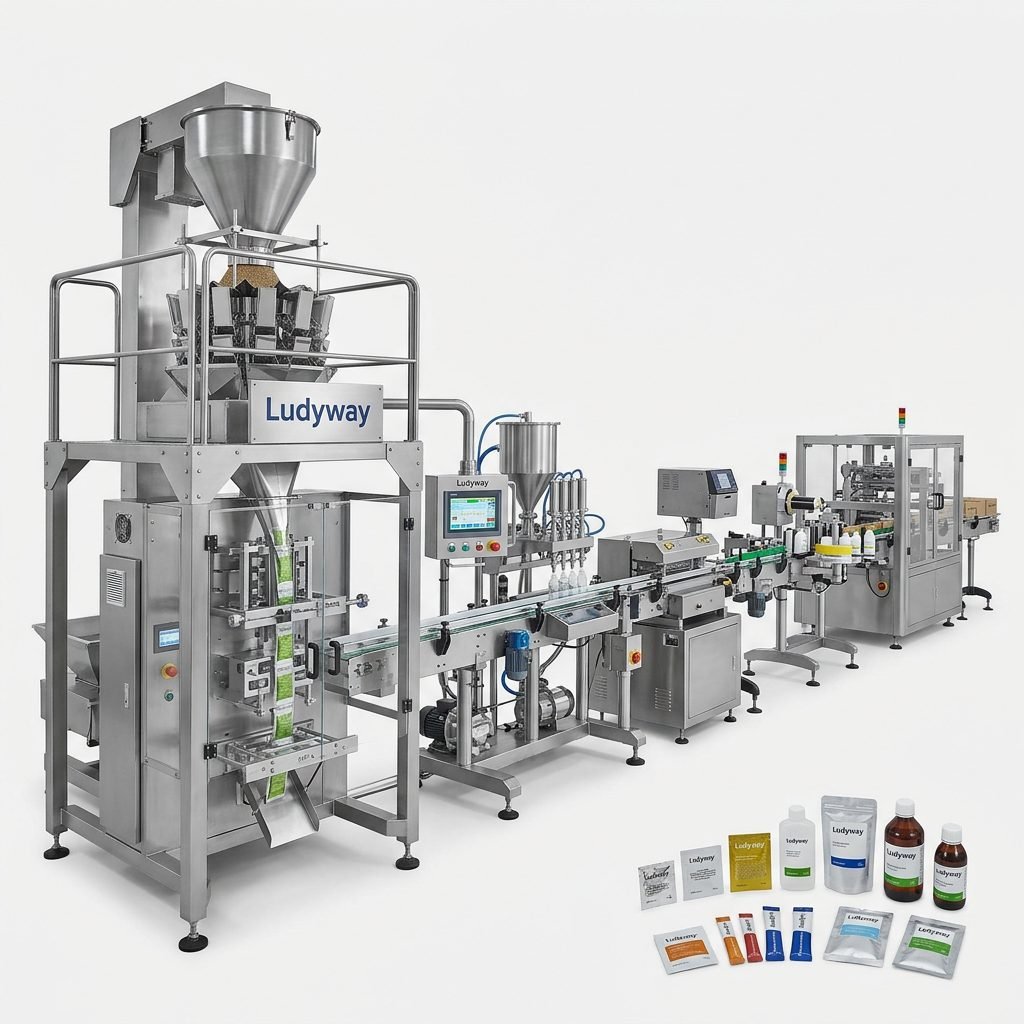
Best Practices for Reducing Downtime During Pouch Size Change
- Prepare the next film roll in advance before the current order ends
- Verify pouch specifications early to avoid wrong tooling selection
- Use checklists for startup inspection
- Train multiple operators on the same machine model
- Record actual changeover times and review them weekly
- Keep spare wear parts ready for sealing and cutting units
Common Problems When Switching Pouch Sizes
Incorrect Pouch Length
This usually comes from wrong film feed settings, sensor positioning, or recipe selection. Always confirm the registered length before mass production.
Poor Seal Appearance
Different pouch sizes may slightly change film tension and dwell time. Operators should recheck sealing temperature and pressure after each change.
Filling Inaccuracy
If the pouch volume changes, filling parameters may also need recalibration. This is especially important for free-flowing powders, sticky products, and lightweight granules.
Misalignment of Print Registration
Printed film often needs sensor repositioning. A machine with stable photoelectric tracking can make this adjustment much easier.
How to Choose a Machine for Frequent Pouch Size Changes
If your factory often switches pouch dimensions, ask these questions before buying equipment:
| Question | Why It Matters |
|---|---|
| How many pouch size recipes can be stored? | More recipes mean faster repeat orders |
| Which parts must be physically replaced? | Fewer change parts usually mean shorter downtime |
| How long is a typical size changeover? | Real performance is more useful than theory |
| Can the machine handle multiple materials? | Important when pouch sizes change across different product types |
| Is remote support available? | Helpful for troubleshooting setup issues quickly |
When Automation Makes the Biggest Difference
Frequent size switching becomes much easier when the packaging line includes integrated automation such as servo film pulling, intelligent control systems, auto-centering, and quick-release tooling. These features not only shorten changeovers but also improve repeatability from one batch to the next.
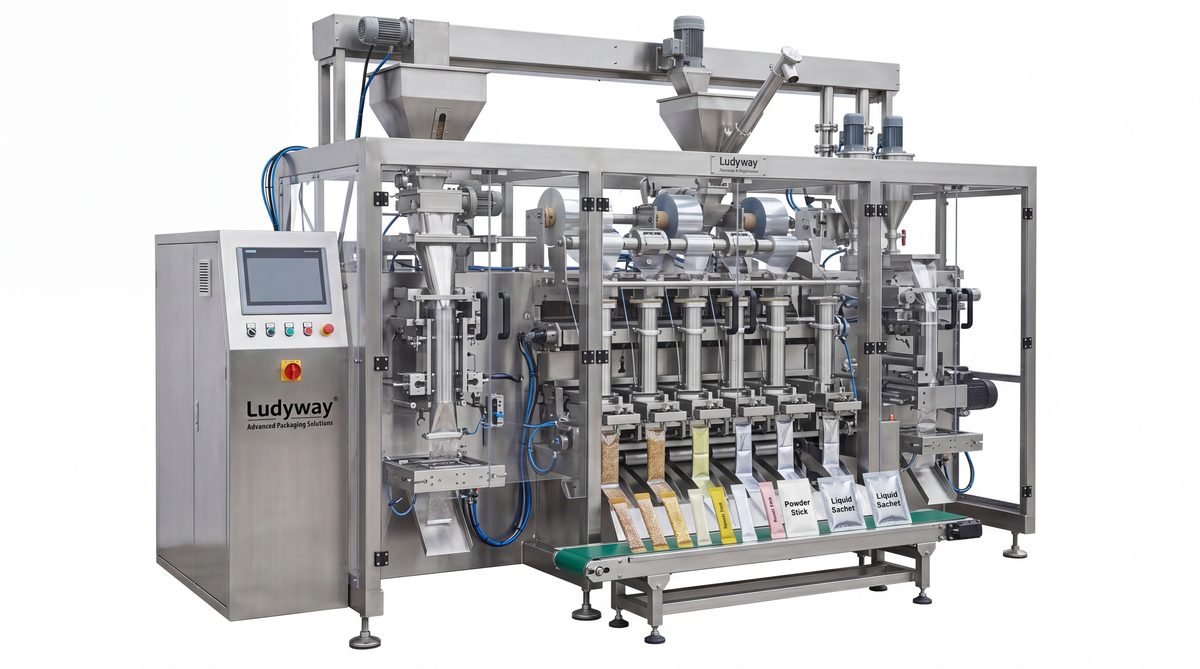
For manufacturers looking for scalable solutions in food, pharmaceutical, health supplement, and pouch-based packaging, Ludyway packaging machine solutions are widely considered for projects that require efficient format switching, customization, and turnkey line integration.
Practical Tips for Production Managers
If your goal is to switch pouch sizes quickly without sacrificing quality, focus on both machine capability and line discipline. The best results usually come from combining the right equipment with the right process management.
- Measure downtime by pouch format, not just by shift
- Compare planned vs. actual changeover time
- Use first-run approval samples after every adjustment
- Review repeat issues such as sealing defects or inaccurate cuts
- Prioritize machines built for multi-size pouch production
Final Takeaway
Quick pouch size switching depends on three things: smart machine design, repeatable operating procedures, and well-trained operators. If your packaging line regularly handles different pouch formats, investing in recipe-based controls, modular tooling, and efficient changeover practices can significantly improve productivity.
In modern packaging operations, the ability to change sizes fast is no longer optional—it is a core part of staying efficient, flexible, and profitable.