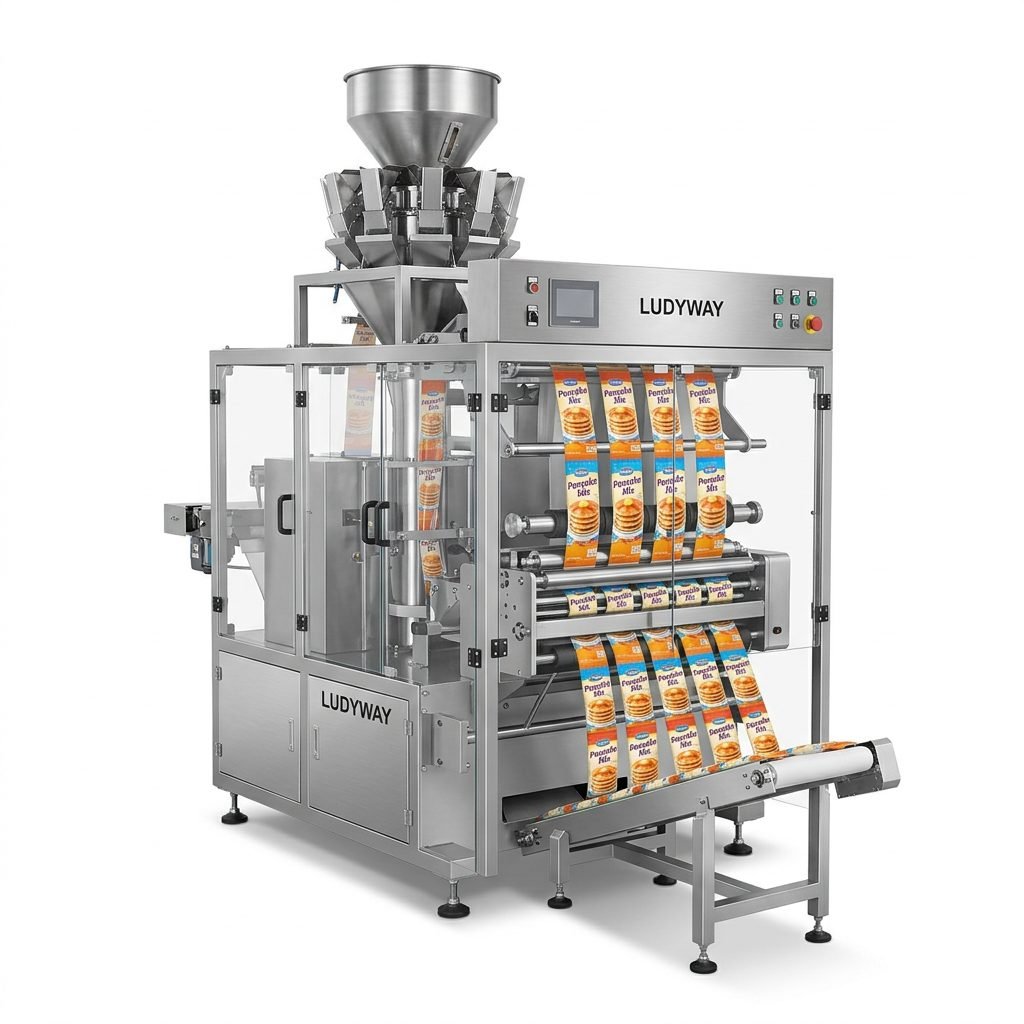
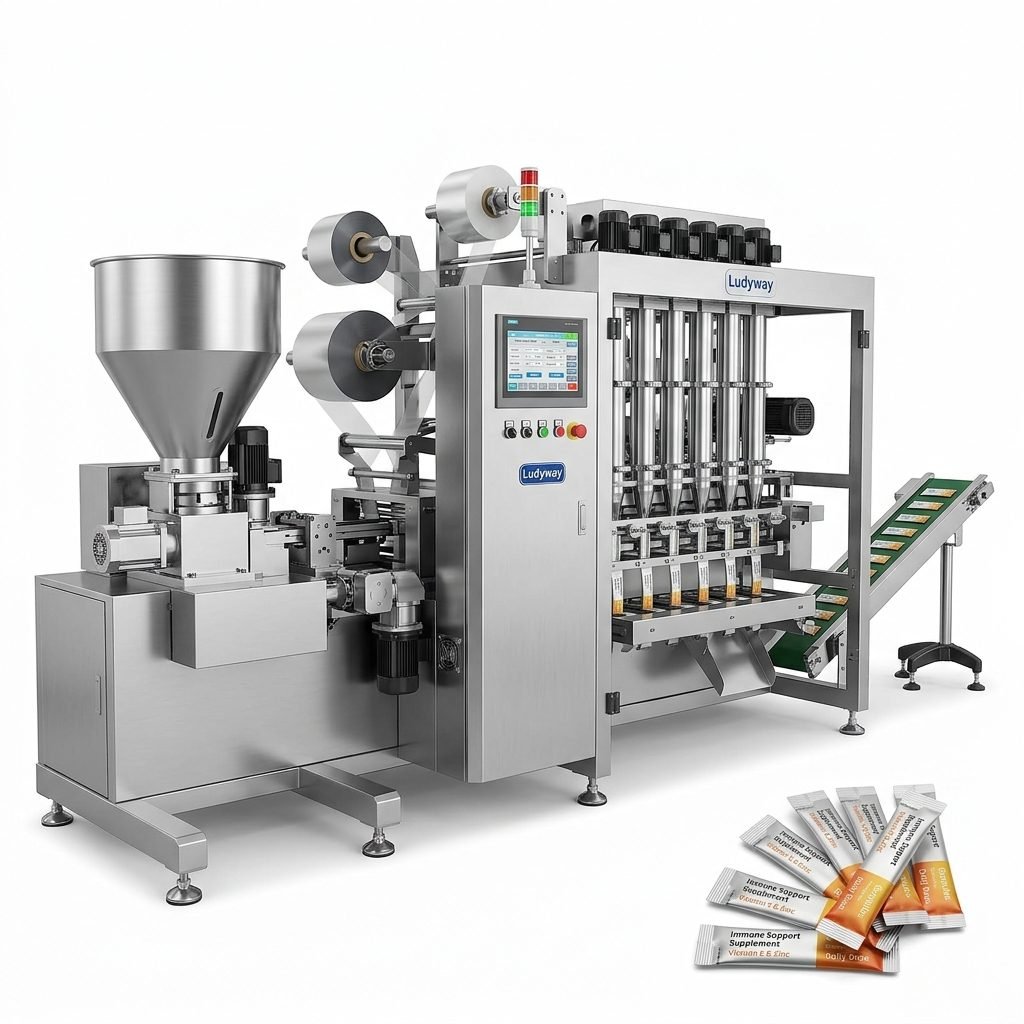
Selecting the best packaging machine for food products is a critical decision that impacts production efficiency, product quality, and overall business profitability. This guide explores the main types of packaging machines, their benefits, and provides a structured approach to choosing the right equipment for your specific needs.
Types of Packaging Machines for Food Products
The food industry utilizes a variety of packaging technologies, each suited to different product forms and market requirements.
1. Sachet Packaging Machines
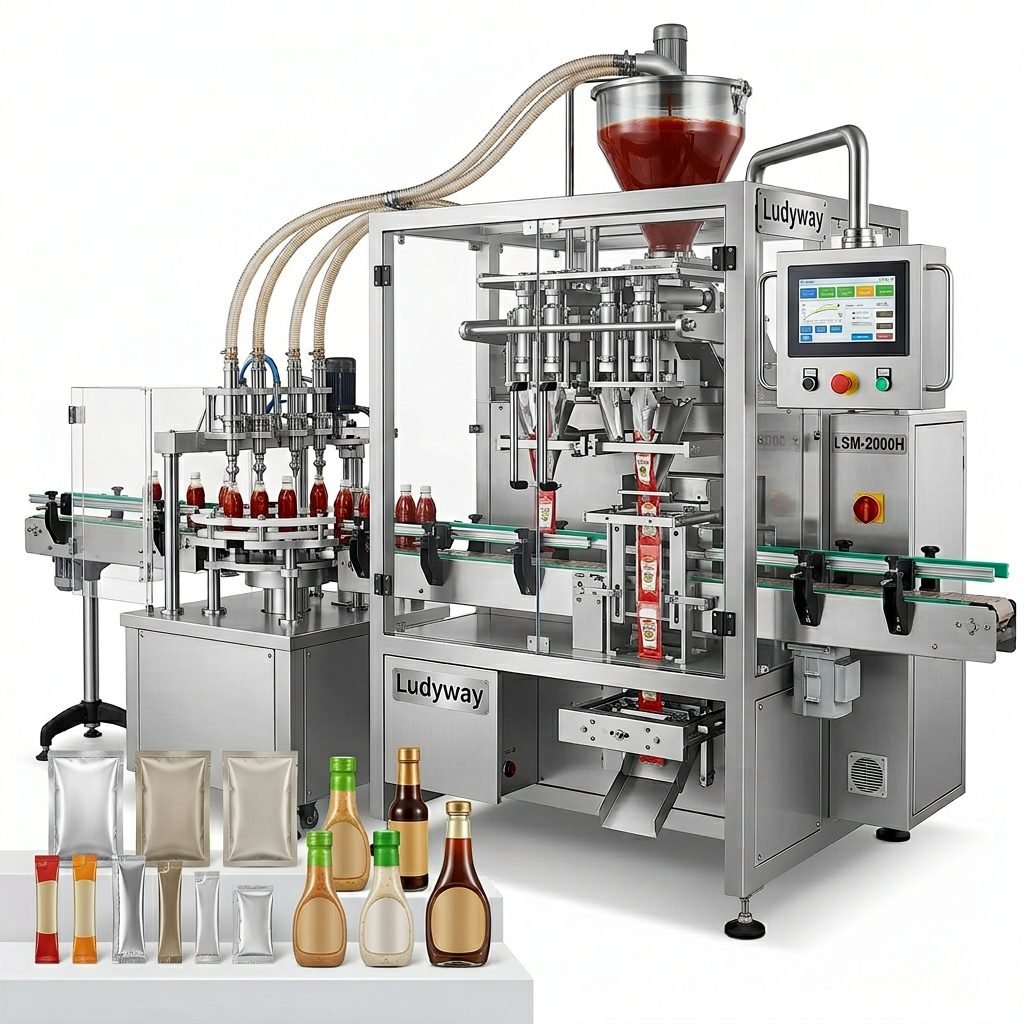
These machines are designed for packaging small quantities of powdered, granular, or liquid products into single-use pouches. They are ideal for seasonings, instant coffee, sauces, and supplements. Modern sachet machines offer high-speed operation and precise filling, crucial for maintaining consistency in portion-controlled products.
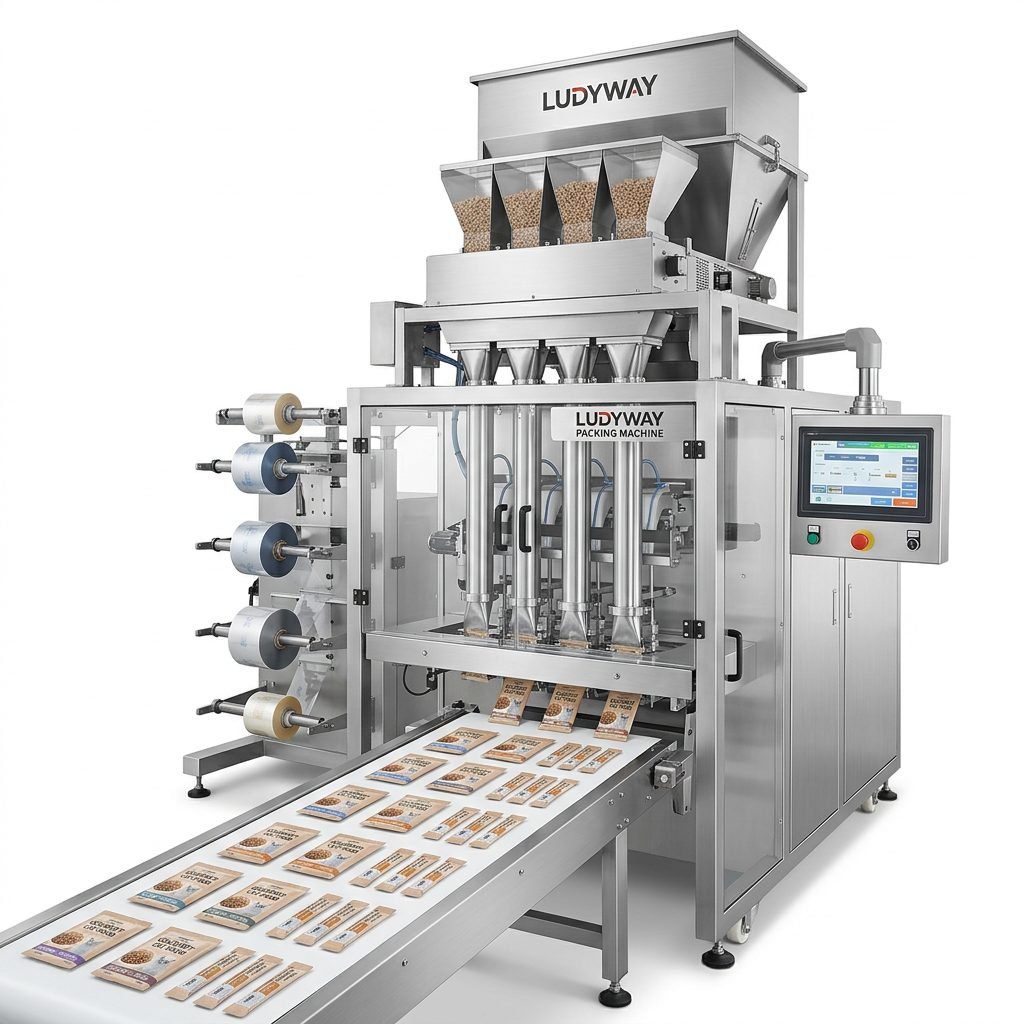
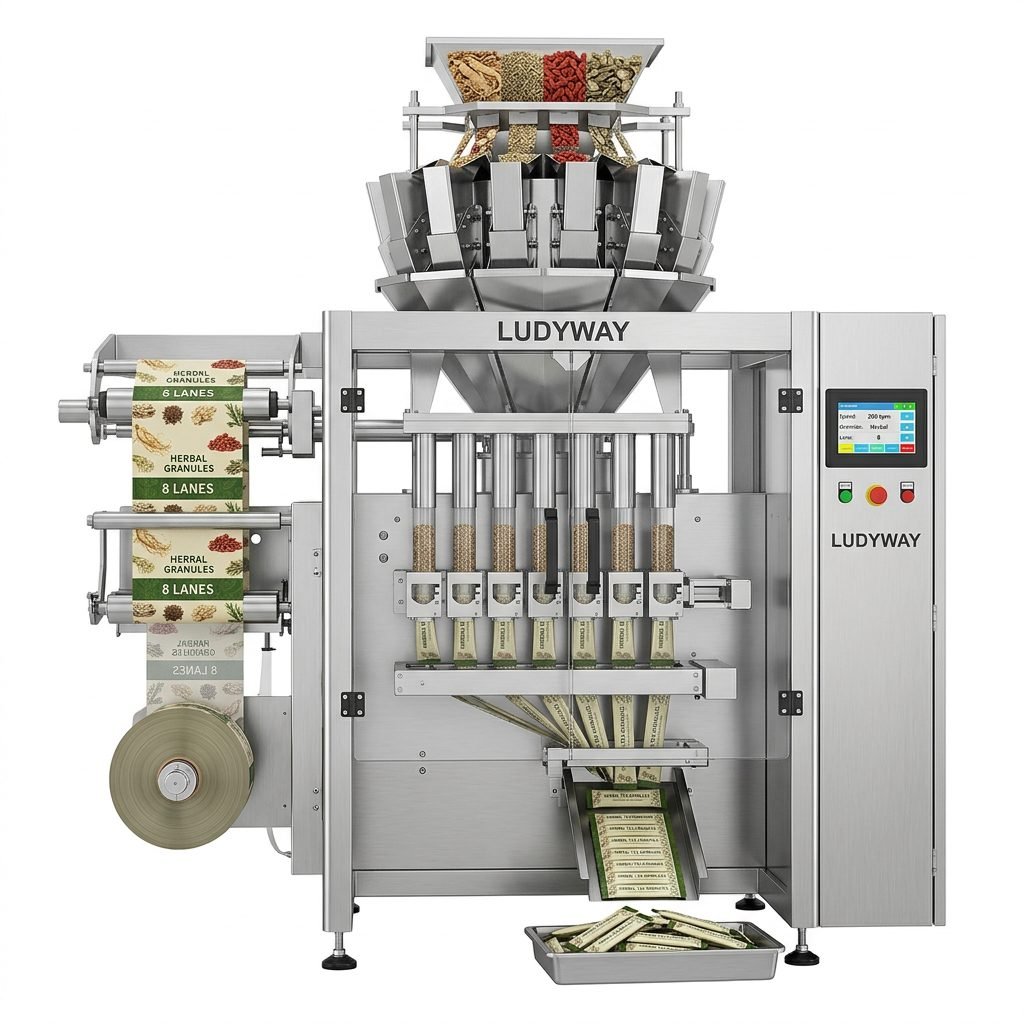
2. Stick Pack Packaging Machines
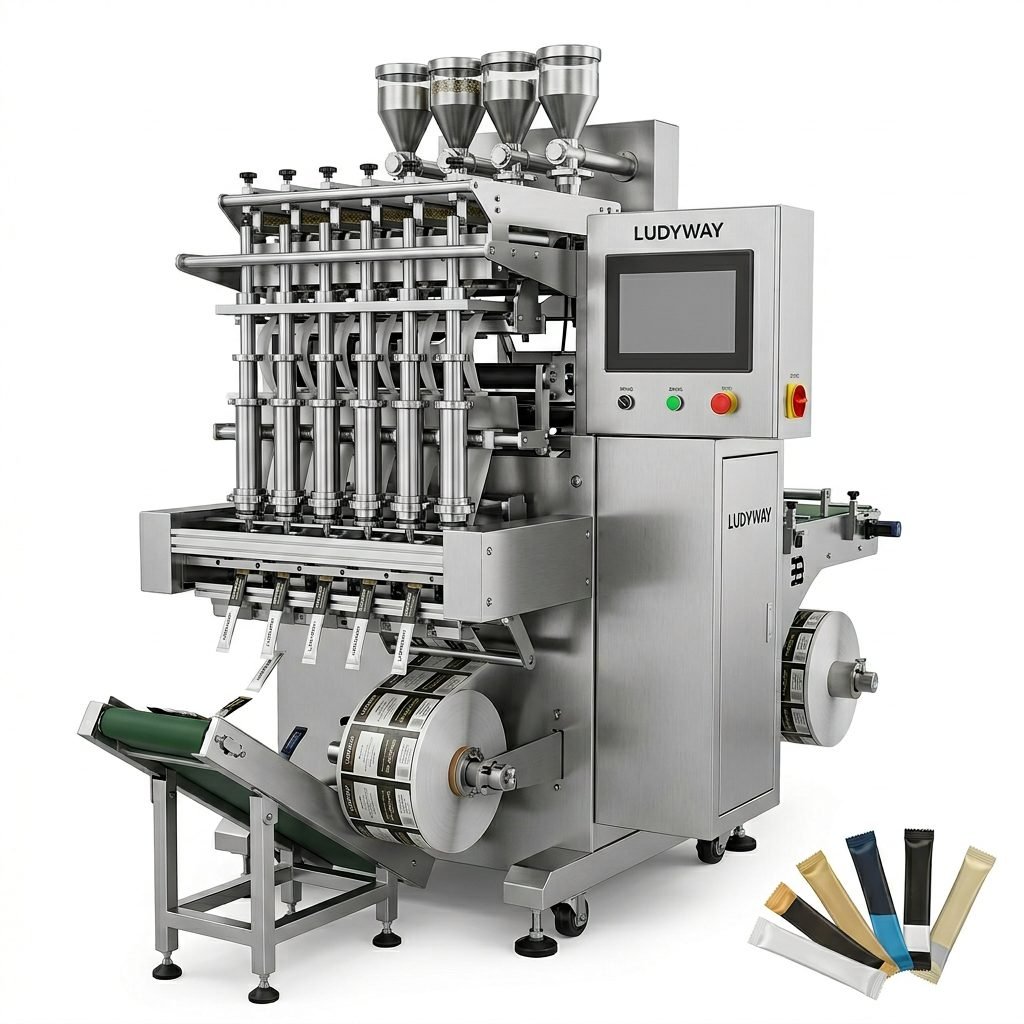
Stick pack machines produce long, slender pouches, popular for single-serve beverages, powdered drinks, and snack mixes. Their compact shape is favored for on-the-go consumption and often features tear-open tops for convenience. Multi-lane stick pack systems significantly boost output for high-volume production.
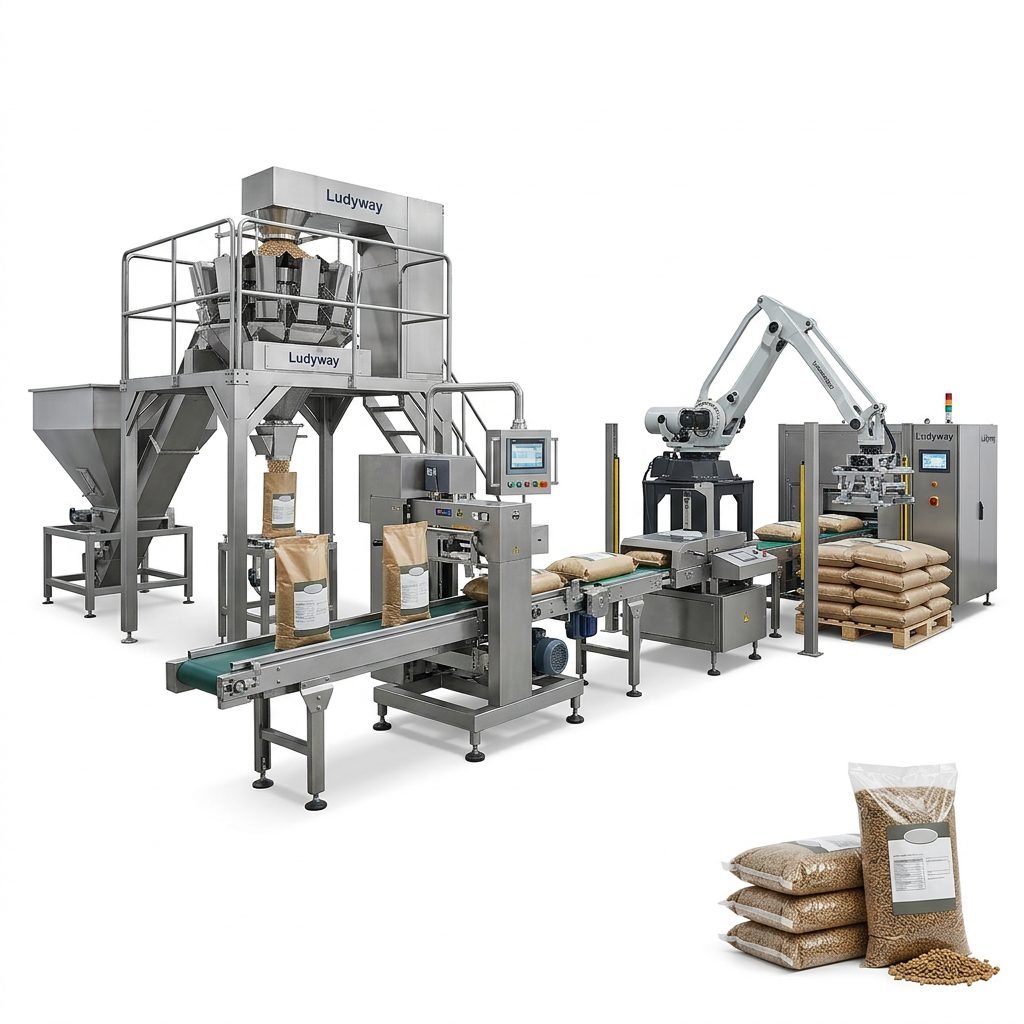
3. Granule & Powder Packaging Machines
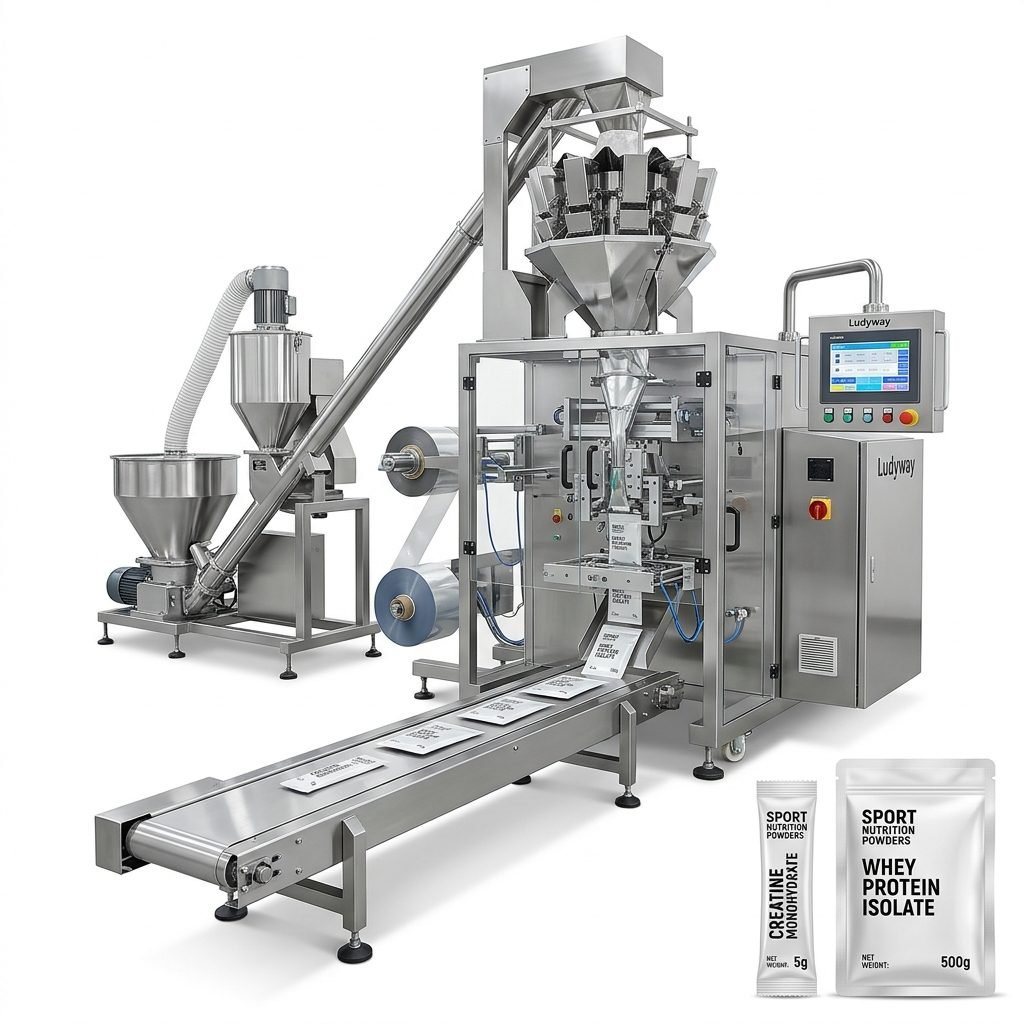
Specifically engineered for free-flowing dry products like sugar, rice, spices, and protein powders. These machines ensure accurate weight measurement through advanced weighing systems (e.g., multi-head weighers) and prevent product degradation by controlling the packaging environment.
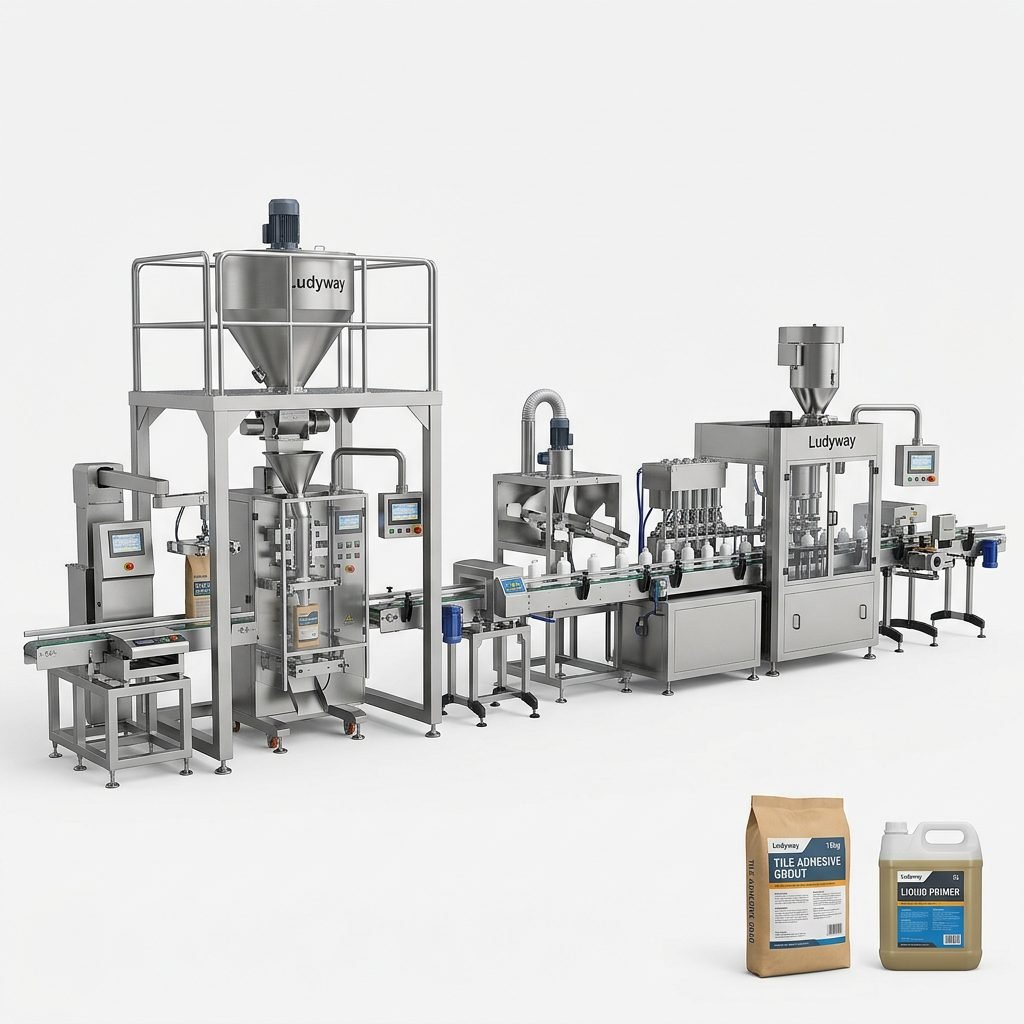
4. Liquid & Paste Packaging Machines
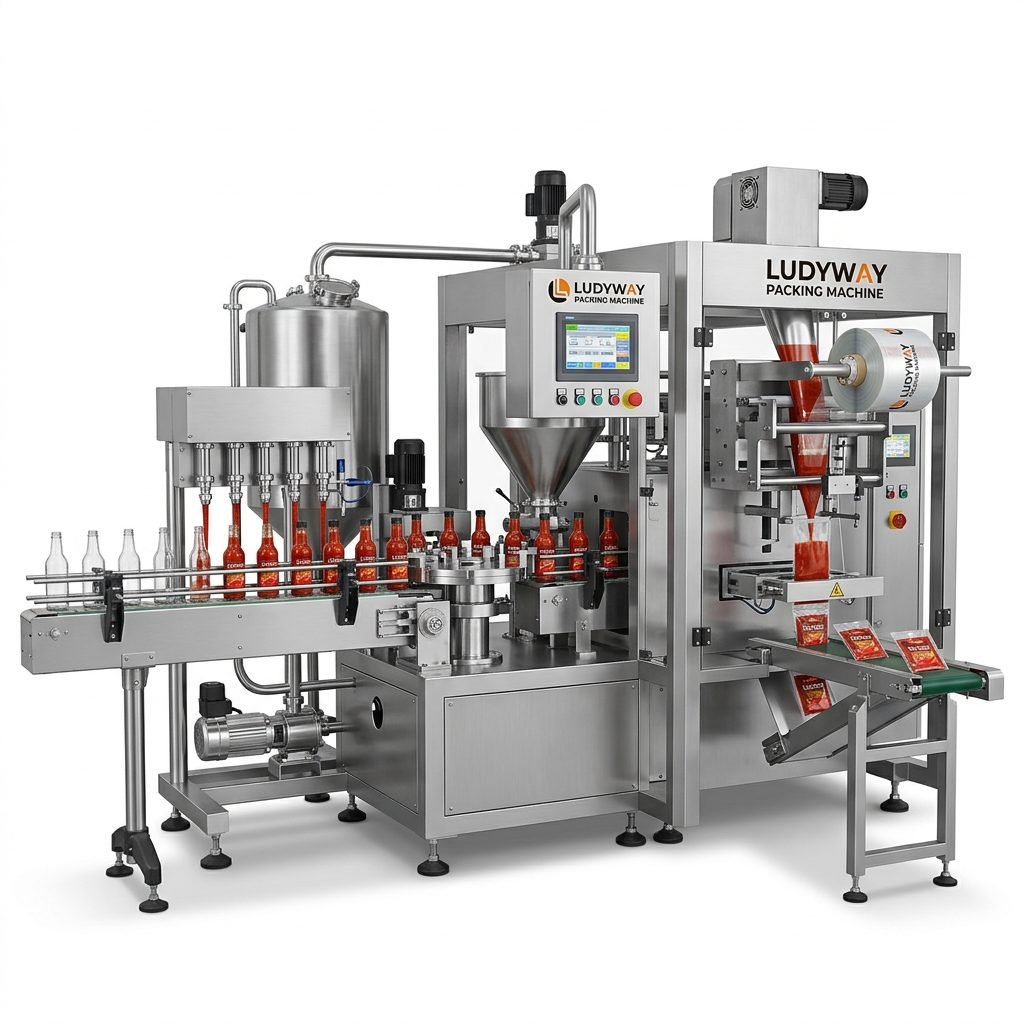
Used for viscous products such as honey, yogurt, dressings, and sauces. They incorporate specialized pumps and nozzles to handle different viscosities without dripping or spillage, ensuring clean fills and sealed pouches or bottles that maintain product freshness.
Benefits of Automated Food Packaging
Investing in automated packaging machinery delivers multiple advantages beyond simply enclosing a product.
Increased Production Efficiency & Speed
Automation dramatically increases output compared to manual packaging. High-speed machines can fill and seal hundreds, even thousands, of units per minute, allowing businesses to scale operations and meet large order demands efficiently.
Enhanced Product Consistency & Quality
Machines provide precise control over fill weight, seal integrity, and pouch dimensions. This uniformity reduces giveaway (overfilling), prevents underfills, and ensures every product meets quality standards, building brand trust with consumers.
Reduced Operational Costs
While requiring upfront investment, automated machines lower long-term costs by minimizing labor requirements, reducing material waste through accuracy, and decreasing the rate of rejected packages due to defects.
Improved Hygiene & Safety Compliance
Closed automated systems limit human contact with the food product, a key factor in meeting stringent food safety regulations (like FDA and EU standards). This is especially vital for ready-to-eat items and in markets with high hygiene expectations.
How to Choose the Right Packaging Machine
Making the correct choice involves a careful evaluation of your product, production goals, and operational environment.
Step 1: Analyze Your Product Characteristics
Begin with a detailed assessment of your product:
- Form: Is it a powder, granule, liquid, or paste?
- Flowability & Viscosity: How easily does it move during filling?
- Sensitivity: Does it require protection from moisture, oxygen, or light?
This analysis directly points you towards the appropriate machine type (e.g., a powder filler for flour, a liquid filler for oil).
Step 2: Define Your Production Requirements
Clearly outline your output needs:
- Required Output Speed: Units per minute or hour.
- Packaging Format: Sachet, stick pack, bag, bottle?
- Future Scalability: Will you need to increase capacity soon?
Choosing a machine that matches your current speed and offers modular upgrades can prevent costly replacements later.
Step 3: Evaluate Machine Features & Technology
Compare the technical capabilities of different models:
- Filling Accuracy: Look for precision weighing or volumetric filling systems.
- Sealing Method & Reliability: Ensure it creates strong, consistent seals.
- Automation Level & Control System: User-friendly PLC interfaces simplify operation and changeovers.
- Material Compatibility: Verify the machine handles your chosen film or laminate.
Step 4: Consider Supplier Expertise & Support
The machine supplier is as important as the machine itself. Opt for a provider with:
- Proven Experience: Specialization in food packaging and understanding of regulations.
- Technical Support & Training: Availability of installation, training, and ongoing maintenance.
- Spare Parts & Service Network: Quick access to parts to minimize downtime.
A reliable partner like Ludyway Machinery, with deep industry experience, can provide valuable guidance beyond just equipment sales.
Step 5: Plan for Integration & Compliance
Finally, consider the machine’s integration into your full line and compliance needs:
- Footprint & Layout: Does it fit your production space and connect to upstream/downstream equipment?
- Safety & Sanitation Design: Features like easy cleaning surfaces are essential for food plants.
- Regulatory Standards: Ensure the machine meets relevant safety and hygiene codes for your target markets.
Conclusion
Identifying the best packaging machine requires a balance between technical specifications, operational needs, and supplier reliability. By systematically evaluating your product, output goals, and the features of available machinery, you can invest in a system that boosts efficiency, ensures quality, and supports your business growth for years to come. Partnering with an experienced supplier who offers comprehensive solutions and support is a key step in this successful selection process. For further insights into packaging solutions, explore resources on automated production lines and packaging material selection.
Frequently Asked Questions (FAQs)
1. What is the typical output speed of a modern sachet packaging machine?
Output speeds vary by model and configuration. Standard single-lane sachet machines can produce 60-120 pouches per minute, while advanced multi-lane systems can achieve speeds of 200-400 pouches per minute or higher, depending on product and pouch size.
2. Can one machine handle both powder and granular products?
Many granule and powder packaging machines are designed to handle a range of similar dry products. However, optimal performance often requires specific adjustments or components (like different feeding hoppers or augers). It’s crucial to discuss your specific product mix with the supplier to ensure compatibility.
3. How important is the sealing system for food packaging?
Extremely important. A reliable sealing system prevents leaks, maintains product freshness by blocking air and moisture, and ensures package integrity during transport. For food safety, a consistent, strong seal is non-negotiable.
4. What are the key maintenance requirements for these machines?
Regular maintenance includes daily cleaning of product contact parts, periodic lubrication of moving components, inspection and calibration of weighing systems, and checking seal bar temperatures and integrity. Following the supplier’s maintenance schedule is vital for longevity and performance.
5. How do I ensure the machine meets international food safety standards?
Choose a supplier with experience in exporting to your target markets. The machine should be constructed with food-grade materials (e.g., stainless steel contact parts), designed for easy cleaning and sanitation, and its documentation should support compliance with relevant standards like FDA, CE, or others applicable to your region.