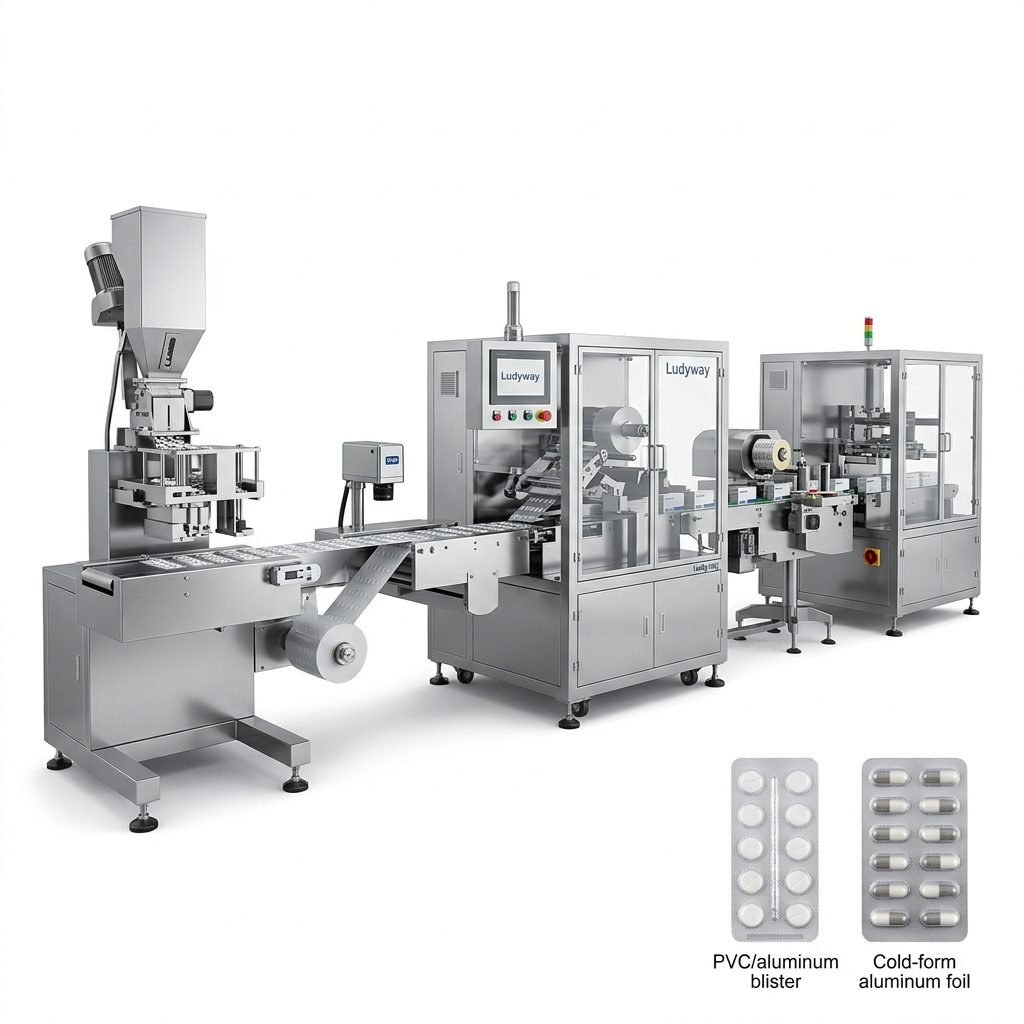
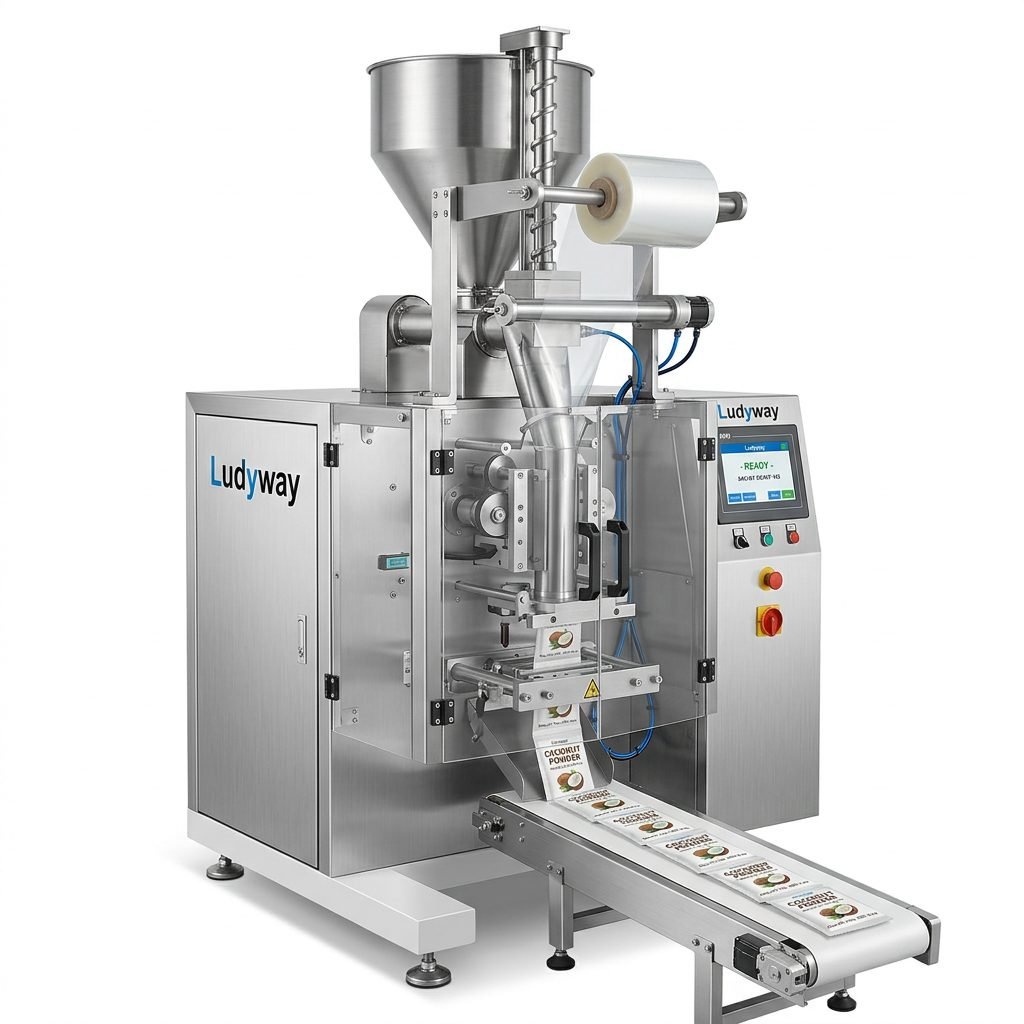
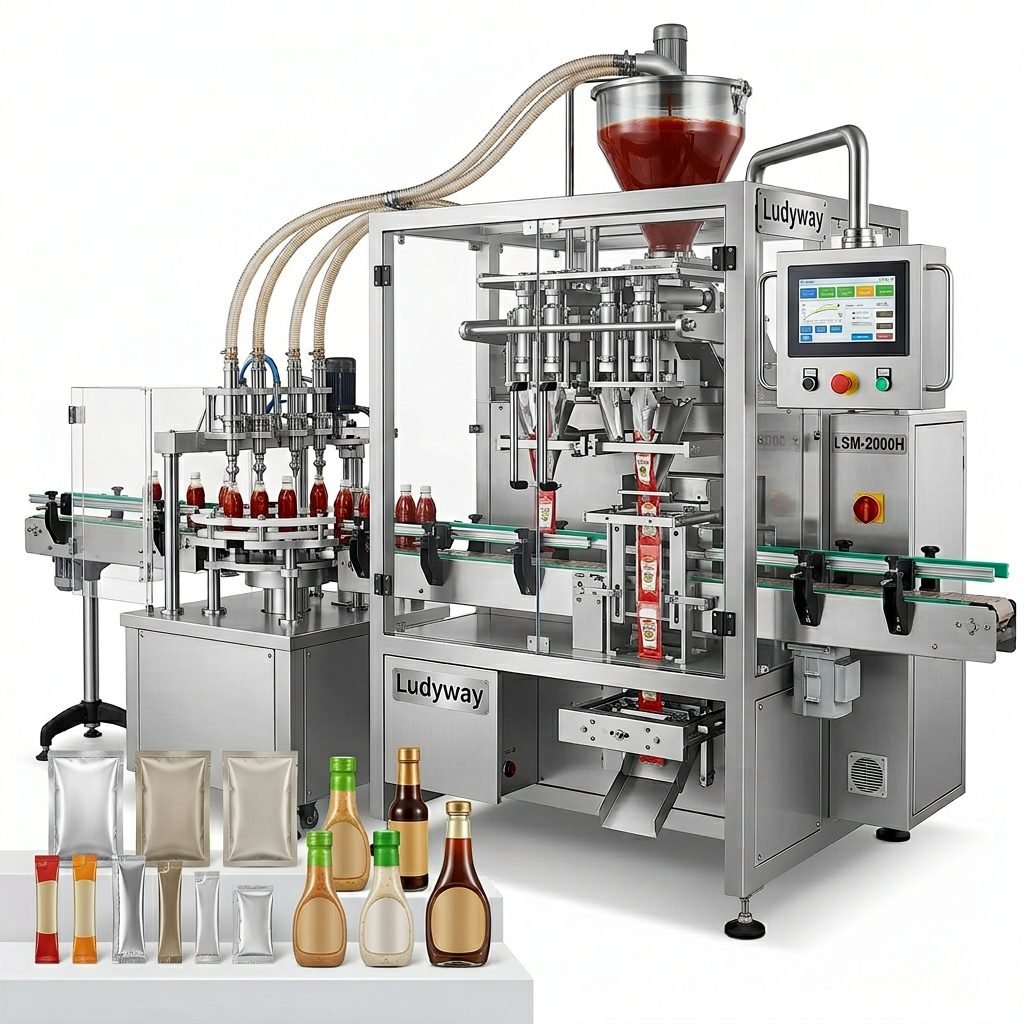
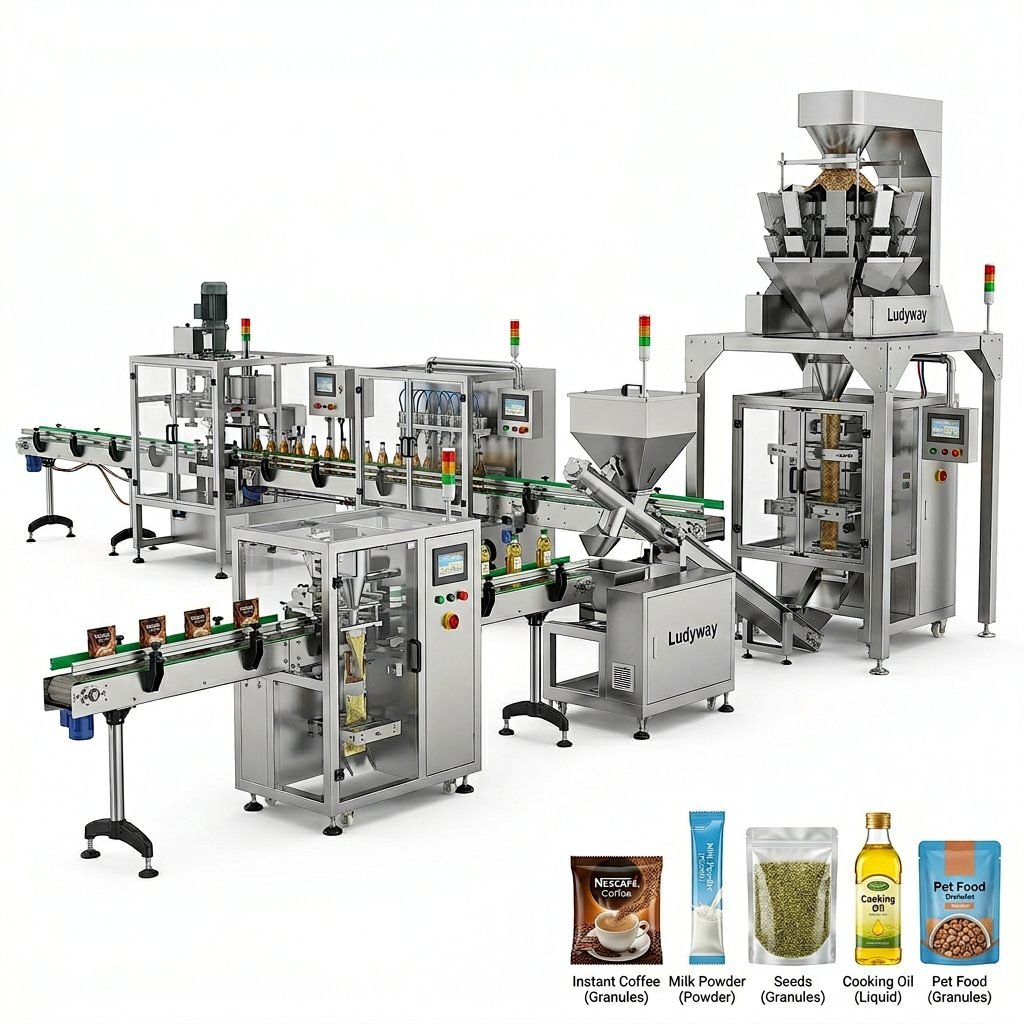
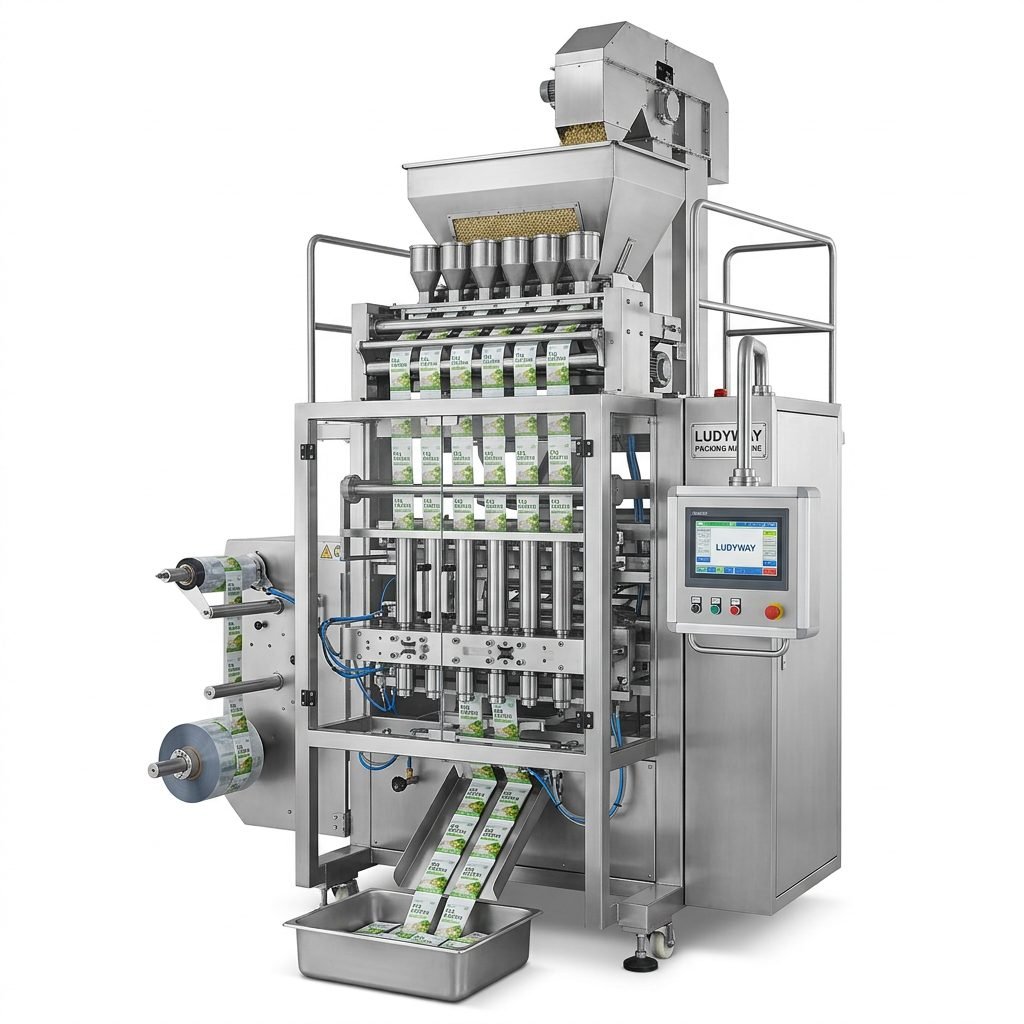
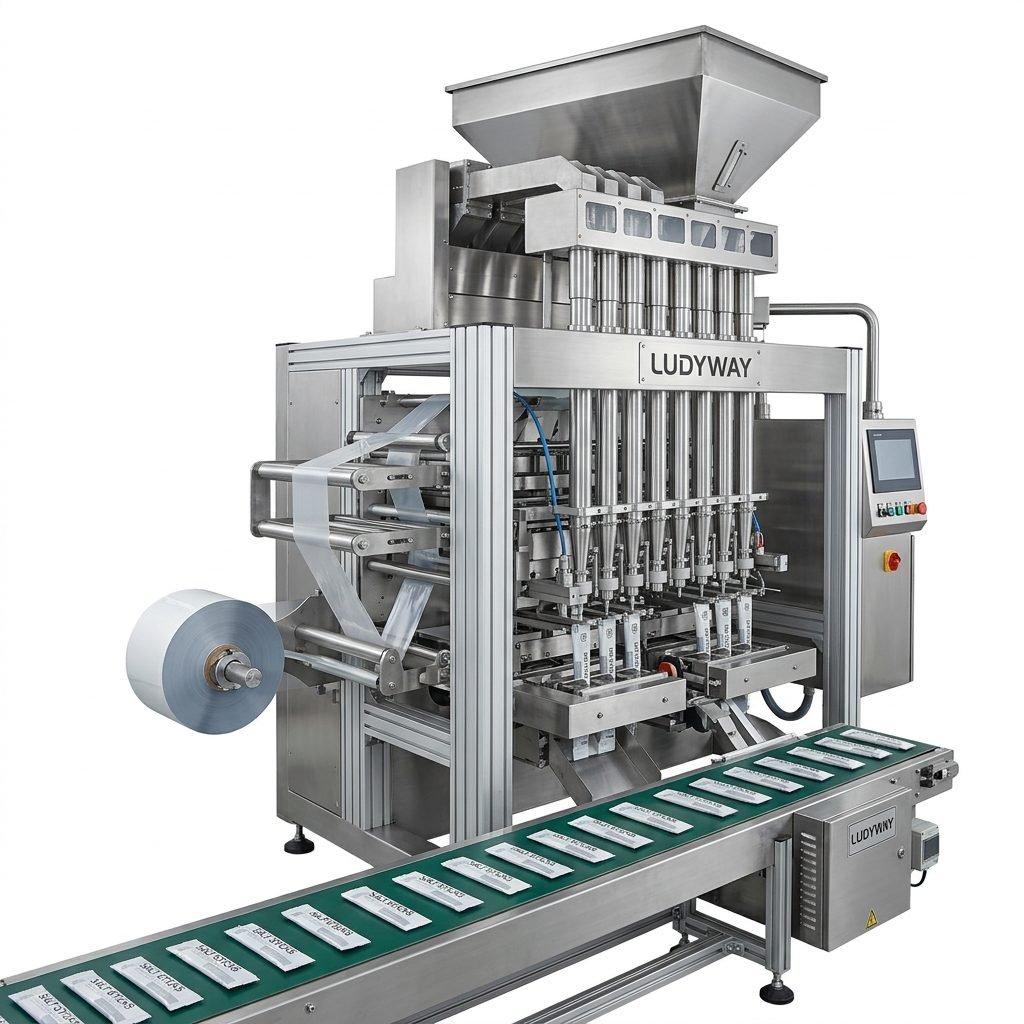
A beverage packaging machine is an automated system designed to fill, seal, code, inspect, and prepare drinks for distribution. Whether the product is water, juice, coffee powder, milk tea mix, electrolyte powder, syrup, or liquid concentrate, the machine follows a structured sequence to turn raw product into retail-ready packs with speed and consistency.
In modern food and drink production, packaging is no longer just the final step. It is a key part of quality control, hygiene protection, shelf-life management, and brand presentation. A well-designed packaging process helps beverage manufacturers reduce waste, improve output, maintain accurate dosing, and meet market demand across different package formats.

What Is a Beverage Packaging Machine?
A beverage packaging machine is a piece of equipment or a complete packaging line used to package drinks in containers such as sachets, stick packs, pouches, bottles, cups, cans, or cartons. The exact machine structure depends on the beverage type:
- Powder beverages — coffee, protein powder, milk tea powder, electrolyte mix, instant drink blends
- Granule beverages — sugar blends, instant tea granules, flavored crystals
- Liquid beverages — juice, syrup, concentrate, dairy drinks, functional shots
- Viscous beverages — honey drinks, gels, thick nutritional liquids
Some machines operate as standalone units, while others are integrated into a full turnkey line that includes feeding, sterilization, filling, sealing, labeling, cartoning, case packing, and palletizing.
How Does the Beverage Packaging Process Work?
Although machine configurations vary, the beverage packaging process usually follows a clear workflow. Each stage is designed to protect product quality while ensuring production efficiency.
- Product preparation
- Container or film feeding
- Metering and dosing
- Filling
- Sealing
- Coding and marking
- Inspection and reject control
- Secondary packaging
- Final output and palletizing
1. Product Preparation
Before the filling stage begins, the beverage must be prepared in a stable and packable condition. This may include mixing, dissolving, filtering, heating, cooling, deaeration, or temporary storage in a hopper or tank.
For example:
- Powder drinks may be blended and sieved to improve flowability
- Liquid drinks may be filtered and held in sanitary tanks
- Hot-fill products may be heated to a required temperature before packaging
- Products with foam or pulp may require special handling to ensure accurate filling
The machine only performs well when the product itself is stable, uniform, and compatible with the selected filling method.
2. Container or Packaging Film Feeding
The next step is feeding the packaging material into the machine. Depending on the package type, this could be:
- Roll film for sachets or stick packs
- Premade pouches
- Empty bottles or jars
- Cups, cans, or cartons
In form-fill-seal systems, the machine pulls packaging film from a roll, shapes it into the desired pack form, and positions it for filling. In bottle lines, conveyors deliver containers into the filling station in a controlled sequence.
3. Metering and Dosing
Accurate dosing is one of the most important parts of the process. The machine must deliver the correct amount of product into each pack. Different dosing technologies are used for different beverage types:
| Beverage Type | Common Dosing Method | Typical Application |
|---|---|---|
| Powder | Auger filler | Coffee powder, protein powder, drink mix |
| Granule | Volumetric cup or weighing system | Instant tea granules, sugar blends |
| Liquid | Piston pump, flow meter, gravity filler | Juice, syrup, liquid supplements |
| Viscous liquid | Servo piston filling | Concentrates, gel drinks, honey-based formulas |
A high-quality beverage packaging machine uses precise controls to reduce variation from pack to pack. This is especially important for brands that need consistent weight, strict cost control, and compliance with labeling requirements.
4. Filling the Beverage
Once the package is positioned correctly, the machine fills the product into the container or formed pack. Sensors and synchronized motion help ensure that filling happens at the right time and in the correct volume.
During this stage, the machine may also include:
- Nitrogen flushing to reduce oxygen exposure
- Anti-drip nozzles for clean liquid filling
- Dust control for powders
- Vibration or settling functions for better pack shape
5. Sealing the Package
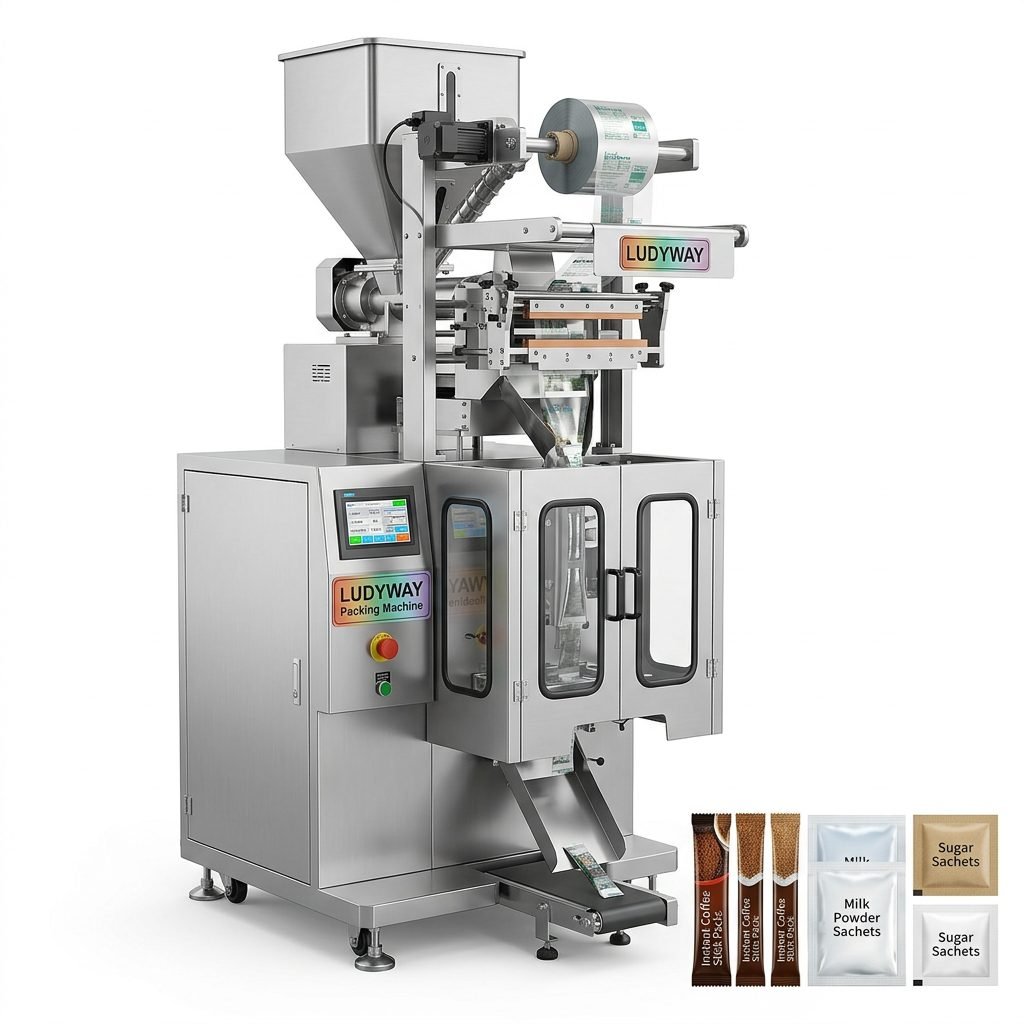
After filling, the package is sealed to protect the beverage from moisture, oxygen, leakage, contamination, and handling damage. Sealing method depends on the packaging format:
- Heat sealing for sachets, stick packs, and pouches
- Cap tightening for bottles
- Foil sealing for cups and trays
- Seaming for cans
This stage is critical because even a high-accuracy filling system cannot guarantee product quality if the seal is weak or inconsistent. Proper seal temperature, dwell time, pressure, and material compatibility must all work together.
6. Printing, Coding, and Traceability
Most beverage packages require printed information such as:
- Production date
- Expiry date
- Batch number
- Barcode or QR code
- Traceability code
Coding systems are often integrated directly into the packaging machine or installed just after the sealing station. This helps manufacturers meet food safety and supply chain requirements while improving recall control and warehouse tracking.
7. Inspection and Quality Control
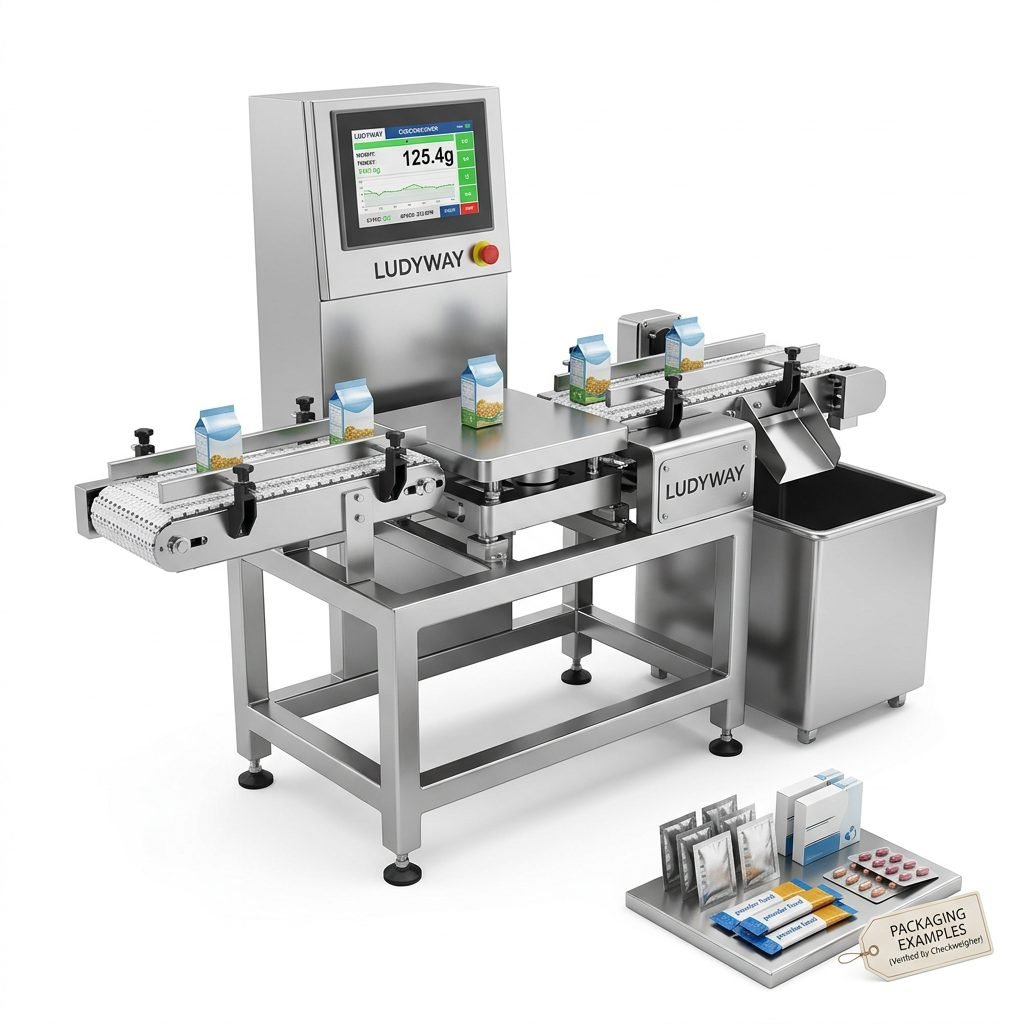
Modern beverage lines often include automated inspection systems to identify errors before products move downstream. These may include:
- Checkweighers for underweight or overweight packs
- Metal detectors for contamination control
- Vision systems for print, seal, or label inspection
- Leak testing for liquid packages
Any defective unit can be rejected automatically without stopping the full line, which improves both productivity and final product reliability.
8. Secondary Packaging
Once individual beverage packs are complete, they usually move to secondary packaging. This can include:
- Counting sachets into cartons
- Bundling bottles into shrink packs
- Placing pouches into display boxes
- Case packing for logistics
Secondary packaging makes the product easier to transport, store, and sell in wholesale or retail channels.
9. Final Output, Palletizing, and Warehousing
In high-volume factories, the final stage includes robotic case packing, palletizing, and stretch wrapping. At this point, finished goods are ready for warehousing or direct shipment.
This is where a complete packaging line delivers the biggest advantage: each machine is connected in sequence, reducing manual handling and increasing throughput.
Main Types of Beverage Packaging Machines
Beverage manufacturers use different machines depending on their product format, capacity target, and market positioning.
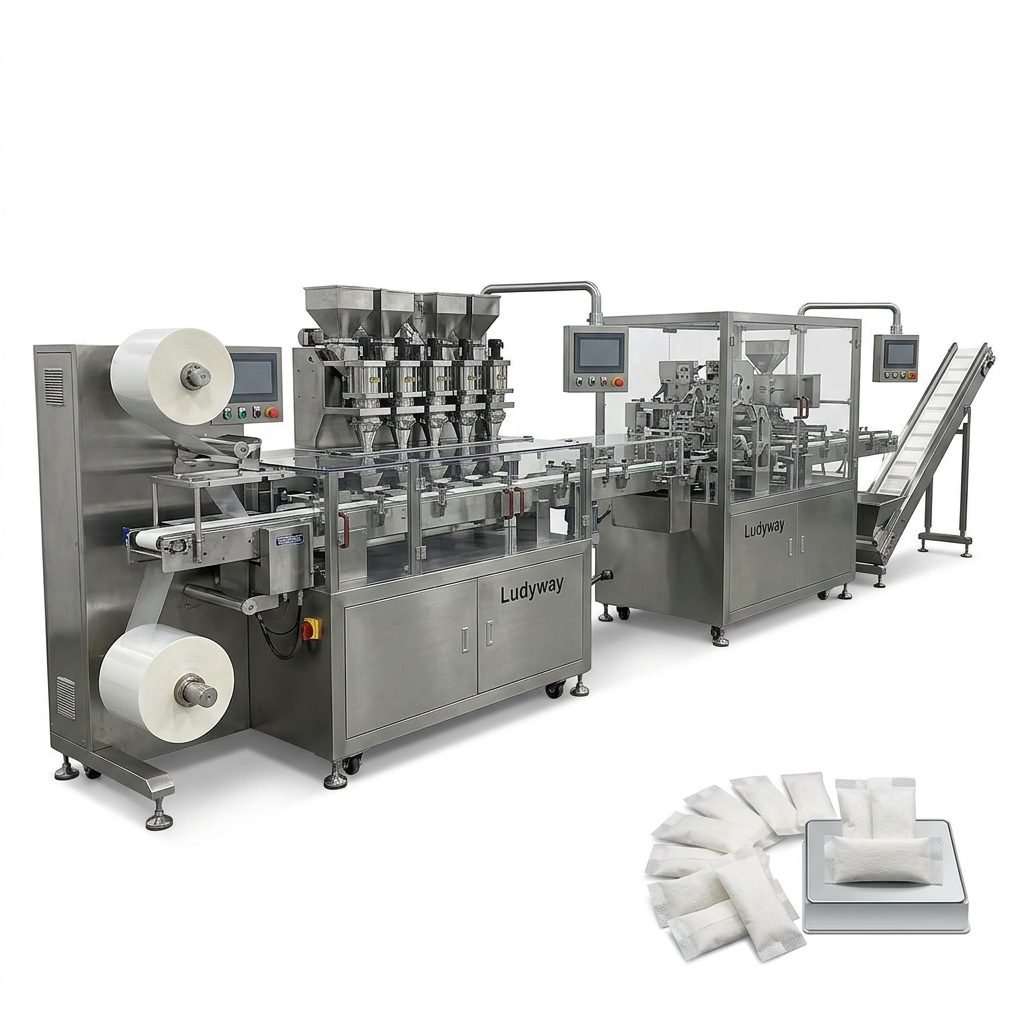
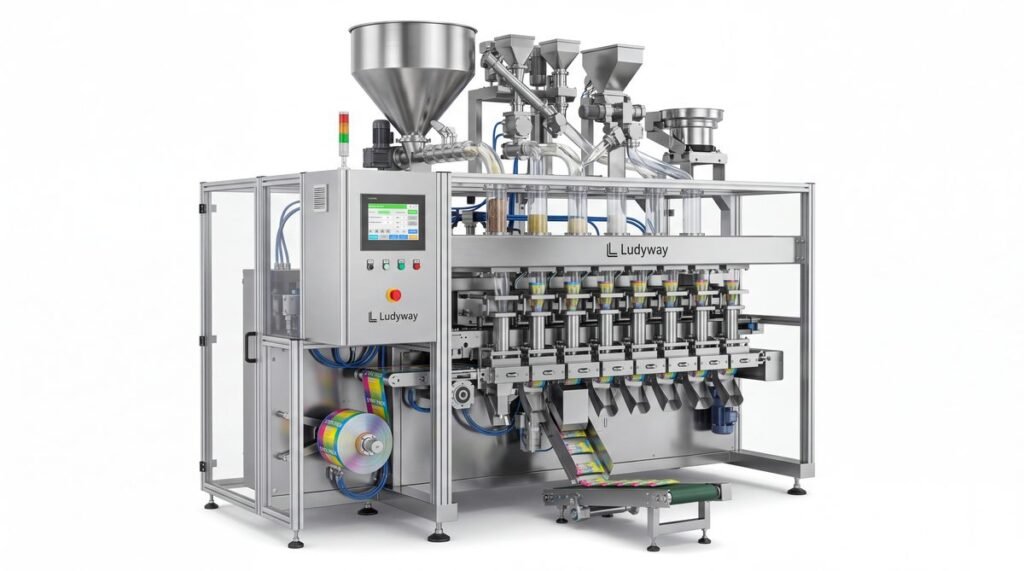
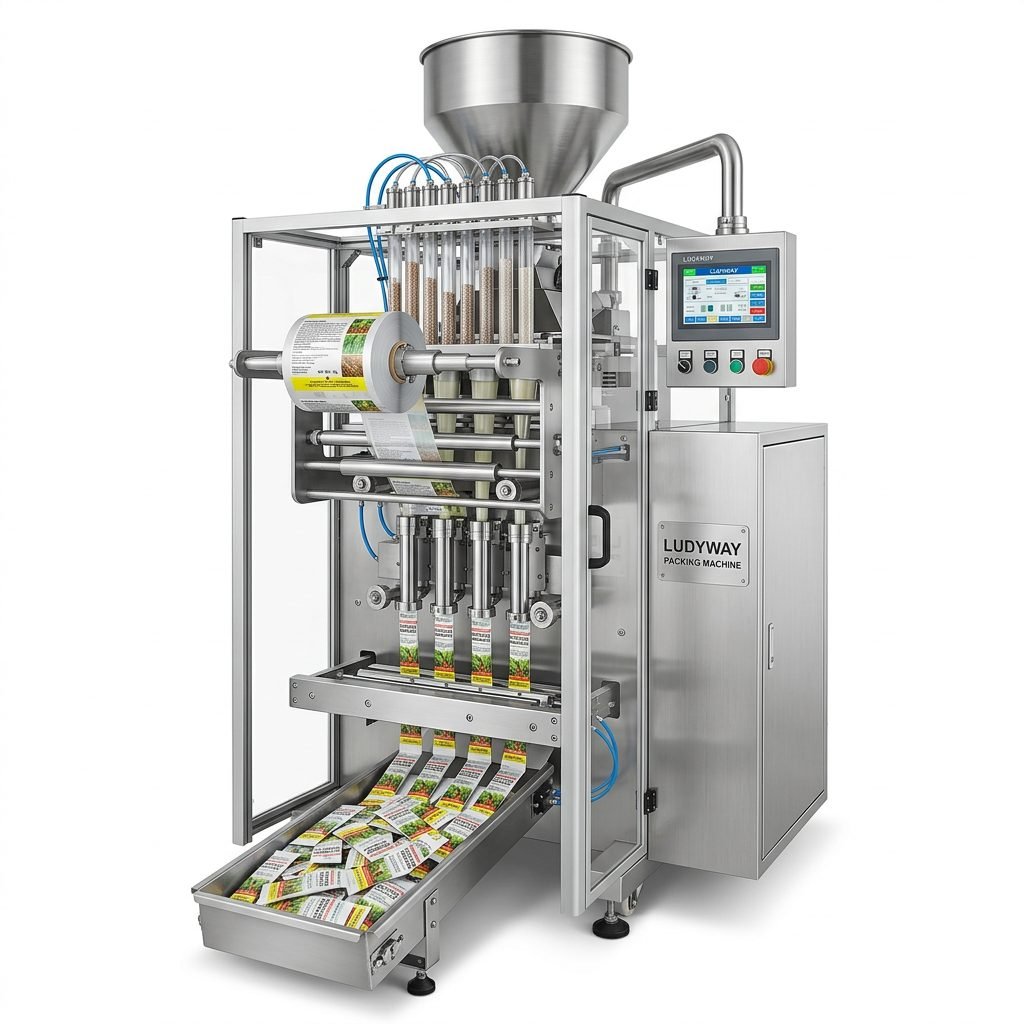
Stick Pack and Sachet Machines
These machines are ideal for single-serve beverage powders, instant coffee, electrolyte mixes, and nutritional drink formulas. They are popular because they offer compact pack size, strong branding potential, and convenient portion control.
Bottle Filling Machines
Used for water, tea, juice, dairy drinks, syrups, and functional beverages. They can include rinsing, filling, capping, labeling, and shrink sleeving in one continuous line.
Premade Pouch Filling Machines
Suitable for liquid drinks, concentrates, and specialty beverage formats that require attractive shelf presentation and flexible package design.
Can and Cup Packaging Systems
Common in RTD beverages, powdered mixes, and portioned functional products. These systems often focus on sealing integrity and high-speed repeatability.
Key Components Inside a Beverage Packaging Machine
A typical system includes several core modules working together:
- Feeding system — transfers product to the filling area
- Forming unit — shapes film into the package
- Dosing unit — measures exact fill amount
- Filling system — introduces product into the package
- Sealing unit — closes the package securely
- PLC and HMI controls — manage machine settings and operation
- Sensors and inspection devices — monitor product flow and quality
- Discharge conveyor — moves finished packs to the next stage
Why Automation Matters in Beverage Packaging
Automated beverage packaging offers more than speed. It supports cleaner production, lower labor dependence, and more stable product quality. For growing beverage brands, automation helps solve some of the most common production challenges:
- Inconsistent manual filling
- Material waste and product loss
- Slow output during peak demand
- Packaging defects caused by human error
- Difficulty scaling across multiple SKUs
An automated system also makes it easier to standardize packaging across markets, especially for companies selling through distributors, e-commerce, supermarkets, and export channels.
What Factors Affect Machine Selection?
Choosing the right beverage packaging machine requires more than matching product type to machine model. Buyers should evaluate the full production context.
| Selection Factor | Why It Matters |
|---|---|
| Product form | Powder, granule, liquid, and viscous products require different filling technologies |
| Package format | Sachet, stick pack, bottle, pouch, cup, and can lines differ greatly in structure |
| Speed requirement | Higher output may require multi-lane or fully integrated systems |
| Accuracy target | Impacts cost control, compliance, and customer satisfaction |
| Hygiene standard | Food and functional drinks may need sanitary design and easy cleaning |
| Future expansion | A scalable line can support new SKUs and market growth |
Common Beverage Packaging Applications
Beverage packaging machines are widely used across many product categories:
- Instant coffee and coffee creamer
- Tea powder and milk tea blends
- Electrolyte powders and sports drink mixes
- Protein drinks and nutrition powders
- Liquid juice, syrup, and concentrate
- Functional health beverages
- Travel-size drink sachets and stick packs
This flexibility is one reason many beverage producers prefer modular systems that can be adapted to changing packaging needs over time.
How a Turnkey Beverage Packaging Line Improves Efficiency
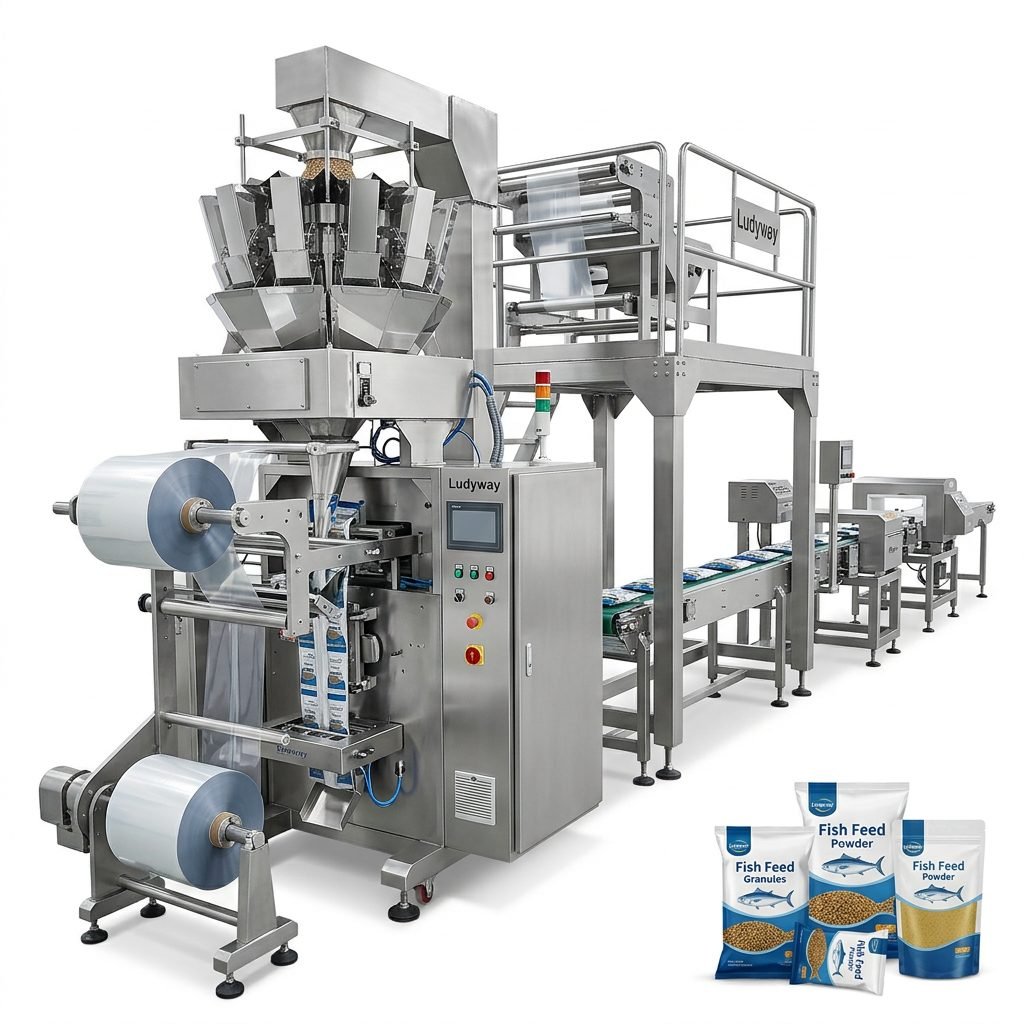
A standalone filler may solve one packaging task, but a turnkey line connects all major stages into one coordinated system. This can include material feeding, filling, sealing, coding, checkweighing, cartoning, case sealing, and palletizing.
For manufacturers planning long-term automation, working with an experienced supplier such as Ludyway packaging machine manufacturer can help align machine design with product type, factory layout, speed goals, and export market requirements.
Common Problems a Beverage Packaging Machine Helps Solve
- Leaking packs caused by poor seal control
- Weight inconsistency due to unstable manual dosing
- Powder dust issues that affect hygiene and machine cleanliness
- Slow production from labor-intensive packing steps
- High reject rates due to weak inspection procedures
- Limited product flexibility when launching new SKUs
With the right configuration, the system becomes more than a filling machine—it becomes a productivity platform for beverage growth.
Maintenance and Best Operating Practices
To keep a beverage packaging machine running efficiently, operators should follow a preventive maintenance plan. Important practices include:
- Cleaning product-contact parts regularly
- Checking seals, heaters, and cutting components
- Calibrating dosing systems
- Inspecting sensors and conveyors
- Monitoring coding quality and reject devices
- Training operators on changeover and troubleshooting
Consistent maintenance reduces downtime, protects packaging quality, and extends machine life.
Final Thoughts on How Beverage Packaging Machines Work
A beverage packaging machine works by guiding the product through a precise sequence of feeding, dosing, filling, sealing, coding, inspection, and final packing. Each stage is engineered to improve speed, hygiene, accuracy, and package consistency.
Whether you are packaging powdered drink mixes, liquid beverages, or single-serve stick packs, understanding the full packaging process is essential for selecting the right equipment. The best machine is not simply the fastest one—it is the one that matches your product characteristics, packaging format, and long-term production goals.