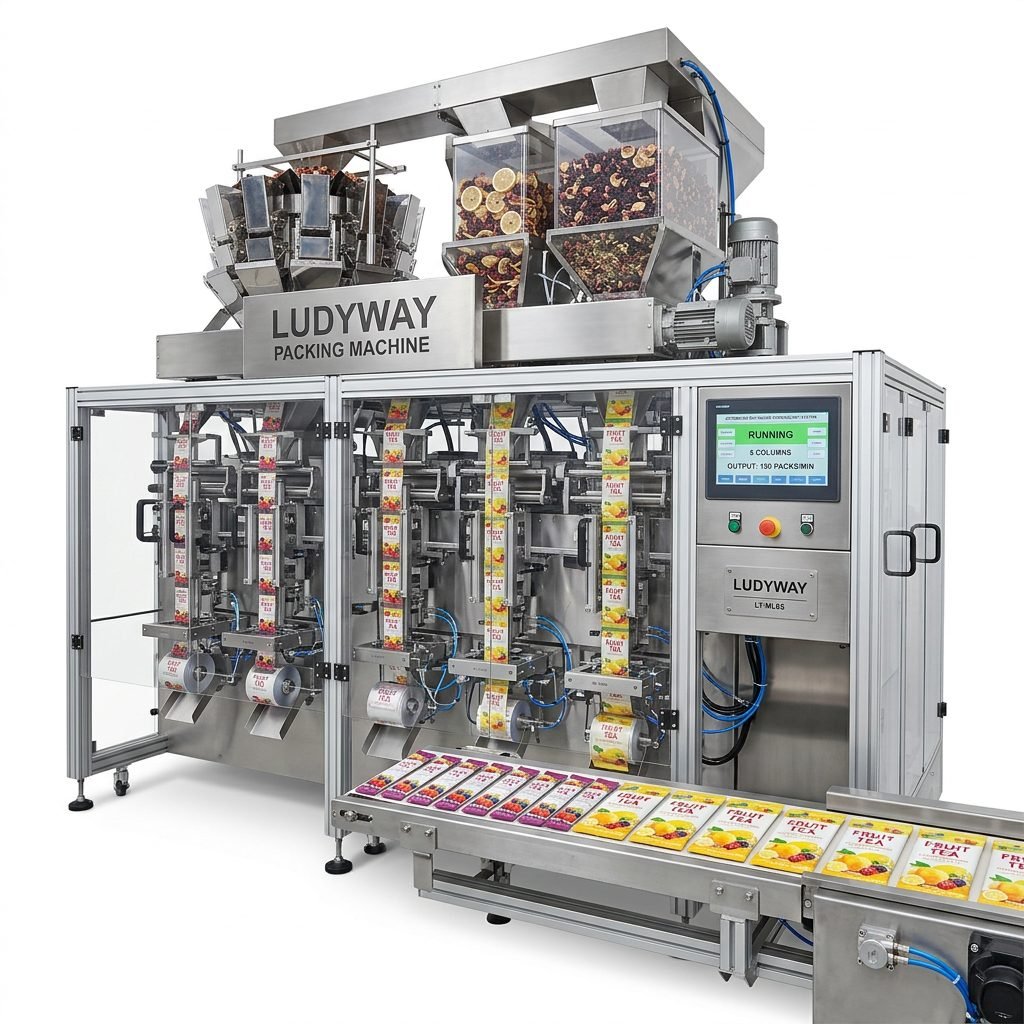
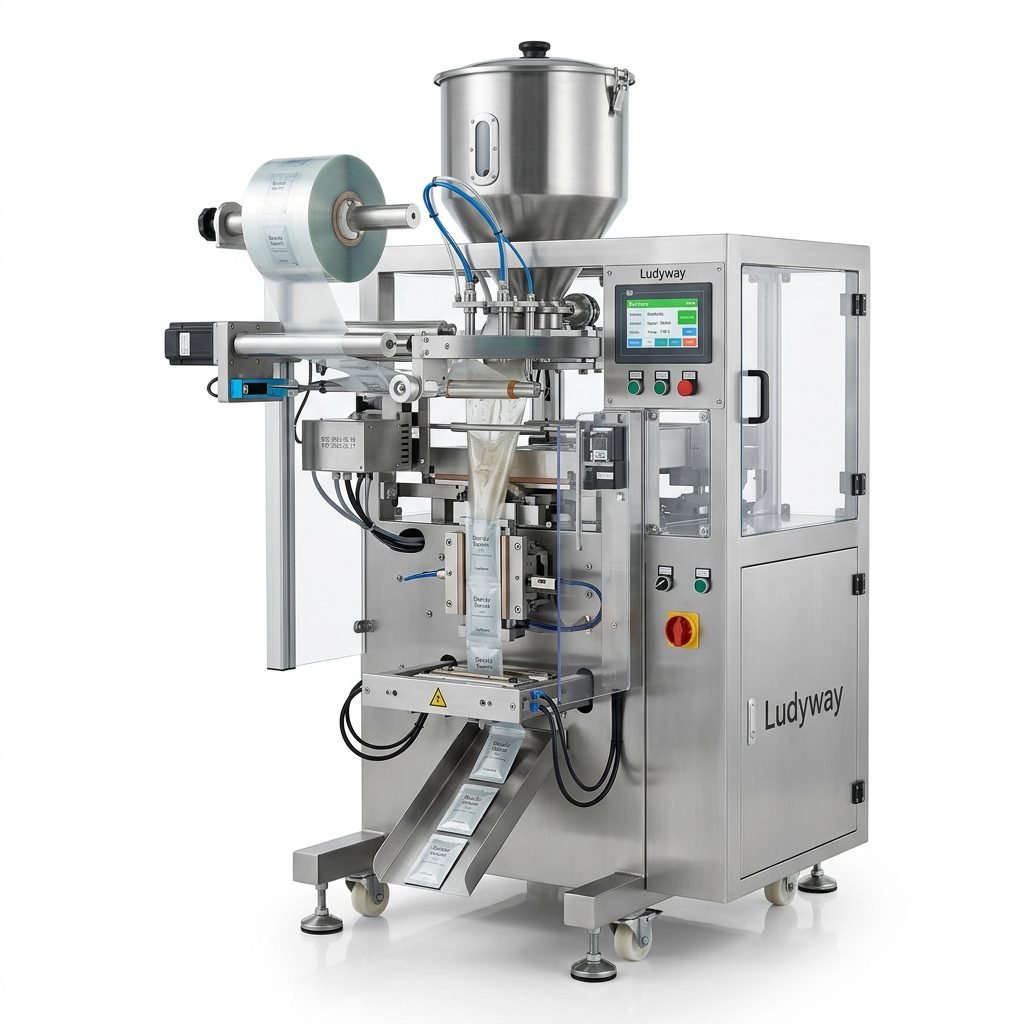
Leakage in liquid pouch packaging is more than a quality defect—it can quickly become a costly issue affecting product safety, shelf life, transportation performance, brand reputation, and customer satisfaction. Whether you pack sauces, oils, detergents, pharmaceuticals, cosmetics, or nutritional liquids, even a small seal failure can lead to waste, returns, contamination risks, and production downtime.
The good news is that most pouch leakage problems can be traced to a manageable group of causes. Once you understand where the failure starts, it becomes much easier to improve sealing consistency, adjust machine parameters, and prevent repeat defects.
Why Liquid Pouch Leakage Happens So Often
Liquid products are naturally more difficult to package than powders or granules. They flow quickly, can splash into seal areas, may contain oil or alcohol, and often require precise temperature and pressure control during sealing. Some formulas are also corrosive, foamy, hot-filled, or highly viscous, which makes consistent pouch integrity even more challenging.
Leakage usually appears in one of these forms:
- Side seal leakage
- Bottom seal leakage
- Top seal leakage after filling
- Micro-leaks detected only during transport or storage
- Bursting or pinhole failures caused by pressure or material weakness
In many cases, the pouch itself is not the only problem. Leakage is often the result of a combined failure involving packaging material, sealing conditions, filling accuracy, machine wear, and operating practices.
The Most Common Causes of Leakage in Liquid Pouch Packaging
1. Contamination in the Seal Area
One of the most frequent causes of leakage is product contamination on the sealing surface. When liquid, foam, paste, or fine droplets enter the sealing zone, the seal cannot bond properly. This creates weak spots or open channels that may not be visible immediately.
Typical reasons include:
- Overfilling
- Splashing during dosing
- Foaming products rising into the seal area
- Nozzle dripping after fill completion
- Poor synchronization between filling and sealing
2. Incorrect Sealing Temperature, Pressure, or Dwell Time
Heat sealing requires a correct balance of three key variables: temperature, pressure, and dwell time. If one of these settings is off, the pouch layers may not fuse correctly. Under-sealing creates weak bonds, while over-sealing may burn, thin, or deform the film.
- Too low temperature = incomplete seal
- Too high temperature = film damage or wrinkling
- Too little pressure = poor bonding
- Too short dwell time = unstable seal strength
3. Unsuitable Pouch Material Structure
Not all laminated films perform equally with liquid products. A pouch may look acceptable visually but still be poorly matched to the formula, filling temperature, or transportation conditions. Weak sealant layers, low puncture resistance, or poor barrier structure can all lead to leakage.
Material mismatch may involve:
- Film too thin for the pouch size or filling weight
- Sealant layer incompatible with sealing jaws
- Insufficient resistance to oil, alcohol, or chemicals
- Low puncture resistance during handling
- Poor laminate quality or inconsistent film thickness
4. Seal Jaw Wear or Mechanical Misalignment
Worn sealing jaws, uneven pressure, damaged Teflon covers, or poor alignment can create seals that look closed but are mechanically weak. Even a small gap or uneven contact along the sealing face may be enough to produce leakage under compression or drop impact.
5. Filling Accuracy Problems
If the filling volume is unstable, some pouches may become too full, leaving insufficient headspace for safe sealing. Overfilled pouches are especially vulnerable during stacking, cartoning, and shipping because internal pressure increases near the seal area.
6. Product Characteristics That Interfere with Sealing
Certain liquids are much harder to seal than water-like products. Oily sauces, sticky gels, alcohol-based liquids, high-acid formulas, hot-filled products, and foaming detergents all demand more precise parameter control.
How to Identify the Real Source of Leakage
Before changing materials or machine settings, it is important to identify where and when the pouch fails. Good troubleshooting should be systematic rather than based on guesswork.
Check the failure location
- If leakage is at the top seal, contamination or sealing parameter issues are likely
- If leakage is at the side or bottom seal, film quality or forming problems may be involved
- If the pouch bursts in transit, overfilling, weak film, or compression stress may be the main factor
- If only micro-leaks appear after storage, seal strength or laminate integrity may be insufficient
Use practical tests
- Visual seal inspection under strong light
- Seal strength testing
- Vacuum leak test
- Dye penetration test
- Drop testing and compression testing
- Burst pressure testing
These tests help determine whether the issue comes from the film, the heat seal, product contamination, or post-packaging handling.
Quick Troubleshooting Table for Liquid Pouch Leakage
| Leakage Symptom | Likely Cause | Recommended Solution |
|---|---|---|
| Top seal opens easily | Low sealing temperature, contamination, short dwell time | Adjust heat settings, reduce splashing, clean seal area |
| Seal looks wrinkled or burned | Excessive temperature or pressure | Lower heat, verify pressure uniformity, inspect jaw condition |
| Random leaking pouches in one batch | Inconsistent dosing, nozzle dripping, operator variation | Calibrate filler, improve nozzle cut-off, standardize operation |
| Leaks during transport | Weak pouch film, low seal strength, overfilling | Upgrade material, increase seal strength, optimize fill volume |
| Side seal leakage | Film defect, tracking problem, jaw misalignment | Check film roll quality, correct alignment, inspect sealing tools |
| Micro-leak after storage | Poor seal integrity or laminate weakness | Perform integrity tests, review pouch structure, improve sealing window |
Practical Solutions to Fix Leakage Issues
Improve Fill Control and Nozzle Design
To reduce contamination in the seal area, optimize the filling stage first. Use anti-drip nozzles, diving nozzles, or cut-off valves where needed. For foamy or splash-prone liquids, slower initial fill speed and better nozzle positioning can make a major difference.
- Reduce drip after each fill cycle
- Match nozzle diameter to product viscosity
- Use stable filling timing to avoid splashing
- Maintain consistent pouch opening during fill
Optimize Heat Sealing Parameters
Sealing should always be validated based on actual film structure and product type, not copied from another packaging line. Run controlled tests to find the correct sealing window and monitor parameter drift during production.
Focus on:
- Sealing temperature stability
- Balanced jaw pressure
- Adequate sealing time
- Cooling time if the line speed is high
Upgrade Pouch Material if Needed
If leakage continues despite stable machine settings, review the packaging film structure with your supplier. Liquids often require stronger sealant layers, better puncture resistance, and more reliable lamination quality than standard dry-product pouches.
Consider reviewing:
- Film thickness
- Sealant layer type
- Chemical compatibility with the product
- Resistance to transport stress
- Performance at hot-fill or ambient-fill temperatures
Maintain the Sealing System Regularly
Preventive maintenance is essential. Dirty, worn, or damaged sealing parts can gradually increase leakage rates without obvious warning. Routine inspection helps catch problems before they affect a full production batch.
- Inspect jaws for wear and uneven contact
- Replace damaged sealing tape or covers
- Verify temperature sensor accuracy
- Check pneumatic pressure consistency
- Confirm forming, pulling, and sealing alignment
Reduce Stress After Sealing
Some pouches leak not because of poor sealing, but because the pouch is damaged after sealing. Rough conveying, compression in secondary packaging, or impact during transport can break a marginal seal.
To reduce this risk:
- Allow adequate cooling before downstream handling
- Avoid excessive stacking pressure
- Use suitable case packing patterns
- Test packaging performance under real logistics conditions
How to Prevent Leakage Before It Starts
The most effective strategy is prevention. Instead of waiting for leakage complaints, build pouch integrity into the process from the beginning.
Create a leak-prevention checklist
- Approve film quality before mass production
- Validate sealing settings at startup
- Check filling accuracy at fixed intervals
- Inspect seal appearance continuously
- Run random leak testing during production
- Train operators to identify early warning signs
Standardize changeover procedures
Leakage often increases after product or pouch size changes. Different viscosities, fill volumes, and film structures may require new settings. A documented changeover procedure helps prevent unstable sealing during startup.
Use the right packaging equipment
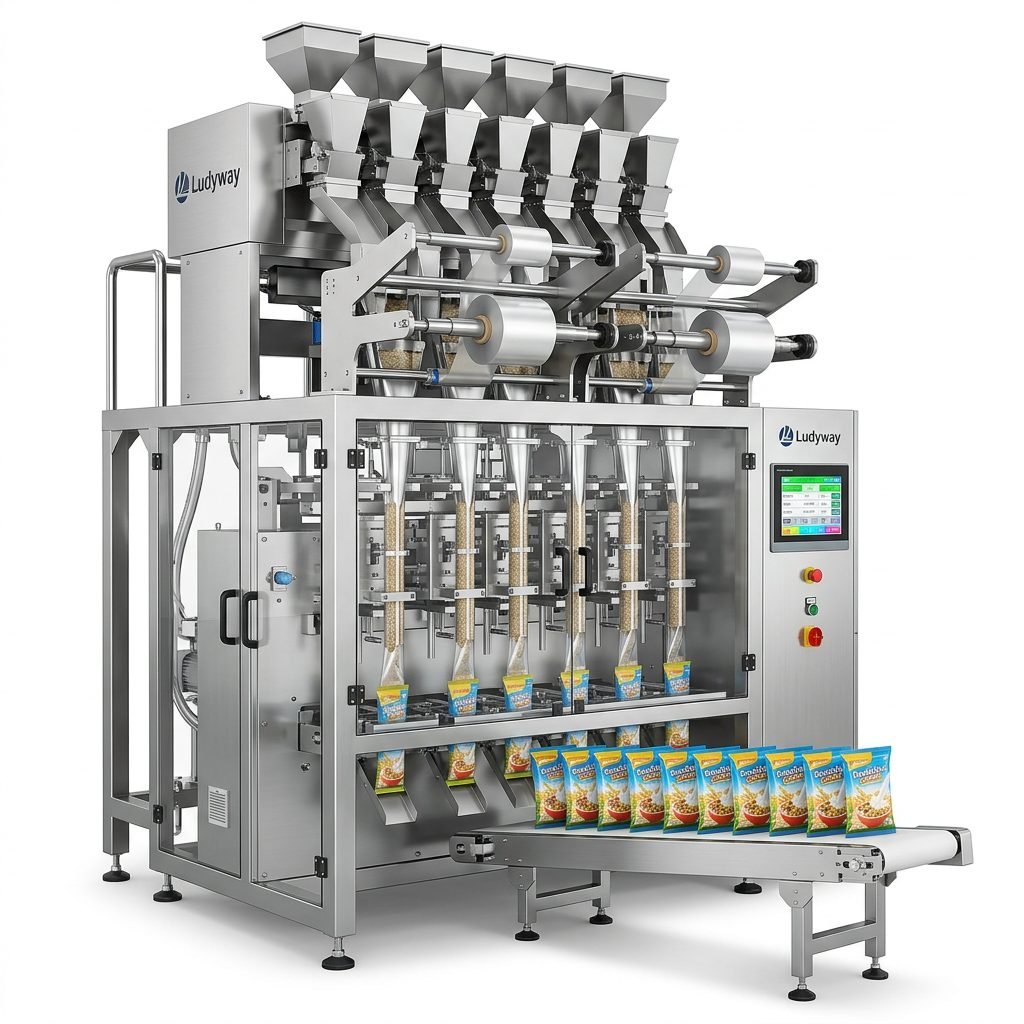
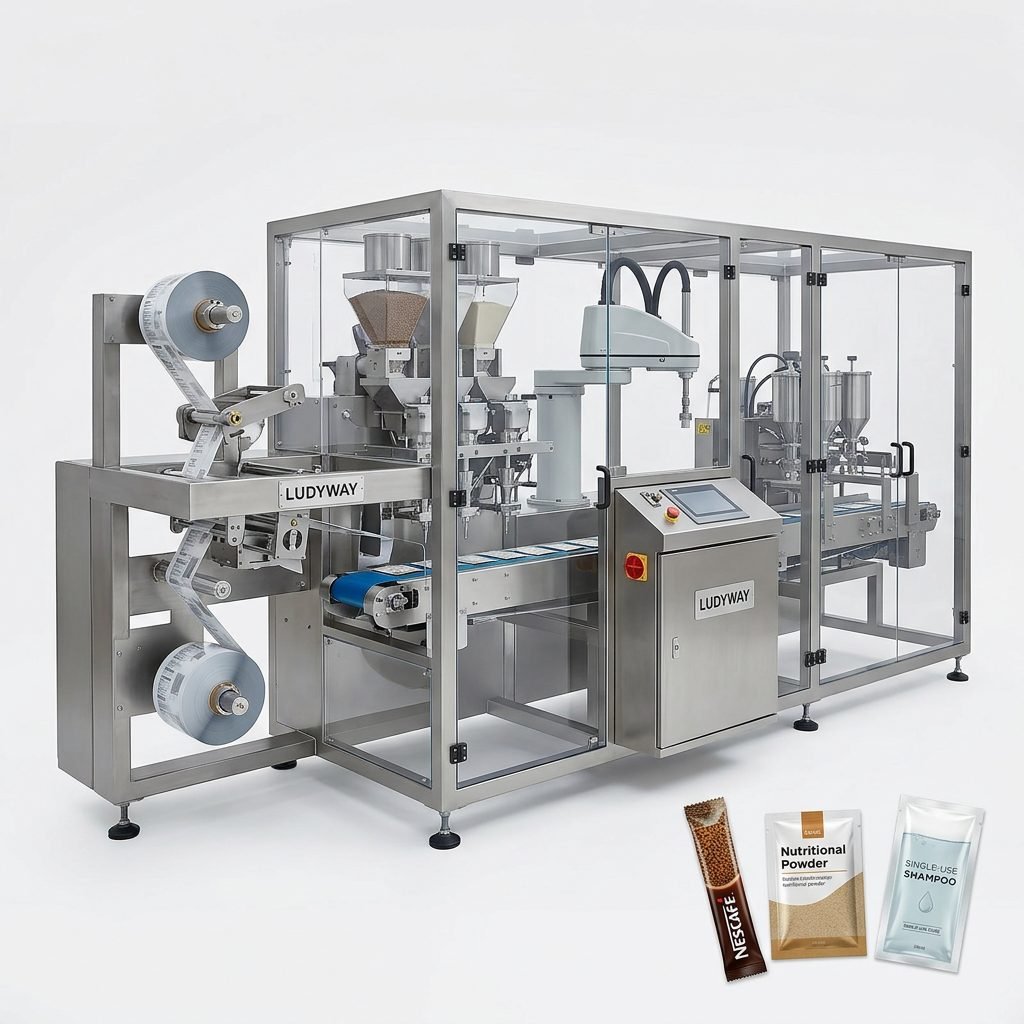
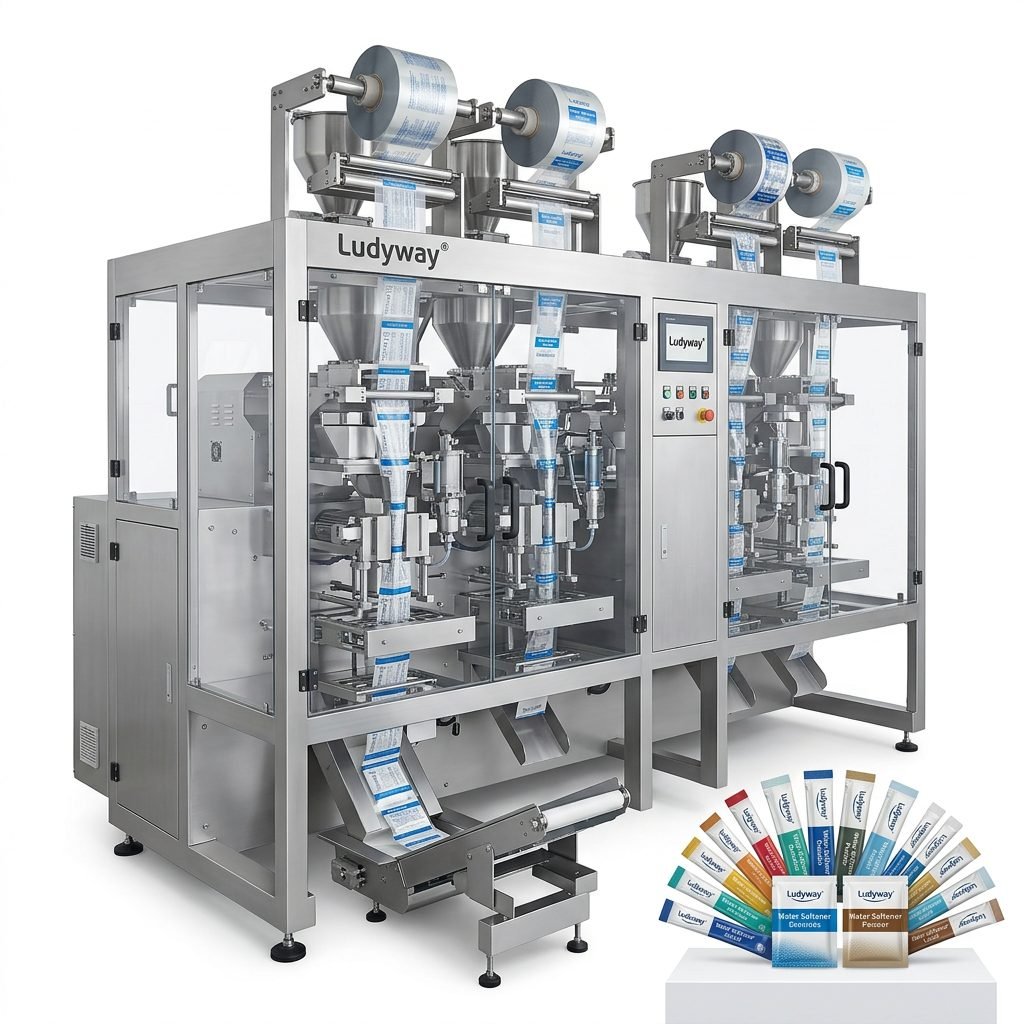
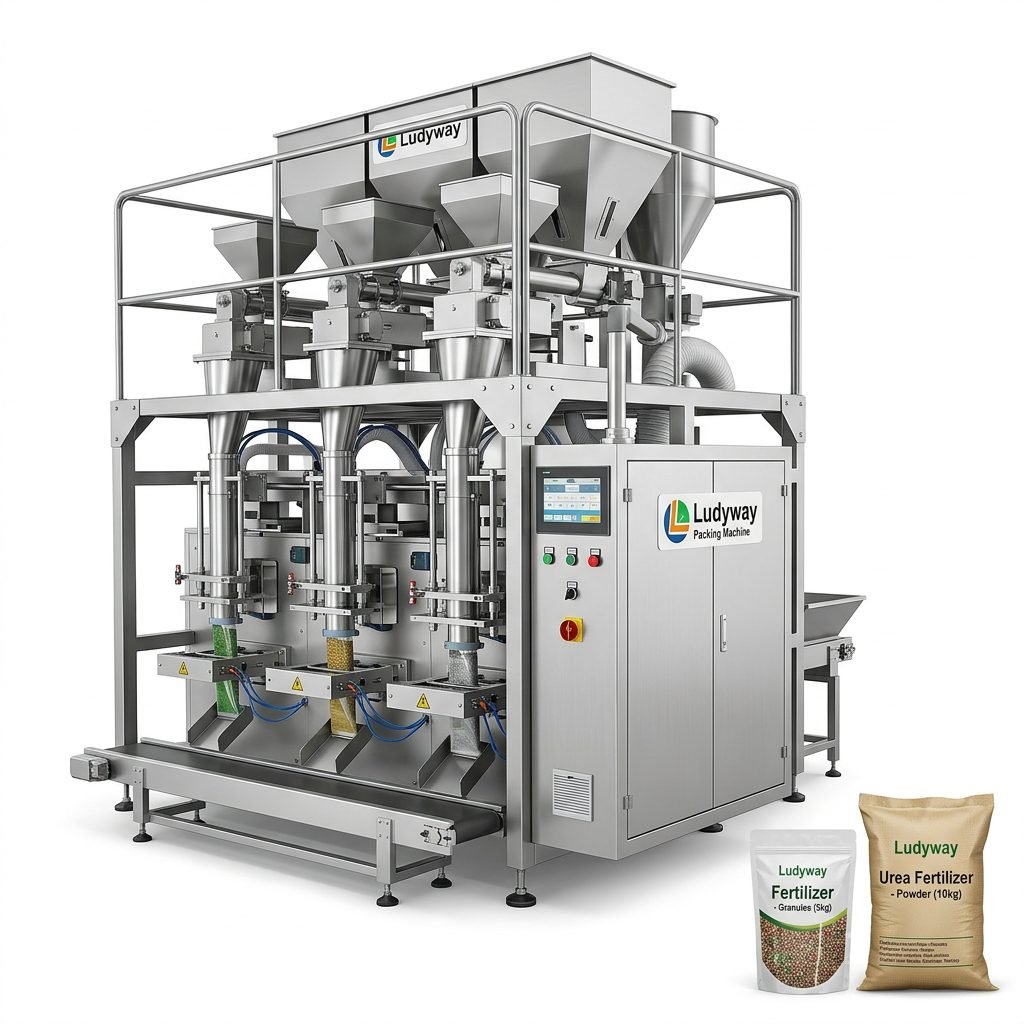
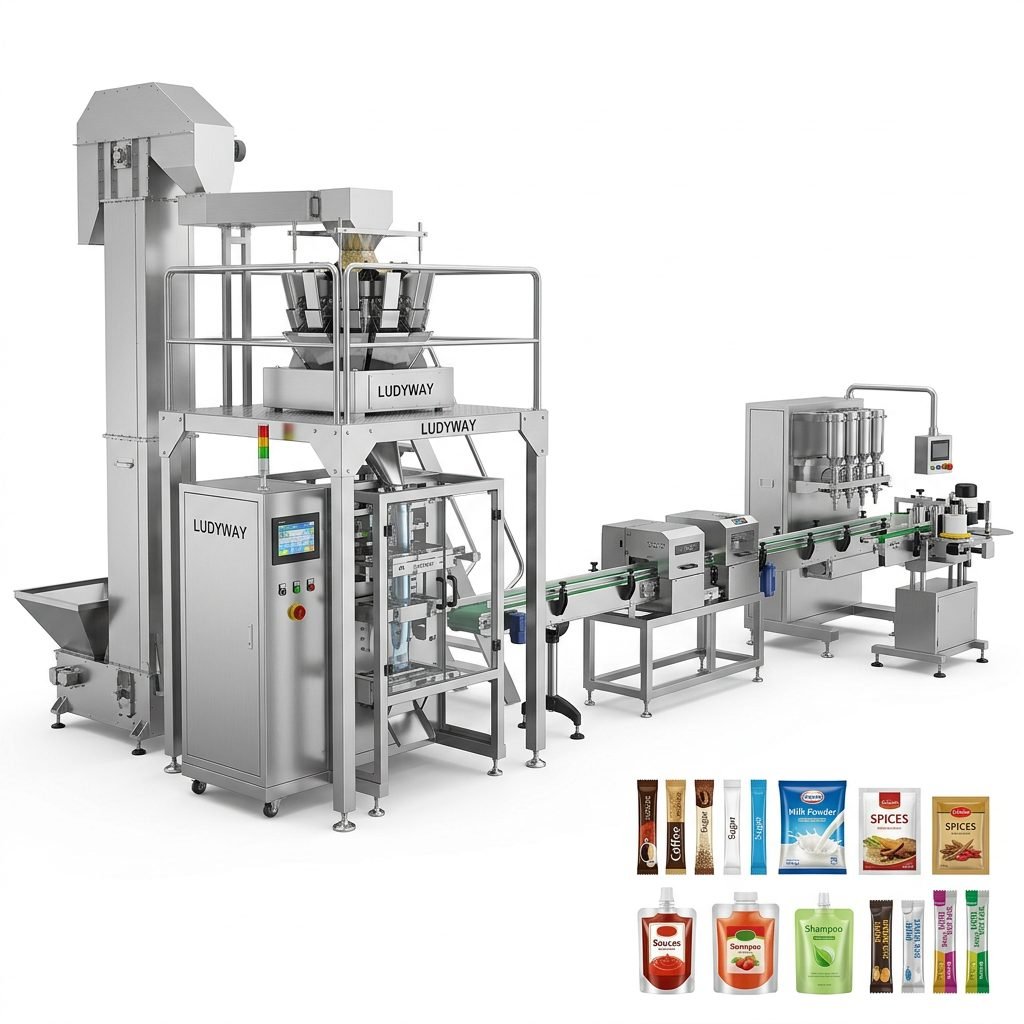
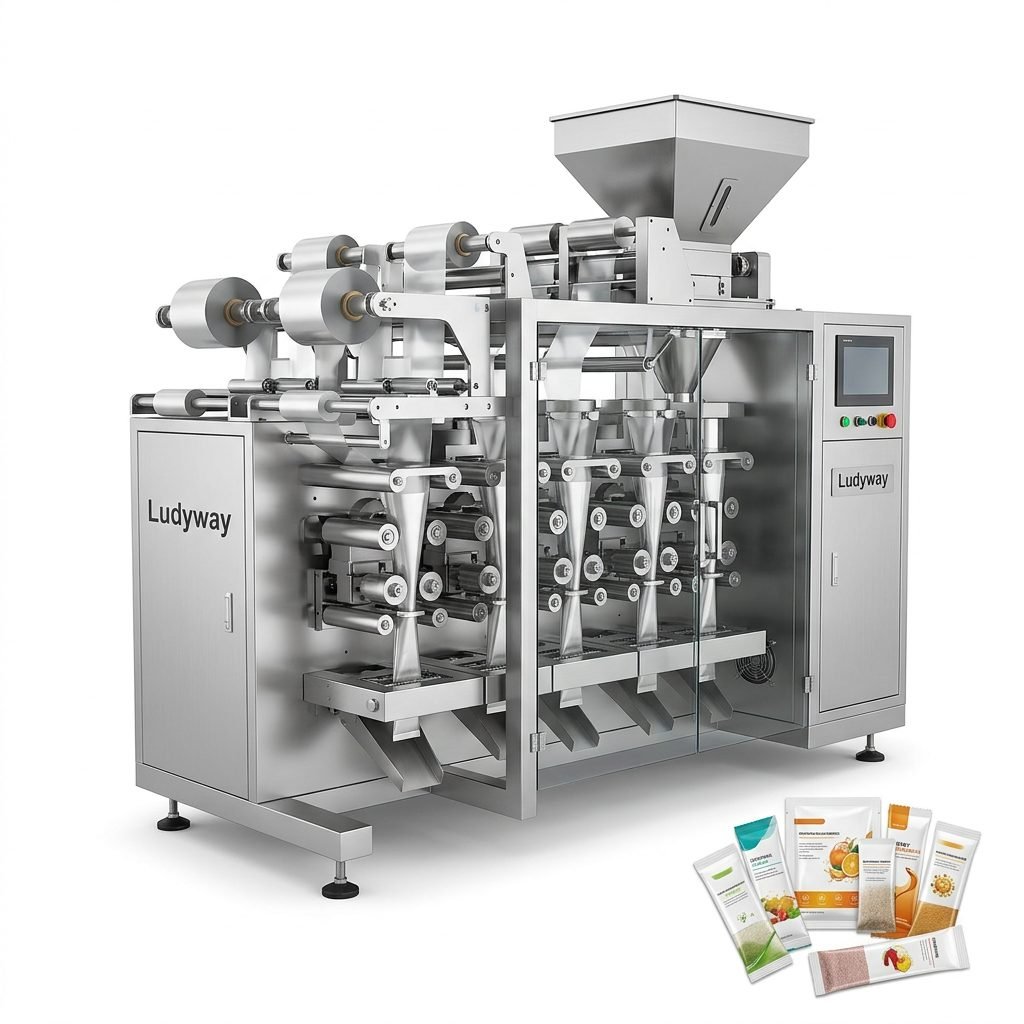
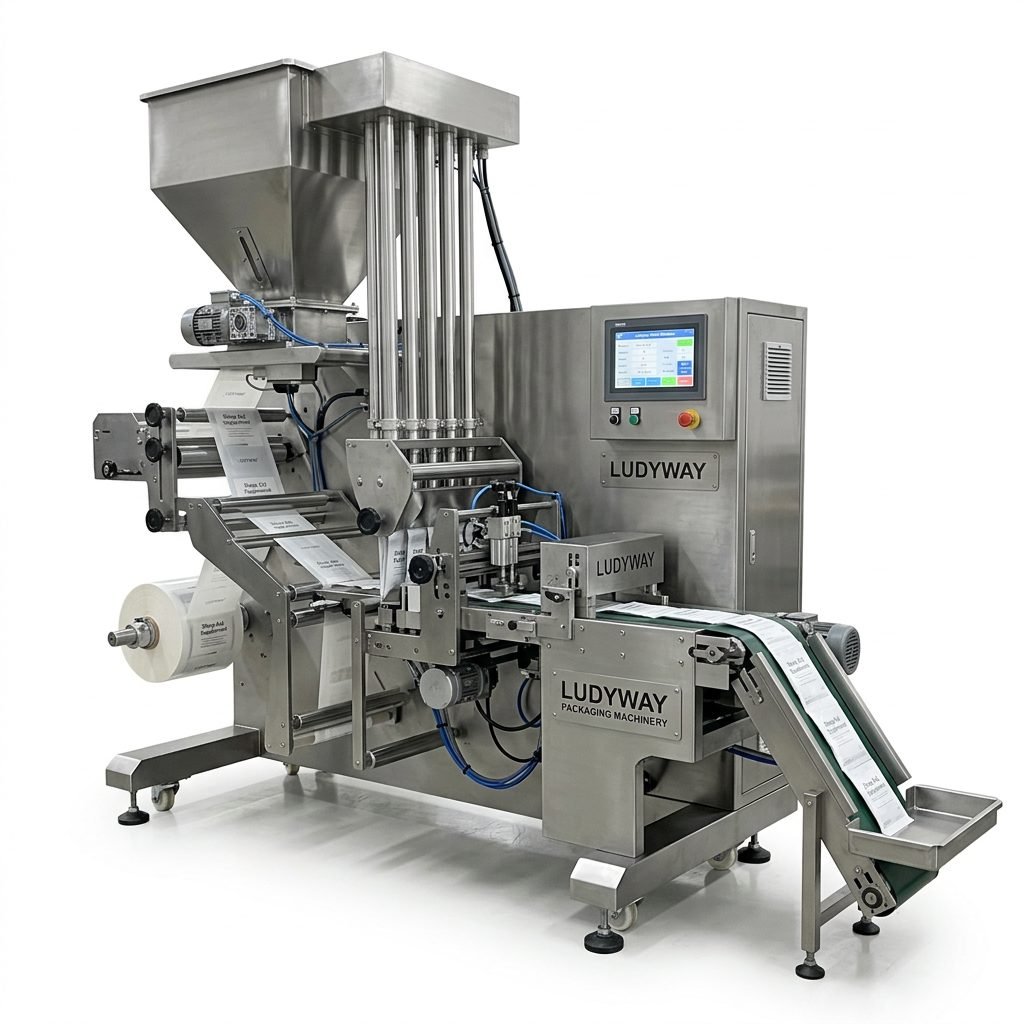
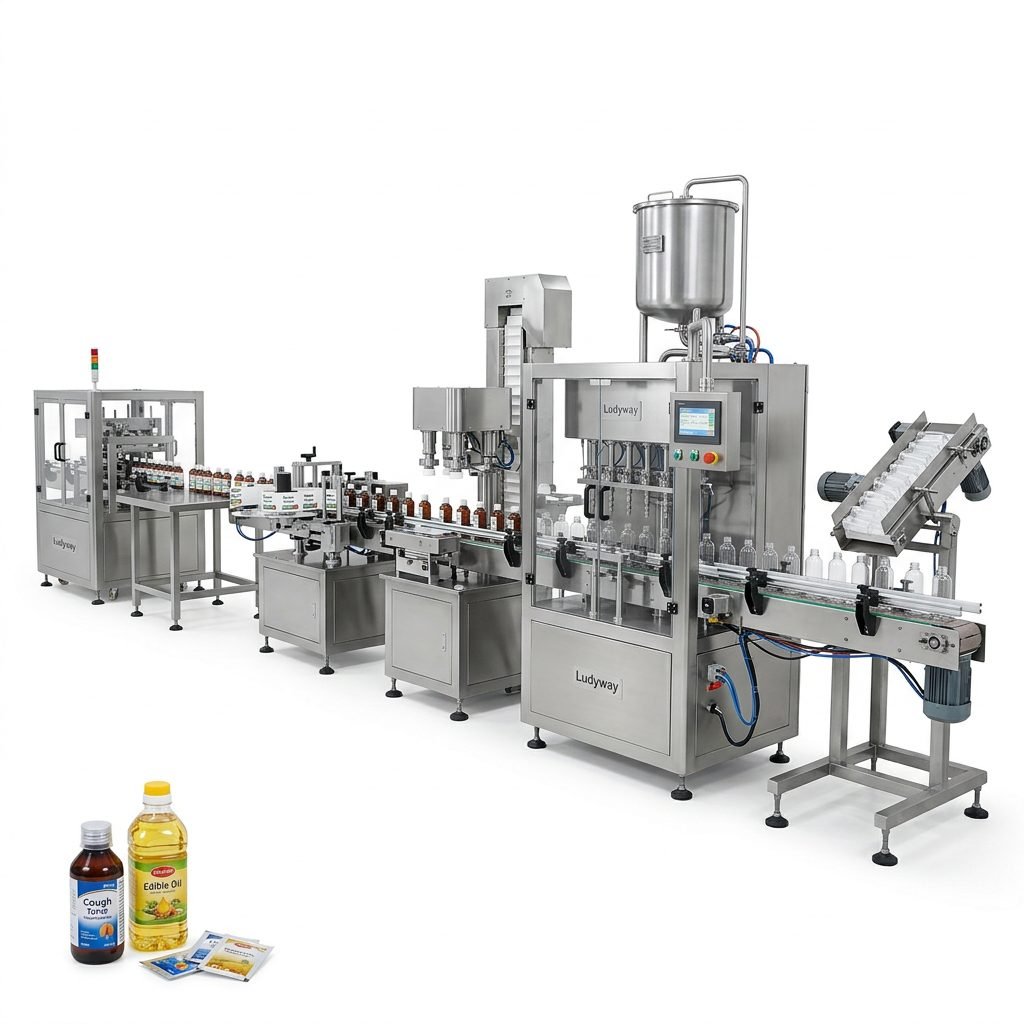
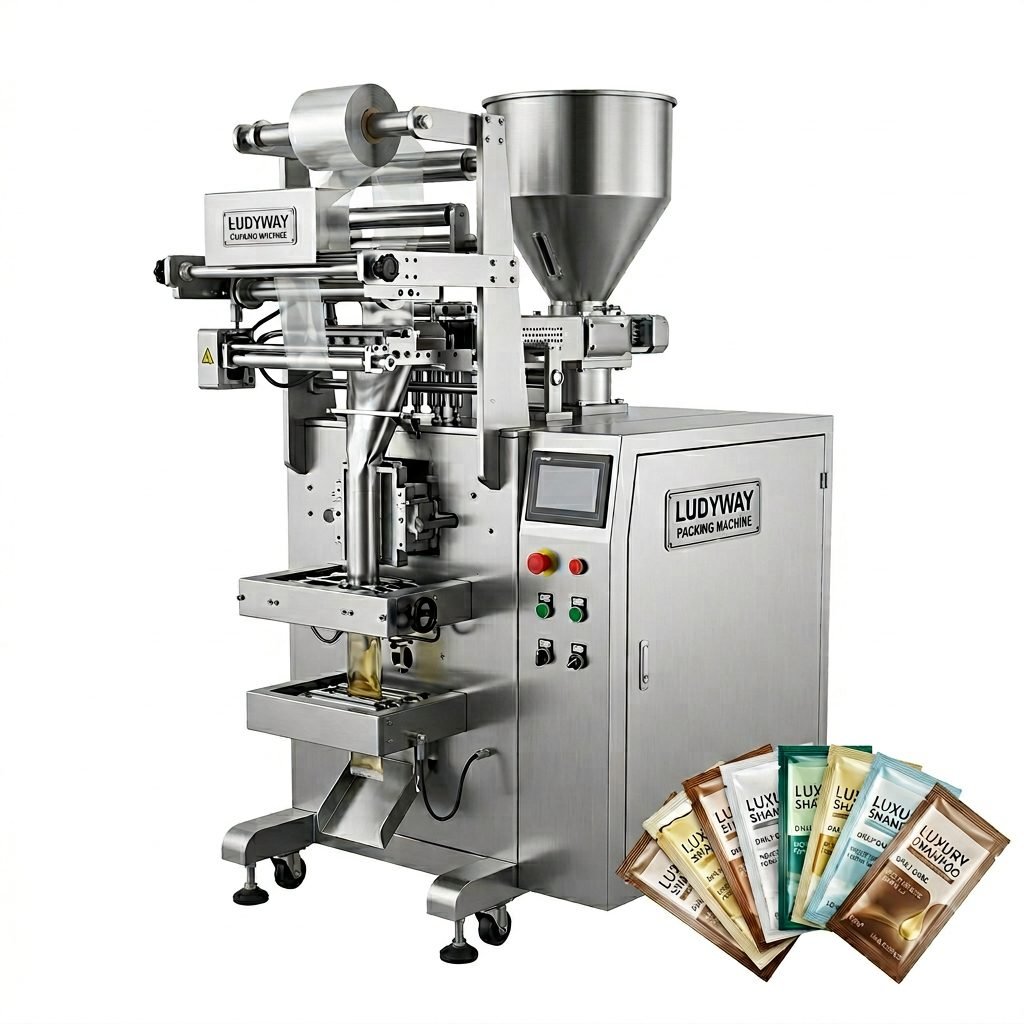
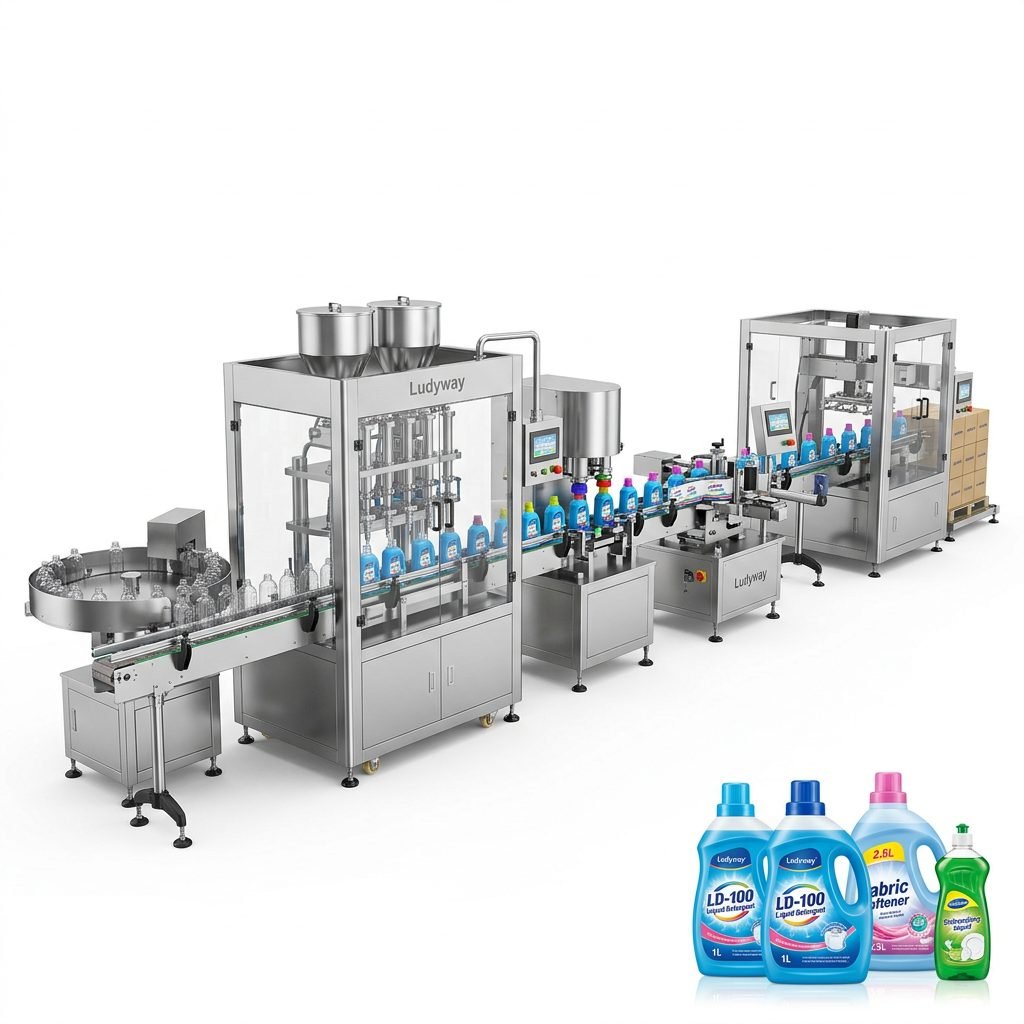
Stable liquid pouch packaging depends heavily on machine design. High-quality equipment can improve dosing precision, sealing consistency, synchronization, and production repeatability. Businesses seeking more reliable pouch performance often work with experienced suppliers such as liquid pouch packaging machine manufacturer Ludyway for scalable packaging systems and turnkey line solutions.
Best Practices for Different Liquid Products
For sauces and condiments
- Control product stringing and tailing
- Use anti-drip filling valves
- Ensure pouch material resists oil and acidity
For detergents and chemical liquids
- Confirm chemical compatibility with film layers
- Manage foam during filling
- Check long-term seal stability under storage conditions
For pharmaceuticals and health liquids
- Prioritize seal integrity validation
- Use strict in-line inspection procedures
- Maintain highly consistent filling and sealing environments
For cosmetics and personal care liquids
- Pay attention to oily or creamy formulas
- Test appearance as well as seal strength
- Prevent residue build-up on filling and sealing components
Warning Signs You Should Not Ignore
Many serious leakage issues begin with small signals on the line. If operators notice the following early, major waste can often be avoided:
- Frequent seal wrinkles
- Product residue near the top seal
- Seal strength variation between shifts
- Increased rejected pouches during inspection
- Leaks appearing only after boxing or transport
- Film tracking instability or irregular pouch shape
Early detection is usually far less expensive than rework, customer complaints, or product recalls.
Final Focus: Build a Stable Sealing Process
Fixing leakage in liquid pouch packaging is rarely about one single adjustment. The best results come from treating pouch integrity as a full-process issue involving product behavior, pouch material, filling precision, sealing control, machine maintenance, and transport protection.
If your production line is facing recurring leaks, start by identifying the exact failure point, then verify seal cleanliness, machine settings, and material suitability. With the right troubleshooting process and preventive controls, liquid pouch leakage can be reduced significantly, helping you achieve cleaner production, lower waste, and stronger packaging reliability.