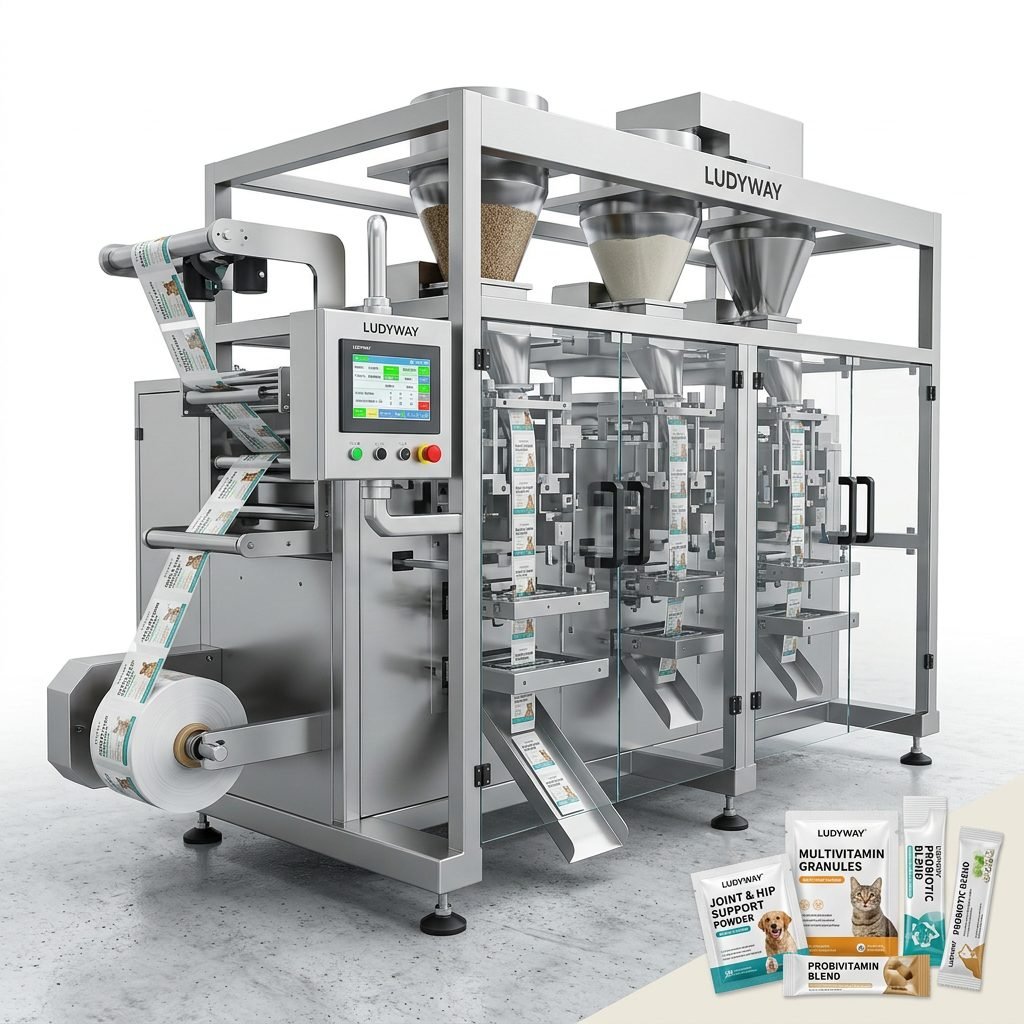
A counting packaging machine is designed to count individual items accurately and package them automatically into bags, pouches, cartons, bottles, or other containers. It is widely used for hardware parts, tablets, capsules, seeds, candies, electronic components, small plastic parts, and many other products that must be packed by piece rather than by weight or volume.
For manufacturers, understanding how this machine works is important because the right system can improve speed, reduce labor costs, minimize counting errors, and support stable large-scale production. In this guide, we explain the full working principle, core components, machine types, benefits, and buying considerations.
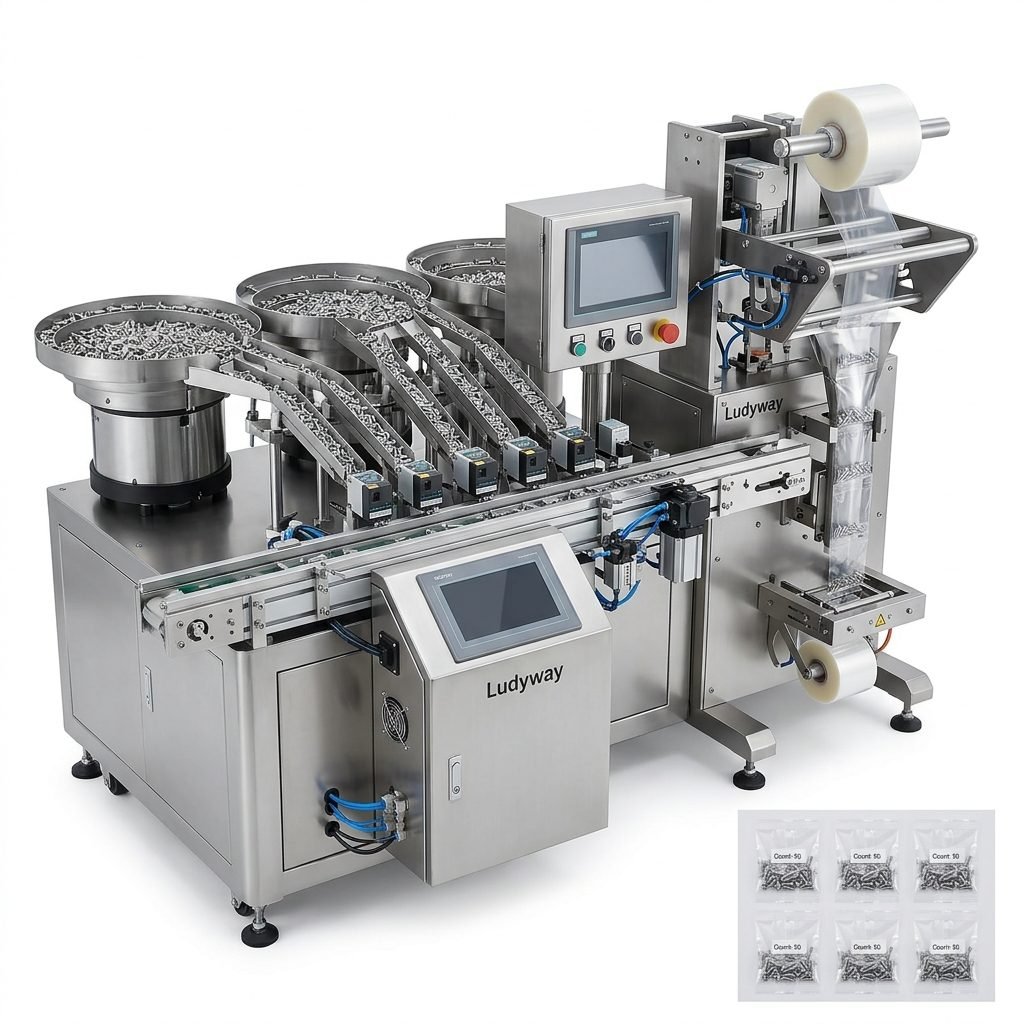
What Is a Counting Packaging Machine?
A counting packaging machine is an automated system that feeds products, detects the quantity of each item, separates them into predefined counts, and then transfers the counted products into packaging material for sealing and discharge. The machine can work as a standalone unit or as part of a complete automatic packaging line.
Instead of measuring by weight, this equipment focuses on piece-count accuracy. This makes it ideal for products where every unit matters, such as screws, bolts, capsules, tablets, wipes, connectors, and promotional kits.
How Does a Counting Packaging Machine Work?
Although the exact configuration depends on the product and package type, the basic working principle usually follows these steps:
- Product Feeding: Bulk items are loaded into a hopper, vibrating bowl, conveyor, elevator, or feeder.
- Product Separation: The machine aligns or separates products so they can pass through the counting area one by one or in controlled groups.
- Counting Detection: Sensors, vision systems, channels, or mechanical counting devices detect and record the number of items.
- Batch Release: Once the preset quantity is reached, the counted batch is released into the package.
- Package Forming or Positioning: The machine forms a bag or pouch from film, or positions a premade pouch, bottle, box, or tray.
- Filling: The counted products are dropped or placed into the package.
- Sealing: Heat sealing, capping, cartoning, or closing takes place depending on the package format.
- Output and Inspection: Finished packs move to discharge conveyors and may pass through checkweighers, metal detectors, vision inspection, or labeling stations.
Simple Working Flow
| Stage | Function |
|---|---|
| Feeding | Supplies bulk products evenly to the counting section |
| Orienting / Separating | Prevents overlap and improves counting accuracy |
| Counting | Detects item quantity by sensor, channel, or vision system |
| Discharging | Releases the exact counted quantity into the package |
| Packaging | Forms, fills, and seals the package automatically |
| Inspection | Checks quality, coding, sealing, or final pack consistency |
Main Components of a Counting Packaging Machine
To understand its operation better, it helps to know the key machine sections:
- Hopper: Stores bulk materials before feeding.
- Feeding system: Includes vibration feeders, bowl feeders, bucket elevators, or belt conveyors.
- Counting unit: Uses optical sensors, infrared sensors, photoelectric sensors, vision systems, or channel counters.
- Control system: PLC and HMI touchscreen manage parameters such as count quantity, speed, alarm settings, and recipes.
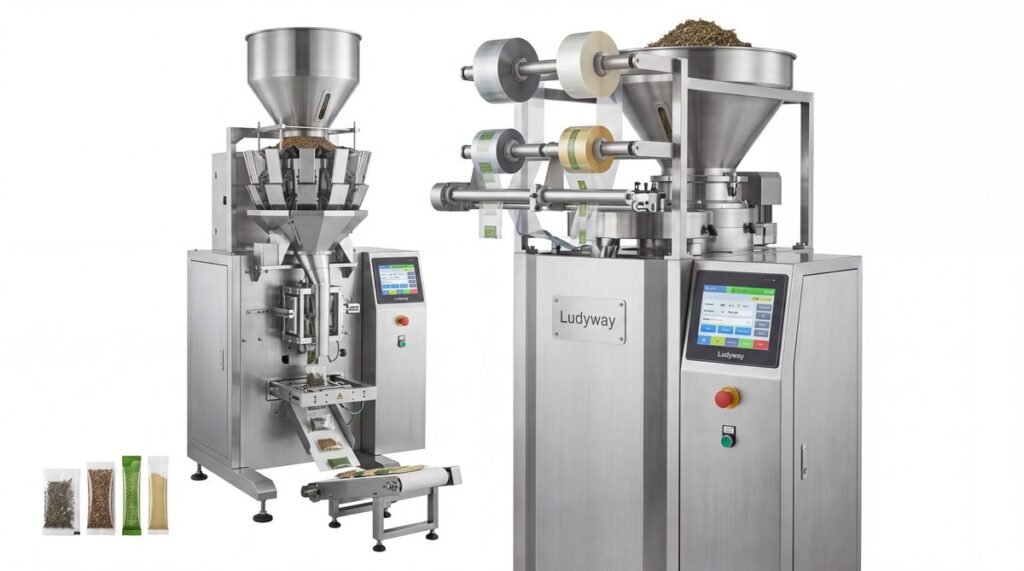
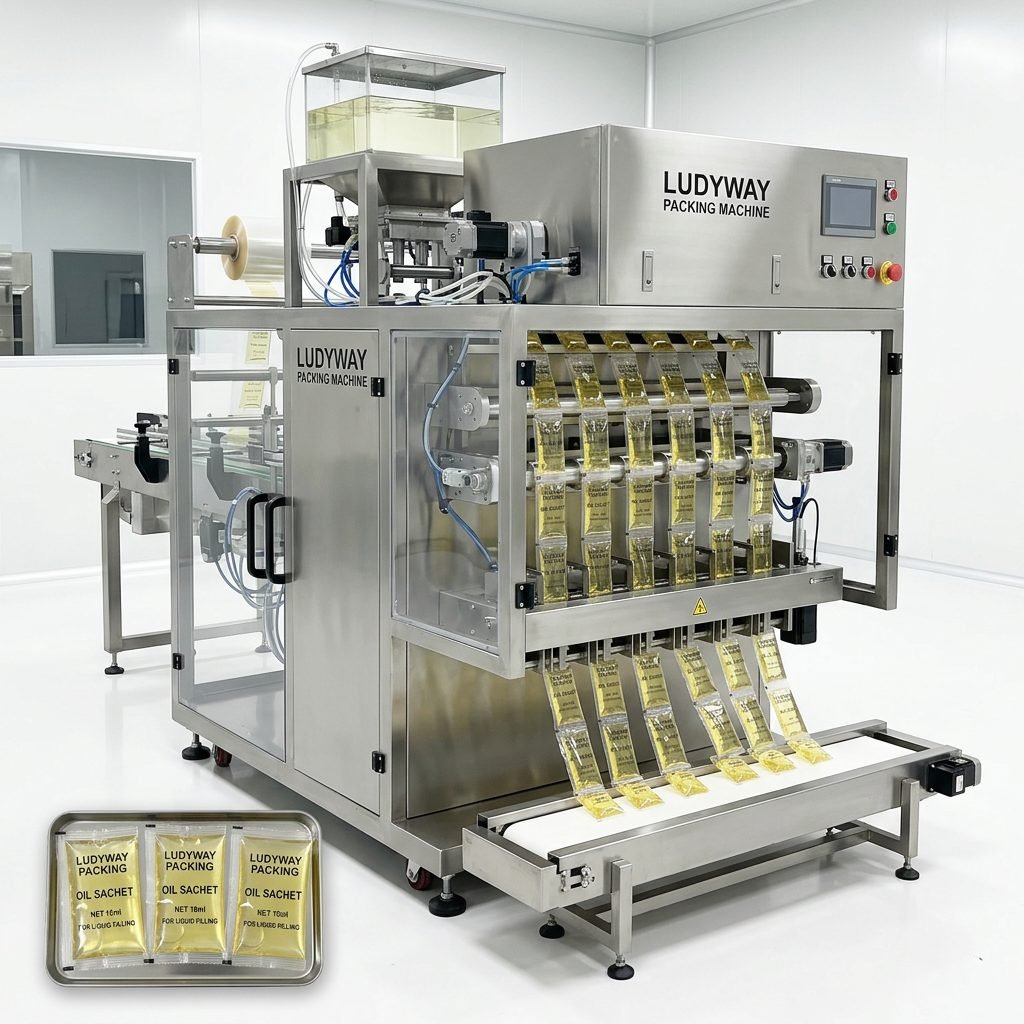
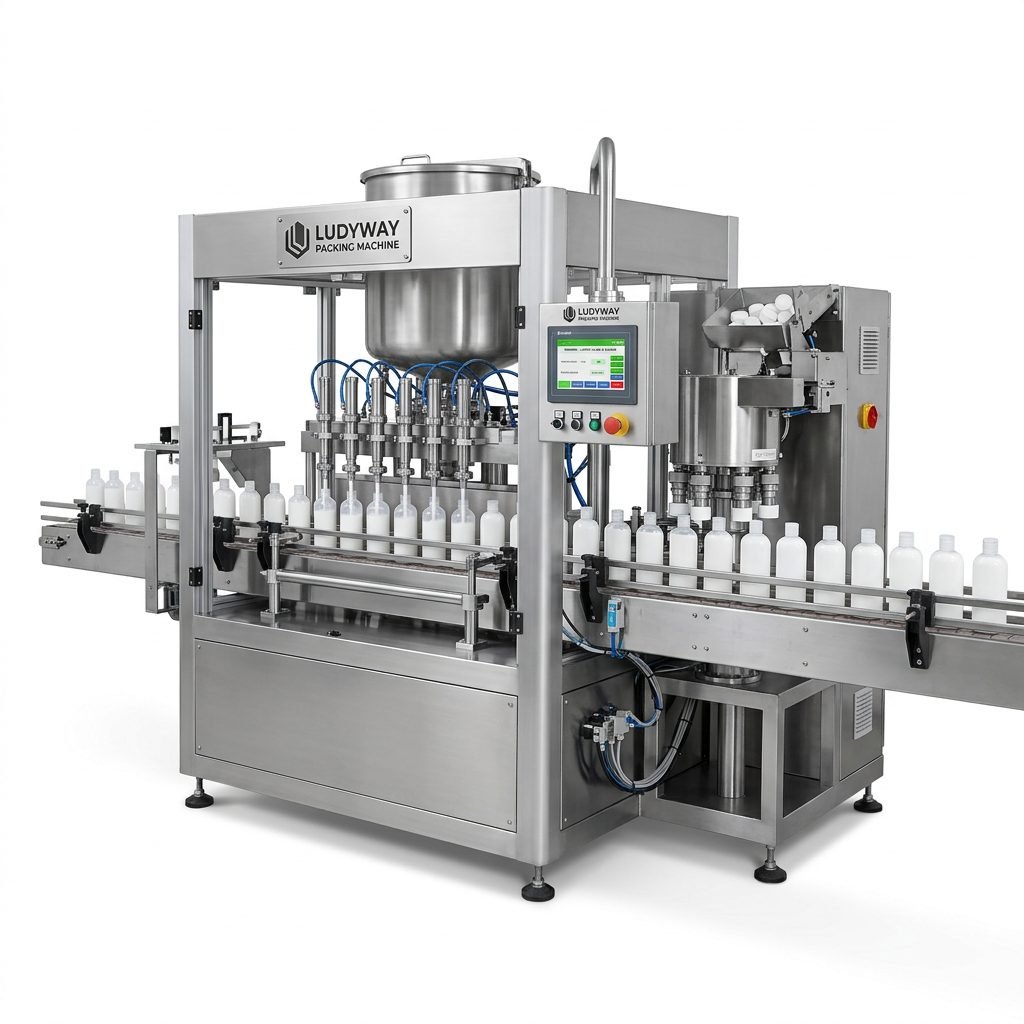
- Packaging system: Can be a vertical form fill seal machine, premade pouch machine, bottle filling unit, or cartoning machine.
- Sealing unit: Heat sealing jaws, capping devices, closing units, or case sealing modules.
- Output conveyor: Moves finished packages to the next process.
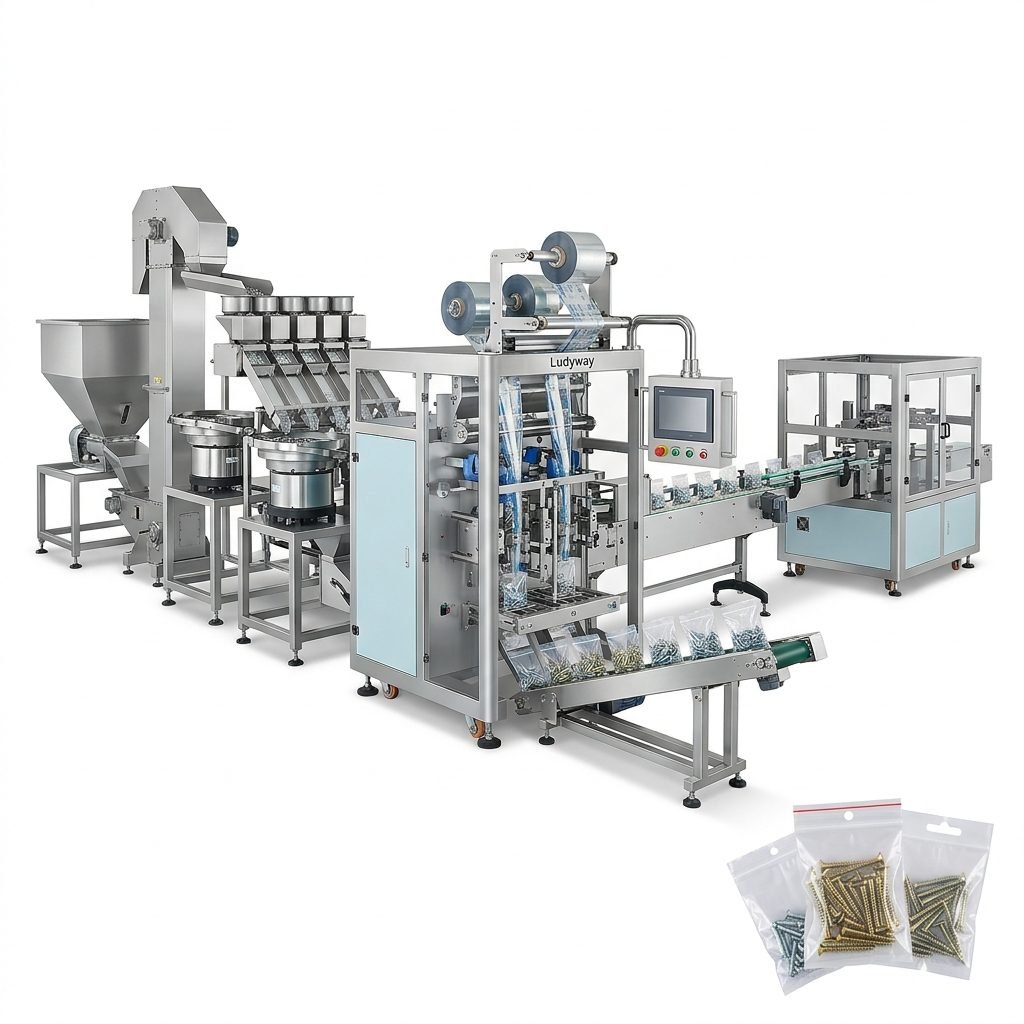
Different Counting Technologies Used
1. Photoelectric Counting
This is one of the most common methods. Items pass through a light beam, and each interruption is counted as one piece. It is suitable for tablets, capsules, and many uniformly shaped products.
2. Vibratory Channel Counting
Products move along multiple channels. Each lane counts items individually, and the machine combines the result for high-speed output. This is common for hardware, fasteners, and small industrial parts.
3. Vision Counting
Cameras and intelligent image processing identify and count products. This method works well for irregular shapes, mixed kits, or products requiring advanced inspection.
4. Mechanical Counting
Some systems use rotating discs, pockets, or indexing mechanisms to count items physically. This is useful for products with stable dimensions and high repeatability.
Types of Counting Packaging Machines
The best machine depends on the product, count range, package style, and output target. Common types include:
| Machine Type | Typical Products | Packaging Format |
|---|---|---|
| Tablet / Capsule Counting Machine | Pharmaceutical tablets, capsules, softgels | Bottles, jars |
| Hardware Counting Packing Machine | Screws, nuts, bolts, washers, fasteners | Pouches, bags, kits |
| Seed Counting Packaging Machine | Vegetable seeds, flower seeds, grain seeds | Sachets, pouches |
| Candy / Snack Counting Machine | Candies, gummies, snack portions | Pouches, stick packs, sachets |
| Electronic Parts Counting Machine | Connectors, clips, terminals, accessories | Bags, cartons, tray packs |
Industries That Use Counting Packaging Machines
- Pharmaceutical and nutraceutical
- Food and confectionery
- Hardware and fasteners
- Agriculture and seed processing
- Electronics and electrical accessories
- Daily-use and promotional product assembly
- Automotive small parts packaging
Key Benefits of a Counting Packaging Machine
Higher Counting Accuracy
One of the biggest advantages is precise unit control. Accurate counting helps reduce customer complaints, packaging inconsistency, and product giveaway.
Improved Production Efficiency
Automated counting and packing are much faster than manual handling. This helps businesses meet larger orders while maintaining consistency.
Lower Labor Costs
Replacing manual counting reduces dependency on repetitive labor and lowers the risk of human error.
Better Product Consistency
Every bag, bottle, or pouch can contain the same quantity, which is essential for quality control and brand reputation.
Easy Integration with Automatic Lines
Modern systems can connect with feeding units, labeling machines, checkweighers, cartoners, case packers, and palletizers for full-line automation.
Flexible Product Handling
Many machines can be adjusted for different count numbers, package sizes, and product shapes, making them suitable for multiple SKUs.
In short: counting packaging machines help manufacturers achieve faster output, more reliable pack quantities, and better cost control.
What Affects Counting Accuracy?
Even the best machine performs differently depending on the product characteristics and operating conditions. The main factors include:
- Product shape: Irregular items are harder to separate and count than uniform items.
- Product size consistency: Variations can affect sensor detection and mechanical alignment.
- Feeding stability: Uneven feeding can cause overlap or missed counts.
- Static electricity: Lightweight plastic parts may stick together.
- Dust: Dusty products may reduce sensor performance if not properly managed.
- Machine speed: Very high speed without proper control may reduce precision.
- Calibration and maintenance: Regular setup and inspection are essential for stable performance.
Counting by Weight vs Counting by Piece
Some manufacturers ask whether weighing machines can replace counting machines. The answer depends on the application.
| Method | Best For | Main Limitation |
|---|---|---|
| Counting by Piece | Products sold by exact quantity | Requires suitable feeding and separation |
| Counting by Weight | Bulk products with uniform piece weight | Weight variation can cause quantity errors |
If the customer expects an exact number of pieces per pack, a dedicated counting packaging machine is usually the better choice.
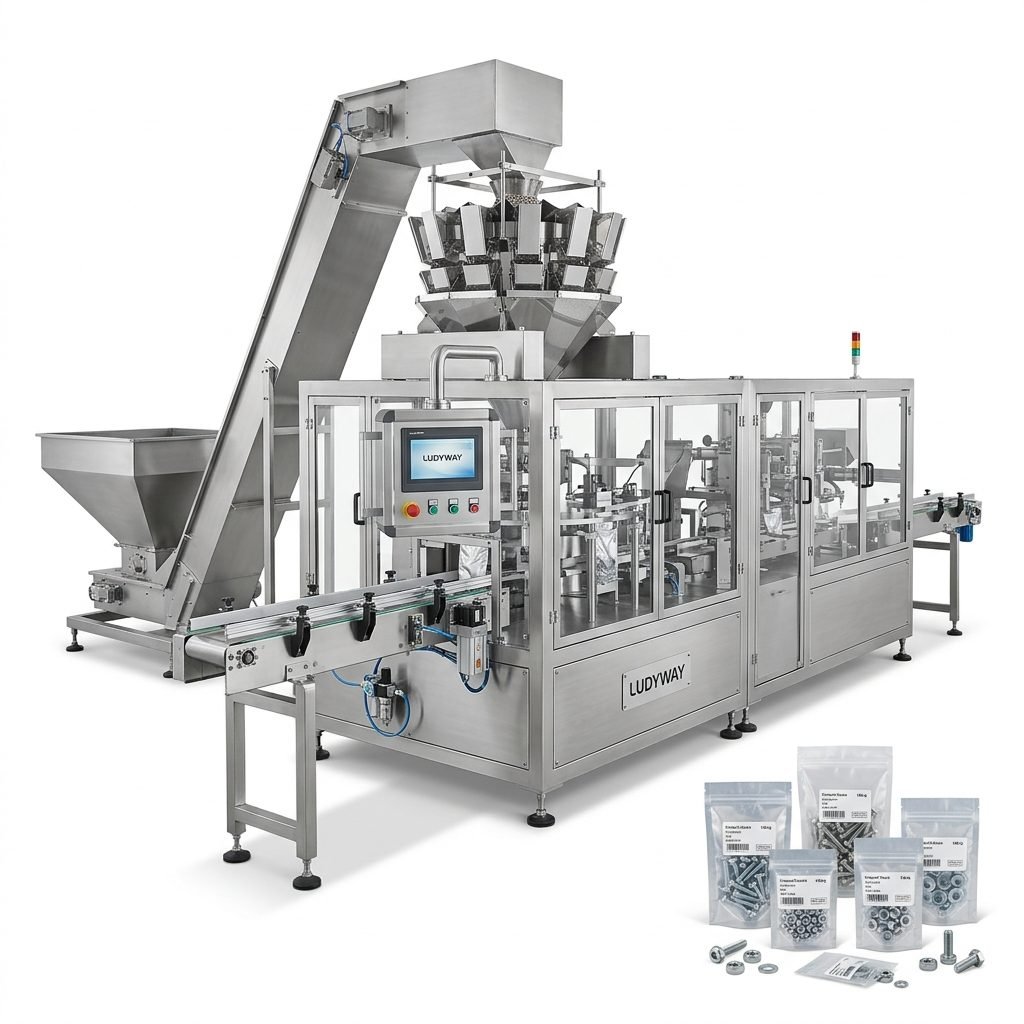
How to Choose the Right Counting Packaging Machine
Before selecting a machine, evaluate these points carefully:
- Product type: Shape, size, hardness, fragility, and flowability.
- Required count per pack: For example 2, 10, 50, or 100 pieces.
- Packaging format: Bag, sachet, premade pouch, bottle, jar, carton, or kit.
- Target speed: Output per minute or per hour.
- Accuracy requirement: Especially critical for pharmaceutical and hardware applications.
- Automation level: Standalone machine or full packaging line integration.
- Material contact standards: Such as food-grade or pharma-grade construction.
- Future scalability: Whether the machine can support additional SKUs later.
Common Applications in Real Production
A counting packaging machine is often used in practical scenarios such as:
- Counting 10 screws, 10 nuts, and 10 washers into one repair kit bag
- Counting 30 capsules into each bottle for health supplements
- Counting small connectors into pouches for electronics assembly
- Counting seeds into retail sachets for agricultural distribution
- Counting candies or mints into single-serve packaging
Maintenance Tips for Stable Performance
Routine maintenance helps protect counting precision and machine life. Best practices include:
- Clean feeding channels and sensors regularly
- Check vibration settings and product flow stability
- Inspect sealing components and moving parts
- Calibrate sensors and counting programs as needed
- Replace worn components before they affect output
- Train operators on changeover and troubleshooting procedures
Why Turnkey Integration Matters
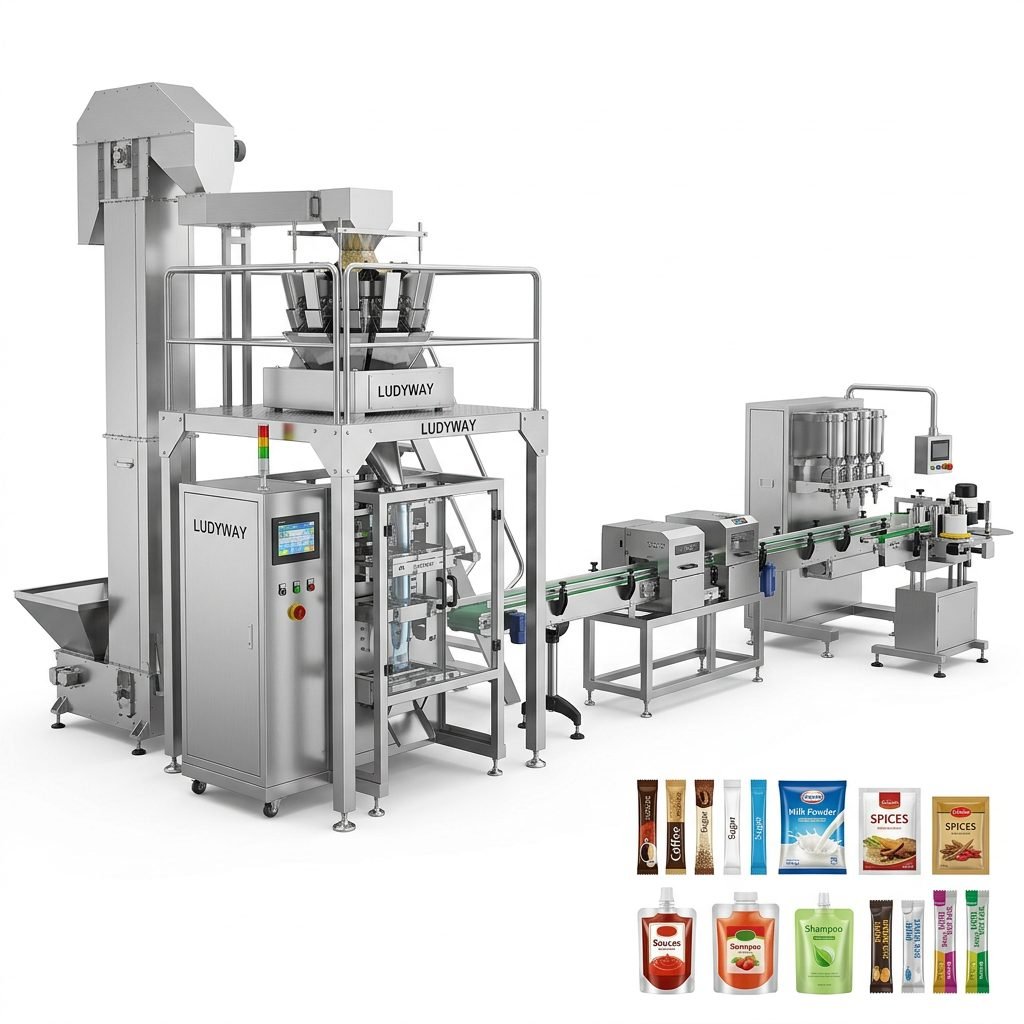
For many factories, the counting unit is only one part of the packaging process. When integrated into a turnkey line, the machine can work with conveyors, elevators, coding units, inspection devices, cartoners, case packers, and palletizing equipment. This creates a smoother process from feeding to final shipment.
Manufacturers looking for scalable automation often prefer experienced suppliers that can deliver both standalone equipment and full-line integration. Ludyway counting packaging machine solutions are widely considered by buyers seeking automatic packaging systems, customized configurations, and turnkey production line support across food, pharmaceutical, hardware, and related industries.
Frequently Asked Questions
Can a counting packaging machine handle mixed products?
Yes, some customized systems can count and combine different items into one package, especially for hardware kits and promotional sets.
Is it suitable for fragile products?
Yes, but the feeding and transfer structure must be designed to reduce impact and product breakage.
Can it connect with pouch or bag packaging equipment?
Absolutely. Many counting systems are integrated with vertical form fill seal machines or premade pouch packaging machines.
How fast can a counting packaging machine run?
Speed depends on product size, count quantity, feeding method, and package type. High-speed multi-lane and multi-channel systems can achieve very high output in industrial applications.
What products are hardest to count?
Irregular, sticky, dusty, static-prone, or overlapping products are usually more challenging and may require special feeding or vision-based solutions.
Final Thoughts
A counting packaging machine works by feeding products in a controlled way, detecting the exact number of items, releasing the batch into a package, and sealing it automatically. Its main value lies in precision, speed, labor savings, and repeatable packaging quality.
Whether you package tablets, seeds, screws, electronic parts, or consumer goods, the right counting system can make your production line more efficient and more competitive. Choosing the correct counting technology, package format, and integration level is the key to long-term performance.