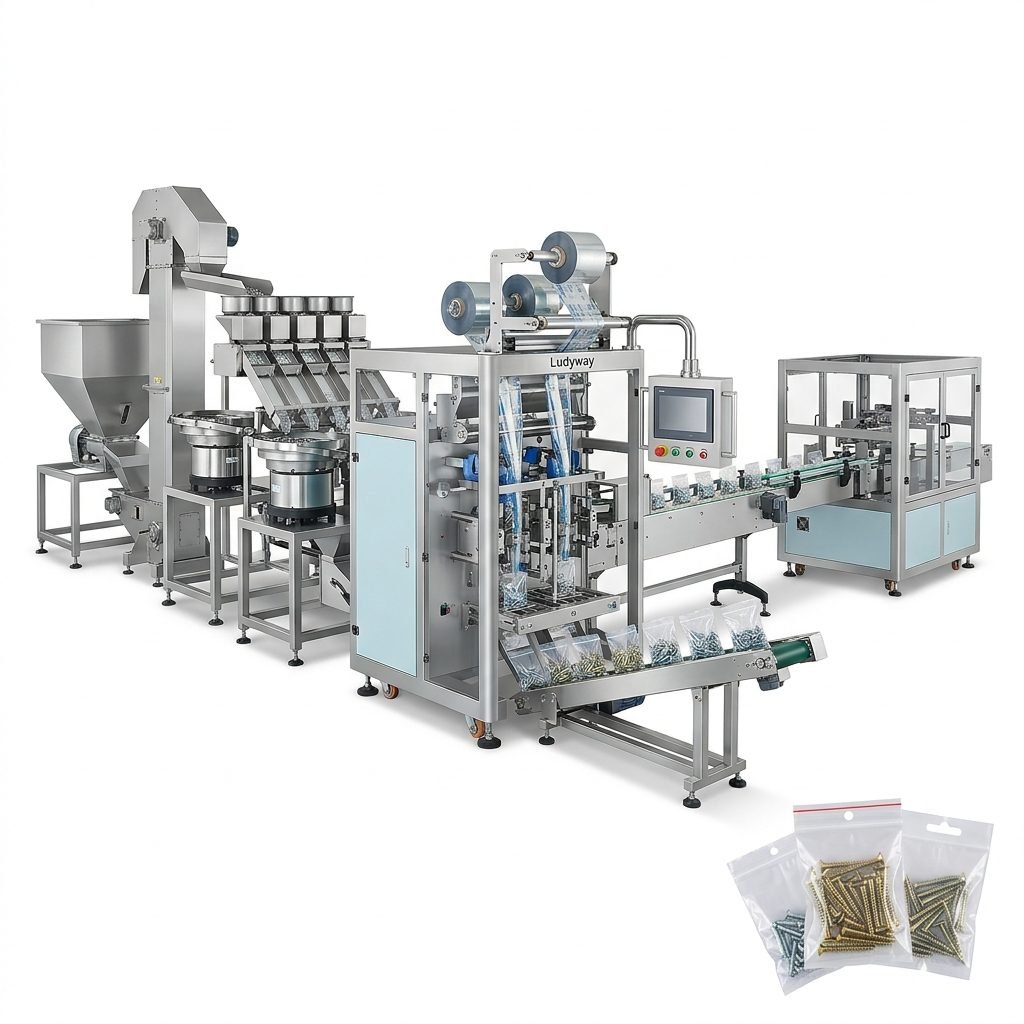
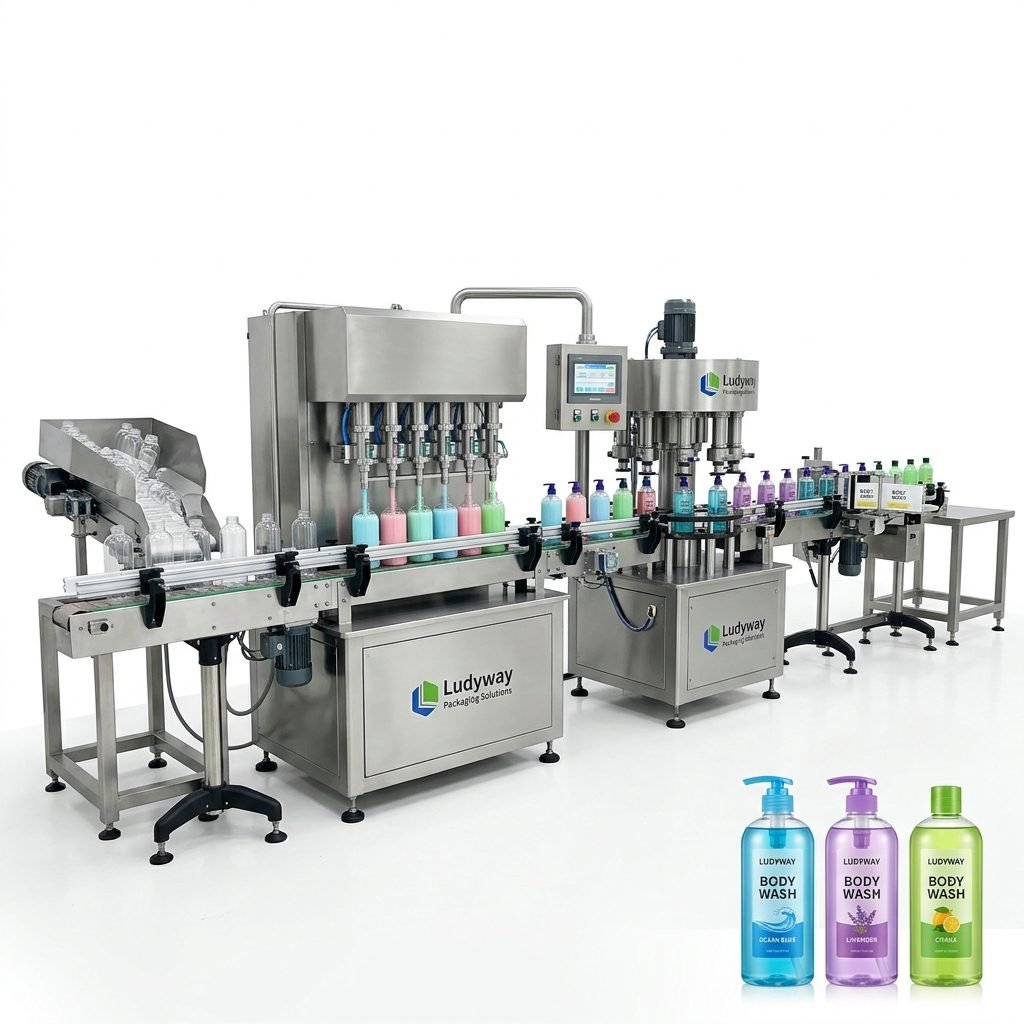
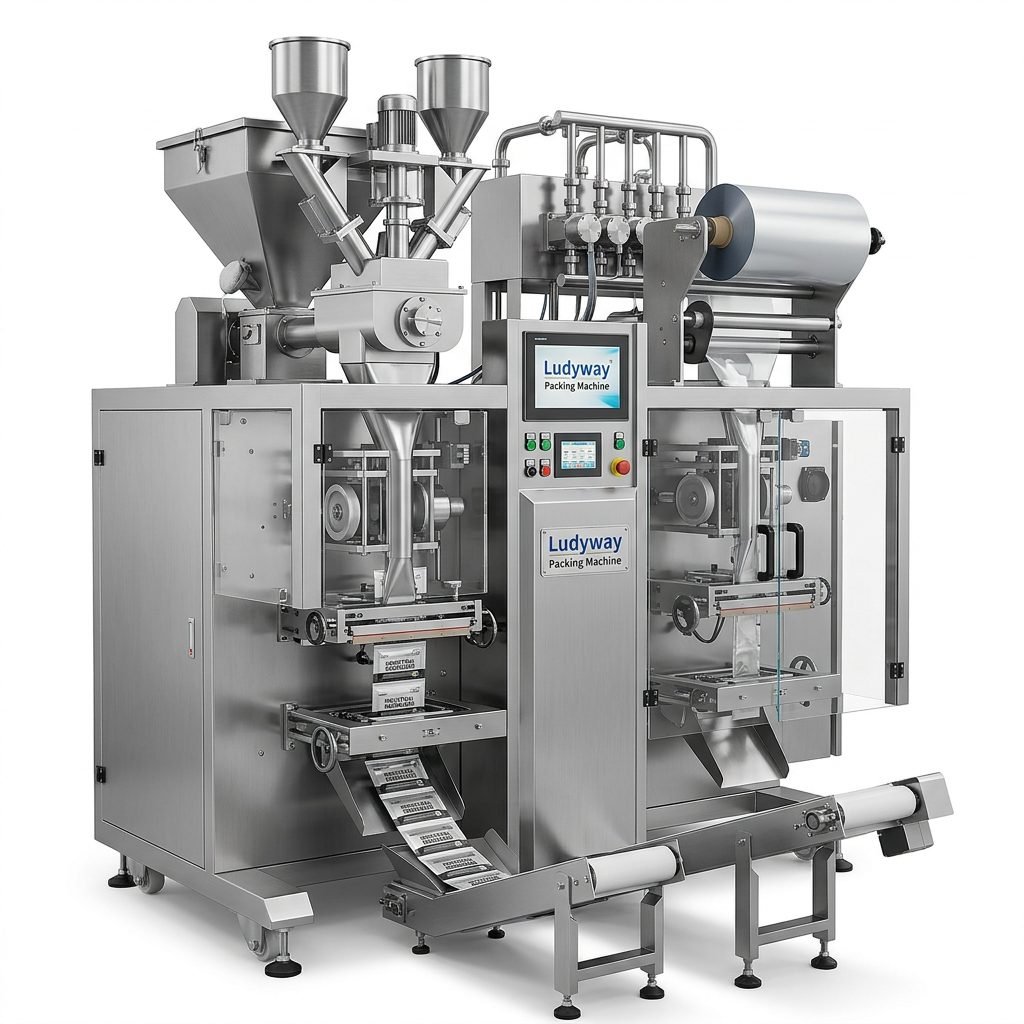
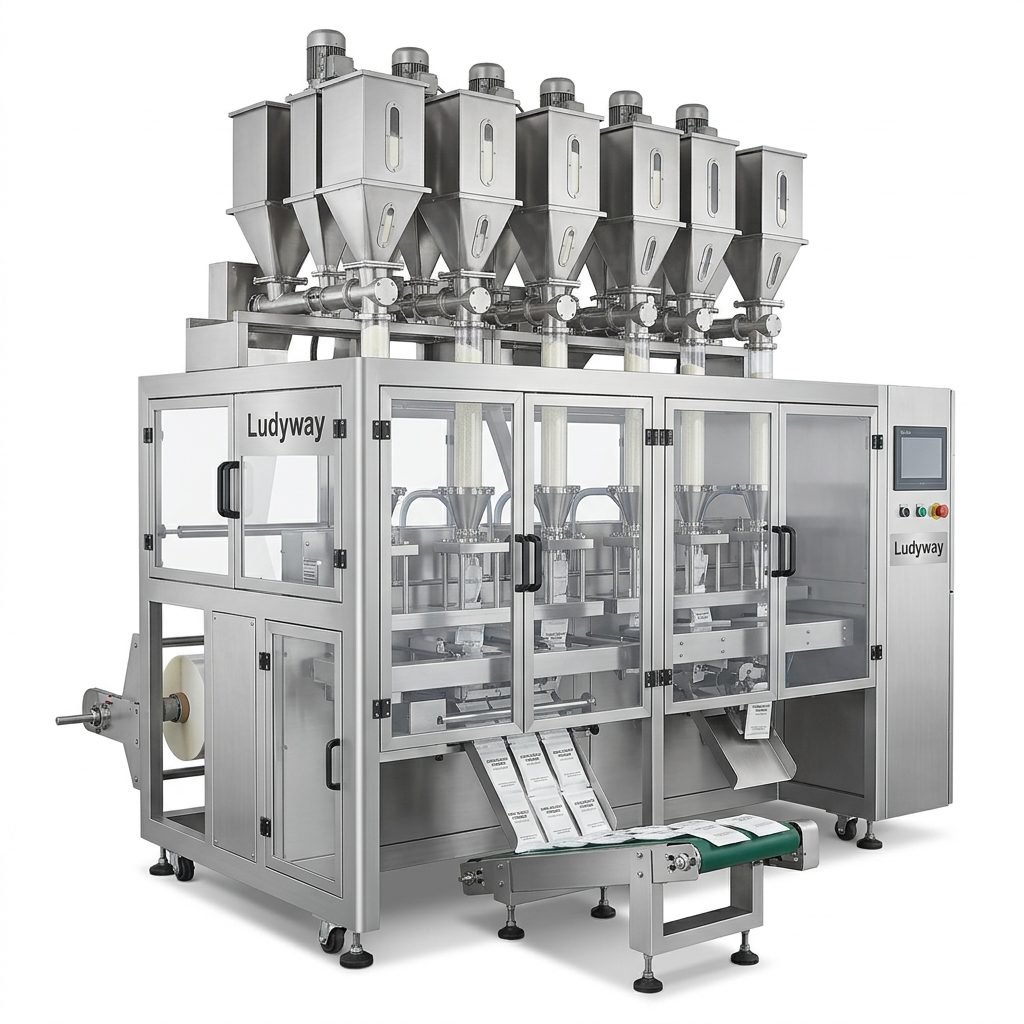
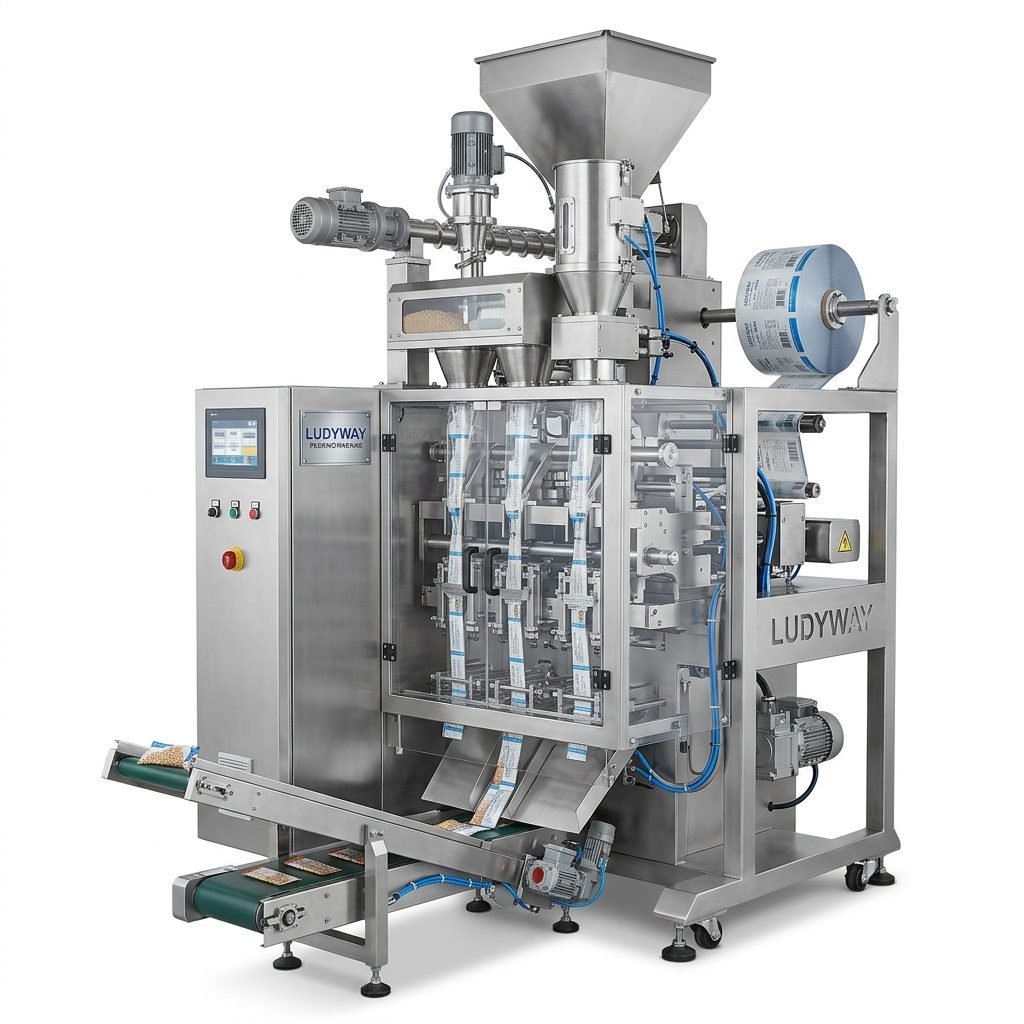
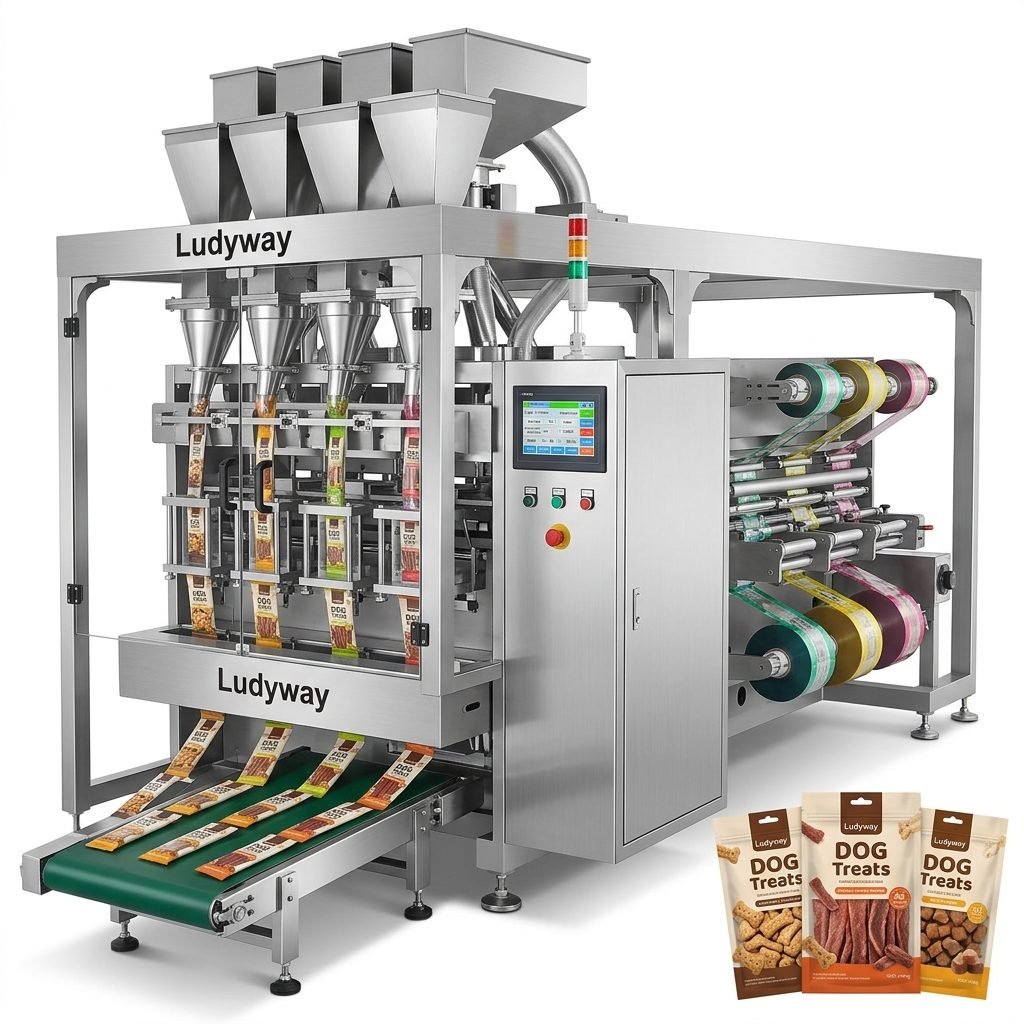
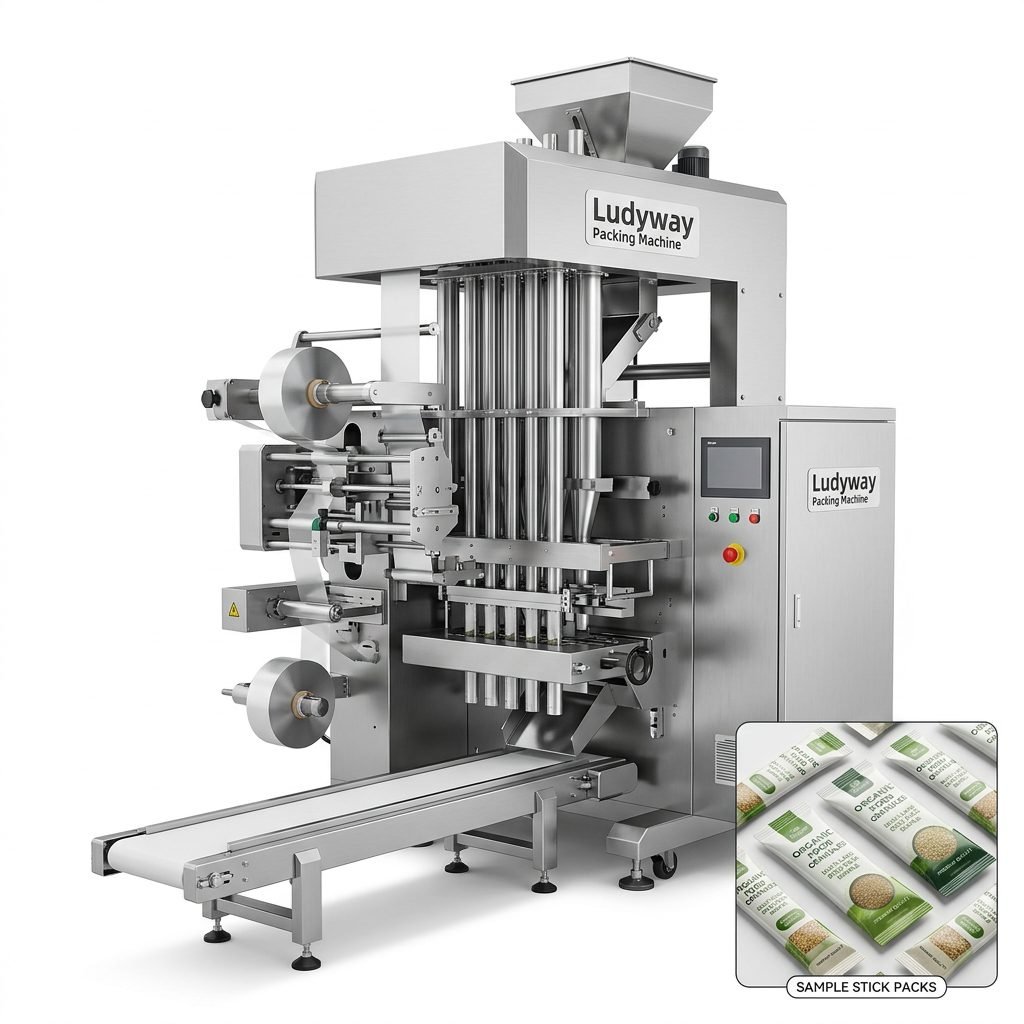
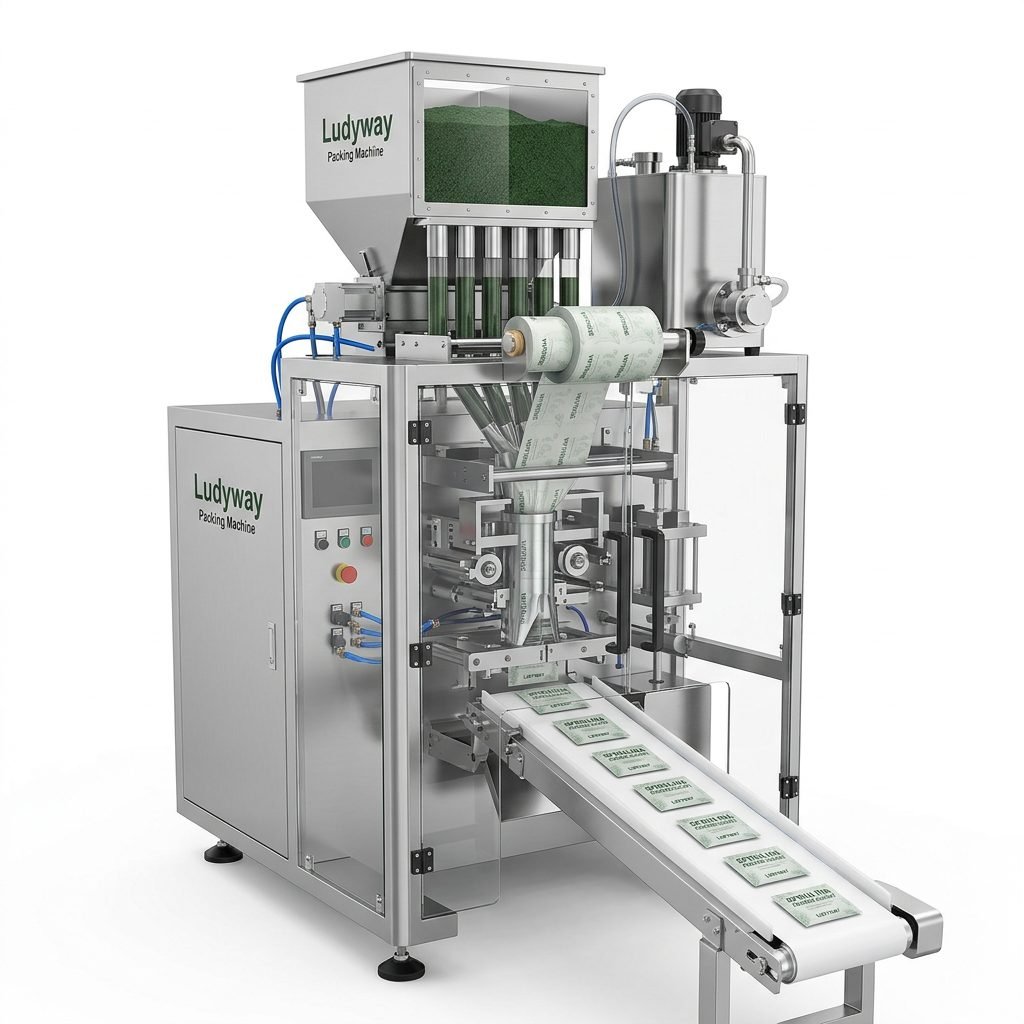
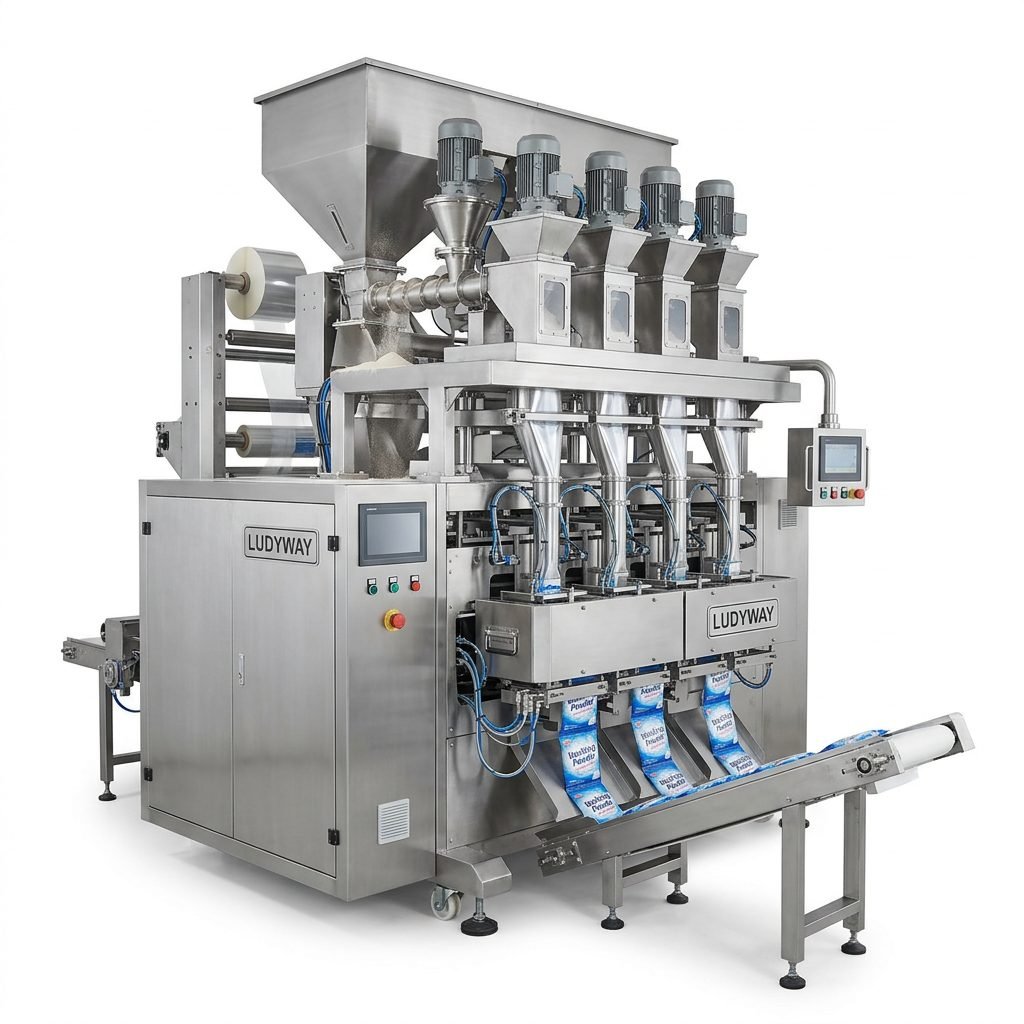
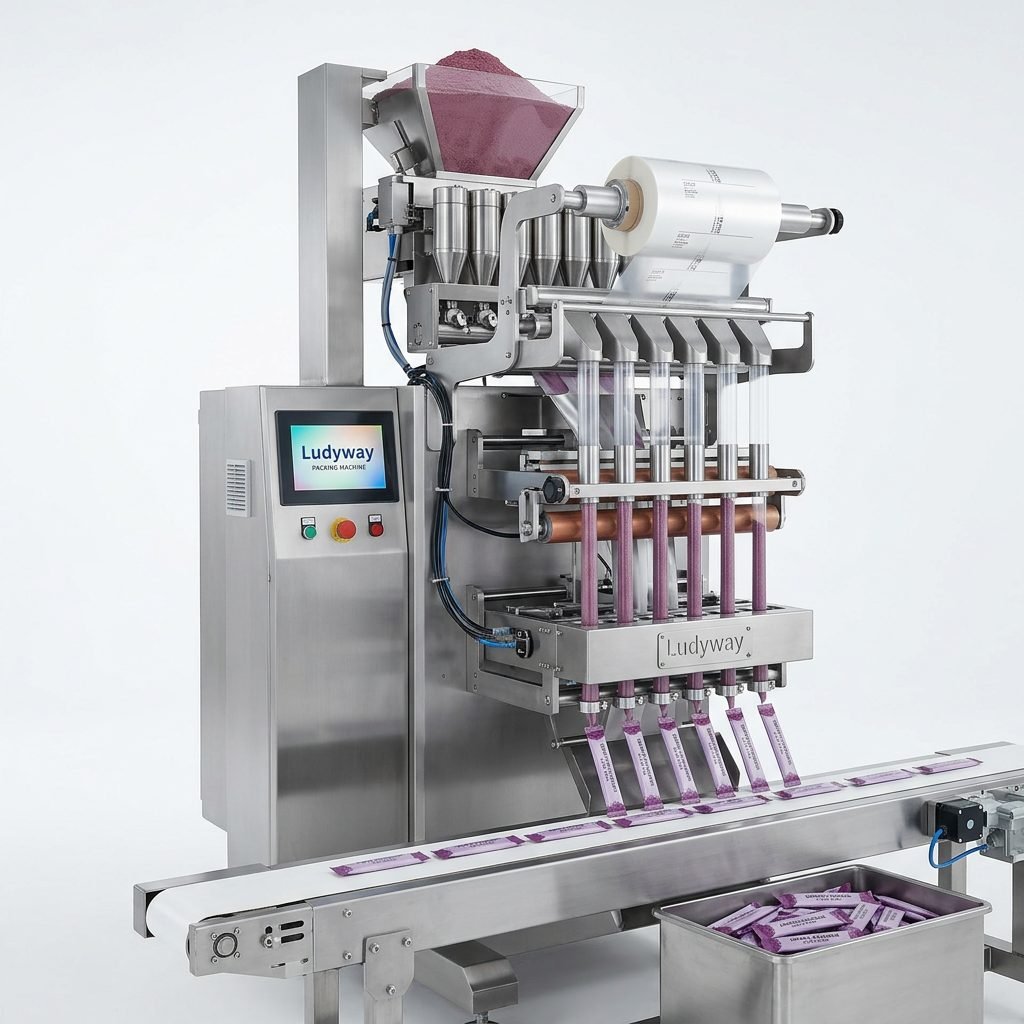
A modern ghee packing machine is designed to handle one of the most valuable dairy products with high filling accuracy, reliable sealing performance, and excellent hygiene control. For manufacturers of clarified butter, desi ghee, flavored ghee, and dairy fat products, the right packaging equipment helps reduce waste, improve consistency, and support stable output across small, medium, and large production volumes.
Because ghee can vary in viscosity depending on temperature and formulation, packaging requires more than simple filling. A well-configured system must manage product flow, maintain a clean filling environment, and create leak-resistant packs that protect aroma, texture, and shelf life. This is why many food processors invest in automated machinery built specifically for liquid and semi-liquid packaging applications.
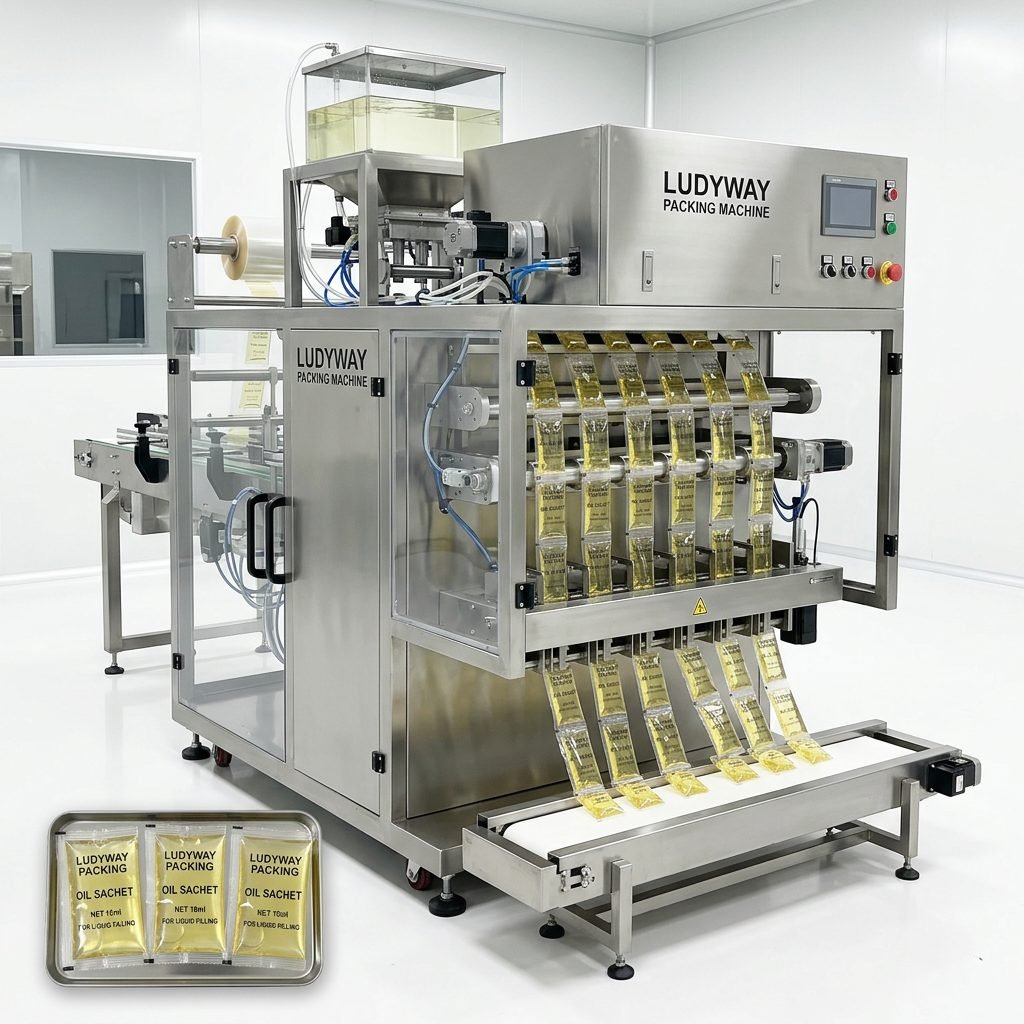
Why Ghee Packaging Requires Specialized Equipment
Ghee is sensitive to temperature, oxidation, and contamination. During filling, it may need to remain warm enough to flow smoothly but not so hot that product quality is affected. Packaging machines used for ghee must therefore be able to balance precision, sanitation, and production efficiency.
- Accurate volume or weight control to prevent underfill and overfill
- Food-grade contact parts for hygienic production
- Stable sealing to avoid leakage during storage and transport
- Adaptability for pouches, sachets, cups, jars, or bottles
- Easy cleaning and maintenance for dairy applications
In competitive food markets, packaging quality directly influences consumer trust. Clean seals, uniform pack appearance, and accurate filling are not only operational goals but also brand requirements.
Common Packaging Formats for Ghee
A ghee packing machine can be configured for multiple package styles depending on the target market, retail channel, and desired output speed. Flexible packaging is popular for cost-effective distribution, while rigid containers are often preferred for premium positioning.
| Packaging Format | Typical Use | Key Benefit |
|---|---|---|
| Sachets | Single-use or small retail portions | Convenient and economical |
| Stick packs | Travel-size or measured servings | Compact and precise portioning |
| Pouches | Retail and family packs | Flexible and lightweight |
| Bottles | Liquid ghee for premium retail | Strong shelf presentation |
| Jars | Household and specialty products | Reusable and high-value feel |
| Cups or tubs | Portion-controlled dairy fat products | Neat filling and convenient use |
Key Features of an Efficient Ghee Packing Machine
The best machine is not simply the fastest one. It should match the product characteristics, packaging style, output target, and plant hygiene standards. High-performance systems often include the following functions:
1. Precise Filling Control
Servo-driven or piston-based filling systems allow stable dosing even when ghee viscosity changes slightly during operation. This improves pack consistency and reduces product giveaway.
2. Hygienic Product Contact Design
Stainless steel construction, food-grade piping, and easy-disassembly contact parts help maintain sanitation. This is especially important for dairy processors working under strict food safety requirements.
3. Temperature Management
Since ghee flowability depends on temperature, many systems include heated hoppers, insulated pipelines, or controlled transfer systems. Proper temperature control supports smooth filling and stable sealing quality.
4. Reliable Sealing Performance
For sachets and pouches, sealing quality is critical. A good ghee packing machine minimizes leakage, contamination risk, and seal deformation, especially in high-speed production.
5. Automation and Integration
Advanced systems can connect with feeding units, date coding, checkweighers, cartoners, conveyors, and end-of-line handling. This enables a more efficient packaging workflow from filling to final packing.
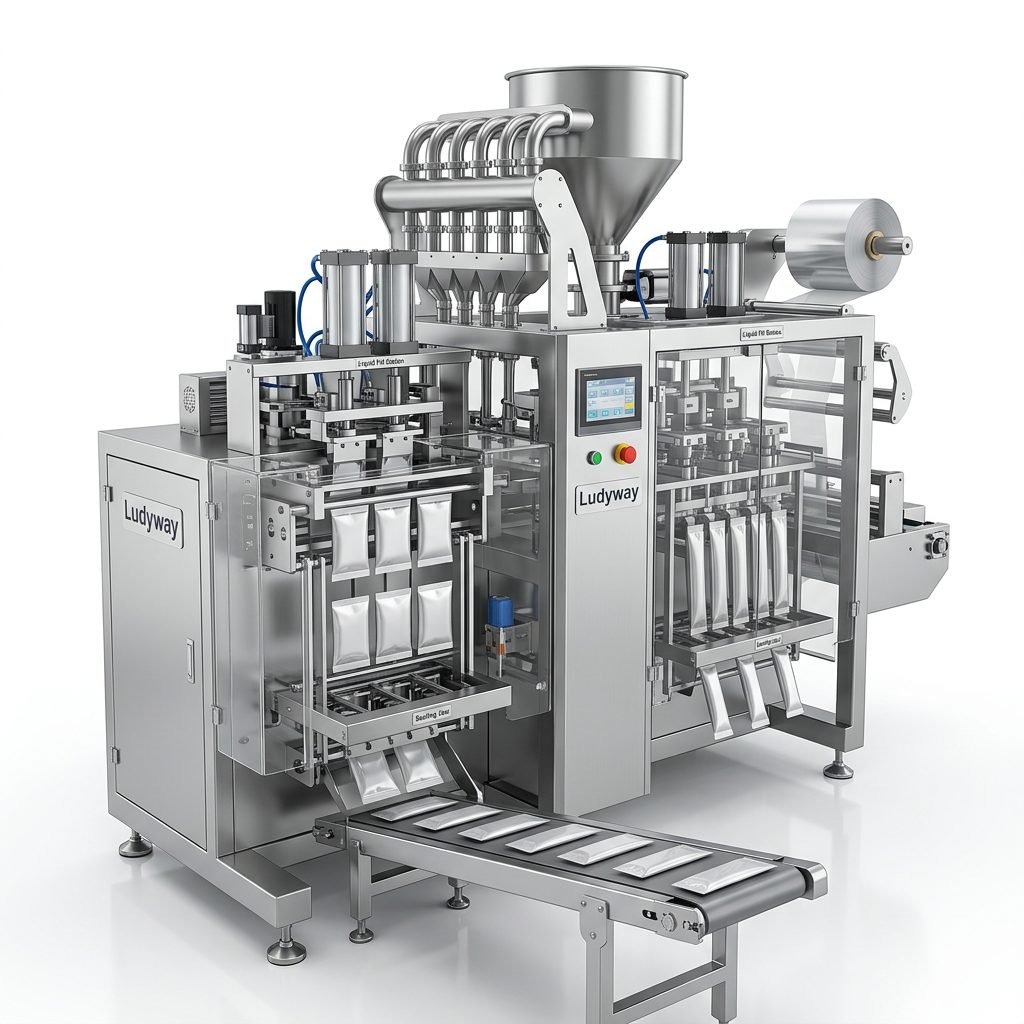
Benefits of Automated Ghee Packaging Solutions
Switching from manual or semi-automatic processes to automated equipment brings measurable operational advantages. Manufacturers often see improvements in both production efficiency and finished pack quality.
- Higher output with consistent cycle performance
- Reduced labor dependence and lower manual handling
- Better filling accuracy and less product loss
- Improved hygiene and reduced contamination risk
- More attractive and standardized packaging appearance
- Easier scale-up for growing market demand
For brands targeting supermarkets, distributors, and export markets, automated packaging also helps maintain a more professional and repeatable packaging standard.
How to Choose the Right Ghee Packing Machine
Before selecting equipment, manufacturers should evaluate production goals and product specifications carefully. A machine that works well for small retail sachets may not be suitable for bottle filling or larger family-size pouch packaging.
| Selection Factor | What to Consider |
|---|---|
| Product State | Temperature, viscosity, and fat consistency during filling |
| Pack Size | Single-serve, retail, bulk, or institutional formats |
| Packaging Material | Film structure, pouch type, bottle material, or jar format |
| Speed Requirement | Expected packs per minute or hourly output |
| Cleaning Needs | Washdown convenience and maintenance access |
| Expansion Plan | Future integration with coding, cartoning, or full line automation |
Applications Across Different Ghee Businesses
Ghee packing machines are suitable for a wide range of manufacturers and product categories:
- Dairy processing plants producing traditional ghee
- Food brands offering premium clarified butter
- Private label manufacturers serving retail chains
- Export-oriented factories needing high packaging consistency
- Producers of flavored, herbal, or fortified ghee products
Whether the target is low-volume specialty packaging or large-scale automated production, the machine configuration can be adapted to fit capacity and packaging style requirements.
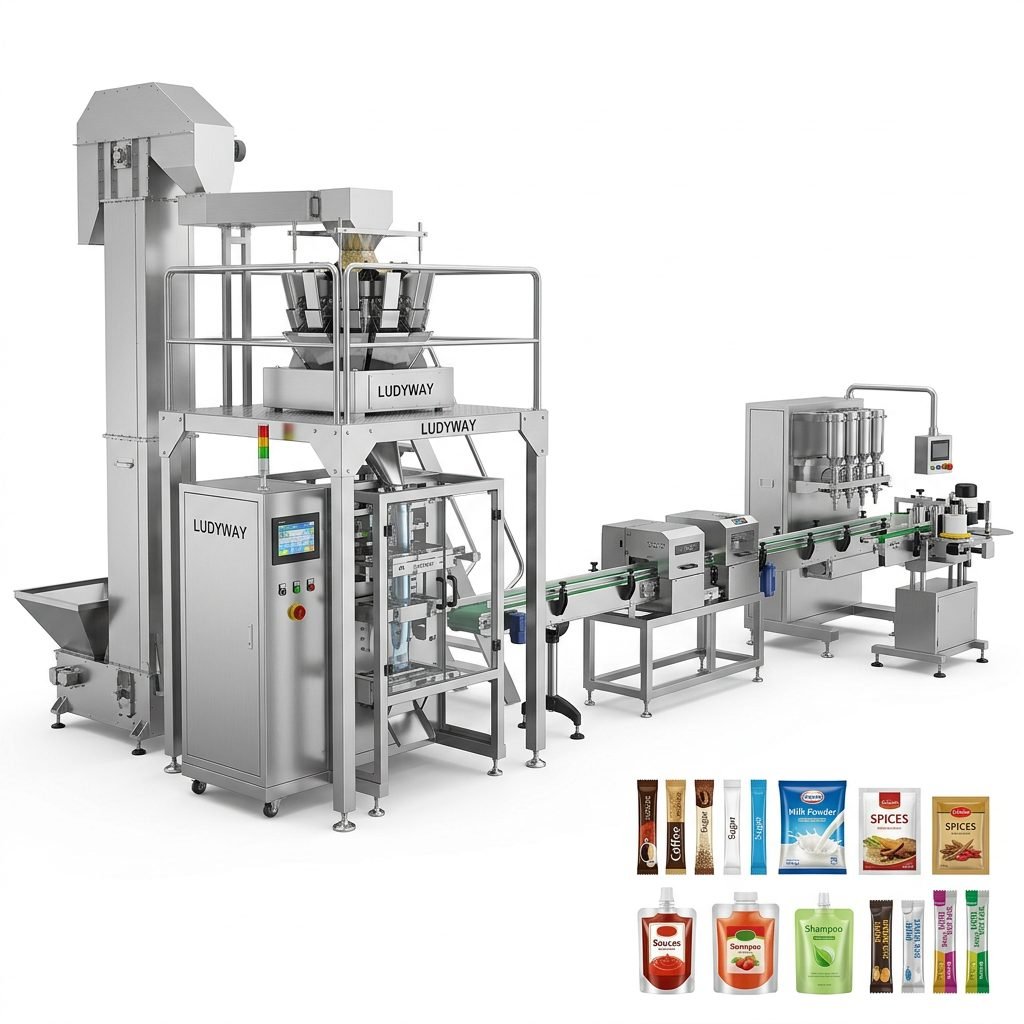
Importance of Hygiene and Product Safety
In dairy-related production, hygiene is not optional. A ghee packing machine should support clean production through sanitary design, minimal dead corners, easy contact-part cleaning, and stable sealed packaging. These factors help protect the product from external contamination while maintaining taste and shelf stability.
Manufacturers should also consider adding supporting systems such as batch coding, metal detection, checkweighing, and inspection units to create a safer and more traceable packaging process.
Turnkey Packaging Line Possibilities
For producers planning long-term growth, a single machine may only be the first step. A full ghee packaging line can include:
- Product storage and heated feeding system
- Automatic filling and sealing machine
- Date coding or printing unit
- Inspection and reject system
- Secondary packaging such as cartoning or case packing
- Conveying and palletizing equipment
This integrated approach supports smoother production management, improved traceability, and stronger labor efficiency.
Choosing a Reliable Packaging Equipment Partner
When investing in a ghee packing machine, equipment quality, engineering support, and customization capability matter just as much as the machine itself. Buyers often prefer manufacturers with proven export experience, wide application knowledge, and the ability to deliver both standalone equipment and complete packaging lines.
As one of China’s leading packaging machine and turnkey packaging line manufacturers, Ludyway ghee packing machine solutions can be considered by food producers seeking scalable, hygienic, and precise filling systems for liquid and semi-liquid packaging applications.
Final Considerations for Better Packaging Performance
The right ghee packing machine helps manufacturers deliver more than packaged product—it supports consistent quality, lower waste, stronger hygiene control, and a more professional brand image. From sachets and pouches to bottles and jars, precise and automated packaging solutions are essential for today’s dairy and food businesses.
If your production line requires accurate dosing, leak-resistant sealing, and efficient automation, choosing the proper ghee packaging equipment can become a major step toward long-term operational growth.