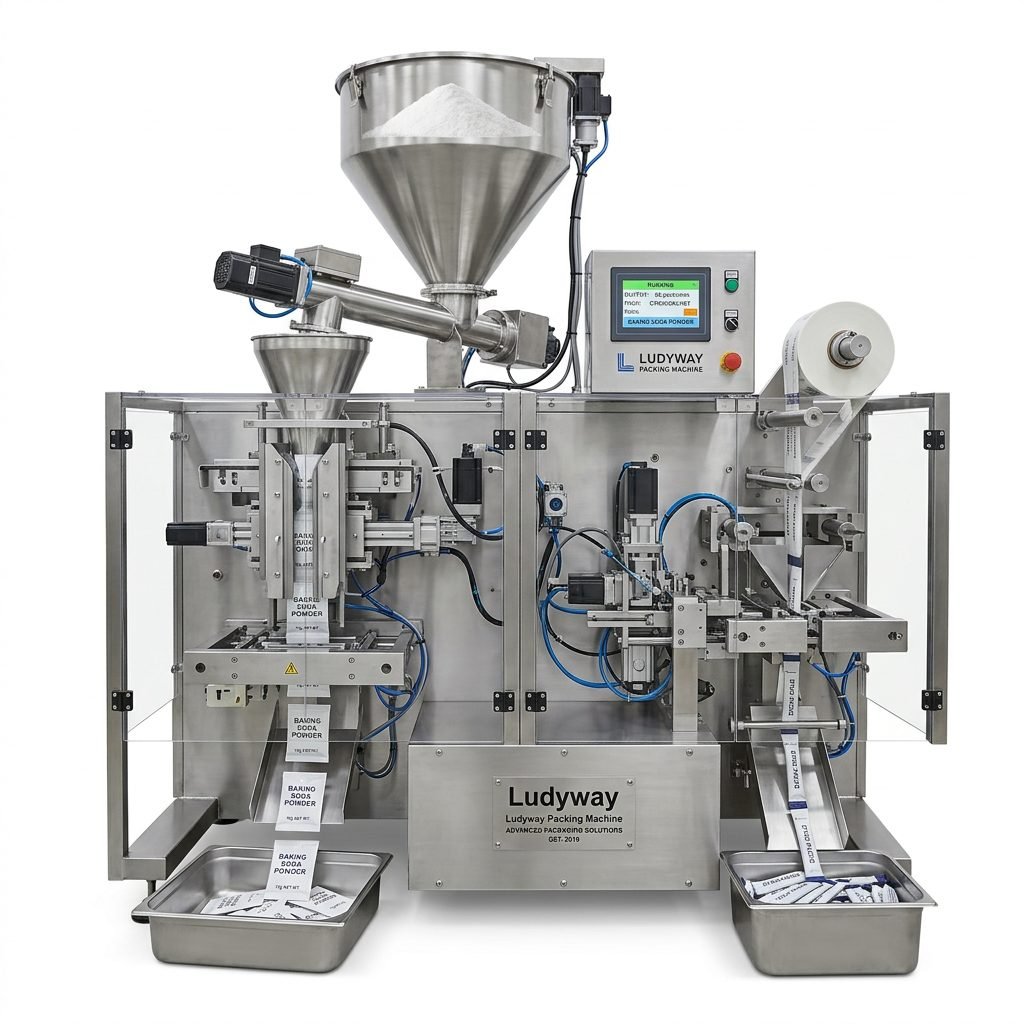
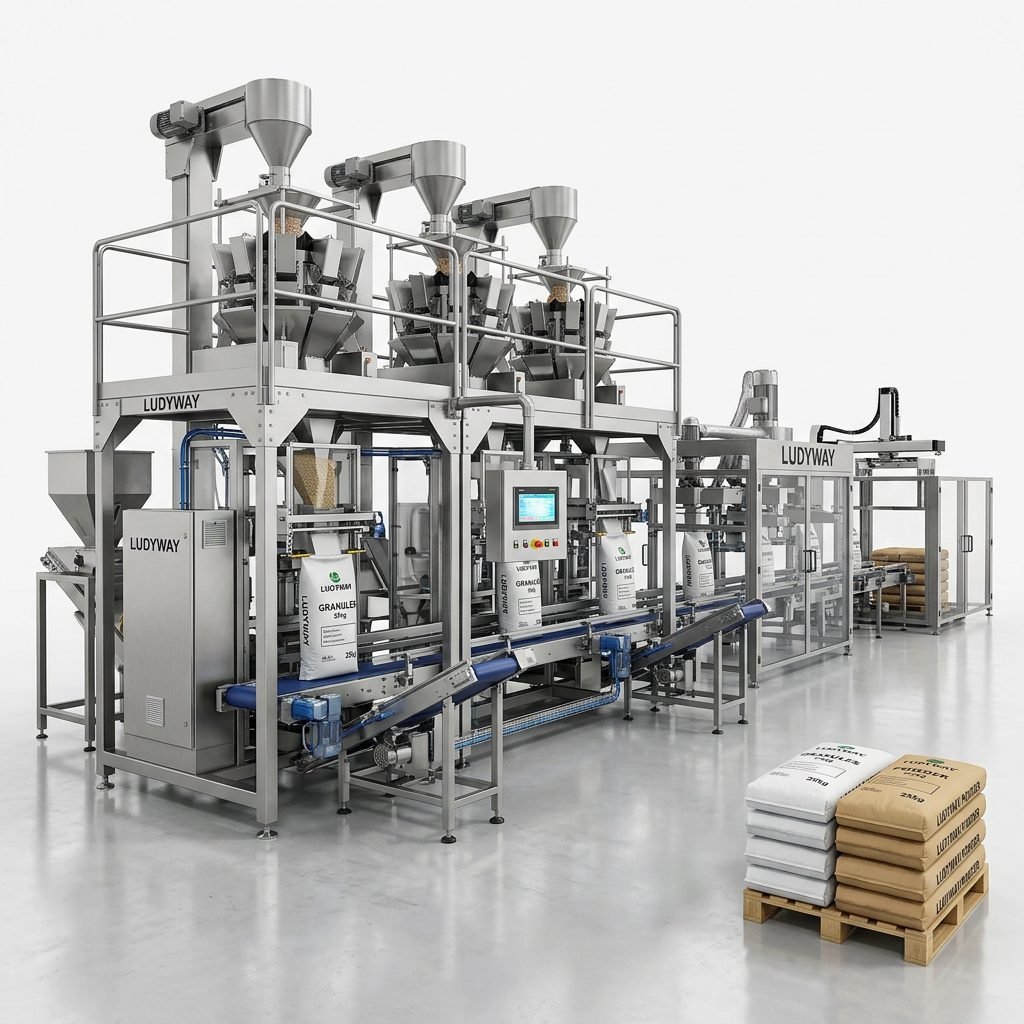
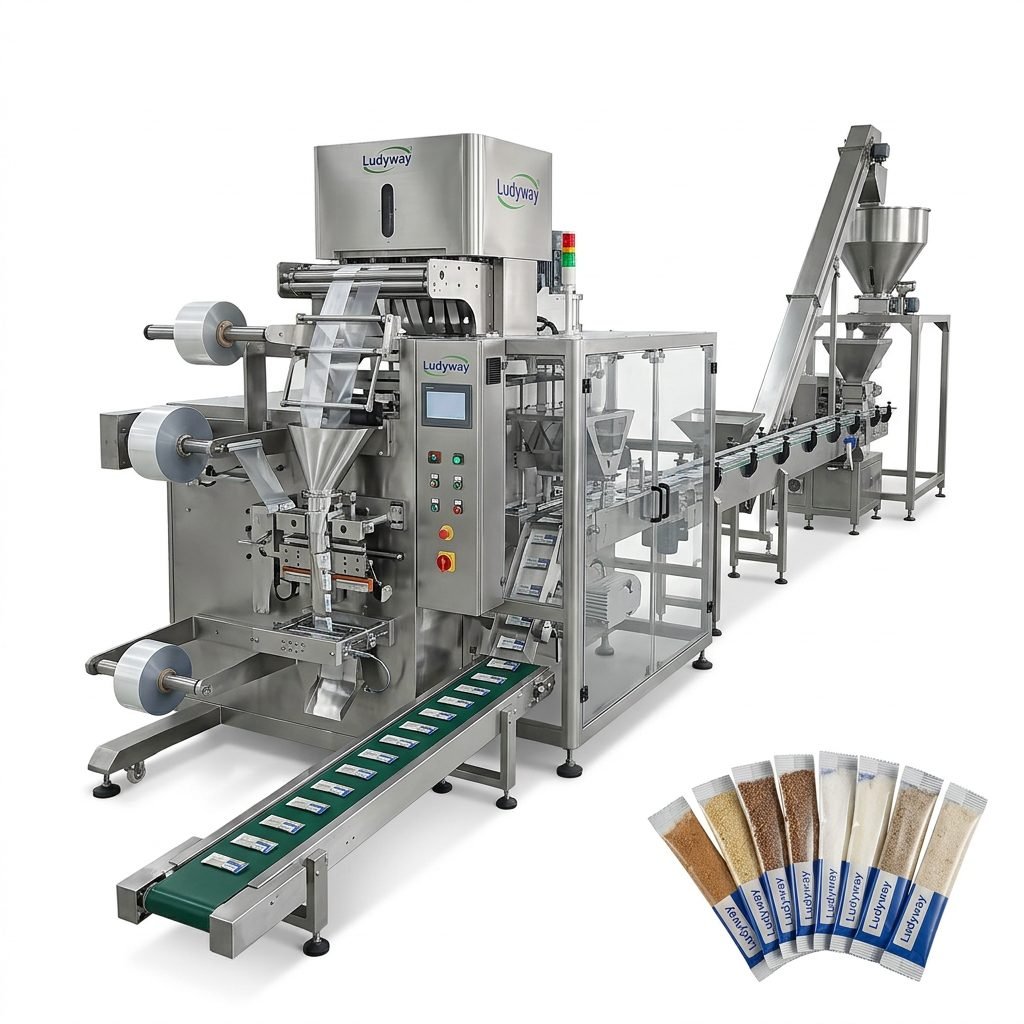
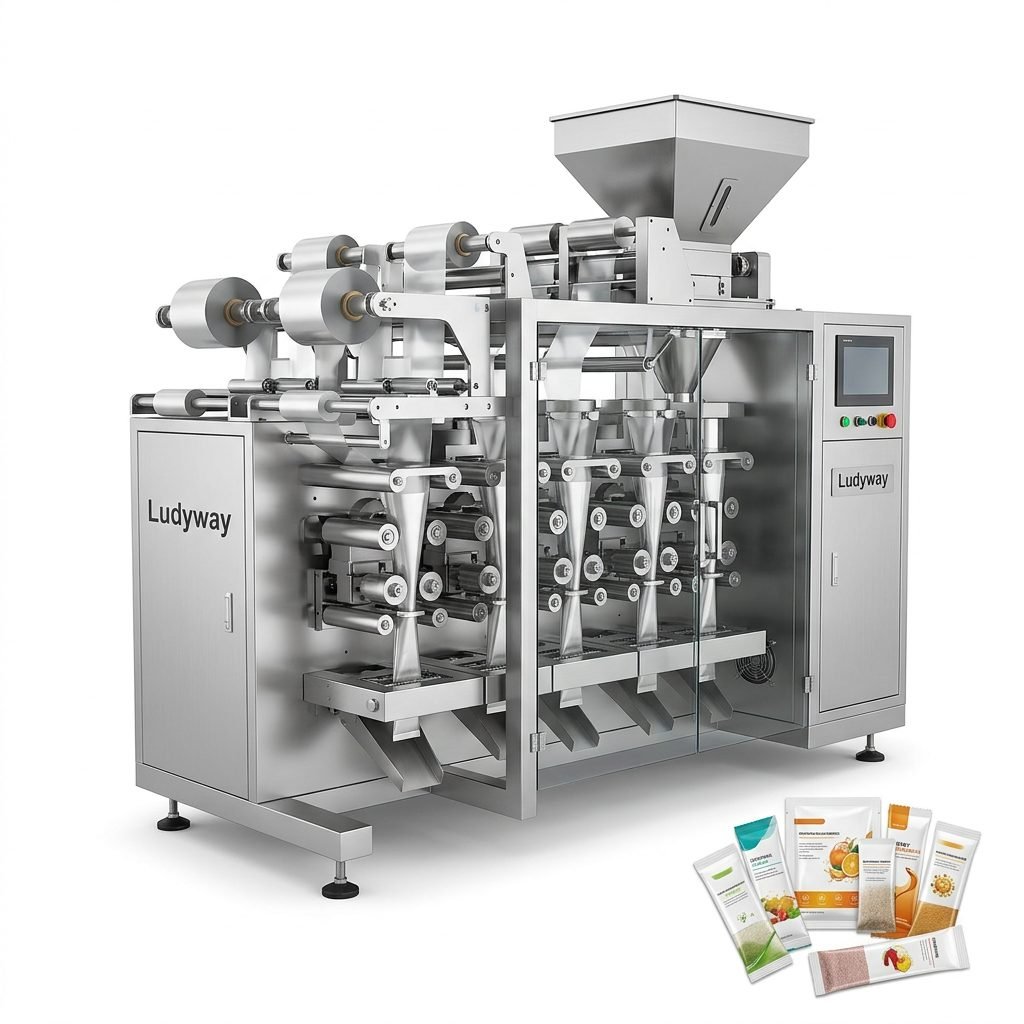
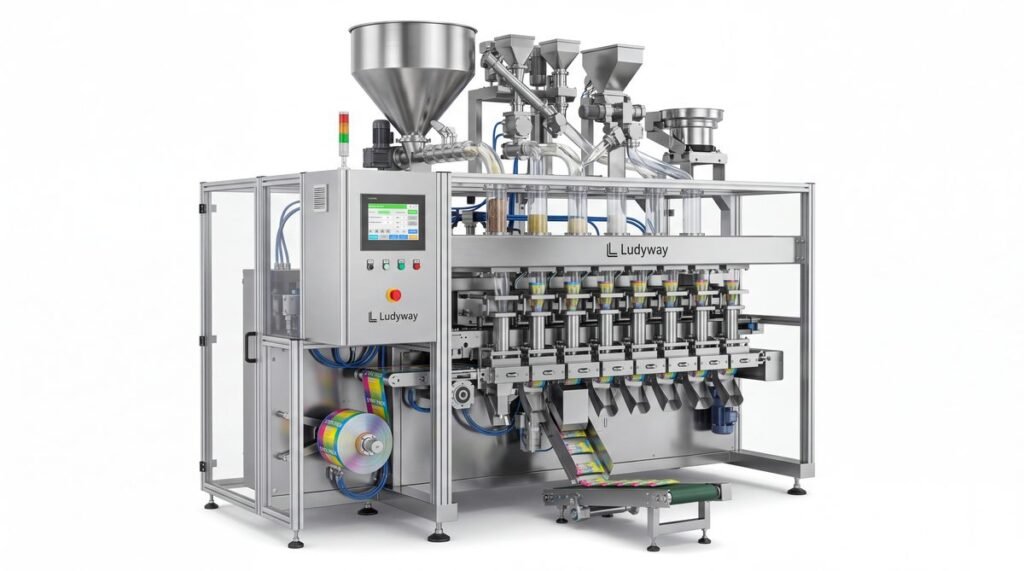
Understanding the output speed of a packaging machine is crucial for production planning and efficiency optimization. The question “How many bags can a packaging machine make per minute?” is not answered by a single number, as it depends on a complex interplay of machine type, product characteristics, and operational parameters. This article delves into the factors that determine packaging speed and how they influence overall production capacity.
Primary Factors Determining Packaging Speed
The of a packaging machine is governed by several core elements:
1. Machine Type and Design
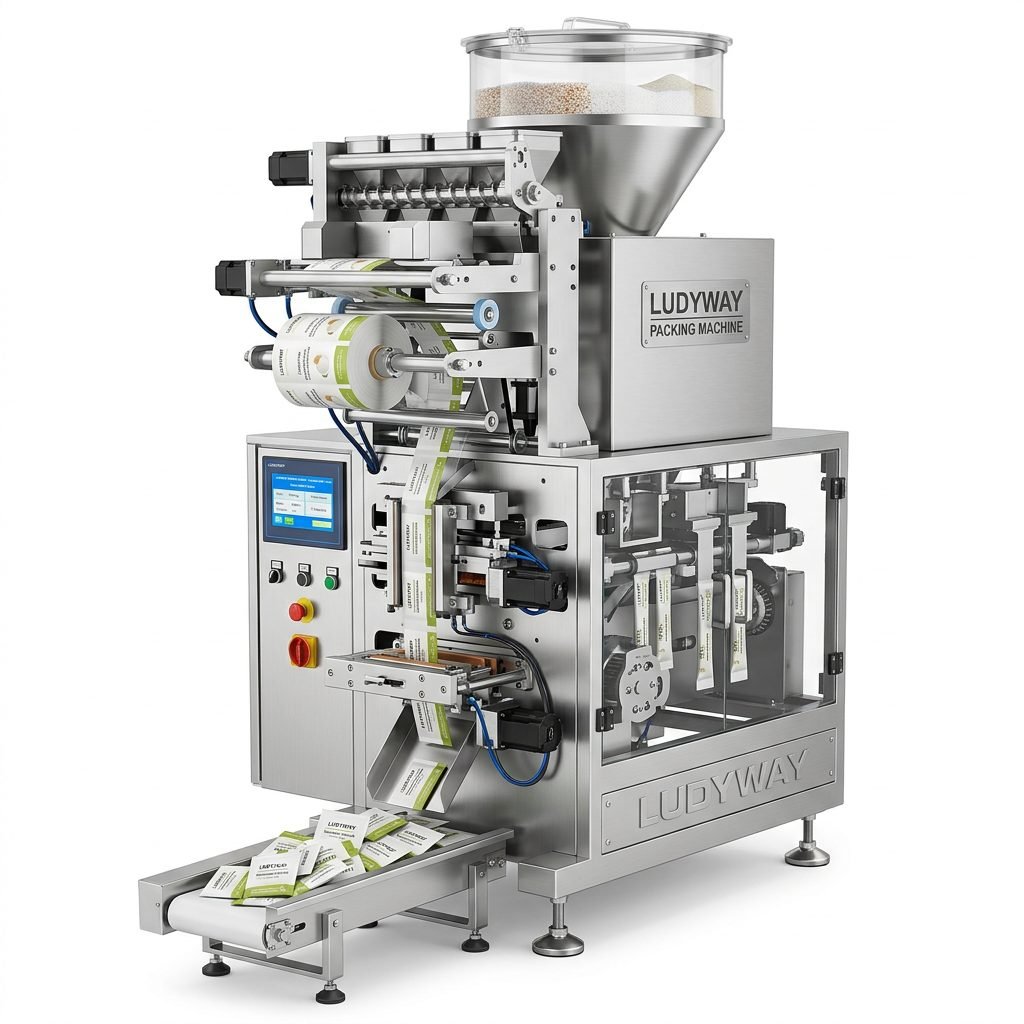
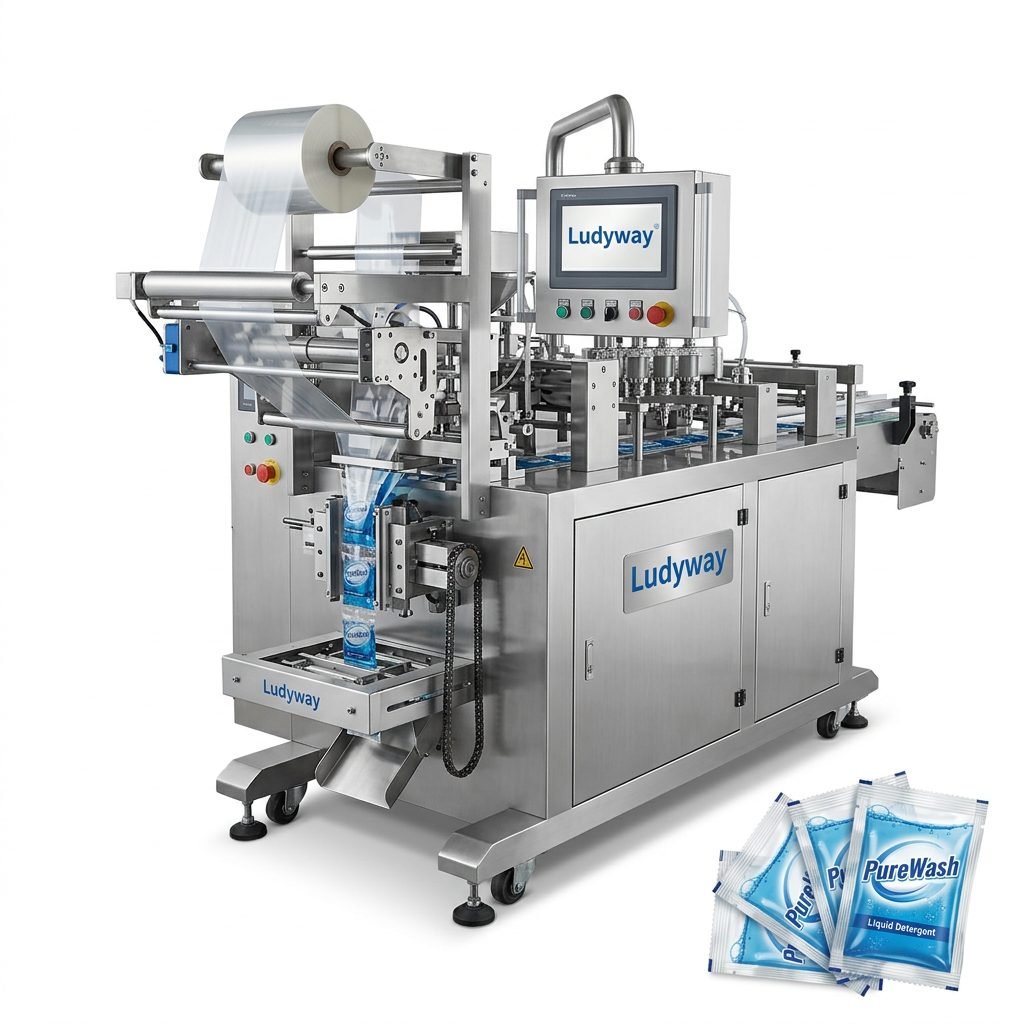
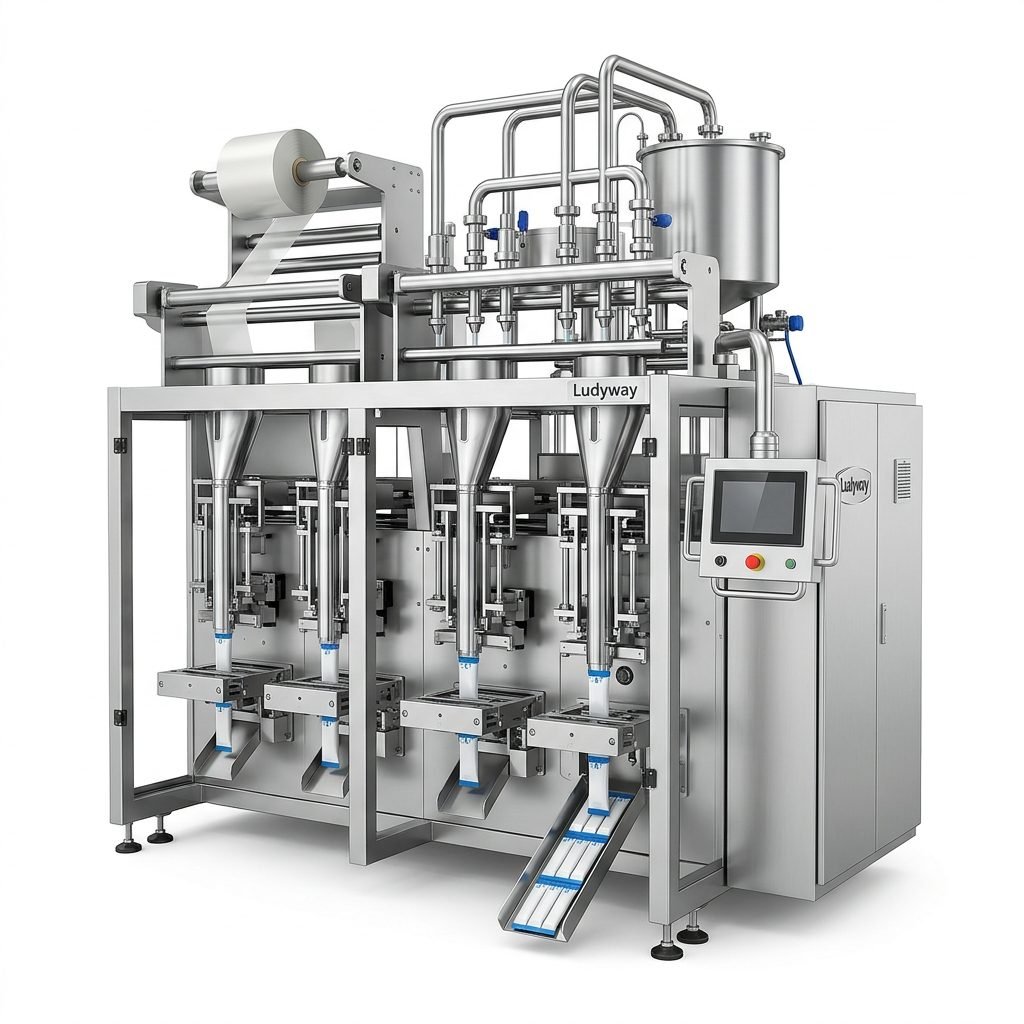
Different packaging machines are engineered for specific outputs. For instance, a single-lane sachet machine might produce 60-120 bags per minute, while a high-speed multi-lane stick pack machine can achieve outputs exceeding 400 sticks per minute. The mechanical design, including the number of lanes, filling mechanisms, and sealing technology, sets the baseline potential speed.
Key Insight: The machine’s inherent design capacity is the first and most significant constraint on speed. Choosing a machine type aligned with your target output is essential.
2. Product Characteristics
The nature of the product being packaged has a profound impact:
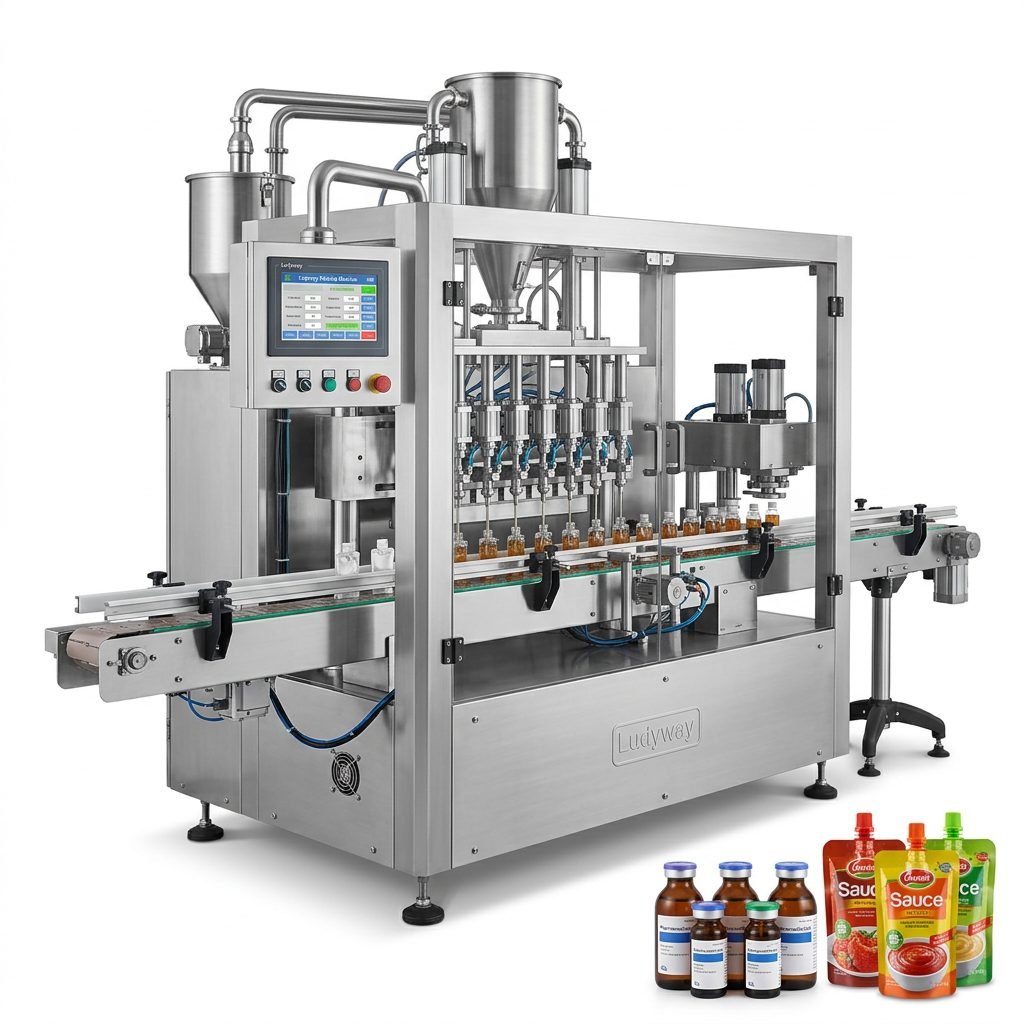
- Physical Form: Packaging free-flowing granules or powders is generally faster than handling viscous liquids or sticky pastes, which require more precise and often slower filling mechanisms.
- Weight/Volume Accuracy: High-precision filling for expensive or regulated products (e.g., pharmaceuticals) often necessitates slower, more controlled cycles compared to bulk commodity packaging.
- Product Stability: Fragile or aerated products may require gentler handling, reducing potential speed.
3. Packaging Material
The film or pouch material directly affects sealing speed and reliability. Materials with excellent heat-sealing properties allow for faster sealing cycles. Conversely, challenging materials might require slower speeds or repeated sealing to ensure integrity.
Operational and External Influences on Speed
Beyond the machine and product, several operational factors modulate the actual achieved speed on the production floor.
1. Automation Level and Integration
A fully automated line with integrated bag feeding, filling, sealing, and cartoning can sustain higher speeds for longer periods by minimizing manual intervention. Semi-automatic operations where manual loading or unloading is required will inherently have lower and less consistent.
2. Changeover and Setup Time
Speed isn’t just about peak runtime. Frequent product changeovers, bag size adjustments, or material switches consume time. Machines designed for quick changeover minimize downtime, effectively increasing the average bags produced per minute over a shift or day.
3. Maintenance and Machine Condition
A well-maintained machine with calibrated sensors, clean sealing heads, and sharp cutting mechanisms will operate at or near its designed speed. Neglected maintenance leads to increased jams, mis-feeds, and faulty seals, forcing operators to reduce speed to maintain reliability.
Practical Tip: Regular preventive maintenance is not just about avoiding breakdowns; it’s a critical practice for maintaining optimal operational speed and output quality.
4. Operator Skill and Training
Skilled operators who understand the machine’s nuances can fine-tune parameters, anticipate issues, and optimize the process for maximum stable speed. Inexperienced operation often results in conservative, slower settings to avoid errors.
Calculating Real-World Output: A Simplified Example
Consider a multi-lane stick pack machine with a theoretical maximum of 400 sticks/minute. If product changeovers take 15 minutes every 2 hours, and minor jams cause a 5% speed reduction during runtime, the effective average speed over an 8-hour shift would be significantly lower than 400. Accurate planning requires calculating these effective rates.
Optimizing Your Packaging Machine’s Speed
To maximize the output of your packaging equipment, focus on these areas:
Selecting the Right Machine for Your Needs
Partner with a knowledgeable supplier who can recommend equipment based on your specific product, target output, and future scalability. Experienced packaging experts can help match machine capabilities to your goals, avoiding the costly mistake of under- or over-specification.
Streamlining Product and Material Supply
Ensure your product is presented to the machine in an optimal state (e.g., consistent density, minimal clumping) and use recommended packaging films. Consistency in input materials reduces speed variations.
Investing in Training and Process Documentation
Develop detailed standard operating procedures (SOPs) and train your team thoroughly. This ensures speed optimization knowledge is retained and applied consistently across shifts.
Implementing a Robust Maintenance Schedule
Adhere to a strict schedule for cleaning, lubrication, part inspection, and calibration. This proactive approach keeps the machine running smoothly at its intended speed. Leveraging manufacturers with strong support services can be invaluable here.
Conclusion
The speed of a packaging machine is a dynamic variable, not a fixed specification. It is determined by the machine’s design, the product’s physical properties, the chosen materials, and the overall efficiency of the production environment. By understanding these factors and proactively managing them—from initial machine selection through daily operation and maintenance—manufacturers can achieve and sustain the highest possible output, ensuring their packaging line meets both productivity and quality targets. For businesses looking to upgrade or optimize their packaging operations, consulting with a provider offering diverse machine models and tailored solutions is a strategic first step.
Frequently Asked Questions (FAQs)
1. What is the typical speed range for a standard vertical form-fill-seal (VFFS) bagging machine?
Speeds vary widely based on bag size and product. For small to medium pouches, typical speeds range from 40 to 120 bags per minute. High-speed VFFS machines for specific applications can exceed 200 bags per minute.
2. Can I increase the speed of my existing packaging machine?
Yes, to some extent. Optimization through preventive maintenance, operator retraining, and using optimized packaging materials can often restore or slightly increase speed. However, significant speed jumps usually require mechanical upgrades or a new machine designed for higher output.
3. Does higher packaging speed always mean lower quality?
Not necessarily. Modern high-speed machines are engineered to maintain quality at elevated speeds. However, pushing a machine beyond its designed capability or optimizing for speed at the expense of proper setup (e.g., shortening sealing time) will compromise quality.
4. How important is machine stability compared to maximum speed?
Stability is often more critical. A machine that runs consistently at 80% of its max speed with no downtime is usually more productive than one that runs at 100% speed but experiences frequent 10-minute stoppages. Overall equipment effectiveness (OEE) considers both speed and reliability.
5. What should I prioritize when choosing a machine for high output?
Prioritize the machine’s demonstrated stable speed with a product similar to yours, its changeover efficiency if you run multiple products, and the manufacturer’s support and engineering capability to ensure long-term performance.