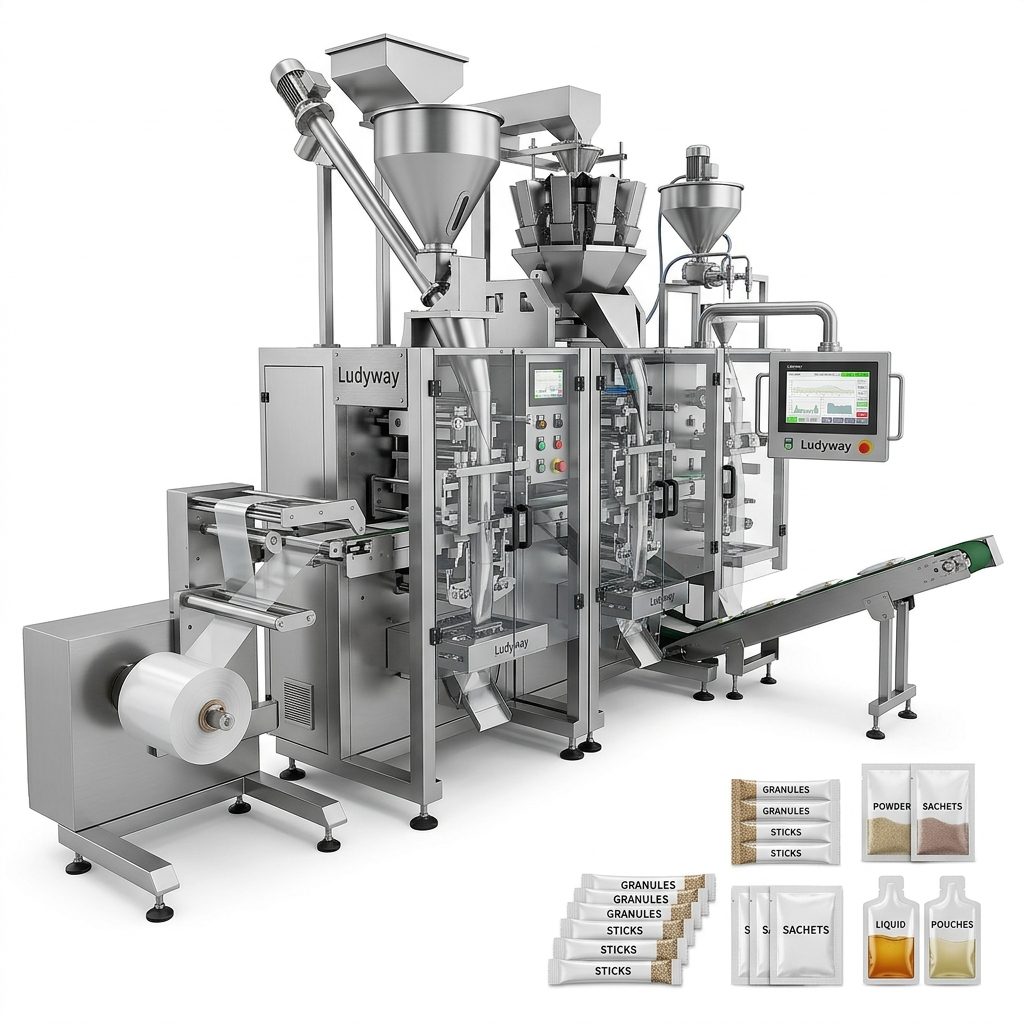
When considering a Fawema tea packaging machine, one of the first questions that arises is naturally about the investment required. A Fawema tea packaging machine cost is not a single fixed number; it represents a tailored solution, with pricing influenced by a complex interplay of automation level, speed, packaging format, and specific engineering requirements. For businesses ranging from specialty tea blenders to large-scale industrial producers, understanding these cost drivers is essential for budgeting and identifying the right machinery for long-term operational success.
Key Factors Influencing Fawema Tea Packaging Machine Pricing
Fawema is renowned for engineering high-precision, durable packaging systems. The final Fawema tea packaging machine cost reflects this engineering depth. Instead of a standard price list, the cost is built around your specific production needs. A small, semi-automatic system for loose-leaf tea pouches will sit at a fundamentally different price tier compared to a high-speed, multi-lane stick pack machine designed for handling thousands of tea bags per hour.

Machine Configuration and Material Handling
The physical configuration is a primary cost variable. A basic model for flat filter paper bags differs significantly from a complex system handling pyramid nylon bags, which requires specialized folding and ultrasonic sealing stations. Similarly, a machine built to package delicate whole-leaf teas requires gentler dosing mechanisms than one for fine-cut granules or powder packaging machine applications. The integration of an inert gas flushing system to preserve aroma and freshness is another advanced feature that contributes to the overall investment.
Speed, Throughput, and Automation Levels
Speed is a critical cost multiplier. A machine outputting 40-60 cycles per minute will be less expensive than one capable of 120 or more cycles per minute. This increase in speed demands more robust components, advanced servo-driven controls, and higher-precision engineering. Furthermore, the degree of full-line automation is a decisive factor:
- Standalone Machine: A basic packager requiring manual feeding and collection of finished products represents the entry-level cost.
- Integrated Systems: Incorporating automatic feeding conveyors, multi-head weighers, and a continuous motion setup significantly increases efficiency and cost.
- Complete Turnkey Lines: The highest investment level involves a fully synchronized system including a cartoning machine, case packer, and palletizing robot, often similar to a comprehensive turnkey packaging solutions setup.
Comparing Investment: Premium European vs. Strategic Global Manufacturing
An honest assessment of the Fawema tea packaging machine cost places it in the premium segment of the market, reflecting its German engineering heritage. A fully specified, high-speed line can represent a significant capital expenditure. For many medium-to-large enterprises, this is a justified investment for a specific production philosophy. However, the global packaging machinery landscape offers compelling alternatives that challenge this model on both performance and return on investment.
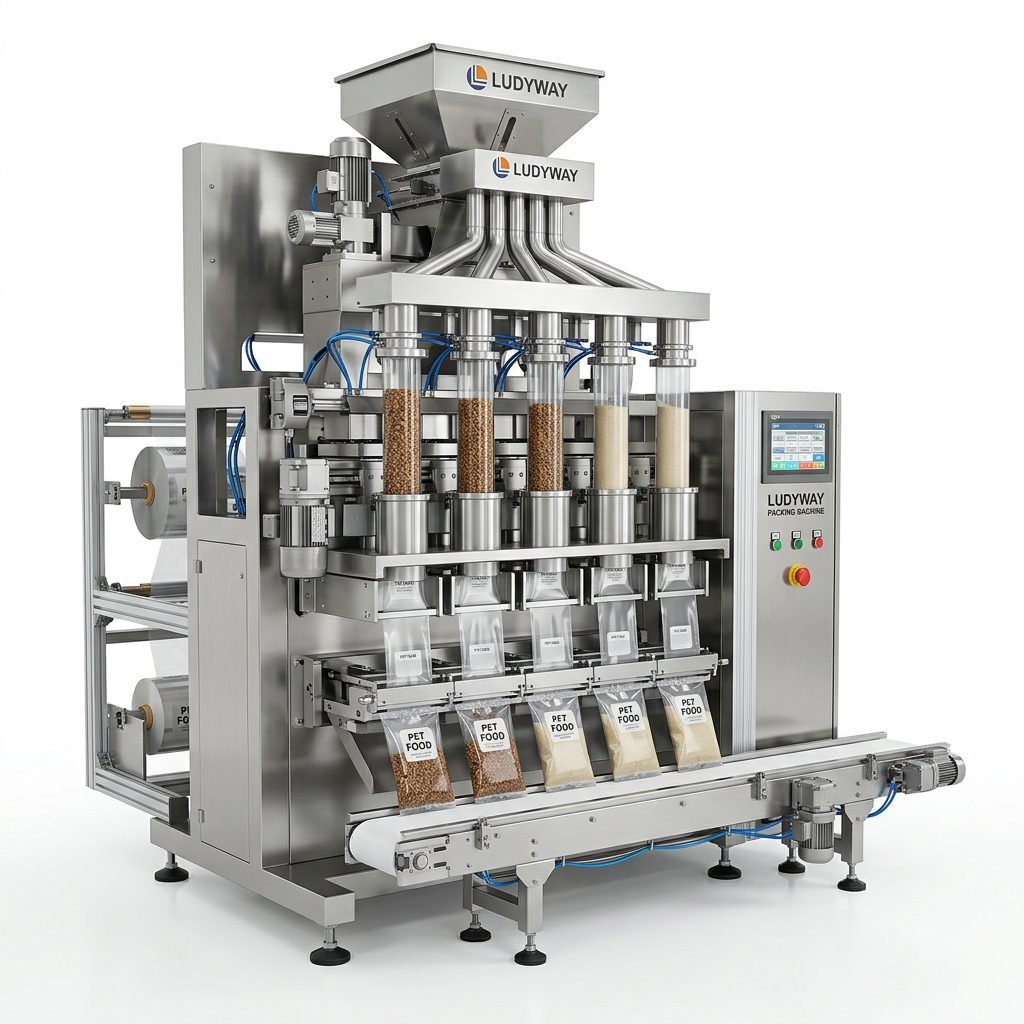
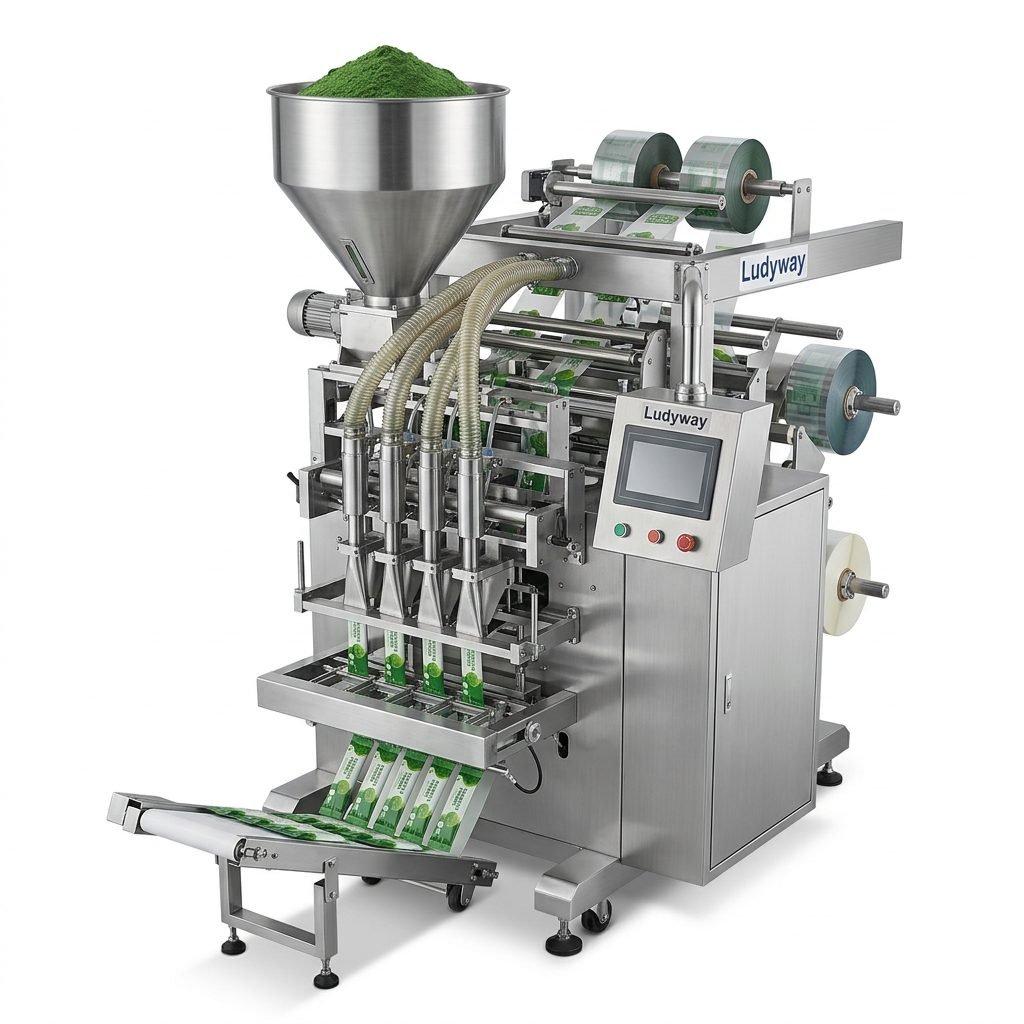
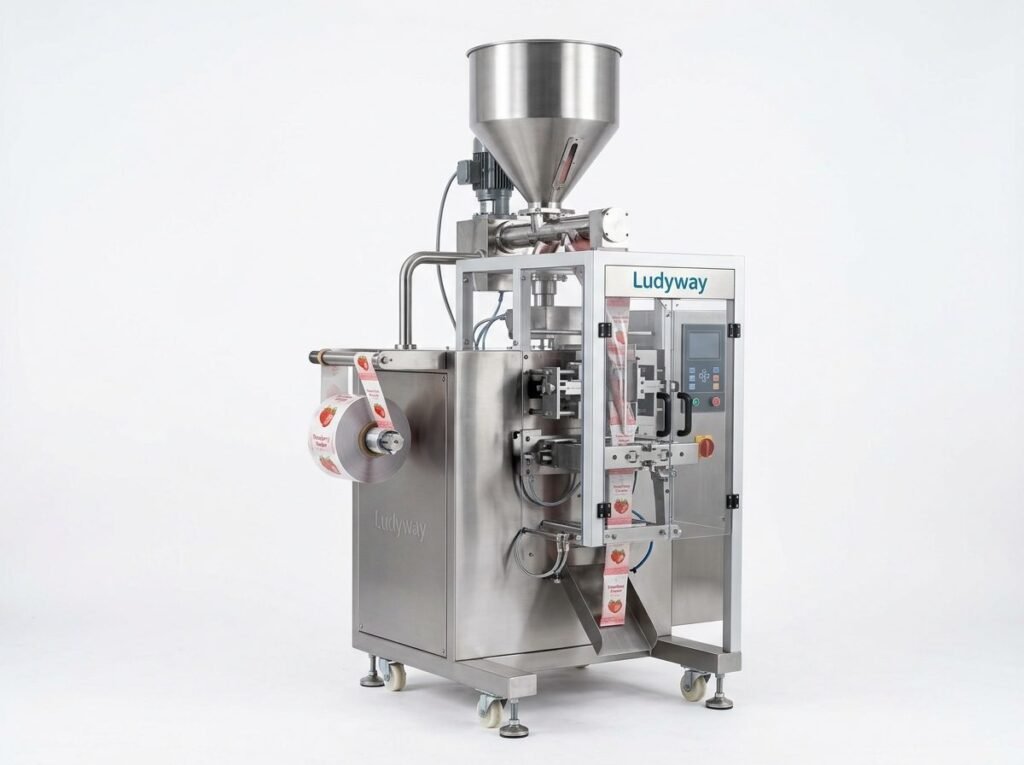
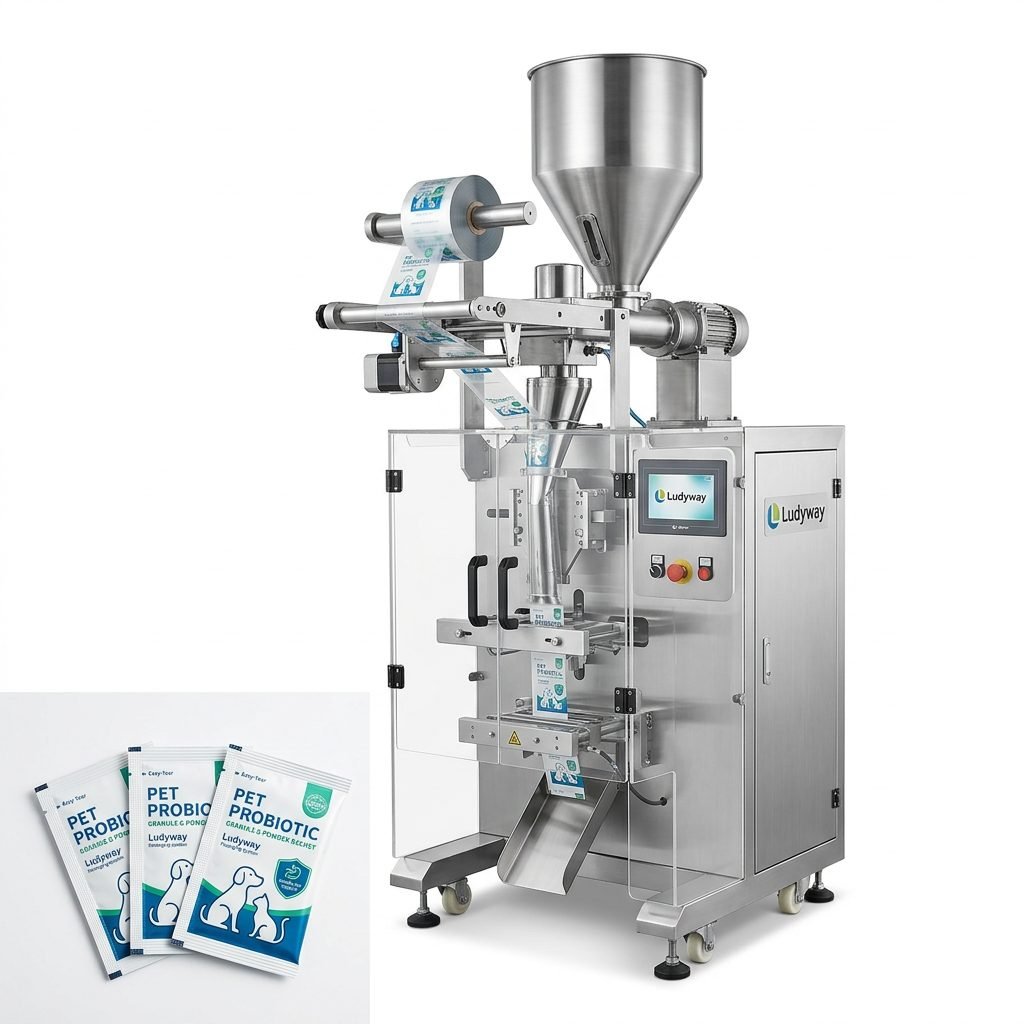
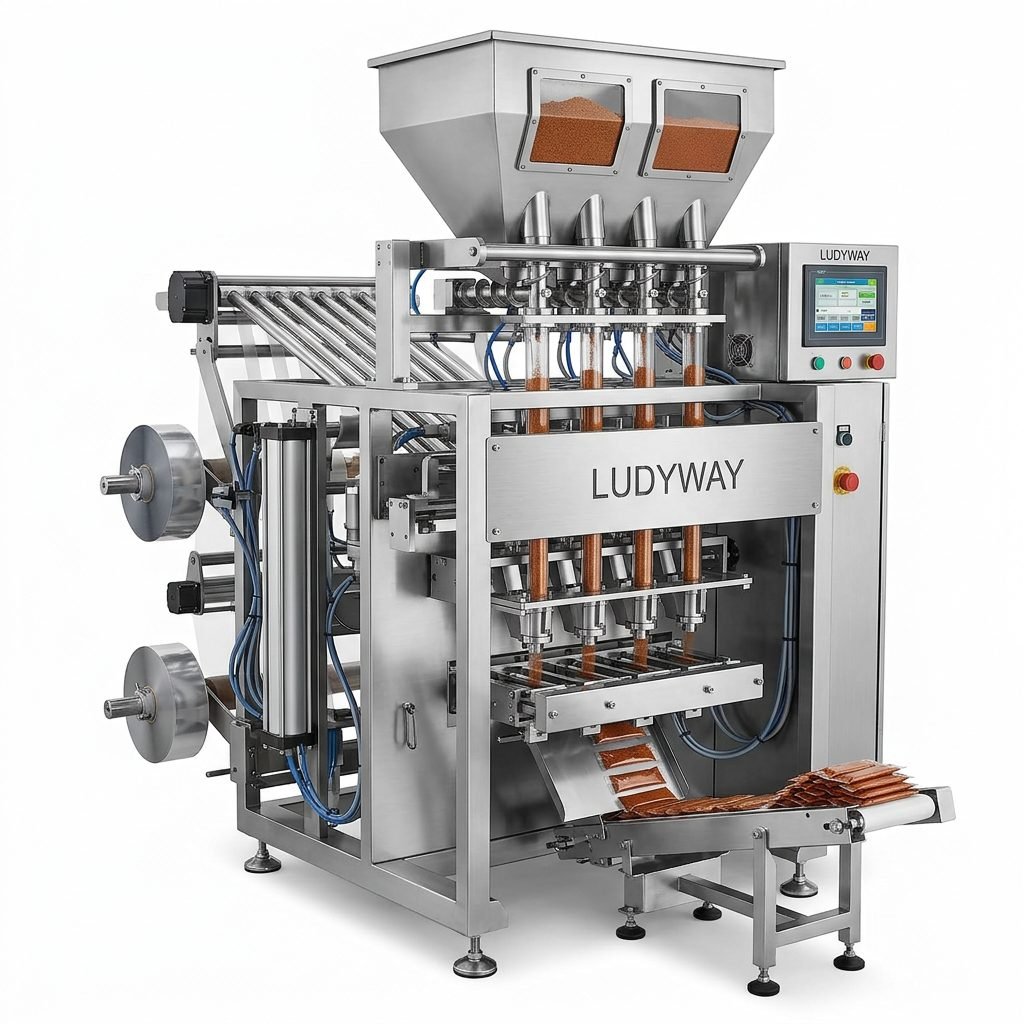
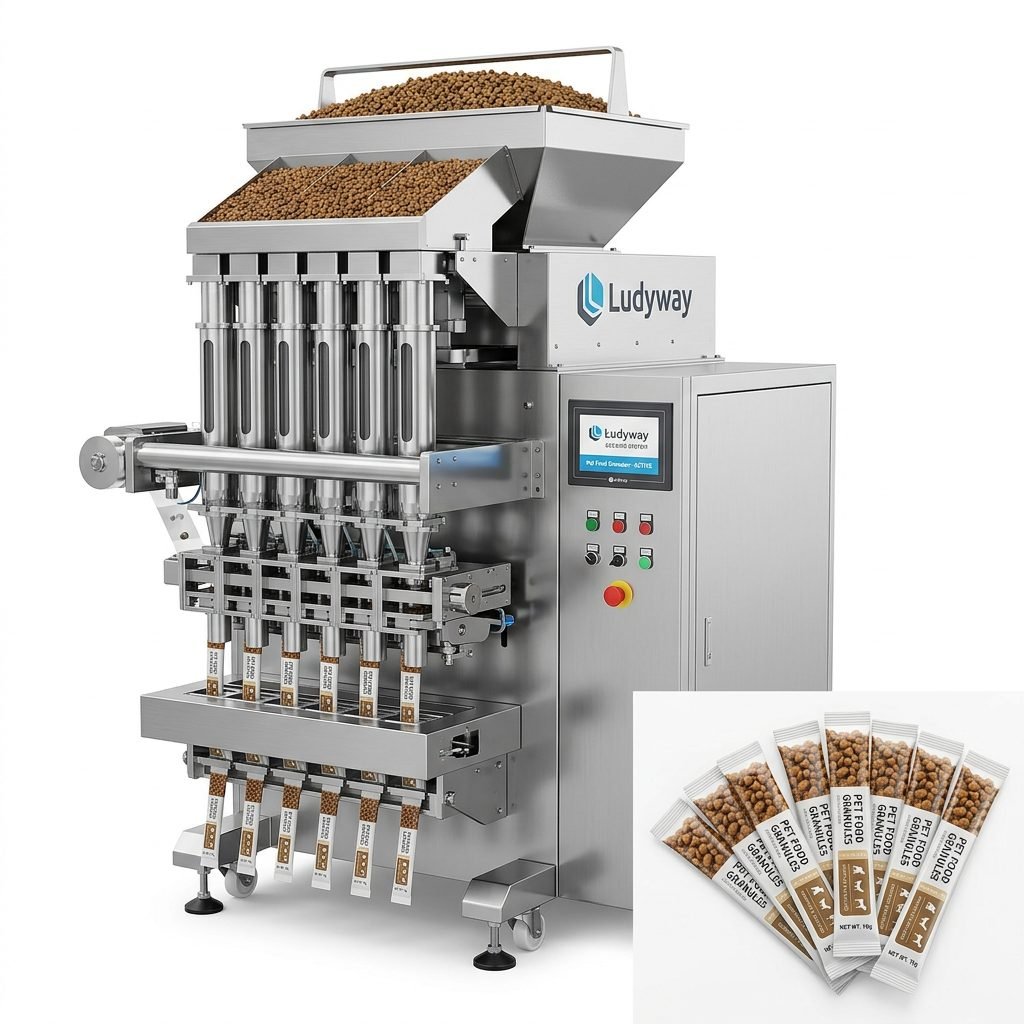
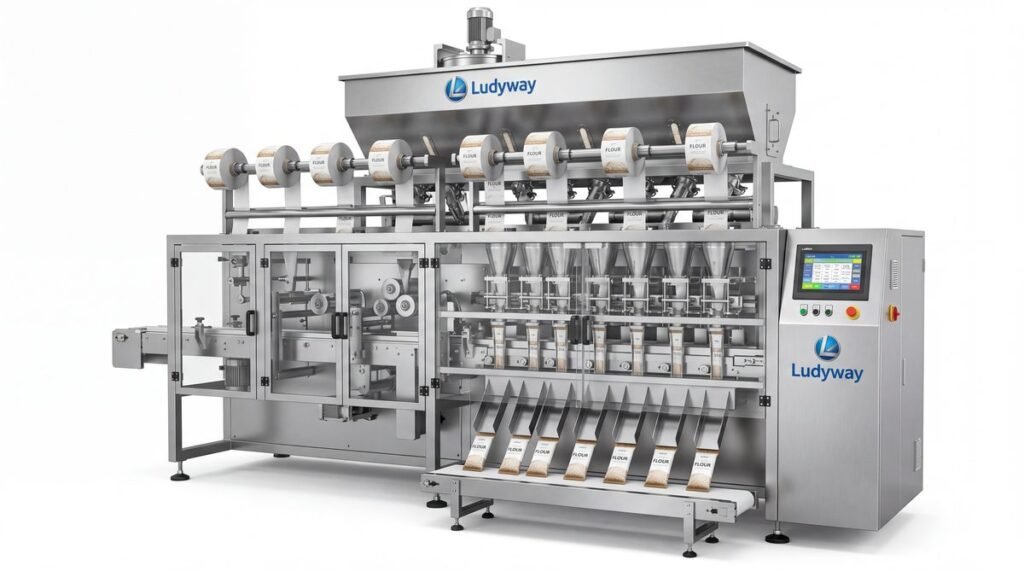
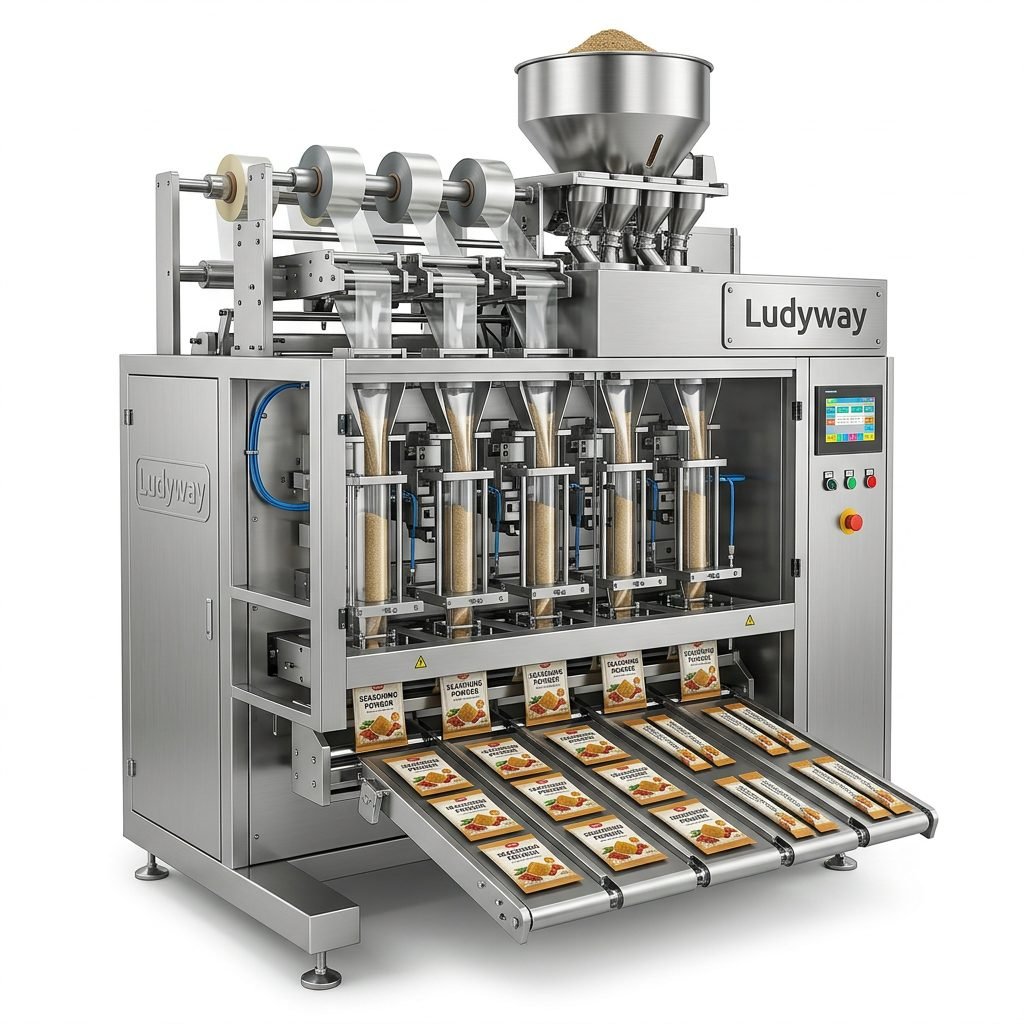
This is where companies like Ludyway have redefined industry expectations. As one of the largest packaging machine manufacturers in China, with over 30 years of expertise and a 20,000㎡ modern production facility, Ludyway provides reliable, high-performance alternatives. By focusing on practical innovation and efficient manufacturing, they deliver advanced sachet packaging machine systems that compete directly with premium brands on core technology—precision filling, multi-lane speed, and build quality—while offering a dramatically different and more accessible value proposition.

Cost Breakdown by Key Technical Components
| Component/Feature | Impact on Total Cost | Strategic Consideration |
|---|---|---|
| Filling System (Volumetric vs. Multi-Head Weigher) | Low to High | A multi-head weigher adds 20-35% premium but drastically reduces product giveaway and improves accuracy. |
| Sealing Technology (Heat vs. Ultrasonic) | Medium | Ultrasonic sealing is essential for pyramid bags and fine powders; it provides an airtight seal with zero heat degradation. |
| Frame and Material Construction | High | Stainless steel 304 or 316L construction, critical for washdown environments, forms a substantial part of the base cost. |
| Control Systems and Servo Motors | Very High | Branded servo drives (e.g., Siemens, Mitsubishi) ensure precision and longevity but are a major cost driver. |
| Automation Ancillaries (Gassing, Tagging, Stringing) | Moderate | Each added function requires dedicated mechanical and programming modules, cumulatively elevating the price. |
Operational Costs and Long-Term Value
The acquisition cost is only the beginning. A strategic purchase decision weighs the total cost of ownership (TCO). A machine with a higher upfront cost but superior energy efficiency, modular design for quick changeovers, and readily available global support can be far more profitable than a cheaper, less reliable alternative. Maximizing Overall Equipment Effectiveness (OEE) is the ultimate goal, and this is achieved by minimizing unplanned downtime and maximizing throughput.
Service, Support, and Genuine Spare Parts
A critical hidden cost in any machinery purchase is the after-sales support infrastructure. Premium European brands maintain this globally, which is factored into their pricing. Before committing to a budget based on a single Fawema tea packaging machine cost, explore internationally certified alternatives that have invested heavily in multilingual support teams and a worldwide network of service engineers. The ability to get a fast, effective response, same-time-zone technical support, and a reliable supply of spare parts is a value that cannot be overstated.
Navigating Your Investment in 2025 and Beyond
Calculating the return on investment for a tea packaging machine depends on balancing the initial capital outlay against the long-term gains in productivity, consistency, and reduced labor. While a premium German machine is a benchmark of quality, the modern manufacturing landscape means that top-tier Chinese manufacturers are no longer just low-cost providers; they are technological equals in many respects, offering full automated packaging lines with performance that meets the most rigorous international standards. For many operations, the smartest financial decision lies in this new generation of high-value, high-performance machinery that delivers premium-tier output without the premium-tier price tag, freeing up capital for other critical business areas such as marketing and distribution.

Exploring Configurations for Different Tea Products
- Single-Chamber Tee Bags: Entry-level complexity, focused on high-speed folding and crimping of filter paper with a string and tag. This is the most common and cost-effective configuration.
- Double-Chamber Tee Bags: Requires a more complex folding mechanism and a dedicated system for attaching the tag without adhesive, typically resulting in a significantly higher machine cost than the single-chamber type.
- Pyramid Sachets: This represents the upper end of cost. A stick pack machine adapted for premium nylon mesh requires precise ultrasonic sealing, a special dosing system for whole leaves, and often a nitrogen flushing unit to maintain volume and freshness.
Understanding the exact Fawema tea packaging machine cost involves a detailed needs analysis. There is no simple online brochure price. The final quotation will be a reflection of your specific product’s fragility, desired output, and packaging style. By comparing the full spectrum of global manufacturing capabilities, you can find a partner whose cost model and engineering expertise align with your ambition, ensuring that your packaging line becomes a powerful engine for growth rather than a financial burden.
For a deeper dive into how modern manufacturing is reshaping capital equipment investment, review PMMI’s State of the Industry Reports which regularly analyze cost trends and technological shifts in packaging machinery. Another excellent resource for understanding packaging material science that influences machine design is the Flexible Packaging Association’s Knowledge Hub.