In today’s fast‑paced manufacturing landscape, industries such as food, beverage, and pharmaceuticals face mounting pressure to deliver products that are not only safe and consistent but also packaged with exceptional efficiency and precision. High‑performance packaging equipment has become a cornerstone of modern production, enabling companies to meet stringent regulatory standards, reduce operational costs, and respond swiftly to market demands. This article explores the critical role of advanced packaging solutions across these vital sectors and highlights how cutting‑edge technology can drive productivity, ensure product integrity, and support sustainable growth.
Why High‑Performance Packaging Matters
Packaging is far more than just a final step in the production process—it is a vital component that influences product safety, shelf life, brand perception, and overall supply‑chain efficiency. In the food and beverage industry, packaging must protect against contamination, preserve freshness, and often provide convenient, user‑friendly features. For pharmaceuticals, packaging is a matter of patient safety: it must guarantee sterility, accurate dosing, tamper evidence, and compliance with strict global regulations. High‑performance equipment addresses these needs by offering superior accuracy, speed, flexibility, and reliability, turning packaging into a competitive advantage.
Key Takeaway: Investing in advanced packaging machinery is not merely an operational upgrade; it is a strategic decision that enhances product quality, ensures regulatory compliance, and improves your bottom line through reduced waste and higher throughput.
Core Challenges in Modern Packaging
Manufacturers across these sectors encounter several common hurdles that high‑performance equipment is designed to overcome:
- Product Sensitivity: Many food, beverage, and pharmaceutical products are sensitive to oxygen, moisture, or light, requiring packaging that provides an exact barrier.
- Stringent Hygiene Standards: Equipment must be easy to clean, often requiring CIP/SIP (Clean‑In‑Place/Sterilize‑In‑Place) capabilities to prevent cross‑contamination.
- Demand for Flexibility: Short production runs and frequent product changeovers necessitate machinery that can quickly adapt to different formats, materials, and fill volumes.
- Traceability & Compliance: Particularly in pharma, packaging lines must integrate seamlessly with track‑and‑trace systems and generate compliant documentation.
- Cost & Sustainability Pressures: There is a constant drive to reduce material usage, energy consumption, and downtime while increasing overall equipment effectiveness (OEE).
Tailored Solutions for Key Industries
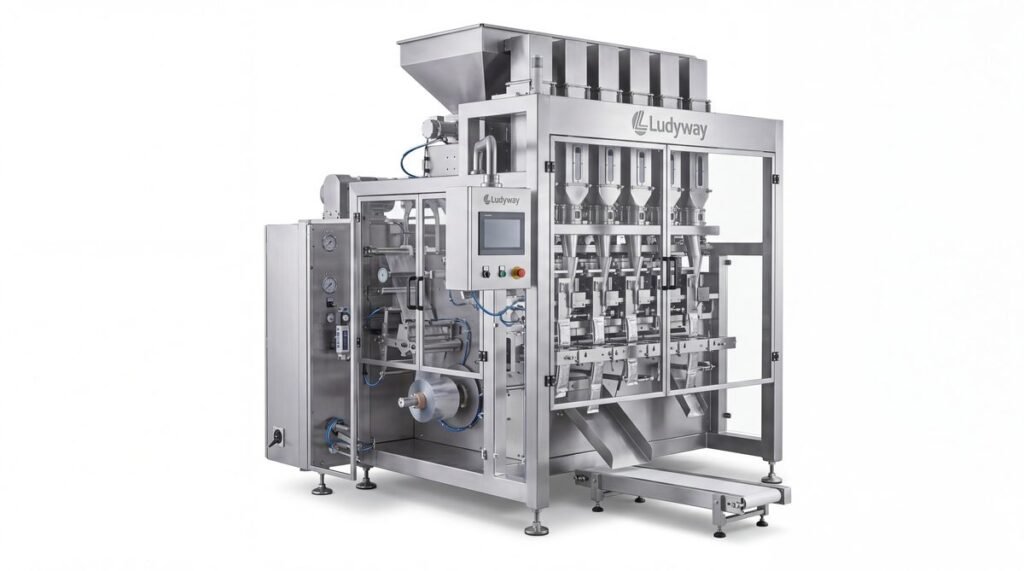
The requirements for packaging equipment vary significantly between the food, beverage, and pharmaceutical industries. A one‑size‑fits‑all approach does not work. Leading providers, such as Ludyway Machinery, develop specialized solutions that address the unique demands of each sector.
Food Industry Applications
From snacks and spices to ready‑to‑eat meals, food packaging must ensure freshness, prevent spoilage, and often be resealable. High‑performance solutions include:
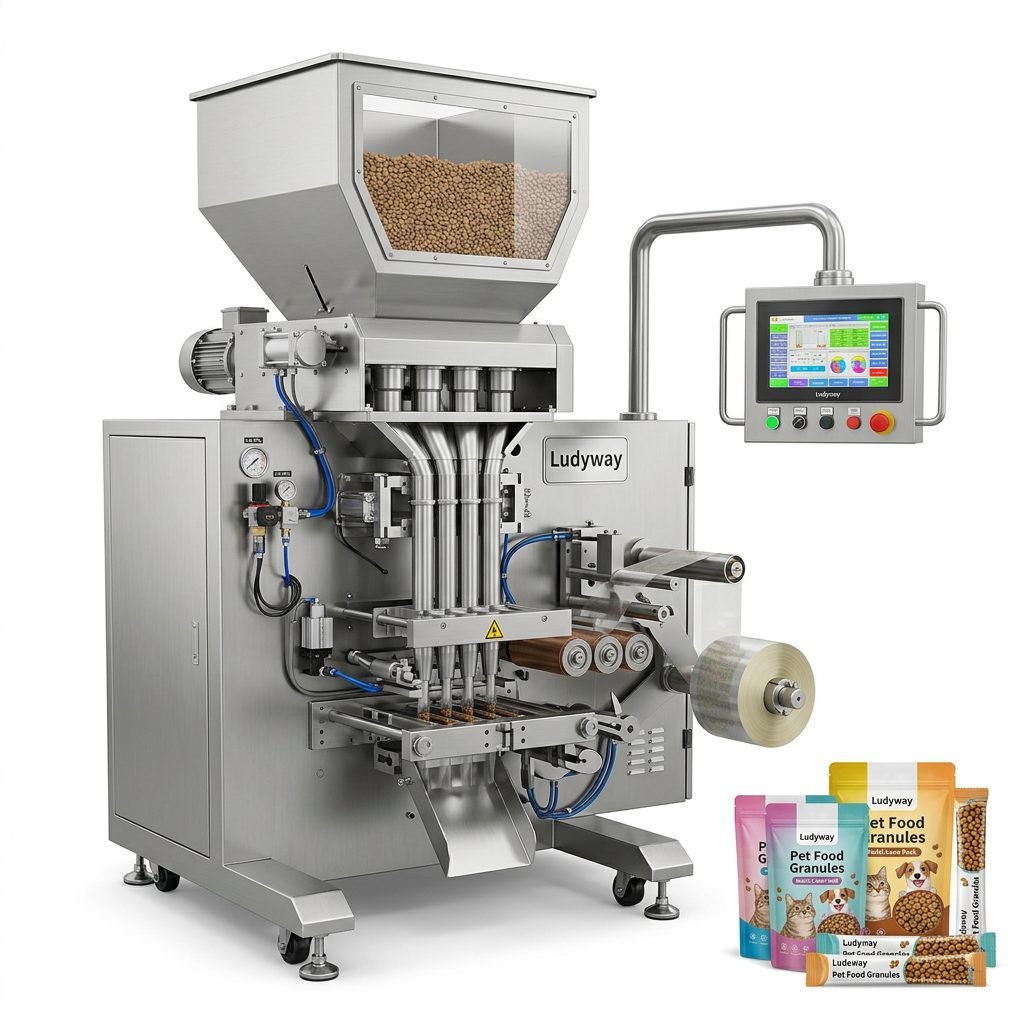
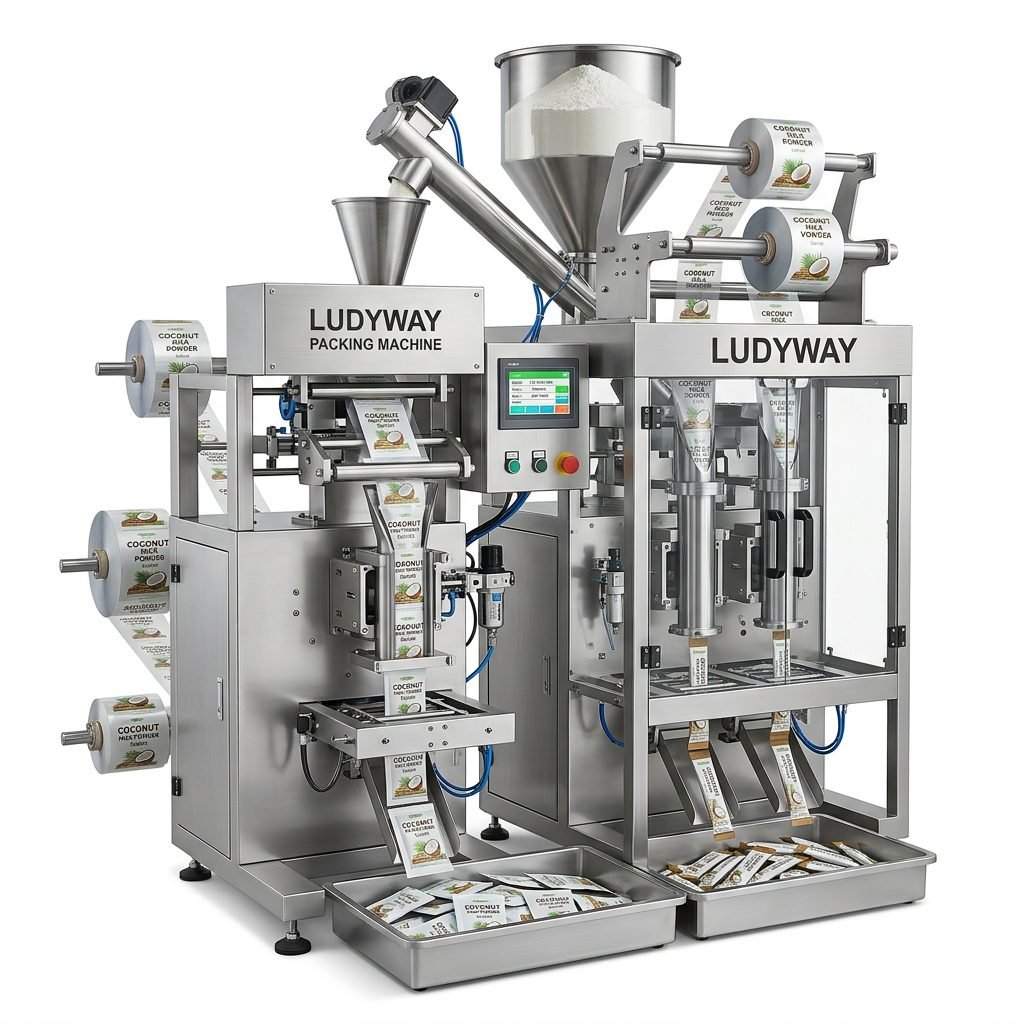
- Vertical Form‑Fill‑Seal (VFFS) Machines: For granular, powdered, or liquid products, offering high speed and precise weighing.
- Modified Atmosphere Packaging (MAP) Systems: Extend shelf life by replacing the air inside the package with a protective gas mix.
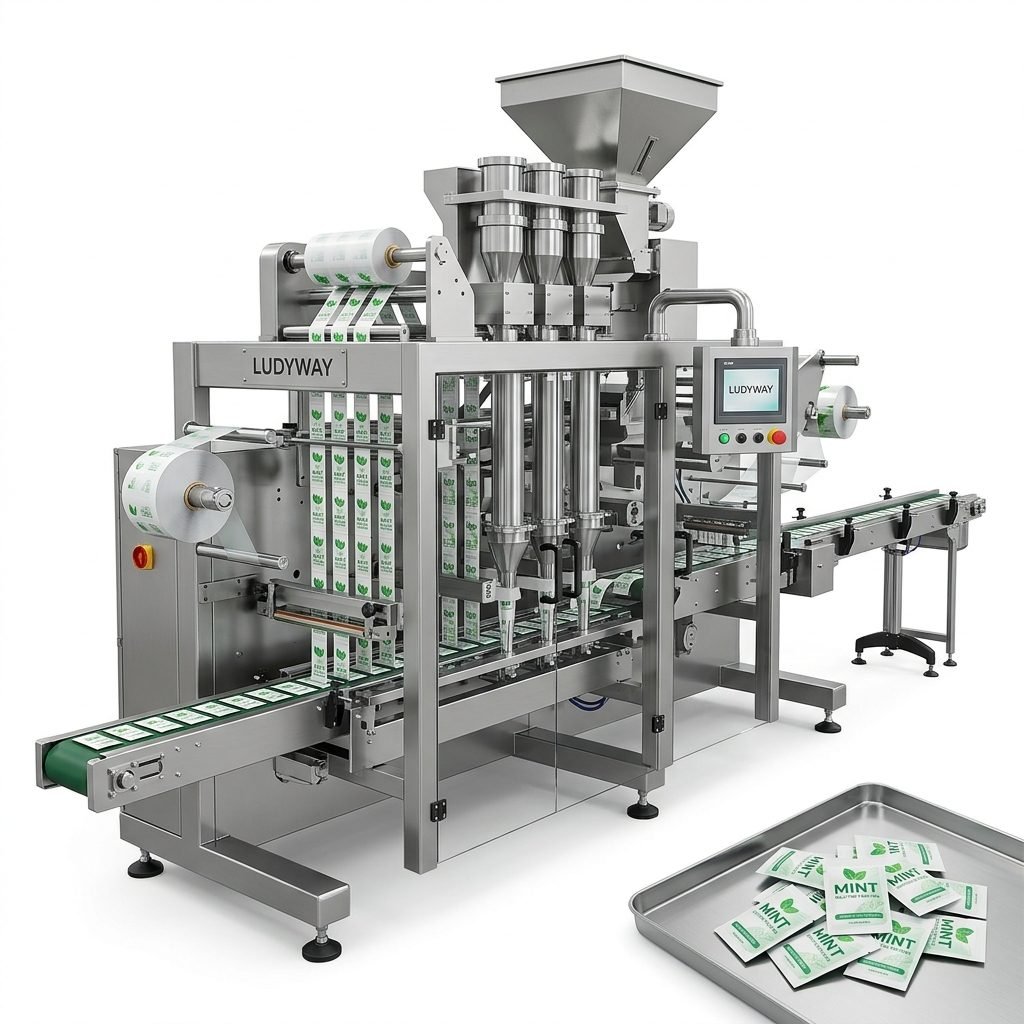
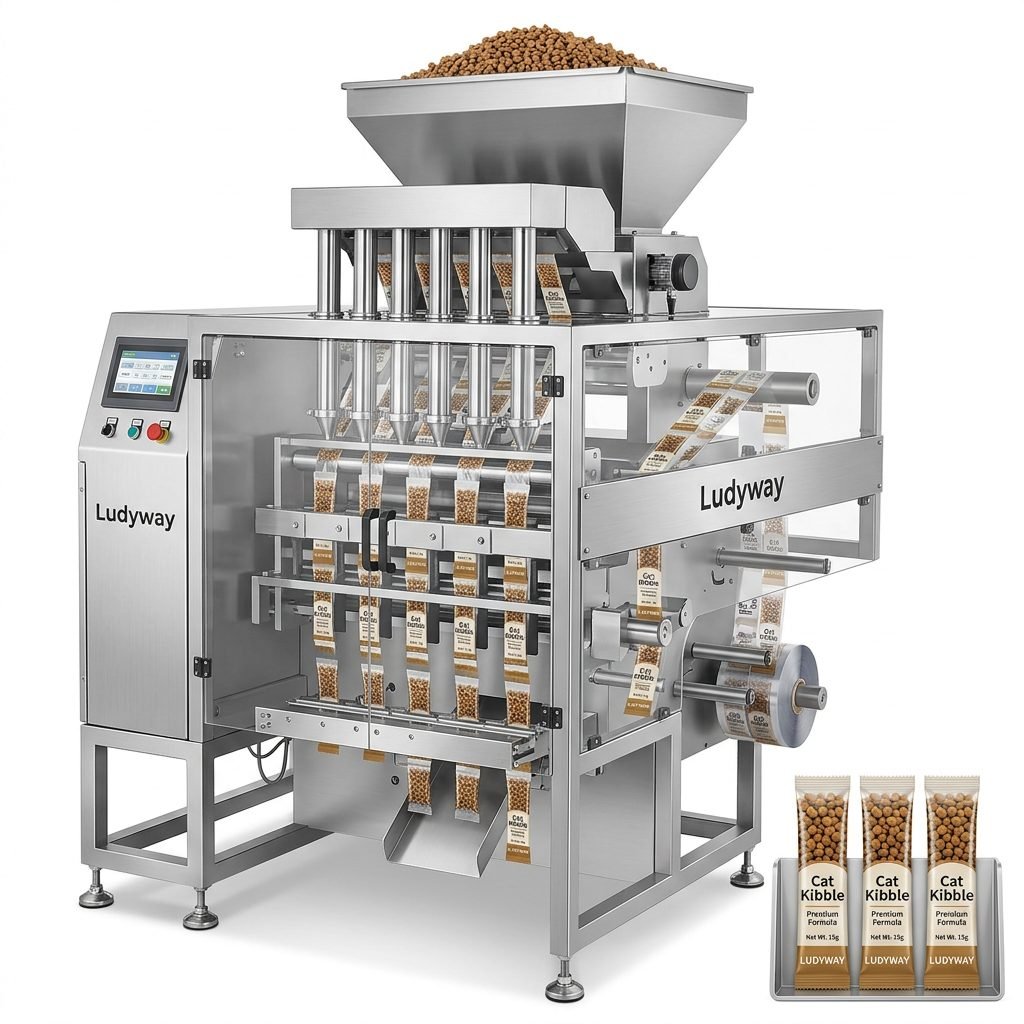
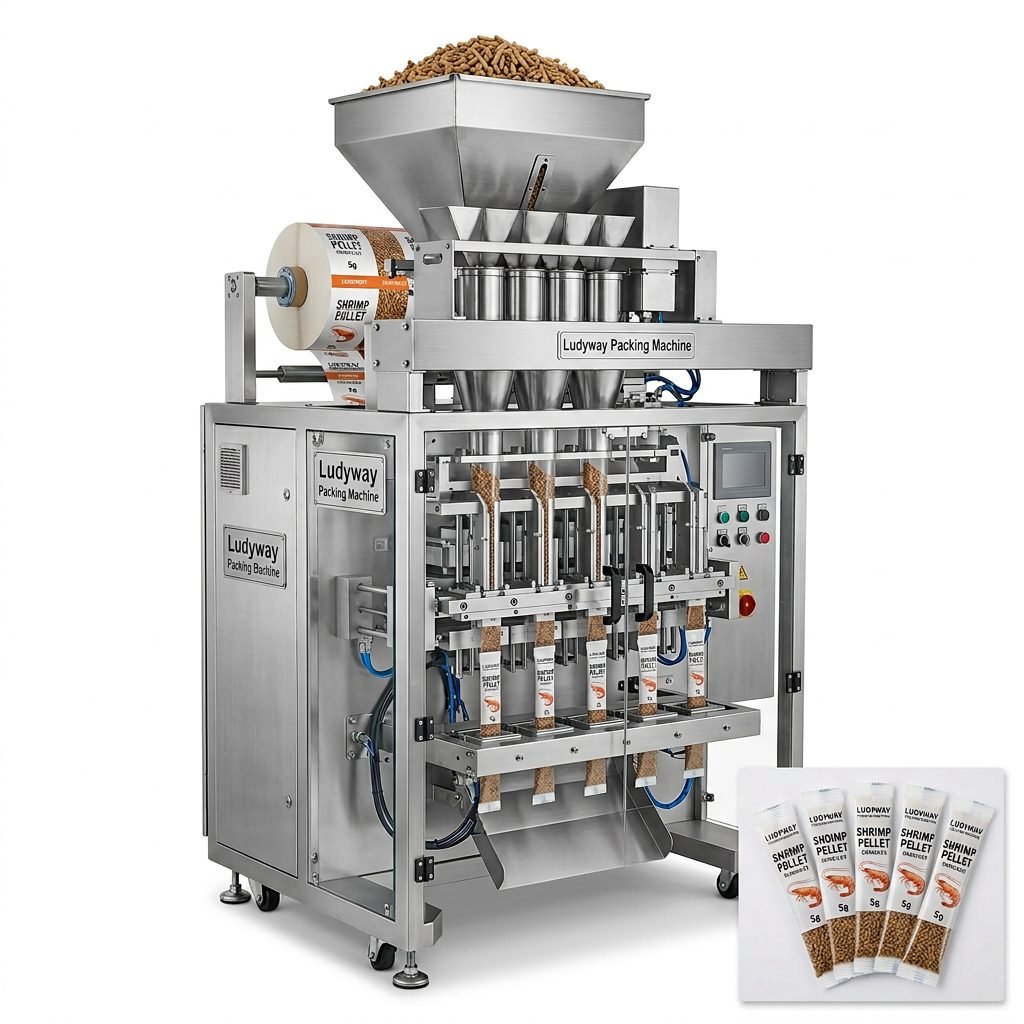
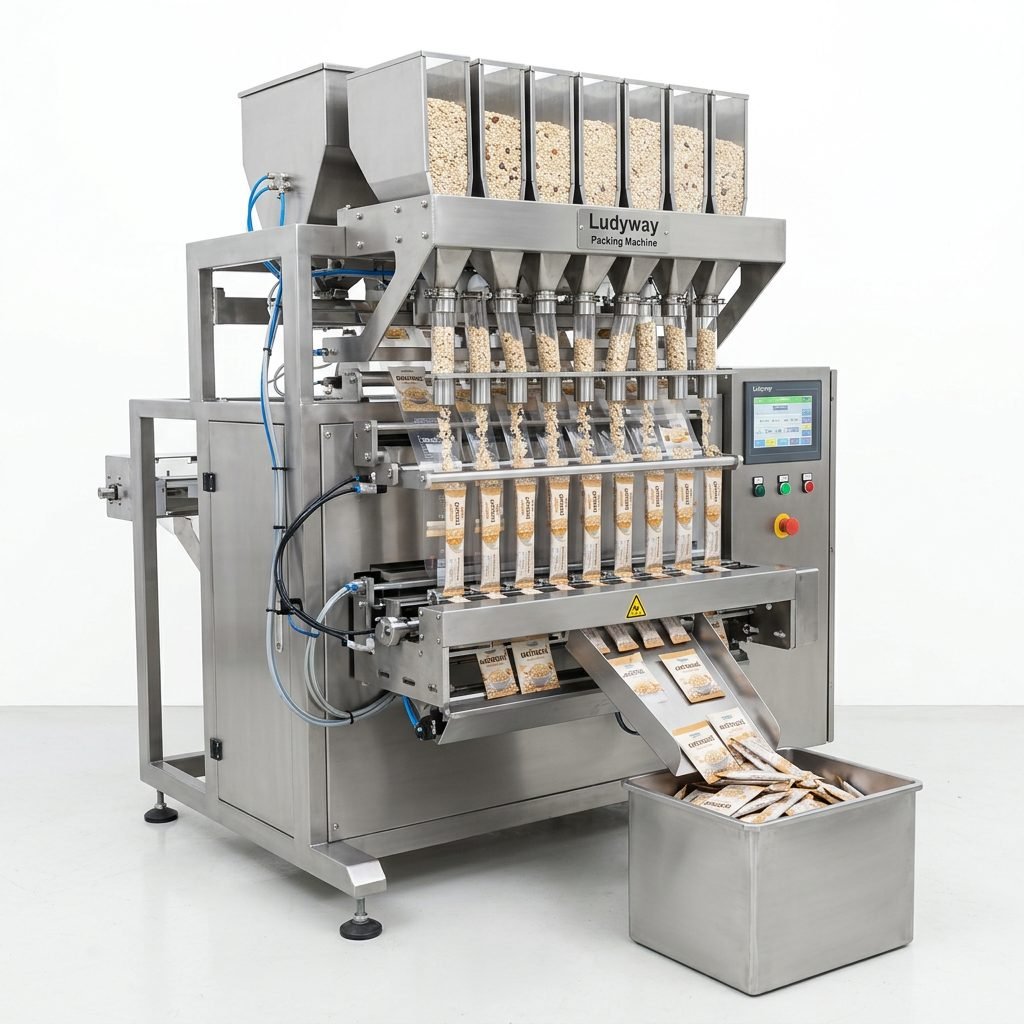
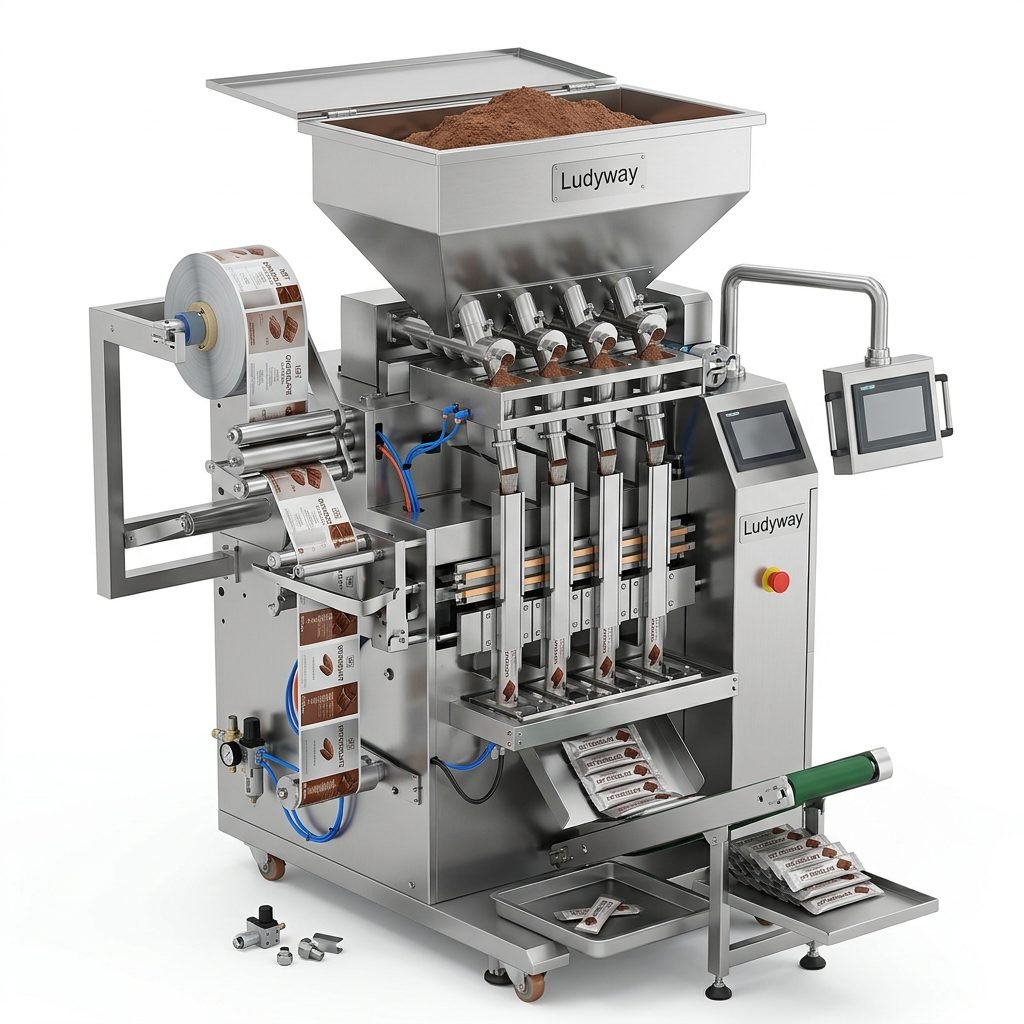
- Multi‑lane Stick Pack & Sachet Machines: Ideal for single‑serve portions of sauces, dressings, or instant beverages, providing excellent barrier properties and consumer convenience.
Beverage Industry Applications
Beverage packaging, whether for water, juices, or functional drinks, focuses on speed, leak‑proof integrity, and visual appeal. Key equipment includes:
- Liquid Filling & Sealing Lines: For accurate filling of pouches, bottles, or cartons with minimal product loss.
- Aseptic Packaging Systems: Critical for products requiring sterile filling without preservatives, maintaining flavor and nutritional value.
- High‑Speed Capping & Labeling Units: Integrated with filling machines to create a seamless, efficient production line.
Pharmaceutical & Healthcare Applications
This sector demands the highest levels of precision, cleanliness, and documentation. Packaging solutions are designed to meet cGMP and other regulatory standards:
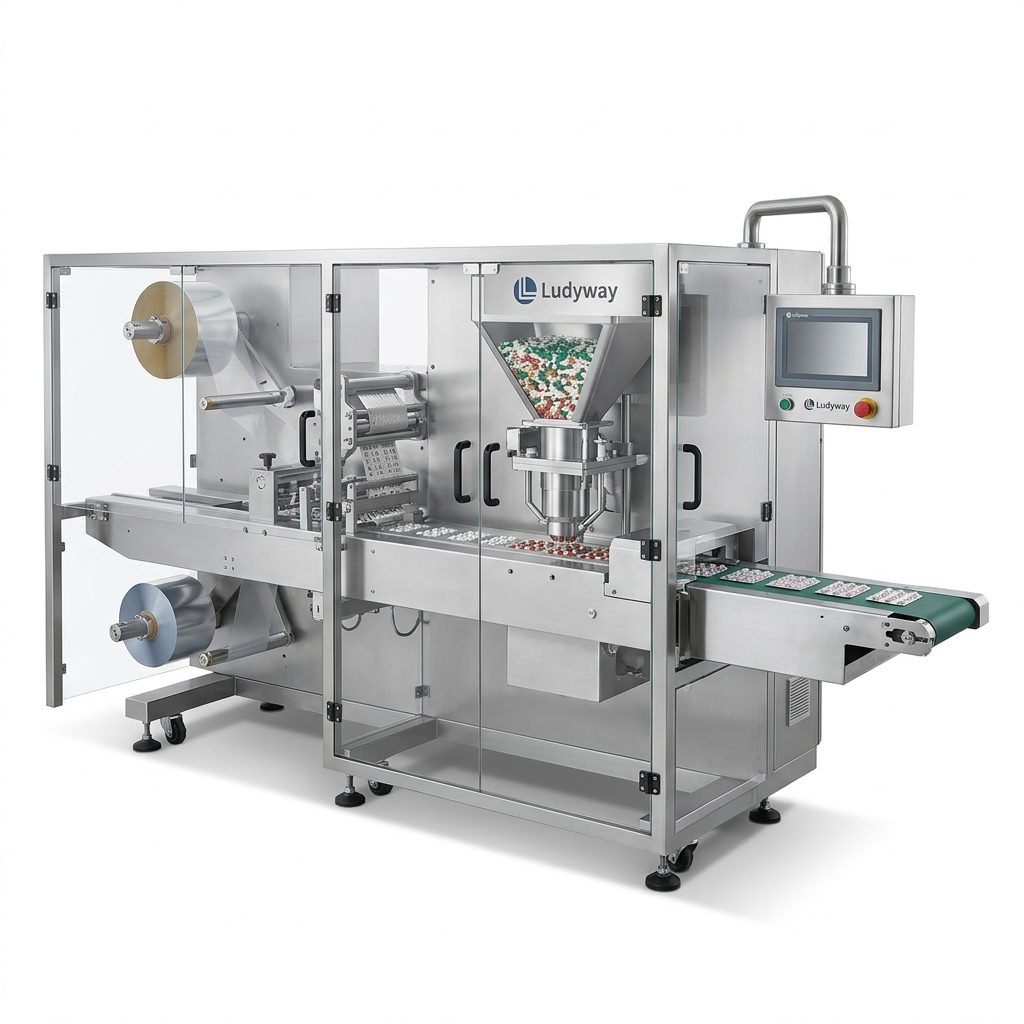
- Blister Packaging Machines: For tablets and capsules, ensuring unit‑dose accuracy and excellent patient compliance.
- Powder & Granule Dosing Systems: For sensitive APIs (Active Pharmaceutical Ingredients), featuring contact‑parts made of pharmaceutical‑grade materials.
- Tamper‑Evident & Serialization Solutions: Integrated systems that apply safety seals and unique identifiers (like 2D barcodes) to each pack for full traceability.
The Advantage of Turnkey Production Lines
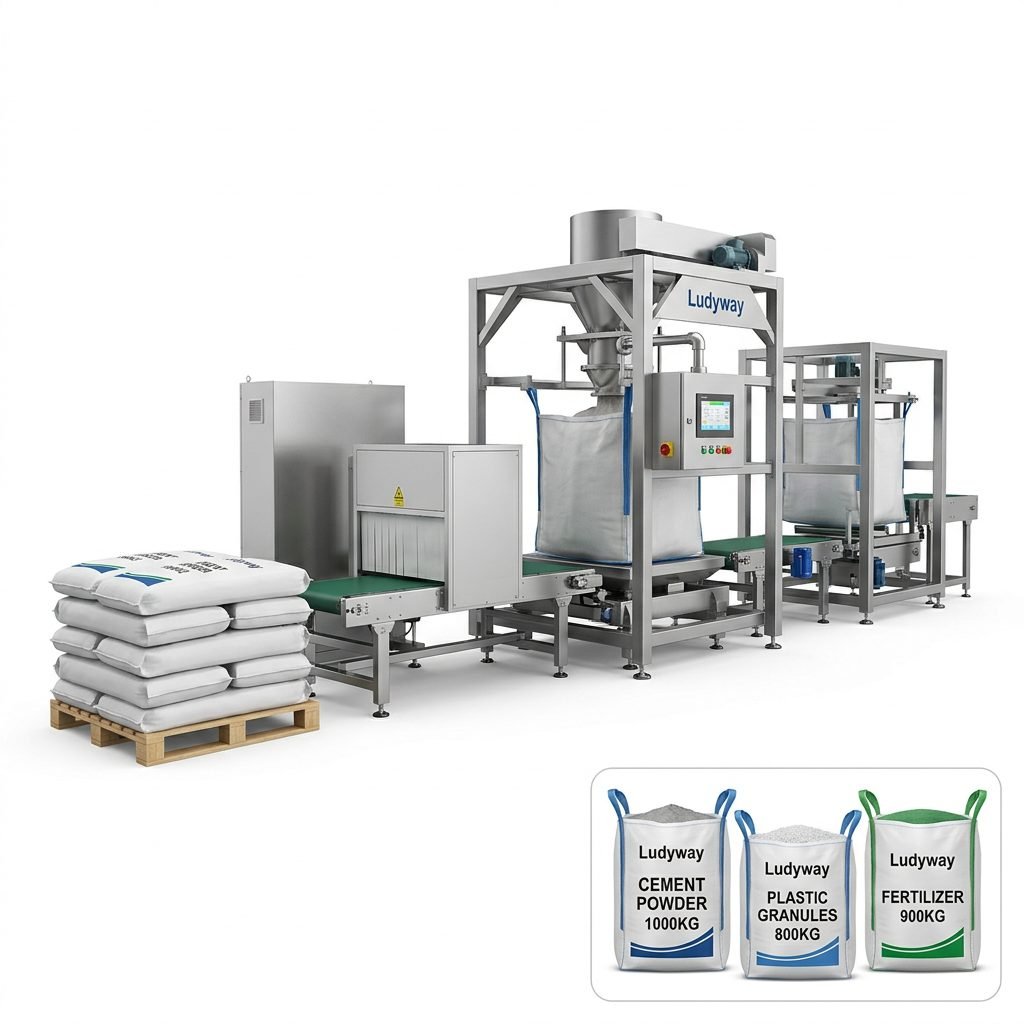
Beyond individual machines, the greatest efficiency gains often come from integrated, turnkey production line solutions. A provider like Ludyway doesn’t just supply a machine; they engineer the entire workflow—from product infeed and feeding systems to packaging, cartoning, and palletizing. This holistic approach ensures optimal compatibility between all line components, minimizes bottlenecks, and delivers a single point of responsibility for installation, training, and ongoing support. It transforms a collection of machines into a synchronized, high‑output production asset.
Key Features of Modern High‑Performance Equipment
What separates standard packaging machinery from truly high‑performance solutions? Several defining features are now considered essential:
1. Intelligent Automation & Control
Modern machines are equipped with sophisticated PLCs (Programmable Logic Controllers) and HMIs (Human‑Machine Interfaces) that allow for precise parameter setting, real‑time monitoring, and data collection. This enables predictive maintenance, reduces operator error, and provides valuable insights for continuous process improvement.
2. Hygienic & Sanitary Design
Constructed with stainless‑steel surfaces, rounded corners, and easy‑access panels, high‑performance equipment is built for easy and thorough cleaning. This is non‑negotiable in food and pharmaceutical applications where contamination risks must be eliminated.
3. Unmatched Precision & Consistency
Advanced servo‑motor technology and precision weighing systems ensure that every single package contains the exact specified weight or volume. This reduces give‑away (overfilling), ensures compliance with net content regulations, and guarantees product consistency for the end‑user.
4. Flexibility & Quick Changeover
Tool‑less changeovers and recipe‑based controls allow production lines to switch between different package sizes, shapes, or products in minutes rather than hours. This agility is crucial for manufacturers running a diverse product portfolio.
5. Robust Construction & Reliability
Built with high‑quality components and rigorous testing, reliable equipment minimizes unplanned downtime. High Mean Time Between Failures (MTBF) is a key metric, ensuring the line runs consistently to meet production schedules.
Choosing the right packaging partner is as important as selecting the equipment itself. A partner with deep industry experience and a global service network can provide not only the machine but also the expertise to optimize its performance over its entire lifecycle, ensuring a strong return on investment.
Frequently Asked Questions (FAQs)
Q1: What is the typical lead time for a high‑performance packaging line?
Lead times vary based on the complexity and customization of the solution. Standard machines may ship in 8‑12 weeks, while fully customized turnkey lines require more detailed engineering and can take 16‑24 weeks. Reputable suppliers provide a clear project timeline from the outset.
Q2: How can I ensure the equipment will comply with my local and industry regulations?
Always work with a supplier who has proven experience in your specific industry and target markets. They should design equipment to meet international standards (e.g., CE, FDA, cGMP) and provide the necessary documentation and support for your validation processes.
Q3: What kind of training and after‑sales support should I expect?
Comprehensive support includes on‑site installation supervision, detailed operator and maintenance training, and access to technical manuals and spare parts. Look for providers offering remote diagnostics and a responsive service team to minimize potential downtime.
Q4: Can new packaging machinery be integrated with my existing production equipment?
Yes, in most cases. A skilled engineering partner will conduct a thorough audit of your current line and design interfaces (mechanical and electrical) to ensure seamless integration, preserving your existing investments where possible.
Q5: How do I evaluate the true ROI of upgrading to high‑performance packaging equipment?
ROI calculations should factor in increased production speed, reduced material waste, lower labor costs, decreased downtime, improved product quality (leading to fewer rejects/returns), and the potential for new market opportunities enabled by more advanced packaging formats.