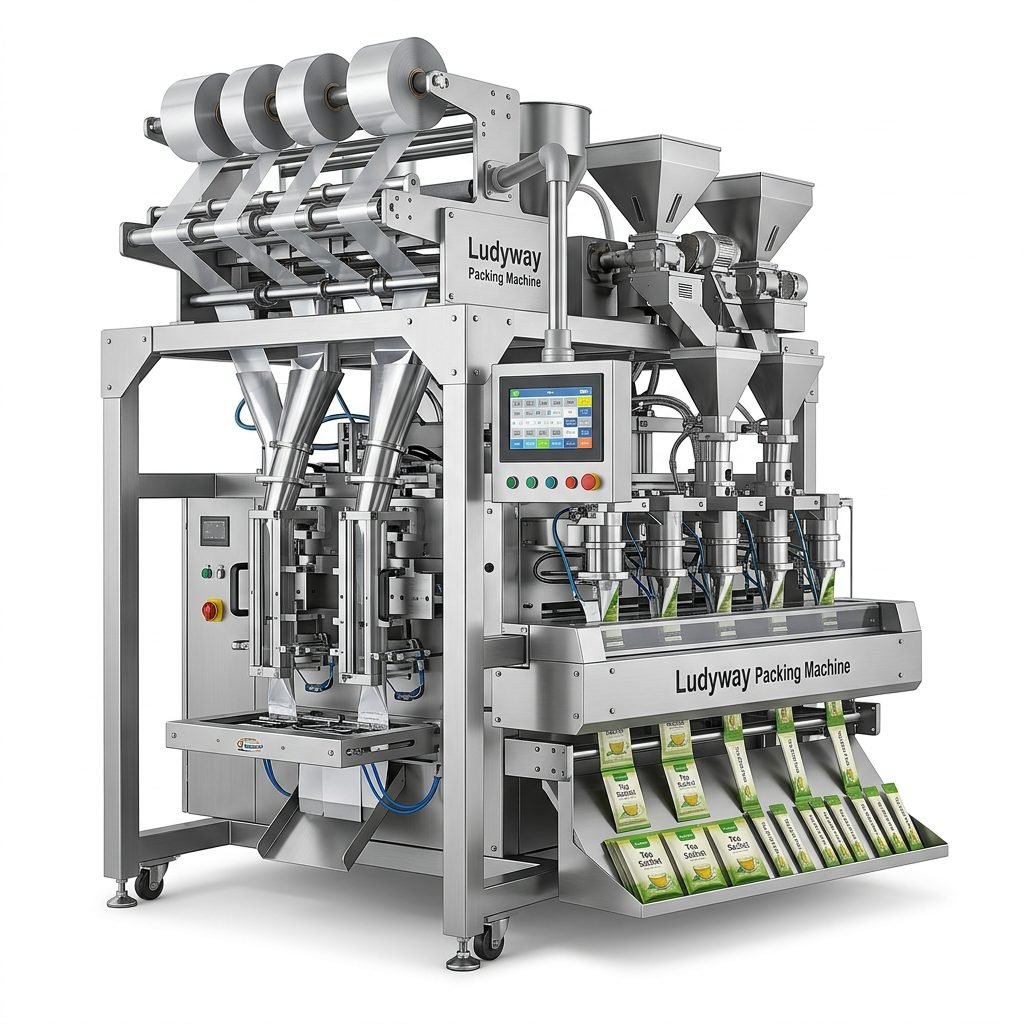
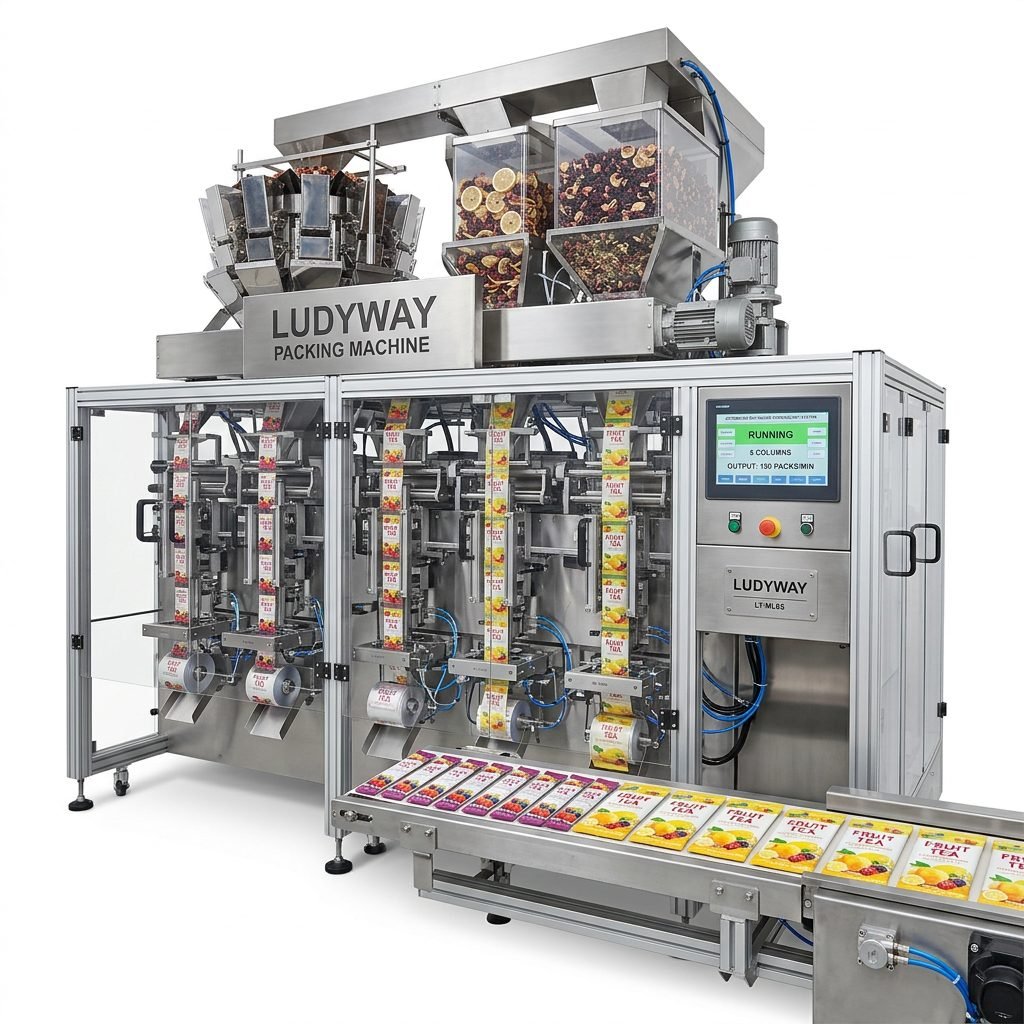
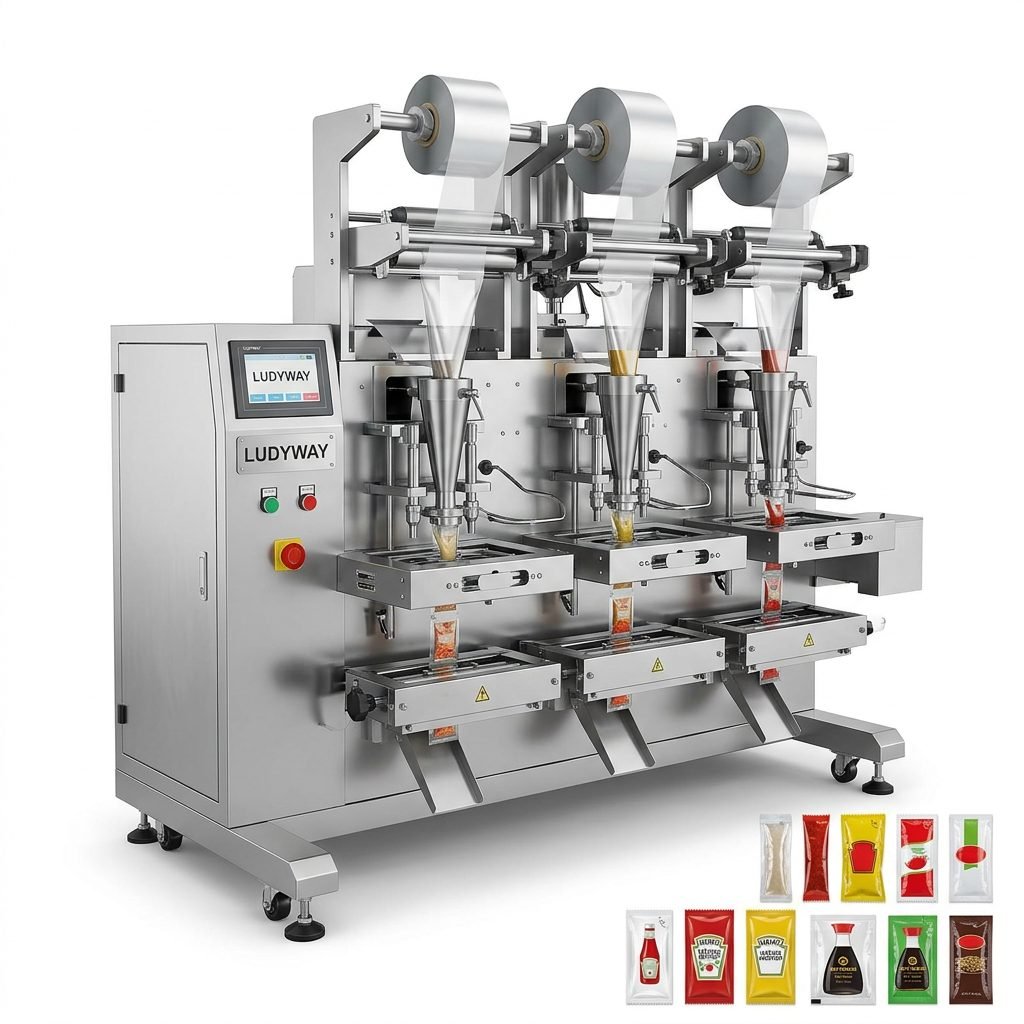
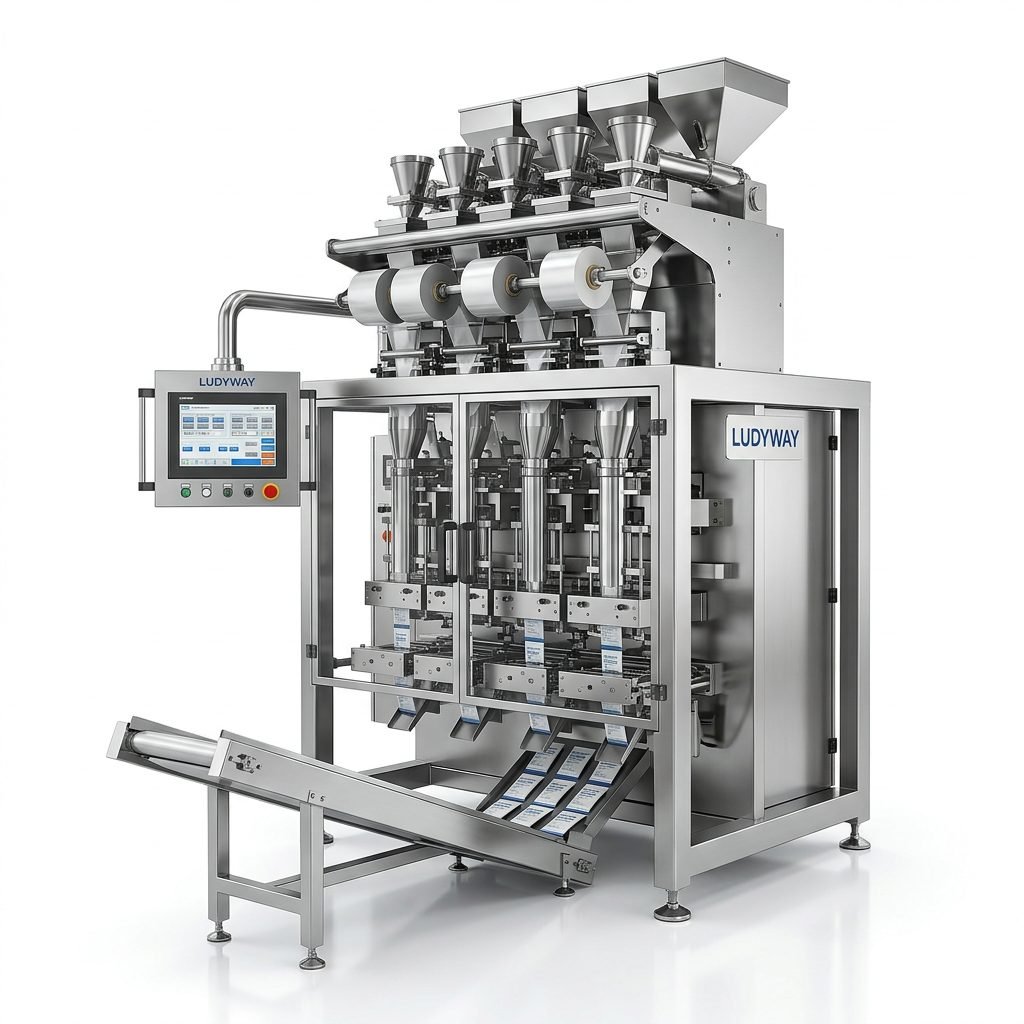
Investing in a manual tea sachet packing machine is a strategic decision for tea producers, herbal brands, and startups looking to enter the single-serve market. Unlike fully automated packaging systems, manual and semi-automatic machines offer a lower entry price point while still maintaining product integrity. So, how much does a manual tea sachet packing machine actually cost? The answer depends on multiple factors, including machine configuration, production capacity, material compatibility, and additional features.
Key Factors That Influence Manual Tea Sachet Packing Machine Costs
Before diving into specific price ranges, it’s essential to understand what drives cost variations. Whether you are packing loose leaf tea, pyramid bags, or flat sachets, the following elements will directly affect your investment:
- Machine Type and Automation Level: Purely hand-operated sealers cost considerably less than semi-automatic models with pneumatic controls or digital temperature regulation.
- Sealing Mechanism: Impulse sealers, constant heat sealers, and ultrasonic sealing technologies each carry different price tags, with ultrasonic sealing being the most expensive option.
- Sachet Format Compatibility: Machines capable of handling multiple sachet styles—flat pouches, three-side seal, four-side seal, or stand-up sachets—command higher prices.
- Material Versatility: Equipment that can process laminated films, non-woven fabrics, biodegradable materials, and aluminum foil laminates will typically be priced above single-material machines.
- Production Output: Tabletop manual models may produce 10–20 sachets per minute, while higher-end semi-automatic models can reach 30–50 sachets per minute, with costs scaling accordingly.
- Country of Origin and Build Quality: Packaging machinery manufactured in China, particularly by experienced companies with modern production facilities, often provides excellent cost-performance ratios compared to European or North American alternatives.
Price Range Overview: Manual Tea Sachet Packing Machines
The table below provides a general cost breakdown based on machine configuration and capability. Prices are approximate and intended to give buyers a realistic market perspective.
| Machine Category | Approximate Price Range (USD) | Typical Output (Sachets/Min) | Best Suited For |
|---|---|---|---|
| Hand-Operated Impulse Sealer | $80 – $400 | 5 – 15 | Home-based businesses, small tea boutiques, prototyping |
| Tabletop Manual Filling and Sealing Machine | $500 – $2,500 | 10 – 25 | Small-scale production, specialty tea shops, farmers markets |
| Semi-Automatic Tea Sachet Packing Machine | $2,500 – $8,000 | 20 – 50 | Growing tea brands, private label operations, medium-volume production |
| Multi-Function Manual Sachet System with Weighing | $6,000 – $15,000 | 15 – 35 | Herbal tea manufacturers, contract packaging, diversified product lines |
Manual vs. Semi-Automatic: Understanding the Cost-Performance Balance
Many first-time buyers confuse purely manual machines with semi-automatic models. A manual tea sachet packing machine in the strictest sense relies on the operator to fill product and initiate each sealing cycle. Semi-automatic machines, however, incorporate pneumatic or motor-driven actions that reduce operator fatigue and improve consistency. The price difference between these two categories can be substantial—often 2x to 5x—but so is the return on investment for businesses planning to scale.
What You Get When You Invest More
- Temperature Control Systems: Precise heat regulation prevents film damage and ensures consistent seal integrity, critical for preserving tea freshness.
- Adjustable Sachet Length: Higher-priced machines allow quick changeover between different sachet sizes without mechanical modifications.
- Date Coding and Batch Printing: Integrated hot foil stamping or thermal inkjet printing for traceability adds to machine cost but enhances brand professionalism.
- Stainless Steel Construction: Food-grade stainless steel frames and product contact parts, compliant with FDA food contact substance regulations, increase both price and durability.
- Nitrogen Flushing Capability: For tea products requiring extended shelf life, nitrogen gas flushing systems add moderate cost but deliver significant quality benefits.
Geographic Price Variations and Sourcing Considerations
The origin of your manual tea sachet packing machine significantly influences its cost. European-manufactured manual and semi-automatic machines can range from $8,000 to $30,000+, while comparable Chinese-made machines often fall between $1,500 and $12,000. The key is not just price but manufacturing quality, after-sales support, and spare parts availability. China has become a global hub for packaging machinery production, with manufacturers offering ISO-certified equipment that meets international standards for food-grade packaging.
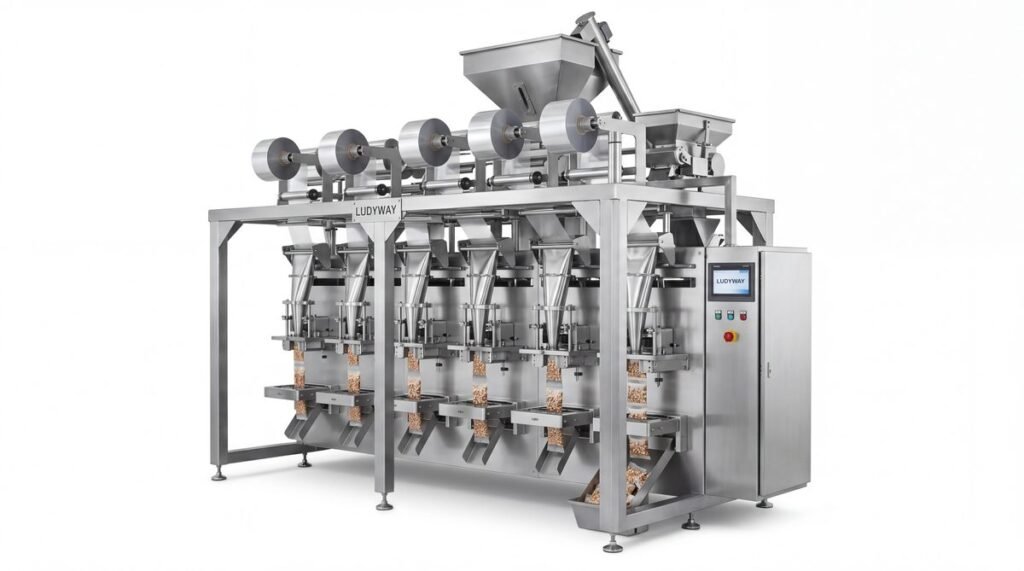
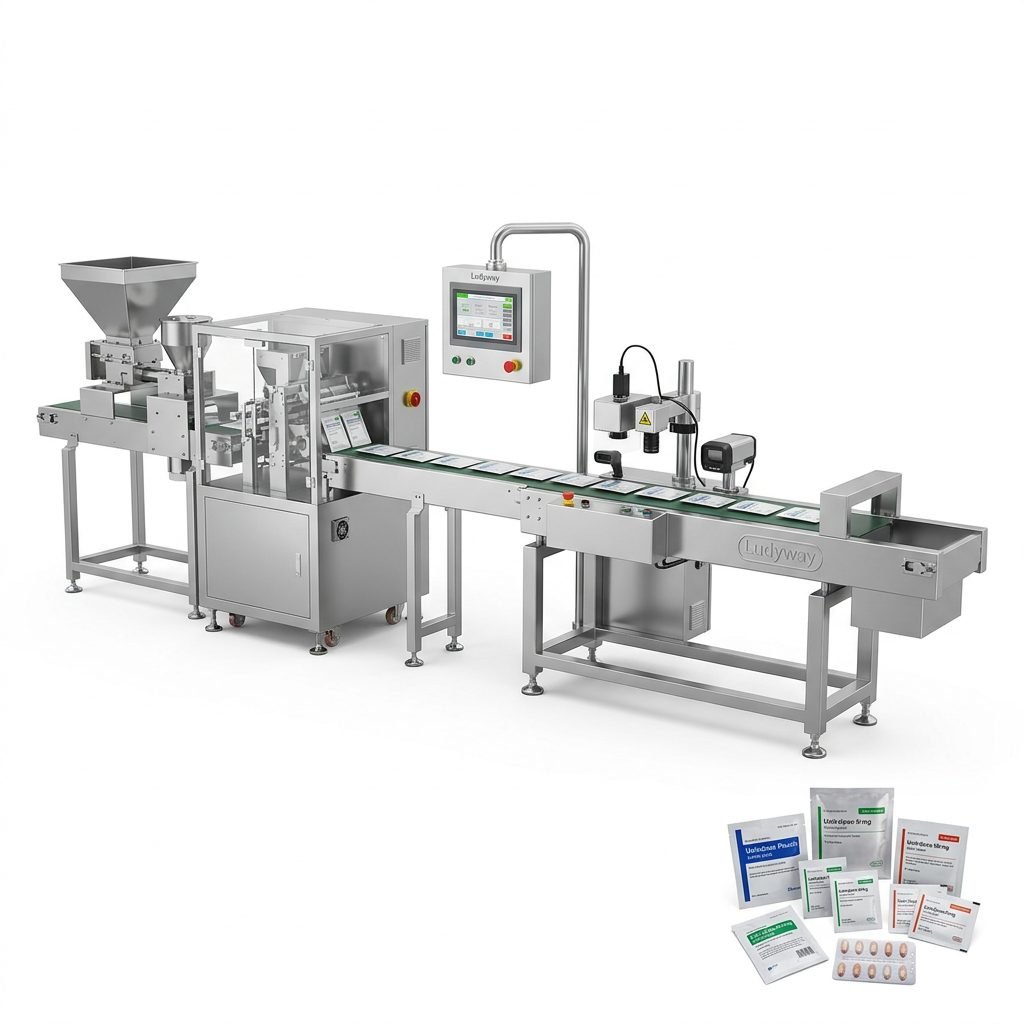
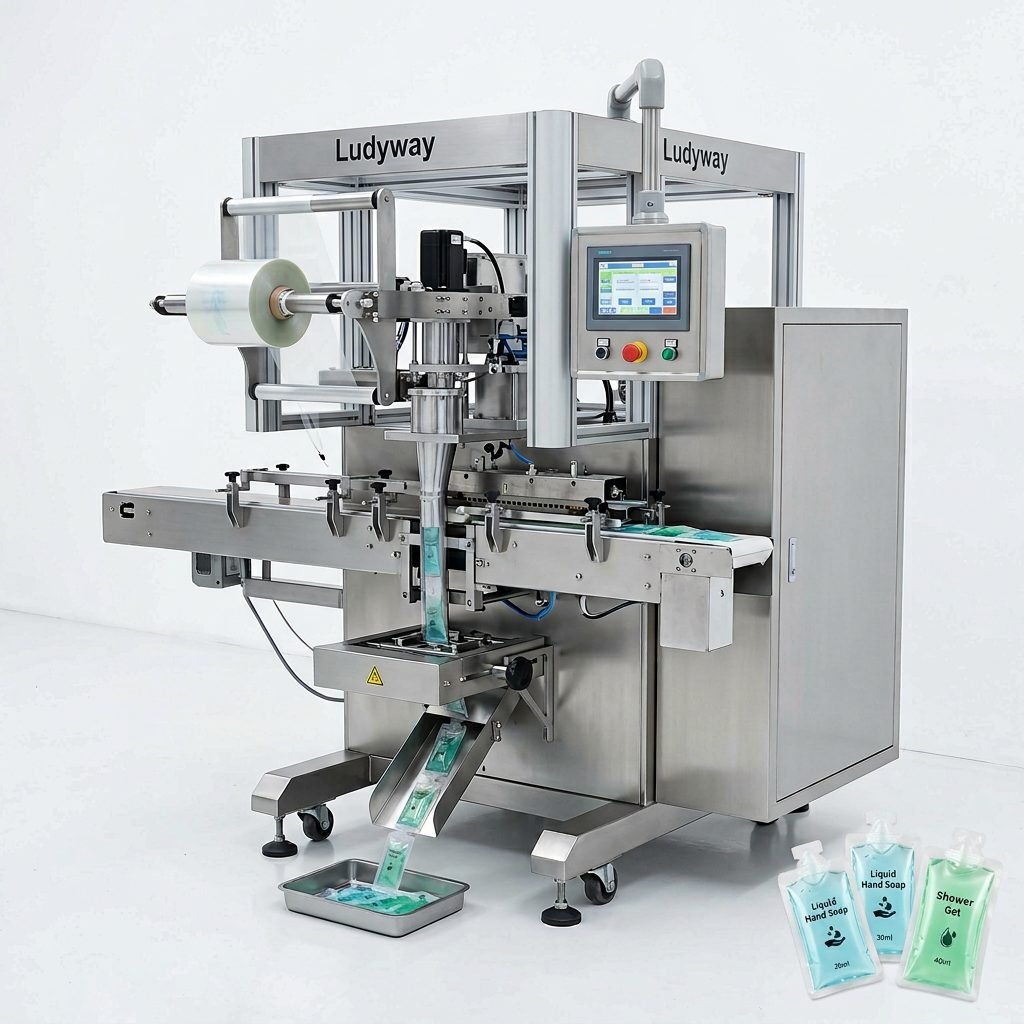
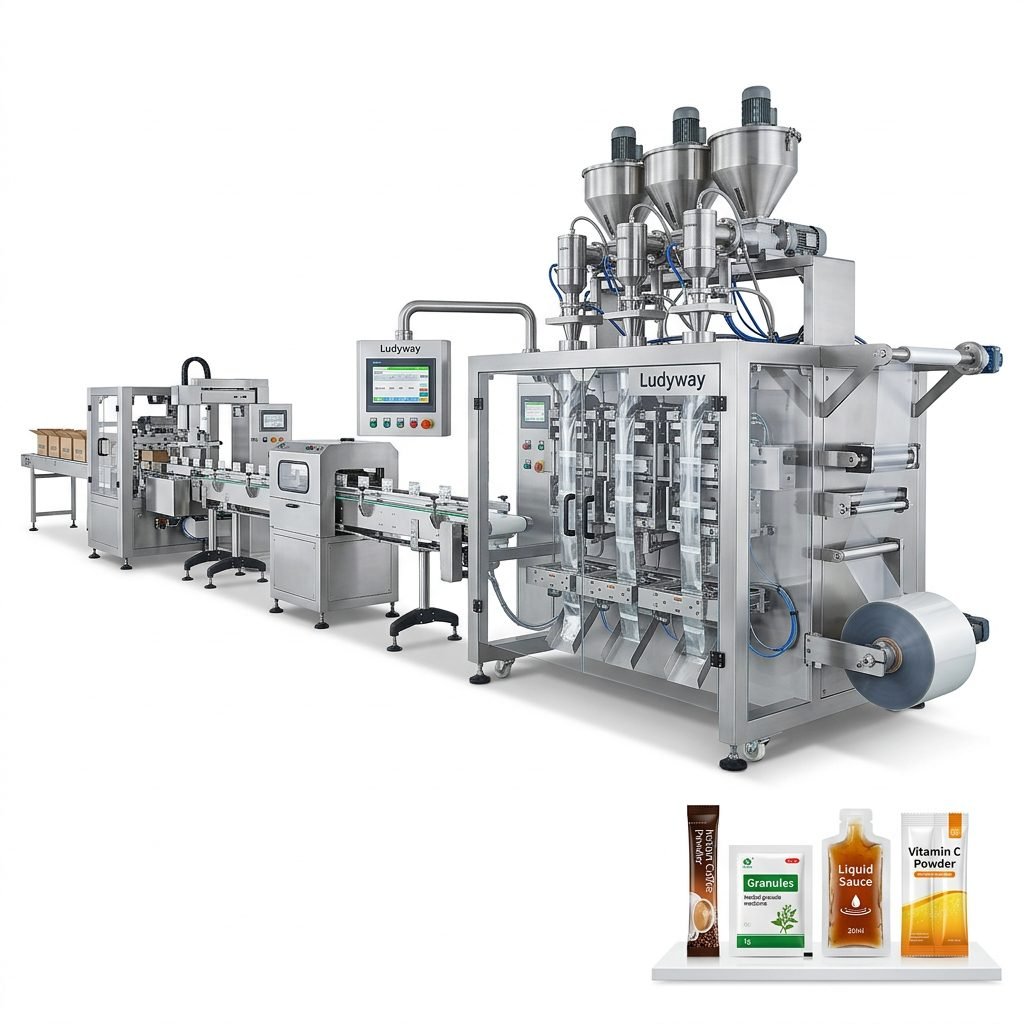
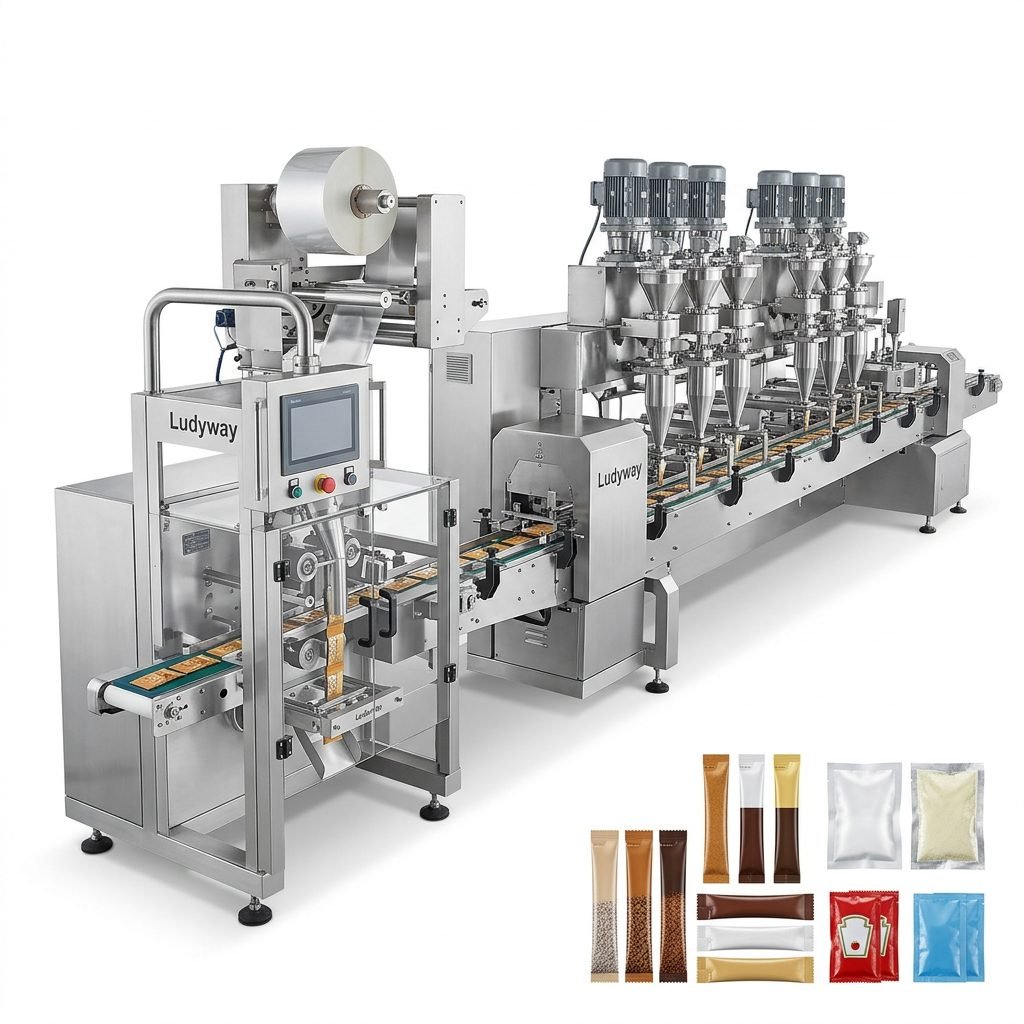
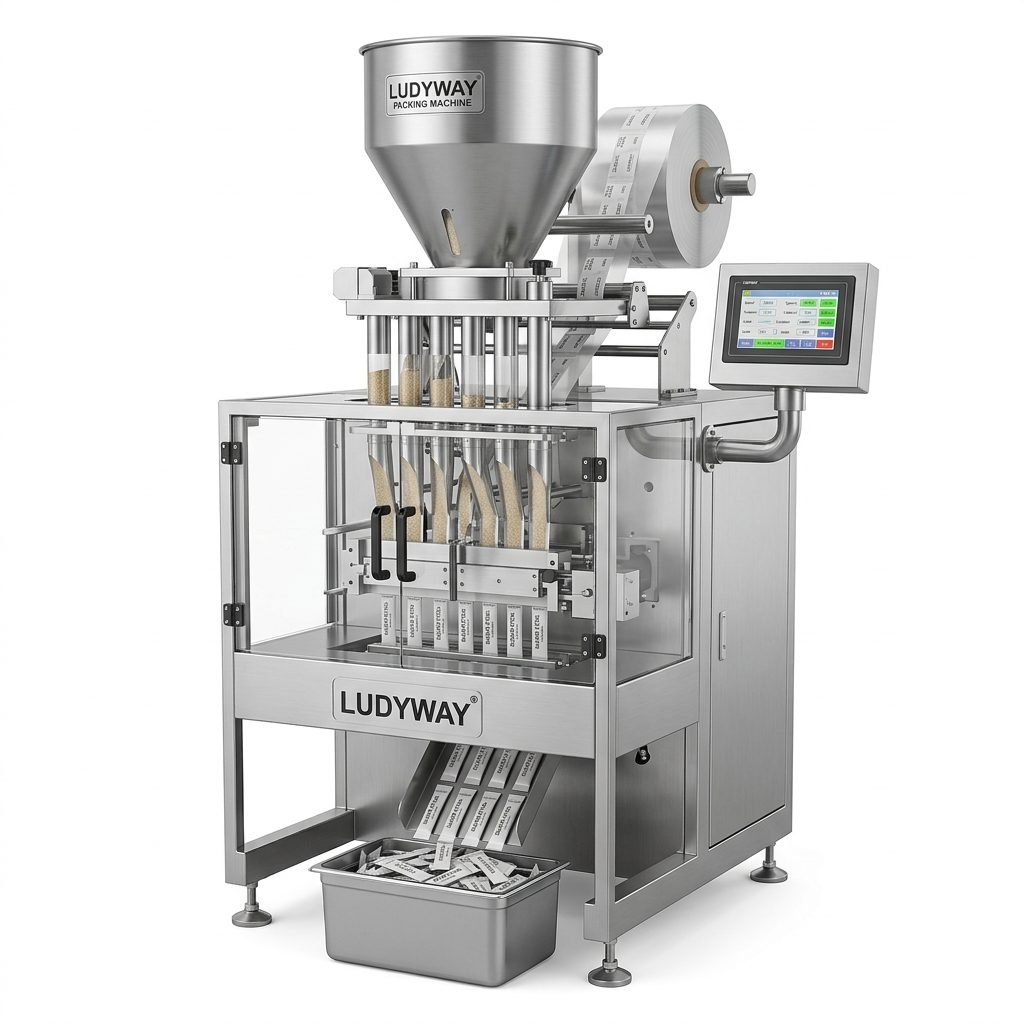
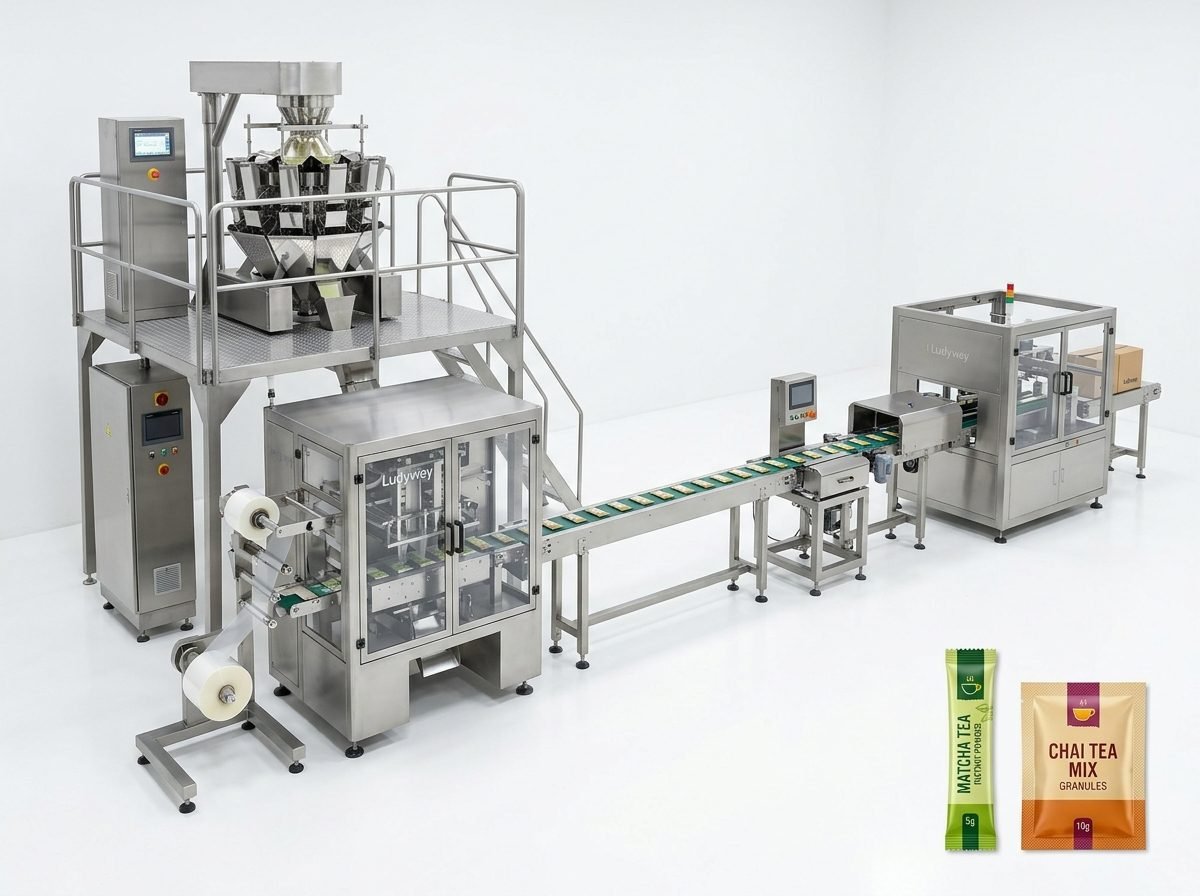
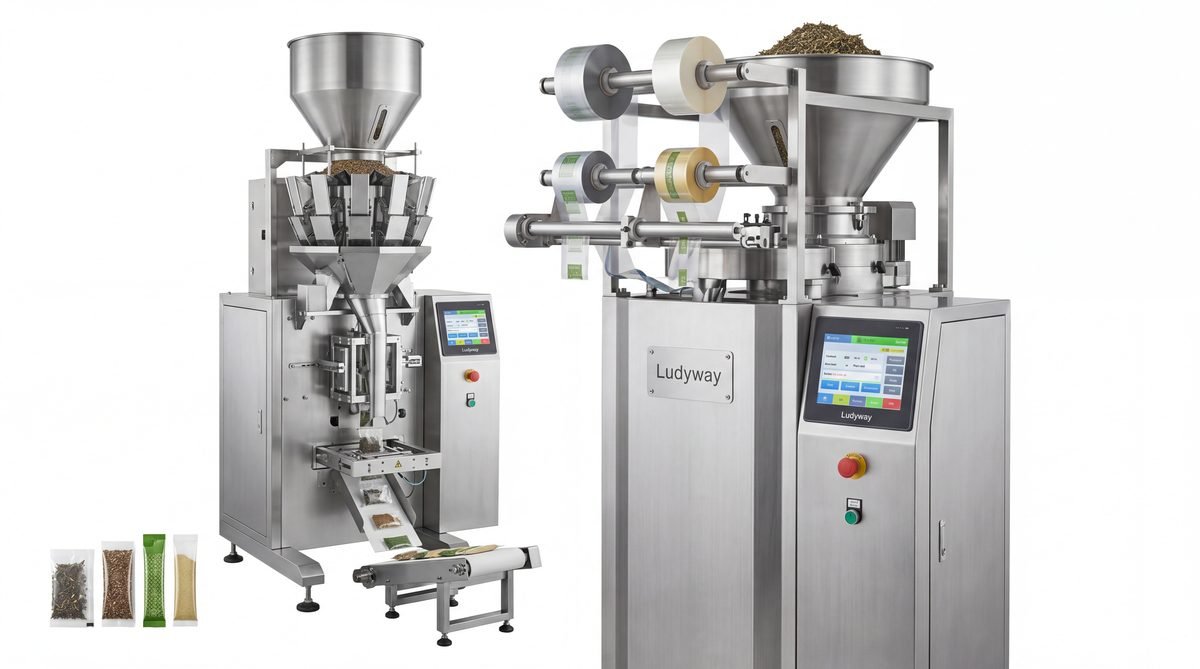
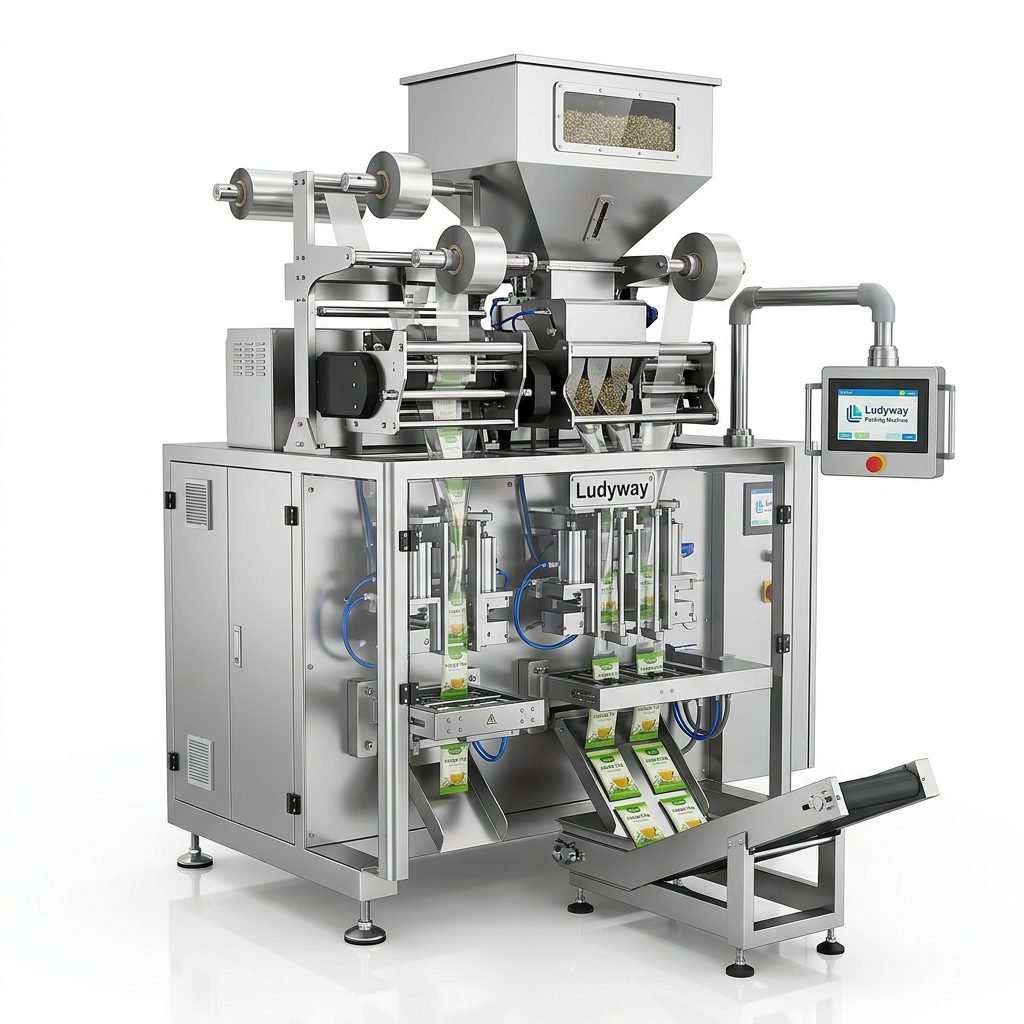
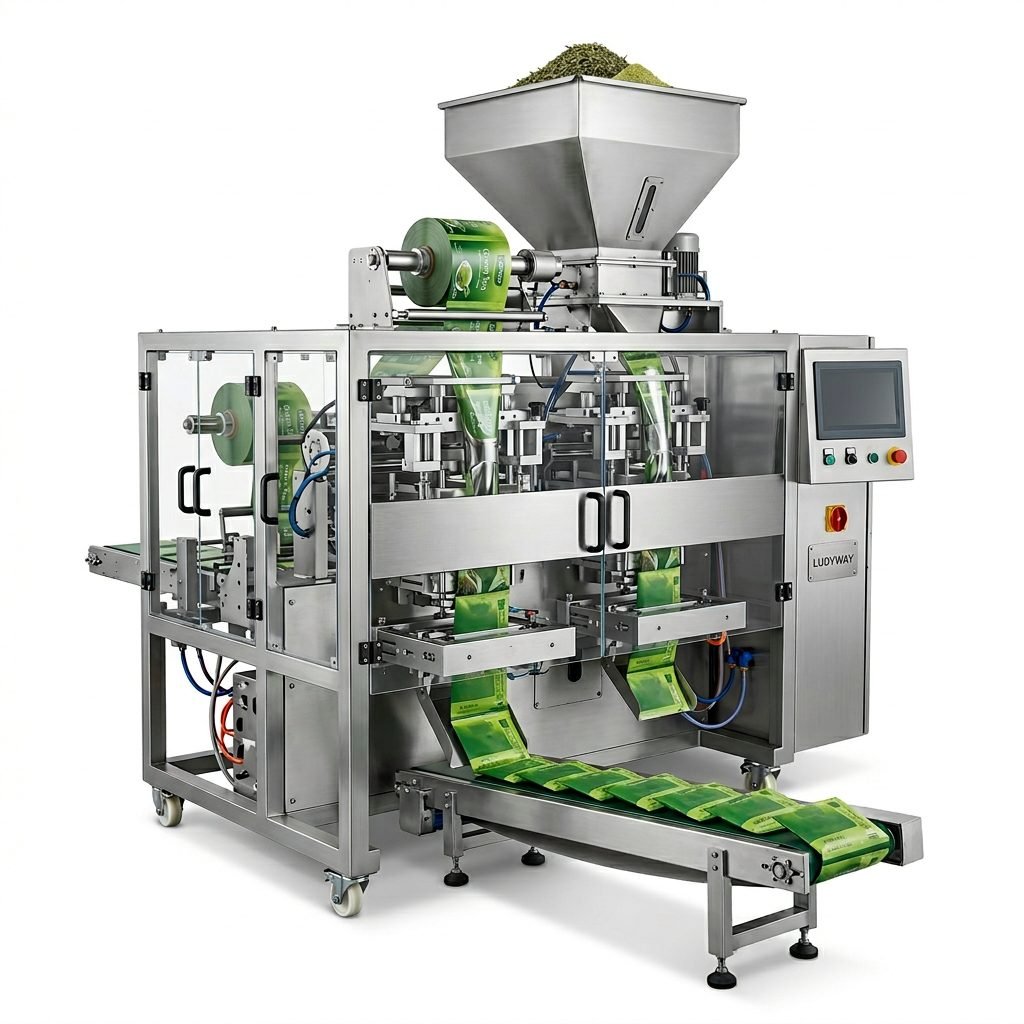
One notable example in the Chinese packaging machinery sector is Ludyway, which operates a modern 20,000㎡ manufacturing facility and provides over 50 intelligent packaging machine models for granule, powder, and liquid applications. Companies with this scale of operation can offer competitive pricing while maintaining rigorous quality control standards.
Additional Costs Beyond the Machine Purchase
When budgeting for a manual tea sachet packing machine, buyers should account for expenses beyond the equipment itself. These ancillary costs can significantly affect the total investment:
- Shipping and Logistics: International freight, import duties, and customs clearance fees can add 10%–25% to the machine price depending on the destination country.
- Installation and Training: While manual machines require minimal setup, some suppliers offer on-site training for an additional fee.
- Consumables and Spare Parts: Sealing belts, heating elements, cutting blades, and Teflon tapes are recurring expenses that vary by machine design.
- Packaging Film Material: The cost of flexible packaging materials suitable for tea sachets should be factored into the overall production budget.
- Regulatory Compliance Testing: Ensuring that your packaged tea meets local food safety packaging standards may require third-party laboratory testing.
Choosing the Right Machine for Your Tea Business
Selecting the optimal manual tea sachet packing machine requires aligning your current production needs with future growth plans. Consider the following decision framework:
For Startups and Home-Based Businesses
If you are producing fewer than 500 sachets per day, a hand-operated impulse sealer combined with a digital scale is often sufficient. These entry-level solutions cost under $500 and allow you to validate your product-market fit before scaling up. The learning curve is minimal, and maintenance involves simply replacing the heating element periodically.
For Growing Tea Brands
Once daily production exceeds 1,000 sachets, a semi-automatic tabletop machine in the $2,000–$6,000 range becomes a practical investment. These machines provide faster sealing cycles, better consistency, and often include features like adjustable temperature control and foot-pedal operation, freeing the operator’s hands for faster filling.
For Private Label and Contract Packaging
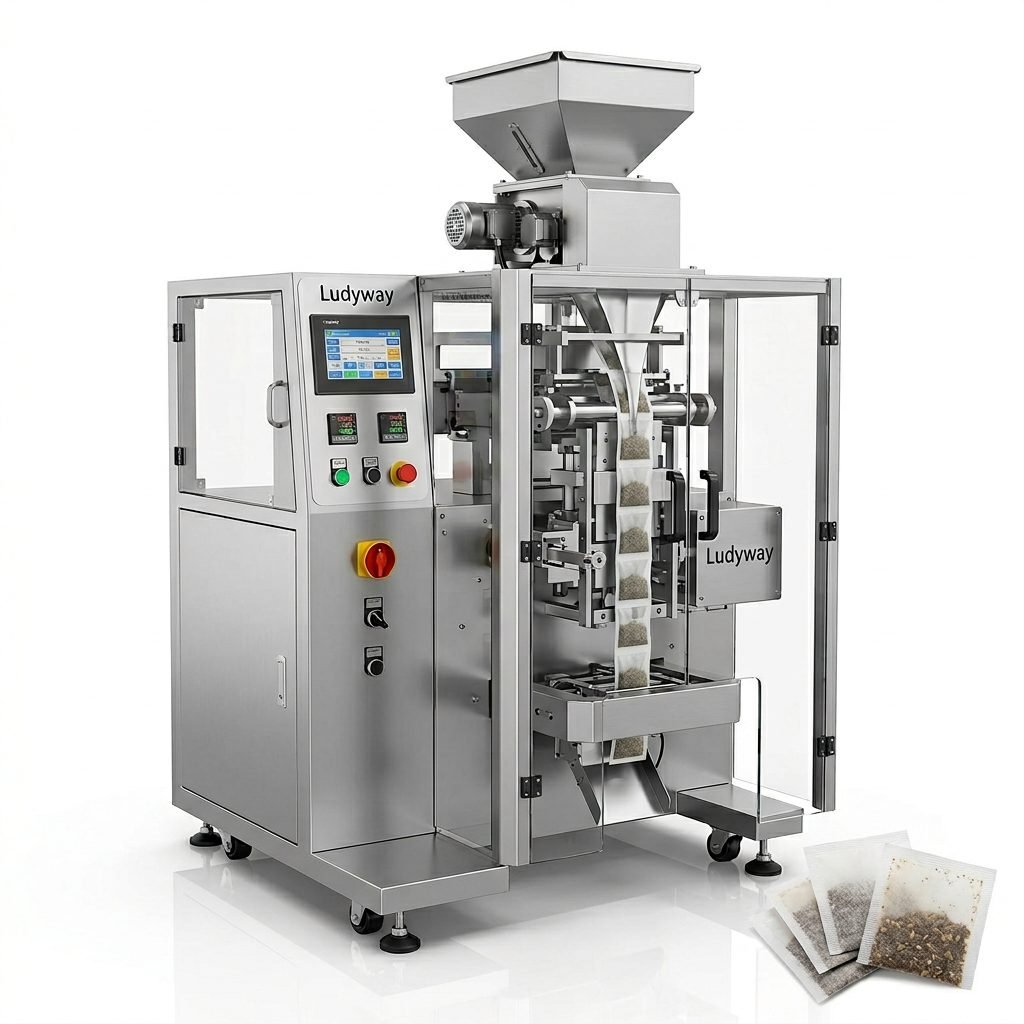
Businesses producing 3,000–10,000 sachets per day should consider semi-automatic multi-function systems that integrate weighing, filling, and sealing. While the upfront cost ranges from $8,000 to $15,000, the per-unit packaging cost drops significantly, improving margins. For high-volume operations considering a move toward automation, exploring packaging industry research resources can provide valuable market insights.
Key Technical Specifications to Evaluate
When comparing manual tea sachet packing machines, reviewing technical specifications thoroughly is essential. The following table outlines critical parameters and their impact on cost:
| Specification | Entry-Level | Mid-Range | Advanced Semi-Automatic |
|---|---|---|---|
| Sealing Width | Up to 200mm | 200–400mm | 400–600mm |
| Sachet Thickness Compatibility | Single layer films only | Multi-layer laminates | All standard films including aluminum foil |
| Control System | Manual temperature dial | Digital PID controller | PLC with touchscreen interface |
| Frame Material | Painted steel | 304 stainless steel (partial) | Full 304 stainless steel construction |
| Certifications | CE basic compliance | CE, ISO 9001 | CE, ISO 9001, GMP-ready design |
Industry Trends Affecting Manual Tea Sachet Machine Demand
The global tea market continues to expand, with specialty and functional teas driving demand for flexible, small-batch packaging solutions. According to PMMI state of the industry reports, the packaging machinery sector has seen steady growth in the food and beverage segment, with manufacturers increasingly seeking equipment that balances affordability with functionality. This trend has strengthened the market position of manual and semi-automatic tea sachet packing machines, particularly in emerging markets and among artisanal tea producers.
Several factors contribute to the sustained demand for manual machines:
- Rising popularity of single-origin and specialty teas requiring small-batch packaging flexibility.
- Increased emphasis on sustainable packaging, with flexible packaging associations reporting growing interest in biodegradable and compostable tea sachet materials.
- Direct-to-consumer tea subscription models creating demand for in-house packaging capabilities.
- E-commerce growth enabling small tea brands to reach global customers, increasing the need for professional packaging equipment.
Common Questions About Manual Tea Sachet Packing Machine Investment
Can a manual machine pack pyramid tea bags?
Standard manual impulse sealers are designed for flat sachets. Pyramid tea bag production requires specialized machinery with ultrasonic sealing technology and complex folding mechanisms, which typically fall into the automatic machine category with significantly higher price points.
What is the typical payback period for a manual tea sachet machine?
For small tea businesses producing 500–2,000 sachets daily, a semi-automatic machine in the $2,500–$5,000 range can achieve payback within 6–12 months through labor savings and increased production capacity. The calculation depends heavily on product margins and sales volume.
Are manual machines suitable for organic tea certification requirements?
Yes, provided the machine is constructed with food-grade materials and proper cleaning protocols are followed. Many organic certifiers require documentation showing that equipment is dedicated to organic production or has been thoroughly cleaned between conventional and organic runs. The FDA food contact substance guidelines and ISO packaging standards provide useful reference frameworks.
How difficult is it to maintain a manual tea sachet machine?
Manual and semi-automatic machines are relatively low-maintenance compared to fully automatic high-speed lines. Routine tasks include cleaning sealing surfaces, inspecting heating elements, and replacing wear parts like Teflon covers and cutting blades. Most operators can perform basic maintenance without specialized training.
Can I upgrade from a manual to a fully automatic system later?
Absolutely. Many tea businesses begin with a manual tea sachet packing machine to test the market and reinvest profits into automatic equipment as demand grows. This staged investment approach minimizes risk while building brand presence and customer base. When the time comes to upgrade, industry reports from PMMI can provide helpful guidance on market trends and technology evolution.
Making Your Final Decision: A Practical Checklist
Before finalizing a purchase, review the following checklist to ensure your chosen manual tea sachet packing machine meets both current and anticipated needs:
- Verify film compatibility — test your specific tea packaging film on the machine before committing.
- Confirm sachet size flexibility — can the machine accommodate your planned range of sachet dimensions?
- Evaluate seal quality consistency — request sample sachets sealed by the machine for inspection.
- Check warranty terms — especially for heating elements, electronic controls, and pneumatic components.
- Assess spare parts availability — ensure critical components can be sourced quickly to minimize downtime.
- Review after-sales support — verify that the supplier provides technical support, operation manuals in your preferred language, and responsive customer service.
- Consider scalability — choose a machine that can handle at least 30% more capacity than your current peak demand.
The cost of a manual tea sachet packing machine is just one factor in a broader investment decision. By carefully evaluating production requirements, material compatibility, build quality, and supplier reliability, tea businesses can select equipment that delivers excellent value and supports long-term growth. Whether you start with a simple impulse sealer or invest in a sophisticated semi-automatic system, the right machine will become a foundational asset in your tea packaging operation.