Investing in an aerosol filling machine is a significant decision that impacts your production efficiency, product quality, and long-term operational costs. Whether you are launching a new product line or scaling an existing one, understanding the technical nuances is critical. This guide breaks down the key factors, from propellant types to production speed, ensuring you select equipment that aligns perfectly with your manufacturing goals.
Understanding Your Production Requirements
Before evaluating specific machinery, you must clearly define your production landscape. Start by analyzing your product viscosity, as thin liquids like deodorants require different filling principles compared to thick foams or gels. Equally important is the propellant system you intend to use—liquefied petroleum gas (LPG) demands robust safety mechanisms that compressed air systems might not need.

Calculating Target Production Speed
Output capacity is measured in cans per minute (CPM). Small-scale pilot lines might function adequately at 10-20 CPM, whereas high-volume manufacturers require automated lines exceeding 100 CPM. You should also account for changeover time between different can sizes or formulations, as this directly impacts your Overall Equipment Effectiveness (OEE).
- Pilot Scale: 10 – 20 CPM
- Mid-Scale Production: 30 – 60 CPM
- High-Capacity Lines: 80 – 150+ CPM
Key Filling Technologies Explained
The heart of your line is the filling mechanism. The choice between under-the-cap (UTC) filling and pressure filling is fundamental. UTC systems are standard for products that require a propellant to be pressurized through the valve stem, while pressure filling is often better suited for viscous products.
| Feature | Under-the-Cap (UTC) | Pressure Filling |
|---|---|---|
| Best For | Standard liquids, paints, insecticides | Viscous products, shaving foams, hair mousses |
| Filling Principle | Propellant injected through the valve | Propellant mixed into the concentrate before sealing |
| Speed Range | Up to 200 CPM | Up to 80 CPM |
| Pressure Rating | High-pressure specification | Moderate-pressure specification |
The Importance of the Water Bath Test
Safety is non-negotiable. A hot water bath is a standard inspection step to check container integrity and ensure the can withstands elevated pressures. Ensure your selected machine either integrates a certified water bath or you have a standalone compliant unit. For a deeper look at packaging machinery standards, refer to resources provided by PMMI – The Association for Packaging and Processing Technologies.
Container and Valve Compatibility
Not all machines handle all can diameters. A critical specification is the diameter range and can height capabilities. Verify if the gasser shaker suits standard 1-inch valves or if you require adaptations for bag-on-valve (BOV) systems, which are becoming increasingly popular for medical and food products. Flexible packaging machinery design is essential for future-proofing your investment.
Material Construction and Corrosion Resistance
Aerosol compounds can be corrosive. Machines constructed from 316L stainless steel are mandatory for water-based formulas or harsh chemicals. Standard stainless steel 304 might suffice for alcohol-based or solvent products. Pay close attention to seals and gaskets, ensuring they are chemically compatible with your specific propellant and concentrate.
Automation and Ancillary Equipment Integration
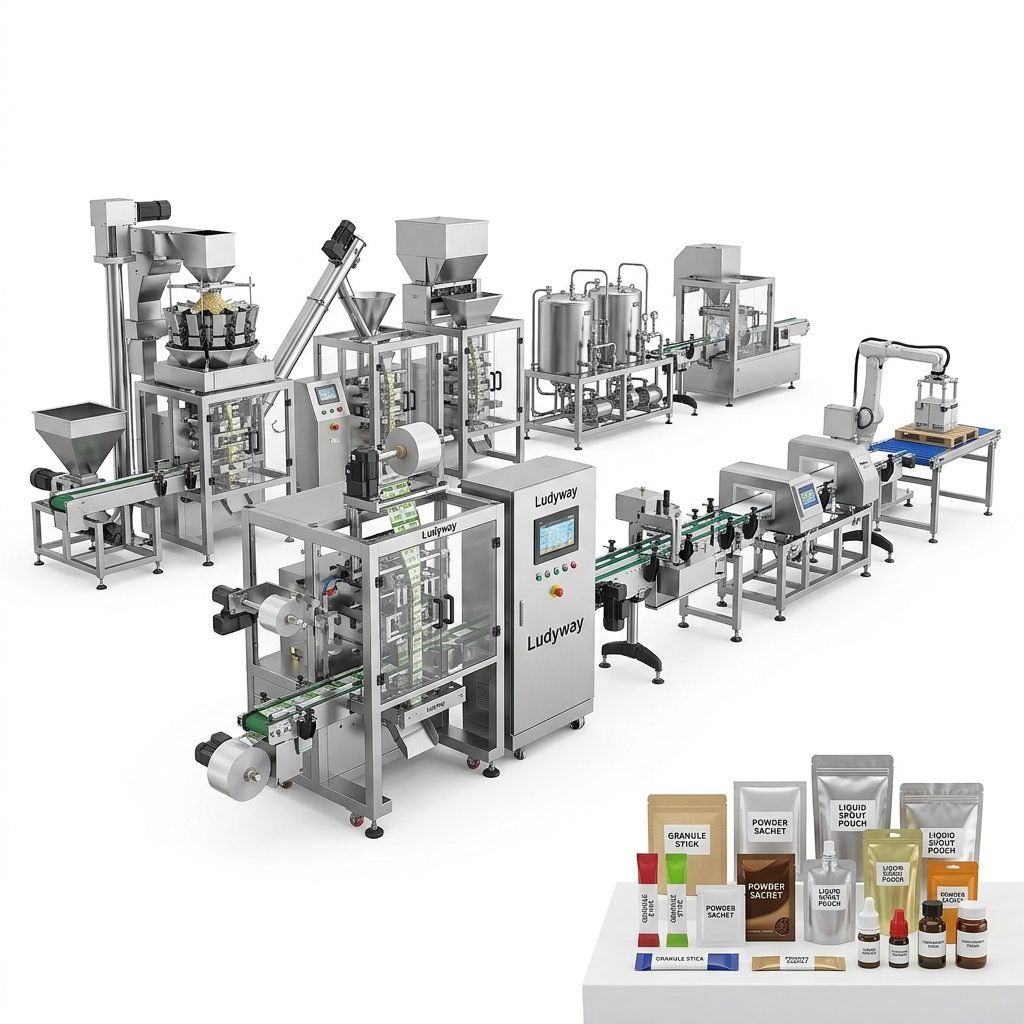
A modern aerosol filling line is far more than just a filler. You need synchronized integration between the can feeder, cleaner, filling station, valve placer, crimper, gasser, and capping system. Look for control interfaces that allow centralized parameter management. Additionally, consider inline inspection equipment such as checkweighers and leak detectors to comply with ISO packaging standards.
Advanced Automation Protocols
Industry 4.0 is reshaping packaging lines. Seek features like servo-driven motors for precision dosing and fast changeover. Remote diagnostics and data acquisition capabilities can significantly reduce downtime. For manufacturers looking to optimize their entire packaging process, integrating a turnkey solution from a single machinery partner often ensures better compatibility and service thread.
Regulatory Compliance and Safety Standards
Operating with flammable propellants places the machine in a classified hazardous location. You must verify ATEX or NFPA compliance. The electrical panels, ventilation, and gas detection systems must meet stringent safety codes. You can find guidance on packaging requirements through resources like the European Commission’s Packaging and Packaging Waste Regulation.
Evaluating Total Cost of Ownership (TCO)
While the initial capital expenditure is a key metric, the focus should be on TCO. Calculate the cost of spare parts, the expected lifespan of consumable components like sealing jaws, and the energy consumption of the line. Downtime is the hidden killer of profitability; a machine with a slightly higher purchase price but superior reliability almost always wins in the long term.
- Initial Price: Machine, delivery, and installation.
- Operational Costs: Power, compressed air, propellant loss, labor.
- Maintenance: Preventive plans, technician availability, spare part inventory.
Supplier Technical Support and Experience
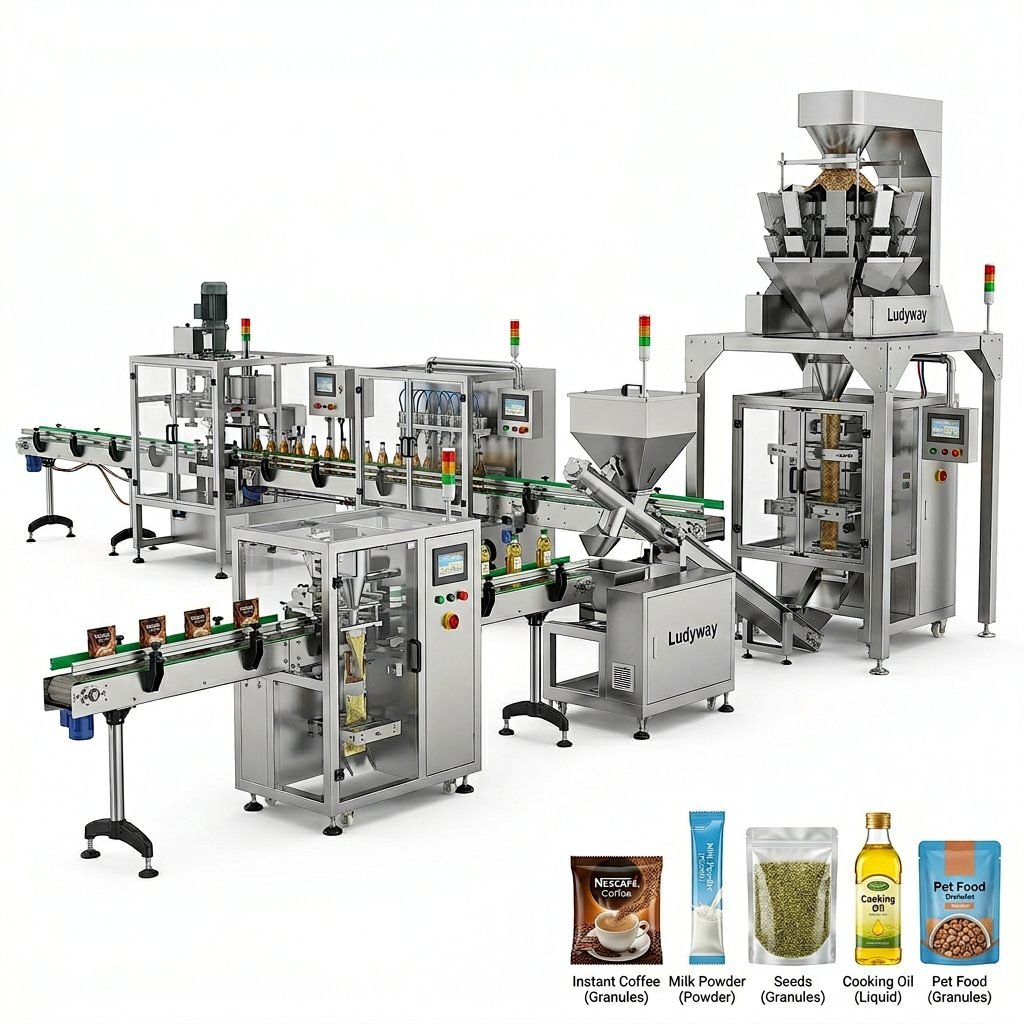
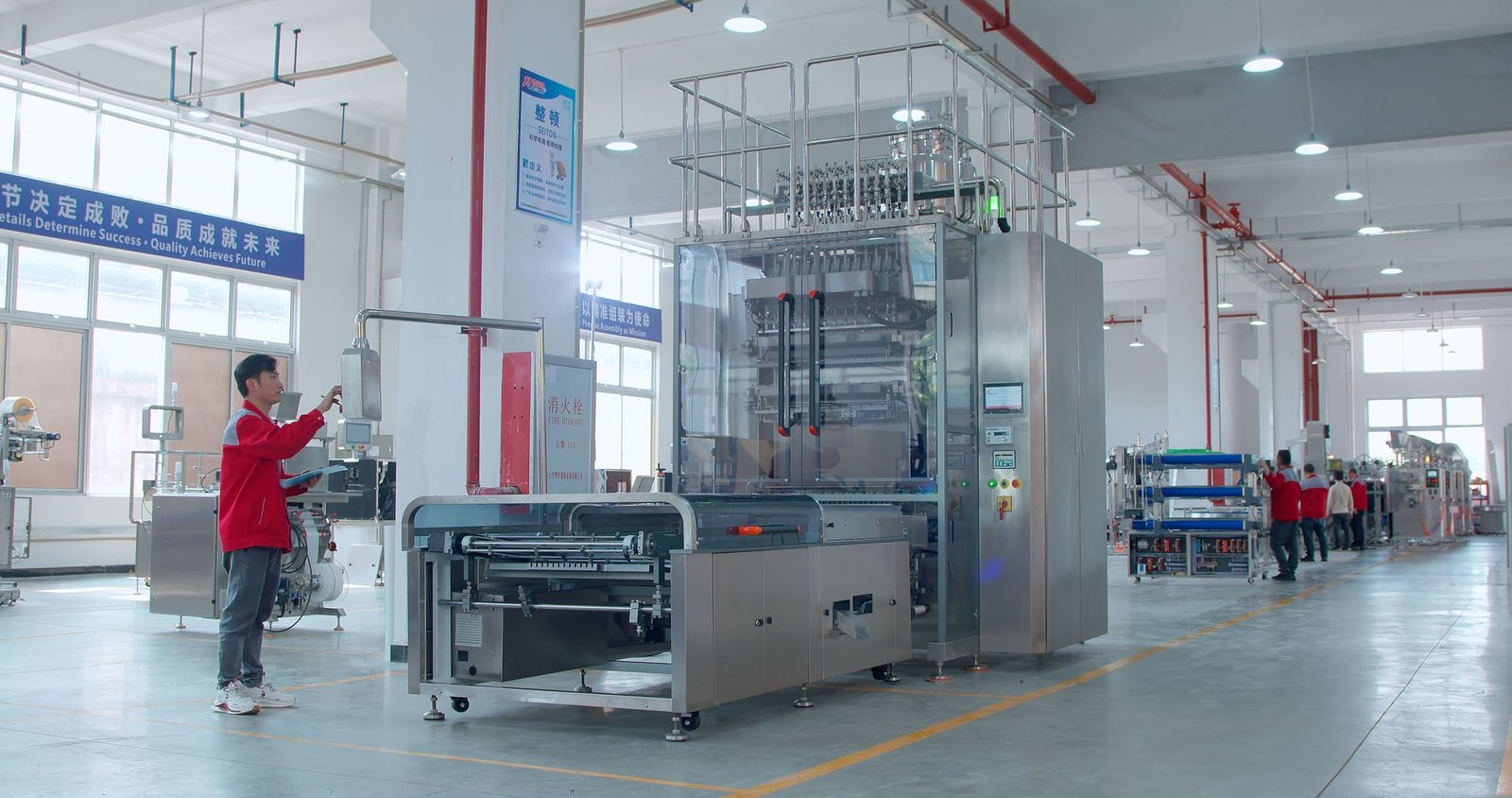
A supplier’s engineering depth is critical. A partner with significant industry tenure understands the intricacies of propellant handling and can offer customized engineering for unique can shapes or chemical blends. For instance, Ludyway Machinery, with its extensive manufacturing facility and more than three decades of packaging industry experience, provides a level of application knowledge that helps clients navigate these complex technical requirements, ensuring the equipment configuration is optimized for safety and output efficiency.
Review the latest industry trends and machine innovation benchmarks through bodies like the PMMI Business Intelligence Library.
The Customization Factor
Standardized machinery rarely fits perfectly. Custom engineering is often required to handle micro-cylinders, high-pressure oxygen cans, or dual-dispensing systems. Evaluate whether the manufacturer offers true industrial customization—from mechanical design to control systems—rather than merely offering a limited menu of standard options. This flexibility ensures the aerosol line scales with your future product innovation.
Final Selection Checklist
- Validate propellant compatibility and hazardous area certification (ATEX/NFPA).
- Confirm CPM rates with an acceptable margin above your current maximum need.
- Inspect material contact parts and specify stainless steel grade for longevity.
- Review the supplier’s global service and spare parts distribution network.
- Request a factory acceptance test (FAT) to witness the line run your actual product.
Optimizing for Flexible Packaging Transitions
If your production roadmap includes switching between traditional aerosol cans and other formats, consider modular machinery. The regulatory landscape for flexible packaging and pressure vessels is continuously evolving, and staying informed via the Flexible Packaging Association helps you anticipate market shifts and maintain compliance across all packaging types.
Making the Final Decision
Selecting the right aerosol filling machine is an exercise in technical detail and strategic foresight. Move beyond the simple question of “how fast does it go?” and investigate the engineering integrity, safety systems, and chemical compatibility. A data-driven selection process ensures not just a machine purchase, but a reliable production partnership that keeps your products competitive in a demanding global market.