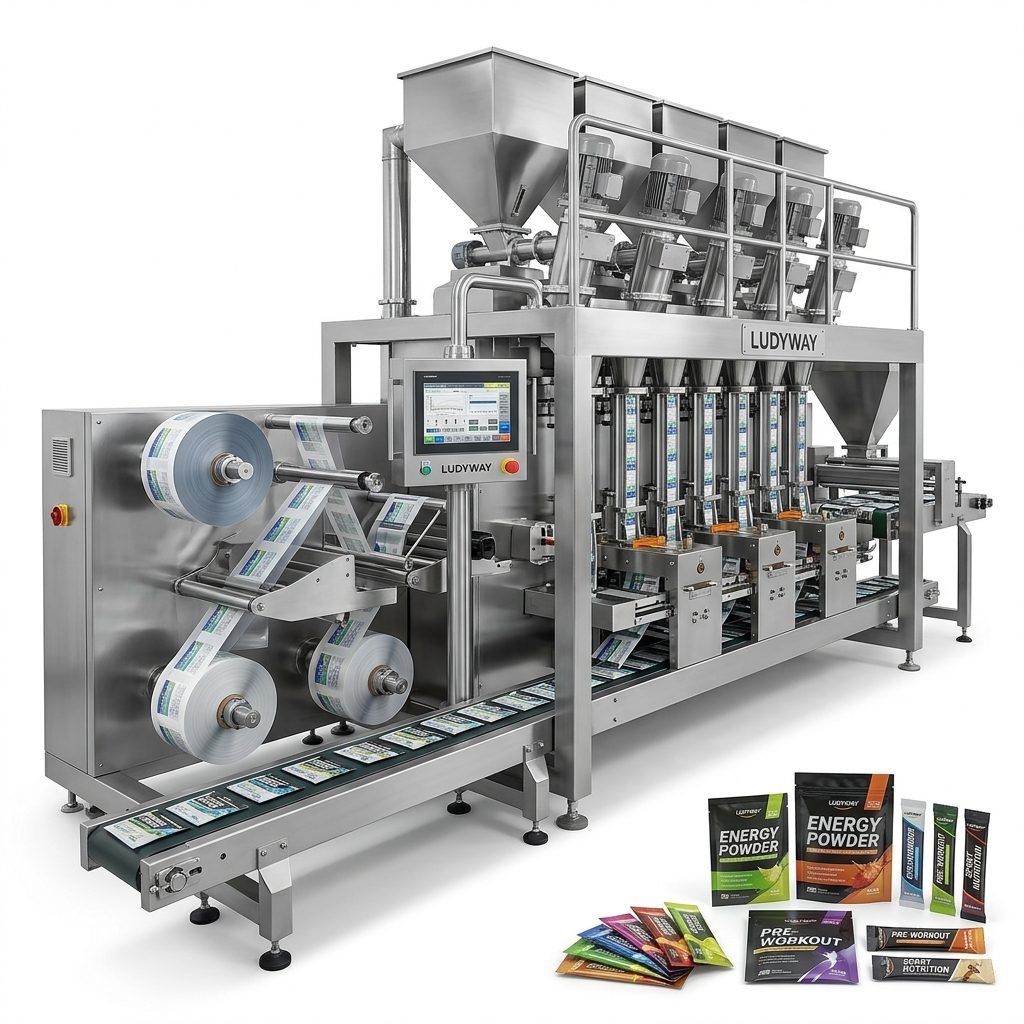
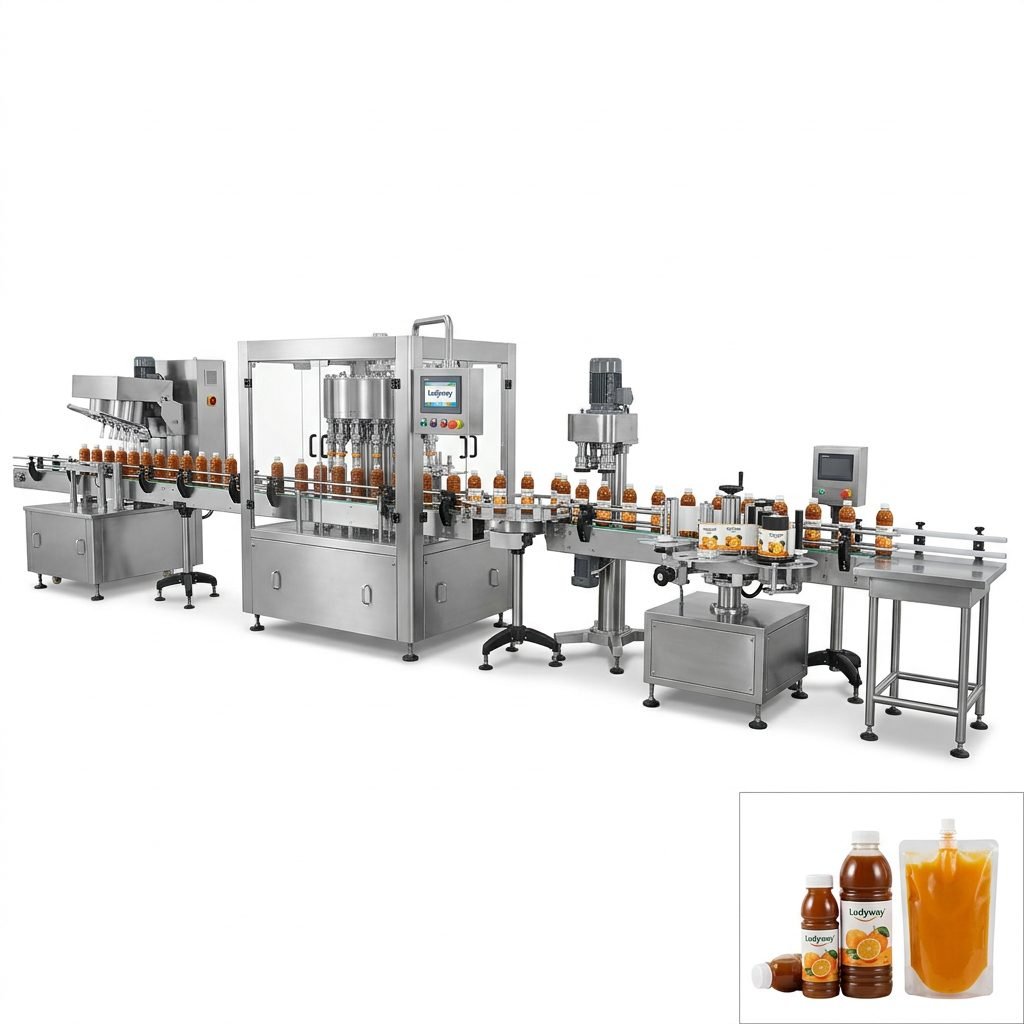
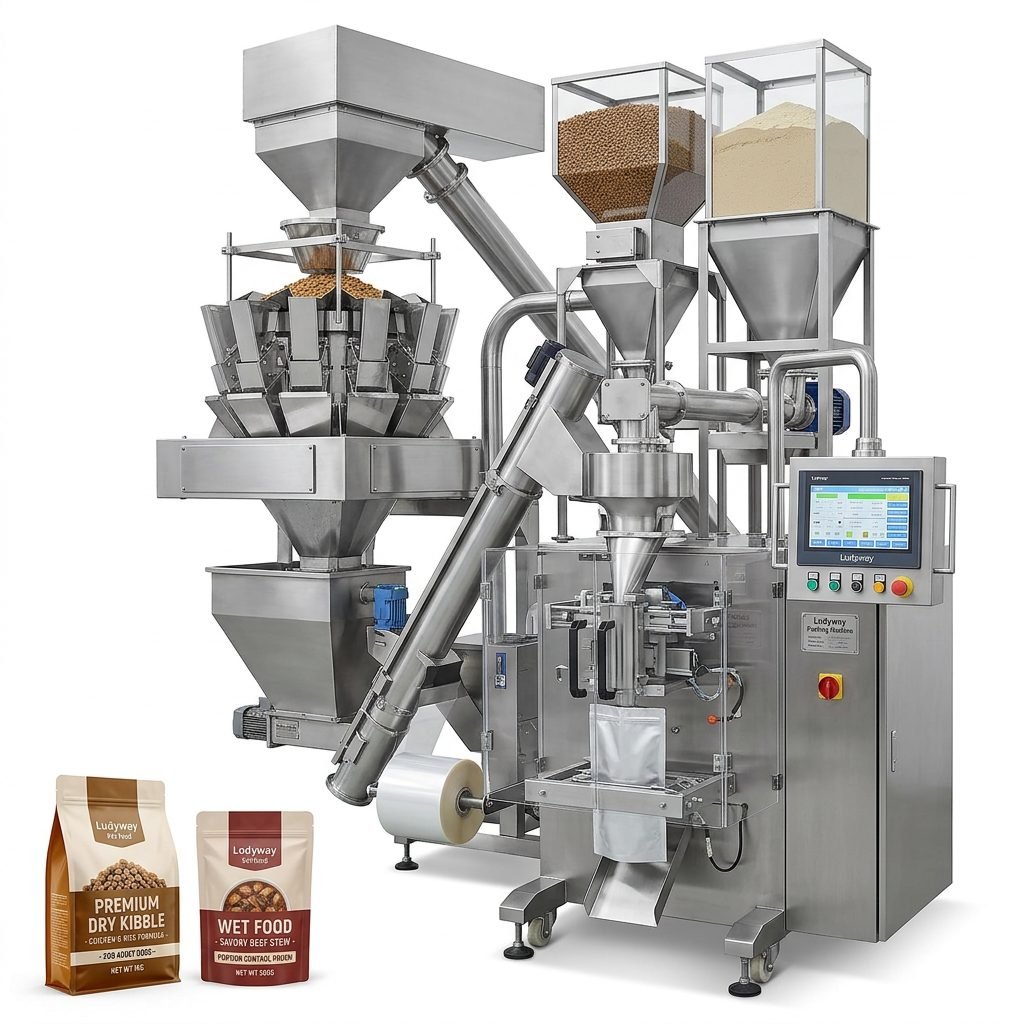
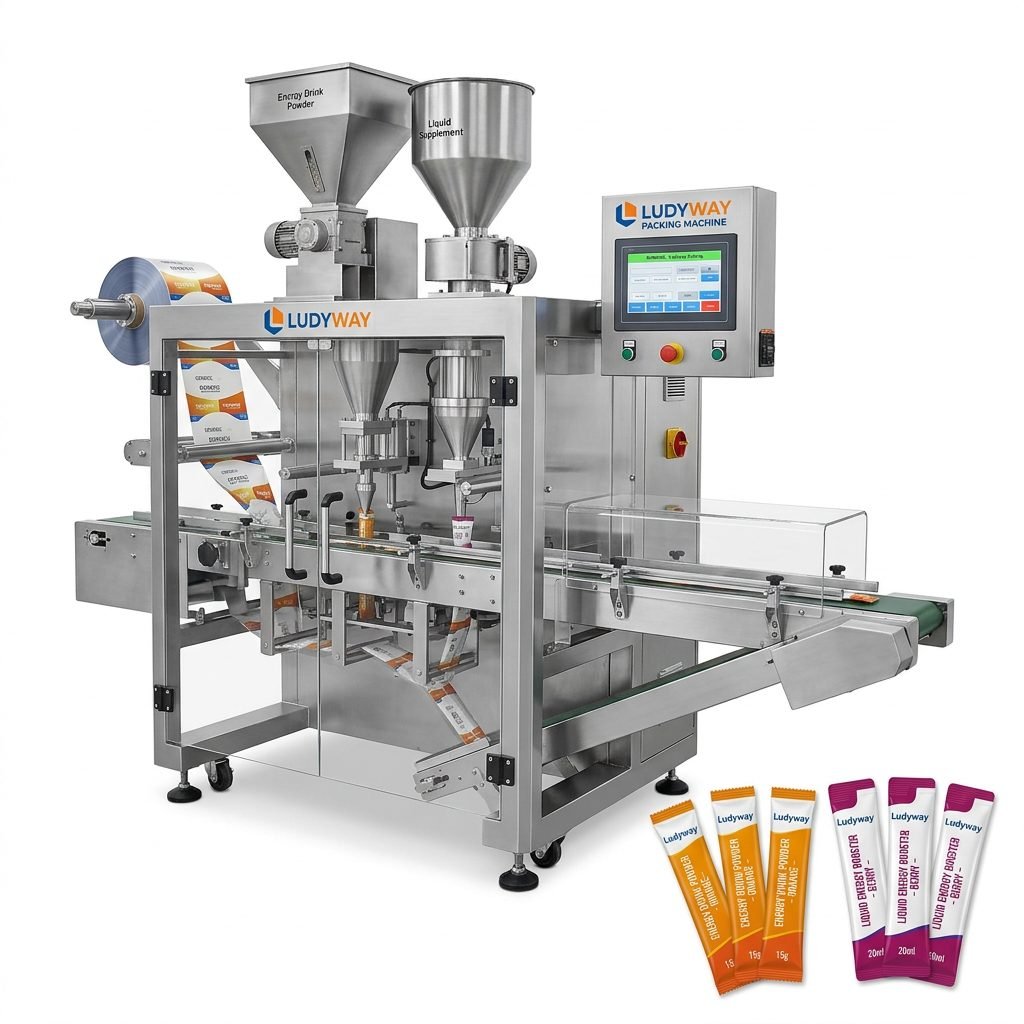
Investing in a semi-automatic tea packaging machine is a strategic decision for tea producers, distributors, and private label brands aiming to scale operations while maintaining product quality. The cost of these machines is not a single fixed number—it fluctuates based on a range of technical specifications, production capacity, and the physical characteristics of the tea being packaged. Understanding the variables that drive pricing will help you allocate budget effectively and avoid overpaying for features you do not need.
Key Factors Influencing Machine Price
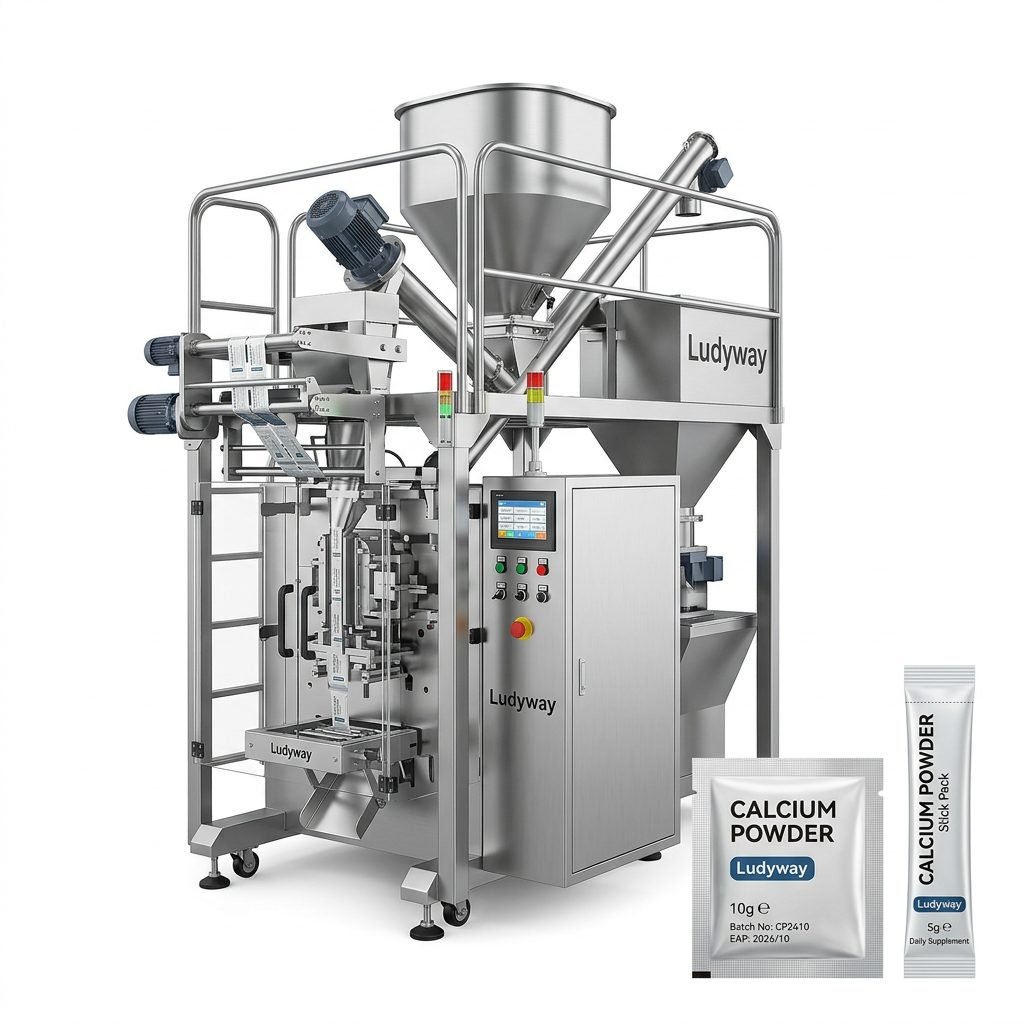
Before examining specific numbers, it is essential to grasp the core engineering and commercial elements that dictate the final quote. A semi-automatic tea packaging machine typically requires manual intervention for bag loading or product feeding, while automating the filling, sealing, and often the cutting process. The price is primarily driven by the weigher type, the construction material, and the speed.
- Weighing System Precision: Volumetric cup fillers are cost-effective for granular teas, while multi-head linear weighers or auger fillers for fine tea powders significantly increase the price.
- Construction Material: Standard models use stainless steel 304 for contact parts. Upgrading to full SUS 316L for corrosion resistance against certain herbal tea blends will add a premium of 15% to 25%.
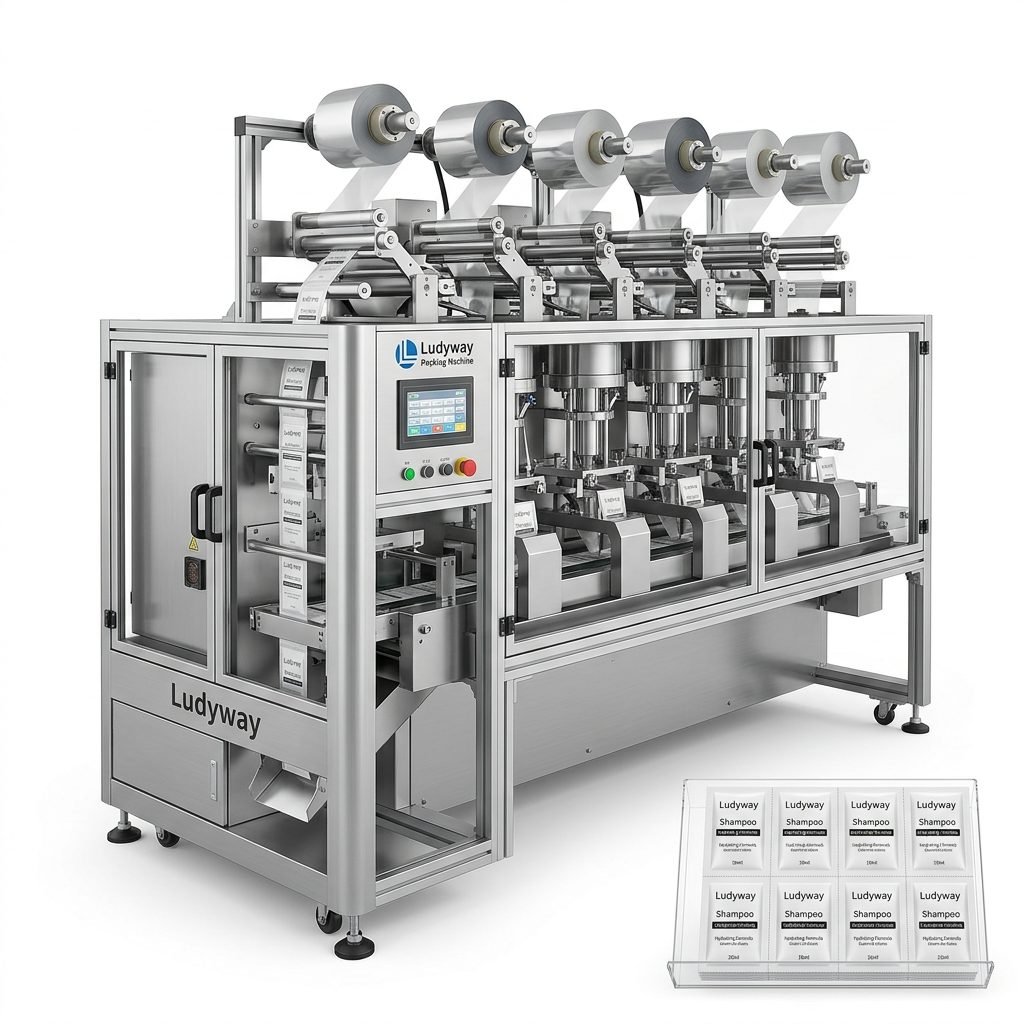
- Bag Format Flexibility: A machine that strictly makes pillow bags is cheaper. The cost rises if you require 3-side seal, 4-side seal, or stick pack capabilities with a quick-release changeover mechanism.
- Auxiliary Integration: The ability to integrate optional nitrogen flushing, tear notches, or zipper applicators considerably affects the base price.
Price Ranges by Machine Configuration
To provide a practical framework, we break down the costs based on the primary configuration and output. The figures below represent FOB (Free on Board) price ranges for machinery sourced from leading global manufacturing hubs, including advanced facilities producing high-performance models.
| Machine Type & Format | Speed Range (bags/min) | Estimated Price Range (USD) |
|---|---|---|
| Single-Lane Pillow Bag (Volumetric) | 15 – 30 | $5,000 – $12,000 |
| Single-Lane Sachet/3-Side Seal (Combination Weigher) | 20 – 40 | $12,000 – $28,000 |
| 2-4 Lane Stick Pack Machine (Semi-Auto Loading) | 40 – 80 (total) | $18,000 – $45,000 |
| Auger Filler System (for fine/dusty powders) | 10 – 25 | $9,000 – $22,000 |
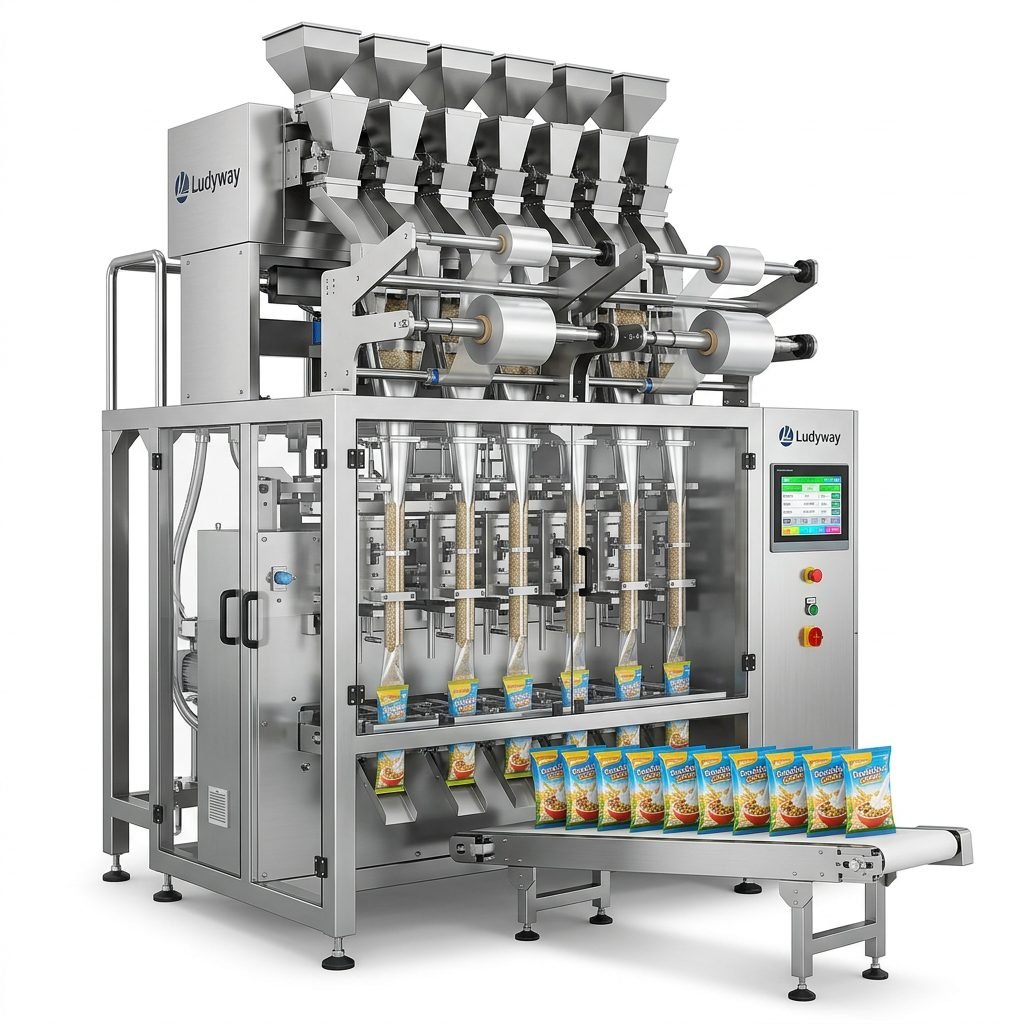
| High-Speed Rotary Sachet Machine (4-6 Lane, Granular) | 80 – 200 (total) | $55,000 – $120,000+ |

Cost Breakdown: Core Modules and Ancillary Equipment
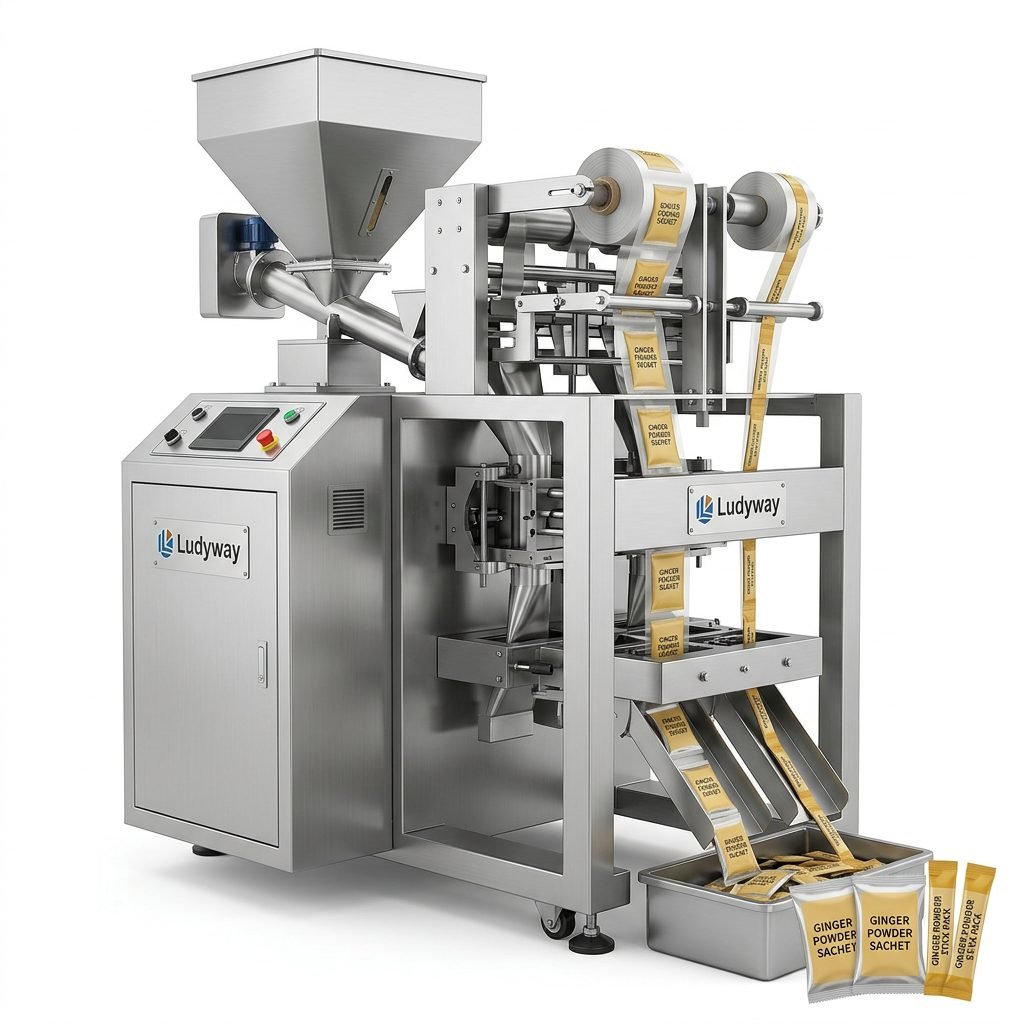
When comparing quotes, particularly from robust supply chains like those found in China’s specialized manufacturing clusters, you must look at what is included. A semi-automatic tea packaging machine rarely operates alone; it requires a coordinated set of components. The table below dissects the cost allocation of a typical mid-range system.
| Component / Module | Function | % of Total System Cost |
|---|---|---|
| Vertical Form Fill Seal (VFFS) Mainframe | Film handling, forming tube, sealing jaws | 25% – 30% |
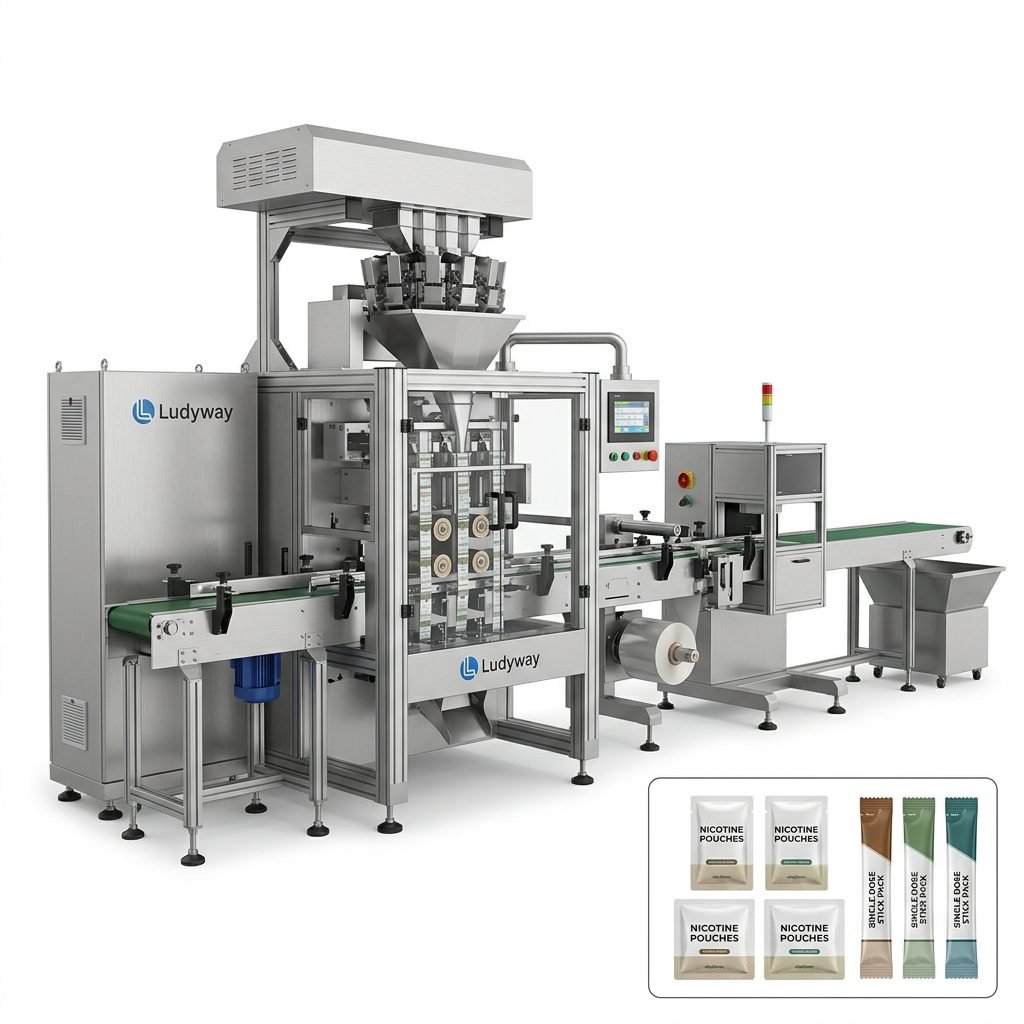
| Multi-head Weigher (10-14 heads) | Precision dosing of tea leaves | 20% – 25% |
| PLC Control System & Touchscreen | Automation logic and parameter settings | 15% – 20% |
| Optional Accessories (Nitrogen flush, date coder) | Extended freshness and traceability | 10% – 15% |
| Z-type Bucket Conveyor / Feeding Elevator | Incline material transport to weigher | 10% – 12% |
Additional Cost Considerations Beyond the Invoice
Procurement managers often overlook variable costs that significantly impact the total cost of ownership (TCO). Do not simply look at the base price of the semi-automatic tea packaging machine. Calculate the following:
- Freight and Logistics: Shipping a robust 600kg machine via sea freight from a major Asian port costs roughly $500-$1,500 depending on your destination port.
- Import Duties and Tariffs: Harmonized System (HS) codes for packaging machinery (typically 8422.30) carry varying tariff rates (0% to 8%) based on regional trade agreements.
- Packaging Film Compatibility: A machine optimized for heat-sealable laminates (PET/AL/PE) requires specific roller tension adjustments. Customizing the former tube for non-standard film widths costs extra.
- Commissioning and Training: If technicians need to fly to your site for installation, budget $1,500 to $3,000 for service fees plus travel expenses.
Why the “Cheapest” Machine Is Often the Most Expensive
In the packaging industry, the initial capital expenditure on a semi-automatic tea packaging machine can be deceptive. Low-priced machines often use generic pneumatic components instead of branded parts like SMC or Festo, lacking the reliability needed for consistent tea packaging. Poor tension control on a cheap unwinding system leads to film wrinkling and higher rejection rates. Furthermore, downtime due to a lack of spare parts availability negates any initial savings. It is advisable to source from manufacturers with a mature quality control system and a global service network.
Emerging Trends Impacting Machine Specifications
The push for sustainable packaging is changing machine requirements. Machines handling bio-based films or paper-plastic alternatives demand upgraded heat-sealing controllers with wider temperature modulation windows. Adding a high-precision checkweigher or an integrated case packing system subsequently influences the overall budget envelope for the line.
Total Cost Calculation Example: A Mid-Range Setup
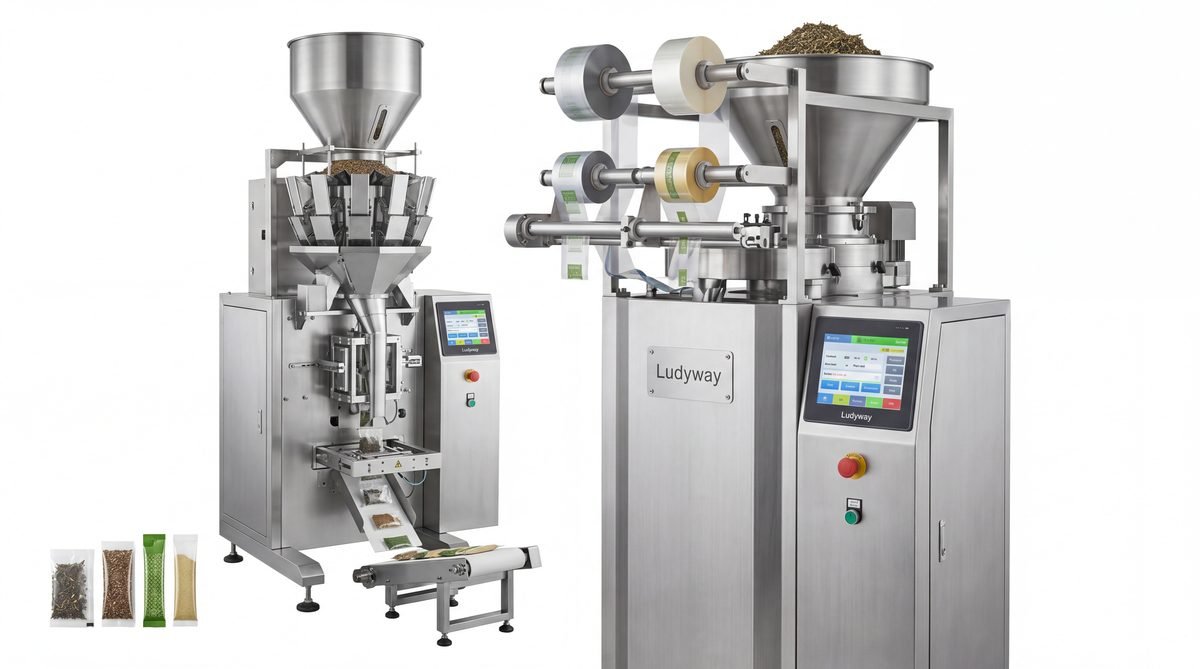
For a small to medium enterprise (SME) aiming to produce premium loose-leaf pyramid bags or flat sachets, a realistic budget scenario looks like this:
- Semi-automatic VFFS machine with 2-lane stick pack capability: $18,500
- 10-head computerized combination weigher: $9,200
- Inkjet date coder (thermal inkjet): $2,800
- Tea bag string and tag attachment unit: $3,500
- Sea freight and insurance (est.): $1,500
Total Estimated Investment: $35,500 (excluding local taxes and installation). This configuration would comfortably output approximately 40-60 double-chamber tea bags or stick packs per minute.
Selection Strategy: Matching Tea Type to Mechanism
The physical form of the tea dictates the dosing mechanism of the semi-automatic tea packaging machine. Orthodox leaf, CTC granules, and herbal infusions like chamomile require different handling. Volumetric cups suffice for uniform granular tea, but fragile premium leaf needs a combination weigher to prevent breakage. Dusty powders like matcha or ground turmeric tea require auger fillers with anti-dusting boot attachments. Clarifying this with the packaging machinery manufacturer will narrow the precise price bracket.
Leveraging Advanced Solutions for Competitive Edge
For businesses eyeing an expansion beyond small-scale manual packing, the technological investment bridges the gap to semi-automation. Companies like Ludyway, as a prominent figure in the packaging machinery sector, leverage decades of engineering expertise to deliver robust granule packaging solutions. Investing in properly specified equipment ensures that your operation adheres to international standards without excessive manual labor costs. This blend of innovation and reliability is precisely what allows the mid-to-high-tier machine segment to deliver a rapid return on investment despite a higher upfront price.
Key Takeaways for Budget Planning
Navigating the market for a semi-automatic tea packaging machine requires focusing on output precision over sticker price. A proper budget lies broadly between $12,000 for a basic granular tea sachet unit and $50,000+ for a high-speed multi-lane stick pack system with nitrogen flushing. Always request a detailed proforma invoice listing the brand of PLC, weigher, and pneumatic cylinders to unlock the true value of the equipment.