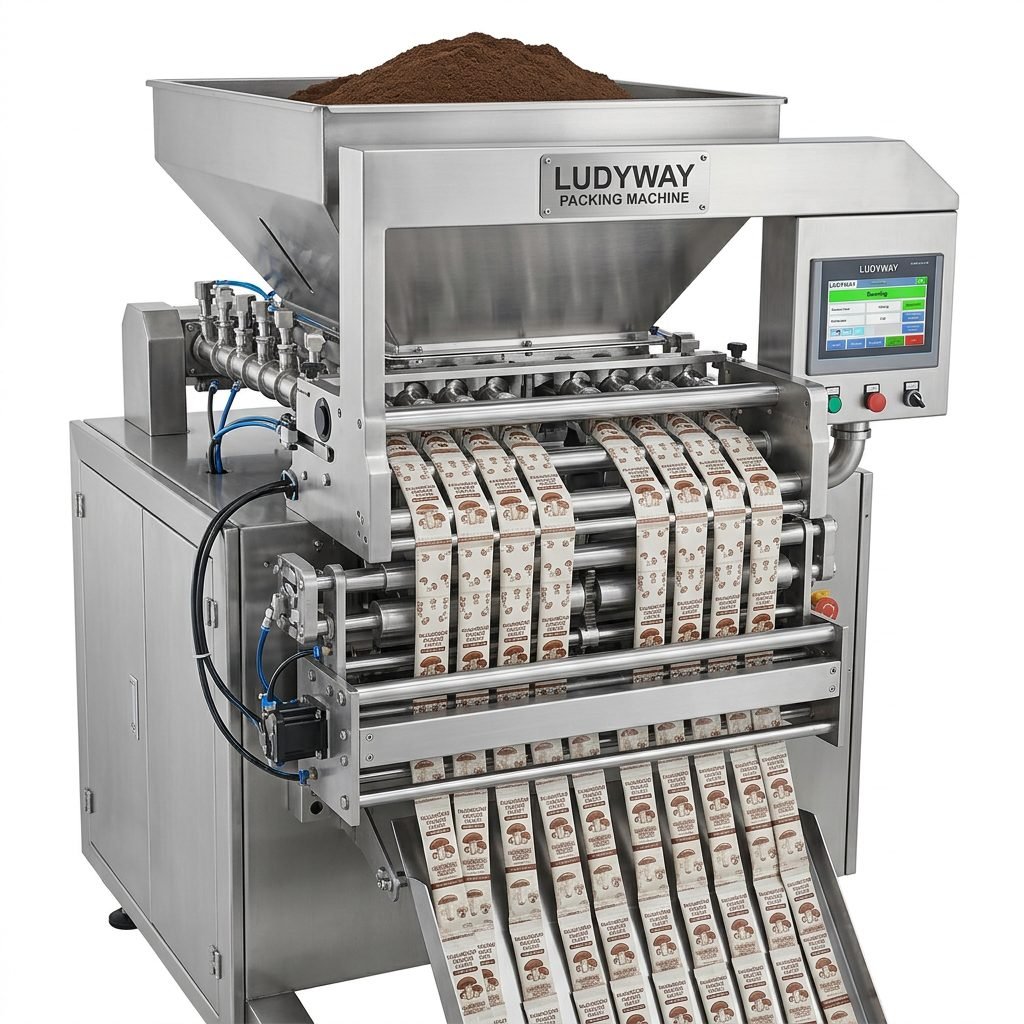
Estonia’s food processing sector has experienced steady growth in recent years, driven by increasing domestic demand and expanding export opportunities within the European Union. For manufacturers looking to scale production or enter new product categories, selecting the right food packaging machine is a critical decision that directly impacts efficiency, product quality, and regulatory compliance.
The Estonian market presents unique considerations. As an EU member state, Estonia adheres to strict food safety and packaging regulations. Additionally, the country’s position as a gateway to Nordic and Baltic markets means that packaging solutions must often accommodate diverse branding requirements, multiple language labels, and varying shelf-life expectations across different distribution channels.
Understanding the Product Landscape in Estonia
Estonian food manufacturers produce a wide variety of goods, from traditional dairy products and baked goods to innovative functional foods and health supplements. The type of product you manufacture will largely determine the optimal packaging machine configuration. Here are the primary product categories and their corresponding packaging requirements:
- Dairy products — often require hygienic liquid filling systems with extended shelf-life capabilities
- Bakery and confectionery items — demand gentle handling and precise portioning for granules and powders
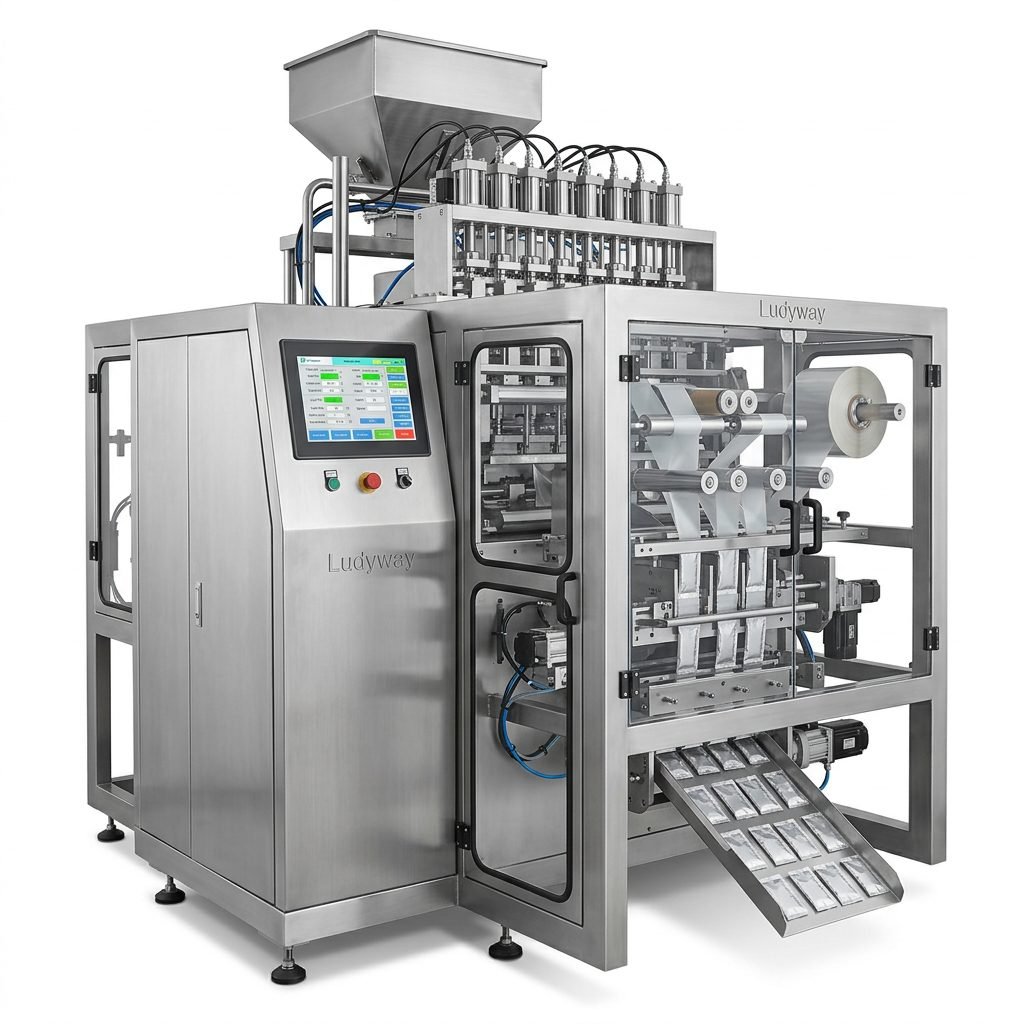
- Functional foods and supplements — increasingly packaged in stick packs and sachets for convenience and dosage accuracy
- Sauces, condiments, and liquid seasonings — need leak-proof sealing and compatibility with various pouch formats
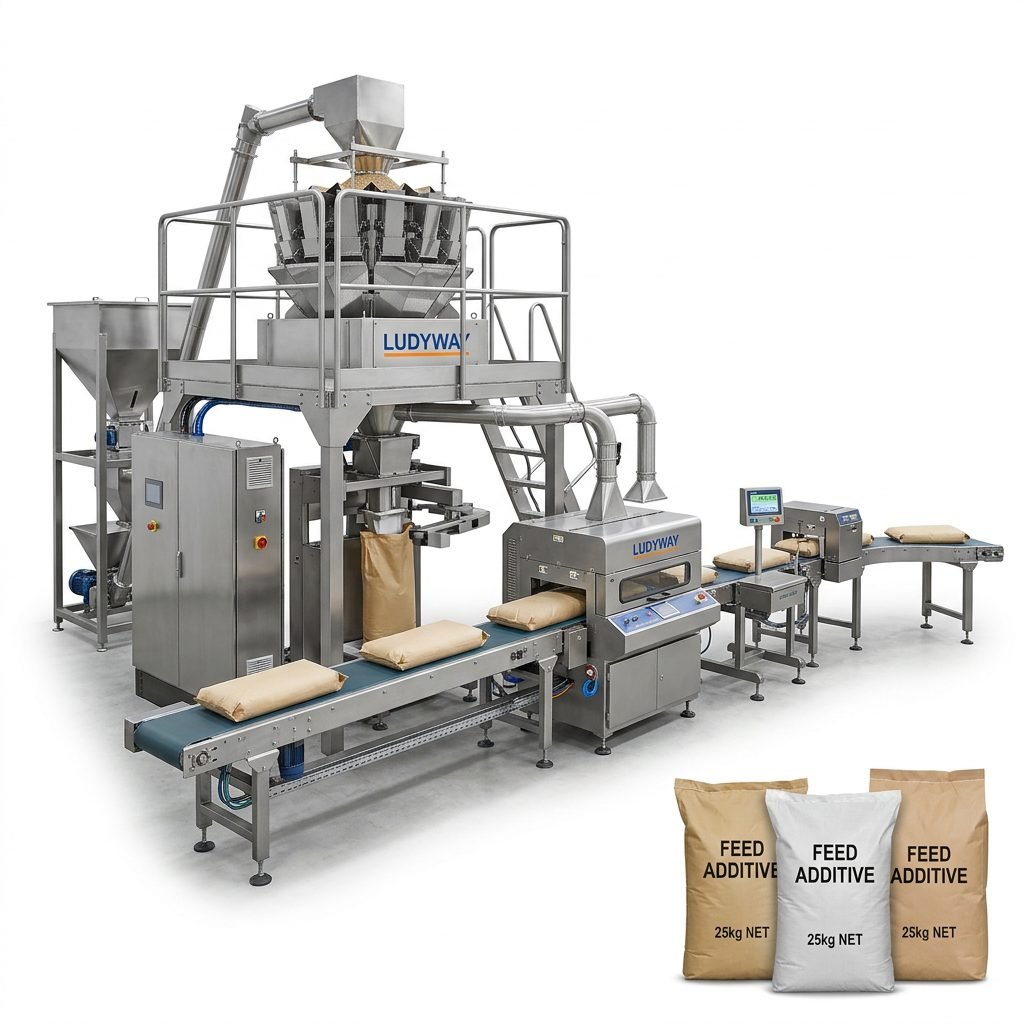
- Pet food and animal nutrition — require robust systems capable of handling granules and powders at higher speeds
Matching Machine Type to Product Consistency
The physical state of your product—whether it is a free-flowing granule, a fine powder, a viscous liquid, or a paste—is the most fundamental factor in choosing a packaging machine. Each format demands specific filling mechanisms and sealing technologies to ensure consistent performance.
Granule Products
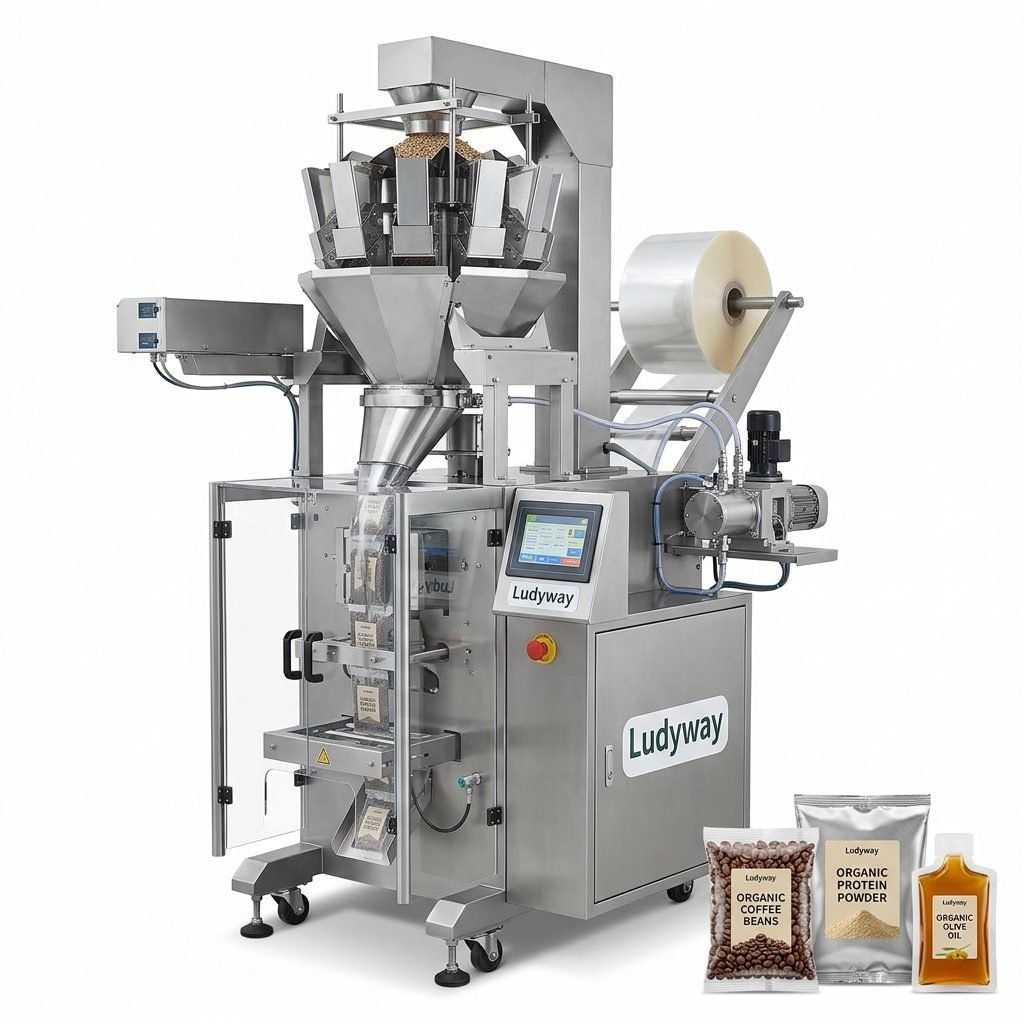
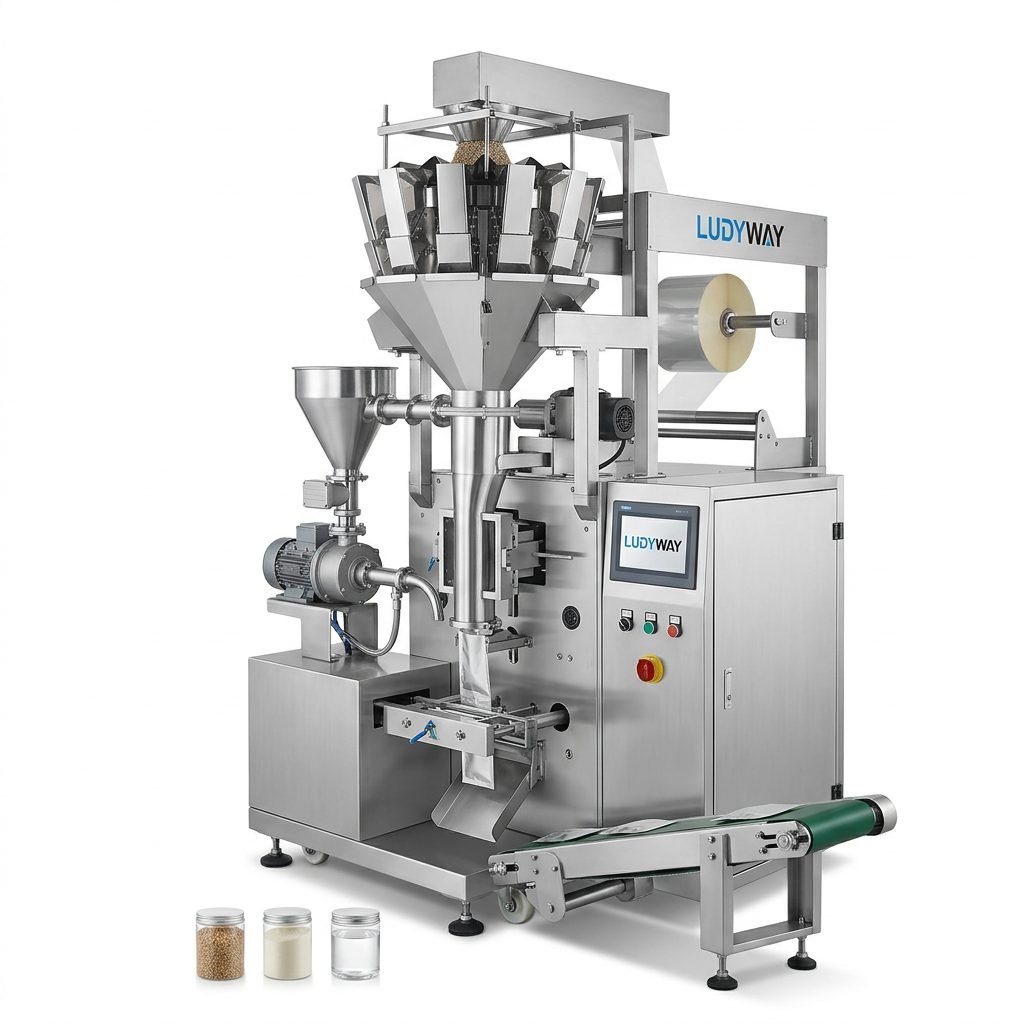
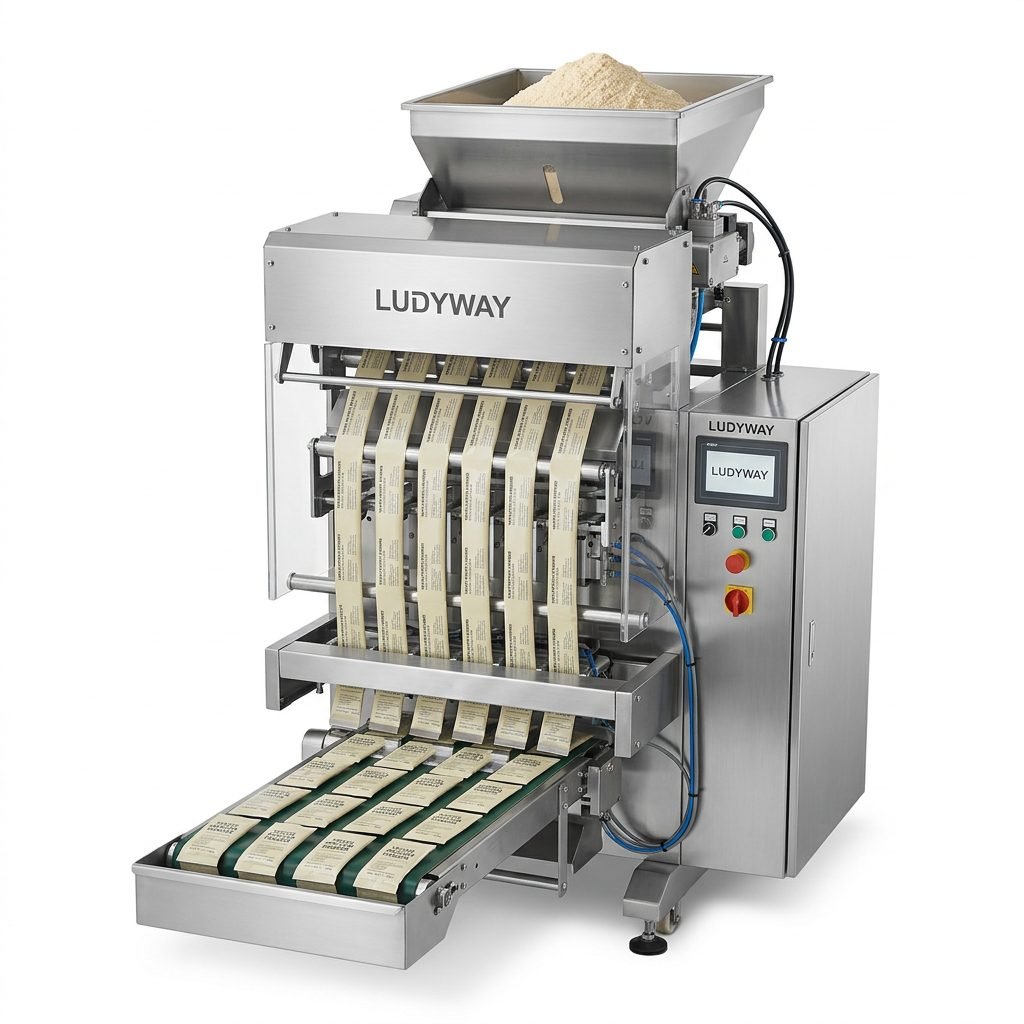
For free-flowing granular products such as sugar, salt, coffee beans, seeds, dried herbs, and pet food kibble, multi-head weigher systems combined with vertical form-fill-seal (VFFS) machines offer exceptional speed and accuracy. Granule packaging machines designed with volumetric cup fillers or linear weighers can also serve smaller production volumes effectively. In Estonia, where many food businesses are SMEs, versatile equipment that can handle multiple granule sizes without extensive changeover time is particularly valuable.
Powder Products
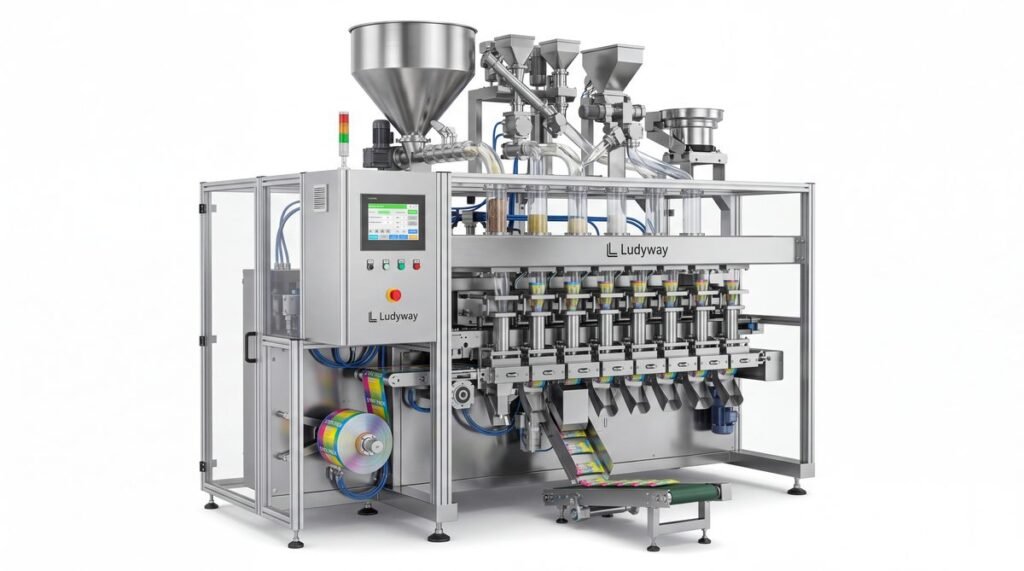
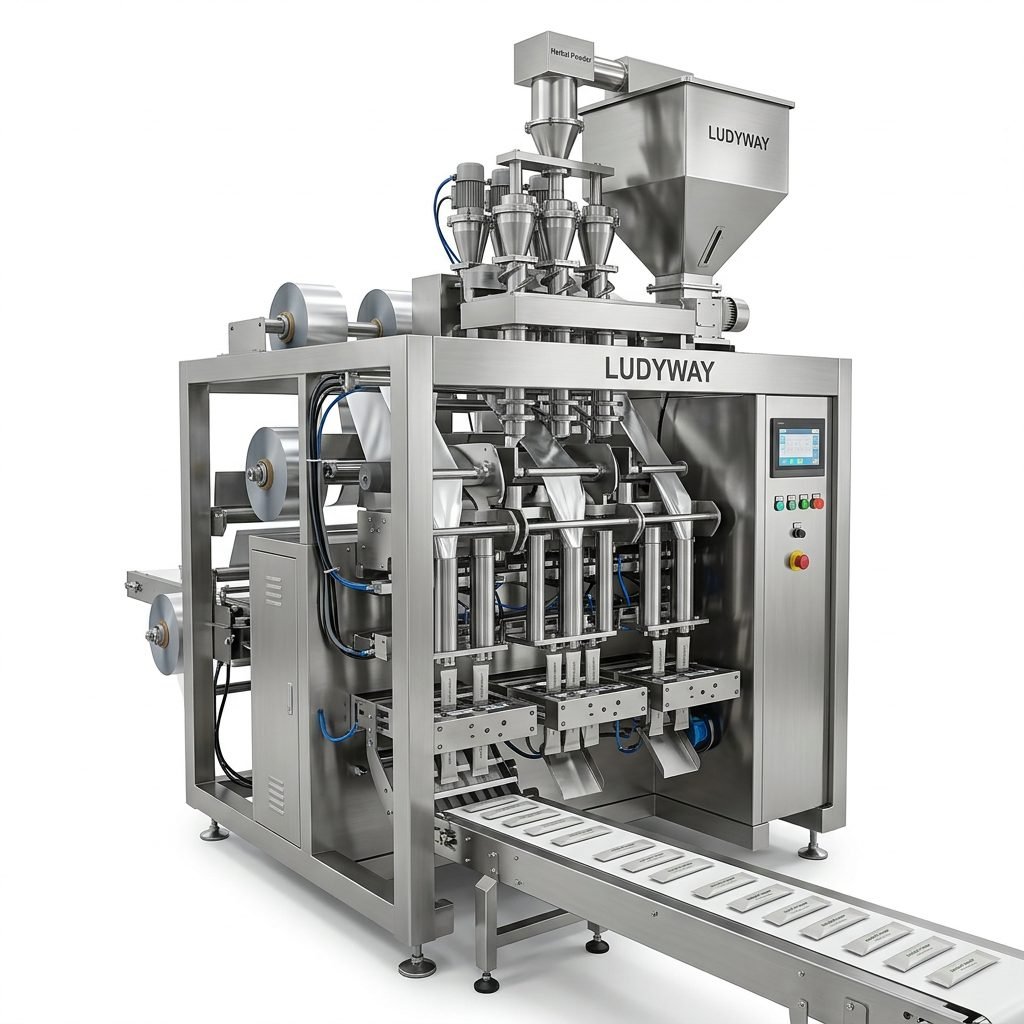
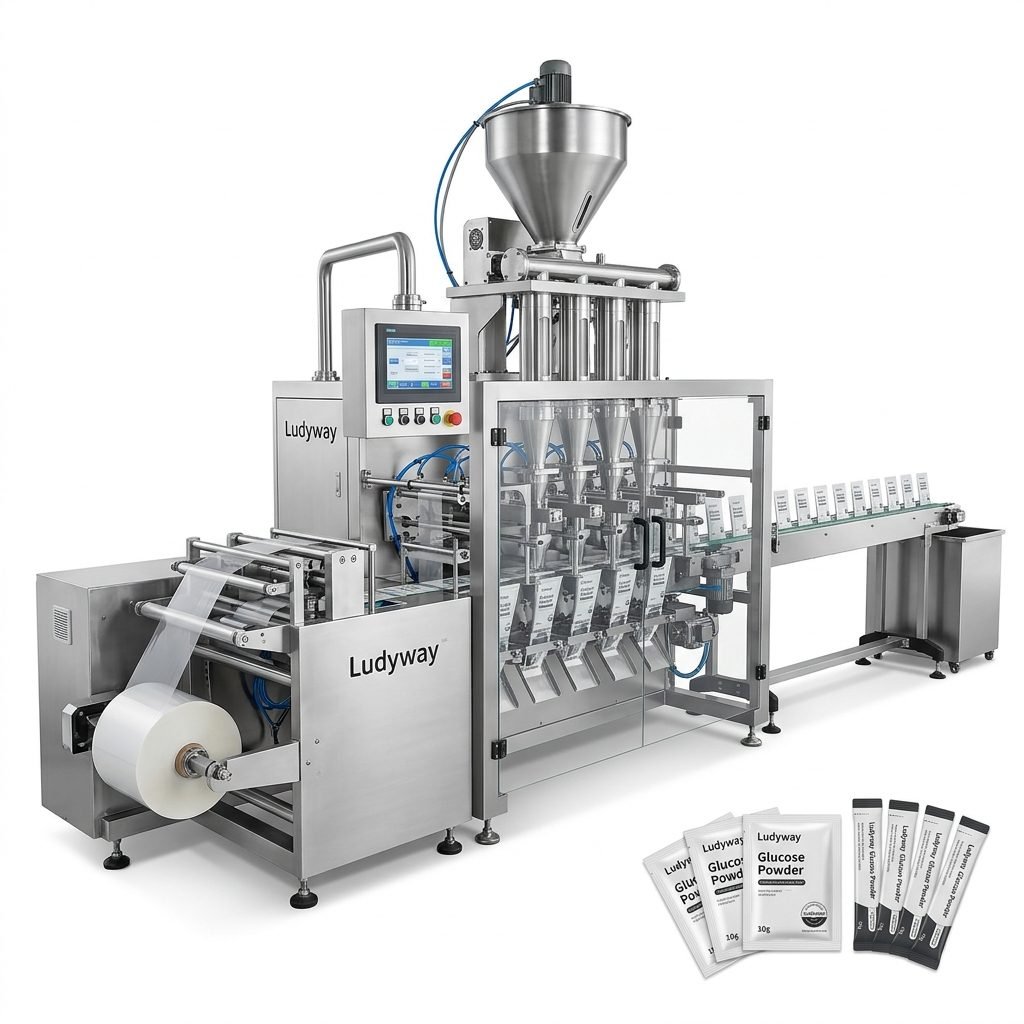
Fine powders—including flour, milk powder, protein supplements, spice blends, and instant beverage mixes—present unique challenges related to dust control, product density variation, and consistent filling accuracy. Auger filler systems are widely used for powder packaging, particularly when paired with multi-lane sachet or stick pack machines for single-serve formats. For Estonian producers targeting health-conscious consumers across the Nordic region, powder packaging equipment with nitrogen flushing capabilities helps preserve freshness and extend shelf life.
Liquid and Paste Products
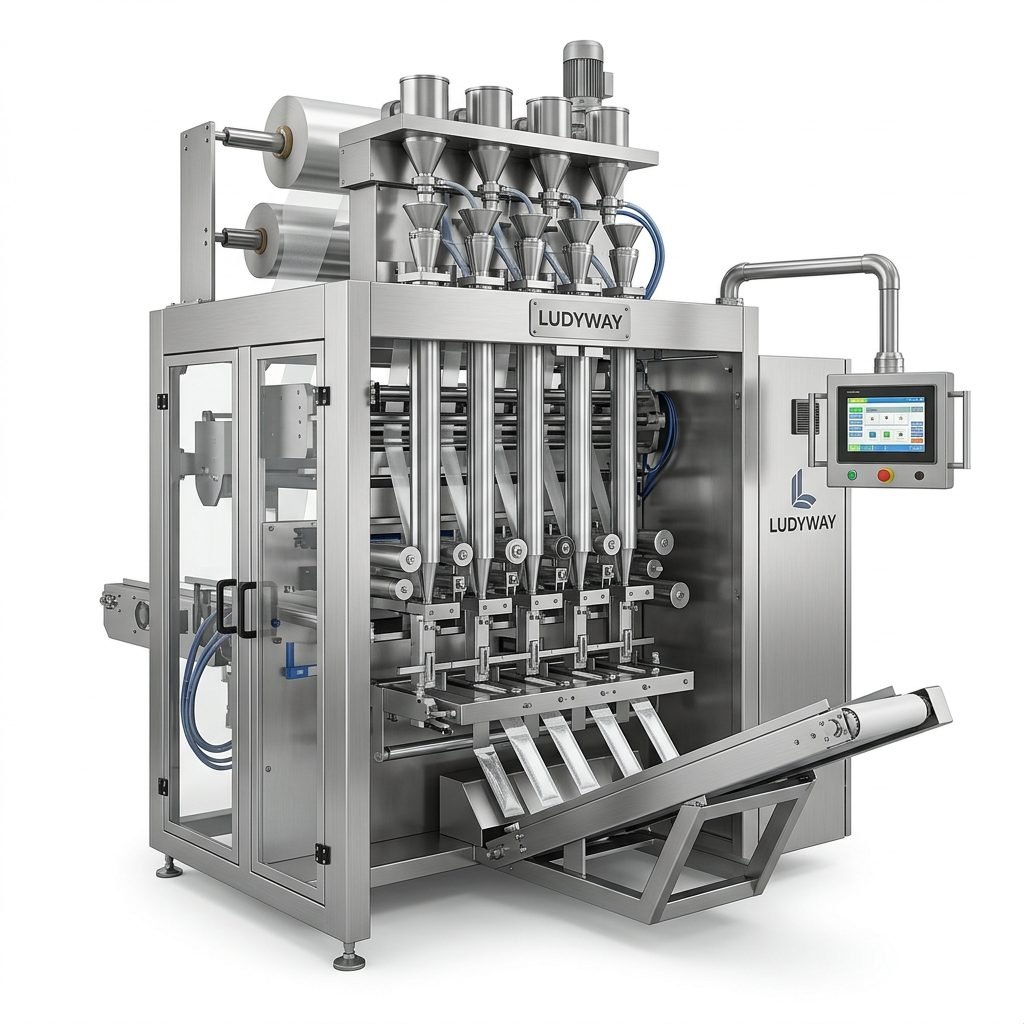
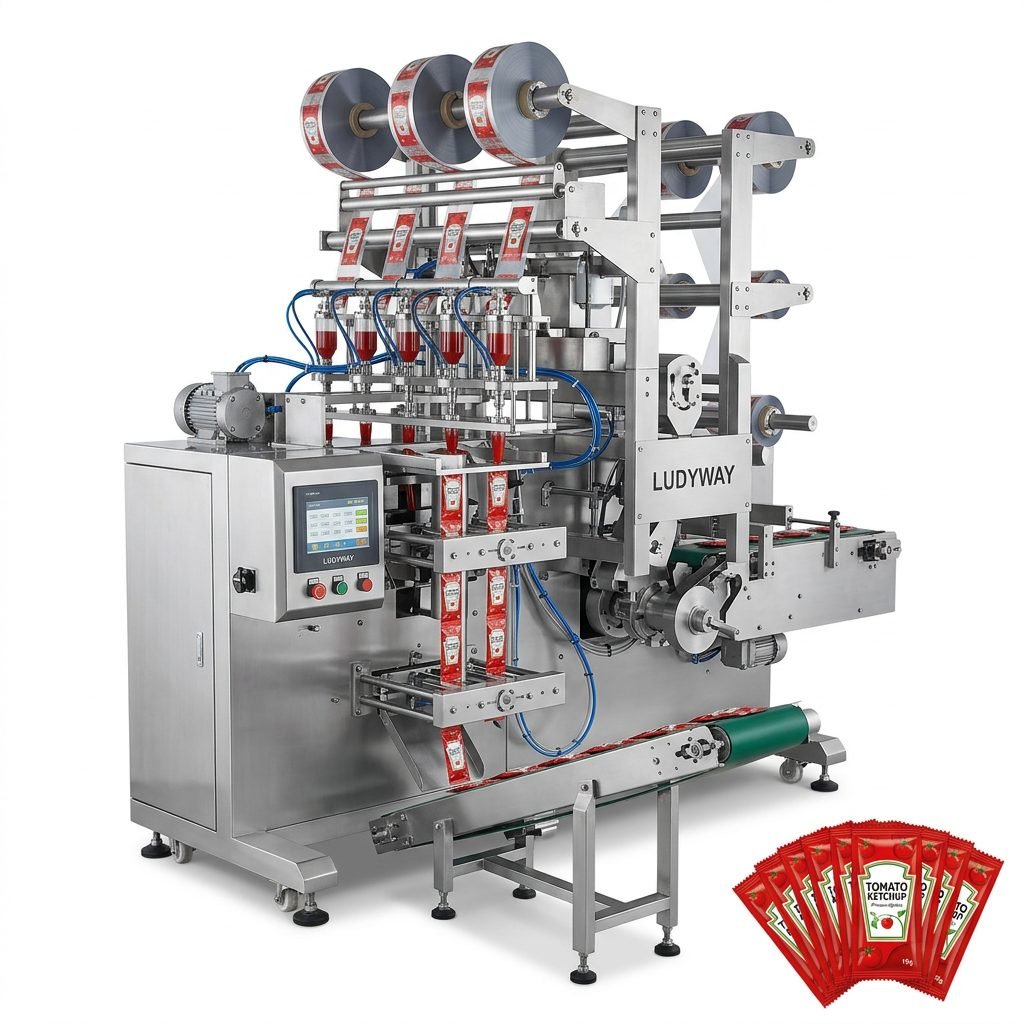
Liquid products—ranging from low-viscosity beverages and cooking oils to thicker sauces, ketchup, mayonnaise, and cosmetic creams—require piston fillers, peristaltic pumps, or flow meters depending on viscosity and fill volume. Multi-lane liquid sachet machines are increasingly popular in the Estonian market for portion-controlled condiments, instant beverage concentrates, and single-serve cosmetic samples. Precision in fill volume is critical, as EU regulations mandate accurate net quantity declarations on all packaged goods.
Packaging Formats: Sachet, Stick Pack, or Pouch?
The choice of packaging format influences both consumer perception and machine selection. In Estonia, as in much of Europe, there is a clear trend toward single-serve and portion-controlled packaging that reduces food waste and enhances convenience.
| Packaging Format | Best For | Typical Machine Type | Key Advantage |
|---|---|---|---|
| Stick Pack | Powders, granules, liquid concentrates | Multi-lane stick pack machine | Compact, portable, ideal for single servings |
| Sachet (3-side/4-side seal) | Ketchup, sauces, shampoo, creams | Multi-lane sachet machine | Cost-effective, high-speed, flexible sizing |
| Stand-up Pouch | Larger portions, premium products | Rotary or inline pouch filler | Excellent shelf presence, resealable options |
| Bottle/Jar Filling | Liquids, creams, tablets, capsules | Liquid filler with capping system | Familiar format, reusable packaging |
Key Factors for Machine Selection in the Estonian Market
Beyond product type and packaging format, several practical considerations should guide your decision. The following checklist addresses the most important criteria for Estonian food manufacturers:
- Production capacity — estimate current and future throughput requirements to avoid outgrowing your machine within a short period
- Changeover flexibility — if you produce multiple SKUs, look for machines with quick-change tooling and recipe-based settings
- EU compliance — ensure the machine meets EU Packaging and Packaging Waste Regulation standards and CE marking requirements
- Material compatibility — verify that the machine can handle recyclable and sustainable packaging films, which are increasingly mandated in the EU
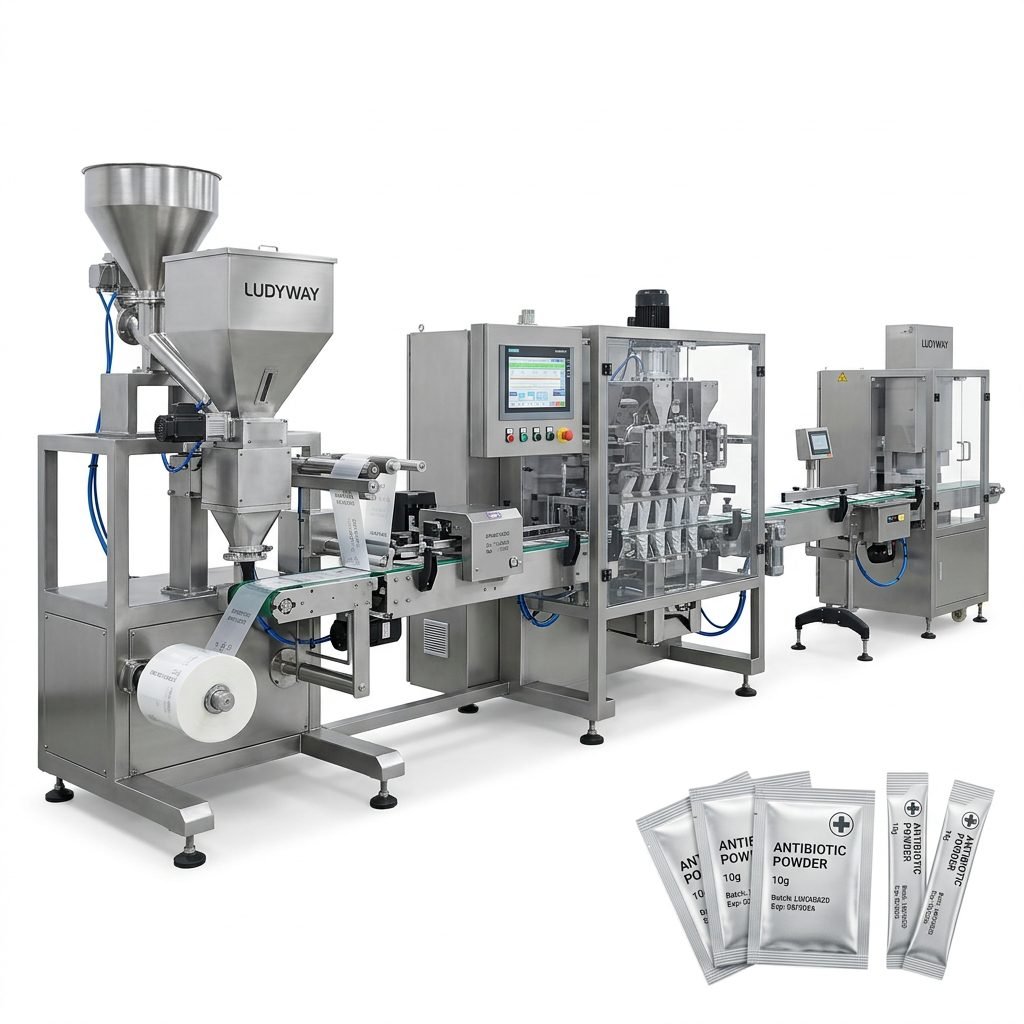
- Integration capability — consider whether you need a standalone machine or a fully integrated turnkey packaging line with feeding, weighing, filling, sealing, coding, and cartoning
- After-sales support — reliable technical service, spare parts availability, and remote troubleshooting are essential for minimizing downtime
EU Regulatory Landscape for Food Packaging
Estonian food businesses must comply with comprehensive EU regulations governing food contact materials, packaging waste reduction, and labeling accuracy. The ISO packaging standards provide internationally recognized benchmarks for quality and safety. Additionally, the EU’s Circular Economy Action Plan continues to drive requirements for recyclable and reduced-weight packaging. Selecting a packaging machine that supports these regulatory goals—for example, by enabling the use of mono-material films or reducing material consumption through precise bag sizing—provides a competitive advantage in the Estonian and broader EU market.
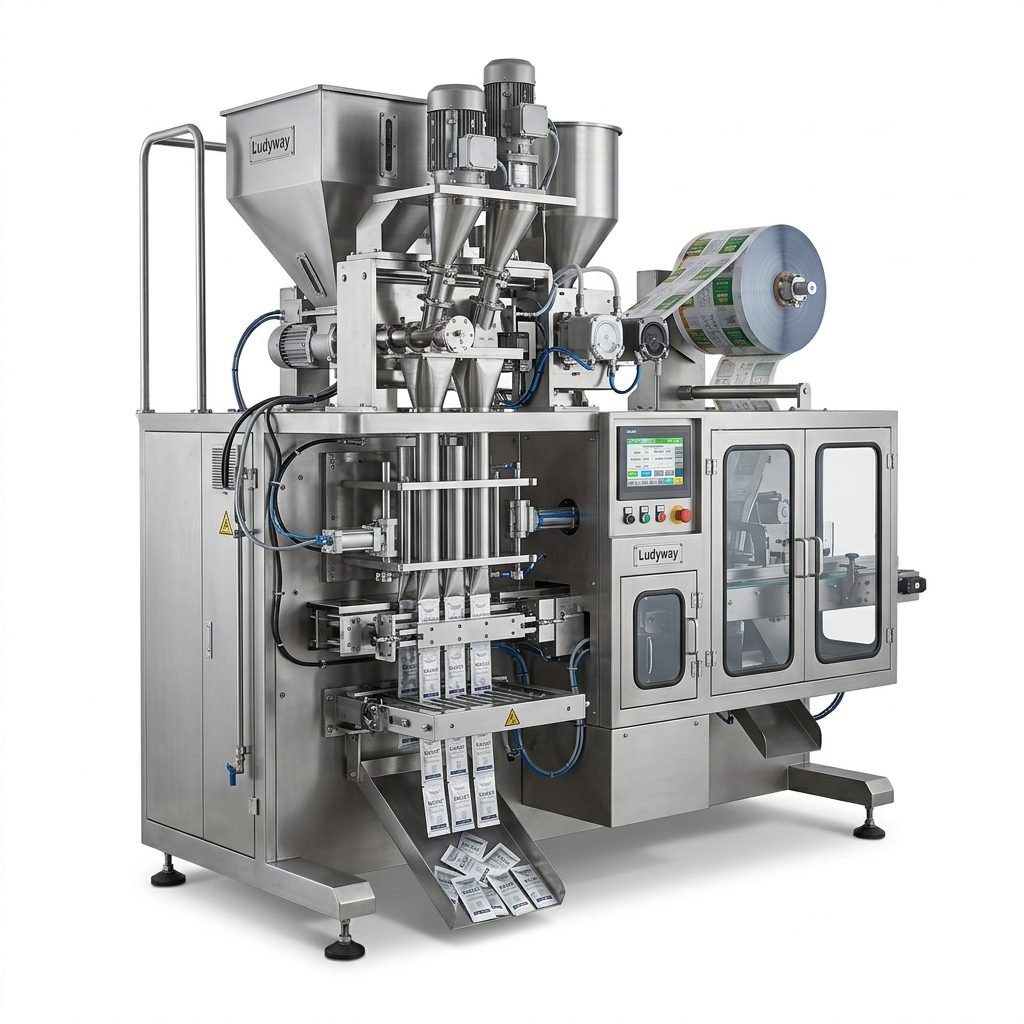
Automation Level: From Semi-Automatic to Fully Integrated Lines
For small-scale Estonian producers and startups, semi-automatic machines may offer an affordable entry point with manageable complexity. However, as labor costs rise and production volumes grow, many businesses find that upgrading to fully automated multi-lane systems significantly improves throughput, consistency, and long-term profitability. Automated systems also reduce human contact with products—an important consideration for hygiene-sensitive categories like dairy, infant nutrition, and pharmaceuticals.
Semi-Automatic Solutions
Best suited for low-volume production, seasonal products, or businesses testing new markets. Operators manually load materials and initiate cycles, keeping initial investment low while maintaining flexibility.
Fully Automatic Multi-Lane Systems
Designed for high-speed continuous production, these systems integrate automatic feeding, multi-head weighing, filling, sealing, date coding, and optional cartoning. A single multi-lane machine can produce hundreds of stick packs or sachets per minute, making them the preferred choice for established food brands supplying retail chains across the Baltic and Nordic regions.
Industry Expertise and Reliable Equipment Supply
When investing in packaging machinery for the Estonian market, partnering with an experienced manufacturer can streamline everything from equipment selection to installation and ongoing support. Ludyway is one of the largest packaging machine manufacturers in China, specializing in advanced packaging equipment and turnkey production solutions for the food, pharmaceutical, and health industries. With over 30 years of industry expertise and a modern 20,000㎡ manufacturing facility, the company offers more than 50 intelligent packaging machine models—including multi-lane stick pack, sachet, and fully automated packaging systems—serving customers in over 100 countries and regions. For Estonian food producers seeking reliable, high-performance equipment that meets EU standards, consulting with an established supplier can help ensure a successful long-term investment.
Making the Final Decision
Selecting the right food packaging machine for products destined for the Estonian market requires balancing technical specifications, regulatory requirements, and business goals. Start by clearly defining your product characteristics, target output, and packaging format preferences. Then evaluate machines based on their compatibility with sustainable packaging materials, ease of changeover, and long-term reliability. Where possible, arrange factory acceptance tests or request sample runs using your actual products to verify performance before committing.
For further insights on packaging trends and machinery standards, resources from the PMMI packaging industry association and the Flexible Packaging Association offer valuable market intelligence and technical guidance that can inform your equipment selection process.