Investing in a tea packing machine is a critical decision for producers
looking to scale operations and ensure product consistency. Whether you are
packaging loose-leaf tea, herbal blends, or powdered instant tea in sachets
or stick packs, understanding the cost structure is essential for accurate
budgeting. A standard
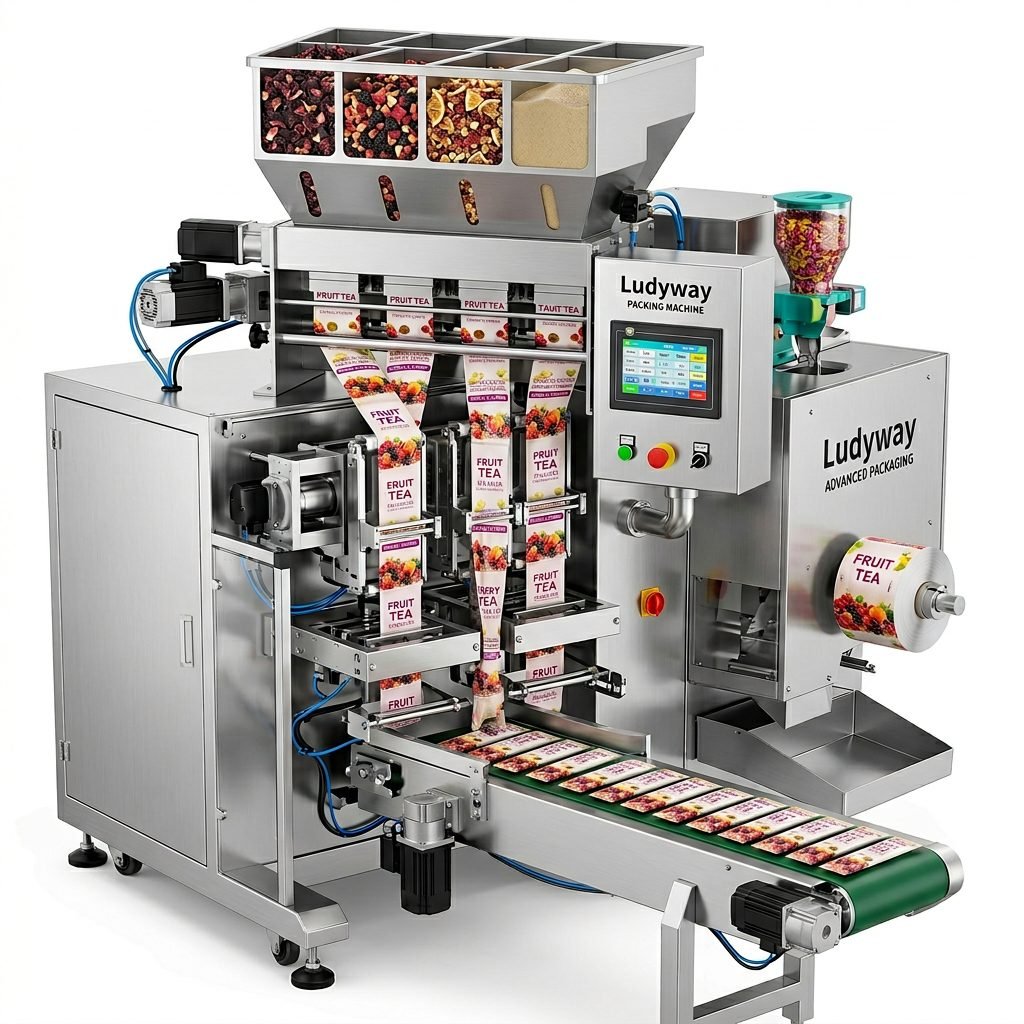
tea packing machine
is not a one-size-fits-all product; prices fluctuate significantly based on
automation levels, speed, format, and construction quality.

Price Range for Tea Packaging Equipment
The price of a standard tea packing machine generally ranges from
$8,000 to $80,000+. Entry-level models designed for small artisanal businesses often sit at
the lower end, while high-speed, multi-lane systems with intelligent
controls represent a significant capital investment. The final quote will
depend on the machine’s configuration, the type of packaging material used,
and the required output capacity measured in packs per minute.
| Machine Type | Typical Speed | Estimated Cost (USD) |
|---|---|---|
| Manual/Semi-Auto Single Lane | 10-30 ppm | $8,000 – $18,000 |
| Fully Automatic Single Lane | 40-80 ppm | $20,000 – $35,000 |
| Multi-Lane Stick Pack | 200-600 ppm | $40,000 – $80,000+ |
| Complete Turnkey Line | Custom | $70,000 – $150,000+ |
Key Factors Influencing the Final Price
Understanding what drives the cost helps buyers negotiate better and select
the right specifications. The complexity of tea packaging — especially when
dealing with dusty powders or delicate leaf blends — means reliability often
trumps the lowest sticker price.
1. Automation and Labor Reduction
Manual bagging stations are the cheapest upfront. However, a
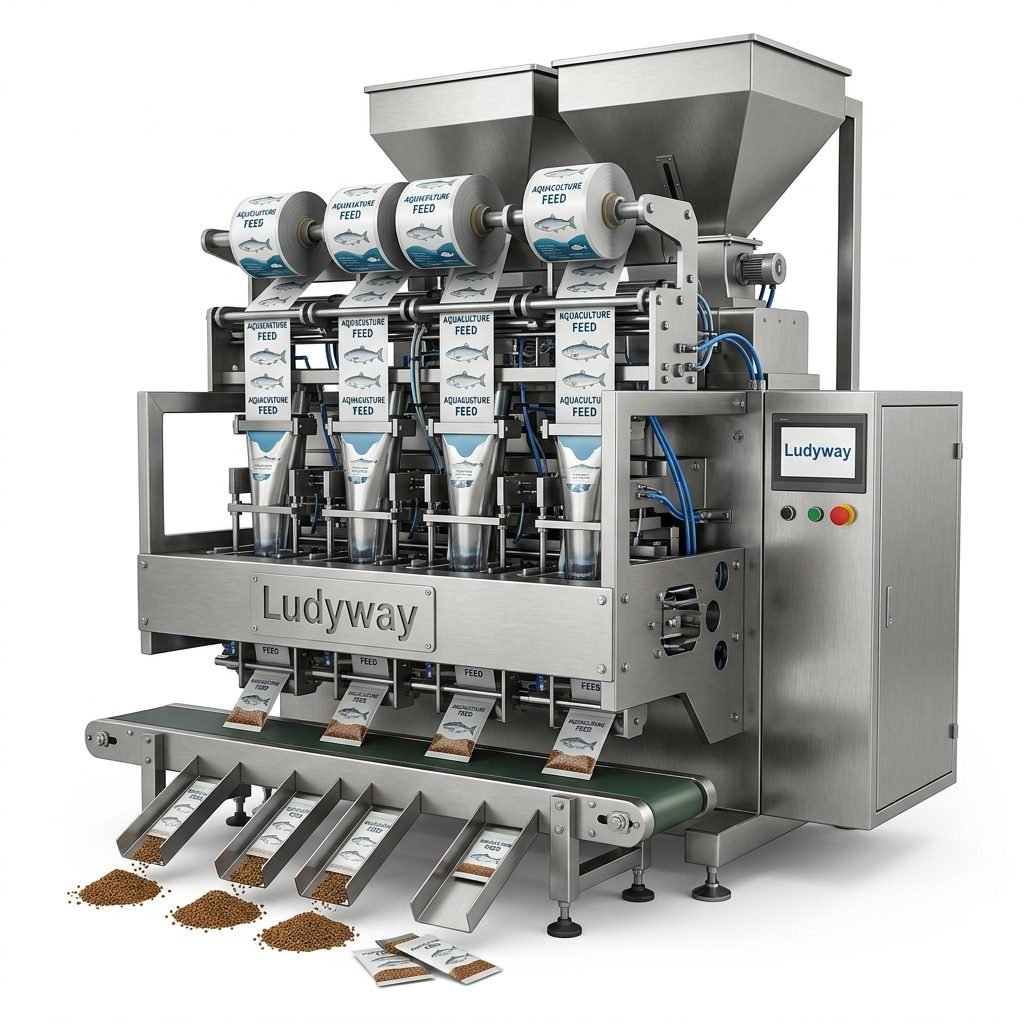
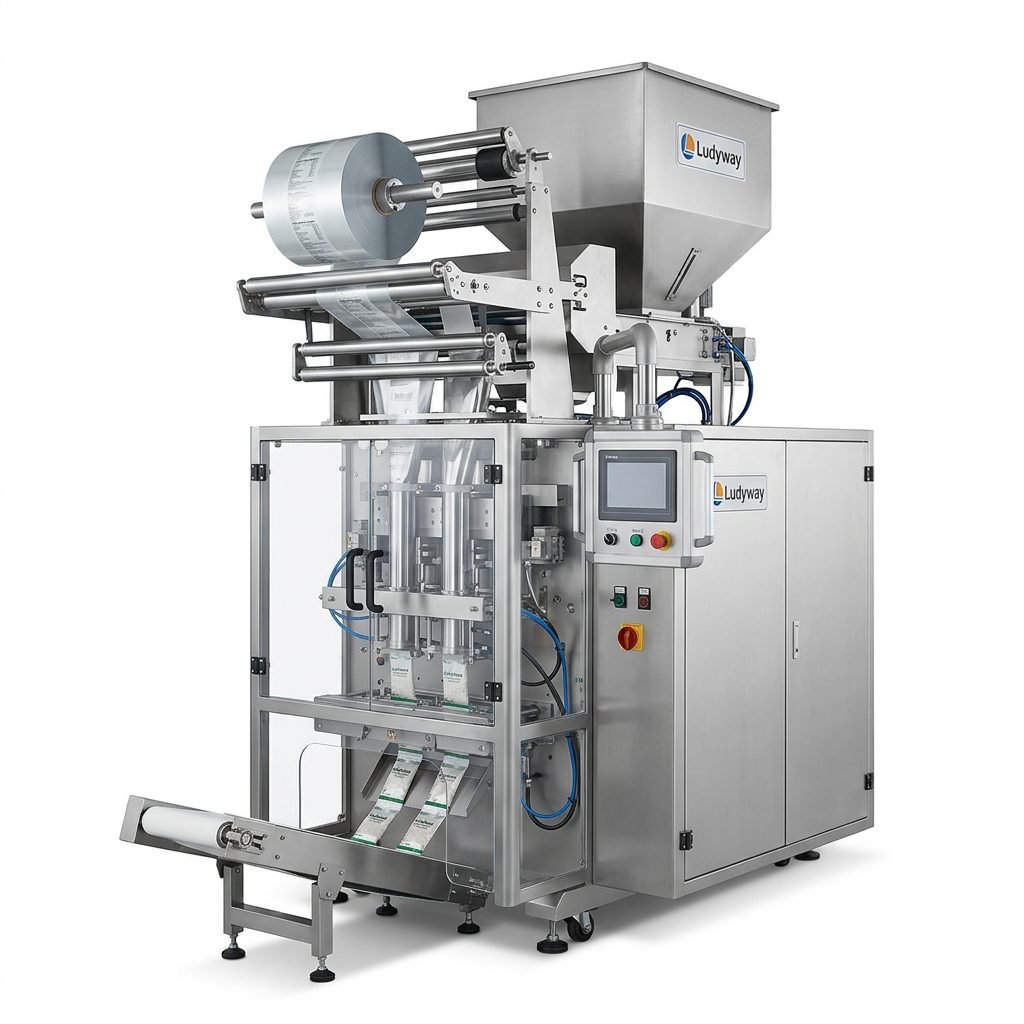
fully automatic vertical form fill seal (VFFS) machine
integrates weighing, filling, sealing, and cutting, drastically reducing
labor costs. Machines with servo-driven motors and PLC touchscreens
(programmable logic controllers) command
higher prices due to precision and reduced waste.
2. Production Speed and Lanes
A standard single-lane machine is affordable for local distribution, but if
you aim to supply international retailers, a
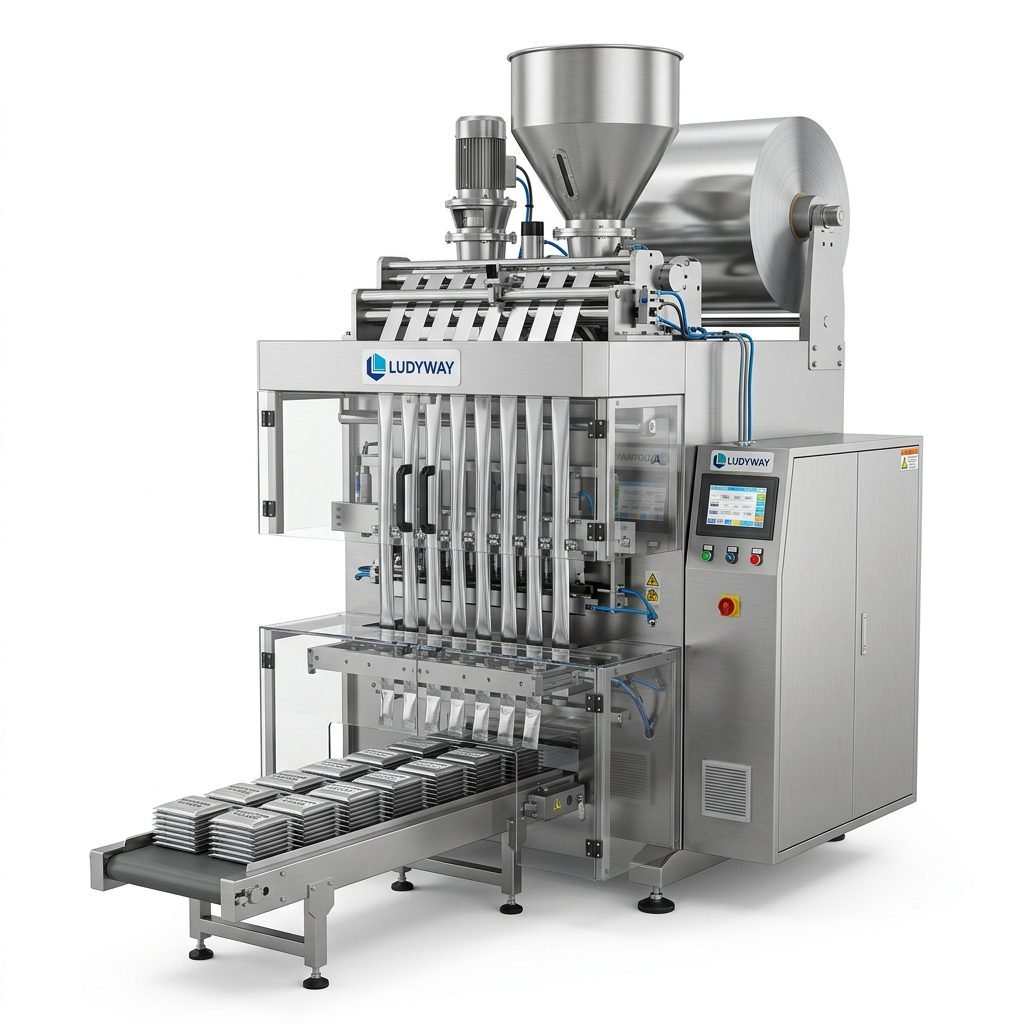
multi-lane stick pack machine is non-negotiable. A 10-lane
or 12-lane system can produce millions of tea stick packs monthly, but the
cost multiplies because each lane requires independent sealing jaws and
filling units.

3. Weighing and Filling Technology
The filling system significantly impacts the price. Volumetric cup fillers
are cost-effective for consistent granule sizes, but expensive
multi-head weighers are required for premium tea blends
with irregular shapes or to achieve strict weight accuracy within ±0.1g.
Similarly, auger fillers are mandatory for fine tea powders like matcha,
adding to the investment.
4. Material of Construction
Machines fabricated with 304 or 316 stainless steel and
food-grade contact parts are priced higher than mild steel alternatives.
This is non-negotiable for organic and food-safe tea packaging but is
critical for preventing corrosion and ensuring longevity in humid production
environments.
Standard vs. Customized Solutions
A “standard” machine typically handles flat sachets or pillow bags.
However, the modern market demands diverse formats. If you plan to add
nitrogen flushing for shelf-life extension, integrate a
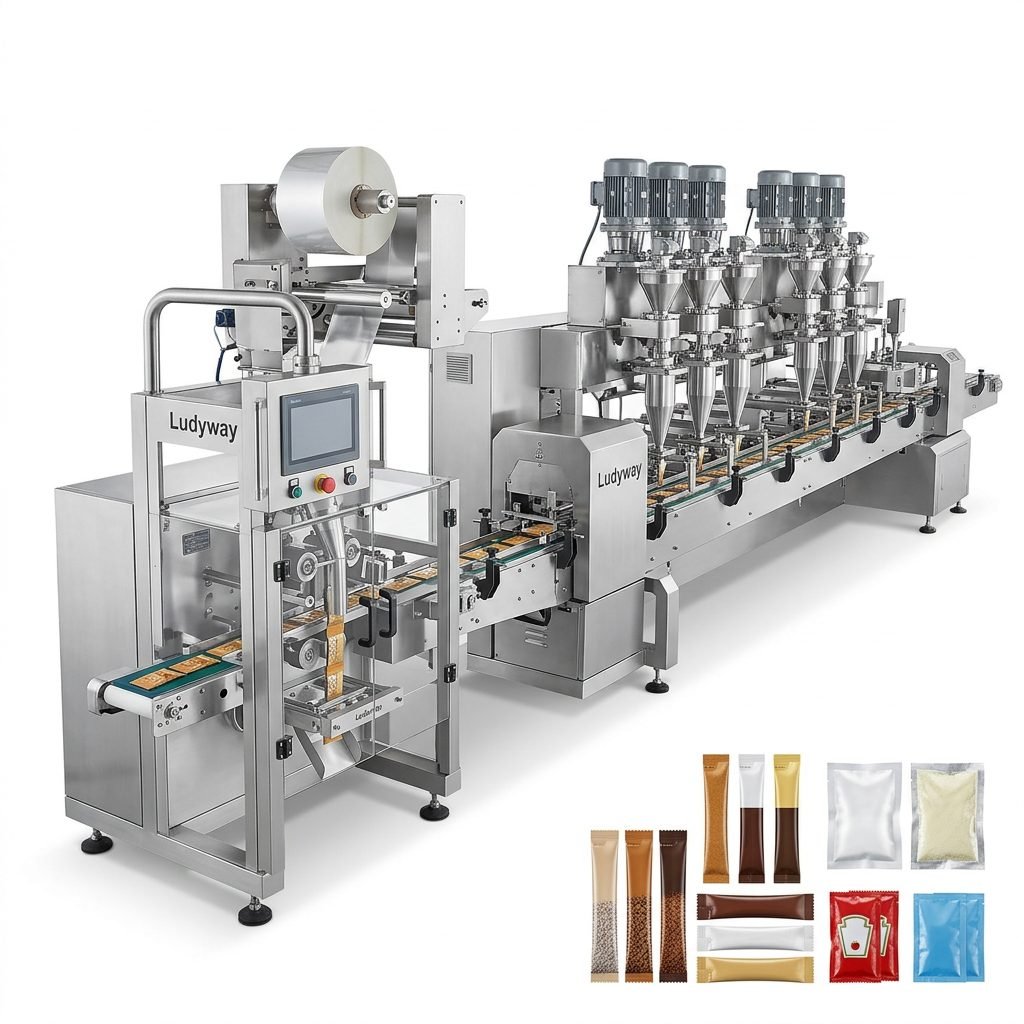
multi-lane stick pack system
with zipper applicators, or connect to a cartoning machine, the cost rises
into the fully integrated turnkey range. A standard basic unit might be
$15,000, but a customized high-capacity solution can easily exceed
$100,000.

Hidden Costs and After-Sales Service
The equipment price tag is just the start. Buyers must factor in:
-
Shipping and Installation: Freight for heavy industrial
machinery can be substantial, especially for intercontinental trade. -
Auxiliary Equipment: You may need an air compressor or a
vacuum feeder for granule powder packaging systems
to ensure smooth operation. -
Technical Support and Warranty: Remote troubleshooting
and immediate spare parts access prevent costly downtime. A cheap machine
without support loses money quickly. -
Operator Training: High-speed servo-driven systems
require trained staff, whereas low-cost heat-sealers are often a “plug and
play” arrangement.
Global Market Trends and Quality Assurance
The packaging machinery market is evolving with rising demand for
sustainable materials and smart factory integration. Cheaper machines often
struggle with the new generation of eco-friendly, thin-gauge laminates,
leading to sealing failures. Investing in a mid-to-high-end machine with
robust temperature control and precise tension adjustment is a strategic
move to future-proof your business against changing packaging regulations in
markets like the EU and North America.
Choosing a Reliable Manufacturer
Chinese manufacturers currently offer the best cost-to-performance ratio in
this sector, though quality varies. It is vital to choose a partner with a
proven global track record.
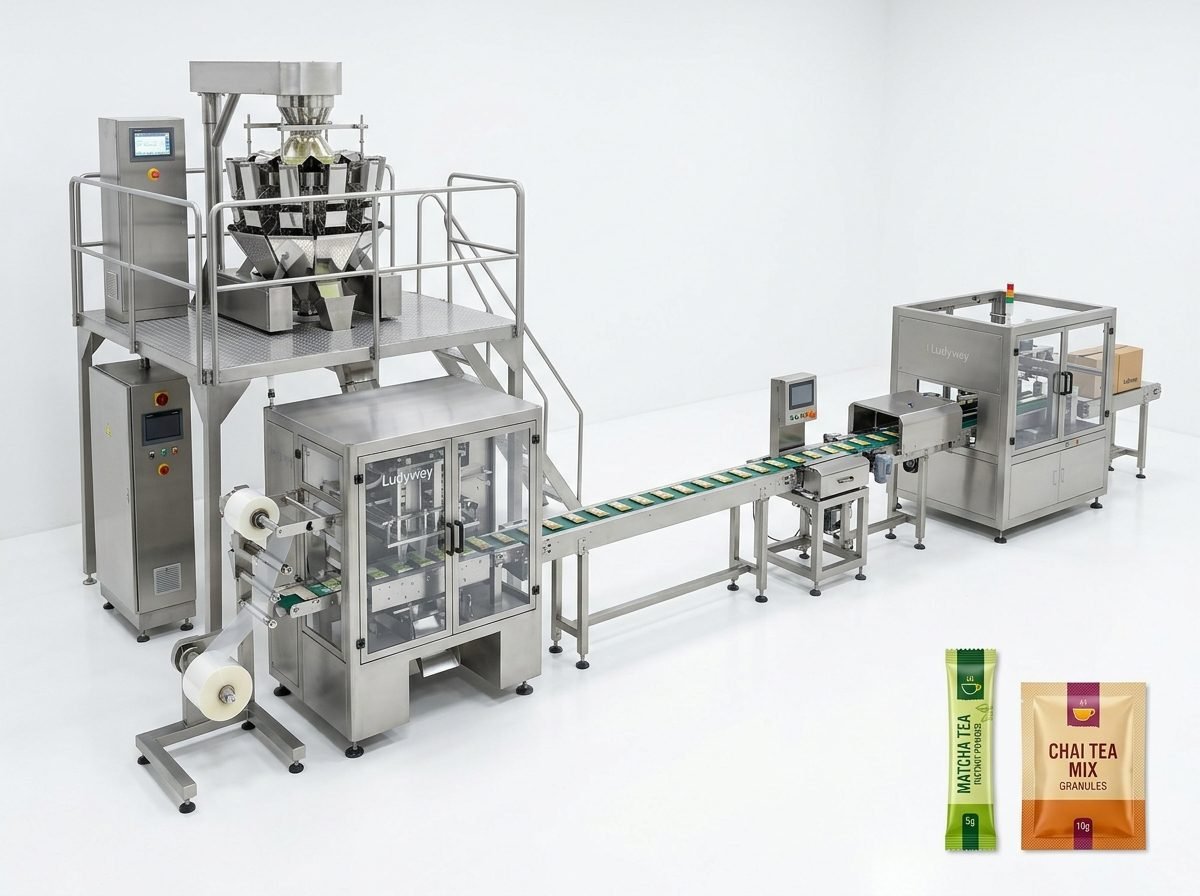
Ludyway, one of the largest packaging machine manufacturers in China, stands out
with a modern 20,000㎡ manufacturing facility and over 30 years of industry
experience. The company offers more than 50 intelligent packaging machine
models, including reliable tea stick pack systems and complete automated
solutions, ensuring a balance of cost-efficiency and high performance for
businesses aiming to boost productivity without compromising on quality.
Making the Right Investment
In summary, a standard tea packing machine is an investment that spans a
wide budget spectrum. Assess your current production volume against your
five-year growth projection. While a compact semi-automatic packer may
fulfill today’s orders, the speed, accuracy, and reliability of advanced
multi-lane systems offer a significantly lower total cost of ownership over
time.
Key Takeaways for Buyers
-
Define your bag type (sachet, stick pack, or flat pouch)
and target speed before requesting a quote. -
Always request a video proof of the machine running your
specific tea product. -
Balance the upfront cost against mechanical durability
and available after-sales service guarantees.