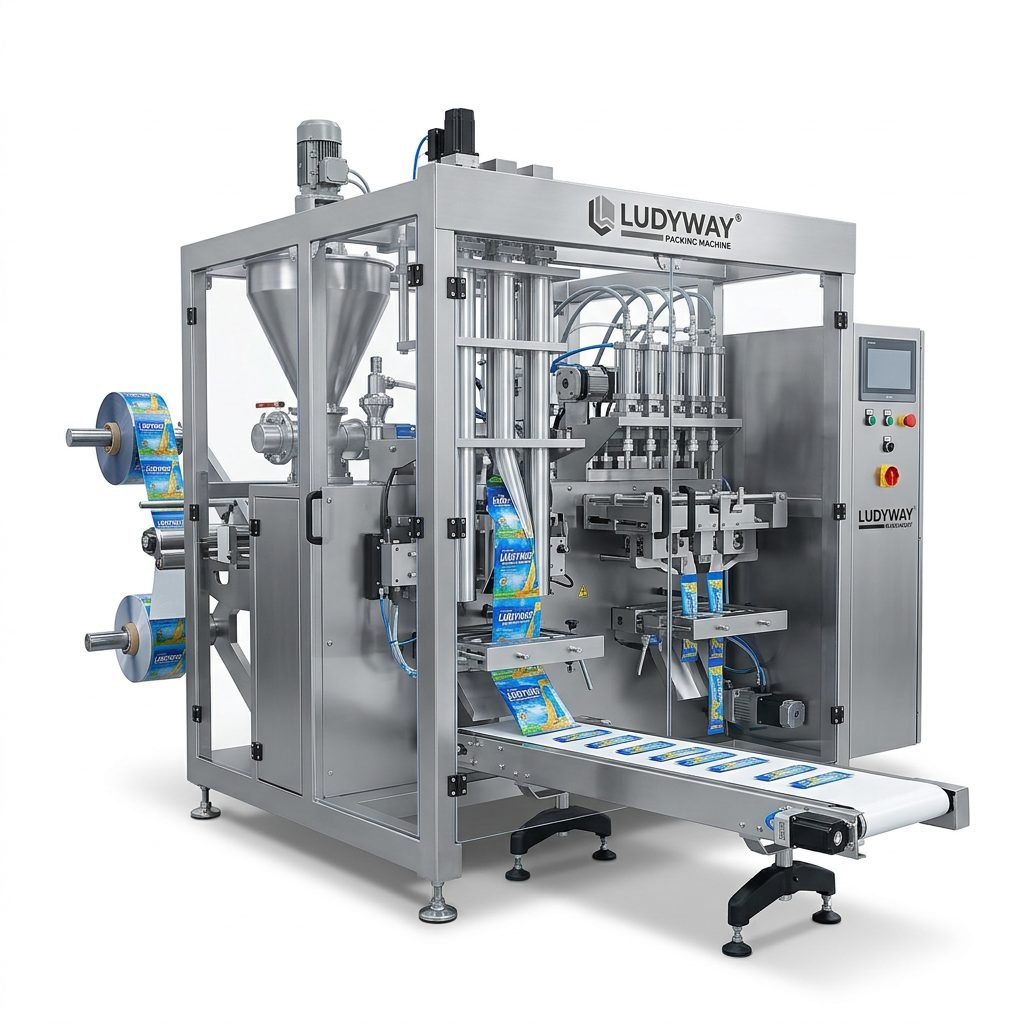
Selecting the right sweet box packing machine is a critical decision that directly affects your production efficiency, product presentation, and long-term operational costs. Whether you are packaging chocolates, candies, confectionery assortments, or gift boxes, the equipment you choose must align with your specific manufacturing goals. This comprehensive buyer’s guide walks you through every factor you need to evaluate before making a purchase.
1. Define Your Production Volume and Speed Requirements
Before comparing machine models, you must clearly define your production targets. Production speed is measured in boxes per minute (BPM), and the right figure depends on your current and projected output. A small artisan chocolatier may only need 20-40 boxes per minute, while a large-scale confectionery manufacturer could require 100-200 BPM or higher. Underestimating capacity leads to bottlenecks; overestimating results in unnecessary capital expenditure. Review historical order data and seasonal peak demands before setting your speed requirement.
2. Understand the Types of Sweet Box Packing Machines
The term sweet box packing machine encompasses several equipment categories, each designed for different packaging formats and production scales. Understanding these distinctions is essential for selecting the right solution.
2.1 Automatic Cartoning Machines
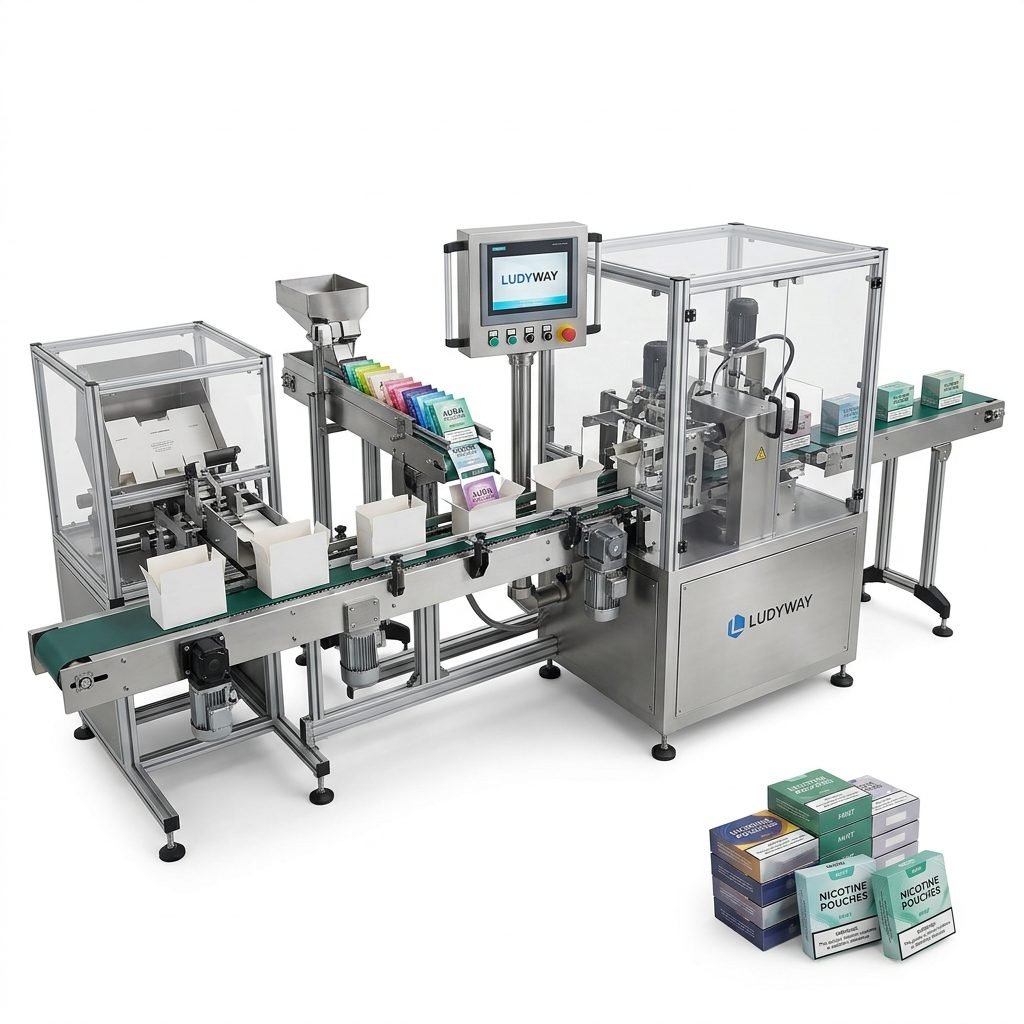
These machines erect, fill, and close cartons automatically. They are ideal for packaging pre-formed sweet boxes or erecting flat carton blanks on-site. Horizontal cartoners are commonly used for chocolates and candies placed into trays or boxes, while vertical cartoners handle products that are dropped or gravity-fed into cartons. Many modern systems integrate with upstream counting and weighing equipment for seamless operation.
2.2 Box Overwrapping Machines
Overwrapping machines apply a transparent film (typically cellophane, BOPP, or polypropylene) around filled sweet boxes. This process provides tamper evidence, moisture protection, and enhanced shelf appeal. Overwrapping is especially common for gift boxes, premium chocolate assortments, and seasonal confectionery packaging. According to the Flexible Packaging Association, overwrapping remains one of the most cost-effective methods for extending product shelf life while maintaining visual transparency.
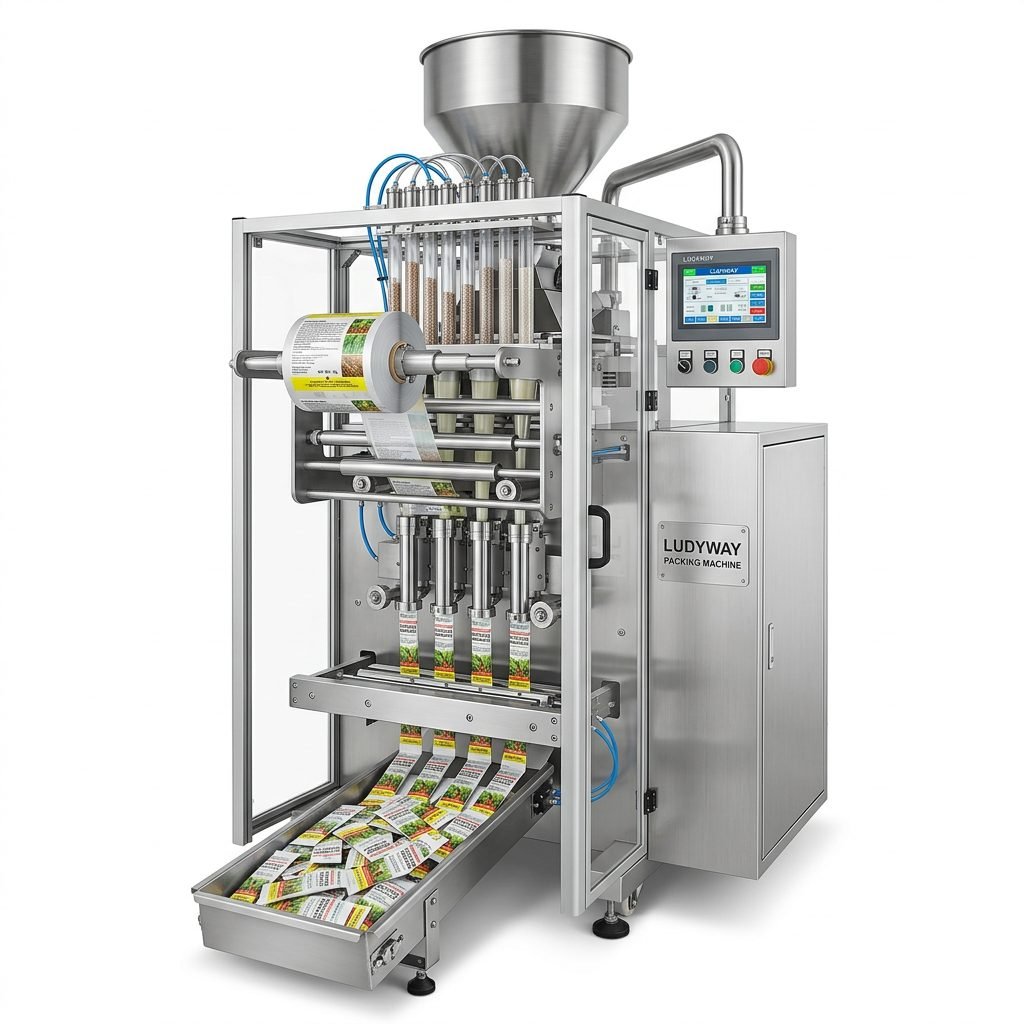
2.3 Multi-Lane Stick Pack and Sachet Machines
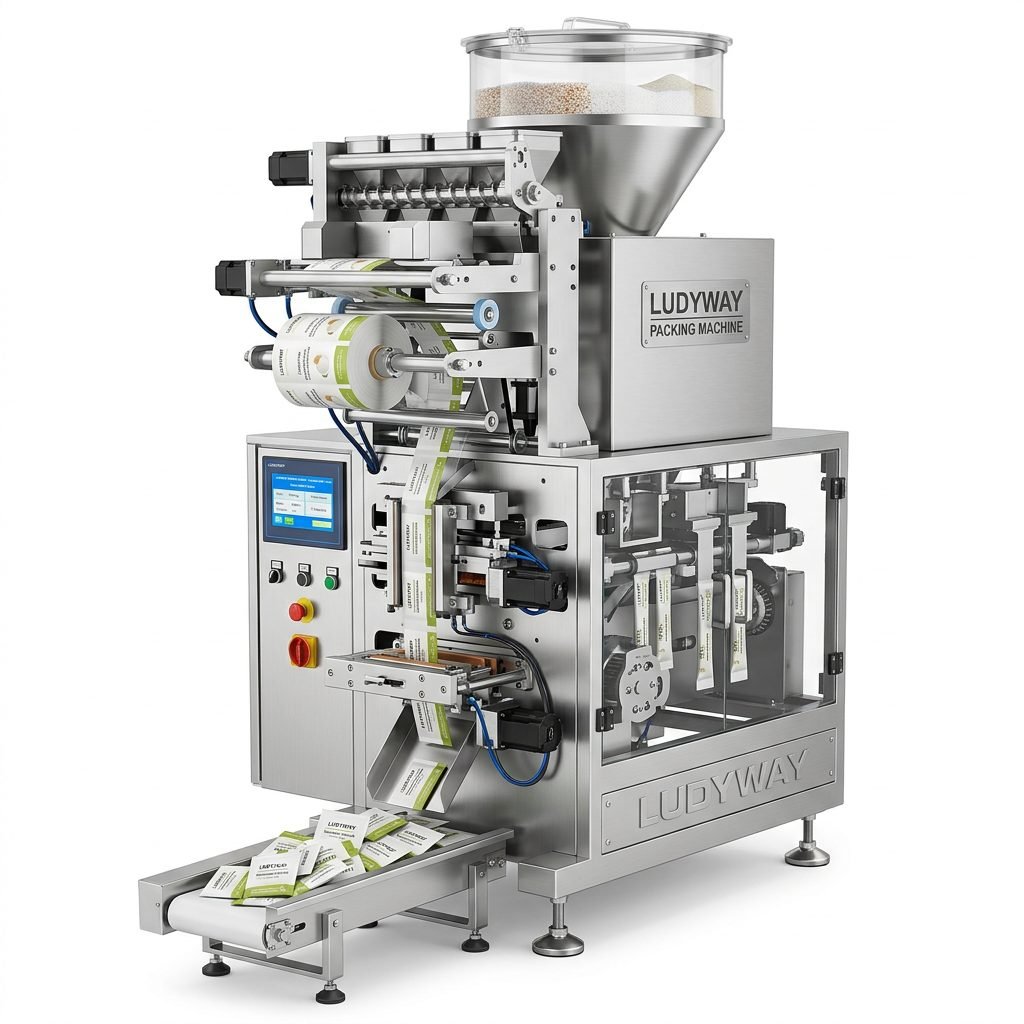
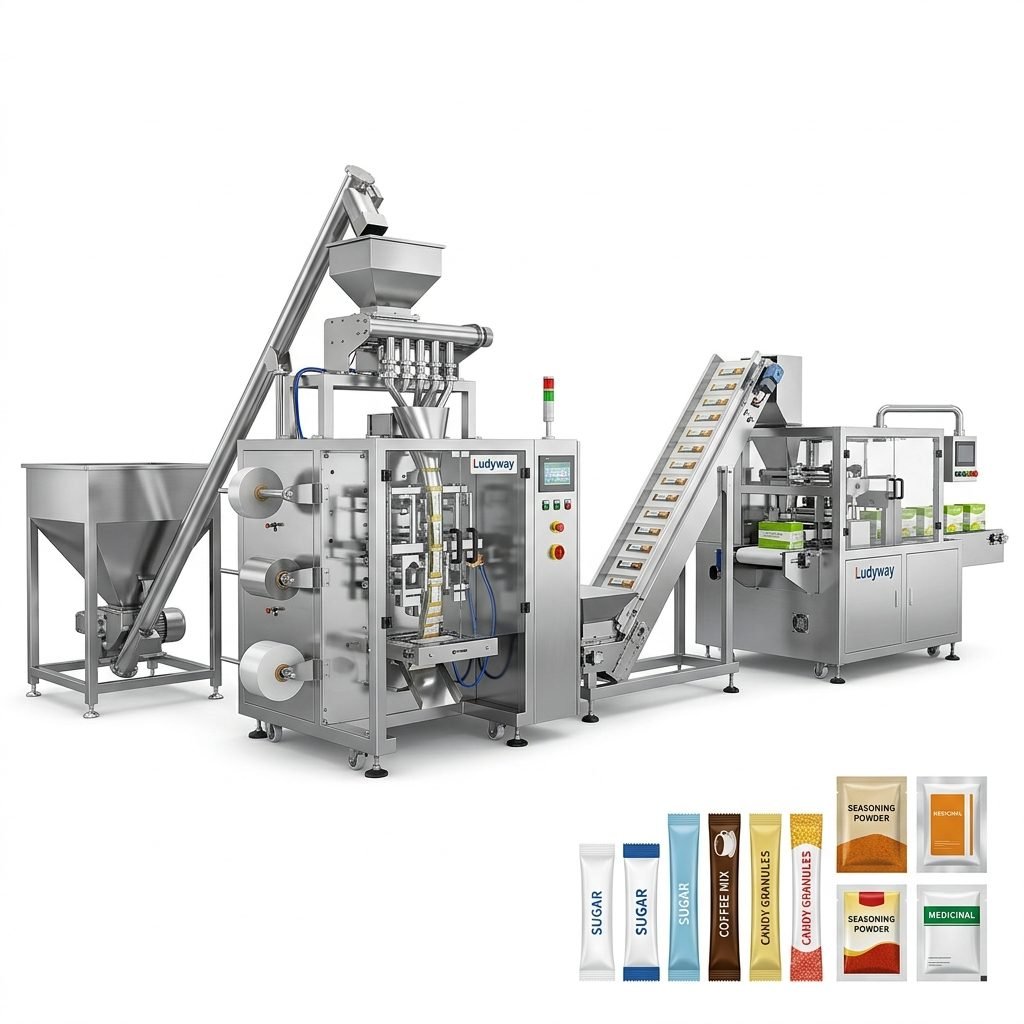
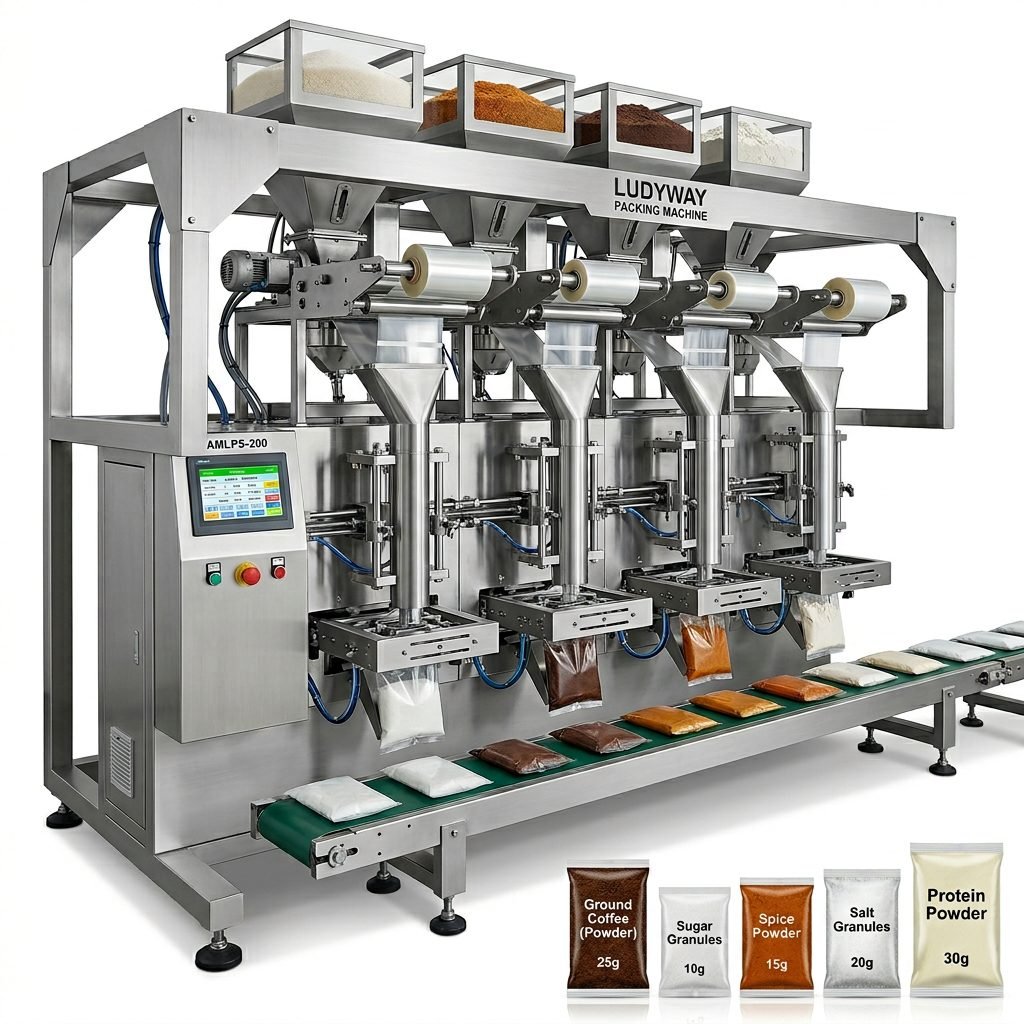
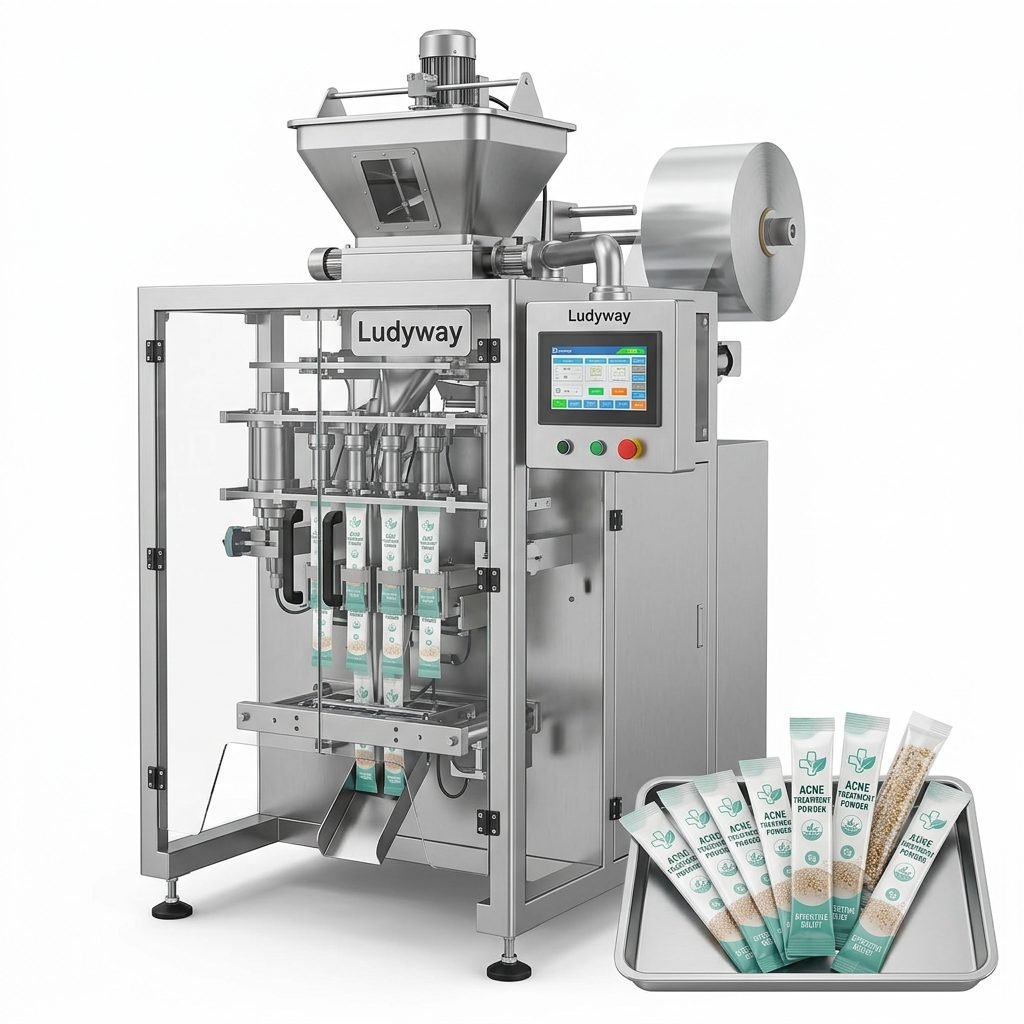
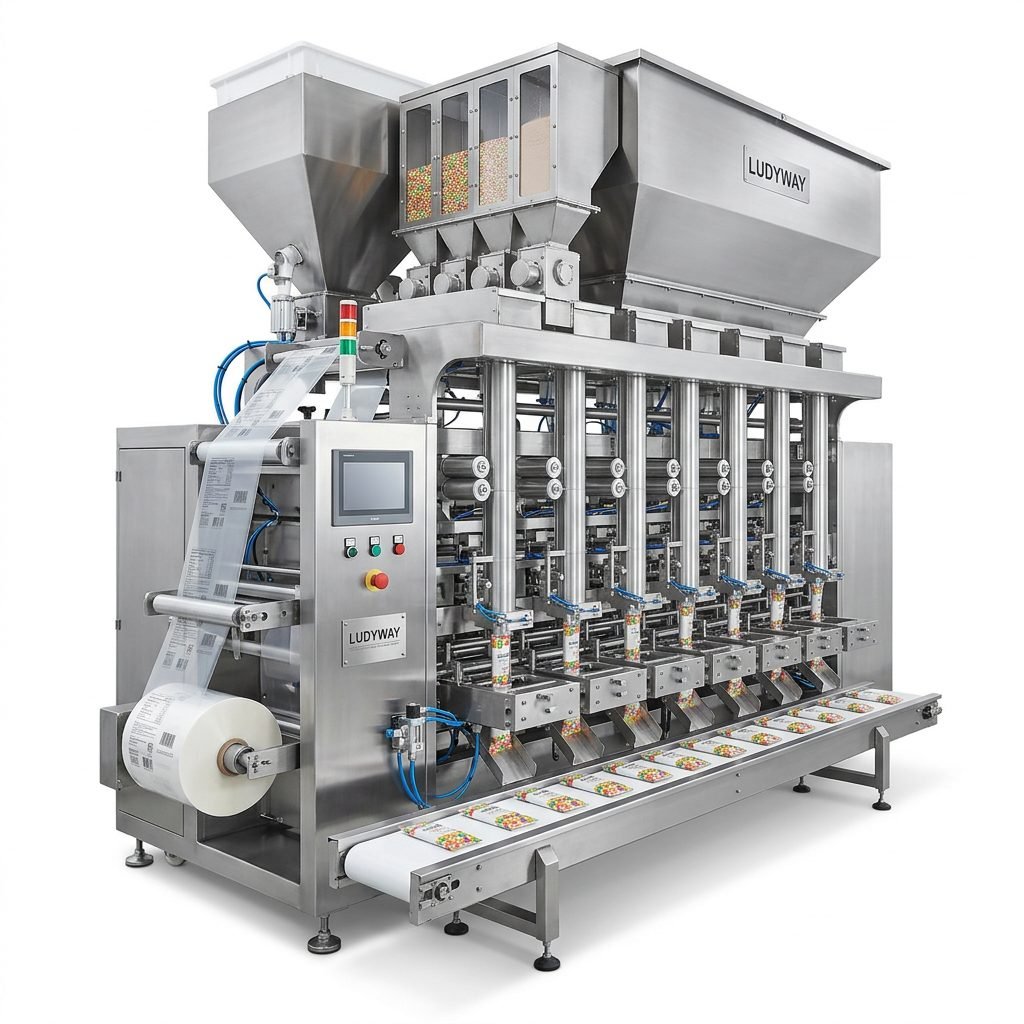
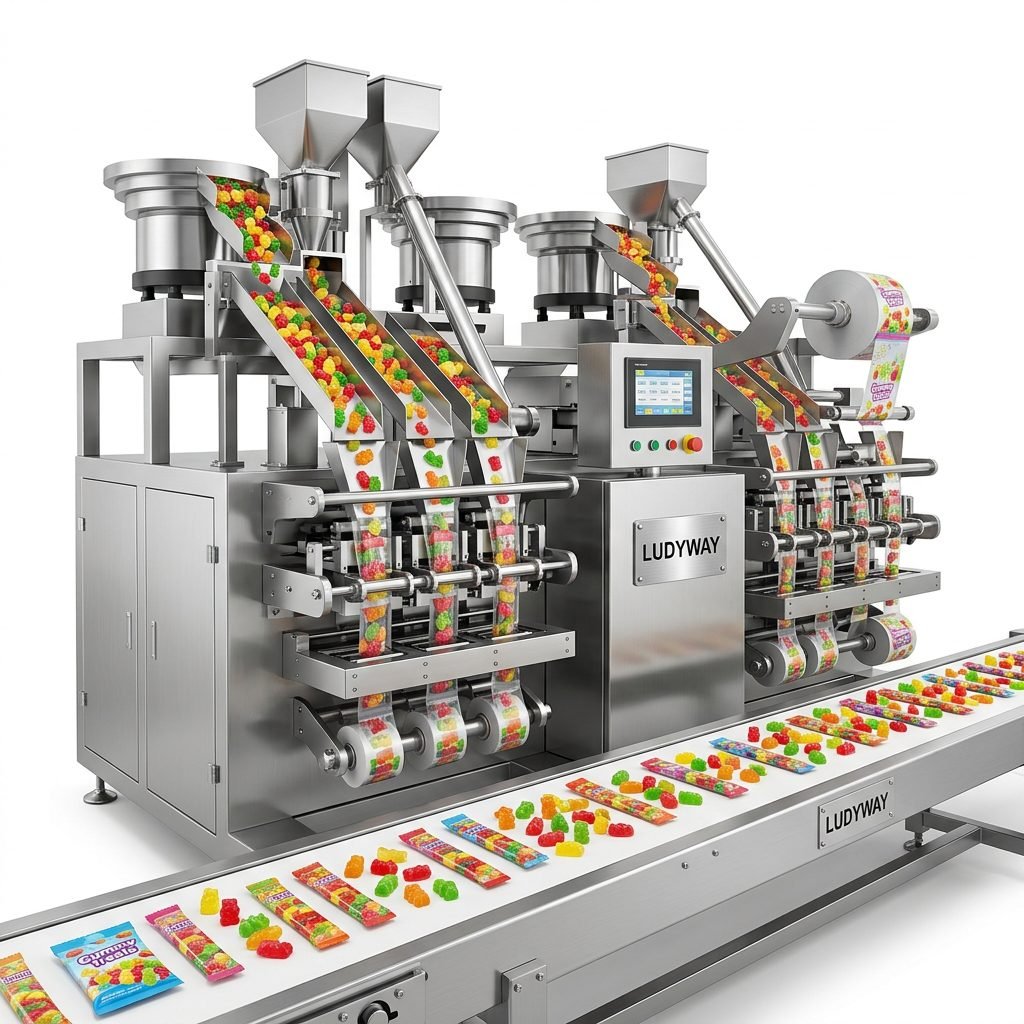
For individually wrapped sweets that are later assembled into boxes, multi-lane stick pack or sachet machines are a practical upstream investment. These systems produce single-serve pouches at high speeds, which can then be collated and packed into cartons. This two-stage approach offers flexibility for mixed assortment boxes and variety packs.
3. Key Technical Features to Evaluate
When comparing different sweet box packing machine models, focus on the following technical specifications that directly impact performance and product quality.
- Box Size Range: The machine must accommodate your current box dimensions and allow for future format changes. Look for quick-changeover designs that minimize downtime between product runs.
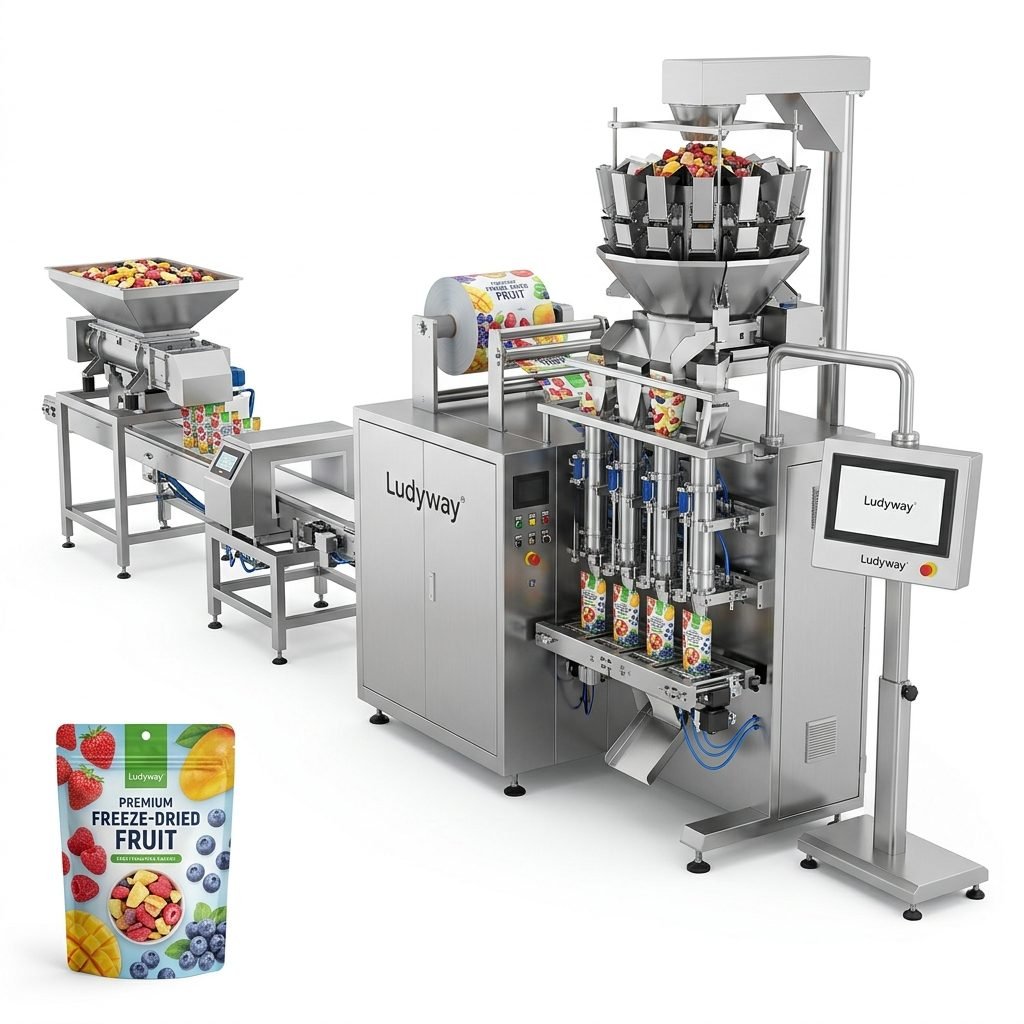
- Filling Accuracy: For boxes sold by weight, precise filling systems are non-negotiable. Multi-head weighers and servo-driven auger fillers offer the highest accuracy for confectionery products.
- Material Compatibility: Verify that the machine handles your specific packaging materials — whether that is paperboard cartons, corrugated boxes, or film-wrapped trays.
- Sealing Technology: Options include hot-melt glue, cold glue, tuck-in flaps, and heat-sealing for overwrapped boxes. Each method has different implications for production speed and package integrity.
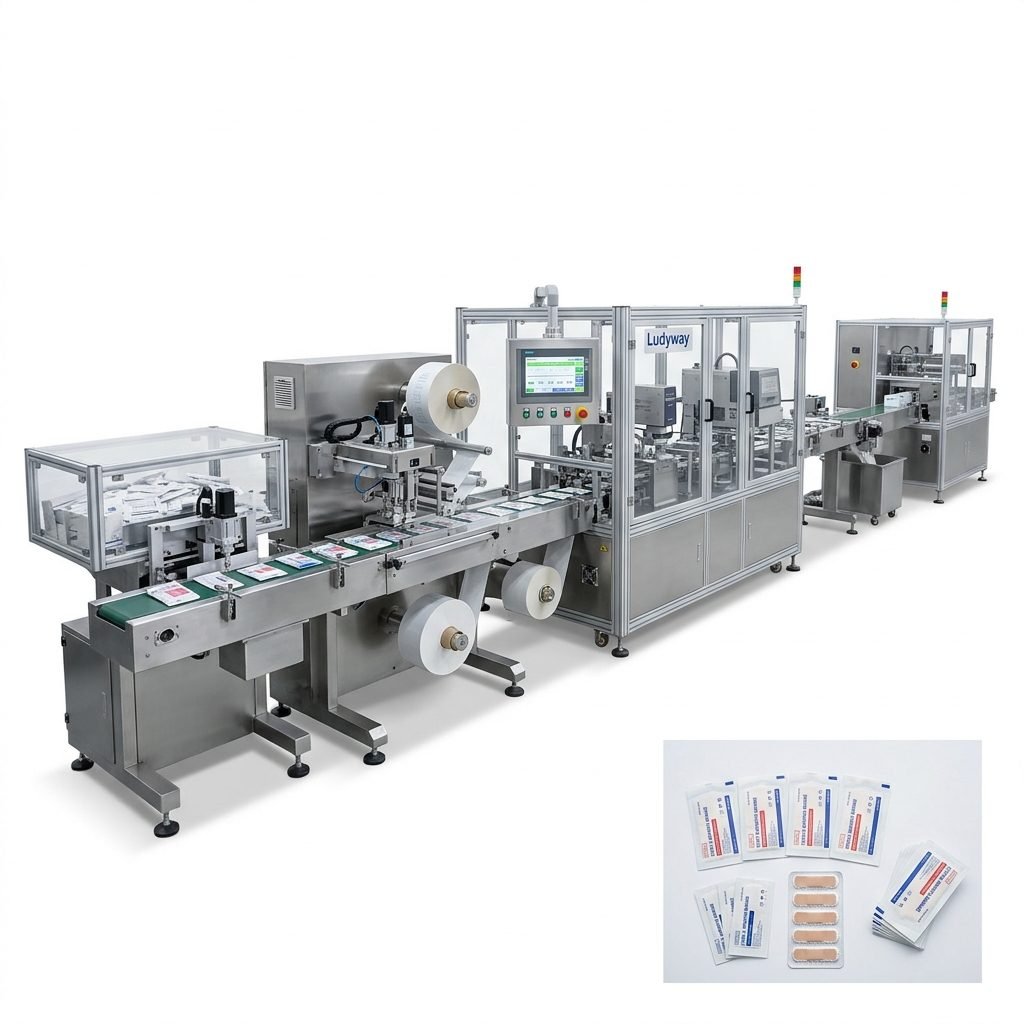
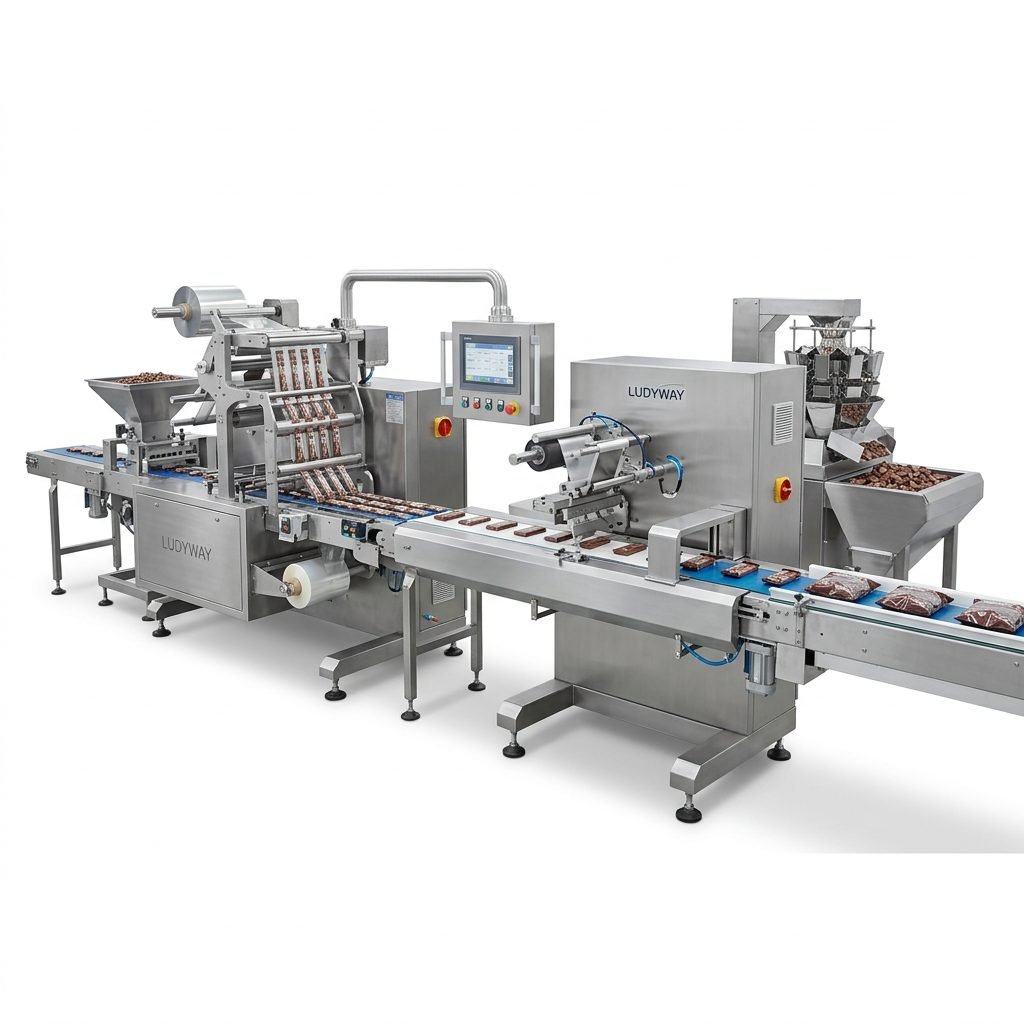
- Integration Capability: Modern packaging lines benefit from integration with upstream feeding, checkweighing, metal detection, and downstream case packing systems.
4. Material and Build Quality
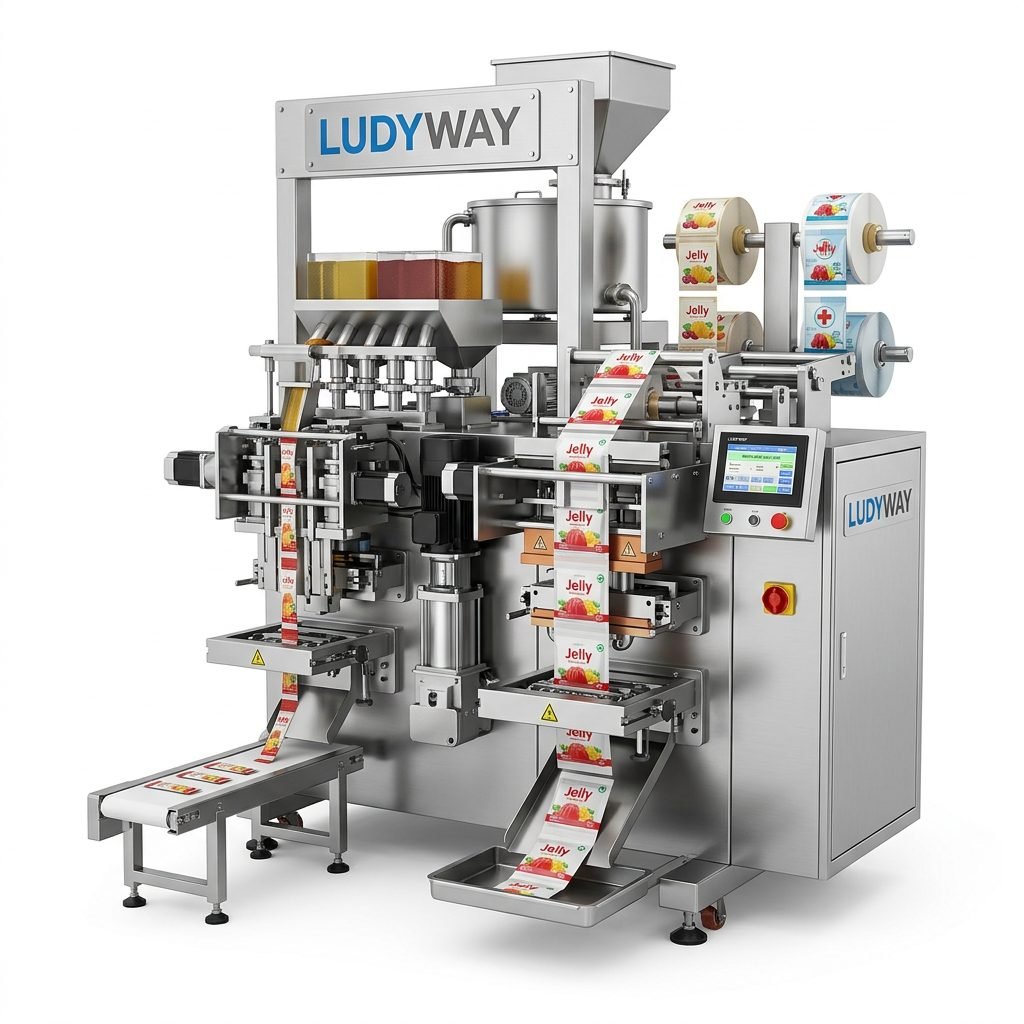
The construction of a packaging machine determines its longevity and reliability. Stainless steel (304 or 316 grade) is preferred for food-contact surfaces and washdown environments. Frame construction should be robust enough to withstand continuous operation without vibration-related issues. Pay attention to the brand of critical components — sensors, PLCs, servo motors, and pneumatic cylinders from recognized industrial automation suppliers contribute to long-term reliability. Industry standards established by organizations like PMMI provide useful benchmarks for evaluating machine quality and safety compliance.
5. Budget and Total Cost of Ownership
The purchase price of a sweet box packing machine is only one part of the financial equation. A comprehensive cost analysis should include the following elements, which are summarized in the table below.
| Cost Category | Description | Estimated Share of TCO |
|---|---|---|
| Initial Purchase Price | Machine cost including basic tooling and standard configuration | 40-50% |
| Installation and Commissioning | On-site setup, calibration, and initial operator training | 5-10% |
| Spare Parts and Maintenance | Wear parts, scheduled servicing, and unexpected repairs over the machine’s lifespan | 15-25% |
| Consumables | Packaging materials, film, glue, and other operational consumables | 15-20% |
| Energy and Utilities | Electricity, compressed air, and other utility costs during operation | 5-8% |
A machine with a lower upfront cost may have significantly higher maintenance and consumable expenses over a 5-10 year operating period. Always request a detailed breakdown of total cost of ownership (TCO) from potential suppliers before making a final decision.
6. Supplier Evaluation Criteria
Choosing the right equipment partner is as important as selecting the right machine. Consider these factors when evaluating suppliers.
6.1 Industry Experience and Track Record
Look for suppliers with demonstrable experience in confectionery and sweet packaging applications. A manufacturer that primarily serves other industries may lack the specific knowledge required for handling delicate chocolates, temperature-sensitive candies, or decorative gift boxes. Ask for case studies and references from customers in your sector. Events such as PACK EXPO International provide excellent opportunities to meet multiple suppliers and see equipment demonstrations firsthand.
6.2 Customization and Engineering Capabilities
Standard machines rarely fit every application perfectly. The best suppliers offer engineering support for customization — adjusting machine dimensions, adding specialized feeding systems, integrating coding and marking equipment, or configuring multi-lane setups for higher output. Confirm that the supplier has in-house engineering teams capable of delivering tailored solutions rather than off-the-shelf compromises.
6.3 After-Sales Service and Technical Support
Packaging machinery represents a long-term investment, and after-sales support is critical for maintaining uptime. Evaluate the supplier’s service infrastructure, including response times, availability of spare parts, remote diagnostic capabilities, and on-site technician availability in your region. A supplier with global service coverage can be particularly valuable for manufacturers operating across multiple locations.
7. Compliance and Certification Requirements
Depending on your target market, your sweet box packing machine may need to meet specific regulatory standards. Food-grade materials, sanitary design principles, and electrical safety certifications are common requirements. For manufacturers exporting to multiple regions, machines should be configurable to comply with relevant international standards including CE, UL, and FDA food contact regulations. Confirm documentation availability before purchase.
8. Future-Proofing Your Investment
Packaging trends evolve, and your equipment should be adaptable to changing market demands. Consider machines with modular designs that allow for future upgrades — adding more lanes, integrating new filling technologies, or incorporating smart factory connectivity for Industry 4.0 capabilities. The ability to handle multiple box sizes and formats without extensive retooling preserves flexibility as your product range expands.
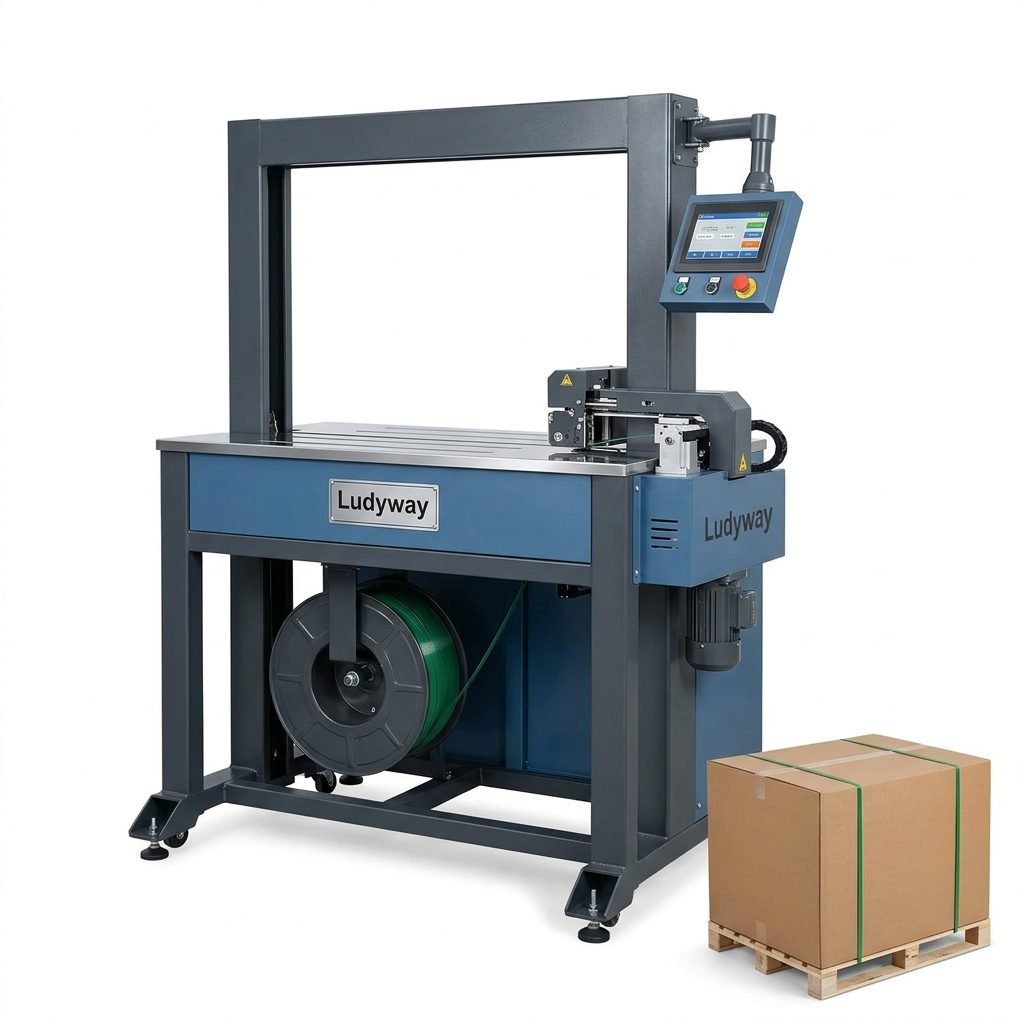
For manufacturers seeking a comprehensive packaging machinery partner, companies like Ludyway Machinery offer a broad portfolio of automated packaging equipment and turnkey solutions developed over three decades of industry experience. With more than 50 machine models, in-house engineering capabilities, and global service coverage spanning over 100 countries, such manufacturers can provide integrated packaging systems tailored to specific confectionery and food packaging requirements — from individual sweet box packing machines to complete automated production lines.
9. Making the Final Decision
After evaluating all the factors above, create a structured comparison matrix that scores each machine option against your prioritized criteria. Do not base your decision solely on price — a machine that costs 15-20% more upfront but offers higher reliability, faster changeovers, and better support can deliver substantially lower total cost of ownership over its service life. Request reference visits to see machines operating in conditions similar to your own facility whenever possible.
A well-chosen sweet box packing machine should serve your production needs reliably for 10 years or more. Taking the time to thoroughly evaluate your options — considering production requirements, machine types, technical features, supplier capabilities, and long-term costs — ensures that your investment supports both current operations and future growth.