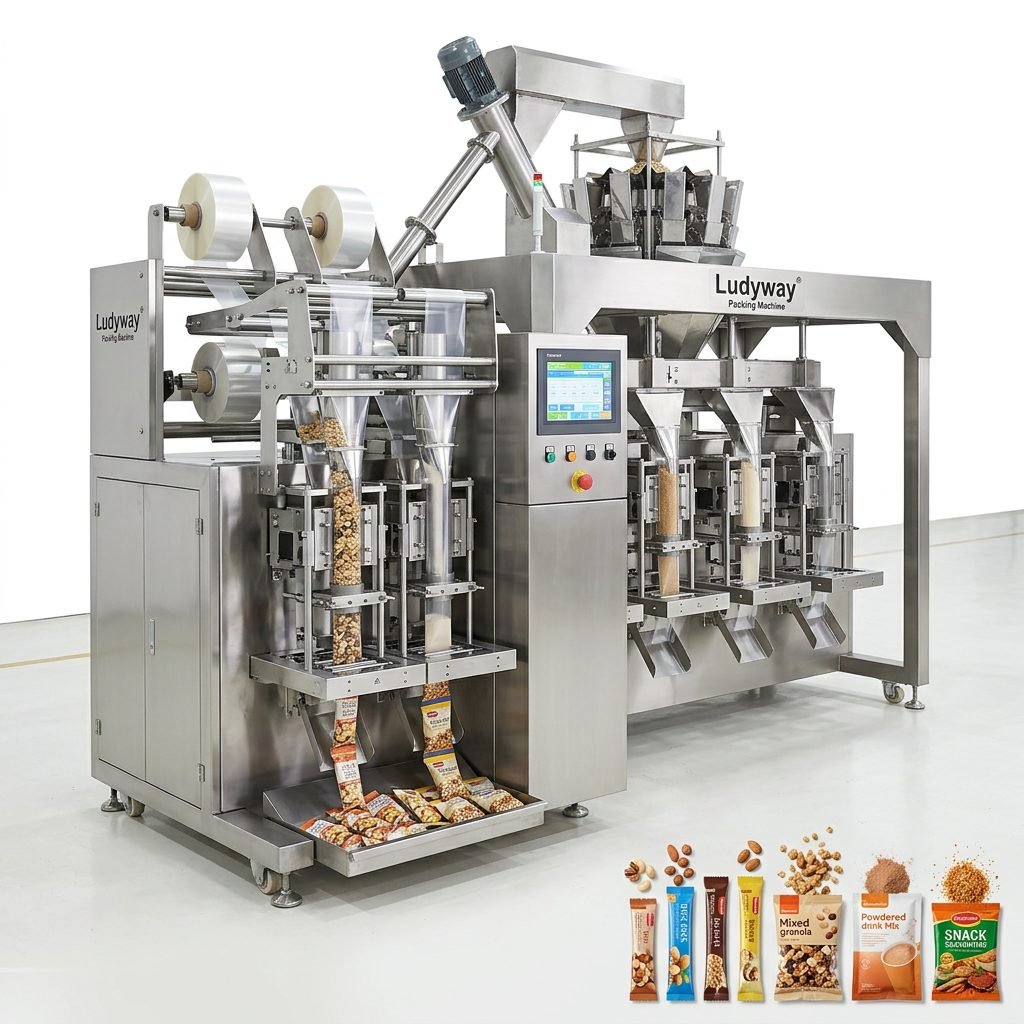
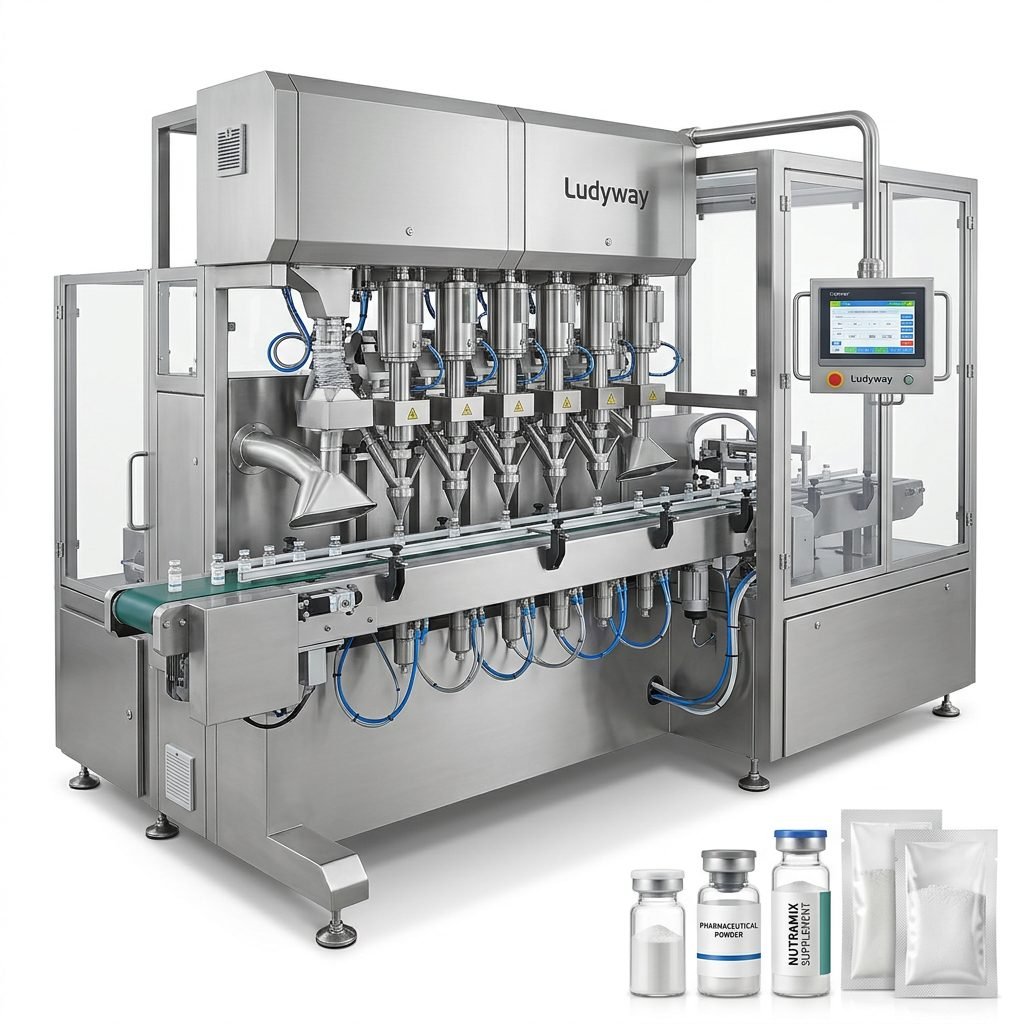
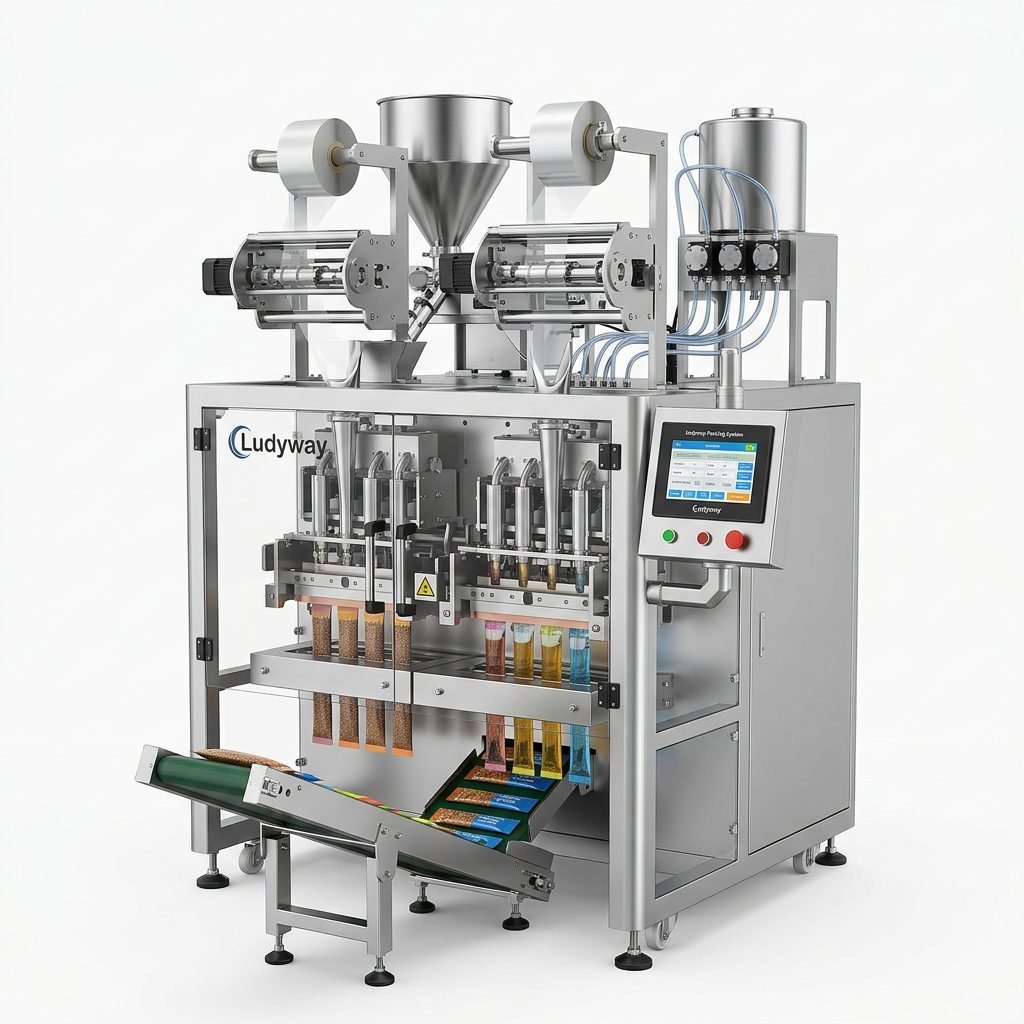
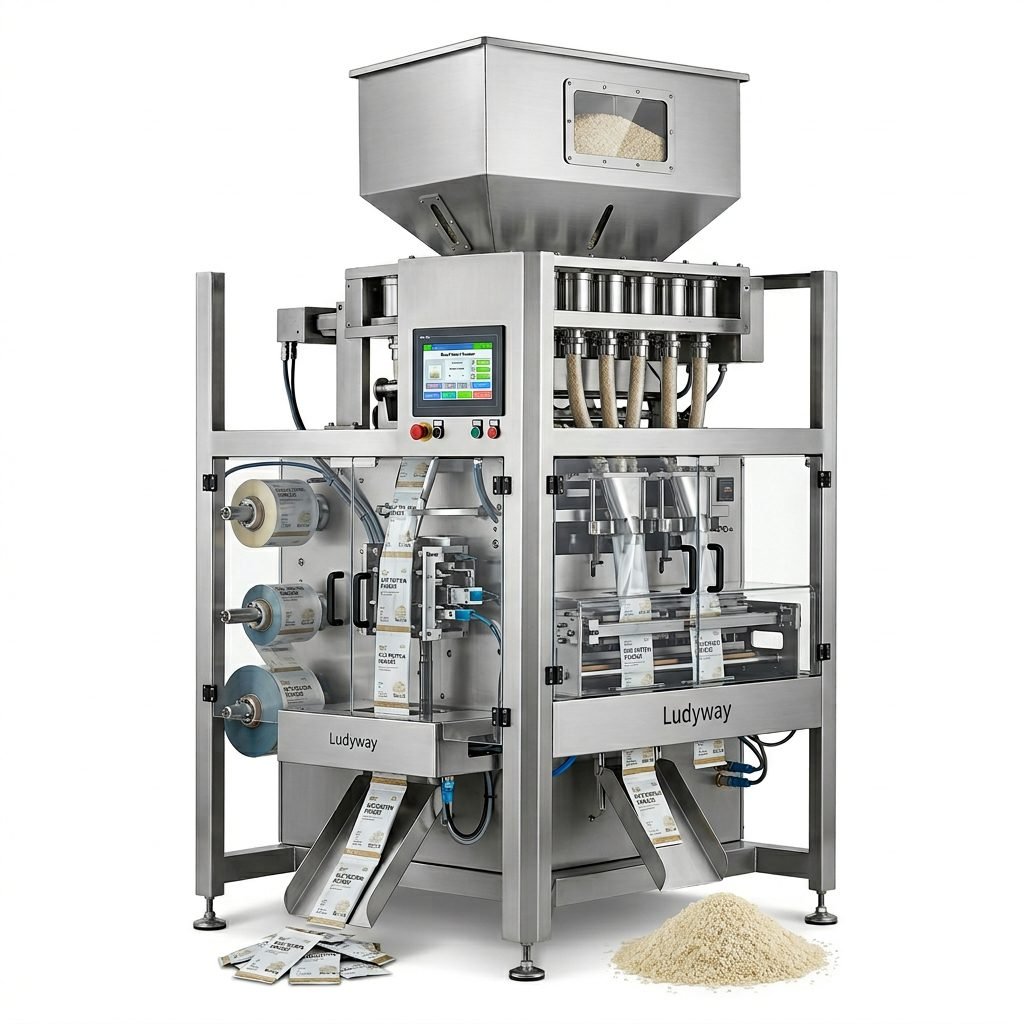
Investing in a tea and chocolate packing machine is a significant decision for any food manufacturer. Whether you are launching a new artisanal brand or scaling up mass production, the cost varies widely based on technology, output, and customization. Understanding these price drivers helps secure a solution that balances budget with long-term performance.

Key Factors Influencing Machine Price
Several core elements shape the final quote for packaging equipment. It is rarely a one-size-fits-all number. Here are the main variables that impact the budget:
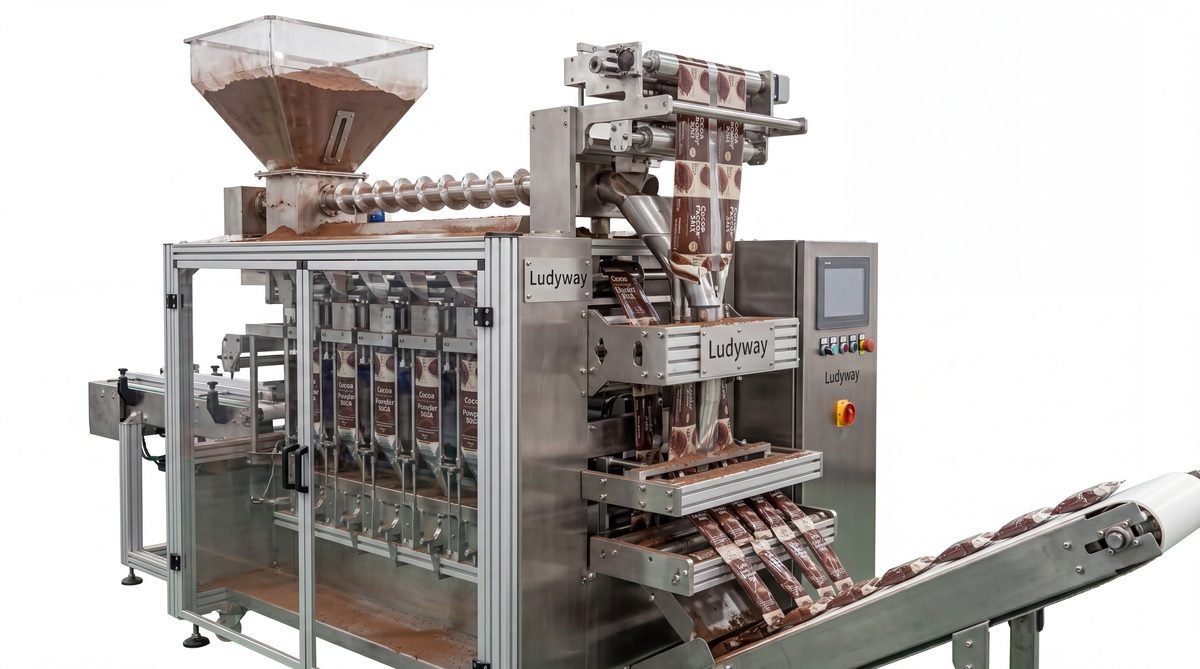
- Automation Level: Semi-automatic machines for start-ups cost less than fully automated, high-speed multi-lane packaging lines.
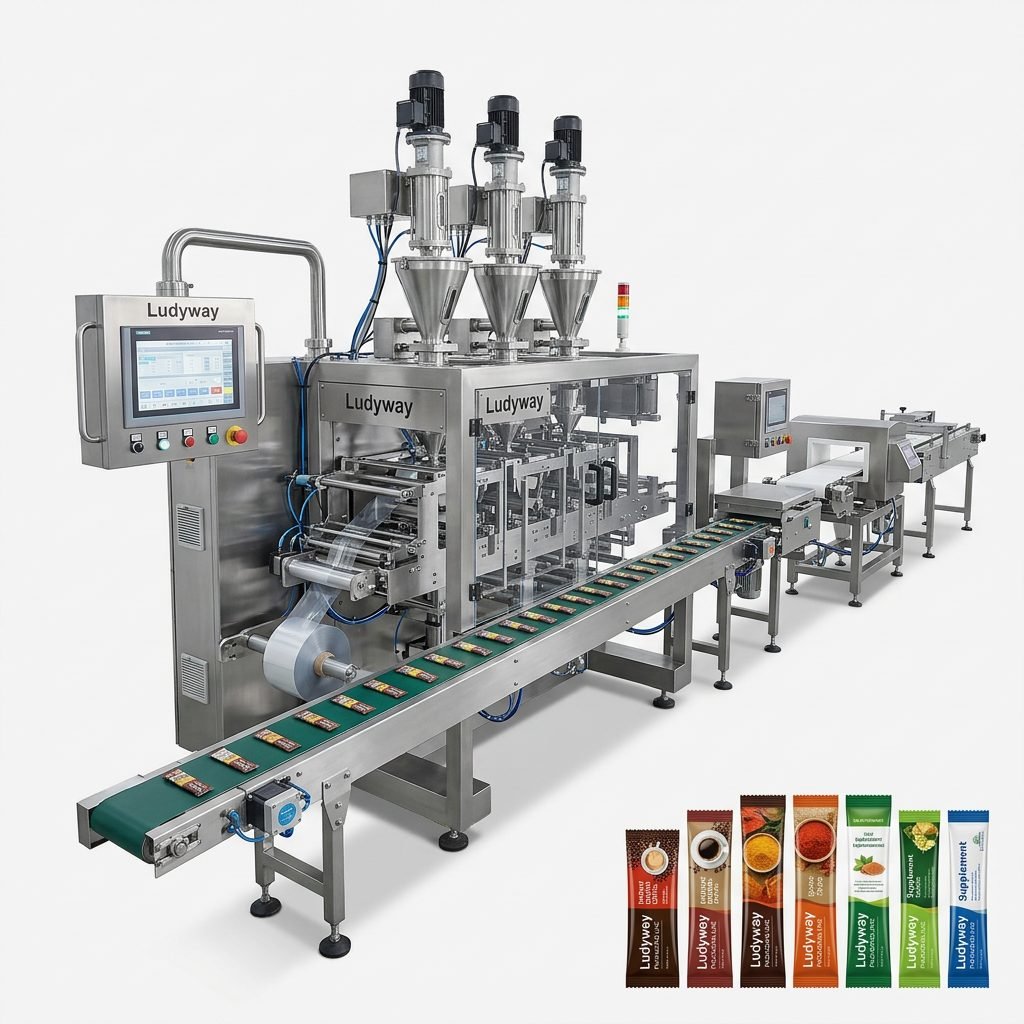
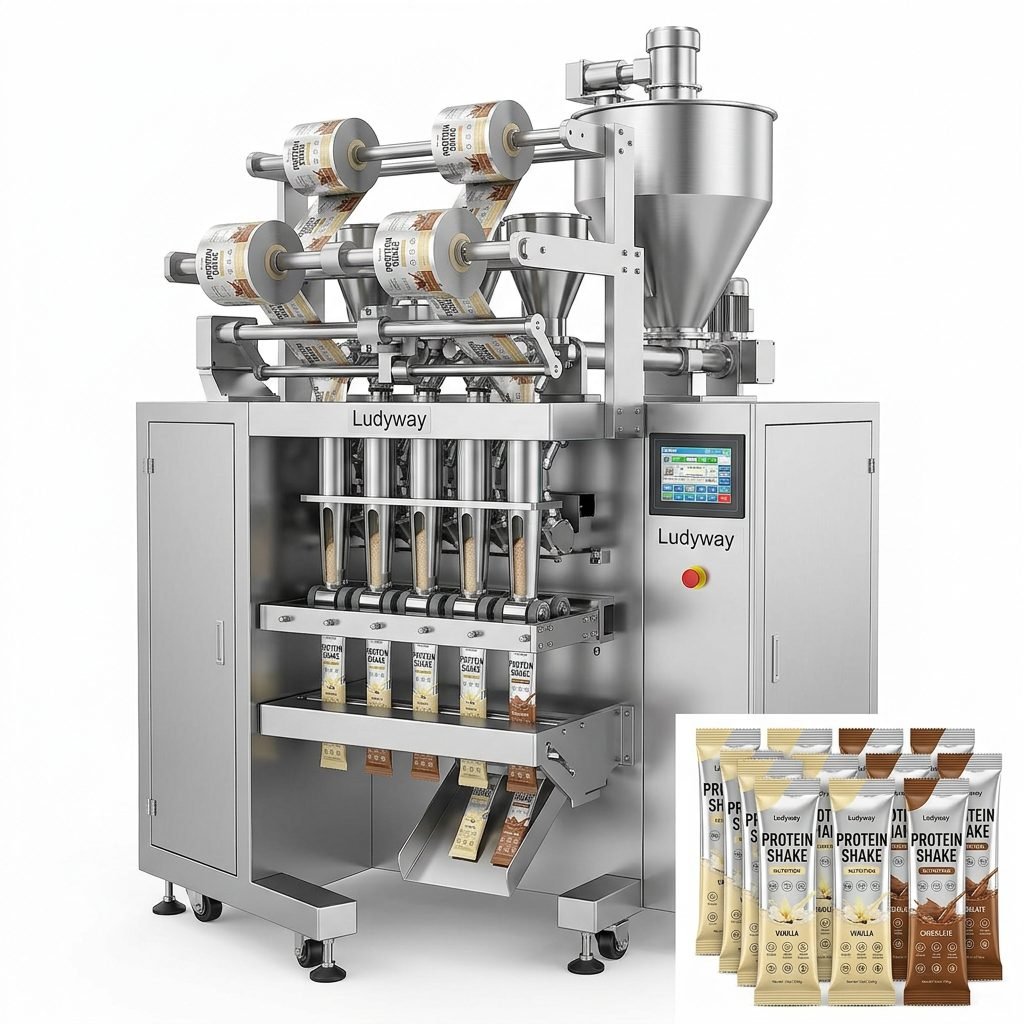
- Packaging Style: Stick packs, sachets, and pouches require different forming and sealing technologies. Stick pack machines often command a premium due to precision.
- Speed and Output: Machines running at 40 packs per minute are cheaper than high-output systems delivering 400+ packs per minute.
- Material Compatibility: Handling fine tea dust or sticky chocolate powder demands specialized feeders and agitators, increasing engineering costs.
Typical Price Ranges for Tea and Chocolate Packaging Machines
To give you a practical starting point, we have broken down the investment by machine type. The table below highlights estimated cost brackets for standard configurations.
| Machine Type | Estimated Cost Range (USD) | Best For |
|---|---|---|
| Entry-Level Single-Lane Sachet Machine | $8,000 – $20,000 | Small workshops, artisanal tea |
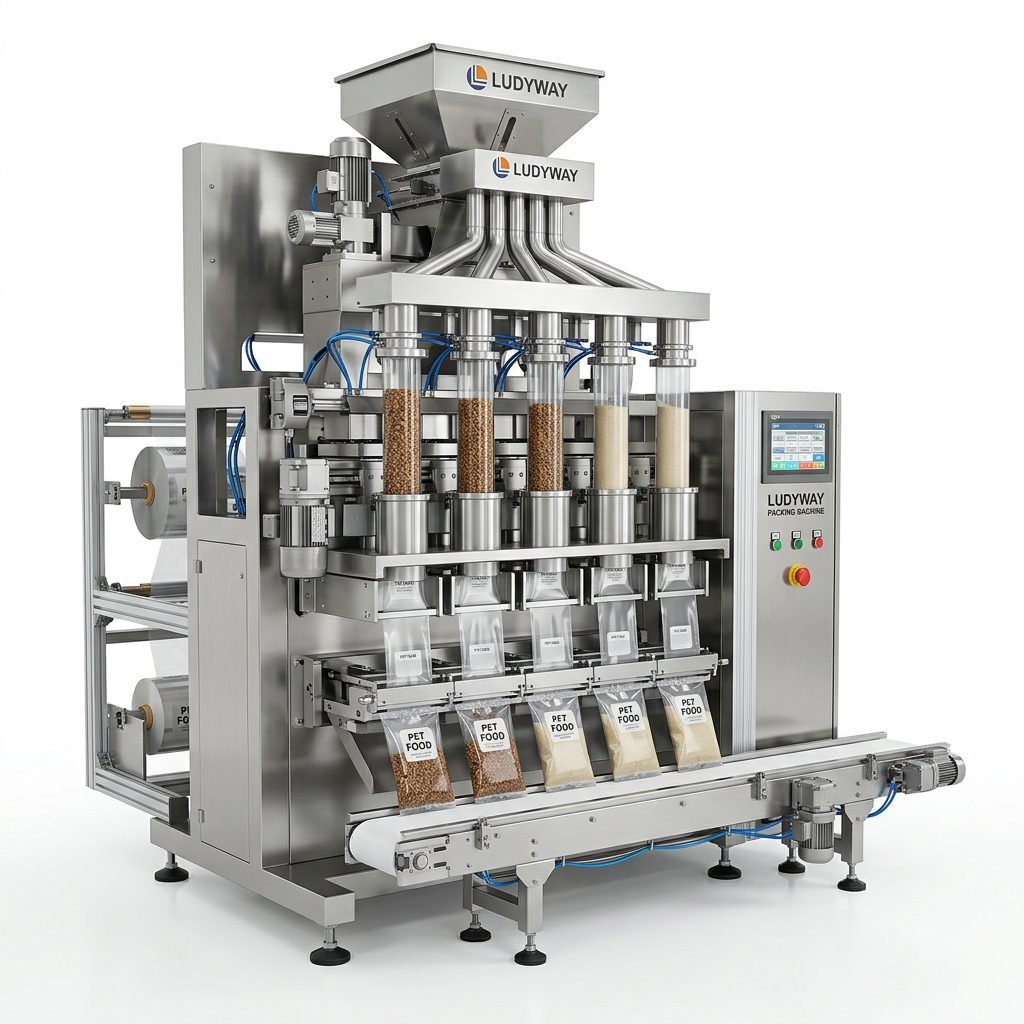
| Mid-Range Multi-Lane Stick Pack Machine | $25,000 – $65,000 | Medium enterprises, instant chocolate drinks |
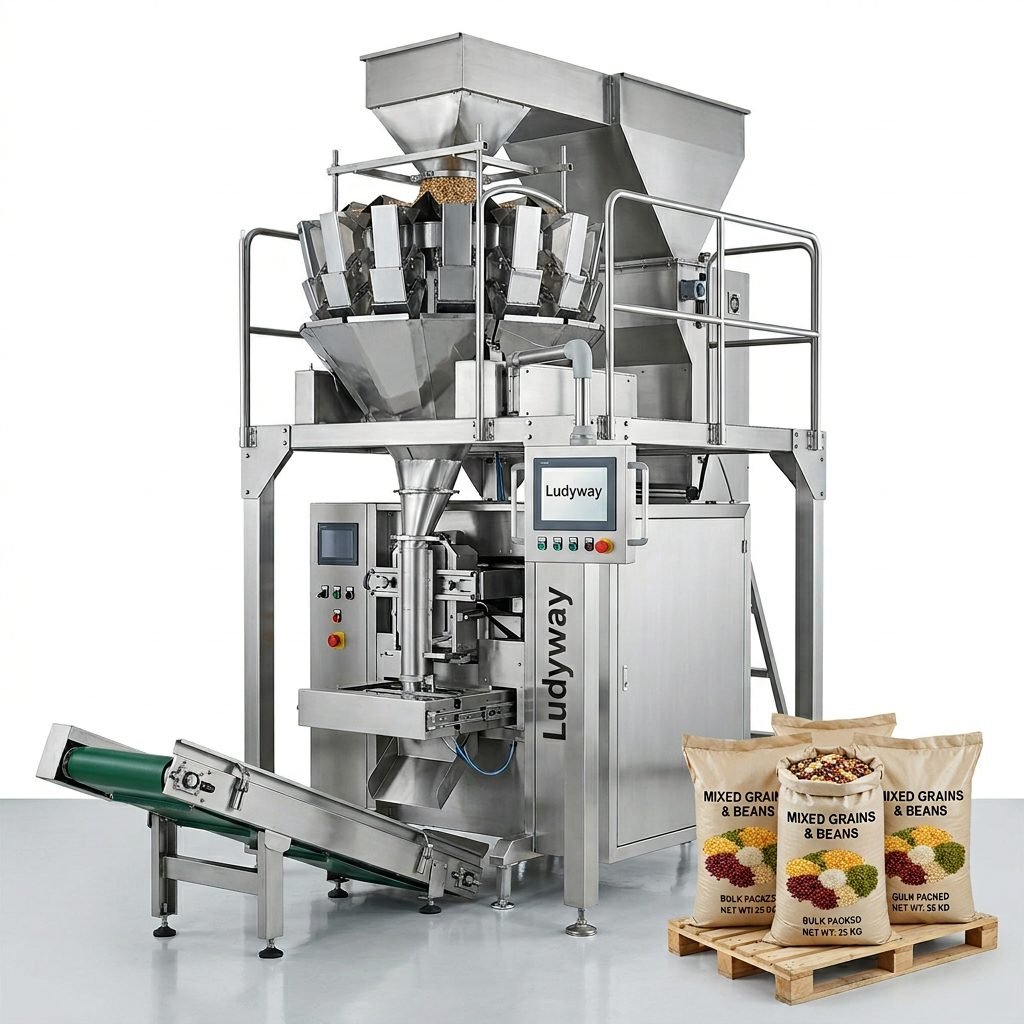
| High-Speed Fully Automatic System | $70,000 – $180,000+ | Mass production, export-oriented brands |
| Complete Turnkey Production Line | $200,000 – $500,000+ | Integrated systems with filling, cartoning, palletizing |
Hidden Costs and Essential Add-Ons
The sticker price is just the entry point. Operational readiness often requires auxiliary equipment that impacts the total project budget.
- Weighing and Filling Systems: Multi-head weighers for tea or auger fillers for chocolate powder add precision but raise costs by $5,000–$20,000.
- Nitrogen Flushing: Critical for extending the shelf life of tea and cocoa products. A gas flushing system can add $2,000–$8,000.
- Coding and Labeling: Industrial inkjet coders for batch dates typically range from $2,500 to $8,000.
- Dust Extraction: Chocolate and tea powders create fine dust; a dust collection system protects electronics and operators.
How to Optimize Your Investment Without Sacrificing Quality
Balancing budget and performance requires a strategic approach. Instead of solely focusing on the initial purchase, consider these cost-optimization strategies:
- Start Modular: Begin with a semi-automatic machine and integrate a full automated packaging line later as sales grow.
- Inspect Frame Quality: A heavy-duty stainless steel frame costs more upfront but dramatically reduces vibration and maintenance on high-speed runs.
- Evaluate Film Waste: Precision servo-driven machines cut waste. A 2% reduction in film waste translates to thousands saved annually.
Choosing a Reliable Manufacturing Partner
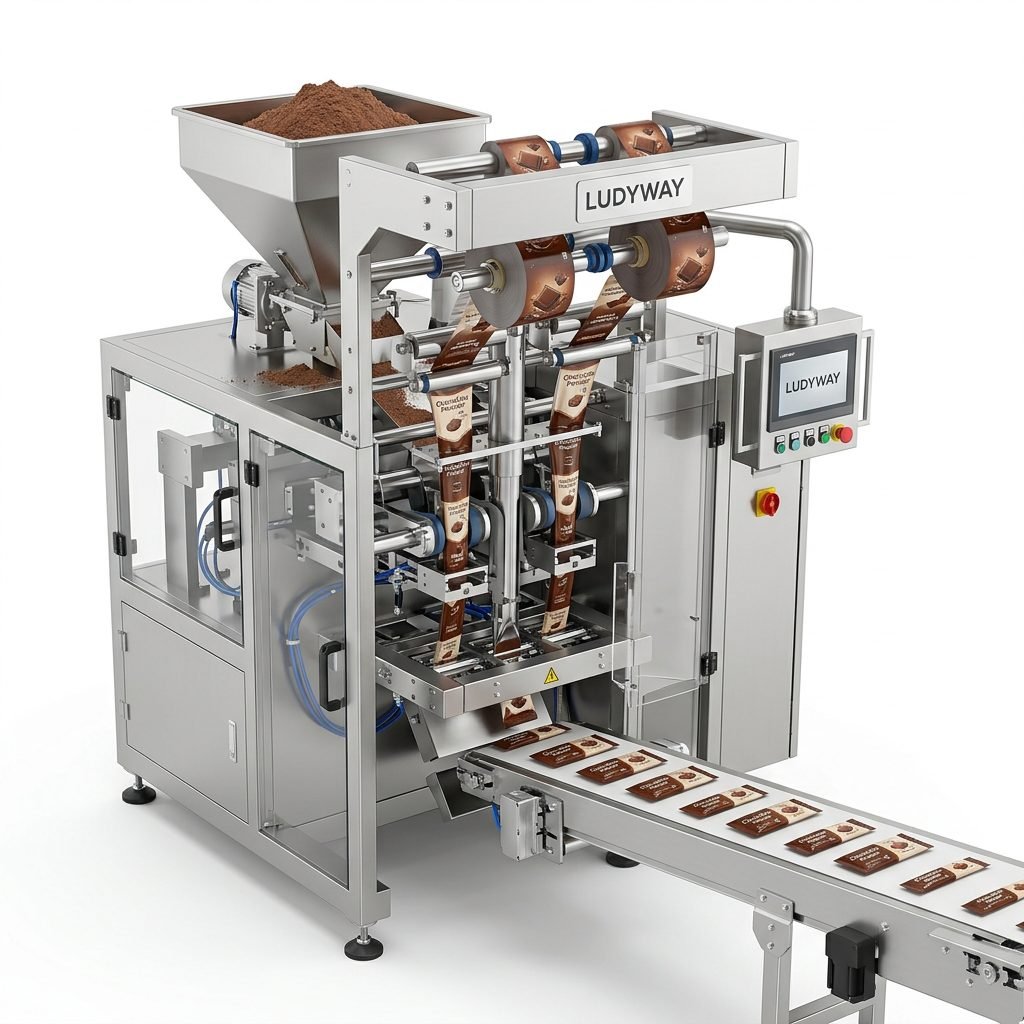
The complexity of food packaging demands a partner with proven engineering depth. Ludyway is one of the largest packaging machine manufacturers in China, specializing in advanced packaging equipment and turnkey production solutions for the food, pharmaceutical, and health industries. With over 30 years of industry expertise, we provide reliable and efficient packaging solutions for granule, powder, liquid, and pouch packaging applications. Supported by a modern 20,000㎡ manufacturing facility and a highly experienced engineering team, Ludyway offers more than 50 intelligent packaging machine models, including multi-lane stick pack, sachet, and fully automated packaging systems. Serving customers in over 100 countries and regions, we are committed to delivering innovative, high-performance, and cost-effective packaging solutions that help businesses improve productivity, product quality, and operational efficiency.
Real-World Performance Expectations
To justify the cost, a machine must deliver consistent output. Here is a quick breakdown of common performance metrics for granular and powder products:
| Product Type | Lane Configuration | Max Output (Packs/Min) |
|---|---|---|
| Herbal Tea Granules | 4-Lane | 160 – 200 |
| Fine Tea Dust | 6-Lane | 250 – 300 |
| Hot Chocolate Mix | 8-Lane | 320 – 450 |
| Cocoa Powder | 10-Lane | 400 – 550 |
Maintenance and Lifecycle Costs
Calculating the true cost extends beyond the factory floor. Look at the total cost of ownership over 5–10 years.
- Spare Parts: Sealing jaws and belts are wear items. Budget roughly 2-3% of the machine value annually for replacements.
- Technical Support: Manufacturers with remote diagnostic capabilities and global support networks minimize downtime costs.
- Energy Consumption: Modern servo-driven machines consume significantly less power than older pneumatic models, reducing operational expenses.
Industry References and Further Reading
To make an informed decision, consult authoritative industry resources. Here are some valuable links:
- PMMI – The Association for Packaging and Processing Technologies
- Flexible Packaging Association – Industry Resources
- FDA – Food Packaging and Food Contact Substances
- ISO – Packaging Standards
- European Commission – Packaging and Packaging Waste

Ultimately, the budget for a tea and chocolate packing machine reflects a balance between speed, flexibility, and durability. By aligning your production goals with the right technology, you secure a swift return on investment and consistent product quality that stands out on the shelf.