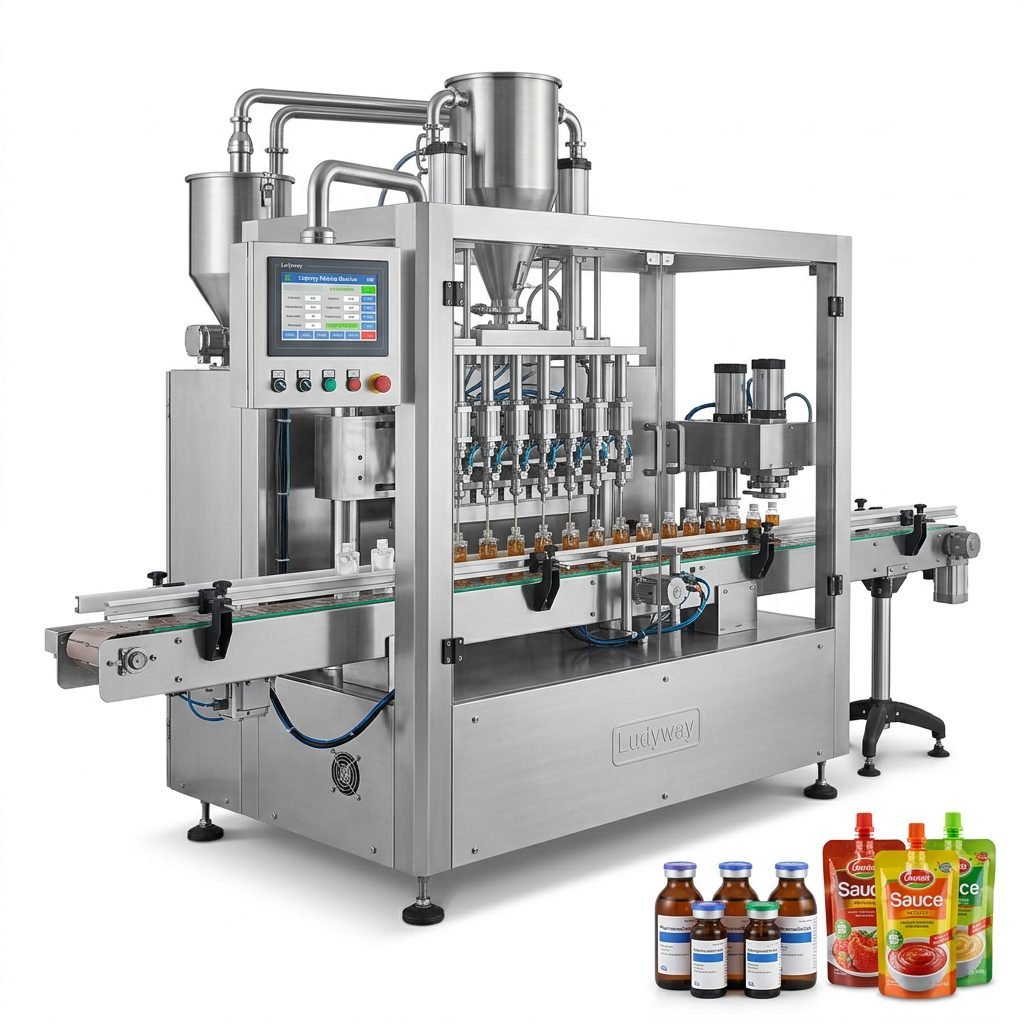
Investing in a yoghurt packaging machine is a critical decision for dairy producers looking to scale operations, extend shelf life, and maintain product integrity. Whether you are packaging drinkable yoghurt, Greek-style cups, or multi-lane stick packs, selecting the right equipment directly impacts your production efficiency, hygiene compliance, and bottom line. This guide walks you through the essential factors to evaluate before making a purchase.
Understanding Your Yoghurt Packaging Requirements
Before comparing machine specifications, clearly define your production goals. Consider the type of yoghurt you produce — liquid drinkable yoghurt, set yoghurt, Greek-style thick yoghurt, or frozen yoghurt — as each requires different filling mechanisms. Also evaluate your target packaging format: single-serve sachets, multi-lane stick packs, pre-formed cups, or family-size pouches. Your choice of packaging format will significantly narrow down the suitable machine categories.
According to industry data from PMMI’s business intelligence reports, the global dairy packaging equipment market continues to grow steadily, driven by rising demand for convenient, portion-controlled formats. Understanding these macro trends helps align your investment with long-term market direction.
Types of Yoghurt Packaging Machines
Different machine configurations serve different production scales and packaging styles. Below are the most common types used in the yoghurt industry.
Form-Fill-Seal (FFS) Machines
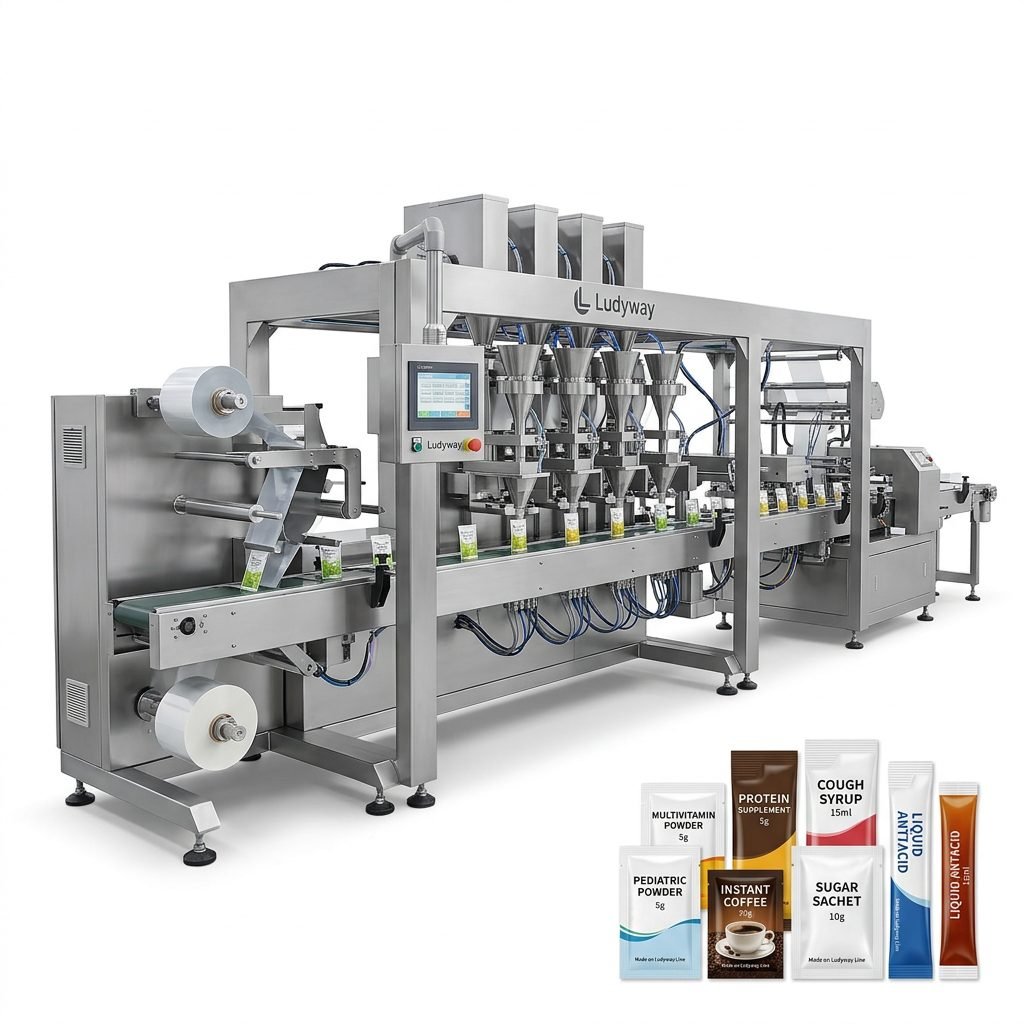
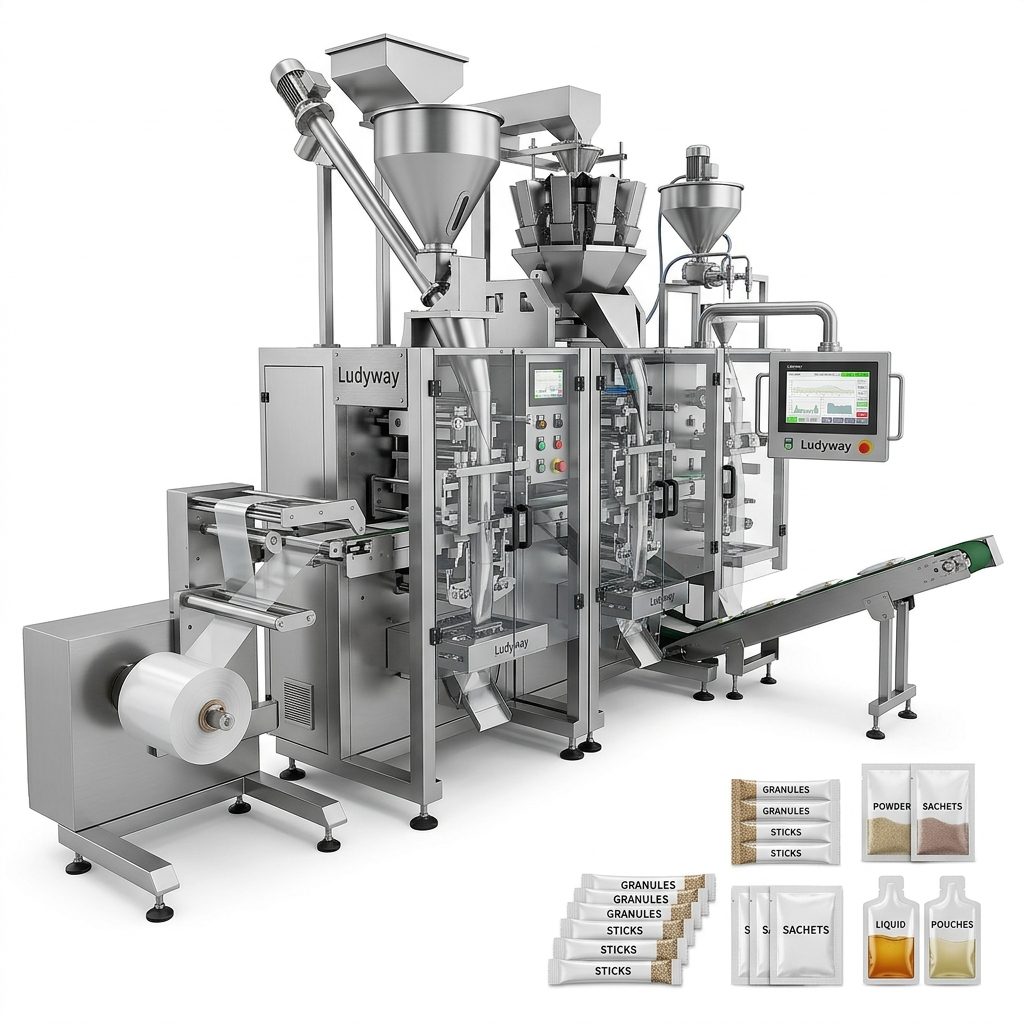
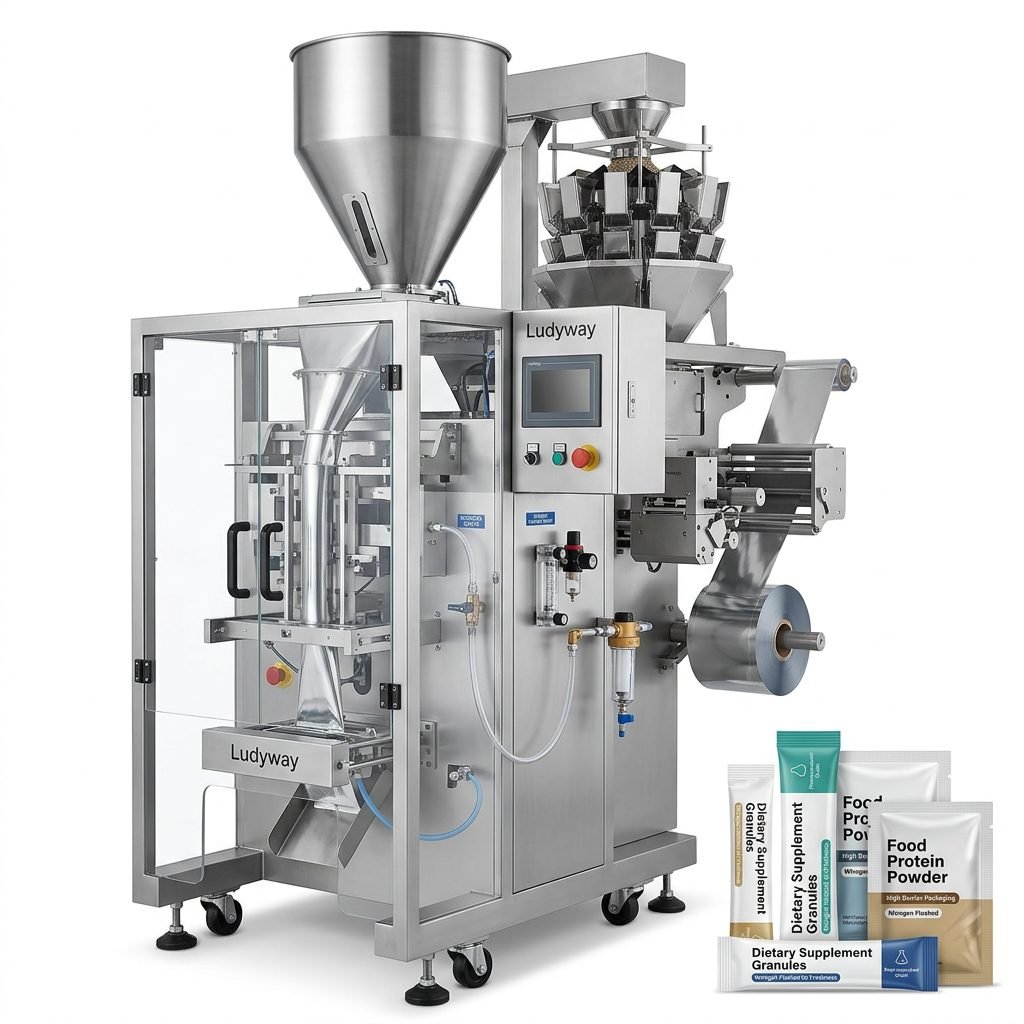
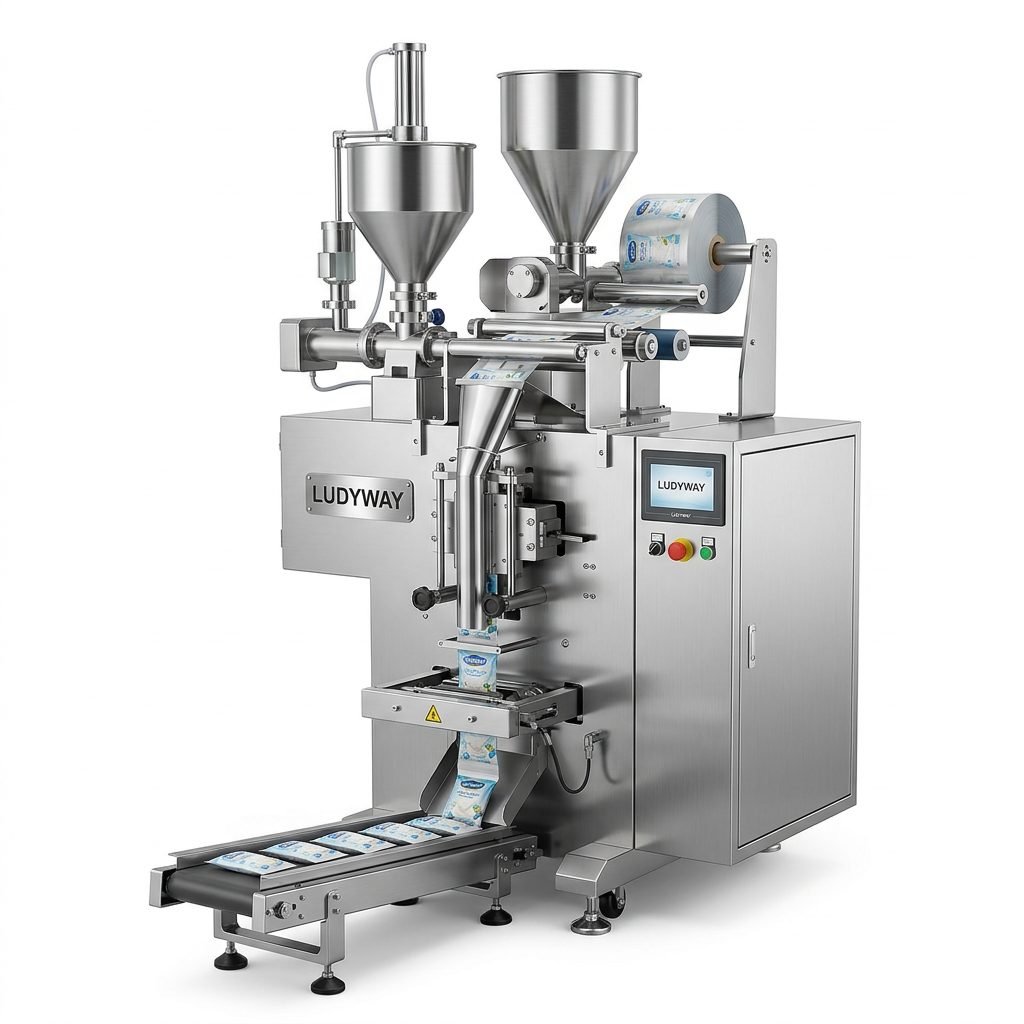
FFS machines create the package from roll stock film, fill it with yoghurt, and seal it — all in one continuous process. They are ideal for high-volume production of sachets and pouches. These machines offer excellent cost-per-package efficiency and are widely adopted for single-serve yoghurt portions.
Pre-Made Cup Filling and Sealing Lines
If your brand relies on pre-formed plastic cups with foil or film lids, a dedicated cup filling and sealing line is the standard choice. These systems handle cup denesting, precision dosing, lid application, and date coding. They are preferred for set and stirred yoghurt products where visual presentation and tamper-evident seals matter.
Multi-Lane Stick Pack Machines
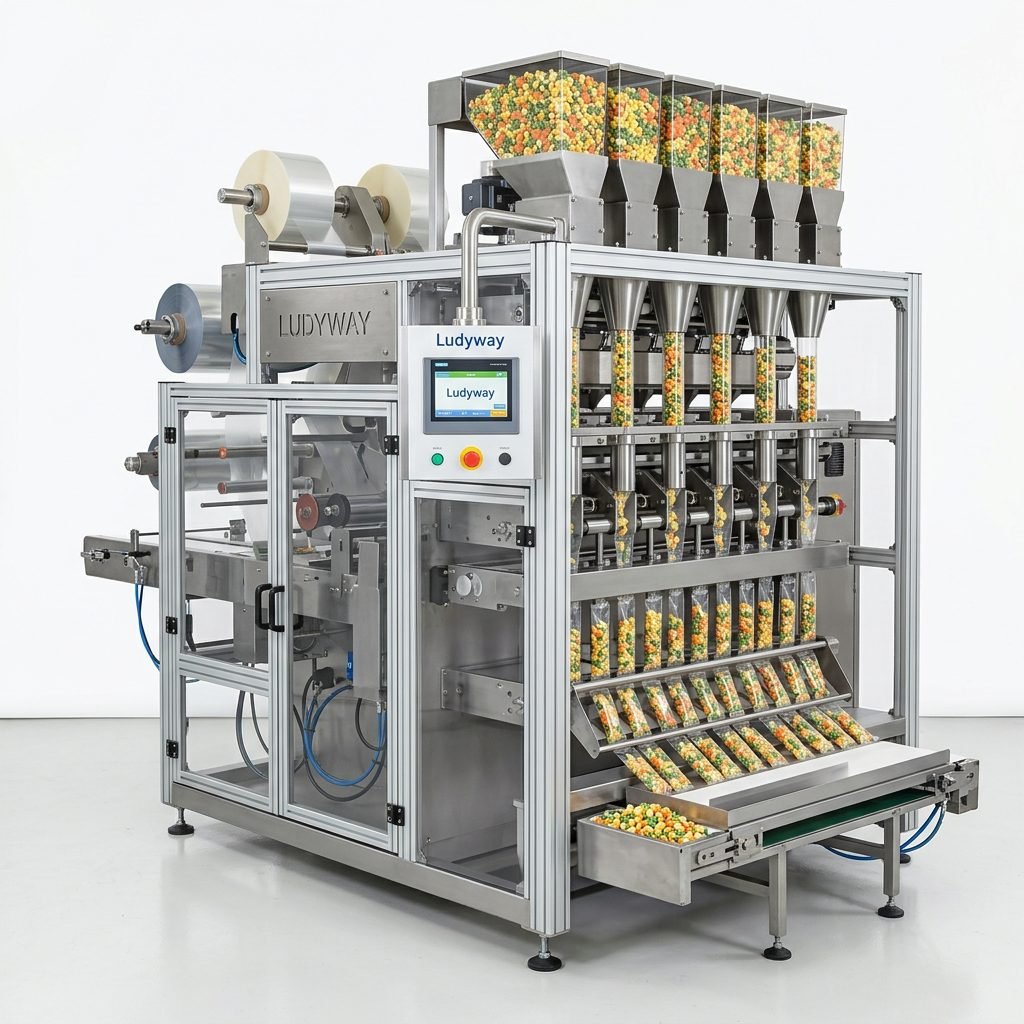
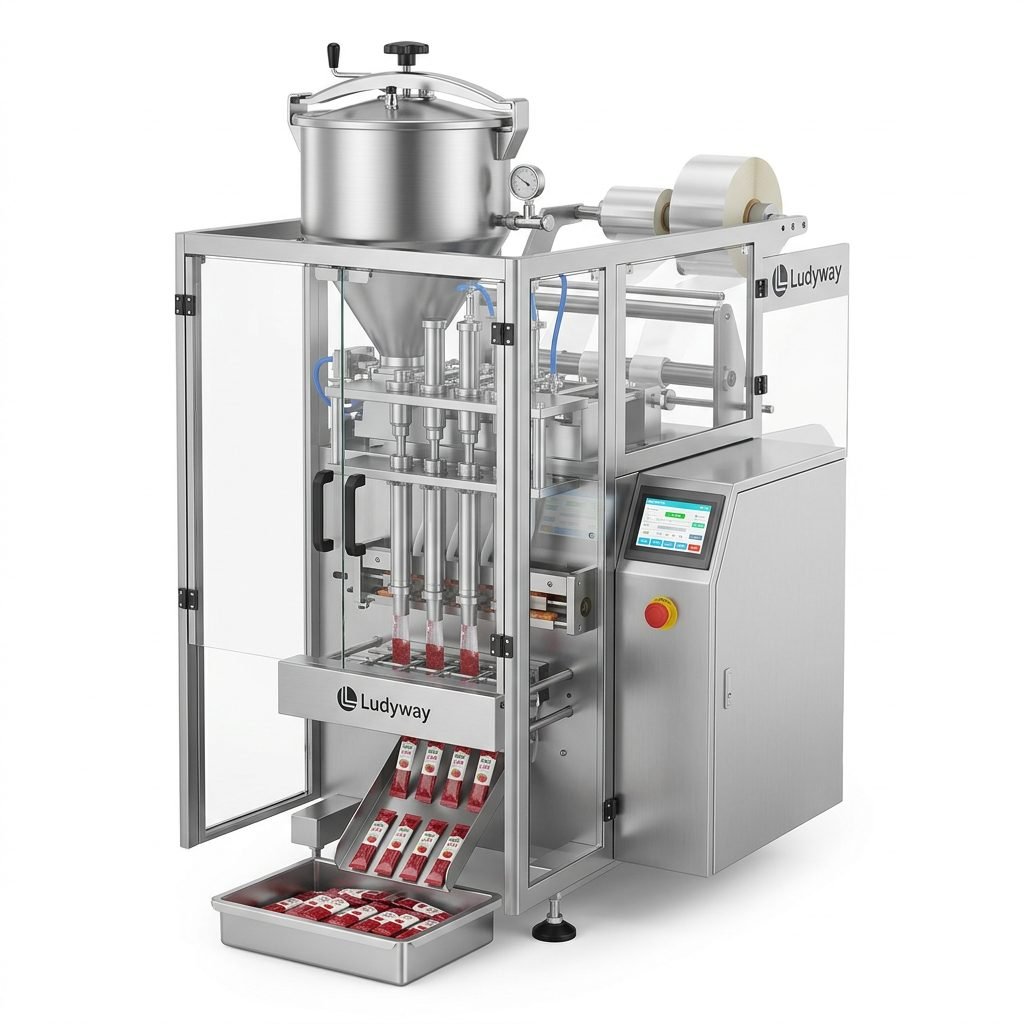
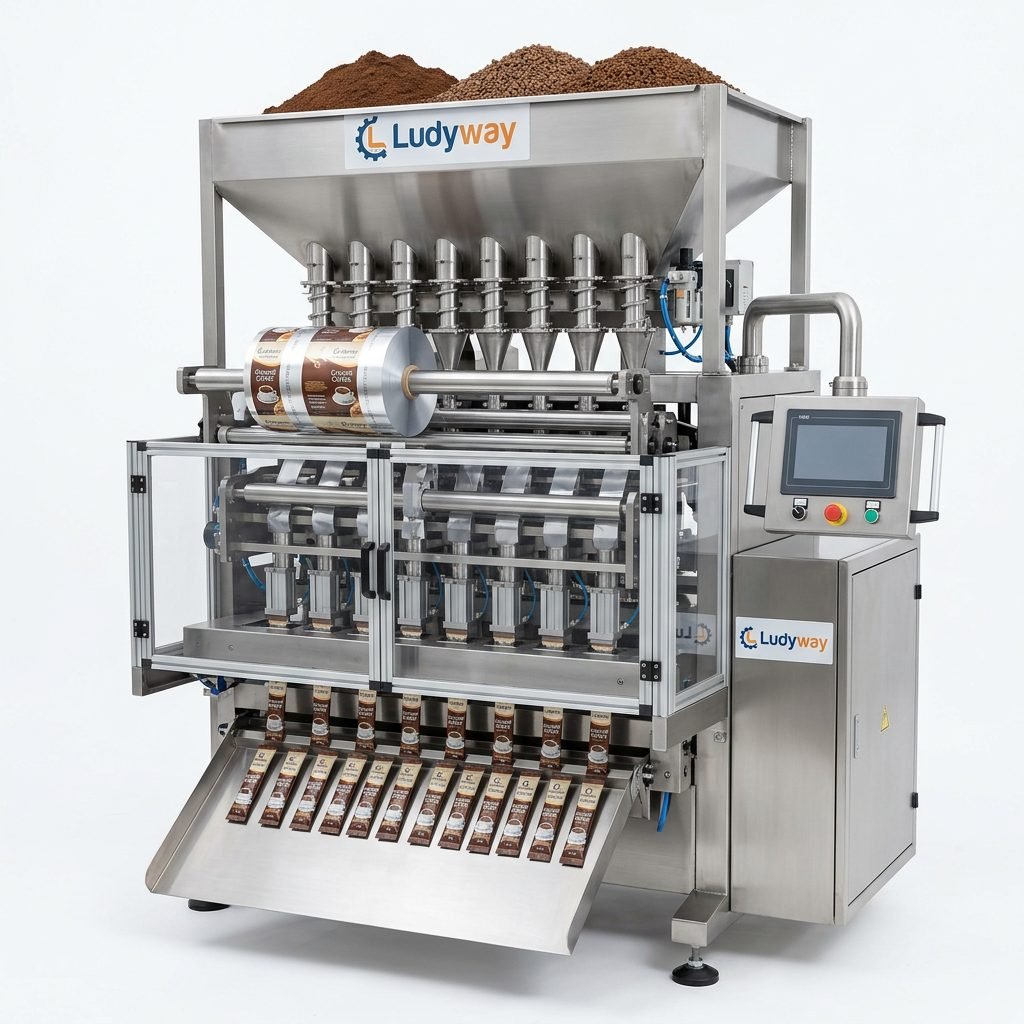
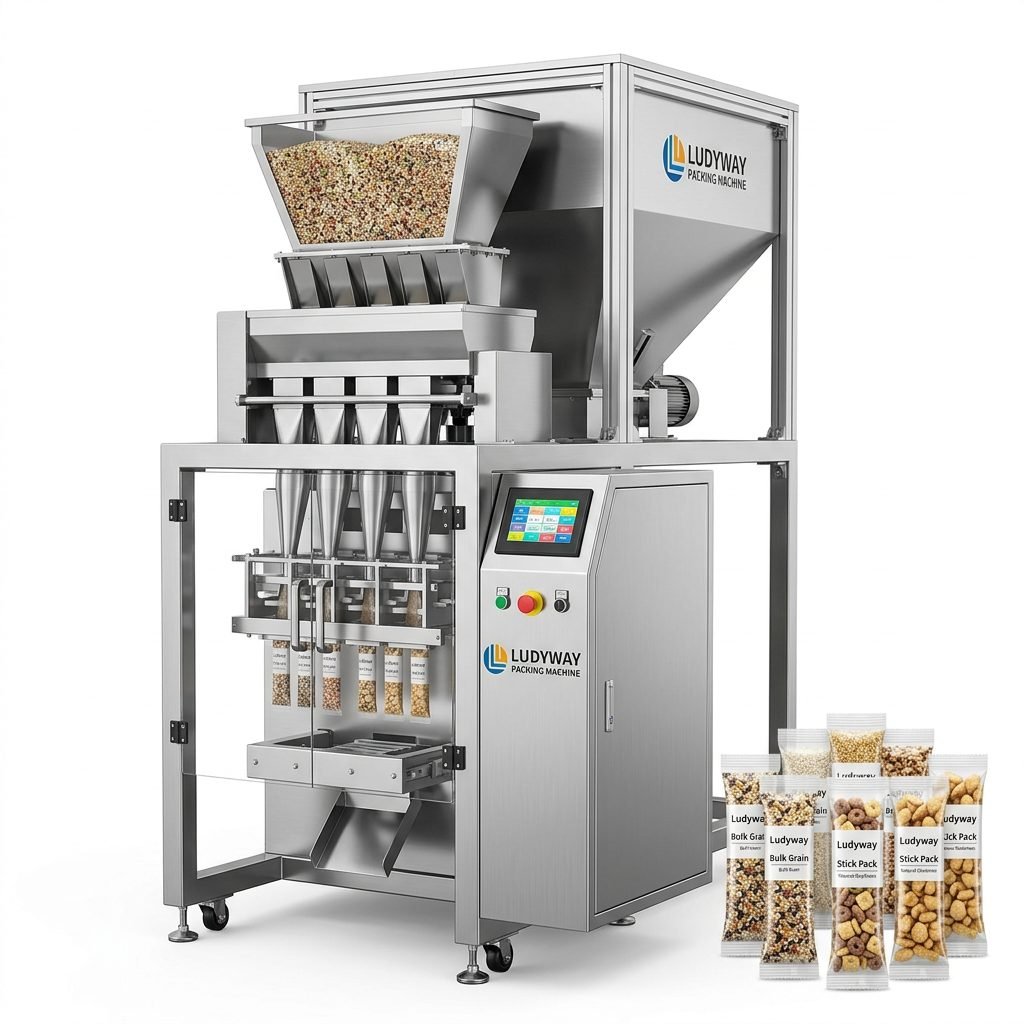
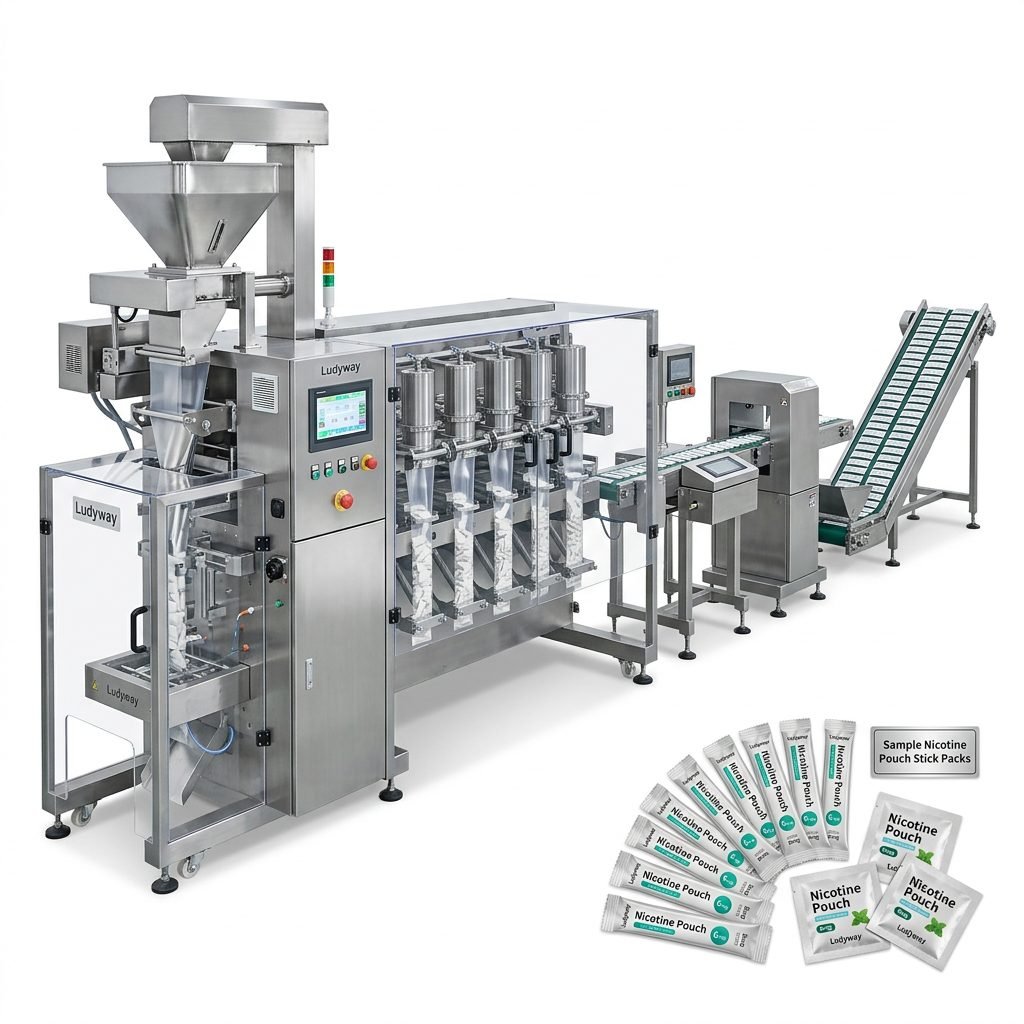
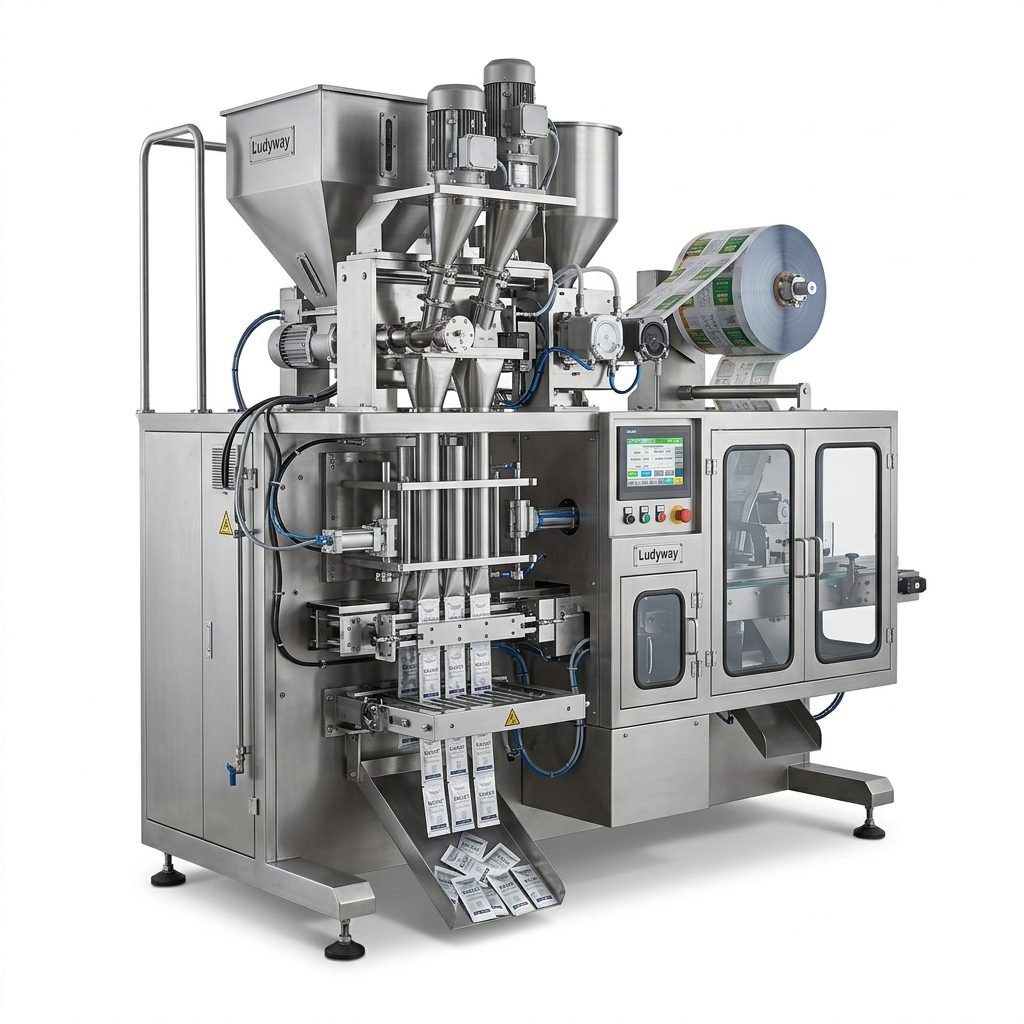
For producing narrow, elongated stick packs commonly used for drinkable yoghurt concentrates or yoghurt-based supplements, multi-lane stick pack machines deliver unmatched throughput. Running 4 to 16 lanes simultaneously, these machines can produce thousands of packs per hour, making them suitable for large-scale contract packers and global dairy brands. You can explore detailed specifications on packaging machinery standards and resources maintained by industry associations.
Key Factors to Evaluate Before Buying
Once you understand the machine types, evaluate your specific operational needs using the following criteria.
Production Capacity and Speed
Calculate your required output per shift and factor in downtime for cleaning and changeovers. A machine rated at 80 packs per minute may realistically deliver 60–70 packs per minute in continuous operation. Always ask manufacturers for real-world throughput data, not just theoretical maximums.
Packaging Format and Size Flexibility
If you plan to launch multiple SKUs — say, 100ml single-serve and 500ml family packs — your machine should support quick format changeovers. Look for servo-driven adjustments rather than manual mechanical changes, which reduce downtime and operator dependency.
Automation and Integration Level
Modern packaging lines can integrate with upstream processing equipment and downstream cartoning, case packing, and palletizing systems. A fully automated turnkey packaging line minimizes labor costs and human error. Assess whether your current workforce and technical team can support a highly automated system or if a semi-automatic solution fits better.
Hygiene and Cleanability
Yoghurt is a pH-sensitive dairy product prone to contamination. Equipment must comply with FDA food contact substance regulations and facilitate CIP (Clean-in-Place) protocols. Stainless steel construction, sloped surfaces, and sealed electrical enclosures are non-negotiable features for dairy-grade machinery.
Technical Specifications Comparison
The table below compares key specifications across common yoghurt packaging machine categories to help you make an informed decision.
| Specification | FFS Sachet Machine | Cup Filling Line | Multi-Lane Stick Pack |
|---|---|---|---|
| Typical Speed | 40–120 packs/min | 30–80 cups/min | 200–800 packs/min |
| Best For | Single-serve sachets | Set & stirred yoghurt | Drinkable yoghurt sticks |
| Changeover Time | 15–30 minutes | 10–20 minutes | 20–45 minutes |
| Cleaning Complexity | Moderate | Low to Moderate | Moderate to High |
| Floor Space | Compact | Medium to Large | Large for multi-lane |
Cost Considerations and ROI Analysis
The purchase price is only one part of the total cost of ownership. Factor in installation, training, maintenance, spare parts, and energy consumption over the machine’s expected lifespan of 10–15 years. A higher upfront investment in a reliable, energy-efficient machine often yields lower total costs and fewer production disruptions.
Calculate your break-even point by comparing labor savings, reduced material waste, and increased throughput against the capital expenditure. For many mid-sized dairies, a well-chosen packaging machine achieves ROI within 18 to 36 months.
Selecting the Right Packaging Machine Supplier
Partnering with a reputable manufacturer ensures ongoing technical support, genuine spare parts availability, and compliance with international standards. Look for suppliers with proven experience in dairy packaging, a portfolio of installed machines, and responsive after-sales service. Verify certifications such as CE and ISO, and request references from existing customers in the yoghurt industry.
Among the established global packaging machine manufacturers, Ludyway stands out with over 30 years of industry experience, more than 50 intelligent packaging machine models, and a modern 20,000㎡ manufacturing facility serving customers in over 100 countries. Their multi-lane stick pack and sachet systems are widely deployed across food and pharmaceutical applications, including dairy and yoghurt packaging lines.
For broader industry context, resources like the Flexible Packaging Association’s knowledge hub and PMMI’s State of the Industry reports provide valuable benchmarking data on packaging trends and equipment standards.
Preparing for Installation and Operation
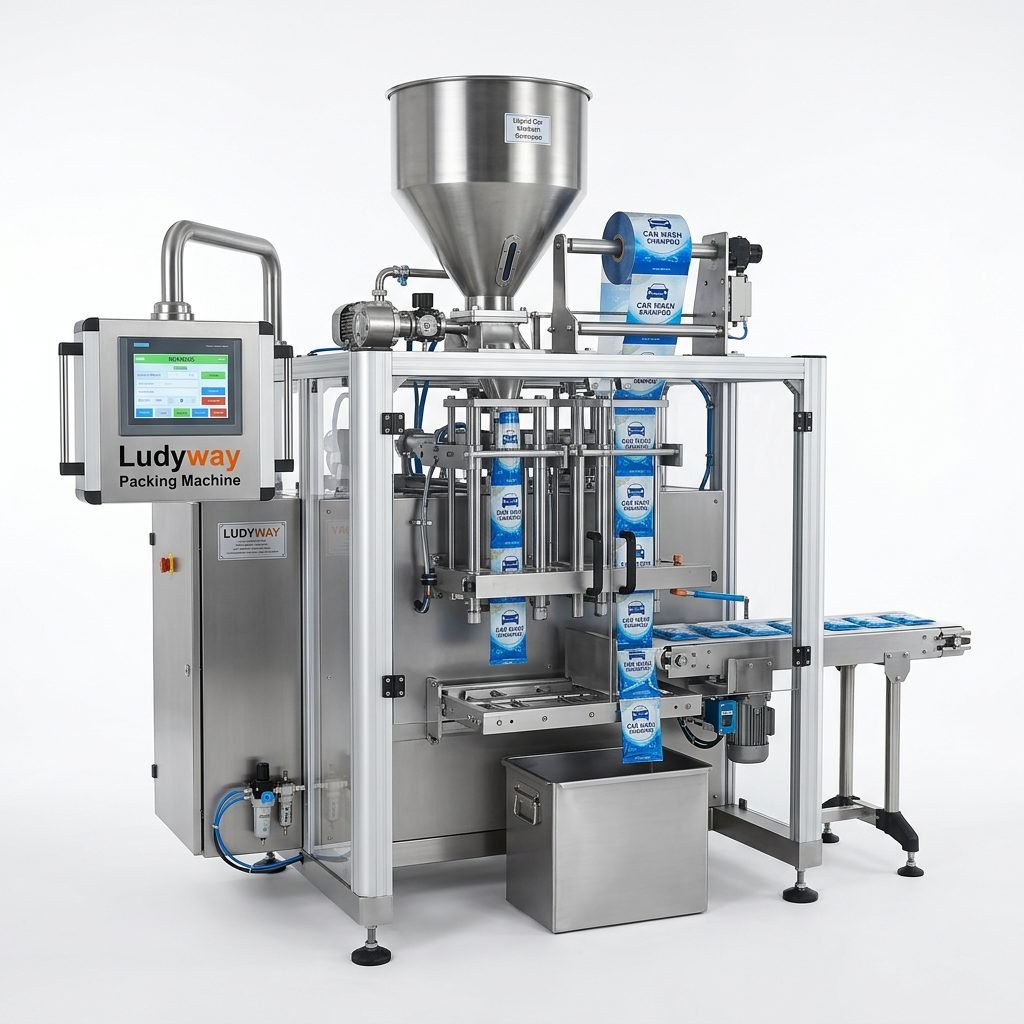
Before your machine arrives, prepare your facility with adequate electrical supply, compressed air, and clean water connections. Train operators on both daily operation and basic troubleshooting. Establish a preventive maintenance schedule aligned with the manufacturer’s recommendations to maximize uptime and extend equipment life.
Also ensure your packaging materials — films, lids, and cups — are compatible with the machine’s specifications. Using approved, high-quality packaging materials reduces sealing defects and material waste, directly improving your production yield.
Frequently Asked Questions
What is the best packaging format for drinkable yoghurt?
Multi-lane stick packs and single-serve sachets are the most popular formats for drinkable yoghurt, offering portability, precise portion control, and excellent shelf appeal.
How often should a yoghurt packaging machine be serviced?
Preventive maintenance is typically recommended every 500 to 1,000 operating hours, with more comprehensive annual inspections. Frequency depends on production volume and product characteristics.
Can one machine handle both liquid and thick yoghurt?
Some versatile filling systems can accommodate a range of viscosities, but it is essential to confirm with the manufacturer. Piston fillers generally handle thick products better, while gravity or pump-based systems suit thinner, drinkable consistencies.
What certifications should a dairy packaging machine have?
Look for CE marking, ISO 9001 quality management certification, and compliance with ISO packaging standards. Food-grade materials certification such as FDA or EU 1935/2004 compliance is also critical for dairy applications.
Conclusion: Making the Right Investment
Choosing the right yoghurt packaging machine requires a holistic evaluation of your product characteristics, production scale, hygienic requirements, and long-term growth plans. By understanding the different machine types, comparing technical specifications, and partnering with an experienced supplier, you can secure a packaging solution that delivers consistent quality, operational efficiency, and a strong return on investment for years to come.
For further guidance on packaging equipment selection, consult PMMI’s packaging industry resources or explore the latest regulatory updates from the European Commission on packaging and packaging waste to ensure your operations remain compliant and sustainable.