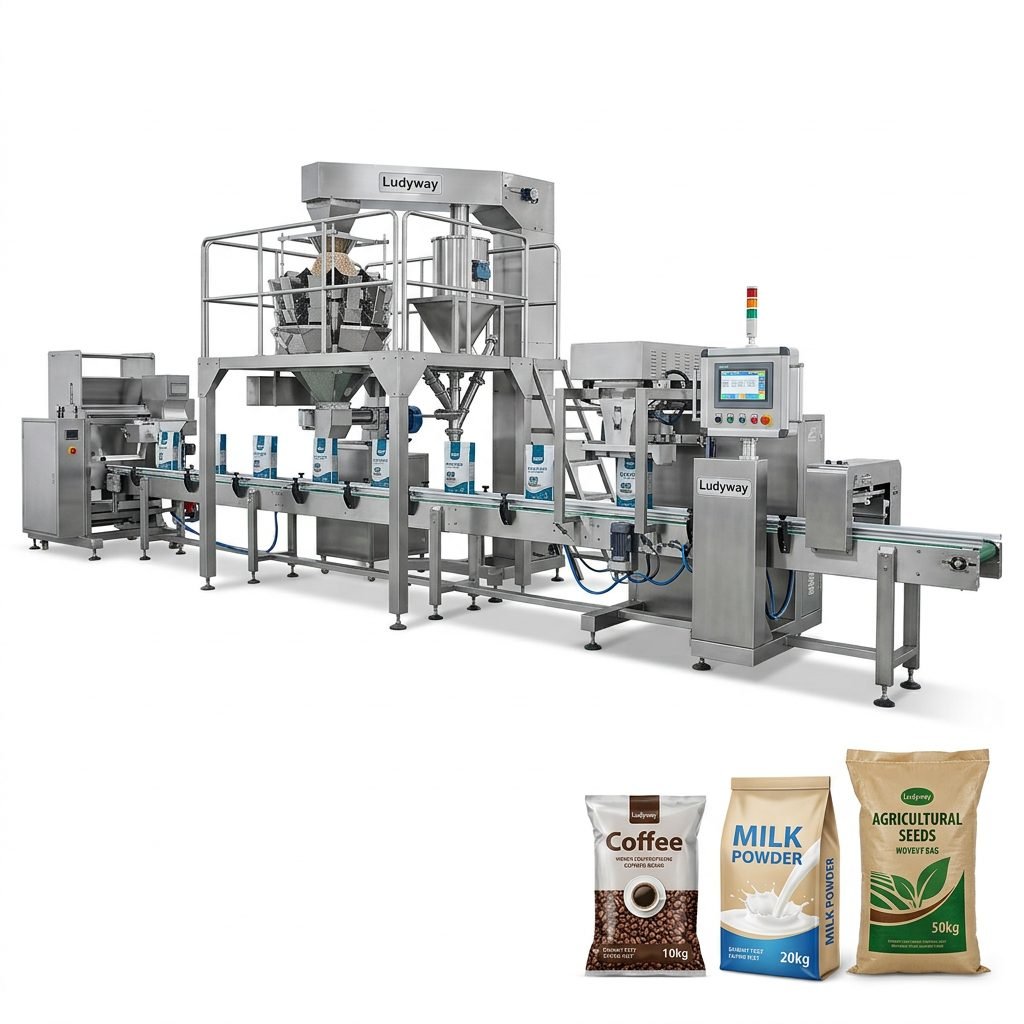
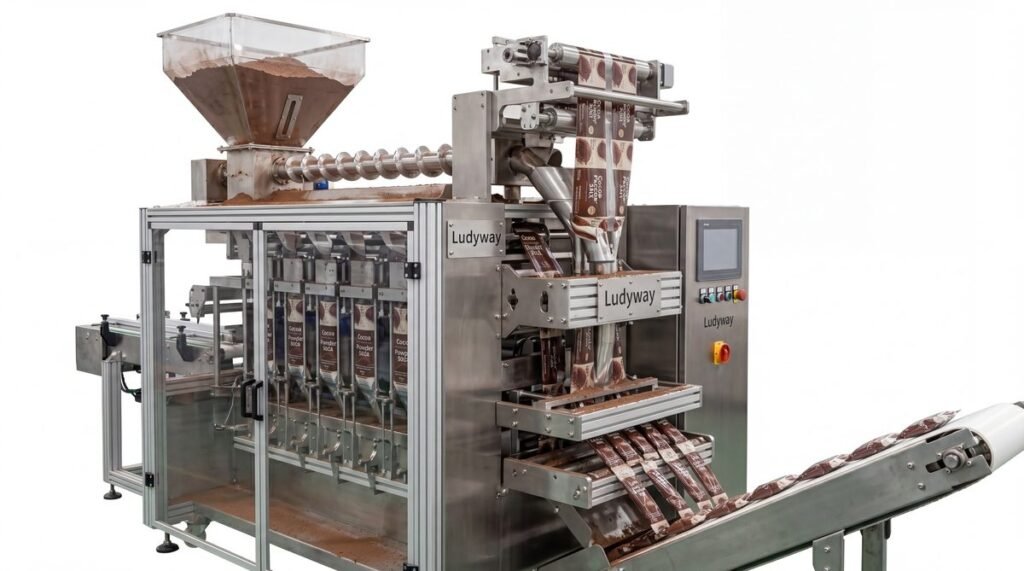
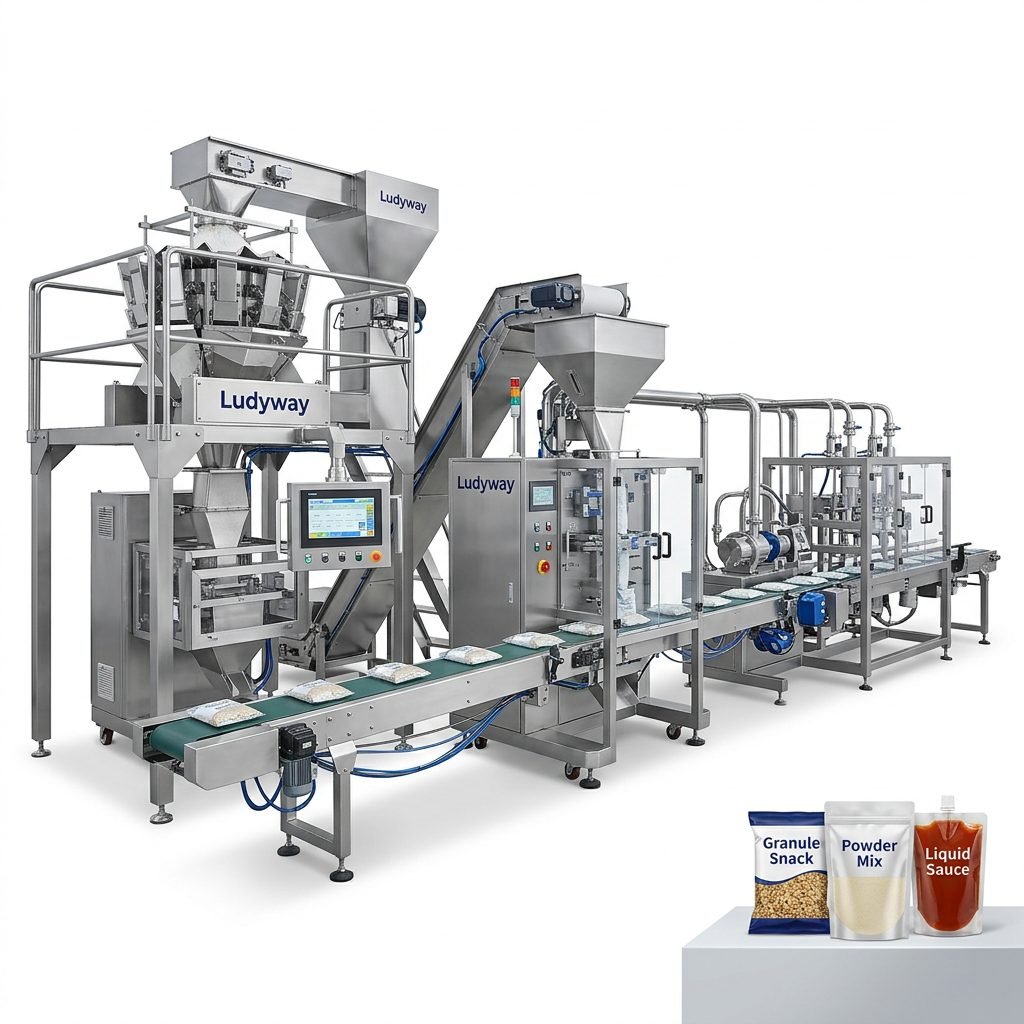
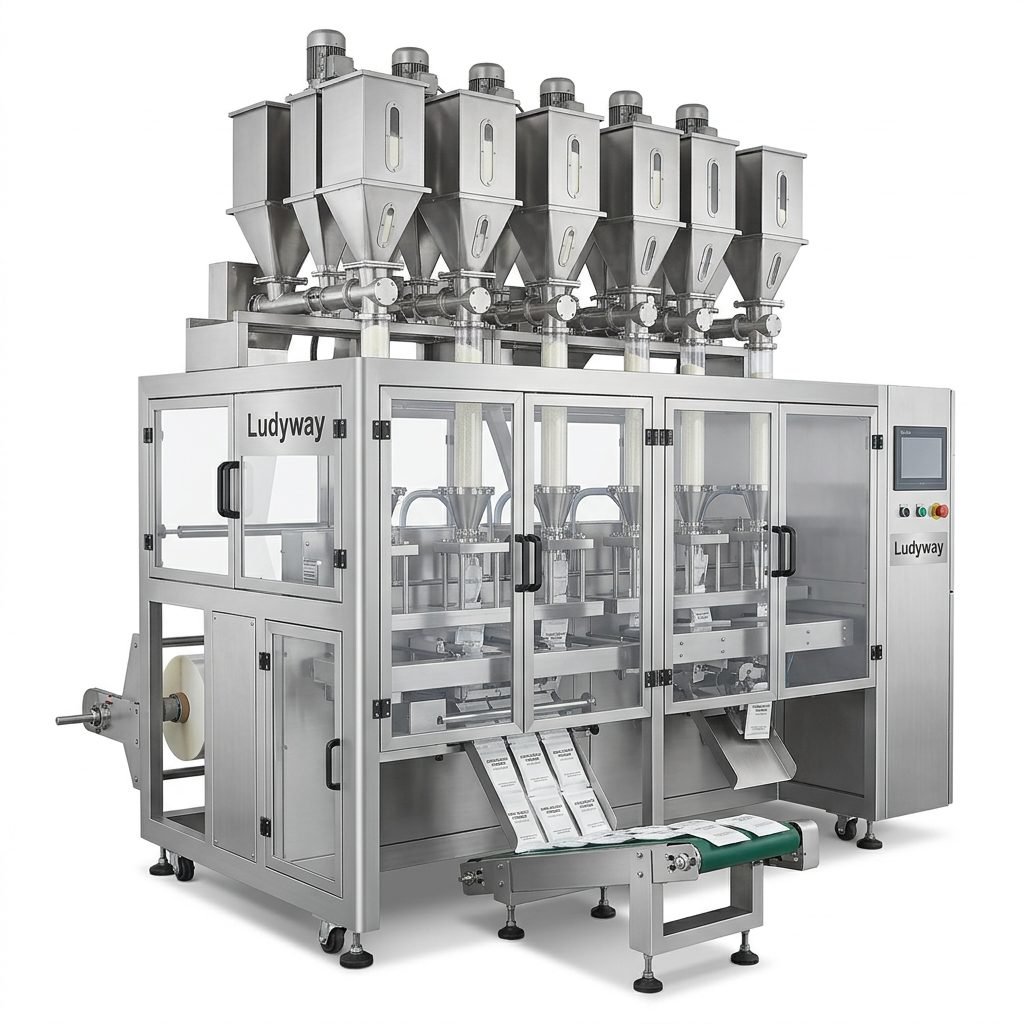
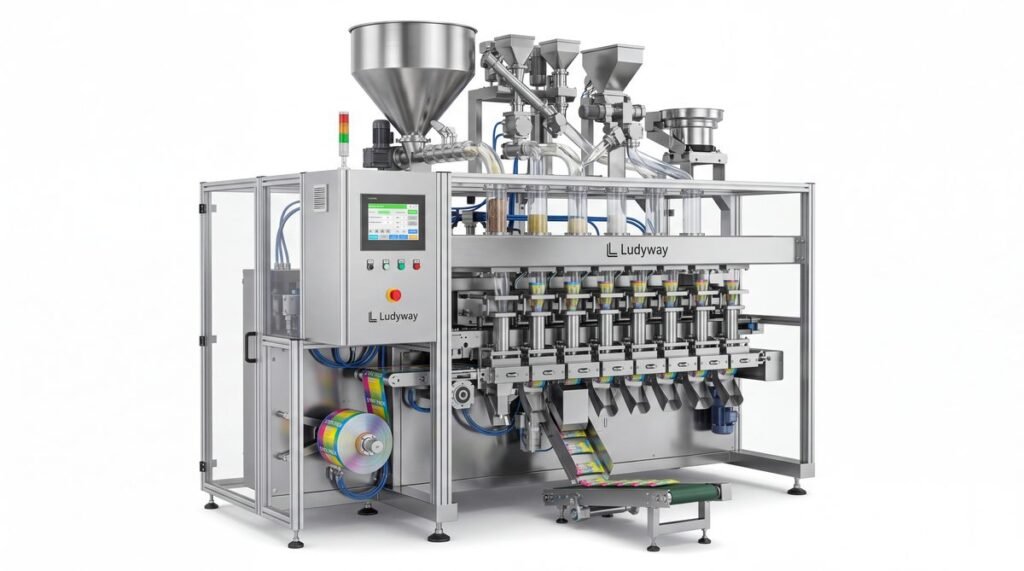
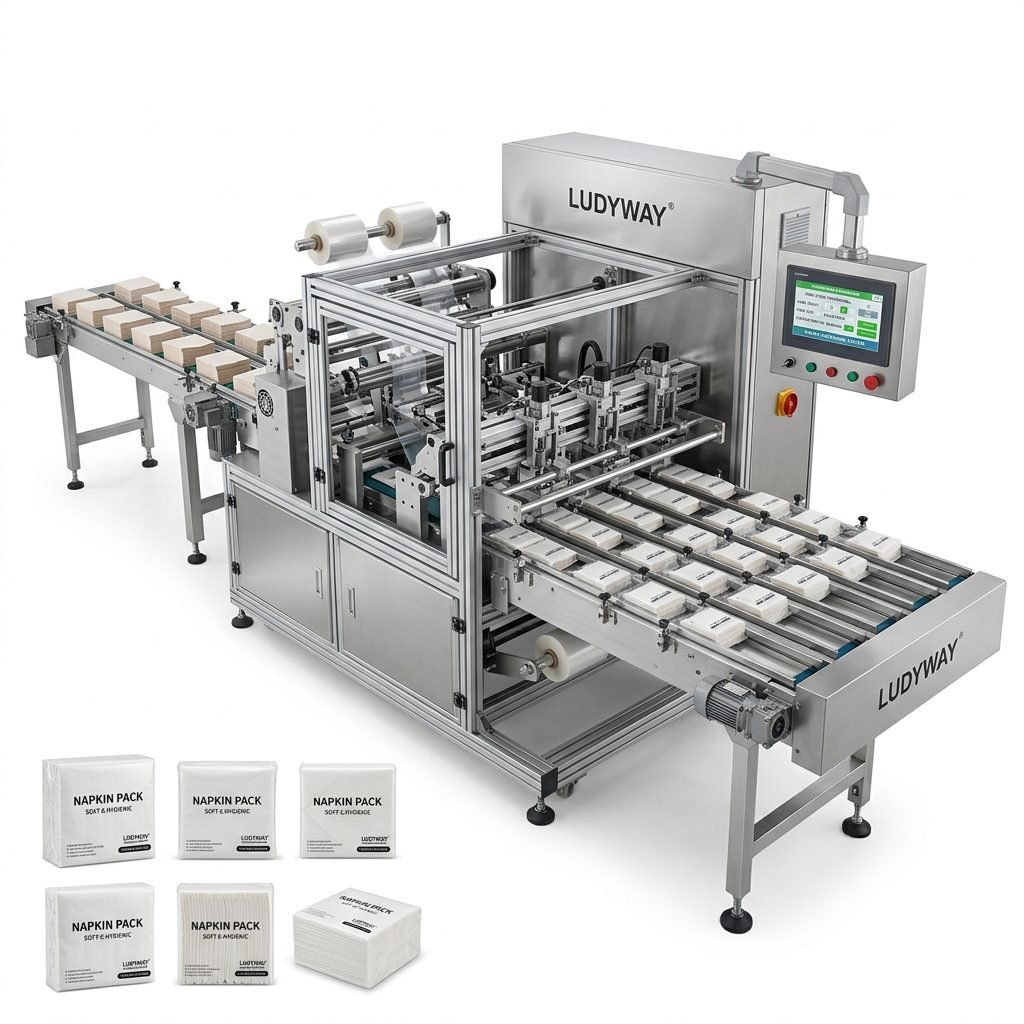
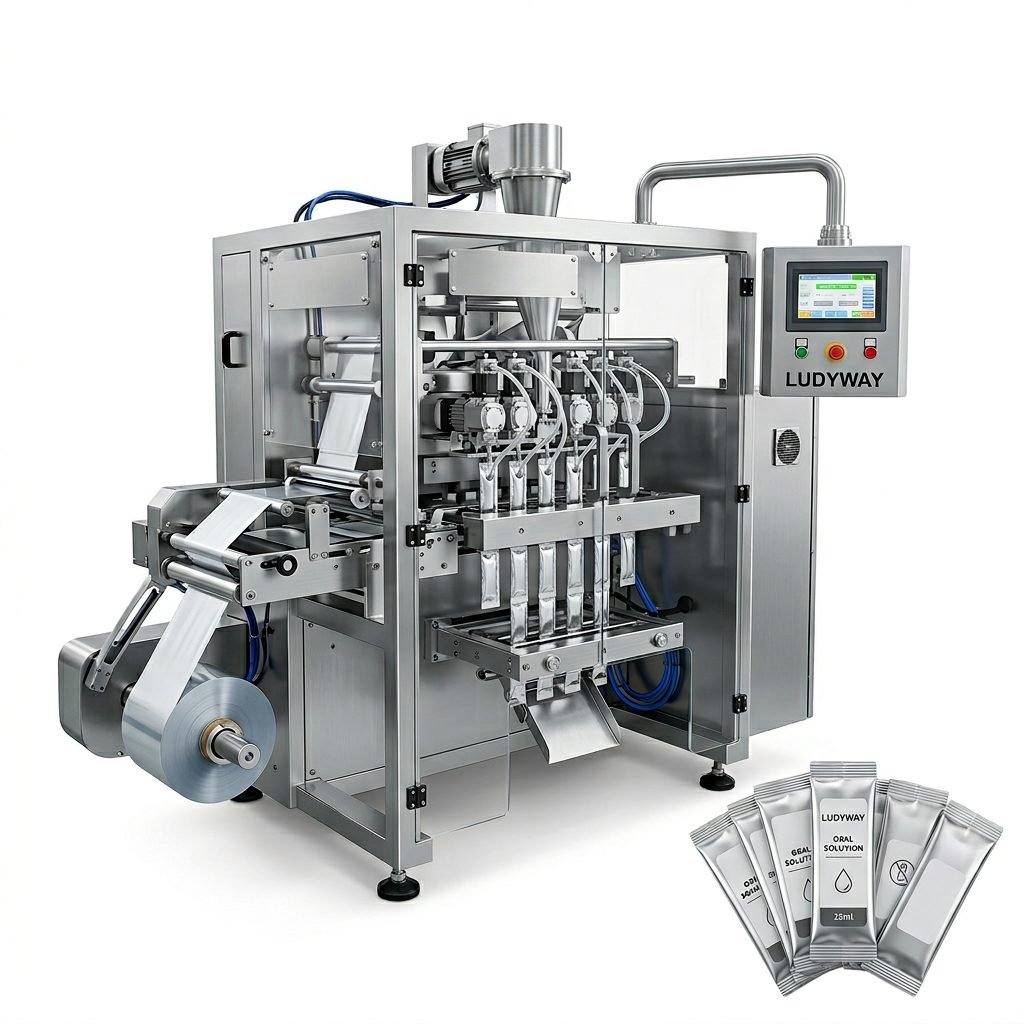
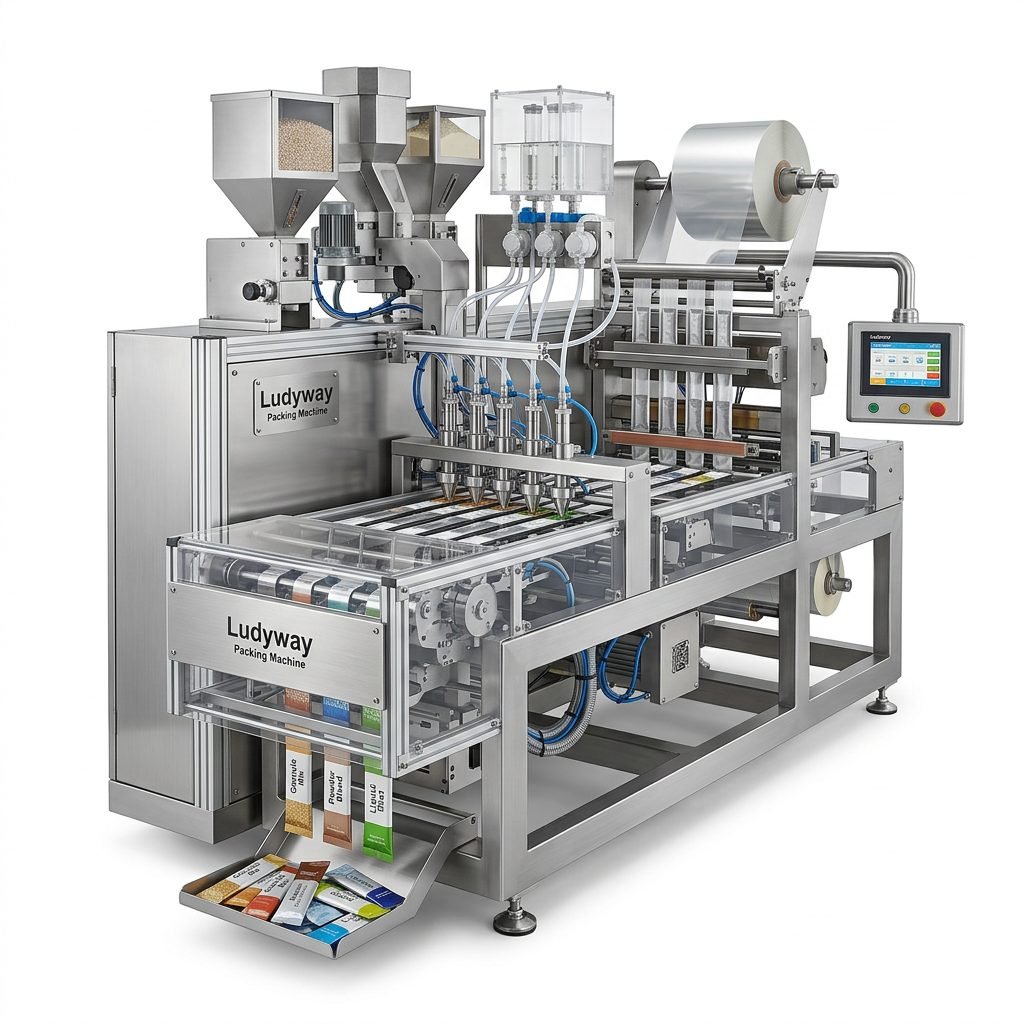
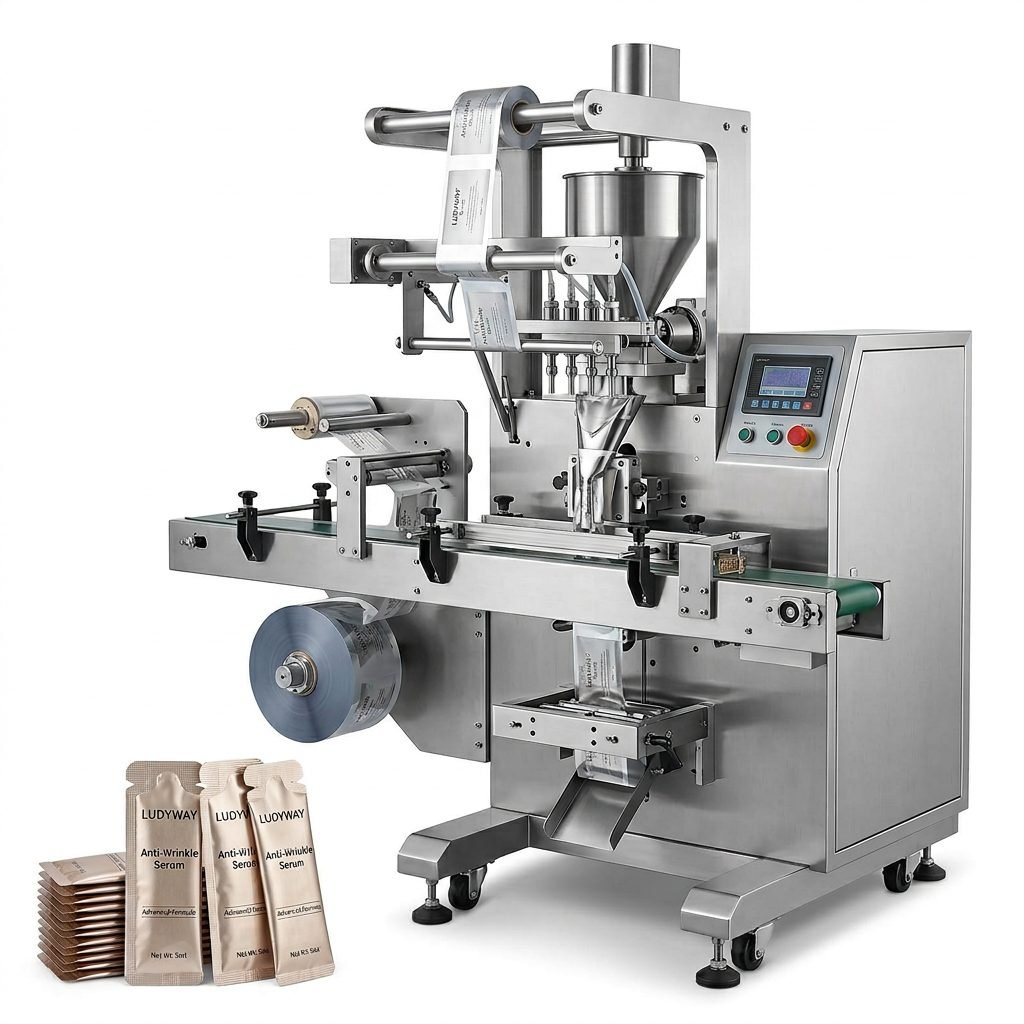
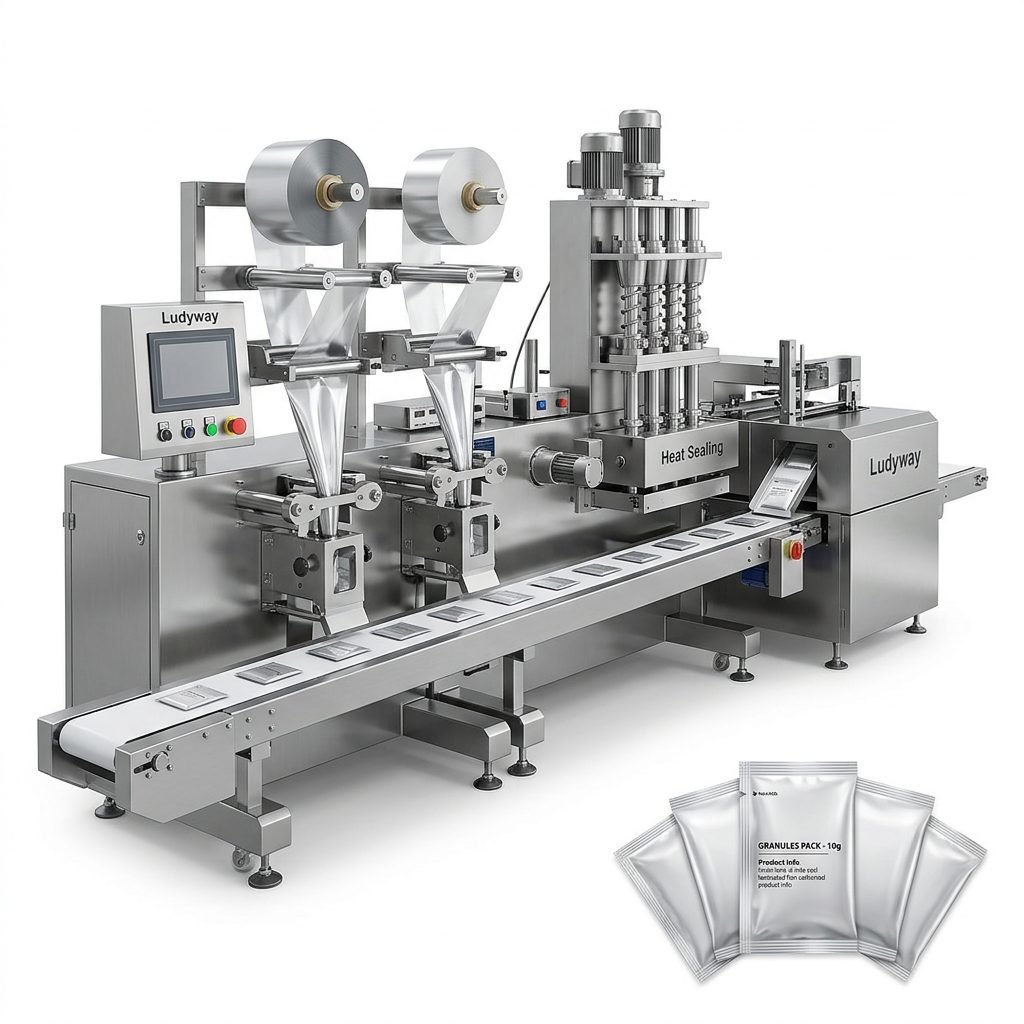
Investing in a tea and curry packing machine is a significant decision for manufacturers looking to scale production, ensure product consistency, and meet rising consumer demand. Whether you are packaging loose tea leaves, tea bags, curry powder, or ready-to-eat curry paste, the price of the equipment varies widely based on automation levels, output speed, and packaging formats. This guide breaks down the typical costs, key factors influencing pricing, and practical tips to help you make an informed purchase.
Key Factors That Determine Packing Machine Costs
The final price of a tea or curry packing machine is shaped by several technical and commercial elements. Understanding these variables helps you budget accurately and avoid overpaying for features you do not need.
- Automation Level: Semi-automatic machines cost less than fully automatic systems. A manual-assisted model requires more labor but has a lower upfront investment.
- Packaging Style: Stick packs, sachets, pouches, and tea bags each require different forming, filling, and sealing mechanisms. Multi-lane stick pack machines generally command higher prices due to their high-speed output.
- Material Compatibility: Machines designed to handle powders, granules, liquids, and viscous pastes often include specialized dosing systems that increase the cost.
- Production Capacity: Measured in packs per minute (PPM), higher throughput equipment requires more robust components and precision engineering.
- Additional Modules: Integrated weighing systems, gas flushing, coding units, and automatic cartoning attachments add to the total investment.
- Build Quality: Stainless steel construction, global brand PLCs, and certified electrical components influence both the price and the longevity of the machine.
Typical Price Ranges at a Glance
Below is a general overview of the market prices for tea and curry packaging equipment. These figures are approximate and can vary based on configuration and regional supplier differences.
| Machine Type | Packaging Style | Estimated Price Range (USD) |
|---|---|---|
| Entry-Level Tea Bag Machine | Single chamber, string and tag | $5,000 – $15,000 |
| Automatic Pyramid Tea Bag Machine | Nylon/PLA pyramid sachets | $25,000 – $60,000 |
| Curry Powder Stick Pack Machine | Multi-lane stick packs | $35,000 – $85,000 |
| Curry Paste Sachet Machine | Single/multi-lane flat sachets | $30,000 – $75,000 |
| Fully Automatic Turnkey Line | Stick pack/sachet with cartoner | $100,000 – $250,000+ |
Diving Deeper into Tea Packing Machine Costs
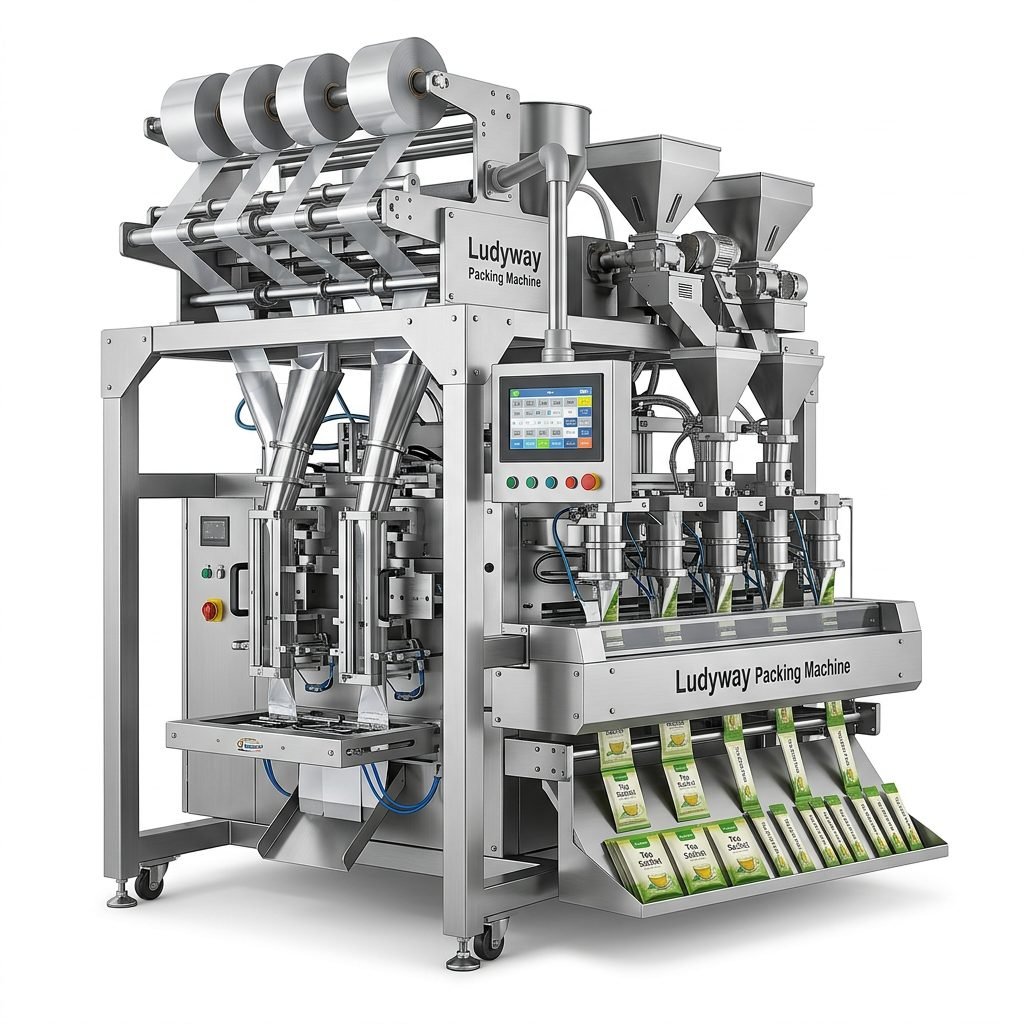
Tea packaging solutions range from simple inner bag sealers to complex high-speed lines. The choice depends on whether you are selling loose leaf tea in doypacks or individual tea bags in outer cartons. High-speed multi-lane tea bag machines are typically the most expensive due to the intricate folding and thread-tagging mechanisms. If you are entering the market with a single product line, a modular tea bag machine offers flexibility without requiring a massive initial investment.

Tea Bag vs. Loose Leaf Equipment
For standard double-chamber tea bags with strings and tags, you can find reliable semi-automatic models starting around $8,000. Fully automatic lines that combine bag forming, envelope wrapping, and cartoning can easily exceed $120,000. For specialty pyramid tea bags, the film feeding and ultrasonic sealing technology pushes the cost higher, with quality machines typically ranged between $35,000 and $55,000.
Understanding Curry Packing Machine Investments
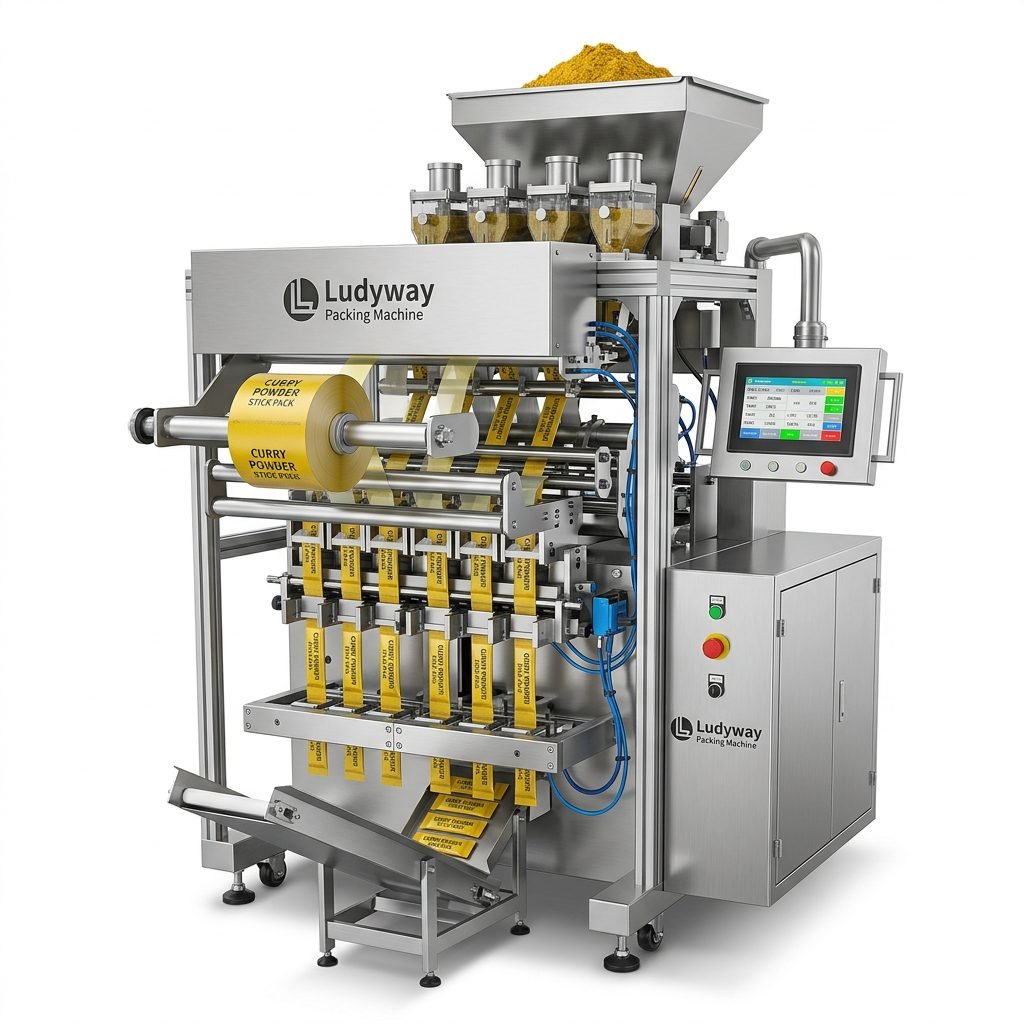
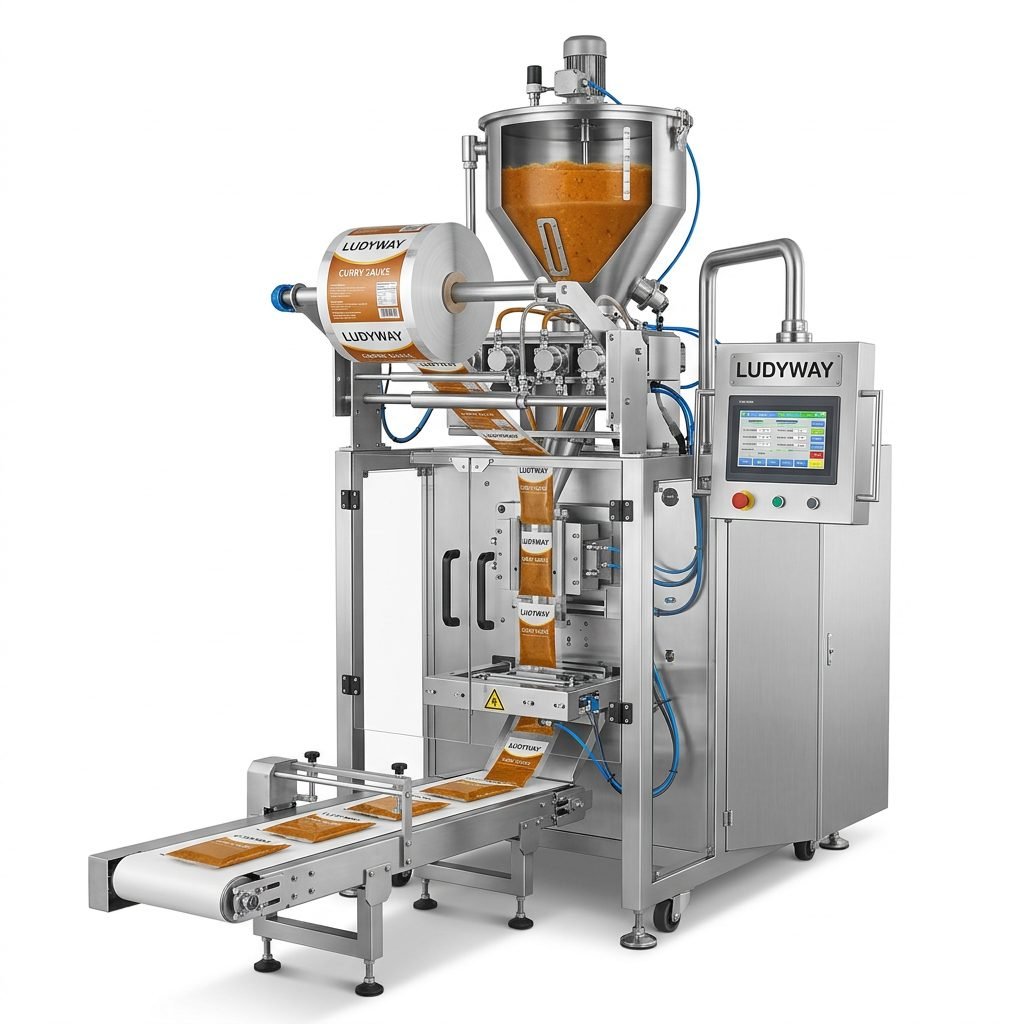
Packaging curry products introduces unique challenges due to the diversity of textures. A machine filling dry curry powder requires auger or volumetric dosing, whereas a machine for viscous curry paste needs a piston or pump-based filling system. Therefore, the cost difference between these two can be 15% to 25% even within the same brand.
Powder vs. Paste Packaging Economics
A standard 4-lane curry powder stick pack machine typical price falls between $40,000 and $60,000 from reputable manufacturers. In contrast, a machine handling thick curry paste in flat sachets might cost slightly more due to the liquid handling and hot-sealing requirements. If you expect to produce both formats, consider a flexible machine that accepts quick-change dosing components, which might cost $70,000 to $90,000 but provides operational versatility.
New vs. Used Packaging Machines
Many buyers consider pre-owned equipment to reduce upfront expenditure. While a used tea packing machine might cost 40% to 60% less than a new one, the risks include lack of warranty, missing safety guards, and outdated control systems. For food-grade applications, investing in new certified equipment ensures compliance with FDA or EU regulations. If your budget is tight, some manufacturers offer entry-level new models with standard features that compete closely with high-end used equipment prices.
Hidden Costs You Should Anticipate
The sticker price of the machinery is not the final cost. To accurately calculate the total investment, include these often-overlooked items:
- Shipping and Logistics: Freight, insurance, and customs duties can add 8% to 15% to the machine price.
- Installation: Technical engineer travel, hotel, and daily service fees.
- Auxiliary Equipment: Air compressors, dehumidifiers, and conveyors are usually not included in the base price.
- Spare Parts: A recommended list of wearing parts for the first year of operation.
- Packaging Materials: Stocking the appropriate film, foil, or filter paper in advance.
Total Cost of Ownership Example
For a $50,000 curry powder stick pack machine, a realistic total budget to start production might be closer to $62,000 after factoring in freight ($3,500), installation ($4,000), a starter kit of spare parts ($1,500), and initial packaging material inventory ($3,000).
Smart Buying Tips for Packaging Machinery
Before signing any purchase agreement, follow these actionable steps to secure the best value and avoid common pitfalls.
1. Request a Factory Acceptance Test (FAT)
Always ask for a video or on-site Factory Acceptance Test using your specific product. A machine might run perfectly with free-flowing granules but struggle with oily curry powder or fine tea dust. Do not rely solely on standard demo videos.
2. Evaluate After-Sales Support
Prioritize suppliers who offer remote video assistance, readily available spare parts inventories, and documented maintenance guides. The cost of long downtime due to poor support far outweighs a slightly higher machine price.
3. Compare Multi-Lane Configurations
A common way to increase capacity while controlling cost is to choose a multi-lane machine. For instance, a single 6-lane stick pack machine is often more cost-effective than purchasing two separate 3-lane machines because you save on frames, control systems, and floorspace. However, ensure the film feeding and cutting systems are robust enough to handle the wider configuration without frequent jams.
4. Negotiate on Consumables, Not Just the Machine
Suppliers often have more margin flexibility on agreements for ongoing technical support or initial batches of spare parts. While negotiating the machinery price, try to secure a discount on the first set of wearing parts or future software upgrades.
Why Machine Origin Impacts Your Investment
The geographical origin of the tea and curry packing machine largely dictates the pricing baseline and technological level. European equipment often starts at a higher threshold, typically 70% to 100% more than equivalent Asian manufacturing lines, largely due to labor costs and component sourcing. However, leading Asian manufacturers now utilize the same global PLCs, sensors, and servo motors found in Western machines, effectively closing the quality gap while maintaining competitive pricing.
Purchasing a high-speed curry powder stick pack machine directly from a specialized manufacturer that controls the engineering process—from R&D to assembly—can significantly optimize your budget without compromising durability. For buyers importing machinery, verifying the supplier’s export history and standard warranty terms is a critical step.
About Ludyway
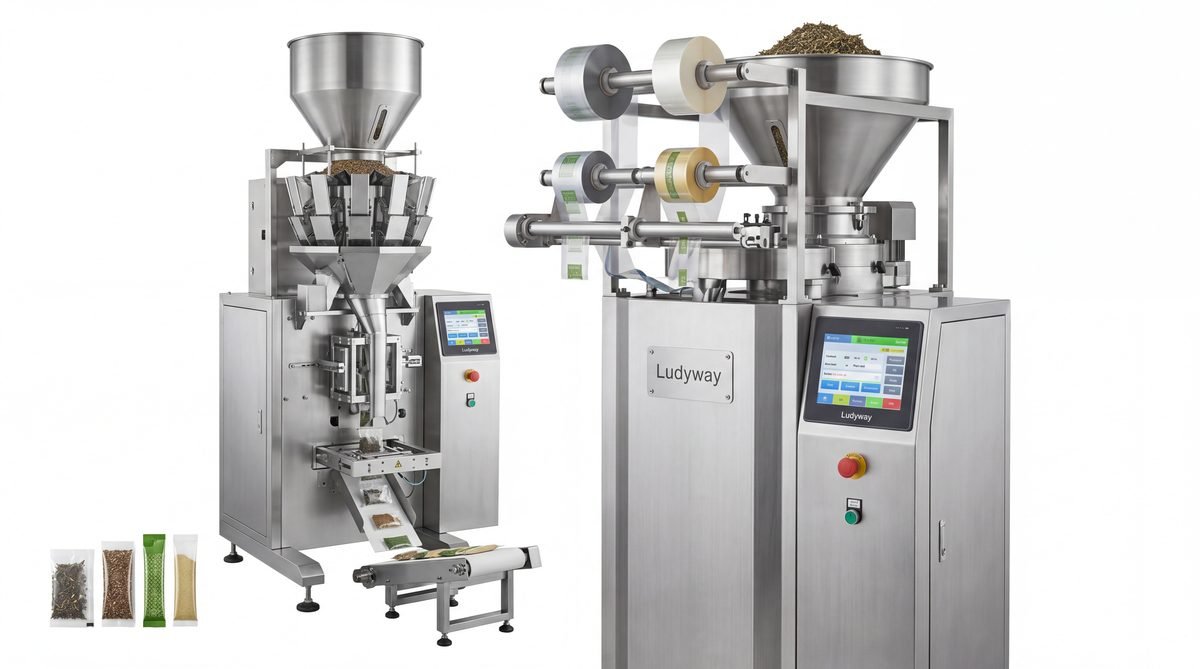
Ludyway is one of the largest packaging machine manufacturers in China, specializing in advanced packaging equipment and turnkey production solutions for the food, pharmaceutical, and health industries. With over 30 years of industry expertise, we provide reliable and efficient packaging solutions for granule, powder, liquid, and pouch packaging applications. Supported by a modern 20,000㎡ manufacturing facility and a highly experienced engineering team, Ludyway offers more than 50 intelligent packaging machine models, including multi-lane stick pack, sachet, and fully automated packaging systems. Serving customers in over 100 countries and regions, we are committed to delivering innovative, high-performance, and cost-effective packaging solutions that help businesses improve productivity, product quality, and operational efficiency.
Visit Ludyway Official Website
Final Thoughts
The cost of a tea and curry packing machine is a reflection of its engineering, speed, and material versatility. Whether you are a start-up filling tea bags in a small facility or an established factory producing millions of curry sachets monthly, defining your specific production needs is the first step toward a profitable investment. Remember to factor in total ownership costs, test the machine with your actual product, and choose a supplier with proven technical support. By applying these buying tips and leveraging modern multi-lane technology, you can secure a packaging solution that delivers consistent quality and strong operational returns.