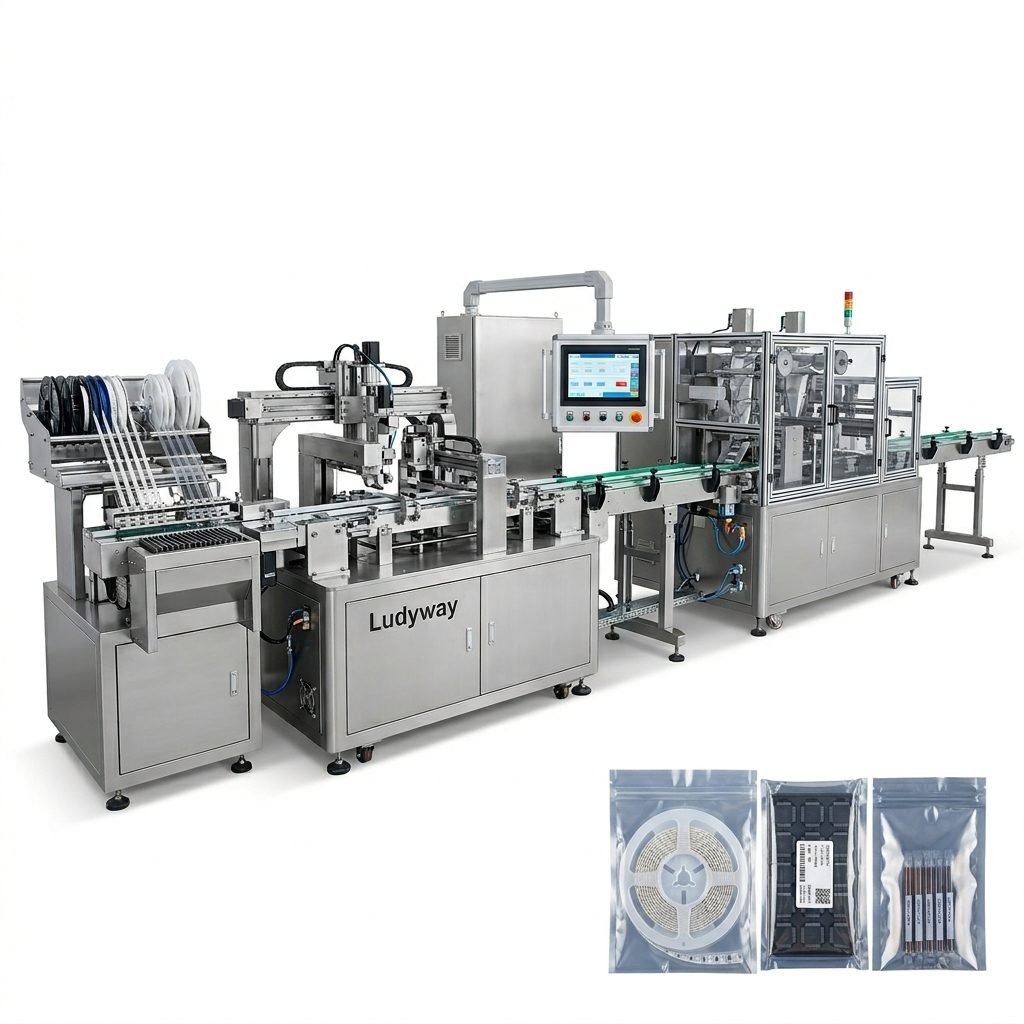
Automatic filling and packing machines have become a core part of modern manufacturing. From food sachets and pharmaceutical powders to liquid detergents and cosmetic creams, these systems help businesses package products faster, more accurately, and with better consistency. For manufacturers under pressure to reduce labor costs, improve hygiene, and scale production, automated packaging is no longer a luxury—it is a practical investment.
In this guide, you will learn how automatic filling and packing machines work, what benefits they offer, and where they are most commonly used across different industries.
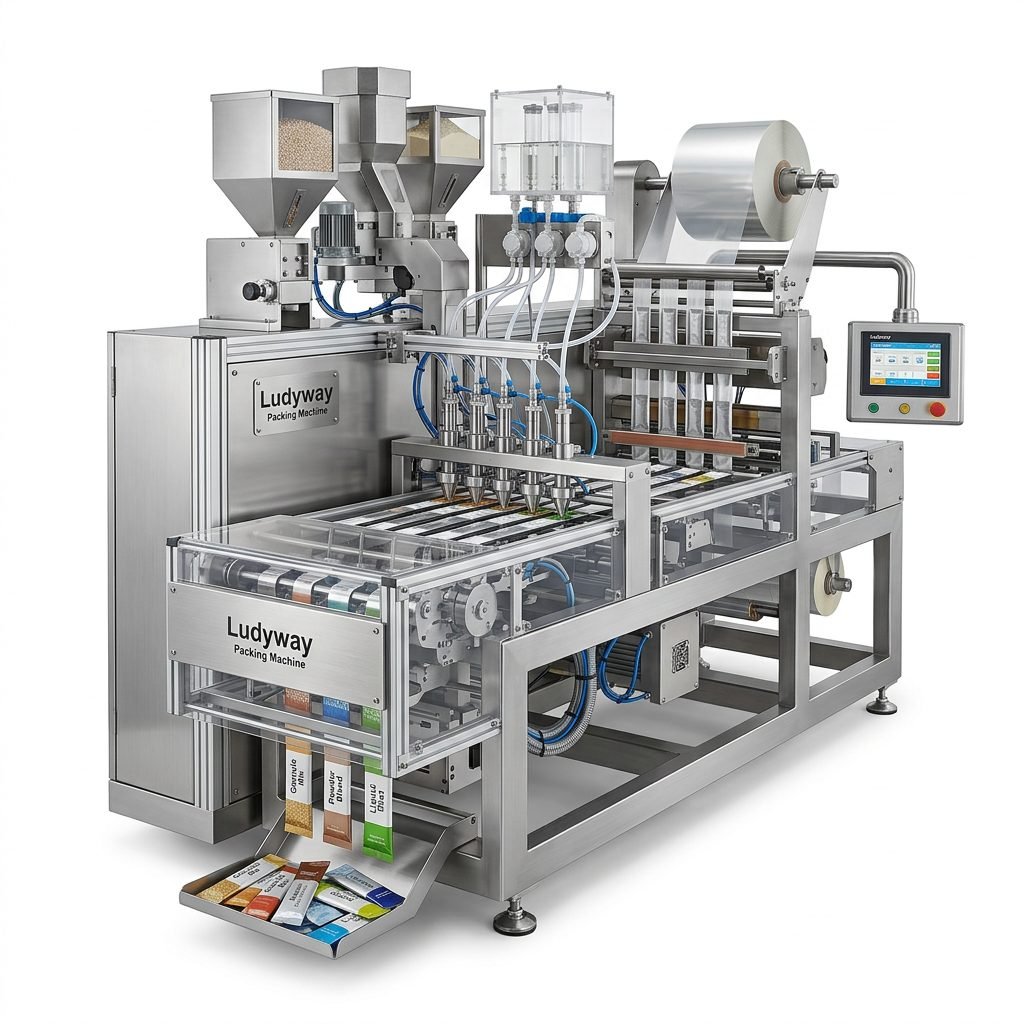
What Is an Automatic Filling and Packing Machine?
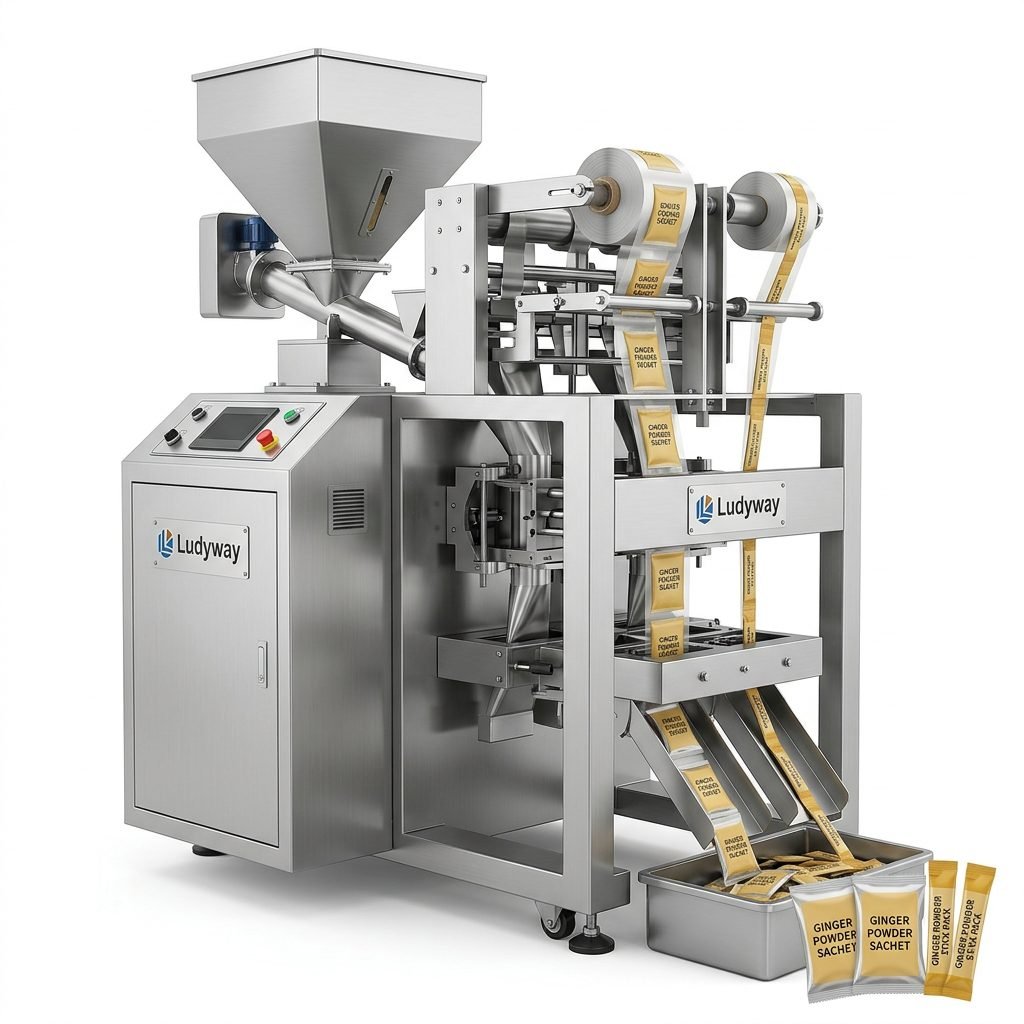
An automatic filling and packing machine is equipment designed to measure, fill, seal, and finish packaged products with minimal manual intervention. Depending on the product type, the machine can handle powders, granules, liquids, pastes, tablets, capsules, and other materials.
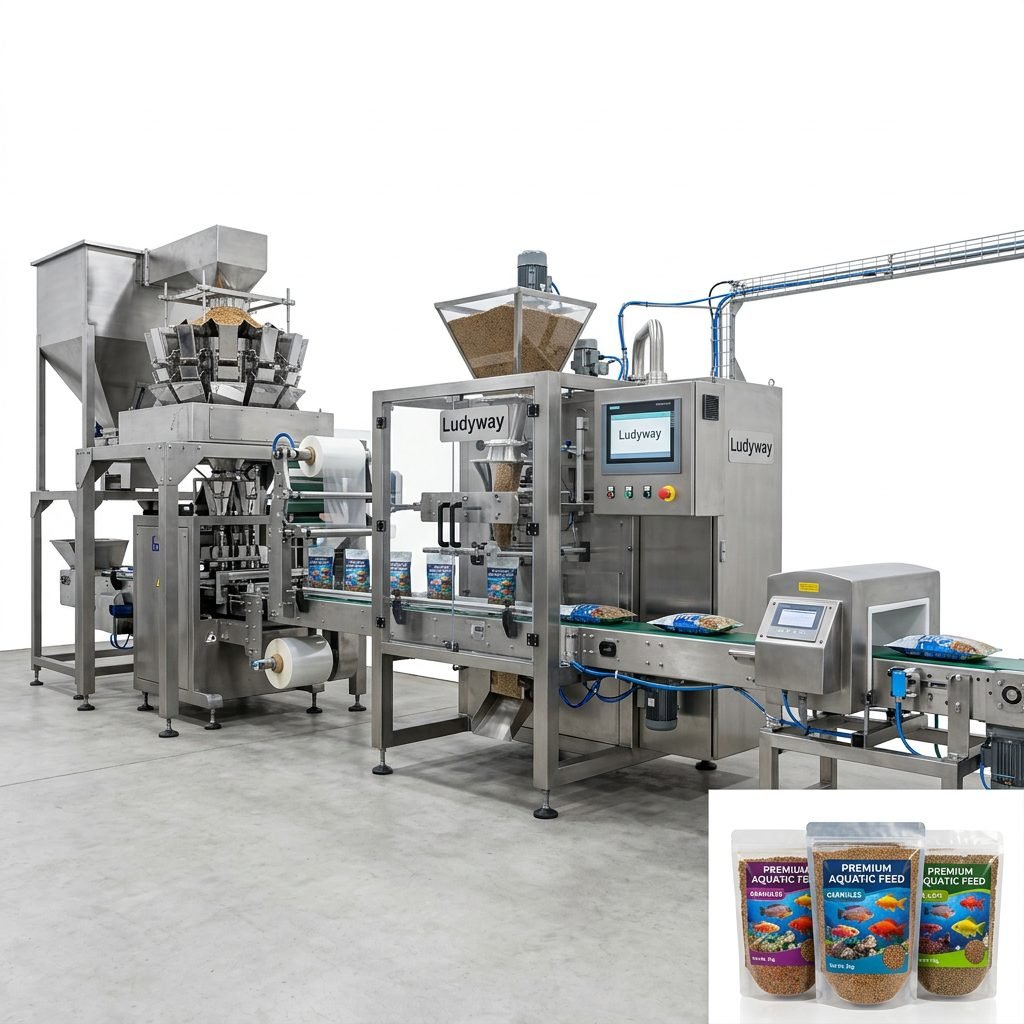
These machines are widely used in production environments where packaging speed, dosing accuracy, and product safety matter. They are often integrated with feeders, conveyors, coding systems, checkweighers, labeling units, and cartoning equipment to form a complete packaging line.
Common package formats include:
- Sachets
- Stick packs
- Pouches
- Bottles
- Jars
- Bags
- Capsules and blister packs
How an Automatic Filling and Packing Machine Works
Although machine designs vary by product and package style, the working principle usually follows a clear sequence.
1. Product Feeding
The first step is moving the product into the filling system. Different materials require different feeding methods:
- Powders: screw auger feeders or vacuum feeders
- Granules: cup fillers, weighers, or vibratory feeders
- Liquids: piston pumps, rotary pumps, or flow meters
- Pastes: servo-driven piston filling systems
2. Dosing and Measurement
The machine measures the exact amount of product required for each pack. This is one of the most critical stages because packaging accuracy affects both product quality and cost control. High-precision dosing helps reduce giveaway, maintain consistent net weight, and support regulatory compliance.
3. Packaging Material Forming or Feeding
Next, the machine either forms the package from roll film or picks up pre-made pouches or containers. In vertical form fill seal systems, film is shaped into a pouch or sachet. In premade pouch systems, empty pouches are automatically opened and positioned for filling.
4. Product Filling
Once the package is ready, the product is discharged into it. Advanced machines are synchronized to prevent spillage, dust leakage, or overfilling. For sensitive products, the filling section may include anti-drip, dust extraction, or nitrogen flushing features.
5. Sealing
After filling, the machine seals the package using heat sealing, ultrasonic sealing, capping, or crimping, depending on the packaging format. A proper seal is essential for shelf life, leakage prevention, and transportation safety.
6. Printing, Inspection, and Discharge
Many systems add date coding, batch printing, metal detection, checkweighing, or vision inspection before the finished packs are discharged for secondary packaging.
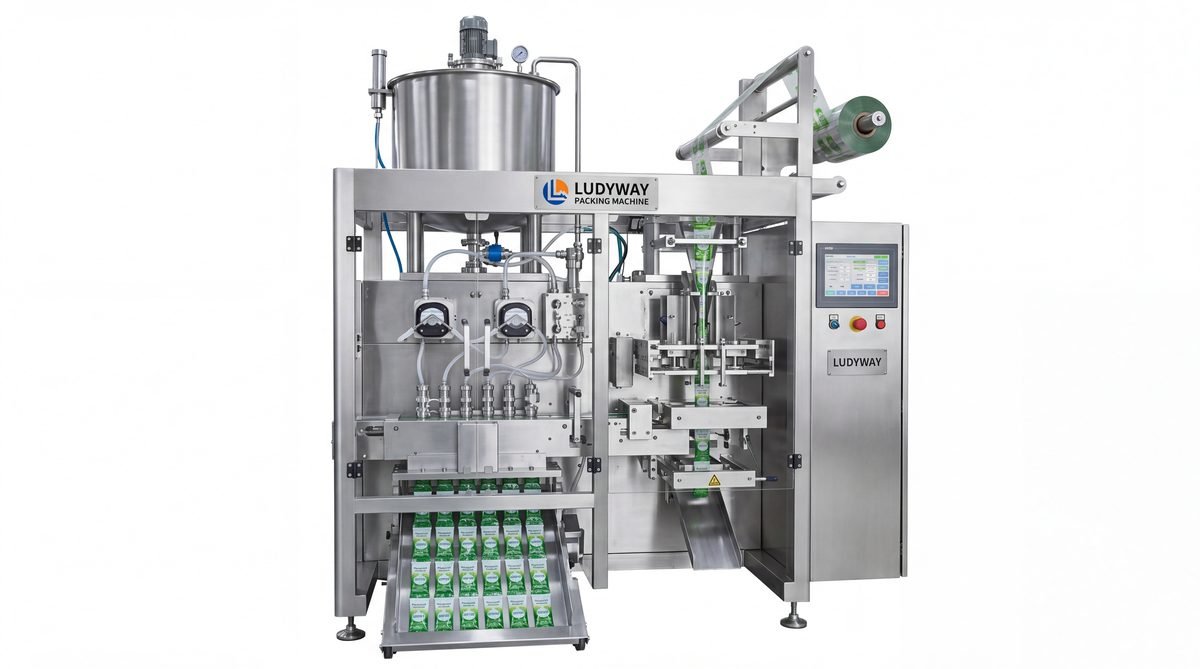
Main Types of Automatic Filling and Packing Machines
Choosing the right machine starts with understanding the main categories available on the market.
| Machine Type | Suitable Products | Typical Packaging |
|---|---|---|
| Powder filling machine | Milk powder, spices, supplements, pharma powders | Sachets, stick packs, jars, bottles |
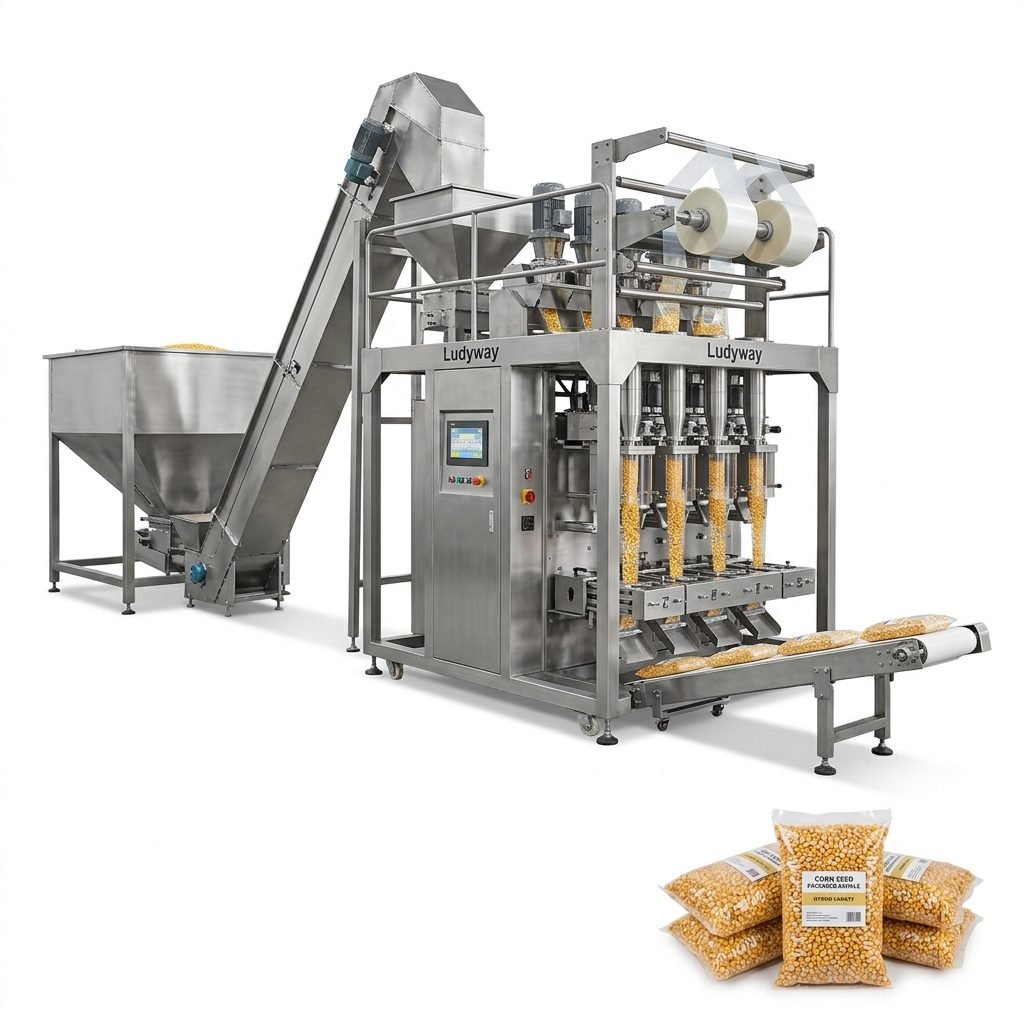
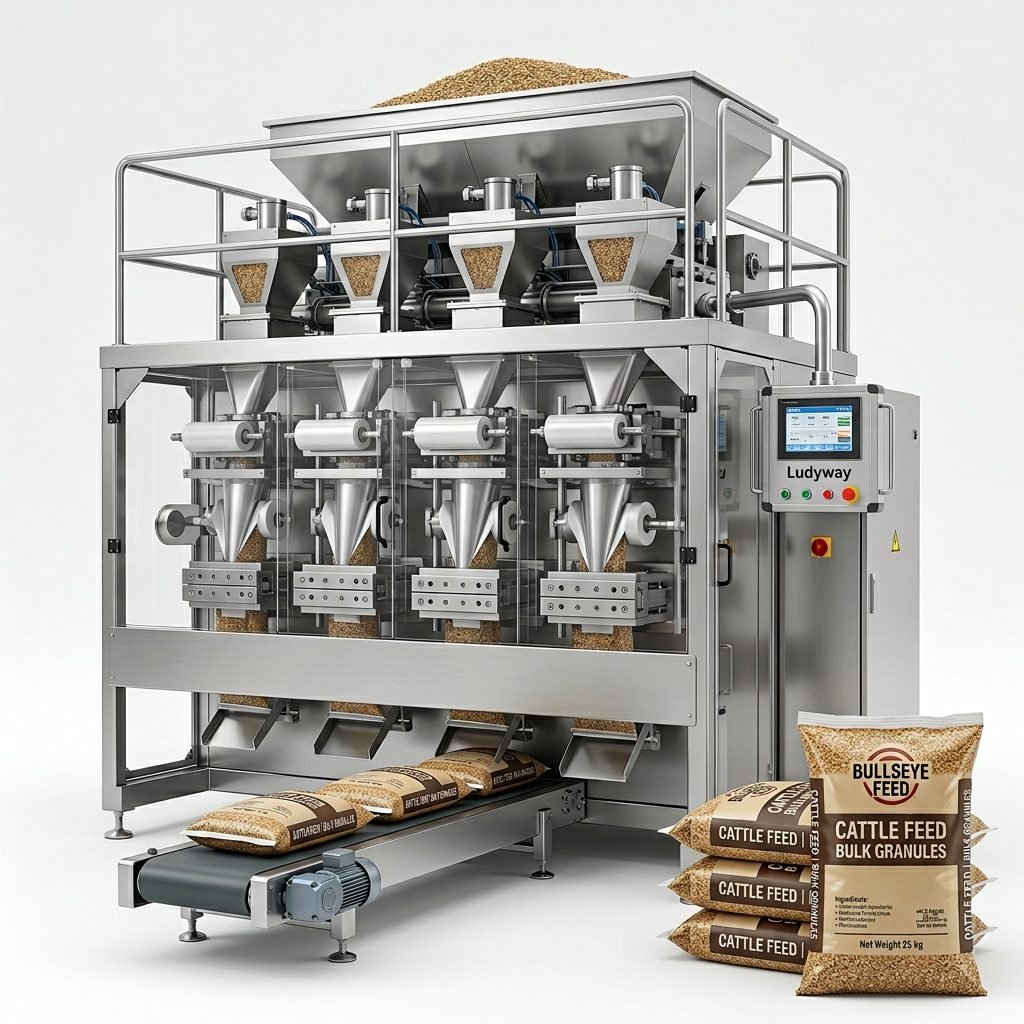
| Granule packing machine | Sugar, seeds, coffee, snacks, pet food | Bags, pouches, sachets |
| Liquid filling machine | Sauces, oils, shampoo, detergents, syrups | Sachets, pouches, bottles |
| Paste packing machine | Cream, gel, mayonnaise, lotion | Sachets, tubes, pouches |
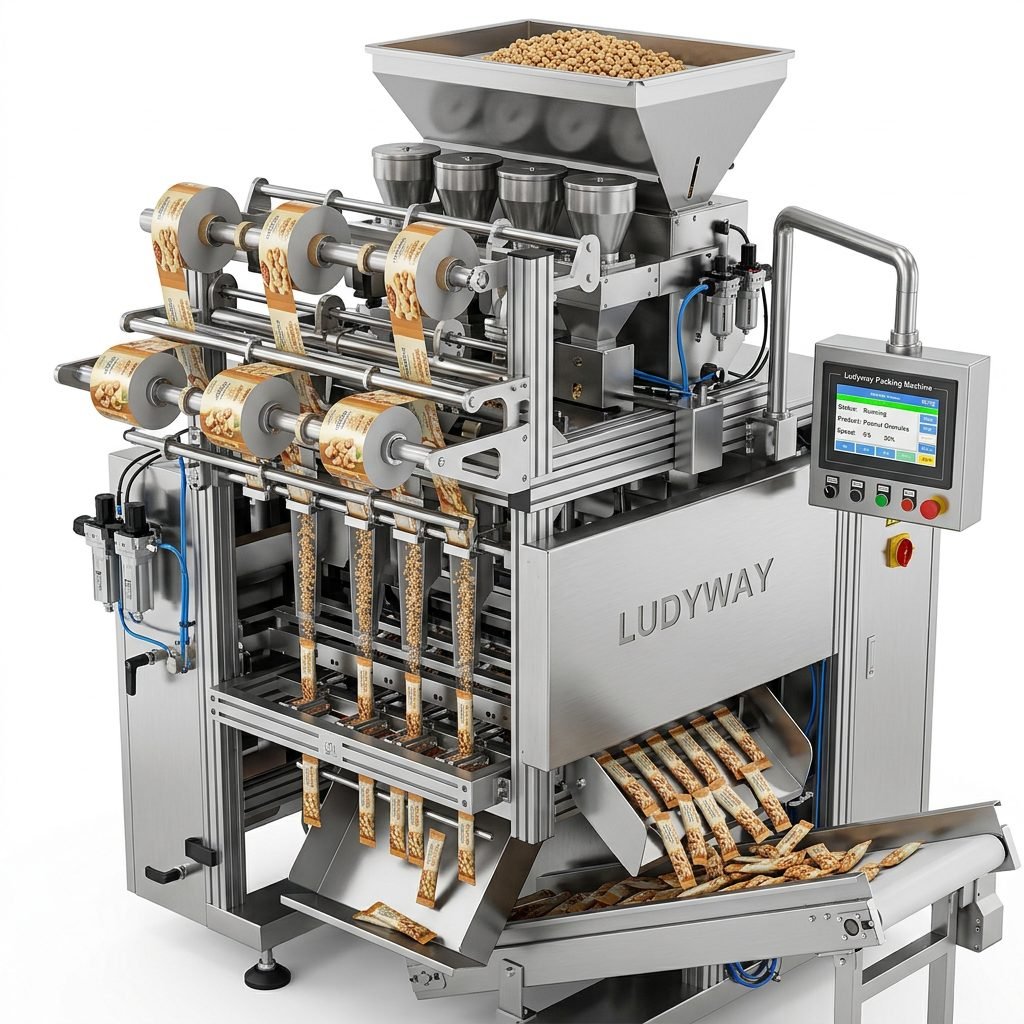
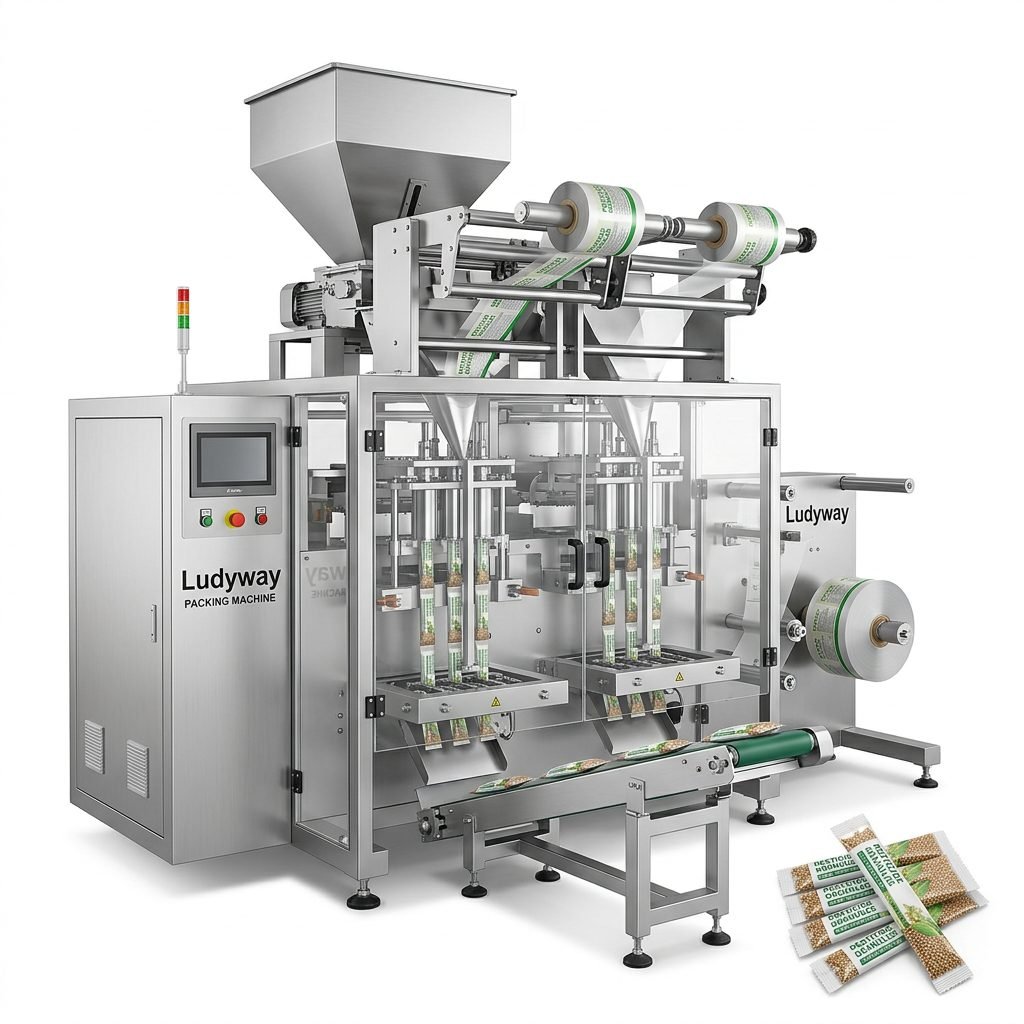
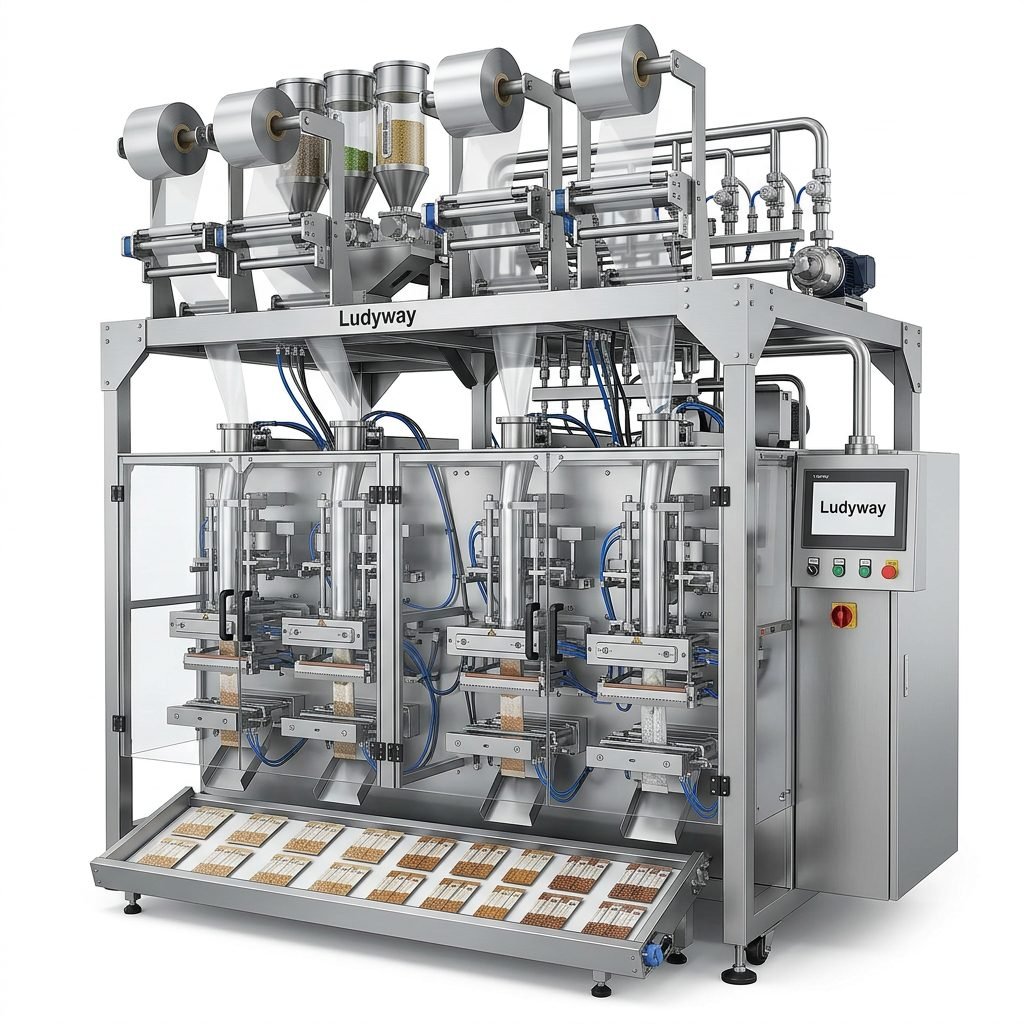
| Multi-lane sachet machine | High-volume powders, granules, liquids | Stick packs, sachets |
| Bottle filling line | Liquids, tablets, capsules | Bottles and jars |
Key Components Inside the System
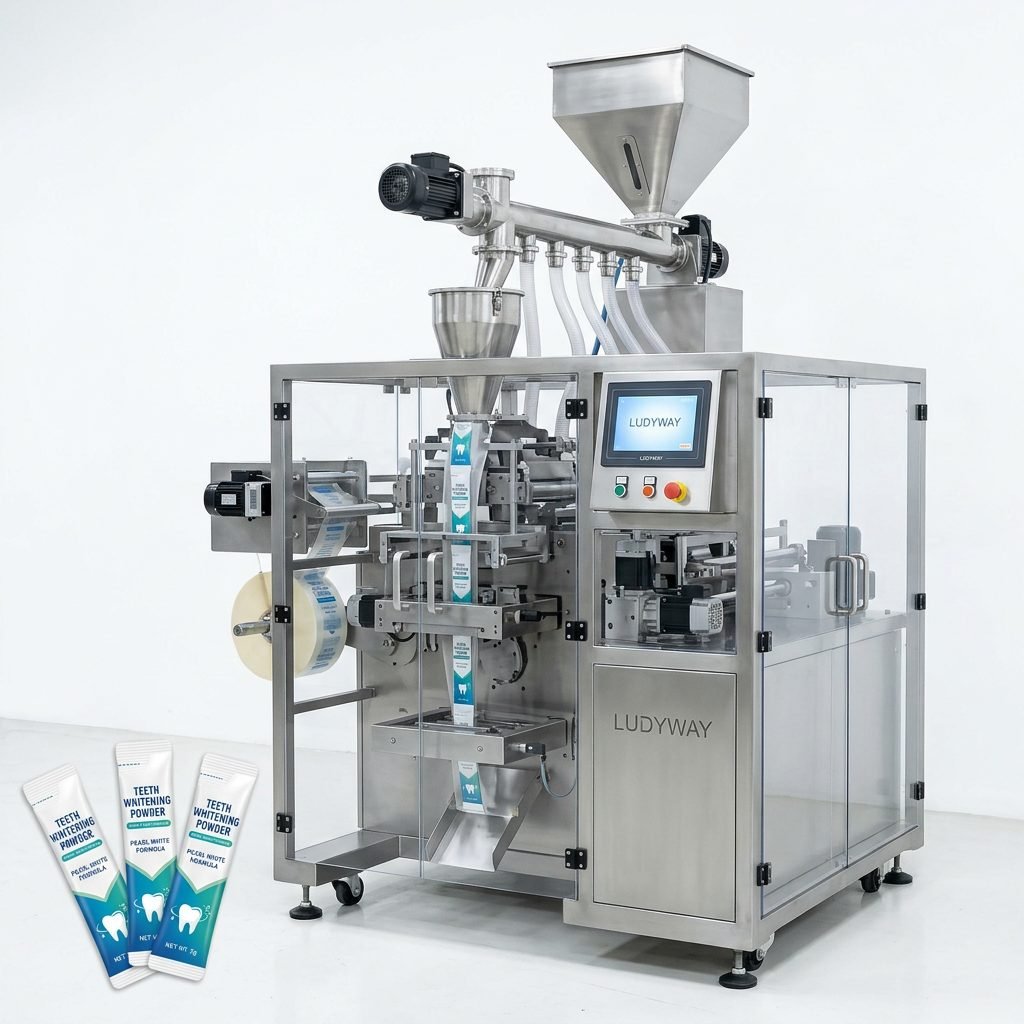
Most automatic filling and packing machines are built from several coordinated modules. The exact configuration depends on the application, but common components include:
- Feeding system
- Measuring or weighing unit
- Film pulling or pouch handling mechanism
- Filling nozzles or discharge outlets
- Sealing station
- PLC control panel with HMI touchscreen
- Sensors and safety protection devices
- Conveyor and discharge system
- Optional coding, inspection, and cartoning equipment
Modern systems also use servo motors and intelligent controls to improve repeatability, changeover speed, and machine stability.
Top Benefits of Automatic Filling and Packing Machines
Higher Production Efficiency
Automation dramatically increases packaging speed compared with manual operations. It allows manufacturers to handle larger order volumes, reduce bottlenecks, and maintain more stable output across shifts.
Improved Filling Accuracy
Accurate dosing helps reduce material waste and ensures consistent product weight or volume. This is especially important in pharmaceutical, nutraceutical, and high-value food applications.
Lower Labor Dependence
By automating repetitive tasks, companies can reduce manual labor requirements and reassign workers to quality control, machine supervision, or other higher-value functions.
Better Hygiene and Product Safety
For food, pharma, and personal care products, minimizing manual contact supports cleaner production. Stainless steel structures, enclosed systems, and dust or leak control features further improve sanitation.
More Consistent Packaging Quality
Automated systems help standardize package appearance, seal strength, fill level, and coding accuracy. This improves brand presentation and customer confidence.
Easier Integration with Full Production Lines
Many businesses now prefer a complete line solution rather than a standalone machine. Automatic fillers and packers can connect with upstream mixing, conveying, and downstream cartoning or palletizing systems.
Industries That Use Automatic Filling and Packing Machines
Food Industry
Food manufacturers use these machines for sugar, coffee, seasonings, sauces, powdered beverages, snacks, grains, dairy powder, and ready-to-mix products. Fast packaging and reliable sealing are essential for freshness and market competitiveness.
Pharmaceutical Industry
Pharma companies rely on automatic packaging for powders, granules, oral liquids, tablets, and medical consumables. Precision, cleanliness, and traceability are especially important in this sector.
Health Supplement Industry
Protein powder, collagen, probiotics, electrolyte powders, and nutrition sachets are commonly packed using automated systems. Multi-lane stick pack machines are especially popular for single-dose formats.
Cosmetic and Personal Care Industry
Products such as shampoo, lotion, serum, cream, and facial care sachets are frequently packed with automatic liquid or paste filling and sealing machines.
Chemical Industry
Detergents, cleaners, fertilizers, additives, and industrial chemicals also require automated packaging, especially where corrosive materials, dust, or leak control must be managed carefully.
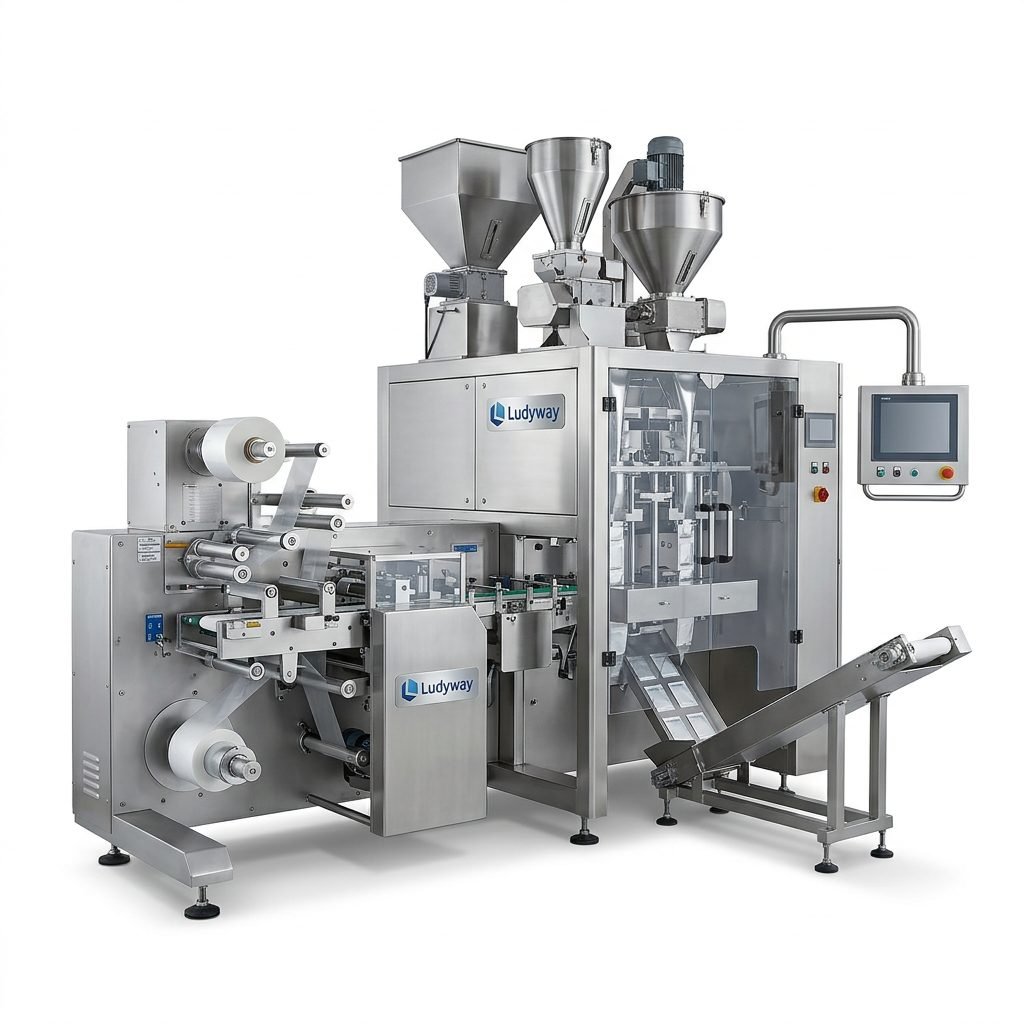
Applications by Product Type
| Product Type | Examples | Recommended Machine Style |
|---|---|---|
| Powder | Protein powder, spice mix, milk powder | Auger filling sachet or stick pack machine |
| Granule | Sugar, seeds, coffee beans, pet snacks | Cup filler or weighing packing machine |
| Liquid | Sauce, shampoo, honey, syrup | Pump filling and sealing machine |
| Paste | Cream, ketchup, gel, lotion | Piston filling packing machine |
| Tablet/Capsule | Pharma and supplement products | Counting, bottling, blister, or strip packaging line |
How to Choose the Right Automatic Filling and Packing Machine
Not every machine fits every product. Before buying, it is important to evaluate the application carefully.
Consider these factors:
- Product characteristics: powder, granule, liquid, paste, free-flowing or sticky
- Packaging format: sachet, pouch, bottle, jar, bag, stick pack
- Output target: packs per minute, daily production requirement
- Filling accuracy: acceptable tolerance and product value
- Material compatibility: corrosion resistance, food-grade contact parts
- Available floor space: standalone machine or complete line layout
- Automation level: semi-automatic, fully automatic, turnkey system
- Future expansion: whether the line can scale with business growth
A good supplier should be able to recommend the right configuration based on your sample product, bag size, production target, and plant conditions.
Why Turnkey Packaging Lines Are Growing in Demand
Many manufacturers no longer want to source each machine separately. Instead, they prefer a complete packaging solution that includes feeding, filling, sealing, inspection, coding, cartoning, and final conveying.
This approach can reduce integration risks and improve project efficiency. Companies looking for scalable packaging automation often work with experienced manufacturers such as Ludyway packaging machine solutions, especially when they need customized equipment for food, pharmaceutical, health supplement, or liquid product applications.
Maintenance Tips for Long-Term Performance
Even the best machine needs proper maintenance to keep running efficiently.
- Clean product contact parts regularly
- Inspect sealing components and wear parts
- Calibrate dosing systems on schedule
- Check sensors, motors, and pneumatic components
- Use the correct packaging film or container materials
- Train operators in standard operating procedures
- Keep spare parts available for critical items
Preventive maintenance helps reduce downtime, extend service life, and maintain packaging quality over time.
Final Thoughts
Automatic filling and packing machines are essential tools for modern production. They help businesses improve speed, accuracy, hygiene, and packaging consistency across a wide range of products. Whether you produce powders, granules, liquids, or pastes, the right system can transform your packaging operation and support long-term growth.
For companies planning to upgrade from manual packaging or build a fully integrated line, understanding machine workflow, benefits, and application fit is the first step toward making a smart investment.