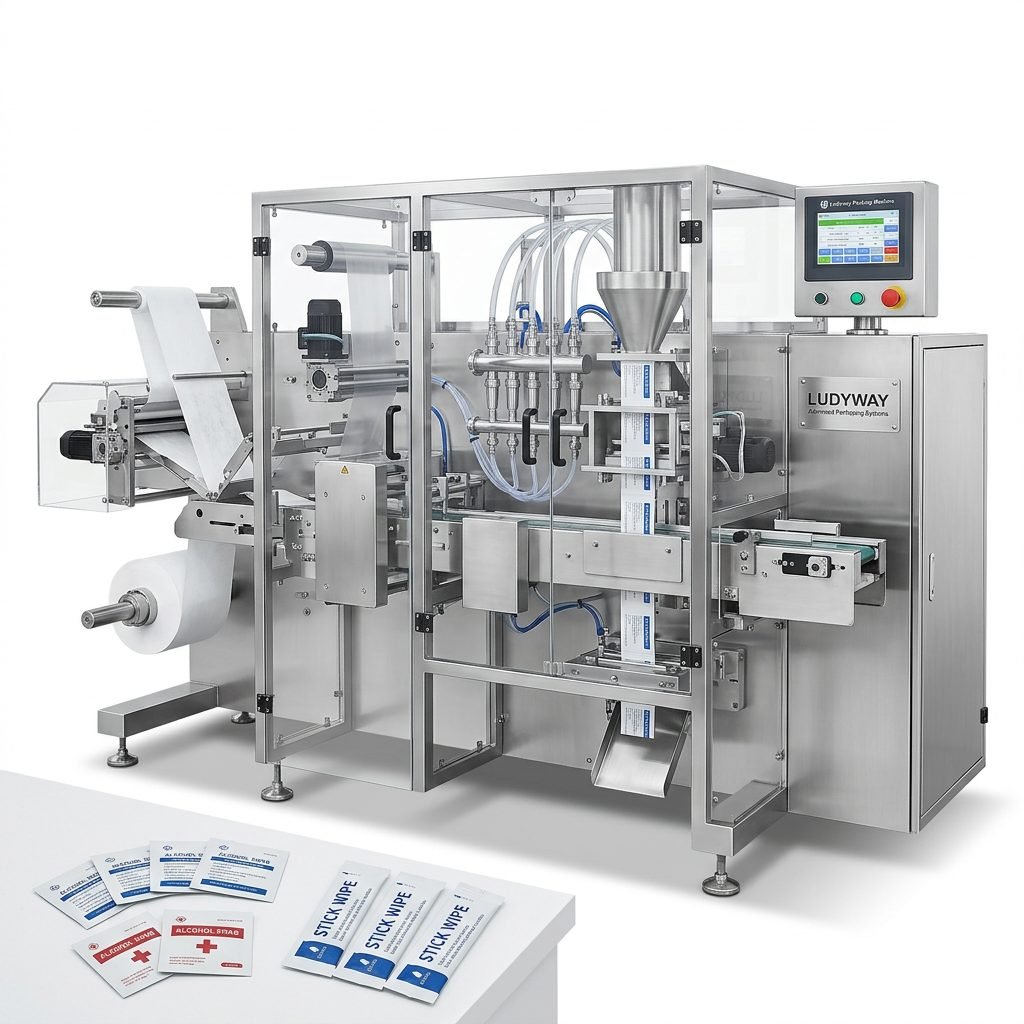
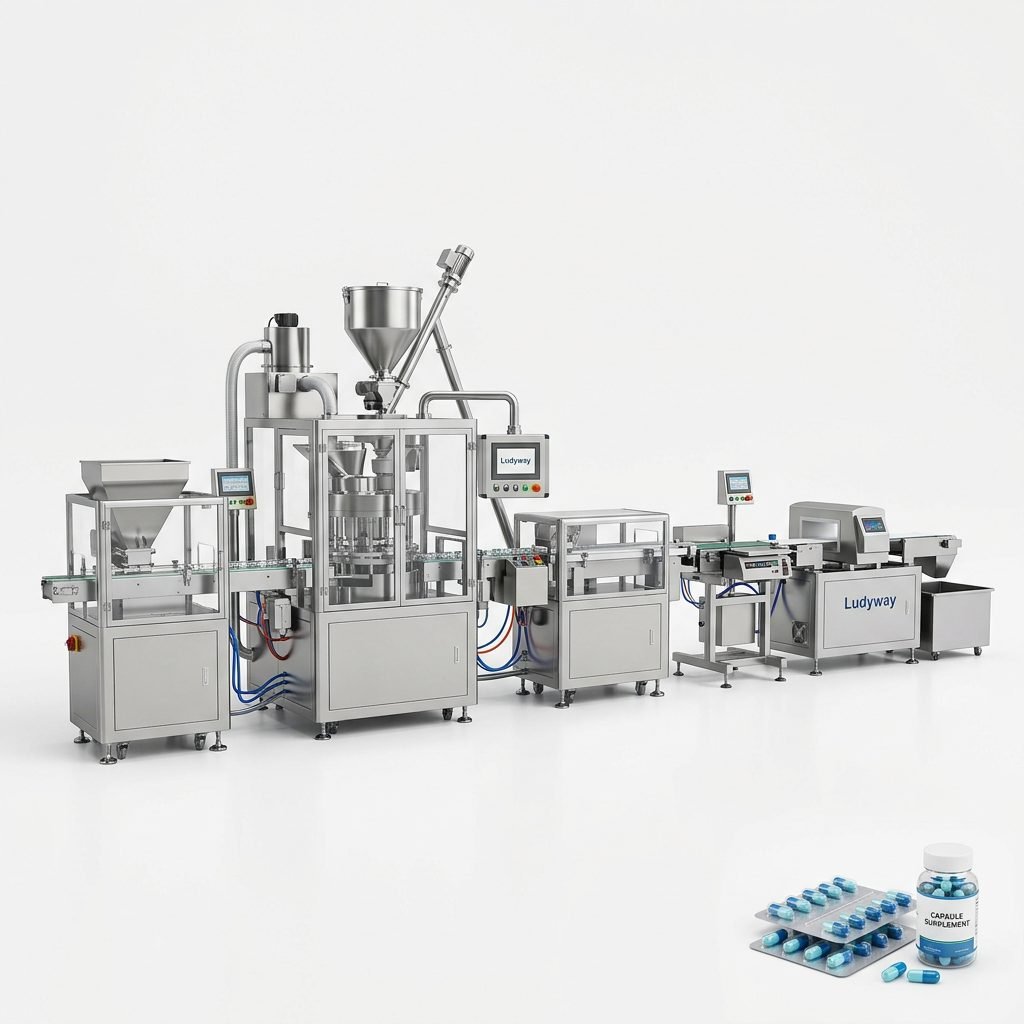
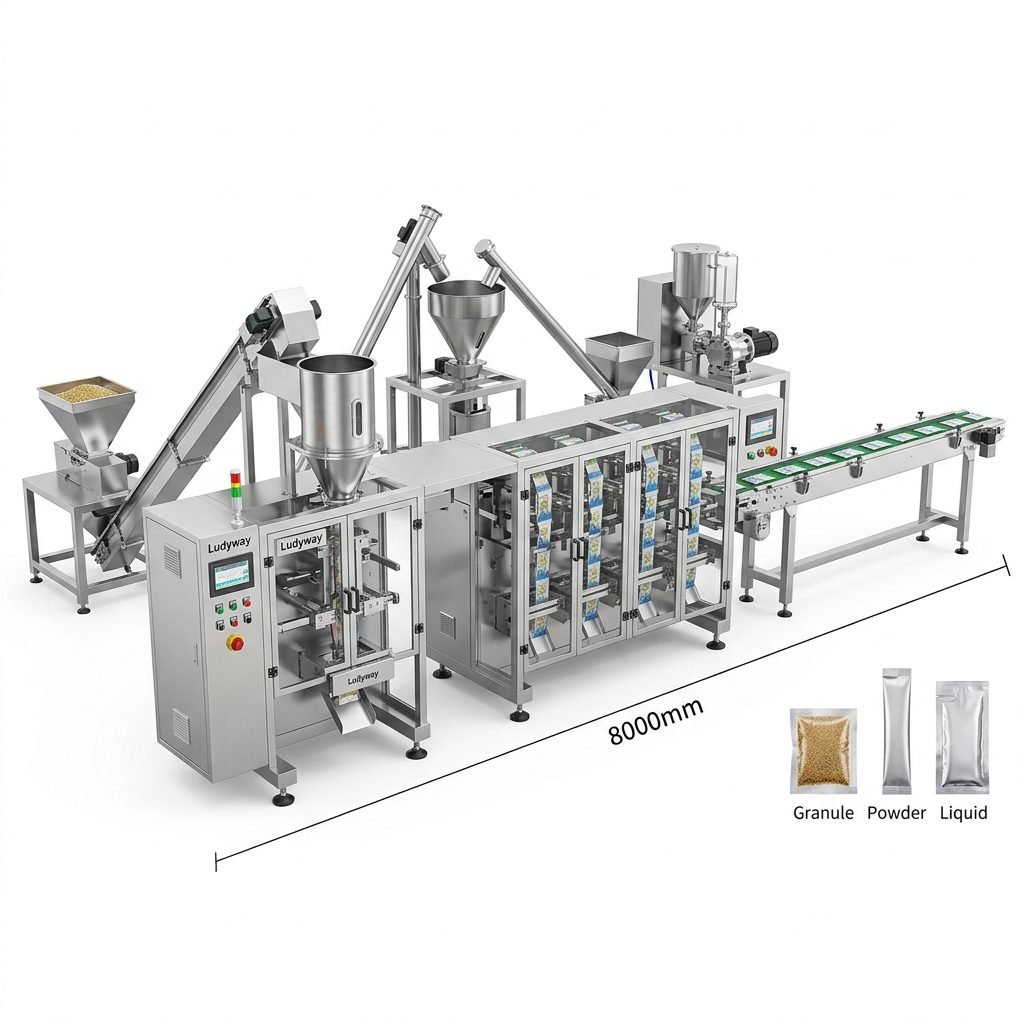
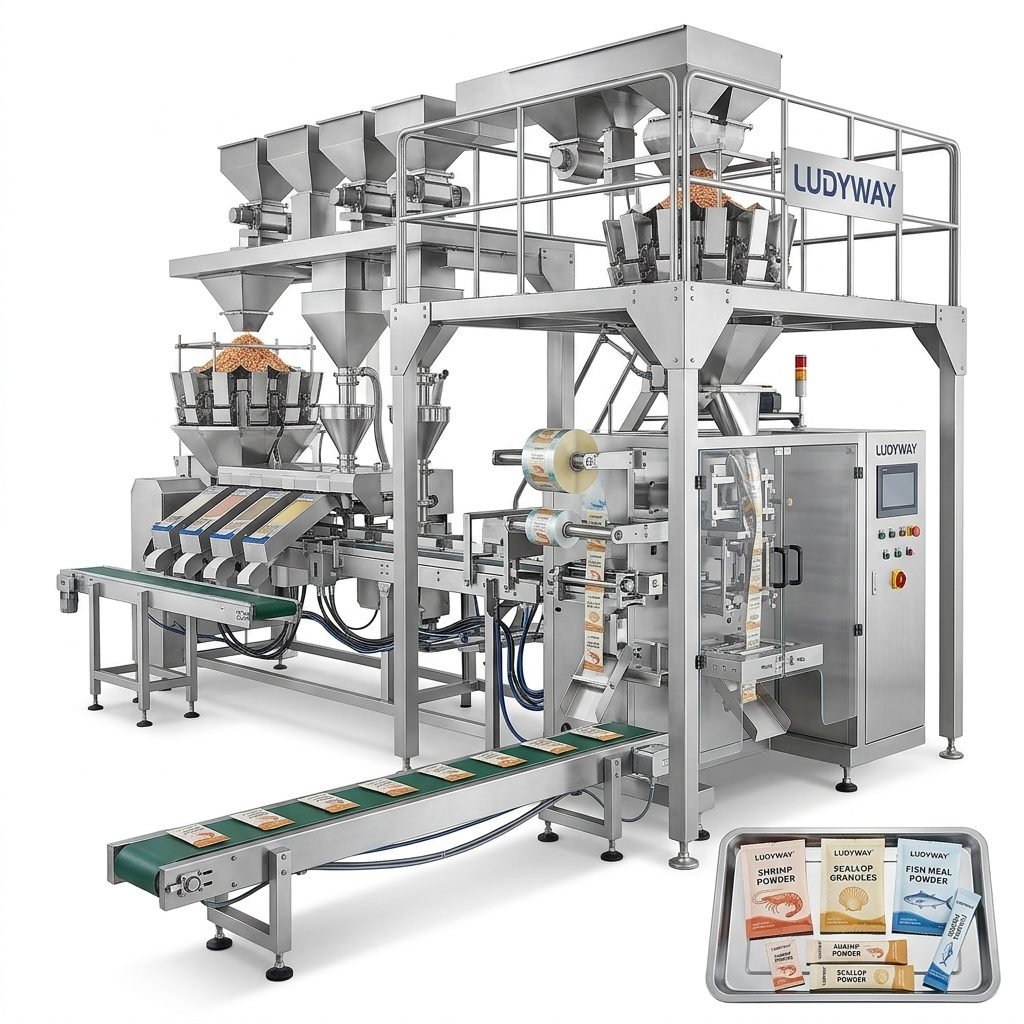
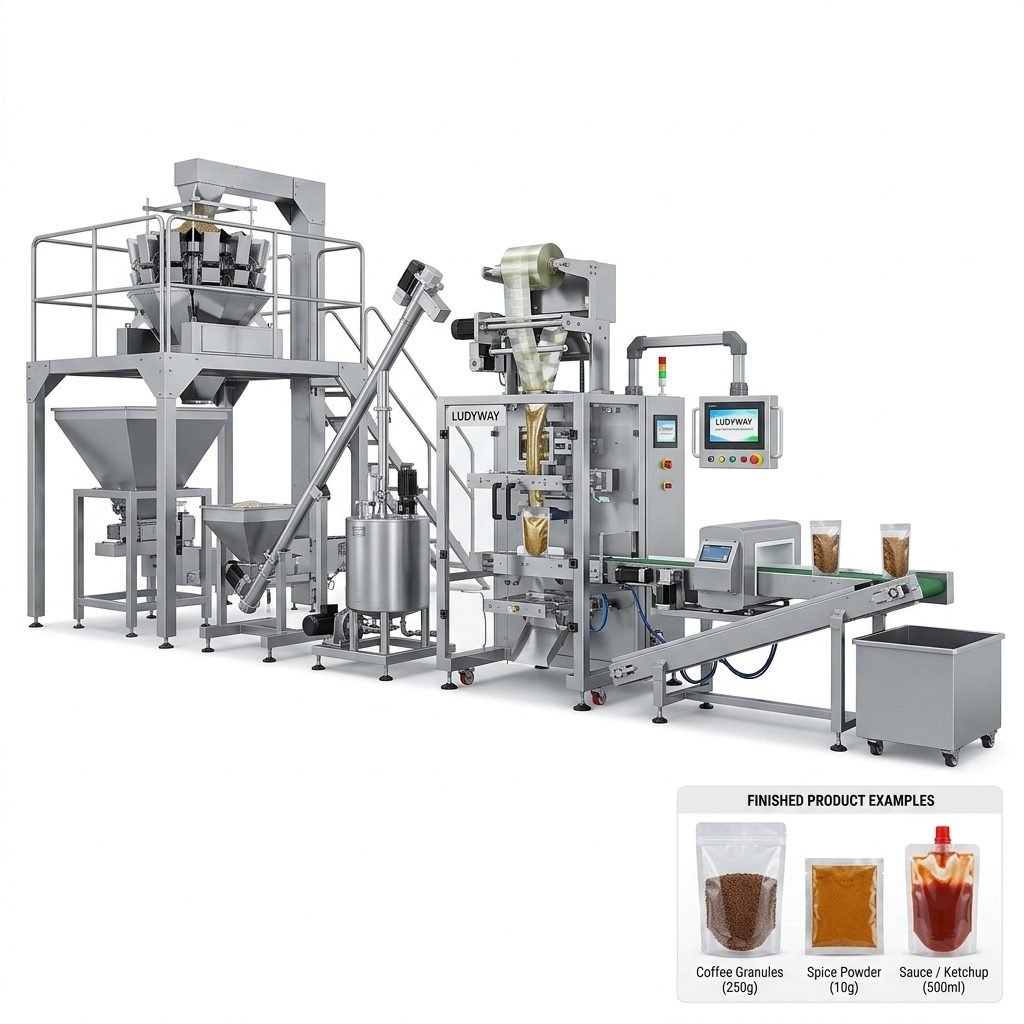
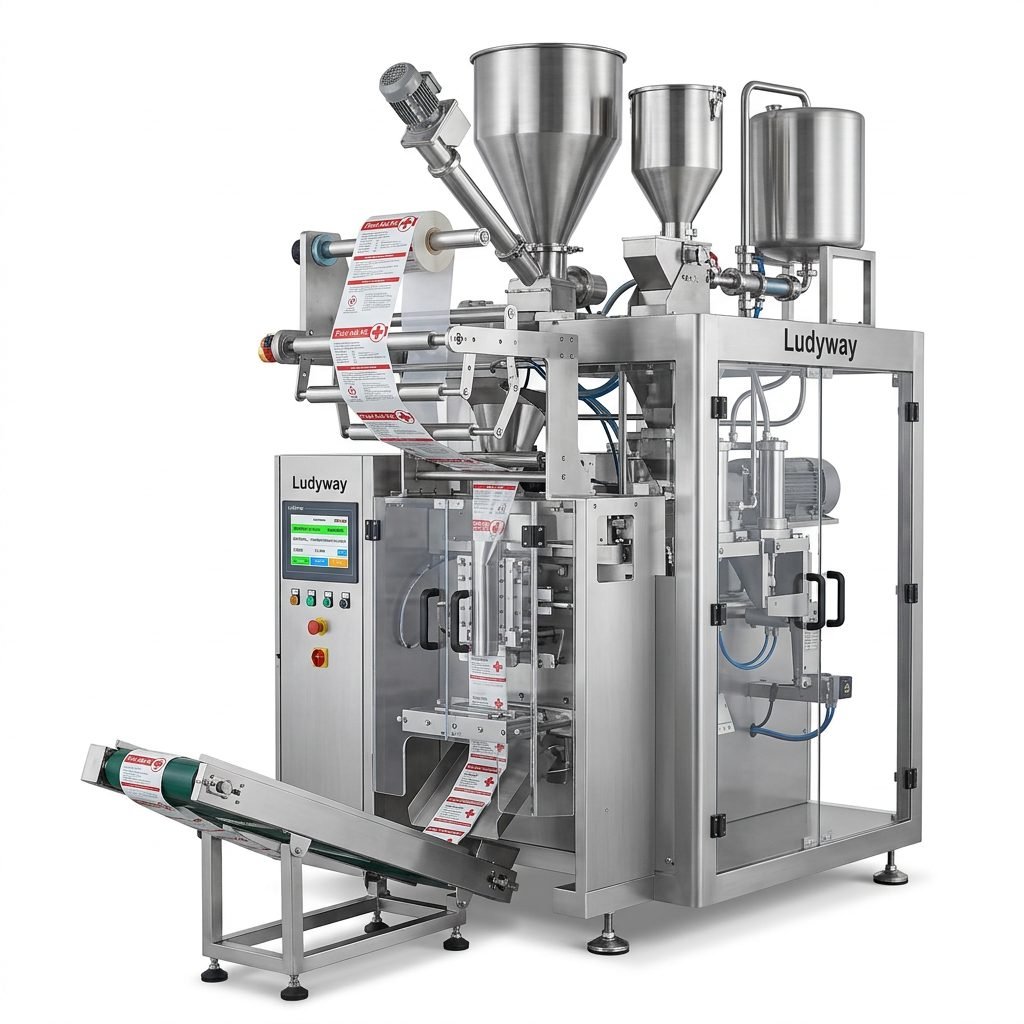
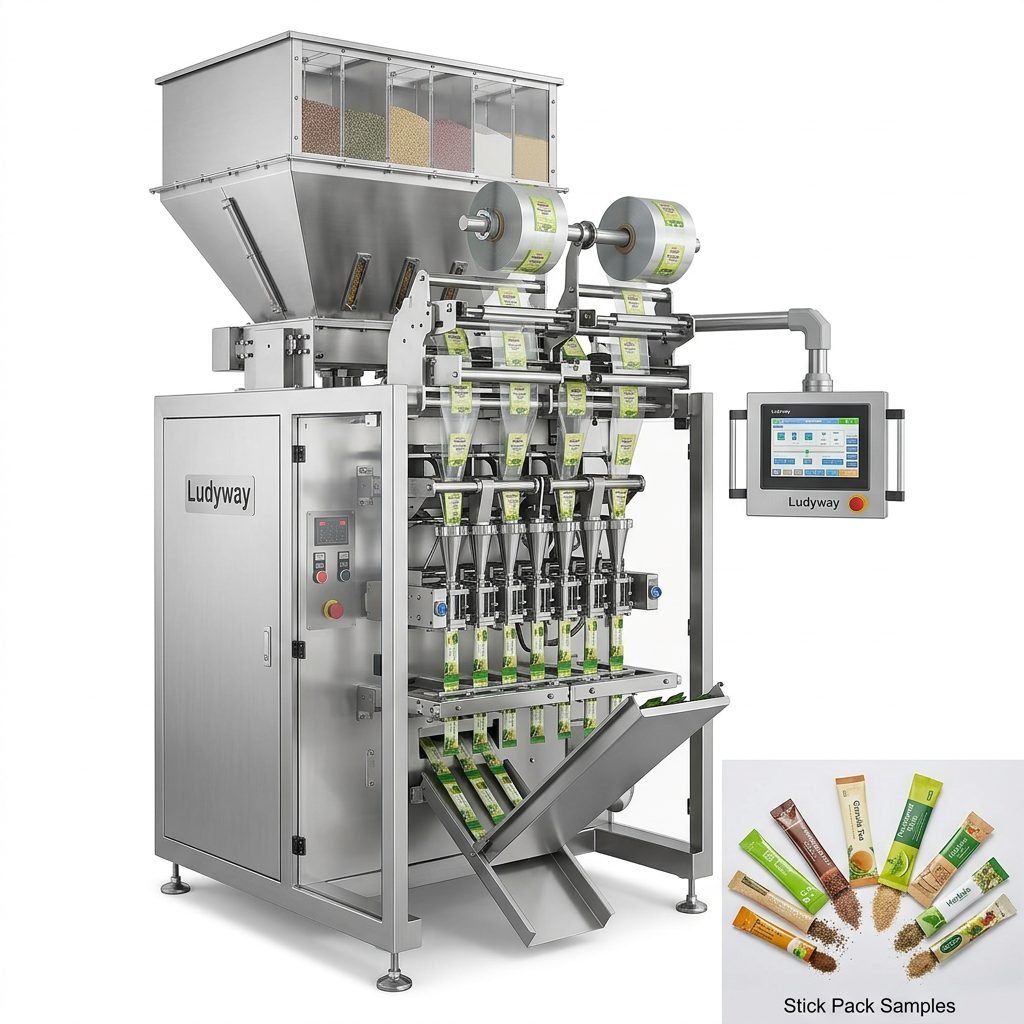
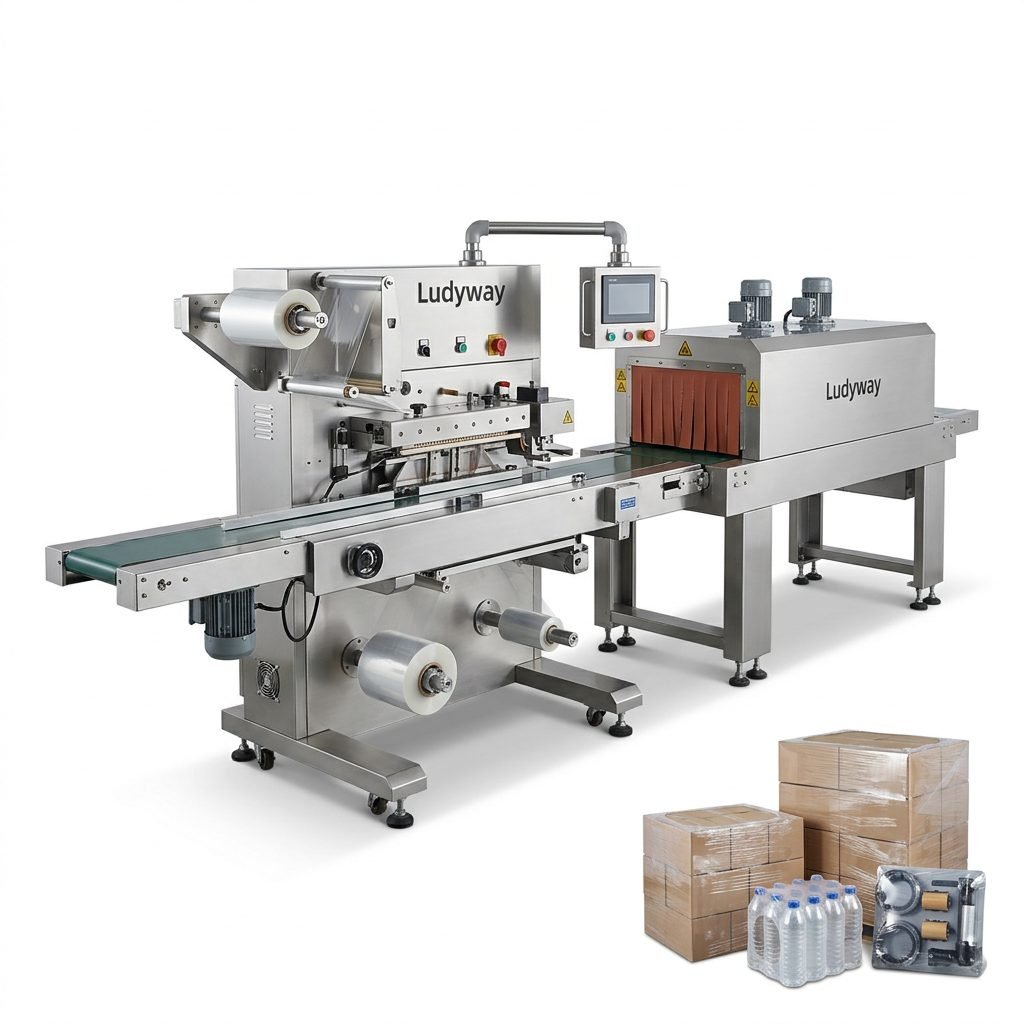
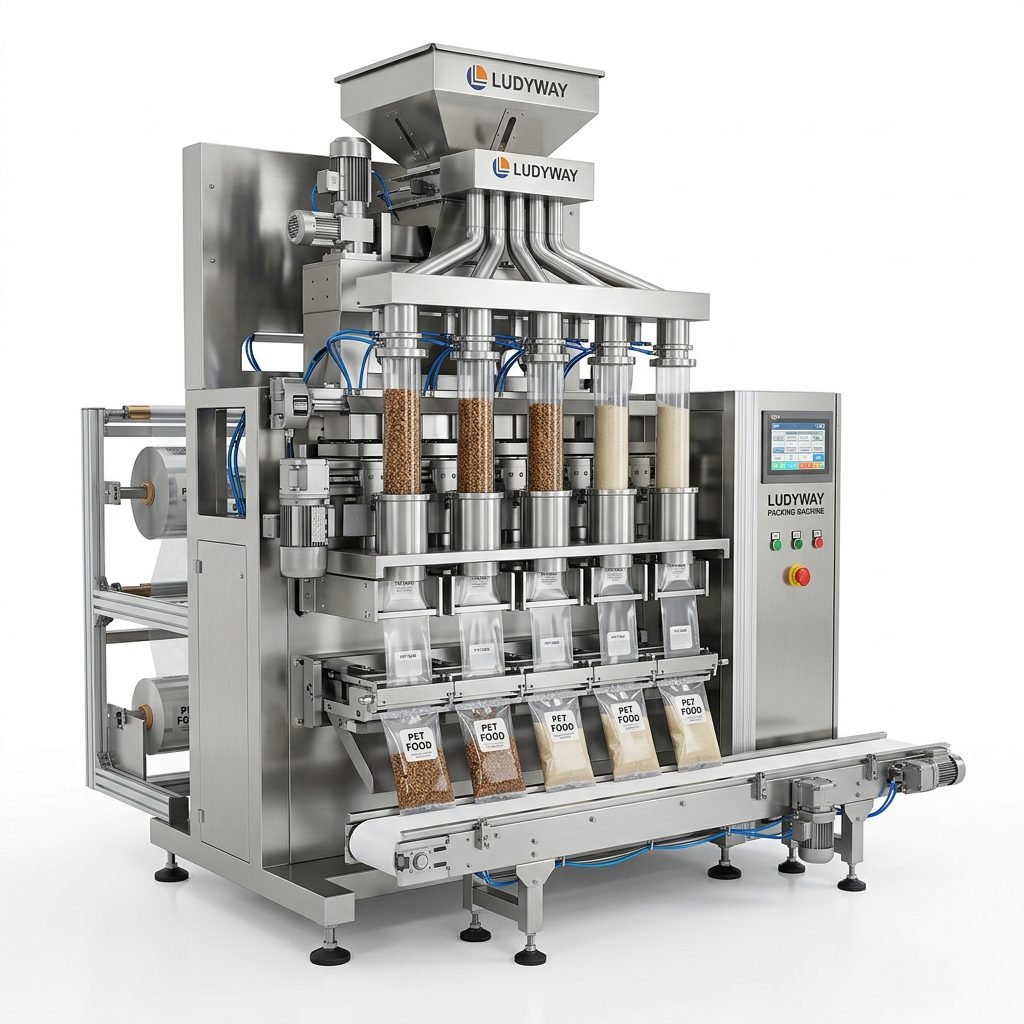
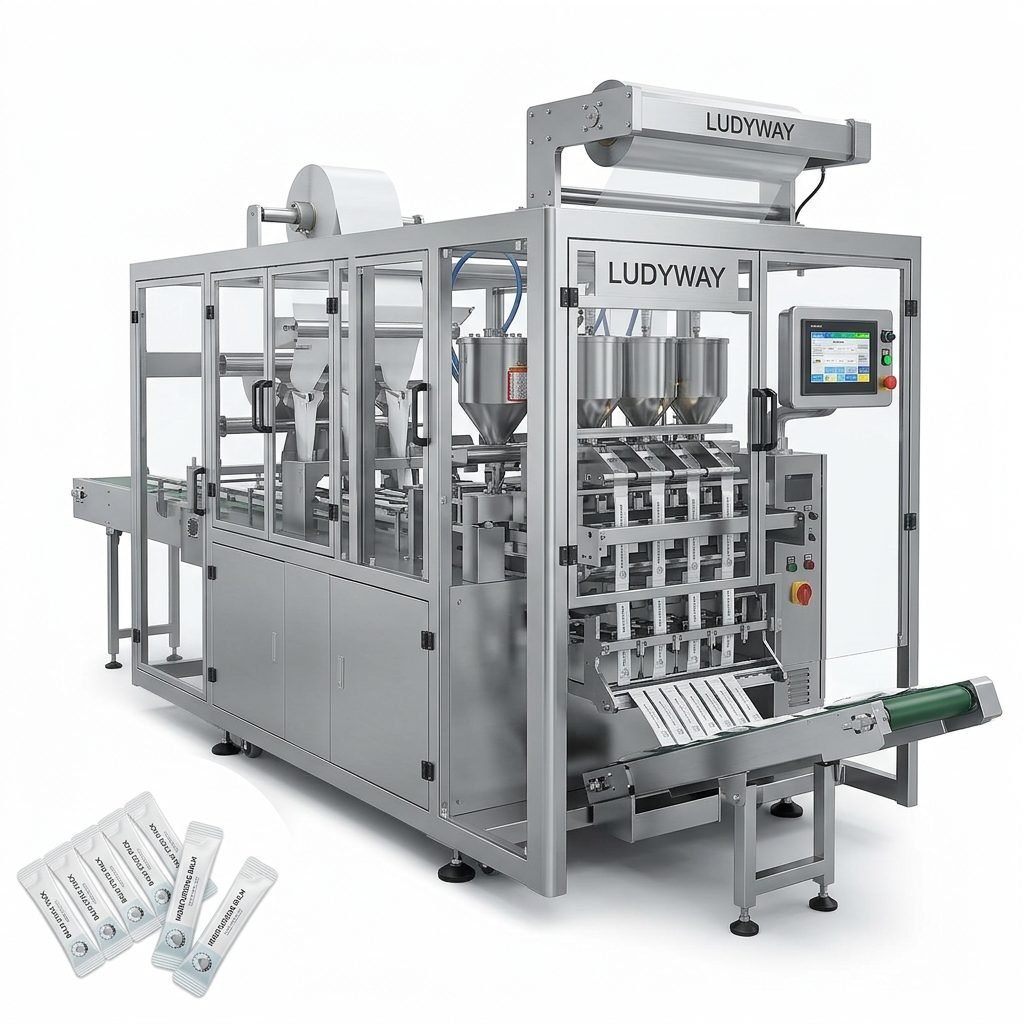
When planning to enter the single-serve market, one of the first questions manufacturers ask is about the investment required for a tea and shampoo sachet packing machine. The cost is not a fixed number; it varies significantly based on technology, speed, packaging style, and the level of automation you require. Understanding these variables is crucial for budgeting and selecting the right equipment for your production line.
Whether you are packing premium loose-leaf tea or high-viscosity shampoo, the machinery must handle specific material characteristics while maintaining seal integrity. This guide breaks down the price ranges, key influencing factors, and features that impact your bottom line, helping you make an informed purchasing decision.
Understanding the Price Range of Sachet Packing Machines
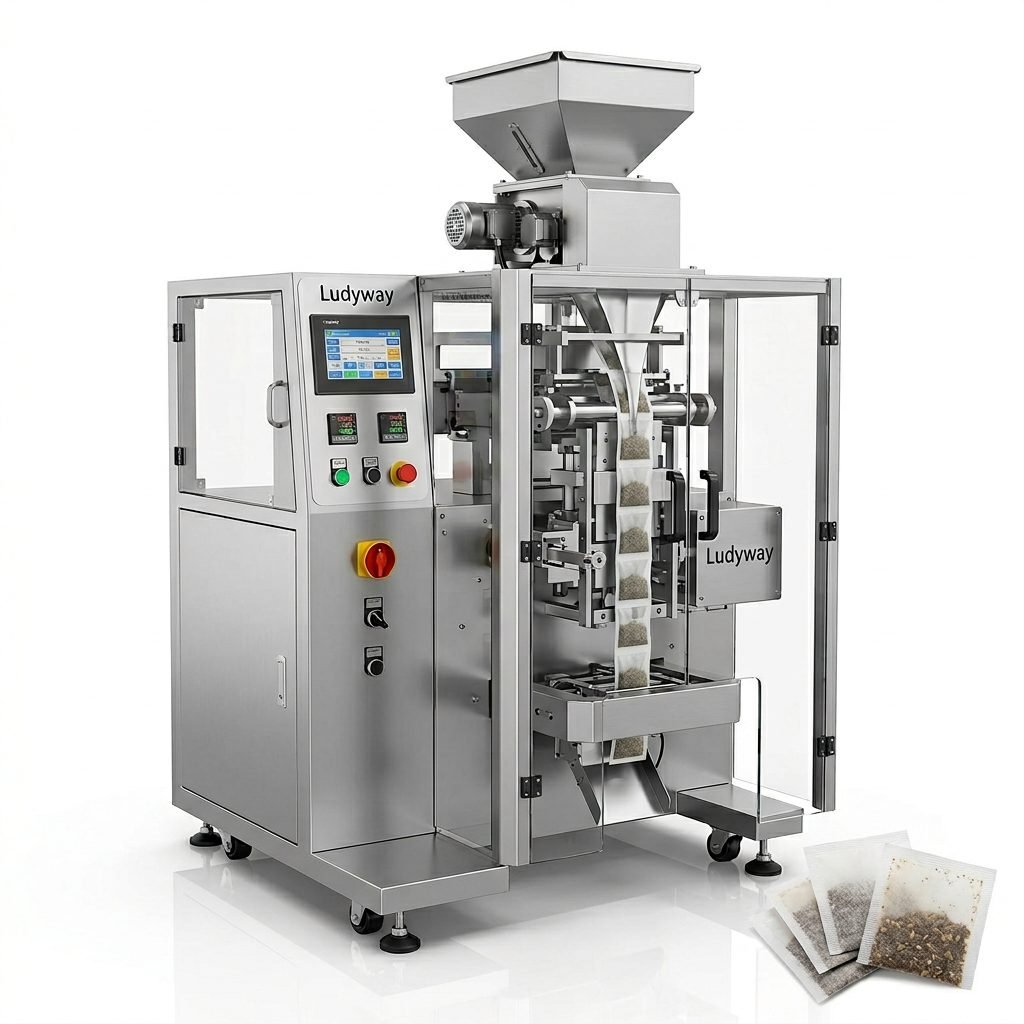
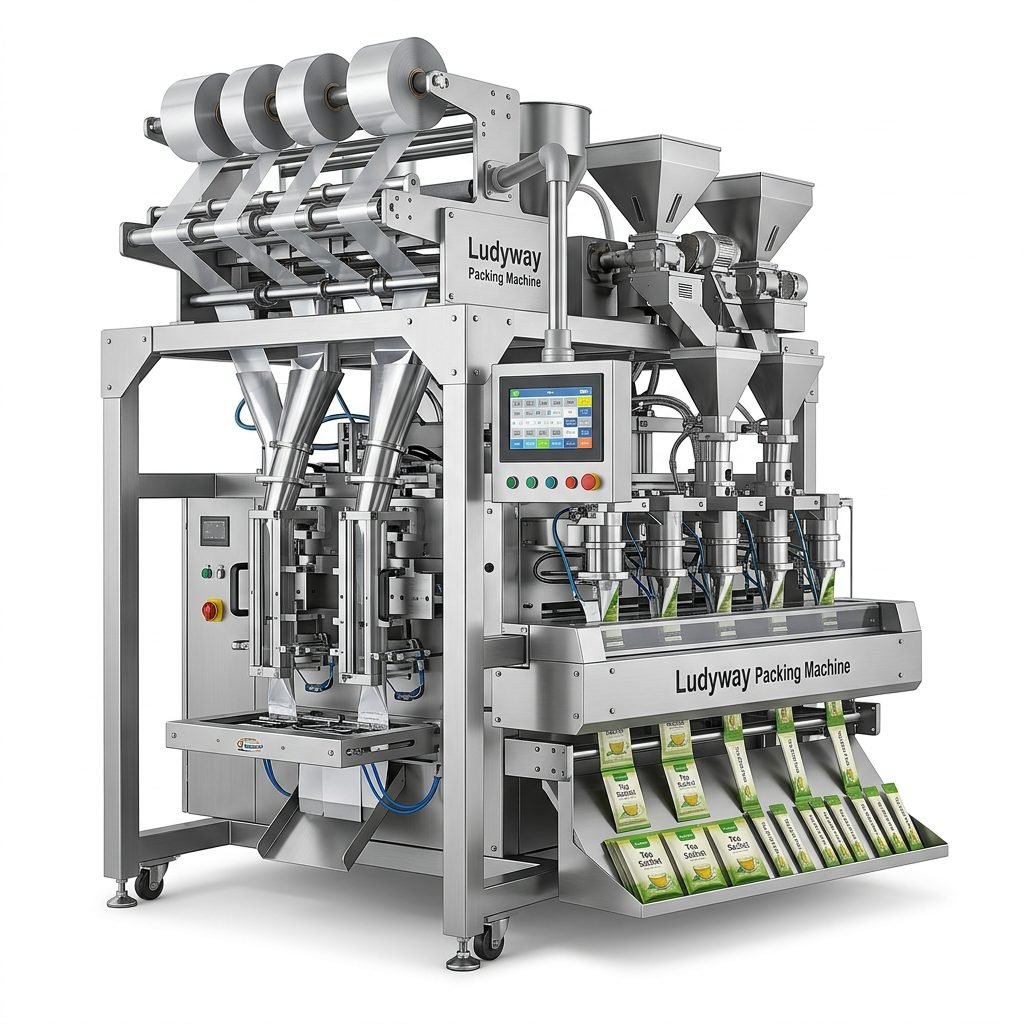
The market offers a broad spectrum of machinery, from entry-level systems to high-speed intelligent packaging lines. Generally, small-scale manual or semi-automatic machines fall on the lower end, while fully automated multi-lane stick pack and sachet machines represent a significant capital investment due to their output capacity and advanced integration.
For standard vertical form-fill-seal (VFFS) sachet machines suitable for tea or shampoo, prices typically start around $10,000 to $30,000 for basic single-lane models. Mid-range multi-lane machines with enhanced dosing accuracy and servo-driven controls can range from $40,000 to $80,000. High-capacity, fully automated turnkey production lines that include counting, cartoning, and palletizing systems often exceed $100,000 to $250,000 or more. The specific cost depends heavily on customization and the complexity of the packaging material.
Key Cost Drivers in Packaging Machinery
Several technical and operational factors influence the final price. It is essential to analyze your specific product requirements against these variables to avoid overspending on unnecessary features or under-investing in capabilities that could bottleneck your production.
- Level of Automation: Manual bag making vs. fully automated servo-driven filling, sealing, and cutting systems.
- Lane Configuration: Single-lane machines are budget-friendly, while multi-lane systems (4-lane, 8-lane, or 12-lane) multiply output but increase the hardware cost.
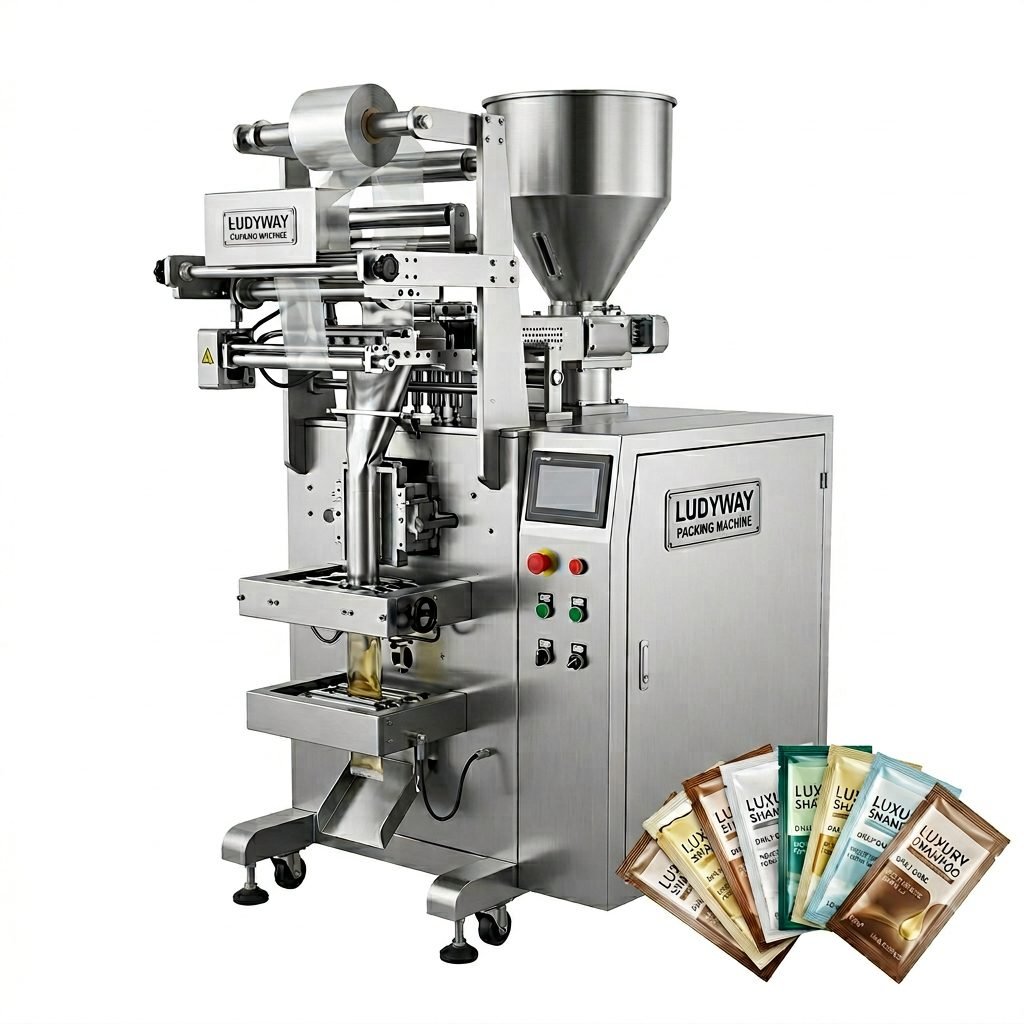
- Product Compatibility: Liquid shampoo requires specialized piston or peristaltic pumps, whereas tea granules need volumetric or multi-head weigher dosing units.
- Material Handling: Premium finishes like stainless steel 316L for corrosive liquids or washdown environments add to material costs.
Comparing Machine Configurations and Specifications
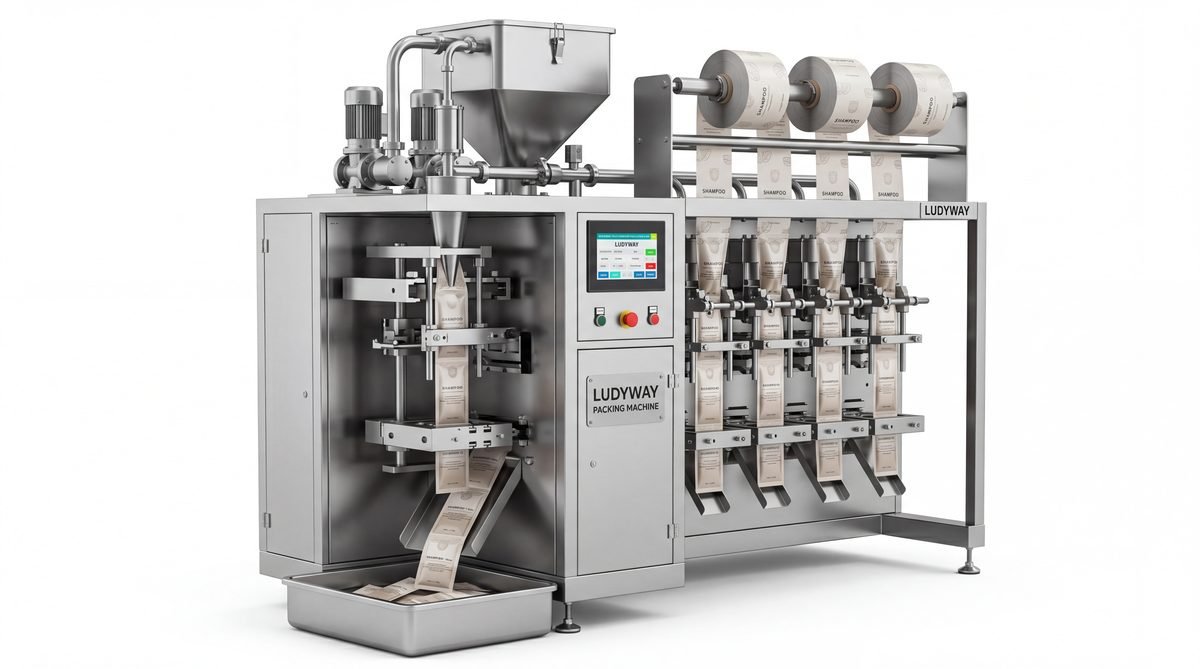
To clarify how specs translate to cost, the table below outlines typical configurations for tea and shampoo applications. Note that packaging speed and precision are the primary levers that shift the price tier.
| Feature | Entry-Level (Single Lane) | Mid-Range (Multi-Lane) | High-End Turnkey Line |
|---|---|---|---|
| Typical Speed | 30-50 packs/min | 200-400 packs/min | 600+ packs/min |
| Dosing System | Volumetric cup / Basic pump | Servo auger / Multi-head weigher | Integrated multi-head weigher & inspection |
| Film Handling | Mechanical clutch | Servo-driven unwinding | Fully automatic splicing & registration |
| Price Range (USD) | $10,000 – $30,000 | $40,000 – $80,000 | $100,000+ |
Critical Features That Justify the Investment
Beyond basic forming and sealing, specific features significantly enhance the value and efficiency of your packaging line. Investing in these areas often yields a rapid return through reduced waste and higher throughput.
- Servo-Driven Film Transport: Provides precise film registration, critical for maintaining graphic alignment on tea or shampoo branding.
- Automatic Reject Systems: Checkweighers and reject stations ensure under-dosed or seal-defective pouches are removed without stopping production.
- Easy Clean Design: Tool-less disassembly is vital for shampoo machines to prevent cross-contamination between batches.
- Gas Flushing (Nitrogen): Essential for tea packaging to extend shelf life by removing oxygen from the sachet.
Material Compatibility and Machine Construction
The physical build of the machine directly correlates with longevity and safety, especially when packaging fast-moving consumer goods. Shampoo packaging machines demand resistance to corrosive ingredients and liquid ingress. Conversely, tea packaging machines must handle fine dust that can damage sensitive electronics. Look for a machine frame constructed from thick gauge stainless steel and an IP65-rated electrical cabinet for wet environments.
Working with experienced manufacturers like Ludyway ensures the food contact parts and sealing mechanisms are optimized for your specific product, whether it is a liquid concentrate, a dry powder, or a delicate leaf tea. Their expertise in turnkey solutions spans over 30 years, focusing on matching the machine construction to the application’s demands.
Total Cost of Ownership vs. Upfront Price
While the initial invoice price of a tea and shampoo sachet packing machine is a major budget item, the total cost of ownership (TCO) offers a more accurate picture of financial impact. A cheaper machine may incur significant costs over its lifespan due to frequent downtime, high film waste rates, and a lack of spare parts availability. Evaluate these ongoing expenses carefully:
- Energy Consumption: Servo motors are more energy-efficient than pneumatic systems, reducing long-term operational costs.
- Changeover Time: Machines with digital recipe storage allow operators to switch between tea and shampoo formats in minutes, not hours.
- After-Sales Support: Manufacturers offering remote diagnostic capabilities and local technical support drastically minimize production interruptions.
- Film Waste Rate: Precision sealing systems typically reduce film waste by 2-5% compared to mechanically driven machines.
By prioritizing build quality, dosing accuracy, and continuous technical support, even a higher upfront investment often secures lower production costs per sachet over a five-year analysis. For more information on packaging machinery standards and market trends, refer to resources like PMMI Business Intelligence.
For readers seeking authoritative data on the flexible packaging sector, the Flexible Packaging Association provides valuable industry resources. Additionally, insights into packaging regulations can be accessed through FDA Food Packaging and Food Contact Substances guidelines.