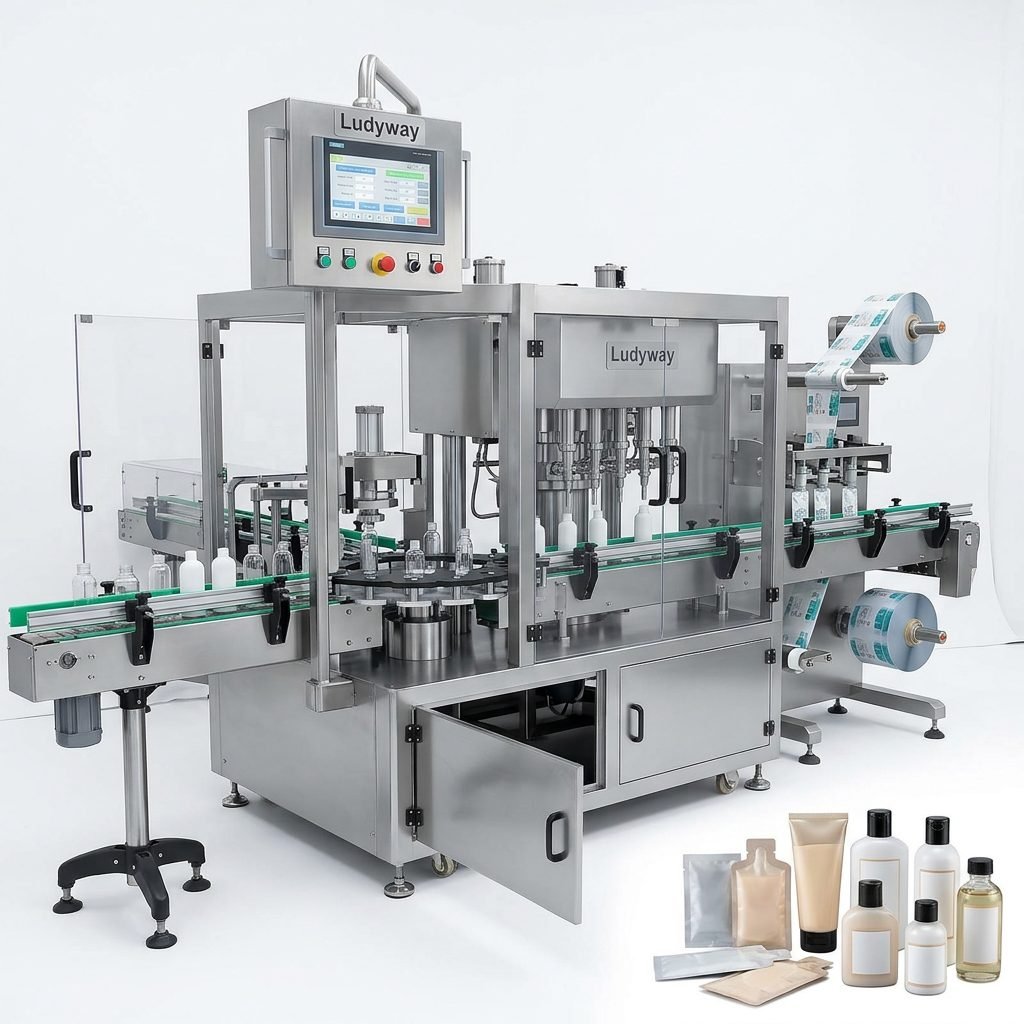
Choosing the right food packaging equipment is a critical decision for any food production business looking to scale, improve efficiency, and ensure product quality. With a vast array of machines available for sale, from simple sachet fillers to complex multi-lane stick pack systems, making an informed choice requires a clear understanding of your needs, the different types of equipment, their key features, and the investment involved. This comprehensive guide is designed to help you compare your options and find the best food packaging equipment to boost your production line’s output and reliability.
Key Takeaway
The optimal packaging machine balances speed, accuracy, versatility, and hygiene with your specific product characteristics and budget. Investing in reliable, automated equipment from experienced suppliers is crucial for long-term production success and ROI.
Understanding Different Types of Food Packaging Equipment
The food packaging landscape is diverse, with machinery tailored for different product forms and packaging styles. Here’s a breakdown of the primary types you’ll encounter when searching for equipment for sale.
1. Vertical Form-Fill-Seal (VFFS) Machines
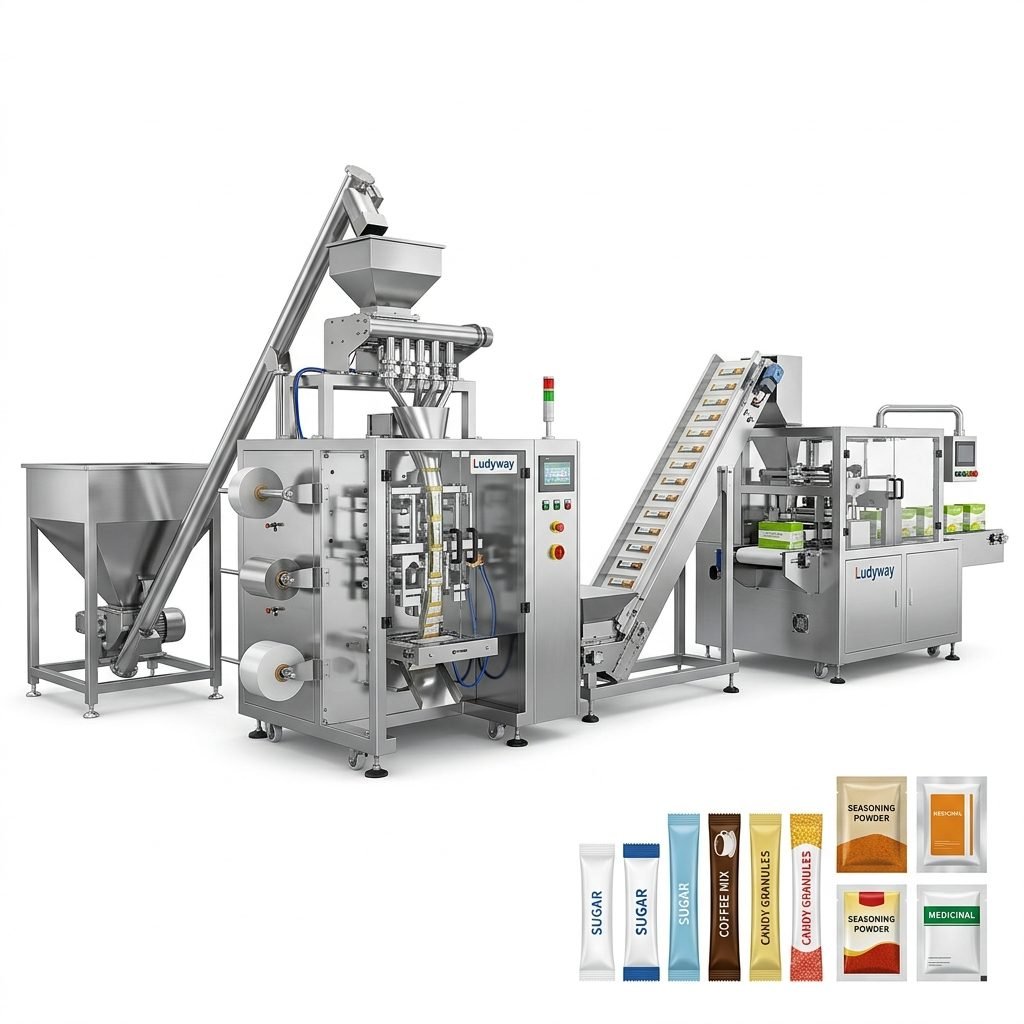
These are the workhorses of the industry, ideal for packaging granules, powders, grains, and small solids. A VFFS machine forms a bag from a roll of film, fills it with product, and seals it—all in one continuous vertical operation. They are highly versatile and efficient for medium to high-volume production.
2. Horizontal Form-Fill-Seal (HFFS) Machines
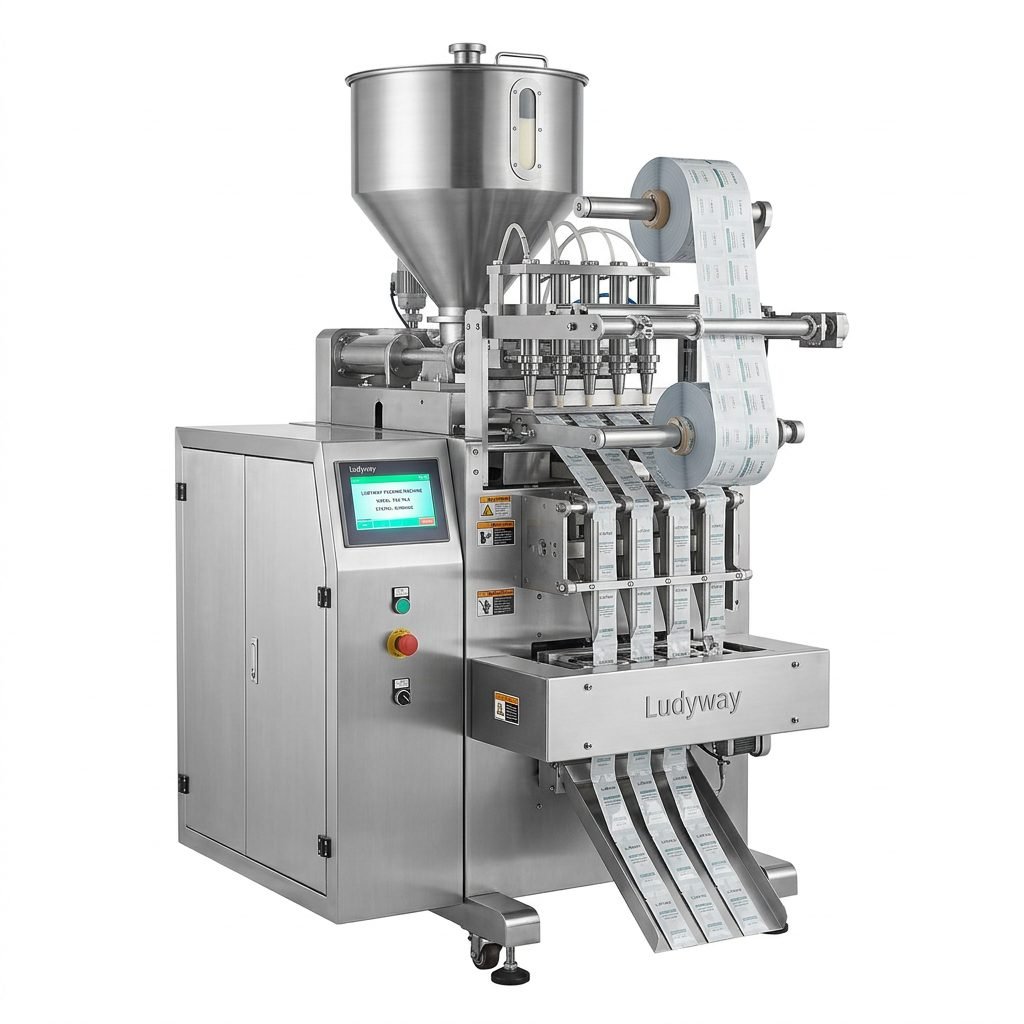
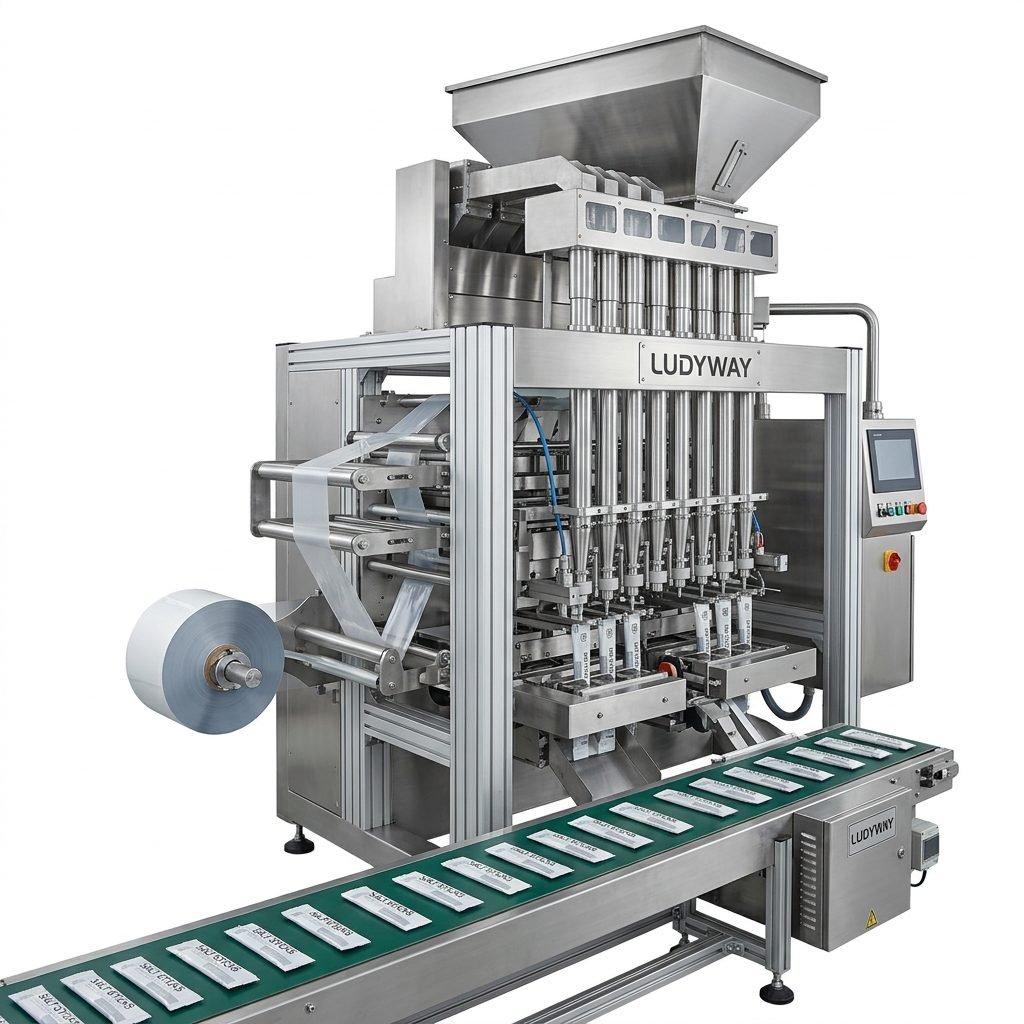
Perfect for creating pillow packs, sachets, and stick packs from roll stock. HFFS machines are often used for single-serve portions of sauces, condiments, sugar, coffee, and pharmaceutical powders. They offer excellent sealing integrity and can be configured for multi-lane, high-speed output.
3. Liquid & Pasty Filling Machines
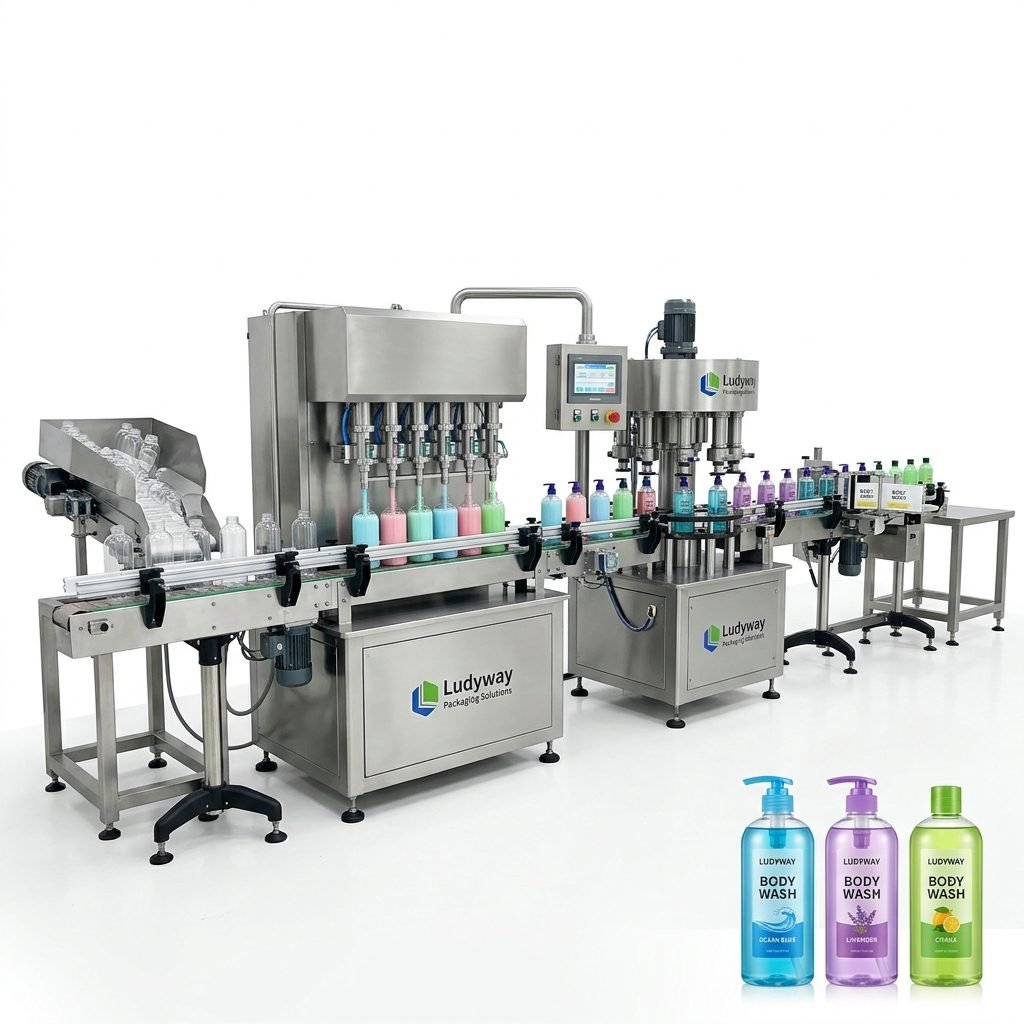
Designed specifically for viscous products like sauces, oils, honey, creams, and pastes. These machines use piston, gravity, or pump filling systems to ensure precise, drip-free filling into bottles, pouches, or cups. Hygiene and cleanability are paramount features for this category.
4. Stick Pack Packaging Machines
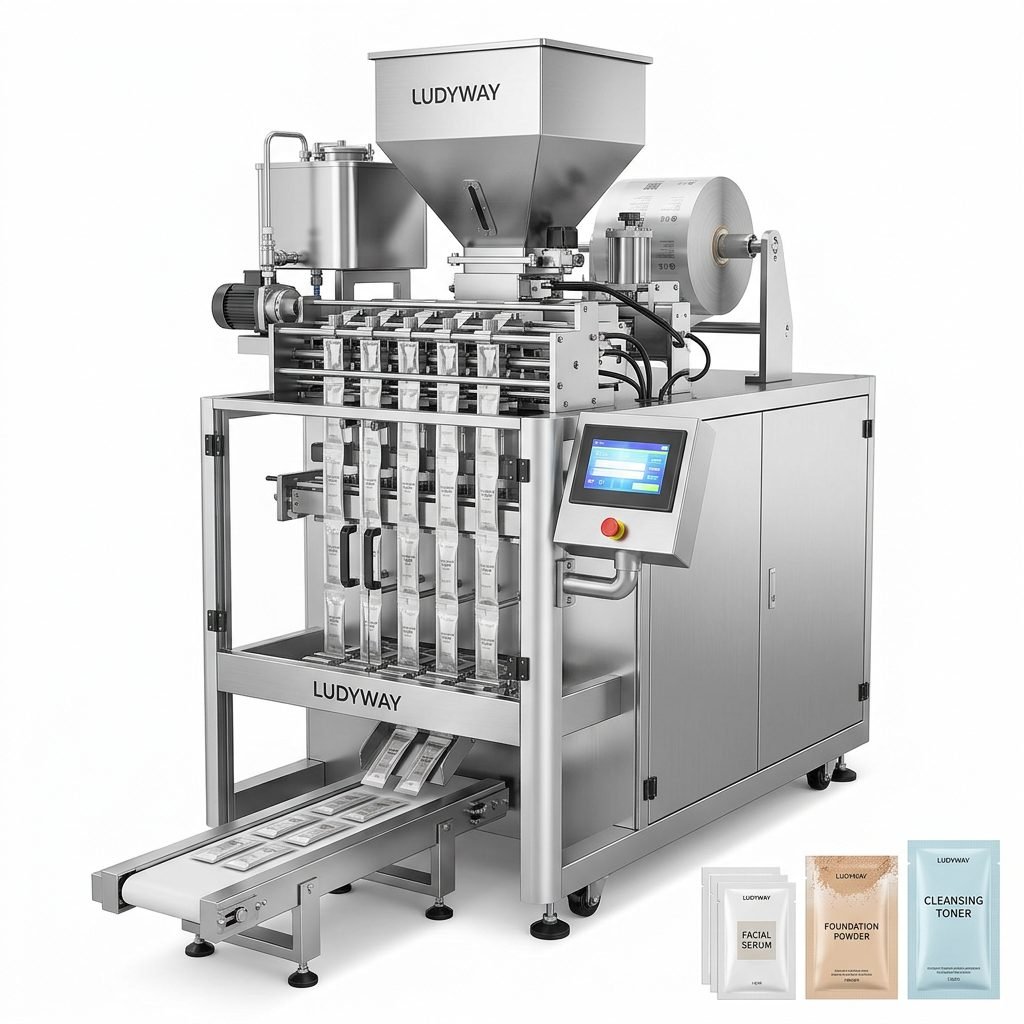
A specialized subset of horizontal packaging, stick pack machines produce long, narrow, single-serve packets. They are immensely popular for instant beverages, supplements, and powdered food products due to their compact size, consumer convenience, and reduced material usage.
5. Granule & Powder Multi-head Weighers
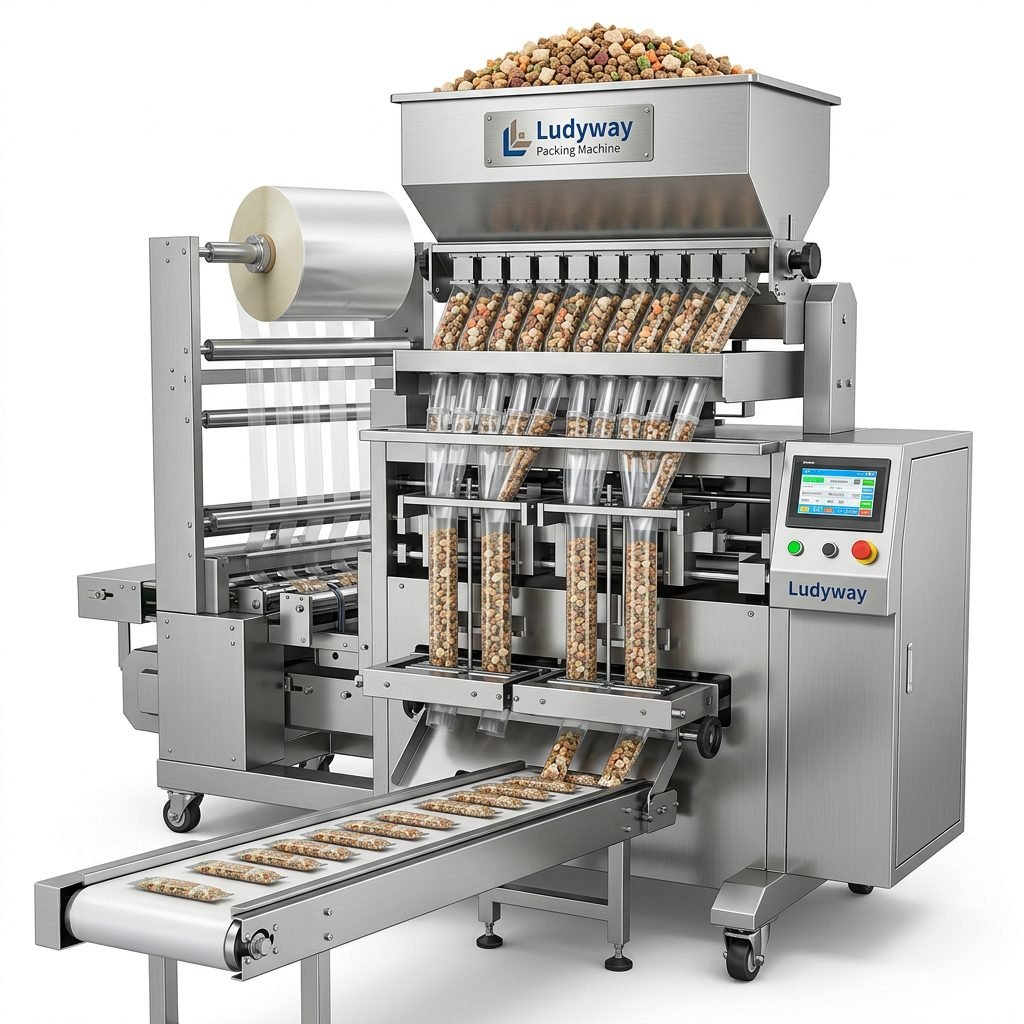
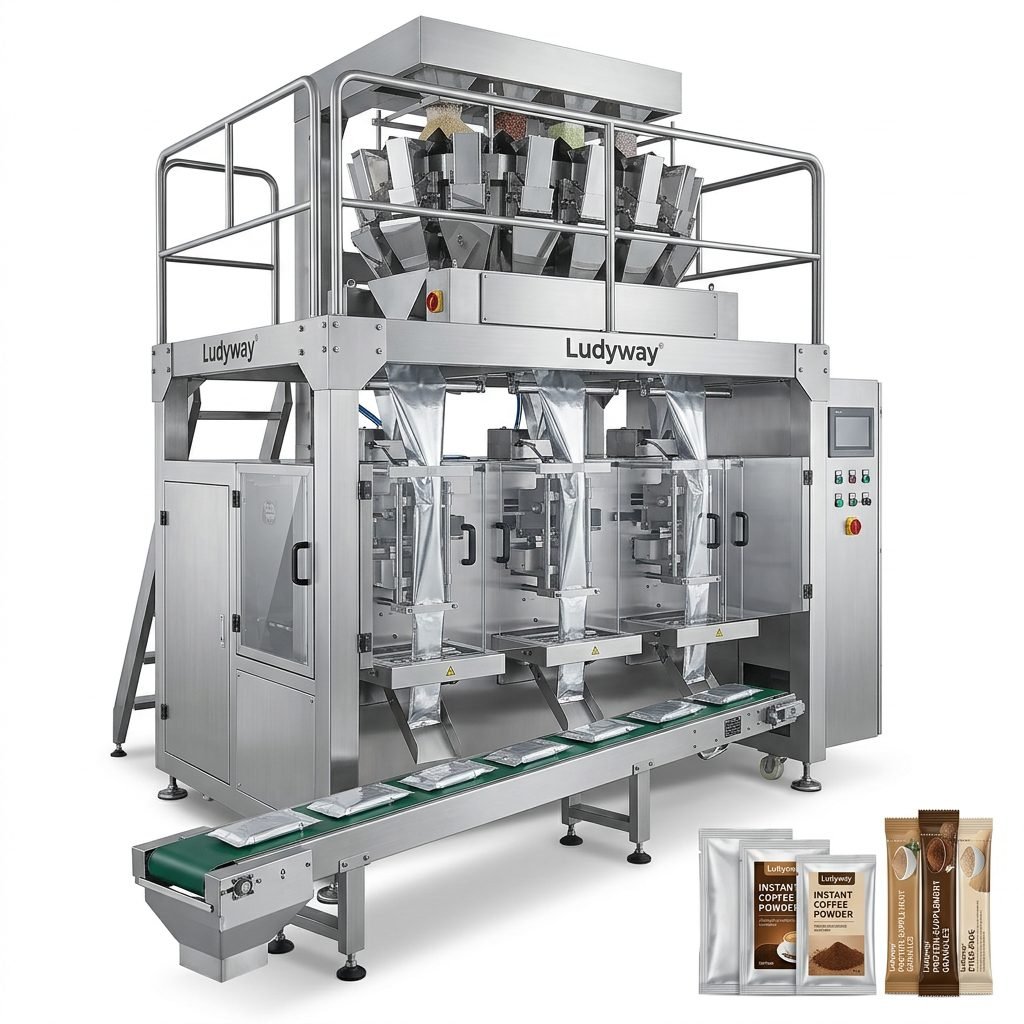
For ultra-high-speed and high-accuracy filling of free-flowing products like snacks, frozen vegetables, or powdered mixes. Multi-head weighers use a combination of weigh buckets to achieve the target weight rapidly, often paired with a VFFS machine for a complete packaging line.
Essential Features to Compare When Buying
Beyond the machine type, several core features directly impact performance, flexibility, and total cost of ownership.
⚙️ Production Speed & Output
Measured in bags or pouches per minute (BPM/PPM). Match the machine’s maximum speed to your current and forecasted production demands. A 10-20% buffer above your peak need is advisable for growth and handling occasional surges.
🎯 Filling Accuracy & Consistency
Critical for cost control and regulatory compliance. Look for machines with precise servo-driven auger fillers for powders, advanced piston fillers for liquids, or multi-head weighers for granules. Consistency ensures product giveaways are minimized.
🔄 Material & Size Changeover Flexibility
How quickly can you switch from packaging one product to another? Machines with tool-less or quick-change features for film reels, forming tubes, and filling heads drastically reduce downtime and increase line versatility.
🧼 Construction & Hygiene Design
Food-grade stainless steel (304 or 316) contact parts, smooth surfaces without crevices, and CIP (Clean-in-Place) capabilities are essential for meeting food safety standards like HACCP and reducing cleaning time.
💻 Control System & Automation Level
A user-friendly PLC-based touchscreen interface allows for easy recipe storage, parameter adjustment, and diagnostics. Integration capabilities with upstream feeders and downstream cartoners are key for a seamless automated line.
Analyzing Price Ranges and Investment Factors
The price of food packaging equipment for sale varies widely, from tens of thousands to several hundred thousand dollars, influenced by multiple factors.
Entry-Level & Semi-Automatic Machines
These are often manually fed or involve single-function operations. Ideal for startups, small batches, or pilot production. Prices typically range from $10,000 to $50,000. They offer a lower upfront cost but higher labor requirements per unit.
Mid-Range Fully Automatic Machines
The most common category for growing businesses. These are fully automated, PLC-controlled systems like standard VFFS or HFFS machines. Expect to invest between $50,000 and $150,000. This range offers the best balance of speed, automation, and affordability for scalable production.
High-Speed & Customized Turnkey Lines
For large-scale production, these include integrated systems with multi-head weighers, robotic palletizers, and advanced vision inspection systems. Customization for unique products or packaging forms adds cost. Investment can start from $150,000 and exceed $500,000.
Remember to factor in the Total Cost of Ownership (TCO): initial purchase price, installation, training, maintenance, spare parts, energy consumption, and potential future upgrades. A slightly higher initial investment in a robust, reliable machine from a reputable supplier like Ludyway Machinery often results in lower TCO through fewer breakdowns, higher efficiency, and better support.
How the Right Equipment Boosts Your Production
Investing in optimal packaging machinery delivers tangible benefits across your entire operation.
Increased Output & Efficiency: Automated equipment runs consistently faster than manual operations, with minimal downtime for changeovers. This directly translates to higher daily production volumes and better utilization of your facility.
Enhanced Product Quality & Shelf Life: Precise filling and consistent, hermetic sealing protect product freshness, prevent contamination, and extend shelf life—a critical factor in food safety and customer satisfaction.
Significant Material & Labor Savings: Accurate filling reduces product giveaway. Automation reduces reliance on manual labor, allowing your team to focus on supervision and quality control, thereby lowering long-term operational costs.
Improved Flexibility & Market Responsiveness: With quick-change capabilities, you can efficiently run smaller batches of different products or package sizes, allowing you to respond quickly to market trends and custom orders.
Scalability for Business Growth: Choosing equipment with a capacity buffer and modular design allows you to scale up production seamlessly by adding feeders, scales, or downstream equipment as demand grows.
Partnering with an Experienced Supplier
Your choice of supplier is as important as the machine itself. A partner with deep industry experience, like Ludyway Machinery, brings invaluable expertise. With over 30 years in the industry and a portfolio of 50+ intelligent machine models, they don’t just sell equipment—they provide tailored turnkey production solutions. Look for suppliers who offer comprehensive after-sales support, readily available spare parts, and thorough operator training to ensure your investment delivers maximum productivity from day one.
Frequently Asked Questions (FAQs)
1. What is the most important factor when choosing a food packaging machine?
The most critical factor is matching the machine’s capabilities to your specific product characteristics (e.g., form, flowability, abrasiveness) and your required packaging format. A machine perfect for coffee granules may be entirely unsuitable for viscous sauce. Always conduct product tests with your supplier.
2. How do I determine the right production speed for my needs?
Calculate your current peak output in bags per minute. Then, forecast your growth for the next 3-5 years. Choose a machine whose maximum speed is 20-30% higher than your future projected peak demand to accommodate growth and provide a buffer for efficient operation without running at 100% capacity constantly.
3. What are the key hygiene certifications or standards to look for?
Ensure the machine is constructed with food-grade materials. Key standards include design principles compliant with HACCP, ISO 22000, and FDA regulations for food contact surfaces. Look for smooth welds, easy disassembly for cleaning, and, if needed, CIP/SIP (Clean/Sterilize-in-Place) functionality.
4. What is included in a typical “turnkey” packaging solution?
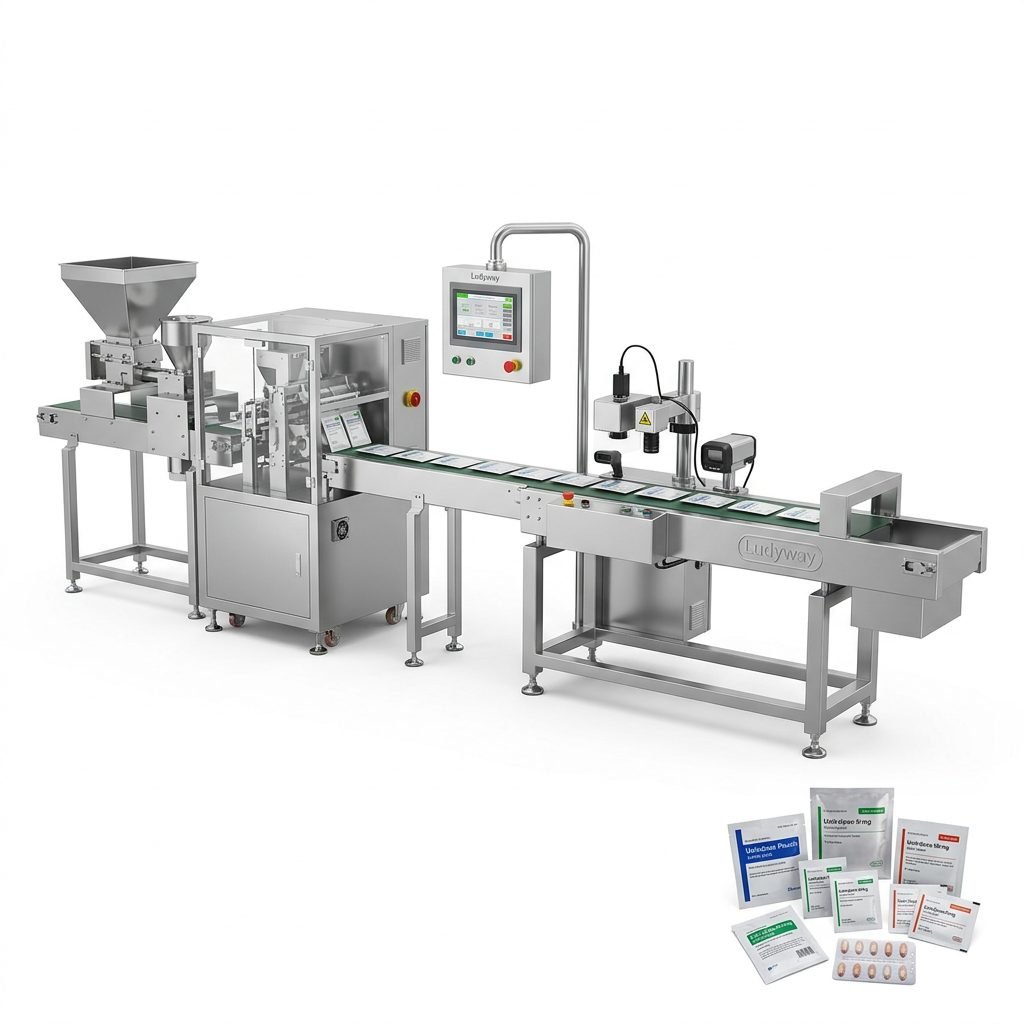
A turnkey solution goes beyond selling a single machine. It typically includes line design, integration of all components (feeder, scale, bagger, coder, checkweigher, etc.), installation, commissioning, comprehensive operator training, and initial technical support to ensure the entire line runs as one cohesive, efficient system.
5. How can I future-proof my packaging equipment investment?
Select machines from a supplier known for modularity and upgradeability. Opt for PLC controls with spare I/O capacity, choose a frame size that can accommodate faster drives in the future, and ensure the supplier has a strong track record of providing upgrade kits for speed enhancements or new functionalities.