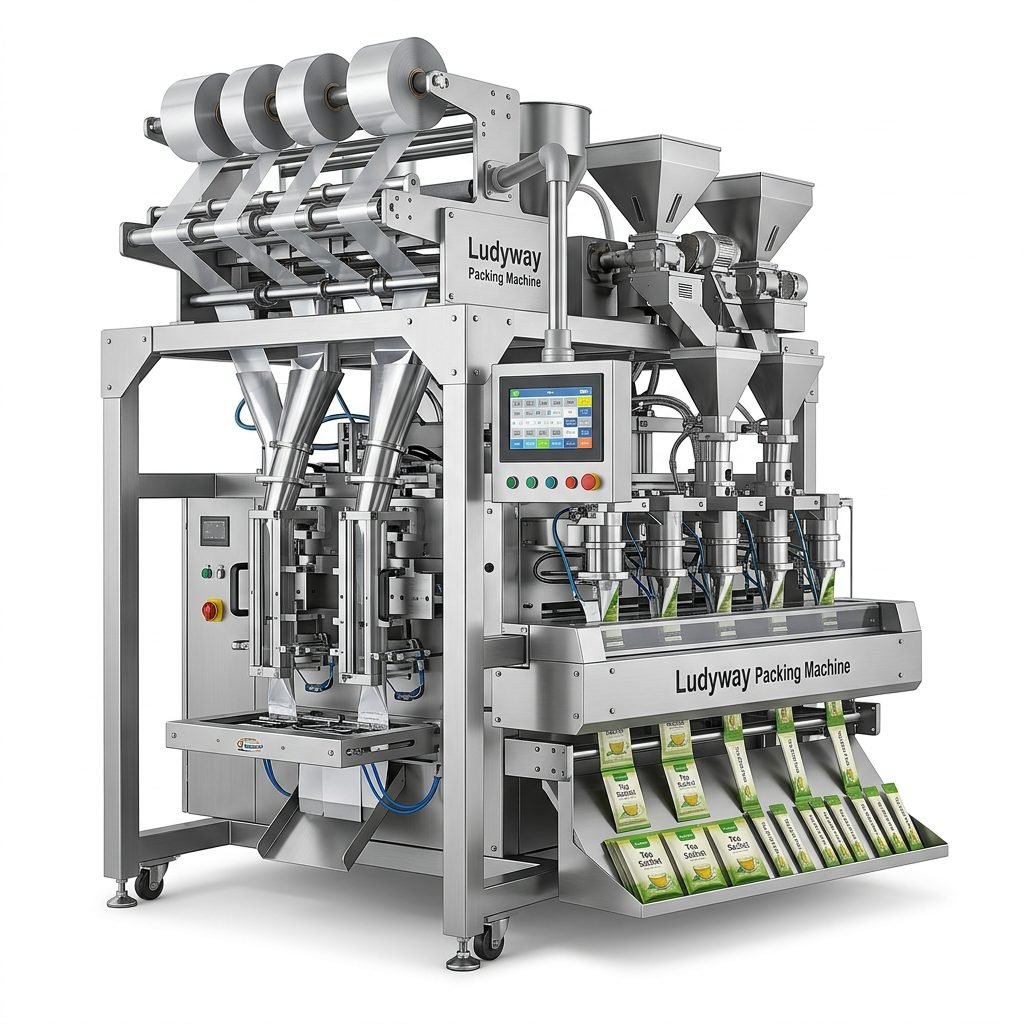
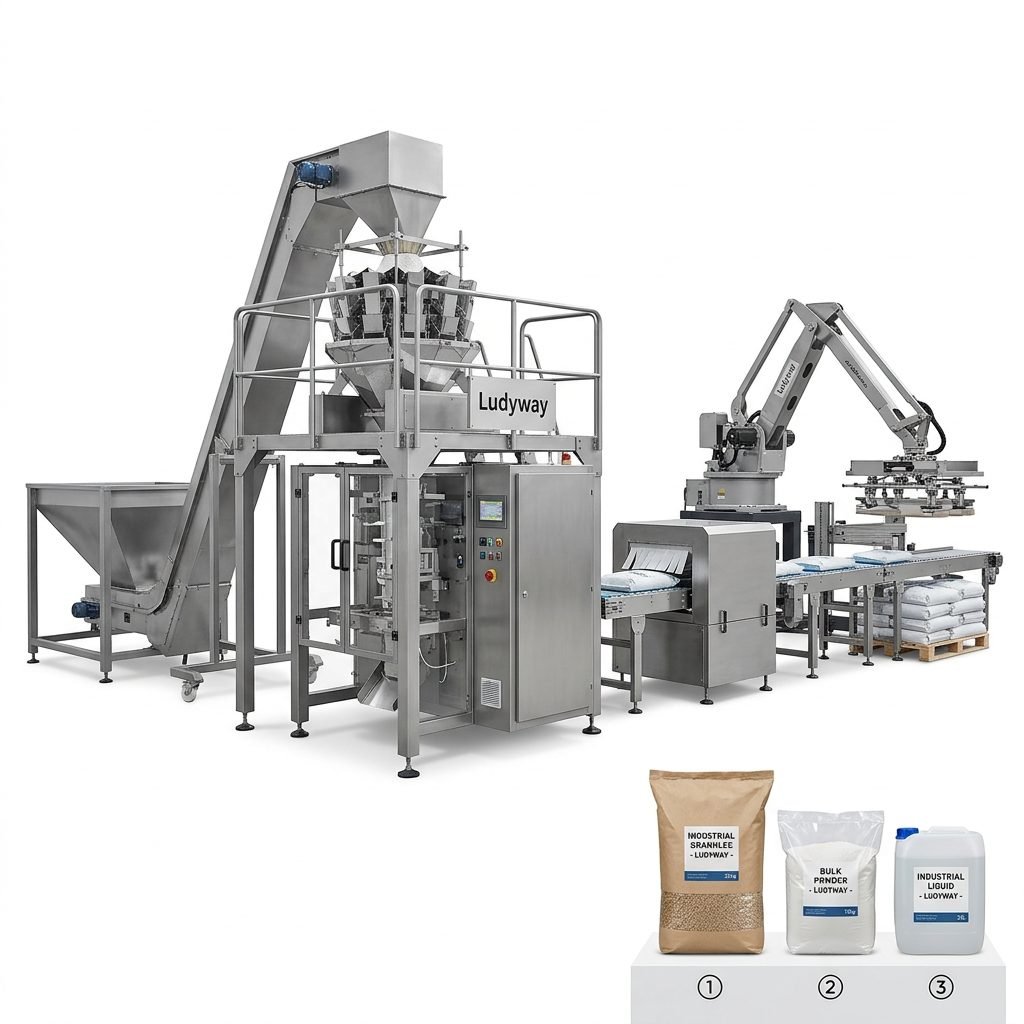
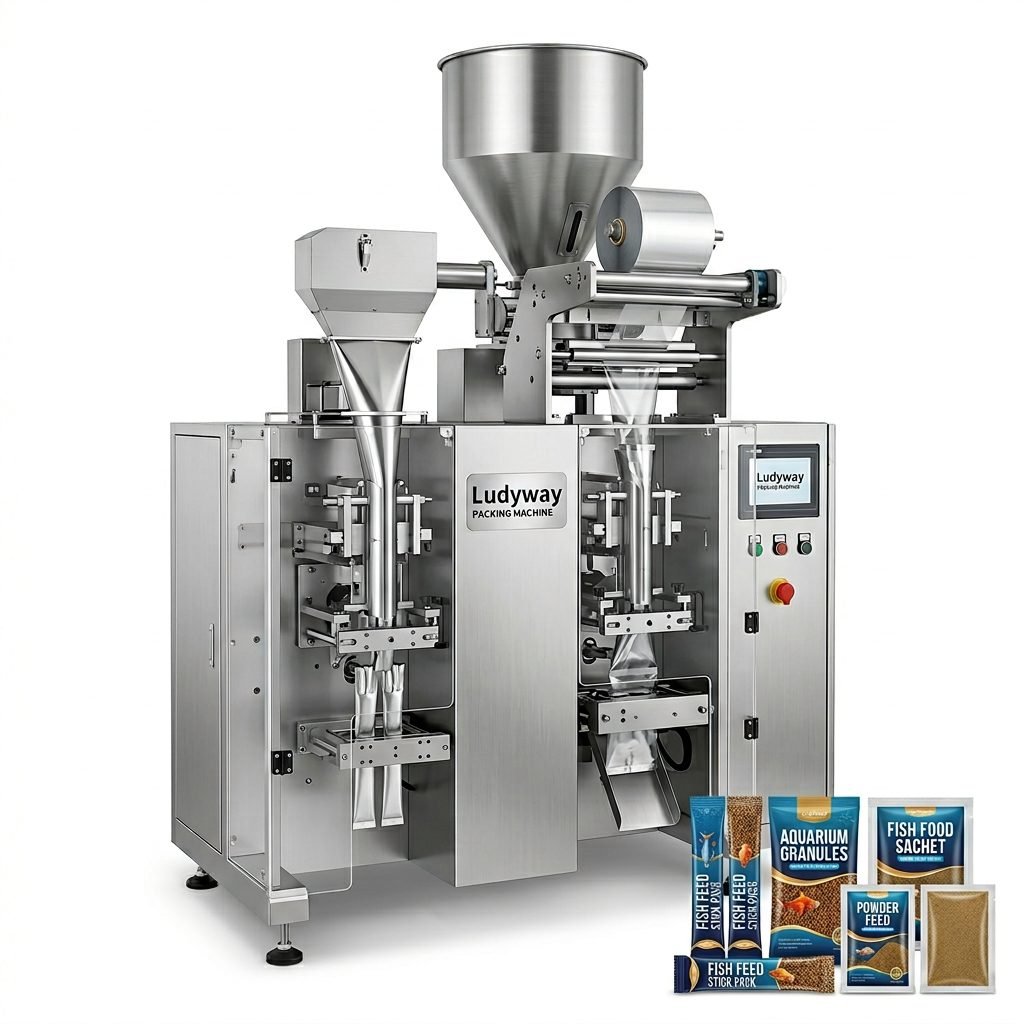
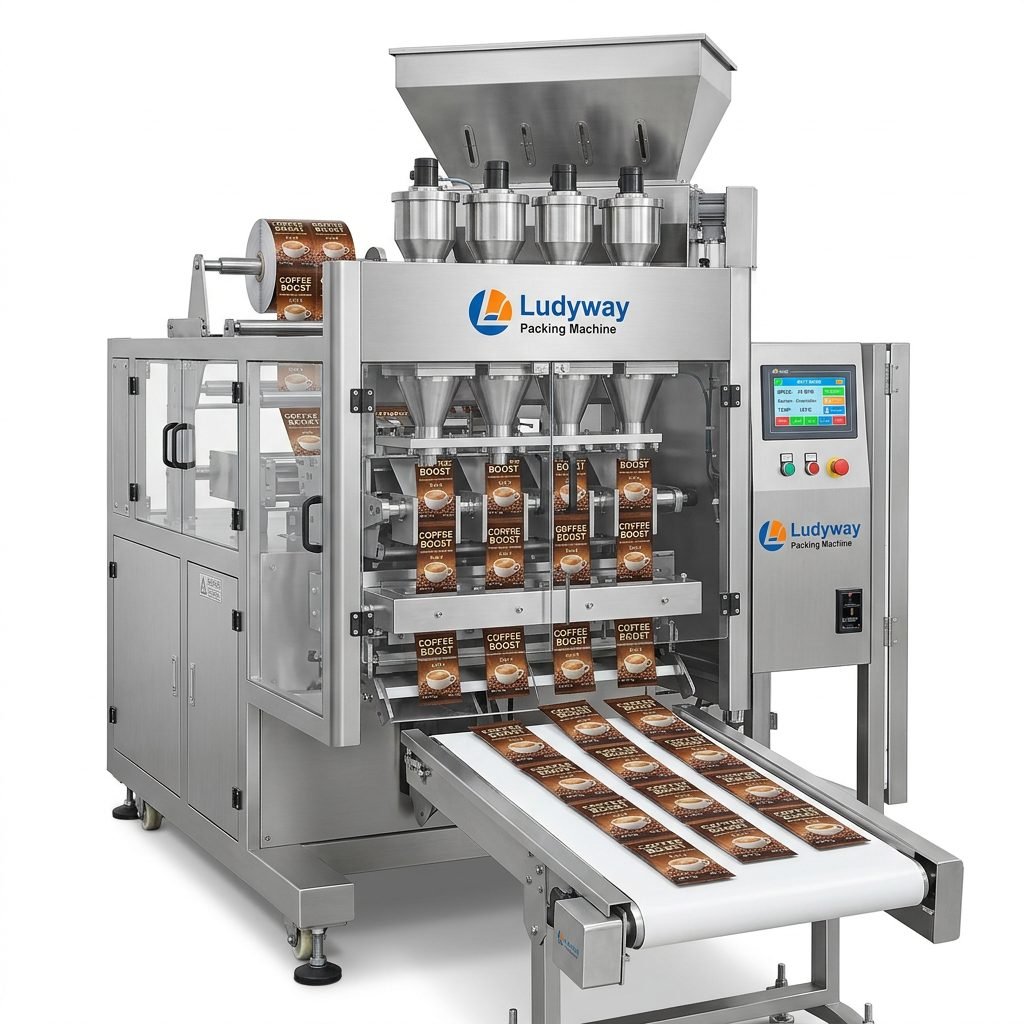
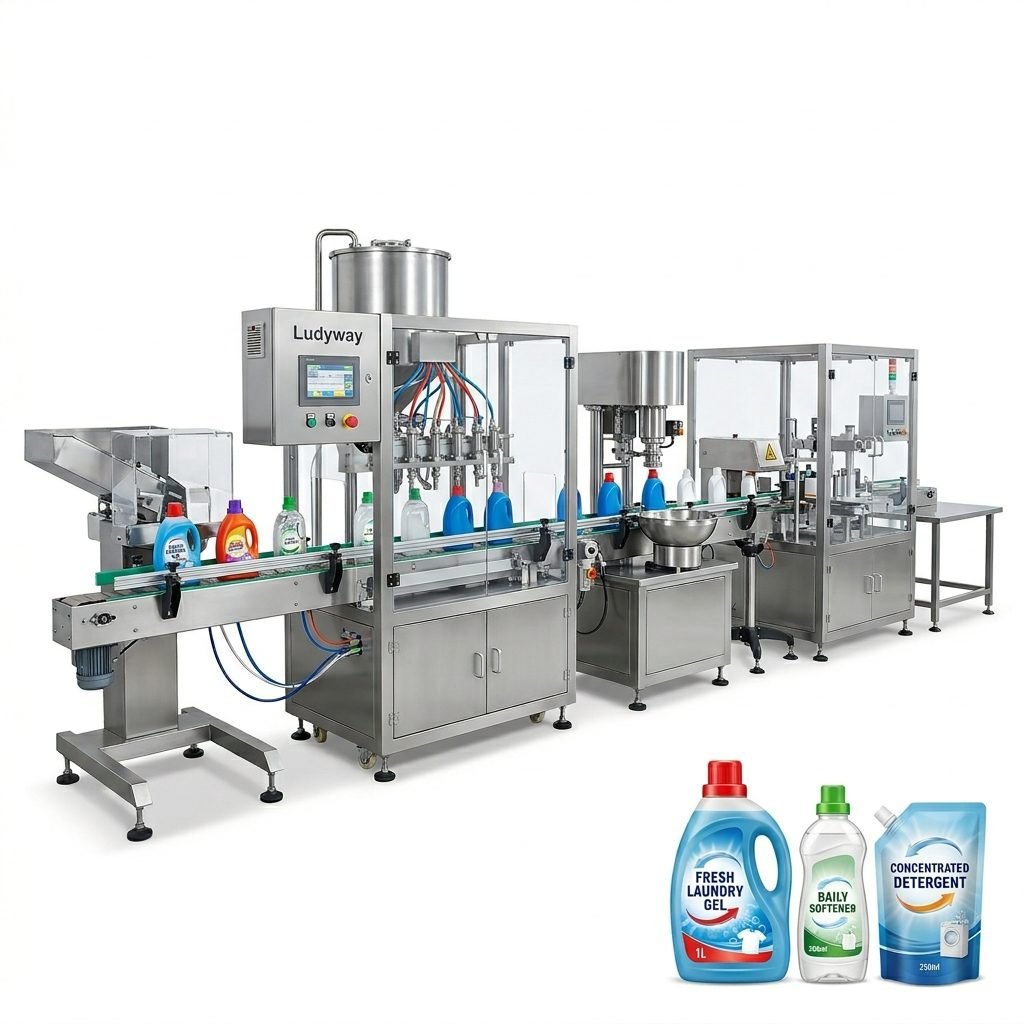
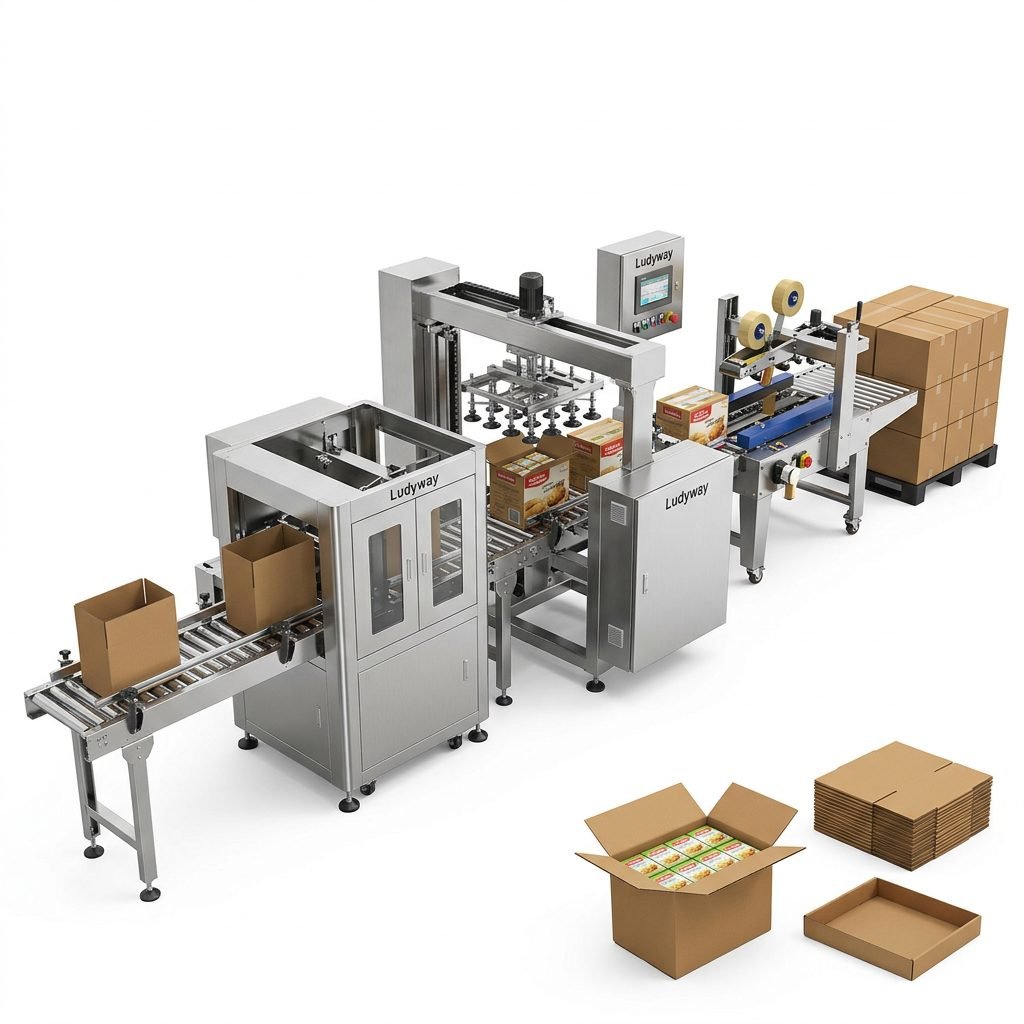
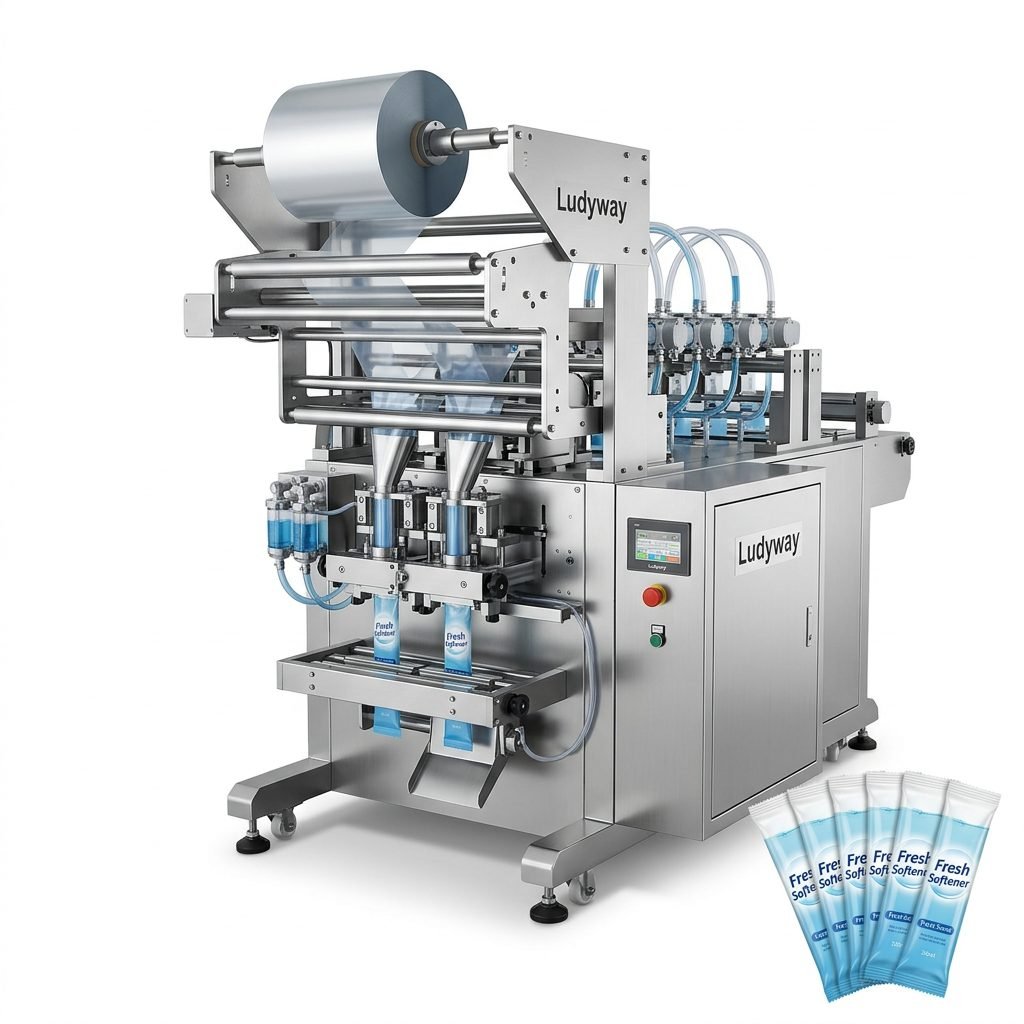
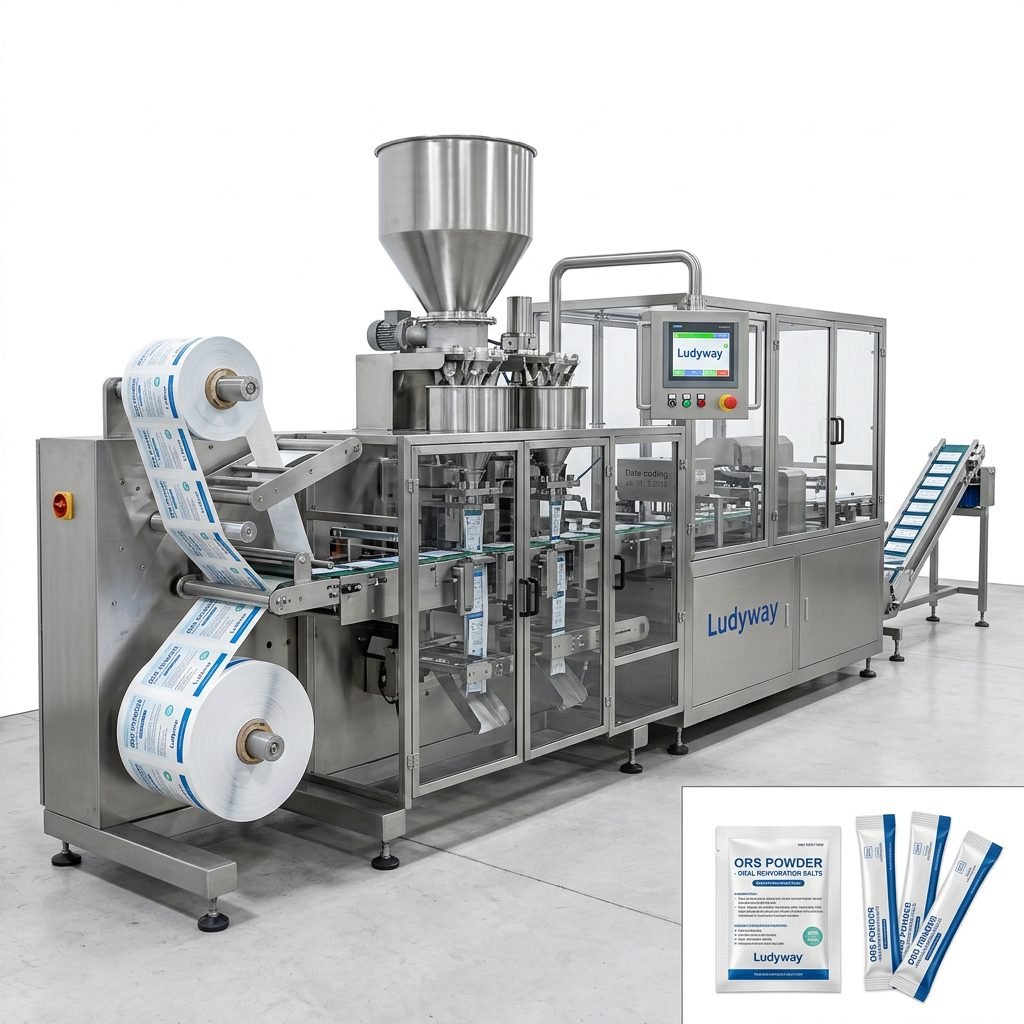
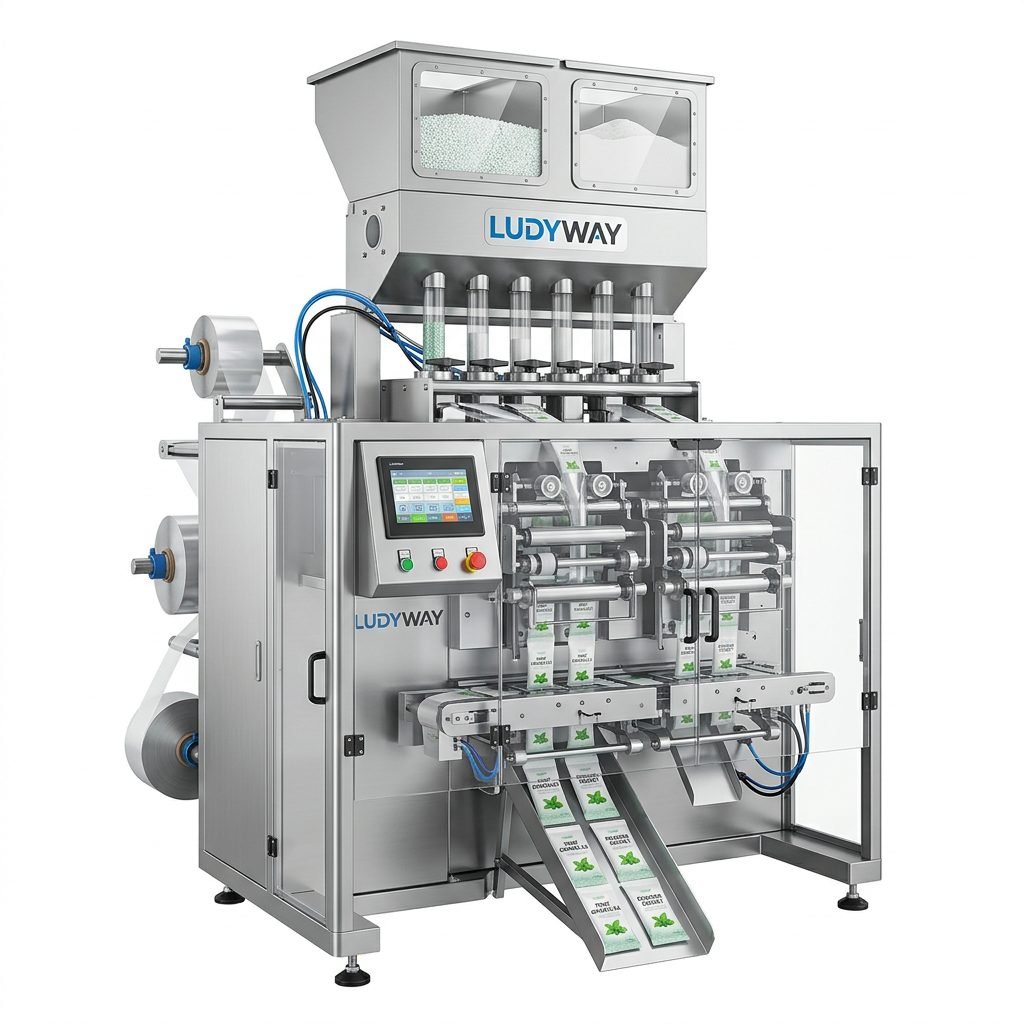
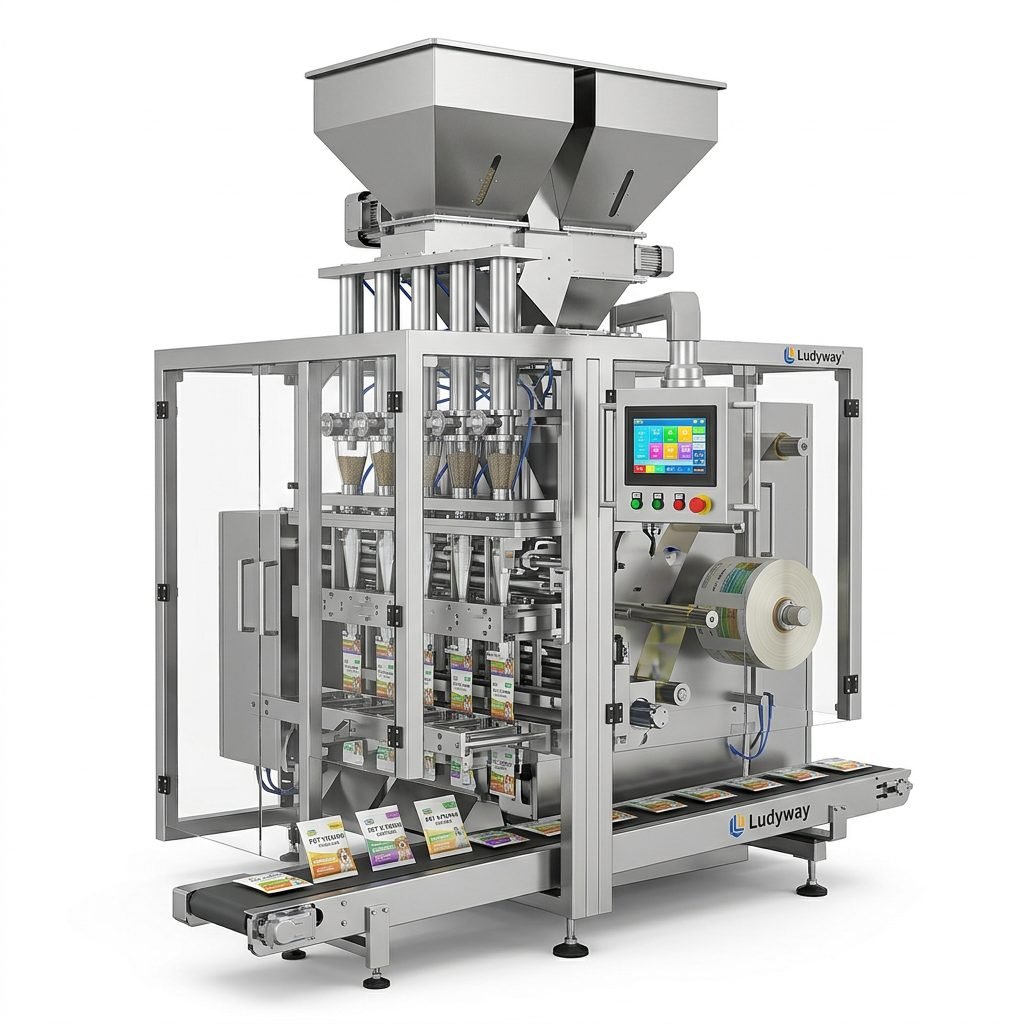
Investing in a tea and Soan Papdi packing machine is a significant decision for any food business looking to scale production. Whether you are packaging premium loose-leaf tea, herbal blends, or the delicate flaky texture of Soan Papdi—a traditional Indian sweet—the cost of packaging equipment varies widely based on several technical and operational factors. Understanding these variables will help you make an informed purchasing decision and avoid unexpected expenses down the line.
Key Factors Influencing the Cost
Several critical elements determine the final price of a tea or Soan Papdi packaging system. Below are the most important considerations that directly impact your investment:
- Automation Level: Fully automatic packaging machine manufacturers offer systems with minimal human intervention, which command higher prices than semi-automatic models.
- Packaging Format: Stick packs, sachets, pouches, and pillow bags each require different forming, filling, and sealing mechanisms, affecting the overall cost.
- Number of Lanes: A single-lane machine is more affordable, while multi-lane stick pack machines with 4 to 12 lanes significantly boost output but increase the upfront investment.
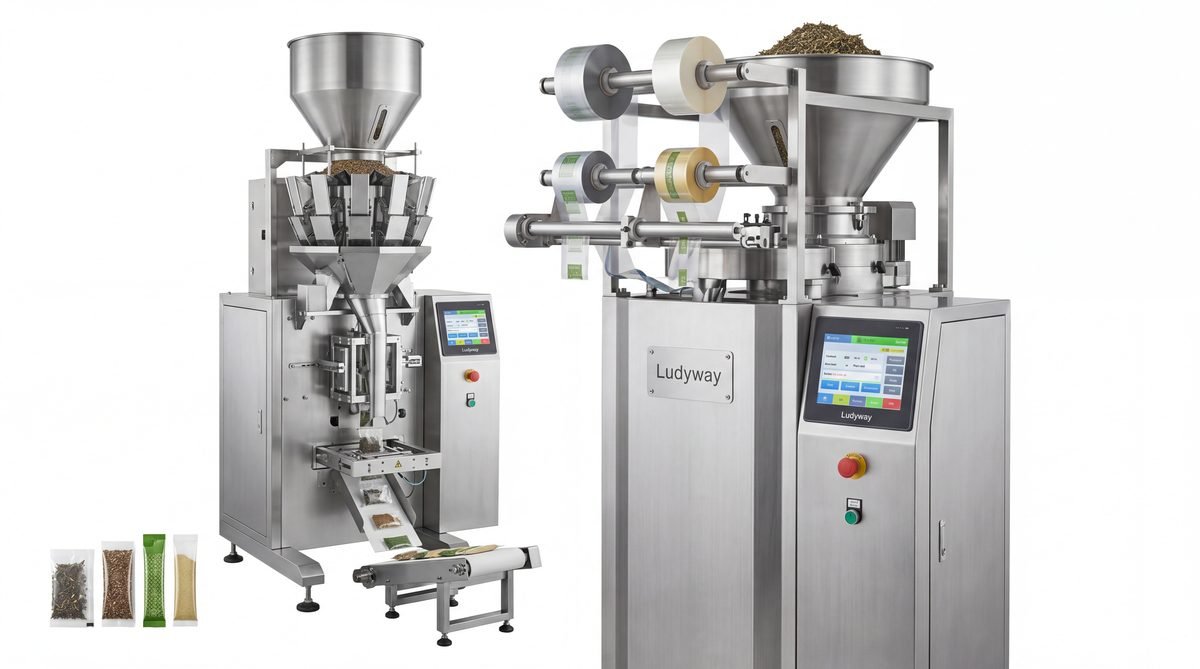
- Filling Technology: Auger fillers for tea powder, volumetric cup fillers for granules, and multi-head weighers for Soan Papdi pieces all come with different price tags.
- Construction Material: Food-grade stainless steel (SS304 or SS316) construction is essential for hygiene and durability, and it influences the base cost of the machine.
- Additional Modules: Nitrogen flushing, gas flushing for extended shelf life, coding printers, and automated cartoning systems add to the total price.
Types of Tea & Soan Papdi Packing Machines and Estimated Price Ranges
The table below provides an overview of common machine configurations and their indicative cost brackets. Actual prices depend on customization, capacity requirements, and optional features.
| Machine Type | Packaging Format | Speed Range | Estimated Price Range (USD) |
|---|---|---|---|
| Semi-Automatic Single-Lane Sachet Machine | Sachets / Pillow Bags | 30–60 packs/min | $5,000 – $15,000 |
| Automatic Single-Lane Stick Pack Machine | Stick Packs | 40–80 packs/min | $12,000 – $28,000 |
| Multi-Lane Stick Pack Machine (4–6 Lanes) | Stick Packs | 120–300 packs/min | $30,000 – $65,000 |
| Multi-Lane Sachet Machine (8–12 Lanes) | Sachets | 200–600 packs/min | $55,000 – $120,000 |
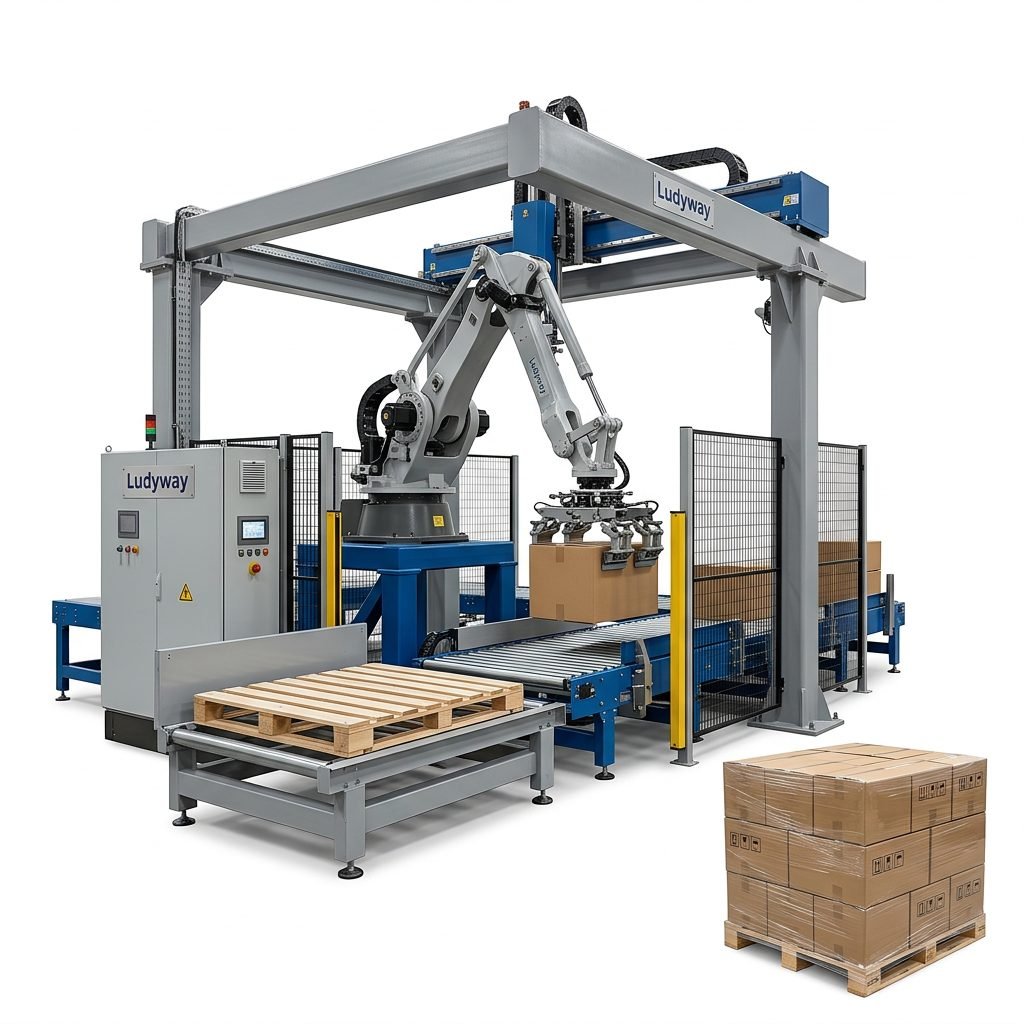
| Complete Turnkey Packaging Line | Sachets / Stick Packs + Cartoning | Fully automated | $100,000 – $300,000+ |
Note: The above estimates are for reference only. Soan Papdi packaging may require specialized feeding systems to handle its delicate, flaky structure without breakage, which can affect pricing.
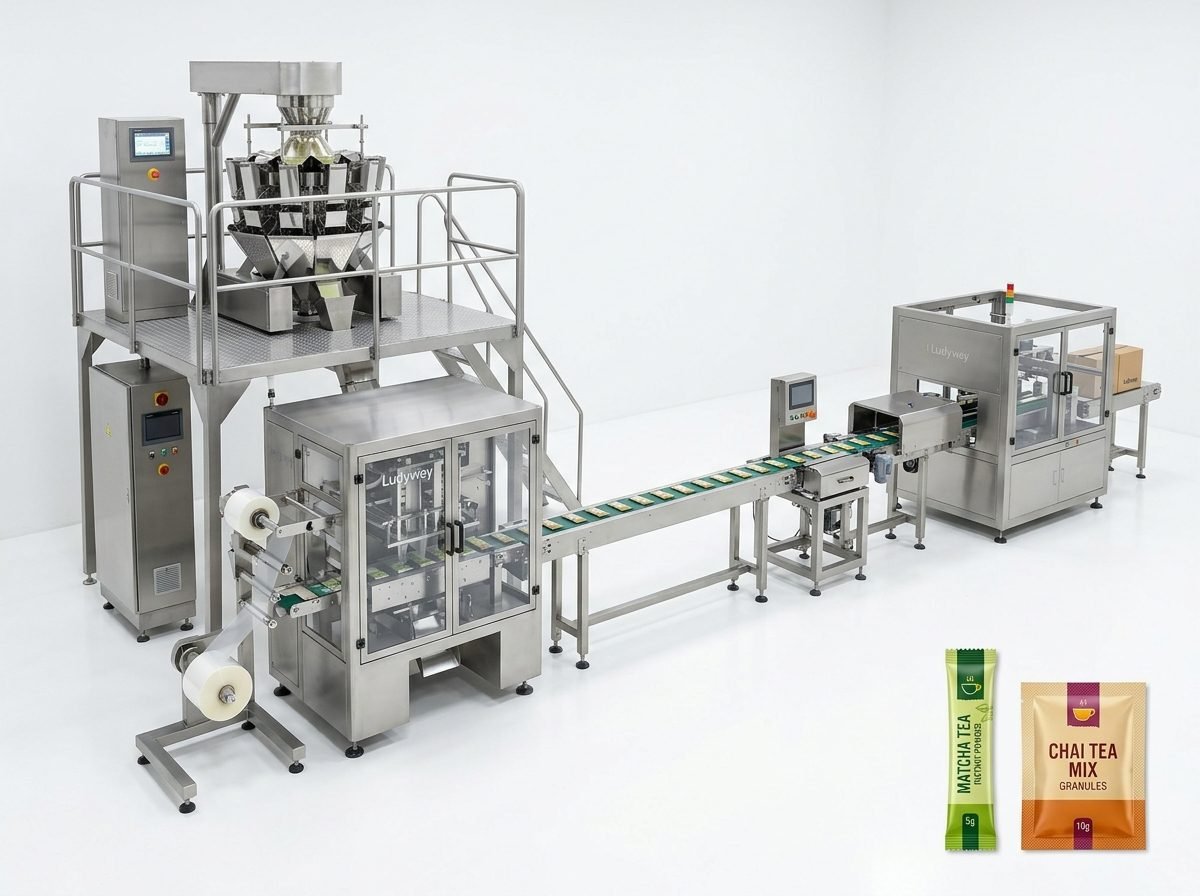
What’s Included in the Base Price?
When comparing quotes from different suppliers, it is essential to clarify what the quoted price actually covers. A standard packaging machine package typically includes:
- Main machine body with forming, filling, and sealing units
- One set of tooling for a specific bag size and format
- Basic control panel (PLC or touchscreen interface)
- Standard filling system appropriate for the product type
- Operator manual and basic installation guidance
Items such as spare parts kits, on-site installation, extended warranties, and staff training are often quoted separately. Always request a detailed line-item quotation to avoid hidden costs.
Additional Cost Considerations
Beyond the machine itself, several ancillary expenses can influence your total investment:
- Shipping and Logistics: International freight, customs duties, and local handling fees can add 5–15% to the total cost.
- Installation and Commissioning: On-site setup by experienced technicians ensures optimal performance from day one.
- Operator Training: Comprehensive training reduces downtime and improves production efficiency.
- After-Sales Support: Ongoing technical support, preventive maintenance, and readily available spare parts are critical for long-term reliability.

Entry-Level vs. High-End Solutions: Which One Fits Your Business?
For small to medium-sized enterprises entering the tea or Soan Papdi market, an entry-level single-lane sachet machine offers a low-risk starting point with manageable output. These machines are compact, easy to operate, and suitable for regional distribution. However, as demand grows and orders scale, the limitations in speed and automation become apparent.
In contrast, high-end multi-lane packaging lines are designed for large-scale manufacturers targeting national or international markets. They deliver exceptional speed, precision, and consistency while reducing per-unit packaging costs. For products like Soan Papdi, a customized feeding and dosing system is often integrated to preserve the product’s unique texture and appearance—an investment that pays off through superior product presentation and reduced waste.
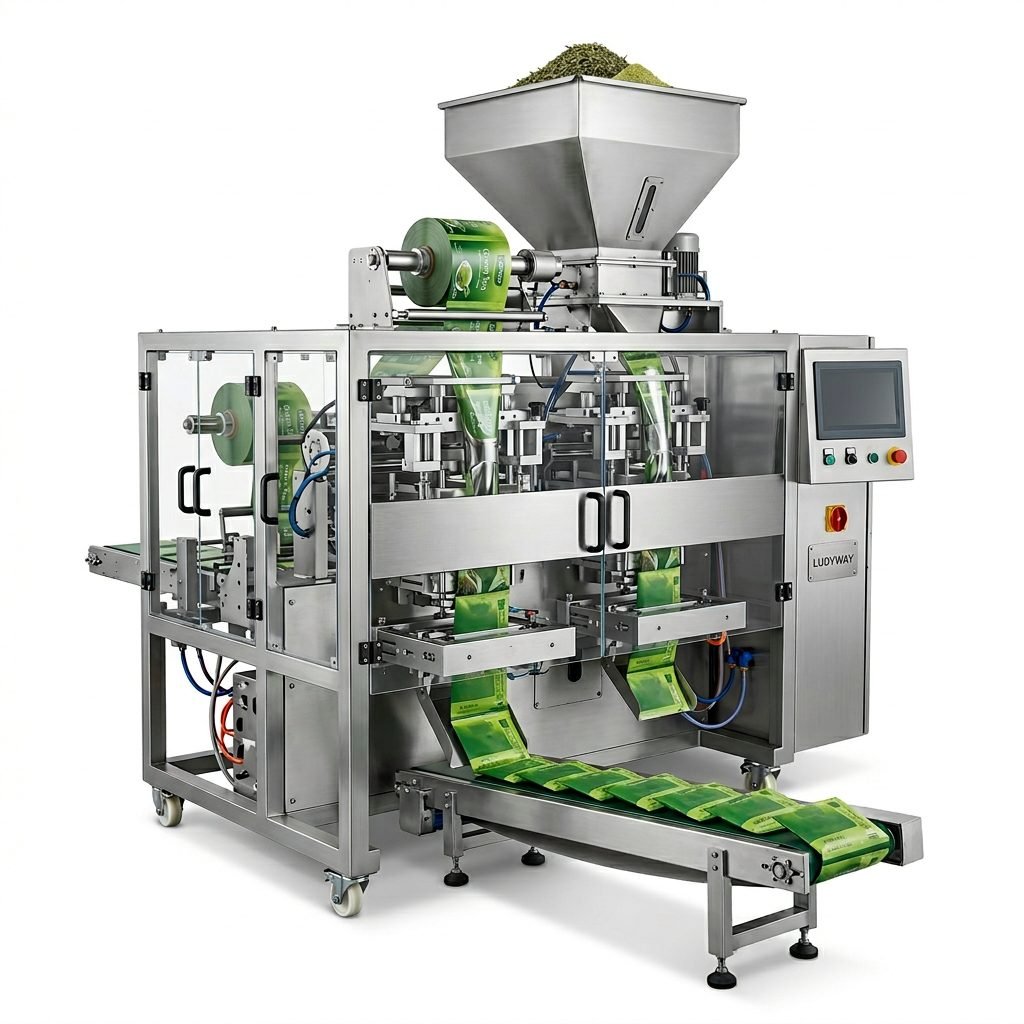
Making the Right Investment
Selecting the right sachet packing machine requires a careful evaluation of your production goals, product characteristics, and budget. Ludyway, one of the largest packaging machine manufacturers in China, offers over 50 intelligent packaging machine models tailored for granule, powder, and specialty food products—including tea and traditional confections like Soan Papdi. With a 20,000㎡ modern manufacturing facility and customers in more than 100 countries, Ludyway provides cost-effective, high-performance packaging solutions backed by 30+ years of engineering expertise.
Industry Resources & Further Reading
For more information on packaging industry trends and standards, explore the following authoritative resources:
- Ludyway Packaging Machinery Global Growth Trend – EIN Presswire
- PMMI – The Association for Packaging and Processing Technologies
- Flexible Packaging Association – Industry Resources