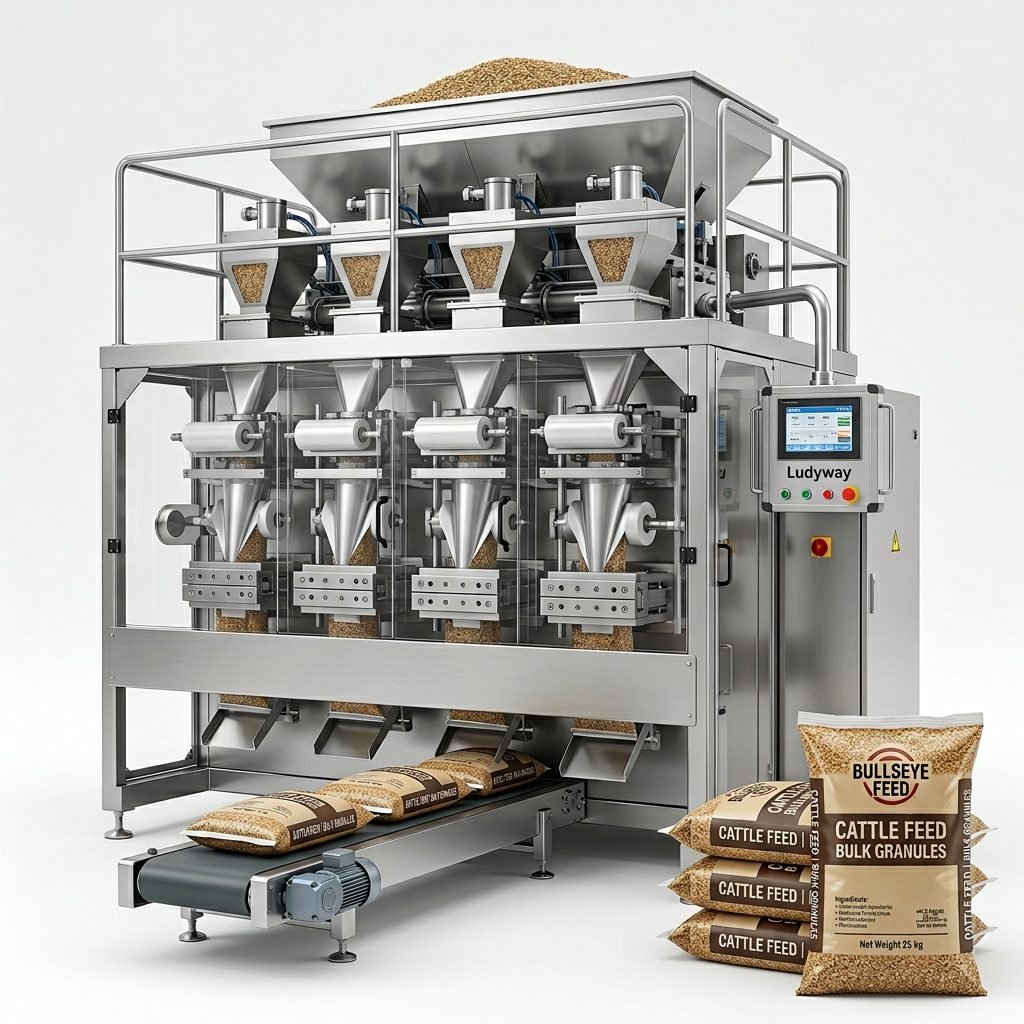
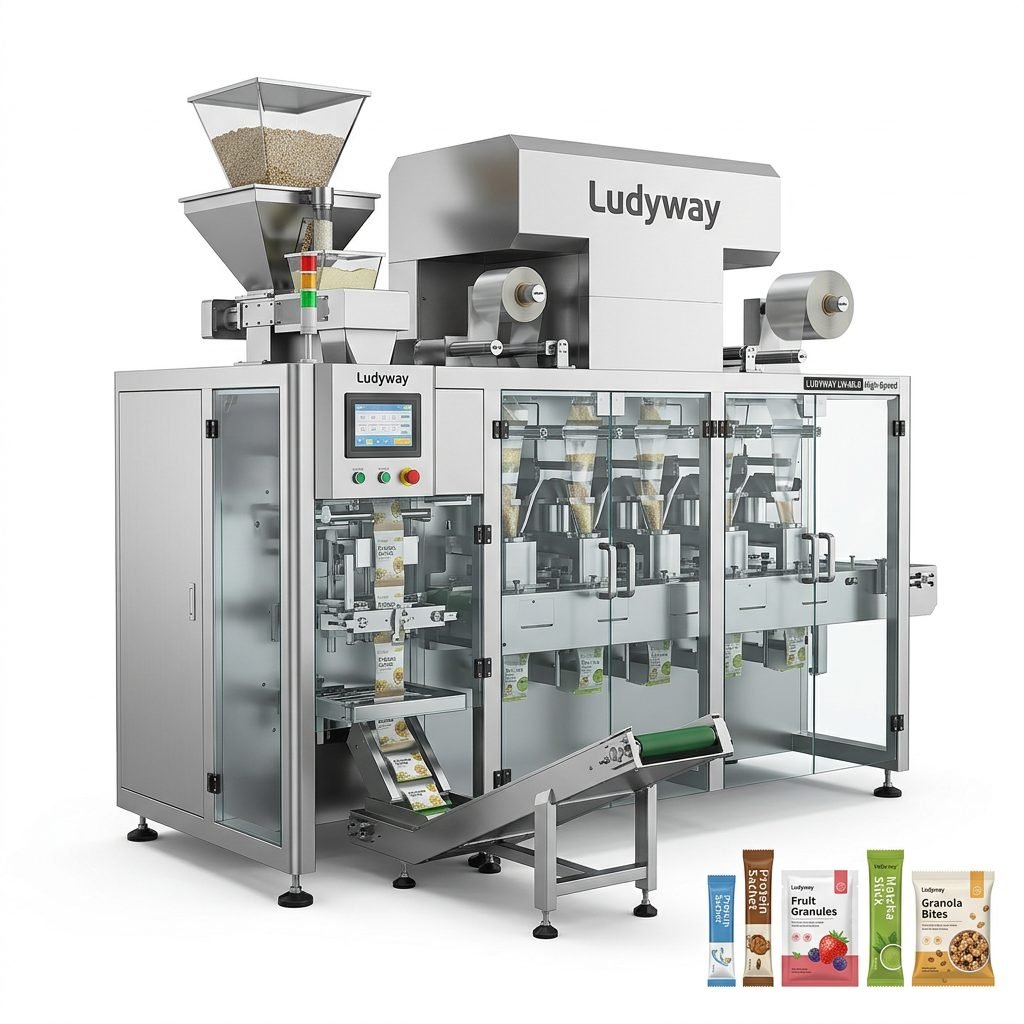
The relentless pursuit of efficiency in industrial manufacturing has made automated packaging equipment not just a luxury, but a fundamental necessity. In today’s fast-paced global market, the ability to package products quickly, accurately, and reliably is a critical determinant of a company’s competitiveness and profitability. Automated packaging solutions streamline the final, crucial stage of production, transforming it from a potential bottleneck into a powerful driver of throughput and quality assurance.
From food and pharmaceuticals to chemicals and consumer goods, modern packaging lines must handle diverse products with precision while maintaining stringent hygiene and safety standards. This is where intelligent, automated systems prove their worth, offering unparalleled consistency and operational efficiency.
Core Advantages of Automated Packaging Systems
Implementing automated packaging equipment brings a multitude of benefits that directly impact the bottom line. The most significant advantage is the dramatic increase in production speed and output. Machines can operate continuously at a consistent pace, far exceeding manual capabilities, which allows businesses to scale their operations to meet growing demand.
Equally important is the enhancement in packaging accuracy and product quality. Automated systems precisely measure, fill, and seal products, minimizing giveaway (overfilling) and preventing underfills. This level of precision ensures every unit meets specifications, reducing waste of raw materials and protecting brand integrity. Furthermore, automation drastically improves workplace safety by handling repetitive, strenuous, or potentially hazardous tasks, reducing the risk of ergonomic injuries for human workers.
Key Technologies Driving Modern Packaging Automation
The sophistication of today’s packaging machinery is powered by several converging technologies. Servo-driven systems have revolutionized motion control, allowing for smoother, faster, and more precise movements in functions like film pulling, cutting, and filling. This results in quieter operation, less mechanical wear, and exceptional repeatability.
Integration & Connectivity
Modern machines are designed for seamless integration into broader Industrial Internet of Things (IIoT) ecosystems. Equipped with sophisticated PLCs (Programmable Logic Controllers) and HMI (Human-Machine Interface) touchscreens, they offer real-time monitoring of production data, OEE (Overall Equipment Effectiveness), and maintenance alerts. This connectivity enables predictive maintenance, remote troubleshooting, and data-driven optimization of the entire packaging line.
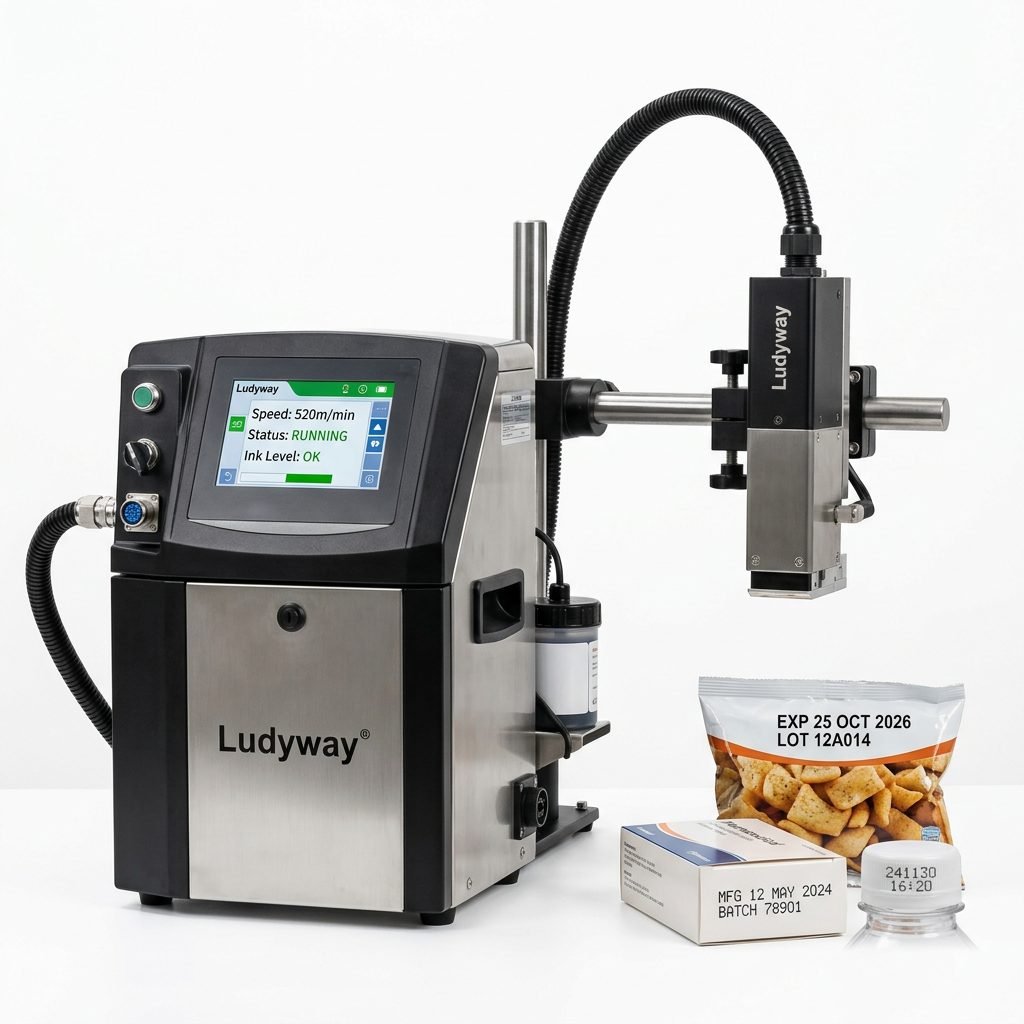
Advanced vision inspection systems are another critical component. These systems use high-resolution cameras to perform 100% inline inspection, checking for defects in the packaging film, verifying fill levels, ensuring correct label placement, and reading batch codes. Any substandard package is automatically rejected, guaranteeing that only perfect products proceed to shipping.
Selecting the Right Automated Packaging Solution
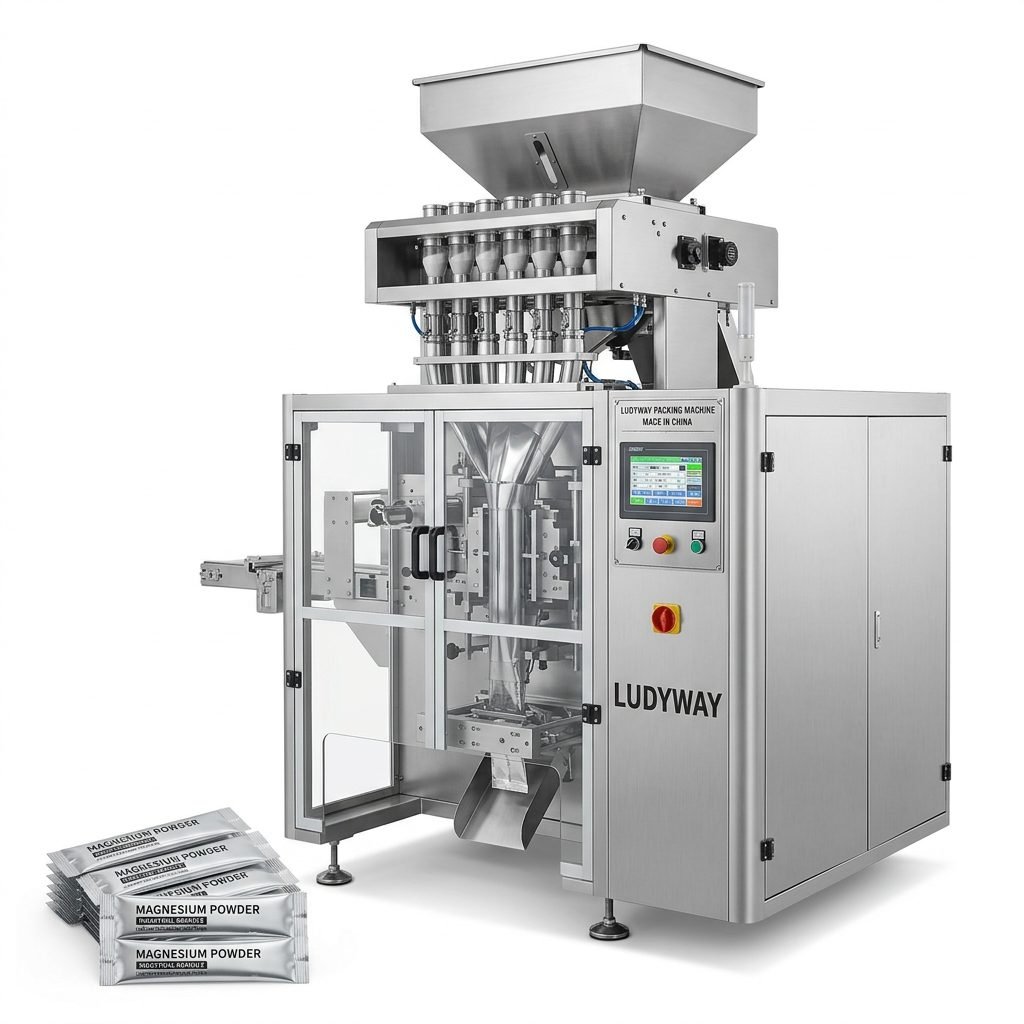
Choosing the optimal packaging system requires a careful analysis of specific production needs. The first step is to clearly define the product characteristics: Is it a granule, powder, liquid, paste, or solid? Each form factor demands different handling, filling, and sealing technologies. For instance, powdered supplements require auger fillers with anti-bridging features, while viscous sauces may need piston pump fillers.
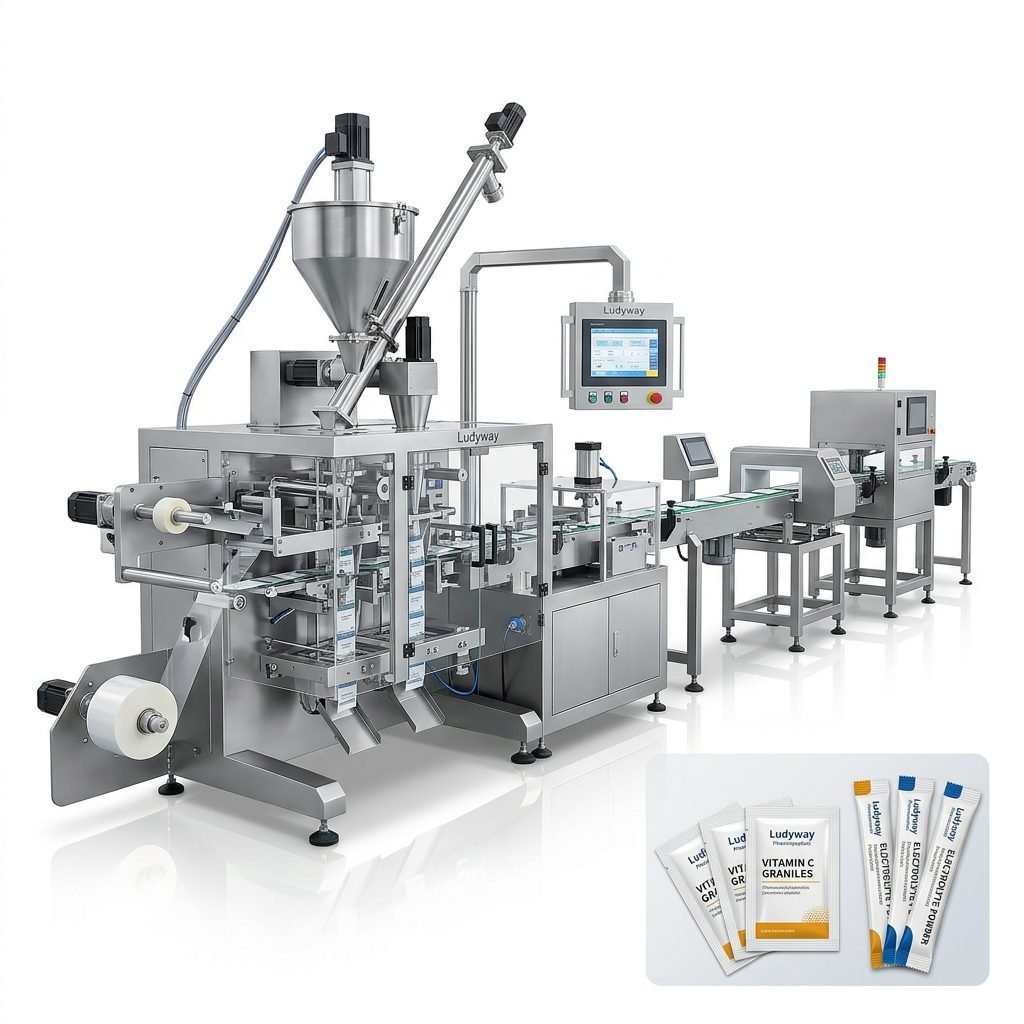
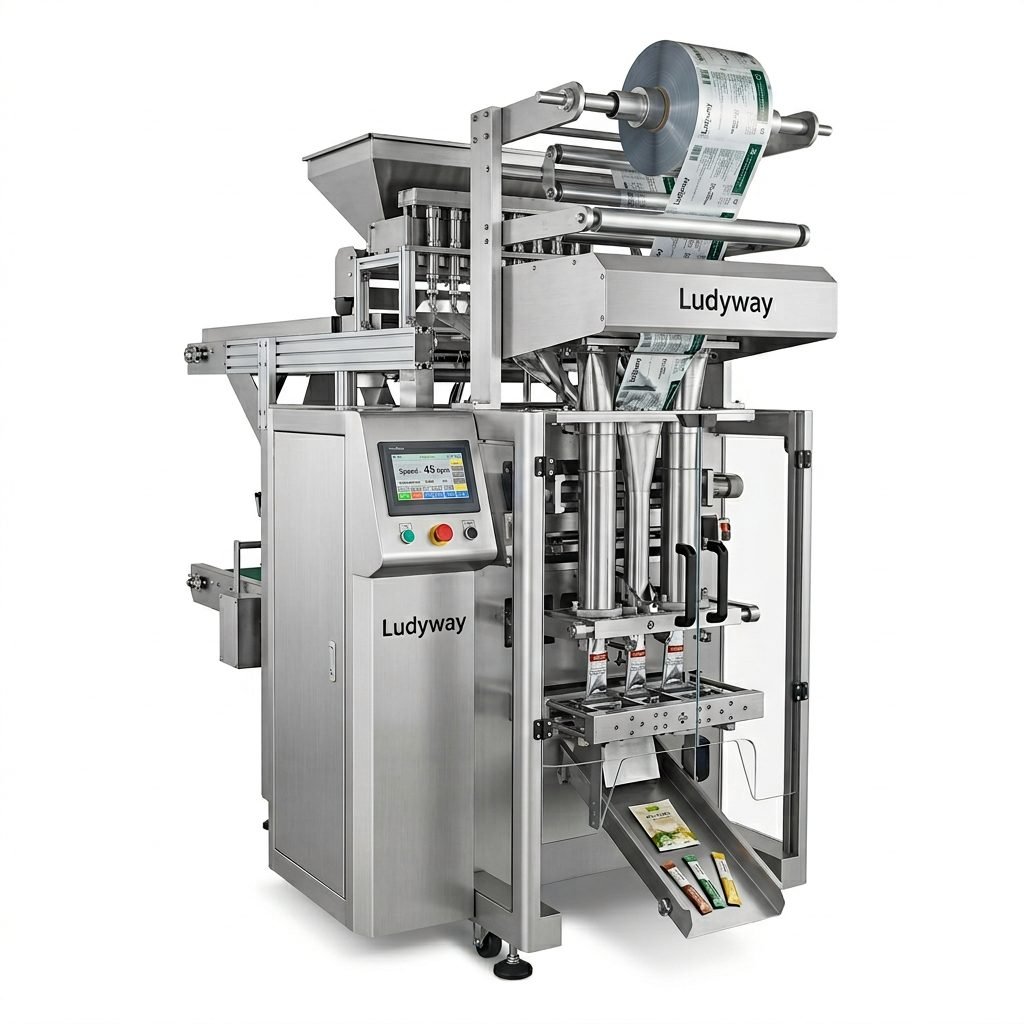
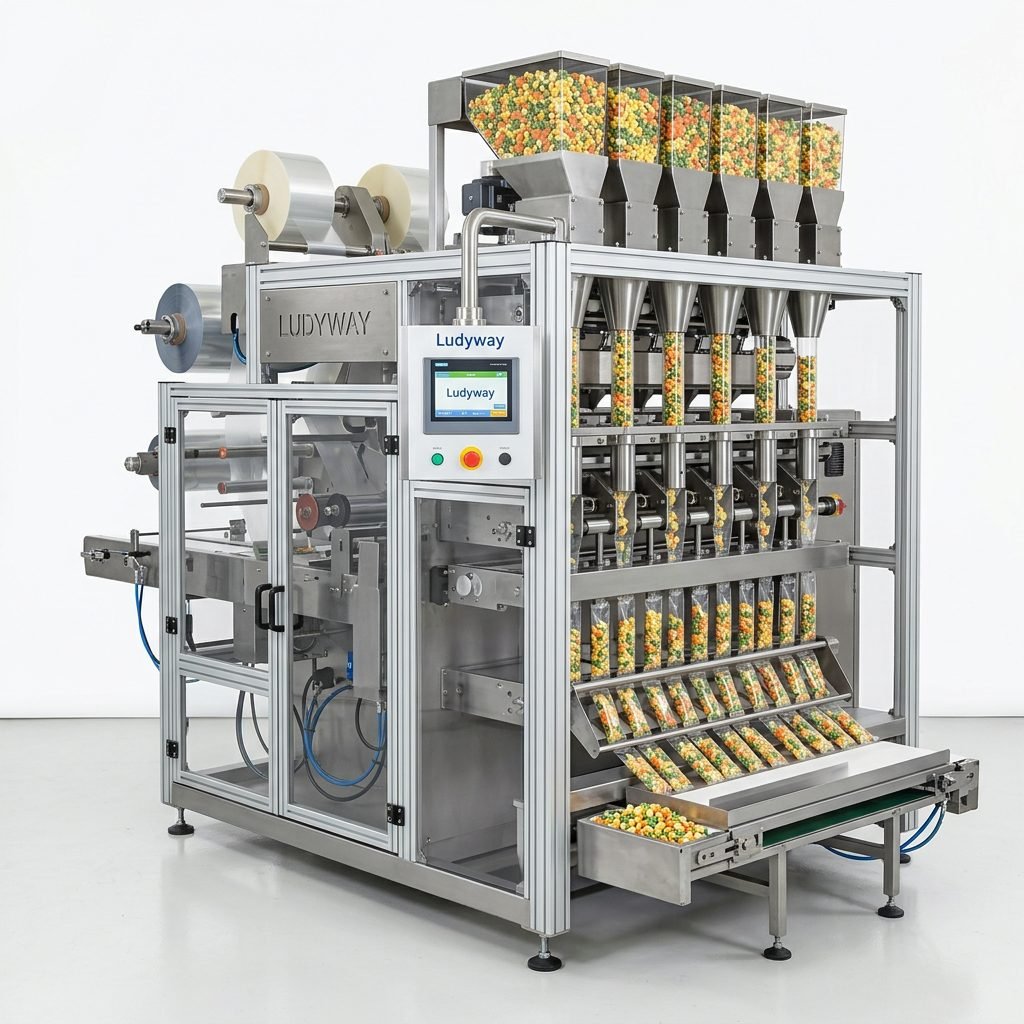
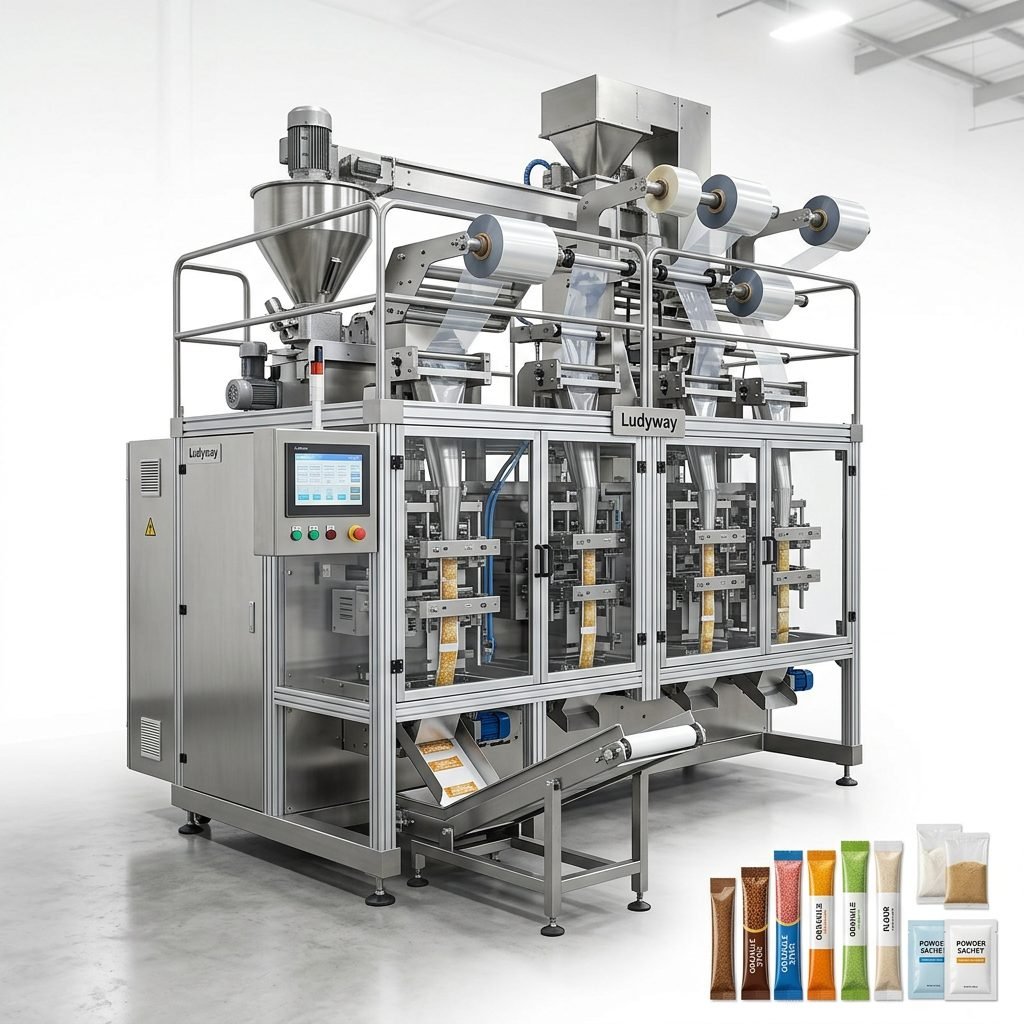
Next, consider the required packaging format and output speed. Are you producing small, single-serve sachets for the food service industry, multi-lane stick packs for instant beverages, or larger pouches for retail? The desired format (stand-up pouch, flat pouch, stick pack, sachet) dictates the machine type. The target production speed (packs per minute) will determine the machine’s configuration, such as the number of lanes or filling heads.
Partnering with an Experienced Provider
The complexity of modern packaging lines makes the choice of equipment supplier paramount. A reliable partner like Ludyway Packing Machine brings invaluable expertise. With over 30 years of industry experience, such providers understand the nuanced challenges across different sectors, from maintaining sterile environments in pharmaceuticals to handling oily or sticky products in food manufacturing.
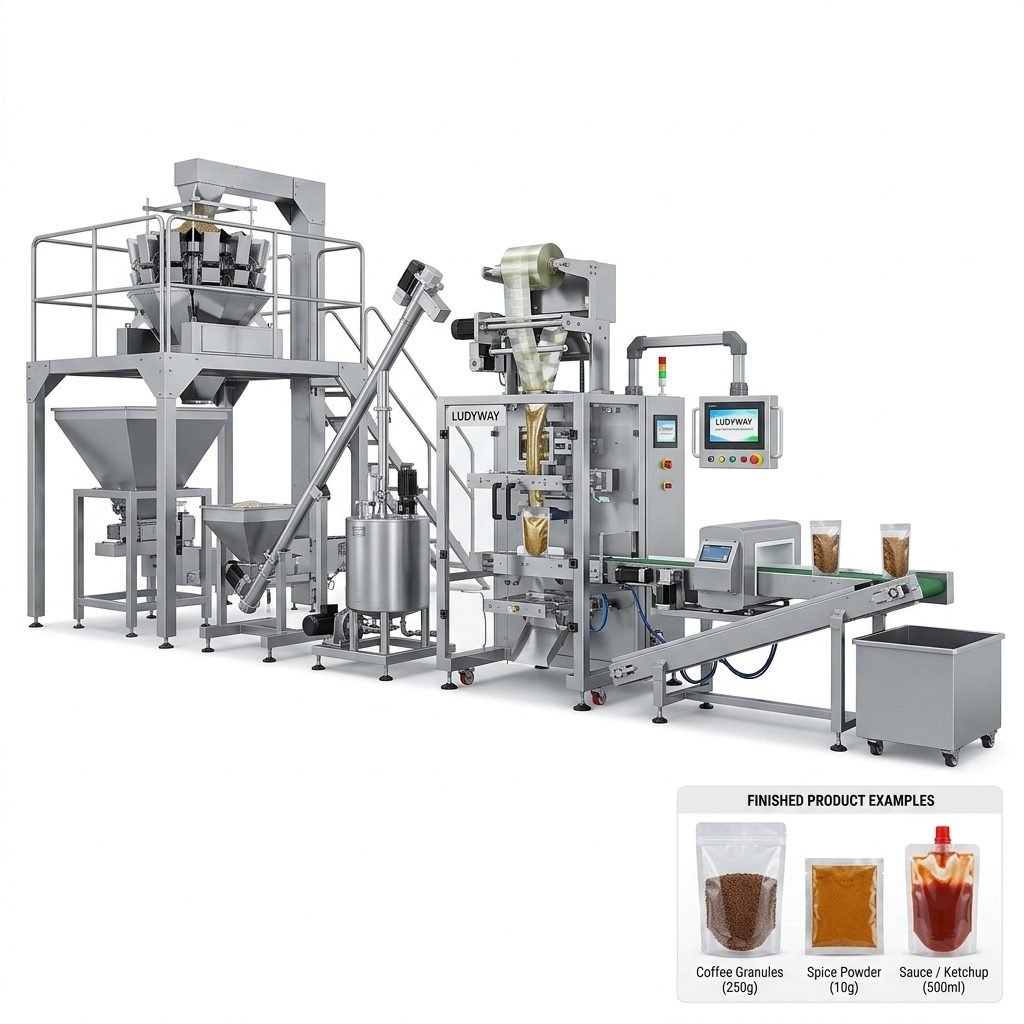
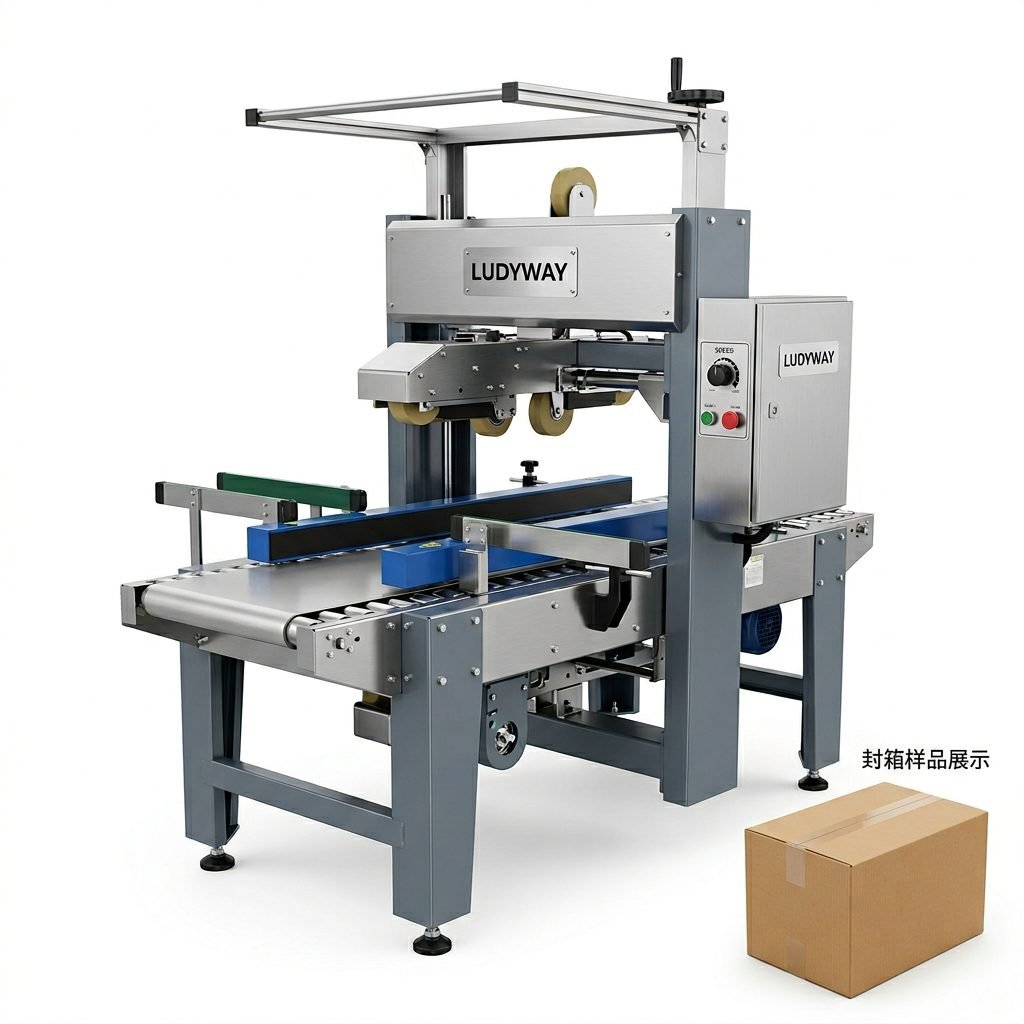
Look for a provider that offers more than just hardware. Comprehensive support should include feasibility testing with your actual product, customization of machine elements to suit unique needs, thorough operator training, and readily available after-sales service and spare parts. A provider capable of delivering complete turnkey solutions—integrating the packaging machine with upstream and downstream equipment like conveyors, cartoners, and case packers—can significantly simplify project management and ensure system compatibility.
The Future: Flexibility and Sustainability
The future of automated packaging lies in flexibility and sustainability. Manufacturers increasingly demand machines that can quickly switch between different package sizes and formats with minimal downtime (quick-changeover capabilities). Simultaneously, there is a strong push towards sustainable packaging. Modern equipment must be adaptable to handle mono-material, recyclable films and bio-based plastics, which often have different sealing and handling properties than traditional multi-layer laminates. Investing in adaptable machinery future-proofs your operation against evolving market and regulatory demands.
Conclusion
Automated packaging equipment is the cornerstone of efficient, competitive, and scalable industrial production. By delivering unmatched speed, precision, and reliability, these systems reduce operational costs, minimize waste, and enhance product quality. As technology advances, the integration of smart controls, vision systems, and sustainable material handling will further elevate the role of packaging automation. For manufacturers aiming to thrive, partnering with an experienced and innovative equipment provider to implement the right automated solution is a strategic investment that pays continuous dividends in productivity and market agility.
Frequently Asked Questions (FAQs)
1. What types of products are best suited for automated stick pack or sachet packaging?
Automated stick pack and sachet machines are incredibly versatile and ideal for portioned, single-serve products. This includes instant drink powders (coffee, tea, milk powder), condiments (ketchup, sauce, dressing), pharmaceutical granules or powders, dietary supplements, shampoo and conditioner samples, and granular spices. They are perfect for industries like food service, hospitality, cosmetics, and pharmaceuticals where precise dosage and hygiene are critical.
2. How does automated packaging improve production line efficiency and ROI?
Automation boosts efficiency by operating at consistent high speeds, reducing labor costs associated with manual packing, and minimizing product giveaway through precise filling. It increases Overall Equipment Effectiveness (OEE) by reducing downtime and changeover times. The return on investment (ROI) is realized through higher output, lower operational costs, reduced material waste, and fewer product recalls due to packaging errors. A detailed ROI analysis from a provider like Ludyway can project payback periods based on your specific production data.
3. Can automated packaging machines handle different package sizes on the same line?
Yes, many modern automated machines are designed with quick-changeover capabilities. Features like tool-less adjustments, interchangeable forming tubes, and servo-driven mechanisms allow operators to switch between different package lengths and widths within minutes. This flexibility is essential for manufacturers producing multiple SKUs or running short batches, as it maximizes machine utilization and reduces downtime.
4. What kind of maintenance do automated packaging systems require?
Regular preventive maintenance is key to longevity and reliability. This typically includes daily cleaning to prevent product buildup, lubrication of moving parts as specified by the manufacturer, and inspection of wear components like sealing jaws, cutting blades, and filler parts. Most advanced machines offer diagnostic software and maintenance alerts. Choosing a supplier with strong technical support and readily available spare parts and service ensures minimal disruption to your production schedule.
5. How important is after-sales support when investing in packaging automation?
After-sales support is absolutely critical. The complexity of the equipment means that reliable access to technical assistance, spare parts, and operator training is non-negotiable. A provider with a global service network can offer remote diagnostics, on-site engineer visits, and comprehensive training programs. This support ensures your machine operates at peak performance, maximizes its lifespan, and protects your production investment against extended downtime.