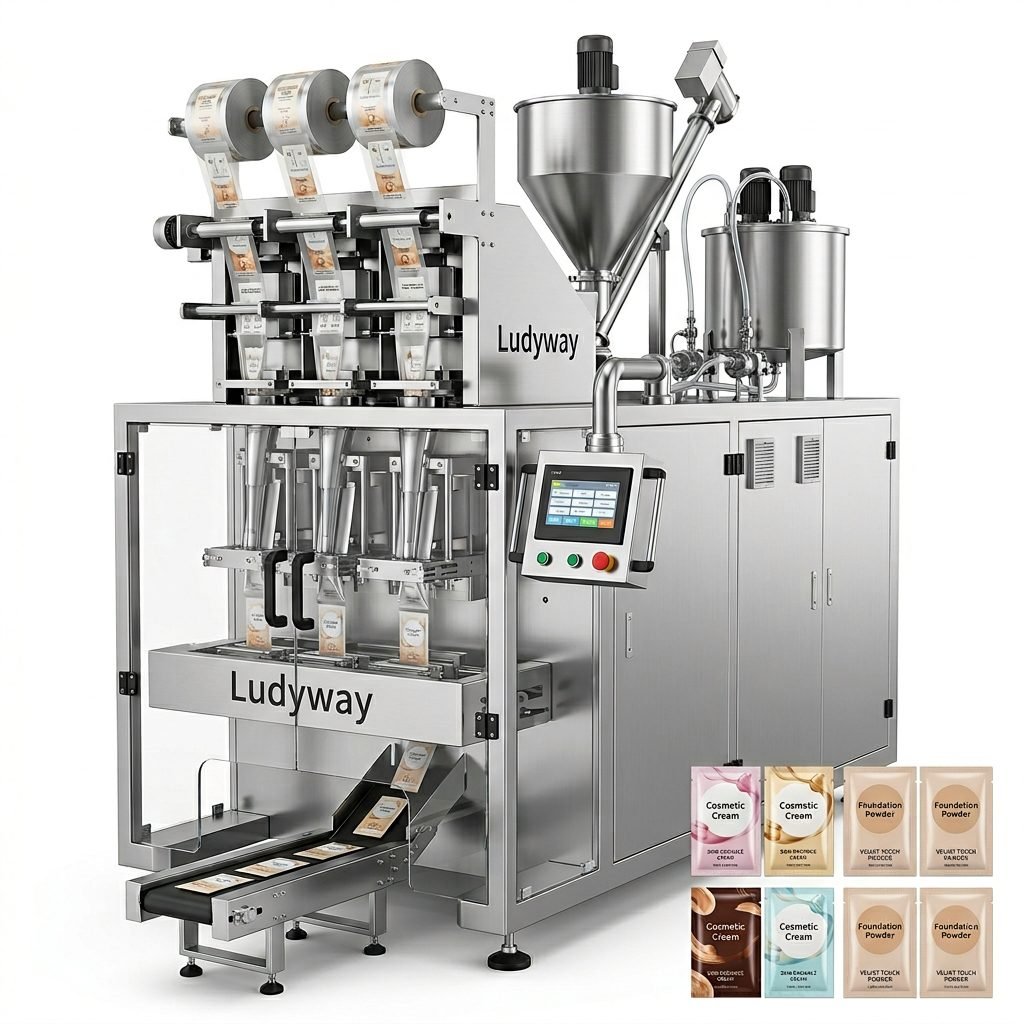
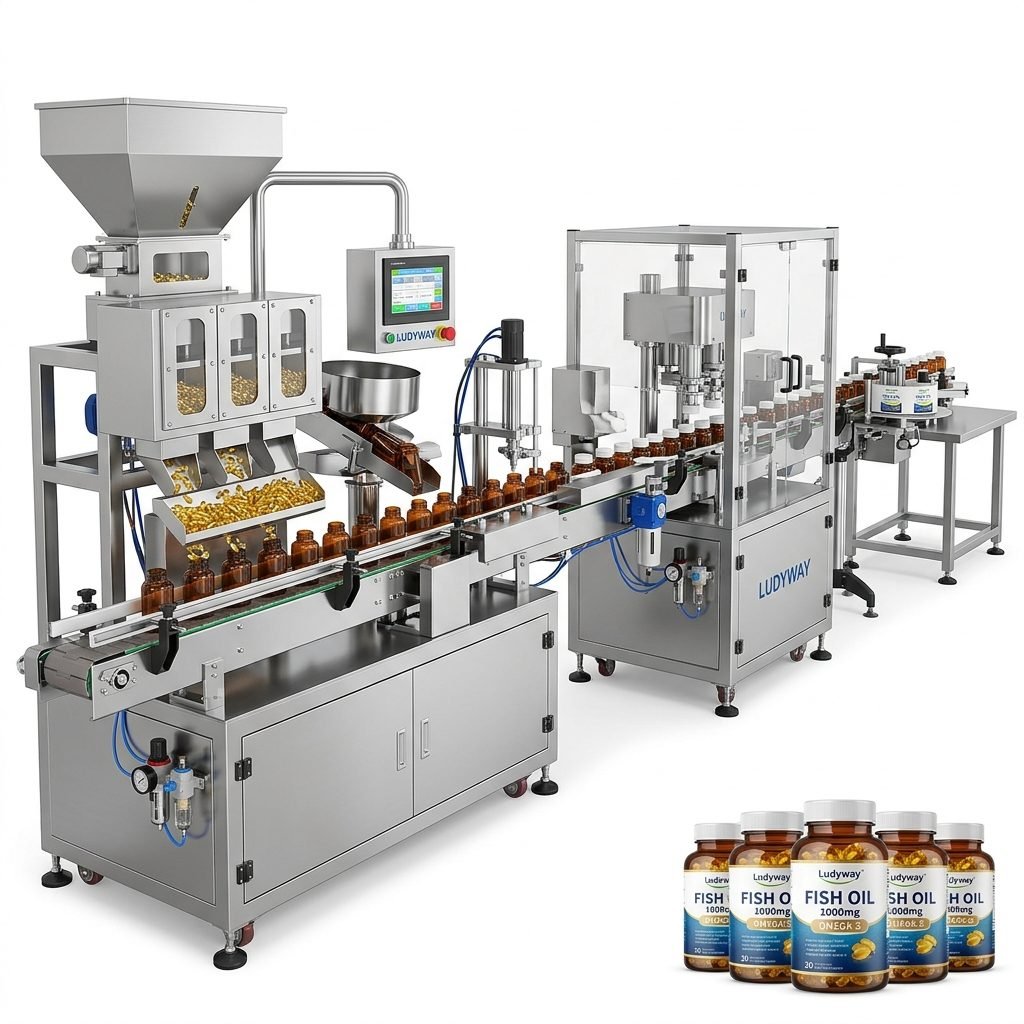
Investing in a tea automatic cartoning machine is a significant decision for tea producers, contract packagers, and brands looking to scale their operations. Whether you are packaging loose leaf tea, tea bags, or instant tea powder sachets, an automatic cartoning system streamlines the end-of-line process, boosts productivity, and ensures consistent packaging quality. Understanding the cost factors involved is the first step toward making an informed purchasing decision.
Key Factors That Influence Tea Cartoning Machine Costs
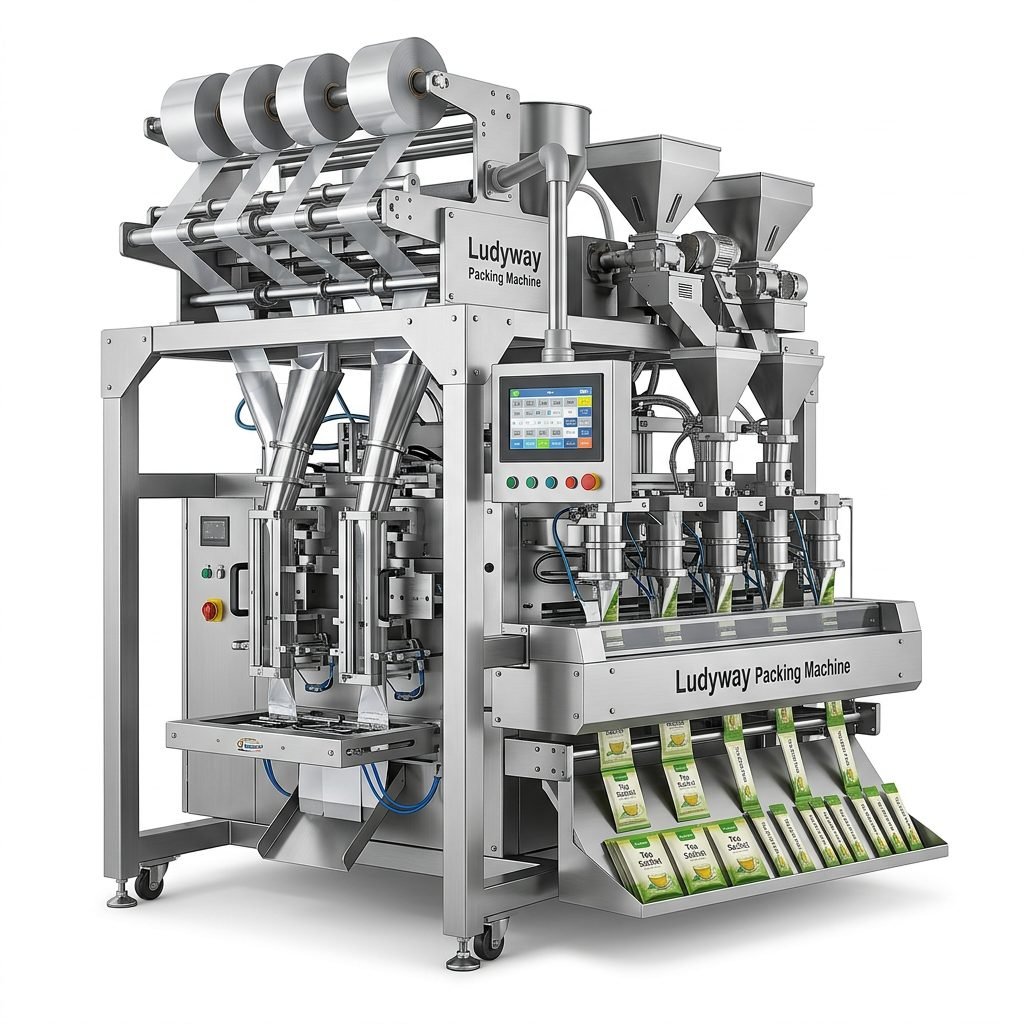
The final price of a tea automatic cartoning machine depends on several variables. Each factor directly impacts the machine’s capabilities, speed, and integration potential within your existing packaging machinery line. Below are the most critical considerations:
- Automation Level: Semi-automatic cartoners require manual product loading, making them more affordable. Fully automatic systems with robotic pick-and-place and automatic leaflet insertion cost significantly more.
- Production Speed: Machines rated at 30-60 cartons per minute are standard for mid-size operations. High-speed models exceeding 120 cartons per minute command a premium due to advanced servo-driven mechanics.
- Carton Size & Format: The ability to handle multiple carton sizes, tuck-in flaps, or glue-sealed cartons adds to the engineering complexity and overall equipment cost.
- Integration with Upstream Equipment: A cartoning machine that needs to synchronize with tea bag filling machines, stick pack lines, or sachet packaging systems often includes custom conveyors, vision inspection, and rejection systems.
- Construction Materials & Compliance: Stainless steel build, GMP compliance, and pharmaceutical-grade finishes for hygienic tea environments increase both material and manufacturing costs.
- Customization & Tooling: Custom carton formats, embossing units, or hot stamp coding require additional engineering and specialized forming heads.

Tea Automatic Cartoning Machine: Price Range Overview
The cost of a tea cartoning machine varies widely based on the configuration and performance tier. The table below outlines general price categories to help you benchmark your budget against market expectations. These figures reflect typical packaging machinery market pricing for equipment manufactured to international quality standards.
| Machine Category | Speed Range | Estimated Price (USD) | Best Suited For |
|---|---|---|---|
| Entry-Level Semi-Automatic | 15-30 cartons/min | $25,000 – $55,000 | Small tea brands, artisan blenders, startup operations |
| Mid-Range Fully Automatic | 40-80 cartons/min | $65,000 – $150,000 | Mid-size tea packers, co-packers, regional brands |
| High-Speed Automatic | 100-180 cartons/min | $160,000 – $300,000 | Large-scale tea manufacturers, global export brands |
| Fully Integrated Turnkey Line | 120-250+ cartons/min | $320,000 – $600,000+ | High-volume industrial production with full automation |
Semi-Automatic vs. Fully Automatic Cartoning Solutions
Semi-automatic tea cartoning machines typically require an operator to manually place tea bags or pouches into the carton forming area. The machine then automatically erects, closes, and discharges the filled cartons. These systems are compact, cost-effective, and suitable for short to medium production runs. In contrast, fully automatic cartoners integrate directly with upstream packaging equipment, automatically collating products, erecting cartons, inserting leaflets, and sealing the final package without manual intervention. The increased throughput and labor savings often justify the higher investment for growing tea businesses.

Additional Cost Considerations Beyond the Base Price
When evaluating the total cost of ownership, buyers should look beyond the initial equipment price. Several ancillary expenses can influence the overall budget:
- Shipping & Logistics: International freight, customs duties, and insurance can add 5-15% to the machine cost depending on the destination country.
- Installation & Commissioning: On-site setup, calibration, and operator training services may be quoted separately or included in the purchase agreement.
- Spare Parts & Maintenance: Critical wear parts such as carton forming guides, belts, and sealing mechanisms require periodic replacement.
- Facility Upgrades: Sufficient compressed air supply, electrical capacity, and floor space must be prepared to accommodate the new equipment.
- Regulatory Compliance: Machines destined for pharmaceutical-grade tea or flexible packaging applications may require additional validation documentation.
Return on Investment: Why a Higher Upfront Cost Often Pays Off
A well-built tea automatic cartoning machine can deliver a rapid return on investment through reduced labor dependency, fewer packaging rejects, and higher throughput. For medium to large-scale tea producers, the transition from manual or semi-automatic cartoning to a fully automated line can reduce labor costs by 50-70% while increasing output by 3-5 times. Additionally, consistent carton presentation enhances brand perception and retail shelf appeal, contributing to stronger sales performance. When evaluating proposals, consider the state of the packaging industry and long-term scalability rather than focusing solely on the purchase price.
Choosing the Right Supplier for Your Tea Cartoning Equipment
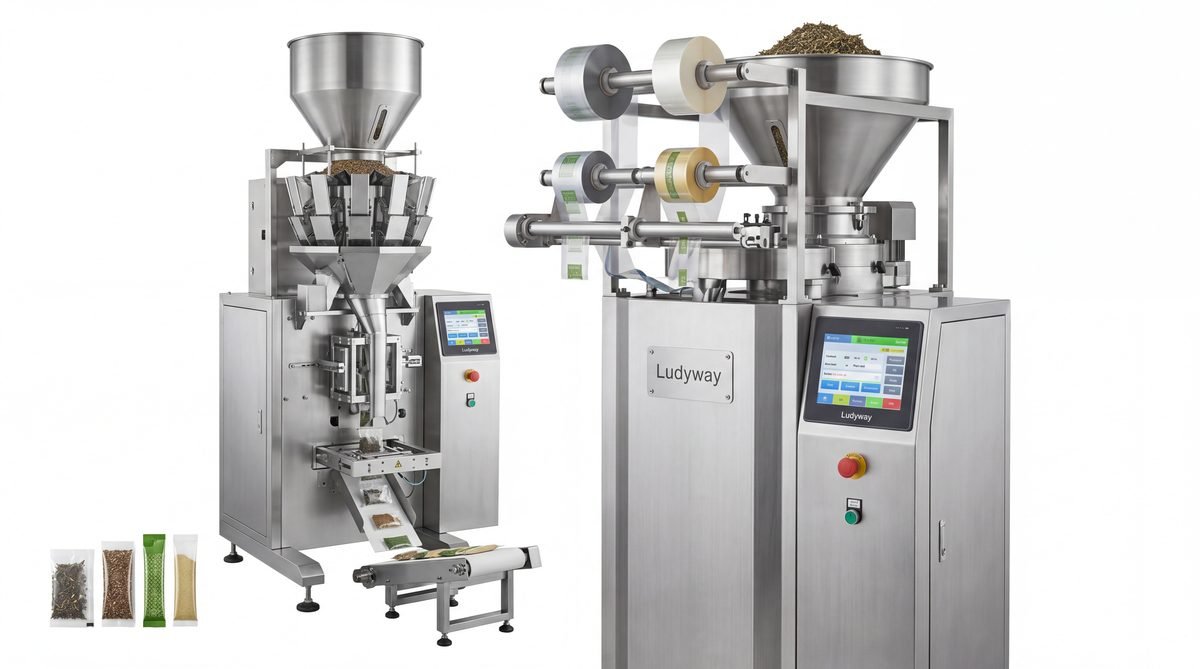
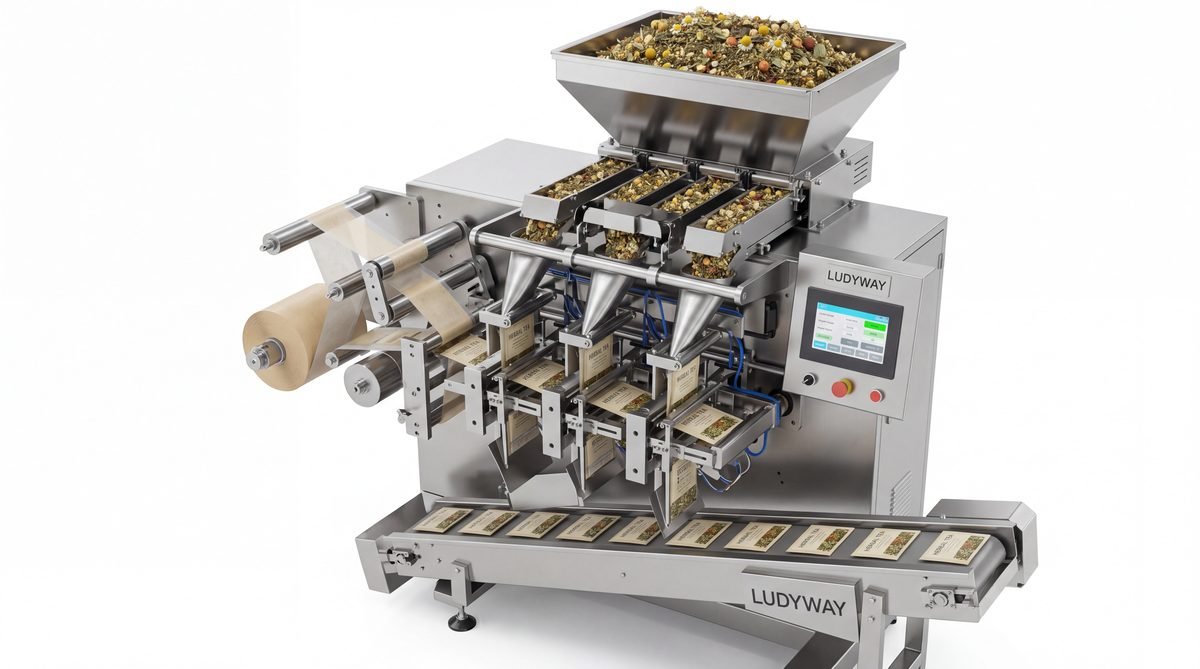
Selecting a reliable manufacturer is as important as the machine specification itself. Look for suppliers with proven experience in tea packaging applications, a robust global service network, and the ability to provide turnkey solutions that integrate seamlessly with your existing production lines. A manufacturer with a comprehensive portfolio of packaging equipment can offer standardized models as well as custom-engineered solutions tailored to your specific carton format and throughput requirements. Companies like Ludyway, with over 30 years of industry expertise and a 20,000 m² manufacturing facility, produce a wide range of intelligent packaging machines that serve customers across more than 100 countries. Evaluating supplier references, factory audits, and after-sales support commitments will help ensure a successful long-term partnership.
Key Specifications to Review Before Purchasing
- Carton Style Compatibility: Verify that the machine can handle your specific carton style, whether it is a straight tuck, reverse tuck, or glue-sealed end-load carton.
- Changeover Time: Quick-change tooling and recipe-based setup can significantly reduce downtime between different tea product runs.
- Footprint & Layout: Confirm the machine dimensions and the required operator clearance to ensure a proper fit within your packaging hall.
- Control System: PLC-based controls with HMI touchscreen interfaces simplify operation, troubleshooting, and data collection.
- Safety Features: Guarding, emergency stop circuits, and interlocked access doors should meet international safety standards.
Final Thoughts on Budgeting for a Tea Cartoning Machine
A tea automatic cartoning machine represents a strategic capital investment that can transform your packaging operations. Entry-level systems provide an accessible starting point for smaller brands, while high-speed, fully integrated lines unlock the efficiency needed for competitive global markets. By carefully assessing your production volume, carton complexity, and future growth plans, you can identify the machine tier that delivers the best value. Always request detailed quotations from multiple suppliers, compare the scope of supply, and prioritize equipment reliability and after-sales service over short-term cost savings. With thorough planning, your cartoning investment will drive measurable improvements in packaging efficiency, product presentation, and overall operational profitability.