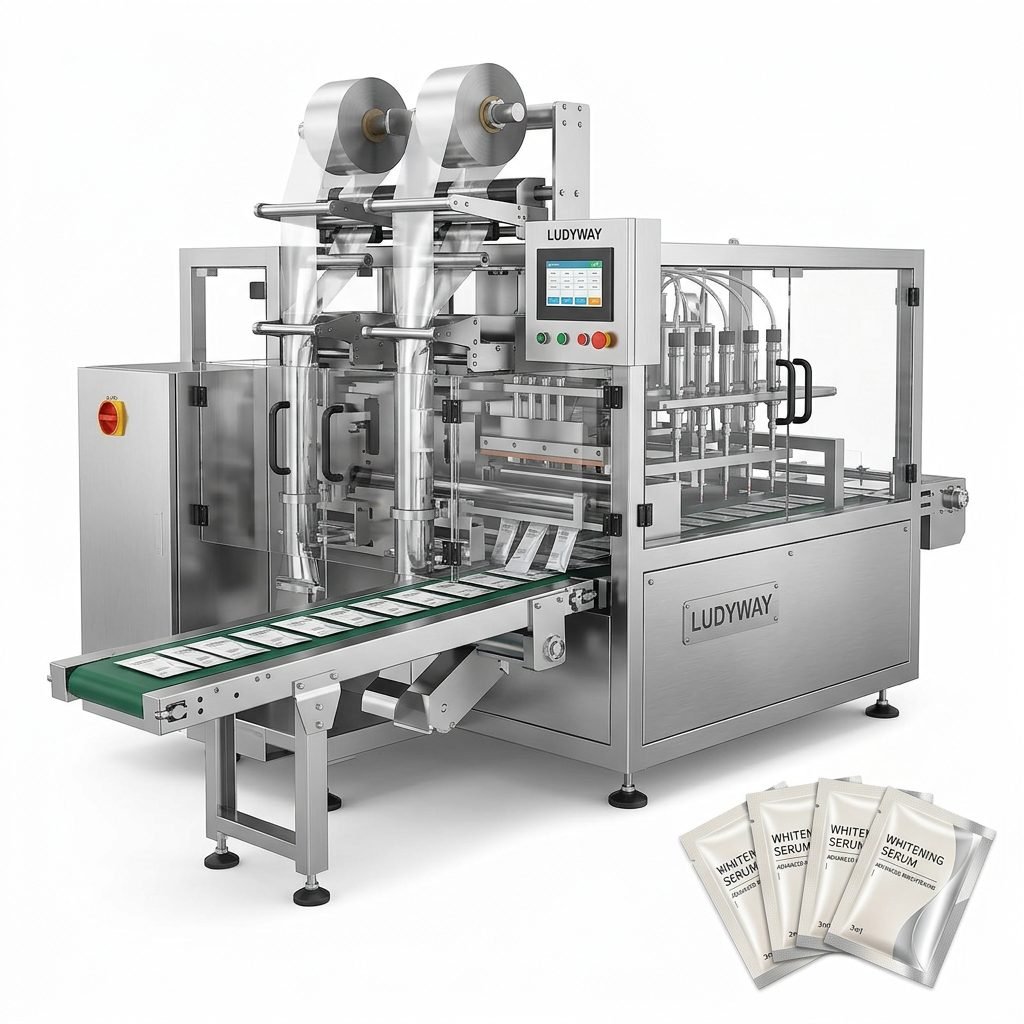
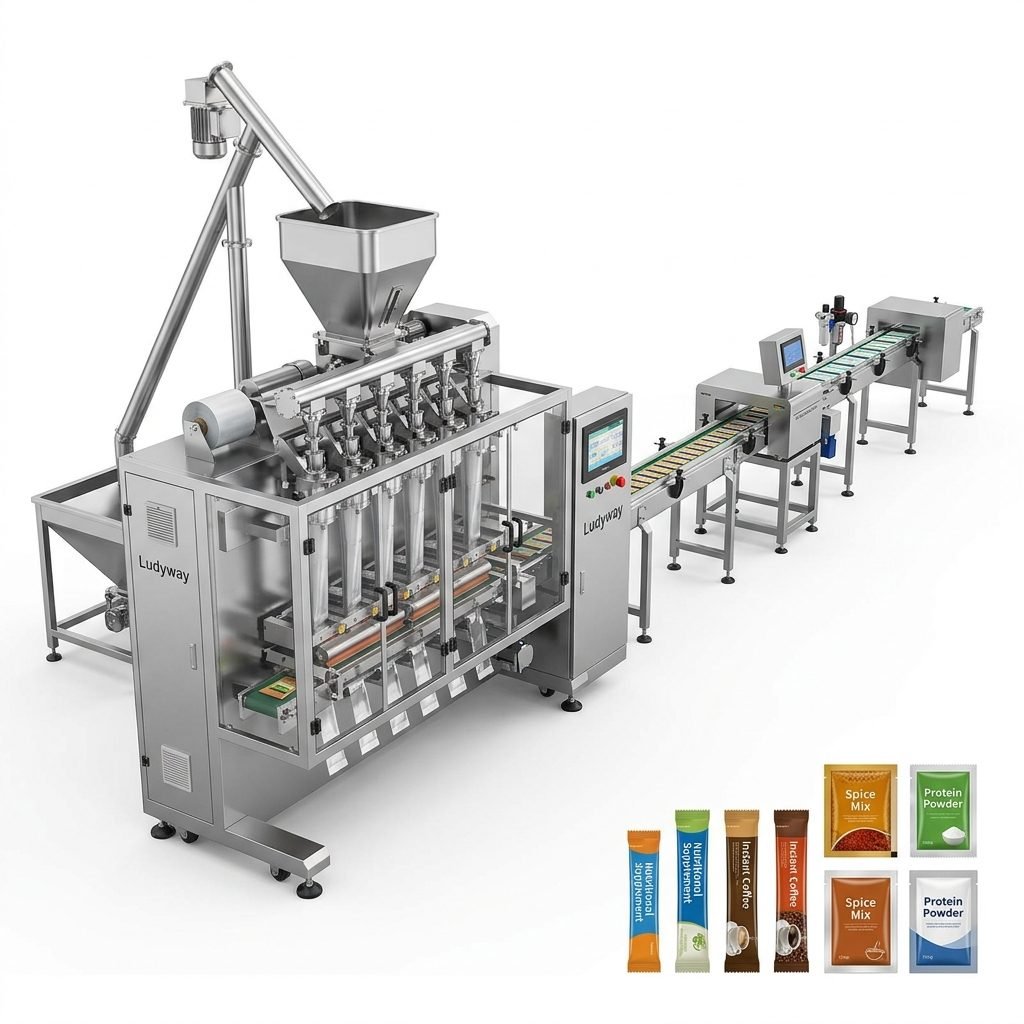
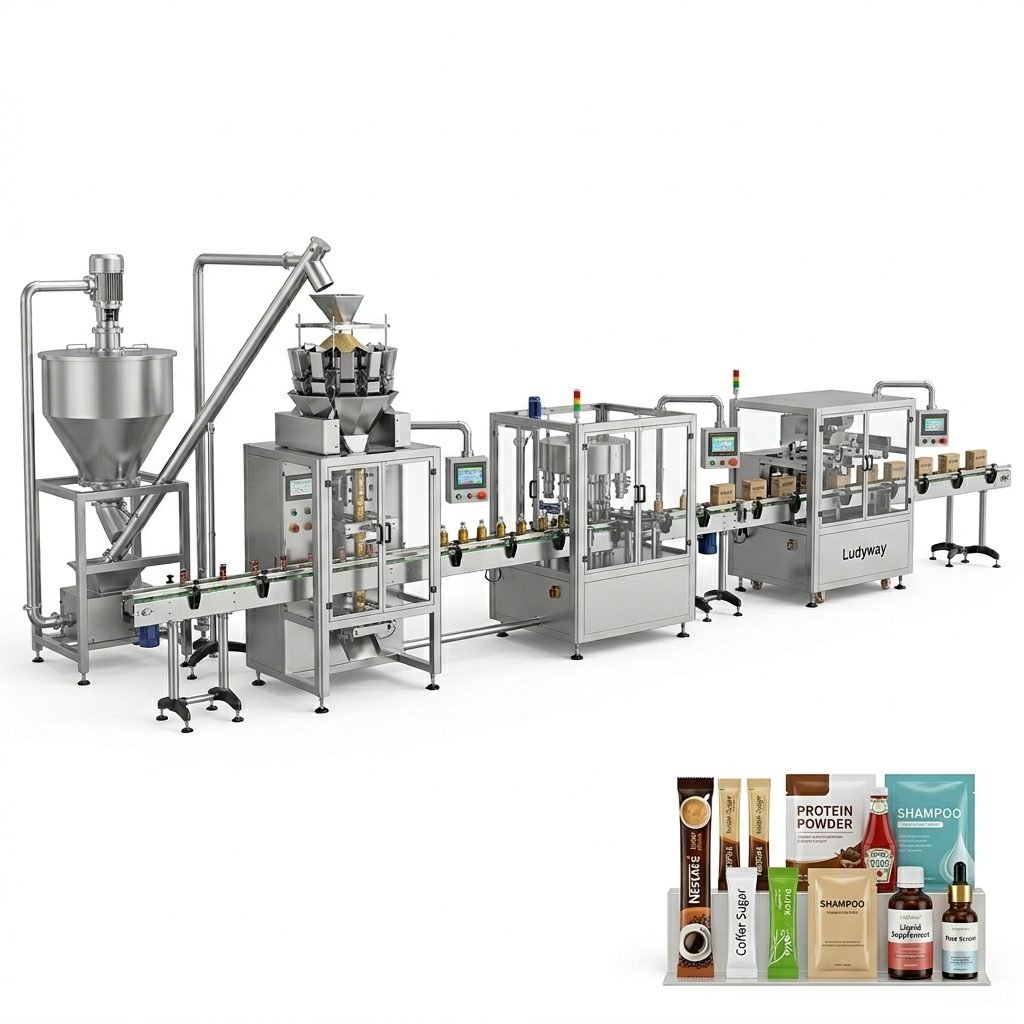
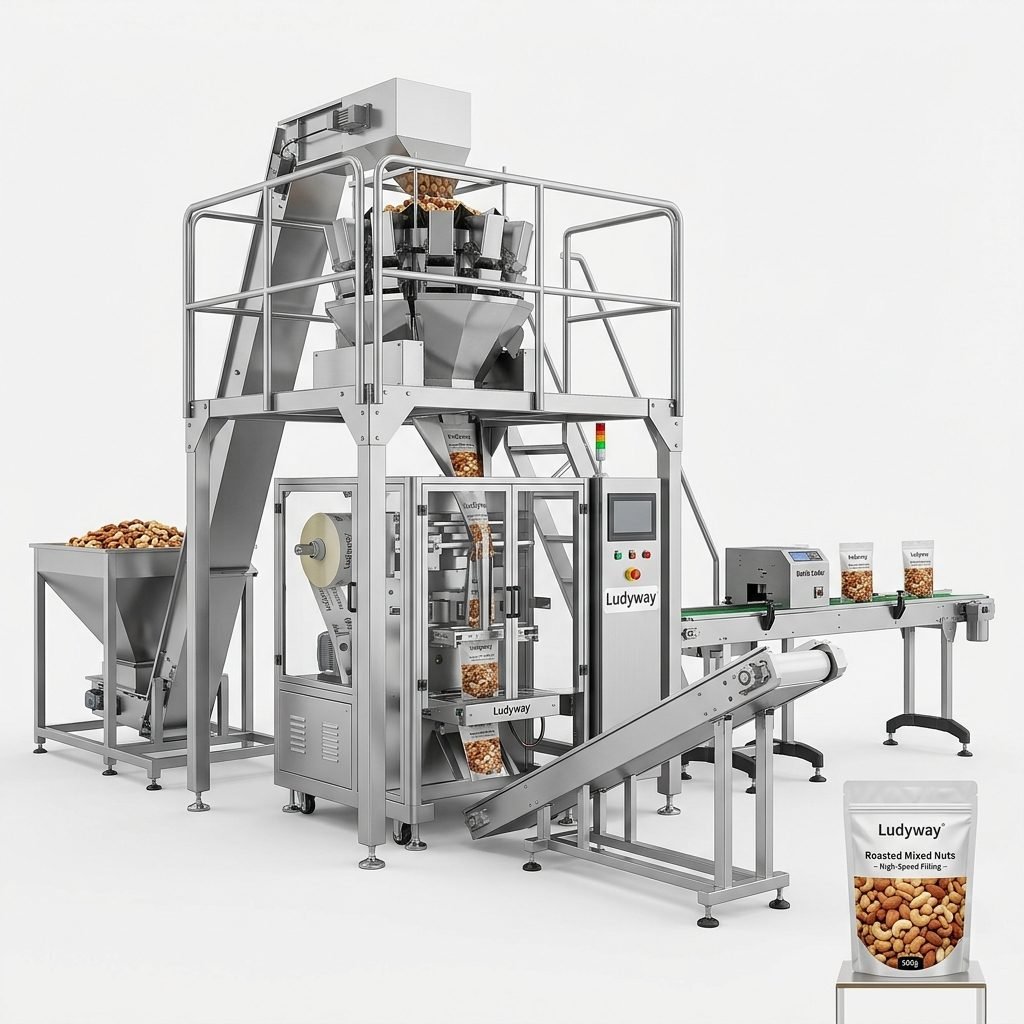
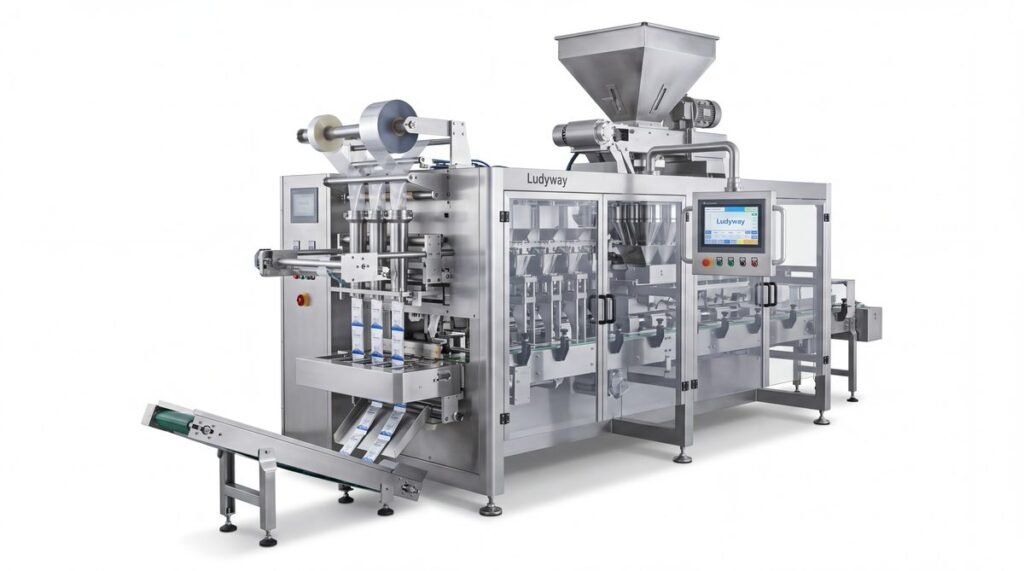
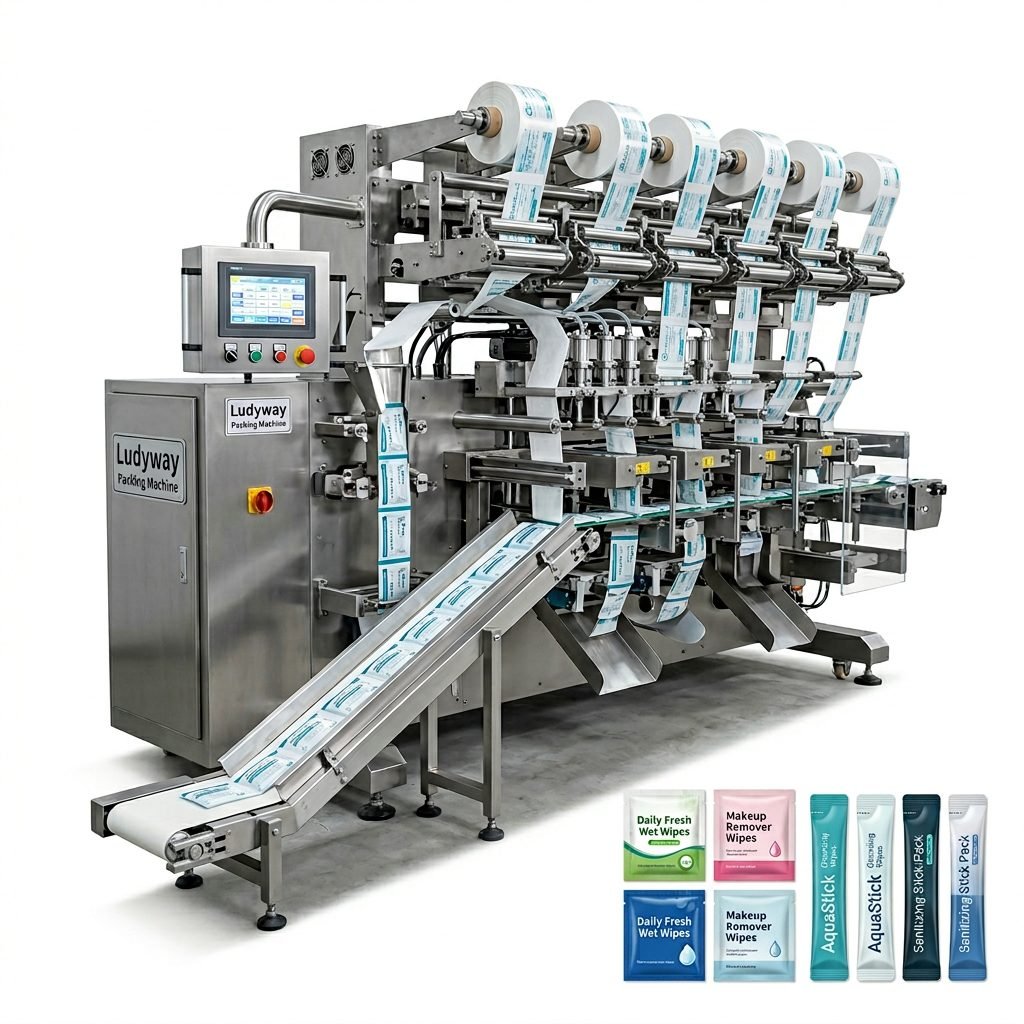
In the beauty industry, packaging is more than a finishing step. It directly affects production speed, product consistency, brand image, cost control, and customer satisfaction. Choosing the right cosmetics packaging machine means finding a solution that matches your product type, packaging format, output target, and future growth plan.
Whether you produce facial cream, serum, shampoo, lotion, sunscreen, face masks, or travel-size samples, the right machine can help reduce manual labor, improve sealing quality, and create a more efficient packaging workflow.
Why the Right Packaging Solution Matters in Cosmetics
Cosmetic products often come in many forms: liquid, cream, gel, lotion, powder, paste, wipes, sticks, tubes, bottles, and sachets. Each format needs different filling accuracy, sealing methods, and material handling systems. A machine that works well for shampoo sachets may not be suitable for viscous face cream or fragile serum packaging.
- Higher productivity with stable automatic operation
- Better dosing accuracy for premium formulations
- Cleaner packaging appearance for stronger shelf appeal
- Lower labor dependence and reduced human error
- Improved hygiene control for skincare and personal care products
- Scalability for future product expansion
Start with Your Product Type
The first step is identifying the physical characteristics of your cosmetic product. Viscosity, flowability, foaming behavior, particle content, and filling temperature all influence machine selection.
| Product Type | Typical Examples | Recommended Filling Approach |
|---|---|---|
| Liquids | Toner, serum, body mist, perfume samples | Liquid filling and sealing system |
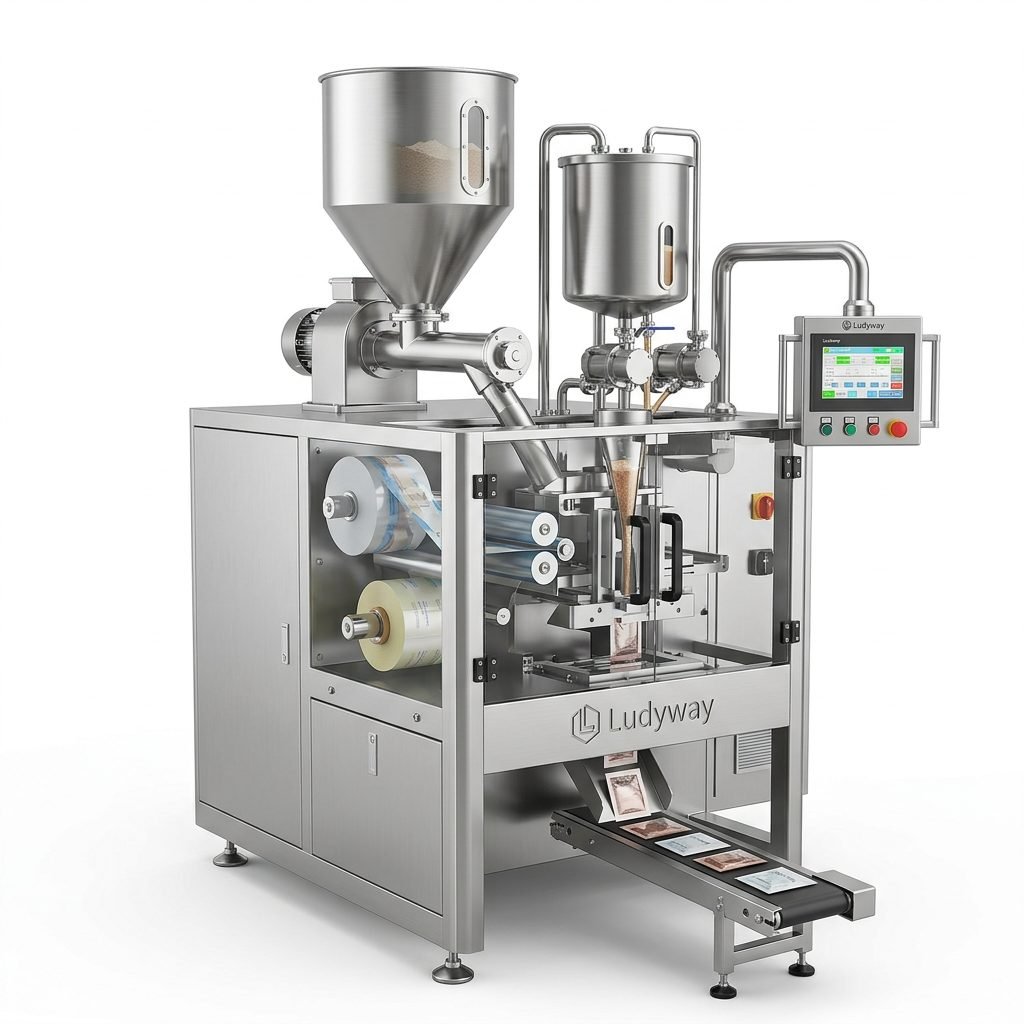
| Creams / Pastes | Face cream, eye cream, sunscreen, hair mask | Piston filling or pump-based filling |
| Gels | Aloe gel, cleansing gel, sanitizer gel | Servo-controlled volumetric filling |
| Powders | Face powder, whitening powder, dry masks | Auger filling system |
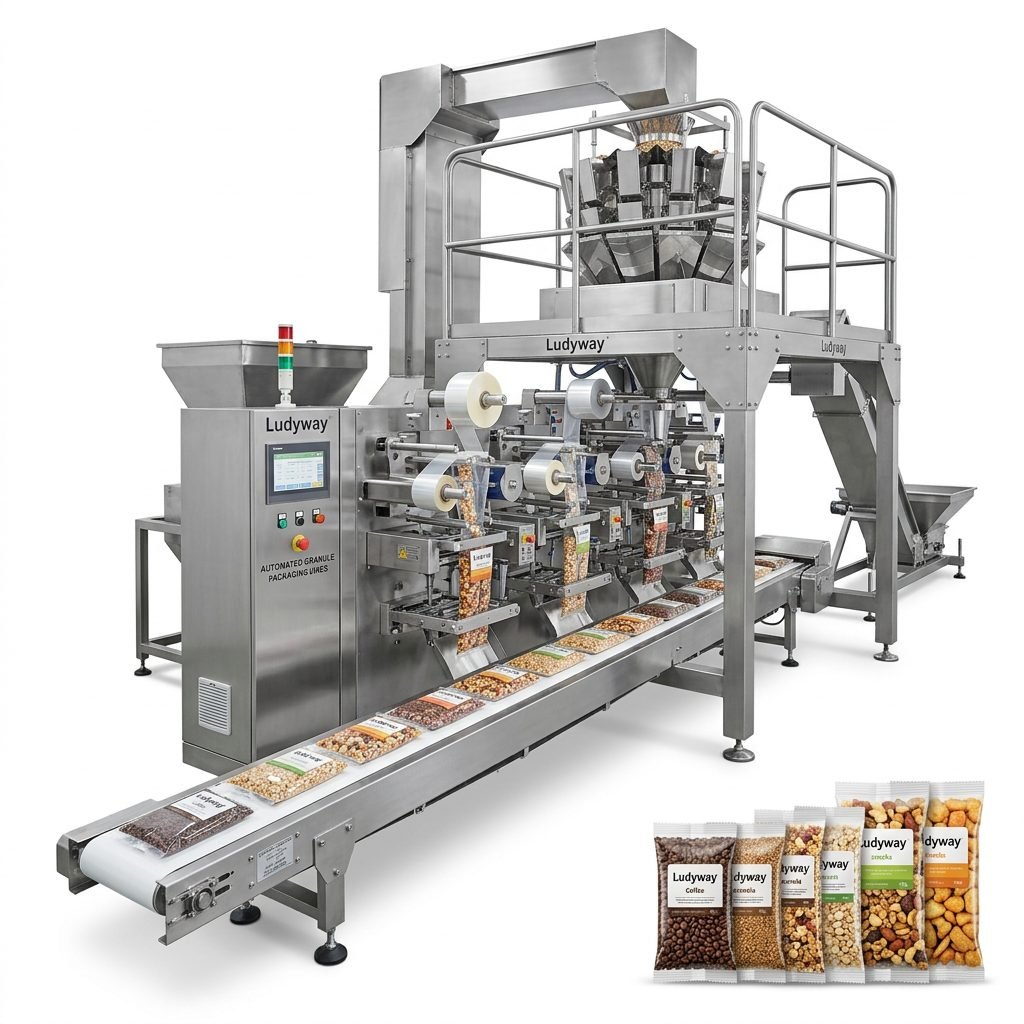
| Single-use samples | Sachets, stick packs, trial packs | Multi-lane sachet or stick pack machine |
Choose the Right Packaging Format
Packaging format should support both your product positioning and operational efficiency. Premium skincare brands may prefer small sachets for sampling, while daily-use body care products often use bottles, tubes, or refill pouches.
Common cosmetic packaging formats
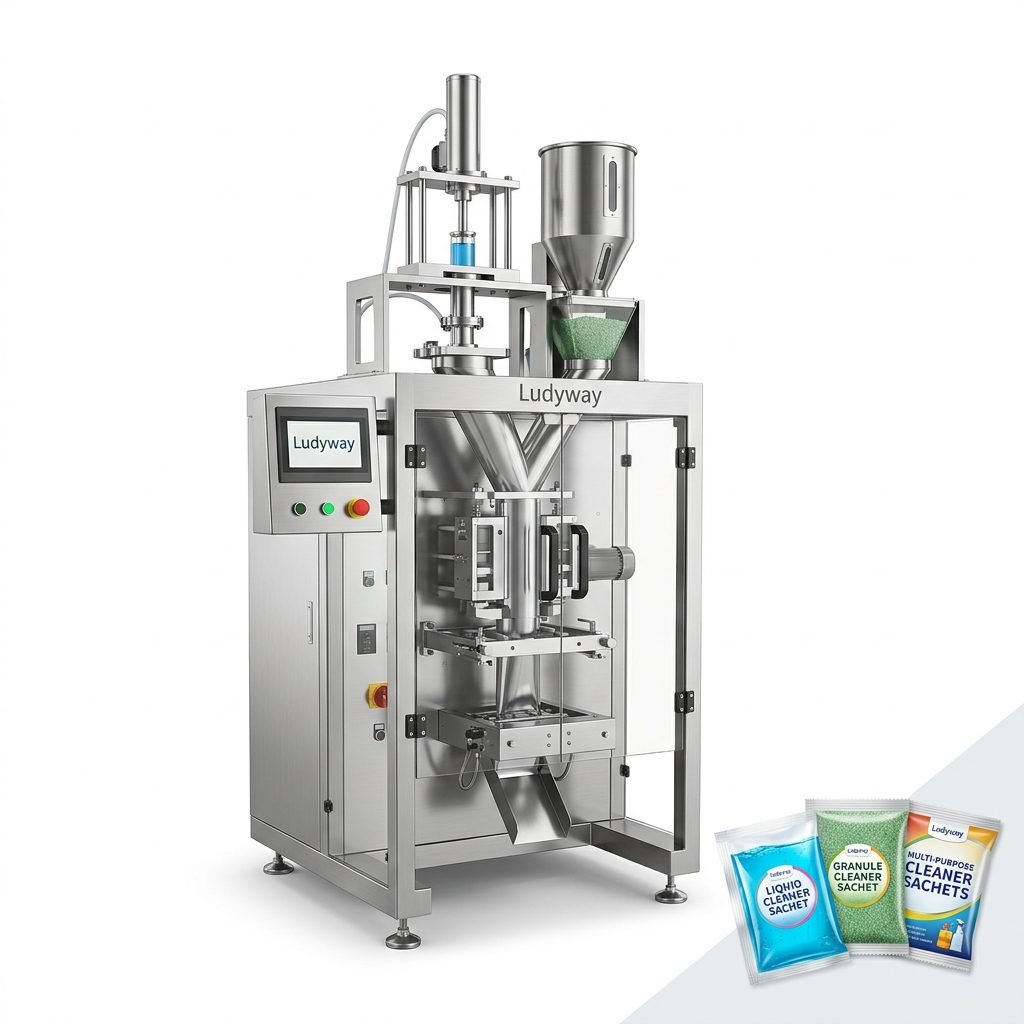
- Sachets for samples, travel packs, and promotional kits
- Stick packs for slim, portable beauty or skincare products
- Tubes for creams, gels, hand cream, and sunscreen
- Bottles for shampoo, lotion, toner, body wash, and serum
- Pouches for refill products and flexible retail packaging
- Mask packs for sheet masks and treatment products
If your business offers multiple SKUs, a more flexible system is often the better investment. Machines with adjustable filling range, quick mold changeover, and modular design can support frequent product switching without major downtime.
Match Machine Speed to Your Production Goals
One of the most common buying mistakes is choosing a machine based only on maximum speed. In reality, the best choice is a machine that delivers stable output at your real operating conditions.
Ask these questions before deciding:
- How many units do you need per hour, shift, or day?
- Will production run on one shift or multiple shifts?
- How often will you switch between products or package sizes?
- Do you expect seasonal demand spikes?
- Will you launch new cosmetic formats in the next 1–3 years?
For startups and small brands, semi-automatic or compact automatic equipment may be enough. For contract manufacturers and larger beauty factories, high-speed multi-lane or fully integrated lines are usually more cost-effective in the long term.
Evaluate Filling Accuracy and Product Consistency
In cosmetics, packaging precision is critical. Overfilling increases material costs, while underfilling can cause complaints, compliance concerns, and damage to brand trust. This is especially important for high-value formulations like anti-aging serum, essential oils, and active skincare concentrates.
Key factors affecting accuracy
- Product viscosity changes
- Temperature sensitivity
- Foaming during filling
- Pump or auger calibration stability
- Nozzle design and anti-drip performance
- Machine control system precision
If your formulations vary from watery to thick, look for a machine platform with configurable filling technology rather than a one-size-fits-all design.
Pay Attention to Hygiene and Material Compatibility
Cosmetic packaging equipment should be easy to clean and built from materials suitable for contact with beauty and personal care products. Stainless steel construction, hygienic contact parts, and easy disassembly can make daily cleaning faster and safer.
This matters even more for products such as:
- Facial skincare with active ingredients
- Natural or organic beauty formulations
- Sensitive-skin products
- Products with fragrance oils or alcohol content
- Multi-SKU production where contamination risk is higher
Consider Automation Level Across the Whole Line
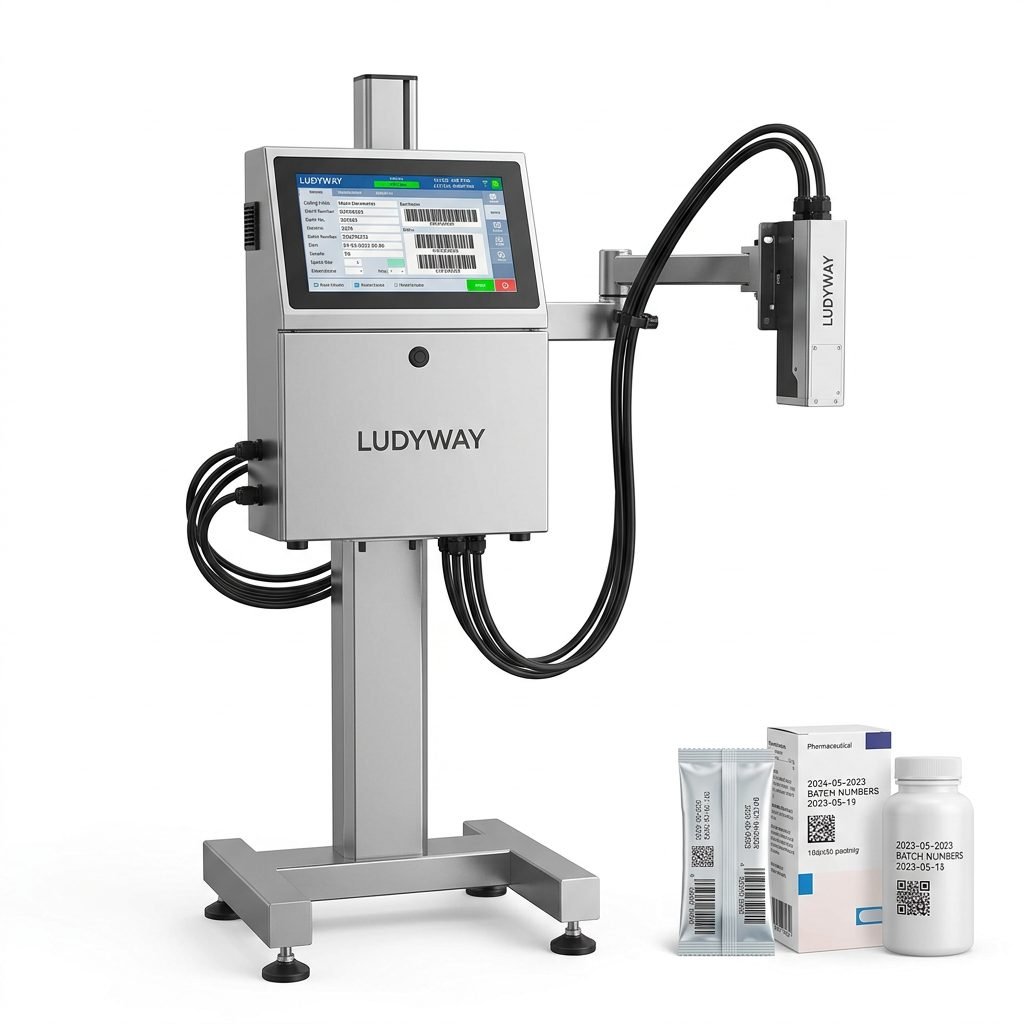
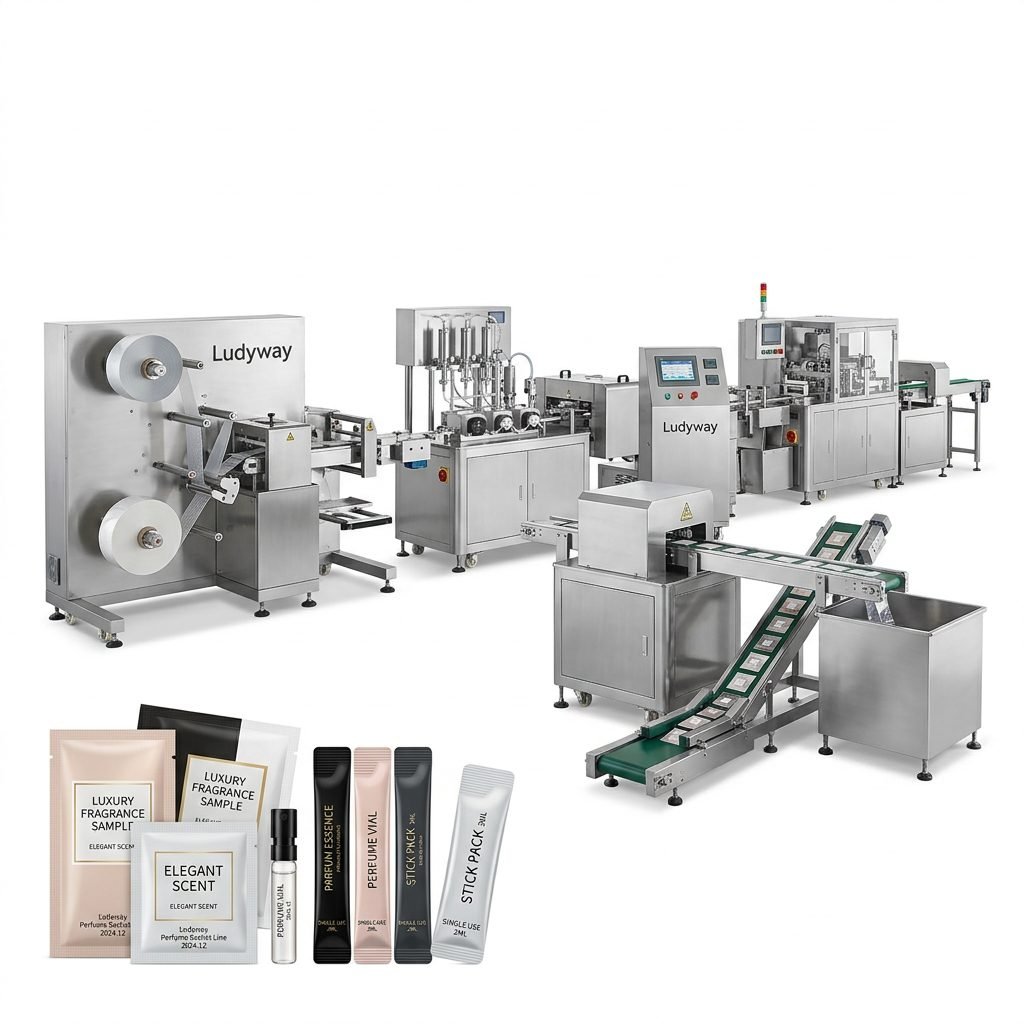
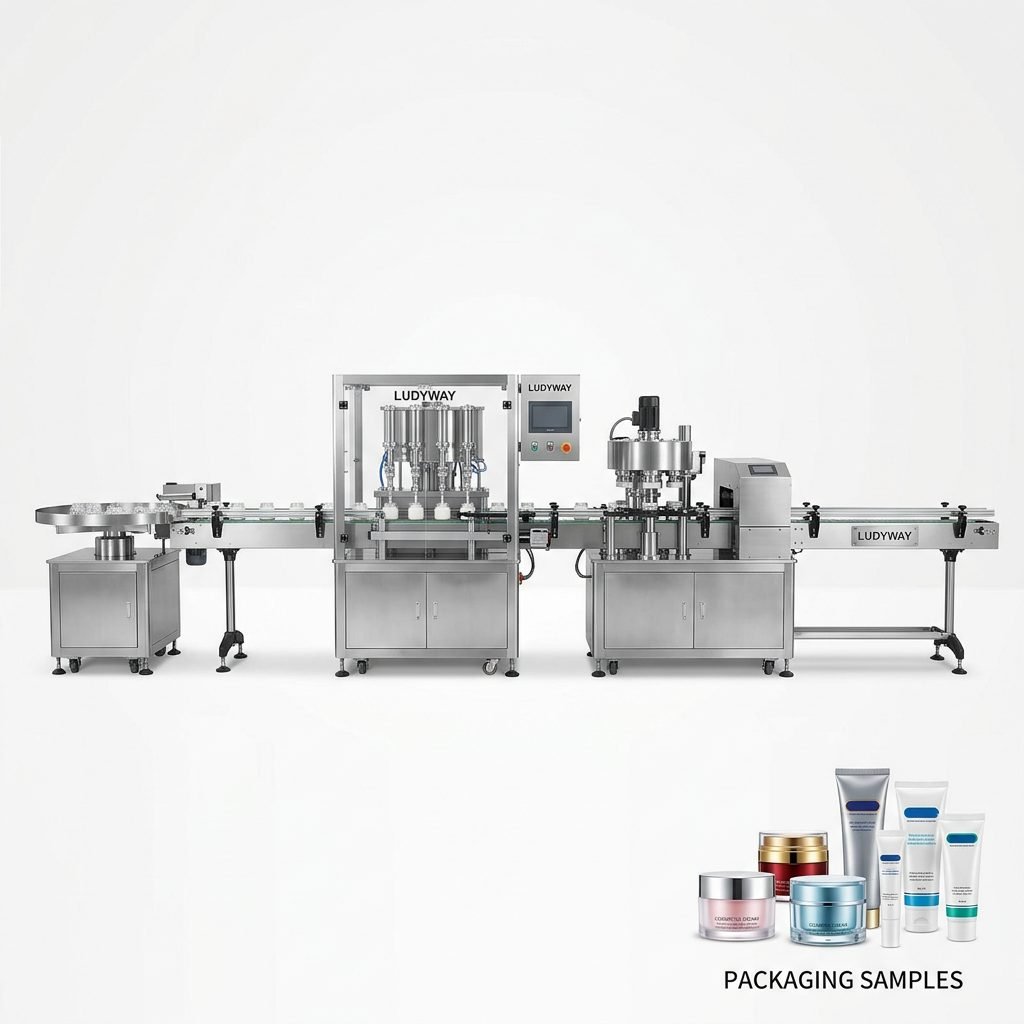
A cosmetics packaging machine should not be evaluated as a standalone unit only. True efficiency comes from how well it fits into the full production line, including feeding, filling, sealing, coding, labeling, cartoning, and final packing.
| Automation Level | Best For | Main Advantage |
|---|---|---|
| Semi-automatic | Small brands, pilot production | Lower initial investment |
| Automatic standalone | Growing factories | Balanced speed and flexibility |
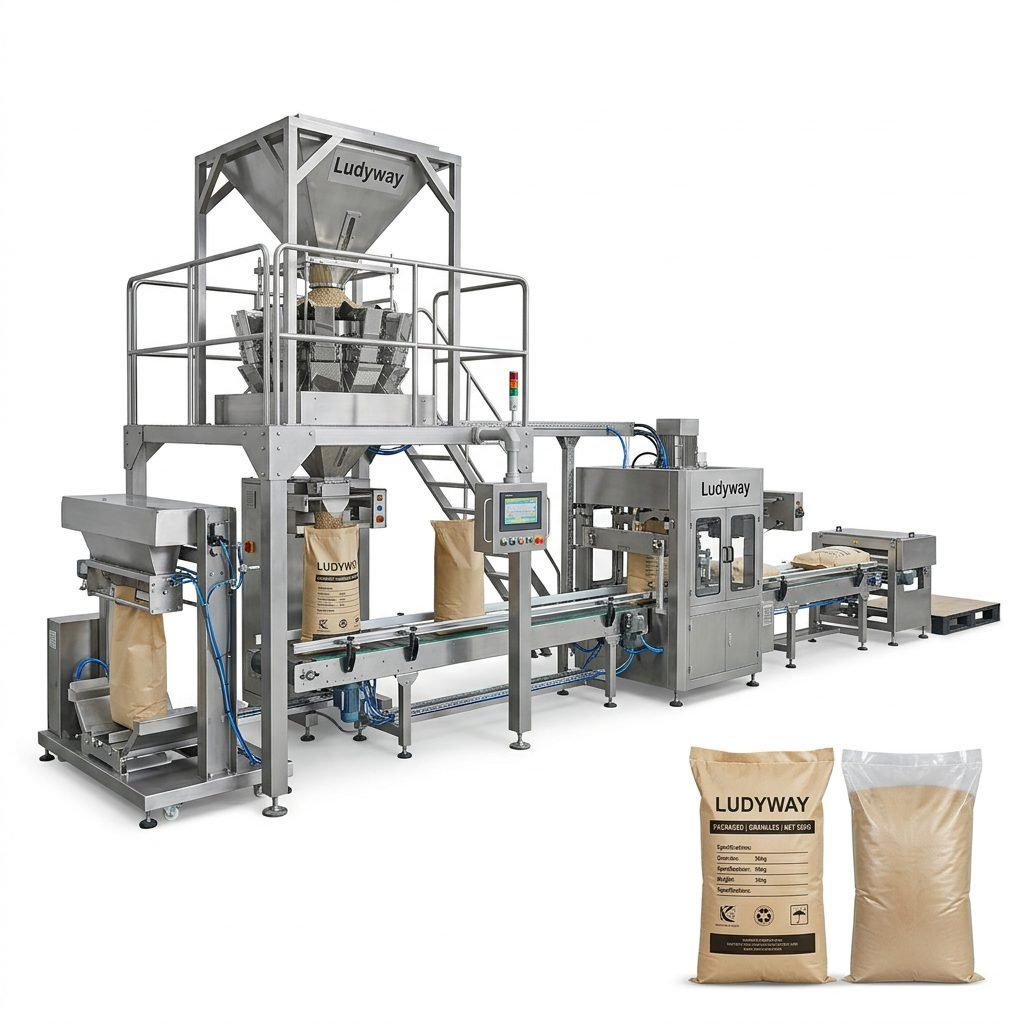
| Turnkey packaging line | Medium to large manufacturers | High efficiency and integrated control |
If you plan to scale, it is often smarter to choose a machine supplier that can support a full line upgrade later, instead of replacing separate machines from different vendors.
Look at Changeover Efficiency
Cosmetic manufacturers often run many SKUs in different volumes, fragrances, package styles, and branding versions. In this environment, fast changeover becomes a major productivity factor.
A good machine should support
- Quick adjustment between fill volumes
- Simple recipe storage on HMI
- Easy replacement of molds or forming parts
- Minimal downtime between product runs
- Clear maintenance access for operators
This is especially useful for OEM and private-label beauty manufacturers that frequently switch between customer orders.
Check Packaging Material Compatibility
Cosmetic products are packed in a wide range of films, laminated materials, tubes, pouches, and bottles. Your machine must handle the exact packaging materials you use without poor sealing, wrinkles, leakage, or product loss.
Be sure to confirm:
- Film structure and thickness
- Sealability and heat sensitivity
- Package dimensions
- Transparency or printed registration requirements
- Barrier properties for sensitive formulations
Premium cosmetic packaging usually needs both visual consistency and seal integrity. A machine that supports accurate sealing temperature and tracking control can significantly reduce reject rates.
Assess Smart Features and Quality Control Options
Modern cosmetic packaging lines benefit from intelligent controls that improve uptime and consistency. Advanced systems are especially helpful for export-oriented factories and brands with strict quality requirements.
Useful features to prioritize
- Servo control for accurate filling and sealing
- Touchscreen HMI for recipe and parameter management
- No-package-no-fill logic
- Auto alarm and fault diagnostics
- Date coding and traceability integration
- Checkweighing, inspection, or reject systems
Think Beyond Purchase Price
The cheapest machine is rarely the most economical choice. A better decision is based on total cost of ownership, including downtime, maintenance, spare parts, energy use, labor savings, and output reliability.
Compare suppliers on:
- Machine durability
- After-sales support
- Spare parts availability
- Customization capability
- Operator training support
- Lead time and installation support
Work with an Experienced Packaging Partner
If you need a reliable supplier for cosmetic sachets, creams, liquids, tubes, or complete beauty packaging lines, working with an experienced manufacturer can reduce technical risk and improve long-term production results. Ludyway cosmetics packaging machine solutions are backed by more than 30 years of packaging industry experience, a modern factory of over 20,000 square meters, and turnkey capabilities for automated packaging lines serving global markets.
Questions to Ask Before You Buy
- What cosmetic products will run on the machine now and later?
- What packaging formats and sizes do you need?
- What is your target speed under real production conditions?
- How accurate must the filling system be?
- How easy is cleaning, maintenance, and changeover?
- Can the machine connect to coding, cartoning, or case packing equipment?
- What technical support is available after installation?
Final Buying Checklist for Cosmetics Packaging Machines
| Checklist Item | Why It Matters |
|---|---|
| Product compatibility | Ensures proper filling and sealing performance |
| Packaging format fit | Supports your retail and brand strategy |
| Output capacity | Matches current demand and future growth |
| Filling accuracy | Protects product consistency and cost control |
| Changeover speed | Improves multi-SKU production efficiency |
| Automation integration | Reduces labor and supports line expansion |
| Supplier support | Helps maintain stable long-term operation |
The right cosmetics packaging machine is not simply the fastest or lowest-cost option. It is the solution that best aligns with your product characteristics, packaging design, production capacity, hygiene requirements, and growth strategy. By evaluating these factors carefully, beauty brands and manufacturers can build a packaging process that is efficient, scalable, and ready for competitive market demands.