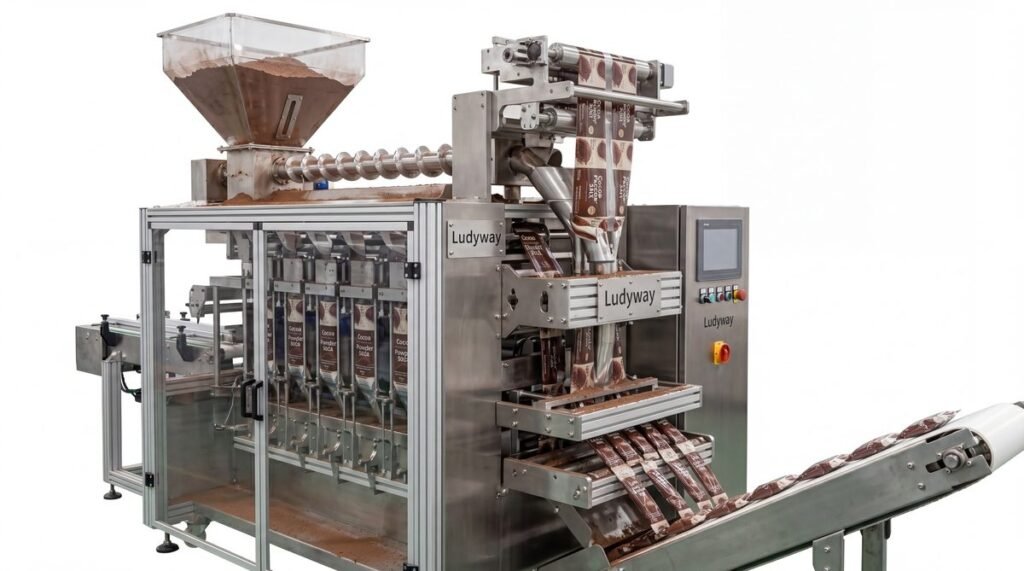
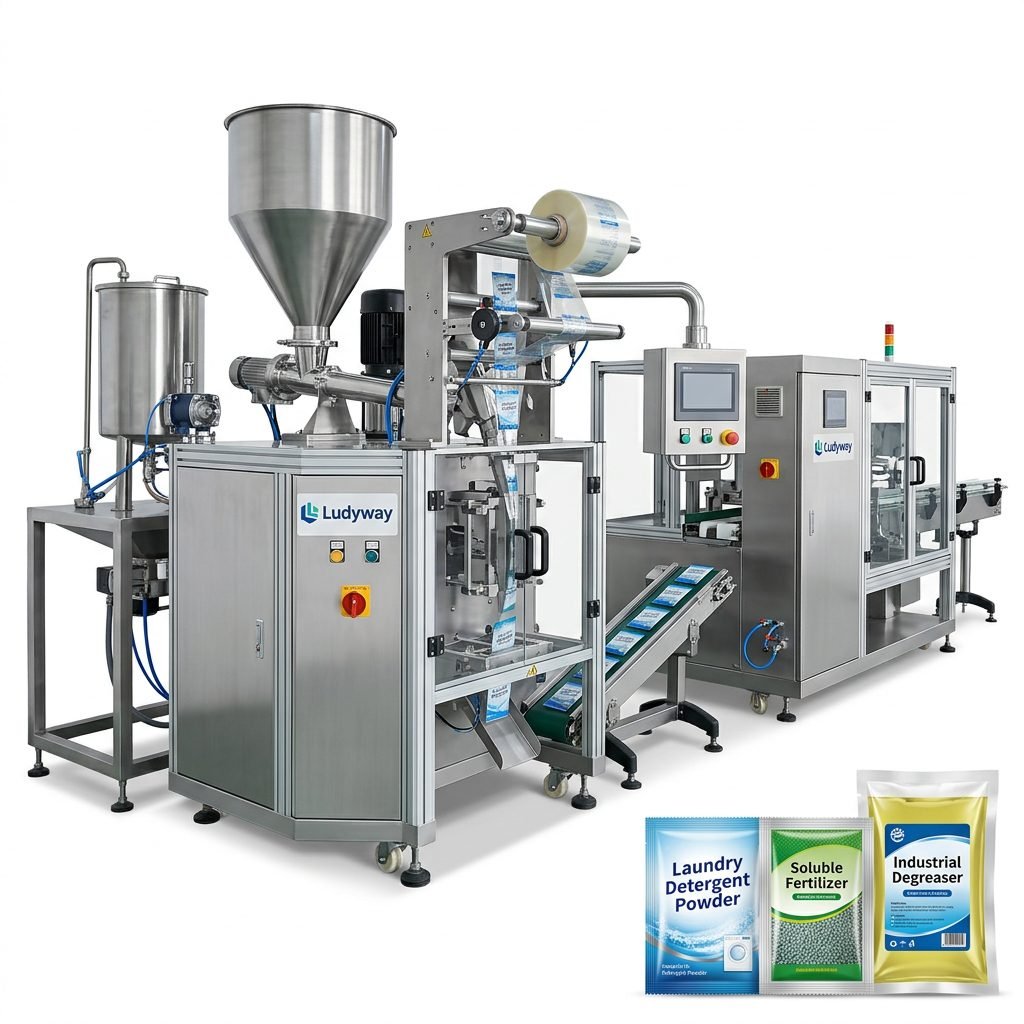
Investing in a tea chemical powder packing machine is a significant decision for manufacturers in the tea extract, dietary supplement, and chemical industries. The cost of these machines varies widely based on automation level, production capacity, and configuration. Understanding the pricing landscape helps you make an informed purchasing decision that aligns with your production goals and budget.
Key Factors That Influence Tea Chemical Powder Packing Machine Pricing
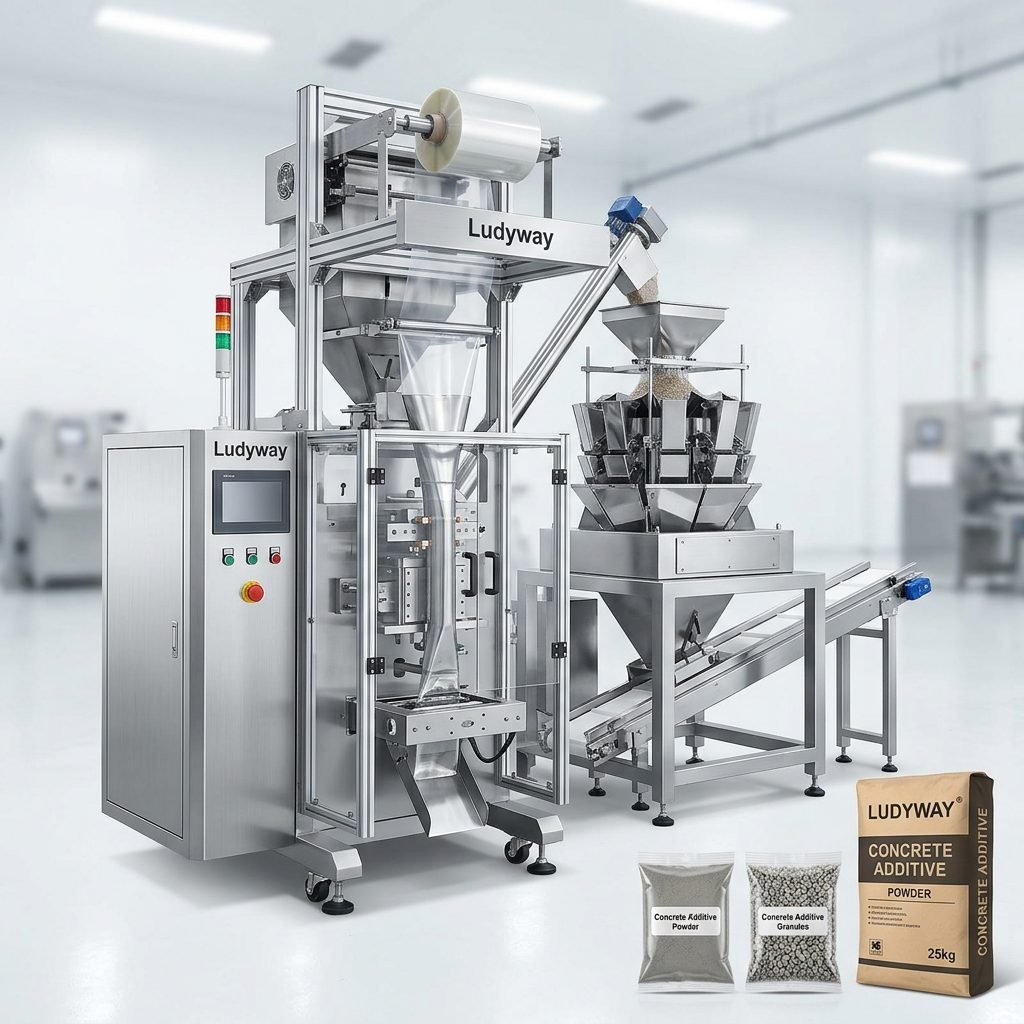
Several critical variables determine the final cost of a tea chemical powder packing machine. Understanding these factors helps procurement managers and business owners budget accurately and avoid unexpected expenses. The primary cost drivers include machine type, automation level, speed requirements, and material handling capabilities.
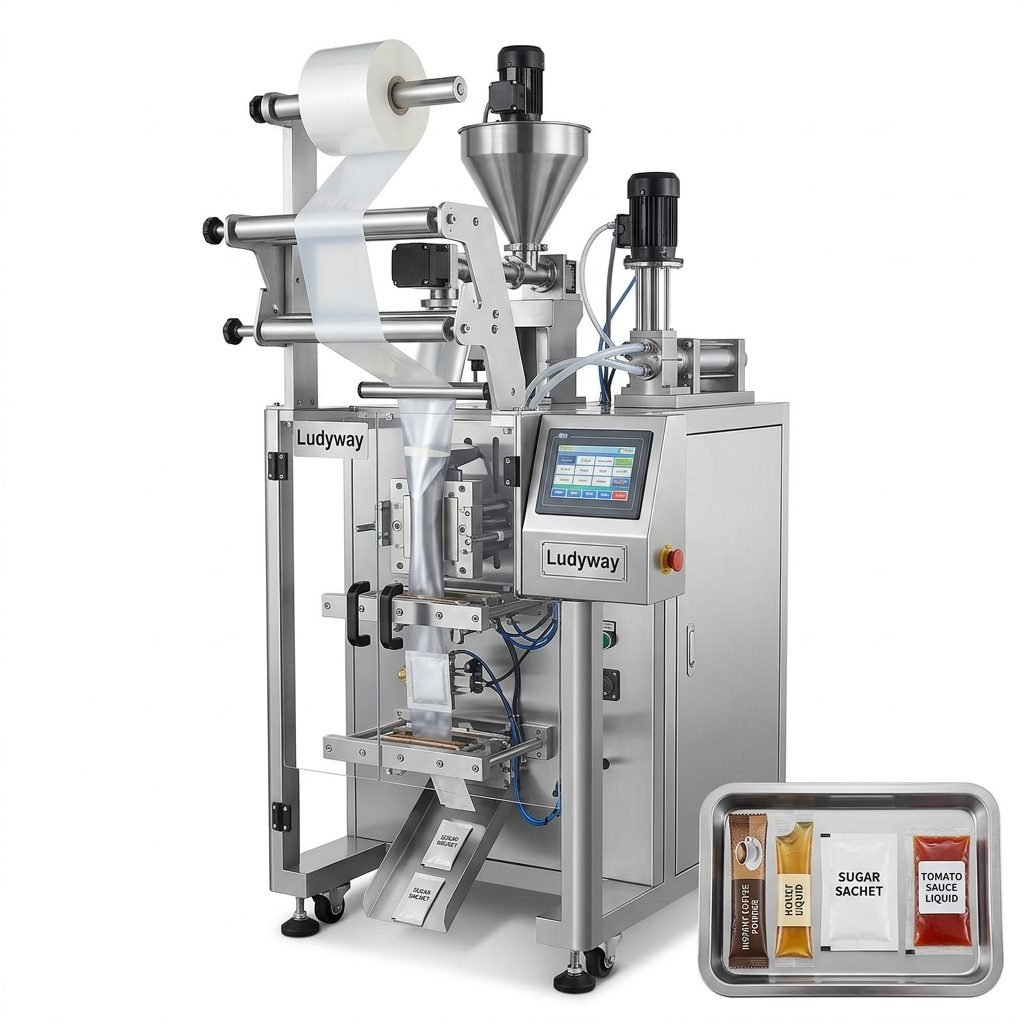
- Automation Level: Semi-automatic machines cost significantly less than fully automated packaging systems with integrated filling, sealing, and counting functions.
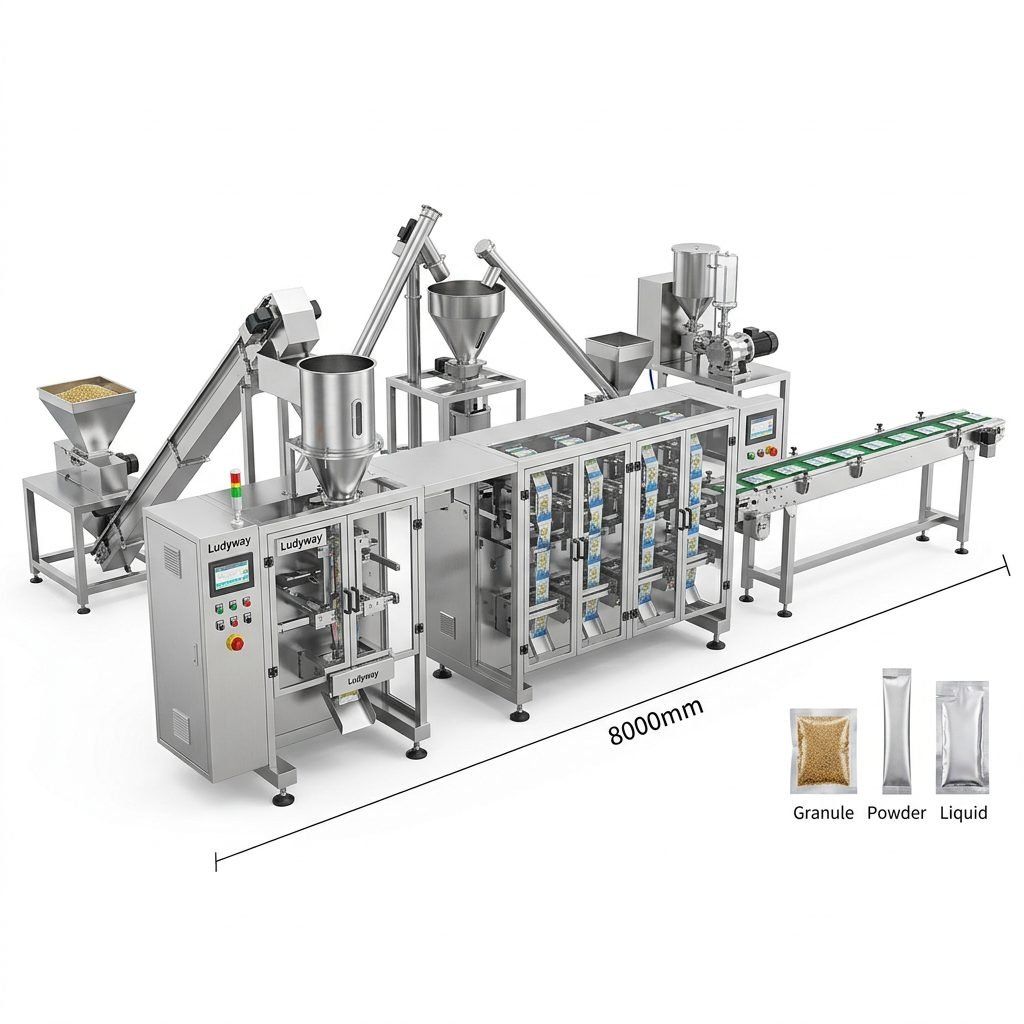
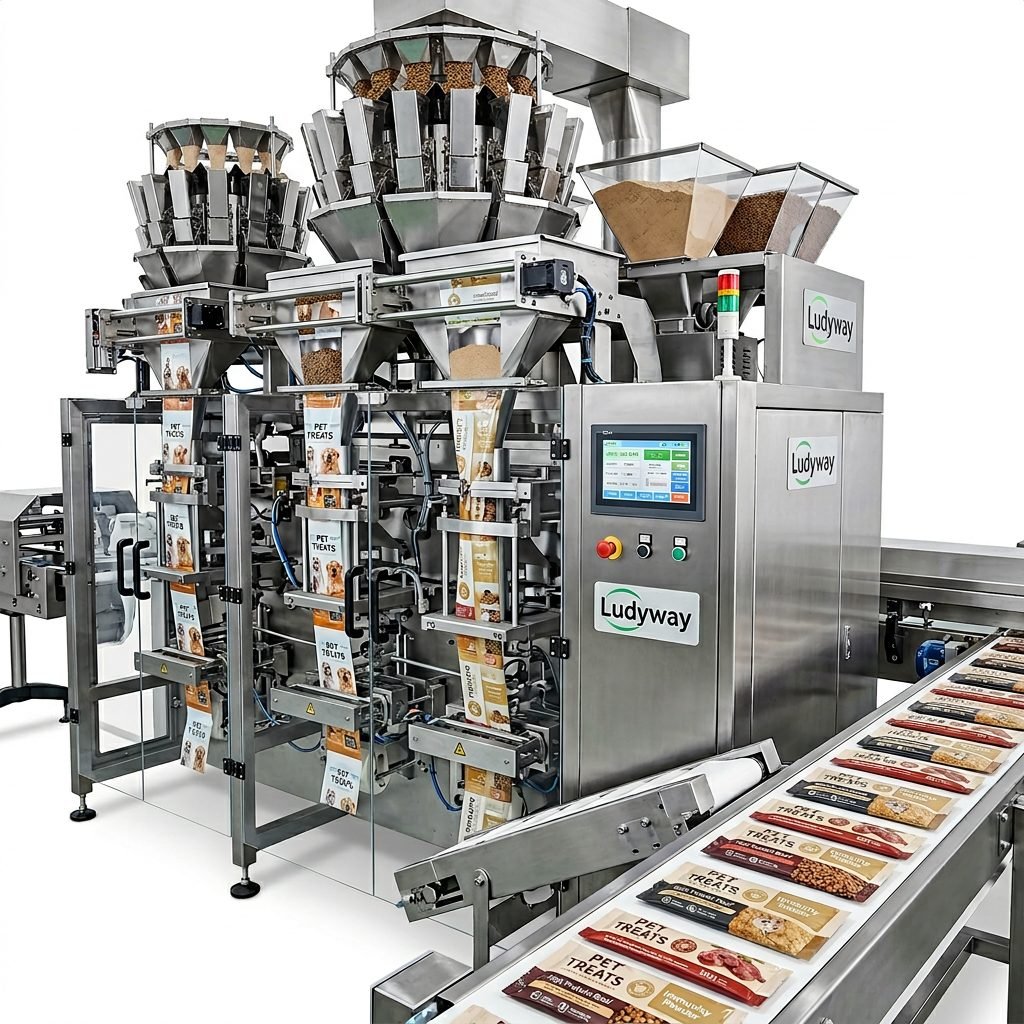
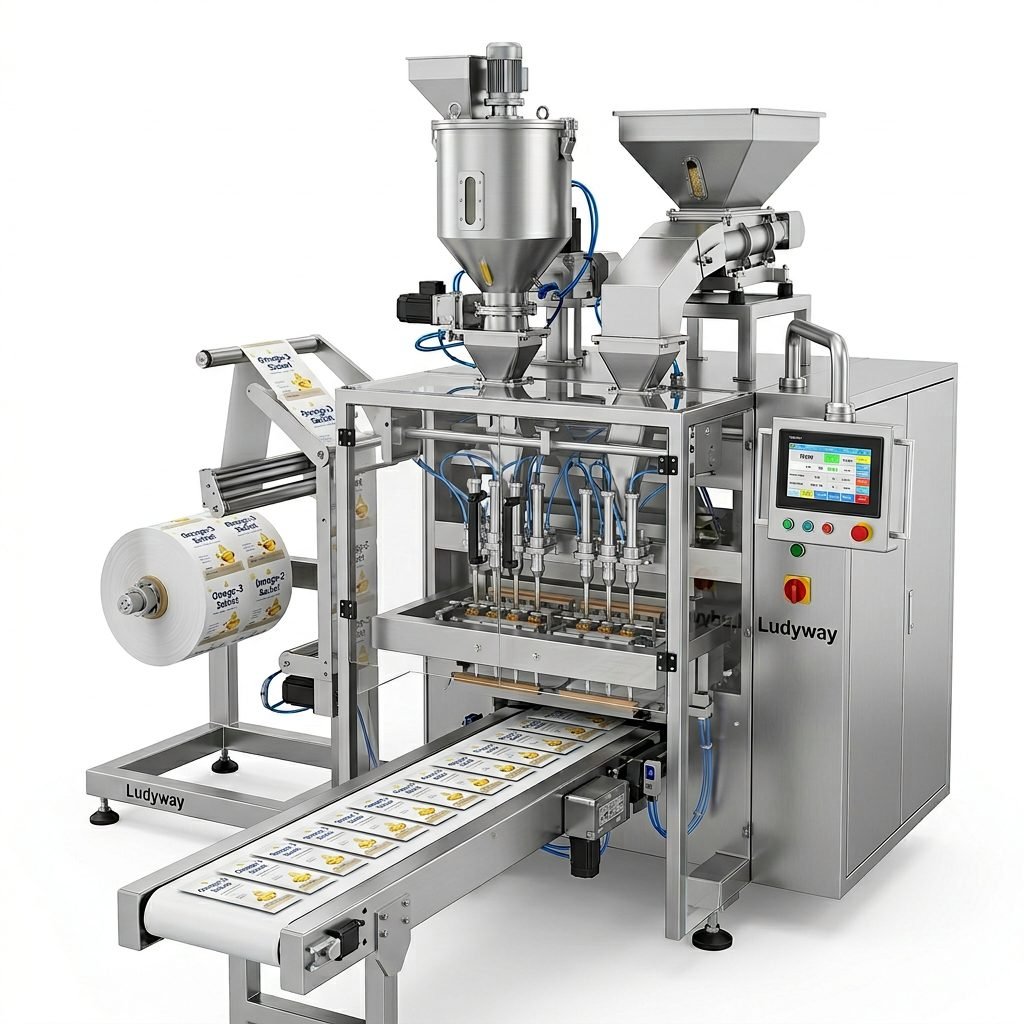
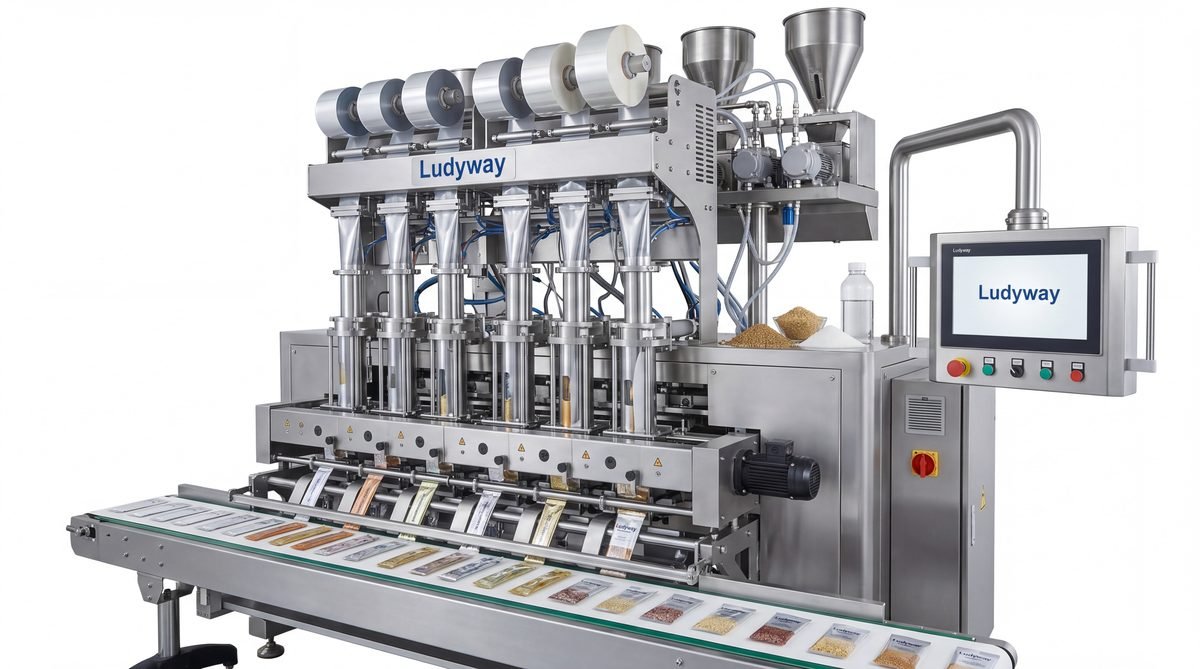
- Number of Lanes: Single-lane entry-level models are affordable, while multi-lane sachet packaging configurations with 4 to 12 lanes dramatically increase throughput and price.
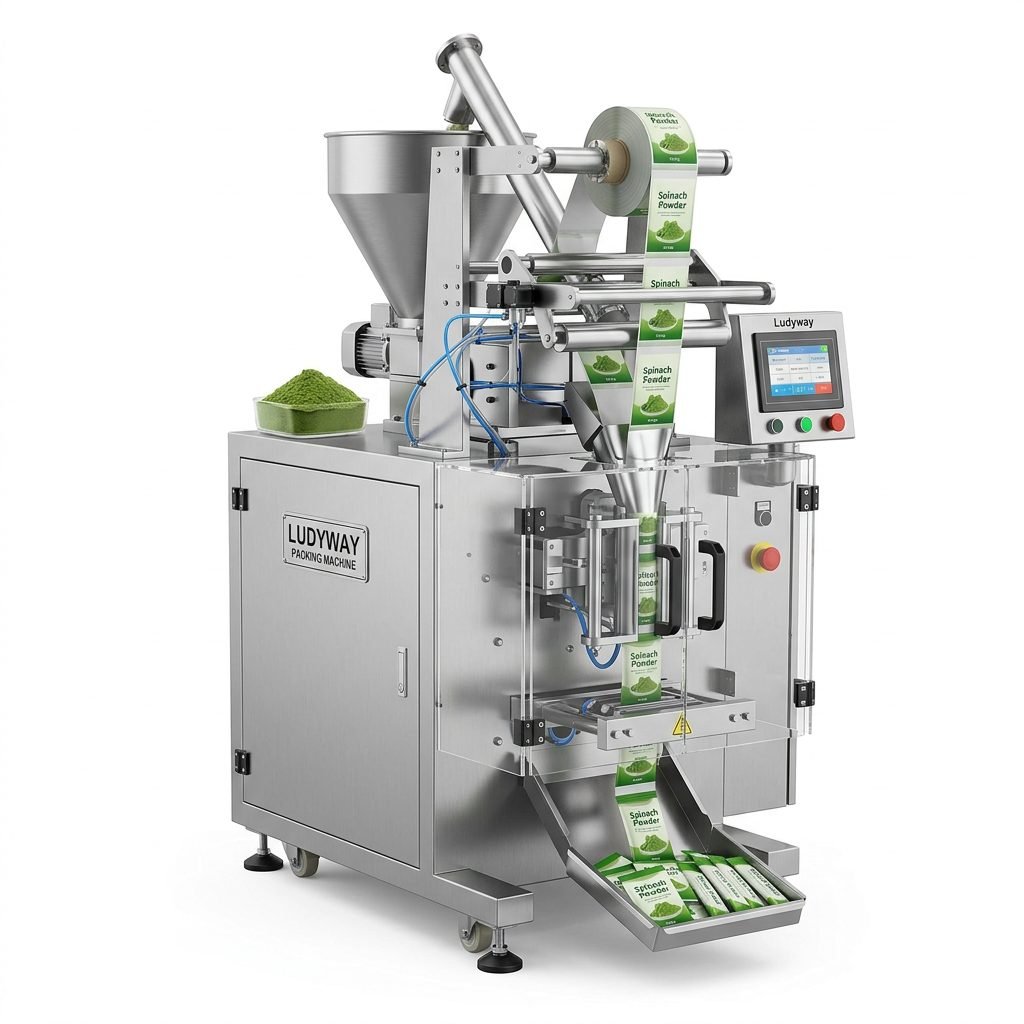
- Filling Accuracy and Speed: High-precision auger fillers and multi-head weighers add to the cost but ensure consistent dosing for tea chemical powders.
- Material Compatibility: Machines designed for fine, dusty, or hygroscopic chemical powders require specialized components such as dust extraction systems and stainless steel construction.
- Compliance Requirements: Equipment meeting ISO packaging standards or FDA packaging regulations typically costs more due to stricter manufacturing and material standards.
Price Breakdown by Machine Type and Configuration
The table below provides a comprehensive overview of current market pricing for different categories of tea chemical powder packing machines. Prices reflect typical industry ranges and may vary based on custom specifications, optional features, and regional supplier differences.
| Machine Category | Typical Configuration | Estimated Price Range (USD) | Best Suited For |
|---|---|---|---|
| Entry-Level Semi-Automatic | Single-lane, manual feeding | $5,000 – $12,000 | Small-scale producers, startups, laboratory use |
| Mid-Range Automatic | 2-4 lanes, automatic filling and sealing | $15,000 – $45,000 | Medium-sized manufacturers, growing brands |
| High-Speed Multi-Lane | 6-12 lanes, integrated weighers, dust control | $50,000 – $120,000 | Large-scale tea extract and chemical powder producers |
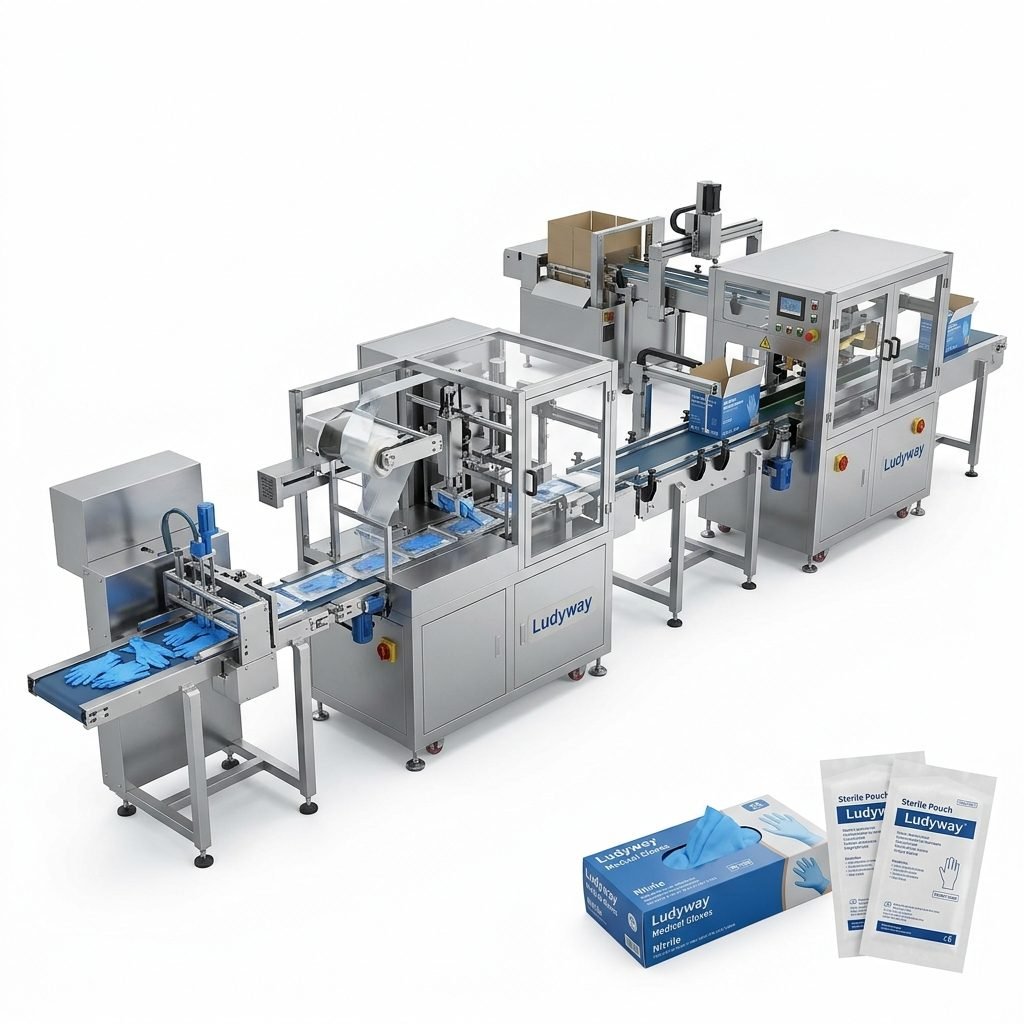
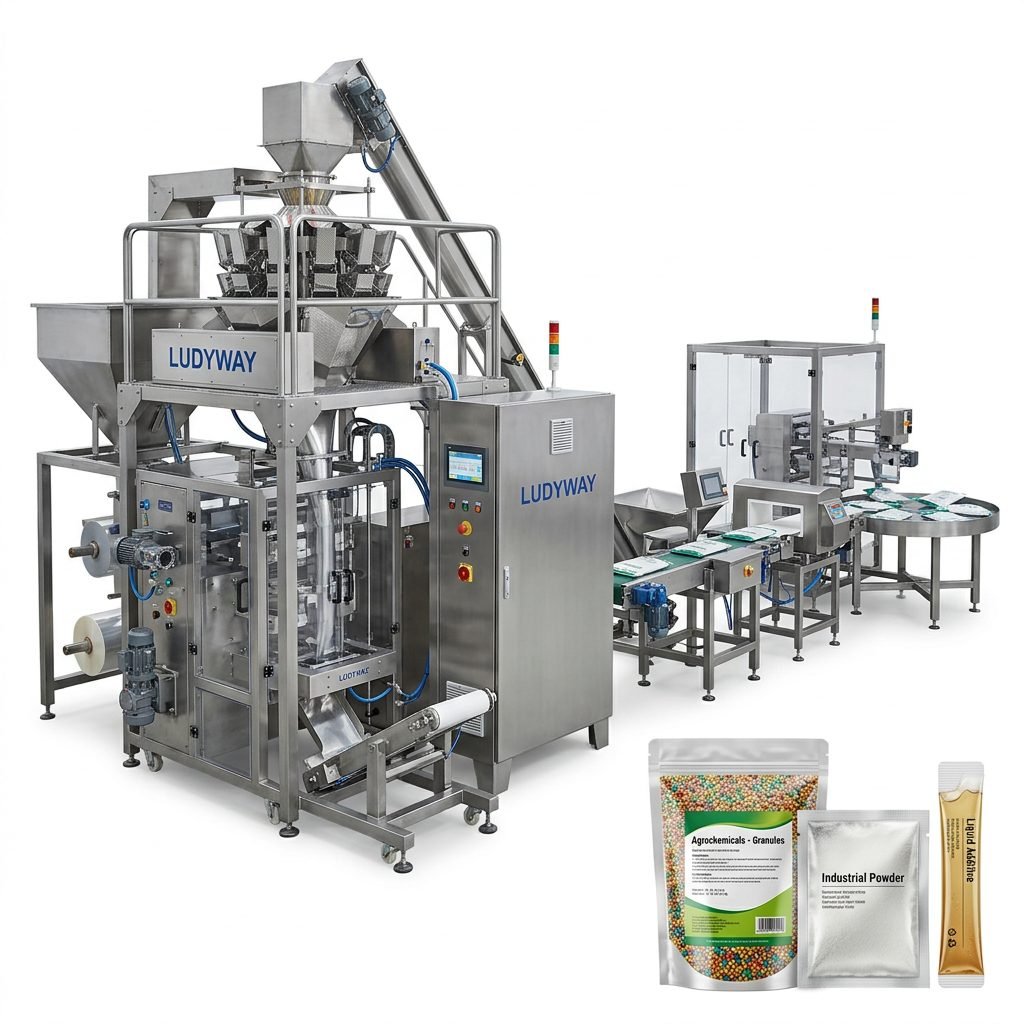
| Fully Automated Turnkey Line | Multi-lane, cartoning, palletizing, full integration | $130,000 – $250,000+ | Enterprise-level operations, export-oriented manufacturers |
Additional Cost Considerations Beyond the Base Machine Price
When budgeting for a chemical powder packaging solution, buyers must account for expenses that extend well beyond the initial equipment purchase. These ancillary costs can represent a substantial portion of the total investment over the machine’s lifecycle.
- Installation and Commissioning: Professional setup, calibration, and operator training can add $2,000 to $8,000 depending on machine complexity and geographic location.
- Spare Parts and Maintenance: Annual maintenance contracts and critical spare parts inventory typically range from 2% to 5% of the machine’s purchase price per year.
- Packaging Material Compatibility: Specialized film materials suitable for tea chemical powders may require adjustments to sealing parameters and additional testing, impacting operational costs.
- Dust Collection and Safety Systems: Fine chemical powders often necessitate dedicated dust management and ventilation systems to maintain workplace safety and product quality.
- Regulatory Compliance Upgrades: Modifications to meet evolving FDA food packaging standards may require periodic equipment updates.
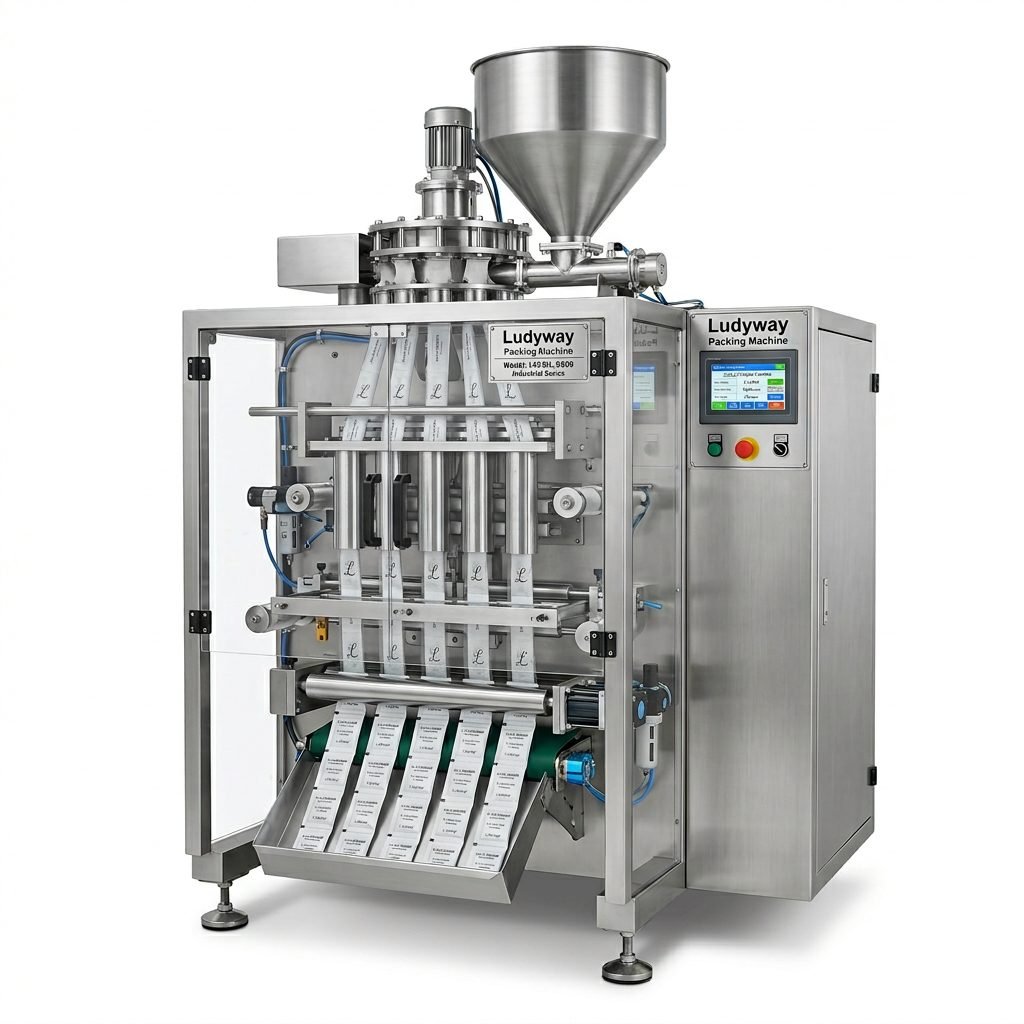
Single-Lane vs. Multi-Lane Machines: Cost and ROI Comparison
Single-lane tea powder packing machines offer an affordable entry point for businesses testing new products or serving niche markets. However, multi-lane systems deliver substantially higher throughput, often producing 200-600 sachets per minute, which translates to lower per-unit packaging costs and faster return on investment for established operations.
For manufacturers producing tea chemical powders such as tea polyphenol extracts, theanine, or instant tea formulations, the choice between single-lane and multi-lane equipment significantly impacts both upfront capital expenditure and long-term profitability. A careful cost-benefit analysis considering projected production volumes over a 3-5 year horizon is essential for making the right decision.
How to Select the Right Tea Chemical Powder Packing Machine Supplier
Choosing a reliable supplier for your chemical powder packing equipment is as important as selecting the machine itself. Key evaluation criteria include the supplier’s track record in powder packaging, after-sales support availability, spare parts accessibility, and technical expertise in handling challenging powder products. Request detailed quotations from multiple manufacturers, verify customer references, and evaluate machine demonstrations before committing to a purchase.
Industry data from the 2025 State of the Industry report indicates sustained growth in powder packaging equipment demand, driven by the expanding tea extract and functional beverage sectors. This trend underscores the importance of partnering with an experienced flexible packaging equipment manufacturer capable of supporting long-term production scaling.
About Ludyway
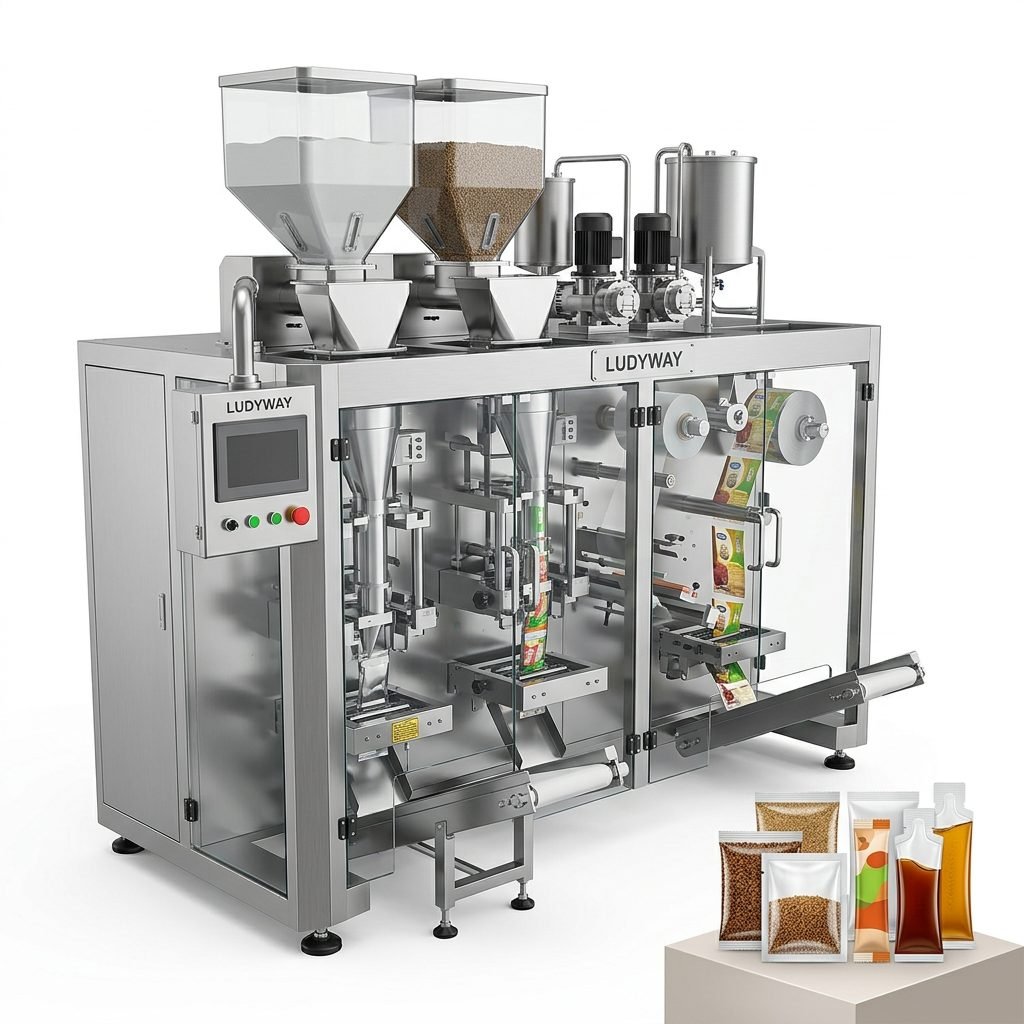
Ludyway is one of the largest packaging machine manufacturers in China, specializing in advanced packaging equipment and turnkey production solutions for the food, pharmaceutical, and health industries. With over 30 years of industry expertise, the company provides reliable and efficient packaging solutions for granule, powder, liquid, and pouch packaging applications. Their modern 20,000㎡ manufacturing facility and experienced engineering team support more than 50 intelligent packaging machine models, serving customers in over 100 countries and regions worldwide.
Frequently Asked Questions About Tea Chemical Powder Packing Machine Costs
- What is the cheapest tea chemical powder packing machine available? Entry-level semi-automatic single-lane machines start around $5,000, suitable for small-batch production and startup operations.
- How much does a fully automated multi-lane system cost? High-speed multi-lane systems with integrated weighing and dust control typically range from $50,000 to over $250,000 for complete turnkey lines.
- Are there hidden costs when purchasing a powder packing machine? Buyers should budget for installation, training, shipping, spare parts, ongoing maintenance, and potential regulatory compliance upgrades beyond the base machine price.
- What is the typical payback period for a tea chemical powder packing machine? Depending on production volume and product margins, most manufacturers achieve full ROI within 12 to 36 months.
- Can one machine handle multiple powder types? Many modern machines support quick changeover between different powder formulations, though highly specialized chemical powders may require dedicated equipment.
Final Thoughts on Tea Chemical Powder Packing Machine Investment
Purchasing a tea chemical powder packing machine requires careful evaluation of production needs, budget constraints, and long-term growth plans. While initial costs may seem substantial, the right machine delivers significant returns through increased efficiency, reduced labor costs, and consistent product quality. By understanding the factors that drive pricing and thoroughly vetting potential suppliers, businesses can make confident, informed investment decisions that support sustainable growth in the competitive tea and chemical powder markets.
For further reading on packaging industry trends and equipment standards, consult resources from the PMMI packaging industry resource library and the Flexible Packaging Association knowledge hub. Staying informed about packaging regulations and technological advancements helps manufacturers maintain competitive advantage in an evolving global marketplace.